
“It’s hell, I tell you!” My heart sank. I only regained my composure and burst into laughter when I turned to see a wry smile across Donna’s face and heard, “I only have three pairs of shoes with me.” Dusty after a full day of game drives, we were sitting on the porch of a small cottage sipping wine in the middle of Schotia, a 1600 hectare (4000 acre) private game reserve, just outside of Port Elizabeth on the Eastern Cape of South Africa, reminiscing about our first nomadic year. Darkness covered the countryside early in June, the beginning of South Africa’s winter season. Our guide had just lit the oil lamps a few minutes earlier, handed us a walkie-talkie and said, “Use this to call the owner if there’s an emergency, you’re the only folks here tonight.’’ There were no other lights around except for the moon. The bush has a life of its own and sounded totally different in the darkness. The owner lived somewhere on the other side of this vast reserve.


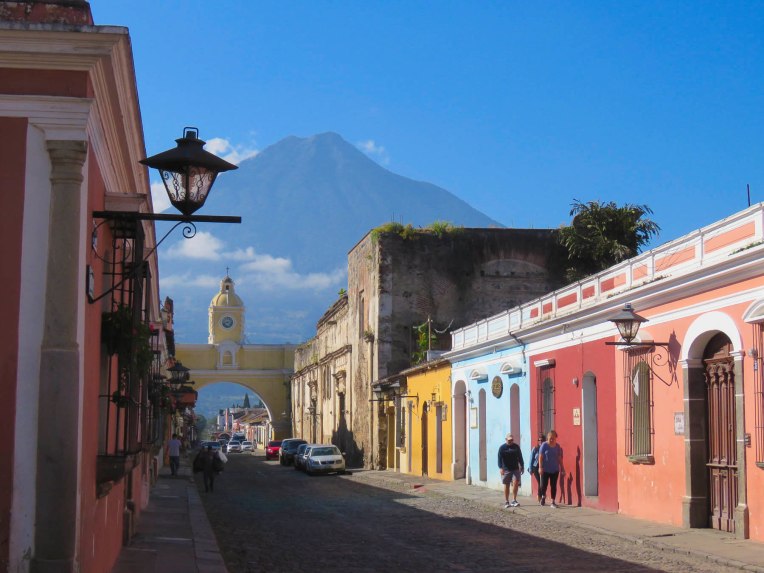
We’ve had a great year, but there have been some challenges along the way: An extremely close encounter with an aggressive bull sea lion and seas rough enough to shake a martini in the Galapagos Islands; playing chicken with chicken-buses in the Ecuadorian Andes on serpentine roads, without guard rails, more suitable for Humvees than tiny sedans. Running into the courtyard of our Airbnb in Cuenca half naked when we felt our first earthquake. Watching a major eruption of Volcan Fuego, only 9 miles away, from our rooftop in Antigua, Guatemala, and surviving the city’s pyrotechnic Christmas season, which at times can resemble a war zone. Endured an open coconut-taxi ride during a torrential rain in Cuba while searching for Cuban cigars; pickpockets in Lisbon; tourist information officials in Bulgaria who were better suited to working in a gulag – “FOLLOW THE LINE!!” – than greeting visitors to their beautiful country. Plus, a husband who snores.


And through all that my gal only wants an extra pair of shoes! I’ve married the right woman.


We didn’t plan on being the only folks at the game reserve during the middle of the week, but that’s one of the benefits of off-season travel. Following spring-like conditions around the globe, we’ve been able to avoid hot, humid weather and the crowds. Plus, the prices are lower for hotels and Airbnb’s. Our traveling budget is intact, so we haven’t had to resort to smuggling, selling blood or that extra kidney. When we retired early, a year ago, we had to choose health insurance or travel. We made the decision to go without U.S. health insurance, because it’s too damn unaffordable and wouldn’t cover us outside the U.S. anyway. We chose travel insurance instead, with medical evacuation, and we pay out of pocket for wellness care and dentistry. Our two years on the road will bridge us until age 65 when we qualify for Medicare. And it’s surprising how affordable excellent healthcare is in other countries. We’ve paid $25.00 for an emergency room visit to a private hospital and $5.00 for the prescriptions in Ecuador to treat high altitude sickness. Our travel insurance paid fully for a visit to an ENT specialist in Lisbon to treat a persistent sinus infection. I’ve visited dentists in Cuenca, Ecuador for a tooth extraction and bridge; Sofia, Bulgaria for a broken filling; and Cape Town, South Africa for a root canal. The care has been excellent and extremely inexpensive compared to pricing in the United States. Though when we are in the United States travel insurance only covers us if we are one hundred miles away from our previous home in Pennsylvania.
 We plan on purchasing a home when we return to the United States. Right now, though, our budget is plus/minus $1000.00 per month for an apartment. One thousand per month for housing goes much further overseas than in the states and allows us to live in unique and interesting locales.


The regional cuisine everywhere has been wonderful. Food is a large part of any travel budget and to keep our expenses down we cook in quite a bit. We enjoy the experience of shopping like a local and buying different fruits, vegetables and “oh, the breads.” We’ve purchased meat and chicken from street vendors and learned to arrive early in the morning while the day is still cool to avoid the flies. Our dieting regime of walk a little then café, walk a little more then café, seems to be working. We monitor our physical activity with our phone’s health app. Though after a day bouncing through the bush in a Land Rover it credited us with climbing 170 flights of stairs. No fools we – we ordered two desserts that night. Restaurants have been refreshingly inexpensive with most meals costing half or less for what you would pay in the states for something similar. In 99% of the places we’ve dined we haven’t experienced tourist pricing and it’s wonderful. We did get extremely gouged at a historic café in Porto, Portugal, which wouldn’t have been so bad, but the coffees and pastries were tasteless. Lamb, fish, oysters and ostrich, pricey things at home, are now on our shopping list. The wines in Portugal and South Africa are very good.
 We’ve rented cars in Ecuador, Guatemala, Portugal, Bulgaria and South Africa. Near the Schist villages in the mountains of central Portugal we gave a lift to two hikers, who were exhausted from a long trek without water. We ended up having a delightful afternoon and lunch with them. Aside from the deeply rutted dirt roads of the Andes Mountain range in Ecuador, South Africa with its driving on the left has proven to be the most difficult. We find that a pilot plus navigator system works well, with the latter reminding the pilot to stay left and make very wide right-hand turns. Interesting traffic signs dot the roads here: Caution Tortoise and Baboons Share this Road Too, Watch for Stray Cattle. I chuckled to myself when I passed a sign that I thought said Zebras Humping, only to realize a moment later it was a speed bump when I hit it at a pretty good clip. Caution High Winds – Parents Hold Your Children Firmly by the Hand as there is Mortal Danger of Them Blowing Off, greeted us in the parking lot of a scenic and windy overlook. South Africa has a well deployed and concealed electronic camera system and we’ve received our first notice of a traffic violation from the rental car company.


Originally, we were going to spent April and May pet sitting in England, then June, July and August doing two different Workaway assignments, in exchange for free housing in France, in order to budget some extra funds for our push into Africa. On short notice our first pet sit in England fell through. Next, Donna was sick for several weeks and I fell three times on the same arm, severely bruising it. With deep introspection we realized we’re not as young as we wish anymore and cancelled our working assignments. Gardning at a 14th century chateau sounded wonderful, but not in the record 114F heat that France recently experienced.So, we quickly reworked our plans and ended up in of all places Bulgaria, (more on that in future blogs,) for a month, before flying down to Cape Town. At the end of August, we head to Victoria Falls, bordering Zimbabwe and Botswana, for a few days before flying to Ethiopia to visit the indigenous tribes of the Southern Omo Valley, and the Rock Churches of Lalibela. Montenegro and Italy will host us until Christmas when we’ll return to the states to celebrate it with our family. Our route for 2020 hasn’t been determined yet.


When shopping for souvenirs we try to buy directly from local craftspeople and have learned that if an item is very inexpensive it was probably made in China. Cheap Chinese imports are undercutting the livelihoods of many local craftspeople around the world. I don’t want my tourist dollars inadvertently supporting rich Chinese businessmen who purchase poached rhino horn for use in folk remedies. China’s traditional medicine practitioners are the only market for poached rhino horn. Three rhinos are killed every day to support this illicit trade and China needs to stop turning a blind eye to it. In Cuba we witnessed widespread poverty, the effects of a failed communist state. Tourists dollars greatly help aspiring entrepreneurs and local economies grow. Why the U.S. is restricting travel again to Cuba is beyond me. We conduct business with China, forgetting its reprehensible human rights record, but not Cuba only ninety miles from Miami. Go figure.


Many of our most memorable moments have been conversations around communal dining tables sharing stories, adventures and tips with inn keepers, guides and fellow travelers. In many of the places we’ve been “we don’t get many Americans here” is a common refrain. Travel – it’s good for the soul and opens a window of empathy that you can’t find sitting in an armchair watching the nightly news.
Till next time,
Craig – Suitcase #2
Now for a different perspective on our nomadic year check out Suitcase #1, Donna’s blog at: https://bornwithgypsyshoes.com/2019/07/02/a-look-back-one-year-of-being-homeless-jobless-and-uninsured/
P.S. The 2suitcasesfor2years blogs run about 8 weeks behind our actual travel dates. You can also follow 2suitcasesfor2years on Instagram for more great photography.


 Monsanto


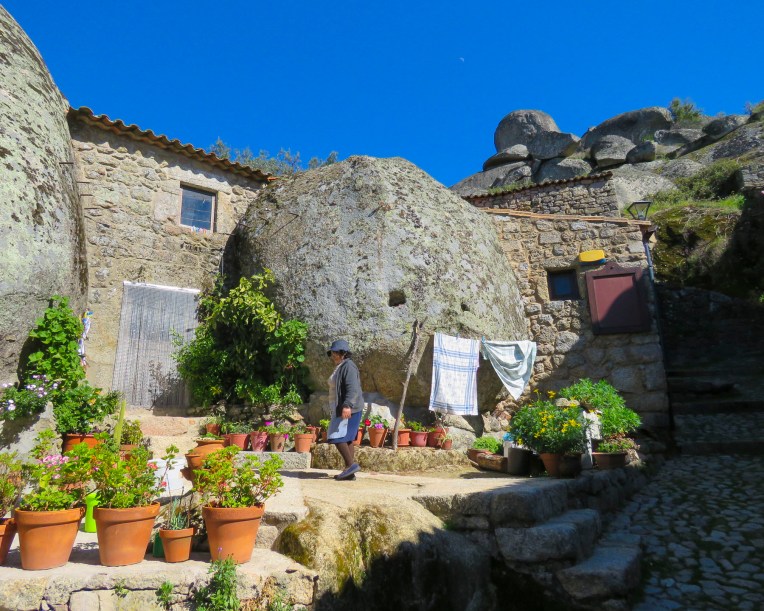 Monsanto


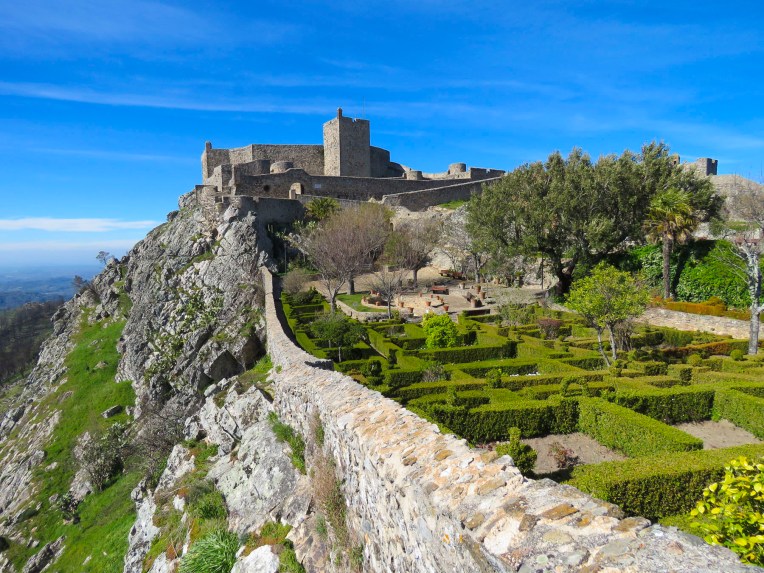


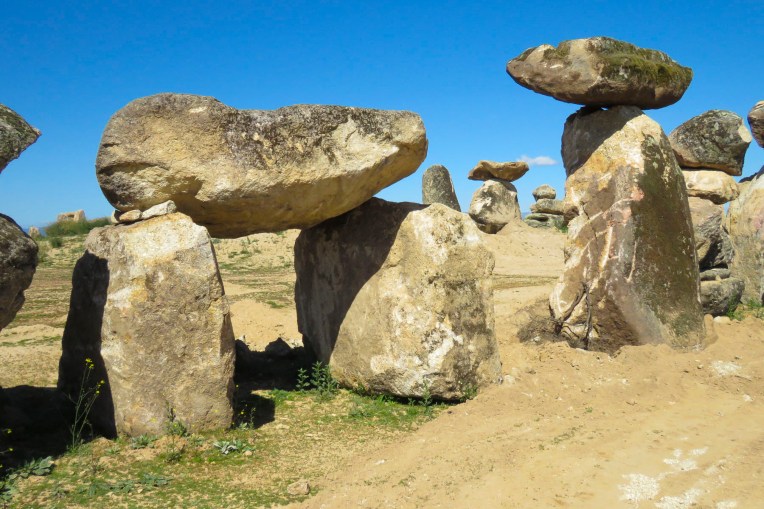
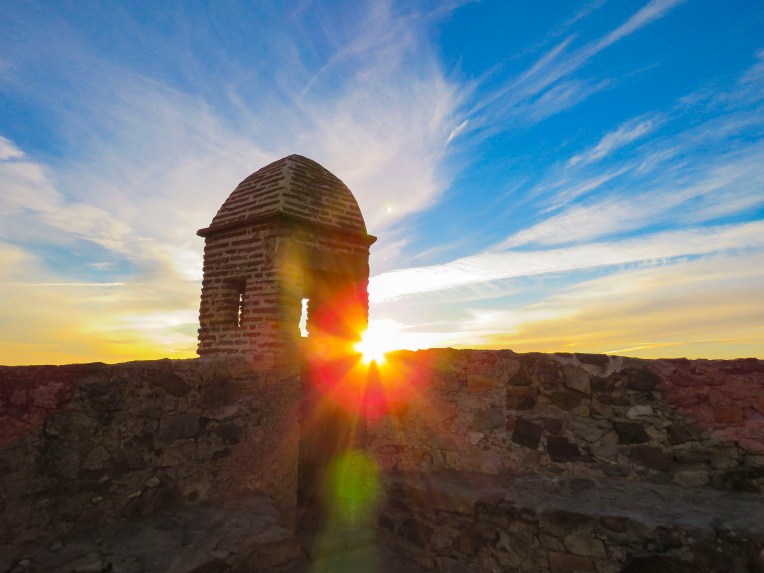 The cold wind chilled us to our bones, but we found warmth by the fireplace in the tavern across from our inn. After dinner, as we stood on the ramparts behind our hotel, the darkness offered us a view of the stunning star-filled sky above and the twinkle of village lights far below. With a stiff breeze in our faces, we felt like we were flying. The glorious sunrise the next morning cast a beautiful light on the panoramic view of the flat plains that run all the way into Spain, while the rugged mountains and valleys to the west stayed covered in an early morning mist.


 Walking along the river towards Cais do Sodré by the Ministério da Defesa Nacional – Marinha building you can see remnants of a stone wharf in the reflecting pool; landlocked now, it’s all that remains of an extensive old navy quay. There are many places to dine in this area, but we preferred to continue onto Av. 24 de Julho to check out the street art in the area and then stop at The Time Out Market.


 One of the nicest Sundays we enjoyed was spent at the


 As if guarding the plaza,


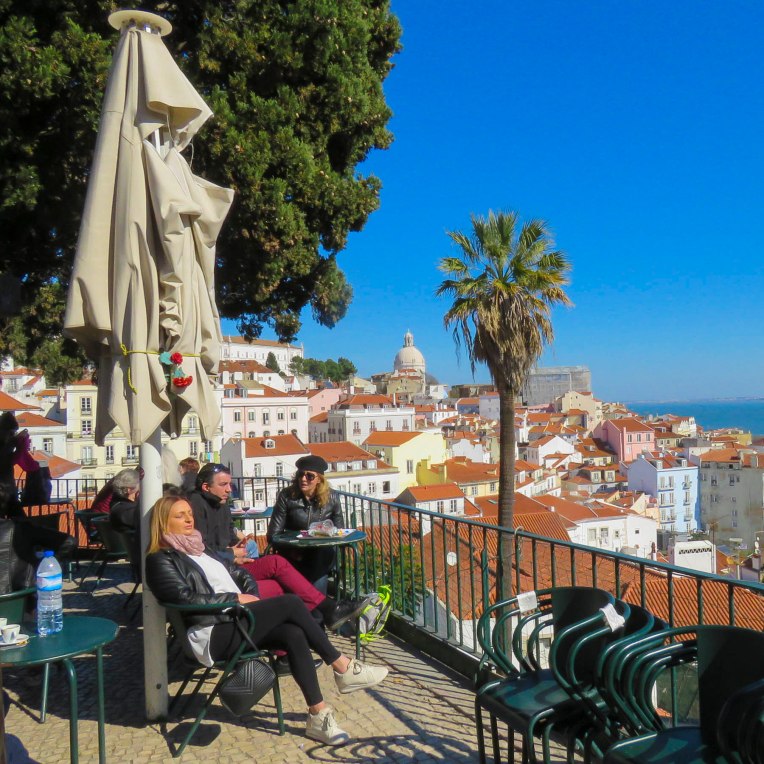
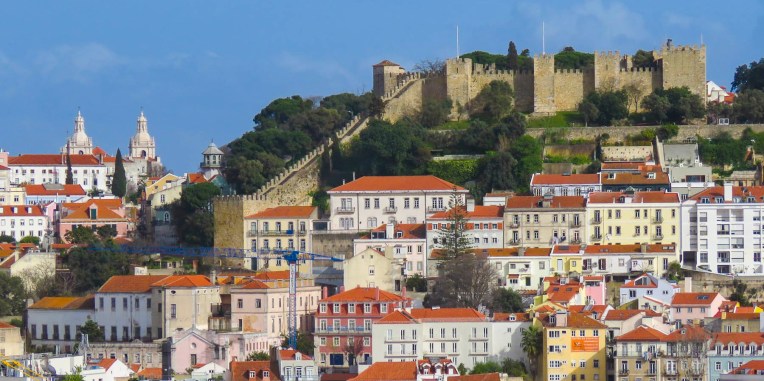 Shady Miradouro de São Pedro de Alcântara overlooks this colorful chaos and has splendid views of Lisbon below. From the miradouro it’s a gentle uphill walk into Bairro Alto. Fortunately, there’s no lack of places to rejuvenate yourself along the way. For lunch we found


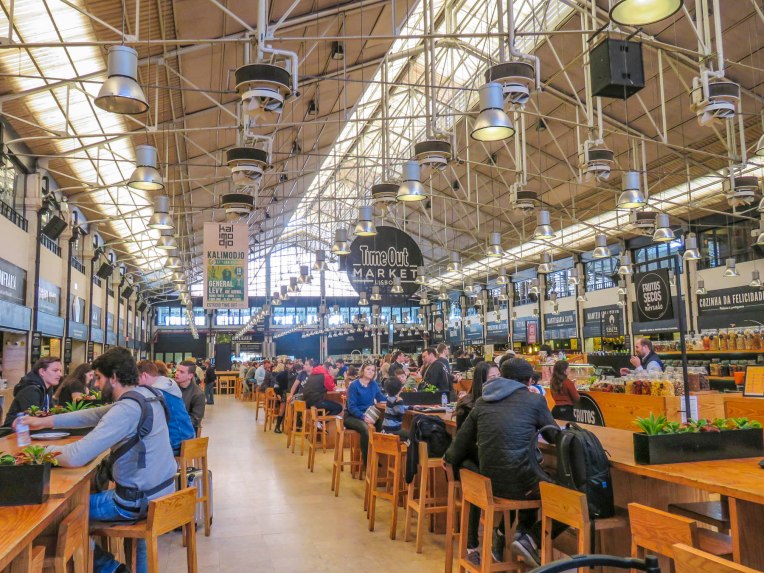 Set in a historic 1890s building in Cais do Sodré, this is a huge, lively food court with numerous restaurant choices that is very popular with Lisboans. Whatever you are craving at the time, you’ll find something satisfying here. Next door, during the week, Mercado da Ribeira operates a central market with fish, meat and produce vendors offering Portugal’s finest products. Brightly painted Pink Street, popular for its club scene, is nearby.


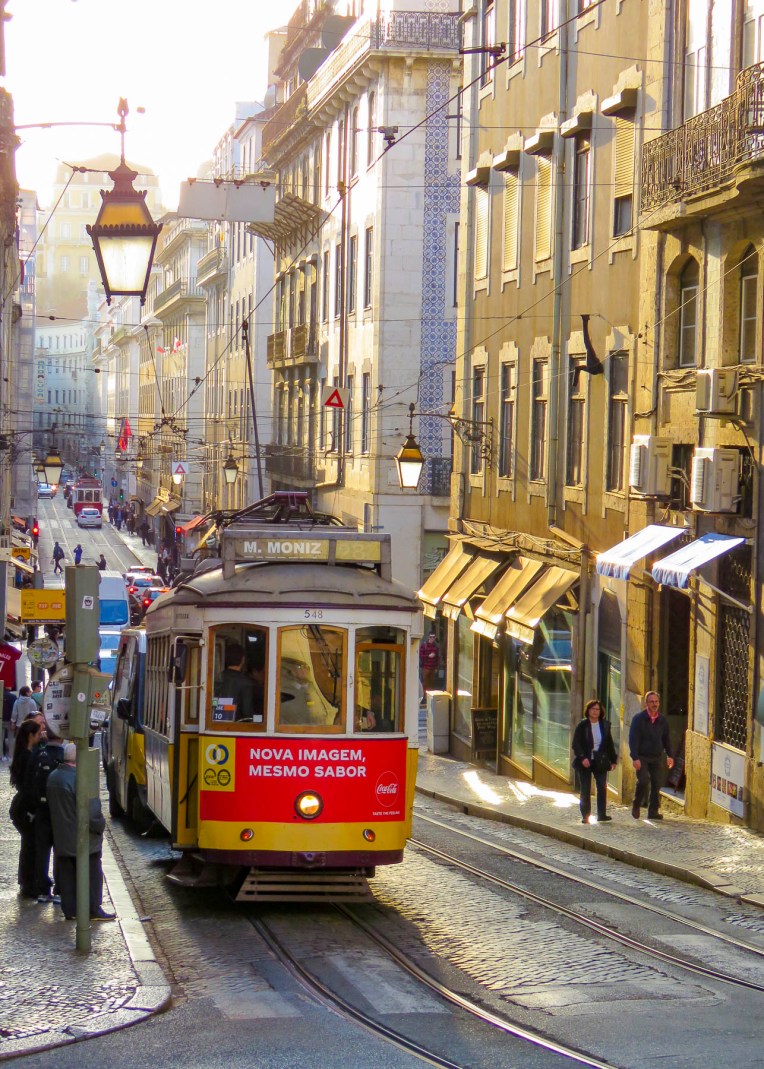
 Heading west, tram 28 weaves through a very narrow section similar to parts of its route in Alfama, before reaching the open area around Assembleia da República. The parliament of Portugal is headquartered in a neoclassical building that was first used as a convent in the sixteenth century. Formal gardens behind the parliament building, hidden by an imposing wall, can be seen from tram 28 or if you stand on your tip-toes and peer over. Never immune from criticism, the politicians must endure a large satirical wall mural, painted on a nearby building, as they head to work each day.


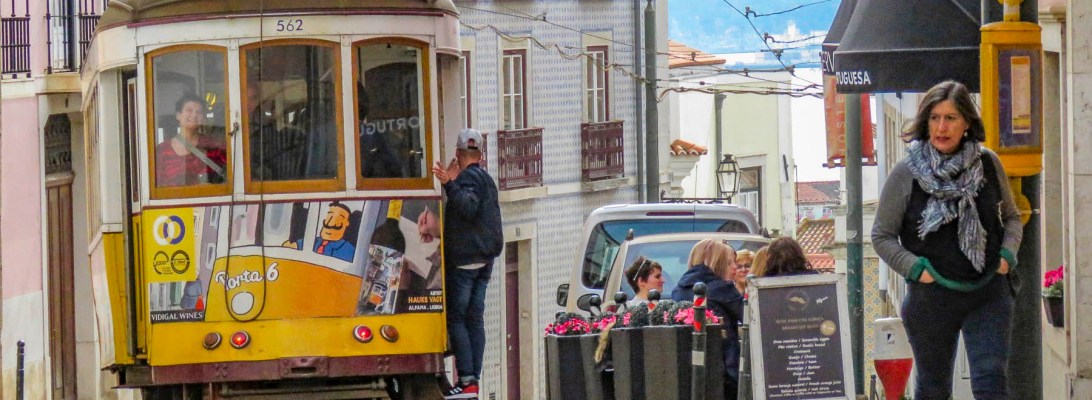


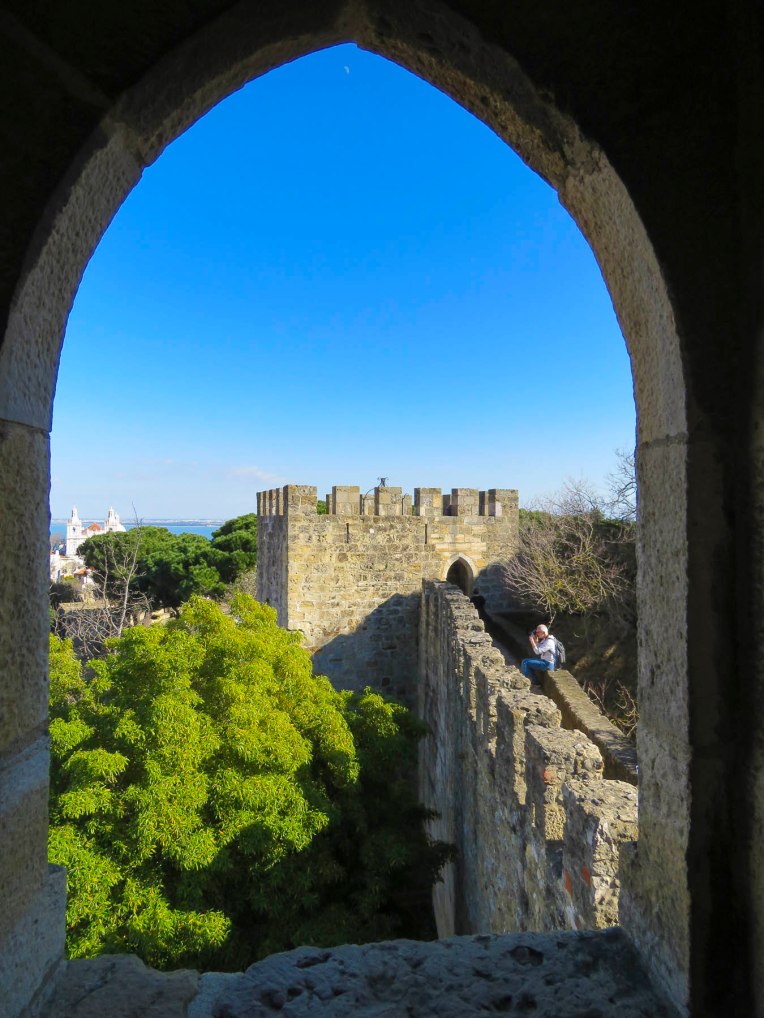 Archeological excavations next to the Castelo de Sao Jorge have revealed evidence of a Phoenician settlement that dated to 1200 BC, a Roman amphitheater, and walls built by the Visigoths before the Moors arrived. Today the rumbling sound of wheeled suitcases on the cobble stone alleys echoes, almost continuously, off these walls weathered by time. Tourists make their way to newly renovated Airbnb’s, as we did, much to the concern of older residents of Alfama who worry about being gentrified out of their homes.


 Like our neighbors, we hung our laundry from our windows to dry. Most evenings the melancholic melodies of traditional Fado music drifted softly down Alfama’s alleys from several restaurants nearby.



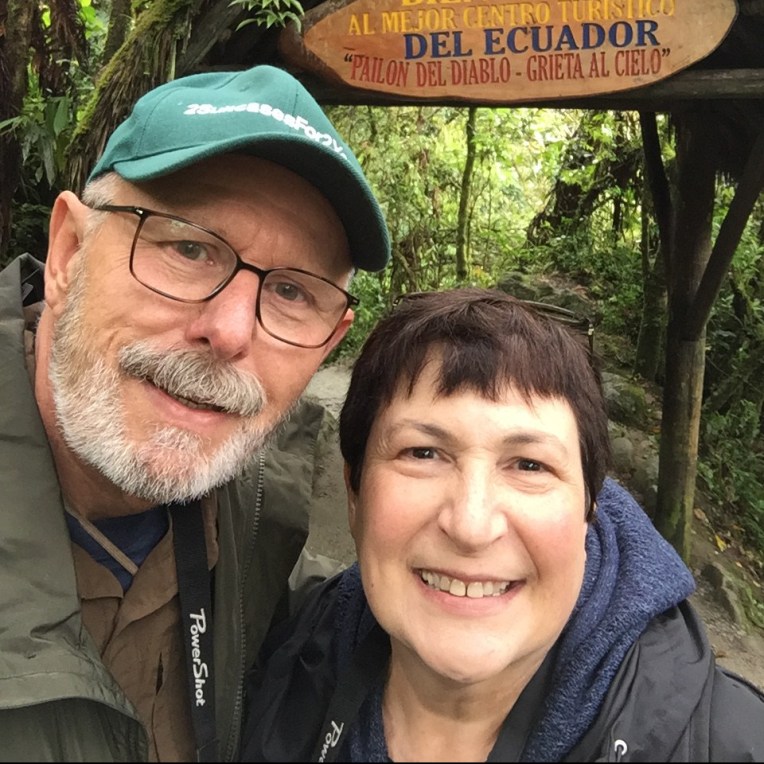 The good news is we haven’t killed each other, though there have been times that I’ve dreamt a pillow was hovering over my head. Just kidding. We have gone from the two of us working six days a week while living in an eight-room house, to being together 24/7 with only a suitcase each. Boy did we downsize! It was challenging: what not to bring, considering all the seasonal changes we have encountered. Don’t laugh, but I have thermals, wool hats and gloves packed, just on the off chance we get snowed in on a mountain pass in the French Alps, this July. Yes, there’s also a flask of medicinal whisky packed in the bags for emergencies. And to my wife’s amusement, a cheap plastic fly swatter. Tragically the backup swatter was left behind in Antigua. In Lisbon I finally caved in and bought a pair of slippers because the floors of the stone buildings just don’t retain any heat in the winter. The comfort of a pair of slippers in the evening, after a long day of walking, can’t be underestimated.
 It’s been a huge but surprisingly easy transition for us. 253 days ago (I thought I was writing this at around day 200, it’s easy to lose track of time on the road) we slammed the door shut on our storage pod, locked it, and popped open a bottle of champagne to celebrate our impending journey. We haven’t looked back. Ecuador, Guatemala, Cuba and now Portugal; I can’t imagine undertaking this adventure with anyone else.


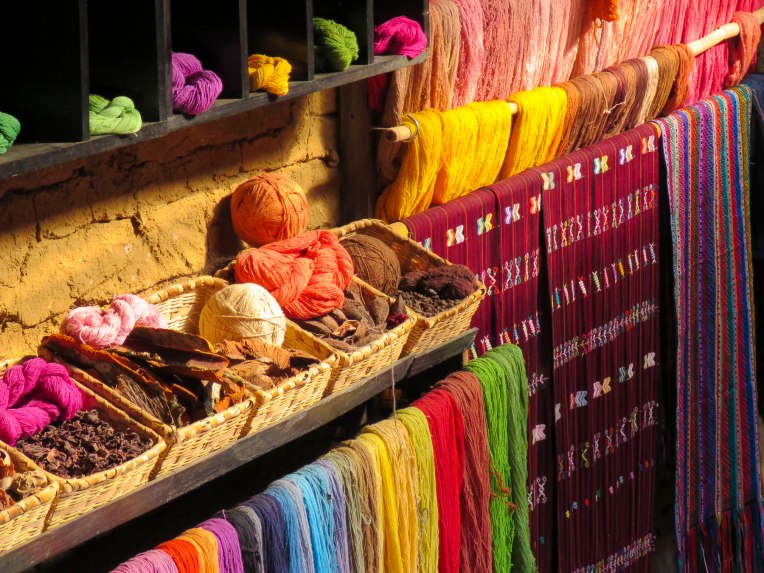 This visit also gave us an opportunity to jettison the wonderful textiles and ceramics we had purchased along the way for a home we don’t have yet. Imagine this scene from our last stop in San Pedro – the backseat of a tuk-tuk overflowing with Donna and all our suitcases, while I’m sharing the driver’s seat with the driver, one cheek on, one cheek off and a foot dangling outside the cab as we speedily snaked through the steep narrow alleys of the village.


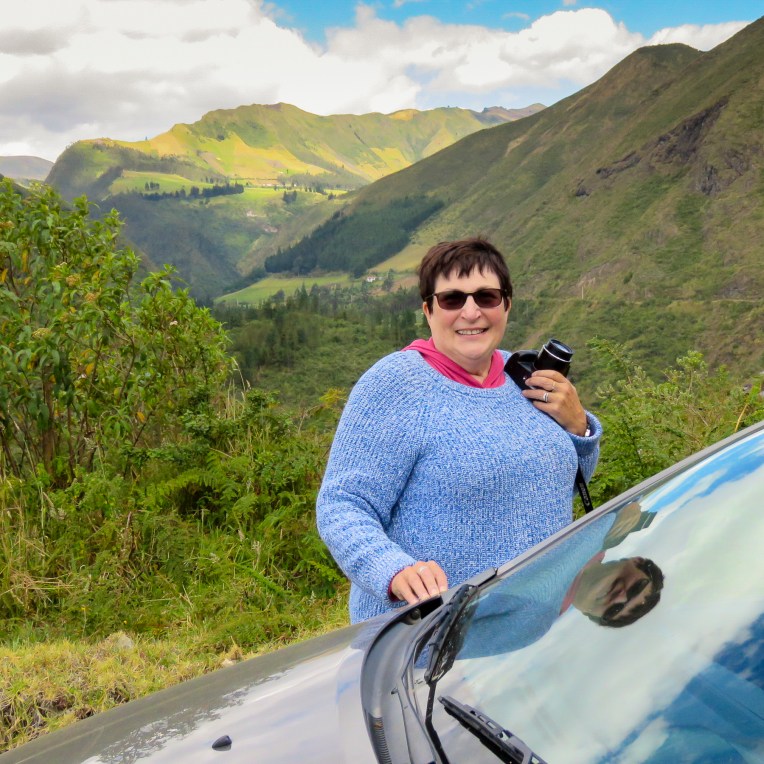

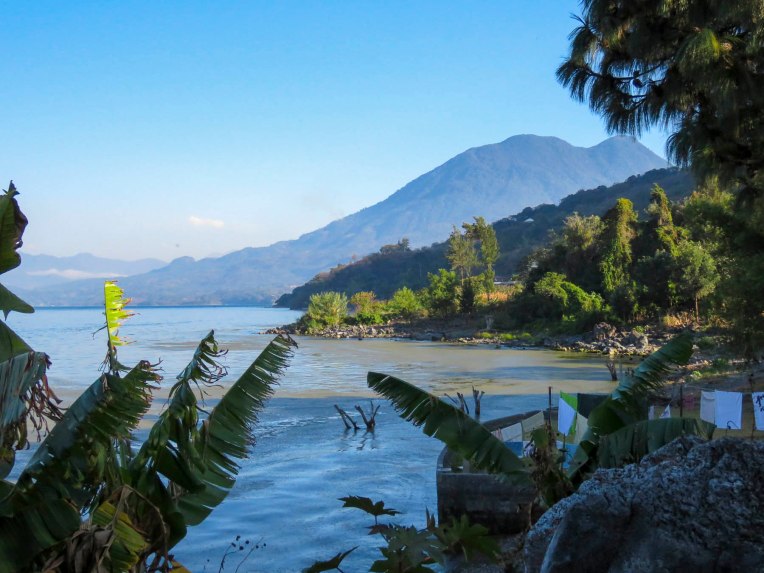


 The scenery along the drive to Lake Atitlan, along roads that continued to climb higher, was spectacular with verdant greenery and distant volcanos appearing then disappearing again with each twist of the serpentine route.
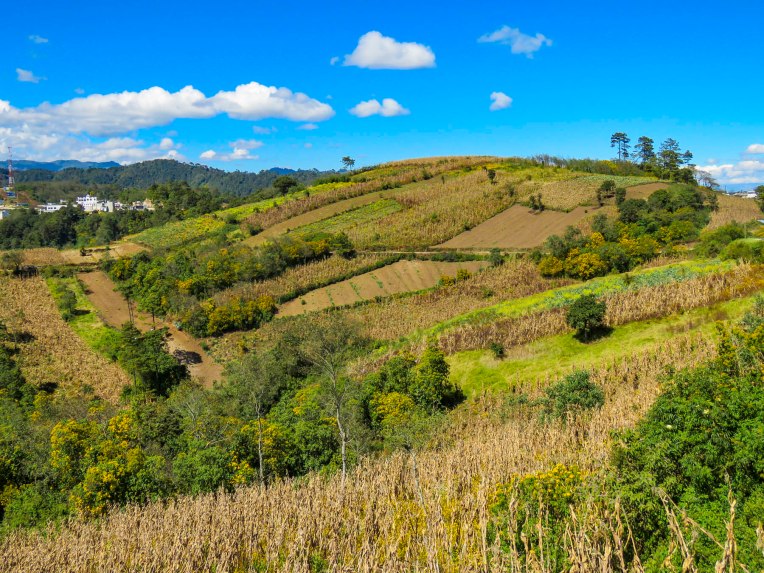 Arriving in San Pedro we thought we were on a movie set for a sequel to Mad Max or Water World. Down by the Panajachel dock dreadlocked travelers, wearing eccentric attire, filled the streets along the lakeshore. Feeling as if we had time traveled, we were relieved to find our Airbnb far out of town on a dead-end road that ran along the lake. According to Google maps the road was unnamed. Our host said “tell the tuktuk drivers you are staying on Calle Finca,” which referred to a distant and abandoned coffee farm, about an hour’s walk from the trail head at the end of the road.
 Our new home for our last week in Guatemala had a wonderful porch with great view of Lake Atitlan and tranquility. A relaxing change of pace was called for after the Christmas and New Year’s Day celebrations in Antigua. Bird calls or the soft Mayan chatter of coffee pickers, harvesting ripe beans right outside our door, were the only sounds that filled the air. Fortunately, we were much closer to town than the abandoned coffee finca and were able to walk to the daily outdoor market, along streets where we could see women washing clothing in the distant lake, and make-shift scales were set up to buy coffee beans hauled down from the slopes of Volcan San Pedro.


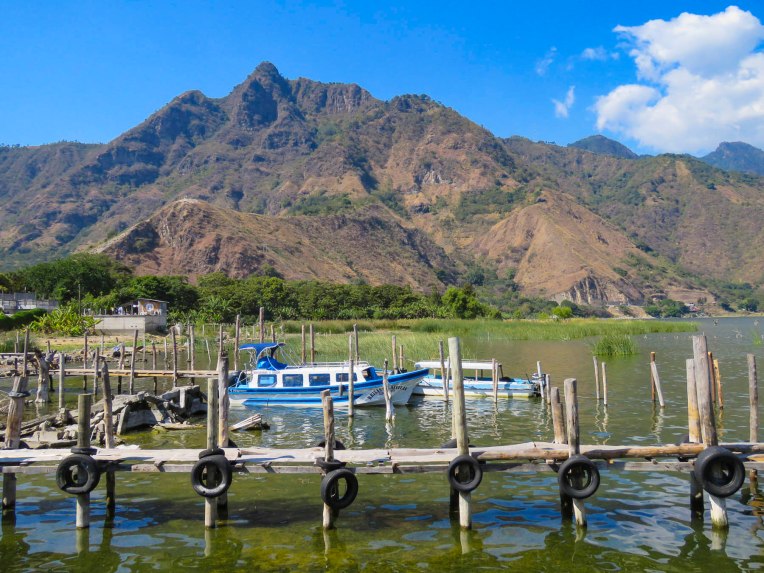 A short ferry ride took us to San Juan La Laguna, a weavers and artists village that visually celebrates its Mayan heritage with colorful street murals. The steep walk uphill from the boat dock to the center of town was lined with art galleries.


 It’s a long ferry ride to Santiago de Atitlan and even longer when the wind churns up whitecaps on the water, and the small boat we were in rocked side-to-side for the duration of the crossing. We silently said our prayers when the local folks stated to reach for the life preservers. Fortunately, we were never too far from shore and know how to swim. It is a breathtaking view coming into the boat dock at Santiago with its namesake volcano towering over the town and Volcan San Pedro just an avocado toss away, across the water.


 Enjoying the stars from our porch we were surprised when fireworks celebrating Epiphany lit up the night sky above villages across the lake, their colorful bursts reflected brilliantly on the water. With magical moments like this, still fresh in our memories, Guatemala tugged at our hearts as we packed for our next adventure.


