
The car rental agent across from the Naples train station enthusiastically informed us that we were the first drivers of a brand-new Peugeot. Leading us to a shiny set of wheels, parked on busy street in front of the office, he offered a rudimentary description of the car’s technological features, a collision avoidance system and satellite navigation that would show every radar speed camera on the Italian highways.
With our luggage in the trunk and a friendly wave we were off, or so we thought. Just barely moving forward, the collision avoidance system screeched alive with alarms and red blinking threats on the dashboard display. It happened frequently as we worked our way through heavy Neapolitan traffic. Scooters, cars, trucks and pedestrians getting close to our bumpers set the system into a frenzy of piercing alarms and flashing lights. Nerve wracking – it felt like I was Luke Skywalker thundering along in an X-wing fighter while R2D2 whizzed with anxiety, as we tried to evade the Empire’s eradication. In reality we were in bumper-to-bumper traffic. Fortunately, the congestion eased, and Herculaneum was only a twenty-minute drive from Naples.
We had visited Pompei years earlier, one June when Italy was having an early heat wave and the temperature was over 100F. As interesting as Pompei was, the size of the site and the heat dampened our enthusiasm for it. This day was quite a different experience, as the weather in November was very agreeable for visiting Herculaneum.


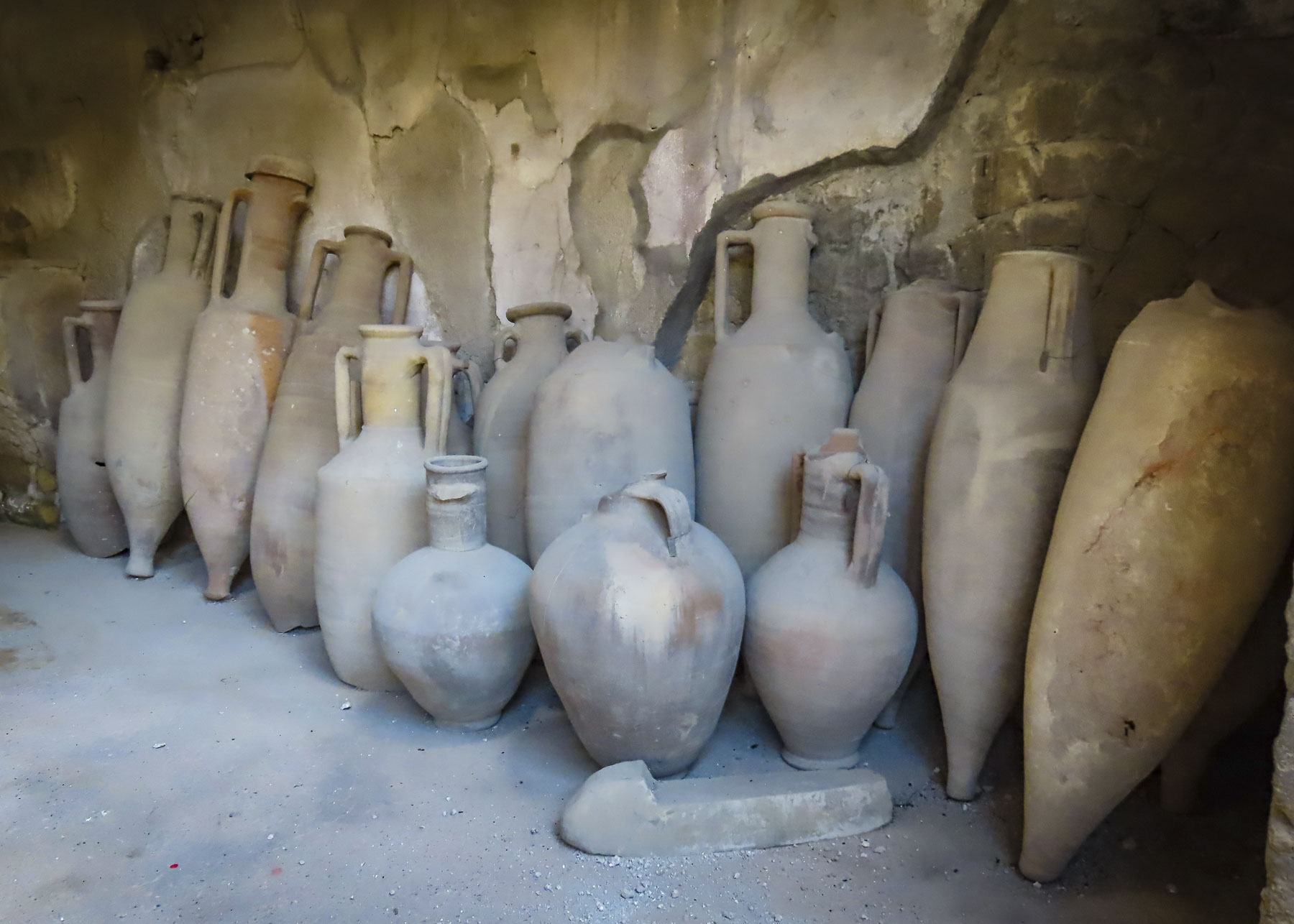
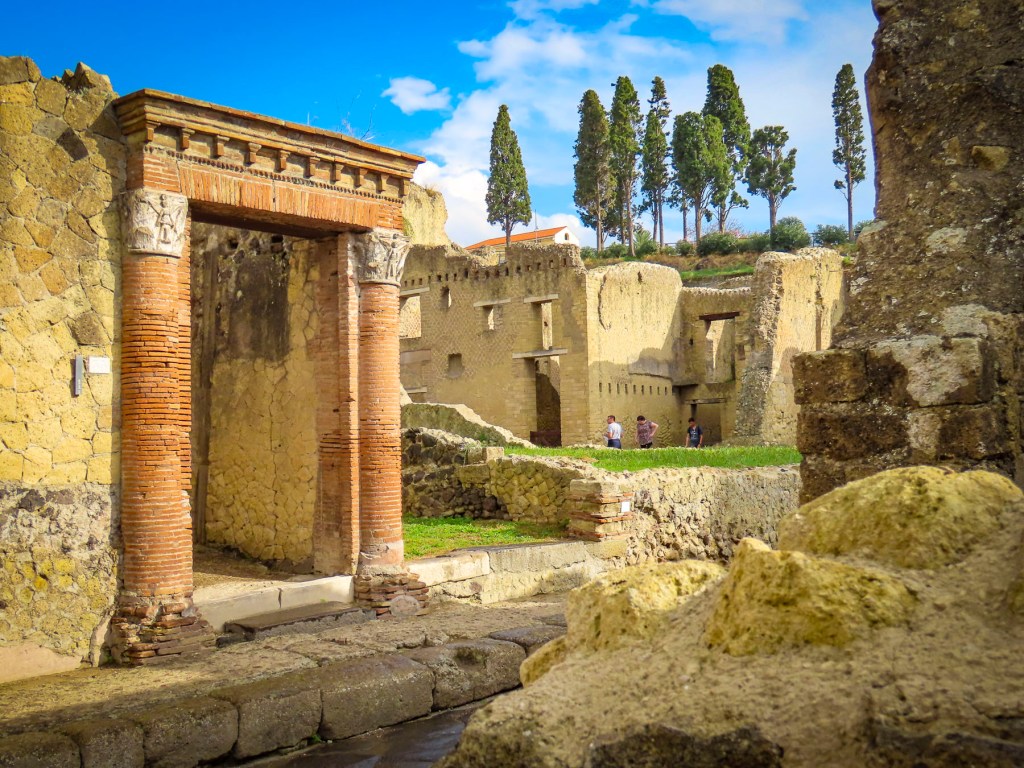
We descended into its excavated ruins, which were destroyed and covered with 53ft of ash on the same fateful night as Pompeii in 79AD. The towering black walls of solidified ash surrounding the site reinforced the magnitude of the catastrophe. The coastal town was popular with wealthy Romans who built Domus style homes which were richly decorated with frescoes and mosaics. Arched workshops of boatbuilders lined the shore and were the last refuge of citizens trying to flee, their agony now eternally preserved in casts of their bodies. The massive amount of ash and volcanic rock that fell created a new shoreline on the Bay of Naples, 2000ft farther west.


Only a fraction of the size of Pompeii, the Herculaneum archeological area doesn’t draw the immense crowds of the larger site, but is just as interesting and in some ways more so. Unlike Pompeii, which was engulfed in a scorching lava flow which destroyed most of the wood and decorative elements of the homes there, the cooler ash and poisonous gases that killed the populace of Herculaneum preserved the homes to a greater degree, leaving the wooden internal structure of buildings and their interior décors intact. This combined with an earlier visit to the Naples National Archaeological Museum to see the finest examples of relics recovered from the ruins of Herculaneum and Pompeii provided us with deeper insight into the opulent lifestyle of the 1st century AD Roman Empire. Herculaneum was easily explored in a half day and enabled us to continue to Sorrento in a timely manner.
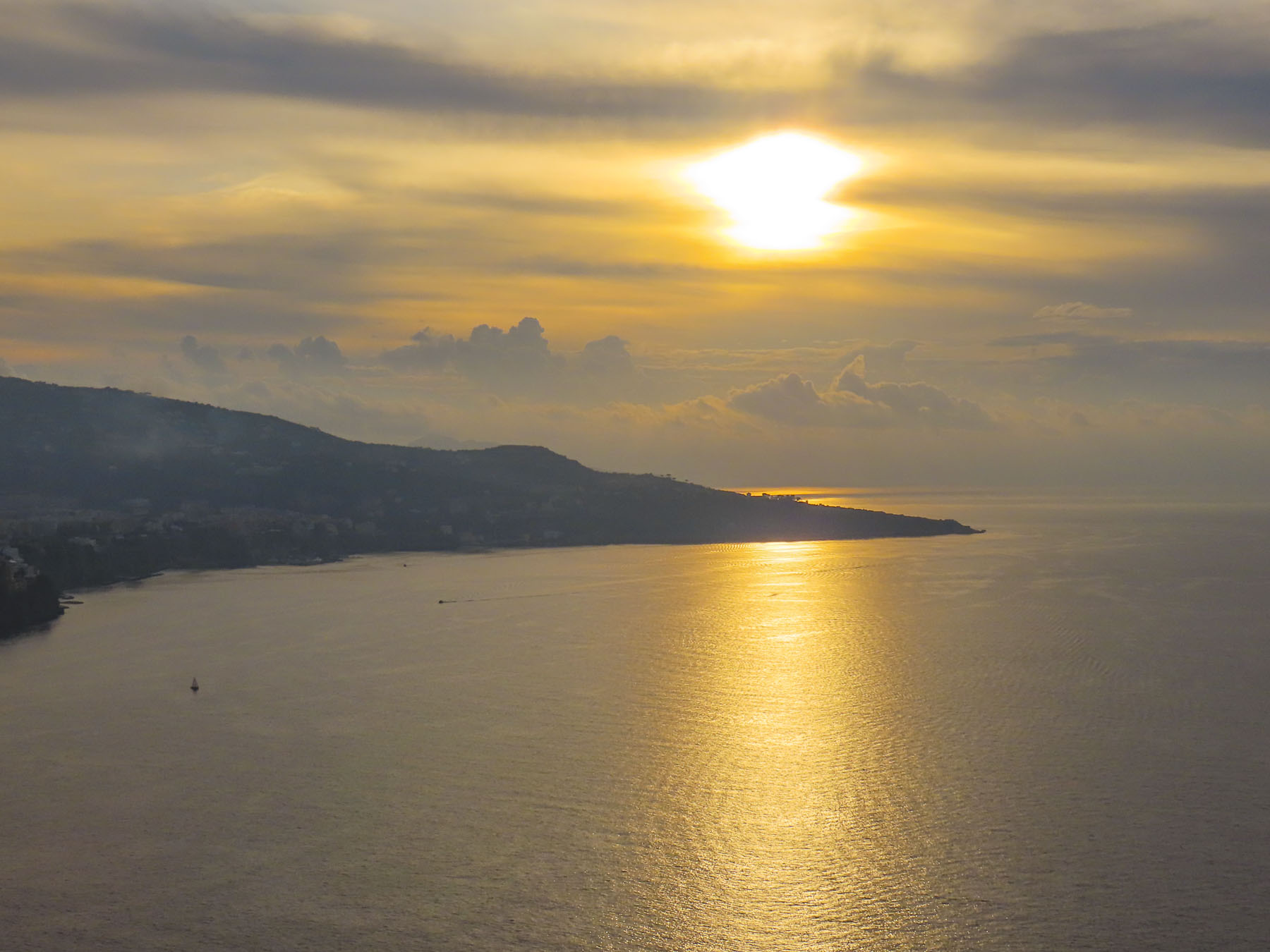

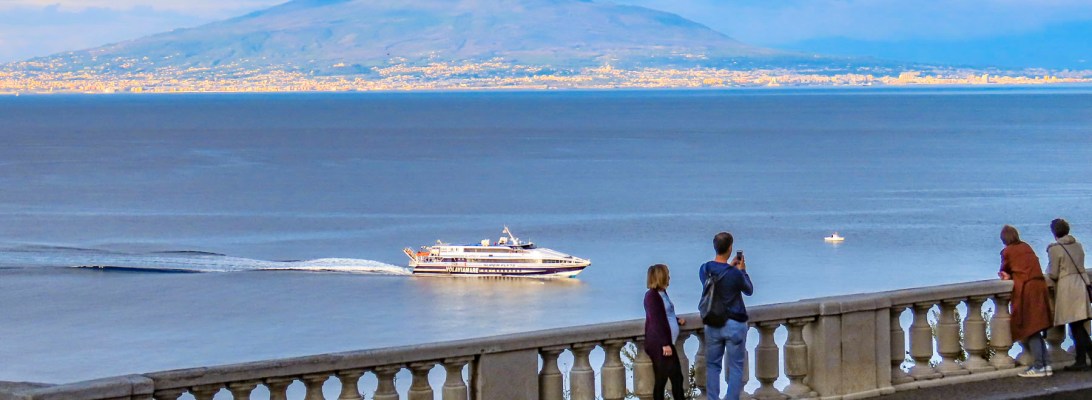
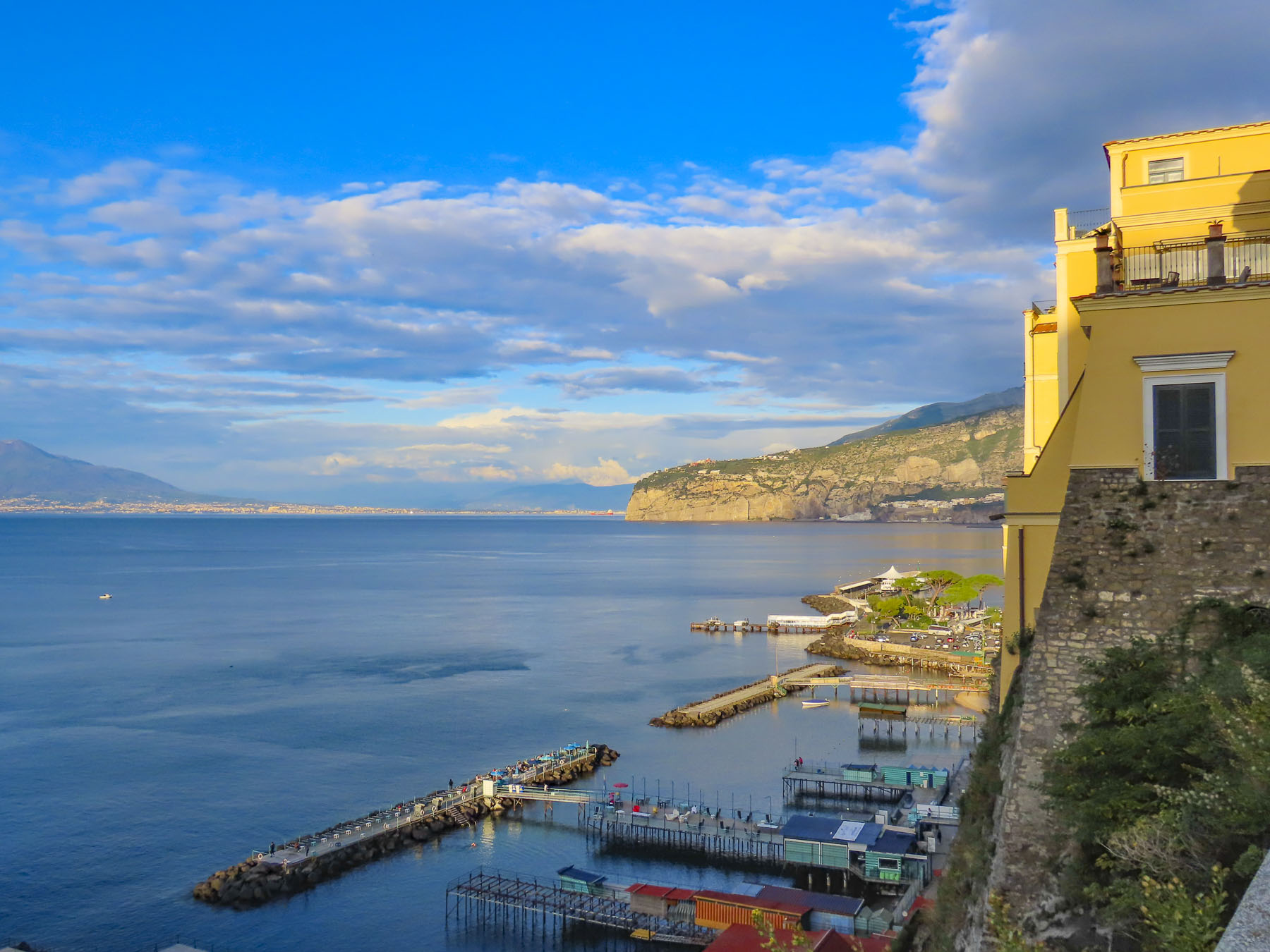
With fond memories of the serpentine Amalfi Coast from a trip a fifteen years earlier, we decided to base our new weeklong exploration of the Sorrentine Peninsula in Sorrento. The route into town along SS145 didn’t disappoint us when rounding a cliff-hugging bend of the road revealed a view all the way out to the Isle of Capri. By staying in the largest town of the region we didn’t have to worry about seasonal closures, which unfortunately were beginning to happen in mid-November. Only a short walk from the center of town and the waterfront with Mount Vesuvius commanding the horizon across the Bay of Naples, the lovely Villa Rosa Sorrento with its modest off-season pricing and free parking was a terrific value and perfect for us.
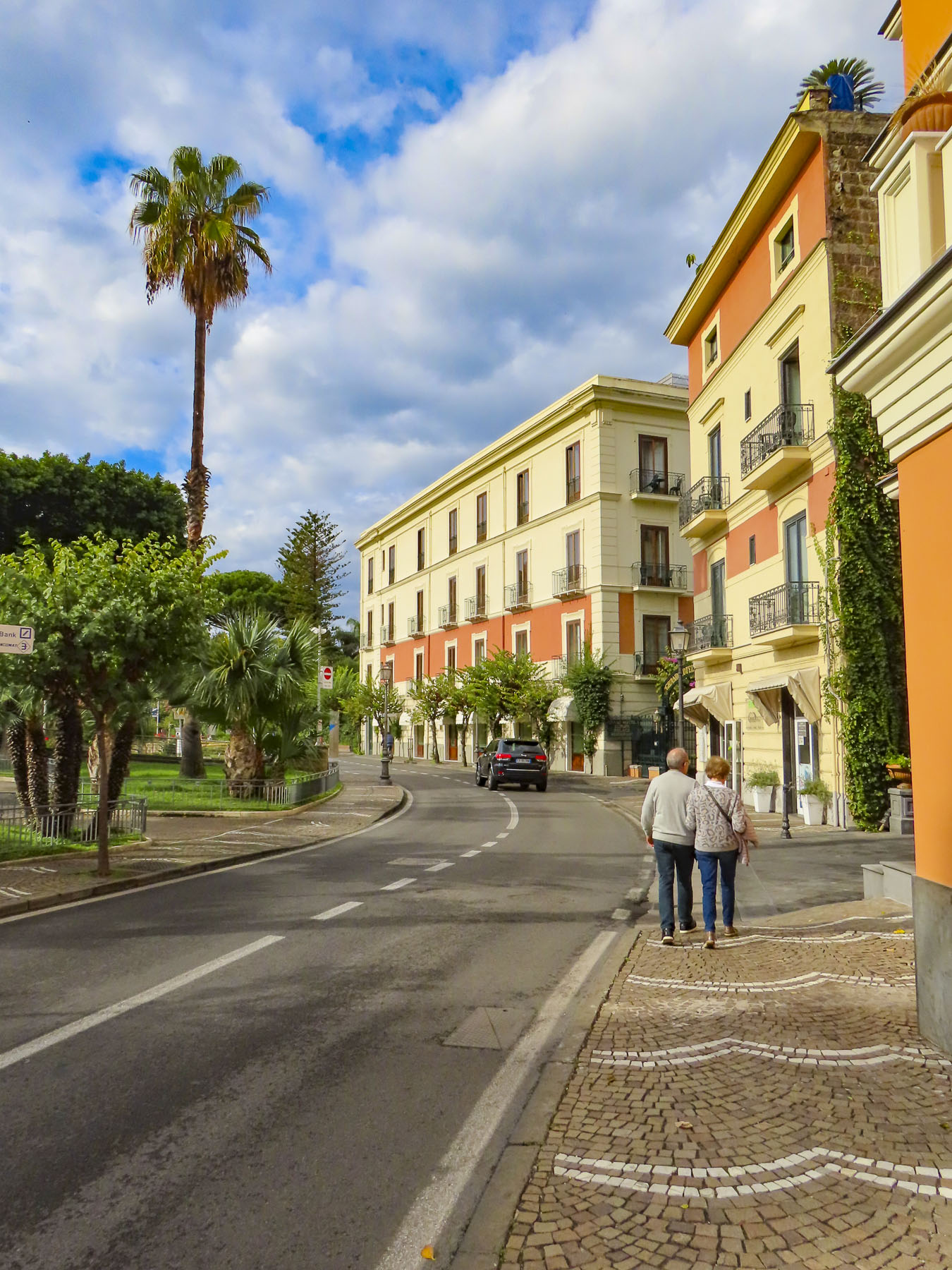

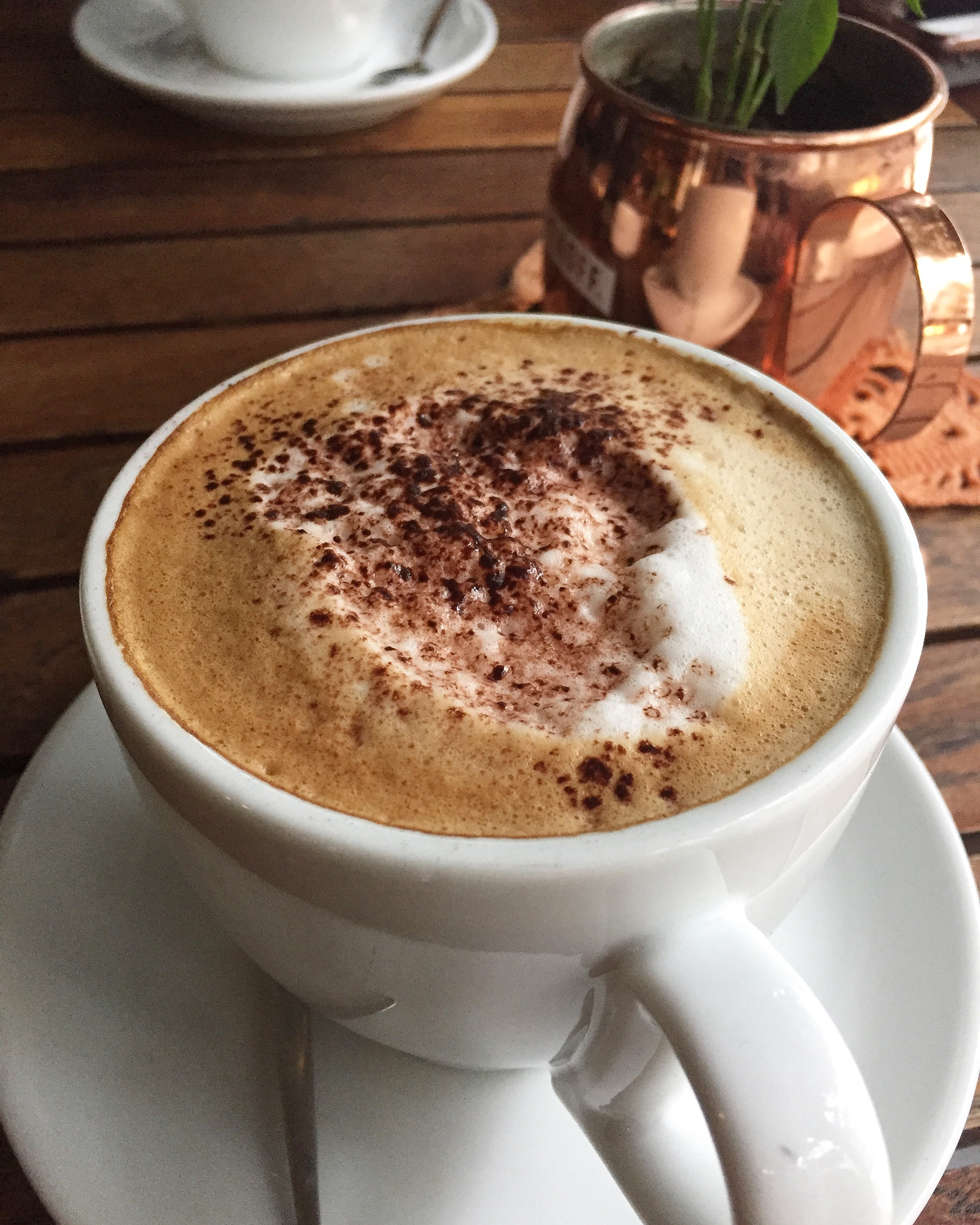
With our attempts at immersive travel, we avoid scratching off a list of designated tourist highlights; rather, we explore a place seeking how to experience how folks live, the everydayness of a place, and whether we would enjoy living there. “Walk a little, then café,” is our slow travel approach as we soak up the ambience of a locale.
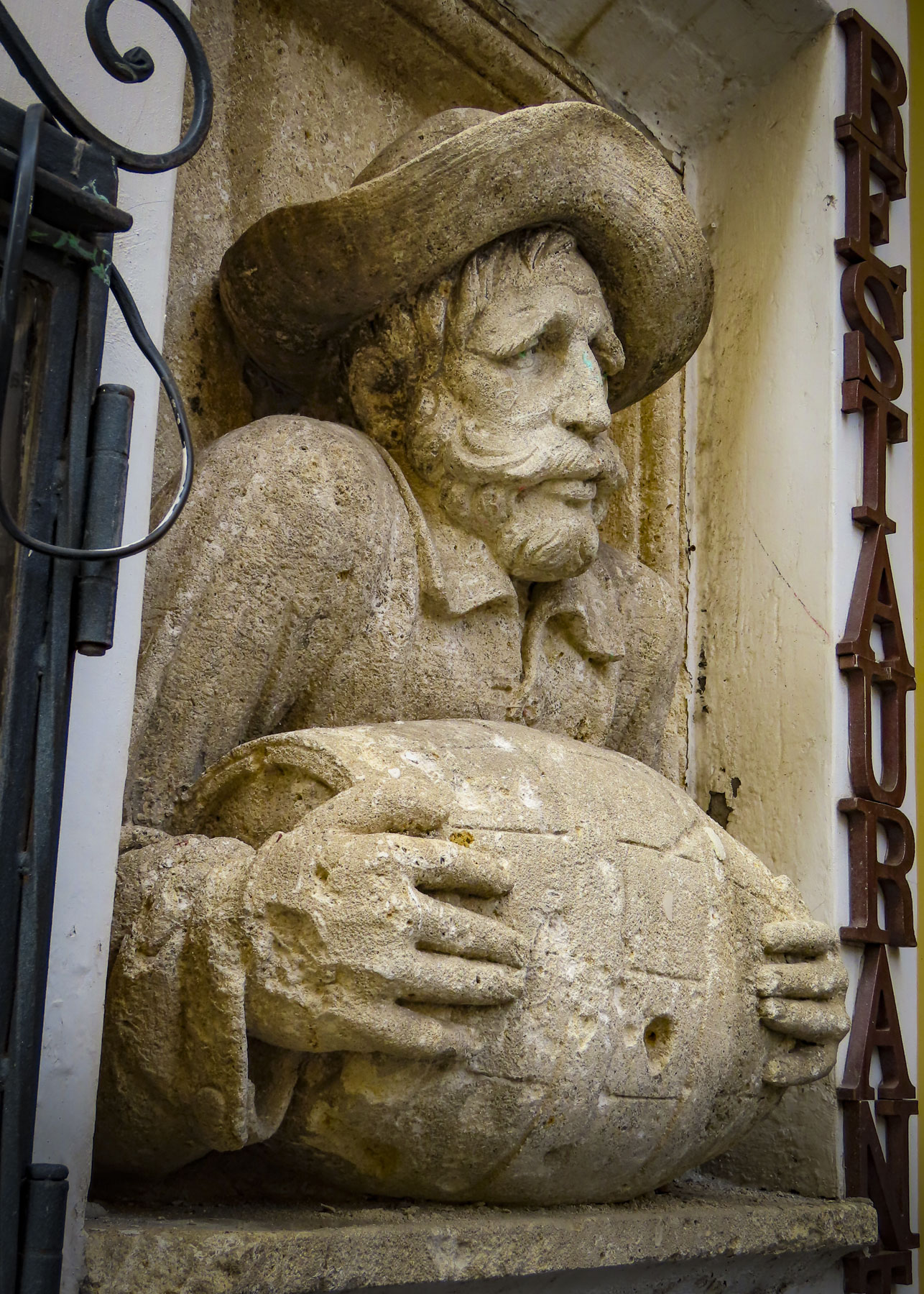
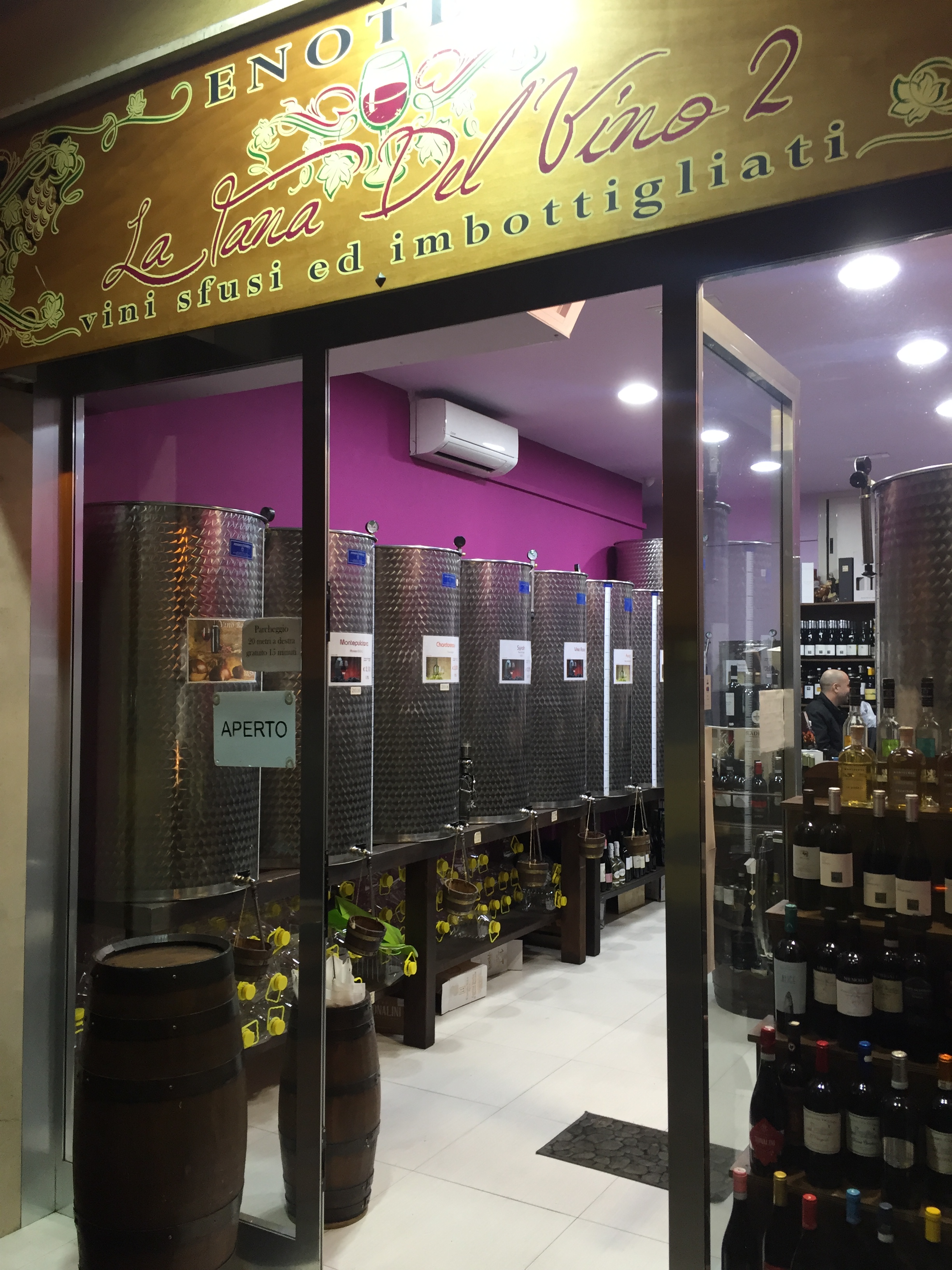
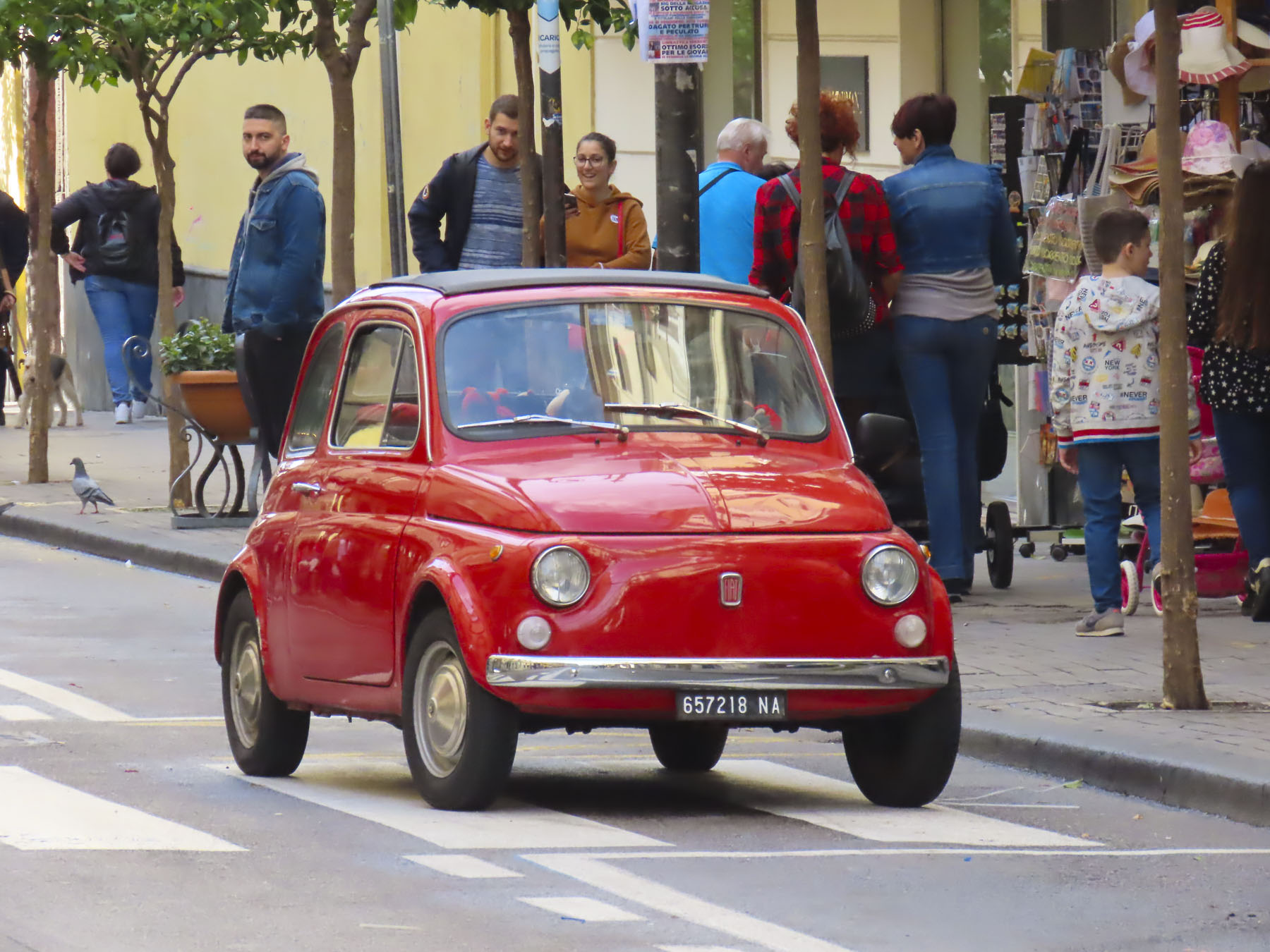
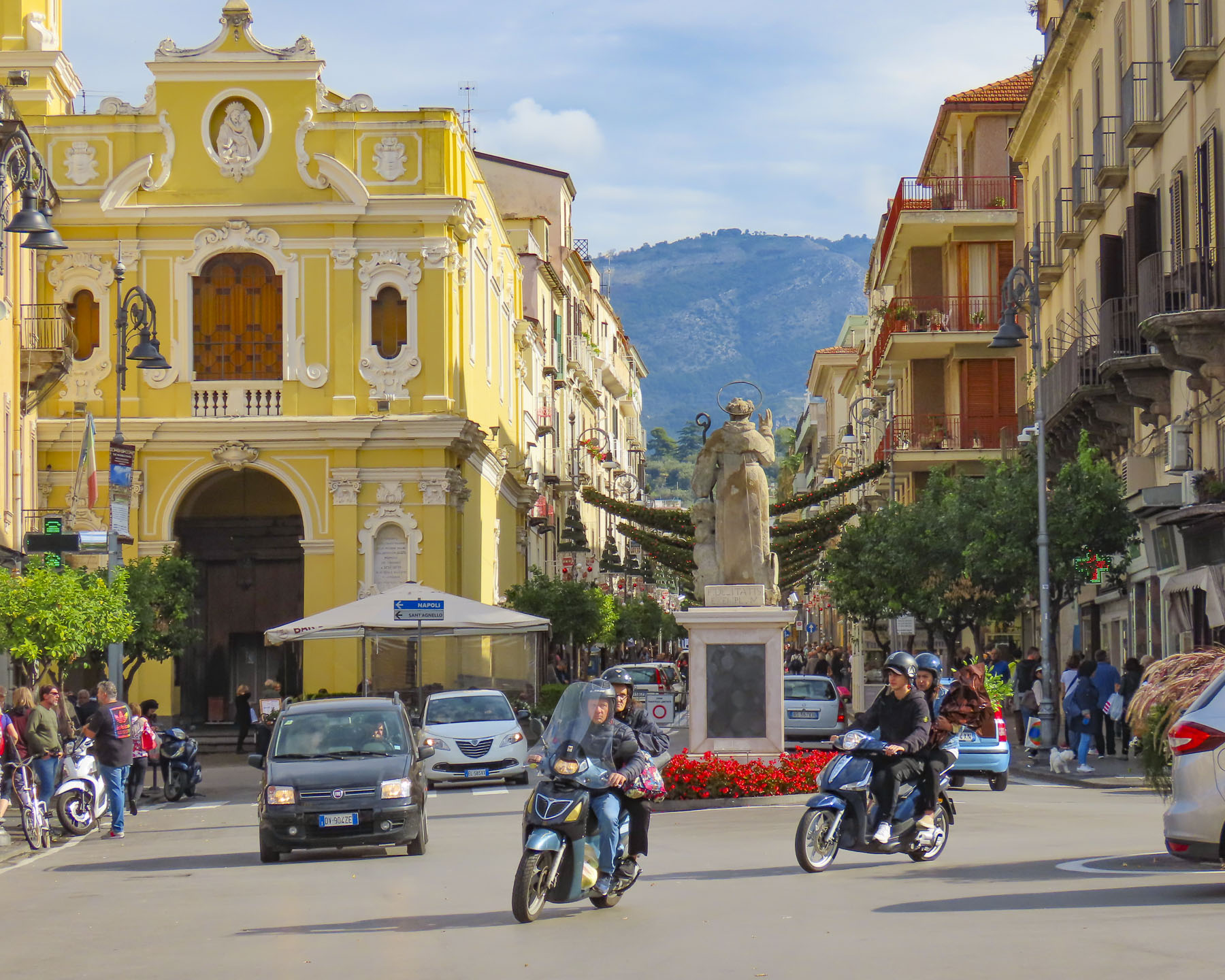
La Tana Del Vino on Via Parsano was a delightful find. This small enoteca features regionally produced wines that they decant for you from large stainless-steel vats into your own glass or plastic bottles. A variety of red, white and rose’ wines were available, most between 3-4€ per liter. Samples were freely poured and we very pleased with our selection of these table wines.

Sorrento with its ferry service to Capri gears itself to the high season. There were still tourists out and about, but the large tour buses and groups were absent in November, the beginning of the rainy season. We ran between rain drops the best we could on several occasions.

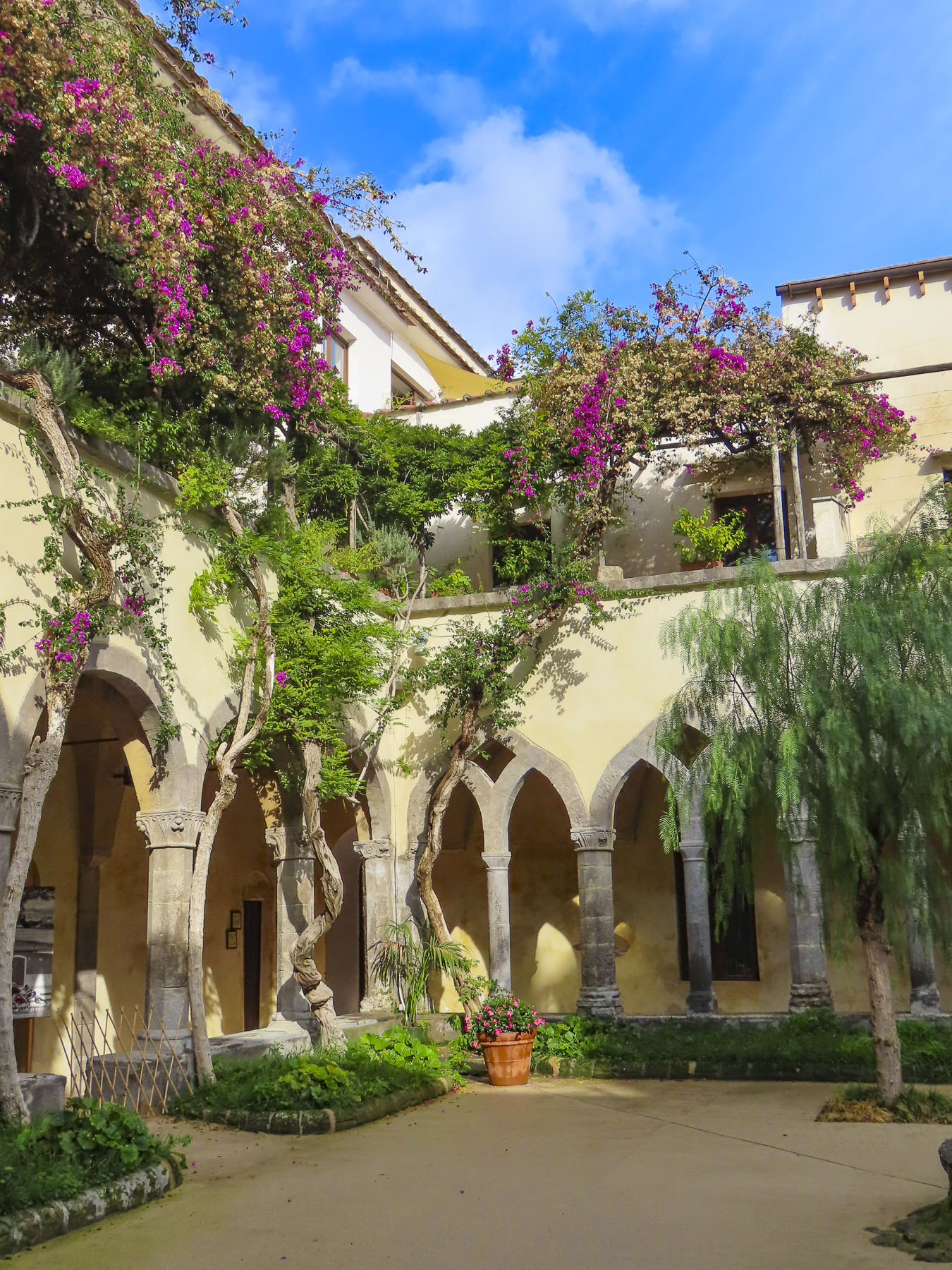
With the port as our destination for lunch, it was a pleasant stroll along near empty sidewalks to Chiostro di San Francesco, a 14th century convent with a lush, greenery-filled cloister that now hosted other activities and concerts. On the top floor Raffaele Celentano’s photography school and gallery had a marvelous patio shaded by the canopy of stately tree. A wooden swing hanging from its branches brought smiles to the faces of many gallery visitors as they playfully took a turn.

The panoramic balcony in the public garden across from the convent is a magnet for sunset worshippers. In the garden the city operates the Sorrento Lift, two elevators that take tourists and residents down to the harbor level where hydrofoils and ferry service is available to Capri, Ischia, Positano and Naples, along with access to the beach clubs and the city’s public beach.
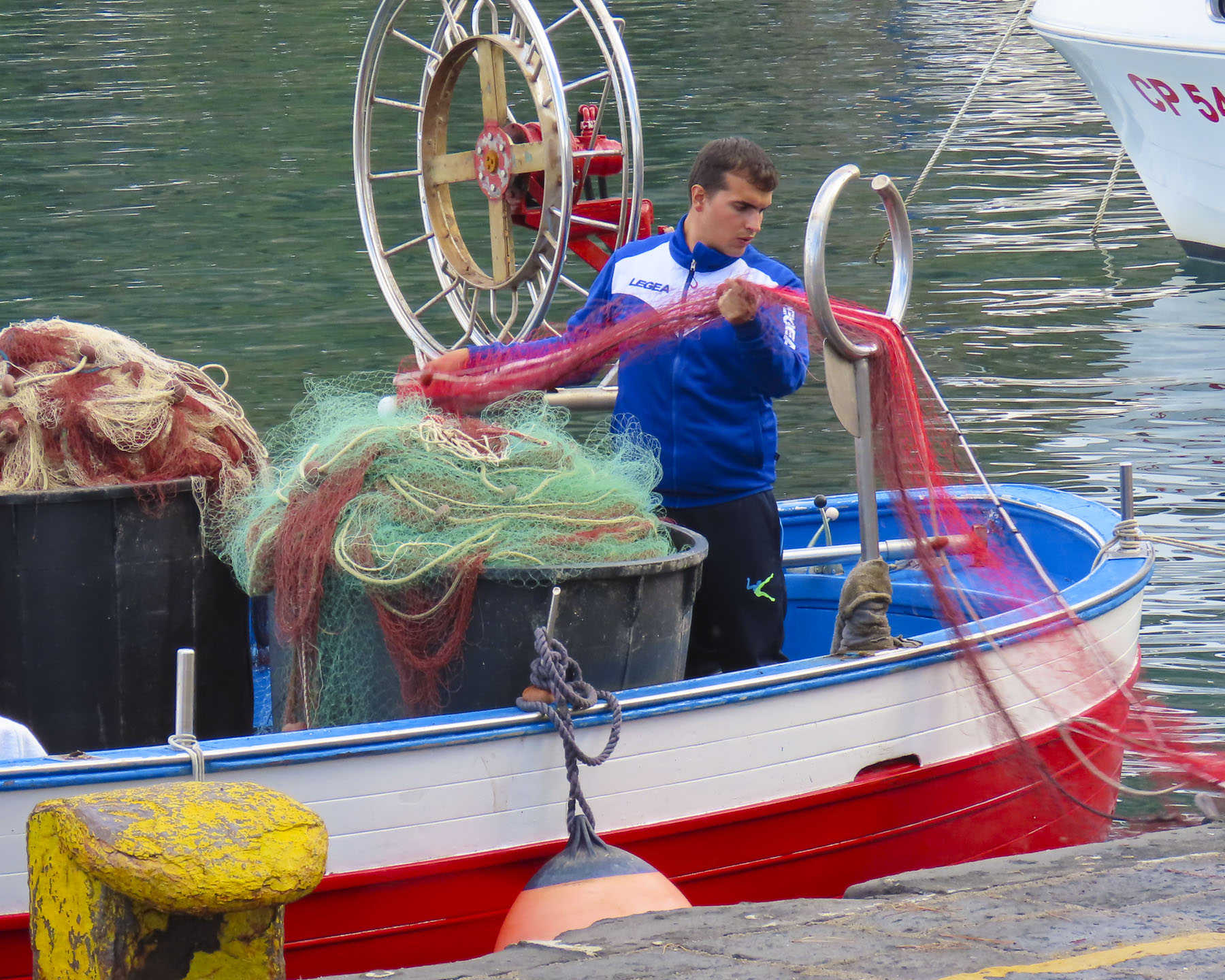
After washing our clothes in various sinks for two weeks it was time for a thorough laundering, and we lugged our bundle to a laundromat in town. It was a very clean facility. We were amused to notice that the vending machine that dispensed soap products also offered a very broad selection of marijuana products as well, presumably to allay the tedium of the task. The selections weren’t inexpensive, with many items costing over twenty euros. This was something unique that we had never come across before in our travels. The world is changing so quickly, but we can’t imagine dropping a twenty euro note into a vending machine for anything.


With our clothes in the dryer, we decided to head to lunch, and immediately got drenched to the bone in a sudden downpour. Looking like water rats, we sought shelter under the awning of a pizzeria. Seeing us, the proprietor of Master Hosts (not a very atmospheric name) ushered us inside and kindly insisted we warm ourselves in front of the pizza oven. Even if we hadn’t been so extremely grateful for his hospitality, this was some of the best pizza and wine we had in Italy, while our fingers de-wrinkled. His graciousness turned a gloomy day into a wonderful afternoon.

Another rainy night we made our way early to La Cantinaccia del Popolo, a rustic neighborhood restaurant that stays open all year to cater to its loyal following. Part deli, part gourmet restaurant, the open kitchen is fronted by a glass charcuterie case with an exotic display of dried meats, cheeses, pates, terrines, and olives. The gastronomic delights from the kitchen are plated in their signature deep dish pans. Packed and noisy, with a friendly staff, delicious food, and a good house wine, this was a cozy place to enjoy the evening. Fortified with a great meal and drink, we faced a cold November rain as we walked back to our inn. If you prefer to dine later in the evening, reservations are suggested after 8 PM.

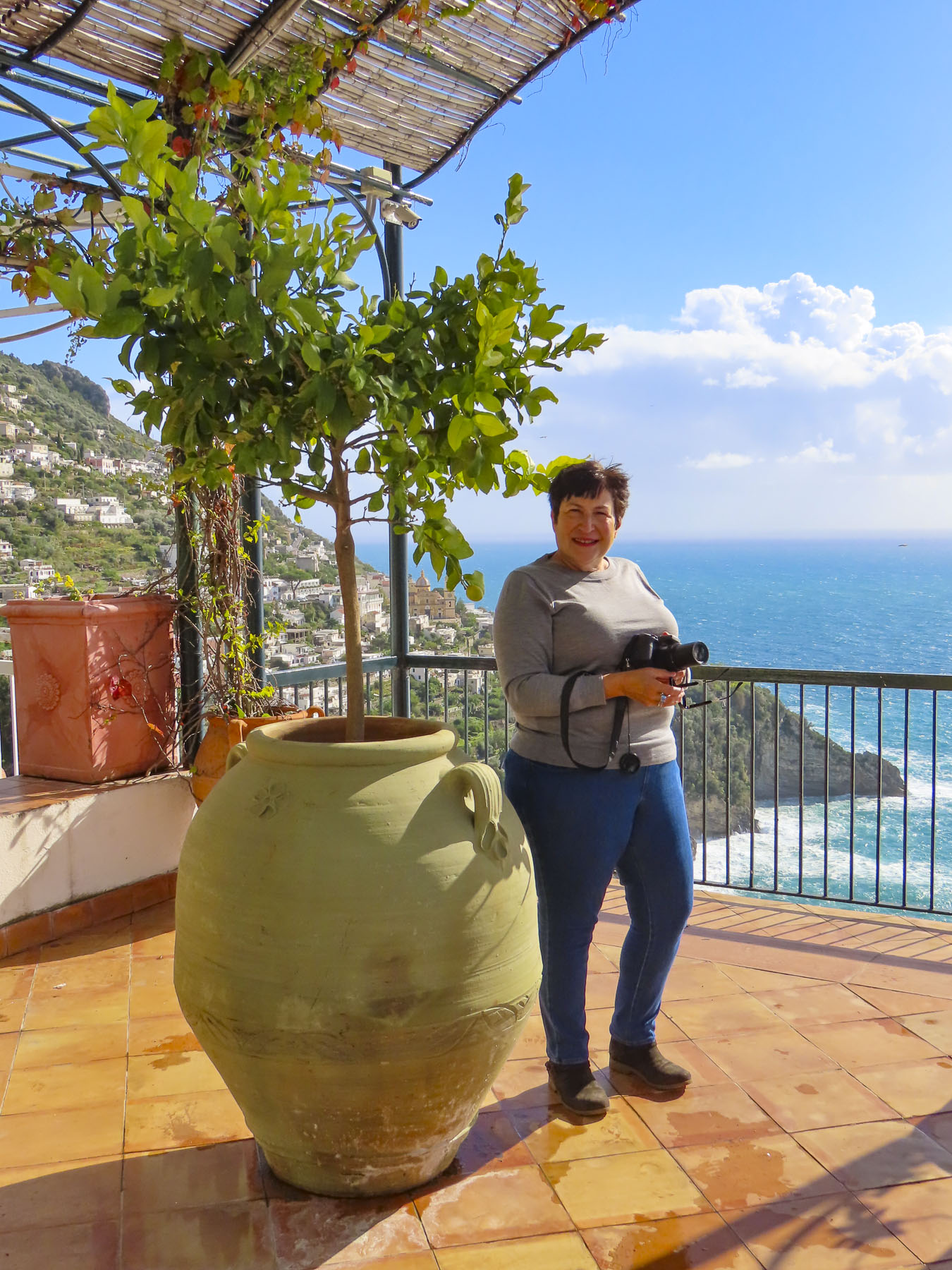

Lemons, lemons everywhere! Regional seafood, pasta, rice, chicken, pastry, and gelato recipes all use this tart fruit in delectable ways. And remember limoncello! The cool breezes of the Mediterranean that blow against the steep mountains of the Amalfi coast create a unique microclimate where lemons flourish and are harvested multiple times of the year, though the most desirable crop is picked between March and July. This is a strenuous labor-intensive activity as the steep terrain requires all the fruit to be picked by hand and the heavy grates are carried out of the orchards on the backs of men.


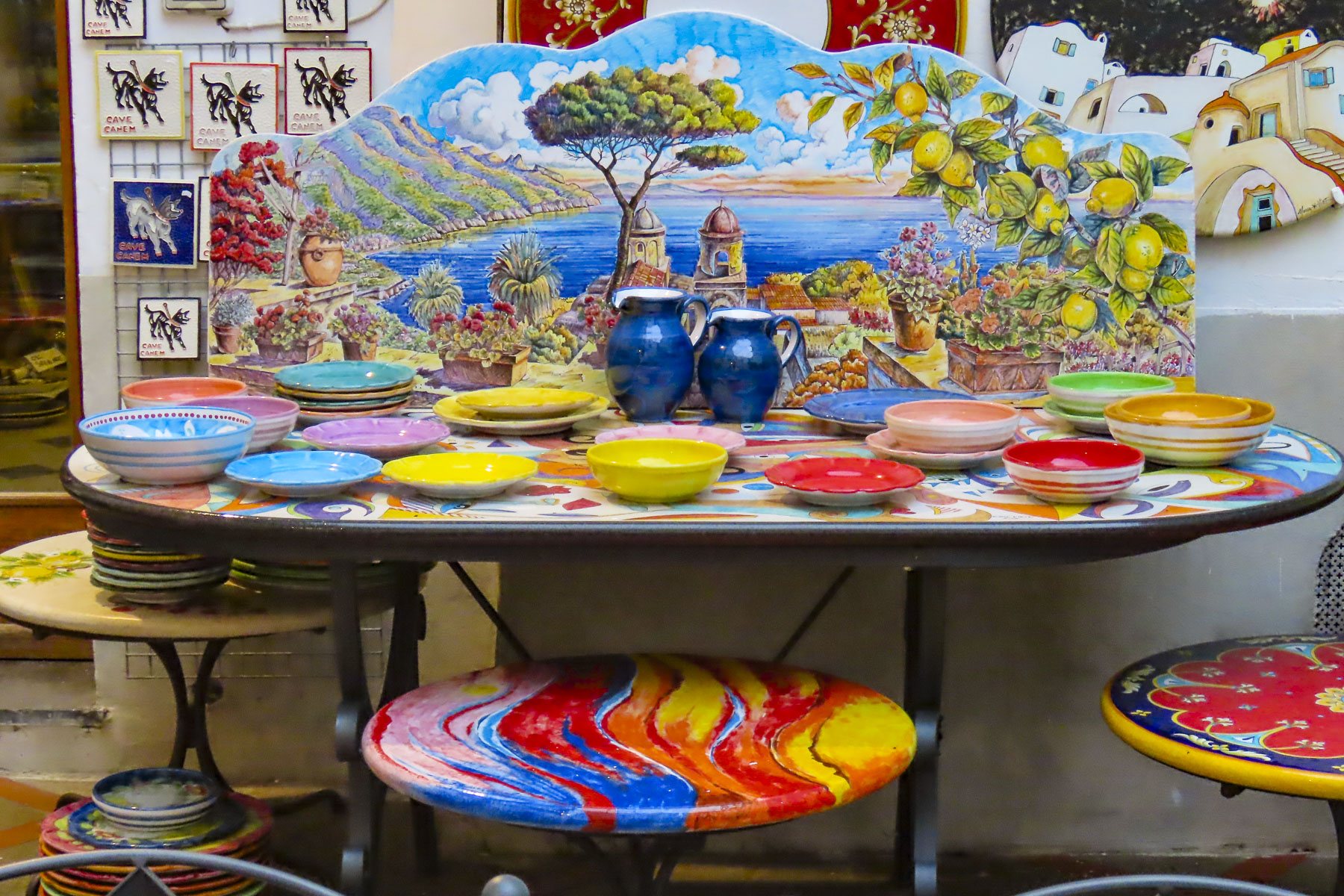
A morning drive along the sinuous coast and a turn into the mountains brought us to Ravello in time for lunch at a small restaurant with only six indoor tables. Fifteen years ago, as a wedding present to each other, we splurged and purchased a dinnerware set of ceramics featuring the iconic Amalfi lemons, set against a rich blue background. Over the years everyday use had taken its toll on our plates. Fortunately, Pascal Ceramiche d’Arte was still painting our pattern and they ship internationally, so we were able to fill in a few gaps in our service.
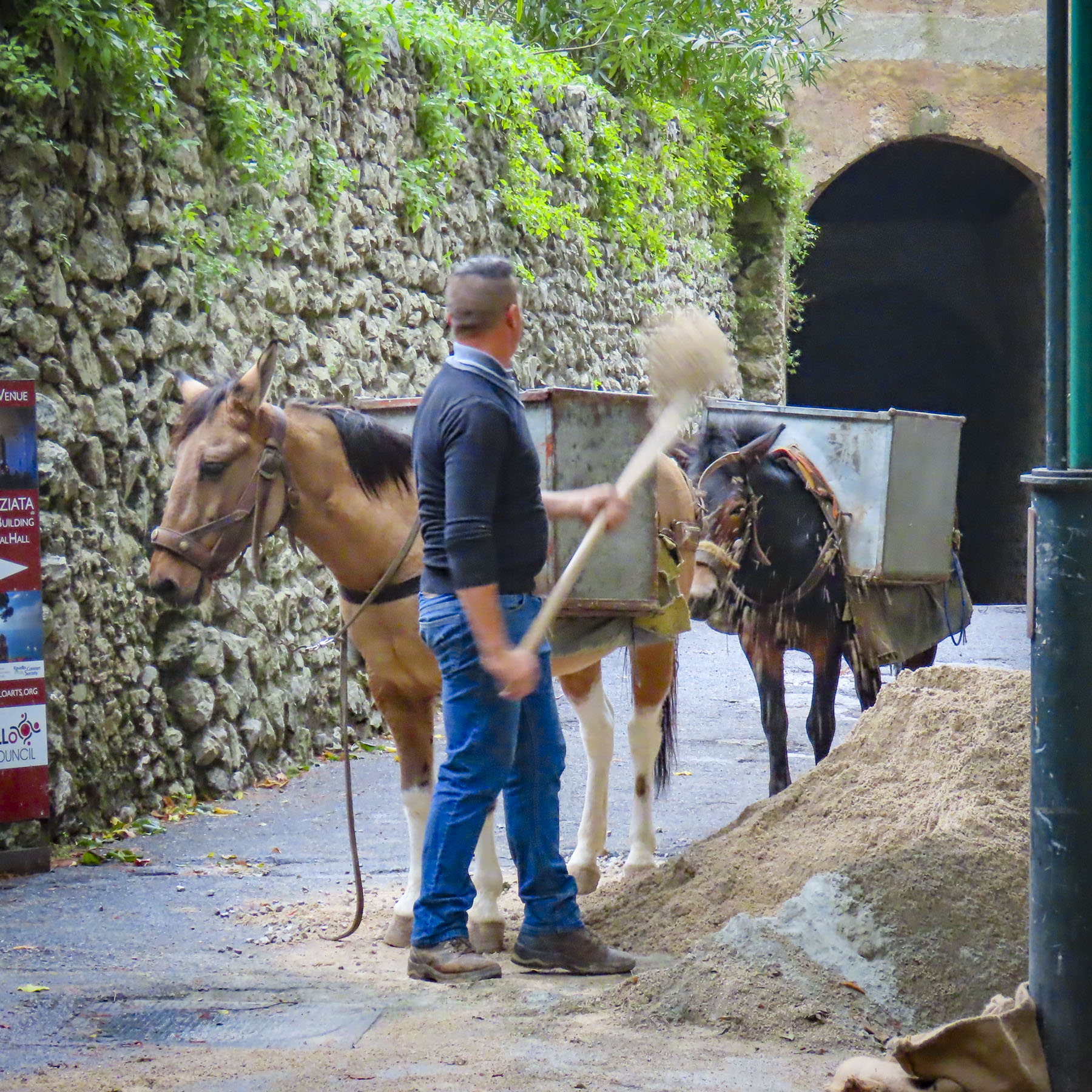

After coffee we wandered the town’s narrow, high walled lanes down the hill towards the Monastero Di S. Chiara. Along the way we encountered a construction worker leading a team of donkeys with rigid saddlebags full of sand to a worksite, the ancient alley too tight for any vehicle to maneuver through.

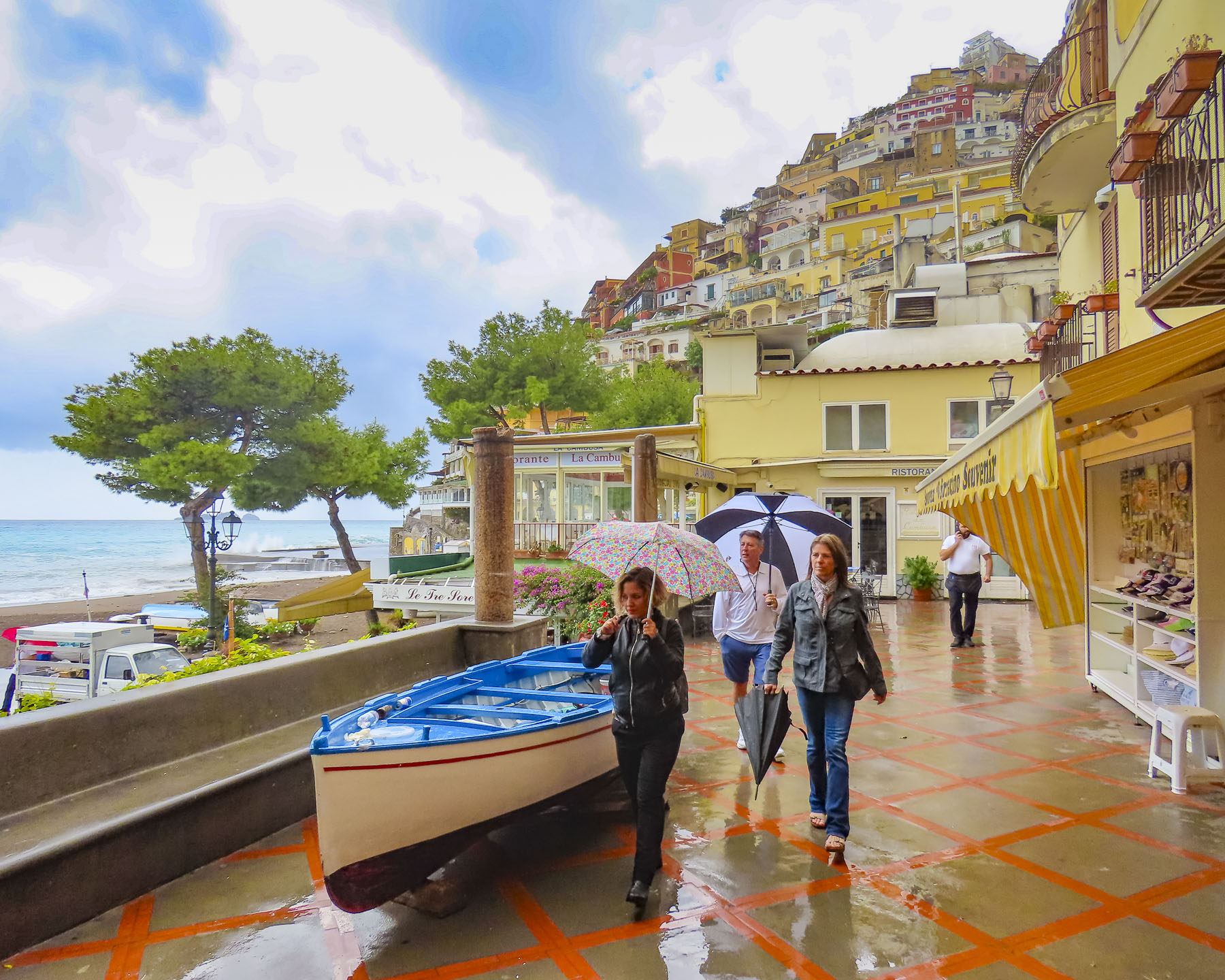
There’s no way around it, “they have you by the coglioni!” when you are trying to find a parking garage in Positano. In this most beautiful village on the Amalfi Coast we paid through the nose for the privilege of parking. Water, café, food and parking, even in the off season, are exorbitantly priced. But on a sunny day, when the sky clears after a morning storm, the dramatic setting of the terraced village is at its best. Positano rises steeply into the mountains from the sea sparkling like a spectacular Byzantine mosaic, radiating light and color. It’s well worth the splurge even if you have to eat Ramen noodles for the next three days to get back on budget.


To our delight we found a wonderful, affordable spot for a late lunch in Agerola called Jerla as we navigated our way across the mountaintop on the way back to Sorrento.


Getting there required a breathtaking drive through the numerous switchbacks of Strada Statale 366, also referred to as the Via Panoramica, that climbed through the terraced vineyards of San Michele and had incredible views of the Amalfi Coast below.

We each wanted to be in control on this treacherous road. We argued about who got to drive as we sped around the curves, and who was relegated to digging their fingernails into the dashboard.
Til next time, Craig & Donna












































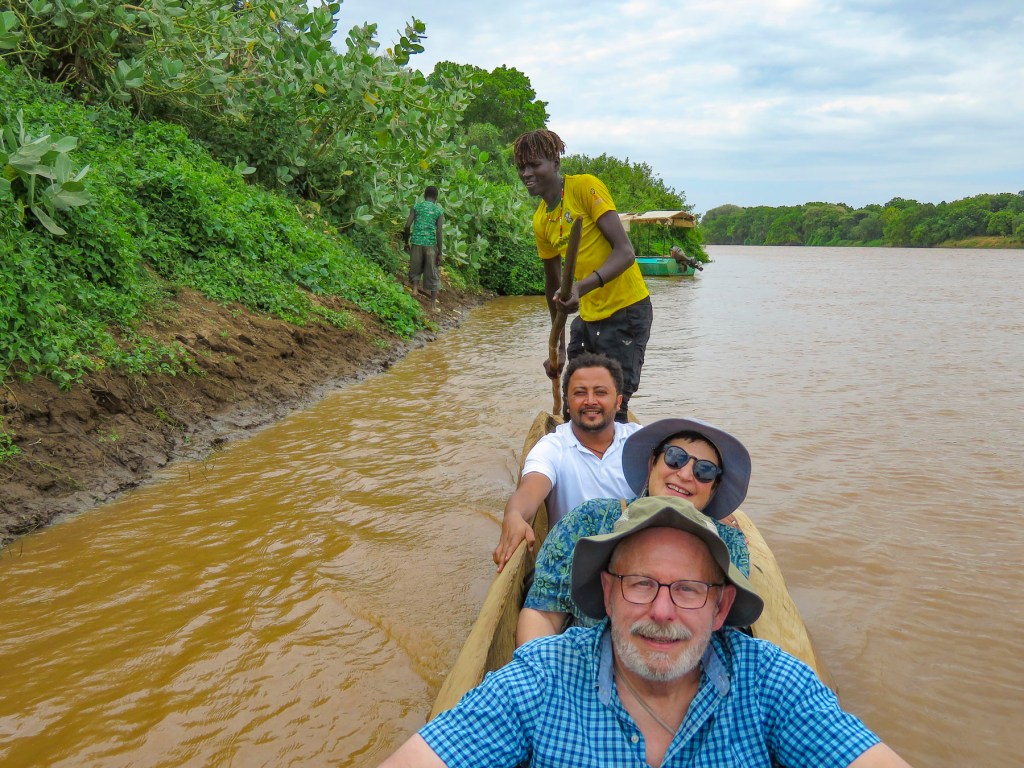


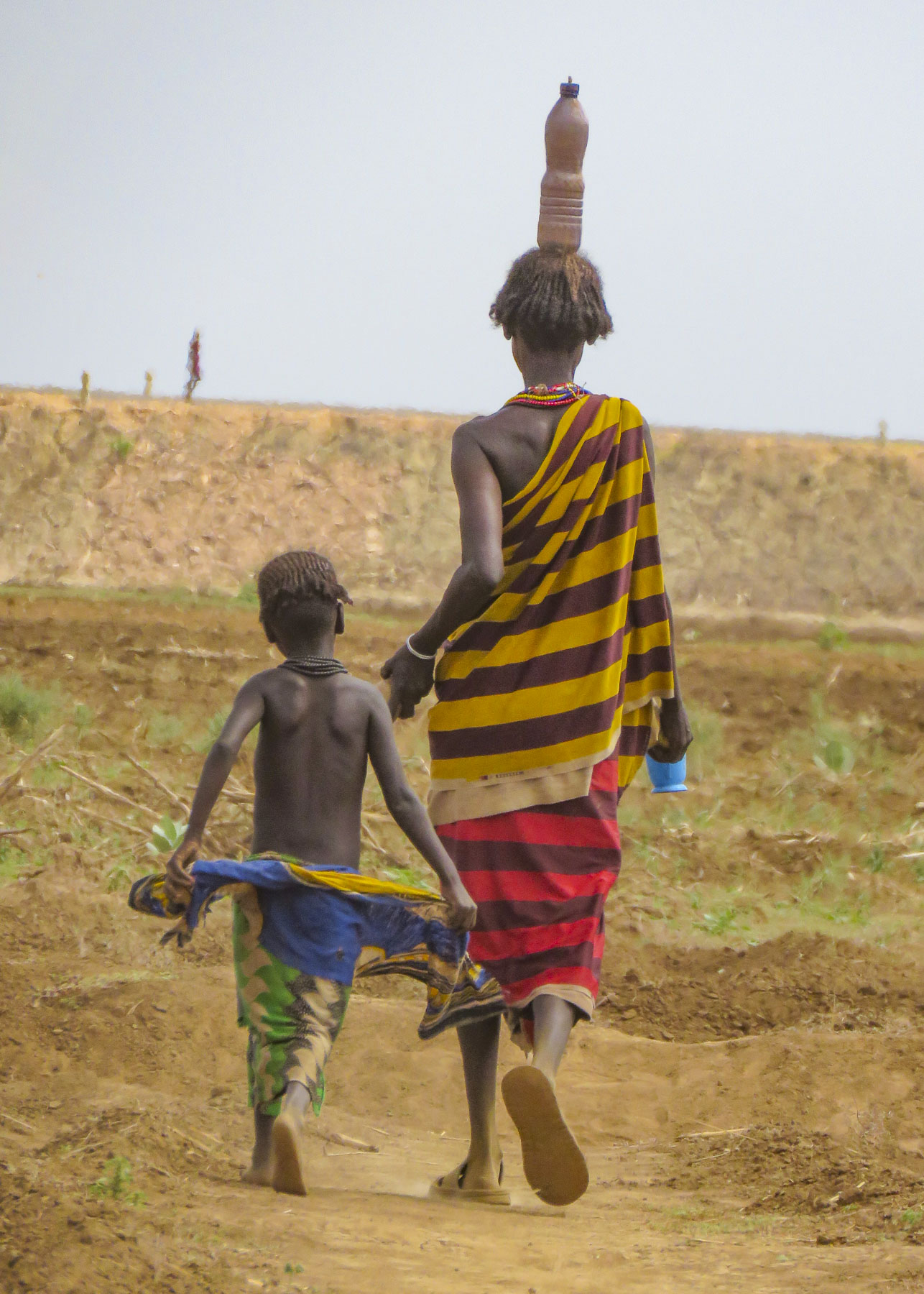




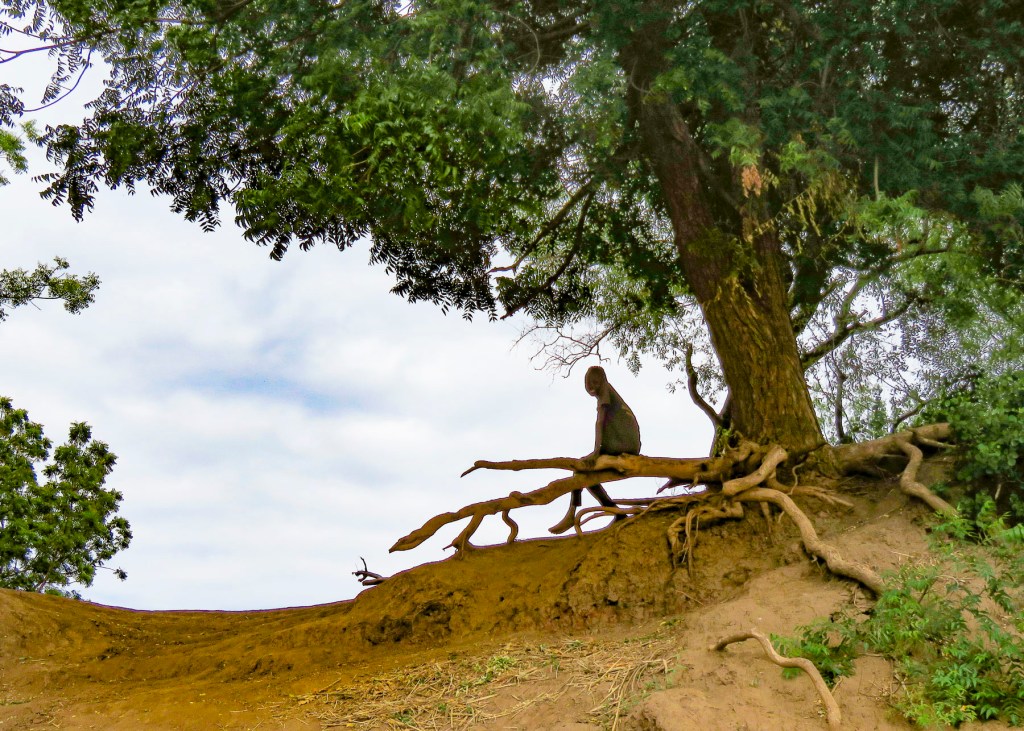






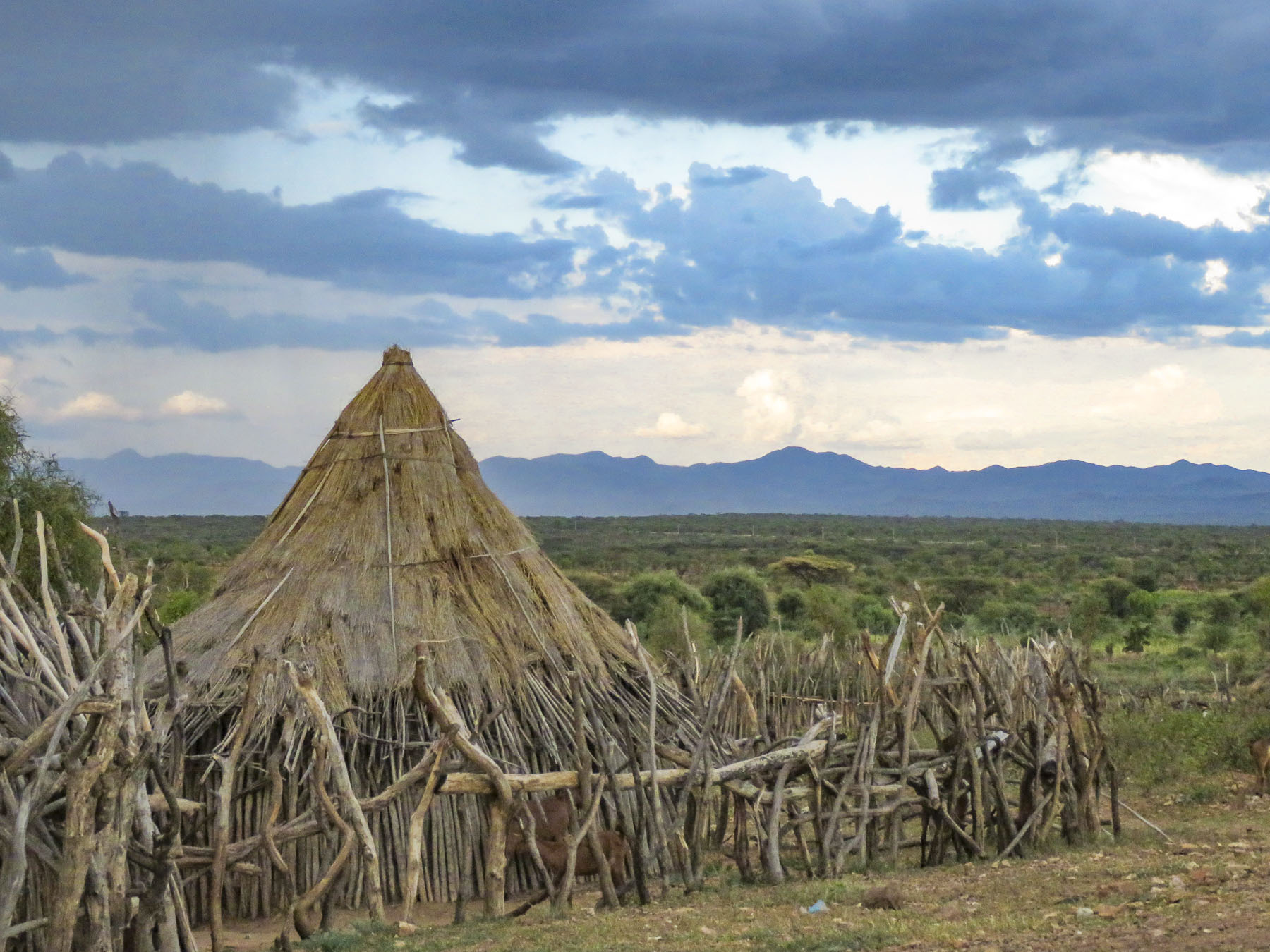
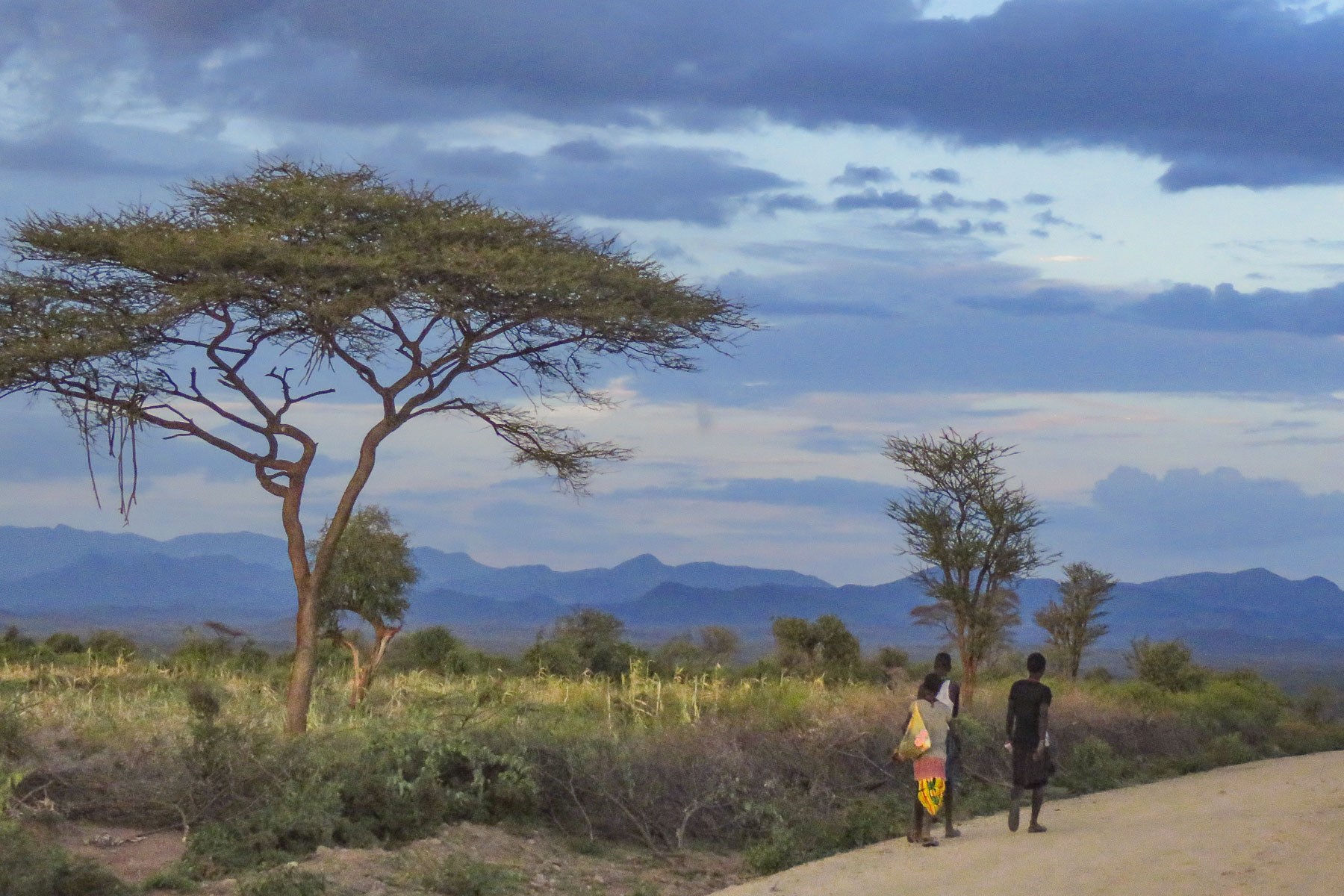


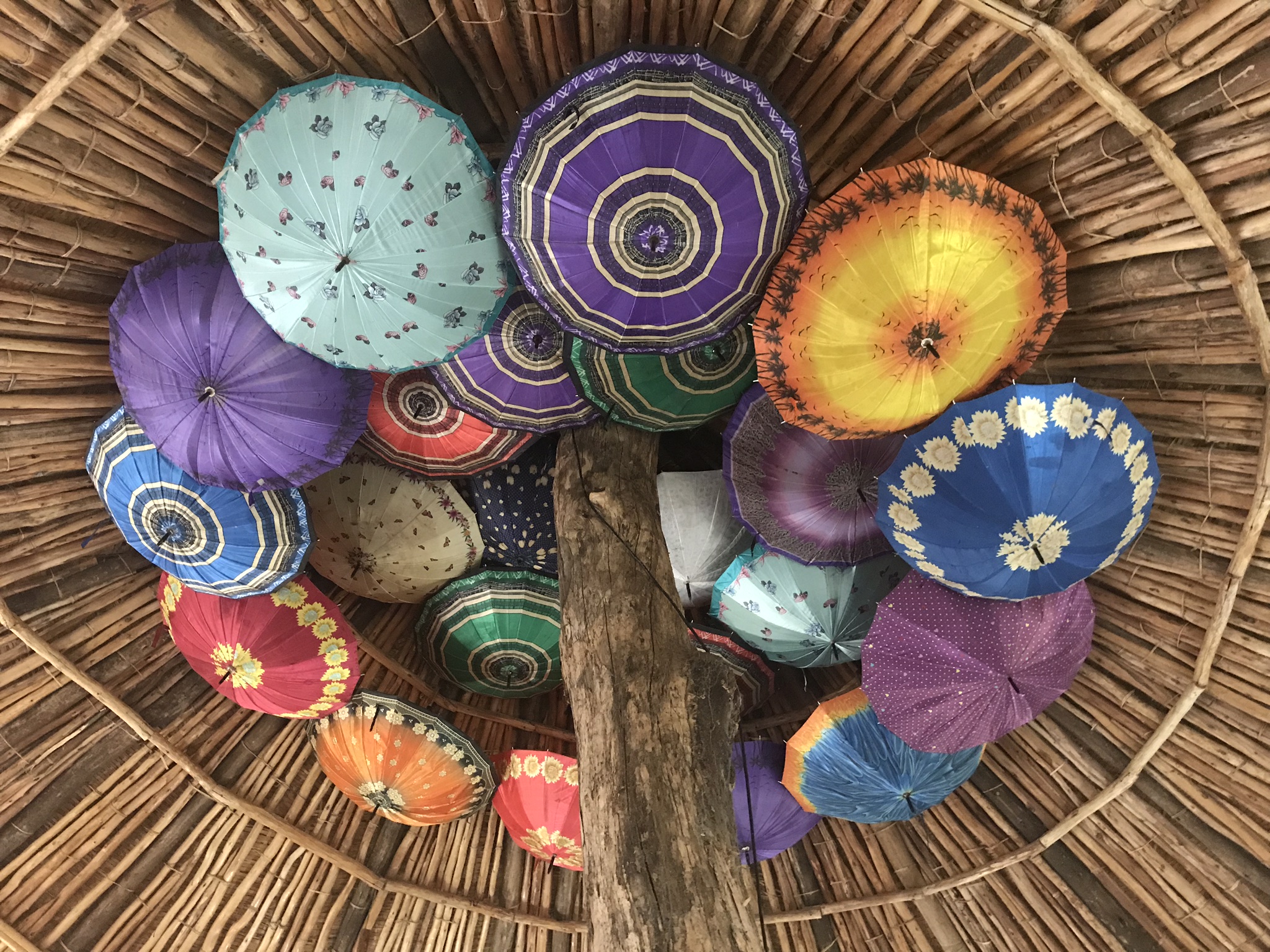


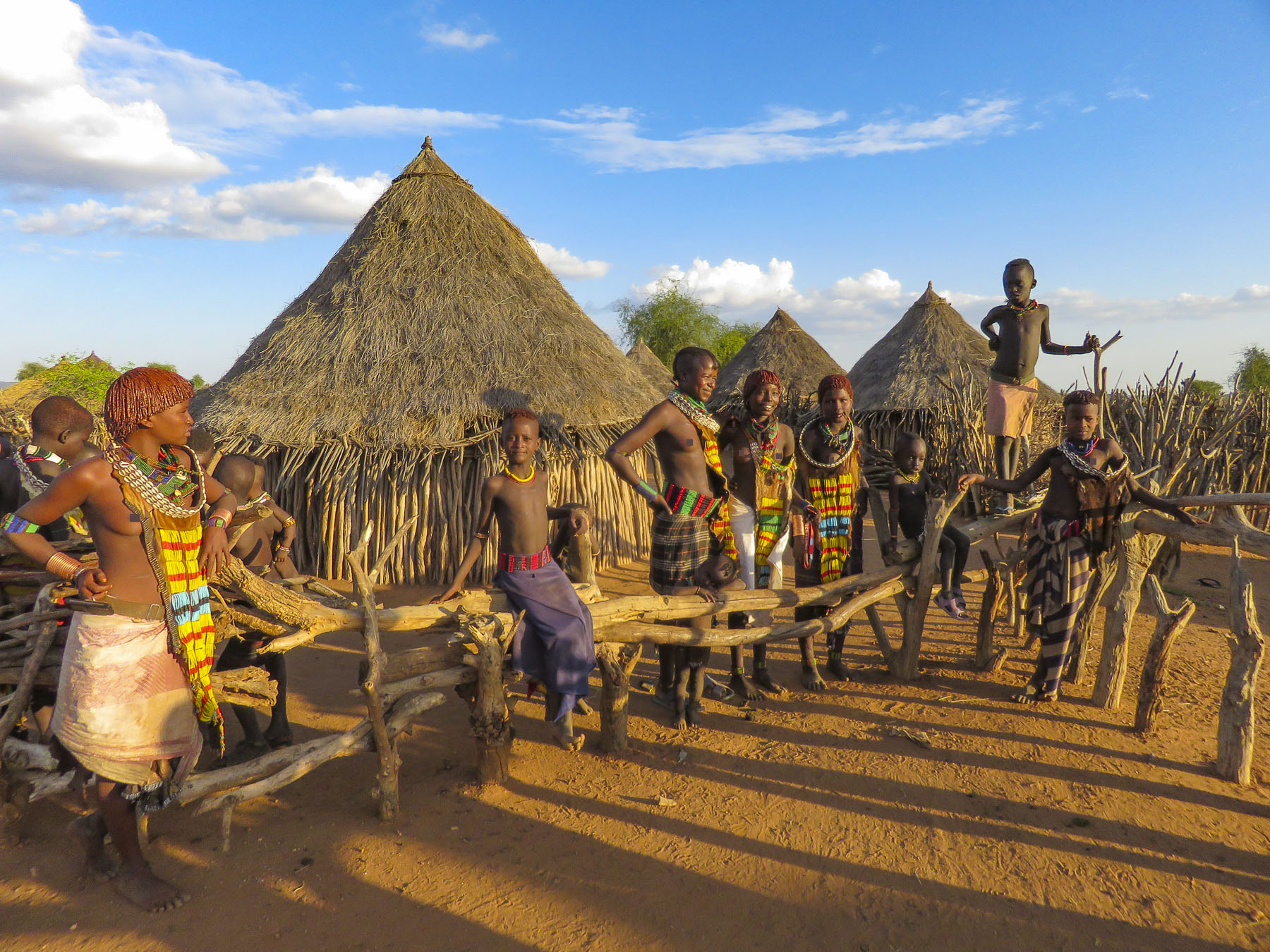









 Often overshadowed in recent decades by its East African neighbors recognized for their safaris, Ethiopia has been known to Western culture for millennia. It was first mentioned in the Hebrew Bible, around 1000 BC (3,000 years ago!), when the Queen of Sheba, hearing of “Solomon’s great wisdom and the glory of his kingdom,” journeyed from Ethiopia with a caravan of treasure as tribute. Unbeknownst to Solomon their union produced a son, Menilek, (meaning son of the wise man). Years later, wearing a signet ring given to him by his mother, Menilek visited Jerusalem to meet Solomon and stayed for several years to study Hebrew. When his son desired to return home, Solomon gifted the Ark of the Covenant to Menilek for safe keeping in Ethiopia, and to this day it is said to reside in the Church of Our Lady Mary of Zion, in Aksum, where only a select few of the Ethiopian Orthodox church can see it.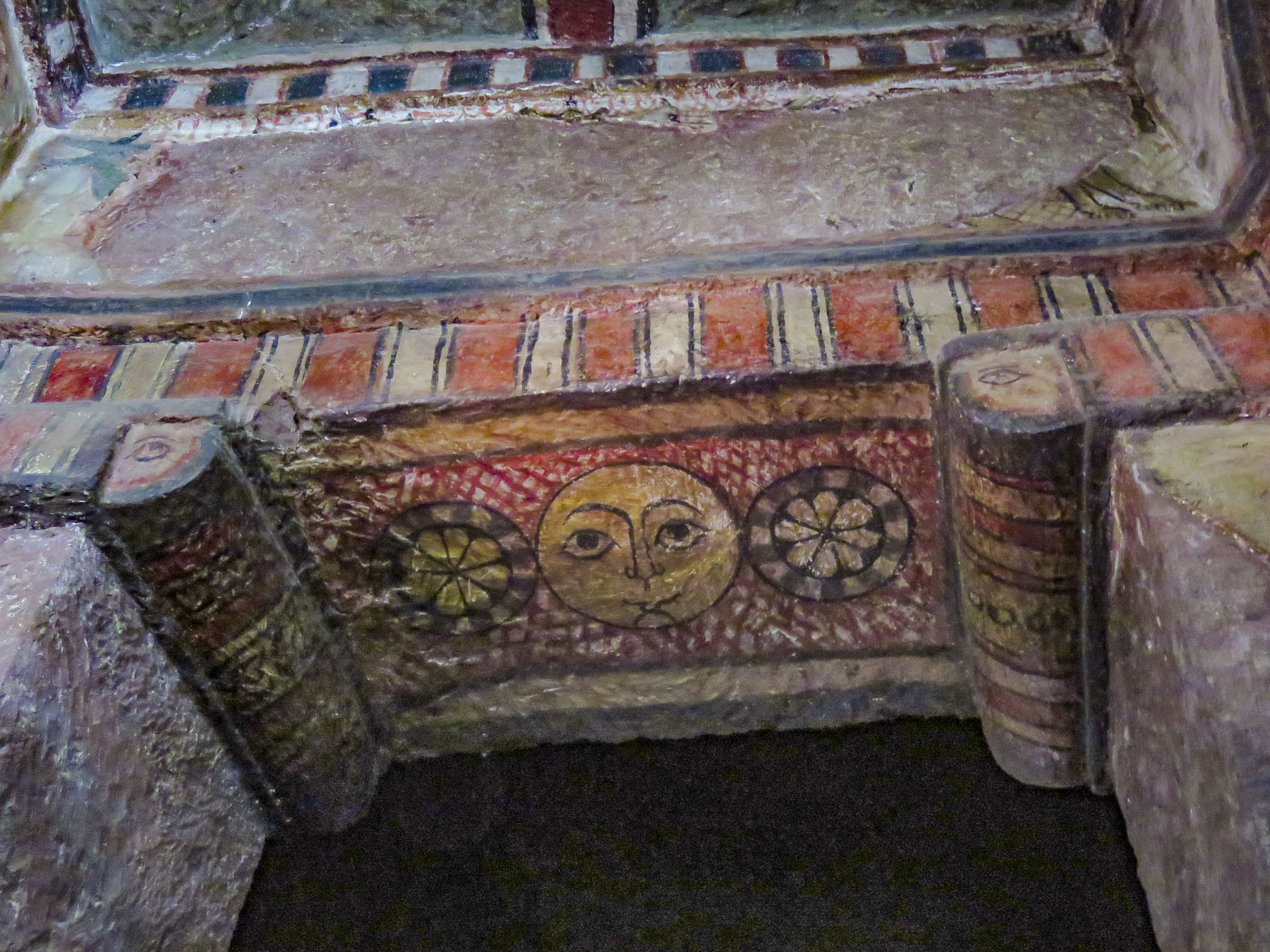


 With the Ethiopian Orthodox Church having a site in Jerusalem since the sixth century, Ethiopian pilgrimages to the Holy Land, which took six months, were common until the route was blocked by Muslim conquests in 1100s and the journey became too hazardous. As it became surrounded further by Muslim territories, the country sank into isolation from Europe. Ethiopia’s early history and its connection to Judaism and Christianity is a twisting tale, like caravan tracks across the desert, meeting then disappearing behind sand dunes, the story buried by the blowing sands of time.
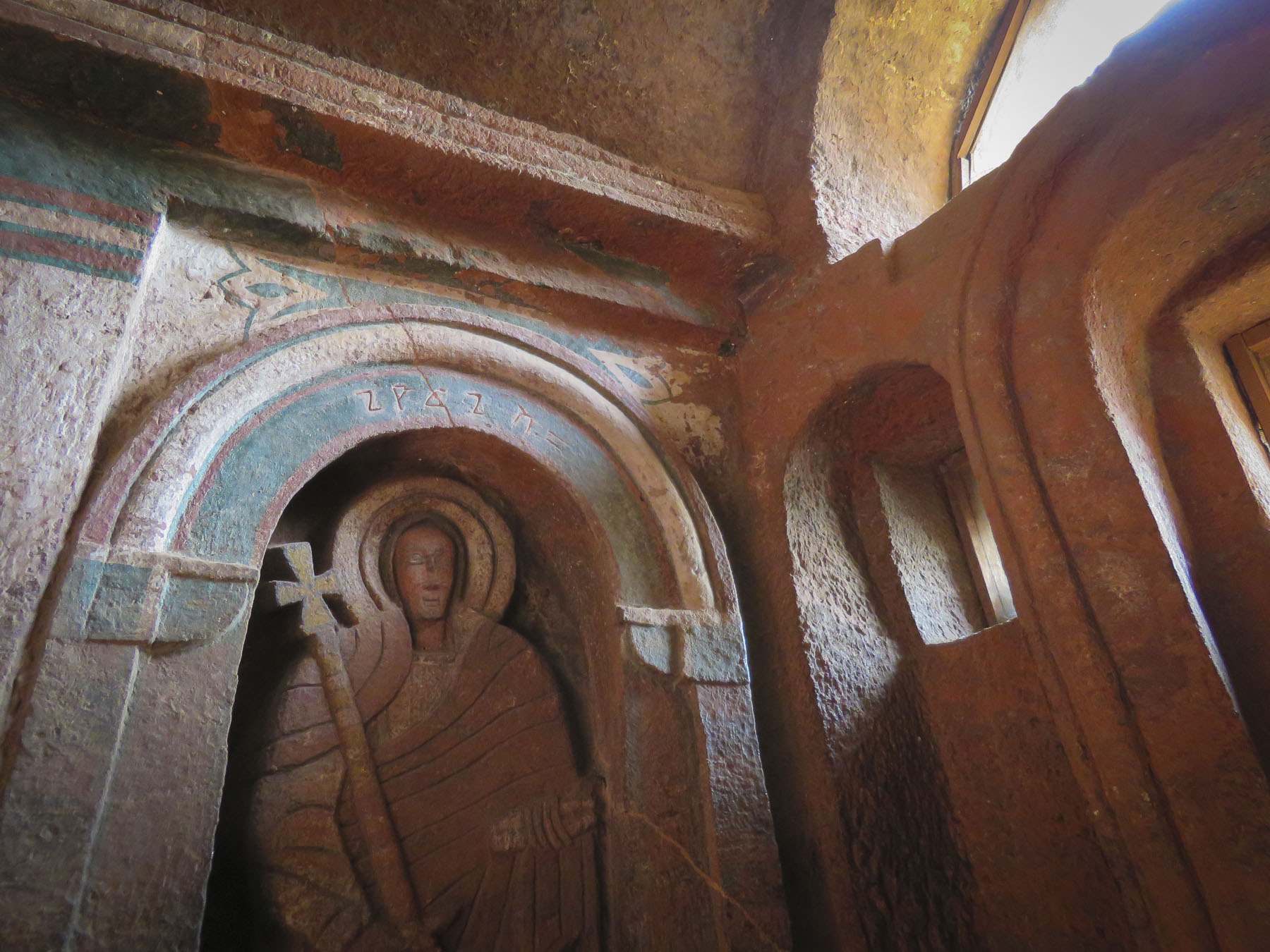
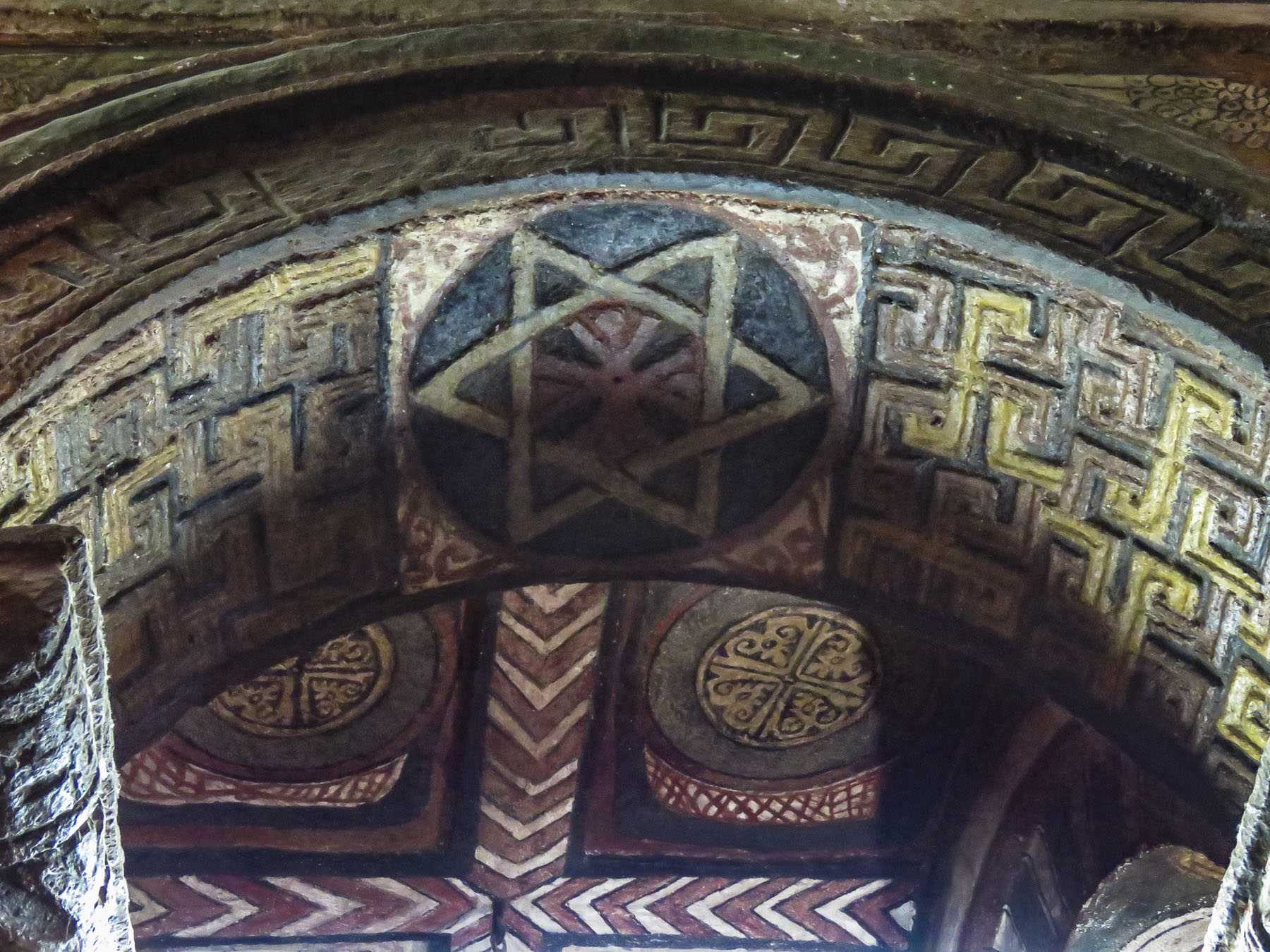
 Distraught by this, King Lalibela commissioned eleven architecturally perfect churches, to be hewn from solid rock, to serve as a New Jerusalem complete with a River Jordan for pilgrims to visit. He based the designs on memories of holy sites from his own pilgrimage to the Holy Land as a young man.
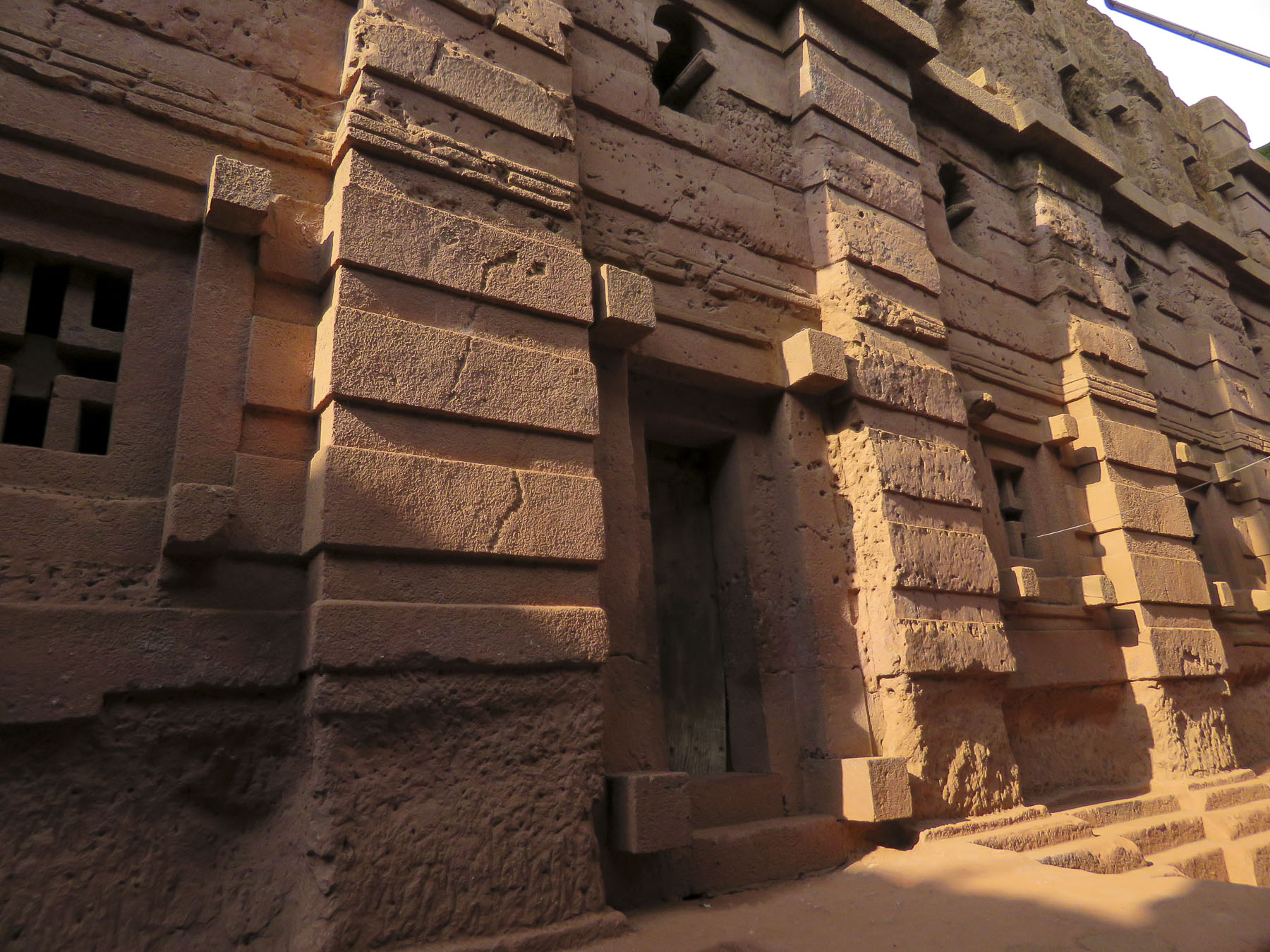 Considering the limited availability of tools in the 1100s, I can’t imagine what a daunting task this must have been. I’m sure the chief architect said, “you have to be kidding.” It’s believed that 40,000 men, assisted by angels at night, labored for 24 years to create this testament to their faith. Masons outlined the shape of these churches on top of monolithic rocks, then excavated straight down forty feet to create a courtyard around this solid block. Doors would then be chiseled into the block and the creation of the church would continue from the inside, often in near total darkness.


 Women worshippers traditionally enter through a separate door and pray apart from the men. Inside, thirty-eight stone columns form four aisles and support a stone ceiling that soars overhead. After walking for days or weeks to reach Lalibela, often fasting the entire time, the journey ends here for many pilgrims, in hopes of receiving a blessing or cure from touching the Lalibela Cross and offering prayers.


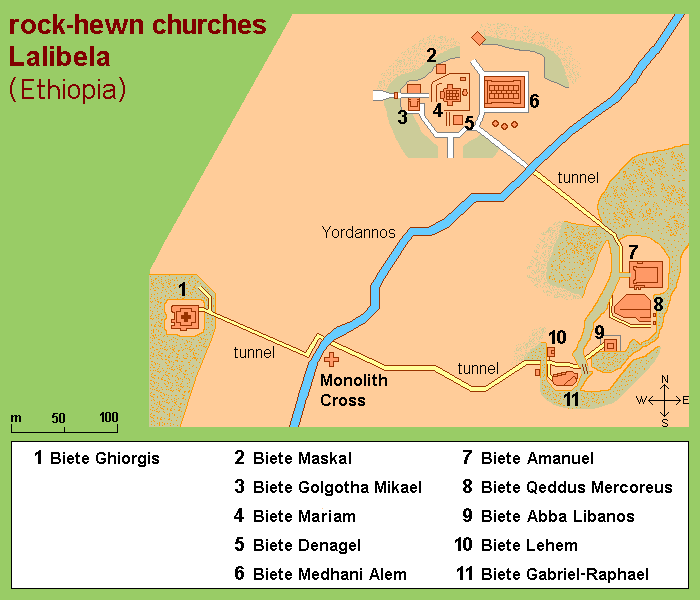


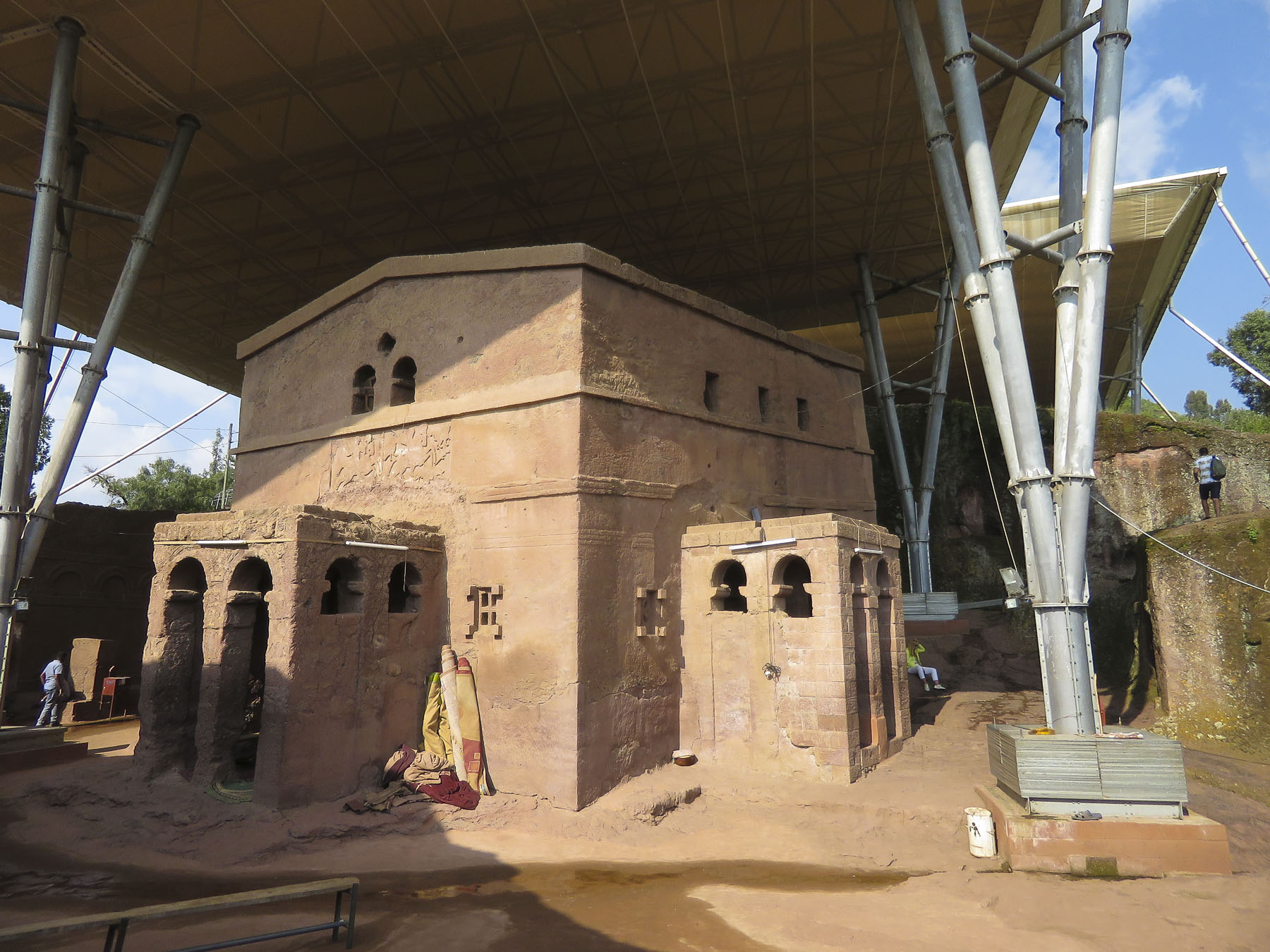 The next morning, we completed our tour of the cluster of the southern of the rock churches: Beta Emmanuel (Church of Emmanuel), Beta Abba Libanos (Church of Father Libanos), Beta Merkurios (Church of Mercurius) and Beta Gabriel and Beta Rafa’el (the twin churches of Gabriel and Raphael.)

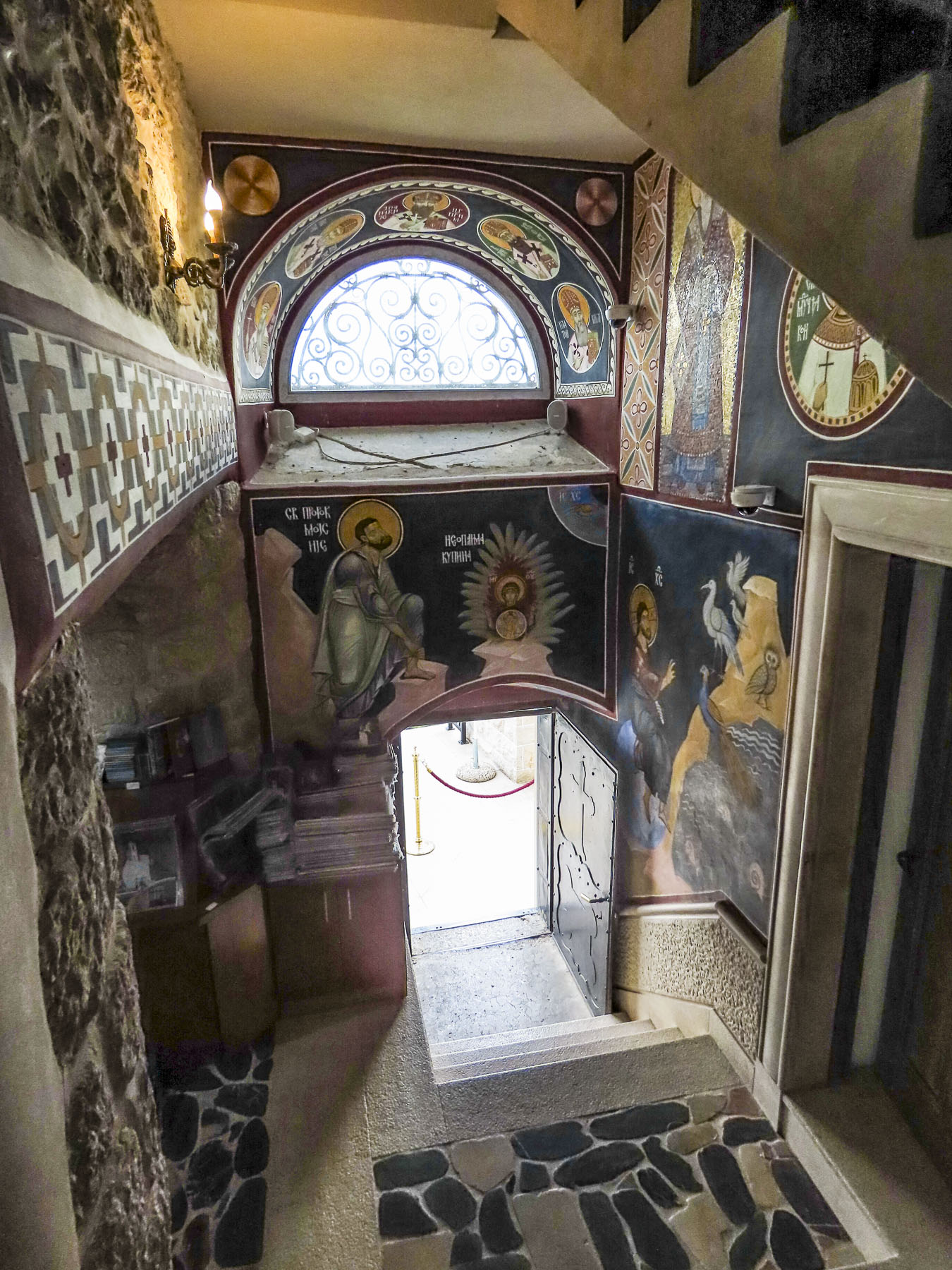
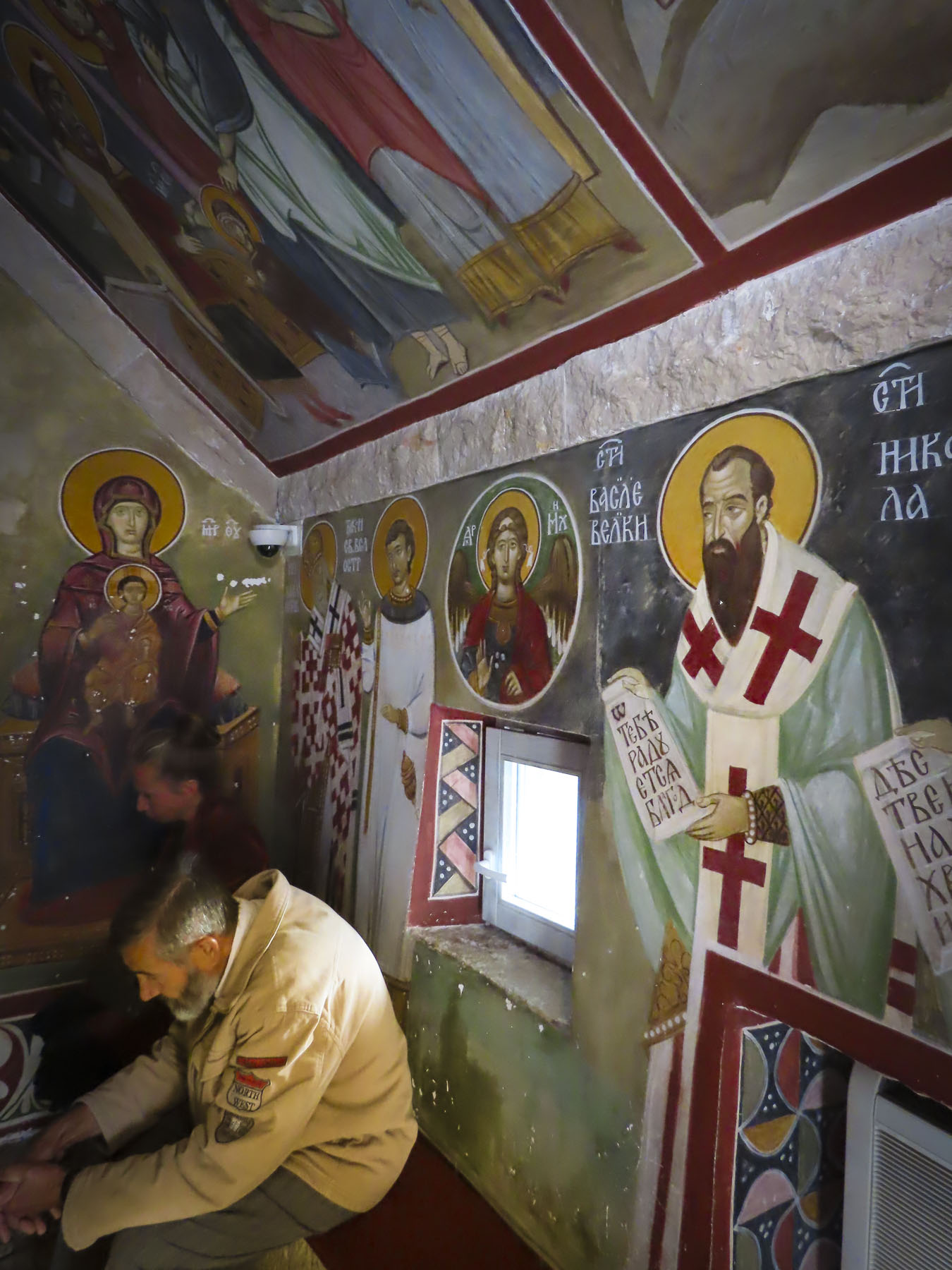
 It’s important to remember that this is not a museum with ancient artifacts and manuscripts in glass cases, but an active holy site where the ancient manuscripts are still used daily, and it is home to a large community of priests and nuns. It has been a destination for Ethiopian Orthodox pilgrims in the northern highlands (elevation 8,200’) for the last 900 years and continues to be visited by tens of thousands of pilgrims annually.
 Leaving the churches behind, we walked through an area of ancient two story, round houses called Lasta Tukuls, or bee huts, built from local, quarried red stone. Abandoned now for preservation, they looked sturdy, their stone construction distinctive from the other homes in the area that use an adobe method.
 Today roughly 100,000 foreign tourists, in addition to Ethiopian pilgrims, visit Lalibela annually, a far cry from its near obscurity 140 years ago. Located four hundred miles from Addis Ababa, it is still far enough off the usual tourist circuits to make it a unique and inspiring destination.



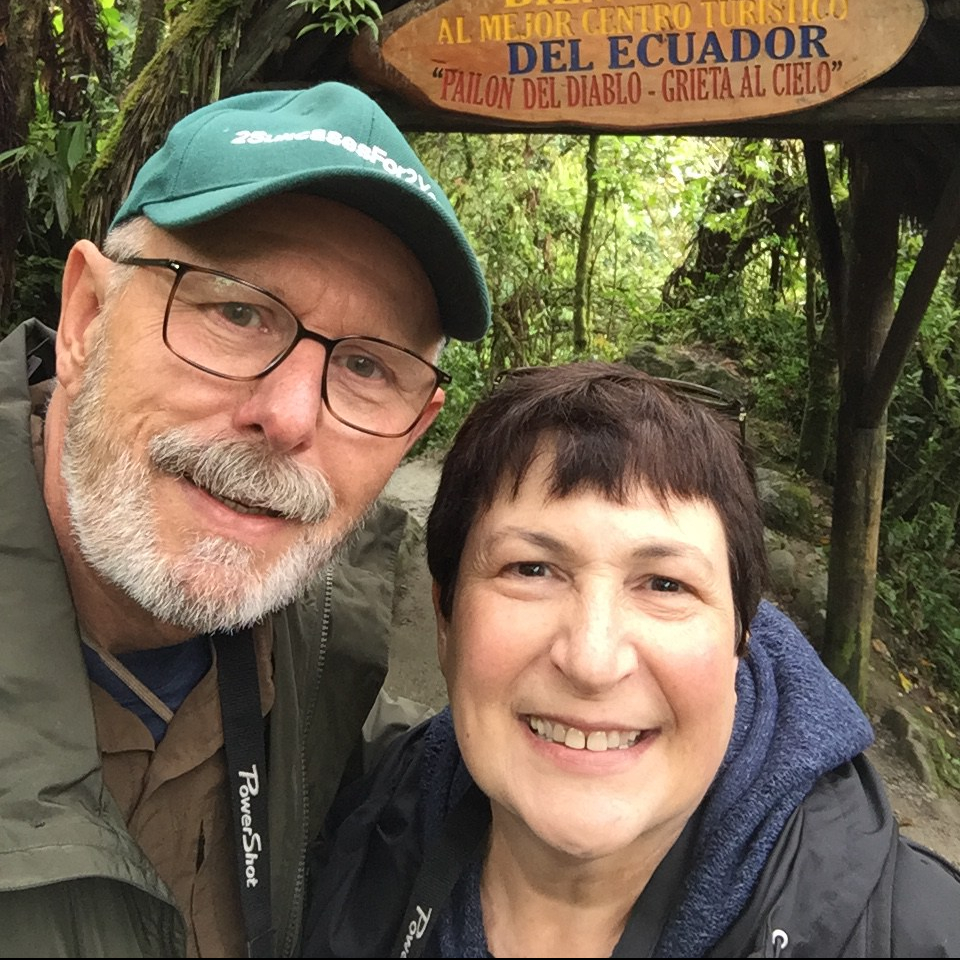 The good news is we haven’t killed each other, though there have been times that I’ve dreamt a pillow was hovering over my head. Just kidding. We have gone from the two of us working six days a week while living in an eight-room house, to being together 24/7 with only a suitcase each. Boy did we downsize! It was challenging: what not to bring, considering all the seasonal changes we have encountered. Don’t laugh, but I have thermals, wool hats and gloves packed, just on the off chance we get snowed in on a mountain pass in the French Alps, this July. Yes, there’s also a flask of medicinal whisky packed in the bags for emergencies. And to my wife’s amusement, a cheap plastic fly swatter. Tragically the backup swatter was left behind in Antigua. In Lisbon I finally caved in and bought a pair of slippers because the floors of the stone buildings just don’t retain any heat in the winter. The comfort of a pair of slippers in the evening, after a long day of walking, can’t be underestimated.
 It’s been a huge but surprisingly easy transition for us. 253 days ago (I thought I was writing this at around day 200, it’s easy to lose track of time on the road) we slammed the door shut on our storage pod, locked it, and popped open a bottle of champagne to celebrate our impending journey. We haven’t looked back. Ecuador, Guatemala, Cuba and now Portugal; I can’t imagine undertaking this adventure with anyone else.


 This visit also gave us an opportunity to jettison the wonderful textiles and ceramics we had purchased along the way for a home we don’t have yet. Imagine this scene from our last stop in San Pedro – the backseat of a tuk-tuk overflowing with Donna and all our suitcases, while I’m sharing the driver’s seat with the driver, one cheek on, one cheek off and a foot dangling outside the cab as we speedily snaked through the steep narrow alleys of the village.


![IMG_2836[12654]](https://i0.wp.com/2suitcasesfor2years.com/wp-content/uploads/2018/11/img_283612654.jpg?w=279&h=209&ssl=1 "IMG_2836[12654]")
![IMG_2841[12658]](https://i0.wp.com/2suitcasesfor2years.com/wp-content/uploads/2018/11/img_284112658.jpg?w=279&h=209&ssl=1 "IMG_2841[12658]")
![IMG_6276[12629]](https://i0.wp.com/2suitcasesfor2years.com/wp-content/uploads/2018/11/img_627612629.jpg?w=477&h=636&ssl=1 "IMG_6276[12629]")


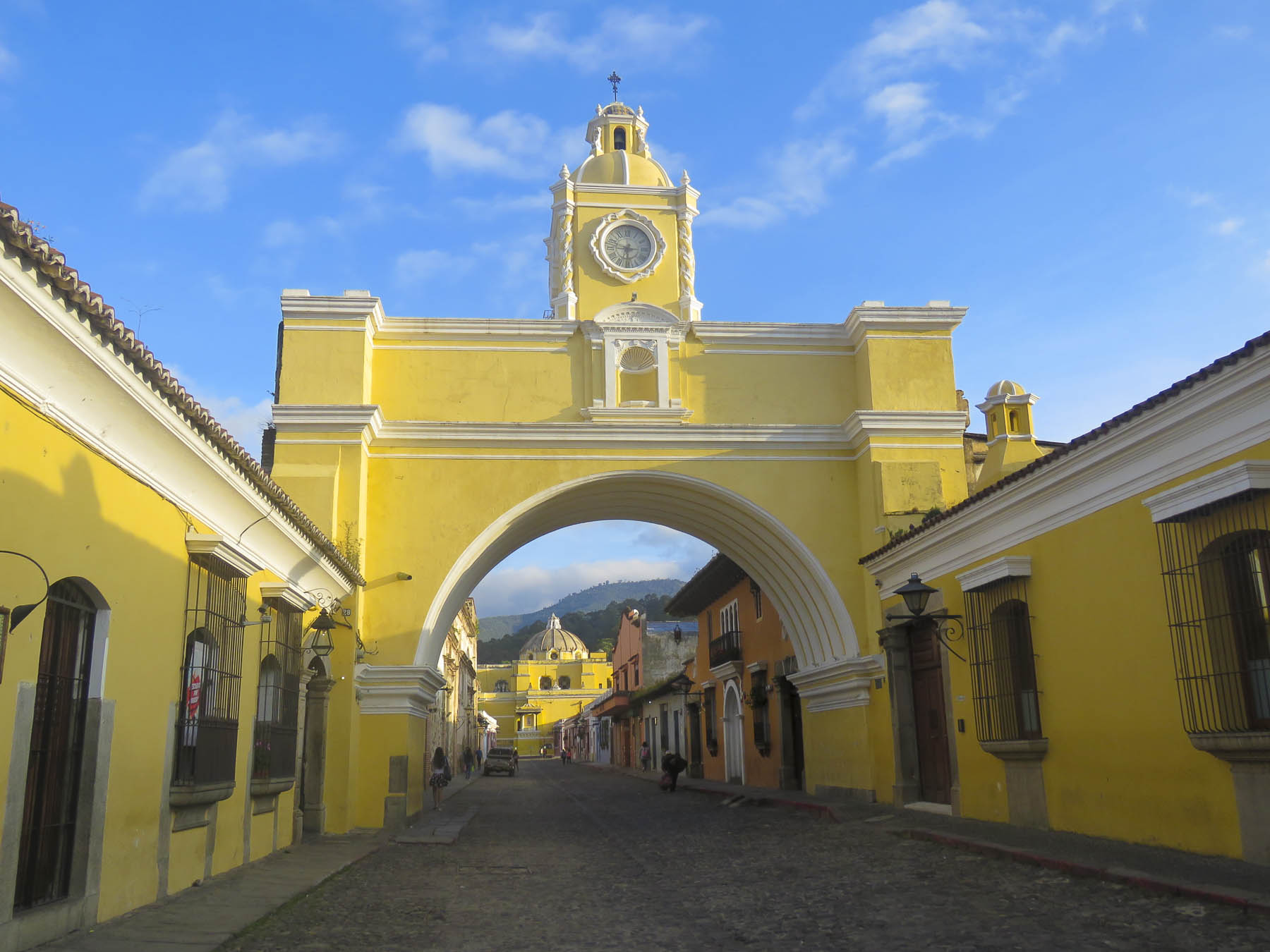 Paradise is such a subjective feeling and if you don’t require a turquoise blue sea and white sand beaches, Antigua, Guatemala just might fit the bill. This charming colonial city with its ever spring-like weather was perfect for our two-month stay.
 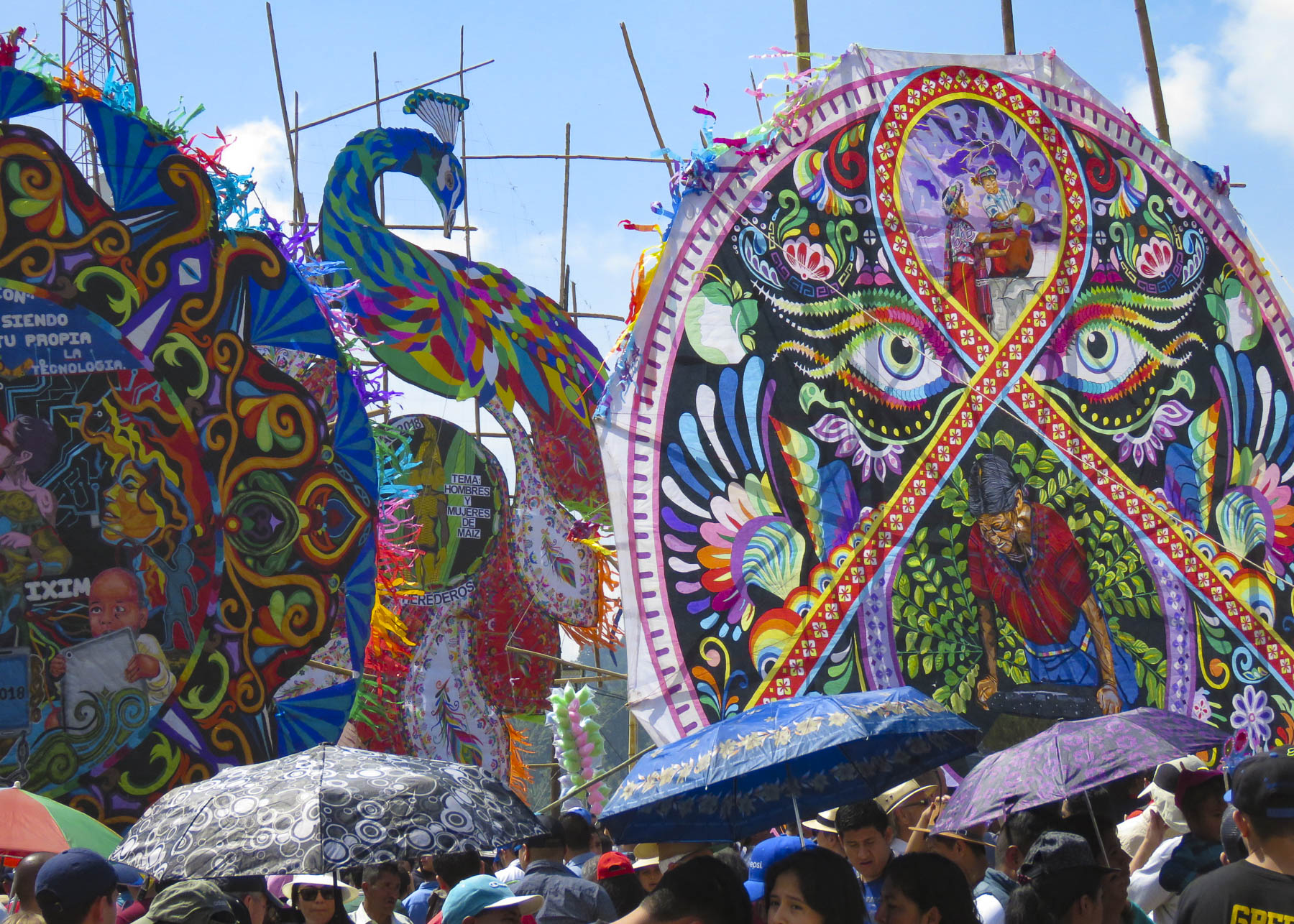 We arrived in Antigua at the end of October so that we could attend the Sumpango Giant Kite Festival held every year on November 1st, All Saints Day. That spectacularly colorful event and a religious procession that burst forward from La Merced Church on October 28th would prove to be representative of the people and life in Guatemala we experienced.


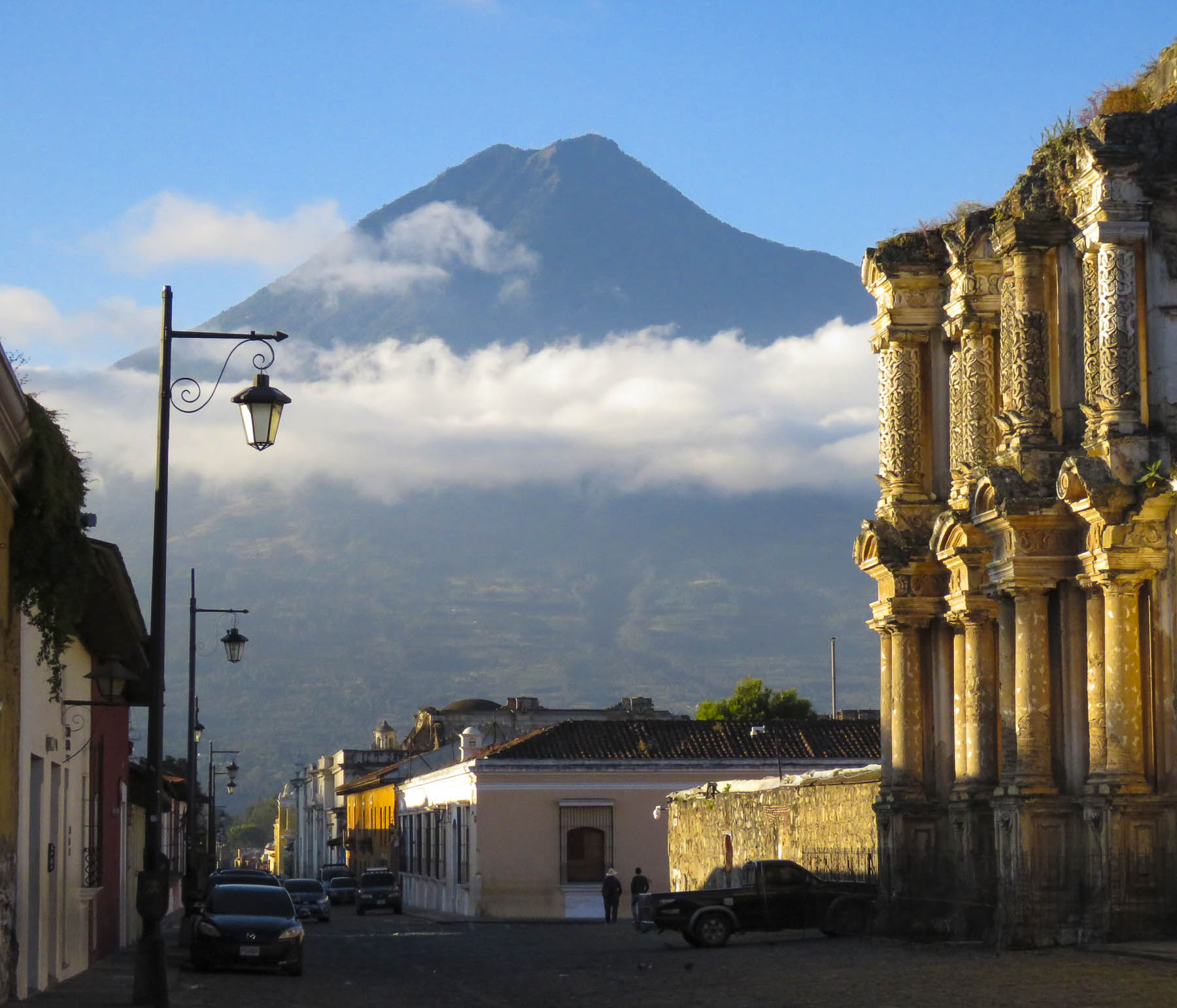
 On Mondays, Thursdays and Saturdays the market tripled in size when the outdoor portion was open, and farmers brought in truckloads of fruits and vegetables from the surrounding villages. There we experienced one of the best markets going, set in a bustling, dusty lot with Volcans Agua, Fuego and Acatenango touching the sky in the background. Most produce was sold in quantities of 5 quetzals (60 cents) so bring lots of small bills, as vendors didn’t usually have change for anything larger than 10Q. The flavor of the locally grown vegetables was amazing. Being backyard gardeners ourselves, we were duly impressed. Twenty quetzals would buy enough vegetables for a week.


 Shopping at the local supermarket, La Bodegona, was a wonderfully hectic experience. At times it could feel like you were shopping from a conga line, weaving up and down aisles, afraid to leave the line for fear of not being able to enter it again and being stuck in dairy for eternity. Numerous store employees lined the aisles offering samples of cookies, deli meats, drinks and other temptations to keep the energy level of the beast alive. It was a hoot! We had to psych ourselves up, like players before the big game, to shop there because it was so hectic and required a certain mental and physical stamina. I will confess though to dancing in the checkout line to blaring Latino Christmas music – the mood was contagious.
 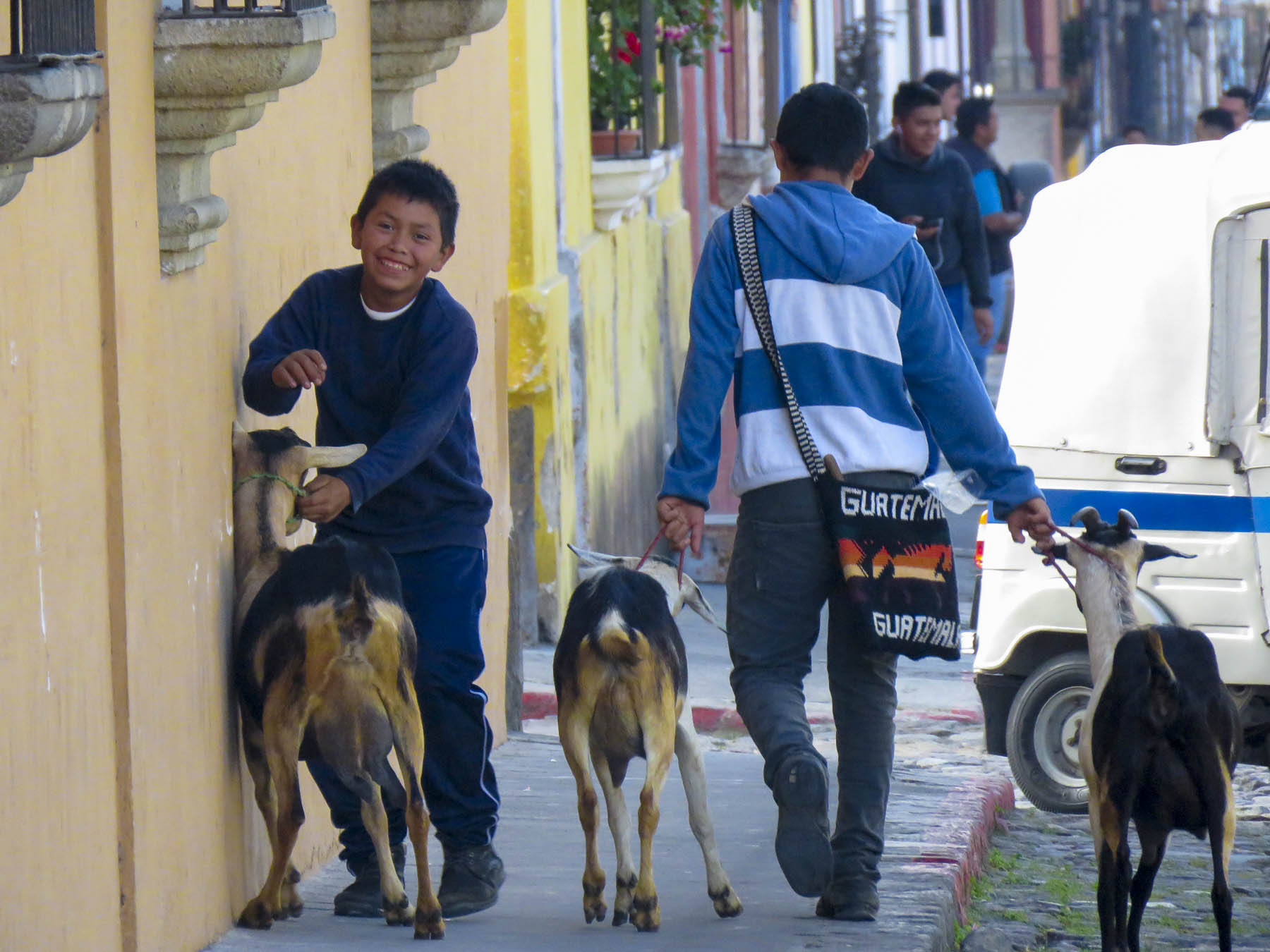 On the same block D&C Cremas, a Walmart affiliate, offered a more sedate shopping experience. Both supermarkets had excellent poultry, which was more tender and tastier than back in Pennsylvania. We were also fortunate that a pork butcher opened a new shop a half block away and offered fresh meat and sausage daily. We enjoyed all the different varieties of Guatemalan sausage he made and found them to be very flavorful and lean, with almost no fat.


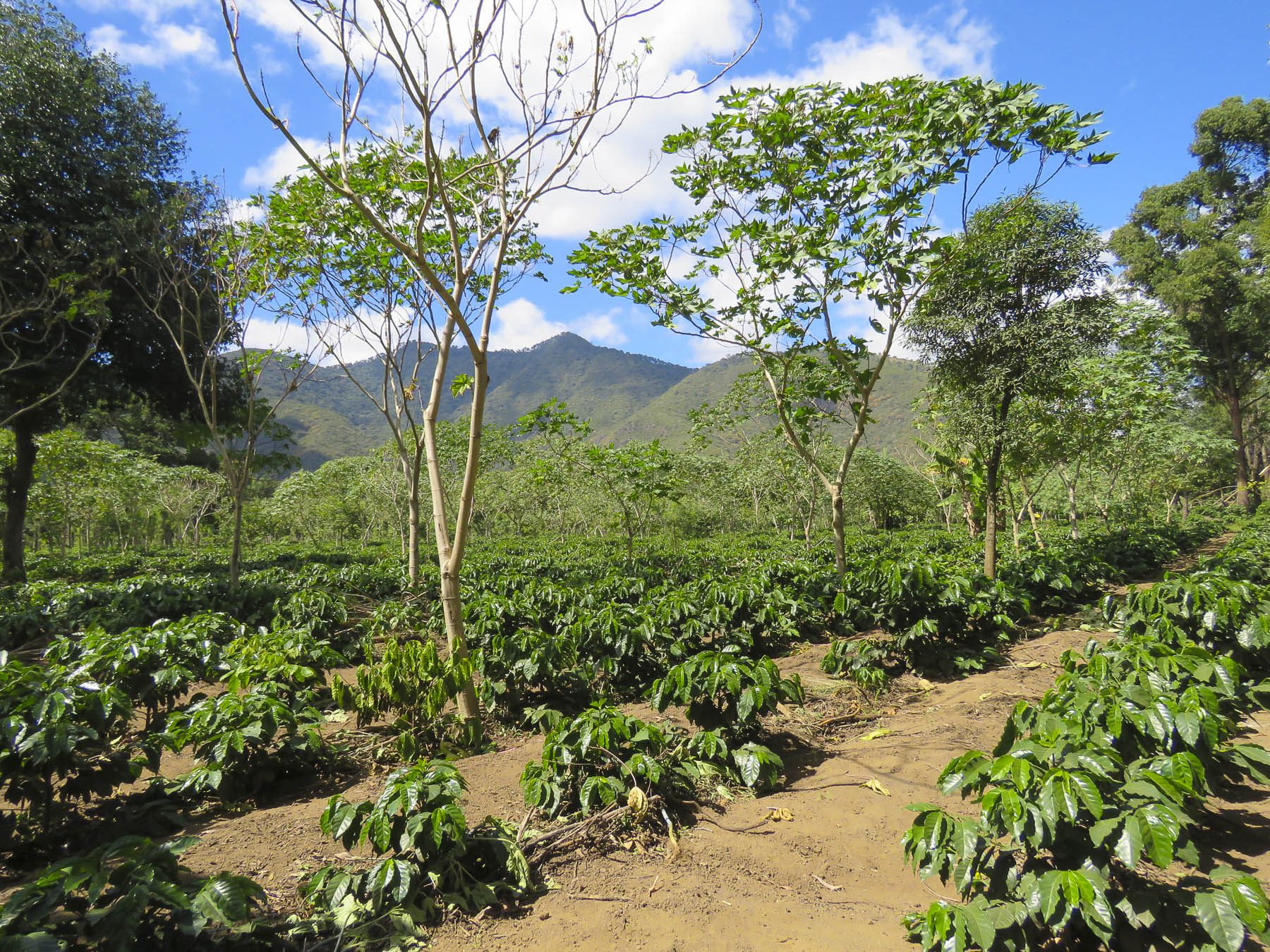 The next day we a followed a serpentine mountain road, second gear all the way, up to Santo Domingo del Cerro, a beautiful sculpture and art park with museums, walking trails and a restaurant that overlooks Antigua. Plan on spending at least a half day there, because it is a beautiful setting for a restful day or afternoon. Casa Santo Domingo offers a free hourly shuttle to the park from the hotel in town.


 Antigua filled early with people in all their finery on New Year’s. Vendors selling textiles the day before were now offering party hats and all sort of 2019 memorabilia. Concerts were held in Plaza Mayor and under El Arco. Firework launchers were being setup amidst the crowds in the streets. Families were picnicking in the park and folks were staking their spots early to watch the fireworks later. At midnight a loud and colorful display filled the night sky. We could hear the roar of an appreciative crowd from our rooftop. We heard random explosions throughout the night to sunrise. Guatemalans love their fireworks!
 A vacation from vacation? Yes, its’s tiring work having fun every day! Where to?


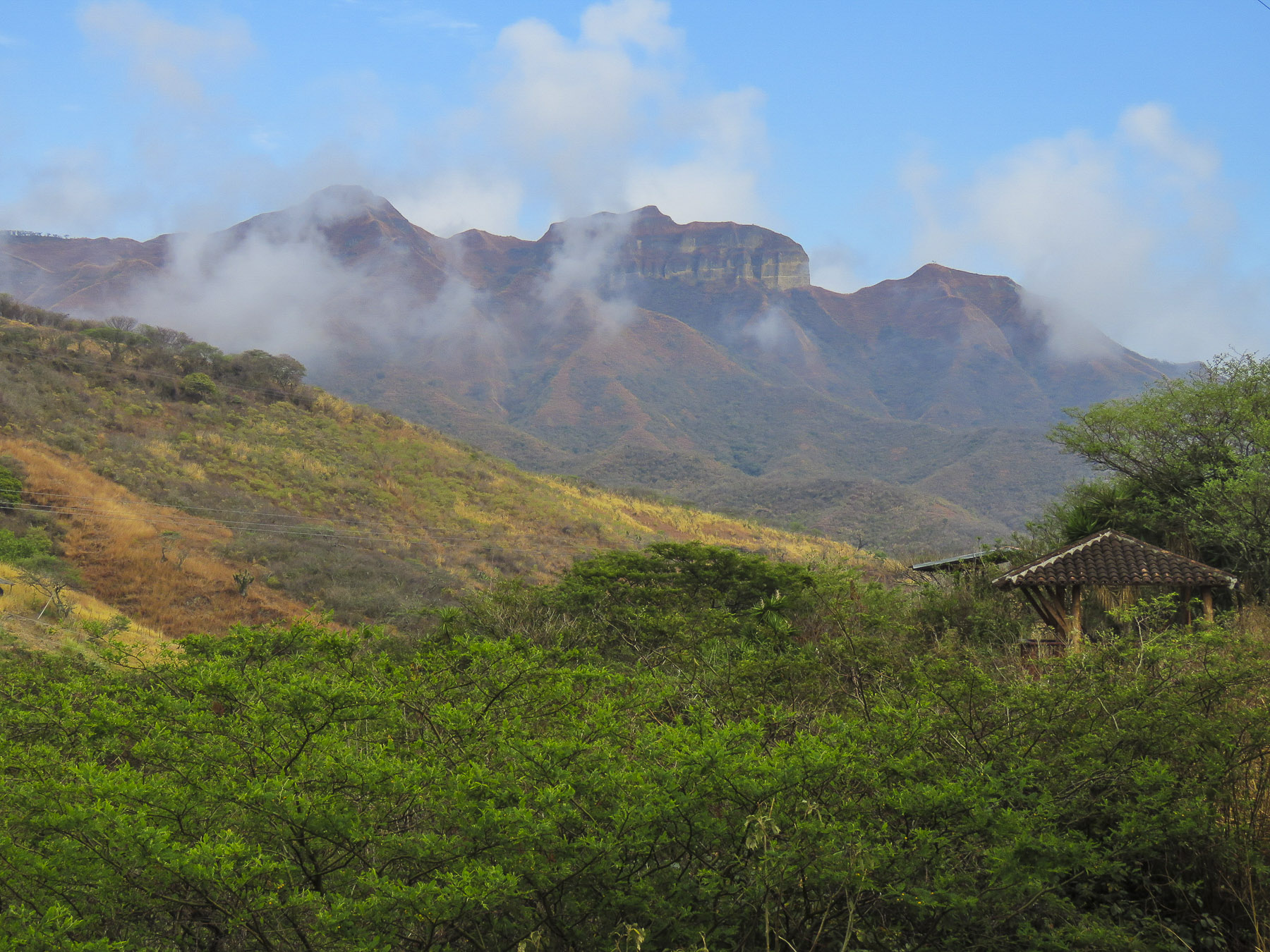
 With a bed in the dorm room going for $9.50 and luxury private cabins starting at just $39.00, the resort has a reputation as the place to go to “relax, enjoy, forget time and stay awhile.” Free morning yoga classes, a wonderful restaurant with some German dishes, and super affordable spa treatments (90 minute, deep tissue massages for $24.00, we both indulged) definitely promoted well-being. Bird calls filled the air and the distinctive face of 6,000ft high


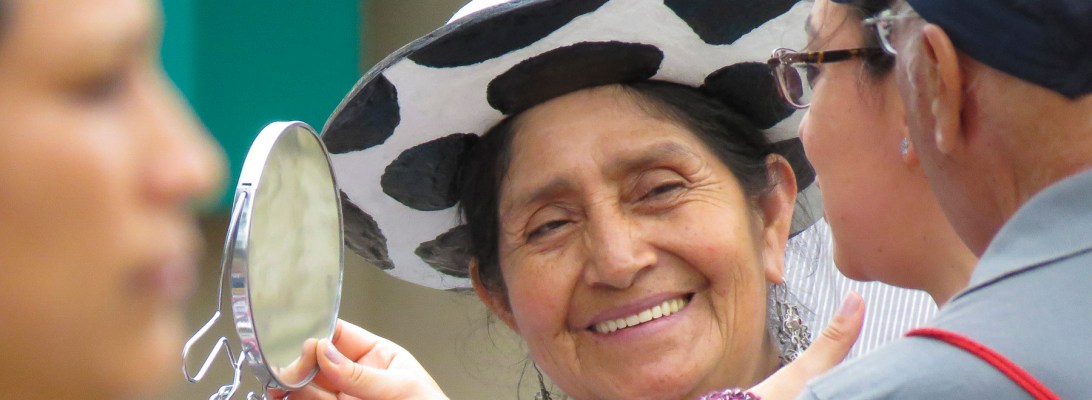
 The city does a wonderful job supporting its craftspeople who still use traditional, made by hand, methods to create exceptional pieces in jewelry, textile, ceramic, wrought-iron, tin and copper workshops located across the city. Toquilla straw weavers in the villages around Cuenca who carry unfinished sacks of Panama Hats into the city’s sombrero (hat) factories also need to be included into this group. There are also several traditional felt hat tallerias (workshops) that cater to the indigenous women who live in the rural areas around Cuenca. The fine arts scene is also well represented with galleries and artists’ studios often next to traditional crafts workshops. To get the broadest experience of this vibrant arts and crafts community a tour through Cuenca’s most interesting neighborhood, El Barranco (the cliffs), and along its busiest street Calle Larga, is a must. The colonial buildings that front Calle Larga back onto the cliff which overlooks Rio Tomebamba and the newer southern part of Cuenca. Wide stairs in several parts lead down to Paseo 3 de Noviembre, a shaded pedestrian walkway and bike path that follows the river for several miles.
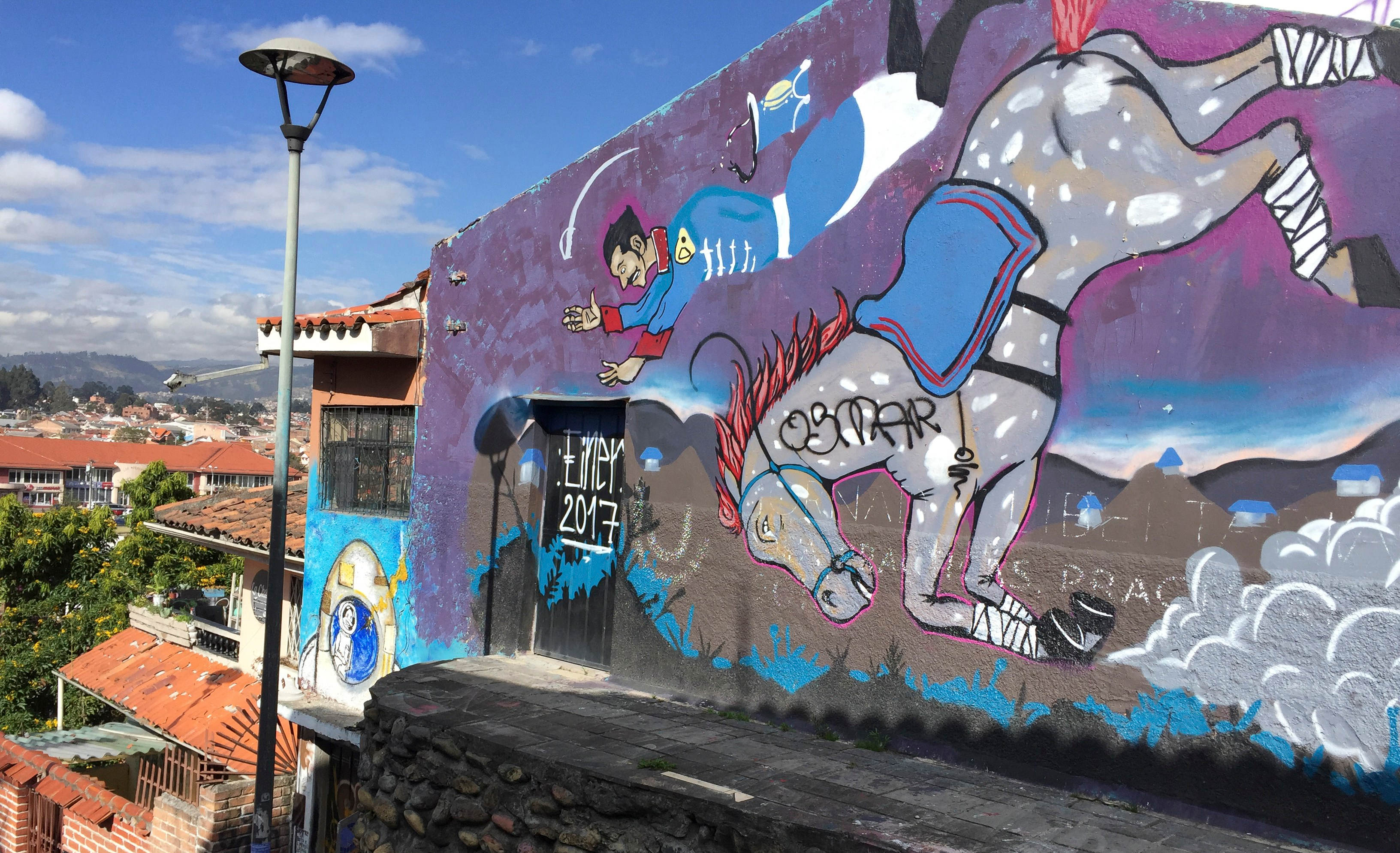 This route actually starts several blocks west of Calle Larga at Cuenca’s Museo de Arte Moderno (Museum of Modern Art) across from Parque de San Sebastian which has a large fountain and several nice places to eat. Casa Azul, which has rare sidewalk tables that face the quiet plaza, and Tienda Café are good choices. Most of the workshops won’t have business signs over their doors or street numbers, might open by ten, but will reliably close between one and three for lunch.


