
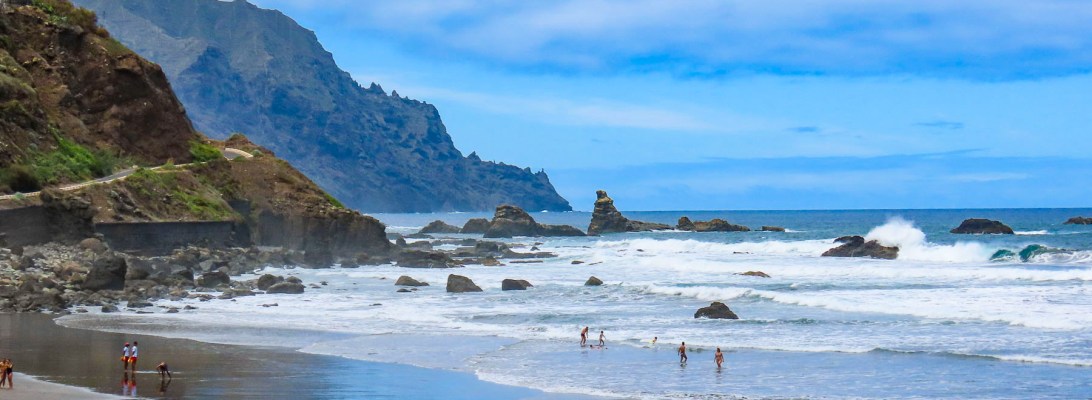
Bright sunlight filled the jet’s cabin as our pilot dipped the plane’s wing into a descending curve that revealed an arid rugged coast, bound by surf and azure waters. Tenerife! The walk to the car park under gently swaying palm trees was refreshingly balmy, a good omen for our visit.
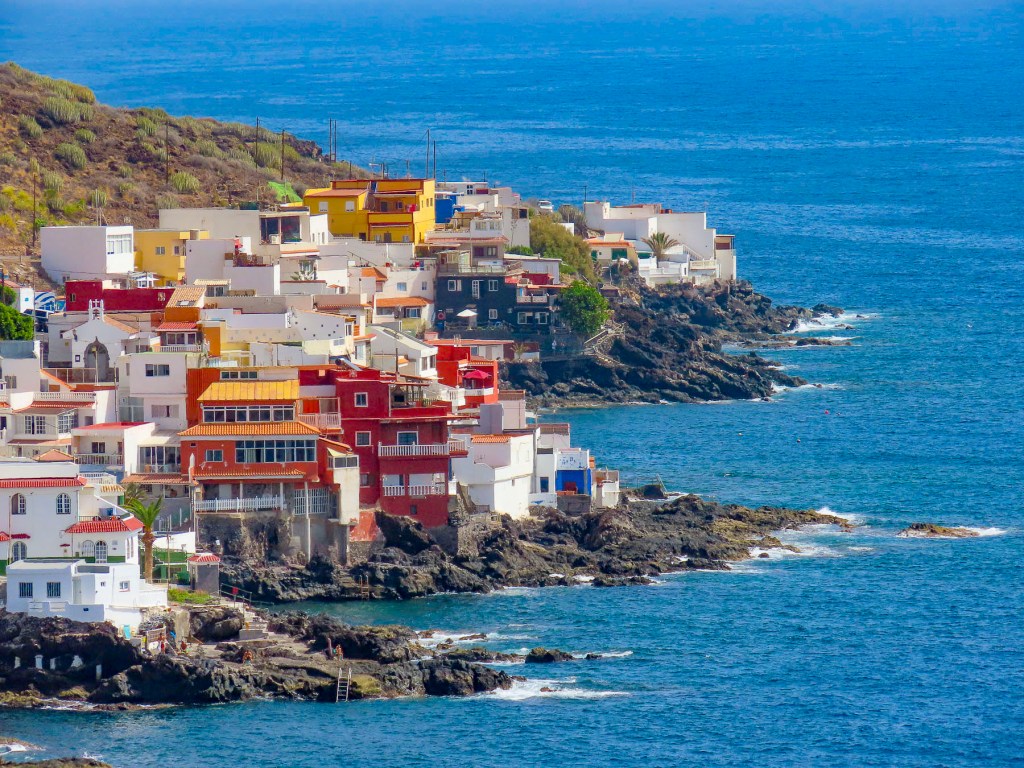
Heading north on TF-1 in our rental car, views of picturesque small villages along the coast awakened our expectations for the days ahead. Our 14 days on Tenerife were divided evenly between stays in Santa Cruz de Tenerife, Icod de los Vinos and La Orotova, with multiple day trips planned from each town to explore the island in depth. Traveling during the September shoulder season, we were able to find some very good pricing for stays at the Iberostar Heritage Grand Mencey, Hotel Emblemático San Marcos, and the Hotel Alhambra.


Three hotels with distinctive character. Santa Cruz de Tenerife was our first destination, the island’s capital; it is a surprisingly large yet intimate, historic and cosmopolitan port city that offers ferry service to several of the other Canary Islands.

The volcanic seven island archipelago is closer to the coast of Morocco than the Iberian Peninsula. Discovered and populated by folks of Berber origin known as the Guanches around the 5th century B.C., It’s thought their indigenous Canary culture developed in isolation over the next 2000 years until Spain’s Age of Discovery sent fleets of ships south along the African coast in the early 1400s. In 1492, after sailing south from Spain, Christopher Columbus’s fleet of three ships and his intrepid explorers stopped in the Canary Islands to resupply their fresh water and food before catching the favorable, westward-blowing trade winds that carried them across a vast ocean to the discovery of the New World. Tenerife was the last island to succumb to Spanish rule in 1496 after the Guanches were forcefully defeated. For the next 400 years the islands played a crucial role in the colonization of the Americas, sending settlers to help establish Caracas, Buenos Aires, Montevideo, and San Antonio, Texas, along with exporting the first banana plants and sugarcane seeds to the islands in the West Indies. Potatoes and maize, new foods from the Americas, arrived first in the Canaries along with treasure ships laden with silver and gold destined for Spain. The importance of the islands to the Spanish crown was noted by the English privateer and favorite royal bad boy Sir Francis Drake, who found the weather so much more agreeable than England and attacked them in 1586 and 1595. Dutch privateers along with Barbary and French pirates also attacked the islands frequently.

Situated along the tree lined Rambla de Santa Cruz, with its wide pedestrian walkway that runs down the center entire length of the boulevard, the Iberostar Heritage Grand Mencey blended effortlessly into the beautiful 19th architecture that surrounds it. While parking on the street in Santa Cruz de Tenerife is free, there is tremendous competition in finding a space, so we opted to use the hotel’s garage during our stay. Fortunately, our lodging was only a fifteen-minute walk from the city center. It was an ideal location to explore the city from.


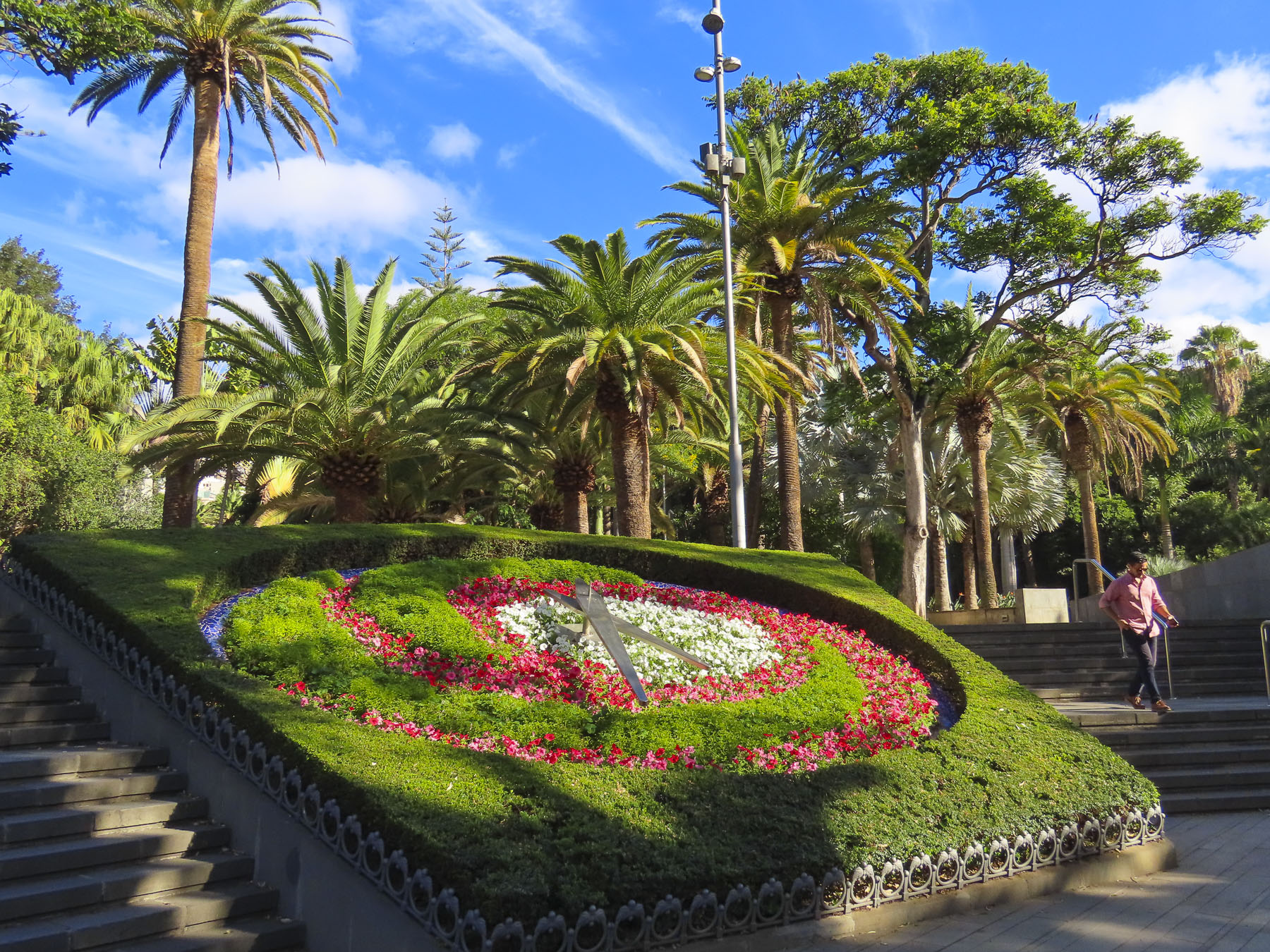
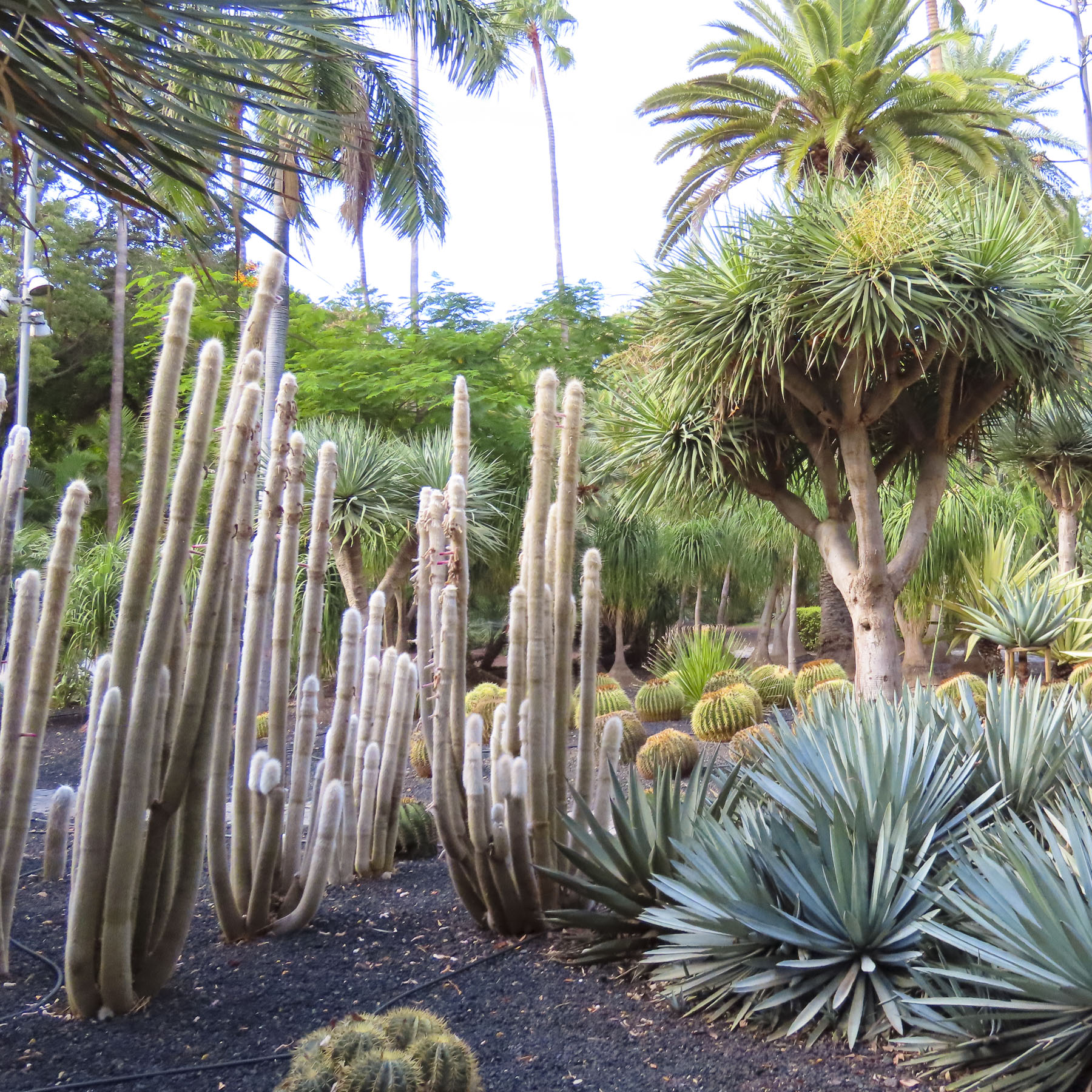

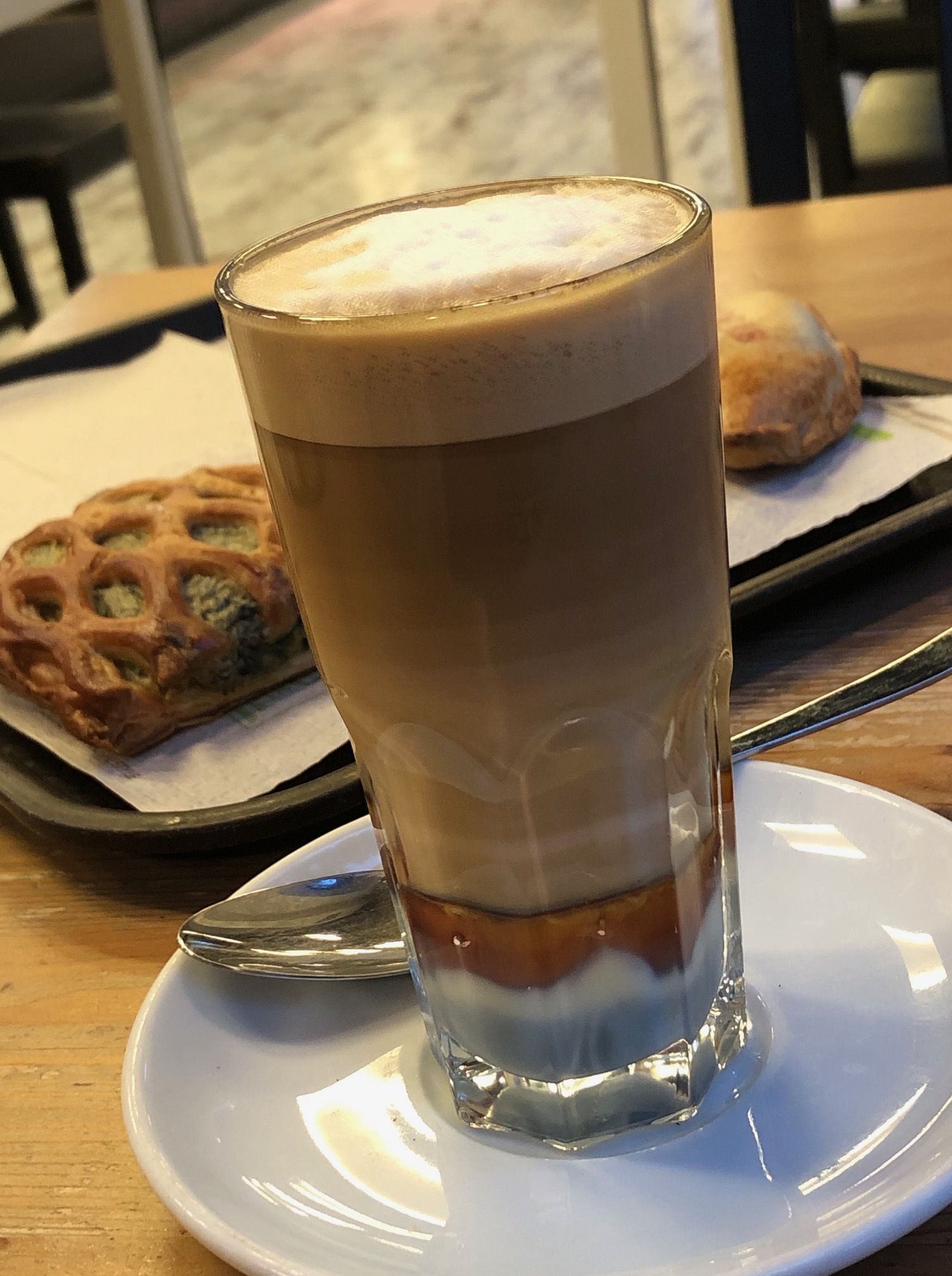
Adjacent to the hotel, the Parque García Sanabrias provided a tranquil sanctuary under a canopy of old growth trees. It’s a huge city park with different gardens, monumental sculptures, and several eateries, and is popular with folks seeking a place to exercise or relax. It’s here that we were first introduced to café leche y leches, a visually attractive layered coffee that was originally created in Santa Cruz de Tenerife early in the 1900s. Surely it was an act of divine inspiration that led to its creation at the Bar Imperial for a loyal customer who always requested the same special coffee. Made with whole milk, condensed milk, espresso, and cinnamon, its popularity quickly spread across the Canaries. Made with an additional shot of Liquor 43, it’s called a “Barraquito,” in honor of the customer who inspired the drink’s creation.

Walking through the city on the way to the harbor and the Palmetum one day revealed a vibrant combination of old and new. Beautiful historic buildings and grand sculptures dotted our route. We were surprised to find that the city also has a modern tramline, the Tranvia de Tenerife, that connects its outer neighborhoods and La Laguna to the city center and port area.


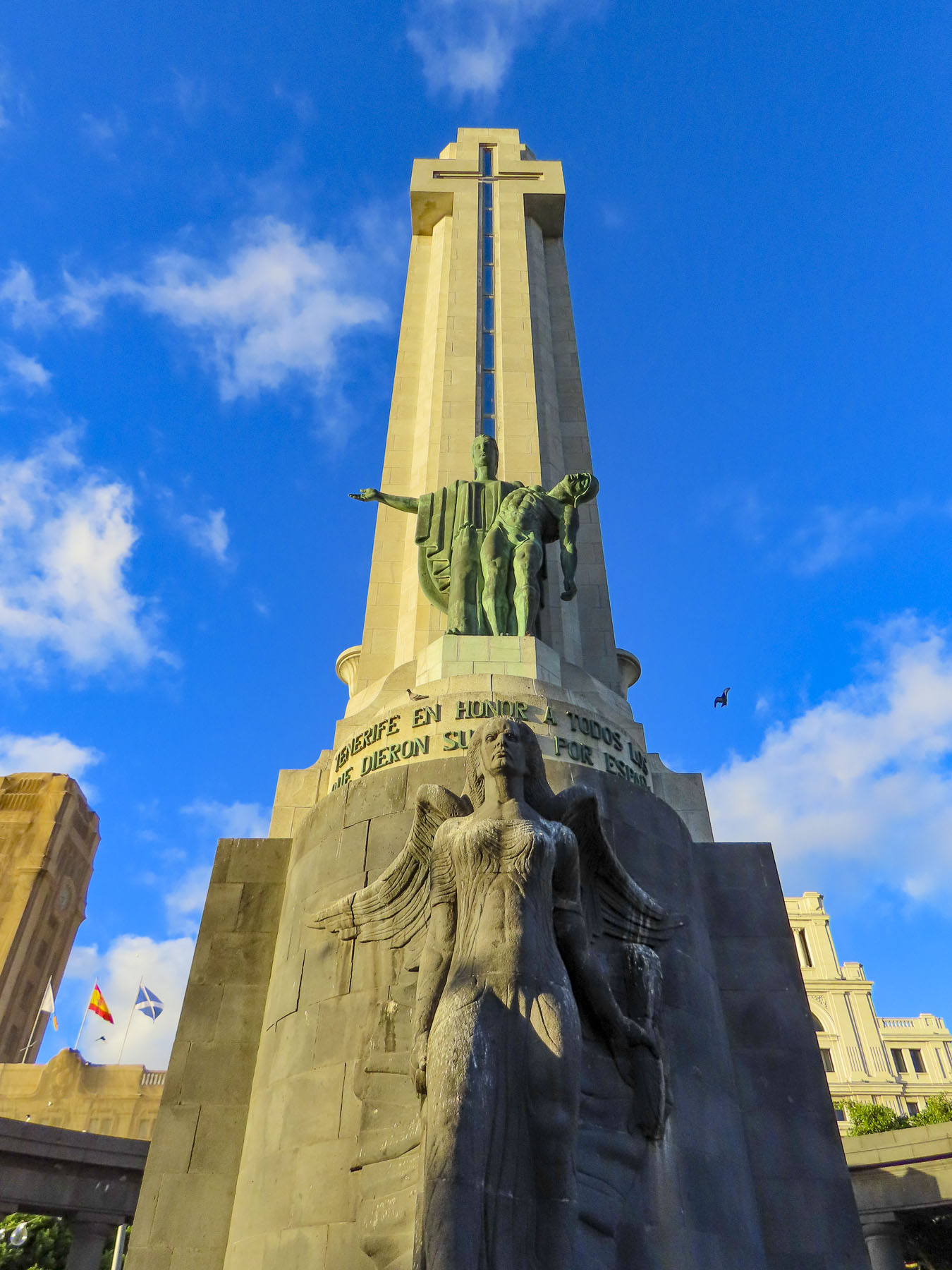
Reaching the Plaza de Espana, we paused to contemplate a tall obelisk, the Monument to the Fallen. A controversial piece today, it was erected in 1947 during the dictatorship of General Franco, and sadly dedicated to the victors in the Spanish Civil War. In 2019 a local government commission determined that the forced labor of political prisoners was used to construct it. And the “monument violates the Law of Historical Memory, and it needs to undergo a resignification process.” Nearby stands a contemporary sculpture called “Lo llevo bien,” or “I’m doing well,” by Julio Nieto, a Basque artist based in Tenerife. It’s a 16-foot-tall stainless-steel sculpture shaped like a humanized tree. A re-interpretation of Atlas carrying the world on his shoulders, Nieto’s piece symbolizes “the optimism of the human being, who, despite all his thoughts, carries it well.”


Looking back at the city from the park’s edge, the rectangular modern shapes of the city contrasted sharply with the jagged silhouette of the rugged Tenerife mountains behind them.

We walked along the waterfront to the Auditorio de Tenerife Adán Martín, Santa Cruz’s iconic landmark, an auditorium and arts center, designed by the Spanish architect Santiago Calatrava. Its ultramodern design reflects Tenerife’s prosperity and optimism for the future.

From there it seemed as if we were walking back through time as we passed the Castillo de San Juan Bautista, a short circular fortress constructed in 1640s to defend Santa Cruz from pirate and British attacks, and the Ermita de Nuestra Señora de Regla, a small church that dates from this era.

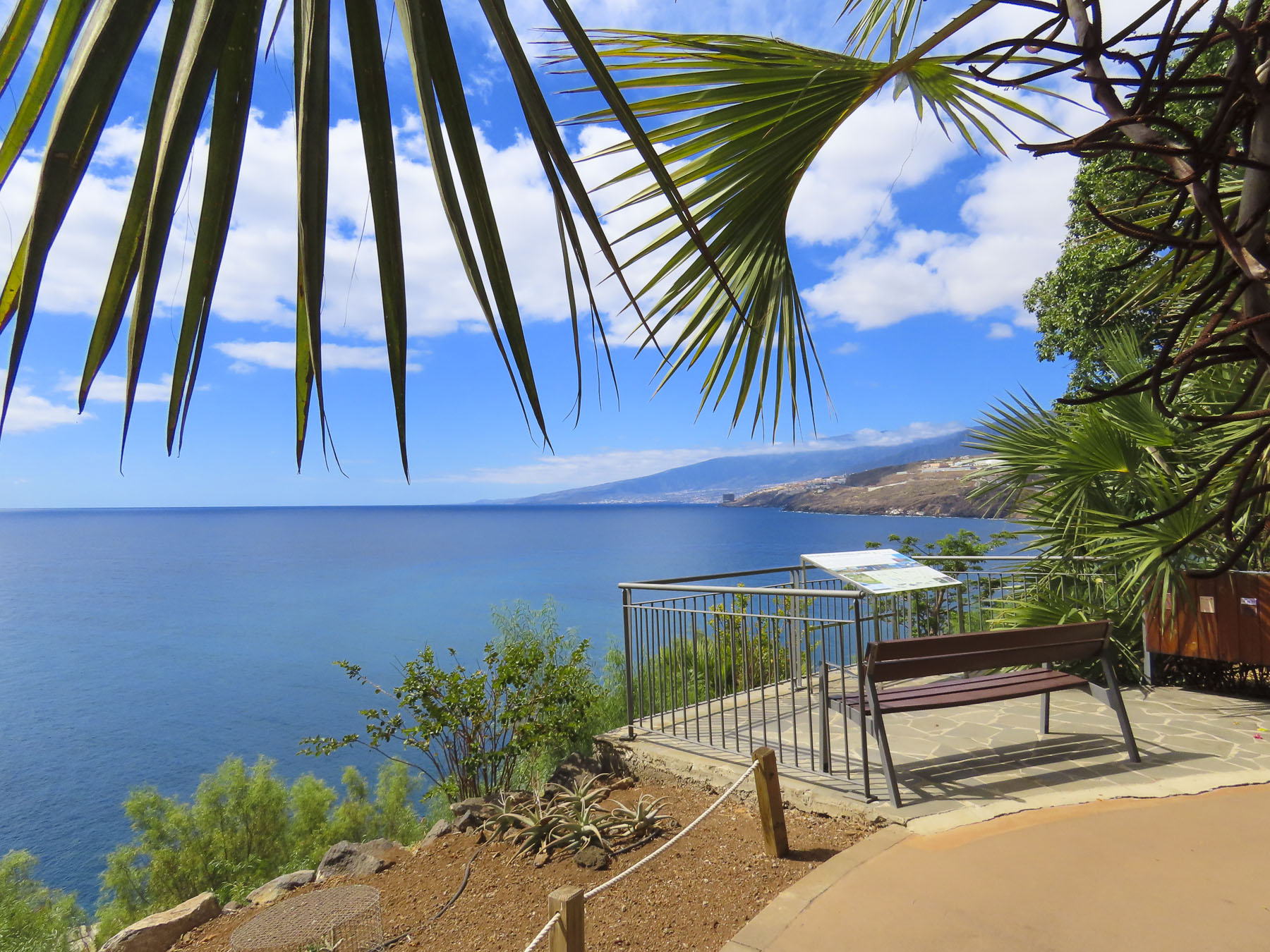
Reaching the Mirador Caribe at the Palmetum, we were rewarded with an expansive view of the city with Auditorio de Tenerife, and Parque Maritimo iCesar Manrique. A botanical garden, the Palmetum was started in 1995 atop 30 acres of reclaimed land that was once a landfill. Now it’s filled with nearly a thousand palm trees gathered from around the world and other plantings. It’s a spectacular place.



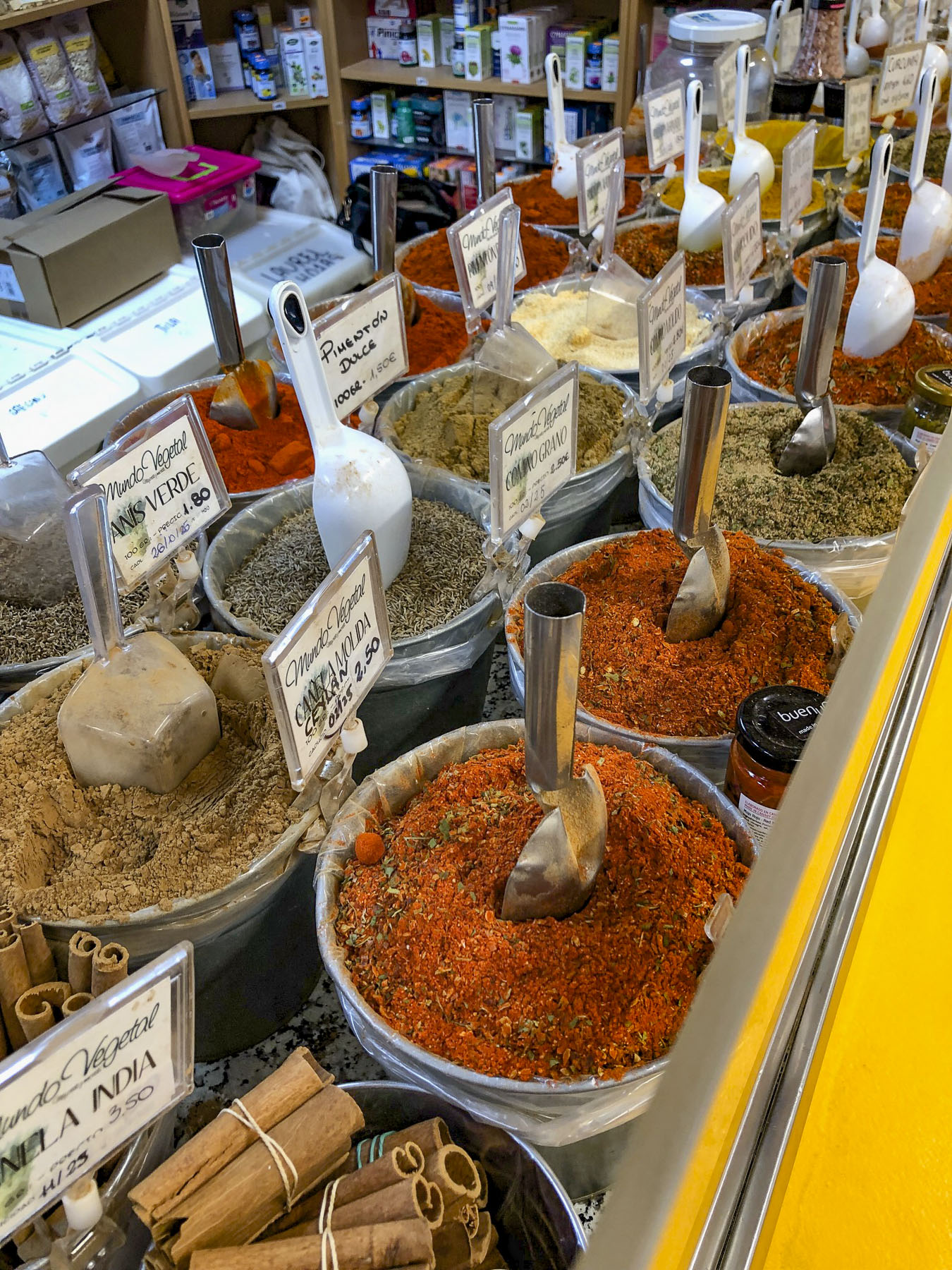
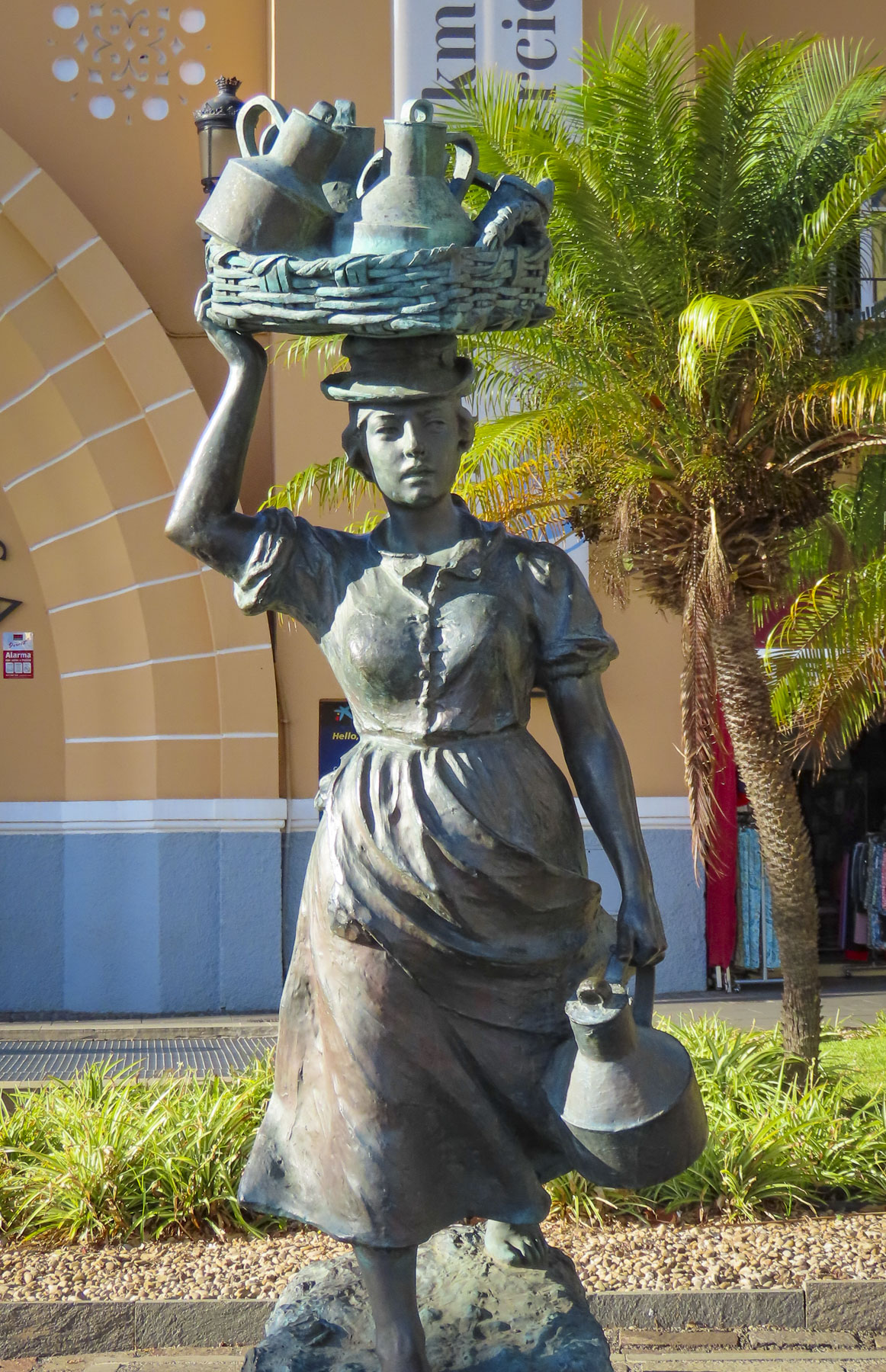
Heading back through the city, we stopped at the old-town market Nuestra Señora de Africa; it’s a sensory experience with colorful fruit displays, aromas of fresh baked goods and the clattering of commerce. Originally an open-air market, it was reconfigured in the 1940s. Built in a neo-colonial style, its arcaded shops and plazas attract locals and tourists. Outside the main entrance two statues reminded us of the old way of life on Tenerife when men still rowed heavy wooden boats through the surf to fish and women called Lechere would walk from village to village with baskets balanced on their heads, carrying jugs of milk to sell.


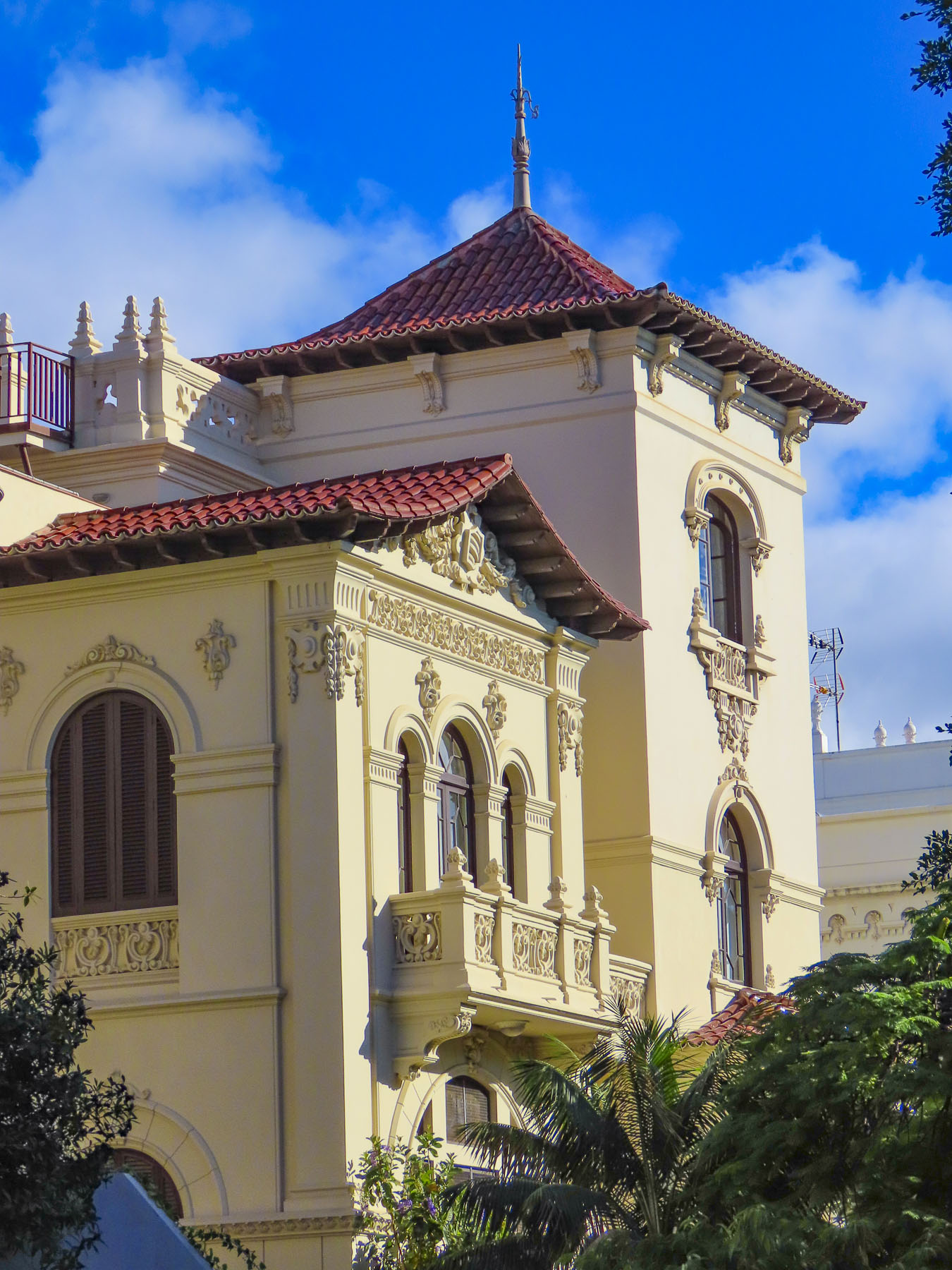
We finished our walk to the hotel down the wide pedestrian walkway in the center of Rbla. de Sta. Cruz, so we could get a better look at some of the interesting architecture that we passed when we first drove through town.

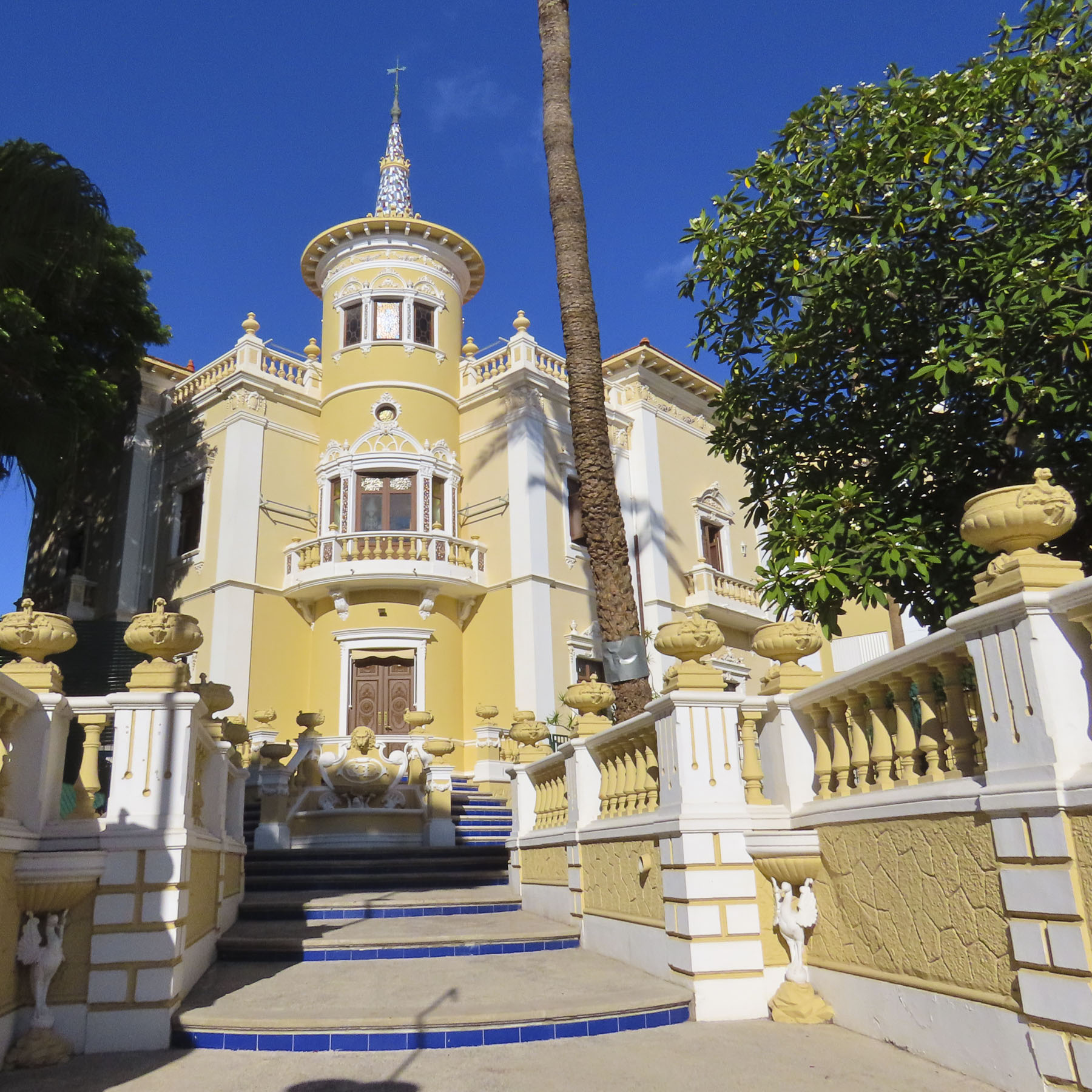
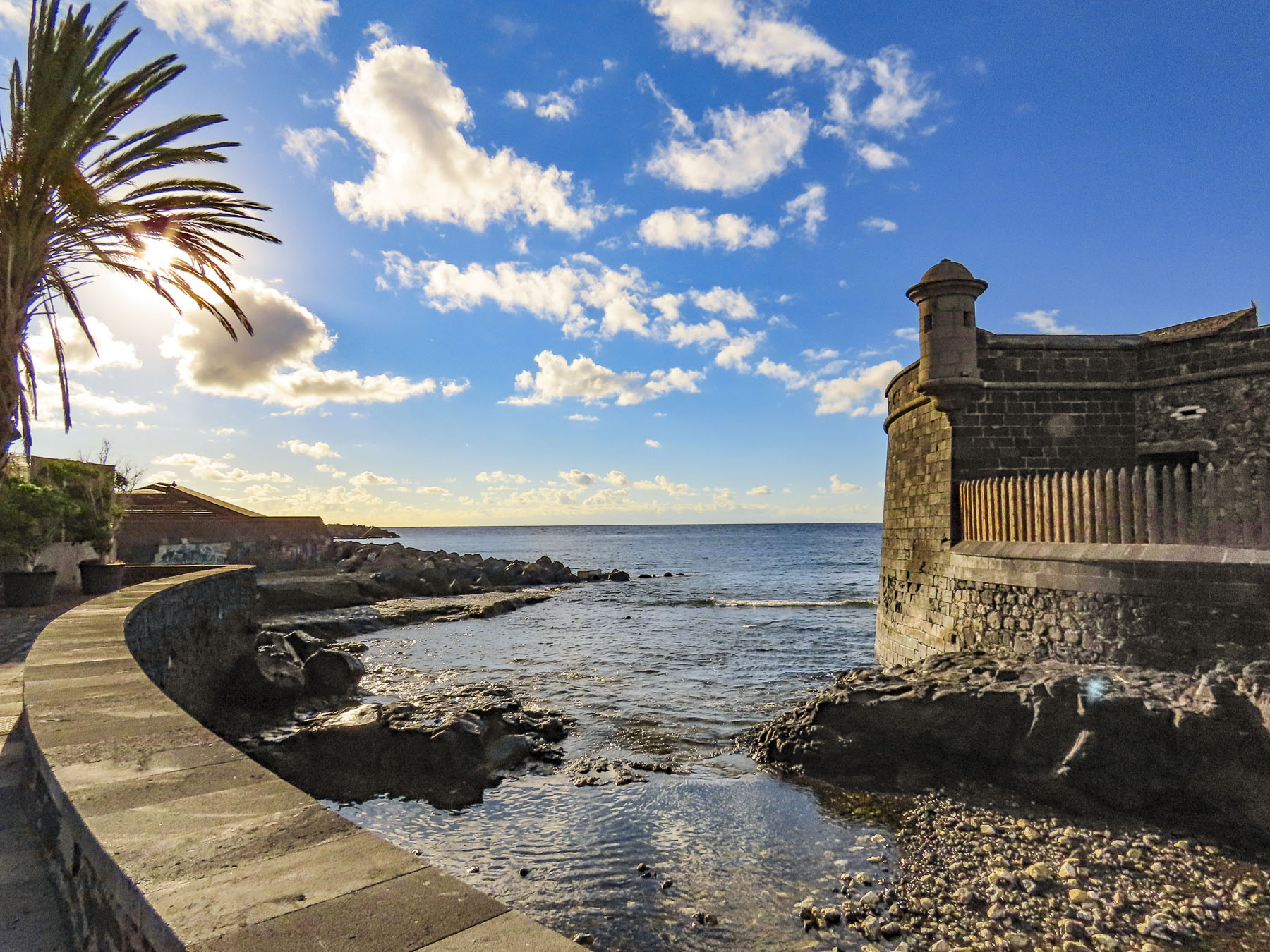
The weather on Tenerife can be fickle, sunny, foggy, rainy, and cloudy all within the same hour, as it was when we headed northeast early the next morning to the small village of San Andrés for breakfast, before visiting Playa de Las Teresitas, a wide manmade beach of imported yellow sand built behind a series of protective breakwaters. Across from the small café where we had breakfast under a threatening sky stood the ruins of Castillo de San Andrés, a small round fortress built to deter pirates from landing and ransacking the village and Santa Cruz. As British troops attempted to land in 1797 and seize Spanish treasure from the Americas, it’s believed a canon shot from this fortress wounded the famous Admiral Horacio Nelson, causing the amputation of one arm. This cannon is oddly on exhibit in the museum at the Castillo de San Cristobal in Santa Cruz. During the 18th and 19th centuries flooding from the stream next to the castle undermined its foundation causing it to split into almost even pieces, like a cake sliced in half.


Above the beach the Mirador Playa de las Teresitas offers tremendous views south of the coast. Turn around and walk a few yards back along the road for a spectacular view of the black sand beaches Playa de Las Gaviotas and Playa Cueva del Agua.


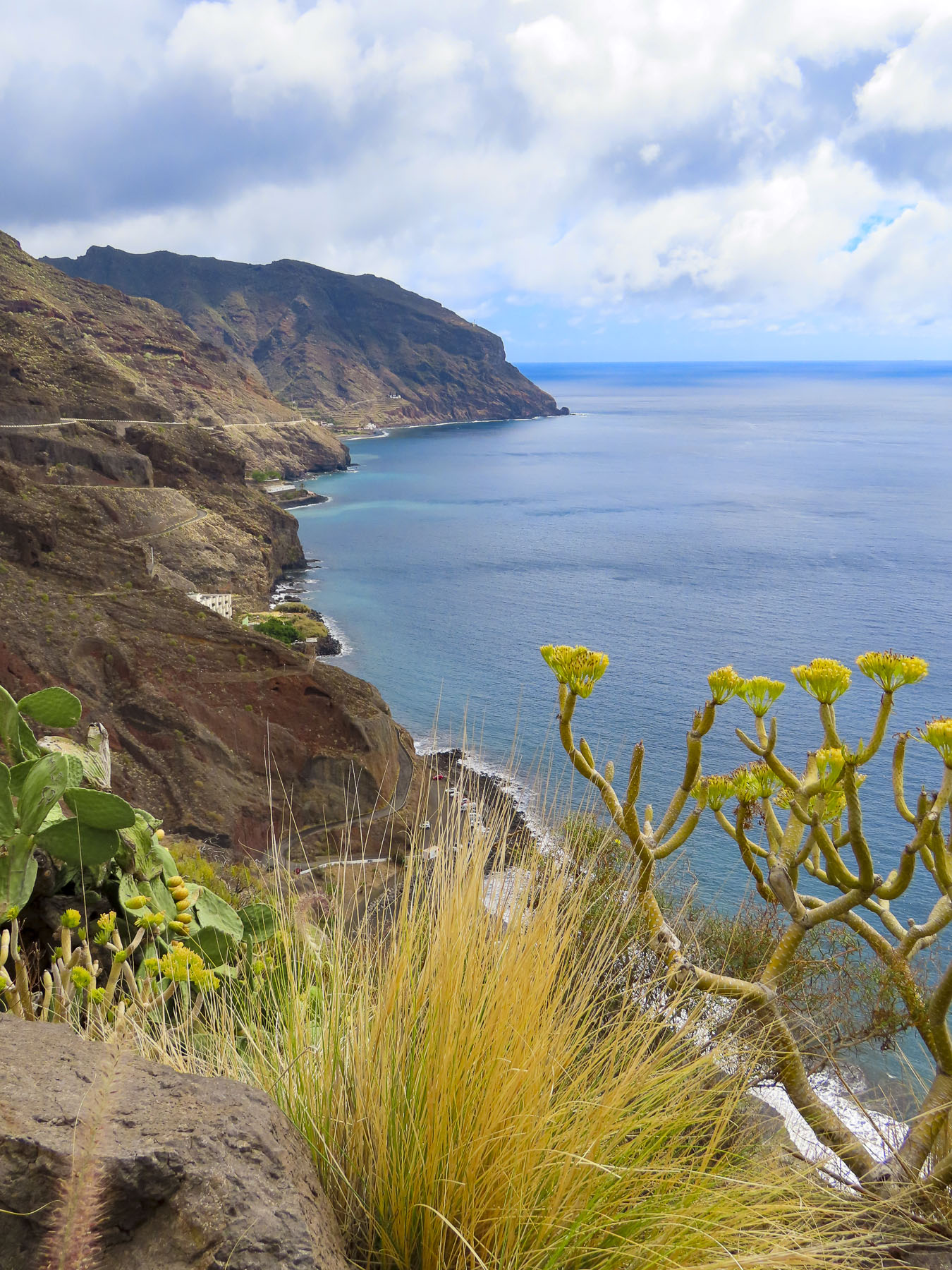
Any resemblance to a straight road disappeared as we turned onto TF-12 to work our way across the island to Playa del Roque de las Bodegas, the Mirador de Playa Benijo and continue onto the El Draguillo mirador in an isolated hamlet in the Anaga Rural Park.


Distance between sites on Tenerife are relatively short as the crow flies, but the roads are narrow and serpentine, so the driving is slow, even though not many cars are on the roads. Rising into the mountains, the terrain changed from arid browns to verdant greens. The views along the way of isolated villages hugging the steep slopes were awesome.


Our intent was to drive all the way to the El Draguillo Mirador, as our GPS map led us to believe was doable, but the road ended at a very small gate in a muddy car park with a sign that said only residents of the village were allowed to drive past this point. Evidently this is the starting point for the El Draguillo trail, a 6 hour hike. The parking lot was jammed full and it took a serious multipoint K turn to get us out. We recovered nicely though by having a great lunch nearby at La Venta de Marrero, a cliffside restaurant with a fabulous view.

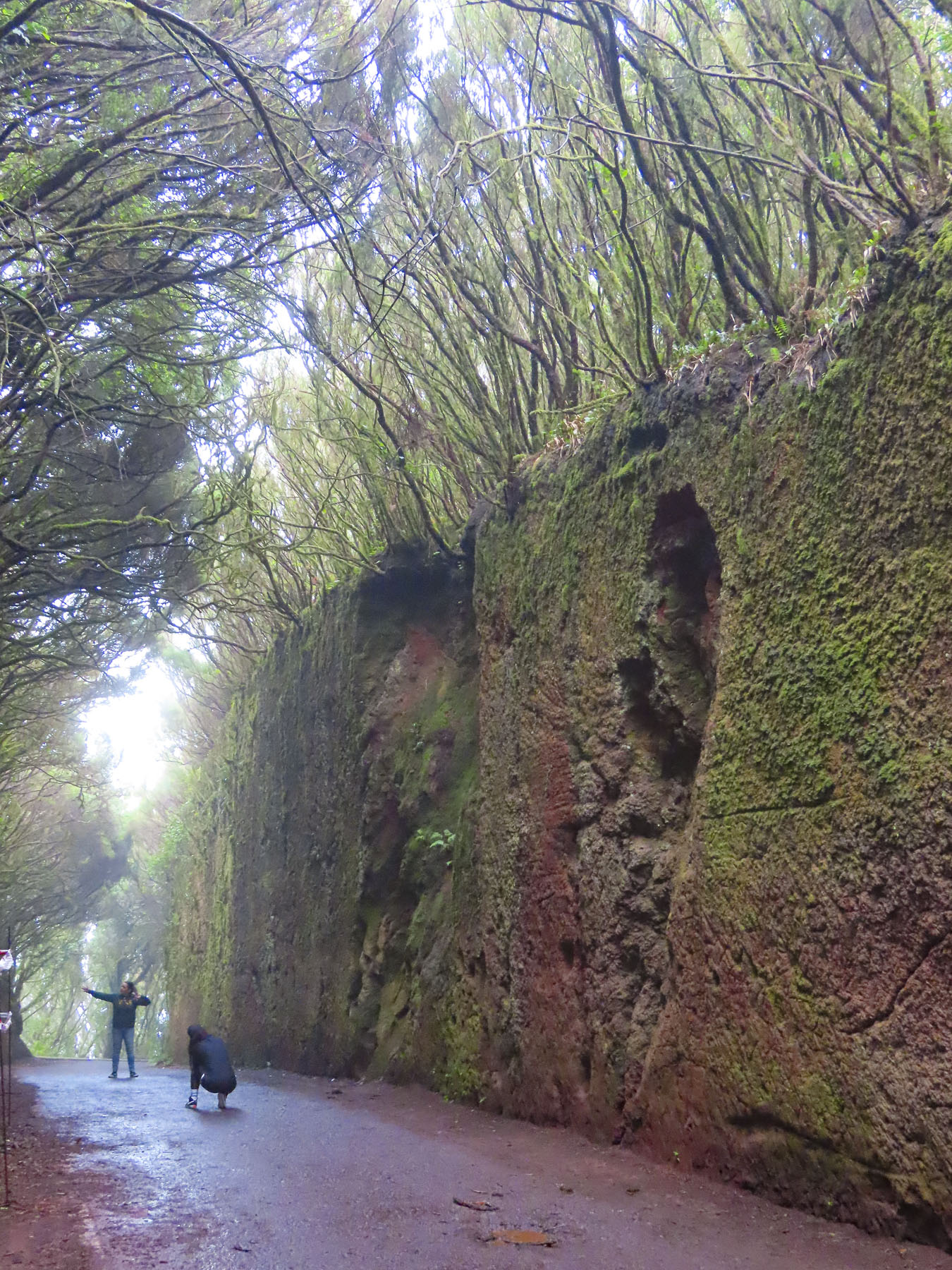
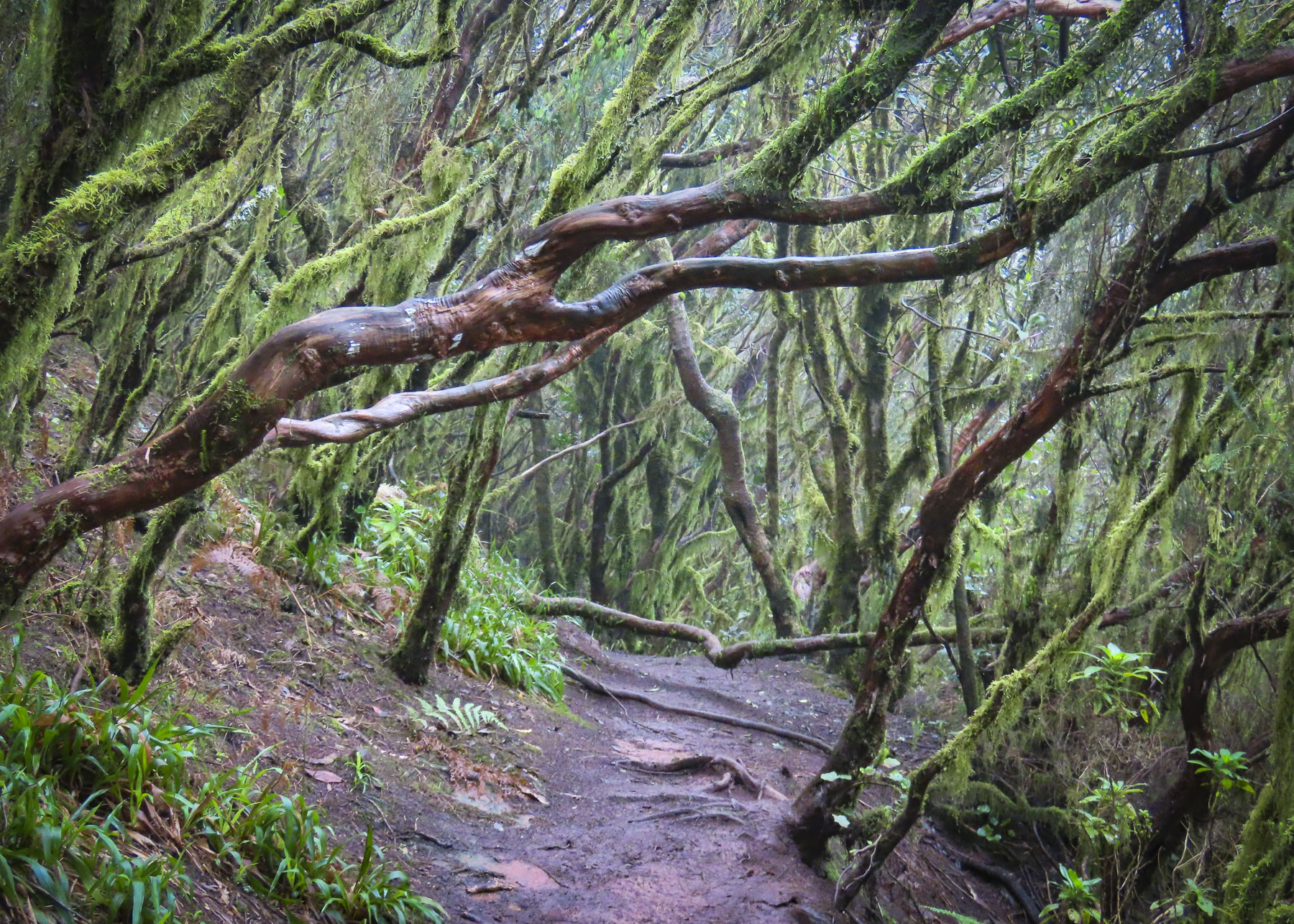
Scenes obscured by fog and low clouds as we drove across the mountainous interior that morning were now brilliant in the afternoon sunlight as we headed toward the Túnel de las Hadas. It’s a mesmerizing channel covered with moss, that was cut through the surrounding laurel forest. It is located in the Parque Rural de Anaga, which is recognized as a biosphere reserve with the largest number of endemic plants in Europe. The fog rolled in again and it was enchanting.
Our last day trip from Santa Cruz was to San Cristobal de La Laguna, an old colonial city that on its founding in 1497, after the defeat of the indigenous Guanche kingdoms, became Tenerife’s and the Canary Archipelago’s first capital. The village at first grew haphazardly around the Iglesia de la Concepción.

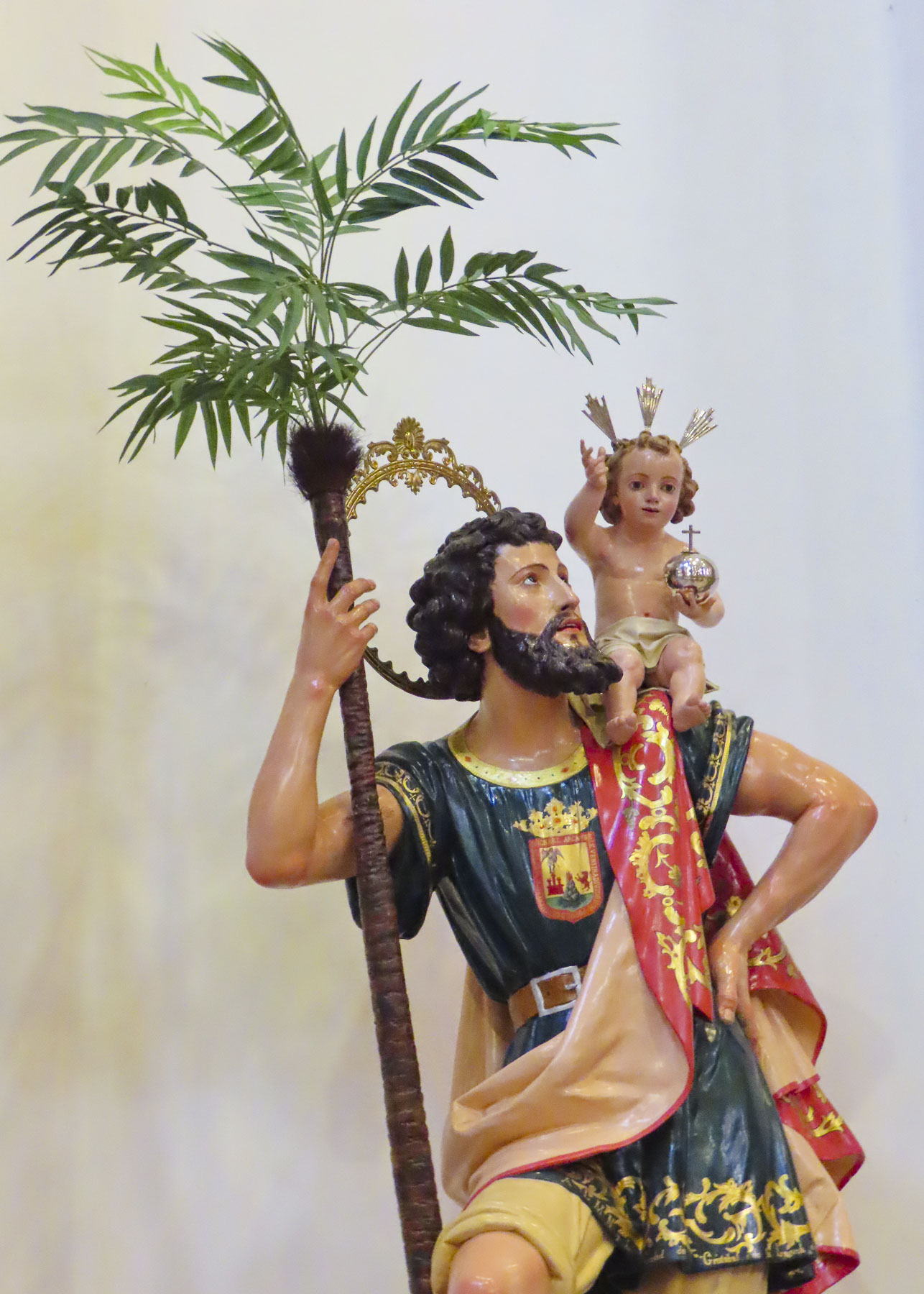
These first dwellings, built mostly of reeds, were ordered to be replaced in 1502, as their building material threatened to destroy the growing town if it ever caught fire. By this time La Laguna was the largest city in the Canaries with 6000 thriving inhabitants, two large churches and several monasteries. The city leaders adapted a plan Leonardo Da Vinci created for the city of Imola, Italy, as a blueprint for their city. Local son and Jesuit missionary José de Anchieta is credited with the inspiration to use this design of La Laguna when he founded the cities of Sao Paulo and Rio de Janeiro, Brazil, in the mid-1500s. The priest is highly revered on Tenerife and a venerated wooden sculpture of him from the Cathedral of La Laguna is carried in procession through the streets every June 9th.
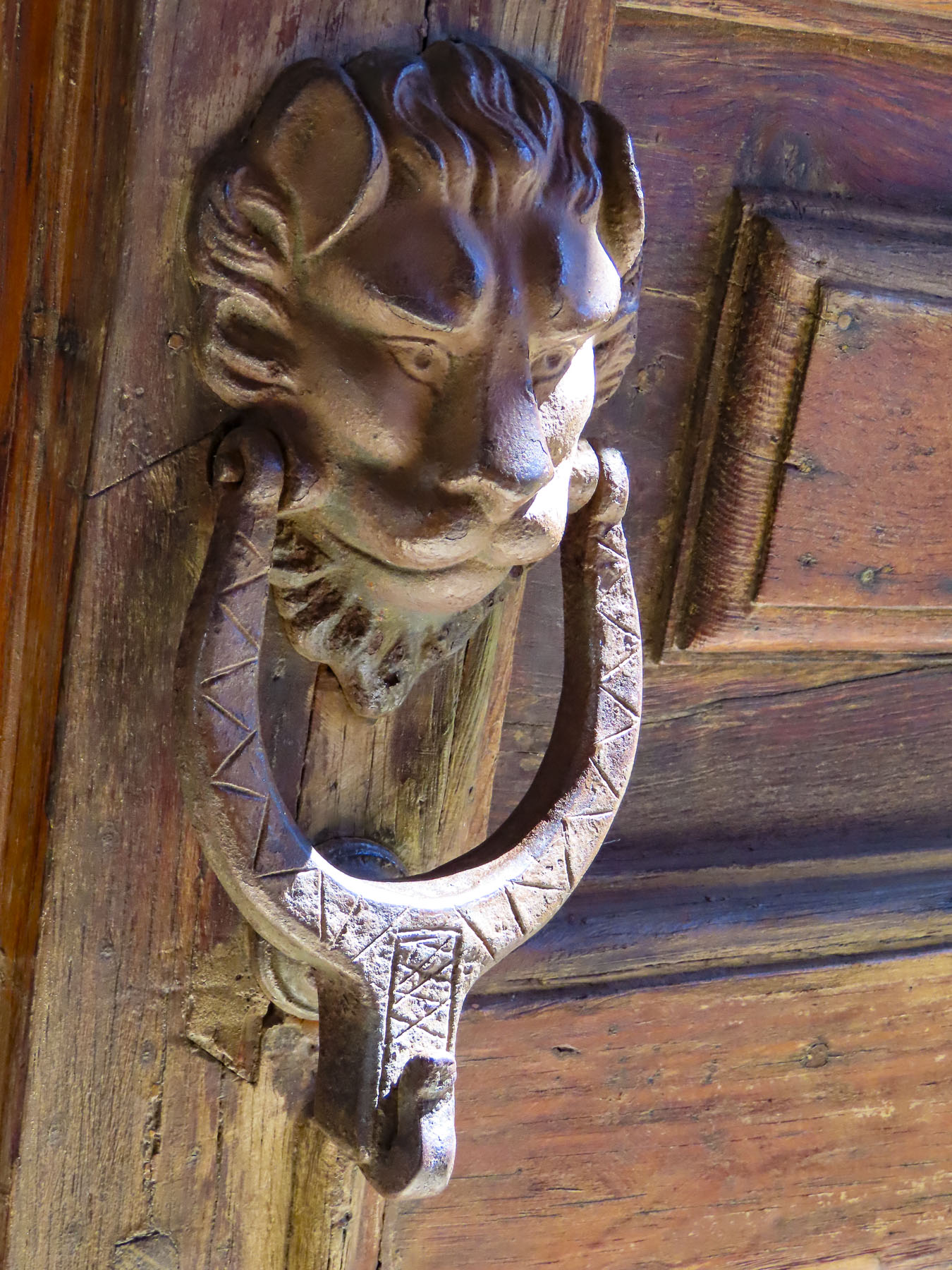
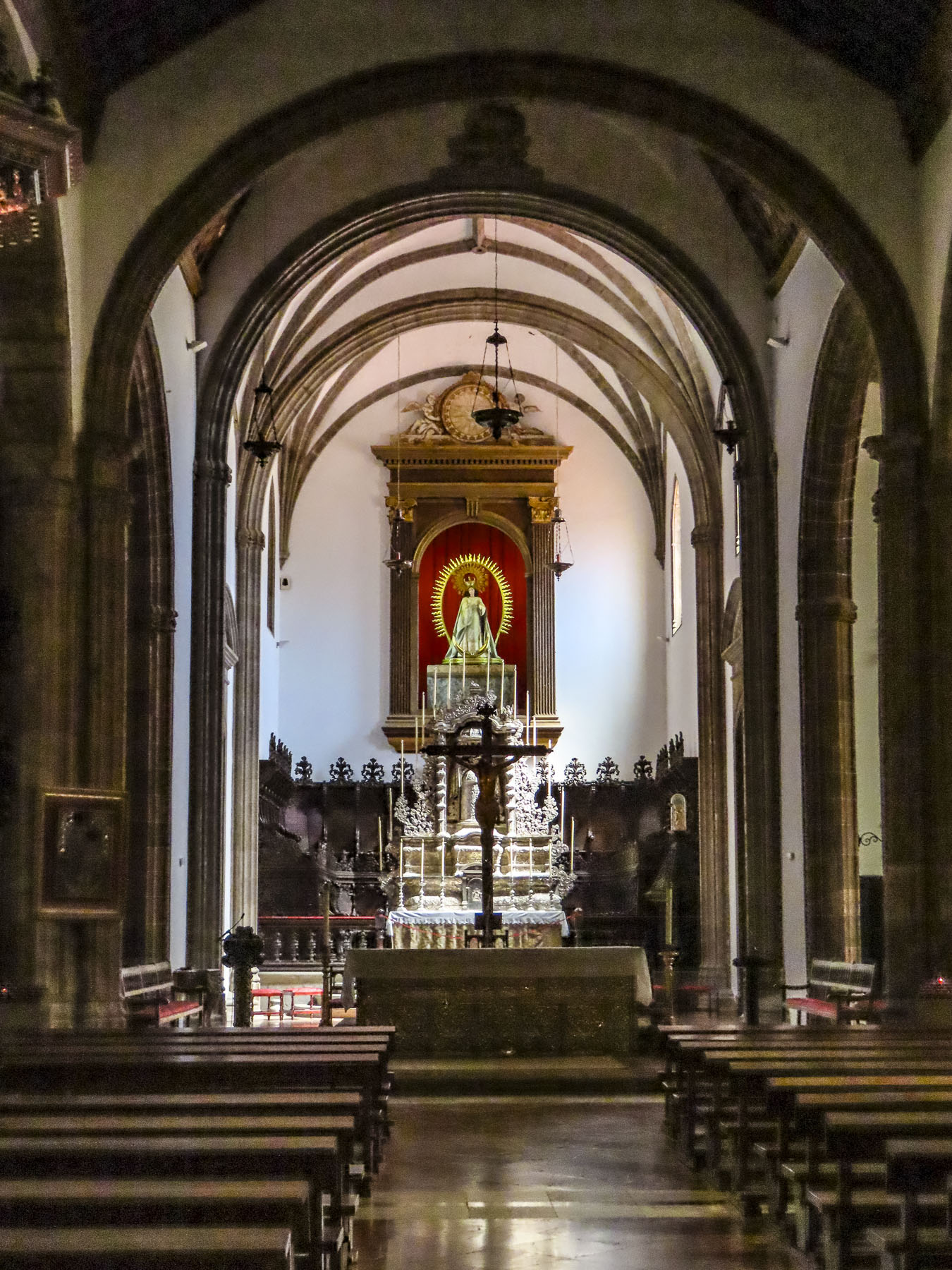

On the flip side of good there is always bad, and San Cristóbal de La Laguna also recognizes another historical figure from their city, Amaro Pargo, a famous corsair, from, as the Spanish like to call it the “Golden Age of Piracy,” who savaged ships flying the British and Dutch flags sailing to their colonies in the West Indies. With a reputation as notorious as Sir Francis Drake’s, he was also recognized for his services by the Spanish crown and was declared a Caballero hidalgo, a knighthood, in 1725. He was also a merchant with many business interests and during his time the richest man in the Canary Islands, who was also highly regarded for frequent and large religious donations. He had an interesting relationship with a nun from the Catedral de San Cristóbal de La Laguna, Mary of Jesus de León y Delgado, who he credited with saving his life during a fight in Cuba by her ability to bilocate. Sister Mary is an interesting individual in her own right, credited with miracles, acts of healing, clairvoyance, levitation, psychokinesis, and stigmata. Sister Mary’s incorrupt body is preserved in the Monastery of St. Catherine, where she lived for 63 years, without ever leaving. Every 15 February her ornate glass-covered coffin, gifted by Amaro Pargo, is placed on display in the convent. With 1,251 miracles attributed to her, she has been nominated for canonization.


Though La Laguna is over 500 years old, it hosts a 300-year-old university with nearly 25,000 students that keeps it young at heart. Vibrantly colored buildings are interlaced between traditional examples of Canary architecture that feature wooden balconies that face the street and have deep courtyards to provide a shady sanctuary from the midday sun. The city’s major buildings incorporate a variety of styles that have been trendy across the centuries.
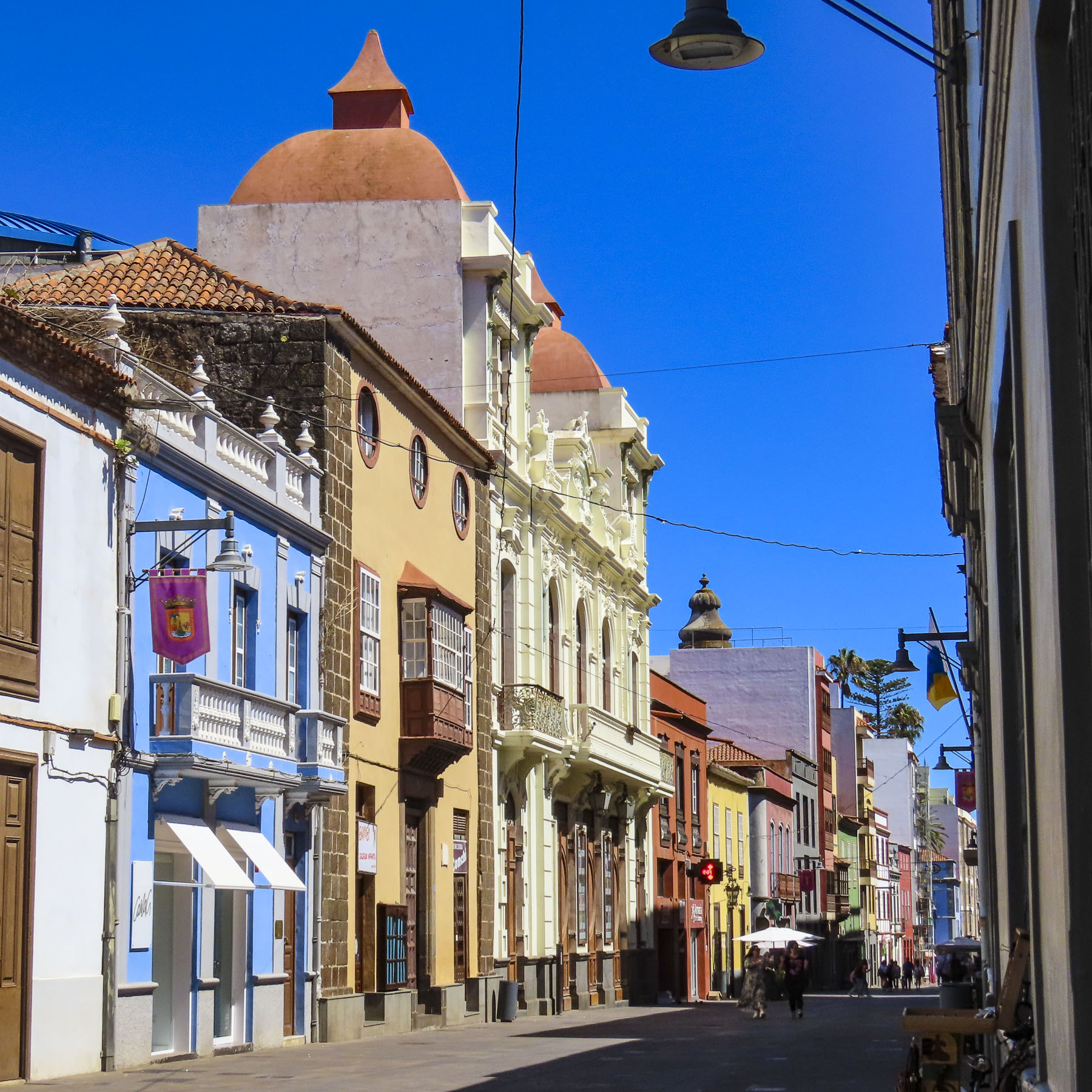


Older Gothic, Baroque, and Renaissance style buildings dot the historic center, while Neoclassical elements are present in the newer 18th century buildings that were built around the city’s core. In other words, there’s a delightful hodgepodge of architectural styles to enjoy.


Some of the older buildings have now been re-envisioned as exhibition spaces, as was the deconsecrated Ermita de San Miguel, which hosted a show of 3D printed sculptures when we visited. Others are now hotels or restaurants. The historic core of the city is pedestrian only and as we like to say “walk a little then café” is the best way to explore it.
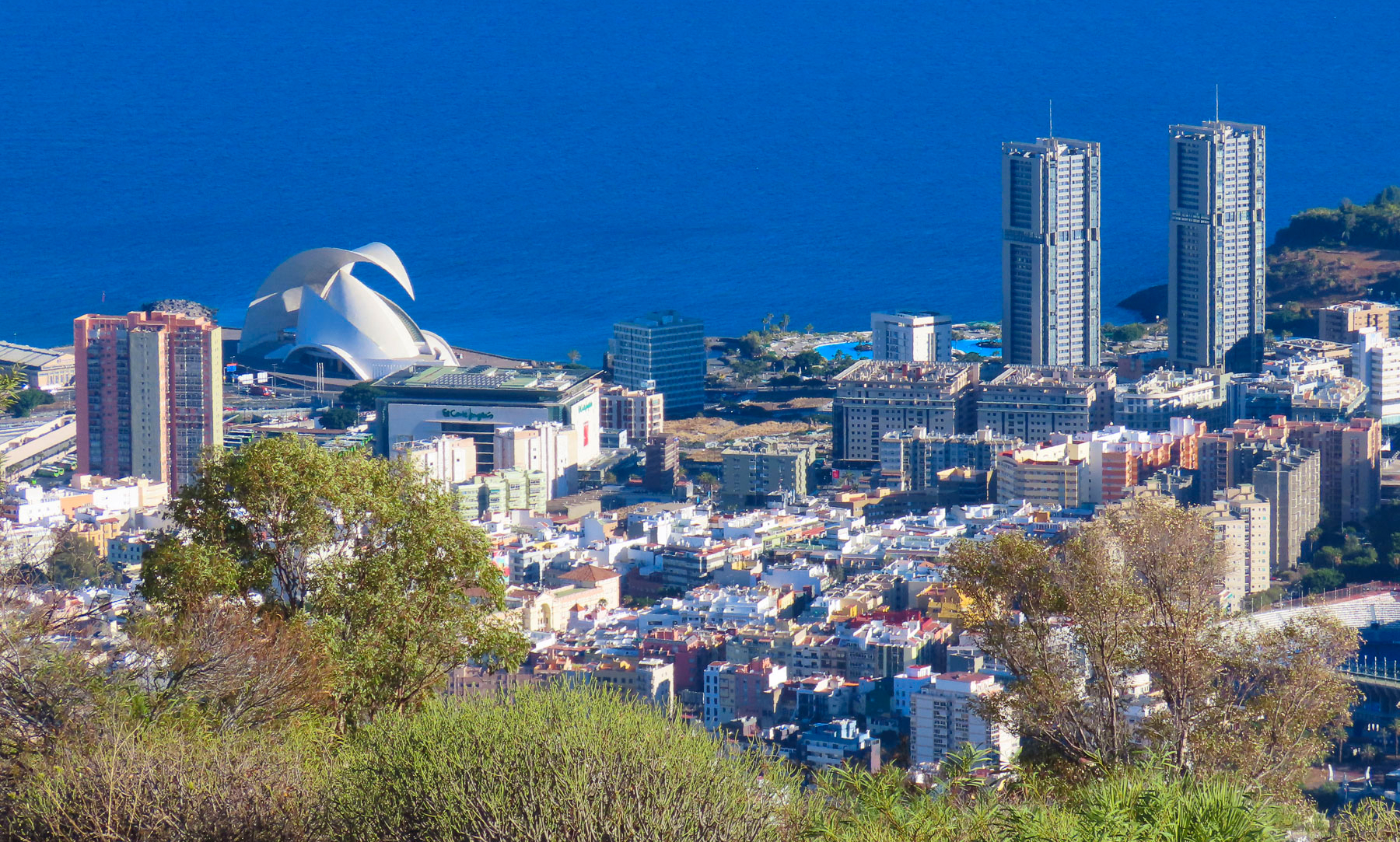
Returning to Santa Cruz, we detoured into the mountains above the city to Parque de Las Mesas for an expansive view of the city below us. Brilliant in the afternoon sun.
Till next time,
Craig & Donna


























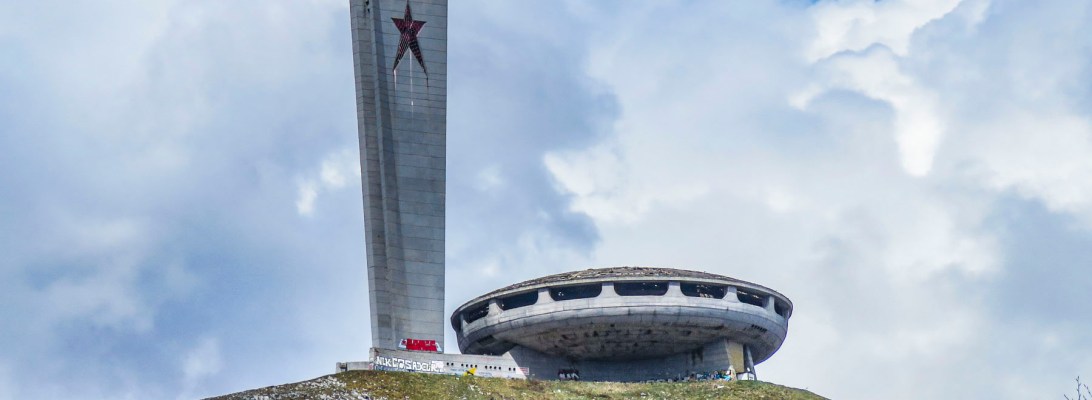
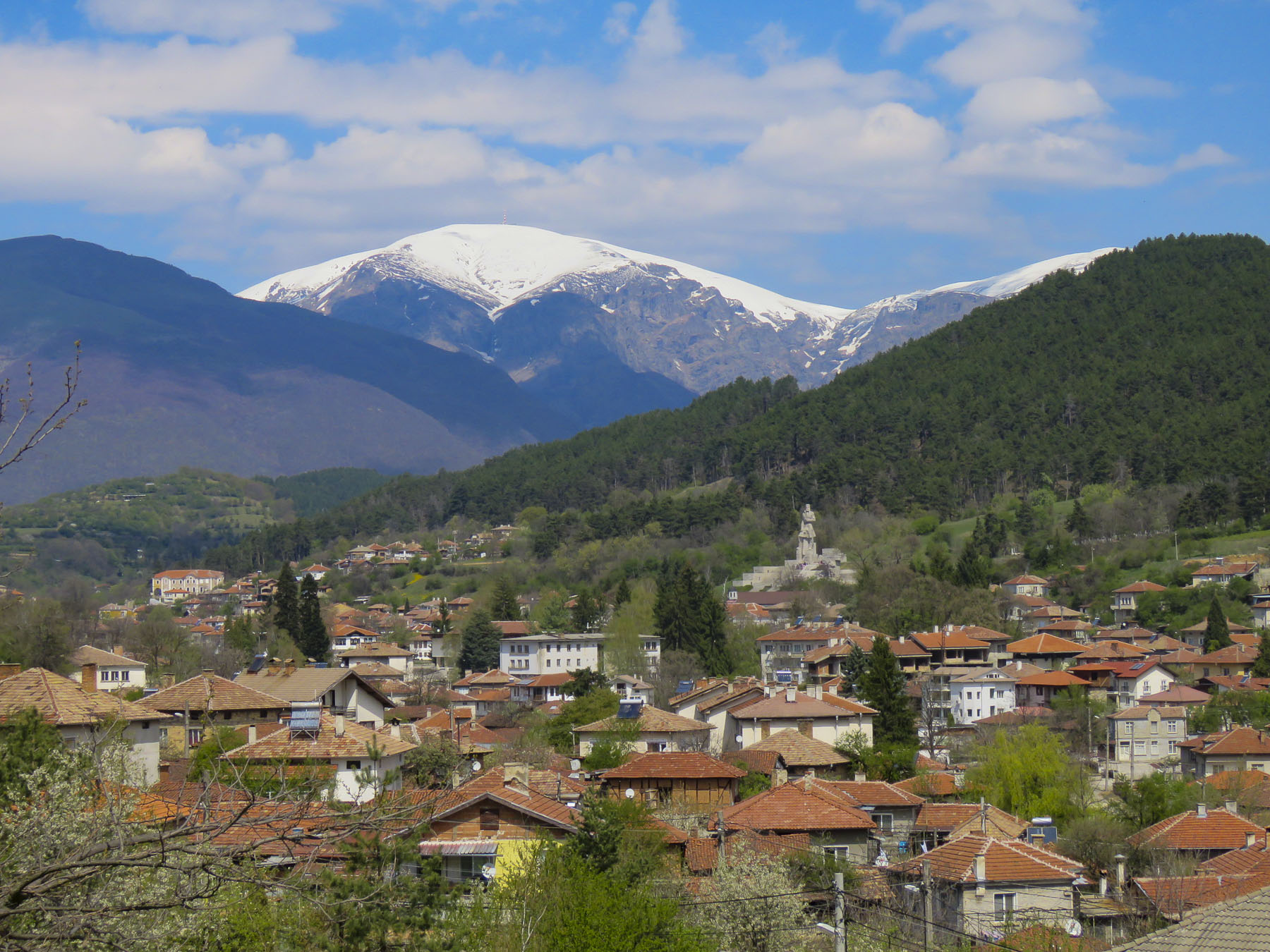 Heading north on Routes 64 and 6 we drove past fallow farmlands waiting for their Spring tilling, and forgotten industrial sites as we worked our way north towards Stara Planina, the Balkans Mountain range that runs east to west for 348 miles and divides Bulgarian into northern and southern regions.


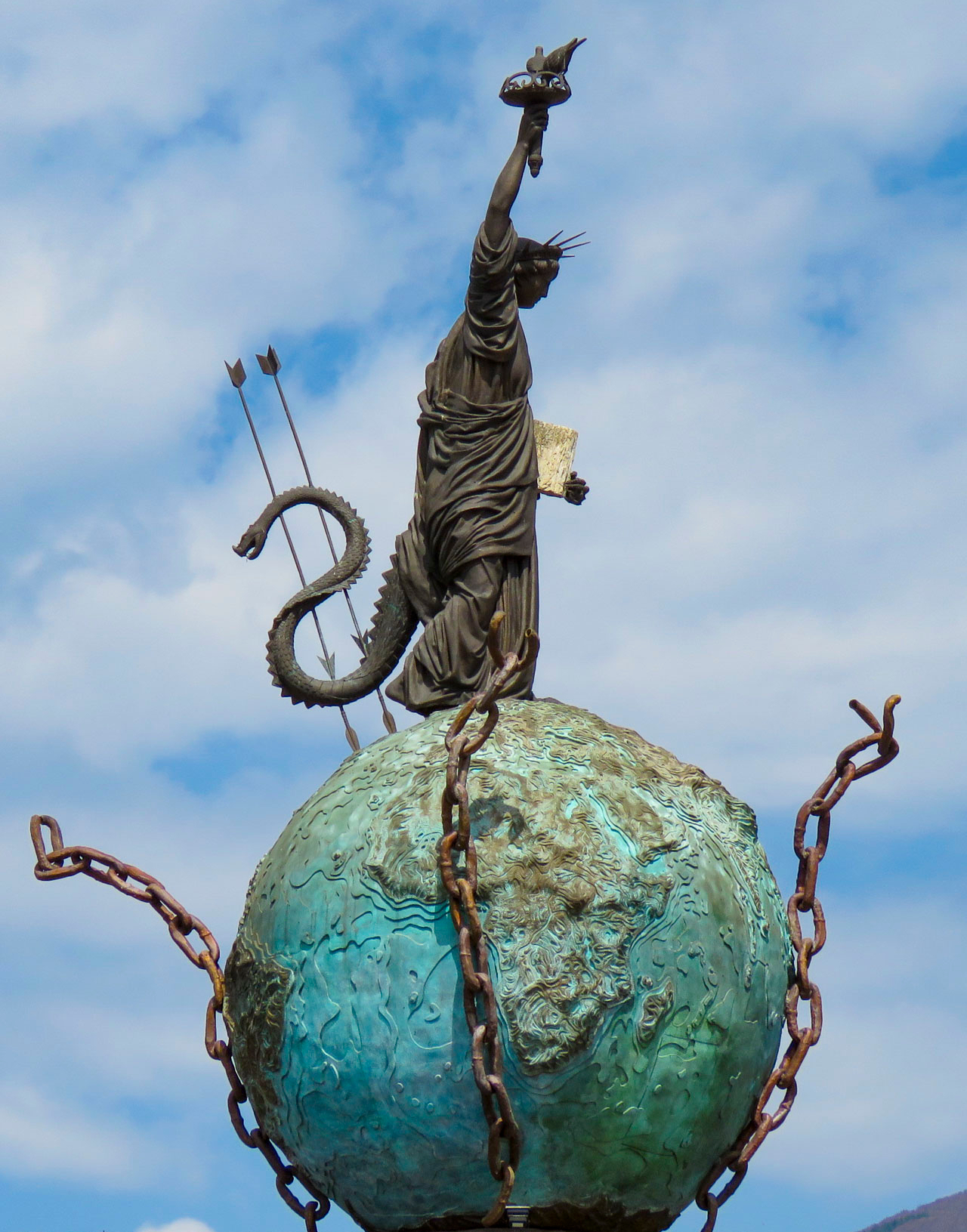 Turning down the long driveway of the
 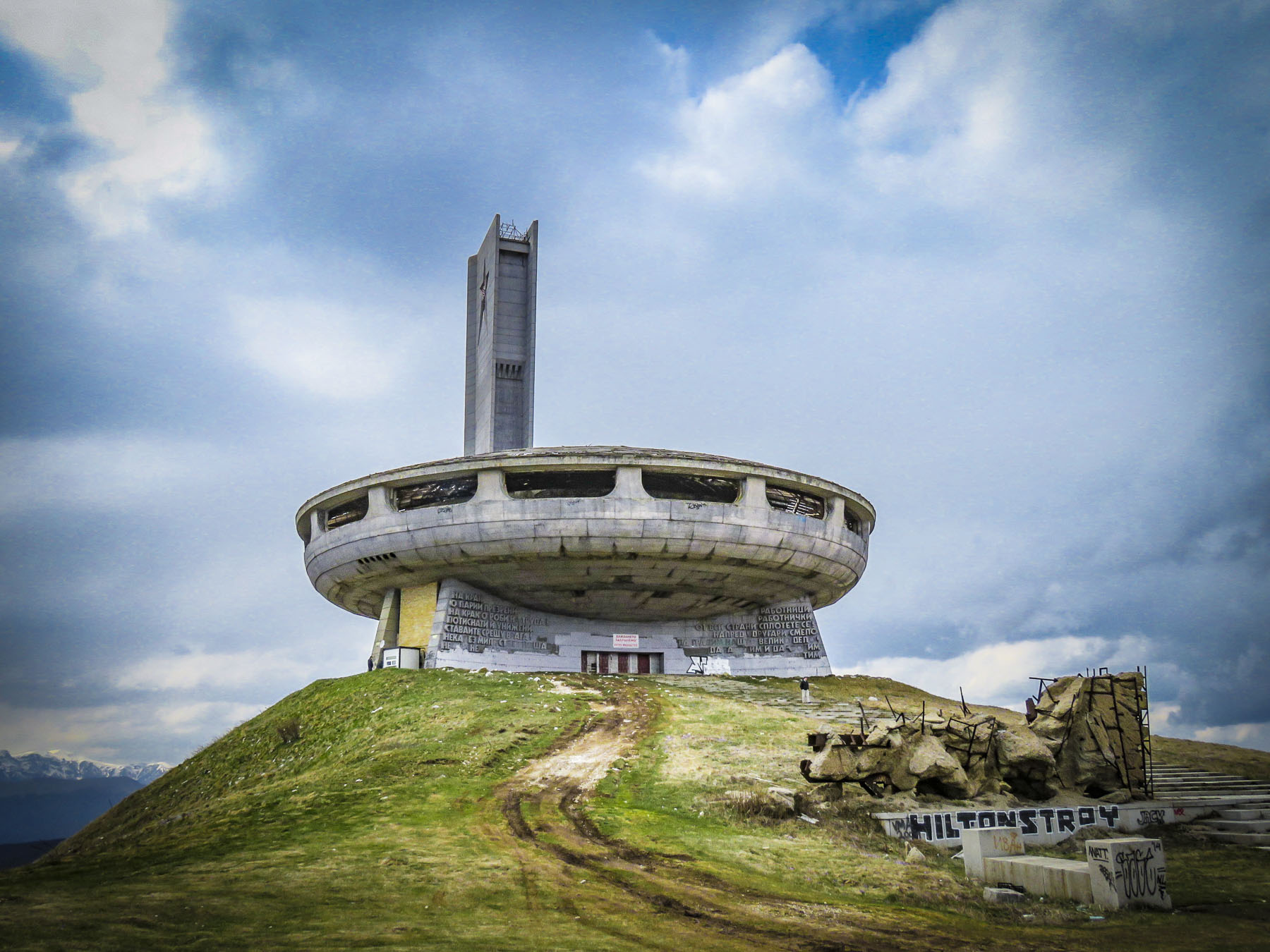 On a wintry, cloudy afternoon the silhouette of

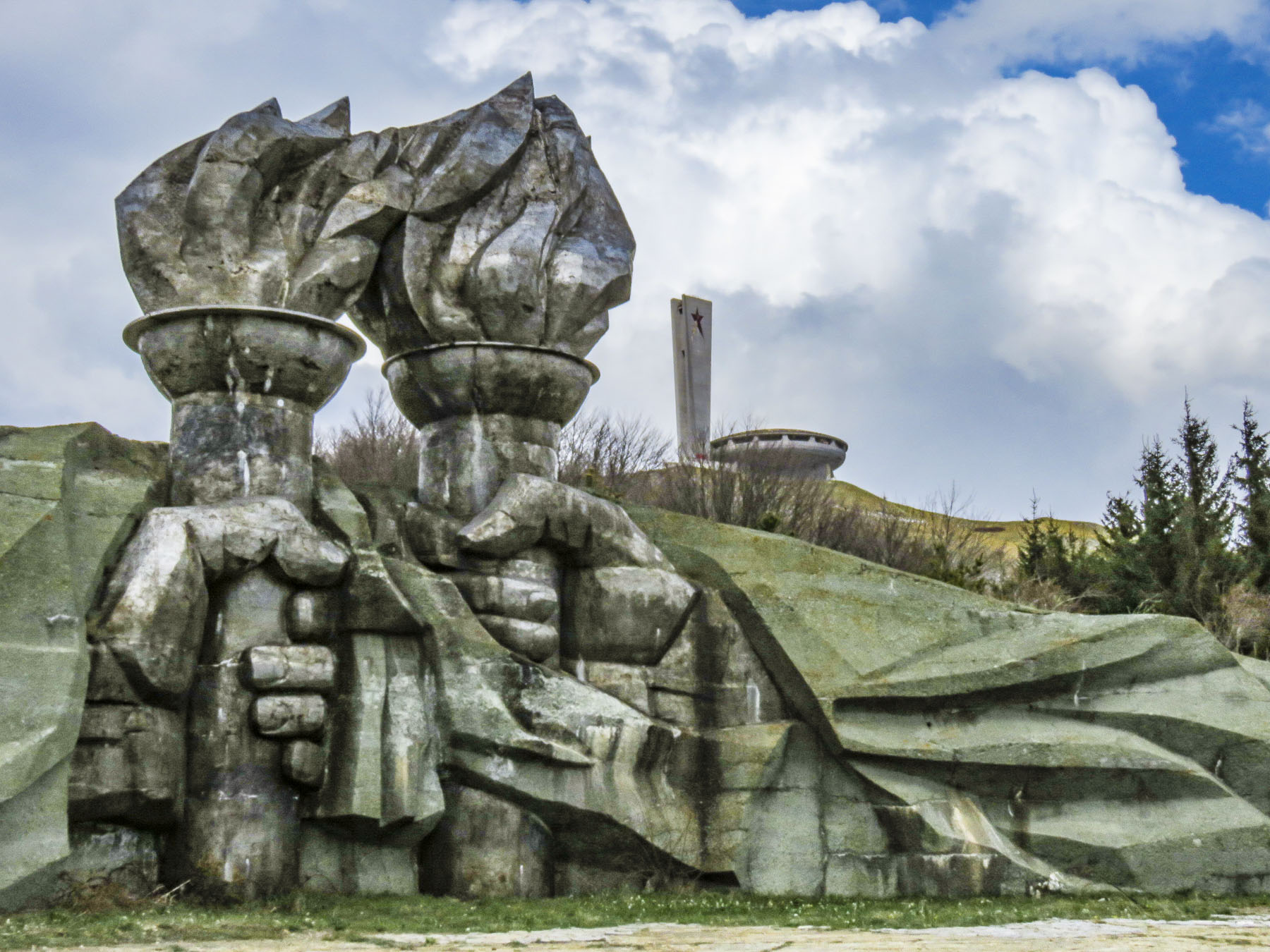 At the opening ceremony in 1981, tribute was paid to those who had gathered there ninety years earlier. “Let the work of sacred and pure love that was started by those before us never fall into disrepair.” Buzludzha was a huge success and a point of national pride for eight years, hosting communist party congresses and educational events. Schools and businesses booked tours for their students and employees. Foreign delegations were paraded through to witness socialism’s success. But then in 1989 the Berlin Wall fell and communism collapsed like a fighter jet breaking through the sound barrier. The monument to socialism was suddenly ironic, irrelevant and abandoned. In 1999 the security guards protecting it were removed and the building was left open to the public and it was looted. Anything of value quickly disappeared, and the rest was left to vandals and frustrated citizens who were known to take their anger out on the building with sledgehammers or spray paint. The red stars in the tower were shattered by gun shots. Soon the glass skylights broke and water damage from rain and the winter elements hastened its structural decline, and the building was eventually shut tight to protect folks from injury. The day we visited there was a lone security guard, suffering as he made his rounds in the bitter wind, protecting this crumbling modern ruin from a handful of visitors.

 As we continued our journey north through the mountains on Route E85, the picturesque
  Woodcarvers, weavers and other craftspeople dressed in period outfits helped further to transport us to a simpler era at the beginning of the Bulgarian industrial revolution. We visited on a quiet day, but the museum has an extensive twelve-month calendar of events with many festivals listed that would have been nice to observe.
  Traveling along an isolated background road we worked our way towards Sokolski Monastery, known for its cliffside chapel overlooking the northern slope of the Balkan Mountain range. We weren’t disappointed; the church is stunning with its colorful exterior frescoes contrasting with the natural environment surrounding it.
 Built in 1833, the monastery has played an important role in Bulgarian history. During the April Uprising of 1876 eight freedom fighters took sanctuary there. Later captured by the Ottoman army, they were thrown to their deaths from the cliff behind the chapel. The short-lived April Rebellion was brutally repressed, but a year later Russia would help the Bulgarian rebels defeat the Turks at Shipka Pass and begin the march towards freedom. In the courtyard of the monastery an octagon-shaped water fountain was built with eight spouts to commemorate those fallen heroes. Legend states the fountain has never run dry and its cool water holds healing powers.
  We made it to Tryavna just in time to have dinner at the restaurant next to our hotel. Enjoying a hot meal after a long chilly day, we were entertained by the waitress trying to keep a determined stray cat from entering the restaurant every time the front door was opened.
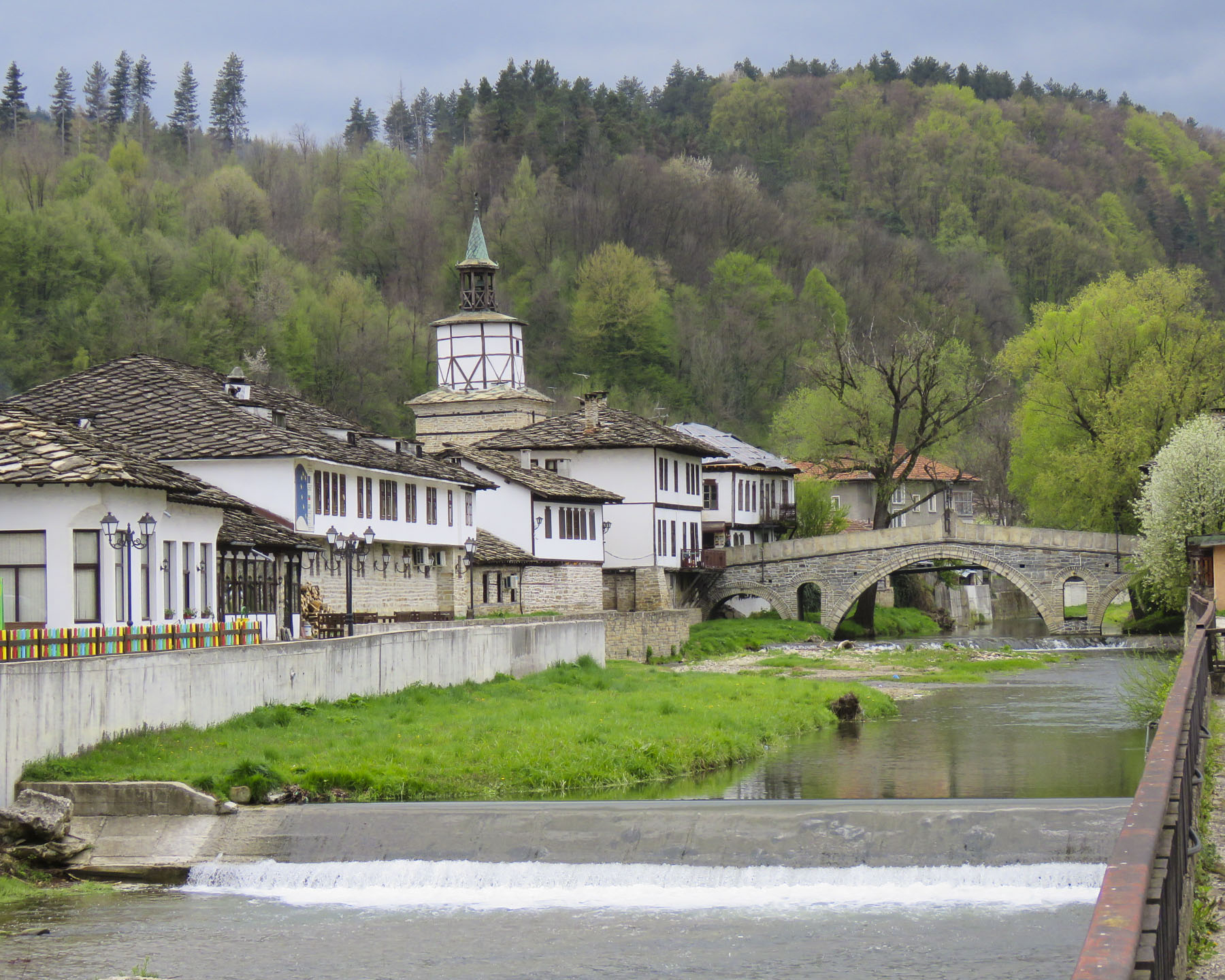 Generations of skilled woodworkers have lived in the Tryavna River Valley, turning trees harvested from the deciduous forests on the slopes of the Balkan Mountains into furniture and ornate wood carvings.

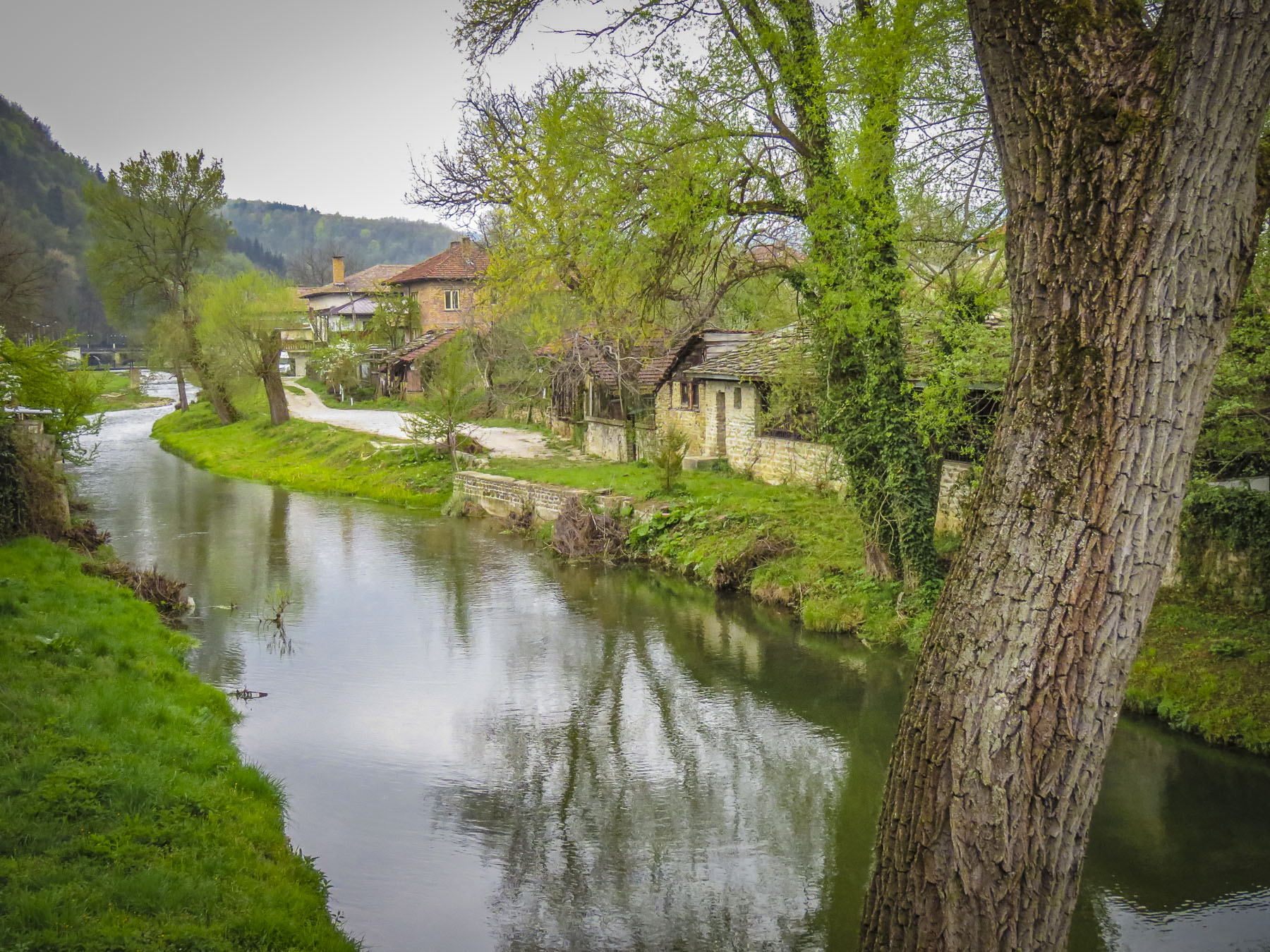 Crossing the footbridge over the Tryavna River at the clock-tower, the pleasant whiff of wood smoke came to us on a chilly Spring morning. Large woodpiles are essential in this region and we saw plenty of homes with the winter’s firewood neatly stacked, as we wandered around the village, with its parks filled with sculpture and tulips in bloom.


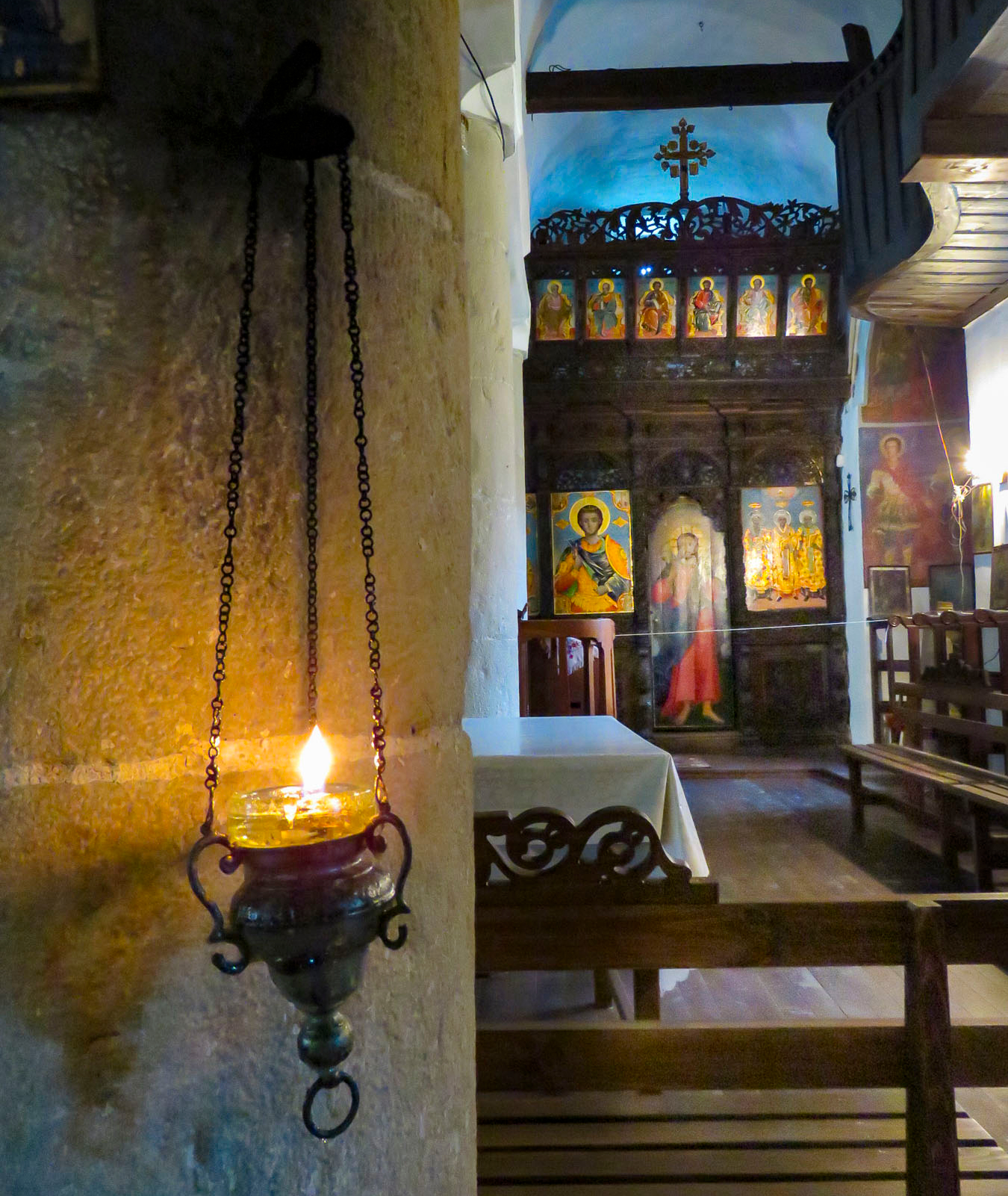
 Over the centuries Saint Archangel Michael Church has been reconstructed several times. Its most recent incarnation dates from 1853 when the tall wooden belfry was added. Inside, the interior is richly ornamented with elaborate 19th century woodcarvings and iconography created by members of the Vitan family, famous throughout Bulgaria for generations of skilled artisans. The carved bishop’s throne is an exquisite masterpiece.
 The safest way to order your cup of java in parts of Bulgaria is to ask for a traditional coffee, not wanting to offend anyone by calling it Turkish. The fact is Greek, Albanian, Bosnian, Persian, Turkish andthe same, plus or minus cardamom or a local spice. But here in Tryavna at the Renaissance Café the coffee was brewed on a very traditional sand stove. A shallow pan filled with sand was heated over an open flame, and a long handled, brass cezve was filled with coffee and water, then partially buried in the hot sand to brew. With diligent attendance our coffee was brought to a frothy boil three times before being moved to the top of the sand where it stayed warm while the grounds settled. The ritual of the event definitely enhanced our enjoyment of the brew.
 We only just scratched the surface of this lovely country. There’s so much to see here, especially in its vast countryside. Hopefully one day we’ll get a chance to return.


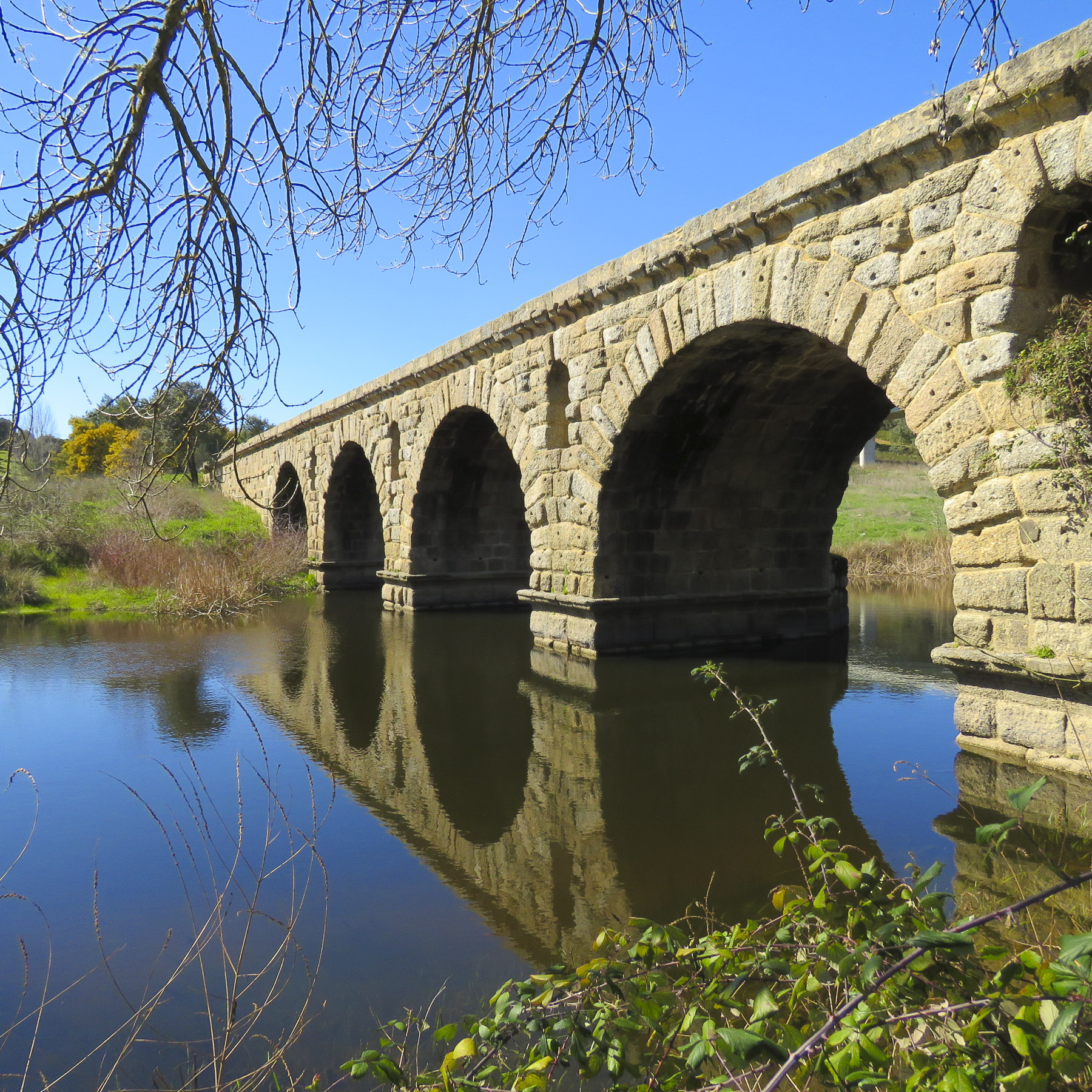


 The cold wind chilled us to our bones, but we found warmth by the fireplace in the tavern across from our inn. After dinner, as we stood on the ramparts behind our hotel, the darkness offered us a view of the stunning star-filled sky above and the twinkle of village lights far below. With a stiff breeze in our faces, we felt like we were flying. The glorious sunrise the next morning cast a beautiful light on the panoramic view of the flat plains that run all the way into Spain, while the rugged mountains and valleys to the west stayed covered in an early morning mist.



 2 Suitcases for 2 years