

Turning off the packed dirt road at Turmi, we headed into a xeric savanna along a sandy vein, barely visible on Google Map’s satellite view, our destination the Kara tribe’s village of Korcho. Occasionally, we would pass a tree with pink flowers, called a Desert Rose (Adenium obesum), which brightly contrasted with its surroundings.

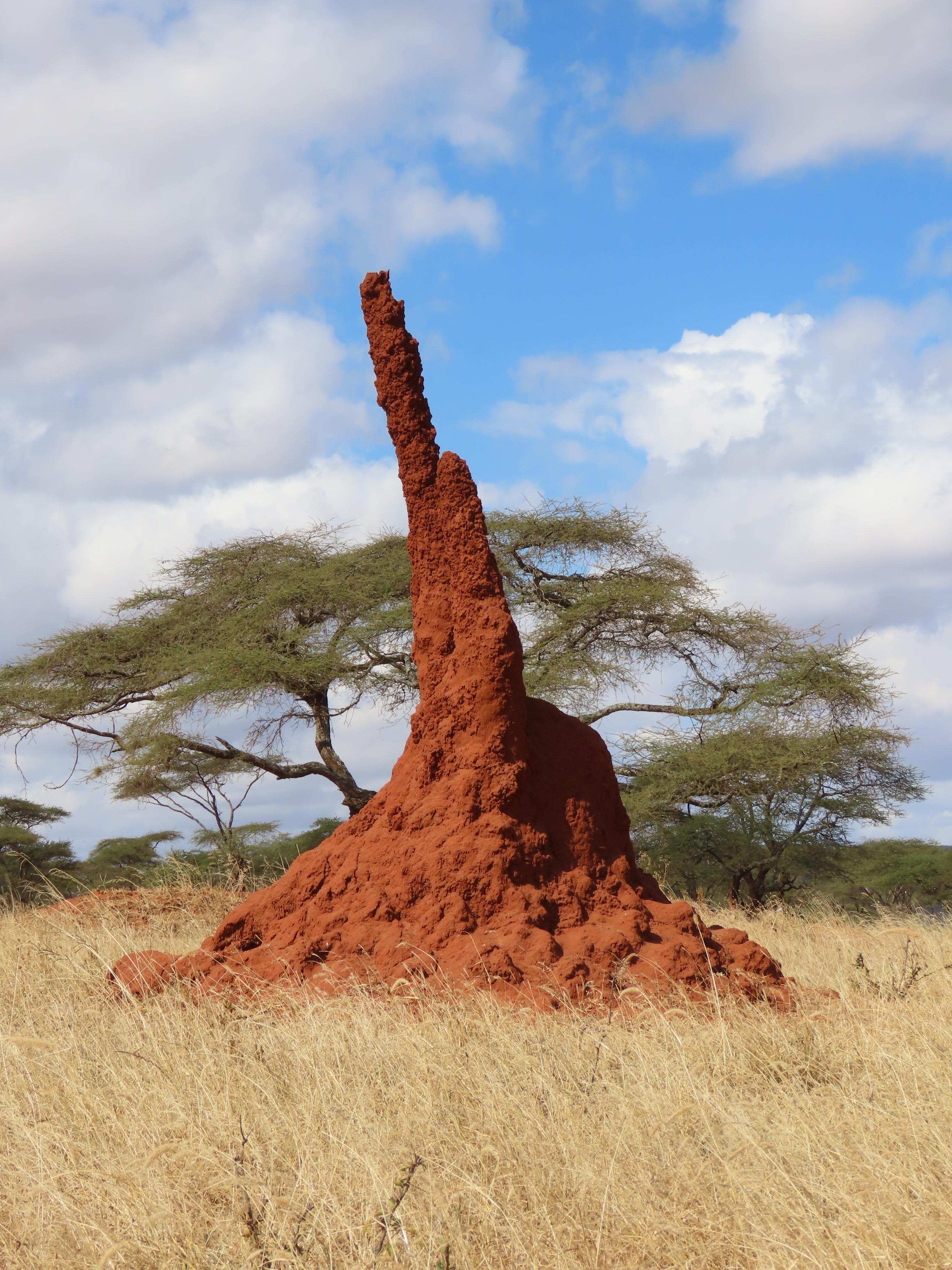
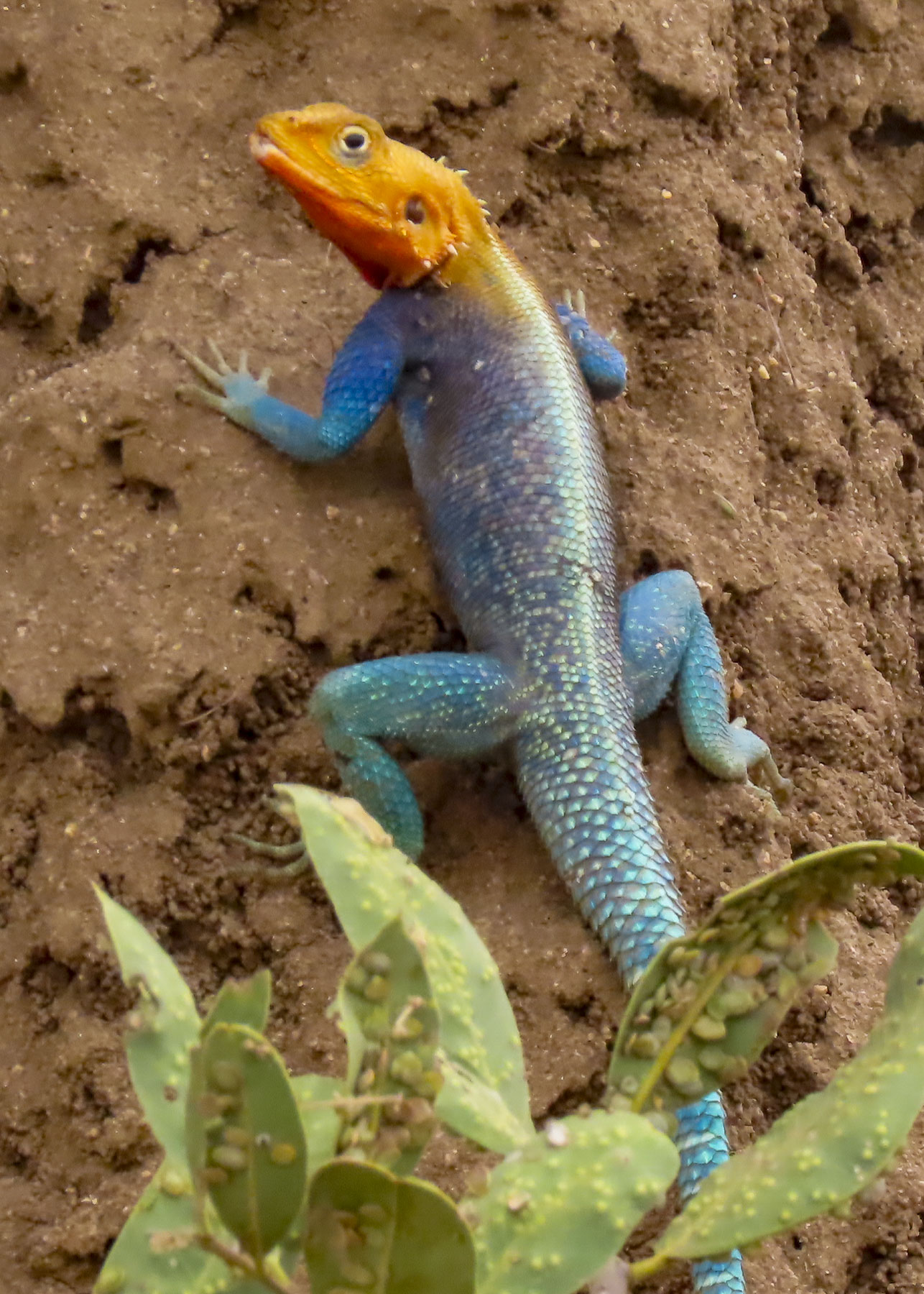
Numerous red earthed termite mounds rose from the plain. “What do you think they look like?” our guide queried as we stopped to photograph a large, fluorescent blue agaminae lizard climbing one. Not sure how to politely reply, we hesitated with a response. “Dicks, they look like big dicks!” our normally reserved guide chuckled out before a round of laughter filled the truck. Hey, we know how to have a good chuckle in the bush. Obviously, we were traveling with the “Benny Hill” of Ethiopia.
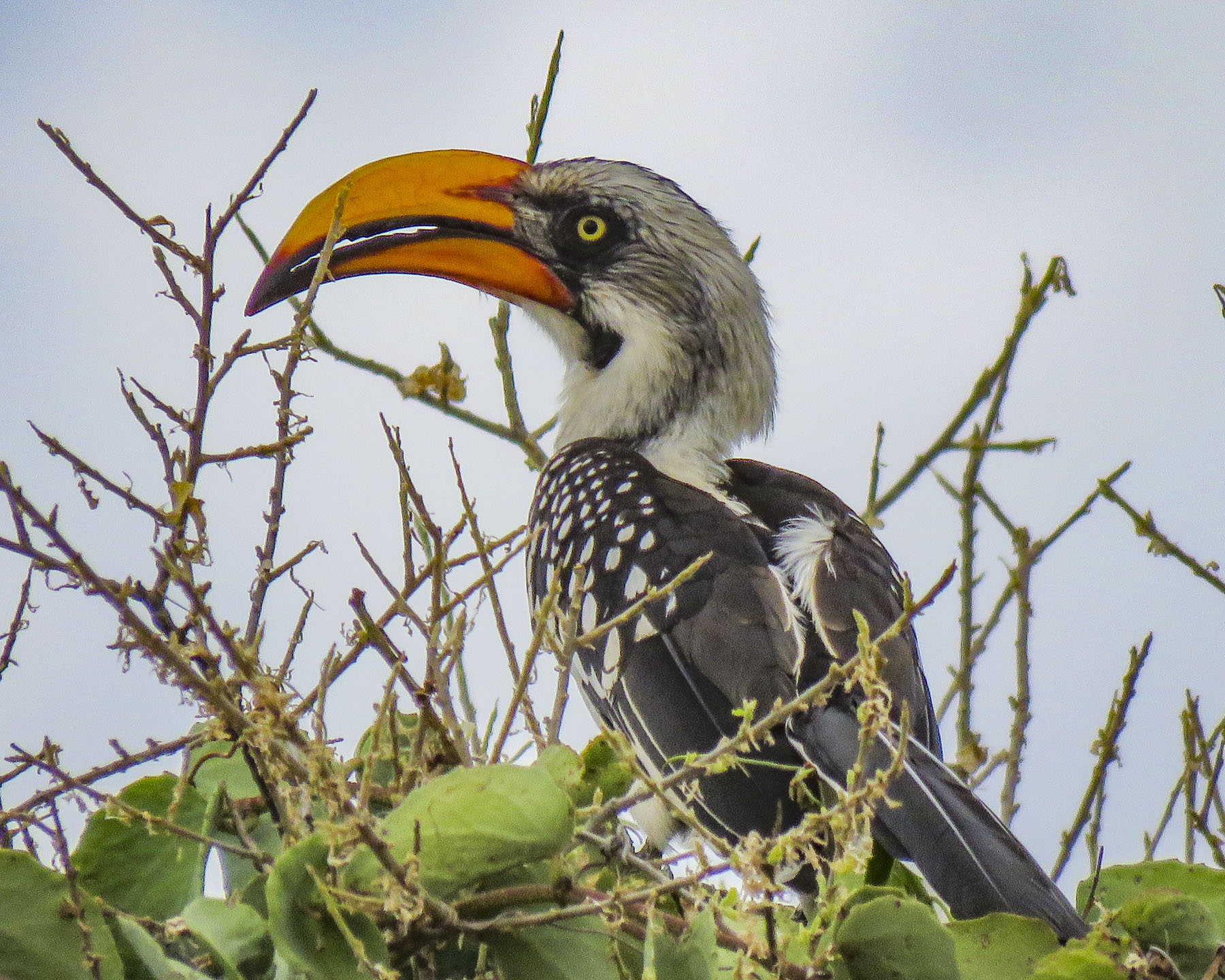
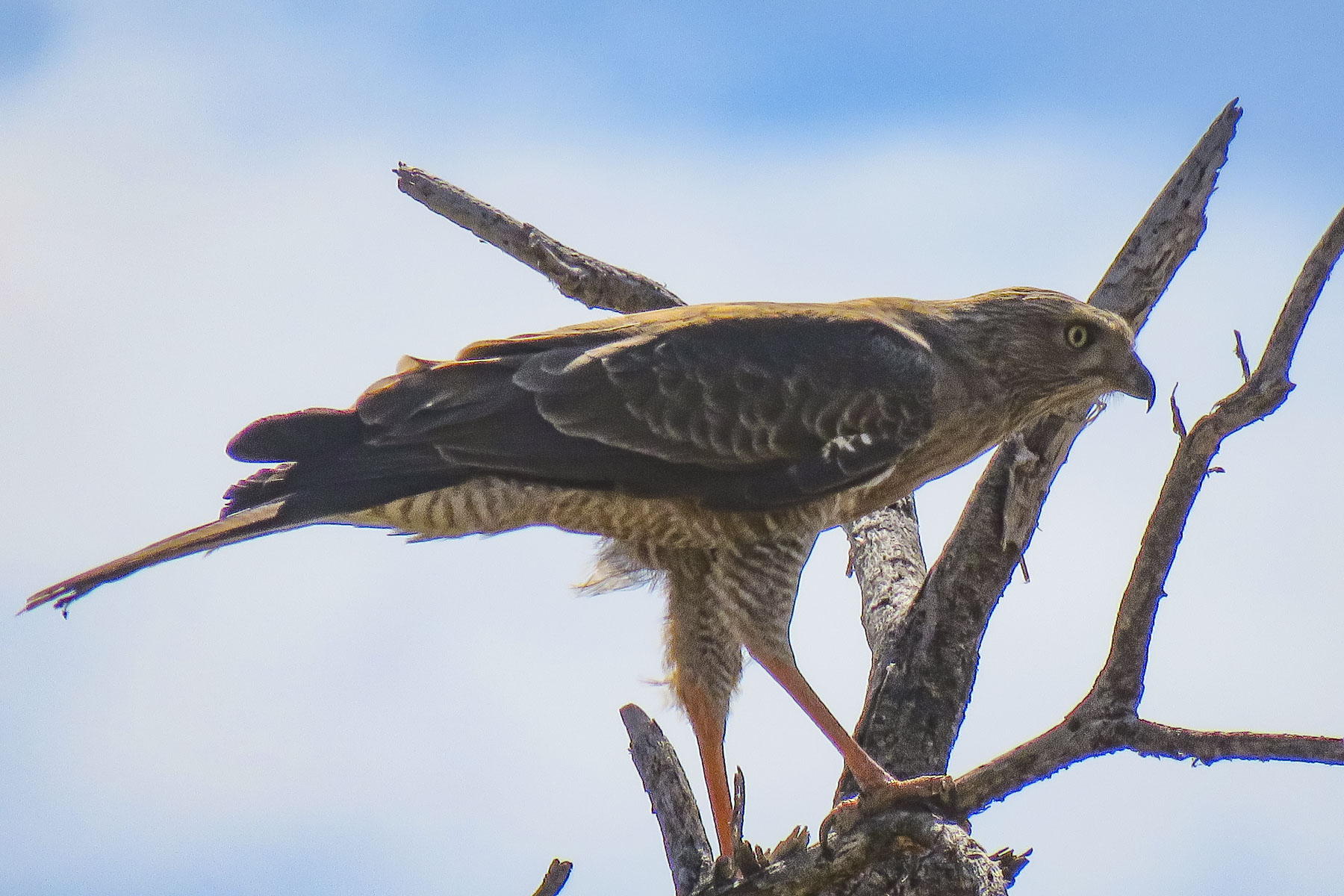
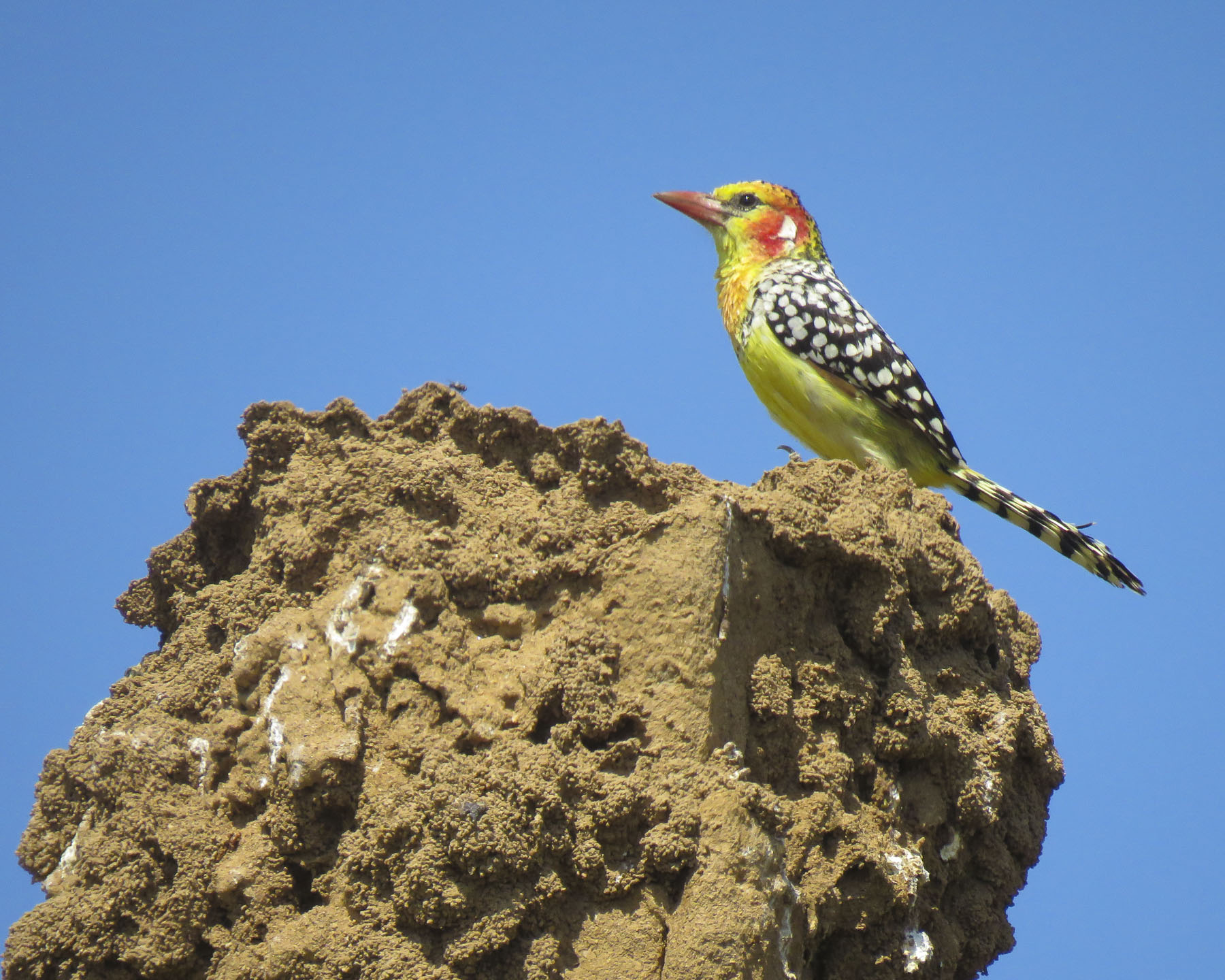
Picking up on our interest in wildlife our driver, who was excellent at identifying birds, stopped every time he spotted something. Thanks to his eagle eye, we were able to photograph red and yellow barbets, white crowned shrikes, guinea fowl, and red billed hornbills along with a dik-dik and an Arabian bustard.



The track ended in the Kara village of Korcho, located on a high embankment, above a curve in the Omo river – it was a stunning view. The Kara are the smallest tribe in the southern Omo Valley. Their population was decimated in the late 19th century during a sleeping sickness epidemic spread by the bite of the tsetse fly.
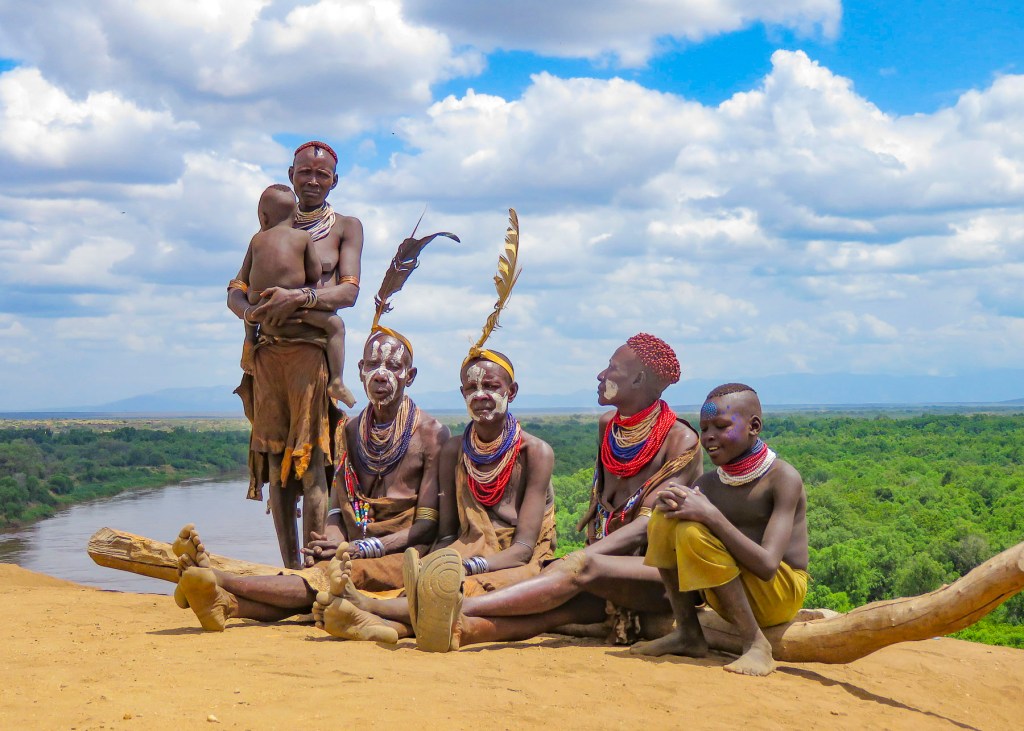
With an estimated 1500-3000 people left in three large villages, they are trying to keep their bloodline pure and have strict rules forbidding intermarriage with the surrounding tribes. Traditionally pastoralists, they prefer goats over cattle, as their grazing lands have been reduced by conflicts with larger neighboring tribes; also, they now practice flood-retreat farming and fish in the Omo River.
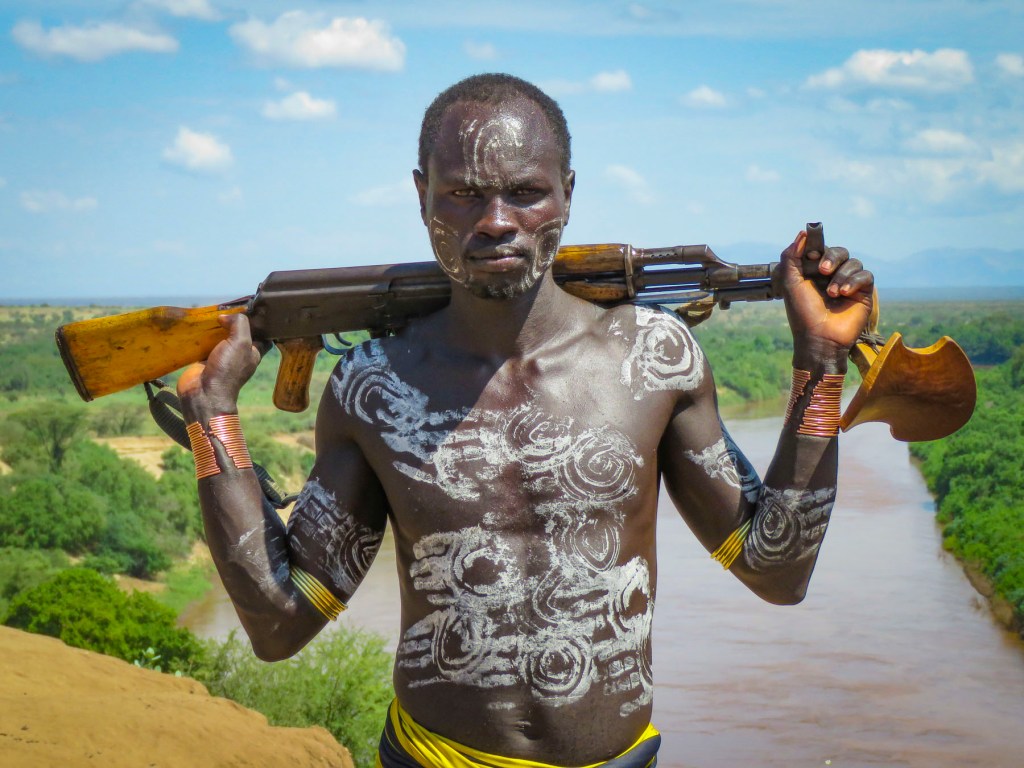
The Kara are also famous for their body painting. Using designs inspired from nature, they apply local chalk and clay, iron ore, charcoal, and ground yellow mineral rock in intricate designs. They paint themselves or each other as there are no mirrors. Done for beauty and ceremonial reasons, the body painting also helps to keep insects away and reduce sunburn.


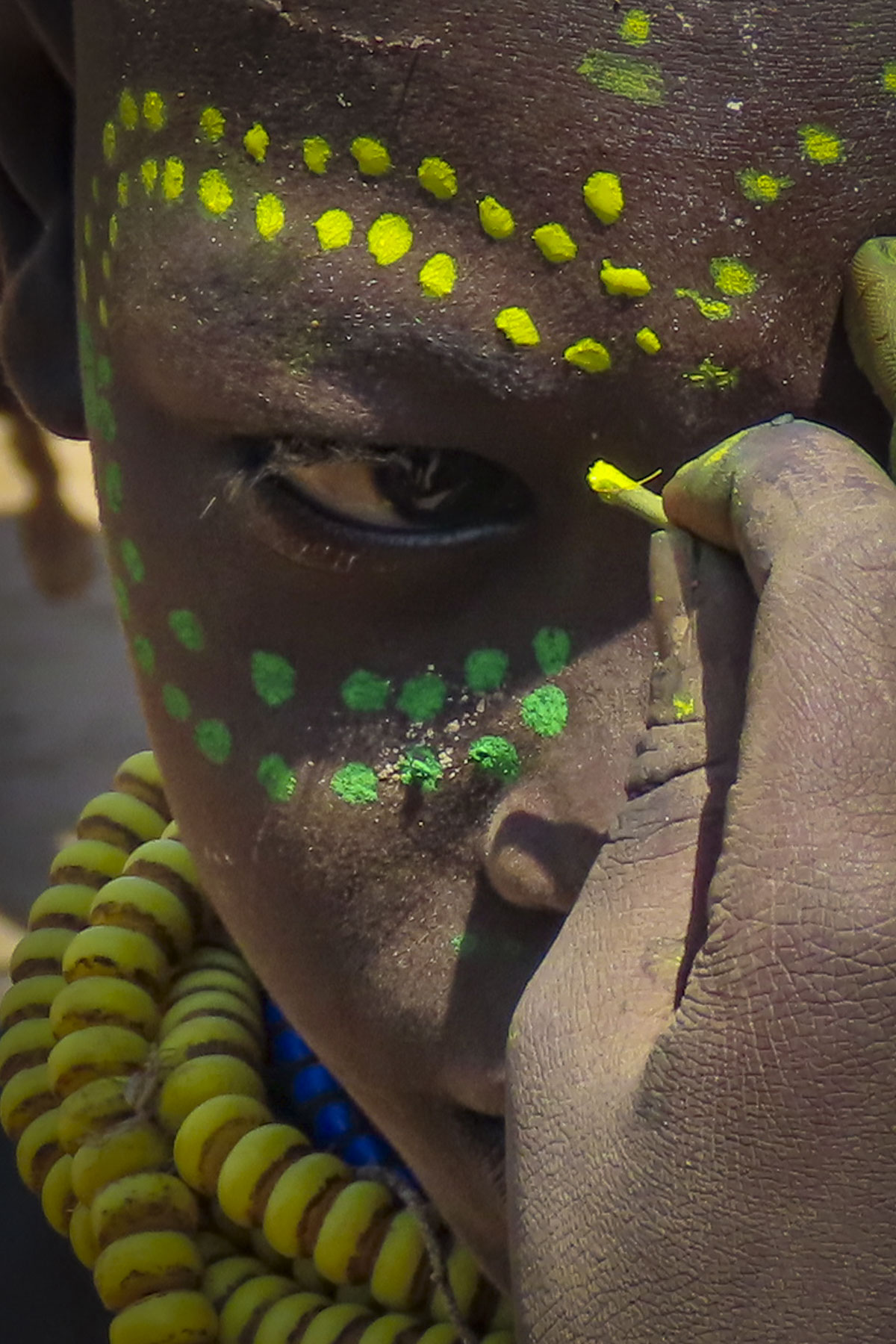
Men and women also make a single piercing below their lower lip and insert a single thorn or carved twig for decoration. Scarification is practiced by the men to commemorate a courageous act, while women lash themselves because the raised welts are viewed as a sign of beauty on mature women.


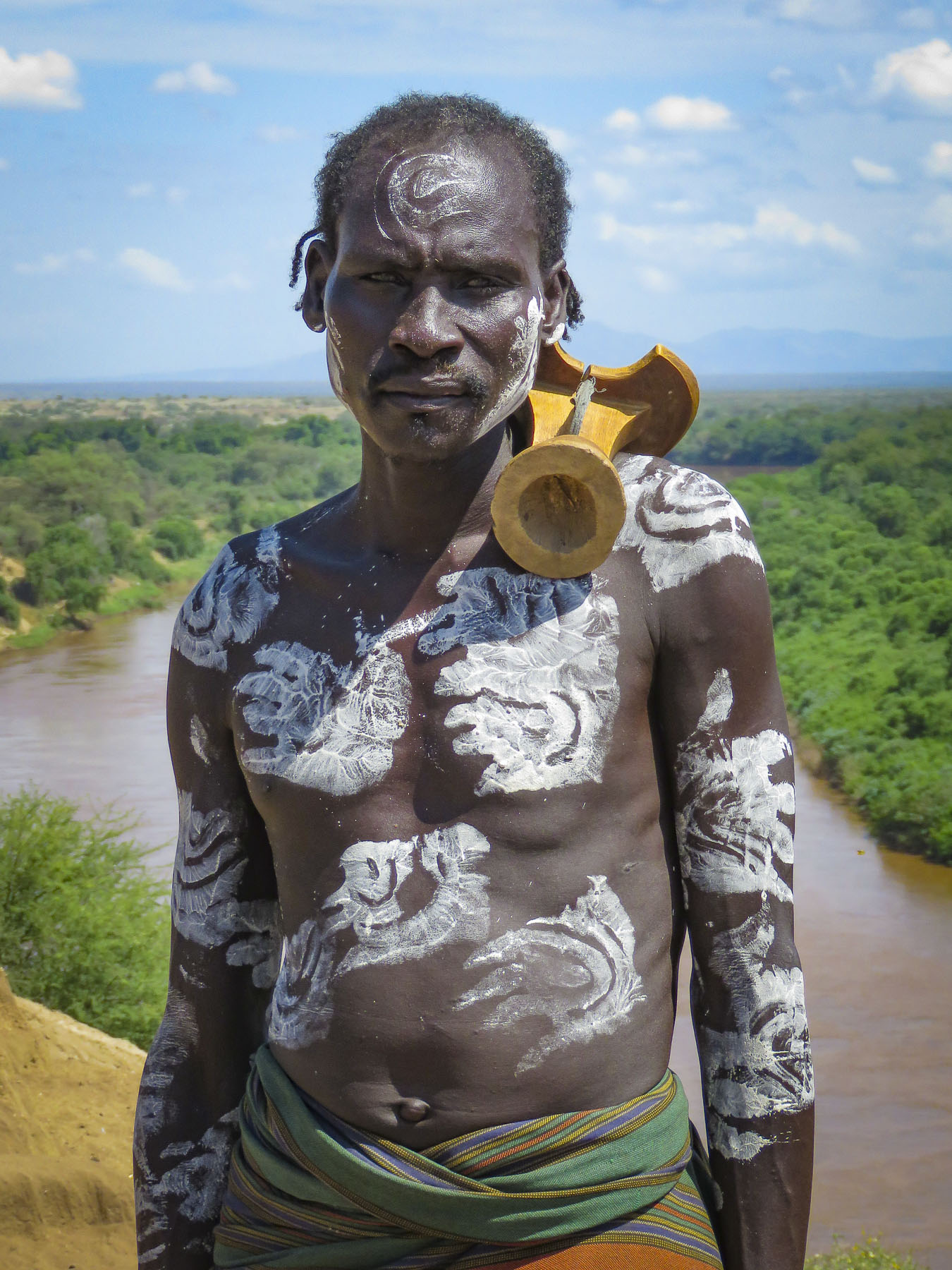

Visiting stools called, borkotto, double as headrests and are carried by tribesmen wherever they go. Courageous Kara tribesmen are entitled to wear a red and grey colored, clay hair cap which is decorated with a large feather. This symbol of honor can last up to six months and is ritually protected every night when sleeping by using the headrest to protect it from the ground.

We were invited by a tribeswoman to have coffee in her hut. The Kara build relatively large huts, sturdily constructed of branches and thatch with a small low entrance. We followed a small group, who dipped low and slid inside gracefully. I, on the other hand, to the amusement of onlookers, resorted to crawling on all fours through the portal. The knees just don’t bend the way they used to. Over an open fire our hostess was preparing a coffee beverage, more like a coffee tea, called buno which is made by steeping the dried husks of coffee beans in hot water. The drink was passed around in a hollowed-out gourd which we all drank from.
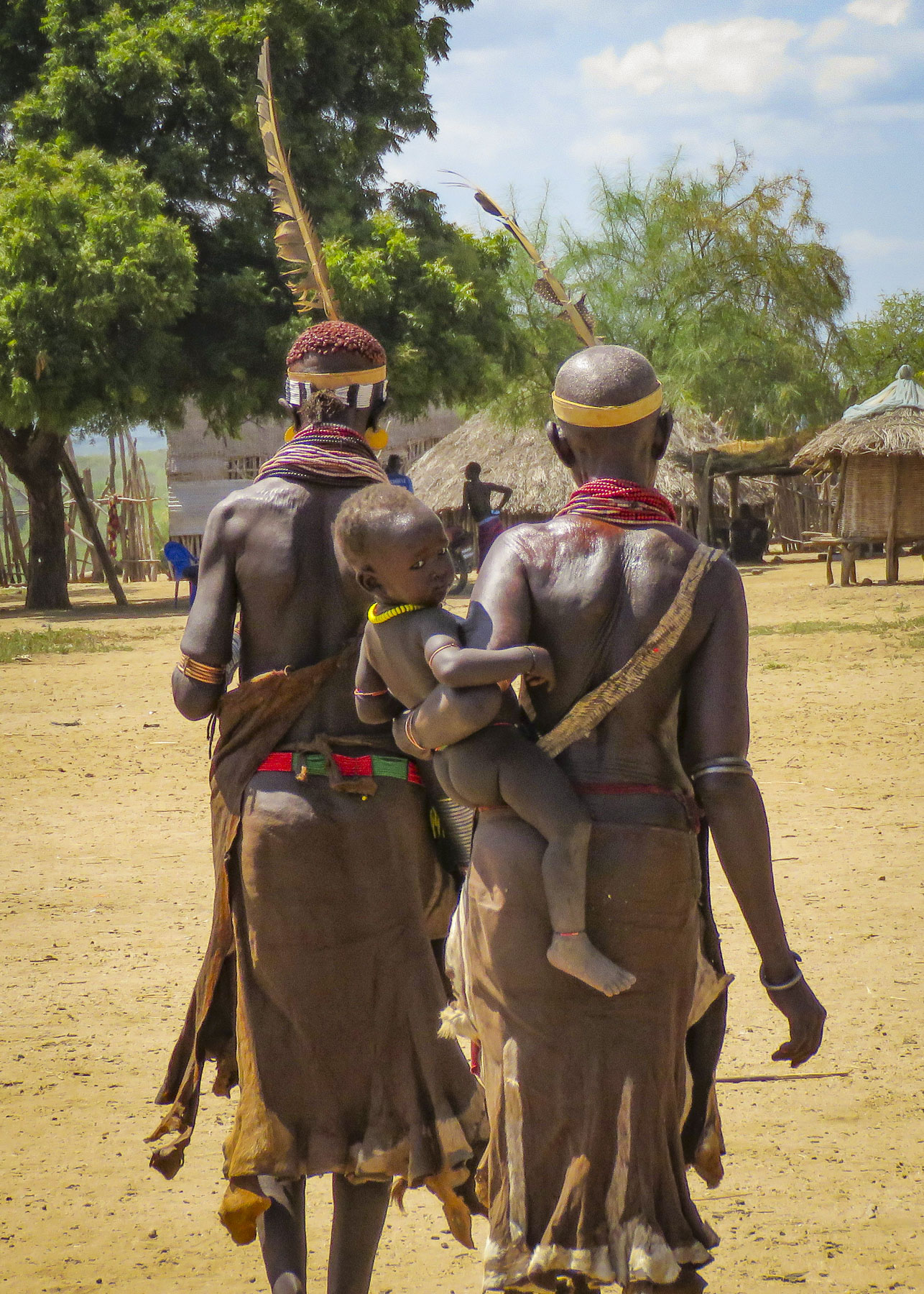
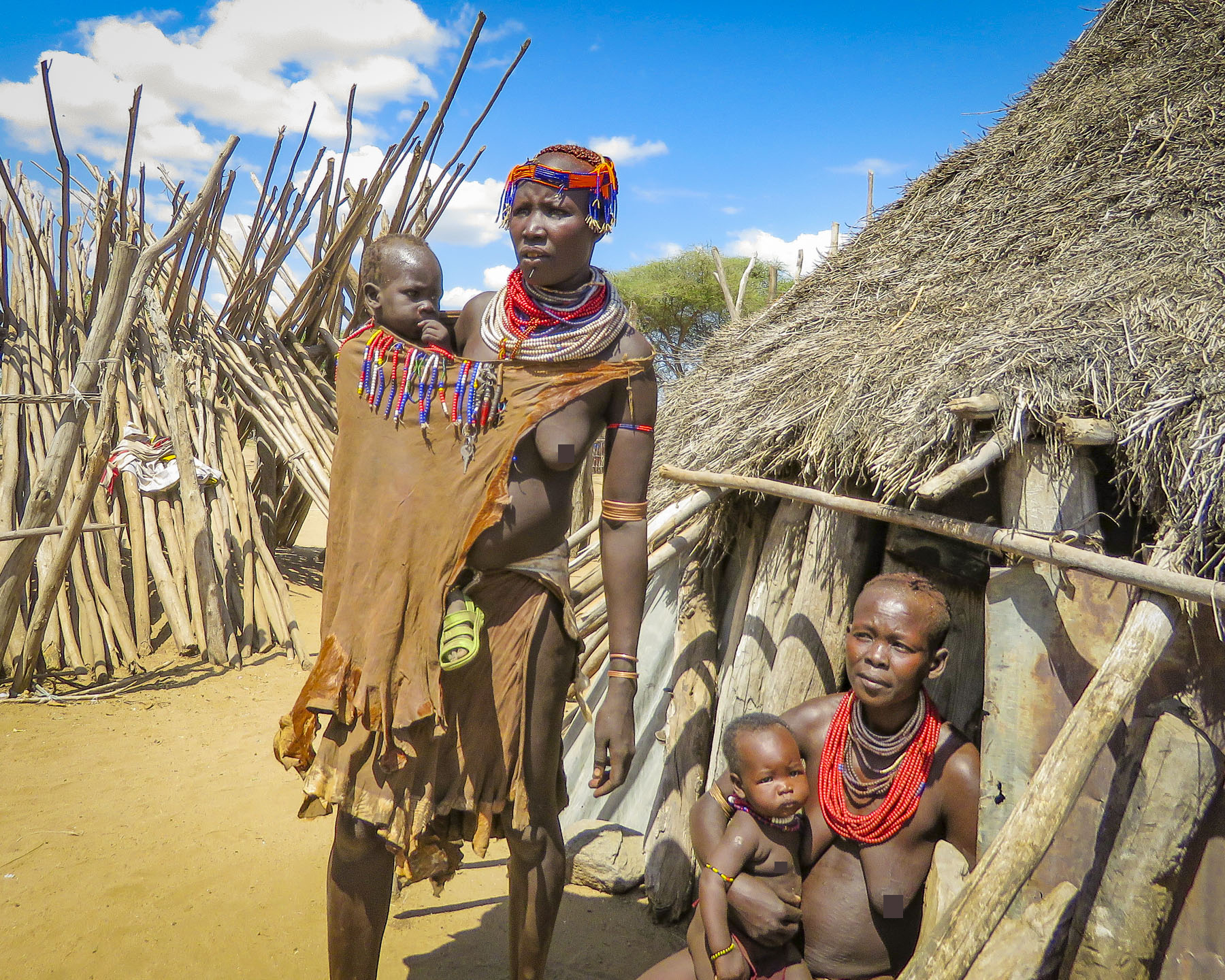
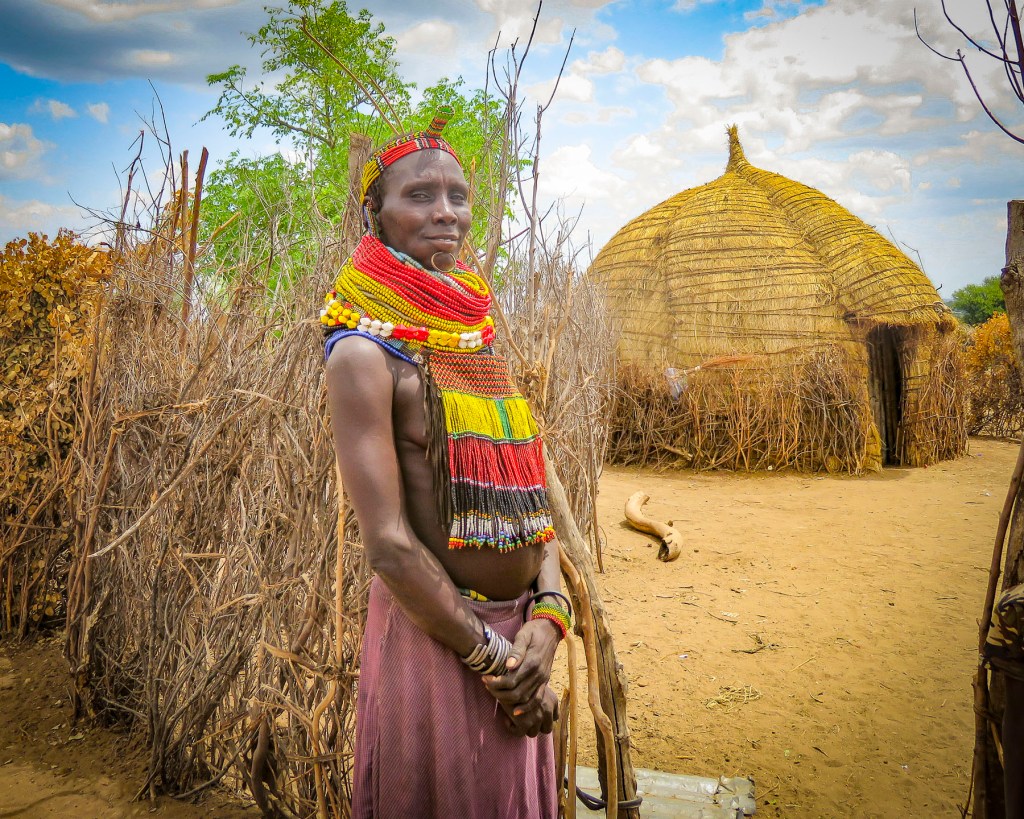
Later that day we headed to visit part of the Nyangatom tribe living near the Omo River. They are thought to have migrated into the Omo Valley region from Uganda in the mid-1800s. The Nyangatom are semi-nomadic agro-pastoralists, though some members of their tribe that have lost their cattle now farm and fish along the Omo River. Their permanent villages feature tall huts with a distinctive, pinnacled thatched roof.
Inland other clans drive large herds of zebu cattle, along with some goats and donkeys (as pack animals) through a large arid grazing area that extends west to the Sudanese border and north to the Suri territory. In times of drought they dig deep wells in the dry riverbeds so they and their animals can drink.
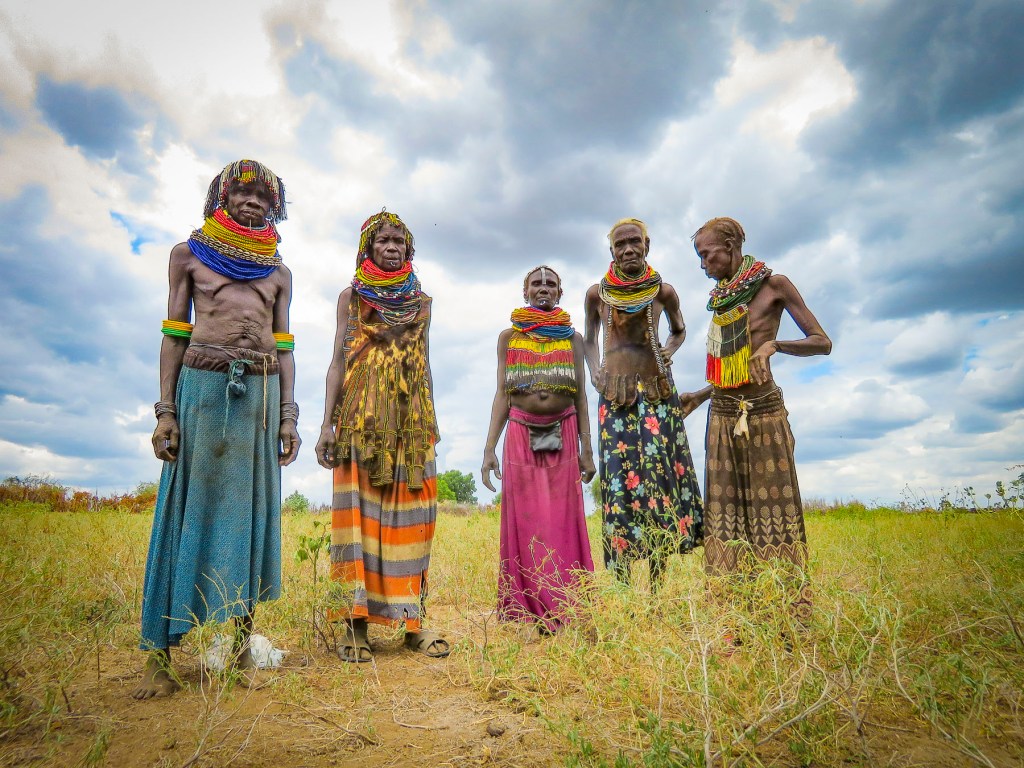
The Nyangatom name their generation groups. The oldest have names like the Tortoises, Mountains and Elephants. The youngest generation is called the Buffaloes. Every fifty years the older generation steps aside for the younger one to rule.

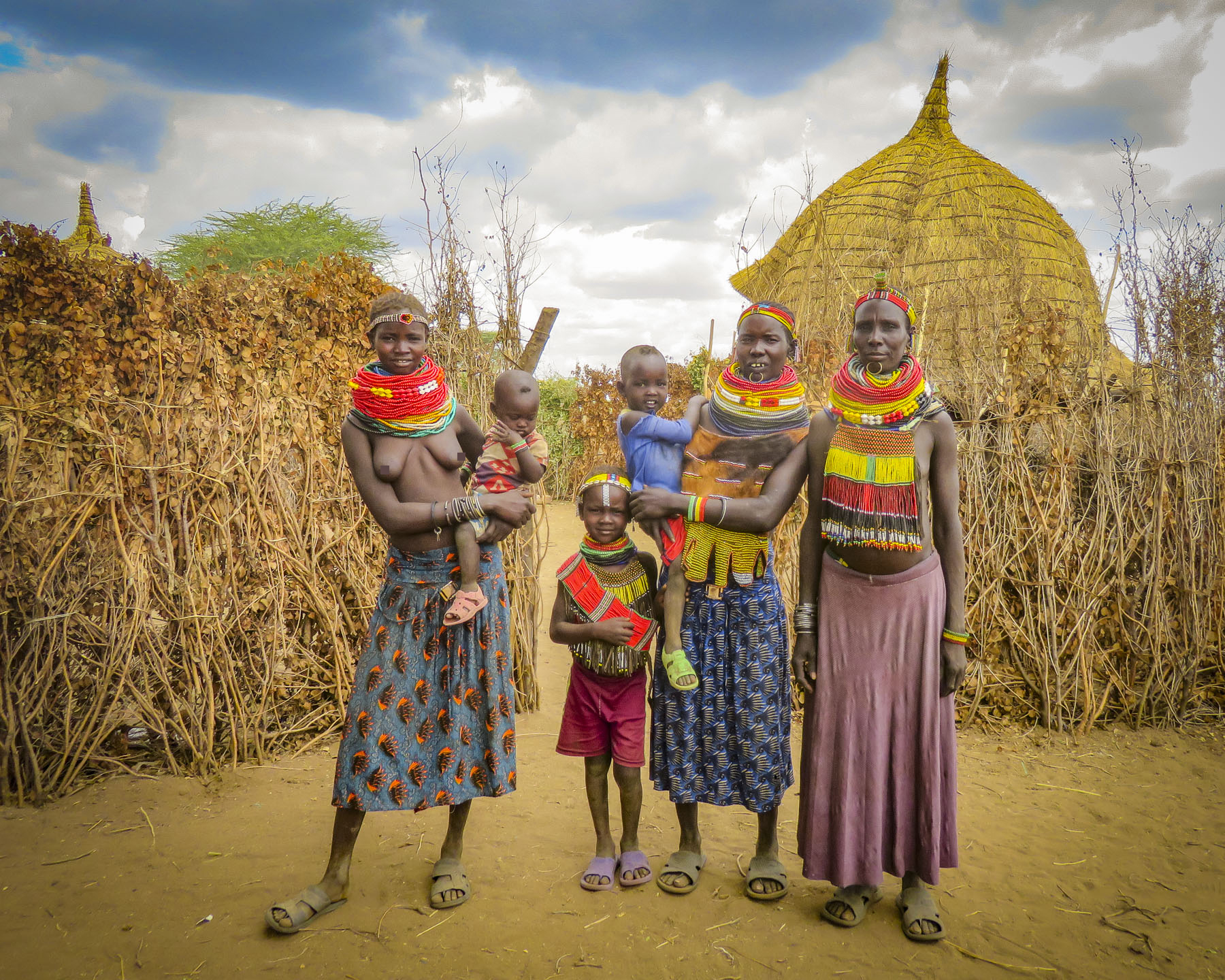
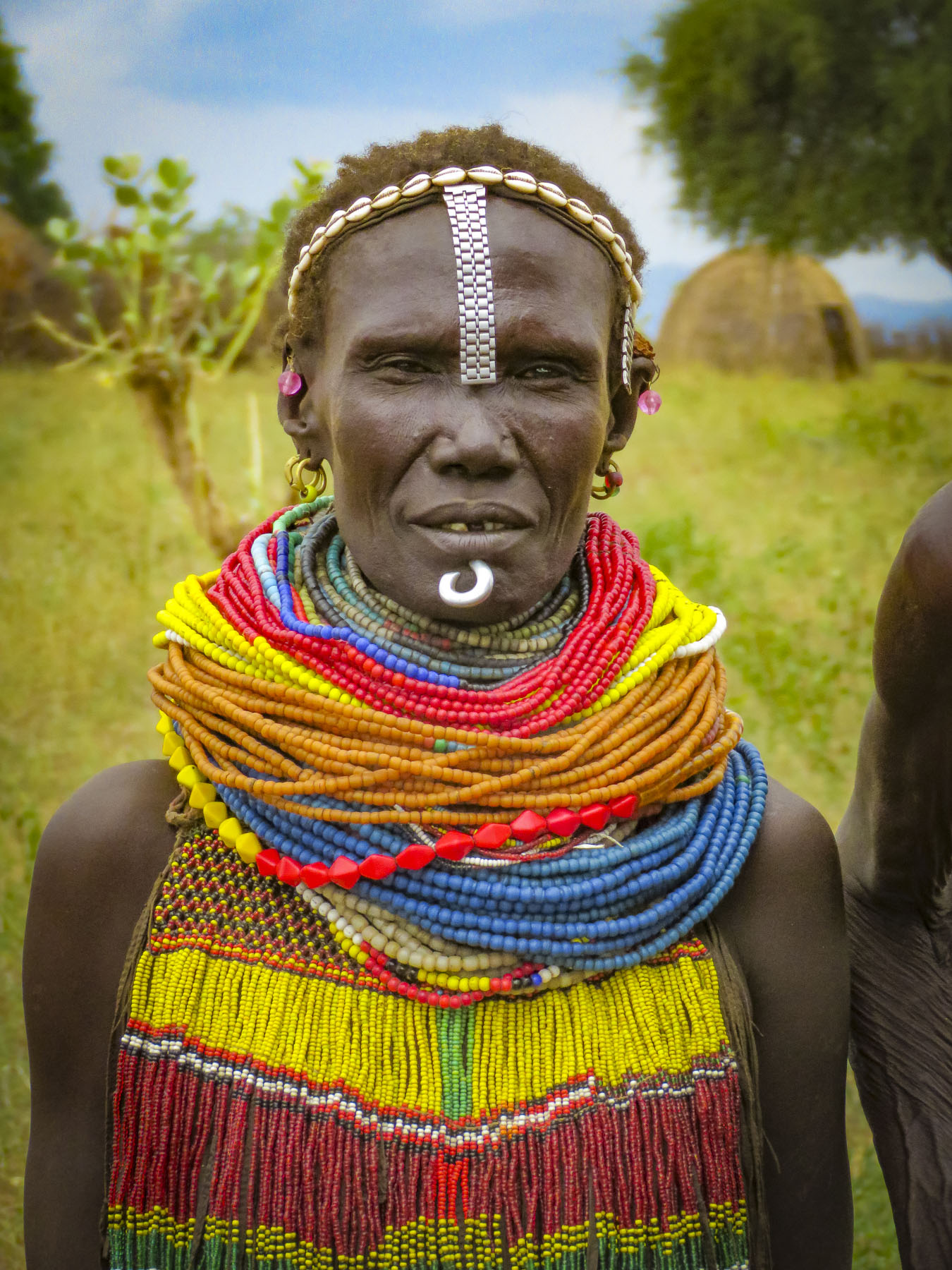
Nyangatom tribeswomen are recognized by the elaborate bundle of colorful necklaces they wear and never take off. The first strand of beads is given by a girl’s father. Every year after she adds another strand, mounding pounds of them up under her chin over her lifetime.



Some traditions never change, but as we were leaving the village, we noticed a small solar panel atop one of the huts. Probably just powerful enough to recharge a cell phone or run a light bulb.
Till next time, Craig & Donna




 The cold wind chilled us to our bones, but we found warmth by the fireplace in the tavern across from our inn. After dinner, as we stood on the ramparts behind our hotel, the darkness offered us a view of the stunning star-filled sky above and the twinkle of village lights far below. With a stiff breeze in our faces, we felt like we were flying. The glorious sunrise the next morning cast a beautiful light on the panoramic view of the flat plains that run all the way into Spain, while the rugged mountains and valleys to the west stayed covered in an early morning mist.


 2 Suitcases for 2 years