Celebrating the equestrian lifestyle has been a Spanish tradition since the Middle Ages and followed early Spanish colonists across the Atlantic to Central and South America in the 1500s. In Nicaragua the tradition lives on in beloved hipicas, horse parades.
There are numerous Hípica festivals, held in towns large and small, across the country throughout the year. They are usually the main event of a town’s festivities marking their patron saint’s day. By pure luck, one February, we were able to experience the Dioromo Hipica which is one of many activities held to honor La Virgen de Candelaria in the small village of Dioromo, eleven miles away from Granada.
This was a wild and crazy event, with hundreds of cowboys, dancing horses, a bull riders, and pickups trucks loaded with brass bands parading through the village. The streets were crowded with onlookers.
Because we were standing close, we were occasionally smacked by a horse tail. There were life-size toy horses for kids to sit on and get their photo taken by their parents; small amusement rides and food stalls surrounded the town plaza.
Baile de Las Negras dancers in painted masks and ornate costumes performed before a large crowd in front of the church. Down the side streets a group of men carried aloft a tall statue of the Virgin door to door, to bring blessings to the households.
I think we were the only gringos there experiencing this wonderful local event.
Let’s face it, sometimes the weather just sucks! It was so abysmal we were tempted to stay wrapped in our blankets and sip coffee, but our travel plans dictated otherwise. We try to avoid really long drives, but sometimes you just have to. Today was one of those days. Six hours of driving from Santa Maria de Feira across the country, west to east, to the Portuguese frontier. Stopping at Castelo Mendothen heading south to Sortelha Castle before reaching Castelo de Vide, where we would spend the next two nights. We had visited this region bordering Spain several years earlier, exploring Marvão, Monsanto and Castelo Branco, and found the quiet walled villages and hilltop castles intriguing and full of fascinating history.
Normally we like to use Google Maps’ “avoid tolls” filter, because tolls along with gasoline are excessively expensive in Europe. We’ve followed its suggested routes to some off-the-beaten-path discoveries; however, this time it doubled the length of the journey. So, we kept to the highways. In Lisbon we had asked the car rental agent about paying tolls which eventually boiled down to: you need to stop at any CTT Post Office, give the agent your car registration number and pay the tolls only for the dates you have rented the car. It was actually an easy and inexpensive process.
The intermittent rain had stopped, but a moody gray sky still hung over Castelo Mendo as we walked through the Portas da Vila, the ancient gate, guarded by two towers and two now well-eroded zoomorphic sculptures of wild boar, which are believed to date from an early Iron Age settlement. Solid two-story homes lined the way. The first floors, now shops closed for the off-season, were once used as barns for animals, while the upper levels were used as living space for the families. Our footsteps echoed down the hard stone alleys as we made our way to the hill where the castle once stood, we passed the communal oven, the pillory, and the portal to a foundling wheel (a turnstile where unwanted babies were anonymously placed. It was used until 1867.)
On the ruins of earlier Bronze Age and Roman fortresses a large castle, with six city gates and two rings of defensive walls and towers, was ordered built in 1229 by D. Sancho II. It must have been a sight to behold as the village was granted a charter to host an eight-day-long triannual fair. This was the first fair to be held on a regular basis in Portugal. The castle’s strategic importance was soon forgotten after the permanent border with Spain was established in 1297 with the Treaty of Alcanizes, and over time the immense walls were dismantled. The stones were carted away to build homes in the expanding and prosperous village. Now on the crest of the hill only the ruins of the citadel’s church remain standing.
We were navigating a switchback curve off of N324 which we had followed south from Castelo Mendo when we spotted the Castle of Sabugal high on knoll above the Coa River. Looking very impressive from a distance, we noted the castle for future travels. The weather too inclement to stop on the shoulder of the road to take a photo.
The storm had steadily worsened all afternoon. By the time we reached the Castelo de Sortelha it was raining “estava chovendo cães e gatos.” Fortunately, it was mid-week and every sane person was inside with their feet by the fire enjoying a glass of port. Except for this “madman,” which is how my loving wife occasionally refers to me.
I’ve always enjoyed weather and spent three years before retirement, as a mailman delivering mail in all sorts of weather. “Neither snow nor rain…” I was unfazed. Donna sat out this lunacy. But you never know if you’ll get a chance to come back! Tucking my camera deep under my coat, I ventured forth. I returned soaked. Really it was just an excuse for a double ration of Port that evening. To say the least, the photos are moody.
Fortunately, the door was quickly opened at A Burguesa Guesthouse and a friendly voice welcomed us with “Please come in, let me take your bags,” as we were ushered inside out of the rain. We know we’re getting older when the young receptionist at the guesthouse whisked our bags up the stairs two steps at a time. “Maybe I should start dying my grey?” “You might need to shave a few years off while you’re at it,” Donna replied jokingly with a smile. A few moments later the hostess returned with an umbrella and directions for parking our car which was blocking the narrow, deserted lane in front of the guesthouse.
“Follow the lane, anywhere around the plaza, the parking is free.” One of the things we’ve come to appreciate while driving through Portugal is that parking, outside of the larger cities, is relatively easy and free. Unlike Italy where you practically need to have a separate budget just to park the car. When I returned our hostess kindly offered to dry our coats for us, which we greatly appreciated. Originally a large family residence with a workspace on the lower level, A Burguesa was lovingly restored into a spacious inn featuring eight guest rooms, pool, terrace and views of the village’s castle.
Castelo Vide first came to our attention several years ago, when we were driving north from Marvao to Castelo Branco. Its red roofed, white stuccoed buildings and prominent castle covering a hillside looked so appealing we hoped to return. We did detour at the time to the Ermida de Nossa Senhora da Penha, a small chapel in a cork forest. Located high on a ridge opposite the village, it offered an outstanding view. If the weather is nice, it’s definitely worth a visit. Farther along there is still visible on this lane a section of old Roman road that crossed this region 2000 years ago.
Vide, as it was known before its castle was built, has been an important town since the Romans settled the area in 44 BC, when it was a vital stop on the trade route between Merida, Spain and the Atlantic coast. Eventually the Moors ruled the area from the 7th until 12th century. It wasn’t until 150 years after the Reconquista in 1310 that King Dom Dinis ordered a new castle built, and the growing town became Castelo Vide.
This castle is where King Dinis negotiated his marriage to his future queen, Isabel of Aragon. The castle still commands the hilltop today, though now the medieval fortress has been renovated into a museum and civic center. At the time we visited it showcased an interesting exhibit about Portugal’s Carnation Revolution in 1974, which ended a forty-year military dictatorship.
Seven hundred years ago the homes of the walled enclave that surrounded the castle keep represented a medieval who’s who of wealthy merchants influential enough to secure shelter behind the fortress walls. The intimate narrow passageways and ancient archways of this still inhabited enclave were intriguing to wander through.
On the slope below the castle, steep alleys spiderweb down the hillside. While it was a vigorous trek to the top, the descent was equally challenging, with the concern that if we lost our balance on the wet cobblestones, we would bounce downhill like soccer balls. I exaggerate only slightly. The ambiance of this neighborhood was equally interesting – flowers seemed to grow from solid rock in the crevasses between street and homes. On homes in this neighborhood, Gothic style granite casings still survived and framed many doors and windows. Some homes left doors ajar for family pets to wander in and out, or to share their parakeets’ songs with the neighbors.
We followed a lane across the slope to Sinagoga de Castelo de Vide, a residence before its use as a modest Jewish temple. It’s thought to be one of the oldest existing pre-expulsion synagogues in Portugal, that dates from the 13th century. It’s now a museum that chronicles Jewish life in the region. Vide’s Jewish Quarter expanded significantly after Spain expelled its Jewish citizens in 1492. While Portugal was more tolerant of their religion, they were still required to live apart and encouraged to convert to Christianity.
At the bottom of the Jewish Quarter, the Fonte da Vila, a marble sixteenth century Renaissance fountain, centers the village’s old market square. The mineral water flowing from it was renowned for allegedly curing a variety of ailments from diabetes to high blood pressure.
The narrow lanes of the old town eventually funnel into the Praça Dom Pedro V, a stately plaza featuring the town hall and Igreja Matriz Santa Maria da Devesa. These “newer” historic buildings and the homes on the surrounding wider streets date from the town’s prosperous 17th and 18th centuries.
While the interior of the town’s church is very modest, the old choir loft, balconies and bell towers have been converted into a simple museum displaying a wealth of ancient religious art and sculpture. If you have ever wondered what happens to the contents of all the small, abandoned parish churches you’ve driven past, here’s your answer. Well, hopefully they end up in a splendid museum like this one that has become the religious art repository for the region. A gem of a discovery and the perfect way to spend a wet afternoon for only 1€.
The next morning a favorable weather report promising sun encouraged us as we continued south to Evora. Only a few miles out from Castelo Vide we detoured for a quick stop at the Ponte Romana da Portagem. A modest four-arched stone bridge, built in the 1400s over an earlier Roman crossing, its tranquil location spanning the Sever River obscures a turbulent past. It was here that King John II of Portugal built a tower with a tollgate in front of the bridge to collect a tax from the Jewish people expelled from Spain. A small refugee camp grew along the riverbank for those who couldn’t afford the tax. It’s believed 15,000 Jewish refugees eventually crossed the bridge.
The high arches of an ancient aqueduct, the Aqueduto da Água de Prata, spanned our route into Evora. This was a critical infrastructure project in the 1500s when King John III ordered it built to relieve the near constant drought conditions of the city that was quickly becoming a center of commerce and education in the Alentejo region, with the establishment of the Colégio del Espiritú Santo, University of Evora, in 1557. Of Lisbon’s Tower of Belém fame, military architect Francisco de Arruda was chosen to design the aqueduct. The mammoth project stretched a formidable 11 miles from the Divor River through a series of tunnels and over elevated arches, some 85 feet tall, spanning valleys and plains, before bubbling forth in the public fountains across Evora. Seems “location, location, location,” has been a housing mantra for centuries and as available land within the walled city disappeared, homes and stores were built under the aqueduct’s arches.
We knew when we planned this trip that parking in Evora would be an issue, but we were fortunate to find The Noble House which had a limited number of parking spaces available for 10€ a day. It wasn’t going to break our budget and it was well worth the convenience for two nights. The 24-room boutique hotel, as its name suggests, was in the 1400s an aristocrat’s family home. The hotel has been meticulously renovated to a historical standard that kept many of the building’s original stone arches, azulejos tiles and vaulted brick ceilings in place. For the level of comfort provided, and the convenient location, it was a tremendous value. During the shoulder season rooms are often available for under 100€ per night, breakfast included.
Wandering through the ancient city, we were charmed by its ambience, and the way in which archaic architectural styles harmoniously blended. At the city’s center, Roman first century ruins of the Temple of Diana share the acropolis with the 14th century gothic Catedral de Évora, the largest medieval church in Portugal.
We climbed to the cathedral’s roof, the highest point in Evora, for brilliant panoramas of the city.
The cloister attached to the cathedral now houses a museum exhibiting the church’s ecclesiastical treasures, displayed in spaces that were once monks’ cells.
The Miradouro do Jardim Diana at the other end of the acropolis was a fine spot for a café break and also people watching.
Wine tastings featuring Alentejo vintages produced in the region surrounding Evora are a popular activity within the city. It’s not really our thing, but on the spur of the moment we stopped in the Ervideira Wine Shop, made a reservation, and returned later for a private wine tasting. Our knowledgeable host walked us through a tasting of five delightful Ervideira vintages. It was a very enjoyable experience and we purchased two bottles to accompany us to the Algarve.
Luckily, we were strolling along the arcade covered sidewalk that parallels Praça do Giraldo when the sky burst open with a sudden downpour. The timing was perfect as we had stopped in front of the Cafe Arcada, which was packed with locals eager to take part in its sumptuous lunch buffet. It’s definitely worth checking out and very budget friendly.
Walk a little then café is the philosophy we follow when exploring a city. With that in mind we continued the next morning to wander our way slowly towards the museum of the Igreja e Mosteiro de São Francisco and next to it – cue creepy music – the Capela dos Ossos, Evora’s Chapel of Bones.
“Nos ossos que aqui estamos pelos vossos esperamos.” It’s hoped this odd welcoming inscription, translated as “We bones that are here, for your bones we wait,” above the entrance to the ossuary will lead visitors to contemplate the ephemeral nature of life. Attached to the Mosteiro de São Francisco, the bones chapel was built by three Franciscan monks in the late 1400s as a way to respectfully reintern 5000 dead that were being exhumed from Evora’s overflowing cemeteries to make room for the newly departed. A wedding service was in progress at the Iglesia de São Francisco when we exited. Something old, something new. Life goes on.
Afterwards, we crossed to the municipal market and browsed amongst the vendors for some fruit, cheese, sausage and of course irresistible Portuguese olives for a picnic lunch in the Jardim Público de Évora, only a short walk away.
Heading back into the center of the historic district we passed the Igreja da Graça. This 16th century church has a unique façade that features four, very large-muscled Atlas figures sitting on the corners of the roof. We assumed the interior would be equally as interesting, but it’s not open to visits as it is currently used as a chapel for the Portuguese Armed Forces.
Back at the acropolis, we toured the Museum Frei Manuel do Cenáculo, named for the 18th century monk/archeologist who later became archbishop of Evora. It’s an eclectic collection featuring Roman and Visgoth antiquities gathered by Cenáculo, period furniture, and four centuries of ecclesiastical art from extinct churches of the region. It was a fascinating exhibit.
The weather was finally improving. We were ready to work on our tans. Tomorrow the Algarve.
My wife and I occasionally discuss the destinations we’ve enjoyed the most and which we’d enthusiastically like to return to. We can truly say we’ve enjoyed every place we’ve chosen so far, but aside from Italy, the land of Donna’s people, being a must, Portugal and Guatemala top the list. They are both wonderfully interesting destinations with fascinating locations and cultural events to experience. With budgeting an important consideration for our travels, both Portugal and Guatemala are pocket friendly destinations. But, with the Euro currently at a favorable exchange rate, Portugal is a tremendous bargain. Throw in the fact that the weather, cities, beaches, and countryside are beautiful, along with a welcoming environment, great food and wine, well we should really emigrate there. Alas, we’ve never really wanted to be fulltime expats. We’ve opted instead for a return visit to this splendidly diverse country when an airfare deal appeared on our travel alerts.
The city of Braga first popped onto our radar while we chatted with a PSP officer at a Tourism Police Station in Lisbon several years ago as we filed a stolen a passport and wallet report. Conversing as he speedily typed away, asking how we were enjoying Portugal. “What are your plans after Lisbon?” “Drive north to Porto for several days,” we responded. “Ah! Nobody goes above Porto. It’s as if the country stops there. The Minho region of northern Portugal is beautiful with mountains and trees, very different than south of the country and the food is better,” he joked and smiled. “You should visit Braga.” The idea stuck. Later suggestions gleaned from the blog Beyond Lisbon, written by Cátia, who espouses the lesser-known destinations, traditions and delightful quirkiness of her country, helped inspire our route through northern Portugal. Armarante, Guimaraes, Braga then farther north to Lindoso, a stone’s throw from the border with Spain, before returning to the coast above Porto. Two days later our friendly policeman emailed to notified us that the passport and wallet had been recovered. Minus the cash, of course, but we were relieved.
The rain had finally stopped, and the sun was beginning to break through by the time we reached Braga, encouraging us to make a short foray into the centro histórico before ending the day at Bom Jesus do Monte. Braga’s main garden, the Jardim de Santa Bárbara, was surprisingly only added to historic city’s landscape in the 1950’s. A relatively modern intervention, it benefits from its location adjacent to the crenellated walls of Archiepiscopal Palace of Braga, that dates from the 14th century. Four stone arches are the only reminders of a larger structure with a library containing many historical documents that was lost in an 1866 fire.
Important since its founding in 16 BC, as Bracara Augusta, where five Roman roads converged, Braga today is Portugal’s fourth largest city and a vital metropolis for commerce and education. The city has had a complex relationship with country since 1112 when Count D. Henrique and Countess D. Teresa donated the city to the Catholic Church, creating an ecclesiastical fiefdom that lasted until the 1700s.
In 1128 the city/church was given the privilege to mint its own coinage as reward for supporting D. Afonso Henriques’ revolution against his mother, the Countess D. Teresa, for Portugal’s independence from Spain. Local wars occasionally erupted between Dukes and various Archbishops over the following centuries.
Count D. Henrique’s and Countess D. Teresa’s tombs are in the Braga Cathedral. The first cathedral built in Portugal, it was consecrated in 1089, inspiring the Portuguese expression “older than the Sé de Braga.” A courtyard scattered with centuries old architectural remnants funneled us into the Cloister of Santo Amaro, which now serves as a museum that displays the church’s vast treasury. The church’s Romanesque and Baroque styles coexist seamlessly after centuries of renovation. The interior is very transfixing with Baroque gilding and mirrored twin organs that seem to float above the central nave.
It was approaching sunset when we arrived at Bom Jesus do Monte. The neoclassical church with its famous baroque staircase has become an iconic symbol of Braca, since its completion in 1811. Some pilgrims call it the sacred way, others the stairway to heaven. The devout will climb its 573 stairs to the sanctuary at the top on their knees. Each landing features a fountain and allegorical sculptures.
Our timing was perfect. Parking was easily available at the summit, the bus tours all gone for the day. Only a handful of folks remained, enjoying the beauty and tranquility as the sun set.
A north south transition day for us, we set off early to our first stop, the coastal town of Vila do Conde, on the Atlantic Ocean, just above Porto. As if by magic a tall stone aqueduct suddenly appeared before us, and it paralleled our route for quite a distance into Vila do Conde. We mistakenly assumed it was of Roman construction. We learned later that the 999 arches were built in the 16th and early 17th centuries to supply water to the Santa Clara monastery from a hilltop spring in Terroso, three miles away. Though the aqueduct could have benefitted from some Roman engineering after the first section was abandoned because the water flowed the wrong way. Later 46 arches collapsed during a storm.
One of the largest and wealthiest convents in Portugal, the Santa Clara monastery housed 100 nuns. It was founded in 1318 by Afonso Sanches, son of King Dinis and brother to King Afonso IV the Brave. The convent still commands a prominent hill above the city and is undergoing extensive restoration to become a Lince Hotel & Spa.
We were delighted to see the ocean again. Portugal’s lovely and easily accessible coastline is one of the reasons we enjoy the country so much. The town is graced with two beaches, Praia Azul and Praia da Senhora da Guia. Both are only a twenty-minute walk from the center of the town. But it was too cold and windy to enjoy the beach, so we walked along a riverfront park towards the old town. An ocean port city, Vila do Conde’s prosperity came from its shipbuilding industries during the Age of Discoveries.
Farther along we rested at a café across from the Praça da Republica, a beautiful park with brilliant flowers still blooming in October. Following the streets inland we explored the narrow lanes around the Igreja Matriz de São João Baptista which centers a plaza atop a small knoll in the middle of the historic district.
It’s a popular resting spot for pilgrims trekking the coastal camino route from Porto or Lisbon to Santiago de Compostela, Spain. From here we spotted the final length of aqueduct that terminated at the convent. We decided to investigate.
The aqueduct towers over homes in this neighborhood located on the slope before the convent. Beyond them the crenelated walls of the convent’s Gothic church reflect the time it was built in the 1300s when Viking raids were a recent memory and Spanish invasion was a constant threat. The view of the red roofed city and riverfront from the miradouro next to the convent was spectacular.
Years ago we used to keep magazine and newspaper articles filed away as research for future travels. That slowly evolved to email folders with links to stories and computer bookmarks for favorite travel websites. Now Google Maps and Instagram feeds spark interest for places to visit. That’s how the Igreja Matriz de Santa Maria de Válega with its colorful tiled exterior wall came to our attention. The church’s unique beauty earning it the nickname “the Sistine Chapel of Portugal.” A half-hour south of Porto, the church is located at the crossroads of Válega, a small rural farming community.
The church was not always this stately. Its history starts in 1150, when a wealthy family built a small private chapel above the ruins of an earlier temple. From 1288 to 1583 it was part of the Monastery of São Pedro de Ferreira. In 1756, the Diocese of Porto started renovations and building expansions that would last over 100 years. Surprisingly, the tile façade and interior were relatively modern alterations that were installed in 1959, along with a ceiling crafted from exotic Brazilian woods. The exquisite larger-than-life tiles depict stories from the life of the Virgin Mary and other biblical scenes. They were crafted by the Aleluia Cerâmicas of Aveiro, a local company that still creates unique tiles for customers around the world.
Although it’s an off the beaten path destination, it’s worth the effort to see this truly unique church. If it helps to influence your decision, Flor De Valega is a mouthwatering pastry shop a short walk away. You won’t be disappointed!
Our last stop of the day would be the Castle of Santa Maria de Feira, only twenty minutes away, before spending the night in the town below it. We arrived forty-five minutes before closing. How disappointing, because the castle looked intriguing and it was beginning to rain harder. A shortened visit would have to do. The line at the ticket counter wasn’t advancing as the lone ticket agent was busy selling souvenirs to a tour group that was just finishing a visit. Kindly, a security guard waved us along and we agreed to return in a certain amount of time and pay on the way out. The castle was fascinating.
The castle sits on the apex of a now wooded hill, in a beautiful park, though back in the Middle Ages the hillside was devoid of trees, giving the soldiers in the fort a better view of any approaching enemy. This was the frontier, a war zone between Christian Spain, later Christian Portugal and the Moors. Twice in 1100 the castle was sacked by the Moors and then liberated by Portuguese forces. This borderland saw continual conflict until the Arabs were driven decisively from Coimbra, only sixty miles away, in 1139. Large medieval trade fairs held next to the castle earned the village the distinction of being named Santa Maria de Feira. In 1448, King D. Afonso V gave the battle-worn castle to Fernão Pereira on condition that he repair the fortifications. “Hey Fernão, do I have a deal for you.” His modifications of thickened walls, a barbican, spired towers and a large keep with fireplaces and terrace still stand, and are what visitors to the castle see today. After a fire in 1722 the castle was abandoned and left to ruin. In 1839 it was bought by a private citizen at public auction. Serious rebuilding began in the early 1900s and it was reopened to the public in 1950.
To our surprise, the gate of the barbican was locked with a heavy chain when we tried to leave. Our hearts skipped for a moment when we thought we’d be sleeping overnight on the cold stone floor of the castle’s keep. The anxiety was relieved a few moments later when the guard returned from making his final inspection to ensure nobody gets locked in. Reminding him we still had to pay he smiled and waved us away, happy to end his day a little early and get out of the rain. Every August the town and castle host a ten-day Renaissance festival called Viagem Medieval that is regarded as one of the best reenactment events in Europe.
We hadn’t stayed in a hostel in years, but our private and modern room with ensuite bath at the boutique Hostel da Praça, in the historic center, was a bargain at €50. Parking was free at the municipal lot a short walk away. As we walked across town to dinner that rainy night, the reflections from the old streetlights onto the cobblestones was evocative of the Middle Ages when the town’s nightwatchman lit torches hanging from sconces along the street.
“It’s okay, you can just ignore that caution light on the dashboard. It never goes off.” “Do you have another car?” “No.” All rental cars appear equally perfect when you are making comparisons and a final selection from a website. Staying within our budget, we chose an off-airport car rental agency with good reviews, that picked us up at the arrivals terminal and sped us away to our awaiting wheels, for €12.50 a day. The Fiat Panda assigned to us had been driven hard and put away wet, you might say. Reviewing the preexisting body blemishes with the rental agent resulted in a cartoon of the car that looked like it had been ambushed in a gangster movie and sprayed with machine-gun fire, including the roof. Nevertheless, the engine sounded fine, and our twelve-day journey began, driving in a large figure-eight, north to south route, around Portugal. Our first destination – Castelo de Almourol, before arriving in Tomar. But by the afternoon of day three we were referring to our car as the Portuguese version of the American rent-a-wreck concept. When driving through the mountains, on the way to a schist village, every warning light on the dashboard started blinking violently in Portuguese. If we had been flying an airplane, we would have donned parachutes and bailed out. The engine sounded fine, so we flew on.
Not being sure what is open during the week in the off season, we headed for the Miradouro do Almourol, an overlook above the island that the castle commands. Located on the south side of the Tagus River, it’s not particularly easy to get to. But my wife and I enjoy the off the beaten track routes that take us through less traveled countryside. Crossing the Tagus River, we followed the N118 north into the Alentejo (beyond the Tagus) Region through flat farmlands and wine estates dating back to the 1700’s. The red wines of the area vinted with the Portuguese varietals Castelão, Trincadeira, and Touriga Nacional are acquiring international recognition now, as are the regions white wines made with Antão Vaz, Arinto, and Fernão Pires grapes.
The drive was slowed occasionally by tremendously large John Deere combines, the width of the entire road, as farmers drove them between different fields waiting to be harvested. Seasonal spring floods that replenish the soil have made this river plain an important area for cereal crops and wheat since the Roman times. Our walk a little then café philosophy quickly transformed into drive a little then café when we did our first U-turn of the trip as we passed a small place that had a tractor parked in front. Our espressos only €.70 each. It was nice to be back in Portugal.
The wetlands of the Tagus River valley are ideal for bird watchers looking for black-winged stilt, marsh harrier, purple heron, pratincole and Kentish plover. Occasionally we spotted storks atop centuries-old chimneys of abandoned homes, resting in new nests that were stacked like pancakes atop older ones before continuing their winter migration south to Africa. Quiet lanes, faded sun-bleached pastels, and centuries old weather-worn buildings dotted the landscape. Bullrings, Praça de Touros, still stand in Chamusca and Salvaterra de Magos, and the latter’s traffic circle has a large sculpture of a cavaleiro and bull to celebrate the tradition. Though interest in bullfighting has been waning since Queen Maria II of Portugal banned the spectacle in 1836 with the argument that it was “unbefitting for a civilised nation,” it regained popularity in the Alentejo region after the fights were reinstated in 1921, and the climatic killing of the bull was outlawed in 1928.
Before we reached the castle, we stopped for lunch along the riverfront in Arripiado at the ABC Bar Café. It was a tranquil spot with a boardwalk that had a view of the Tagus River and the small village of Tancos across the water. Small boats offer rides to Almourol Castle from the Arripiado riverbank here.
With its striking island location, just below the junction of the Zezere and Tagus rivers at Constância, Almourol Castle is one of the most picturesque medieval fortresses in Portugal.
Constância was once an important fishing village during the Middle Ages where it was said the rivers there were “two-thirds fish and one-third water.”
As with most things ancient on the Iberia Peninsula, the castle’s history started with an early tribe. The Lusitanians built a small fortress on the island as protection against the Romans in the first century B.C.E. Visgoths, Vandals, Alans and Moors followed until it was captured by the Portuguese during the Reconquista in 1129 and subsequently entrusted to the Knights Templar to rebuild for defense of the frontier border at the time. It eventually lost its strategic relevance and was consequently abandoned. Various phases of reconstruction began in the mid-1900s.
Train service to Tancos, Castelo de Almourol and the hilltop village of Constância is available from the Santa Apolónia Station in Lisbon. The trip takes about an hour and a half.
We arrived in Tomar just as the late autumn sun was low in the sky and beginning to cast lengthening shadows on the forested slope that led to the jewel that crowns this quaint village. We followed the winding cobbled lane to Castelo de Tomar and only got a brief glimpse of the castle through its outer gate as the heavy wooden door was closed for the day with an echoing clang. The castle combined seamlessly with the Convento de Cristo next to it and creates an immense structure that’s best observed from a distance to appreciate its scale. Admiring the expansive view from the miradouro in front of the castle, we made plans to return the next day via a tuk-tuk taxi, from the town square.
This beguiling medieval village with its narrow lanes and tranquil riverside location discreetly hides its outsized contribution to the history of Portugal.
It starts with those mysterious Knights Templar when in 1159 the first King of Portugal, D. Afonso Henriques, granted land to Gualdim Pais, the fourth Grand Master of the Knights Templar in Portugal as reward for their military prowess and religious zeal during the Portuguese wars for independence and the subsequent Reconquista. When the town was first founded, the population was so minuscule, most of the villagers lived behind the castle’s defensive walls.
In 1160 Gualdim Pais order the construction of a monastery and fortified citadel that would be known as the Convent of Christ, a combination of a fortress and a monastery, that is sometimes referred to as the Convent of Christ Castle. The convent’s most interesting feature is a round sanctuary with an ornate ceiling soaring over a central altar, its design said to be influenced by the Church of the Holy Sepulcher in Jerusalem. Legend states that the knights attended mass on horseback here, the open circular design facilitating the horse’s easy entrance and exit. Famously in 1190, outnumbered Templars defeated a larger Muslim army after their six day siege of Castelo Tomar failed.
Founded in 1118 and slowly gaining recognition from their vowed mission to protect pilgrims journeying to the Holy Lands, the Knights received Papal endorsement in 1139. Pope Innocent II’s Papal Bull sanctioned the Templars as “an army of God,” and provided them special rights that included exemption from paying taxes, allowed them to build their own oratories, immunity from local laws, freedom to cross borders, and obedience only to the Pope. With this blessing Pope Innocent ll made the first papal monetary gift to the Templars. Now a church-endorsed charity, they began receiving land, money, businesses and young nobles from wealthy families who were enthusiastic to find glory in the crusades and willingly donated their assets in order to take the vows of poverty, chastity, piety, and obedience.
Today the Templars most likely would have been charged with running a racketeering enterprise which forced pilgrims and others to pay for protection services they have not requested. This protection was usually from the very people who were demanding the money in the first place.
Things were going well for the Templars across Europe until 1307 when King Philip lV, heavily indebted to the Templars from a war against England, lobbied the Holy Church to disband the Knights Templar as it was a state within a state with its own military, preached heresy and practiced idolatry.
The Templars’ fatal day (eerie music, please) was Friday, the 13th of October 1307. Early that morning all the Templars in France were arrested as enemies of God. Upon torture many falsely confessed and were burned at the stake. A month later Pope Clement V, a relative of King Philip, decreed that the rest of the Catholic kingdoms in Europe should arrest the remaining Templars and seize their properties. All complied except Portugal!
King Dinis of Portugal did not believe the charges leveled against the Templars, remembering instead their service to a fledging country, and offered sanctuary to knights that had escaped capture. He then persuaded Pope Clement to support the creation of a new organization, the Order of Christ, into which he transferred all the Templars’ wealth and holdings. The new Order’s mission was now the liberation of the Iberian Peninsular from the Moors and wars against Islam in Africa.
Same group with a new name, but to ensure that the deception of the Pope succeeded, the headquarters of the new order were established, almost in exile, 210 miles away in Castro Marim, a frontier town on the Guadiana River, that serves as the border with Spain.
One hundred years later Dom Henrique of Portugal, Duke of Viseu, better known as Prince Henry the Navigator, allowed the Templars/Order of Christ to return to their former seat of influence in Tomar. Here they now helped Prince Henry the Navigator establish a medieval think tank: a research institute dedicated to developing navigational tools for a ship to determine its accurate position at sea, relying on the Arabic studies of astronomy, mathematics, trigonometry, which were farther advanced than European knowledge at the time.
The Order of Christ succeeded the Knights Templars as the country’s banker and financed building the fleets of ships needed at the beginning of Portugal’s nautical age of discovery. As rewards, fleets of caravels with white billowing sails boldly embellished with the distinctive red cross of the Order (perhaps the first attempt at global branding) carried explorers down the west coast of Africa and around the Cape of Good Hope into the Indian Ocean in 1487. Portugal’s age as an expanding empire had begun!
Wandering the cobbled lanes of the old town in mid-October, we seemed to have the whole village to ourselves. Later, as the day was perfect, we walked along the Nabao River, crossing a small footbridge in Parque do Mouchão. The view back toward the village was sublime with ducks slowly trailing ripples through the mirrored reflections of the buildings in the water.
The amber glow of sunrise warmed the waterfront as our ship docked. Its upper deck provided us a view of the port as if we were seagulls soaring above the first commuter ferries of the day crossing the harbor. Along the water, buildings wore a tired facade of montage color and aged textures. Beautiful in neglect. These were our first impressions of Havana. The few buildings under renovation were easy to spot with their fresh coats of paint. The domes of the Russian Catedral Ortodoxa Nuestra Señora de Kazán, built to celebrate Soviet – Cuban friendship glistened in the sunrise, its onion shaped domes an odd juxtaposition, accented the balmy Caribbean skyline. We’d be spending two full days in Havana.
By the time Nevada legalized gaming in 1931, Havana, once nicknamed “the Paris of the Caribbean” was already a well-established tropical get-away for gambling, especially if you lived in the wintry northern parts of the United States. Havana’s balmy weather and swaying palms contrasted nicely against Las Vegas’ dusty strip in the desert where tumbleweeds blew across the sidewalks. In the 1950s, fifty dollars could purchase a three-day package tour to a Havana casino that included airfare, entertainment, food and hotel. Cruises to Havana from Miami were also possible aboard ships like the 725 passenger S.S. Florida for $46.00. For an additional $35.00 you could take your car along if you wanted to explore the “700 miles of Cuban highways,” a travel brochure from the time advertised. Cruise ships arriving at night were occasionally treated to displays of fireworks over the centuries old Castillo De Los Tres Reyes Del Morro and the highrise apartments along the Malecon as they entered the harbor. It was city of Jazz clubs, high rollers, zoot suits, large finned Cadillacs and mobsters. Headliners like Frank Sinatra, Dizzy Gillespie, Eartha Kitt, and Nat King Cole drew folks to the casinos controlled by New York, Chicago, and Miami crime syndicates.
Mafia payoffs to the rampantly corrupt regime of Cuban dictator Fulgencio Batista and his associates allowed their casinos, brothels and drug running operations to flourish unimpeded. As flashy as the casinos were, the sugar industry dominated ninety percent of the rural Cuban economy for decades and was the largest employer in the countryside until sugar prices collapsed. That along with government policies that ignored its impoverished citizenry bred increased discontent as the disparity of wealth between the rural poor and the Havana elite grew intolerable. The jungled mountains of the islands’ interior sheltered Fidel Castro and his armed revolutionaries. 1959 was their year. Batista and his cronies fled to the Dominican Republic. Afterwards all homes, properties, businesses, and cars were nationalized. An exodus of the Cuban middle class followed with approximately 1.4 million people heading to the United States to reestablish their lives.
While Europeans and Canadians have long traveled to Cuban government-run tourists’ resorts along the coast, we were visiting the island on a cruise during that first window of opportunity which opened to Americans between 2016 – 2019, before access was unfortunately tightened again. Recently the travel restrictions to Cuba have once again been loosened.
Rush hour in Havana happens whenever the cruise ships disgorge their passengers onto the waterfront to walk into the city center, catch their bus tours or to snag a ride in one of those classic cars from the late 1950s. There are literally thousands of antique cars still on the roads in Cuba, jury-rigged to keep running and often repainted with house paint that reflects the bright ambience of the Caribbean.
Depending on where you are in the disembarking queue these beautiful classics, especially the convertibles, might already be tooting around Havana with other tourists and you might have to opt for a coco taxi. These entertaining rickshaw type taxis are covered in a bright yellow, fiberglass shell and have seating for three across the rear axle. When it rains, you are going to get soaked as we did when we got caught in a downpour. The return ride was definitely more comfortable after several Cuba Libre cocktails.
Down the side streets of the city, it wasn’t unusual to see these vintage cars raised on cinderblocks, their hoods open as amateur mechanics tinkered away to keep their classic beauties running. There are about 60,000 old American cars still on the road in Cuba. Most date from the 1950s, but there are still Packards, Cadillacs, Dodges, Chevys, Studebakers and Fords from the 1940s and 30s that are still road worthy. This is an amazing testament to the talent of Cuban mechanics that have been “MacGyvering” the repairs with makeshift parts since the revolution ended in 1959, when the U.S. trade embargo began and Cuba banned the import of American products. While some cars look to be in mint condition, often the interiors are taped together, door handles are missing, and the windows don’t roll up. Engines don’t last forever and it’s not uncommon to swap engines between the American makes and models. Sometimes even the motors from Russian Volgas and Ladas work their way under the hood of Fords and Chevys. Fiats and Peugeots were imported after the revolution but proved to be not as durable as the American models.
With the nationalization of property in 1959 the nicer cars of the wealthy who fled were assigned to government officials, doctors, renown celebrities and famous athletes. Regulations prohibiting the ownership of cars were eventually changed to allow Cubans to freely purchase older cars brought to the island before the revolution. Often cars are family heirlooms that have been handed down from generation to generation, with fathers teaching sons the intricacies of keeping the cars running. It’s extremely rare to find new automobiles in Cuba as the government imposes very high taxes on car imports, rendering them highly unaffordable for the vast majority of Cubans.
The ingenuity of Cuban mechanics can surely teach us a thing or two about sustainability. Wonderfully many of these resourceful home mechanics have kept these automotive treasures alive and have created an income for their family by offering rides in their classic cars to tourists. “There are no junkyards in Cuba; everything is still driven.”
Flagging down a Cadillac convertible, we took a ride along the Malecon seafront before breakfast at a paladare recommended on TripAdvisor. Paladares are small privately run restaurants, usually operated out of the chef’s home, that have been allowed to open as Cuba relaxes its ban on private enterprise in the country. Typically, their menus change daily depending on what is available at the markets.
After breakfast, our original plan was to walk to Havana’s Central Park to join a tour of the city with a Guruwalkguide. Unfortunately, we arrived late and missed the group. Unfazed, we decided to wander on our own around the city.
Parque Central is the nucleus of a daily classic car show with the old cars neatly lined up for tourists to choose which nostalgic Ford or Chevy they want to cruise around the city in. Length of the trip and price can be bargained for with each driver.
Across from the park, sparkling from the completion of a recent renovation, the ornate baroque façade of the Gran Teatro de La Havana drew our attention. Built in 1838, it’s a cavernous structure that can seat 1,500 people and is home to the Cuban National Ballet Company. President Obama addressed the Cuban people from its stage in 2016 and the biennial International Ballet Festival of Havana is hosted here.
While many hotels and historic public buildings immediately surrounding Havana’s Central Park have been pristinely renovated, you need only to walk a half block down any side street and it’s obvious that the maintenance of the city has been neglected for decades. With many of the buildings in central Havana dating from the 1800’s, most are severely showing their age. Signs of structural neglect were endemic.
This quote I found sums up concisely the housing situation. “In Cuba, everything belongs to everyone and no-one at the same time and if a building is ‘collectively-owned’, it’s understood that the State is the one responsible, but the government doesn’t have the resources for maintenance.”
We worked our way towards Real Fábrica de Tabaco Partagas, a historic cigar shop and factory dating to 1845, located behind the Capitolio Nacional de Cuba, a near replica of the United States’ capital building, only larger and with a higher dome. A tour of the cigar factory, where 500 people sort, grade and roll tobacco leaves into world famous habanos, cigars, was not available the day we visited, but we were able to watch a cigar rolling demonstration.
Asking for a recommendation for a place to eat enroute back to the harbor the salesman at the cigar shop suggested Tablao de Pancho, Grupo El Guajirito. Along the way a pleasant young woman, sensing we might be lost, spoke to us in excellent English and offered to guide us to the restaurant. She declined a tip for her assistance, so we asked her to join us for lunch instead. She quietly saved half her meal to take home to her child, because her ration card did not provide for enough food.
Life and business are conducted on the streets of the neighborhood with most doorways and shallow balconies harboring tenants trying to stay cool. A mattress maker refurbished rusted bedsprings on the sidewalk. Vegetable cart vendors pushed their wagons around the blocks. The scarcity of some the smallest luxuries and basic necessities is visible and there was a sense of waiting, but what for was difficult to determine. The hardships of life that the residents of the city endure under a failed socialist revolution are still very much in evidence in the forgotten, gritty side streets of the capital.
The cigar chomping aficionado in our group was determined to purchase the legal limit of Cuban habanas that were permissible to bring back to the states at the time, so three of us crammed into a coco taxi, a not particularly macho ride to cruise in along the Malecon.
Our destination was the Hotel Nacional de Cuba for a smoke and a glass of rum. A historic 1930s hotel and casino, before the revolution it attracted American celebrities like Erroll Flynn, Gary Cooper, Rita Hayworth, Fred Astaire, Ava Gardner, Marlon Brando, and Walt Disney. Now the hotel annually hosts the Festival de Cine Nuevo Iberoamericano and claims Michael Keaton, Francis Ford Coppola, Leonardo DiCaprio, and Steven Spielberg as past attendees.
Later that afternoon, behind the 1500s era Castillo de la Real Fuerza, a star shaped fortress that protected the colonial harbor, we wandered through the Old Havana district, still lively since the days when treasure laden Spanish galleons from the New World stopped in Havana before voyaging back to Spain.
Latin music filled Obispo Street and Calle O’Reilly, the two main boulevards, the later named to honor Alejandro O’Reilly, an Irish born soldier who fought for Spain during the British siege of Havana in 1762. This neighborhood is alive with street buskers and has an entrepreneurial spirit that’s visible in many the restaurants, galleries and shops that line the sidewalks here.
Our ship listed heavily as gale force winds churned the sea as we left the shelter of the harbor and passed the solid stone walls of the Castillo De Los Tres Reyes Del Morro.
Across the water large waves crashed against the seawall that protects the Malecon from collapsing into the sea.
It’s all too easy to romanticize poverty in an exotic destination that’s veiled by swaying palm trees and a pristine Caribbean sky. The people of Cuba deserve better from their government. Watching the skyline of Havana fade in the twilight we wondered if Cuba’s sea change was coming.
Occasionally, I will suggest we return to a place we have visited before, to relive that good time and explore the things we missed previously, or if it was a super affordable destination. “The world is so big. I’d rather go someplace new,” is often Donna’s response, said with a sweet smile. But “the rule” doesn’t apply to Italy! – the land of her people. I’ve lost count of the number of times Donna has been there, but I maintain I’ve followed along often enough to receive honorary citizenship. Let’s face it, Italy is a great place to explore, which led us to Verona, again, for a night. Anyway, it was sort of on our roundabout way to Milan.
It was late afternoon when we arrived at the budget friendly Accommodation Verona, (yes, that is the correct name) on the edge of the historic district. We double parked while the proprietor took our bags upstairs. He then hopped in the passenger seat to show the way to the underground car park and the hotel’s newly purchased garage spaces, with overhead doors to totally secure your wheels, which he was immensely proud of. It was a bit of a hike from the hotel, but the car was safe in the parking garage equivalent of Fort Knox.
The sun was brilliant on Verona’s ancient colosseum while we sipped Aperol spritzes and shared a pizza at an outdoor restaurant on Piazza Bra, as shoppers strolled amidst the nearby Christmas market. Gone were the fake gladiators and other street entertainers who left when the weather turned colder.
It was a vastly different dining experience compared to our first dinner in Verona years ago. Travel novices then, we were constantly referencing a travel guide by an American, that recommended sights, hotels and restaurants. With book in hand that suggested the restauranteur would treat us well and offer special prices to loyal readers of said guide, we found a delightful place on a quiet lane lined with outdoor tables and twinkling lights. “Who?” was the response when we mentioned the guidebook. A large antipasto, charcuterie board, wine and “special price” were all agreed upon. Or so we thought.
It was one of those long, delightful European dining experiences, where the table was ours for the evening. The dinner and ambiance were great! Eventually our amiable host, carrying the largest bottle of grappa we’ve ever seen, presented a small wooden box containing the bill. “Please enjoy as much of the grappa as you like.” Drink this to ease the shock of the bill, would have been a more accurate invitation. Grappa is a regional pomace brandy, distilled from the seeds, stems and skins left over from the winemaking process. Production is centered nearby around the aptly named village of Bassano del Grappa. This is strong stuff that, in a pinch, Italian farmers have used to fuel their tractors. A good dent was put into that bottle of grappa, as we were eventually the last to leave. Fortunately, our hotel was a short, though not very straight, giggly walk away. Sleep was unjustly cut short the next morning when at sunrise, the glass recycling truck in the alley under our hotel window loudly emptied a dumpster of wine bottles to haul away. The brash rattling sound of glass bottles crashing was excruciating and reverberated off the narrow alleyway’s walls for what seemed an eternity. Thank God for espresso and Saint Drogo, the patron saint of coffee baristas. (I do not make these things up!)
Normally hidden in deep shadows, Renaissance era wall paintings decorating ancient buildings were now revealed in the last of the afternoon’s light. Likewise, the lowering sun highlighted the fine relief sculptures adorning many of the city’s ancient buildings.
By dusk we were standing along the Adige riverfront watching the last rays of the day’s sun color the sky above the arched 14th century Castelvecchio Bridge. Attached to the Castelvecchio fortress, the bridge was intended as an escape route for the feudal lords to flee across in case of a popular uprising or coup d’état to seek safety in the Tyrol mountains, north of the city, and for the prince’s courtesans to discreetly exit the castle.
The lights of the city’s Christmas tree shined brightly through the twin arches of the Porta Borsari; built by the Romans in the 1st century AD, it was the main entrance to this once walled city. Nearby, Caffè Borsari beckoned, with its extensive list of creative coffee beverages. Maestros of the espresso machine, the baristas here are artists.
The next morning was overcast as we drove across the Adige River and made our way up a serpentine road through a forested hillside, to the esplanade in front of Castel San Pietro for the panoramic view of Verona, and its iconic Ponte Pietra bridge below. A wonderful feat of ancient engineering first crossed in 100 BC, it has had a troubled existence, with multiple collapses caused by flooding over the centuries, and intentional destruction by the retreating Germany army in WWII. Through the various reconstructions, the builders have remained faithful to the original Roman design of five different sized arches with apertures above the pilings. The present castle on the hill was built by the Austrians in 1851 as a barracks, replacing a 400-year-old fortress blown up by Napoleon’s army in 1801. For the hearty, there are stairs from the bridge that lead to the mirador, or the Funicolare di Castel San Pietrothat will whisk you to the top of the hill, should you wish to avoid the muscle aches.
The dull sun barely broke through the clouds, but the filtered light created a serene scene reminiscent of an impressionist painter’s pastel hued landscape, soft and atmospheric.
Rounding a curve on the SS12, as we headed north, we caught our first glimpse of a snow-capped Mt. Baldo, brilliantly white against a clear blue sky. Our destination was the remote and isolated Santuario Madonna della Corona. A pilgrimage site since 1522, legend holds that on the eve of the Ottoman invasion of Rhodes, with 400 warships and 100,00 troops, the sanctuary’s statue of the Madonna was carried miraculously by an angel from the Mediterranean island to a shallow cave on a Mount Baldo cliff edge, home to a hermitage for holy men, for safe keeping.
Spiazzi, the village above the sanctuary, was nearly a ghost town when we arrived mid-week in November. We found the empty parking lot for the church and high-season shuttle bus that was not running, but aside from that there was no other signage pointing the way. Taking a guess, we turned down a very narrow country lane and headed down hill, stopping when we reached a farm stand where a stoic woman, bundled up against the cold, was selling alpaca wool, sheared and spun from her flock which was corralled nearby. Stopping, we asked if we were headed the right way and how long she would be open. A little farther on we came to the first Passion of Christ station on the Sentiero del Pellegrino, the Pilgrim’s Path. The series of life-sized bronze sculptures depicting the stations of the cross took the devoted Italian sculptor Raffaele Bonente thirty years to create. Whether you walk along or drive the paved road or hike the steep staired path, the stations are positioned where the routes intersect.
In the off-season, without any other vehicles on the road, it was easy to stop and take photos of the church that tenaciously clings to the cliffside, between heaven and earth, 2539ft above the Adige Valley. In high season the turn-around at the church is reserved for the shuttle bus, but off season we parked next to one other visitor.
The original dangerous path along the cliff edge has been obscured over time through multiple improvements and the approach to the terrace in front of the church is now through a rough-hewn tunnel carved into the cliff. Tranquility reigns here. The views across the valley were phenomenal and accompanied only by the sound of a gentle wind rustling through the forest below. The spiritual devotion and shear physical effort to build a church in such a difficult spot attests to the deep faith and dedication of the builders. For hikers, the Sentiero del Pellegrino continues down the slope, through the valley to the village of Brentino.
Following the same route back to Spiazzi, we stopped at the alpaca farm and purchased some much-needed heavy weight alpaca wool socks, to help keep our feet warm. Early on in our two-year journey Donna decided to start crocheting in the evenings. Wool has been purchased for various projects, mostly gifts, in Ecuador, Guatemala, Portugal, South Africa and now Italy, from an off-the beaten-path farm stand on a remote mountainside. It was late afternoon now, but fortunately the Albergo Trattoria Speranza, located at the crossroads of Spiazzi was still serving food and has rooms if you want to stay overnight in the hamlet. A good meal restored us for the drive to Lake Garda.
With night drawing in earlier now we reached the lakeside village of Garda at twilight. Sunset colors lingered in the sky as we walked along the marina. A few fishermen were still casting, hoping for that last bite, and small boats gently rocked on the ripples of Lake Garda.
The lights of a Christmas market set up along the lakefront drew us further down the promenade. Wonderful aromas drifted from the various food stalls, making what to choose for dinner even more difficult. Mulled wine and porchetta sandwiches capped the evening.
A curtain of fog blanketed our route as we traversed the Po River Valley and crossed into the Emilia-Romagna region on our way to Ravenna. The purpose – to see some of the finest Byzantine mosaics outside of Constantinople, present day Istanbul, which was once the seat of the Eastern Roman Empire. Not to be outdone, Ravenna’s golden mosaics rival Constantinople’s and were created in the 5th century when Ravenna was the capital of the Western Roman Empire after Rome’s demise. Eight churches have been recognized by UNESCO for their cultural significance as “Early Christian Monuments of Ravenna.” Most of them are credited to a building boom by Justinian I after a reconquest of the city from the Ostrogoths in 535 that solidified Byzantine power on the Italian Peninsula along the Adriatic coast.
The valley had been the breadbasket of Northern Italy for several millennia when the Etruscans and Romans first started to drain the wetlands to expand areas for cultivation to support a growing populace aligned with city-states of the region. The spring floods from the snow melt of the Alps, Apennines and Dolomite mountain ranges replenish the valley’s fertile soil every year before pouring into the Northern Adriatic Sea.
With the belief that the valleys are always greener on the other side of the Alps, invading armies contested the area for centuries. French kings, German tribes, Galls, Hannibal with eighty war elephants, Goths, Attila the Hun, Papal armies, and Napoleon have all wanted this green acreage, and were willing to shed blood for it.
The fog had lifted, but it was still a moody day as we entered the Basilica di San Vital. The unique octagonal church was one of Justinian’s first commissions to celebrate Christianity in the city on a grand scale. The splendor of its lofty mosaics that rise from the floor, on all sides, to encompass the domed ceiling are dazzling. The golden tiles warmly reflecting the ambient light even on a dreary day.
Byzantine mosaics evolved from the Greek use of different colored river stones to create sturdy designs in ancient roads. Durable marble was preferred for its vast array of colors and was used for interiors floors in palaces. Lasting centuries, these intricate designs are often referred to as “eternal pictures.”
The Byzantine artists’ innovation was to use physically lighter and more fragile material such as different colored glass pieces and mother of pearl, along with incorporation of gold and silver leaf. The color palette expanded with the refinement of glazed tiles.
A short distance behind the basilica stands the Mausoleo di Galla Placidia, intended as the final resting place for Teodosius the Great’s daughter. It was never used as a tomb, as she died in Rome. The small, modest brick structure is designed in the shape of a Latin cross and is inspirationally decorated as a “prelude to paradise.” A surprisingly intimate and tranquil space, it is one of the oldest religious monuments in Ravenna dating to 430 AD.
A short walk across town, the Cattedrale della Risurrezione di Nostro Signore Gesù Cristo or Duomo of Ravenna, the Baptistery of Neon, and the Archiepiscopal Museum of Ravenna all share the same campus. Though considerably newer, the 18th century Duomo is built over the ruins of an early fourth century church and retains several early side chapels and fifth century sarcophagi.
Behind the cathedral the former bishop’s residence has been converted into a museum displaying a diverse collection of religious relics. The highlight though was the exquisitely mosaiced sanctuary, the Chapel of St. Andrew. It was built in 495 AD for the private use of Ravenna’s archbishops.
The museum directly behind the cathedral was also interesting. with its diverse collection of religious relics and an exquisite private chapel for the bishop.
The real reward for the trek across town was the early fifth century Baptistry of Neon. The octagon-shaped brick building appears to have settled into the ground, but in actuality, centuries’ worth of construction detritus from earlier settlements in Ravenna have raised the surrounding terrain ten feet since the structure was built. This necessitates the occasional raising of the entrance.
At the baptistry it’s all about the magnificent mosaics that adorn the dome. Above arched windows, the center medallion features John the Baptist christening Jesus in the River Jordan, followed by an encircling outer ring that depicts the twelve apostles. Astonishingly, most of the original mosaic work survives and is still intact. During a minor 19th century restoration, a mosaic artist freelanced with creative license and added the bowl that St. John is using to pour water – a scandal at the time.
The tall ridge of Monte Titano rose above the gentle hills of the Emilia-Romagna countryside surrounding San Marino like a tall ship’s white sail on the ocean; its three fortress towers mimicked the crow’s nest atop a schooner’s mast. The towers served the same purpose: as lookout posts, to spot any approaching threat. They have served the Republic well since its founding in 301 AD, when the Christian stonemason Marinus, who was later beatified as San Marino, fled Rimini to avoid the Diocletianic Persecutions. Also known as the Great Persecution, it was the last and harshest repression of Christianity in the Western Roman Empire before it was accepted as the state religion in 313 AD. The rugged terrain of the mountain provided safe refuge for the small community of followers who built a small chapel and monastery. As the community grew, a governing system evolved that included representation of each family by the head of the household in an assembly called the Arengo. Representatives were summoned to the meetings by the ringing of the church bell. This eventually changed to a Grand and General Council which elected two Captains Regents for six-month terms. In 1861 the tiny constitutional republic bestowed honorary citizenship on Abraham Lincoln. In his acceptance letter he wrote, “Although your dominion is small, your State is nevertheless one of the most honored, in all history. It has by its experience demonstrated the truth…that Government founded on Republican principles is capable of being so administered as to be secure and enduring.” On the 150th anniversary of Lincoln’s death, in 2015, San Marino minted a ten-euro commemorative coin that highlights the great orator’s words to the tiny republic: “Great and Good Friends.”
Giuseppe Garibaldi and a band of followers received refuge in San Marino before the tide of the unification movement turned in his favor. In the 1870’s, San Marino was asked to join with the rest of the Italian peninsula. However, the good will engendered by their gracious treatment of Garibaldi prevented the tiny republic from suffering invasion after they politely declined.
Along with Andorra, Monaco and Liechtenstein, San Marino is a surviving example of a medieval city-state that was once quite common throughout Europe and especially the Italian peninsula. In such esteemed company, one would expect the place be expensively exclusive. That would have held true if we had visited during the high season. But that’s not the case in November when cold winds whip across Monte Titano. With some internet sleuthing, Donna found us a great rate at Hotel Rosa San Marino.
The last vestiges of autumn colors still clung to the trees that lined our serpentine route up the mountain that ended at one of the ancient city gates through a crenelated wall. The hotel had assured us that parking was available on site when we made the reservation several months prior, but a traffic sign warned that vehicles were prohibited and to proceed no farther. With a quick phone call to the hotel they confirmed that they would register our car with the city and that we could drive through the gate and into the historic district without any worries.
With a few tight turns between buildings, we drove higher and literally parked beneath the Guaita Tower, San Marco’s first tower and iconic fortress built in the 11th century. Only a few steps from the paths along Monte Titano’s ridgeline, the hotel was in an ideal location to explore the mountaintop city and had wonderful views from its balcony.
The next morning, we braved the chill wind and climbed to the top of the tower. Donna loves these vertical expeditions. Steep ladders, crumbling fortress walls, and cliffside trails don’t intimidate her. I on the other hand have a healthy fear of heights and am only emboldened with a camera in hand in order to pursue the best photo ops. Spots along the ridge trail connecting the towers were challenging for me, but extremely rewarding for the views.
The panoramic, birds-eye-views from the tower were phenomenal and well worth my shaky knee syndrome while on the ladder to the top. The region of Montefeltro spread out below us toward all the compass points. Northward and south the gentle valleys and hills of Emilia-Romagna were saturated with the earthen tones of autumn. To the east the Adriatic coastline near Rimini shimmered on the horizon and it’s said on the best days you can see the mountains in Croatia. To the west the borders of Tuscany, Marche and Umbria straddled the rugged Appenine mountains around the Regional Natural Park of Sasso Simone and Simoncello. During the day the towers were manned by lookouts for signs of any approaching armies and at night to spot their campfires.
To get to the second and third towers we had to pass through defensive wall that protected the core of ancient village and cross an arched stone bridge, called the Witches Path, Passo delle Streghe, above a deep gorge that divides the ridge. It gets its name from the howling winds that whip through the high, narrow gorge and sound like voices. Allegedly, during the Dark Ages a coven of witches practiced their black magic here. More accurately though, suspected witches in San Marino were thrown to their deaths from the cliff edge. Falesia, the 13th century second tower, was built on the highest point of the ridge (2,425 ft) and used to house a garrison of crossbowmen. It now houses a military museum that showcases ancient weaponry, but was unfortunately closed for repairs during our November visit.
A small door through the Falesia’s outer wall connected to a rugged cobbled path that continued to Terza Torre, the third tower or Montale. The slender 14th century tower stands alone in a wooded area on the bow of the ridge. Built as a lookout tower and prison, the only door to the structure is twenty feet off the ground where prisoners were thrown into one large pit in the tower’s foundation. This tower has never been open to tourists, but the scenery along the trail makes it well worth the visit. Challenging trails off this path circumnavigate Monte Titano and eventually lead to the valley below. The early morning and sunset light on the mountain are totally different and enhance a romantic ambience that is especially rewarding for photographers.
Fortunately, at the other end of the tower path there were many restaurants with indoor and outdoor seating. Opting to eat outside on a breezy day, so that we could continue to enjoy the view, we lucked out and were able to get a table along the cliff edge that was out of the wind. Another advantage to November travel is that merchants are gearing up for Christmas. The town was very pretty with its holiday decorations, and we were just a bit early for the Christmas market, although the cute little cottages were already set up. Donna had fun browsing the shops, and found a nice commemorative: a roof tile with a miniature Christmas scene built into it.
The next morning it almost seemed easier to walk the ridge trail than the steep streets of San Marino’s historic center that were giving our calf muscles a workout.
The Basilica di San Marino and the much smaller Chiesa di San Pietro stand next to each other on Piazzale Domus Plebis. Encompassing the mountain into its structure, Chiesa di San Pietro originally dates to the 600s and has a carved stone recess that legend believes was San Marino’s bed when he first sought sanctuary on the mountain. The basilica was rebuilt in 1826 in a Neoclassical style over the ruins of an earlier 4th century church. In the church, relics of San Marino are safely kept under the altar.
Following narrow lanes we came to the Funivia · Città (Libertà), a cable car, that can whisk tourists up or down the mountain in two minutes, to the parking lot by the Castle of Borgo Maggiore. At this end of the city the wide terrace of Contrada del Pianello offered different yet equally enthralling vistas of the surrounding countryside. The panoramas were especially dramatic late one afternoon, when the sun broke through the cloud cover and cast dramatic shadows cross the countryside.
There is no passport control when you enter San Marino from Italy, which is disappointing if you enjoy getting those passport stamps as reminders of your travels, but for diehards like us, the San Marino Tourist Office, located by the cable car station, will stamp your book for five euros.
San Marino has some interesting public sculpture and the first piece we encountered was in a small park plaza across from the tourist office. The Alle Vittime Del Bombardament, depicts a young woman rescuing a small child. It commemorates the bombing of the country, a neutral territory, in June 1944 when allied forces mistakenly believed the German Army had retreated onto Monte Titano. Two hundred sixty-three Sammarinese were killed during that air raid.
Working our way to the Museo di Stato, the National Museum, we passed the old stone quarry where the country’s crossbowmen, a military unit formed in 1295, once trained. It’s still used by The San Marino Federation of Crossbowmen, a group of ceremonial crossbowmen, musicians and flag-wavers who now entertain at festivals in Renaissance dress. Further along, just before the Palazzo Pubblico, San Marino’s capital building where the Captains Regents and the Grand Council conduct the business of the country, more whimsical sculptures graced a small area with benches.
Piazza della Libertà in front of the Palazzo Pubblico gets its name from San Marino’s own version of Lady Liberty. Sculpted from brilliant white Carrara marble, the Statua della Libertà depicts a striding female warrior, carrying a flag-draped spear and extending a hand in peace, with the three towers of Monte Titano as her crown. It was donated to the country in 1876 by German Countess Otilia Heyroth Wagener, a former Berlin ballerina, who married an Italian nobleman. This was ten years before the French Statue of Liberty was finished in New York harbor.
Adjacent to the entrance of the National Museum, the Grande Statua Nudo Femminile or the “Great Female Nude Statue,” (this title creates such an unflattering visualization for a tranquil figure and anyway the sculpture is only 5.5ft tall) by Italian sculptor Francesco Messina stands in front of the Cassa di Risparmio della Repubblica di San Marino, a bank. The bronze was purchased to celebrate the bank’s 100th anniversary. I can just imagine the discussion around the board of directors table, “Profits are up this year, we should invest.” “Yeah, big nude sculptures are symbolic of banking success, financial stability!” “One would look good in front of the building.” “Okay, let’s vote.” I’m being sarcastic, of course, though San Marino does have liberal banking regulations and welcomes offshore accounts from wealthy individuals looking to hide their assets.
The Museo di Stato, the National Museum, has an interesting collection of archeological items discovered on Monte Titano and its surrounding territory that spans its early history, along with art and religious items. We were not aware of it at the time, but San Marino offers a museum pass for 8€ that allows you visit all seven of the country’s national museums. It is a very good value.
It was a long uphill walk back to our hotel, but well worth it to enjoy the quaint lanes of this unique republic one last time before our departure the next morning. If you are looking for an aerial experience over the Italian countryside without renting a helicopter, a trip up Mount Titano in San Marino might fit the bill.
The weather in mid-November was still nice; most of the days were sunny, but cooler. Sometimes a damp dreary, grey day snuck in and reminded us that winter did come this far south as was the occasion when we started our drive to Cefalu. It was honestly just plain yucky! On the wet roadtrip south, we passed two men selling roasted chestnuts and plastic, one-liter bottles of Vino Novello, young wine, or the Italian version of Beaujolais Nouveau, made from an accelerated fermentation process that eliminates the aging normally associated with vinting wines. With a quick u-turn and purchase our spirits were immediately lifted, as the aroma of the freshly roasted chestnuts filled the car. They took the chill off the day. The bottles of wine would wait until Palermo. This continues a tradition started years ago, stopping at roadside stands for any type of food, craft or wine purchase. Some days we made very slow progress indeed.
Heading inland from the coast road we followed the A19 west across the desolate, mountainous interior of Sicily past sporadically placed hilltop villages of various size. Calascibetta was particularly impressive from the road; its recorded history dates to its Arabic settlement in 851 AD. An area of 300 rock-cut tombs, Necropoli di Realmese, and a warren of cave dug dwellings at the Byzantine Village of Vallone Canalotto called for further exploration. “Next time,” we agreed as we raced to spend the afternoon in Cefalu.
On the Sicilian list of most beautiful villages, it is also thought to be one of the inspirations for the coastal village “Vigata” where our favorite fictional detective, Salvo Montalbano, created by Andrea Camilleri, enjoys quietly eating his beloved Sicilian dishes on his patio overlooking the beach. A step above the typical crime novel, Andrea Camilleri’s inspector Montalbano critically confronts Italy’s difficult political and social issues.
A graceful, curved beach, with ancient stone homes built to the Tyrrhenian Sea’s edge, under a bold headland defines Cefalu’s beauty. Offshore lie the Aeolian Islands, a volcanic archipelago.
The town’s first settlement was atop the nearly inaccessible 1200ft tall promontory that dominates this spur of land that protrudes into the ocean like a bent knuckle. A new town was established on the coast under the cliff face when the Normans captured it from the Arabs in 1063 and proceeded to anchor the new village with a cathedral that was built to fulfill a promise to the Holy Savior by Roger II, the King of Sicily, upon his survival of a vicious storm at sea that cast him ashore at Cefalu. Started in 1131, the fortress-like church, with Arab influenced architectural elements, took over 100 years to construct and was finished in 1240.
A handful of tourists sheltered under the tent of a café on the plaza in front of the Cefalù Cathedral, trying to ward of the November chill with coffee or wine. Unfortunately, the church was closed and we were unable to view its Byzantine mosaics. A trailhead on Via Pitre leads to the top of the massive promontory that towers over the town. Paths connect the ruins of a Greek temple dedicated to Diana that dates to the 9th century BC, as well as a Saracenic castle. The panoramic views of the Cefalu and the Sicilian coast are phenomenal.
A plastic curtain at the restaurant shielded us from a sudden downpour as we sat enjoying pizza, just above the gentle lapping waves. By the end of lunch, the rain had lessened to a misty drizzle and we ventured forth, with our umbrellas at the ready, down slick cobbled lanes to a wide, curved stone staircase.
Legend says the waters of the Cefalino River that feed the The Lavatoio Medievale, a medieval washhouse, were created from the tears of a nymph mourning the loss of her lover. The waters originate six miles away in the Madonie Mountains near the village of Gratteri and flow under the streets of Cefalu before reaching the sea. Lion-headed spouts filled a series of stone basins that the town’s women used from their construction in 1665 until the last traditionalist scrubbed clothes there in the 1990s. An ancient stone plaque at the top of the stairs is inscribed with the saying “Here flows Cefalino, healthier than any other river, purer than silver, colder than snow.”
Our stay on Via Bara All’Olivella, a street known for its Opera dei Pupi, puppet theatres, was on the edge of Palermo’s historic district and near the classical Massimo Theater. Craftspeople carve and dress the puppets with fine cloth and metal armor, and their workshops can still be visited along the lane. The shows, which can last two hours and have three acts, re-tell the legends of medieval Christians kings, chivalric knights, damsels in distress, and Saracen nobles, with a supporting cast of sorcerers, witches, dragons, giants, and various other evil doers. Sicilian puppetry is a dying art and has been recognized by UNESCO an “Intangible Cultural Heritage.”
Sicily and Palermo have a long, convoluted history with the city as the capital of the Kingdom of Sicily when the Normans ruled. Later it was a sister city to Naples when it was part of the Kingdom of Naples. Eventually the distinct regions finally agreed to be called Kingdom of the Two Sicilies in 1816, until the unification of Italy in 1870. The prestige of both cities is seen in the wealth and the number of their churches. And there really are a lot of them.
Like Naples, this large urban center has fallen on hard times in recent decades. In the historic center the landmarks have been maintained, but the remaining residential areas have been allowed to deteriorate to the point where the crumbling buildings seem to cry out for restoration. With oases of beauty scattered about between gritty and raw neighborhoods, Palermo stands in stark contrast to the experience of Cefalu and Taormina. This doesn’t mean that it wasn’t enjoyable and interesting. On the contrary, along with being fascinating and different, it was a very urban experience! Plotting our routes between churches exposed us to high culture and art along with the rough-and-tumble ambience of the city, sprinkled with graffiti, as we wandered the streets.
Only a few blocks away from our lodging, we started our morning at Chiesa di San Domenico. It has under undergone many incarnations since the Dominicans commissioned the first church in 1280. The Baroque façade and interior are the result of an expansion in the 1700s. With the burial of many notable Sicilian artists and politicians within its wall, it is recognized as the “pantheon of illustrious Sicilians,” and continues this tradition with modern heroes, most notably the tomb of anti-mafia prosecutor Giovanni Falcone, who was assassinated by organized crime in 1992, and which still receives tributes.
Somehow, we ended up on the top floor of the department store next to the church. Surprisingly, it had a nice café and patio with a view of the Colonna dell’Immacolata on the piazza and the gateway to the La Loggia quarter, one of the original Palermo neighborhoods.
The colorful Vucciria Market on Piazza Caracciolo and the decaying remnants of past glories on the surrounding streets led to the fountain on Piazza Garraffello. Built in 1591, its beauty was overshadowed by the street art on the grim encircling buildings and haphazardly parked cars that nearly obscured it from view. The area was very quiet when we strolled through but is known for its raucous nightlife that lasts until morning.
Across from the port a heavenly aroma emerged from a small storefront that was doing an active business. The place got its name from its specialty, Pani câ Meusa – Porta Carbone, a street food sandwich famous in Palermo that is made with boiled and then fried cow spleen and cow lung, grated caciocavallo cheese and lemon, served on a sesame roll. We thought its strong and rich flavor was a taste that might take a lifetime to acquire.
Two blocks away, the Giardino Garibaldi’s stately centuries-old specimen trees anchored a neighborhood of fine palazzo now functioning as museums and university buildings.
Around the corner a large, tall-wheeled float shaped like boat, called a Carro Trionfale, was on display in front of the municipal office. On top was a statue of Santa Rosalia, a 12th century hermit who is credited with saving the city from the plague when a relic of the saint was paraded three times around the city in 1624. The highlight of her weeklong festival, held every July, is the procession when the carro is pulled through the streets by teams of men from the Cathedral of Palermo to the waterfront. Every year a different district gets the honor of hosting the carro until the next festival.
Farther afield, our wanderings took us down blocks that seemed to retreat further back in time with every step. We saw contemporary street art on urban housing projects within steps of a ghostly unfinished renaissance cathedral, the Santa Maria Dello Spasimo. Started in 1506, it was never completed and now is used as an open-air theater and concert venue. The juxtapositions of the treasured and the forgotten in Palermo are stunning.
The warren of narrow lanes off the Il Capo district between the Massimo Theater and the Cattedrale di Palermo were ripe for exploration. Off Via Volturno, two stone columns with decorative capitals, Porta Carini, grace the entrance to the Mercato del Capo, one of the oldest outdoor markets in the city. Built before 1310, the columns symbolize the neighborhood’s grand past that’s difficult to visualize amidst the colorful canvas awnings of the raucous street vendors.
Nearby is the site of the brutal assassination of Carabinieri General Dalla Chiesa, an anti-mafia investigator, his wife and a police escort. They were murdered by AK47 wielding gunmen on motorcycles one night in 1982. This vicious event epitomizes the Mafia war or Mattanza, the Slaughter, that gripped Palermo and the whole of Sicily from the 1970s to the 90s with thousands of homicides of rival mafioso foot soldiers, journalists, politicians and judges. Fortunately, things are vastly different now.
Farther along, the street narrows enough that from their balconies, neighbors can easily talk to one other across the lane. At Piazza Domenico Peranni haphazard stalls, some with trees growing through the roofs, house a permanent flea market filled with dusty curiosities.
Every seat of power in antiquity had a triumphal arch to signify its greatness, and Palermo’s is certainly unusual with its columns depicting turbaned Arab slaves. The Porta Nuova gateway was reconstructed in 1570 to celebrate the 1535 triumph of Charles V, Holy Roman Emperor, over Ottoman forces in Tunis. Landing in Palermo after his victory, the monarch paraded 14,000 Arab slaves through the city. Standing next to Palermo’s Royal Palace, the Palazzo dei Normanni, the 140ft tall monument was part of the defensive wall that once surrounded the city.
When the Normans won Palermo in 1072, it is believed they found 300 mosques in the ancient city and proceeded to change them all to churches, many sponsored by baronial families. Grand, lesser and forgotten, it was nearly impossible to avoid the churches as we walked through the historic district. Many were closed, but the larger ones still open to tourists were all different and magnificent.
The Cathedral of Palermo is definitely one not to miss. It was constructed by the Normans in 1184 over a mosque that was built atop the ruins of an earlier Christian church. It’s undergone many architectural alterations over the centuries, embracing Arabic, Gothic and Renaissance influences which have combined to create a visual compelling architectural façade with numerous interesting details.
The cavernous inside is rather plain in comparison to some of the richly decorated interiors of other Palermo churches. The piazza in front of the church is perfectly scaled for viewers to appreciate the grandeur of the church behind it. The roof, tombs and treasury of the cathedral are all accessible for a fee, while entrance to the church is free.
If you are short of time head to the Quattro Canti (Four Corners) intersection of Corso Vittorio Emanuele and Via Maqueda. It is the heart of Palermo’s historic district. A short walk took to us to the fanciful Fontana Pretoria, a tiered fountain from the 1500s, which is bedecked with mythological figures.
Beyond it three ancient churches ring Piazza Bellini, and back-to-back visits of all three then required Bellini cocktails to loosen our stiff neck muscles afterward to reground us after this celestial bliss. The Church and Convent of Santa Caterina d’Alessandriawas originally built as a hospice in the 1300s. Its caverneous, highly decorated Baroque interior, with every surface sculpted or painted with cherubs, angels, saints and martyrs celebrating the heavenly kingdom, was built for the cloistered Domenican nuns from wealthy and noble families who arrived a century later, only to close the hospital and open a bakeshop, “i Segreti del Chiostro – the secrets of the cloister,” instead. Hey, everyone enjoys a good cookie, and the nuns are still turning out traditional Sicilianbaked marzipan sweetslike frutta di Martorana today, from the convent’s original recipes. Near the entrance to the convent its original ruota, a small wheel-like door, is still in use. Through it the cloistered nuns can pass baked goods while remaining unseen, and poor mothers could anonymously leave babies for adoption. The last nuns left the monastery in 2014 and it was opened to the public in 2017.
Across the piazza stands Santa Maria dell’Ammiraglion, named after the Norman admiral, who commissioned it in 1143. Its exterior is a hybrid of Baroque and Romanesque styles with Arab influences. Inside, golden Byzantine mosaics cover the walls, arches, and domes.
The Arab-Norman architecture continues next door with the fortress-like Church of San Cataldo. The smallest church on the square, its austere block shape has three red bulging domes of Arabic style on the roof. During the 18th century it was unceremoniously used as a post office until its façade was restored in the 19th century and the building annexed to Santa Maria dell’Ammiraglion. Without clues to its original interior decoration the inside has been left unadorned, just bare stone.
We only scratched the surface of places to explore on an island that we found enchanting and fascinating. It could take a lifetime to experience all it has to offer – an interesting idea. We hope to return one day.
The wing of the plane dipped one last time to reveal the turquoise waters along the Sicilian coast as we headed for Northern Italy.
The clickity clack of our suitcase wheels reverberated through the Porta Catania, the ancient gate through a defensive wall that once encircled the town, as we pulled them past the 14th century Duomo of Taormina, over cobblestones polished smooth by centuries of use and time. Adorned with crenelations, the church looks more like a fortress than sanctuary and seems at odds with the playful Baroque fountain in the plaza across from it.
Lined with colorful shops Corso Umberto, barely wide enough for a horse cart, connects the two old entrances to the city and is pedestrian only. The adjoining steep, staired alleys were sized just right for the width of a donkey.
Meeting us at the corner, our young host graciously carried our bags up the passageway and to the third-floor room we had rented in a newly renovated guest house. It was a compact space, but it would work if we sucked in our stomachs. Effortlessly, he trotted up two more flights to the rooftop where he showed us the kitchen, as well as distant views of the Teatro Antico di Taormina, the castle above town, and Mount Etna, all bathed in the last of the sun’s rays.
The next morning, before the day became too hot, we followed a steep switch-backed trail up the side of Mount Tauro to the Chiesa Madonna della Rocca and the Saracen Castle. The Arab fortress is believed to be built over an ancient Greek acropolis. Unfortunately, it was closed due to disrepair, but the panoramic view of Naxos on the coast with Mt Etna in the background was phenomenal.
Sicily’s history follows Mount Etna’s turbulent eruptions – quiet for long periods then thrown into turmoil by foreign invasions. Hanging off the toe of Italy, its large land mass pinches the Mediterranean Sea to the point that the island is only 372 miles from North Africa’s Tunisian coast. For ancient mariners sailing East to West or South to North it was unavoidable, and they collided with it. Its easy location at the crossroads of the Mediterranean brought Phoenicians, Greeks, Romans, Vandals, Ostrogoths, Byzantines, Arabs, Normans, French, Germans, British, and Spanish for varying lengths of conquest and cultural influence. It’s an interesting gene pool for sure.
Appreciating a good beach when they found one, the Greeks rowed ashore and established their first colony, Naxos, on the island in 734 BC. Later siding with the city state Athens in a war against Syracuse, upon defeat the city was completely destroyed in retaliation. The survivors fled to the high ground and founded Taormina. Visitors continue to be dazzled by their vision to dramatically construct an amphitheater on the edge of a cliff towering over the sea with Mt. Etna, an active volcano, in the background.
Finally, Piedmontese volunteers, the red shirts of Northern Italy, invaded to unite Italy. Commanded by Giuseppe Garibaldi, the army defeated the Kingdom of Sicily whose territory extended across the boot of Italy and North to Naples.
But before that Taormina with its multiculturalism was a required stop on the “Grand Tours” of the 18th and early 19th centuries once it was mentioned by Johann Wolfgang von Goethe in his Journey to Italy. Paris, Venice, Florence, Rome, Naples and Pompeii, Athens, Istanbul, Cairo and Seville were also treasured destinations. Remember, this was the time when all land travel was by horse-drawn carriage and water crossings by sailing ships. Think of it as an extended gap year, when young aristocrats were sent abroad for two to four years to sharpen their sensibilities and further their knowledge of the arts, antiquities and the classics. Taormina’s big draw though, over those other sophisticated cities, was its clifftop location high above the Mediterranean that caught the cool breezes blowing in from the sea during the summer.
The Nordic invasion continued with landscape painter Otto Geleng. Exhibitions of his paintings in Paris and Berlin left critics saying such landscapes couldn’t exist and that he had an “over-active imagination.” He encouraged all his doubters to see Sicily for themselves, then returned to Taormina and opened the town’s first hotel, Timeo, in a renovated palace. His vision inspired a wave of artists, writers, and actors to visit. In the 1920s D.H. Lawrence lived there. The books In Cold Blood and Breakfast at Tiffany’s were written by Truman Capote during his stay on the island.
The town can really name drop some famous visitors: Salvador Dali, Orson Welles, Cecil Beaton, Jean Cocteau, Rita Hayworth, Greta Garbo, Elizabeth Taylor, John Steinbeck, Cary Grant and Tennessee Williams have all worked on their tans in the golden rays of the Mediterranean sun here.
The Taormina Film Festival, now in its 67th year, still premieres movies every June on a large outdoor screen set up in the 2300-year-old Greek amphitheater. It attracts a new generation of sunscreen-wearing A listers: George Clooney, Catherine Zeta-Jones, Nicole Kidman, Russell Crow, Leonardo DiCaprio and Salma Hayek. Imagine watching Spiderman: Far from Home there, as Mt. Etna sputters trails of lava into the night sky in the background. Aside from the film festival, the amphitheater hosts a vast number of concerts and stage productions throughout the year.
Not being on any lists, including Interpol’s or the FBI’s most wanted, we enjoyed a still warm early November day as we wandered through the Giardino Storico Ex Villa Trevelyan, now the town’s public formal garden, but once the grounds of a villa owned by a Scottish noblewoman. Lady Florence Trevelyan fled rumors of an affair with King Edward VIII, settled in Taormina and eventually married the mayor. During our visit, intricately stoned paths along the cliff edge, with views of the sea, were still lush with blooming bougainvillea and hibiscus. Eventually they led to fanciful, ornamental architectural constructions called Victorian follies.
Rambling on, we passed an antique Rolls Royce being readied at the Grand Hotel Timeo to whisk the bride and groom away after their destination wedding.
From the top row of seats at Teatro Antico di Taormina, the views continued to be enthralling; Mt. Etna was perfectly framed by the ancient columns of the stage.
In the other direction, the coast toward Spisone dazzled in the afternoon sun. Inland, the homes of Castelmola were precariously balanced to avoid sliding off their treacherous slope.
A stay isn’t complete in Taormina without multiple strolls along Corso Umberto in the mornings for café and pistachio pastries, and later in the day for pistachio Aranchino or gelato.
The broad expanse of Piazza IX Aprile, adjacent to the Porta di Mezzo clock tower and the elegant Baroque Church of San Giuseppe draws a large crowd at sunset to admire the view, and is the perfect spot to enjoy a classic Aperol spritz.
Located in the foothills surrounding Mt. Etna, Castiglione di Sicilia is on the list of most beautiful villages in Sicily. Less than an hour from Taormina, it beckoned us to visit. The scenic drive along SS185 through the Alcantara Valley was uneventful. The fields were dormant now and farm tractors were parked to await the spring planting season. The multiple arches of Ponte San Cataldo, a historical railway bridge, graced one curve of the road. It was now a bridge to nowhere, the train tracks at both ends long ago removed for scrap. Villages we passed showed barely any signs of life beyond a barking dog or two.
Numerous signs for campgrounds and agrotourism farms along the route promised outdoor enthusiasts escape from city life. Turning onto SP7i we eventually passed the rustic 12th century Norman Chiesa Di San Nicola, then crossed a small bridge over the Alcantara River, within sight of Castiglione di Sicilia. Fed by snow melt from Mt. Etna and Nebrodi Mountains, the Alcantara River is one of the few rivers in Sicily that flows all year-round. Over the millennia the cool waters of the river have carved a dramatic gorge through lava fields left from Mt. Etna’s volcanic eruptions. Hiking trails above the gorge and swimming in its cool natural pools are popular summer activities in the region.
Commanding the high ground helped increase your chance of survival in the days when pillaging and plunder ruled the land. Defenders hoped that attackers would tire and move on to an easier target. From the road in the valley, Castiglione di Sicilia looked formidable, with Castello di Lauria commanding the promontory like the rock of Gibraltar.
Driving into the center of the village, mid-week in the off-season, we nearly had the whole village to ourselves. It felt deserted, almost as if the village had been sacked and the residents had been taken captive. We followed a warren of narrow alleys and stairways around the upper village until we reached Castelluccio, the ruins a of Byzantine tower, in a small park with an overview of the village.
From here we spotted the belltowers of six ancient churches and monasteries that dot the hilltop. The oldest, Chiesa San Pietro, dates to 1105. Castelluccio, slightly lower than Castello di Lauria, would be our highest point in the village, since the castle was closed in the off-season. That’s the one disappointment we experience when traveling in the off-season – many points of interest are closed due to a lack of tourists. It’s the old double-edged sword, less crowding versus less accessibility. For the most part we are okay with this and enjoy wandering to soak up the ambiance of a locale.
A looping around the huge monolithic rock, Via Edoardo Pantano brought us to the foot of Castello di Lauria, the 12th century Norman fortress built upon earlier Greek and Roman battlements. The views of the Alcantara Valley were beautiful from this vantage point. Farther on the Basilica of Maria Santissima della Catena stood atop a wide staircase at the end of a quiet plaza. The patron saint of the town, she is believed to have saved Castiglione di Sicilia from the wrath of Mount Etna on many occasions. Her feast day is celebrated every May with a procession through the village.
It was mid-afternoon by the time we were ready for lunch, and our options had dwindled dramatically since arriving. Only La Dispensa dell’Etna was still open with all the inside tables taken by a large party. Interestingly, part of the floor of the restaurant has glass tiles that allow you to look down onto artifacts discovered during a renovation. It was a little chilly for outside dining, but we enjoyed, with the guidance of our waiter, several specialties of the Alcantara Valley. The addition of wonderful home-made house wines from the regional grapes, Nerello Mascalese and Carricante, native to the slopes of Mt. Etna, combined with the delicious food made this one of our most pleasurable meals in Sicily. Following the Etna Wine Path might be the catalyst for future visits to Sicily.


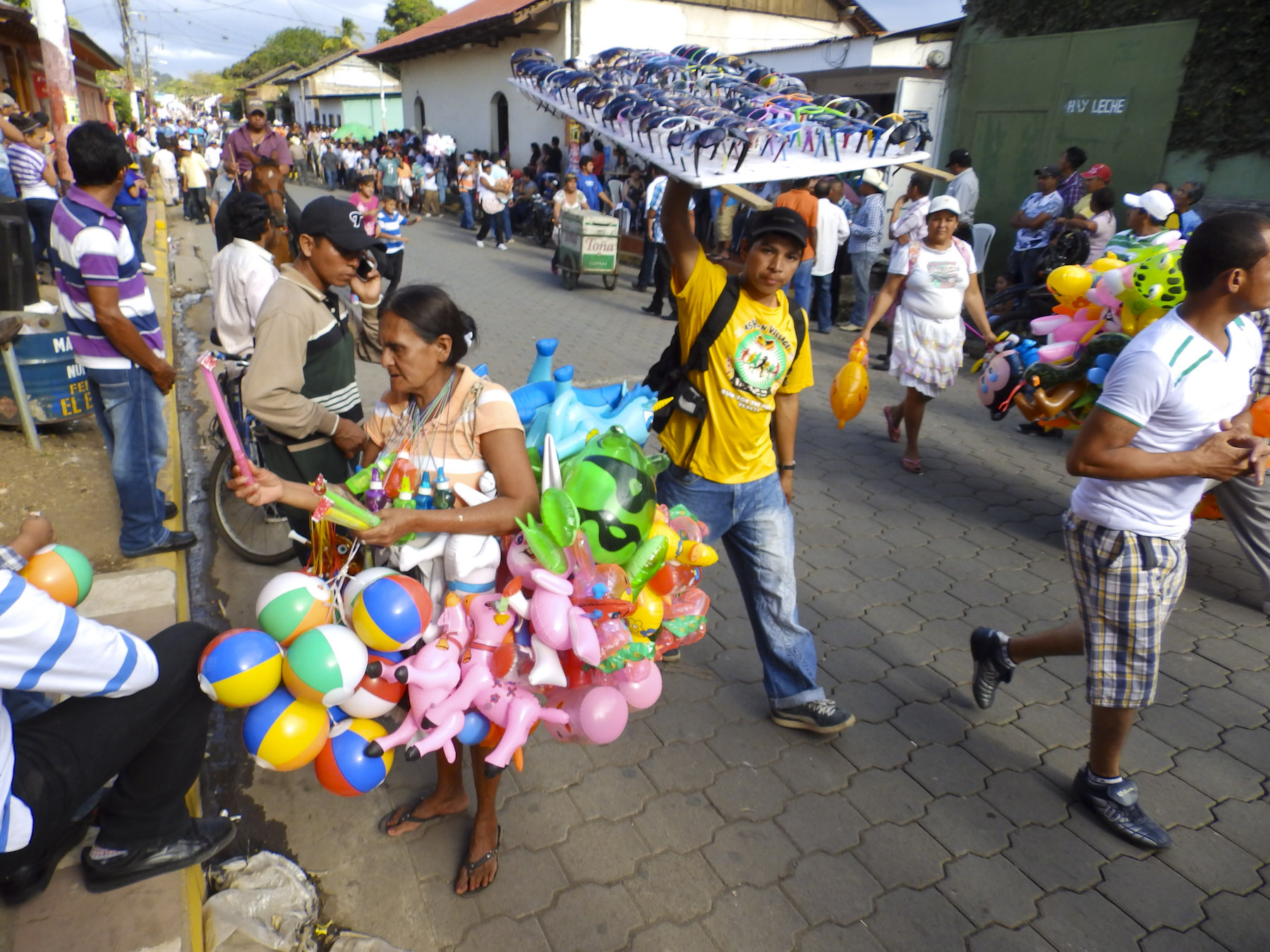


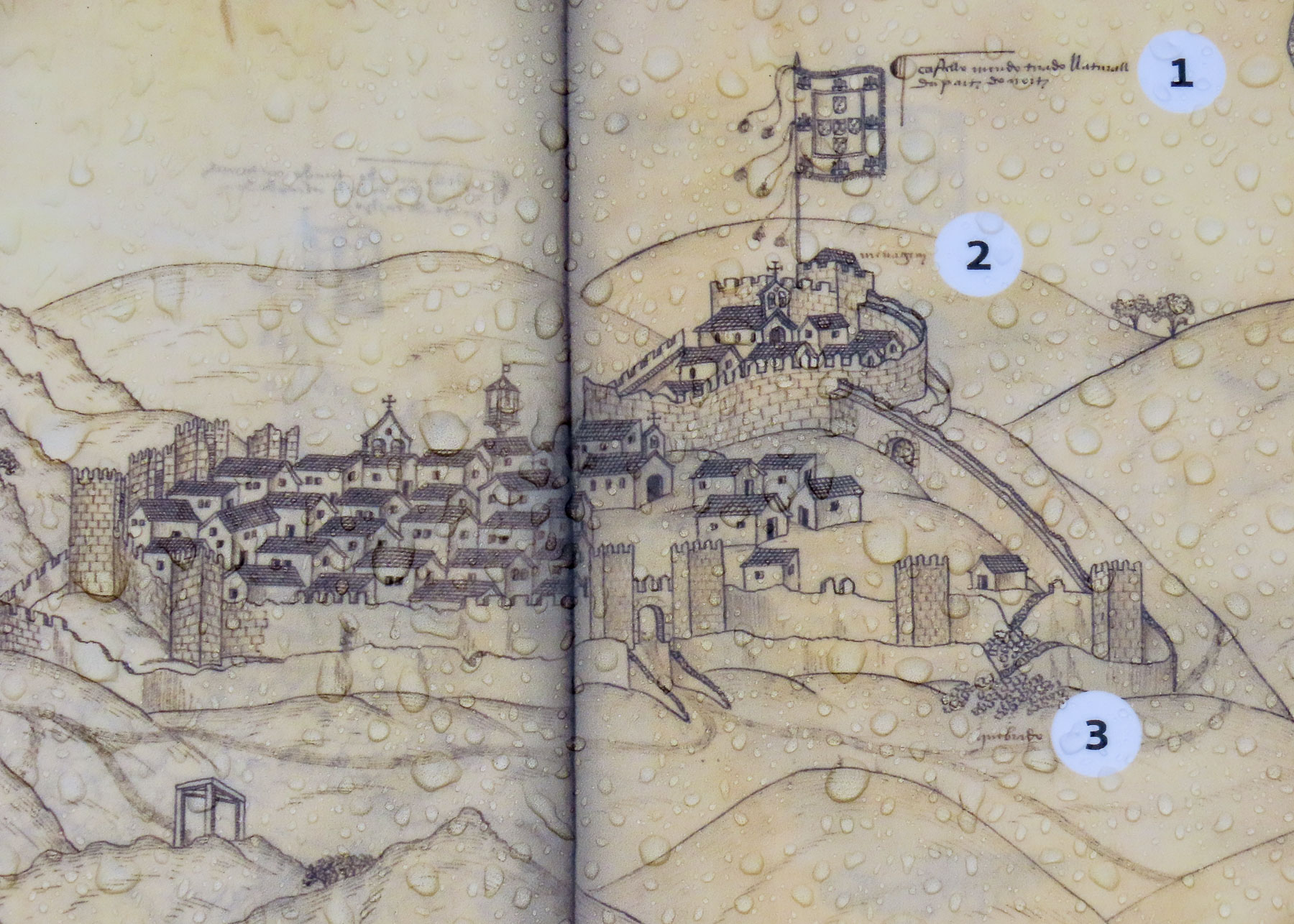


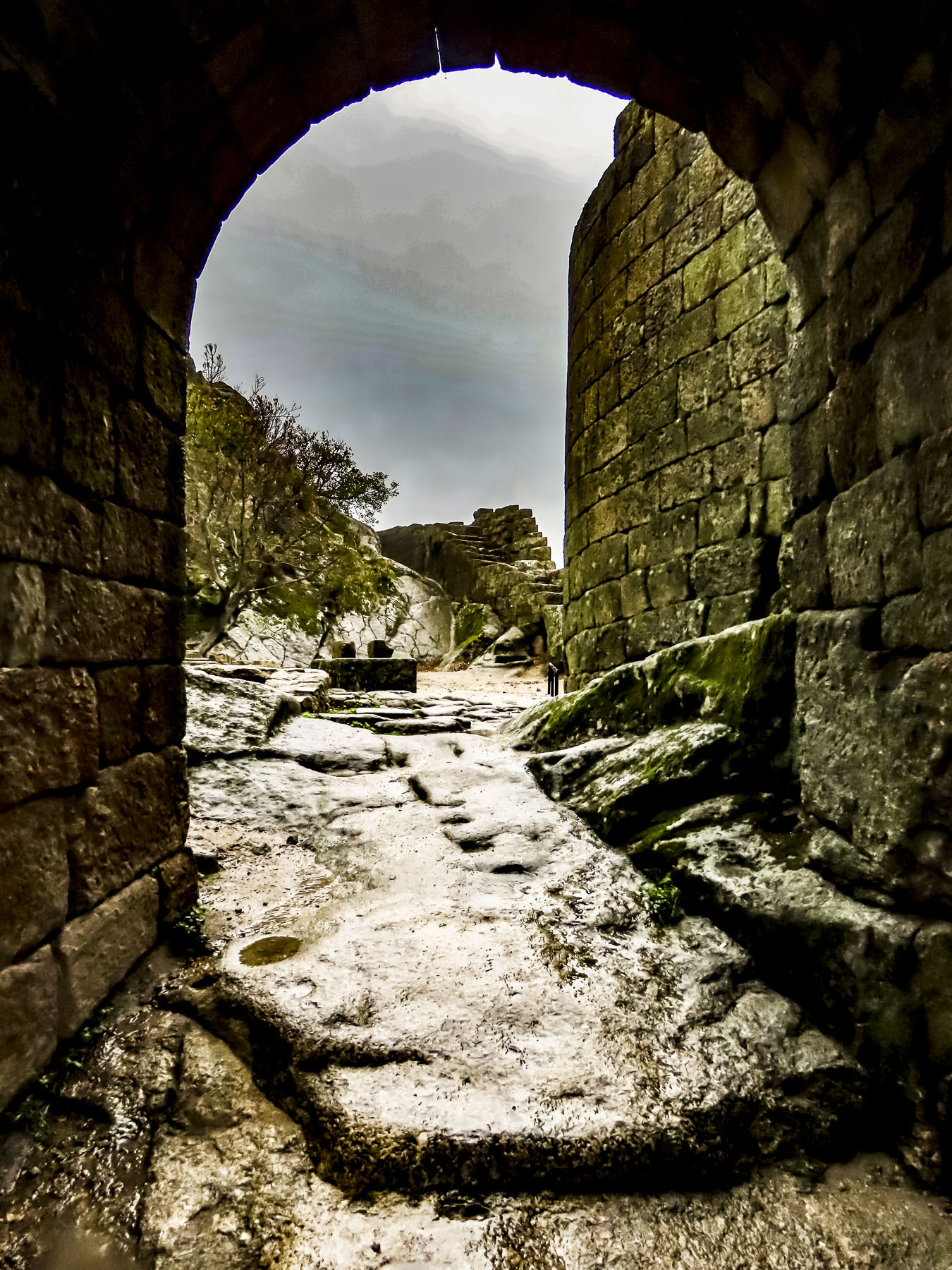


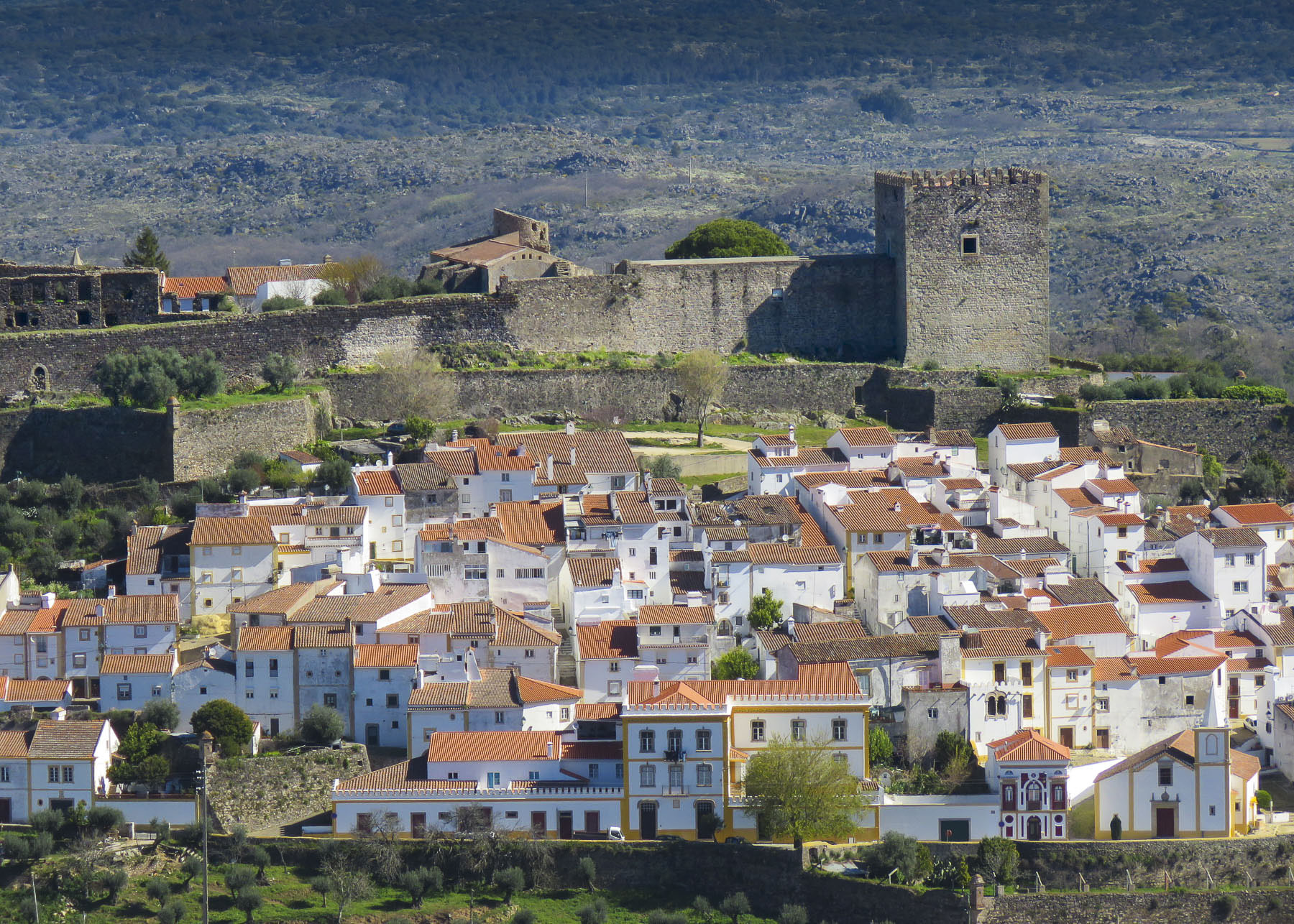


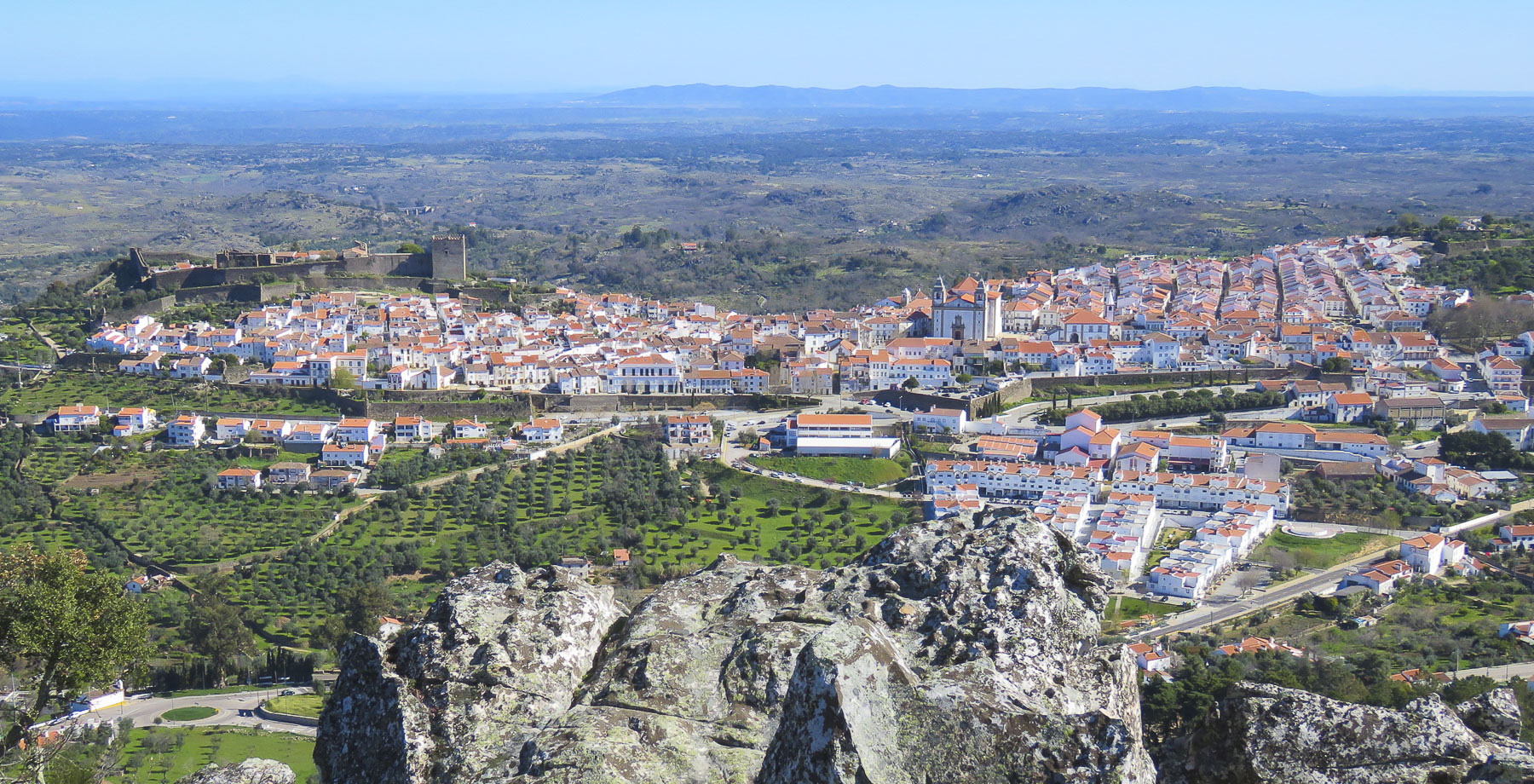


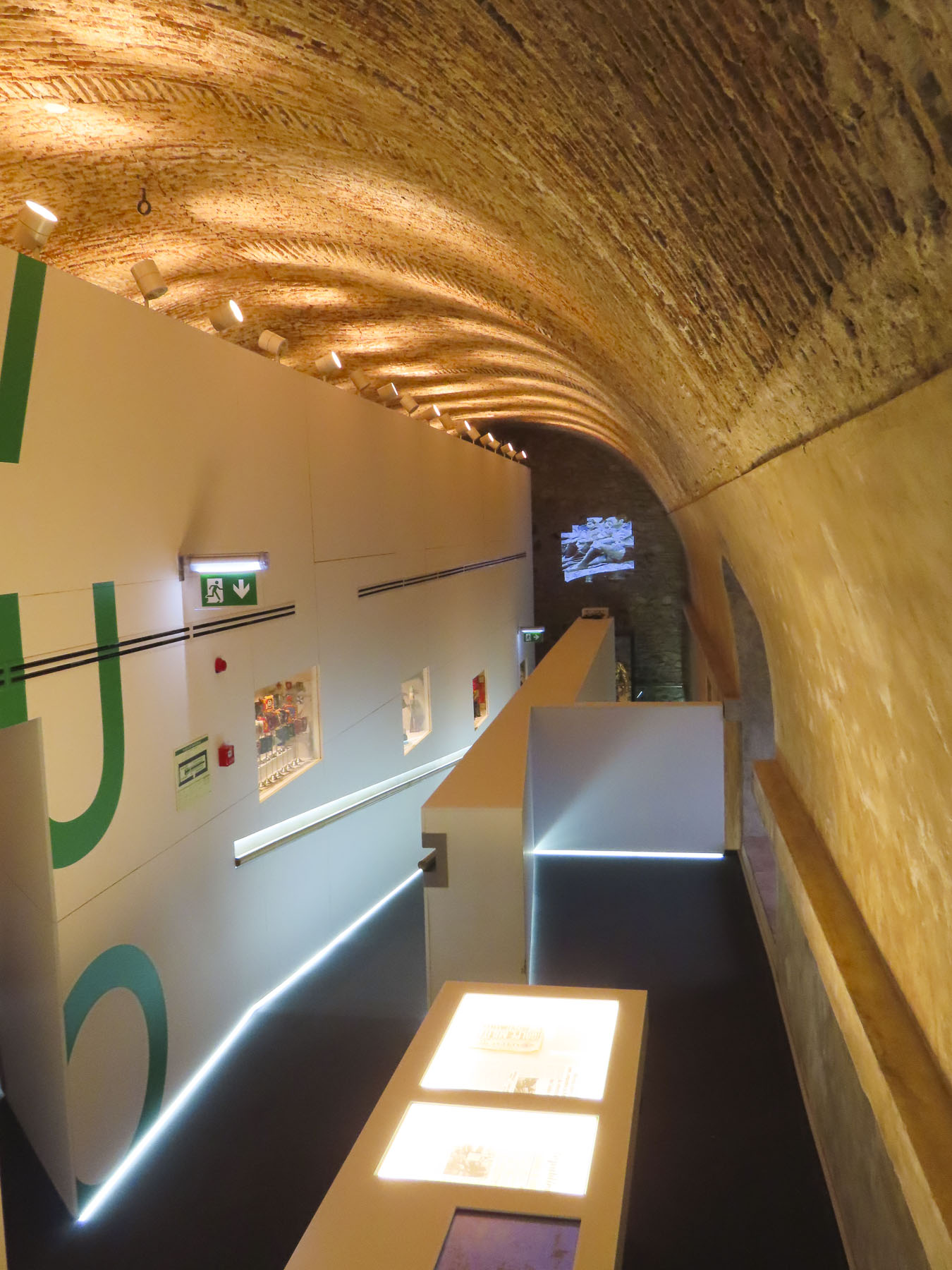
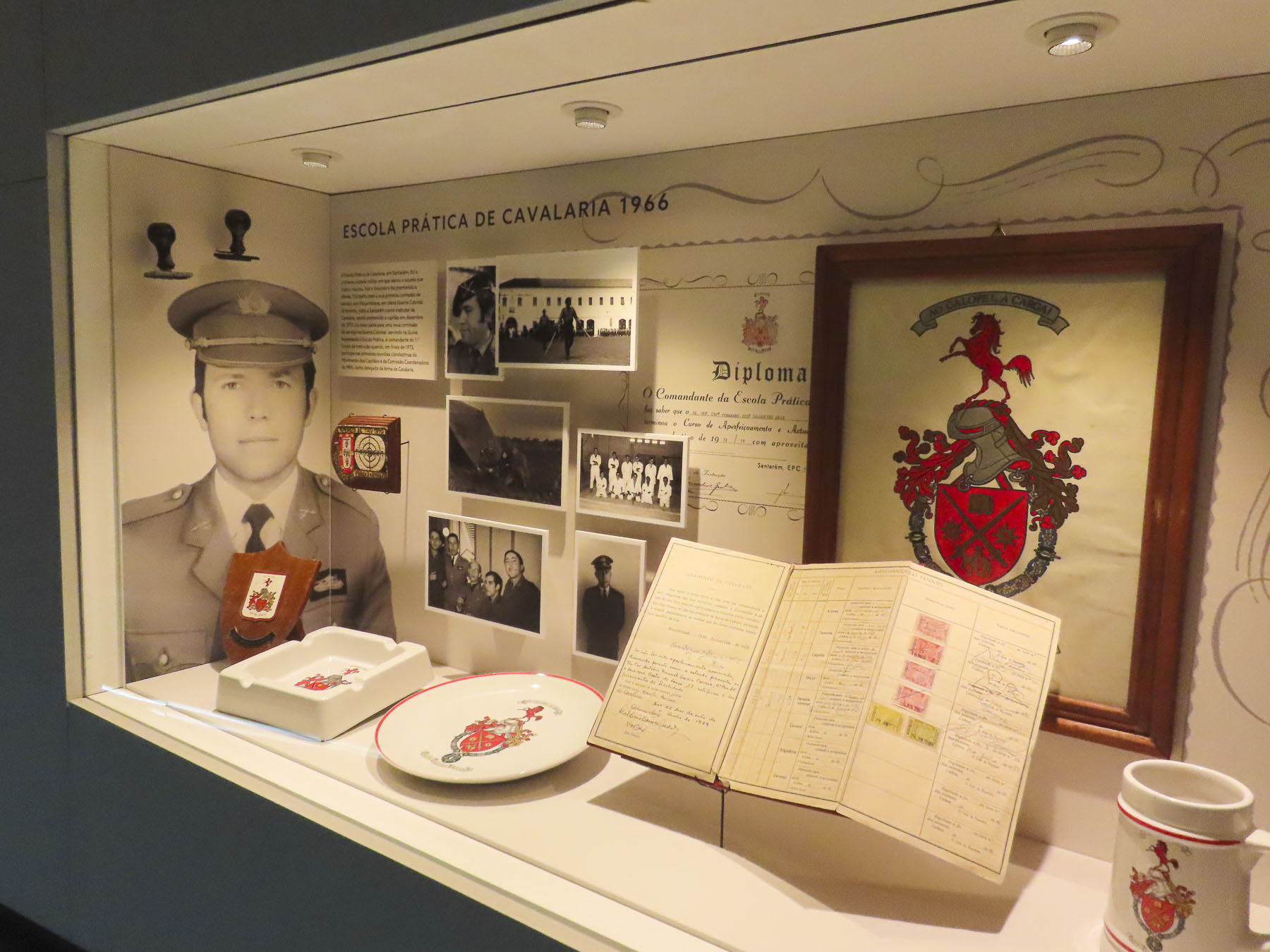


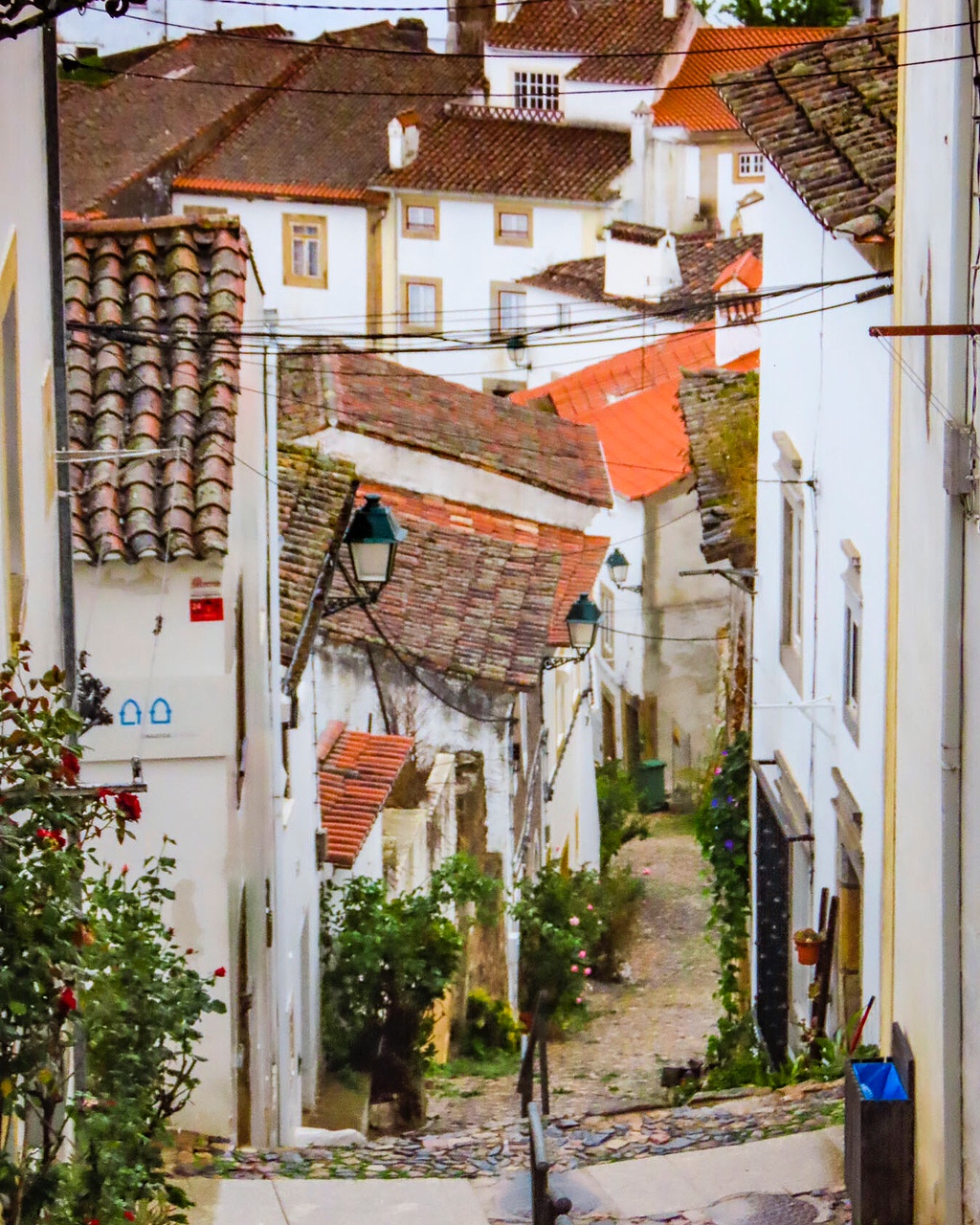


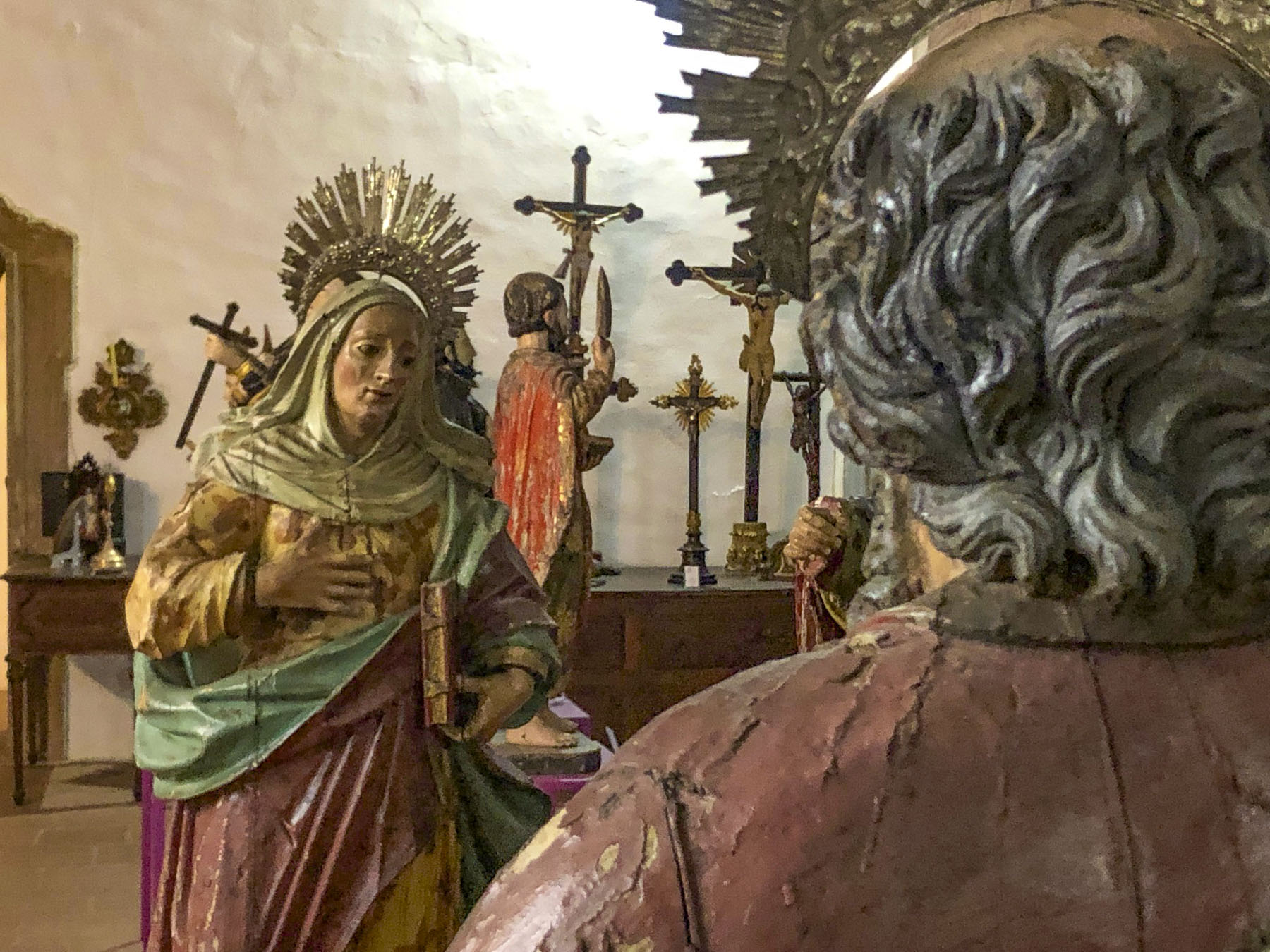


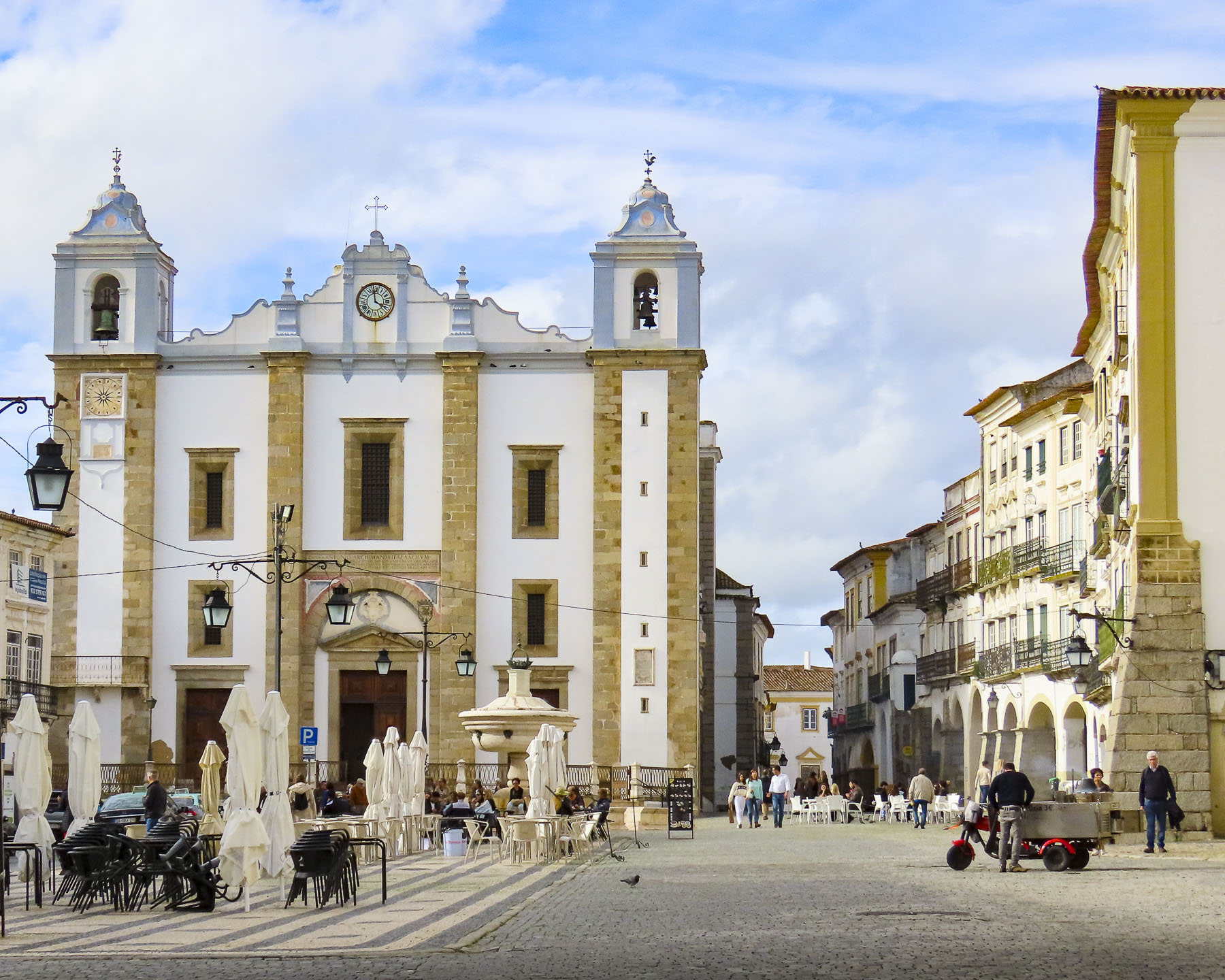


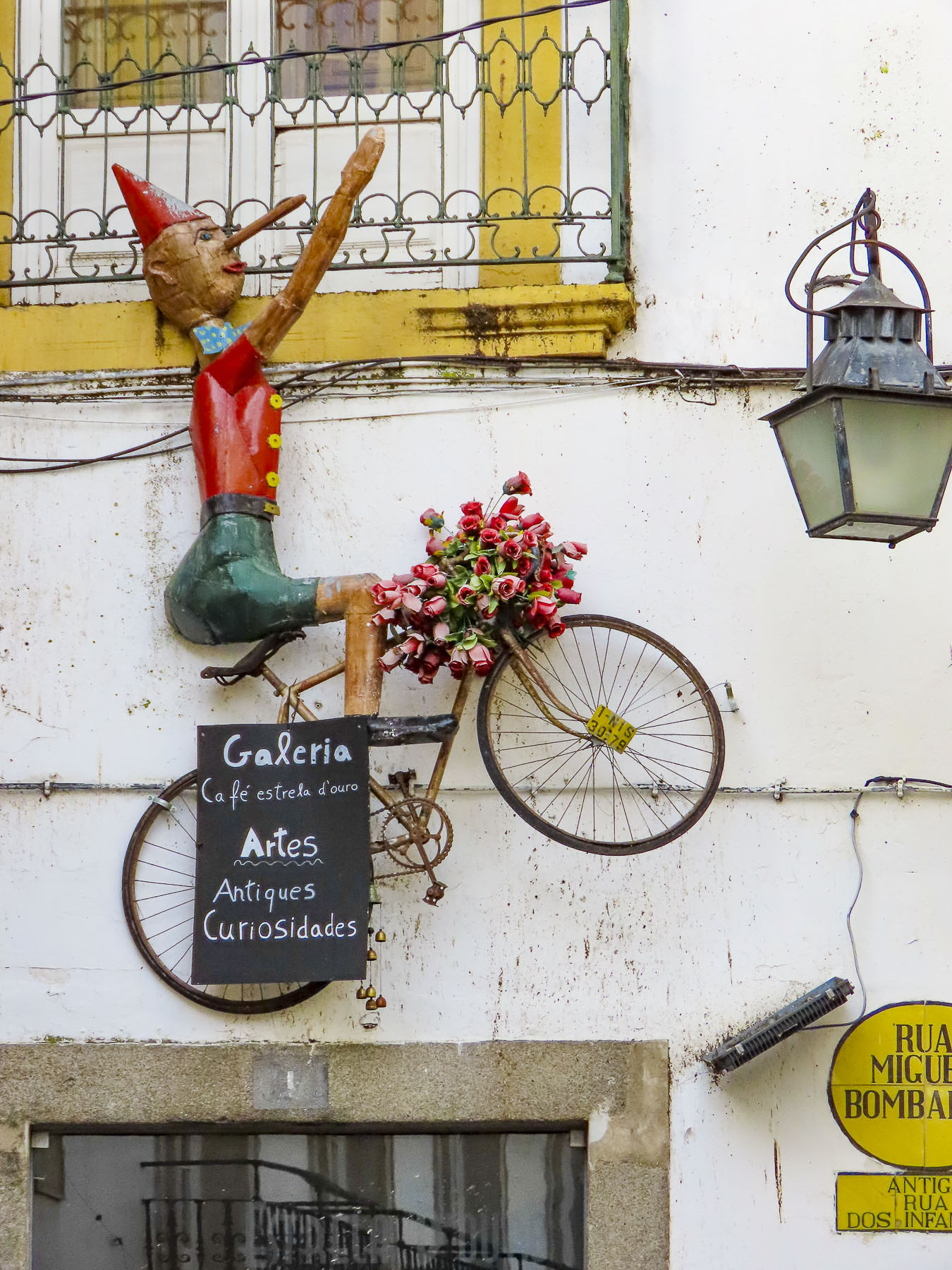

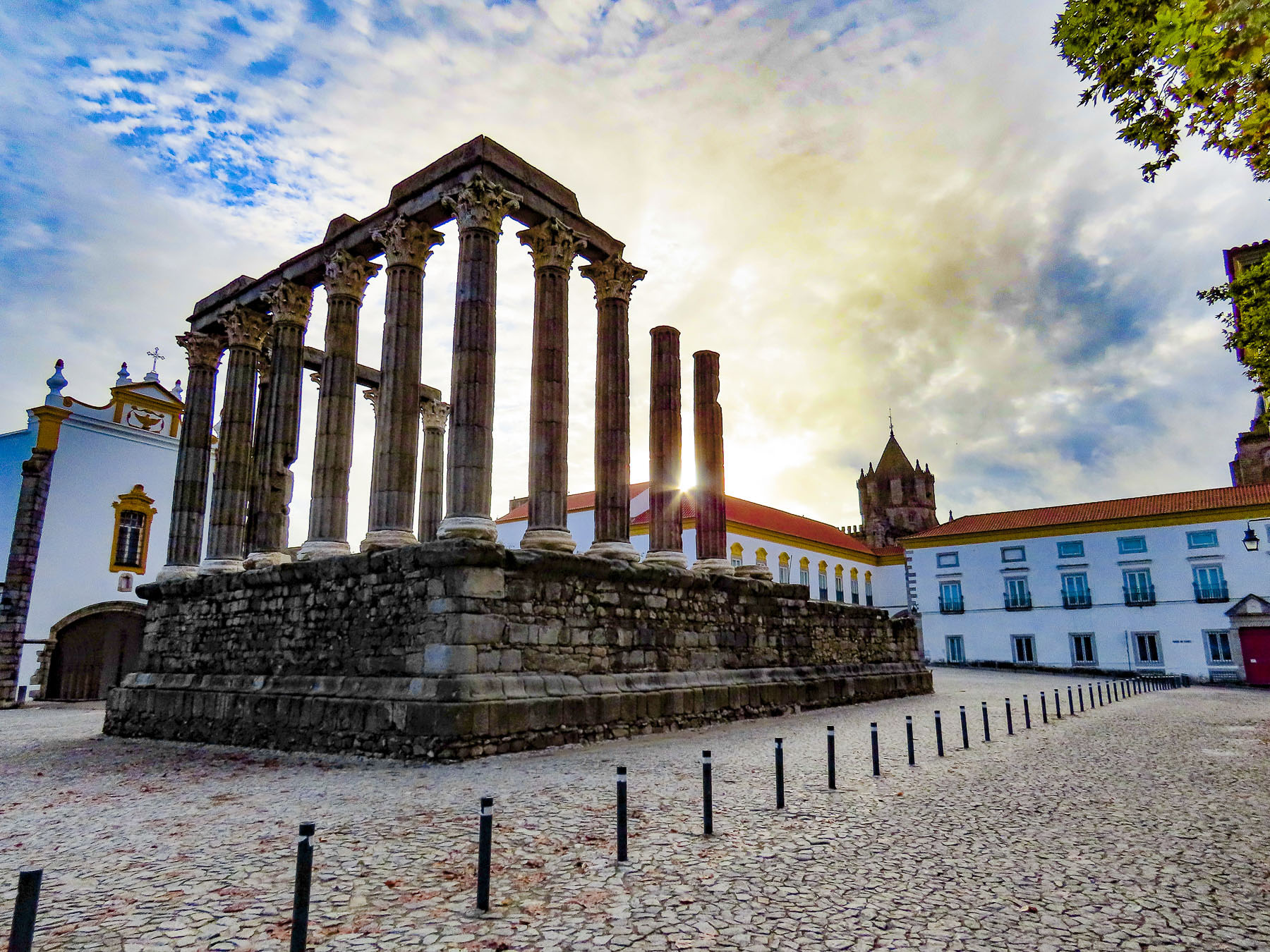


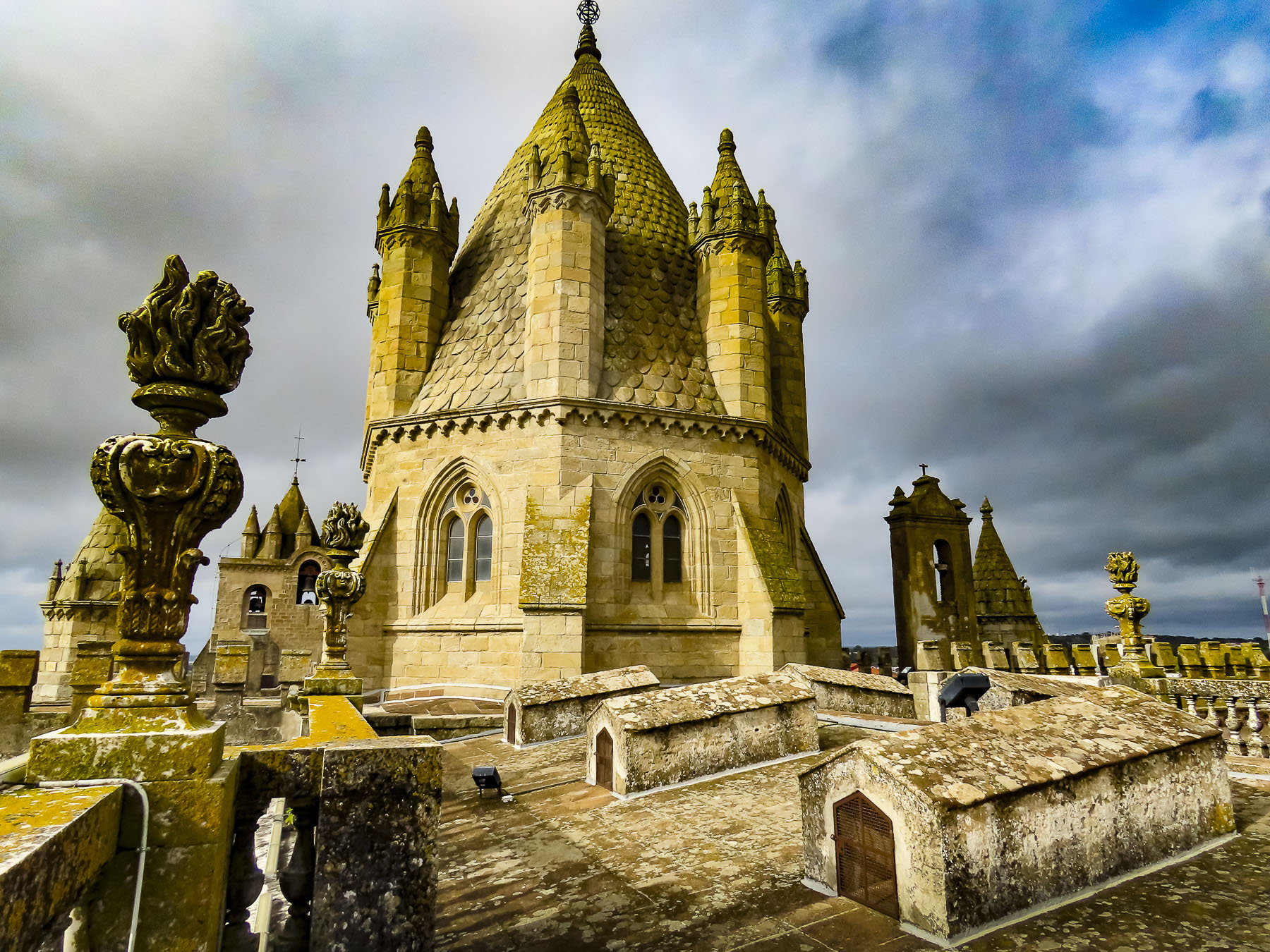
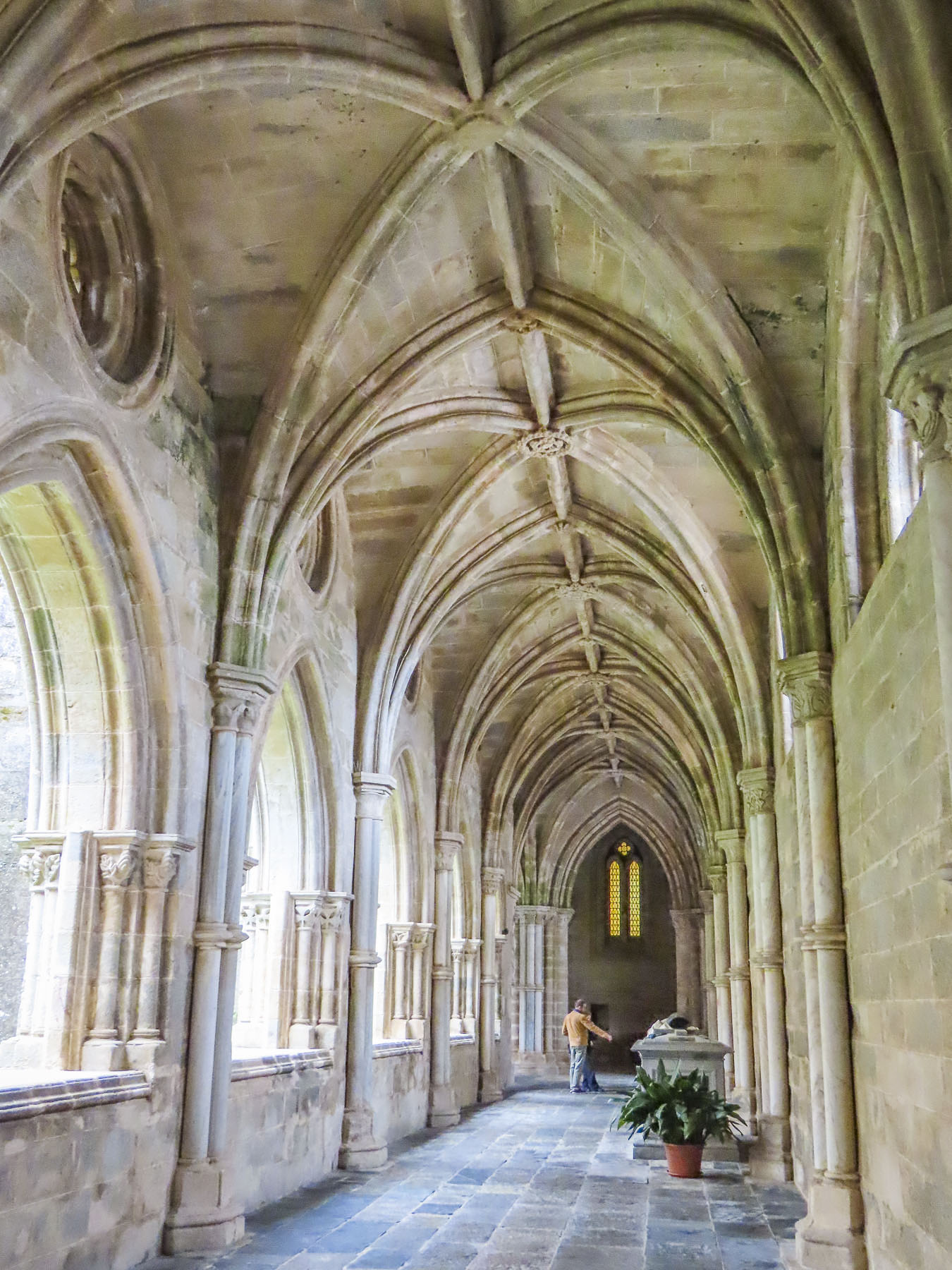
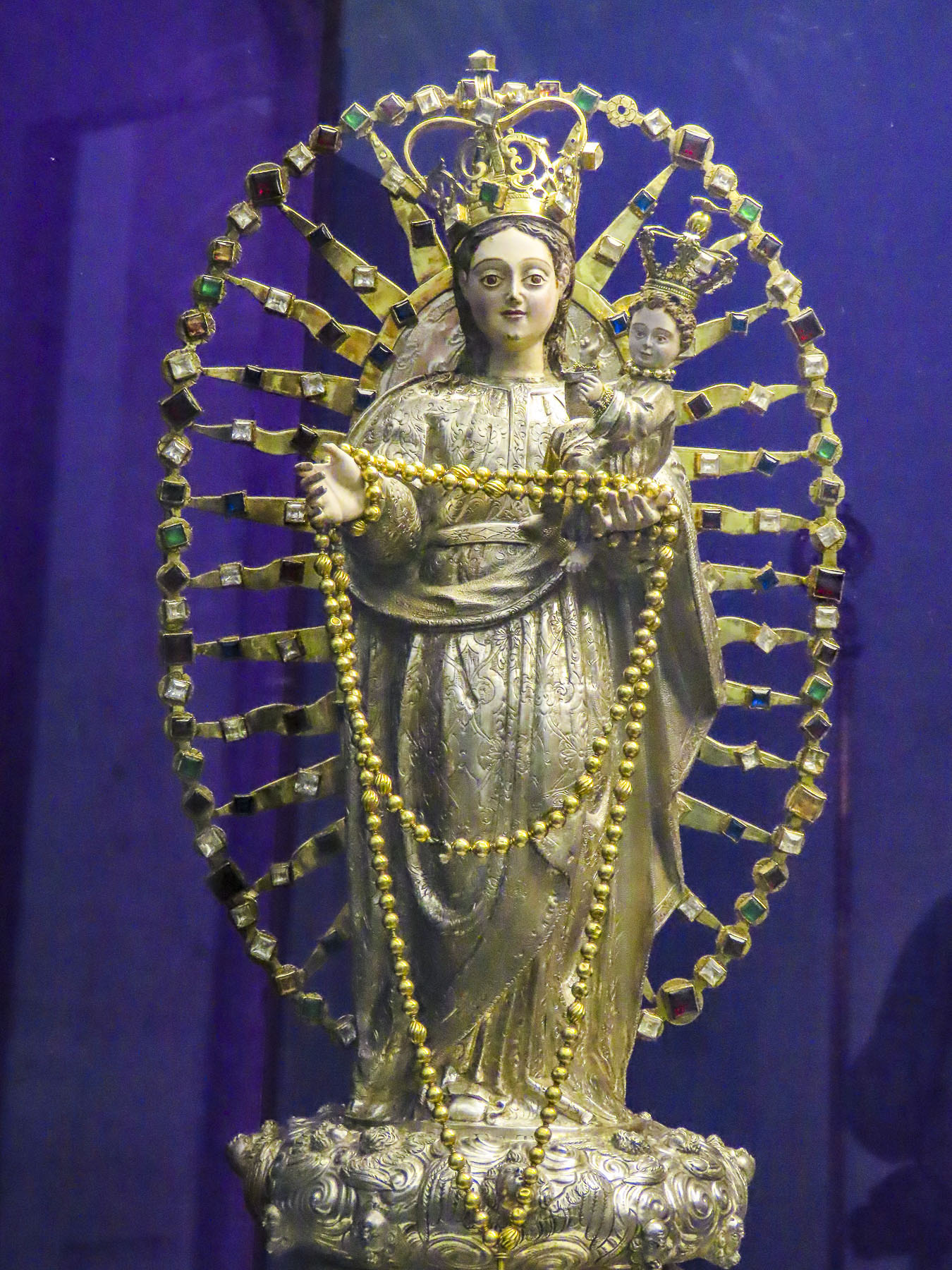


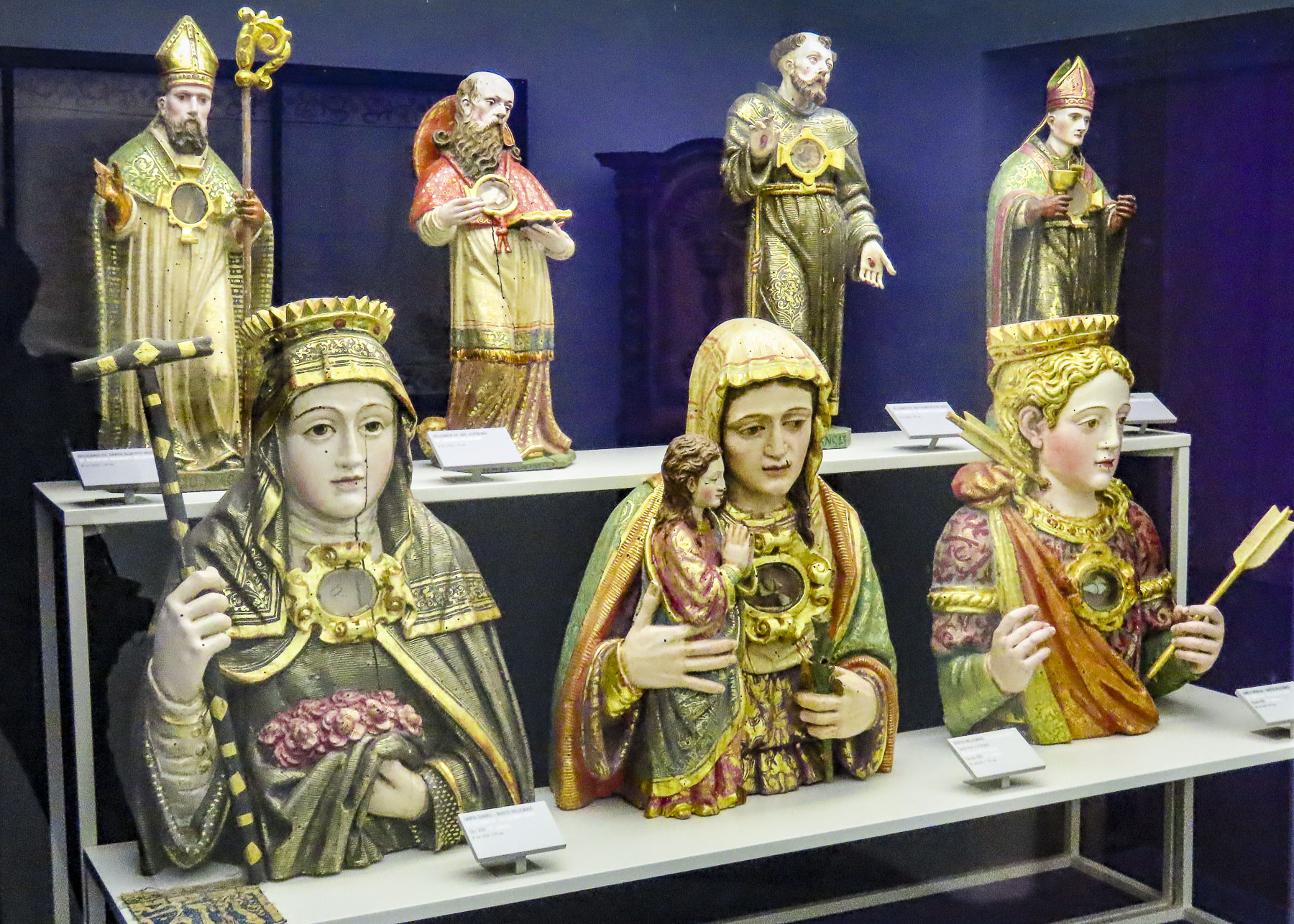


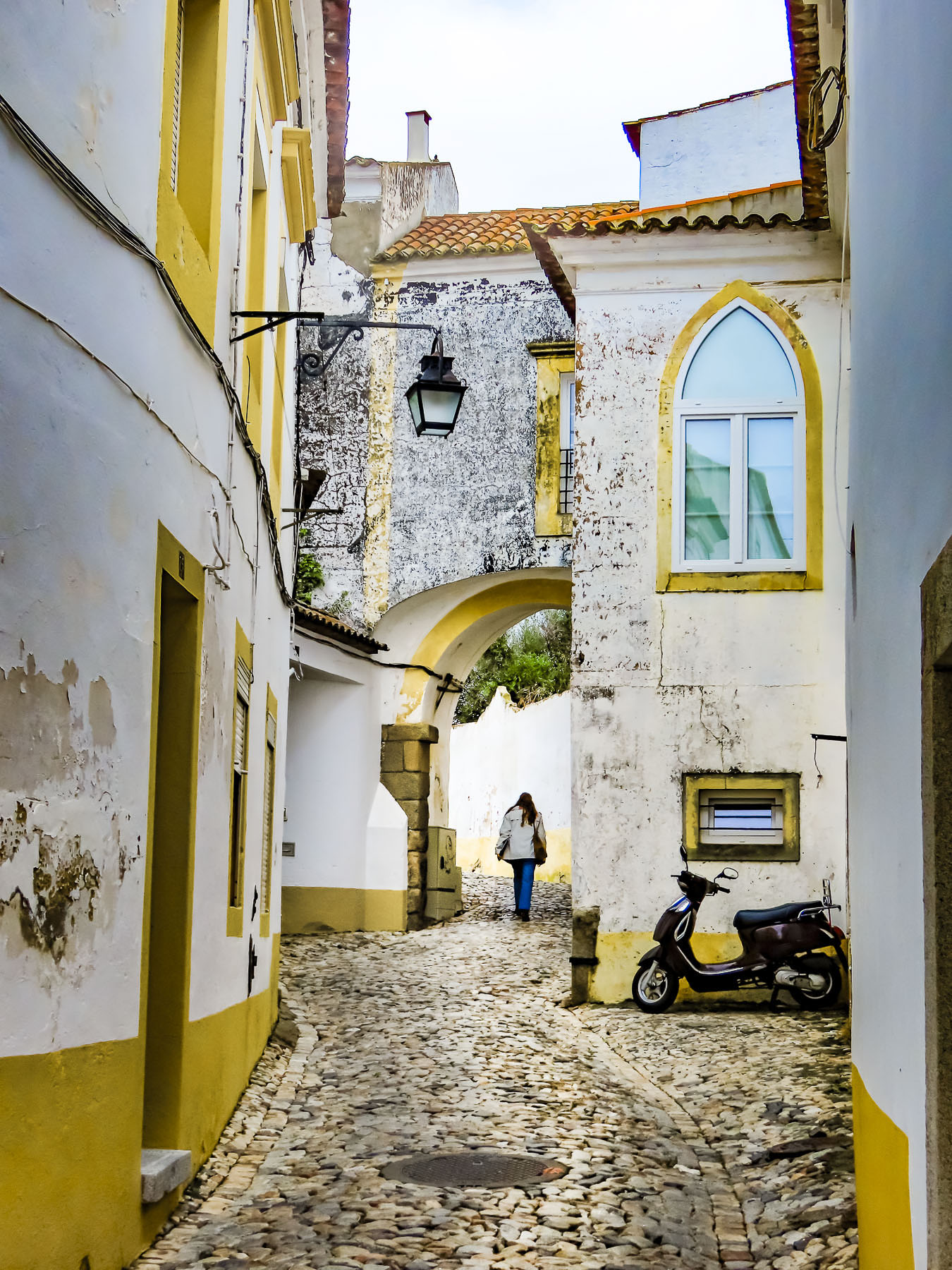


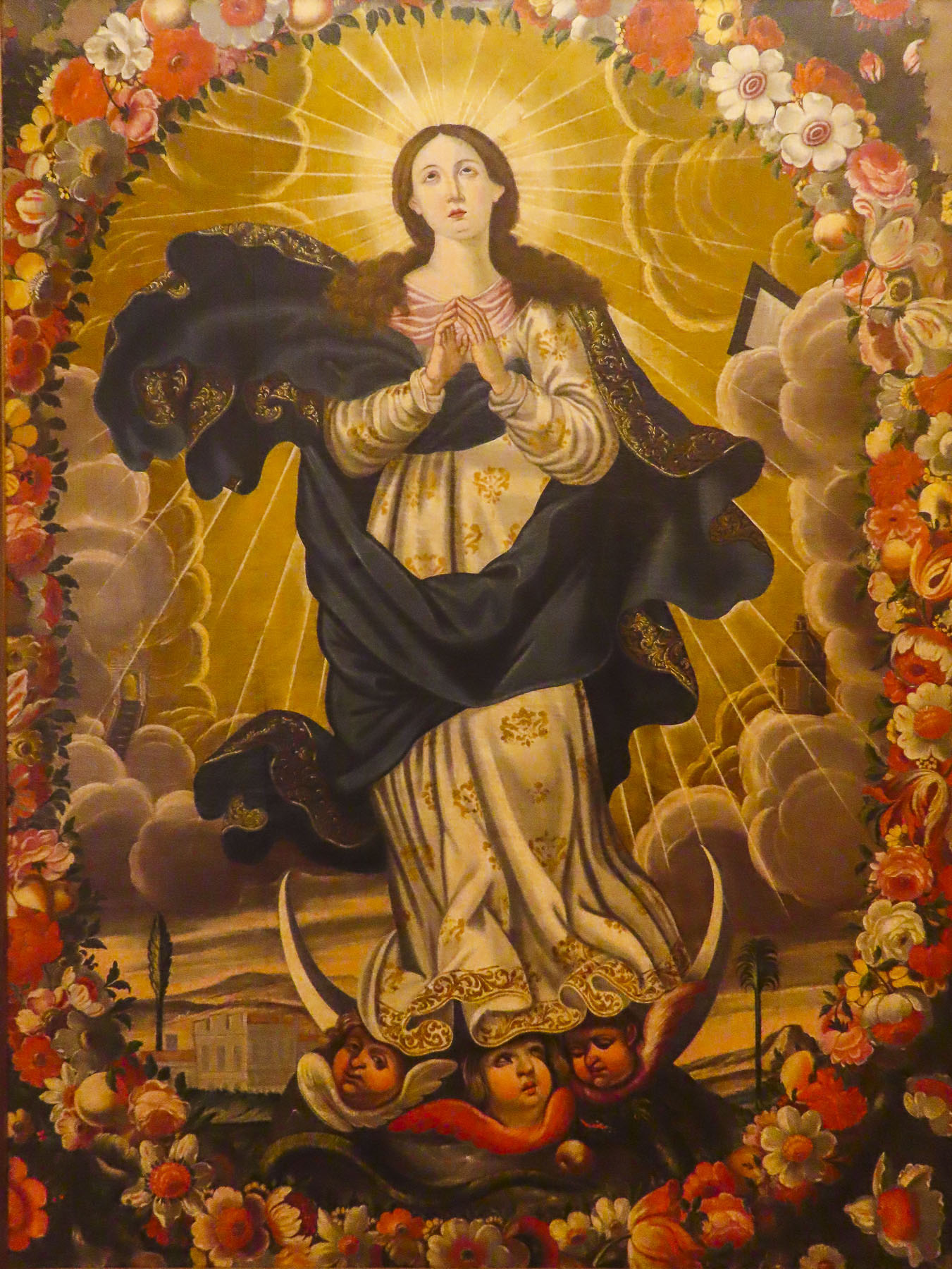


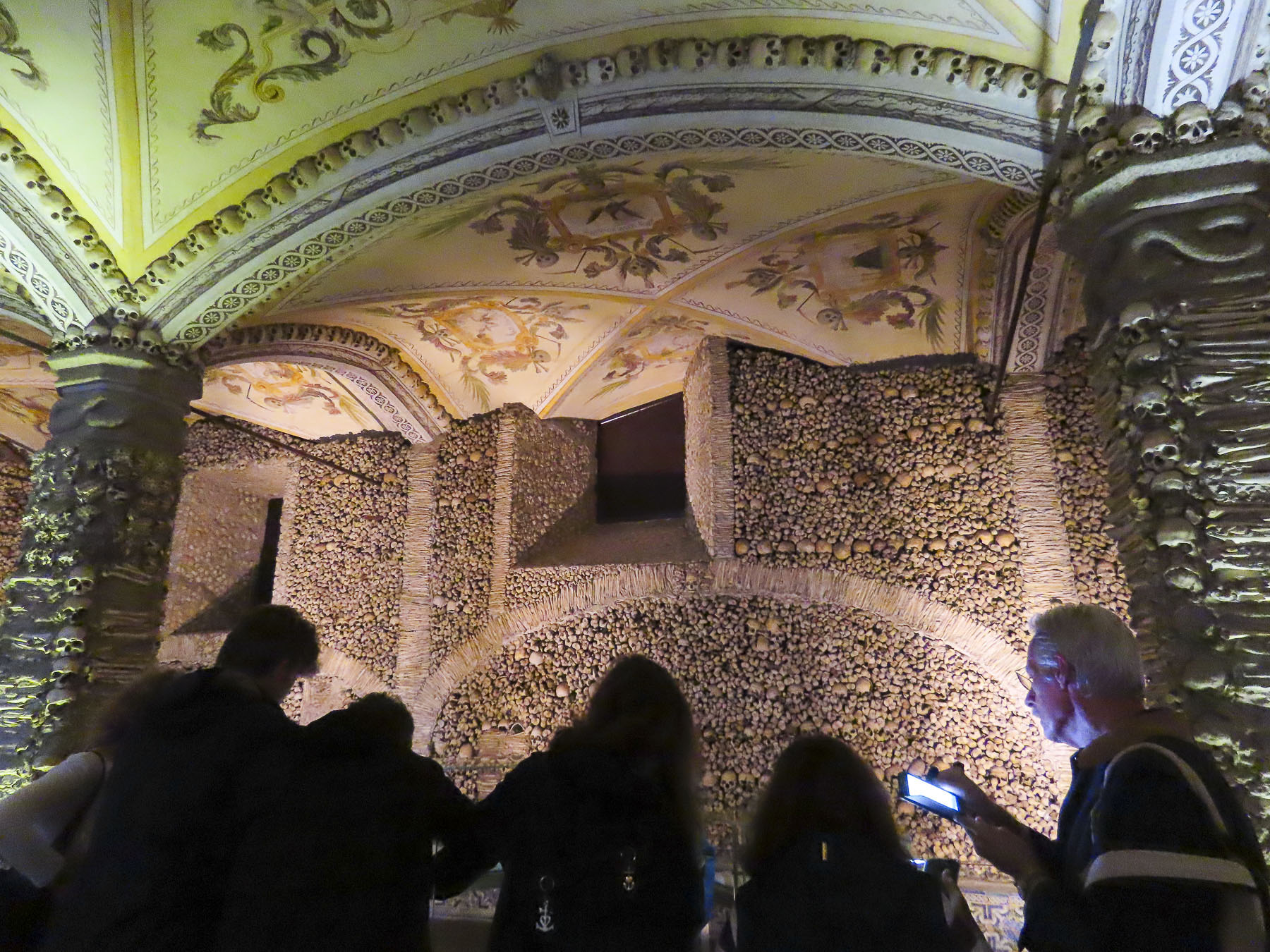

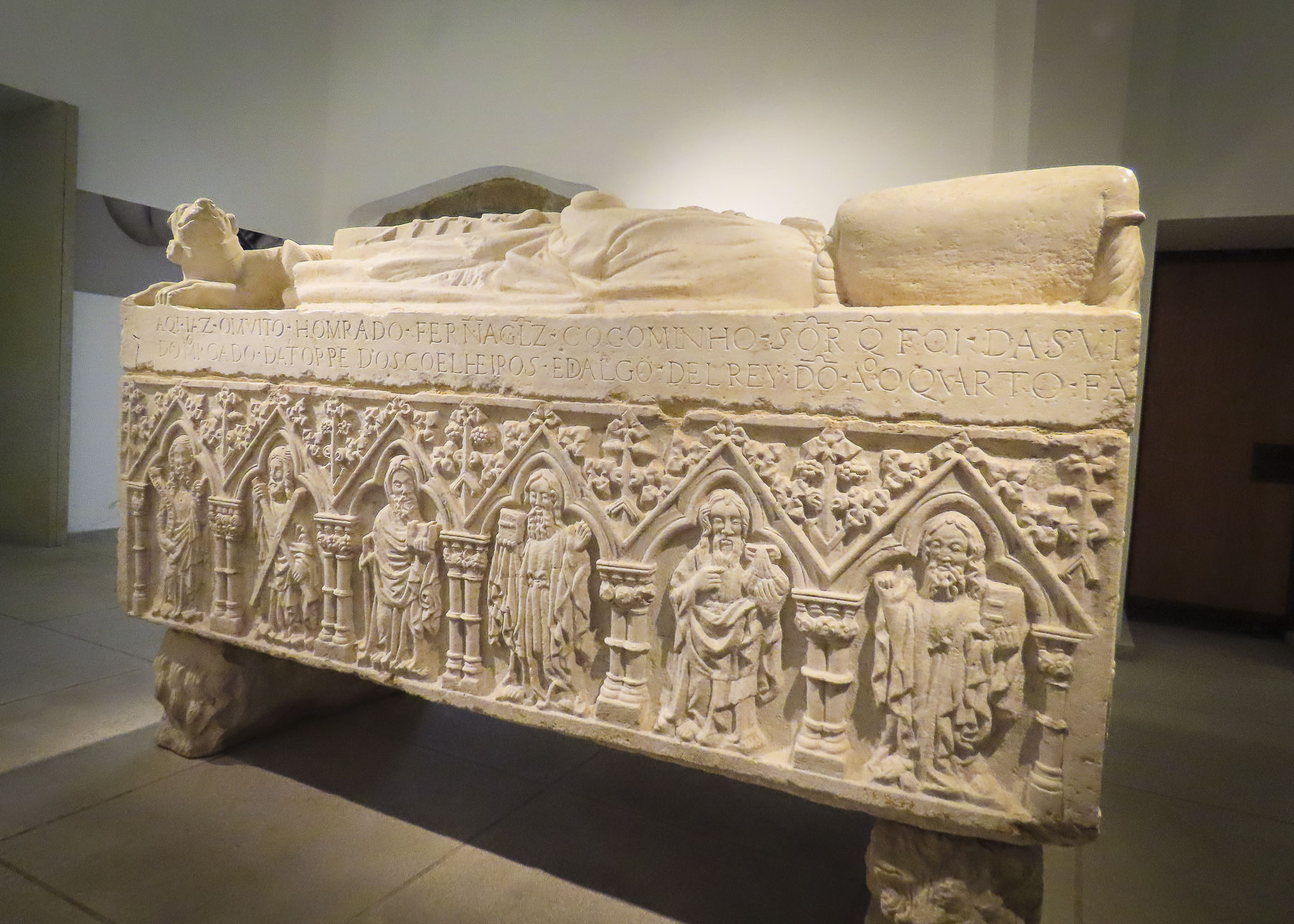


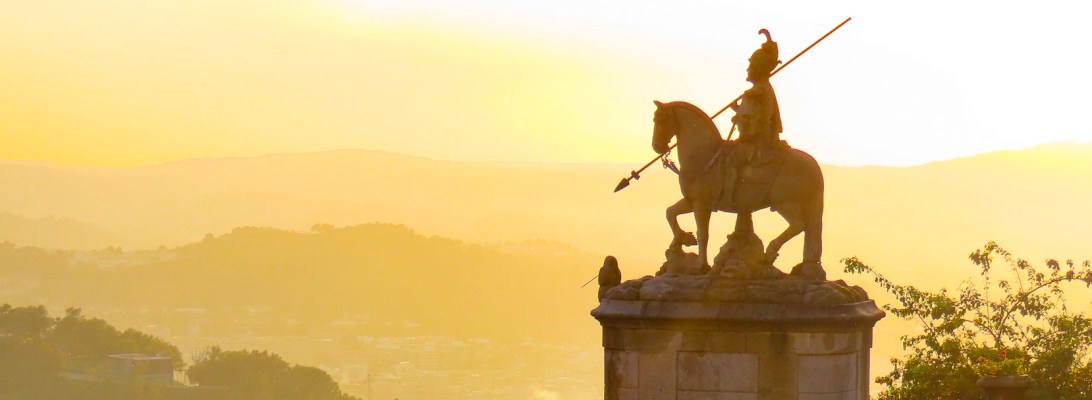

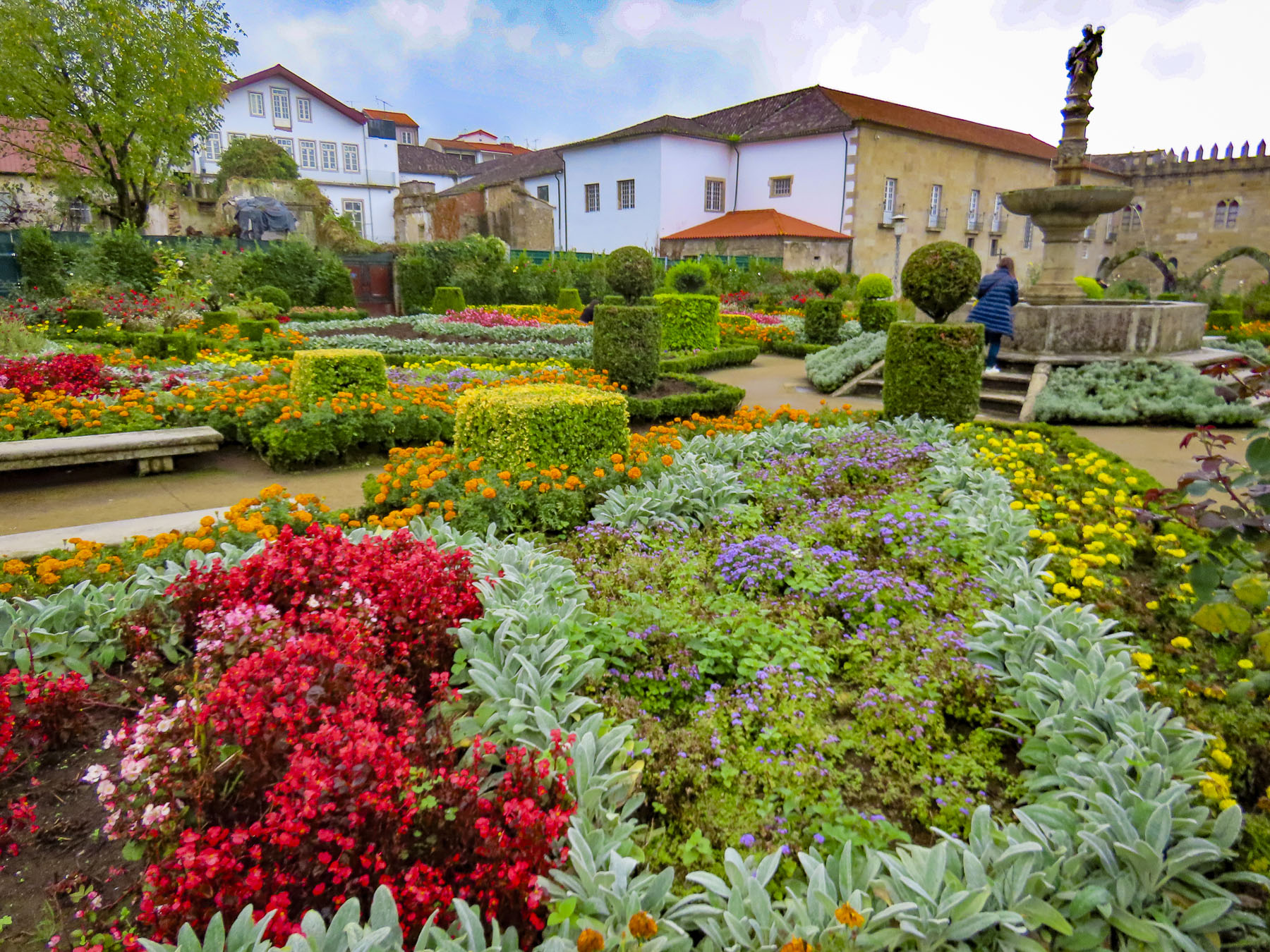

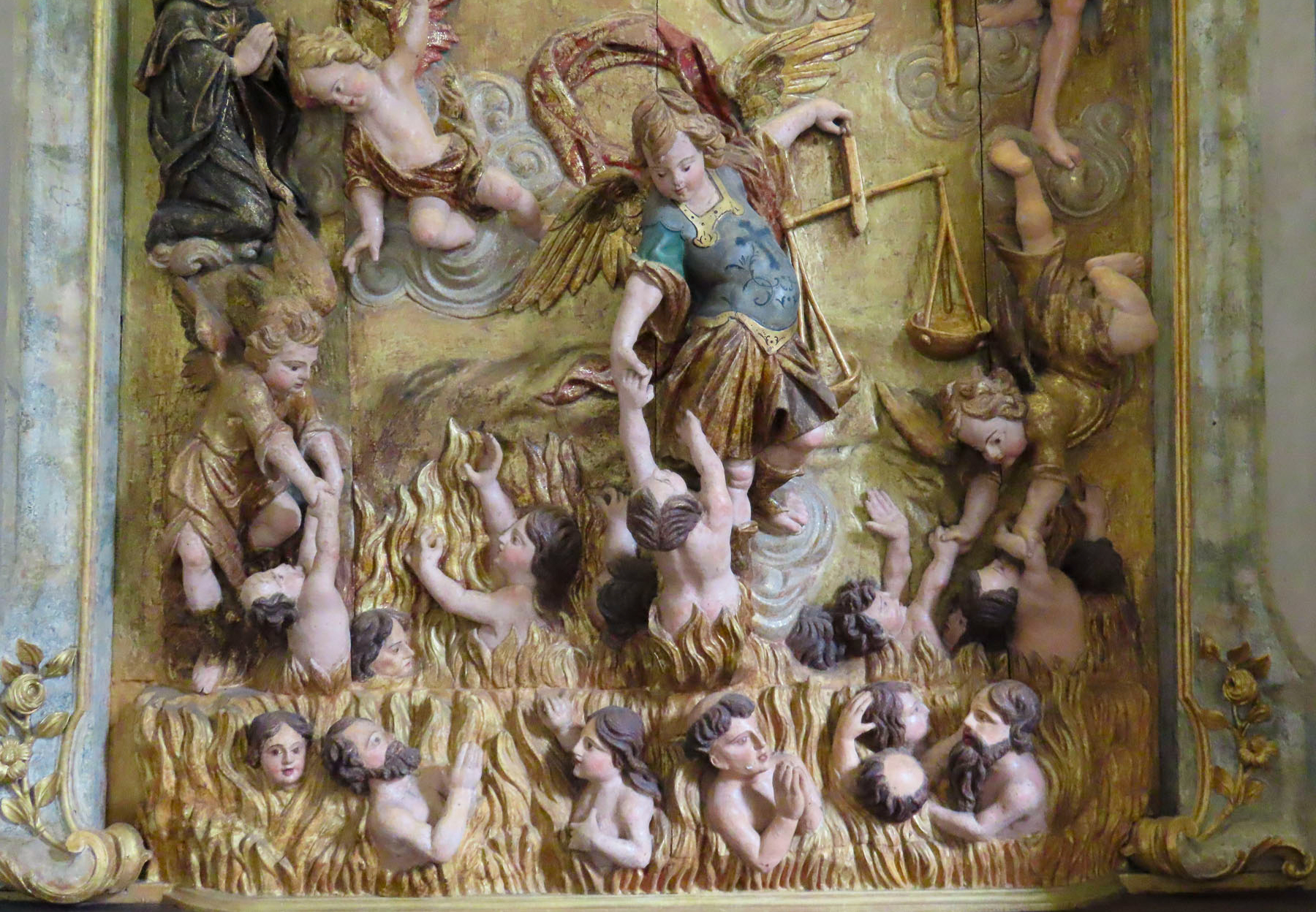
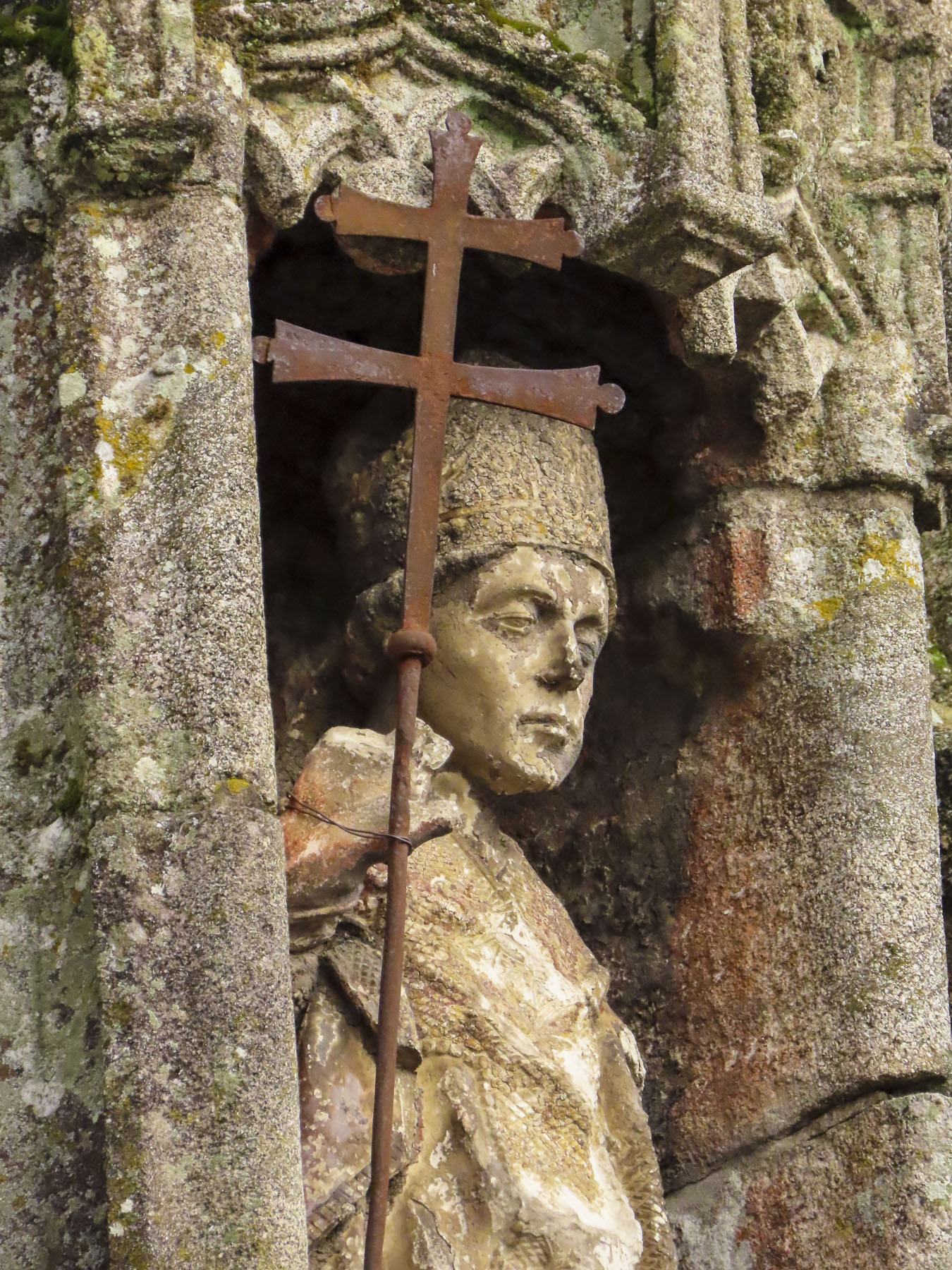


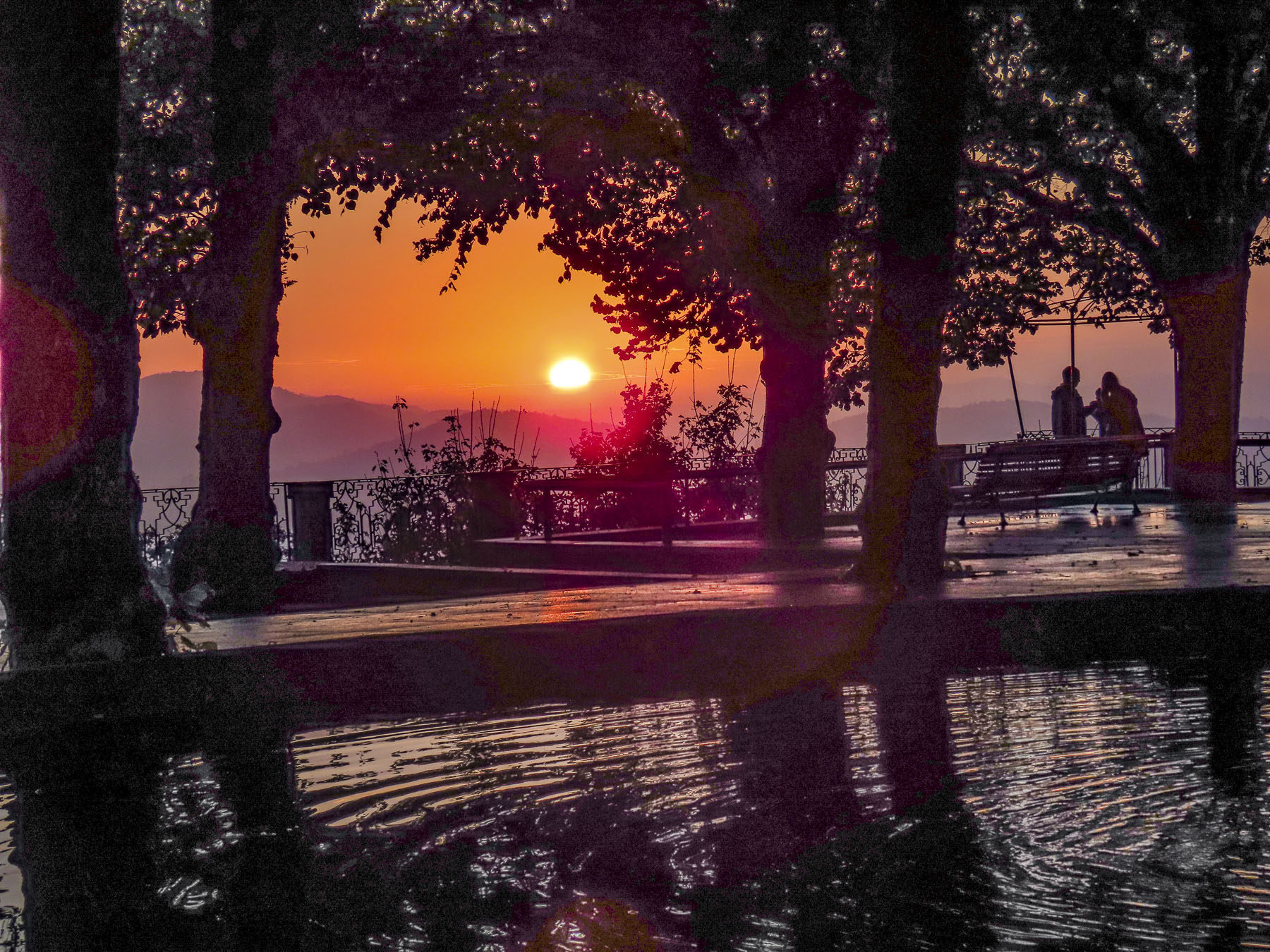
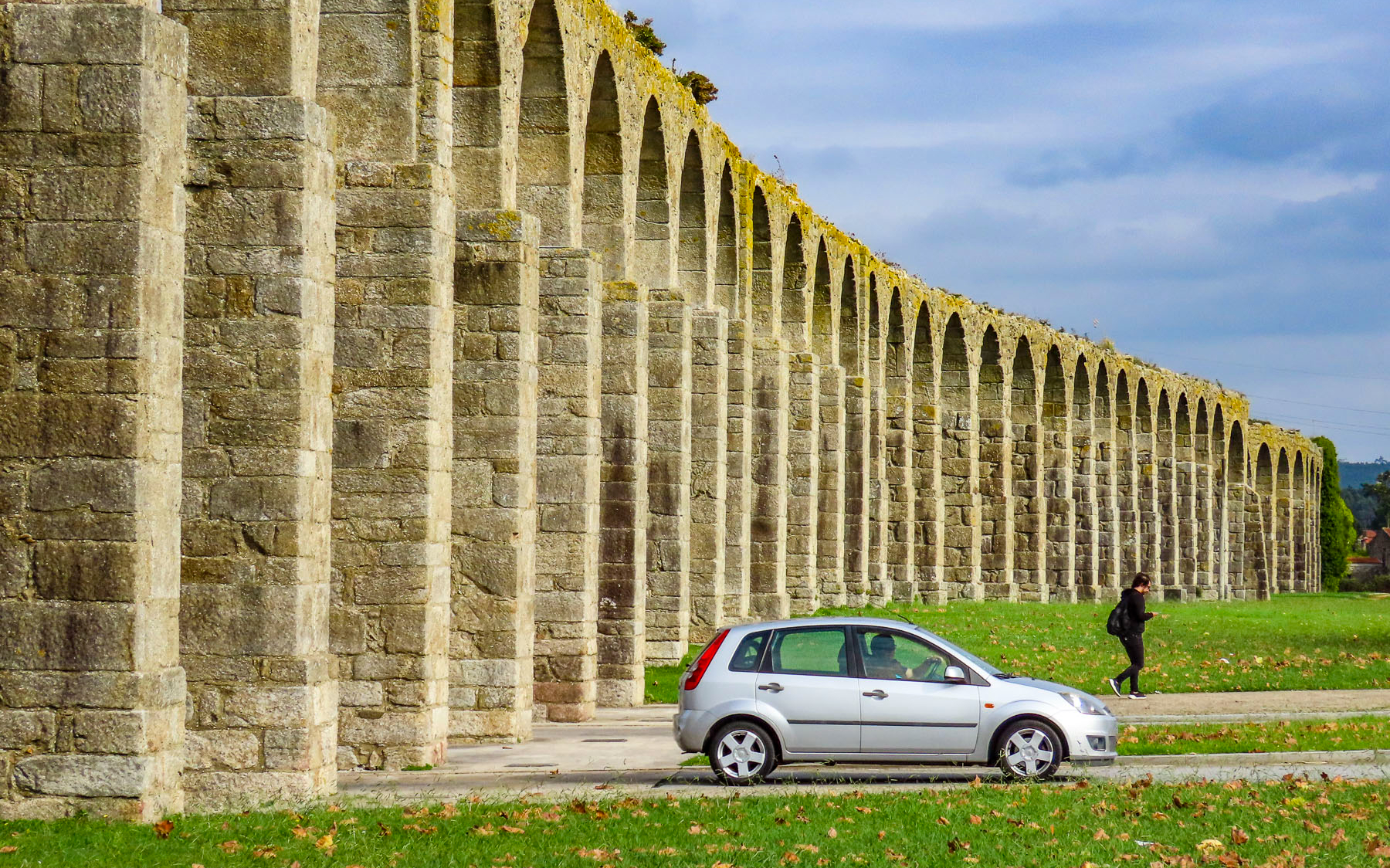

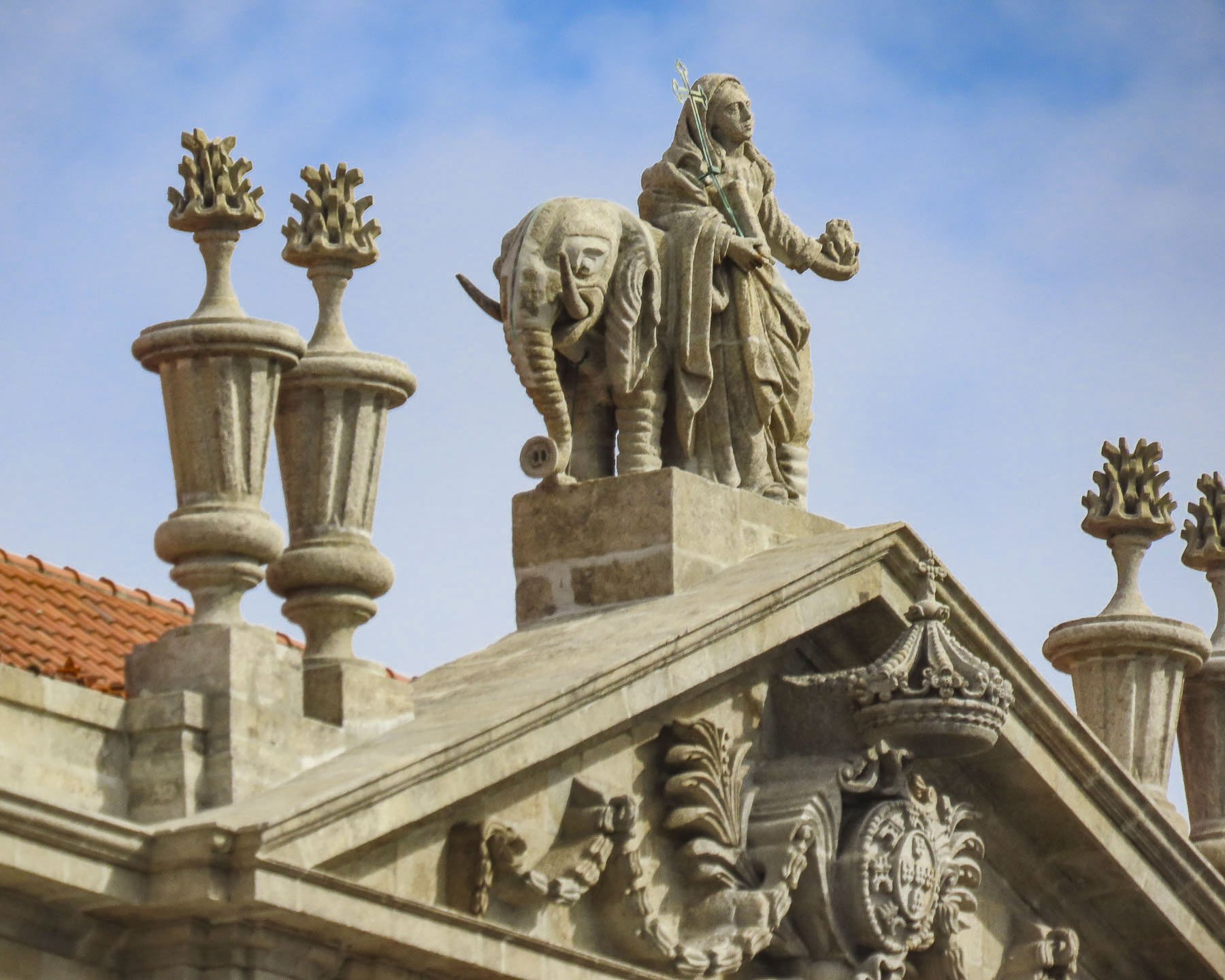

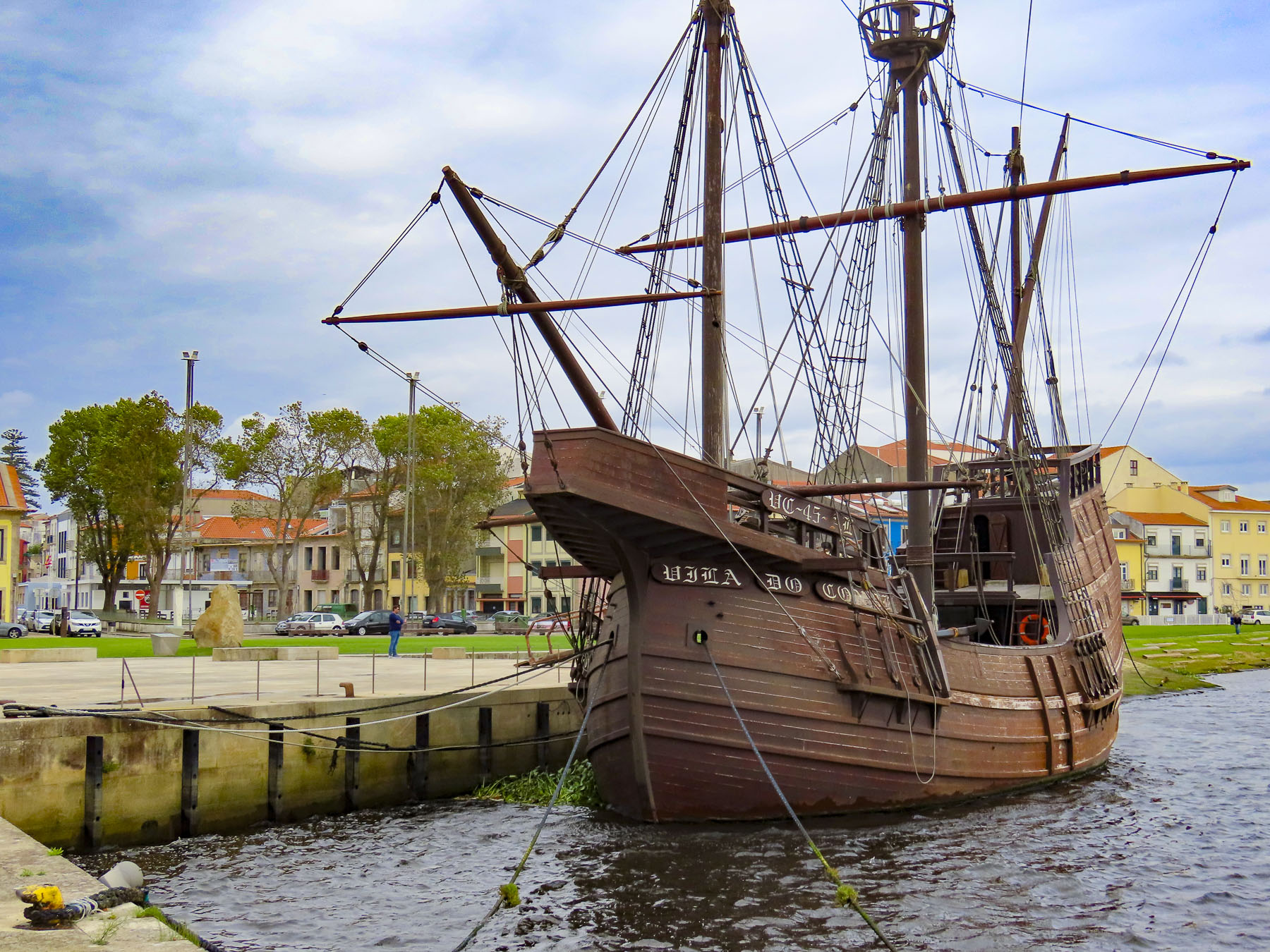
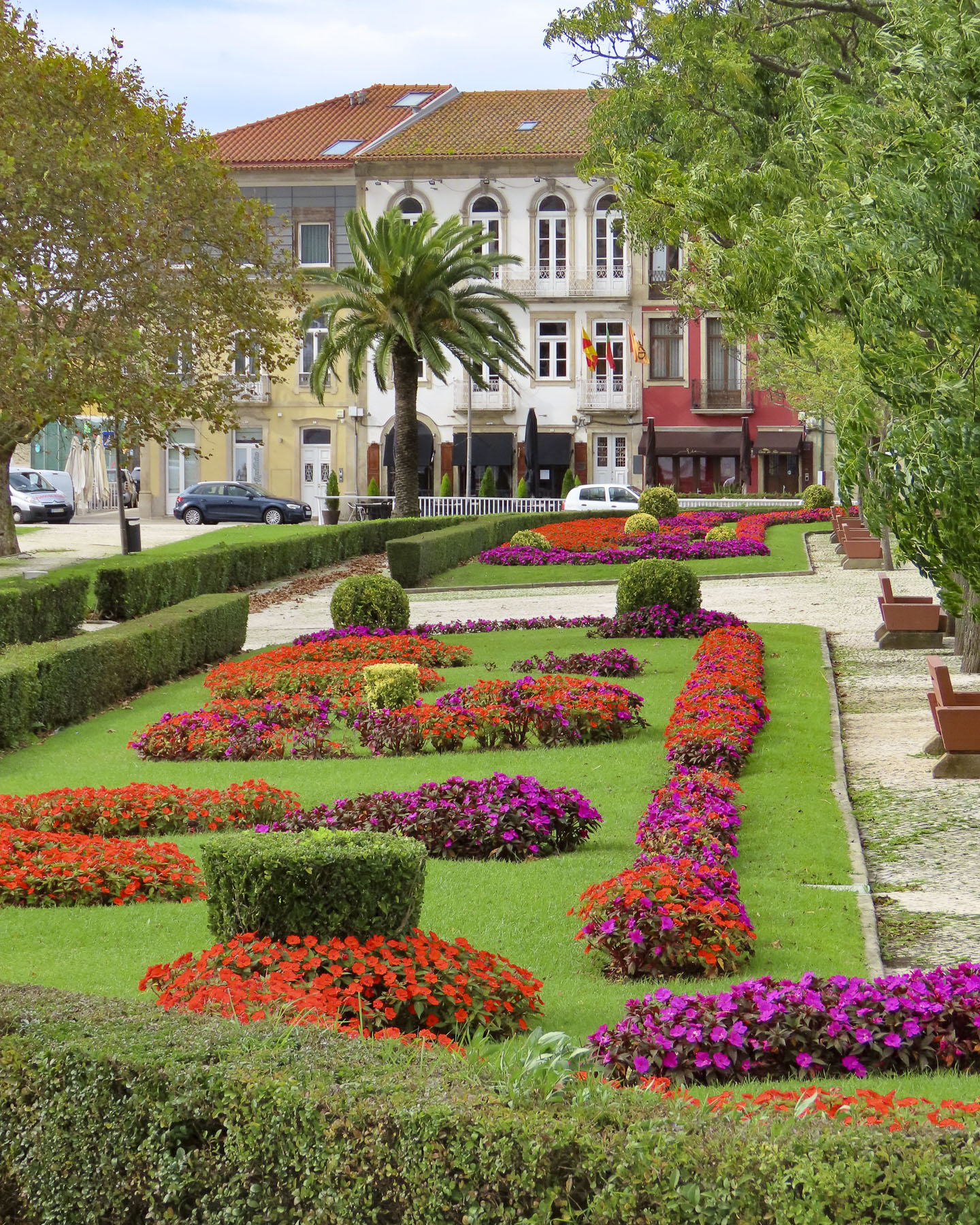


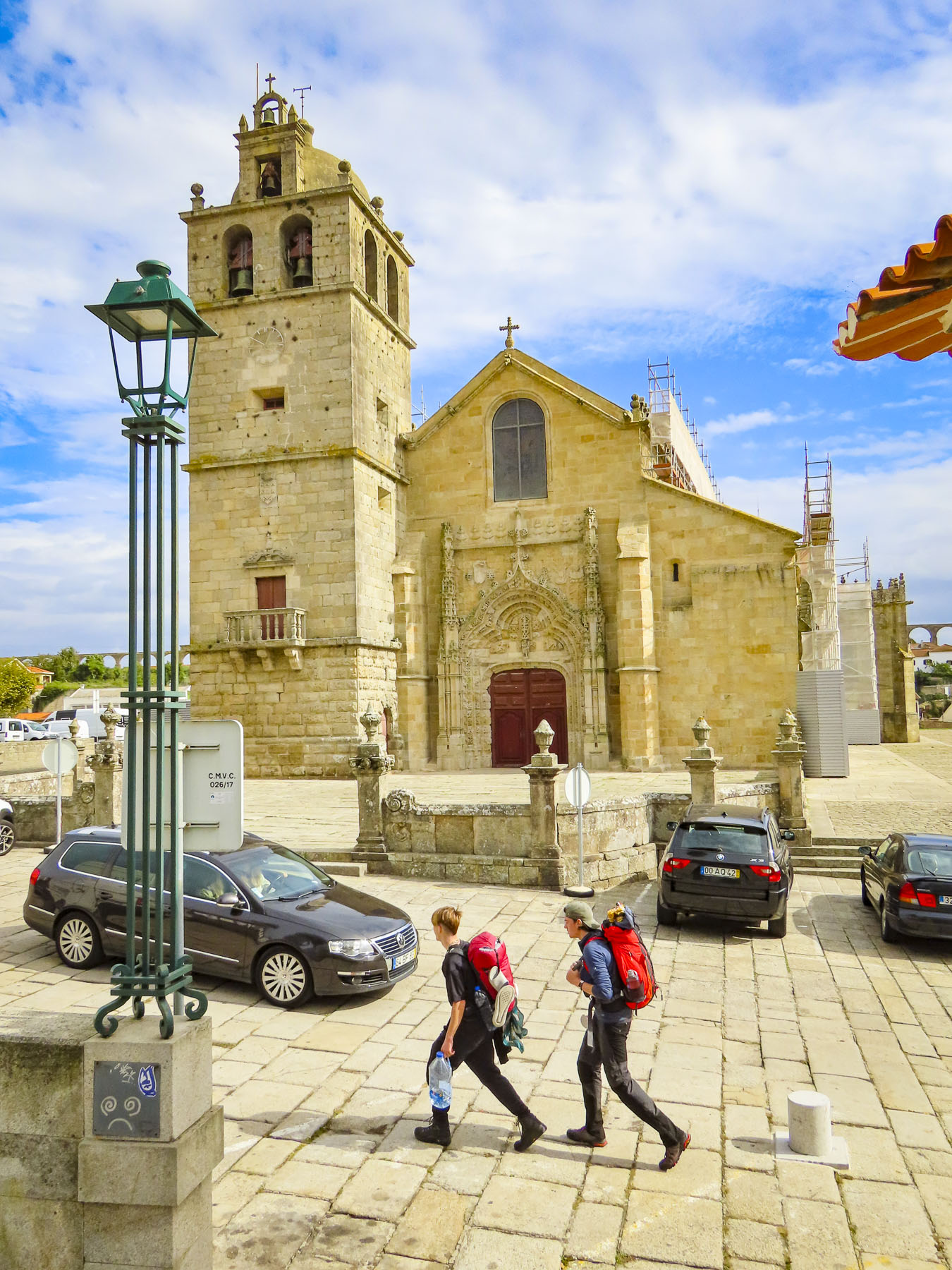


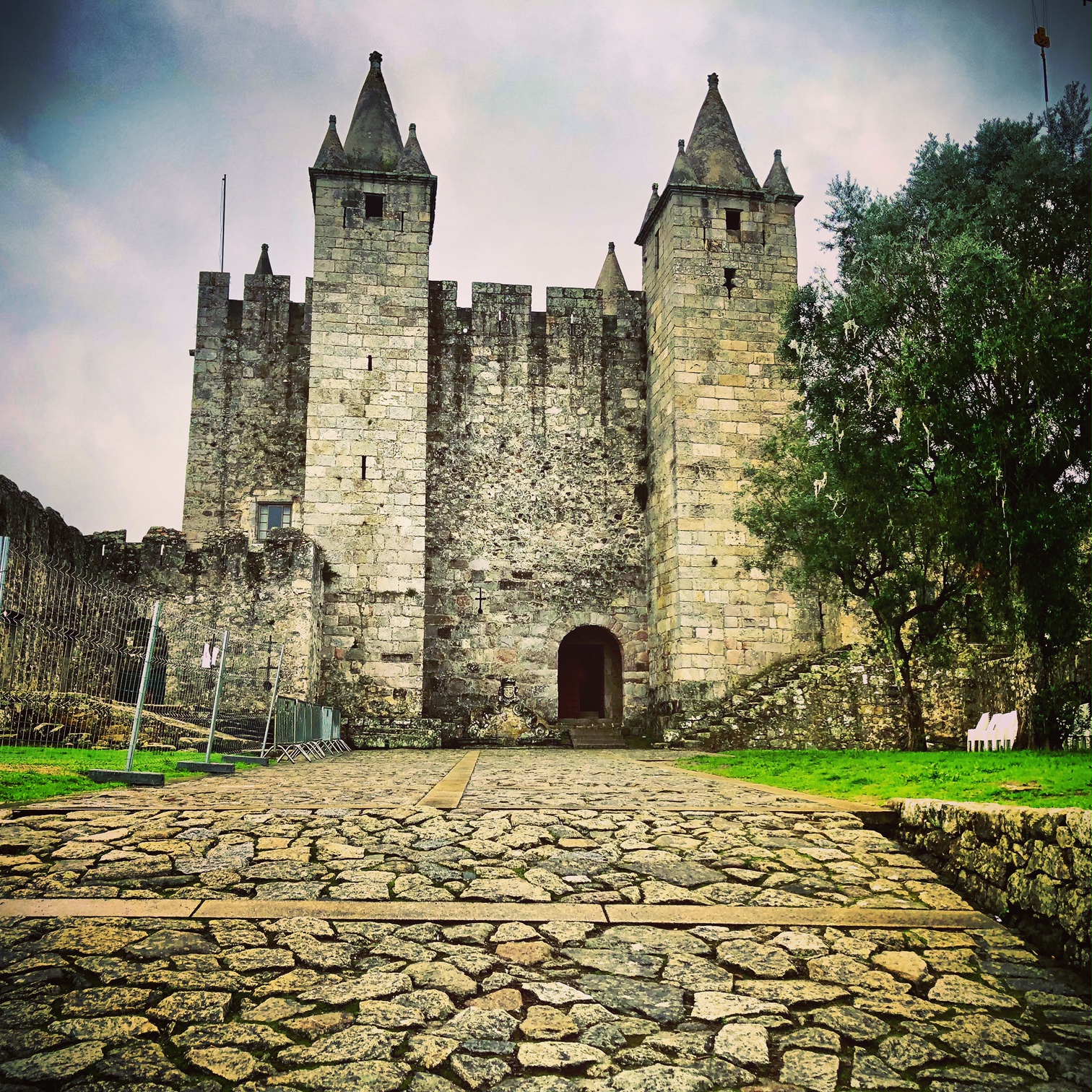


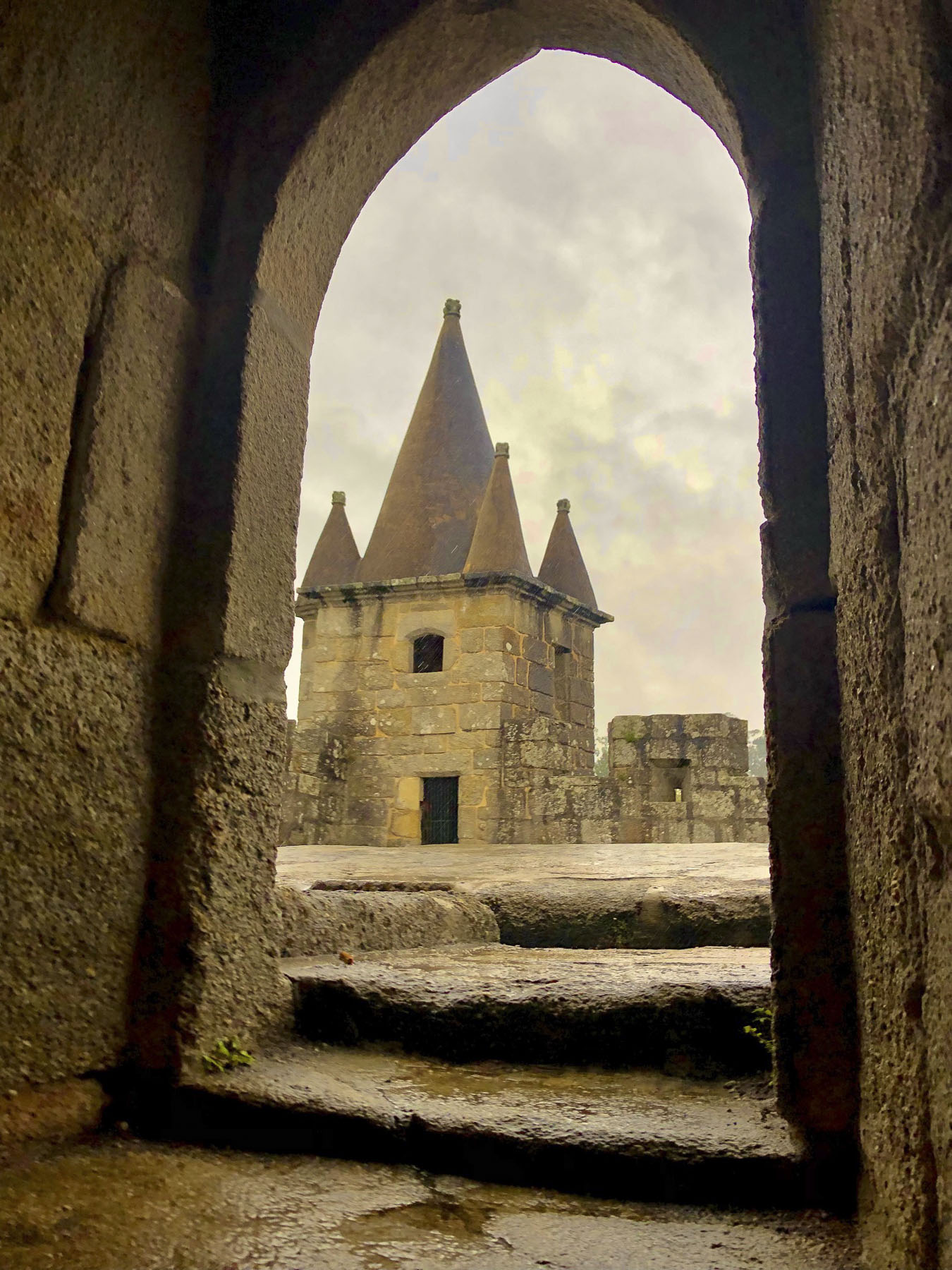
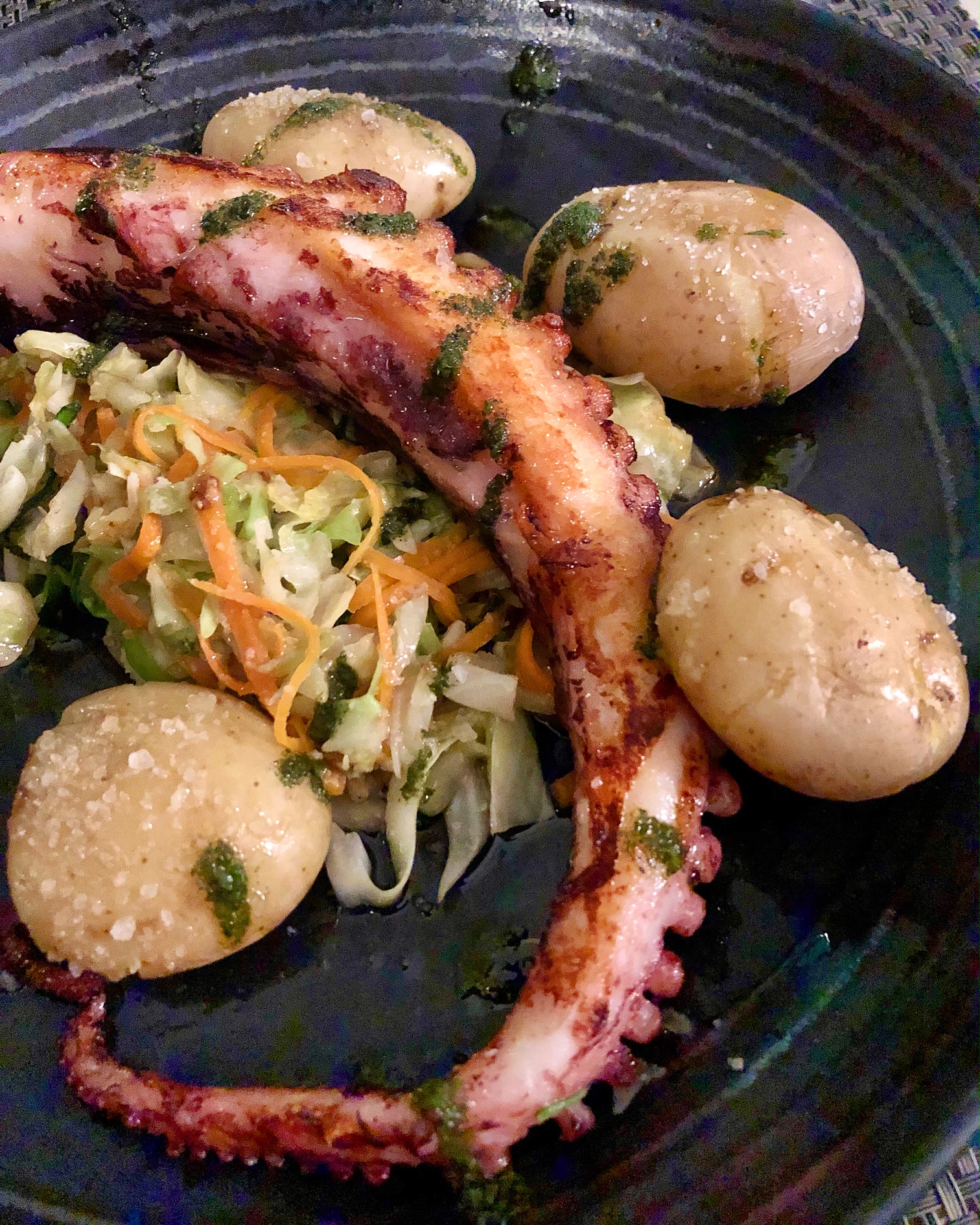
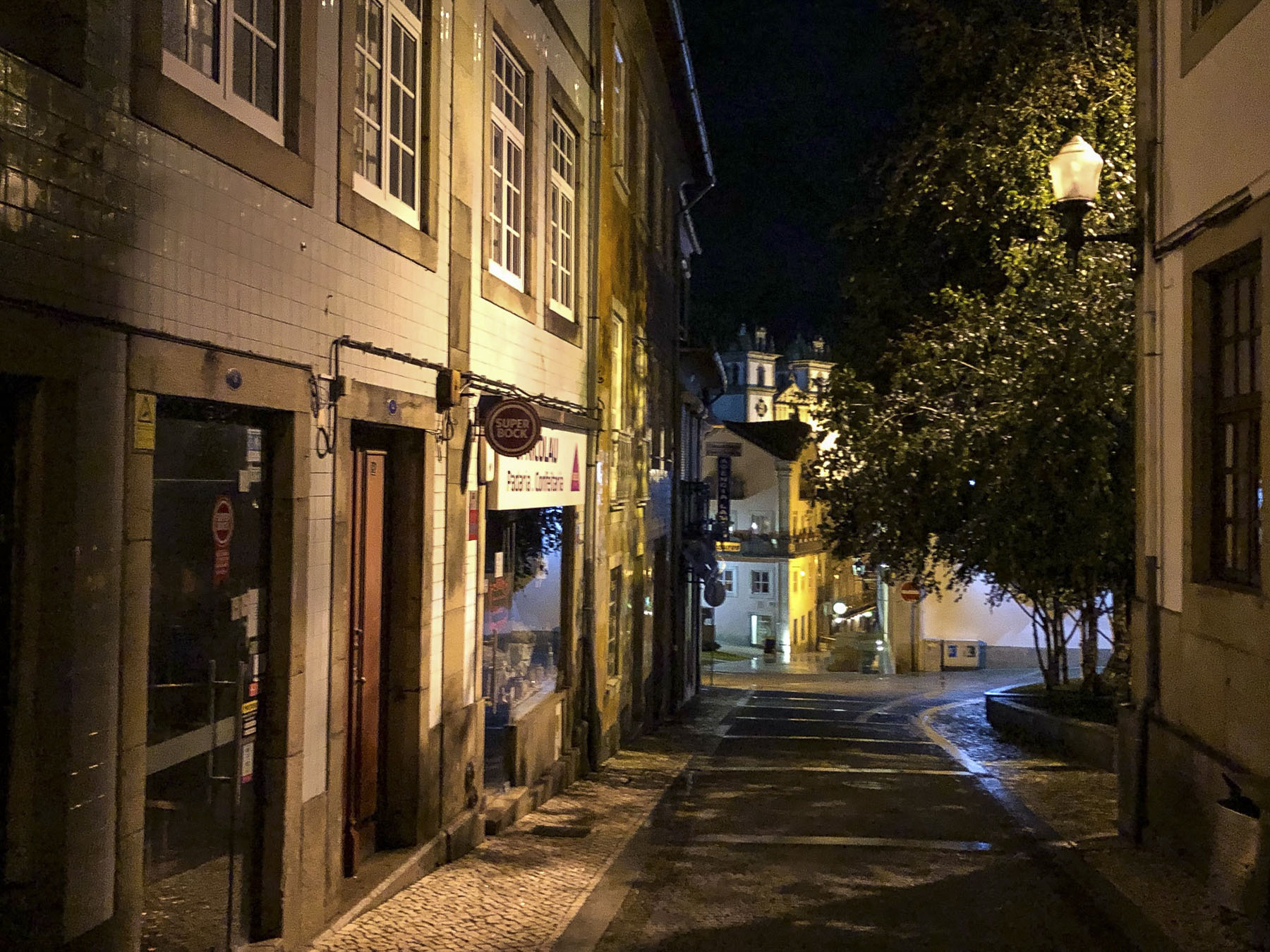


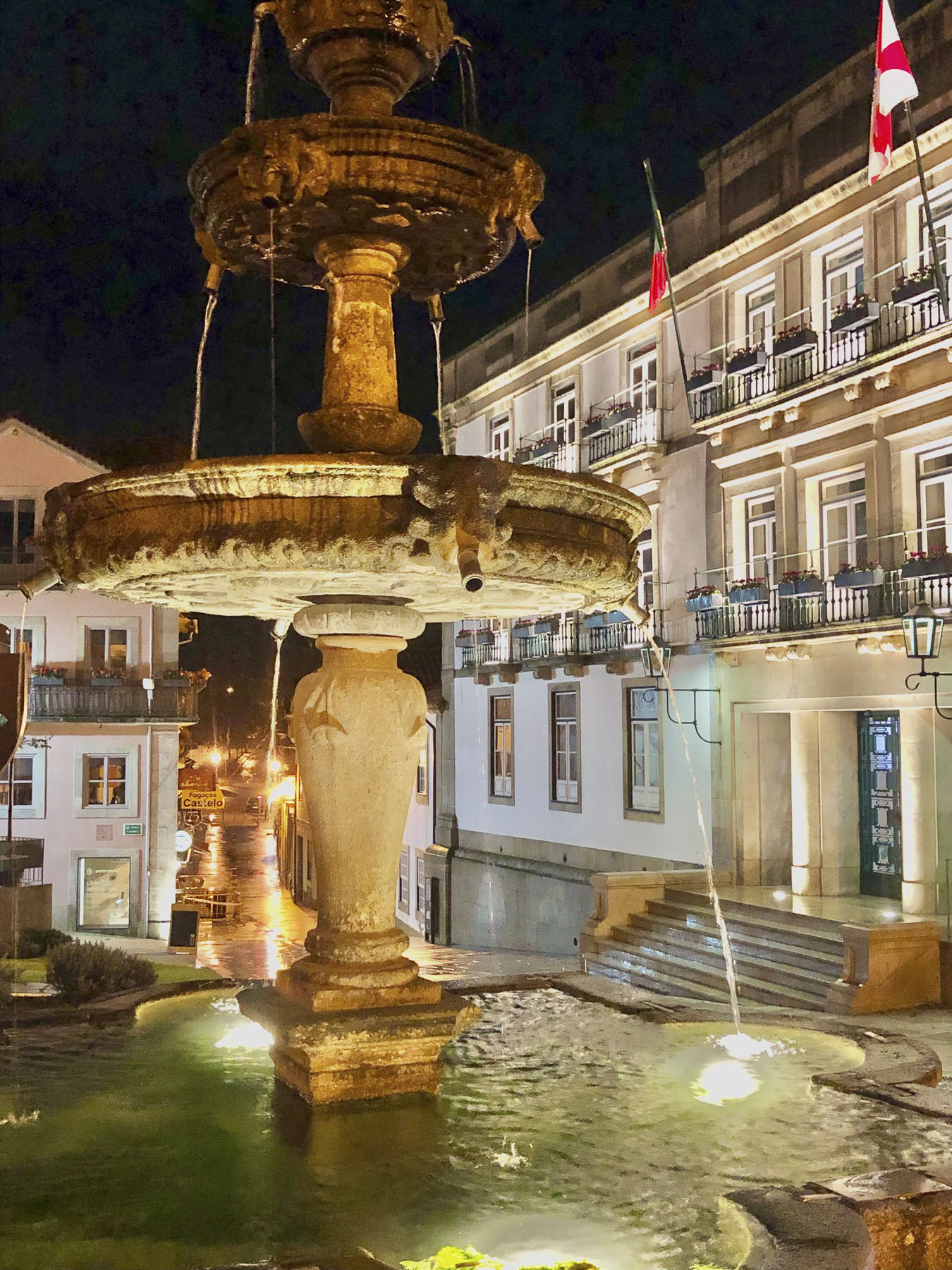

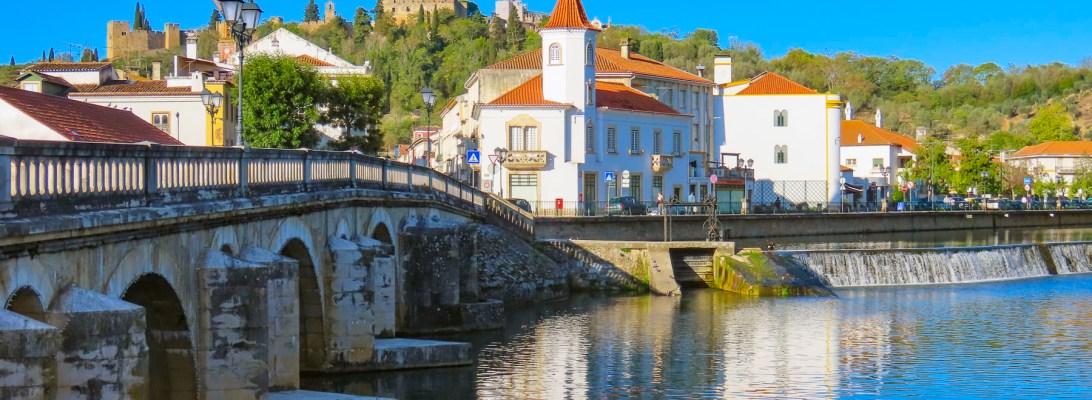


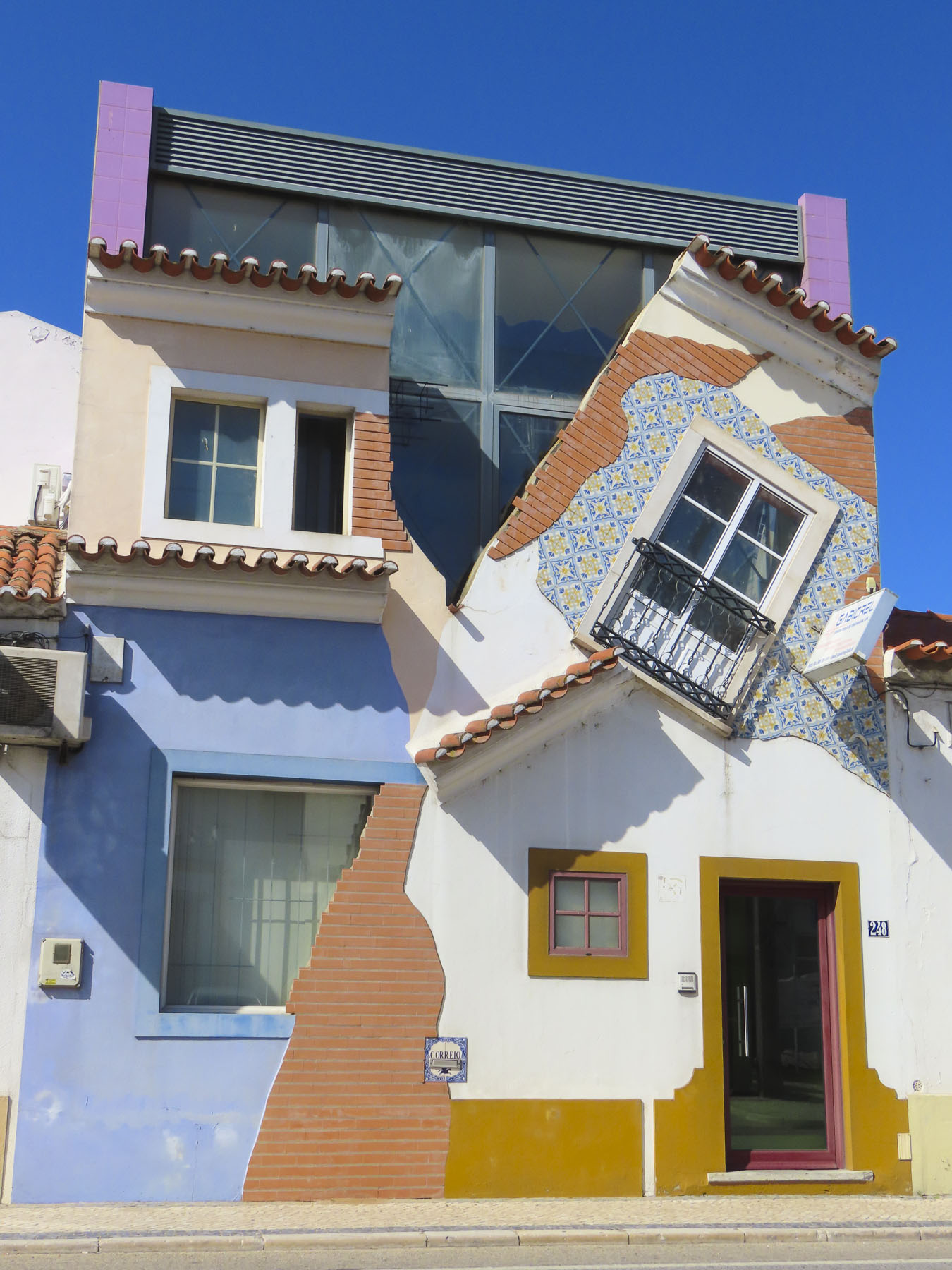


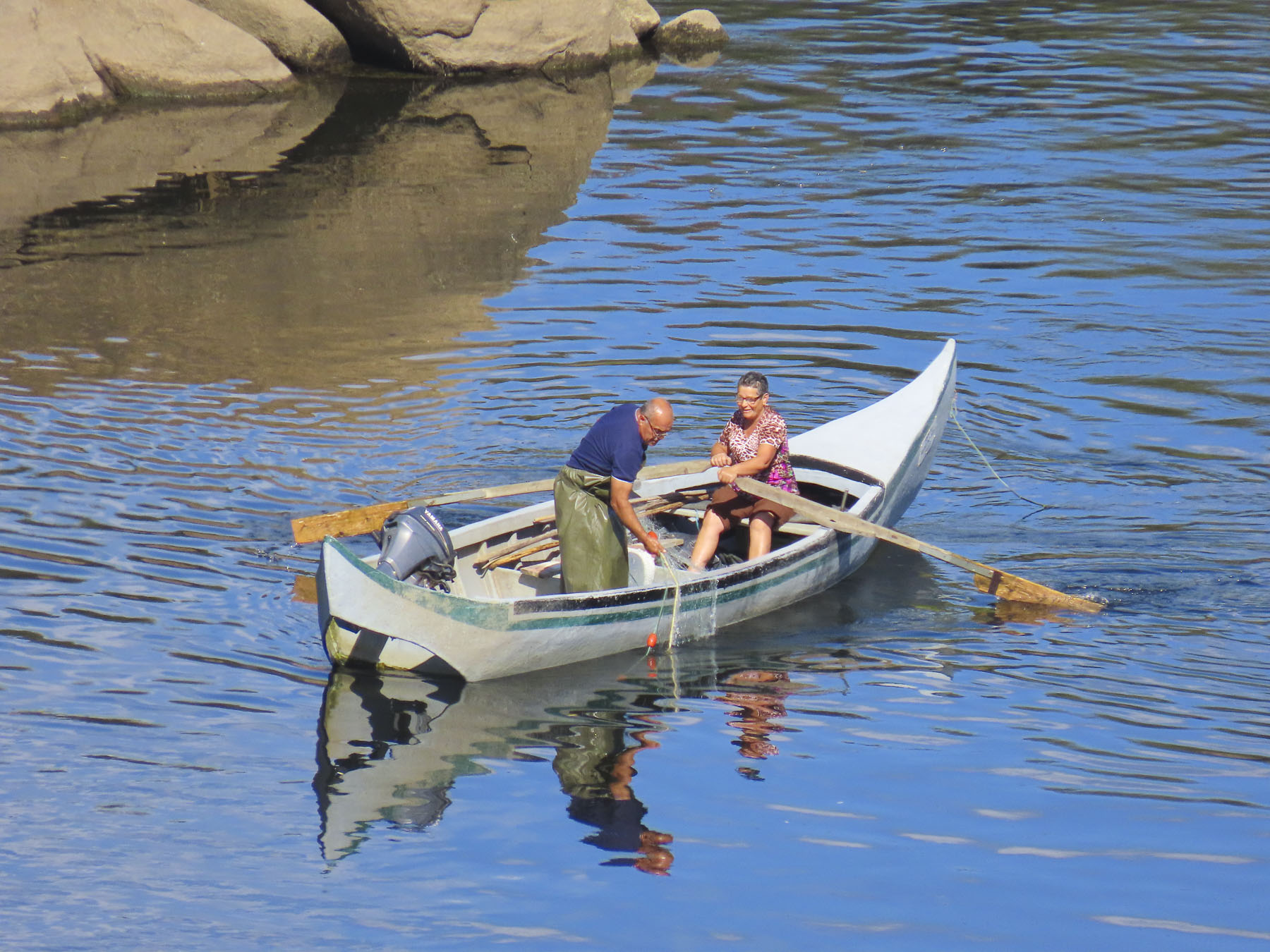

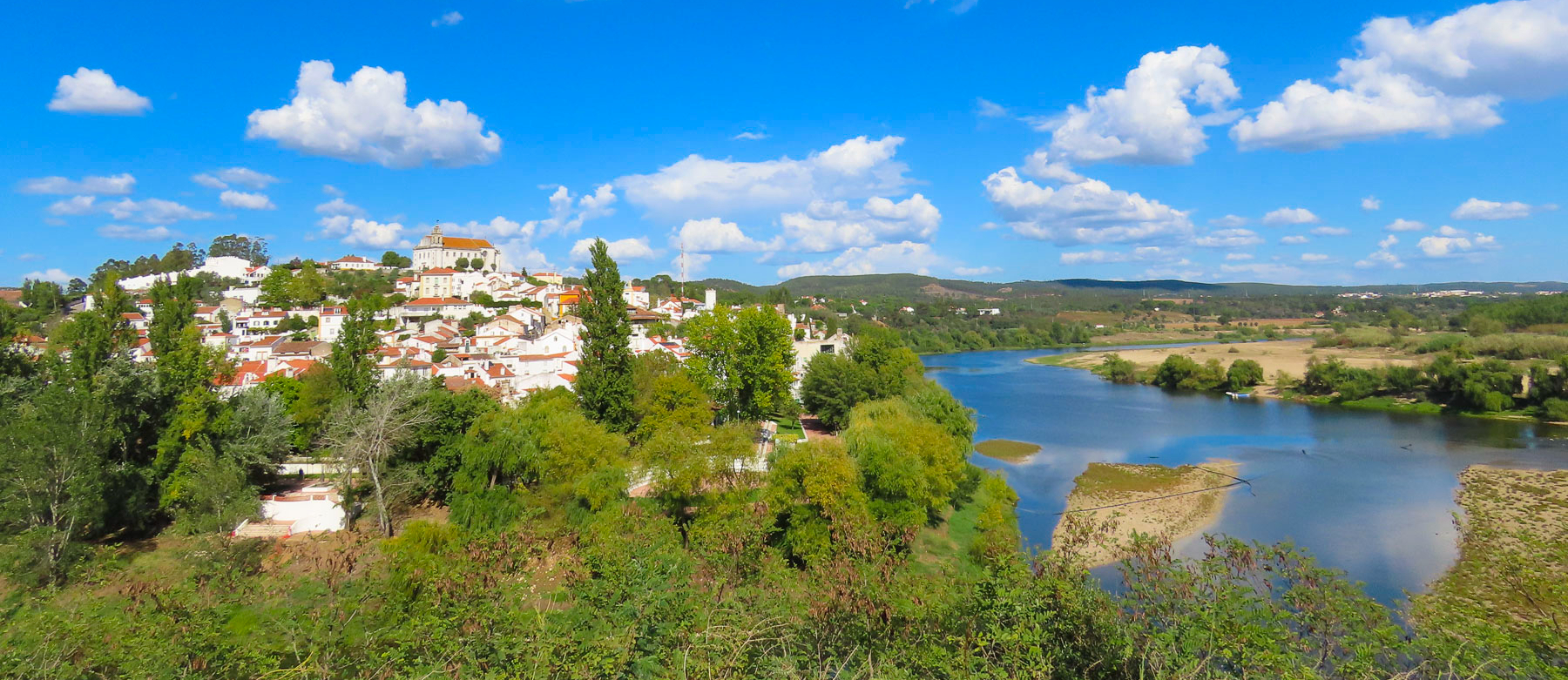


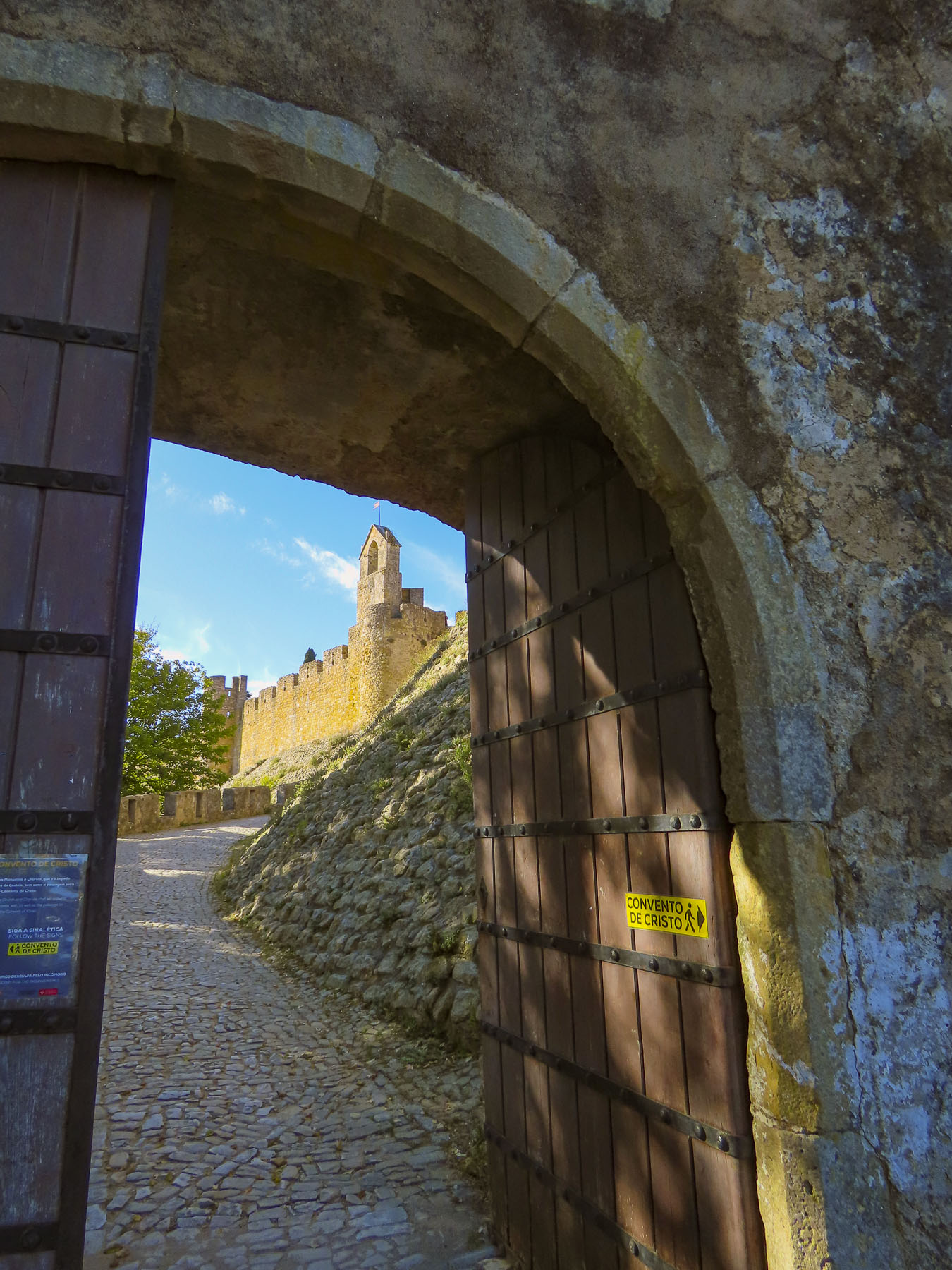


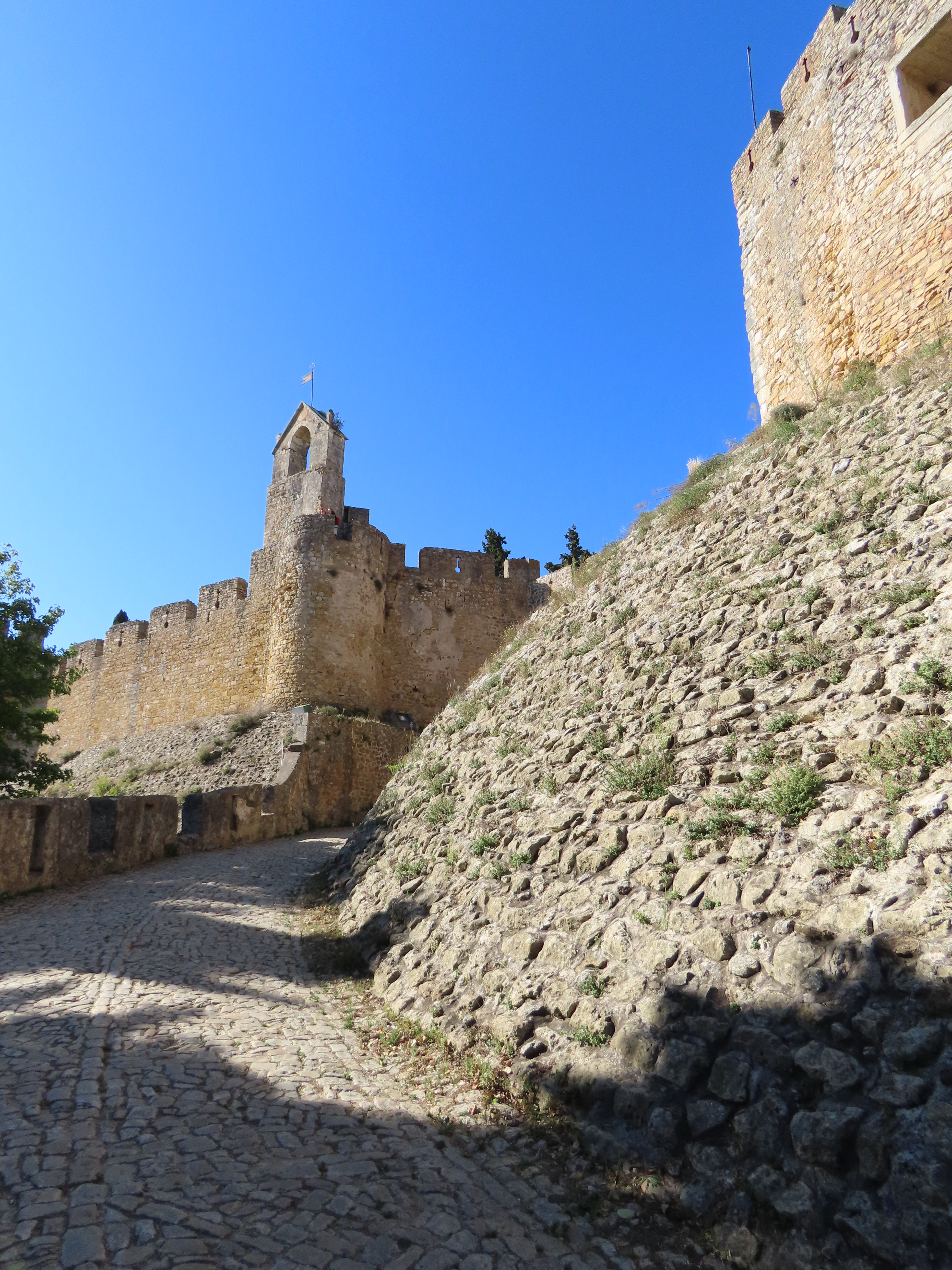
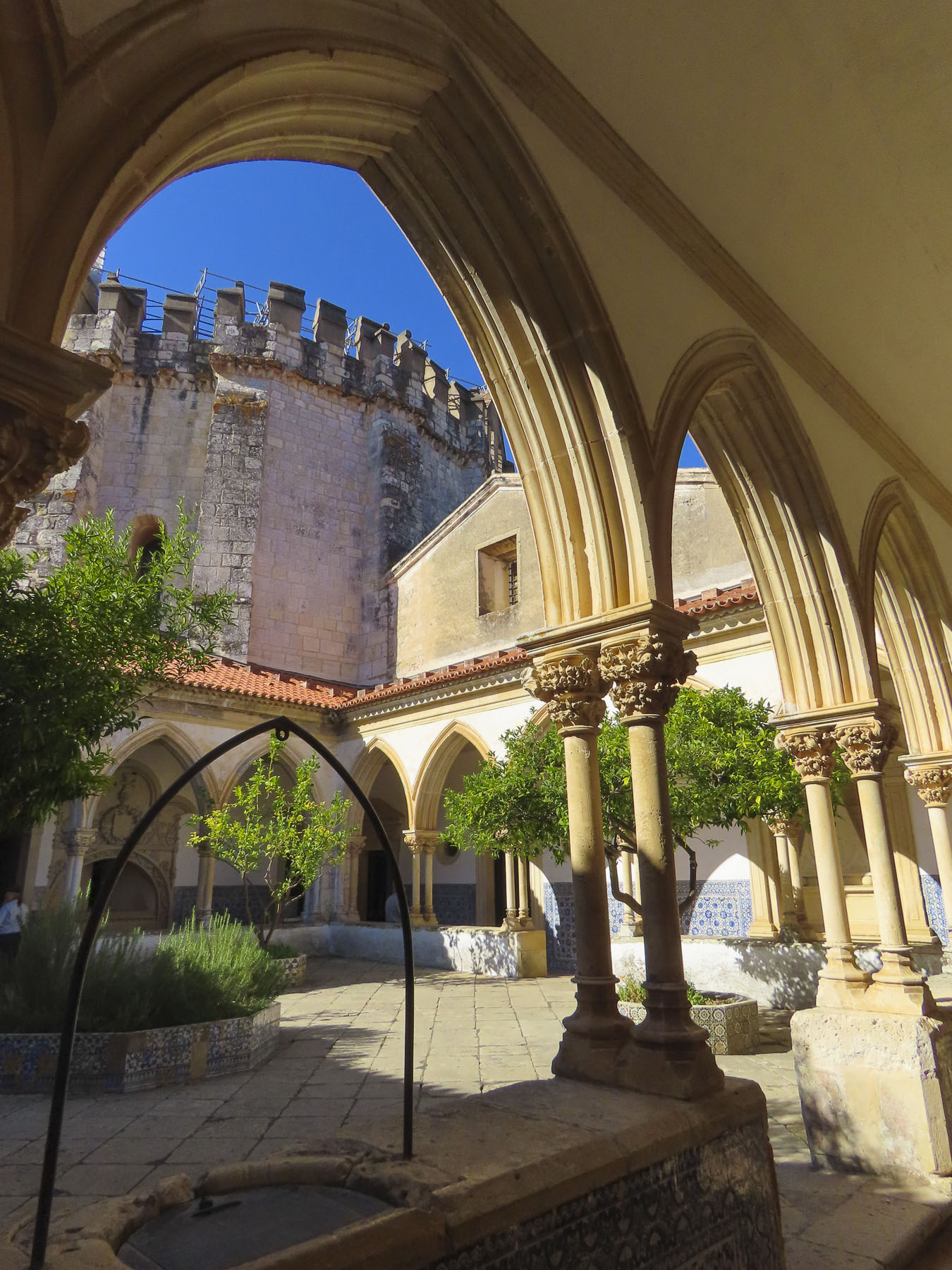

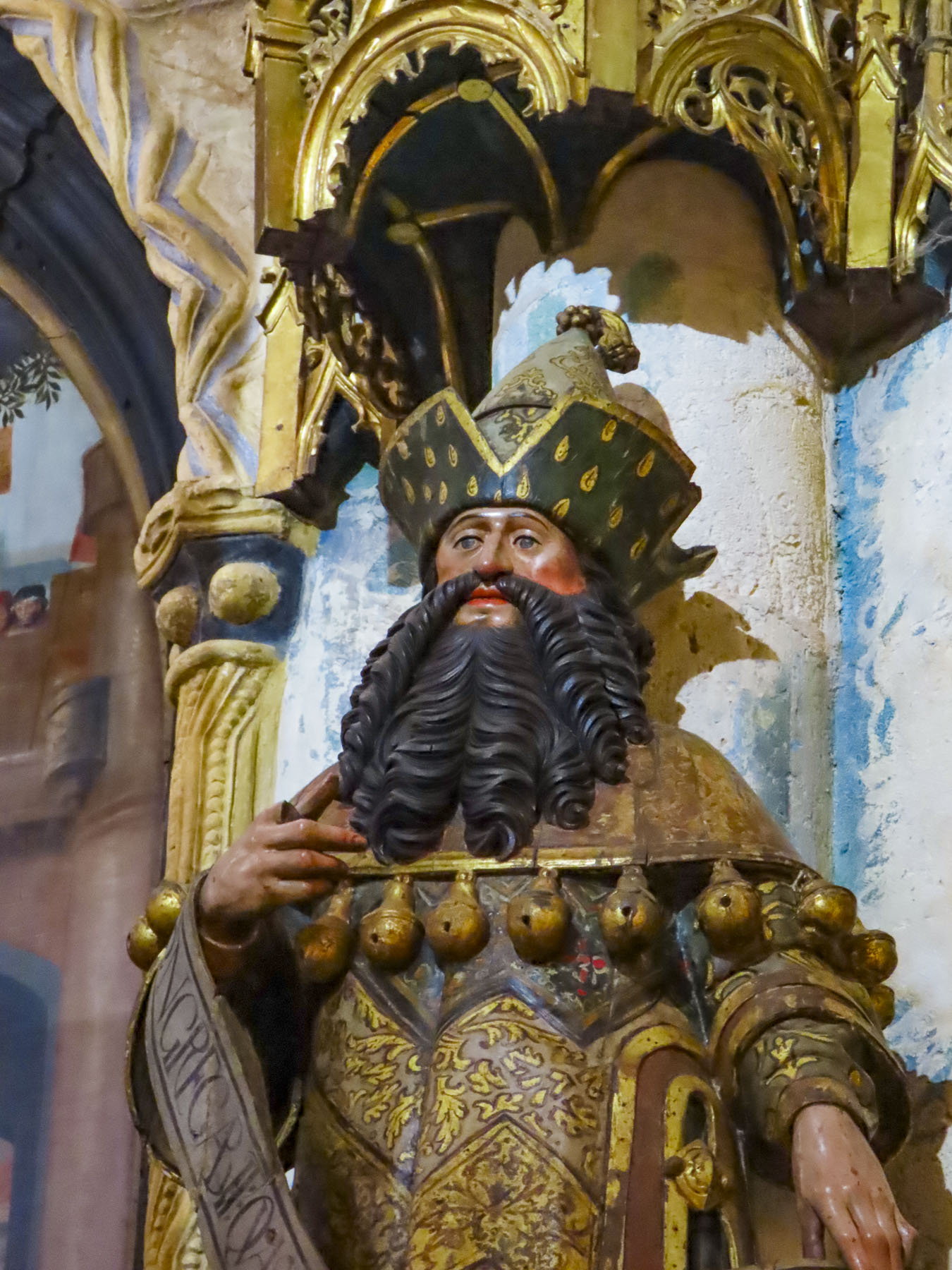


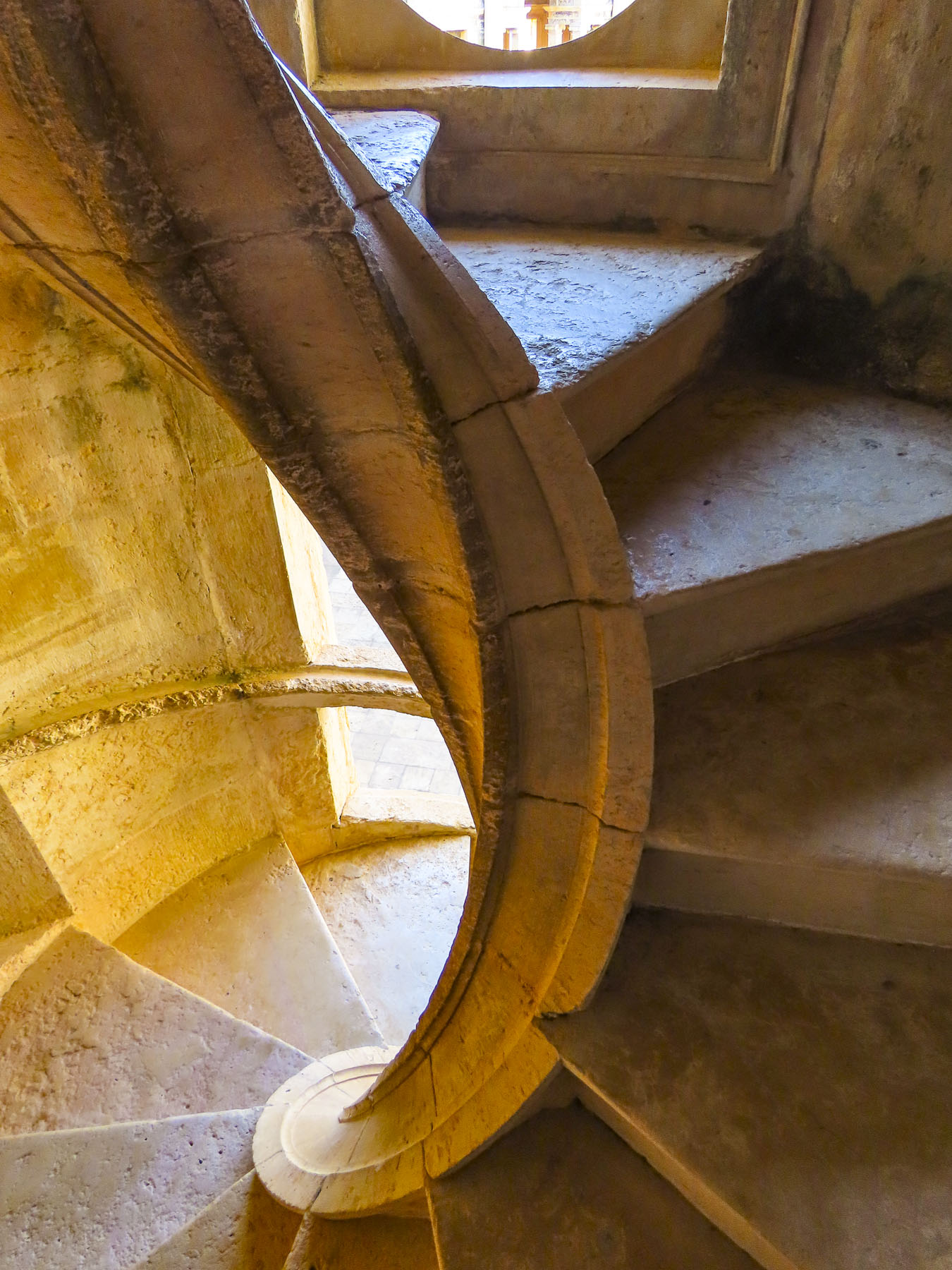
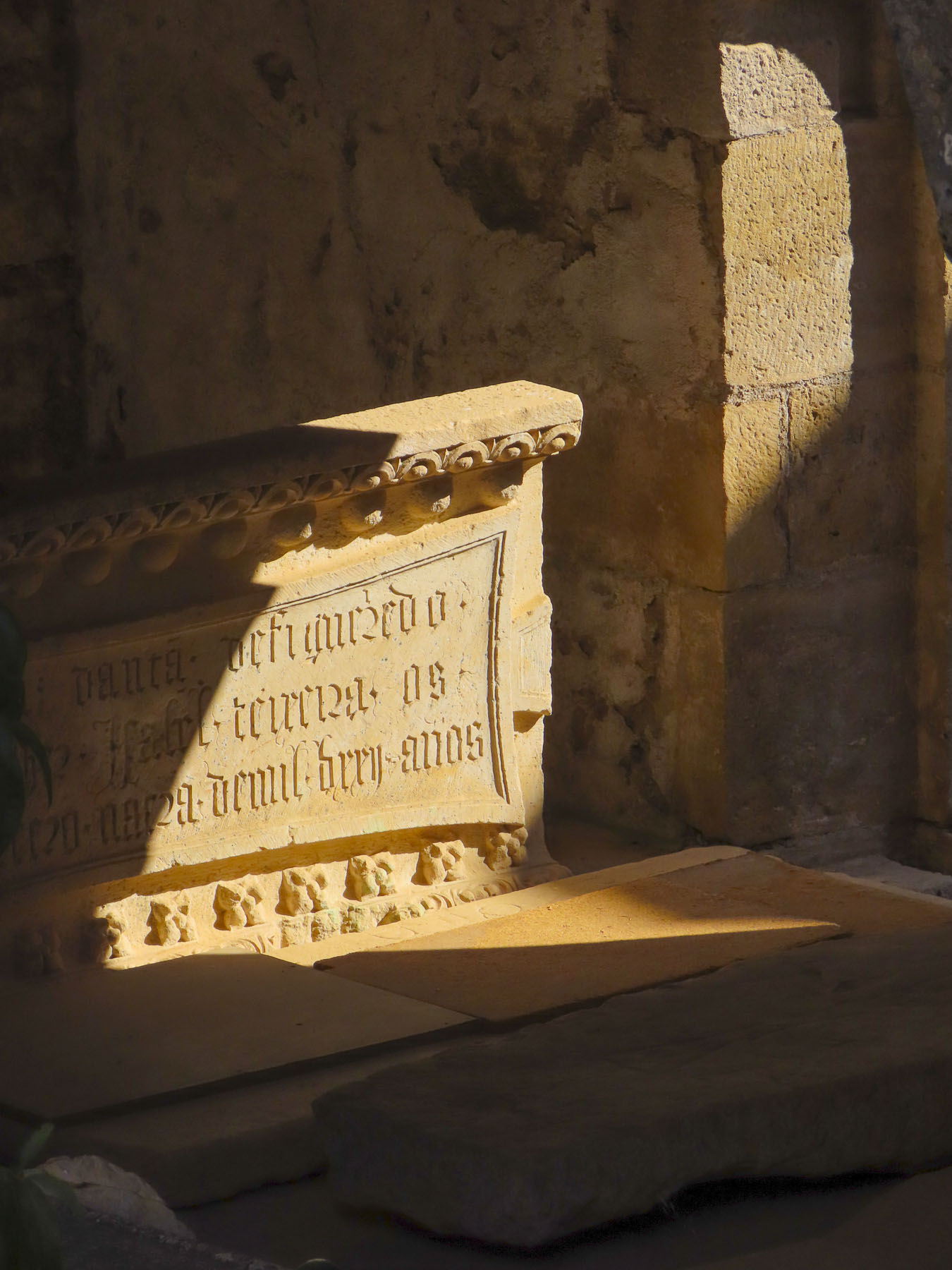
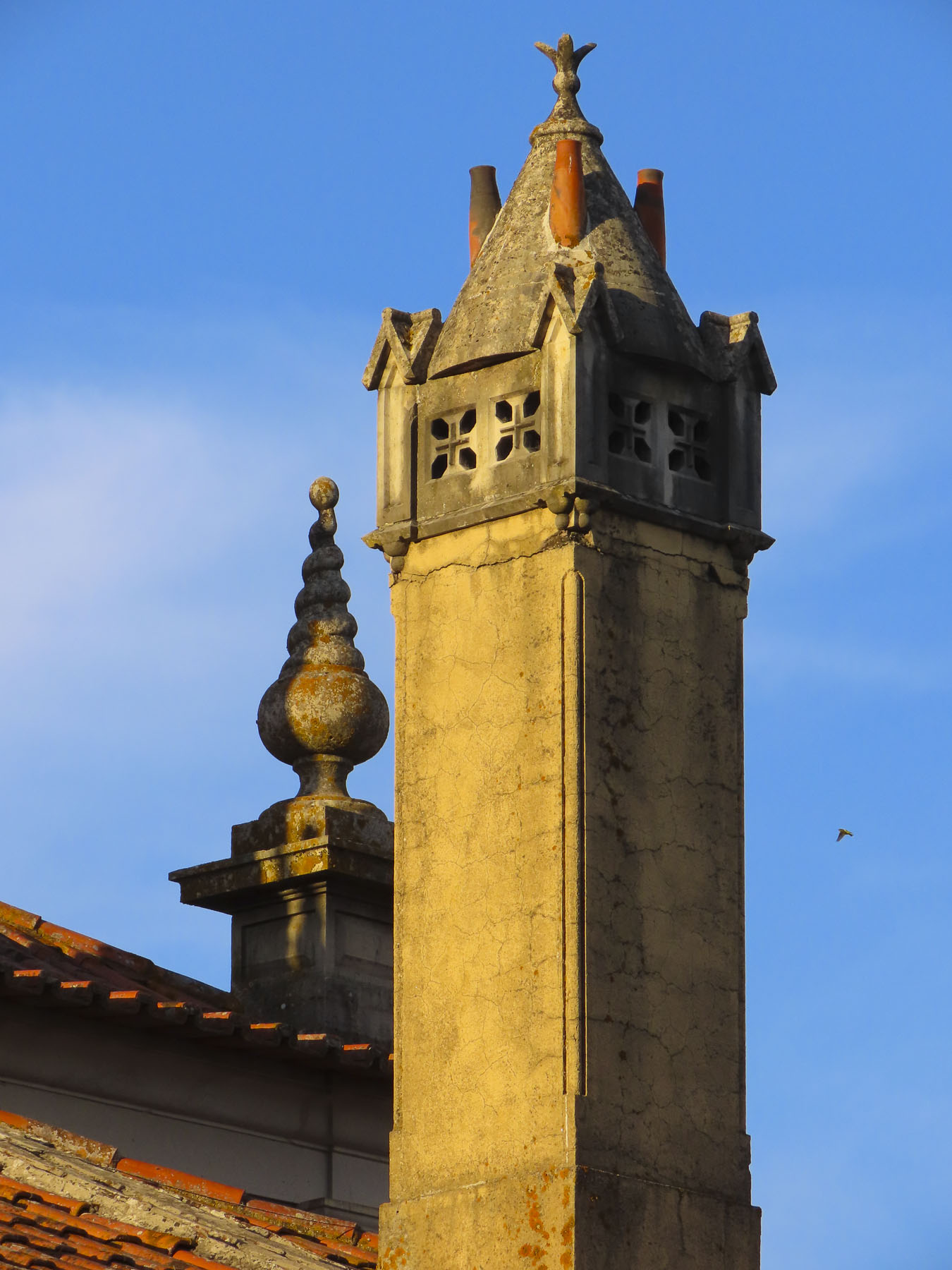
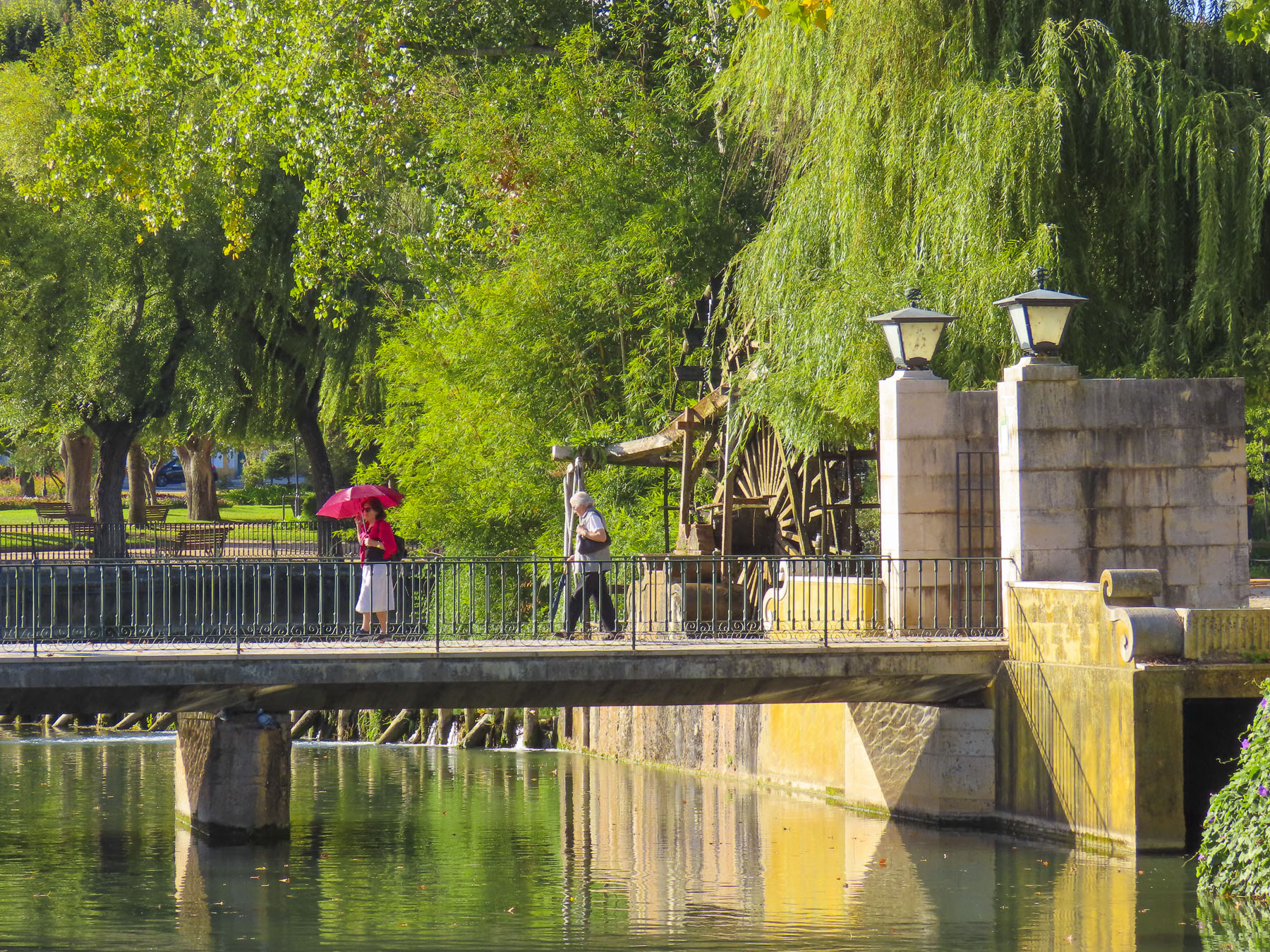


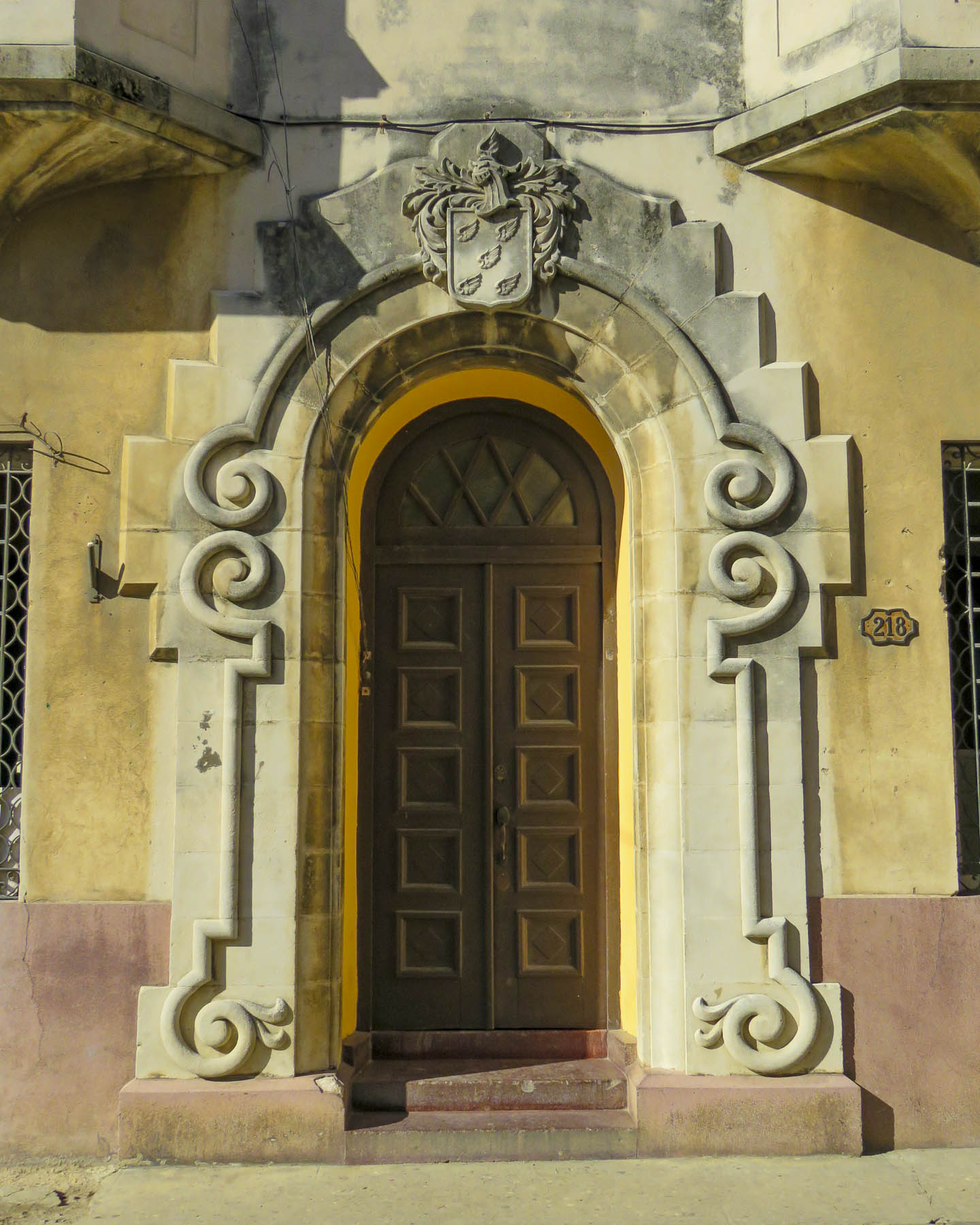


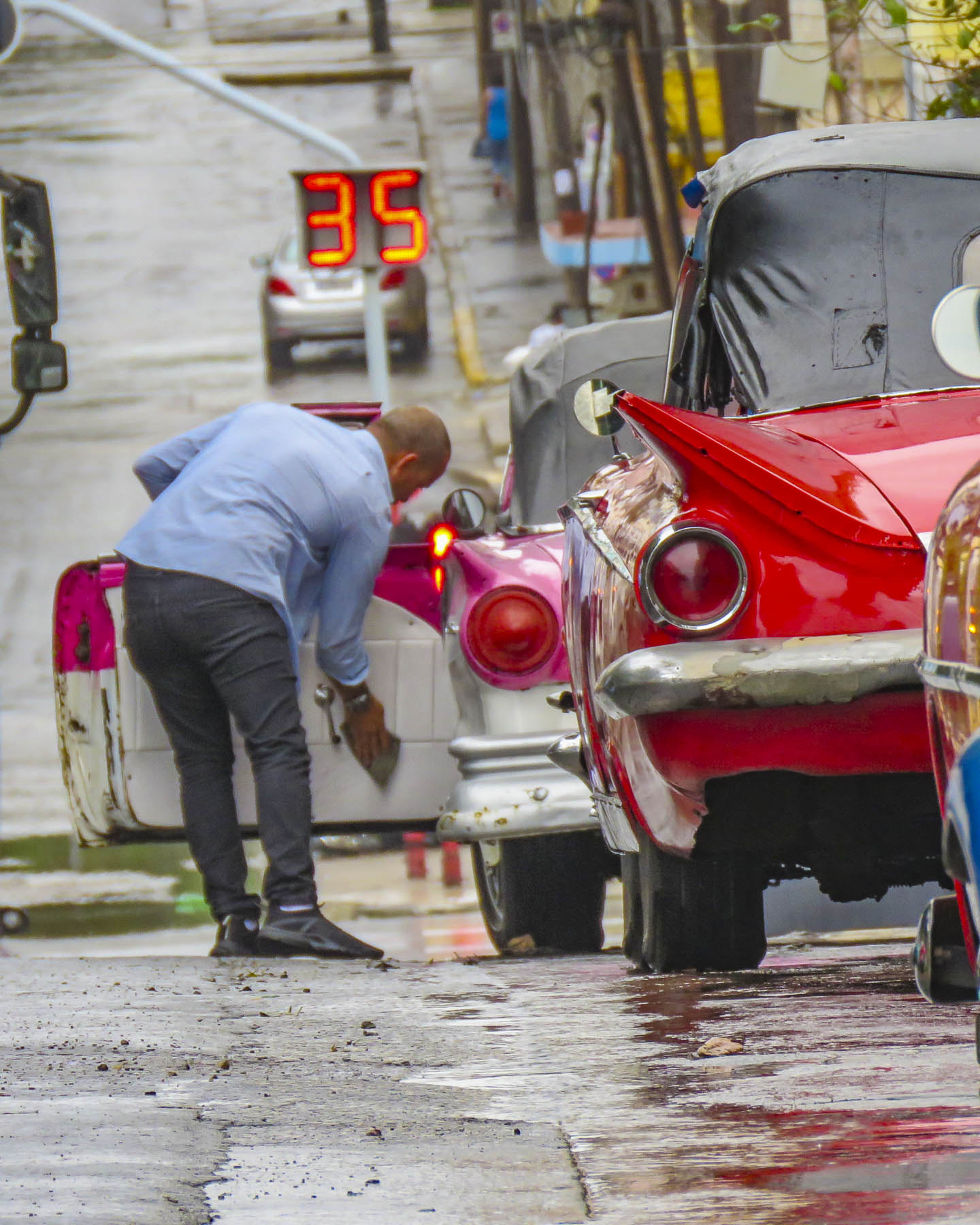


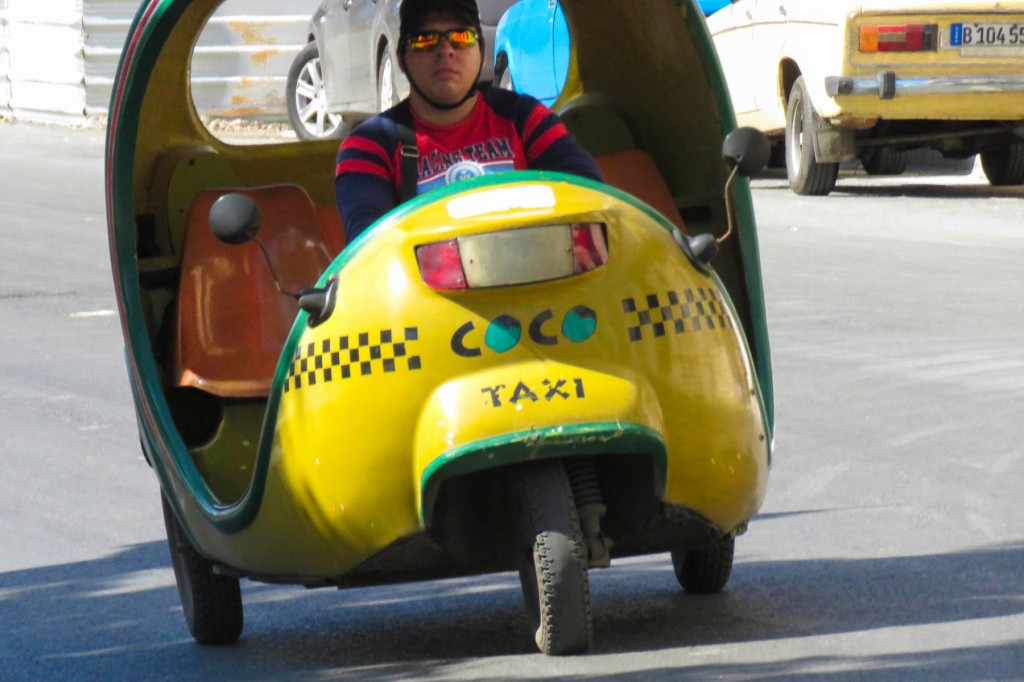
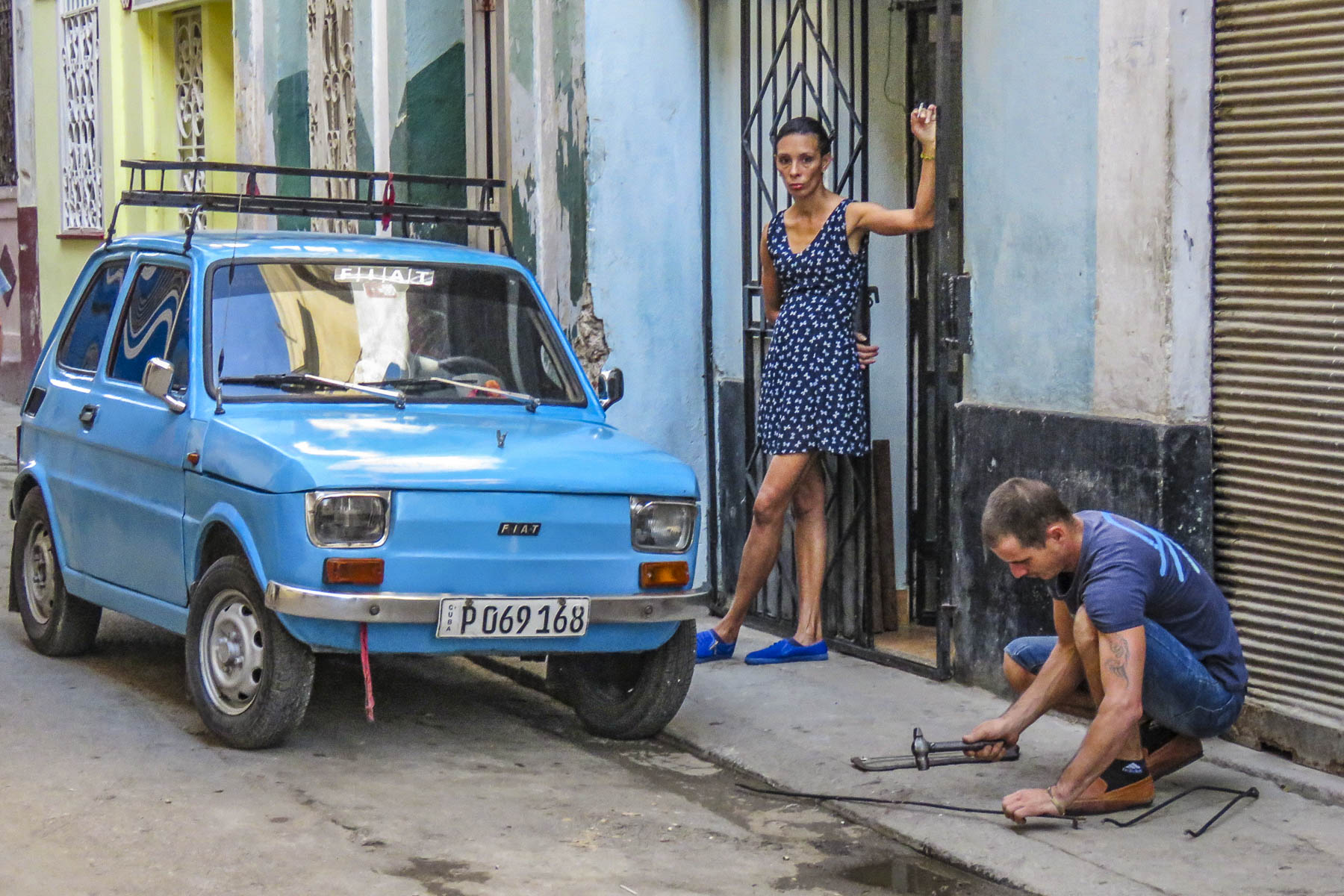


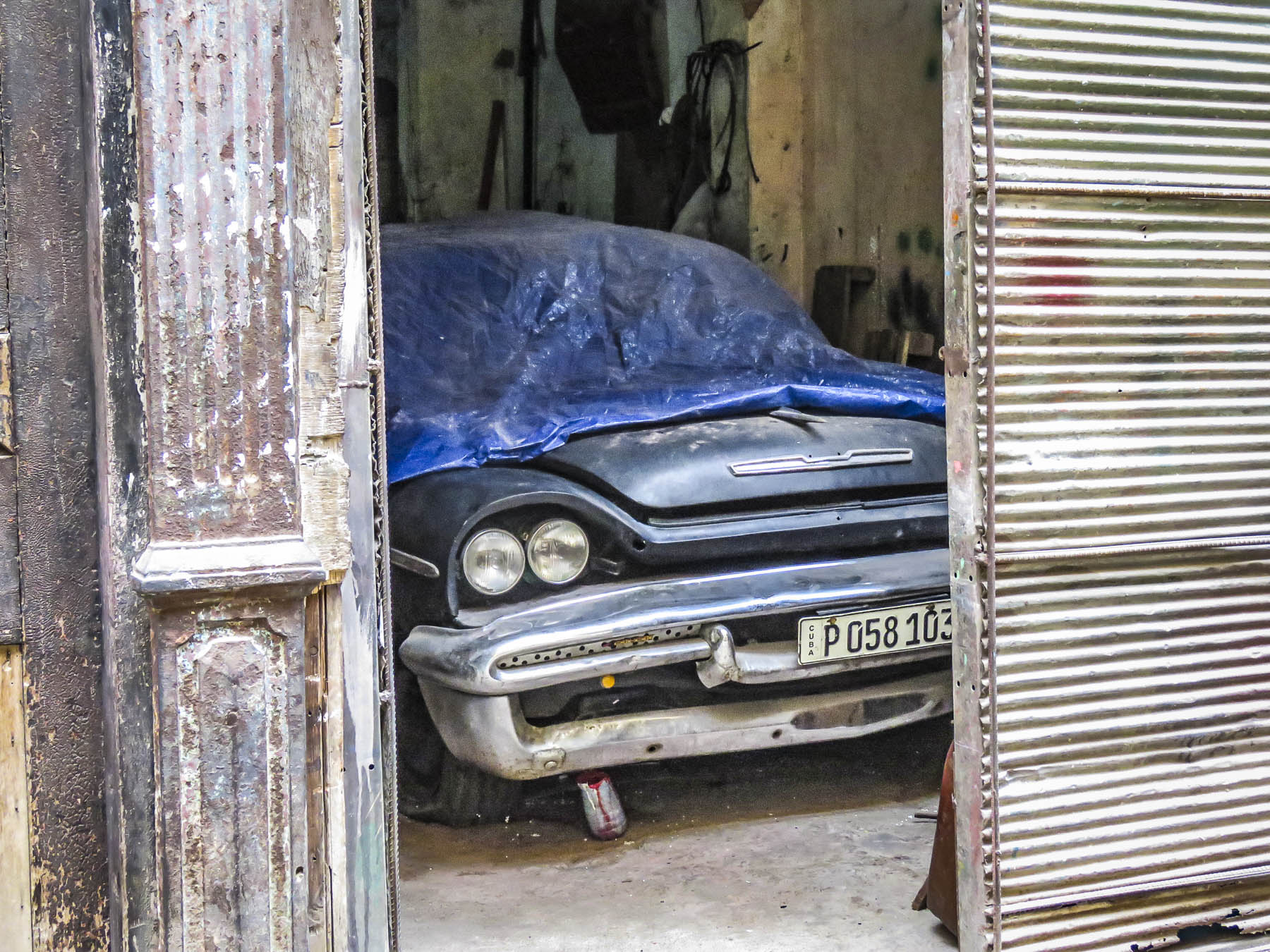


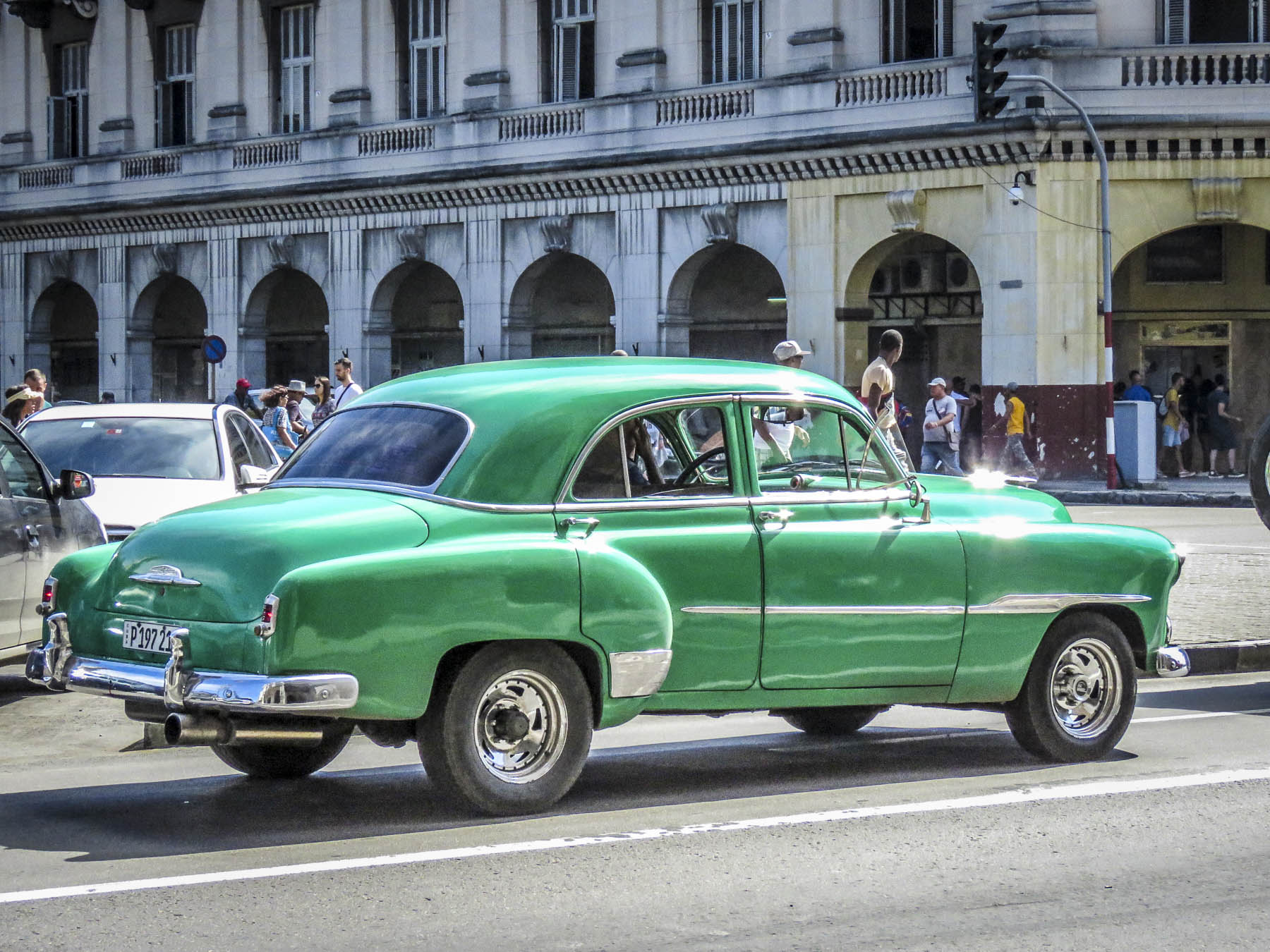

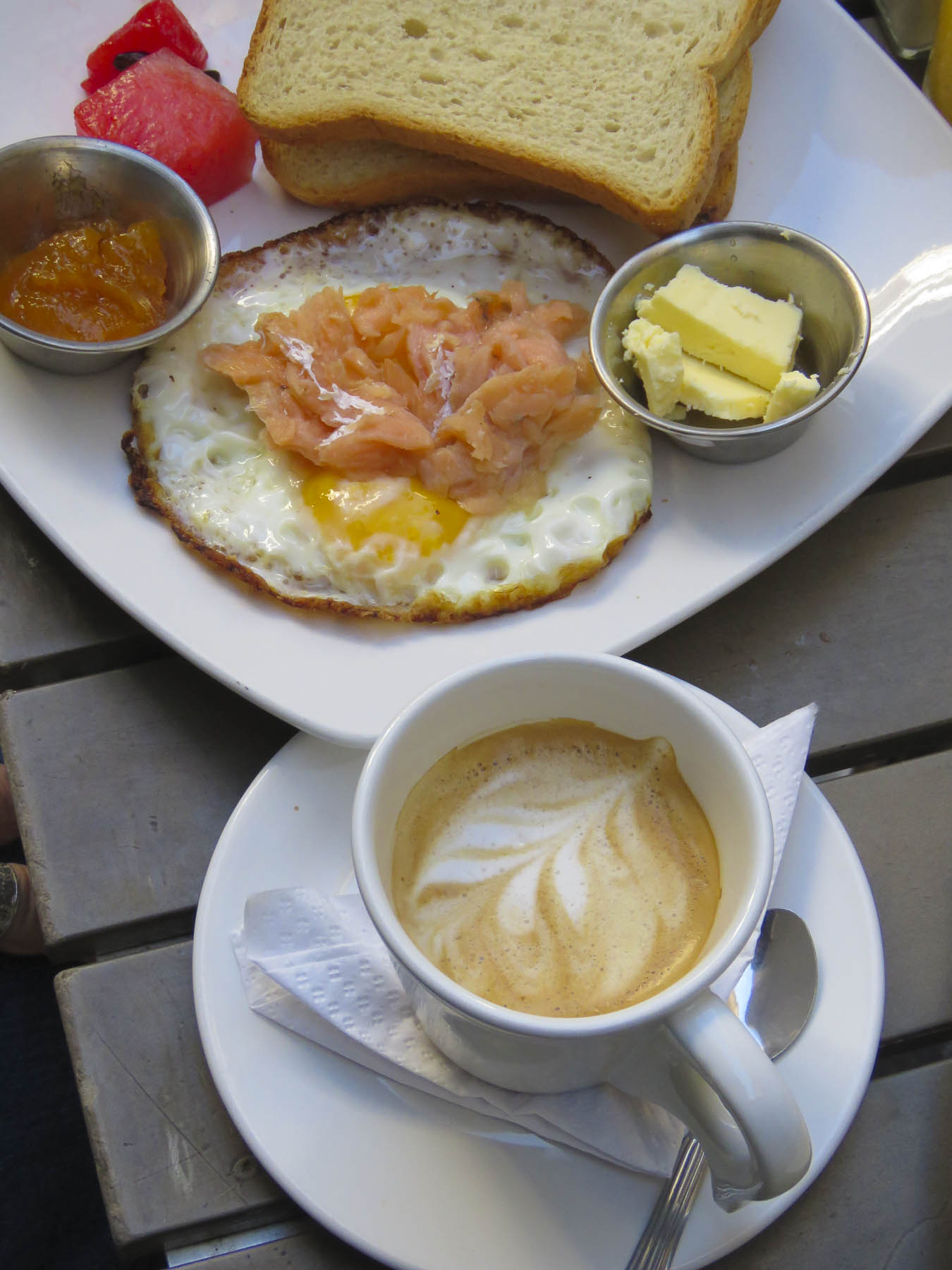

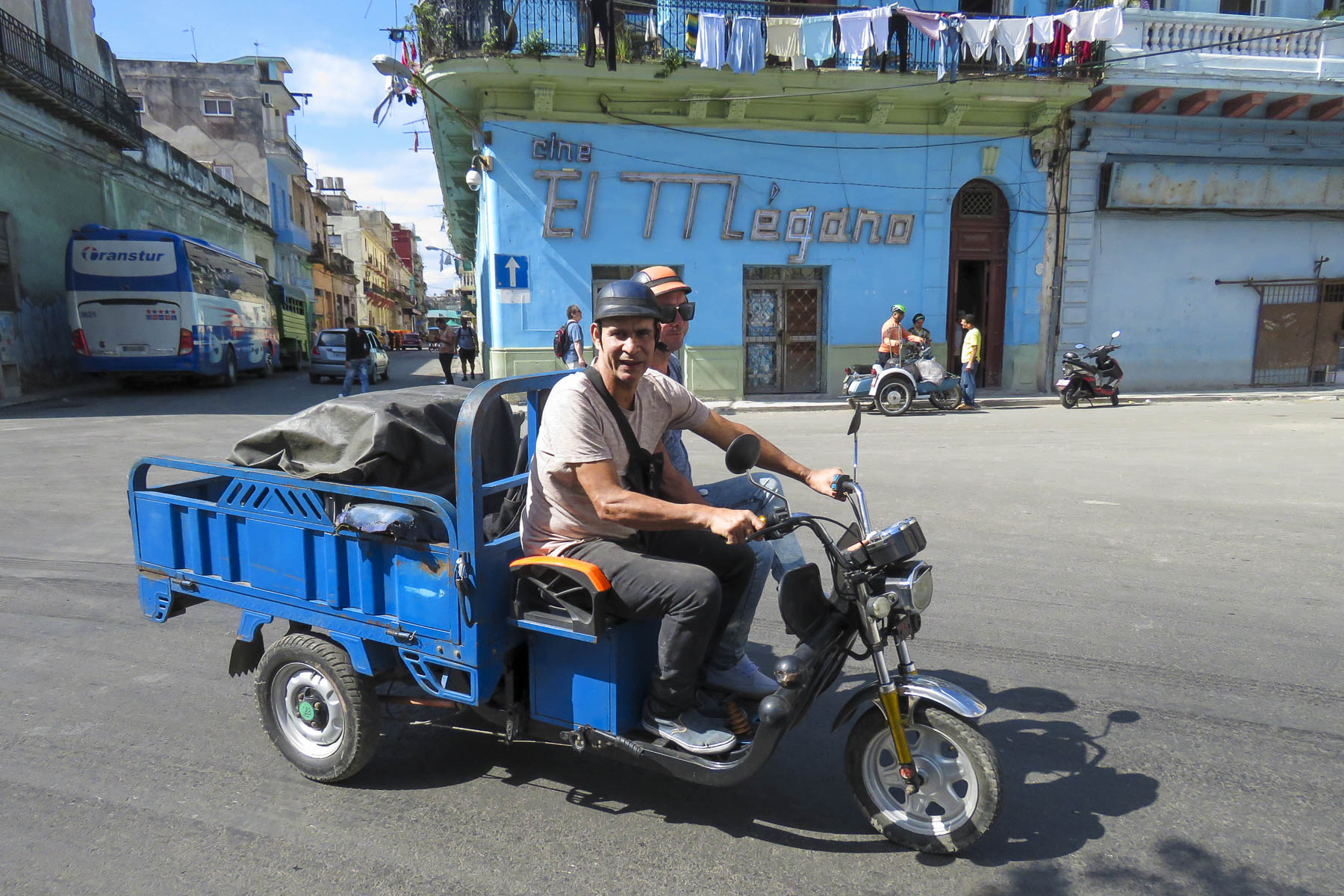


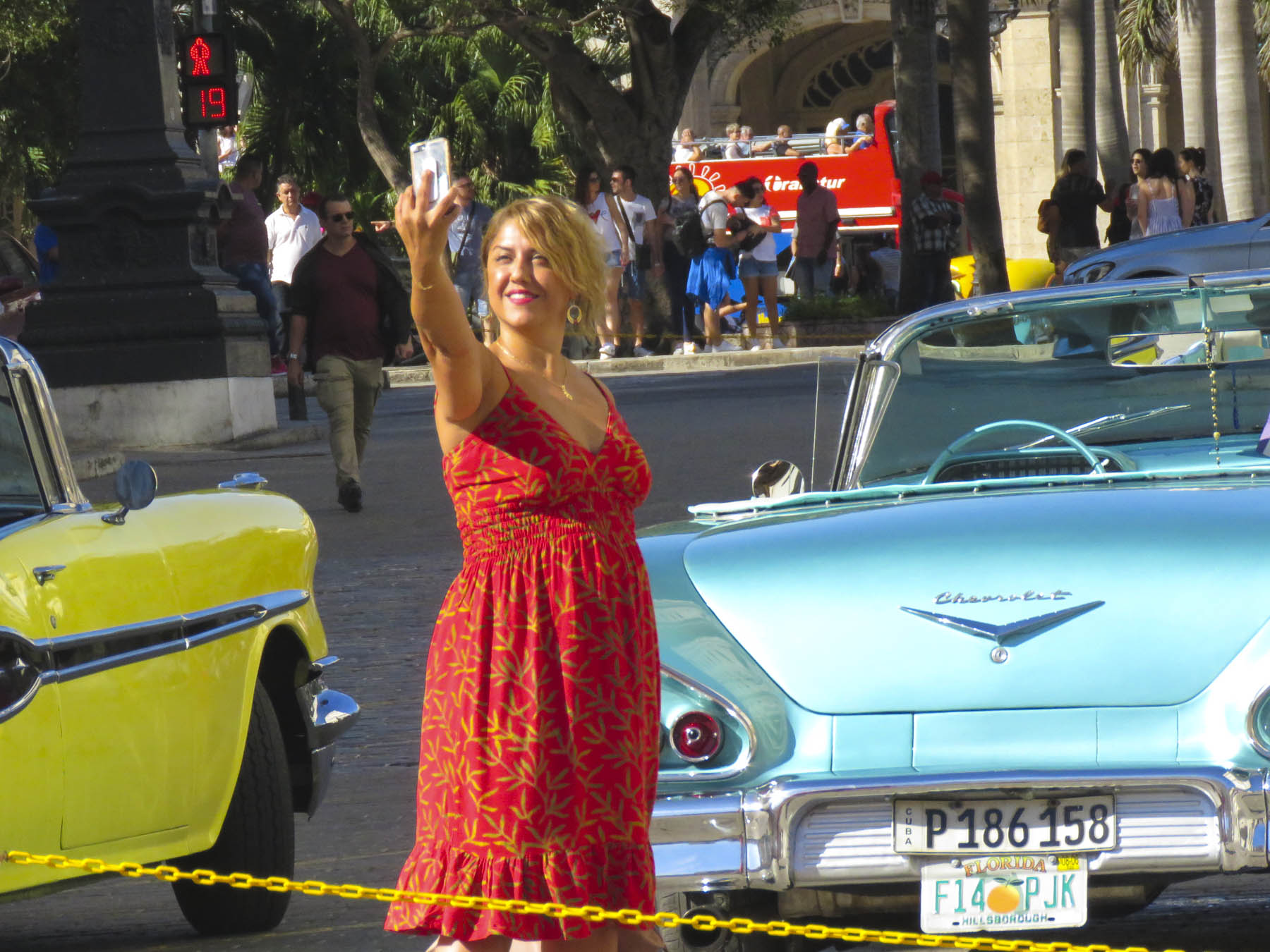
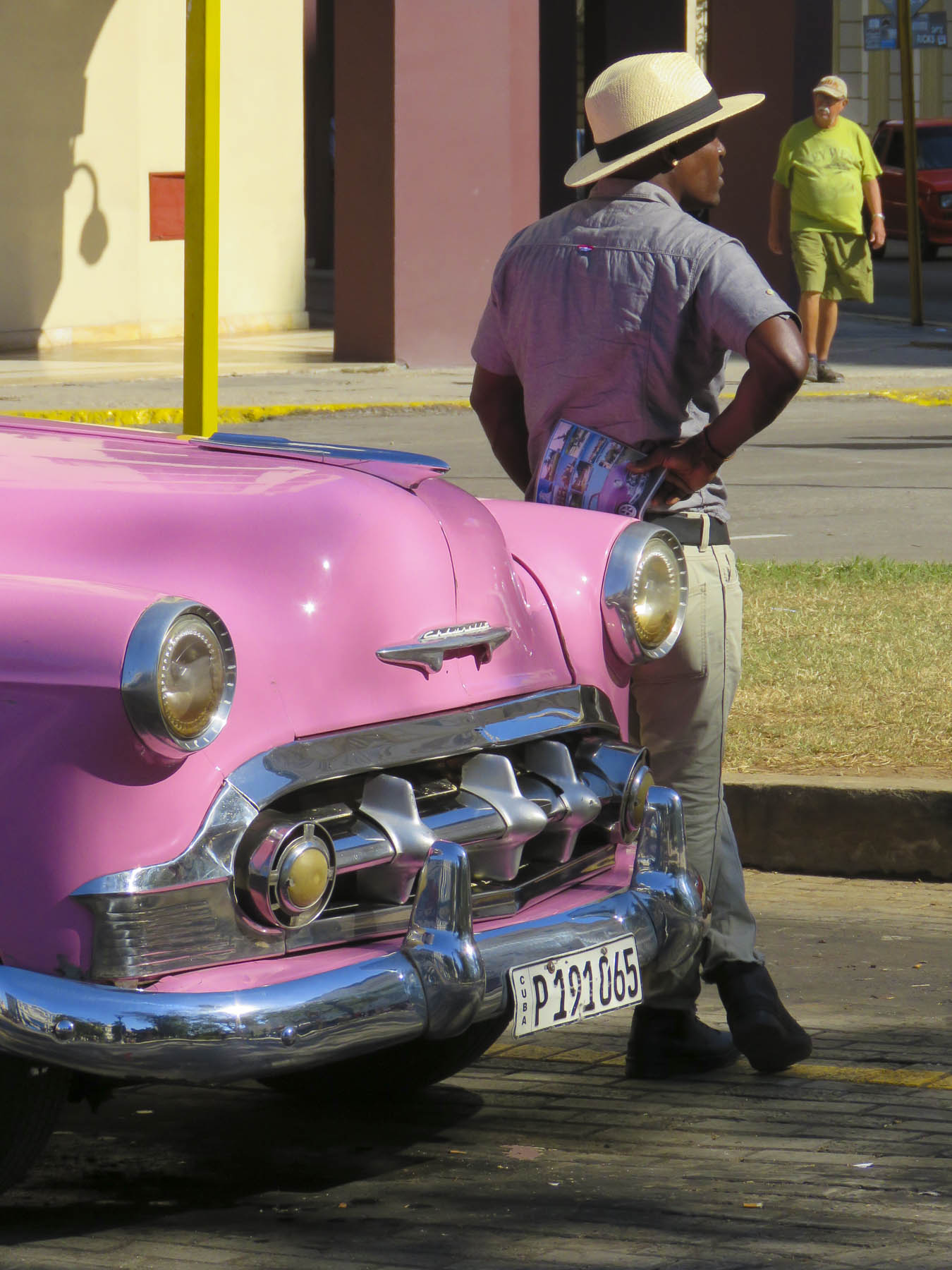


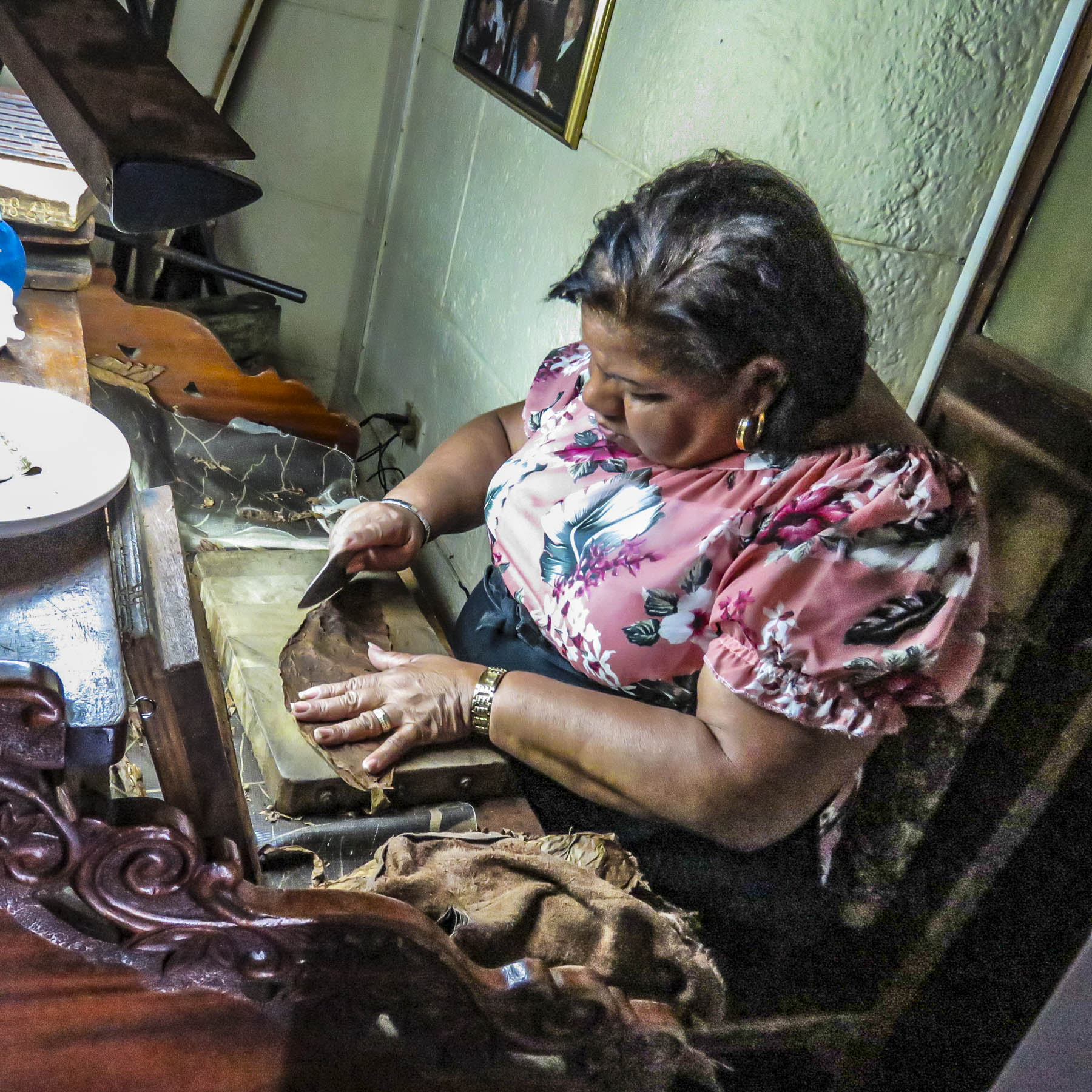


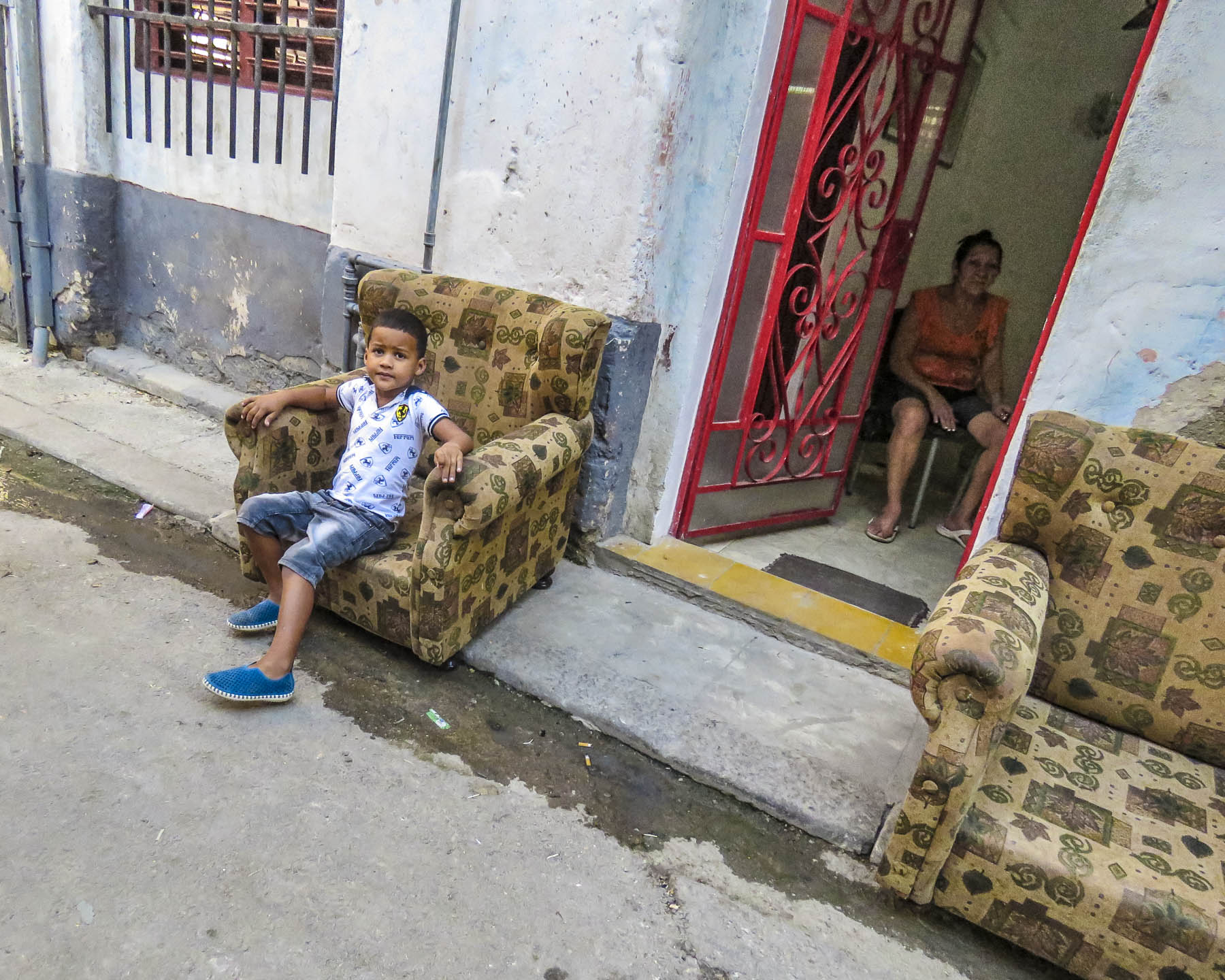


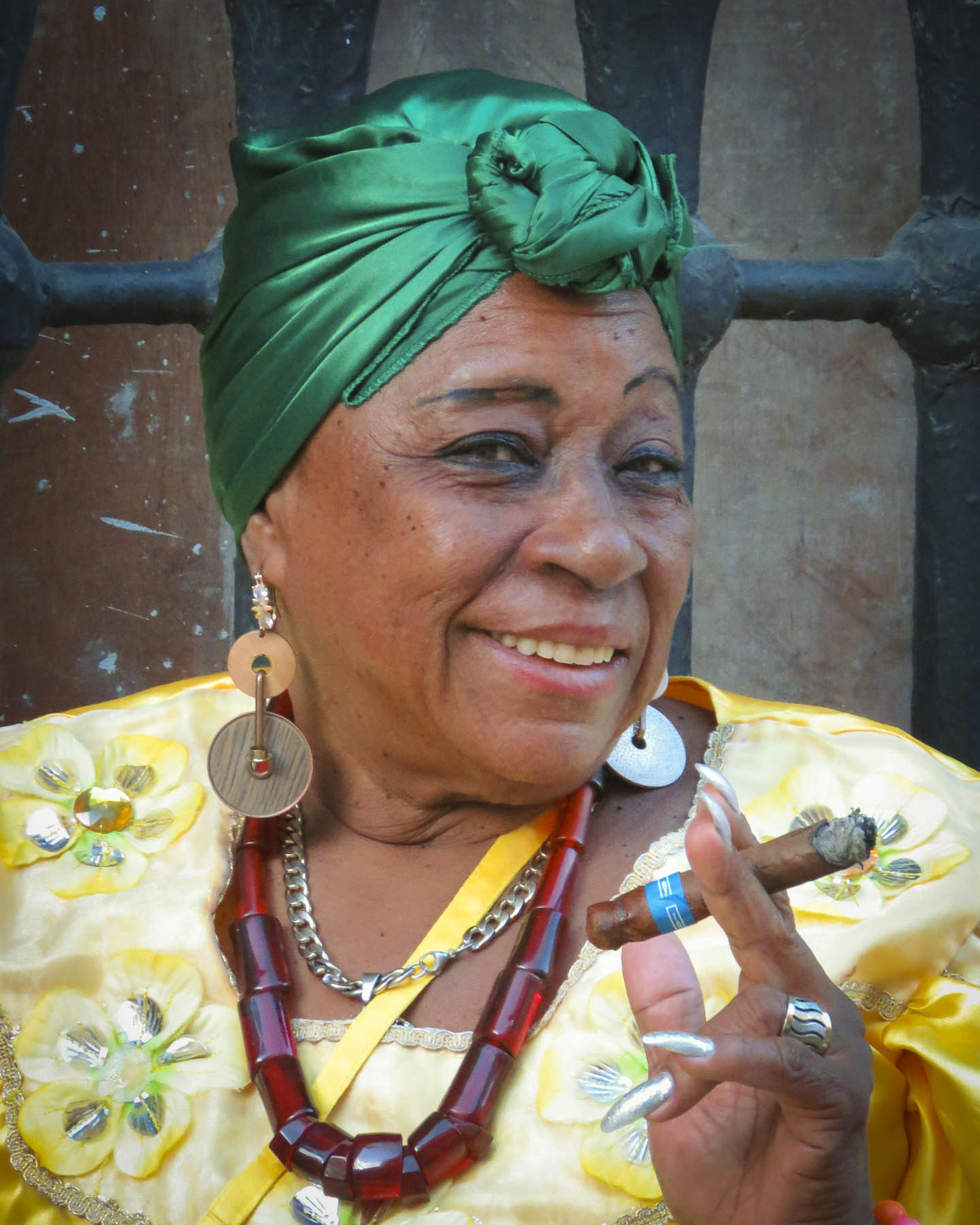
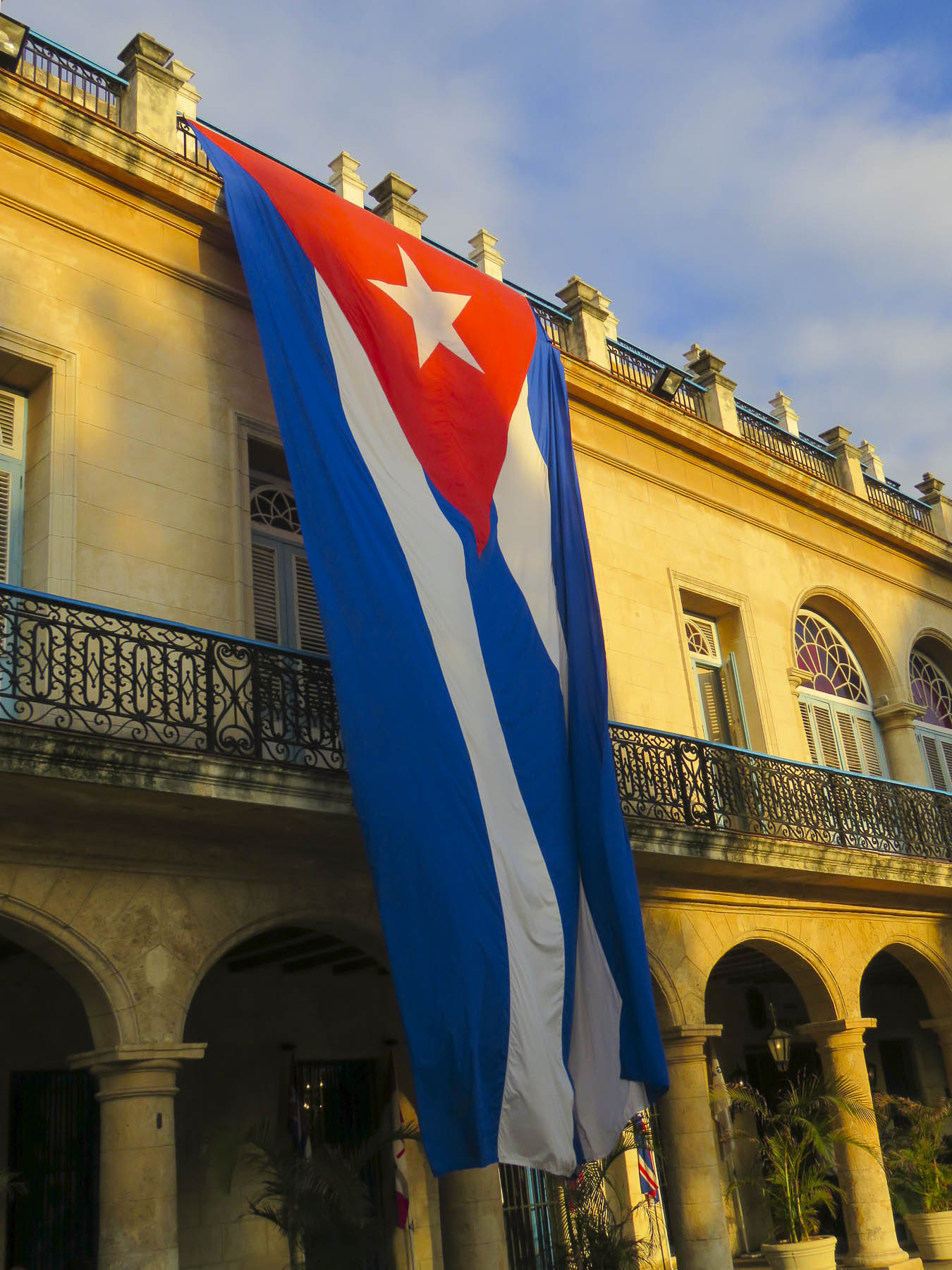


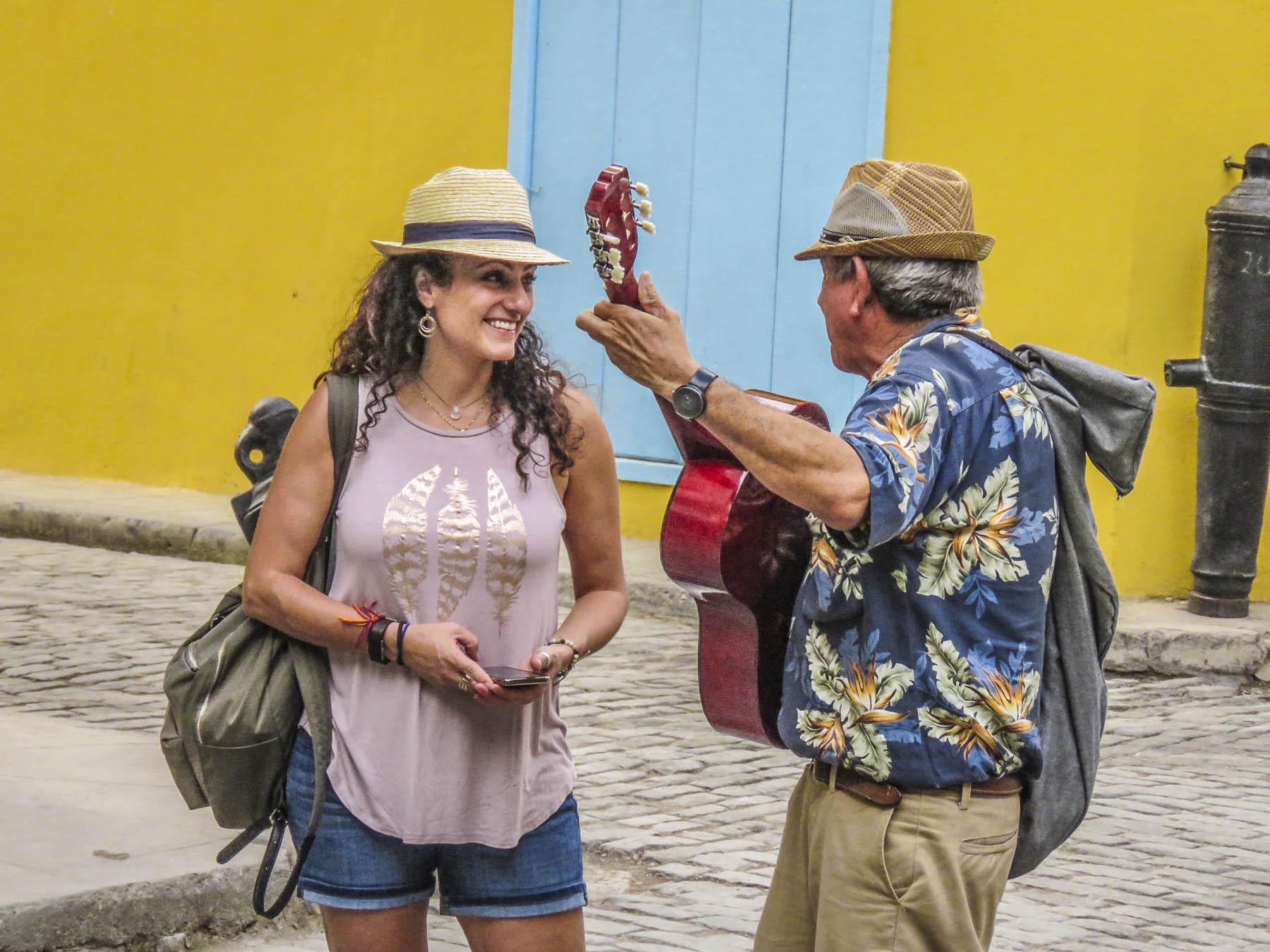

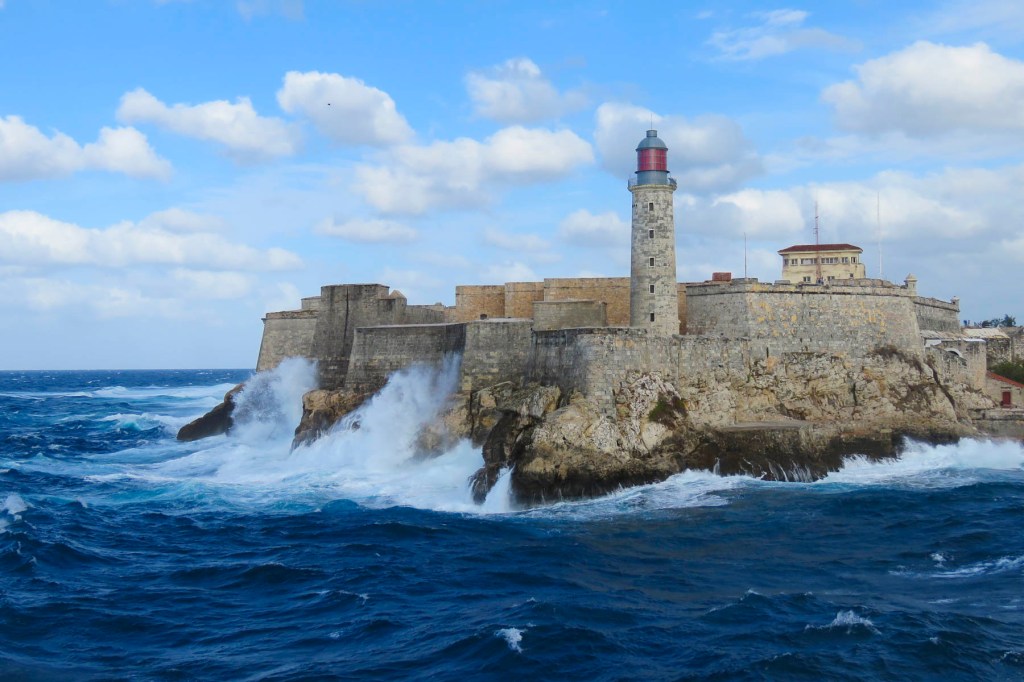


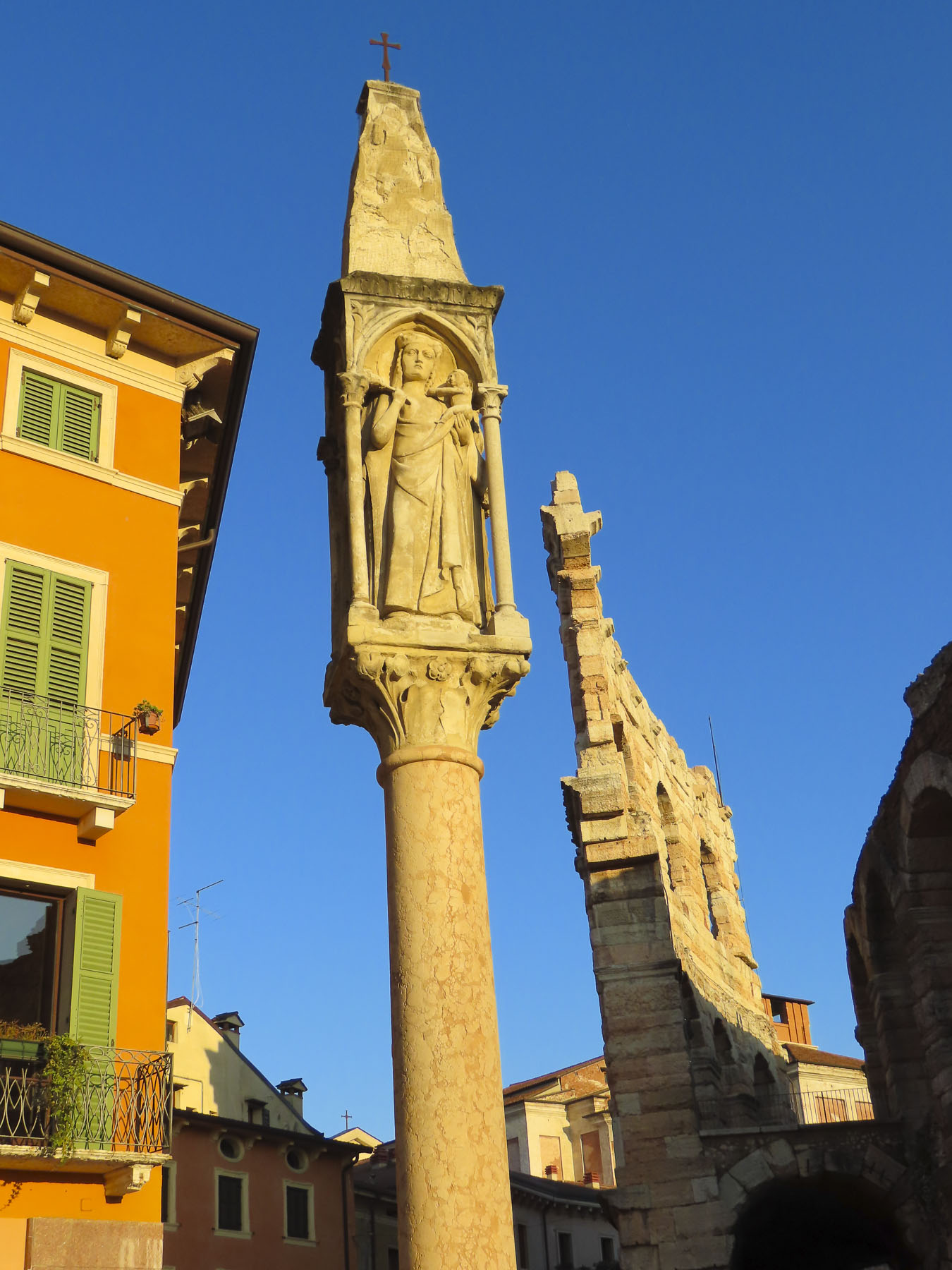
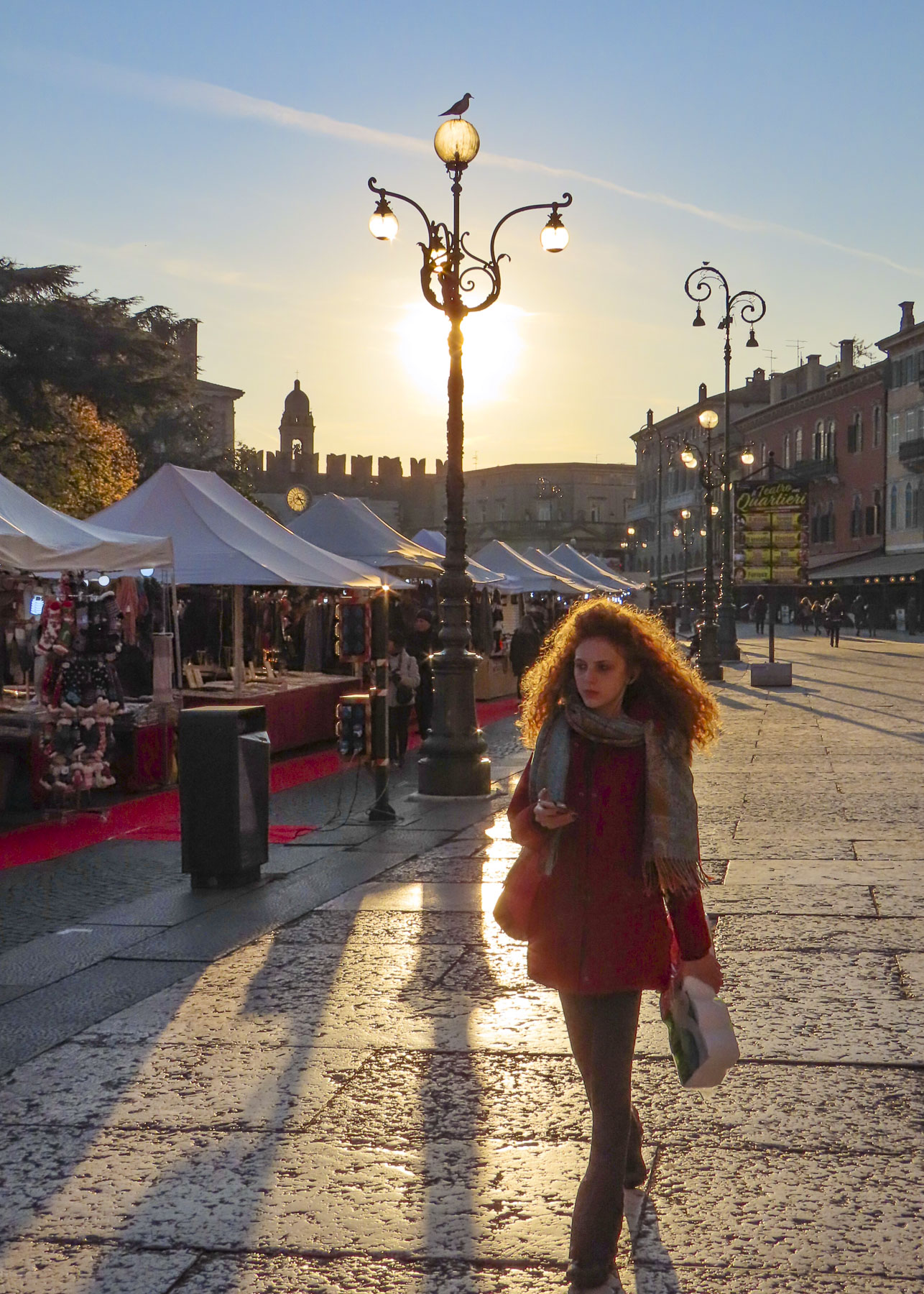

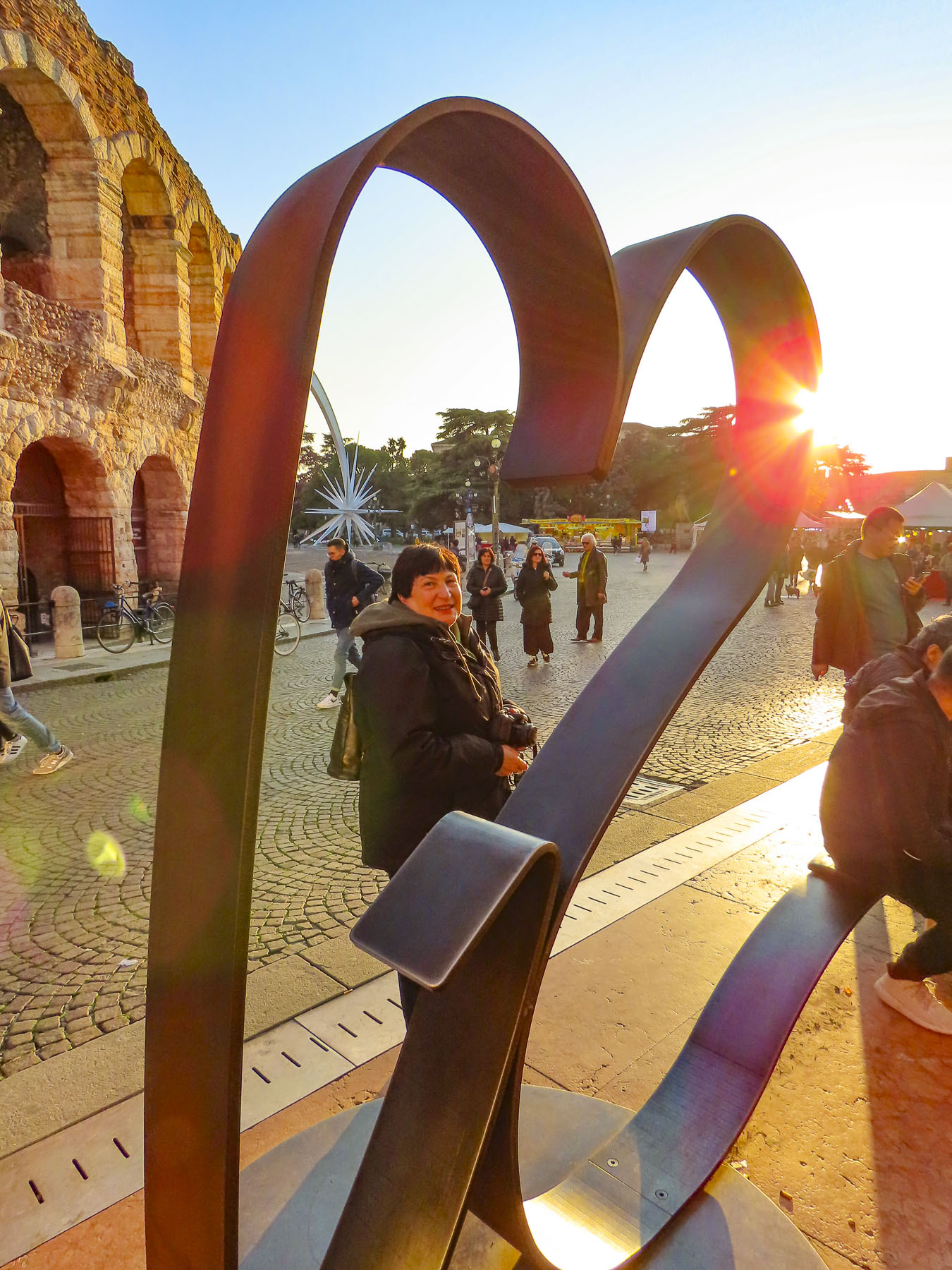

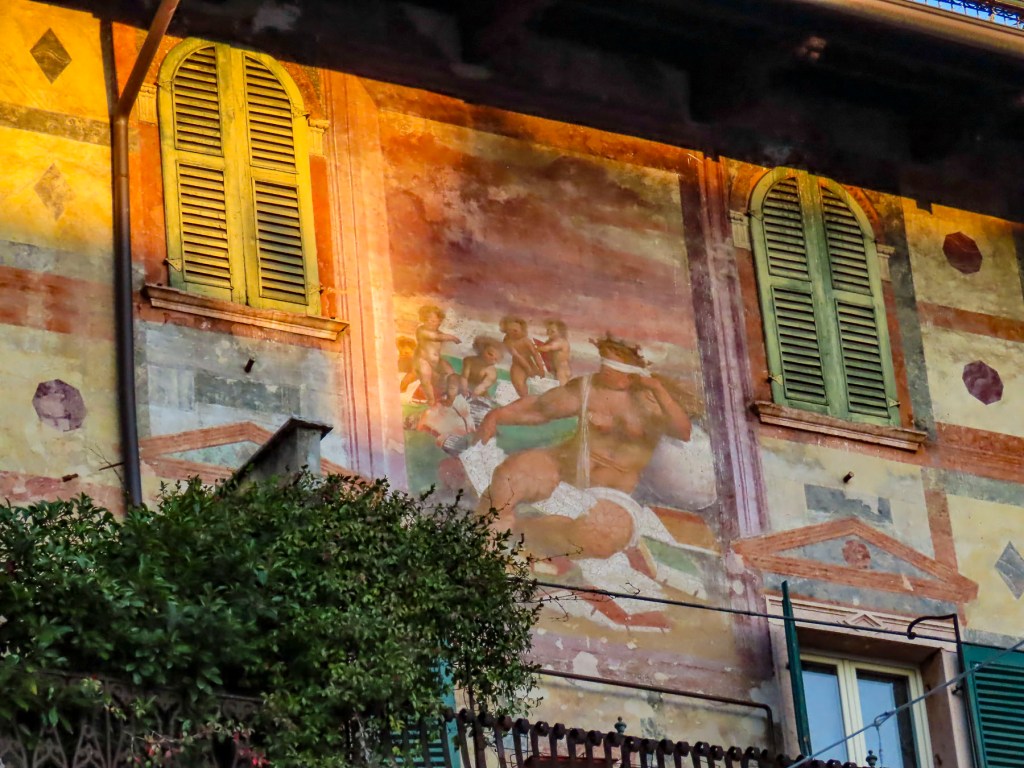


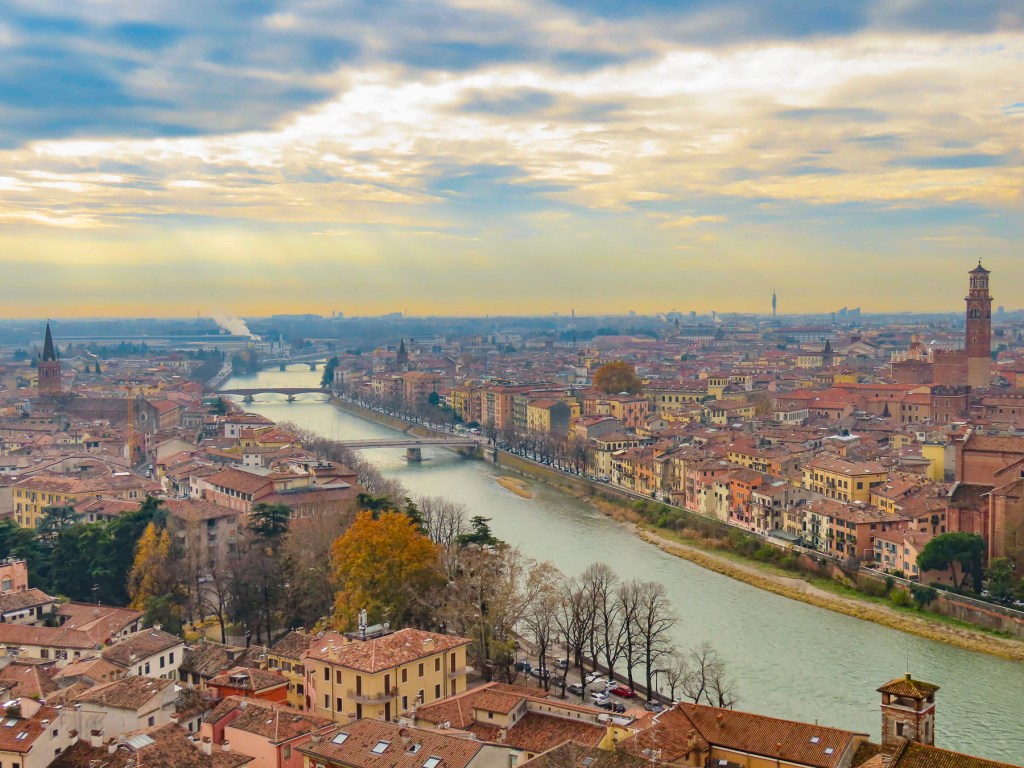
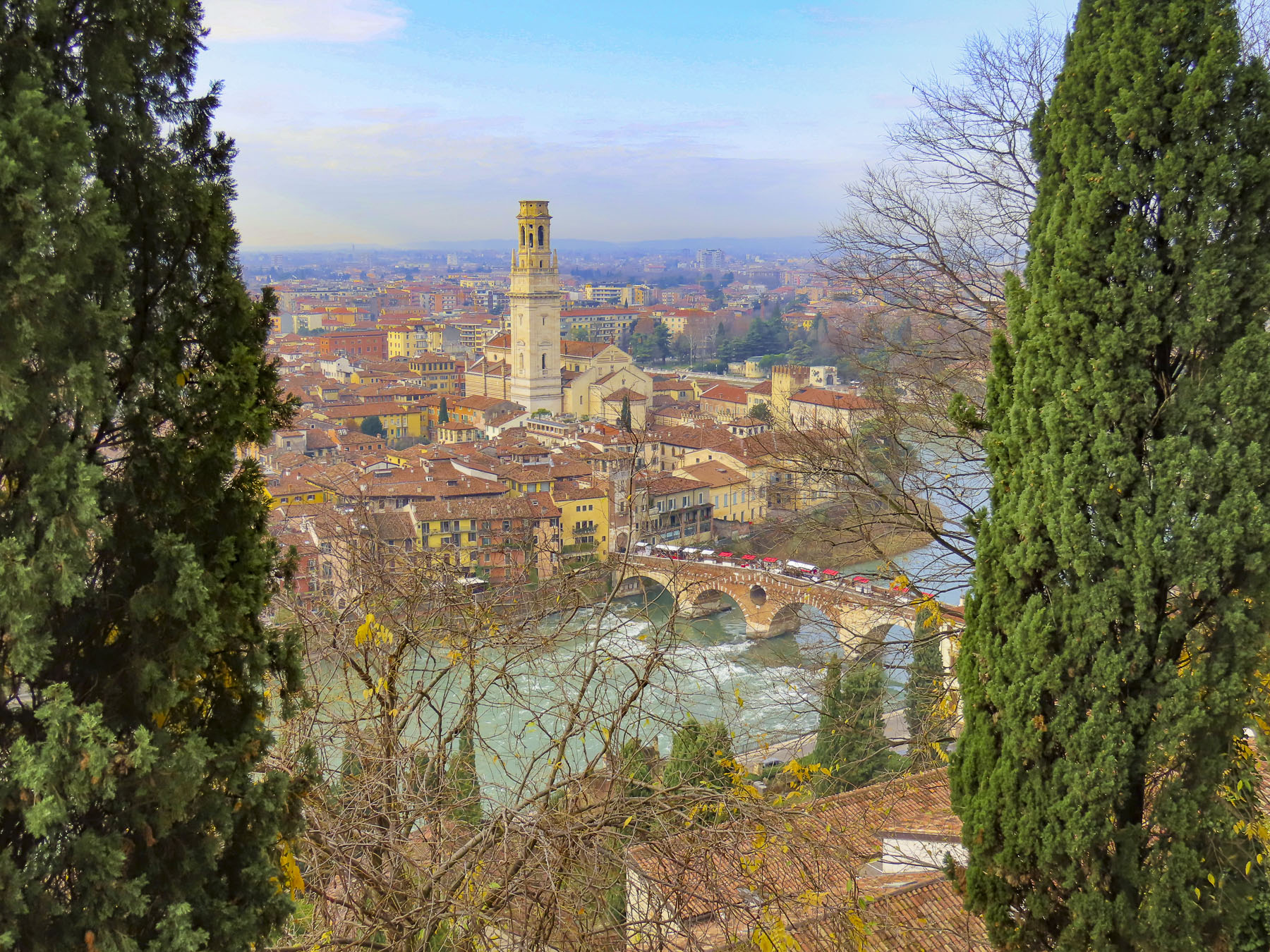


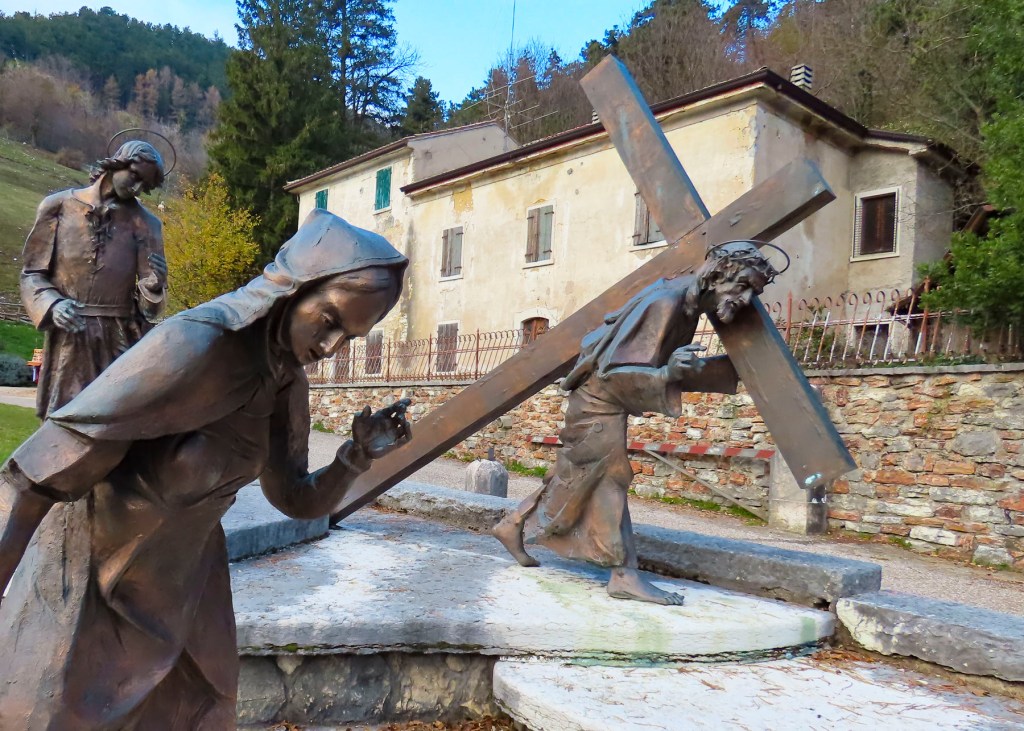

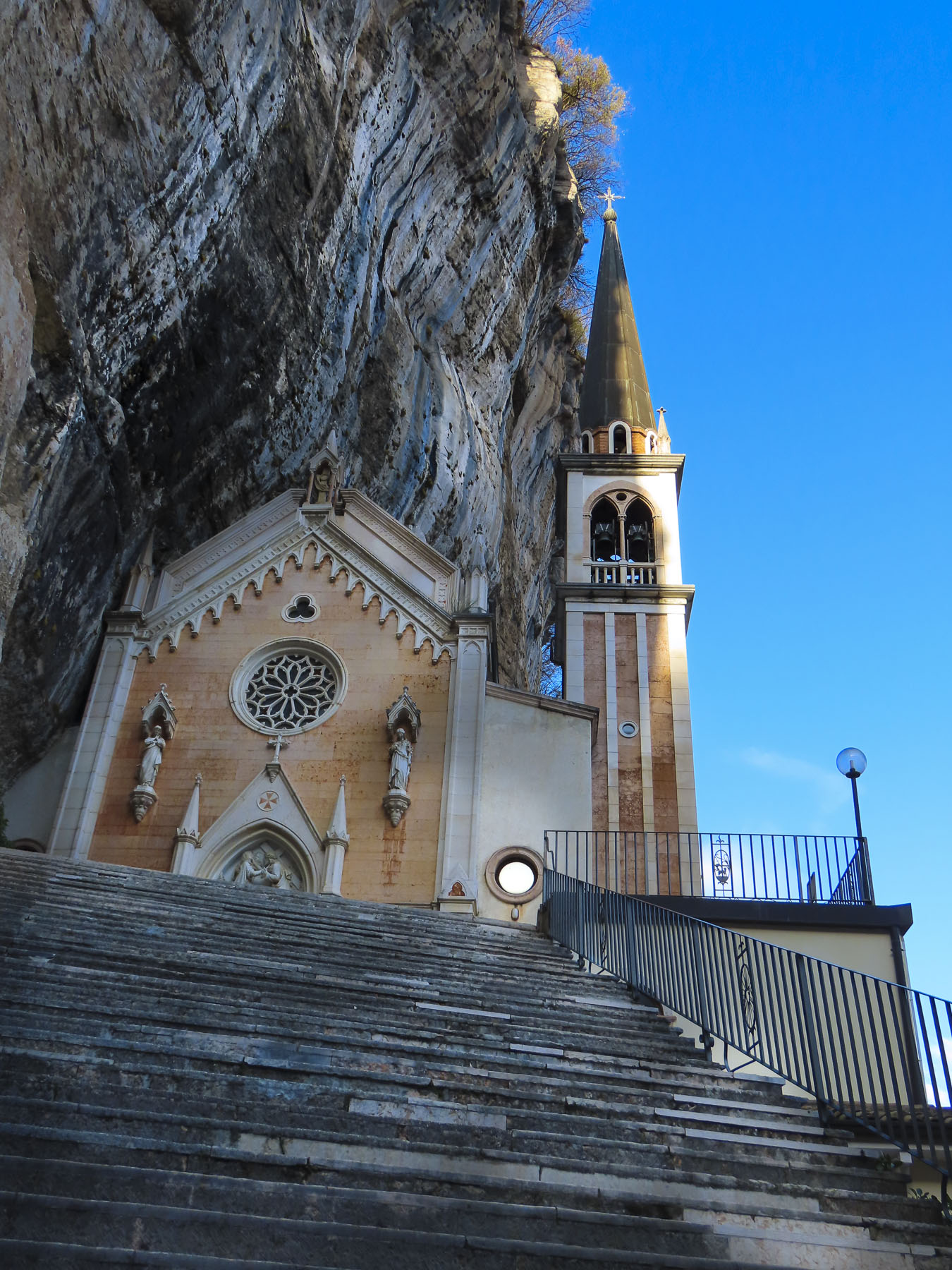


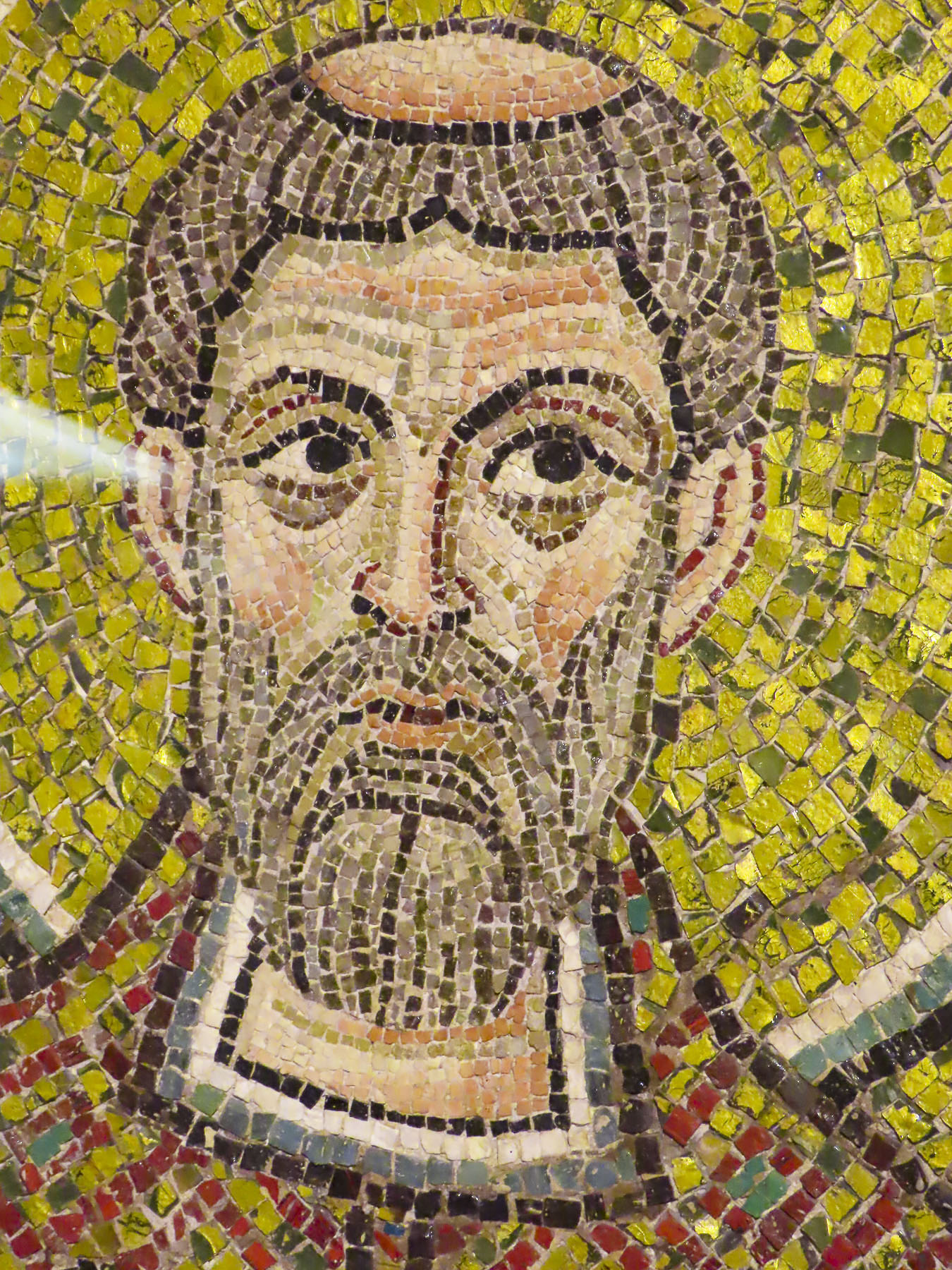


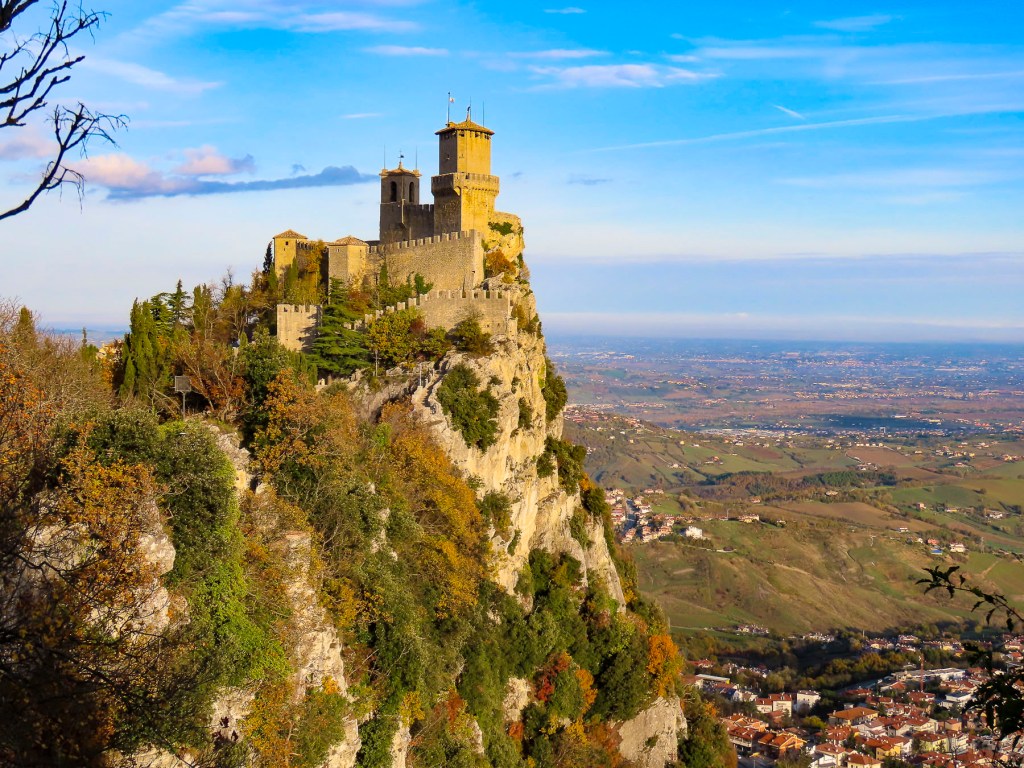

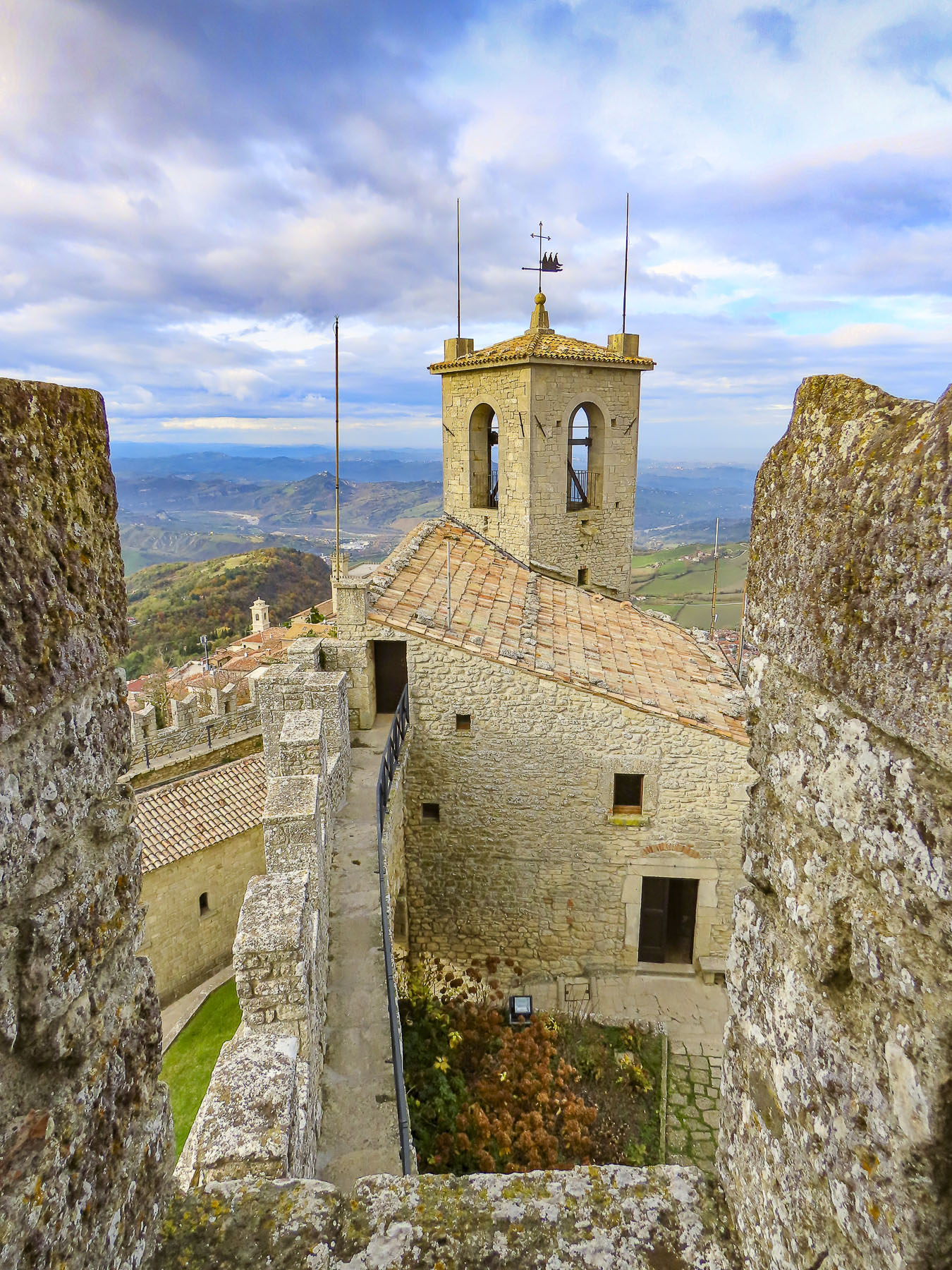


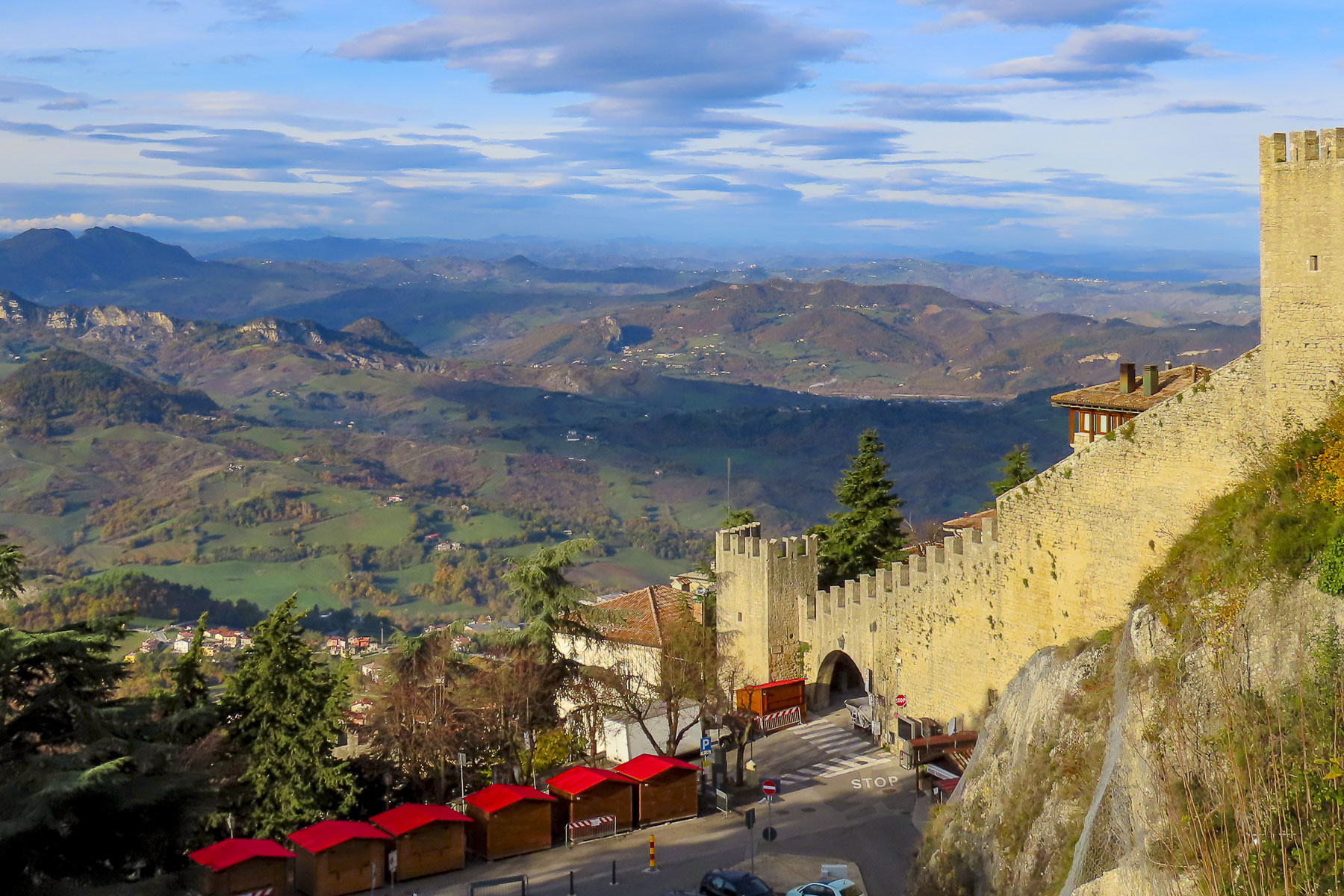

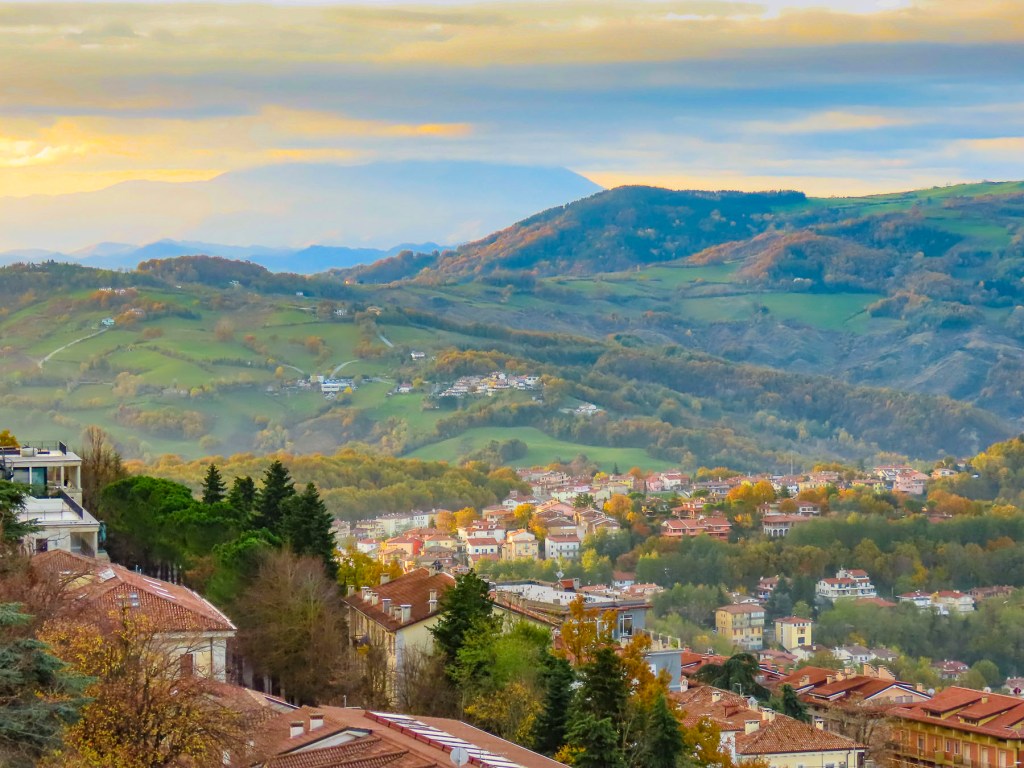

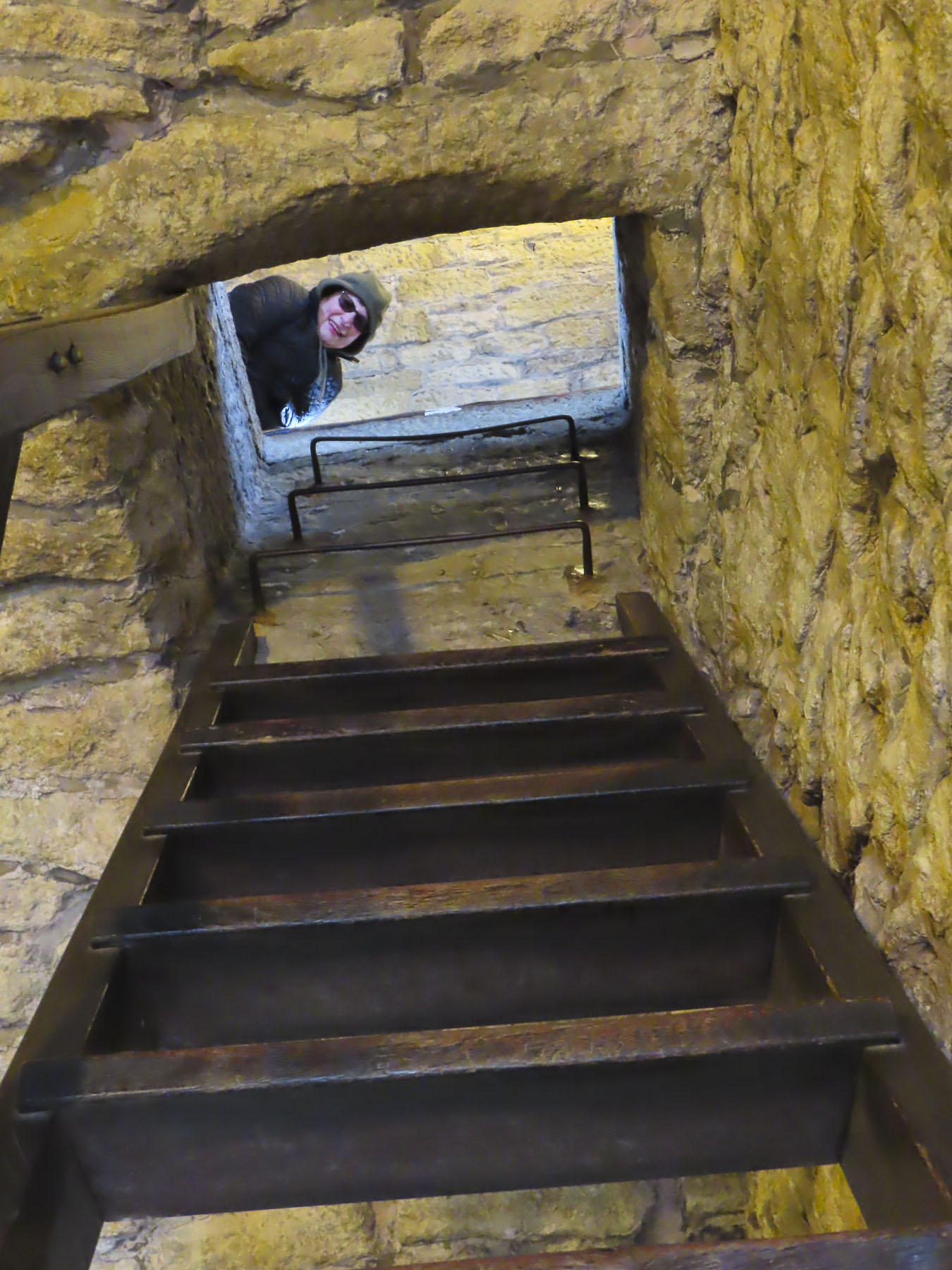


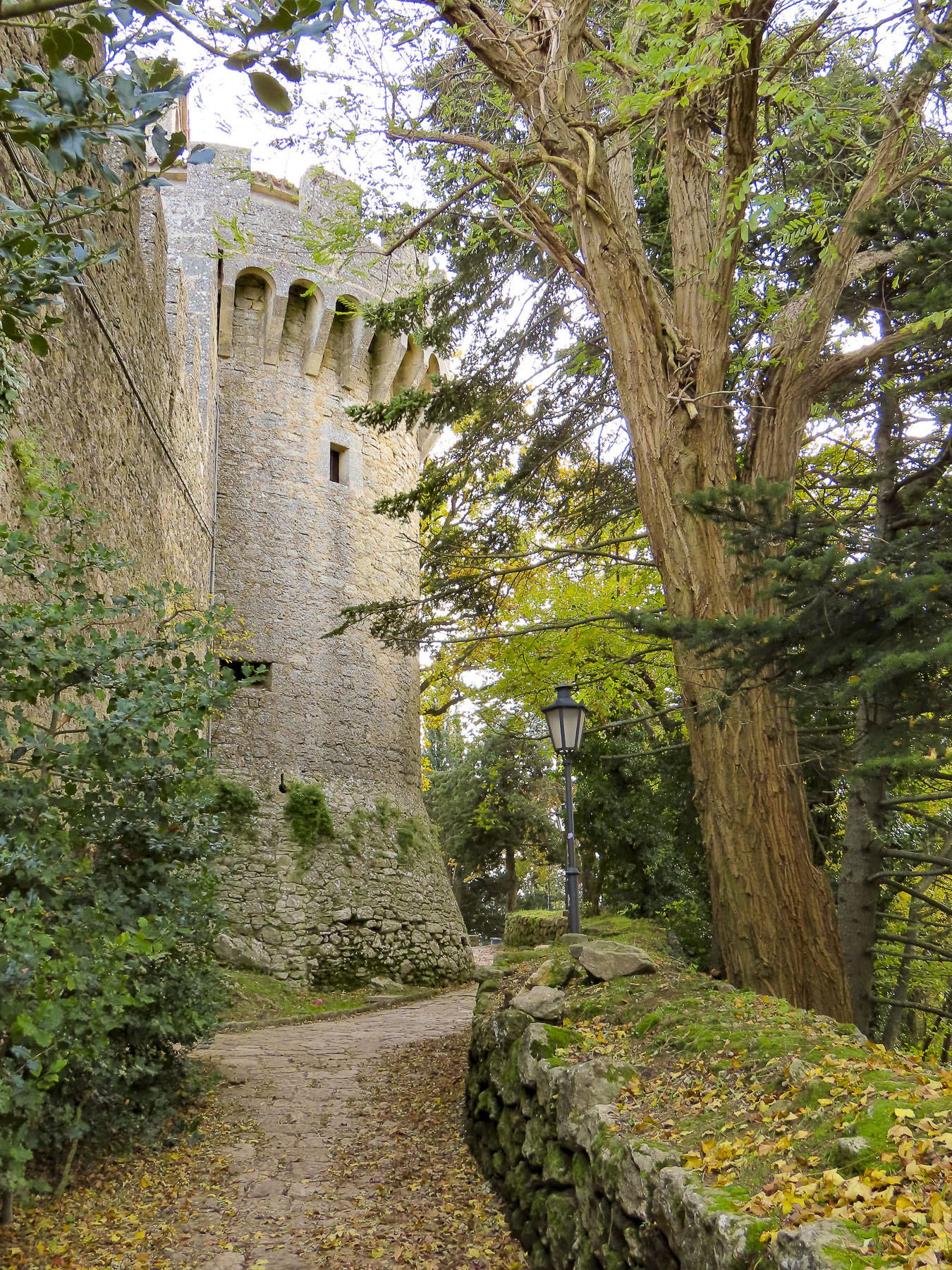


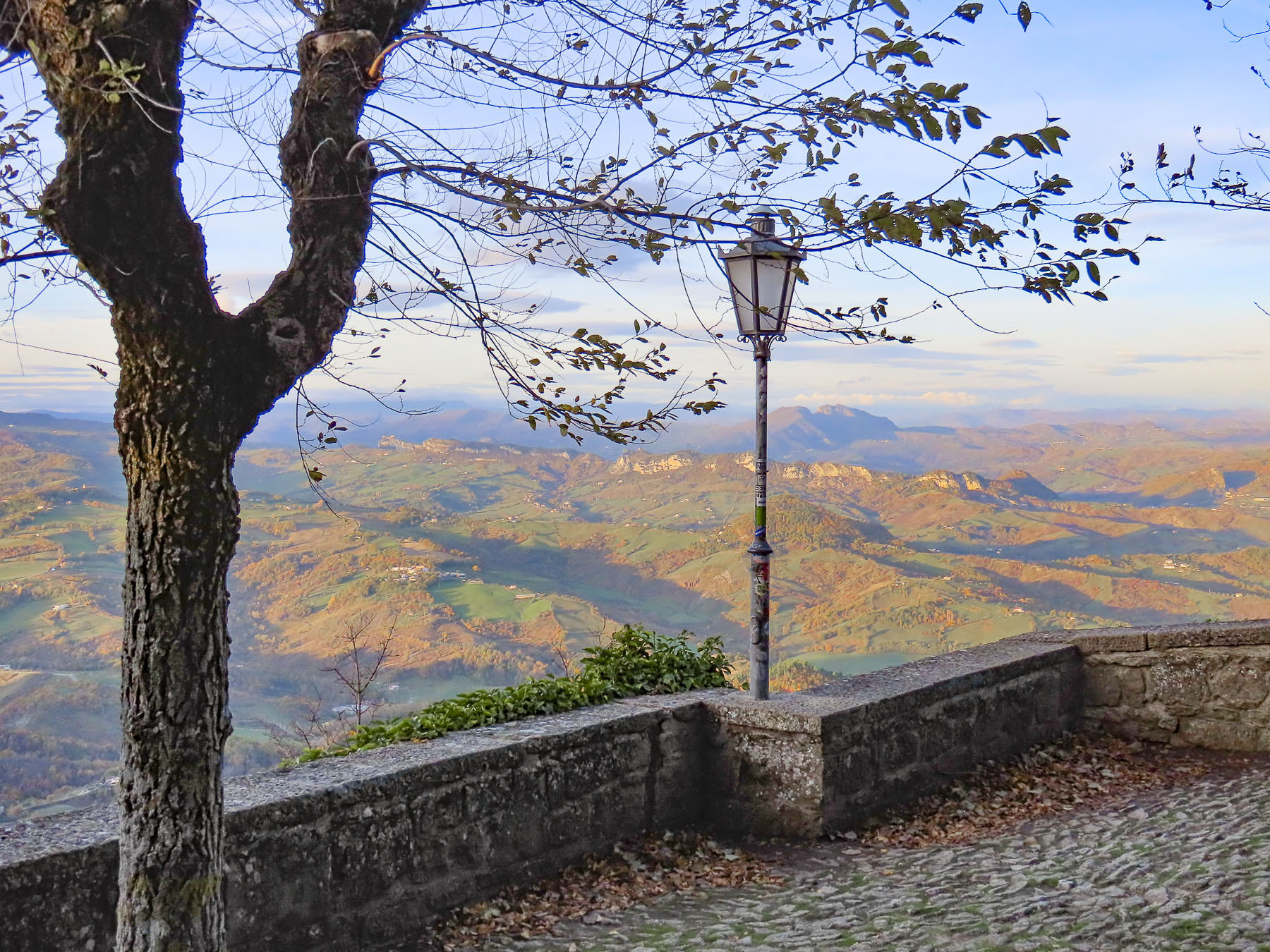
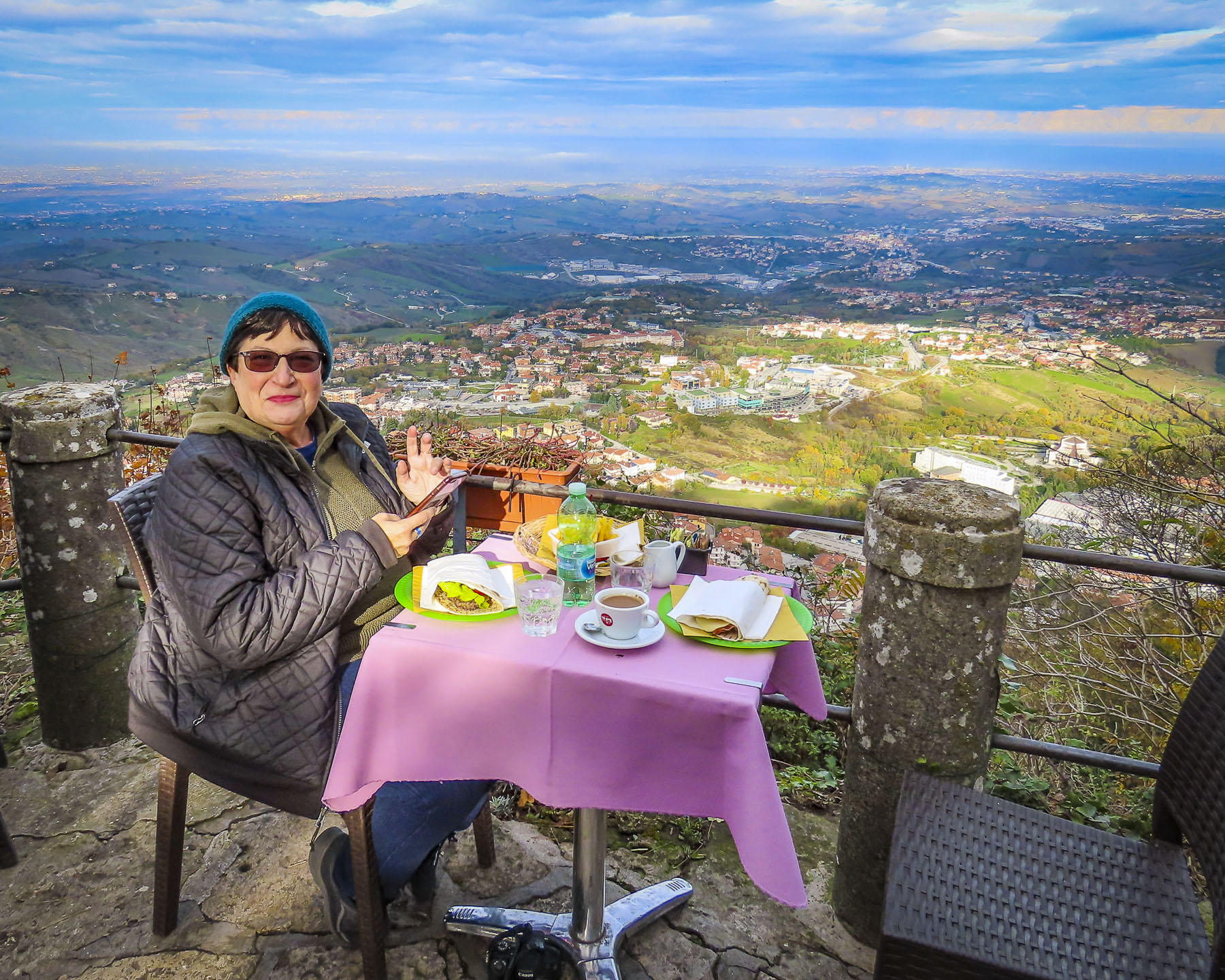
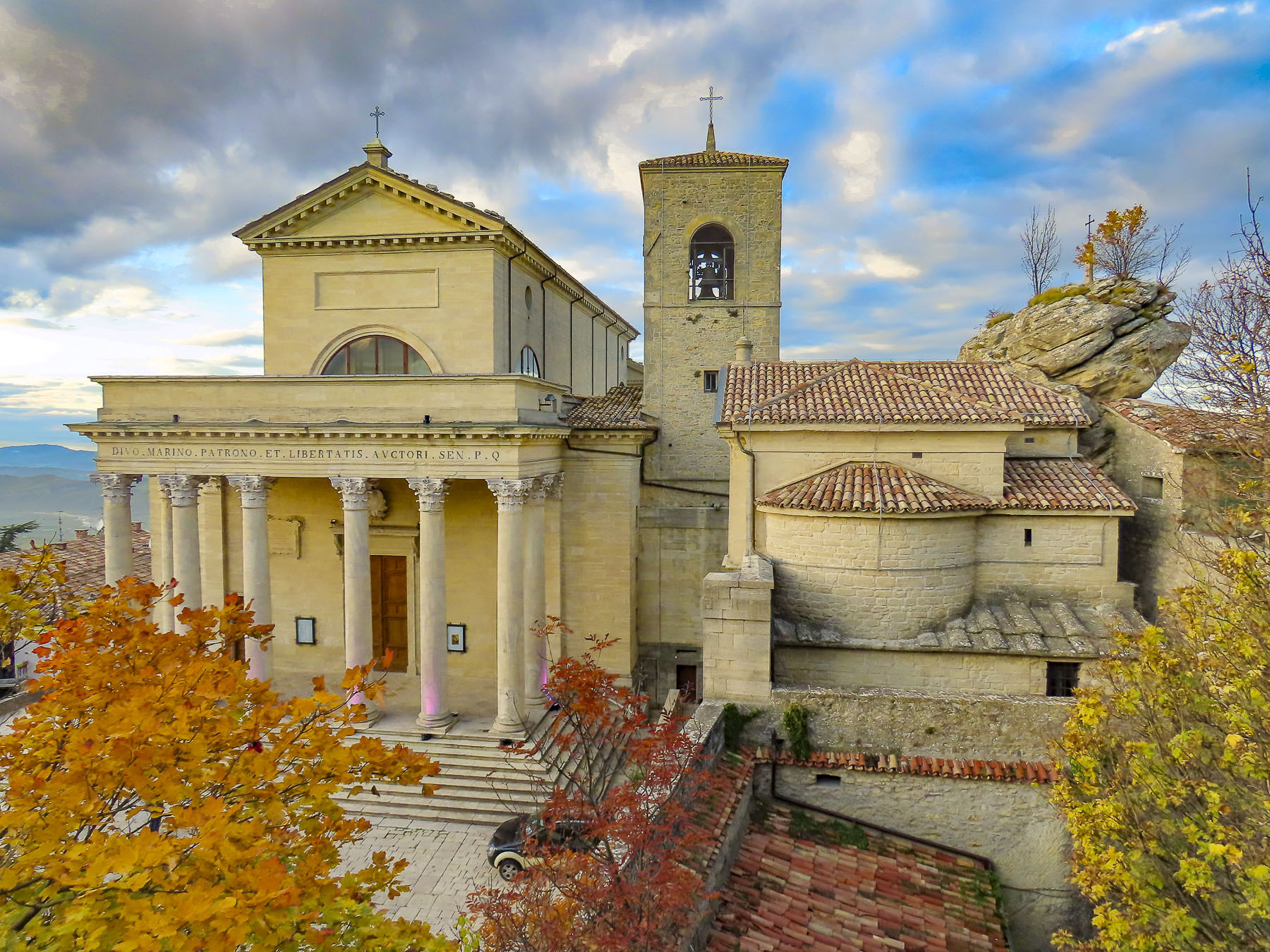
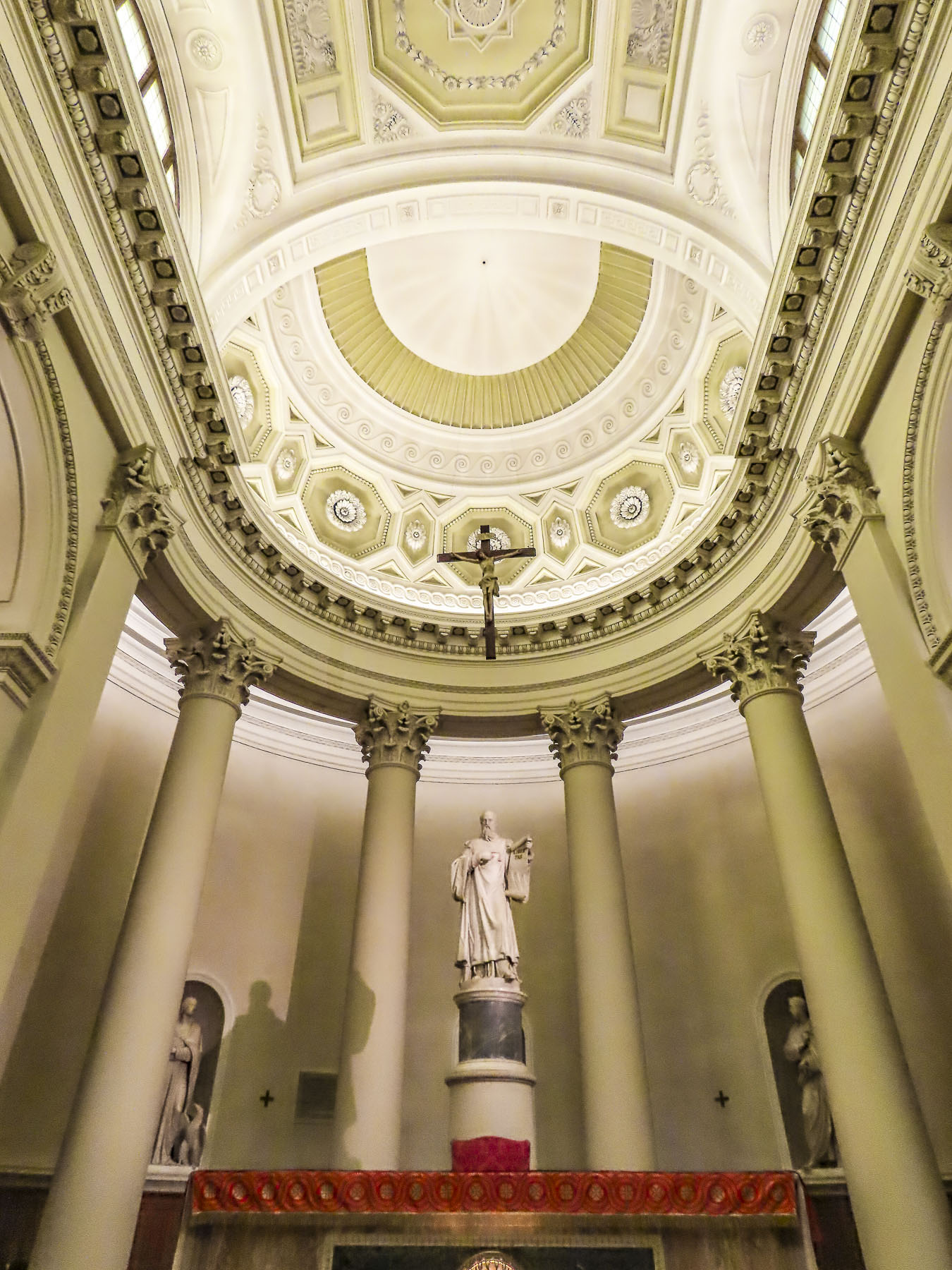

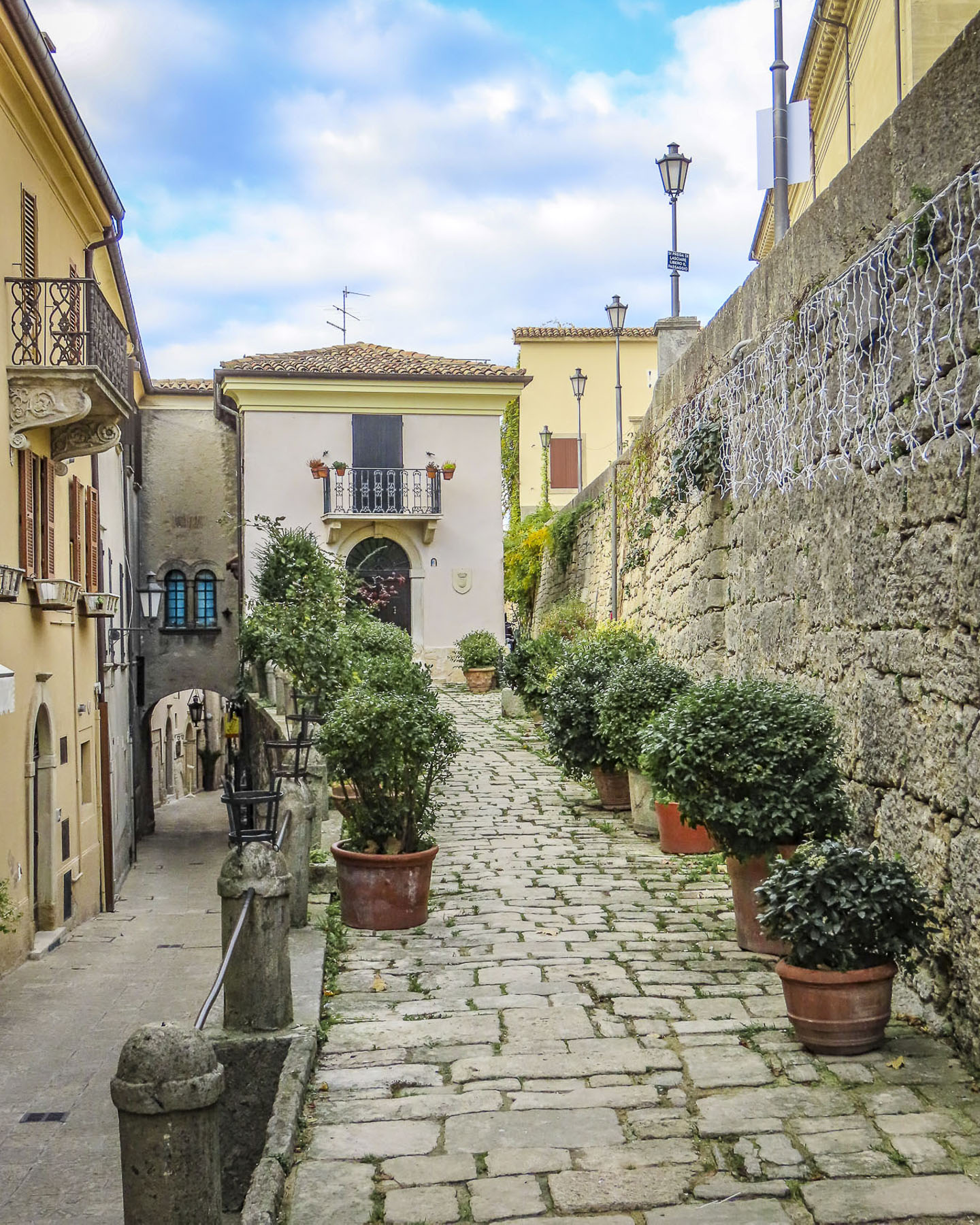
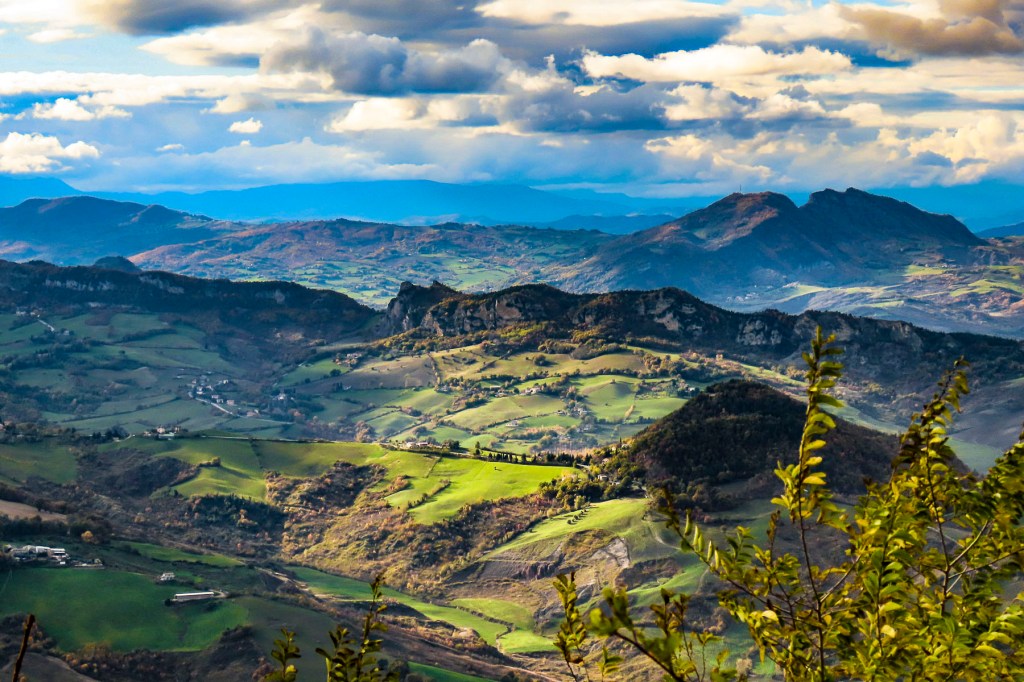
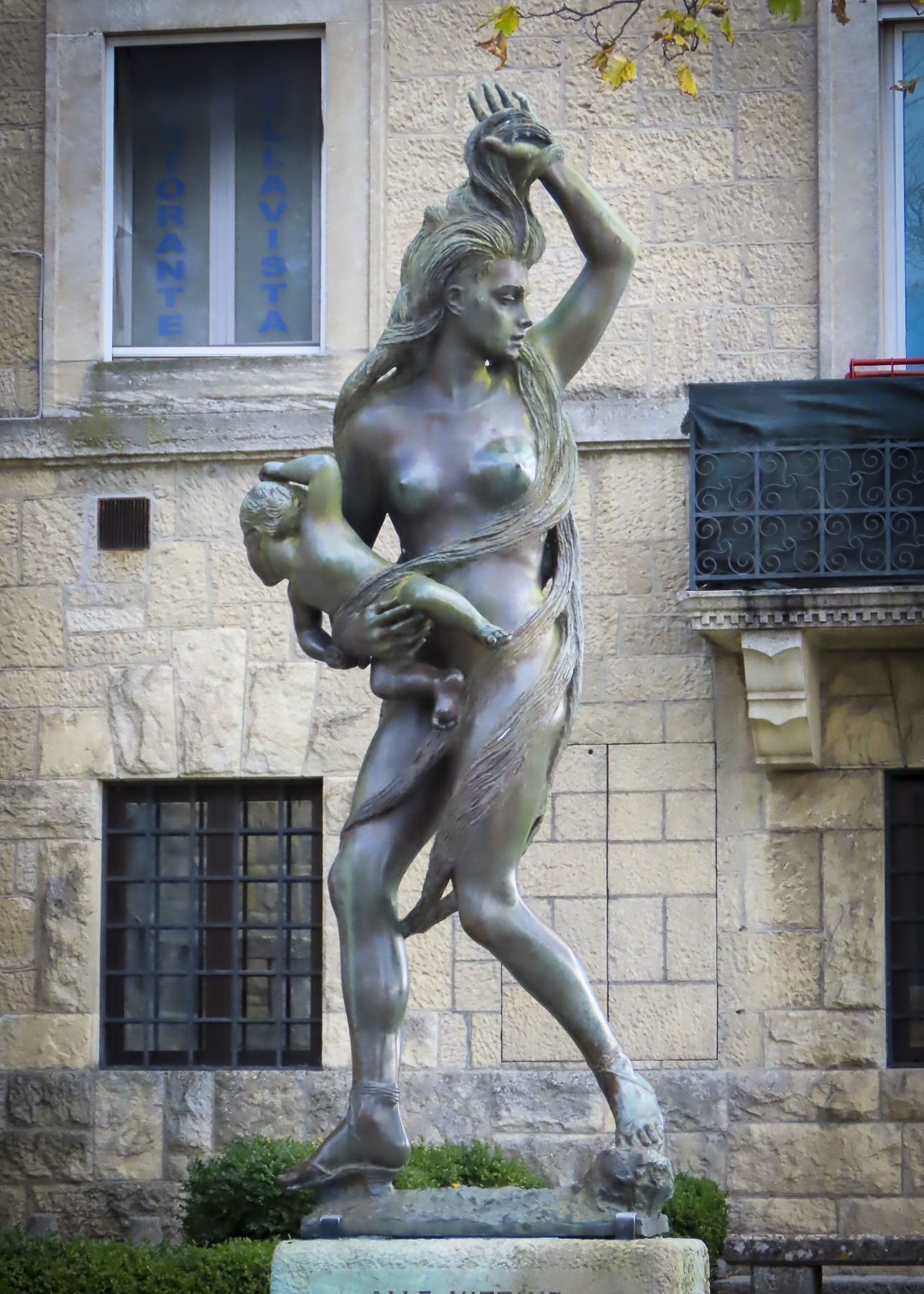


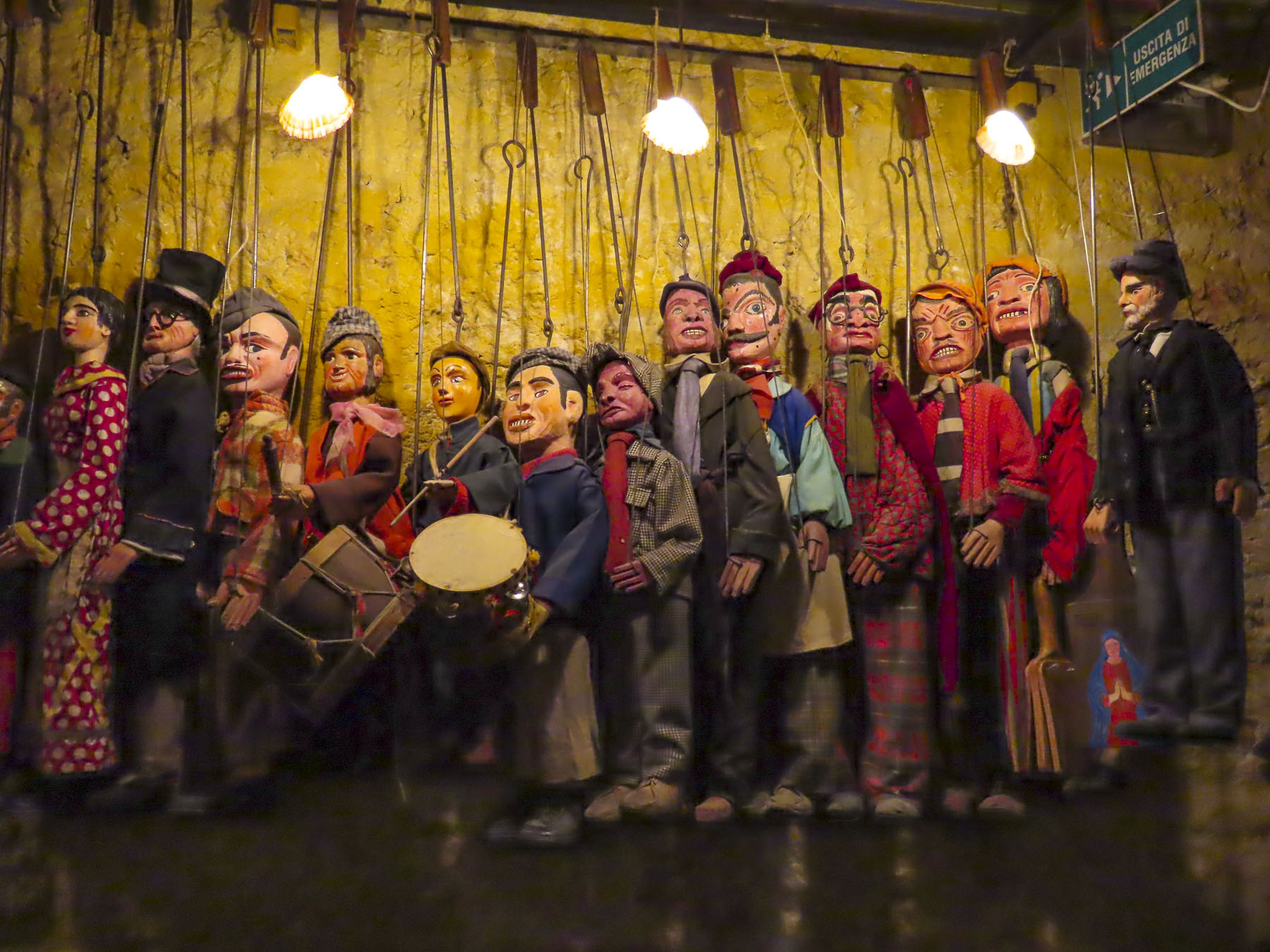

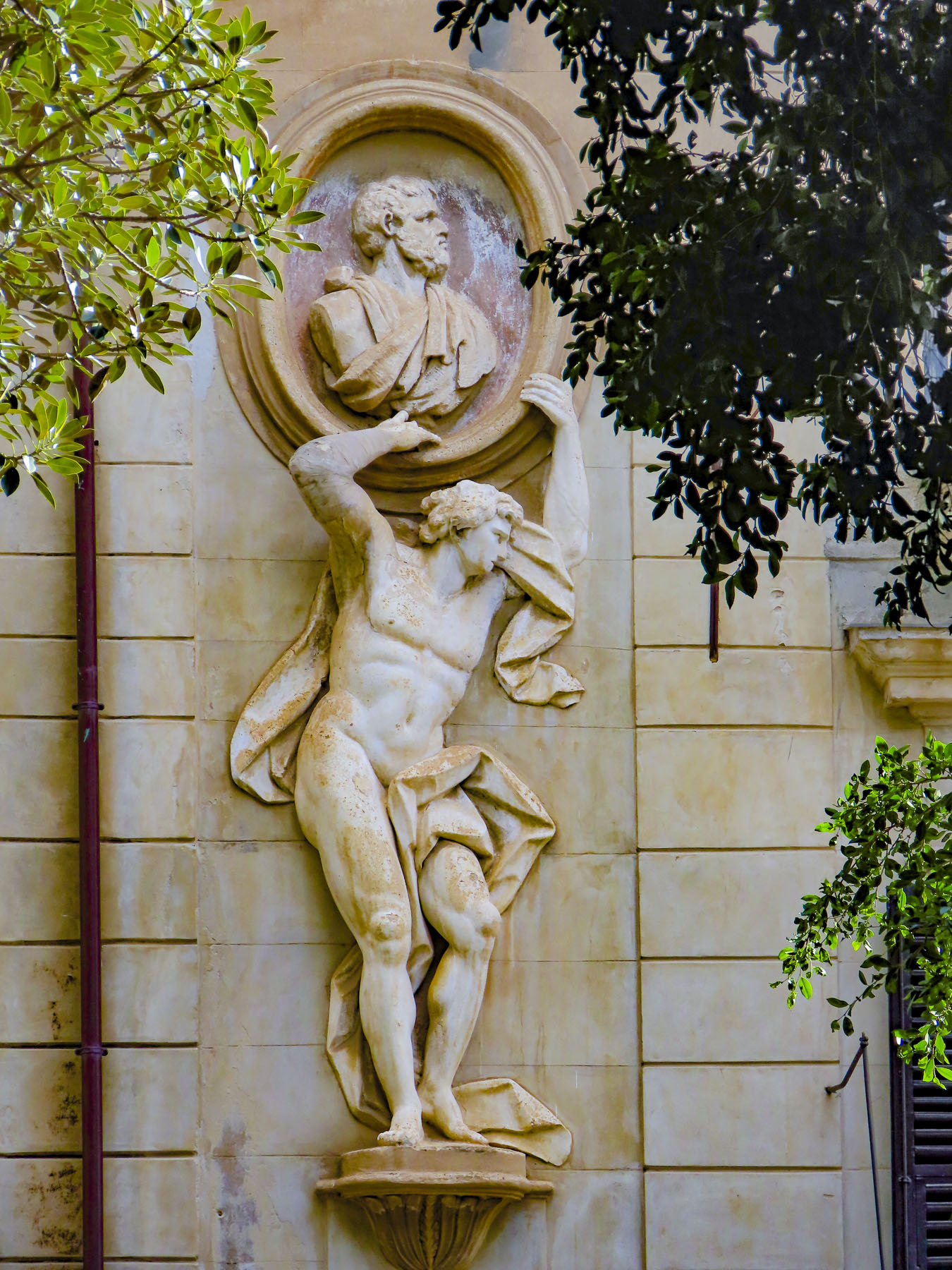
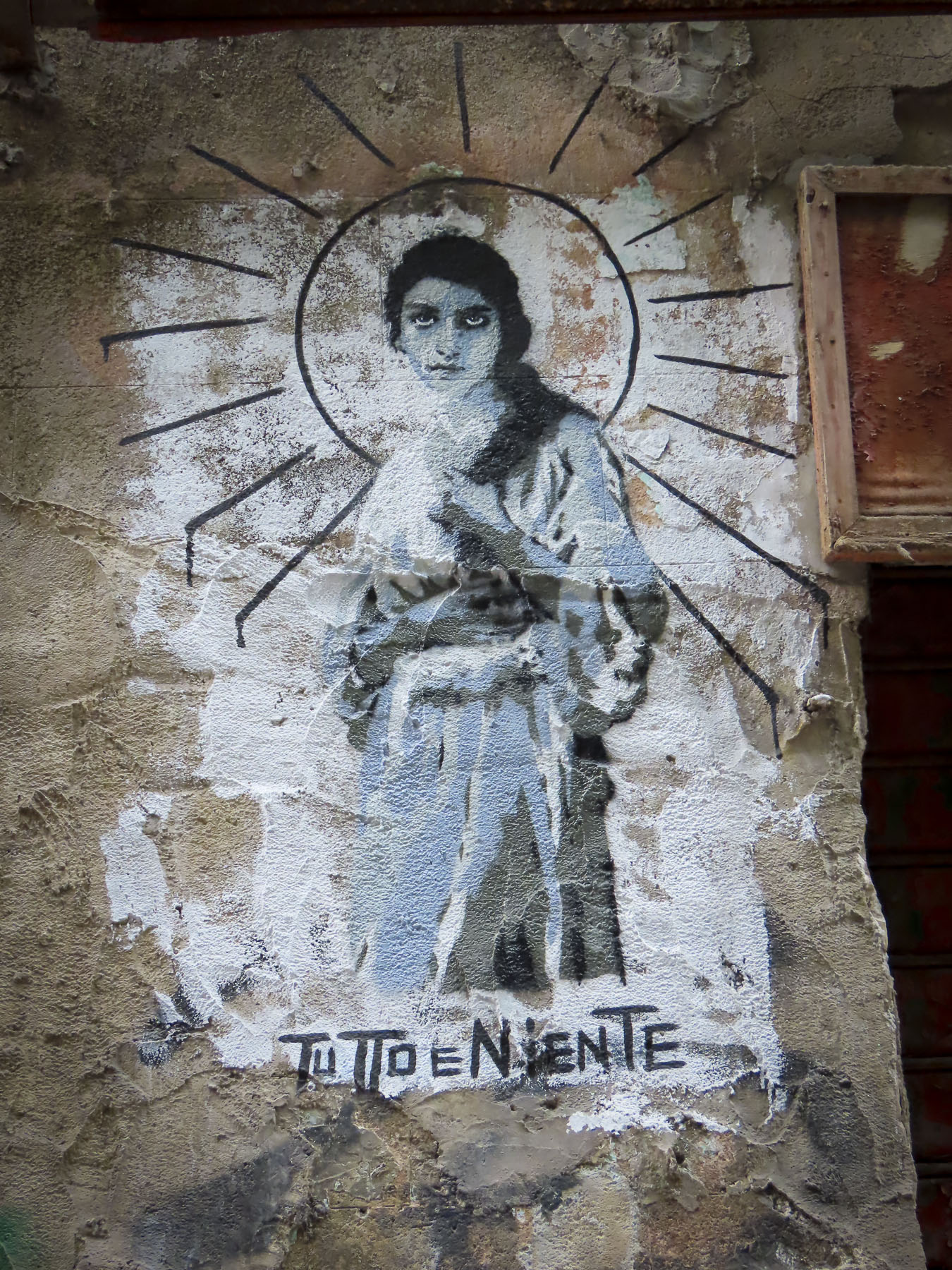
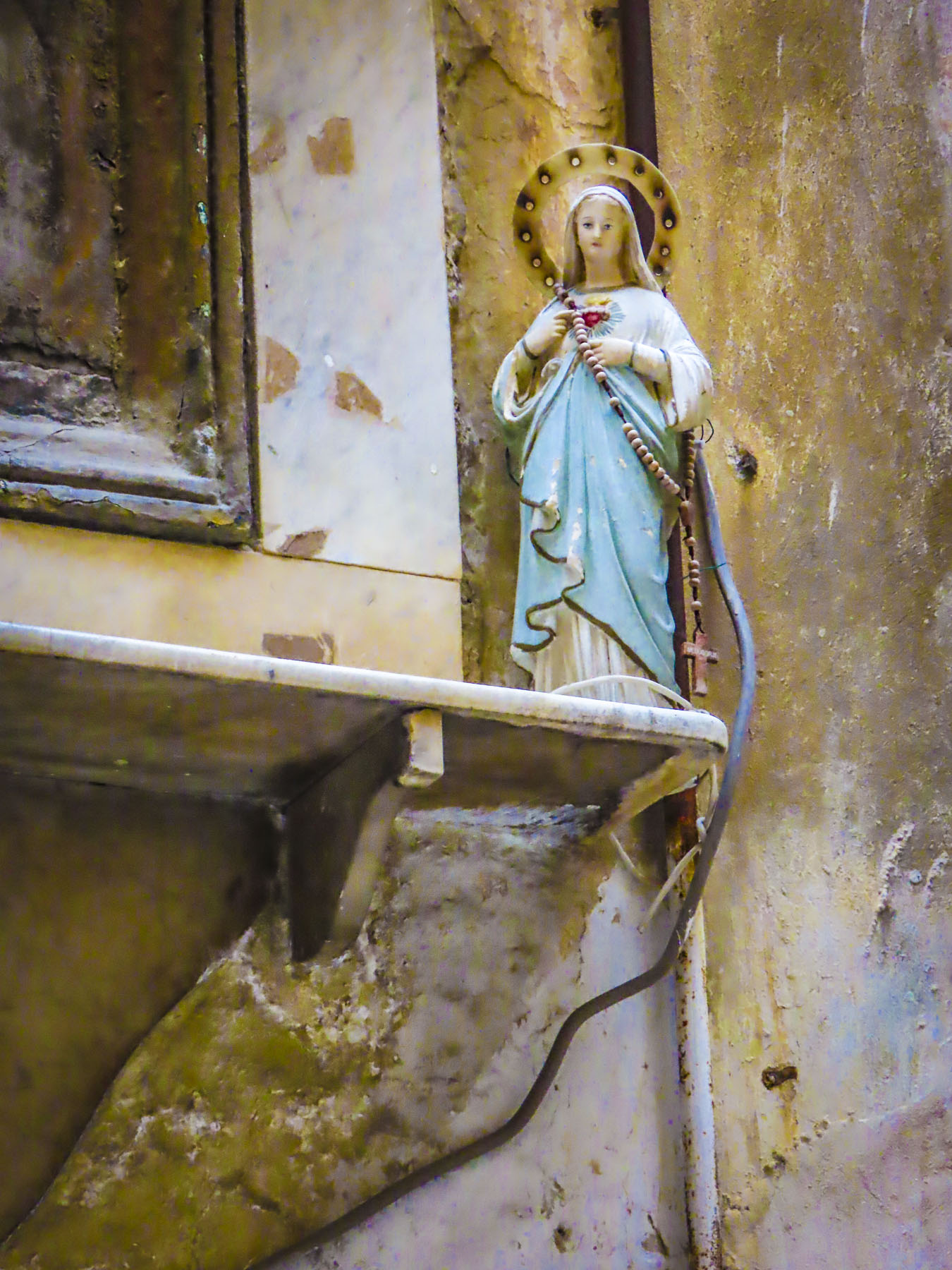


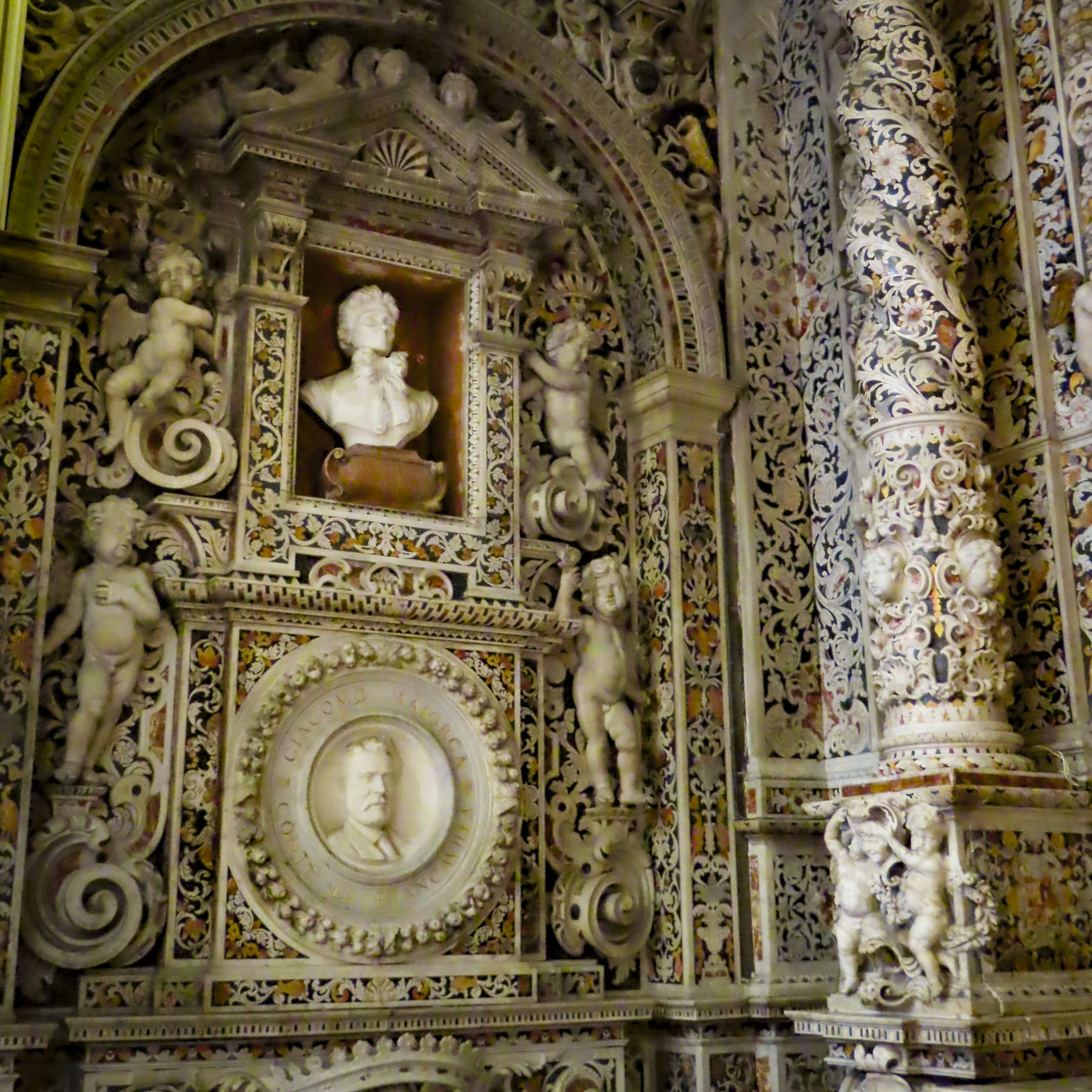


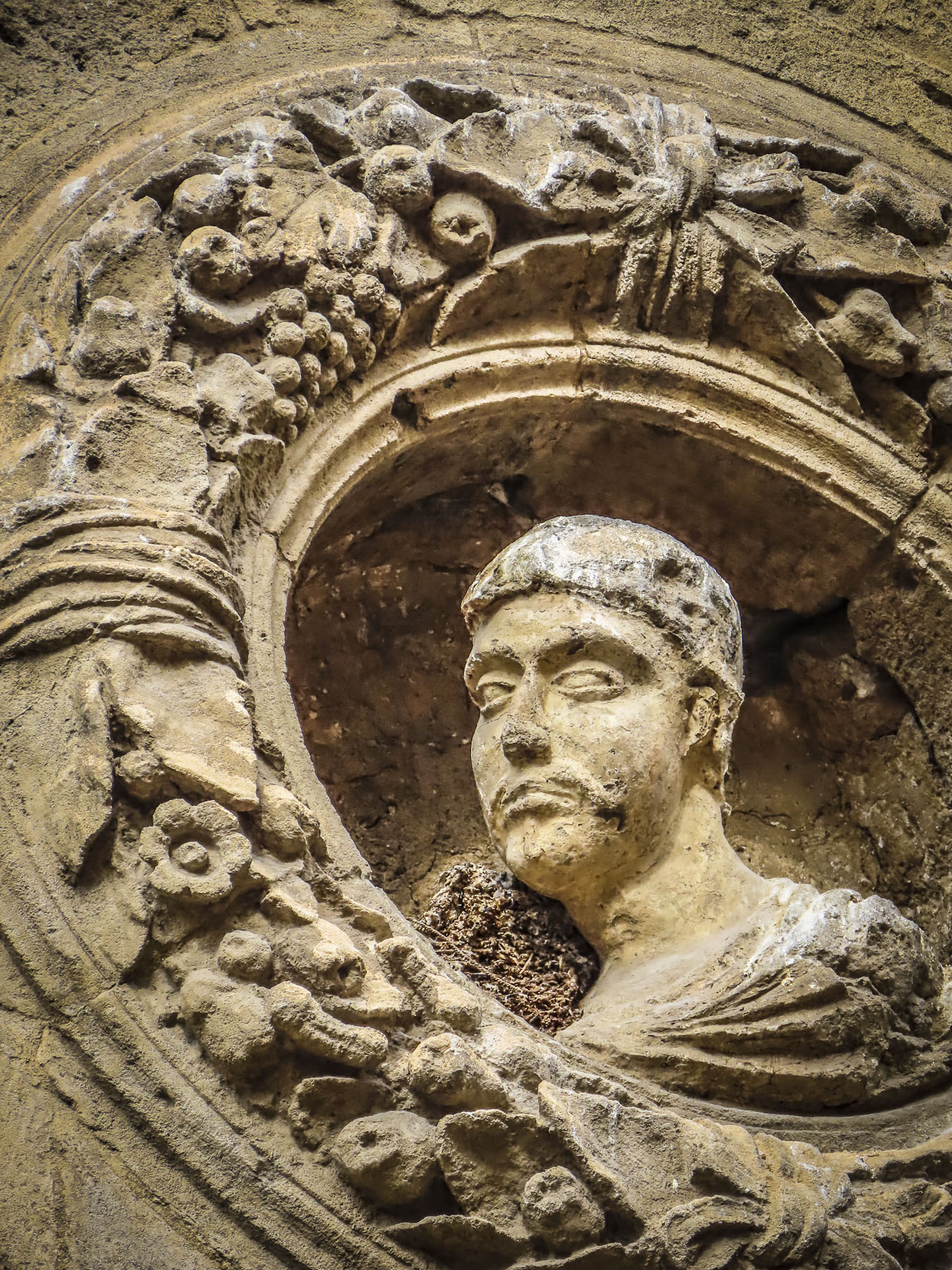
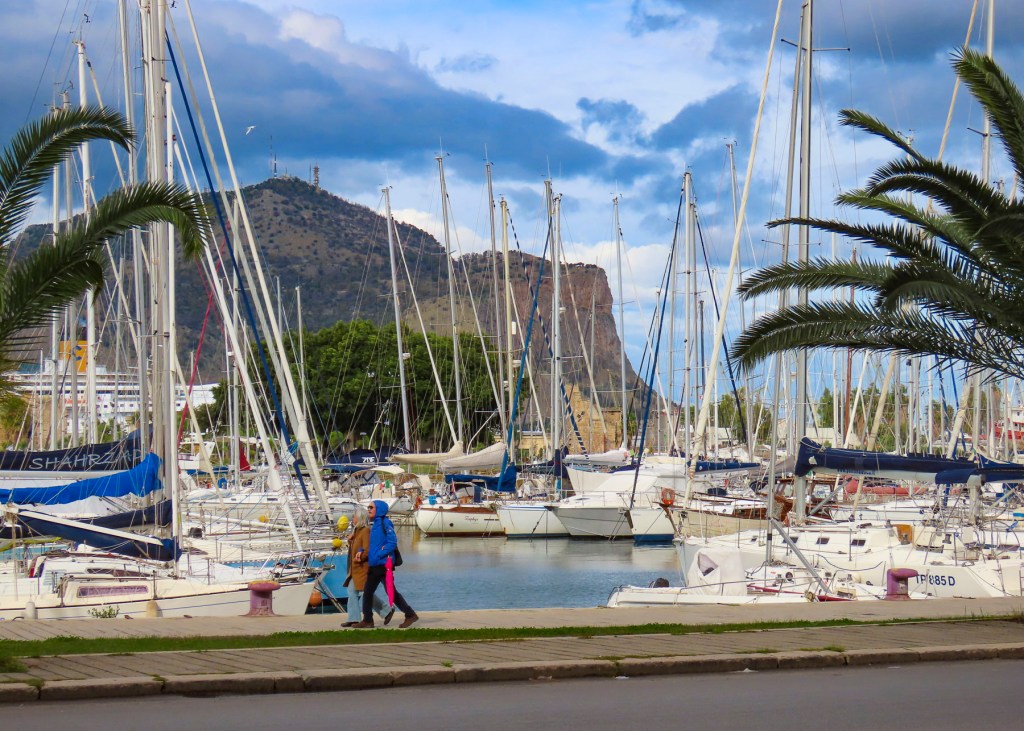


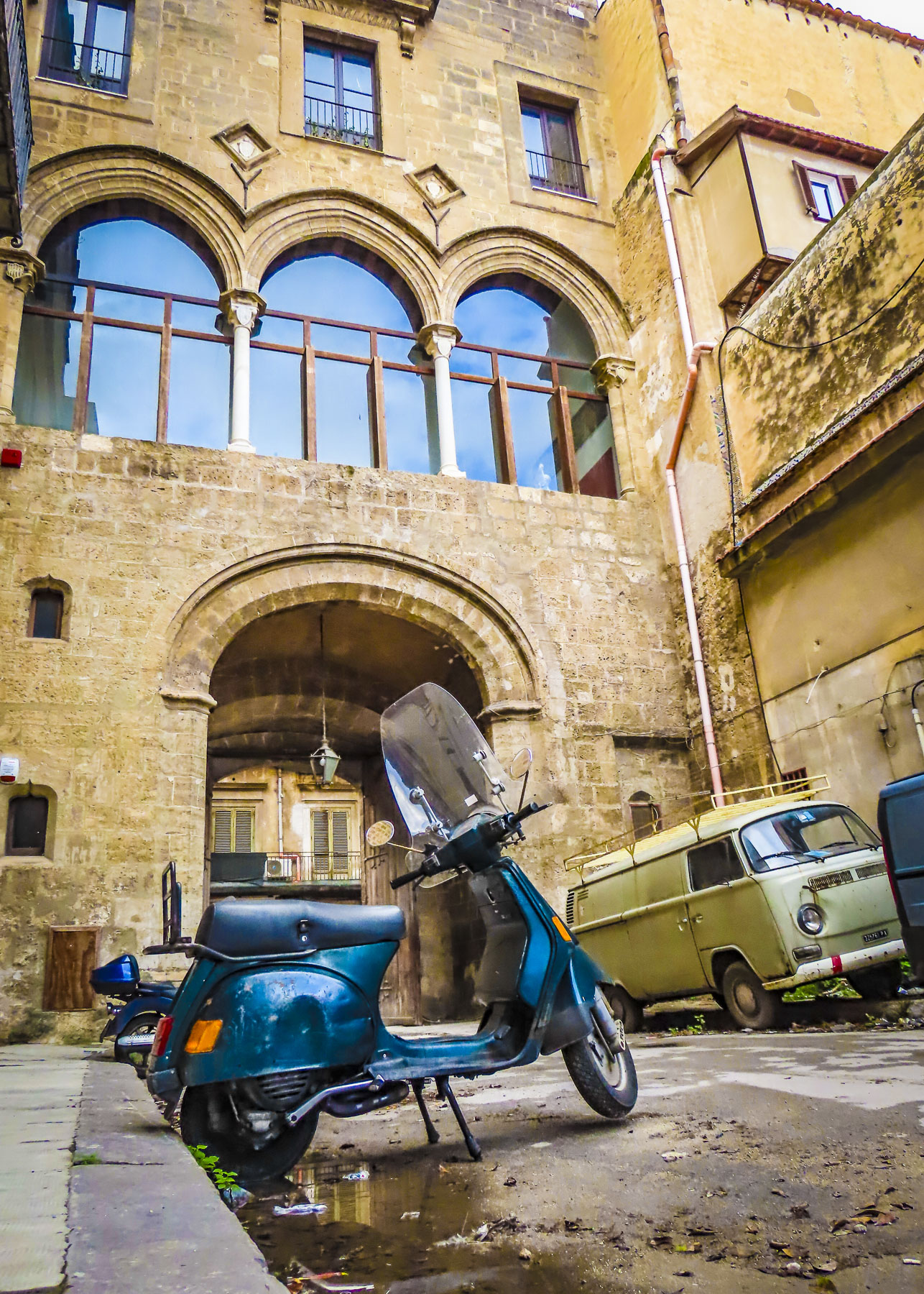


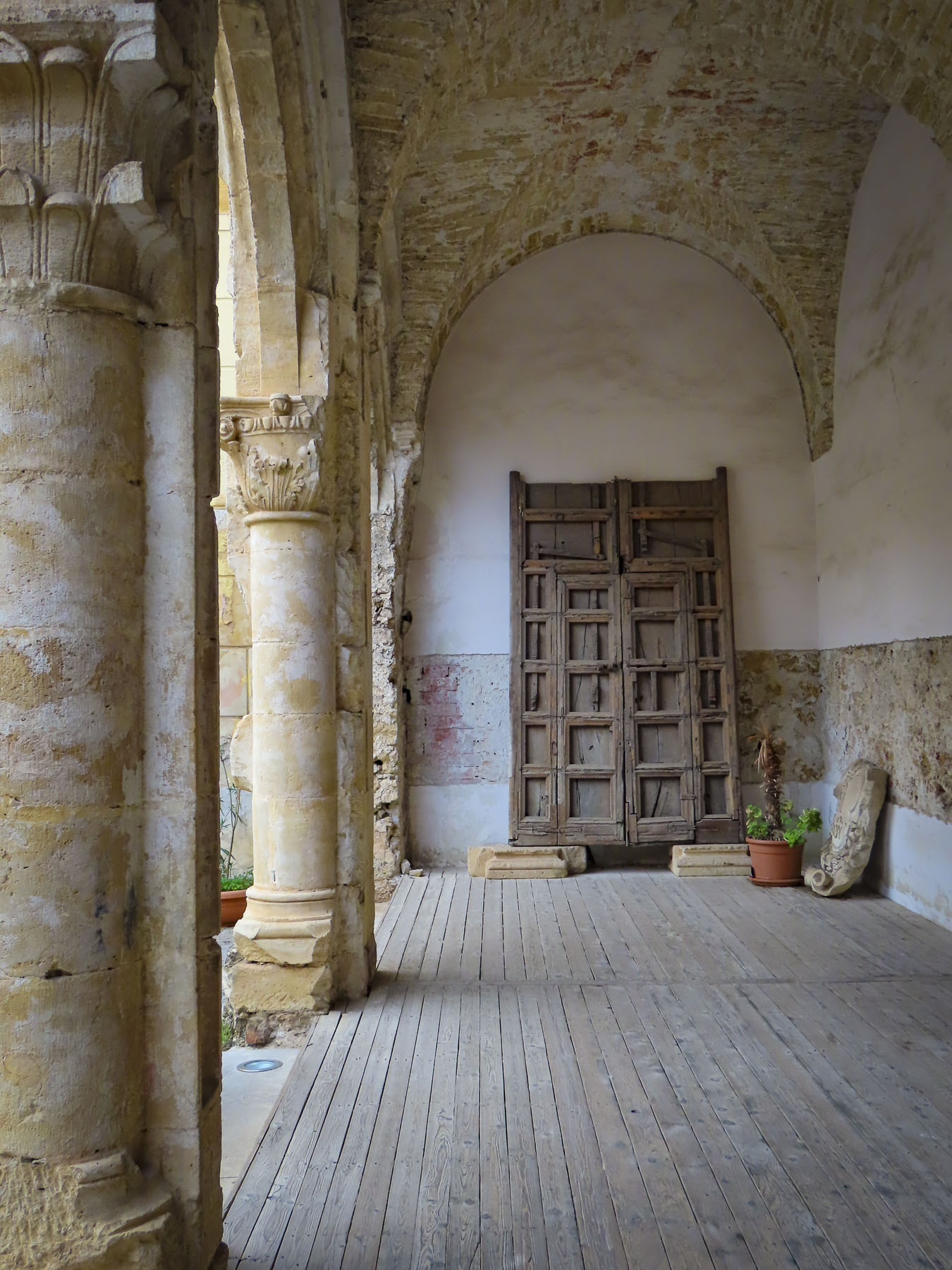

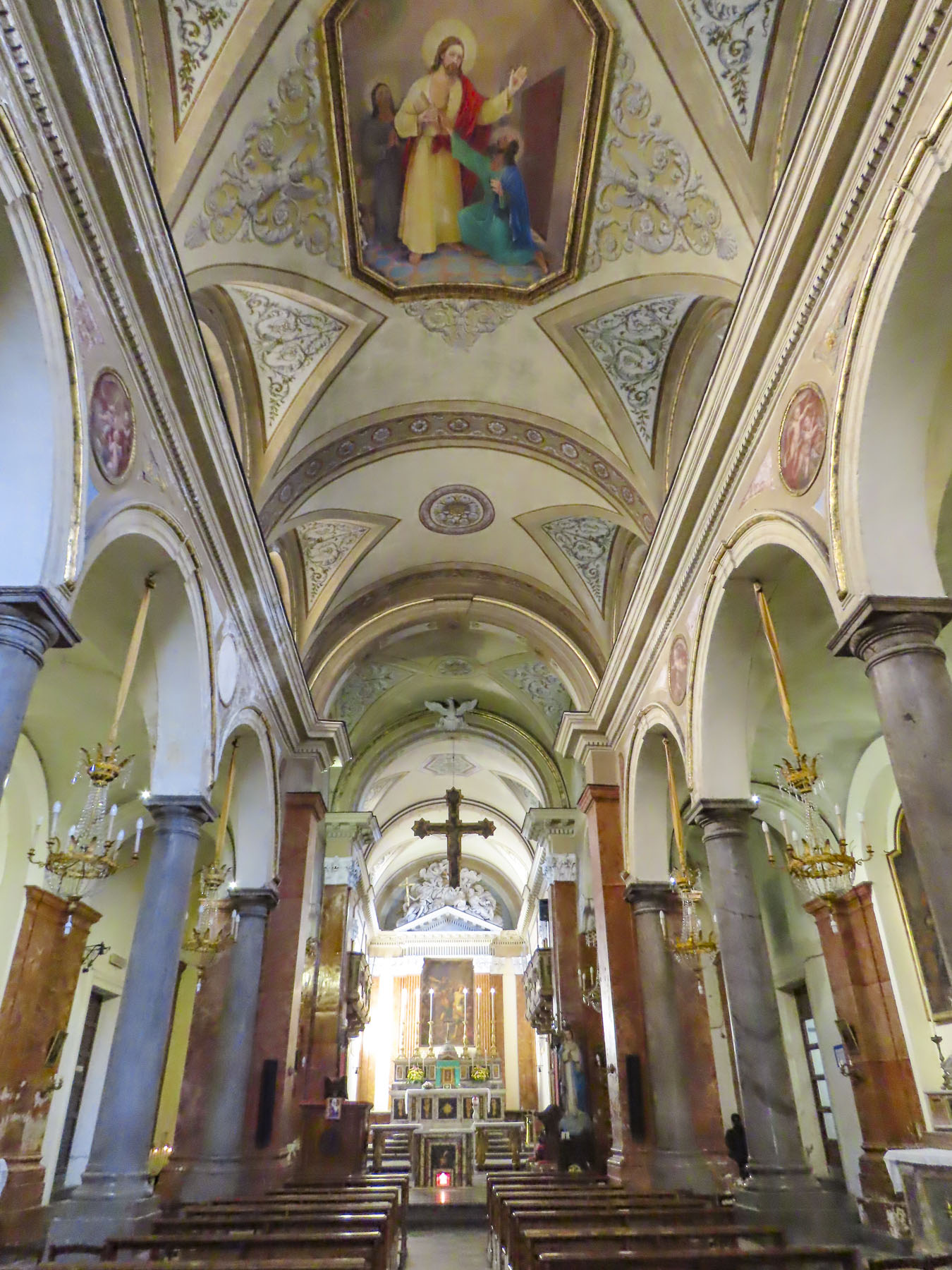


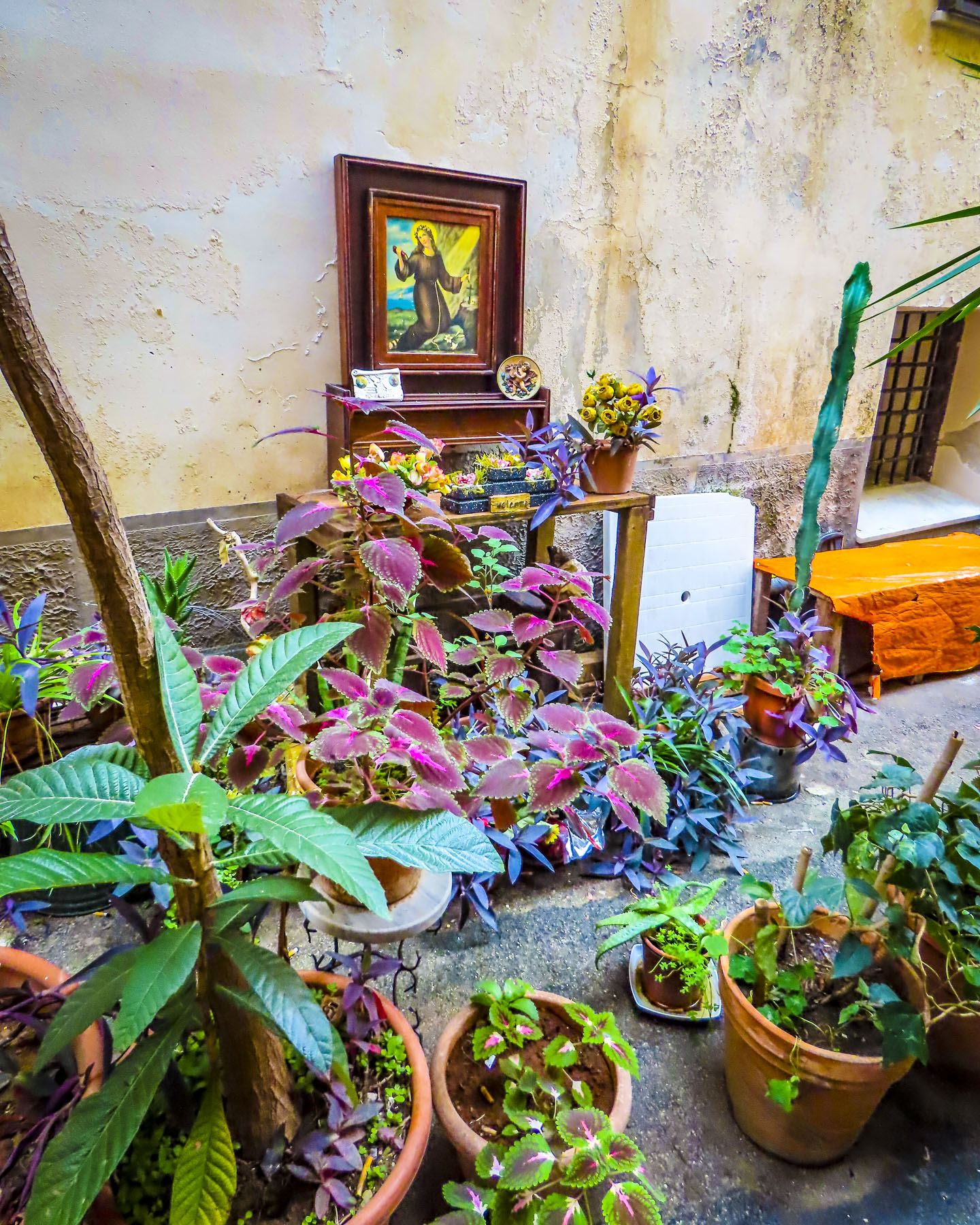
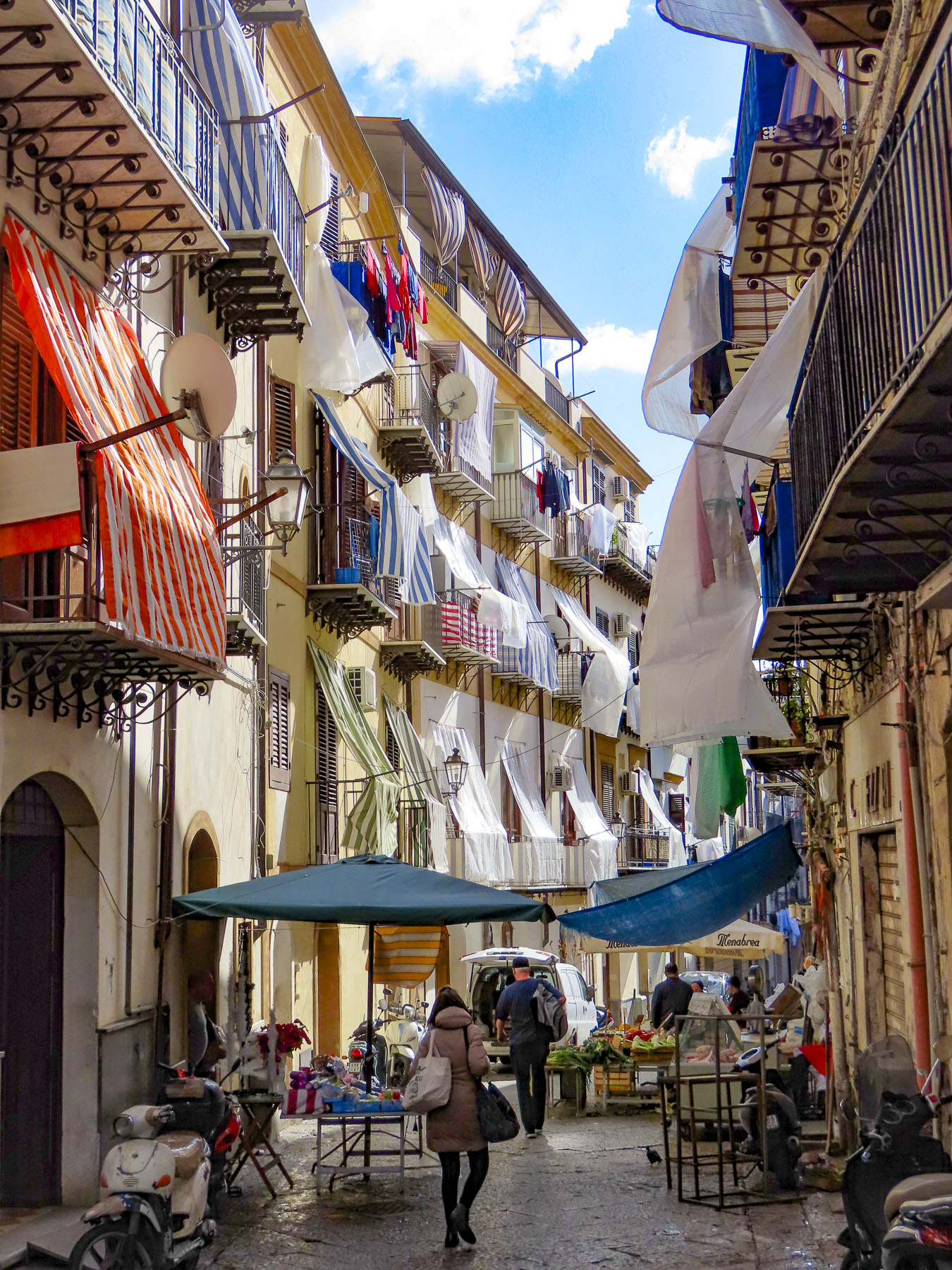
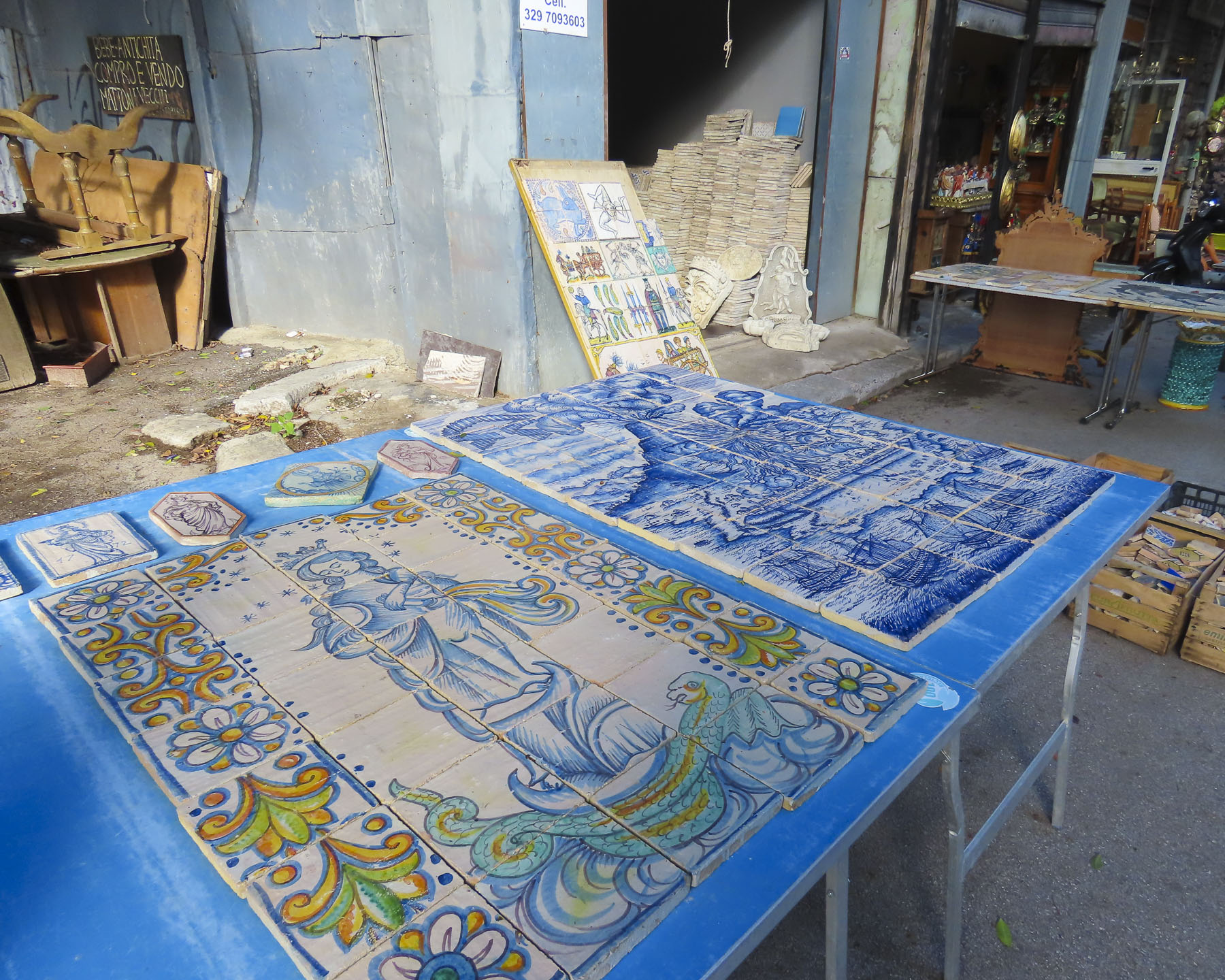
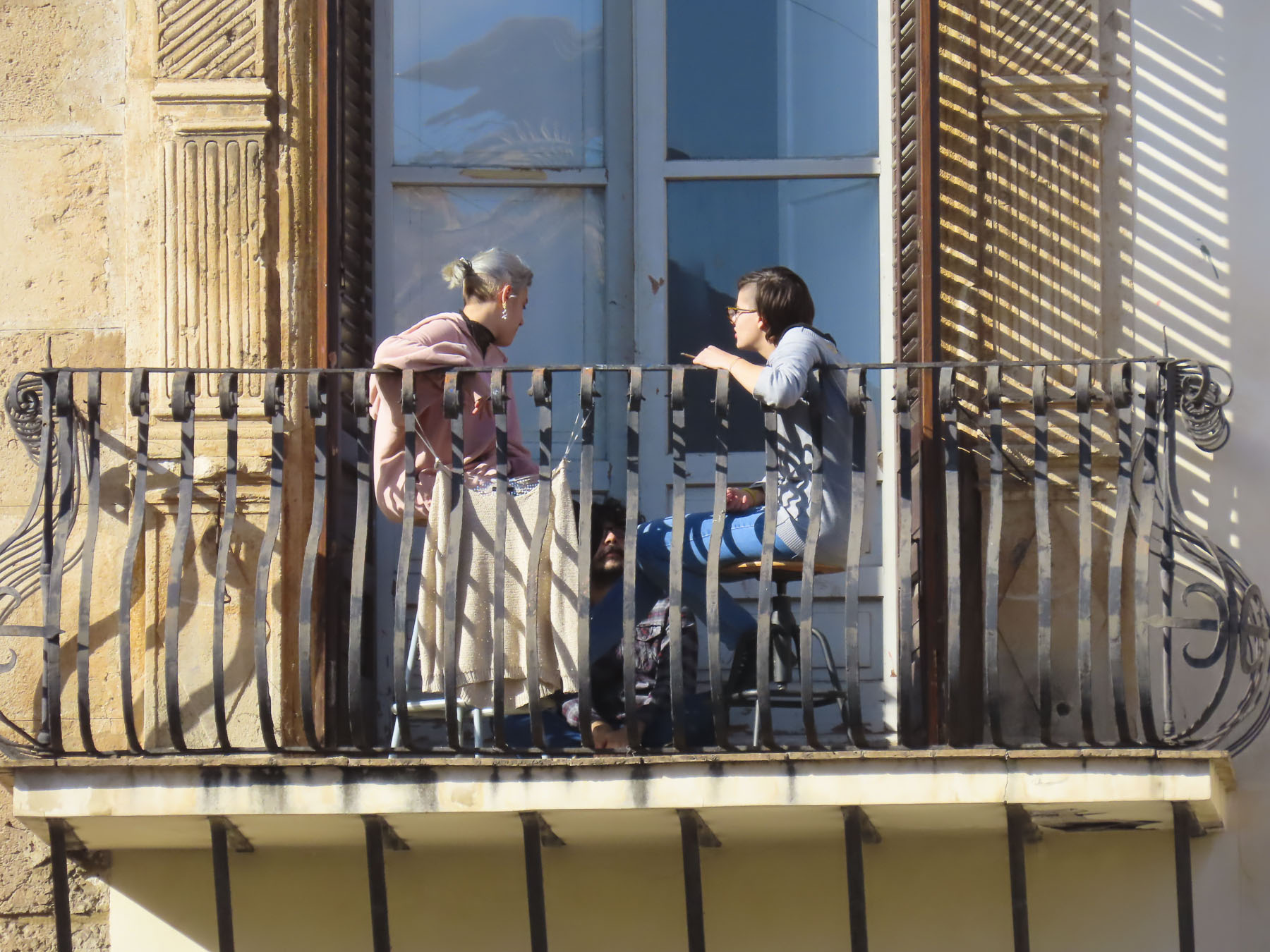

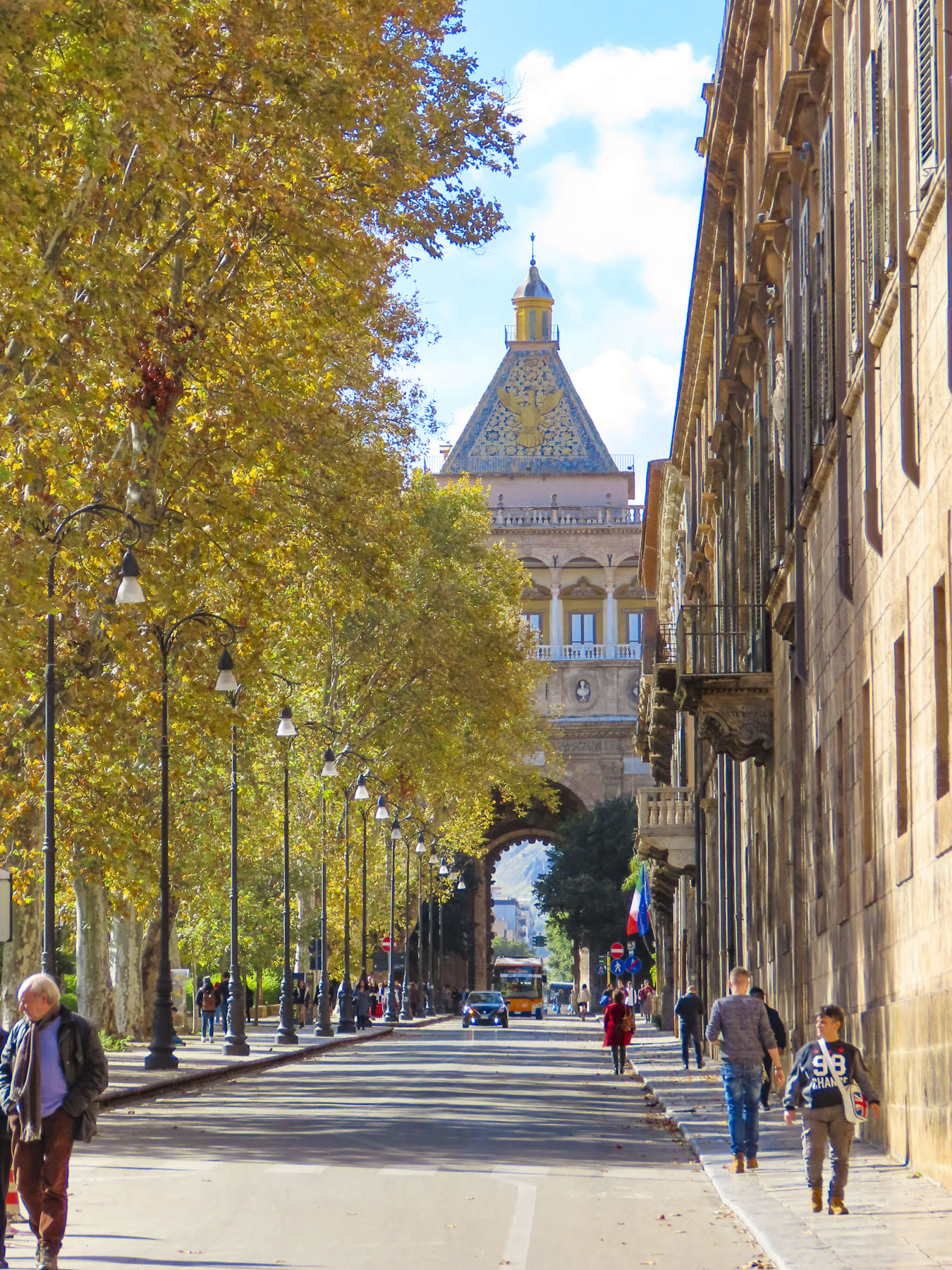

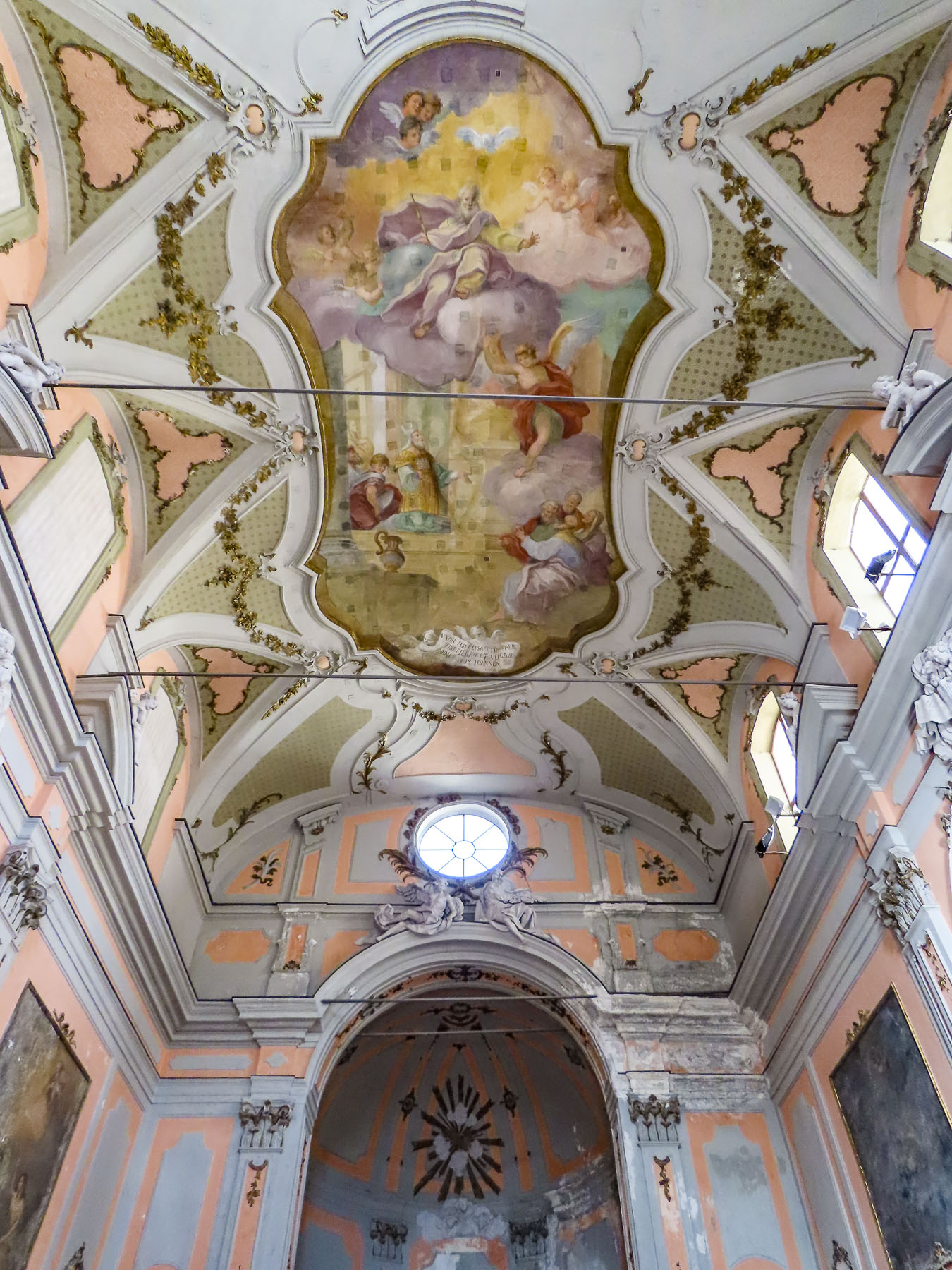
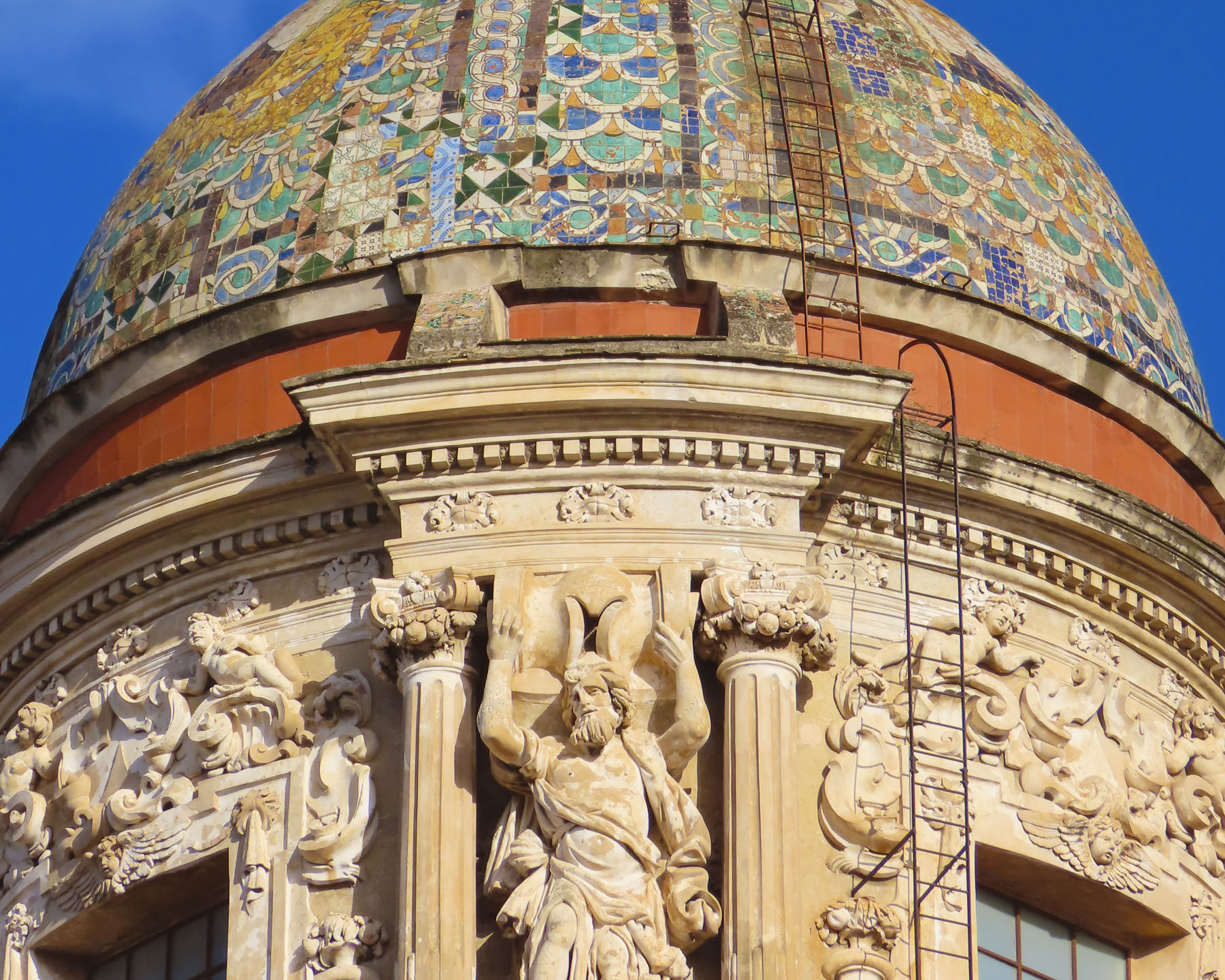


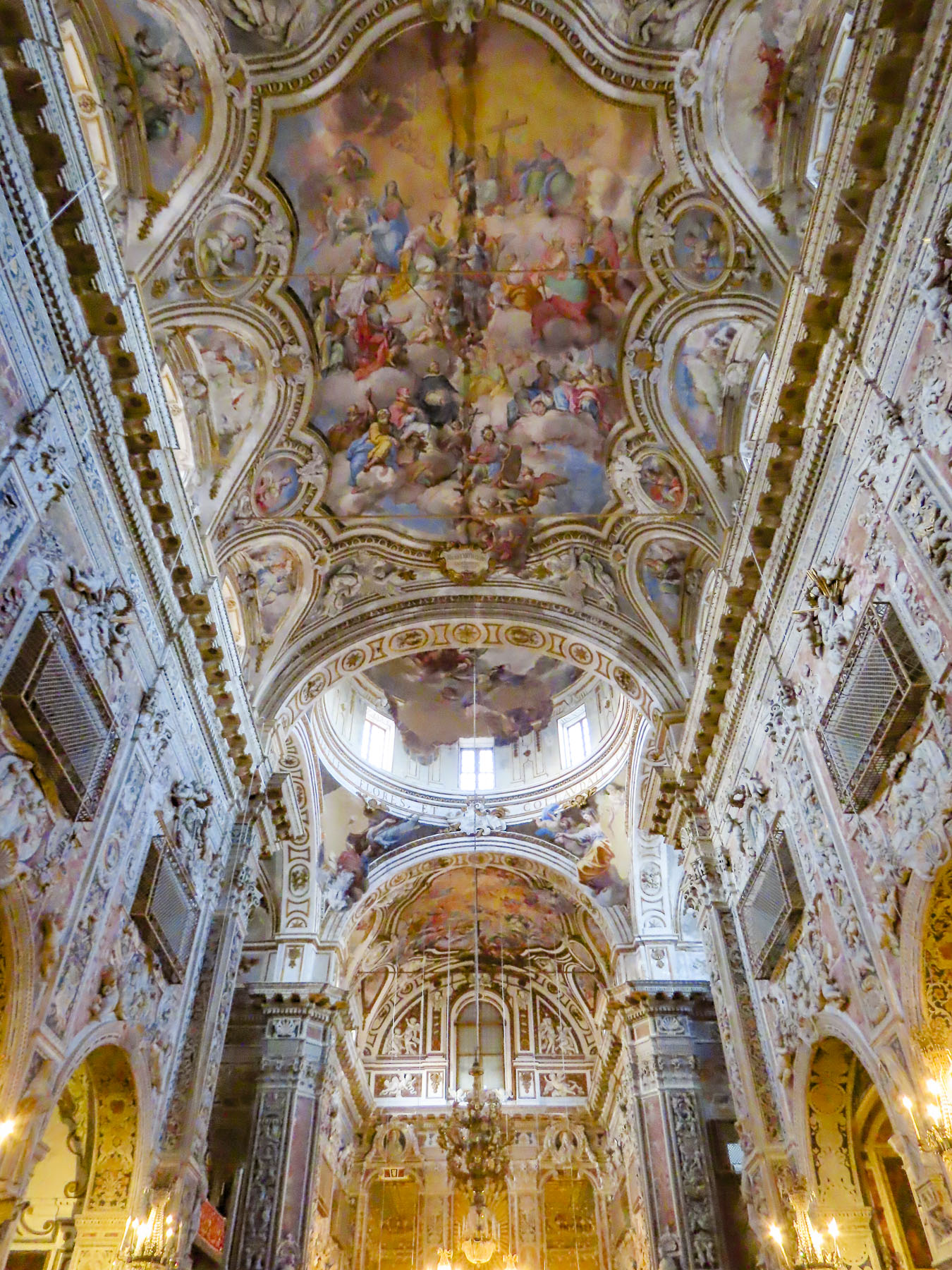
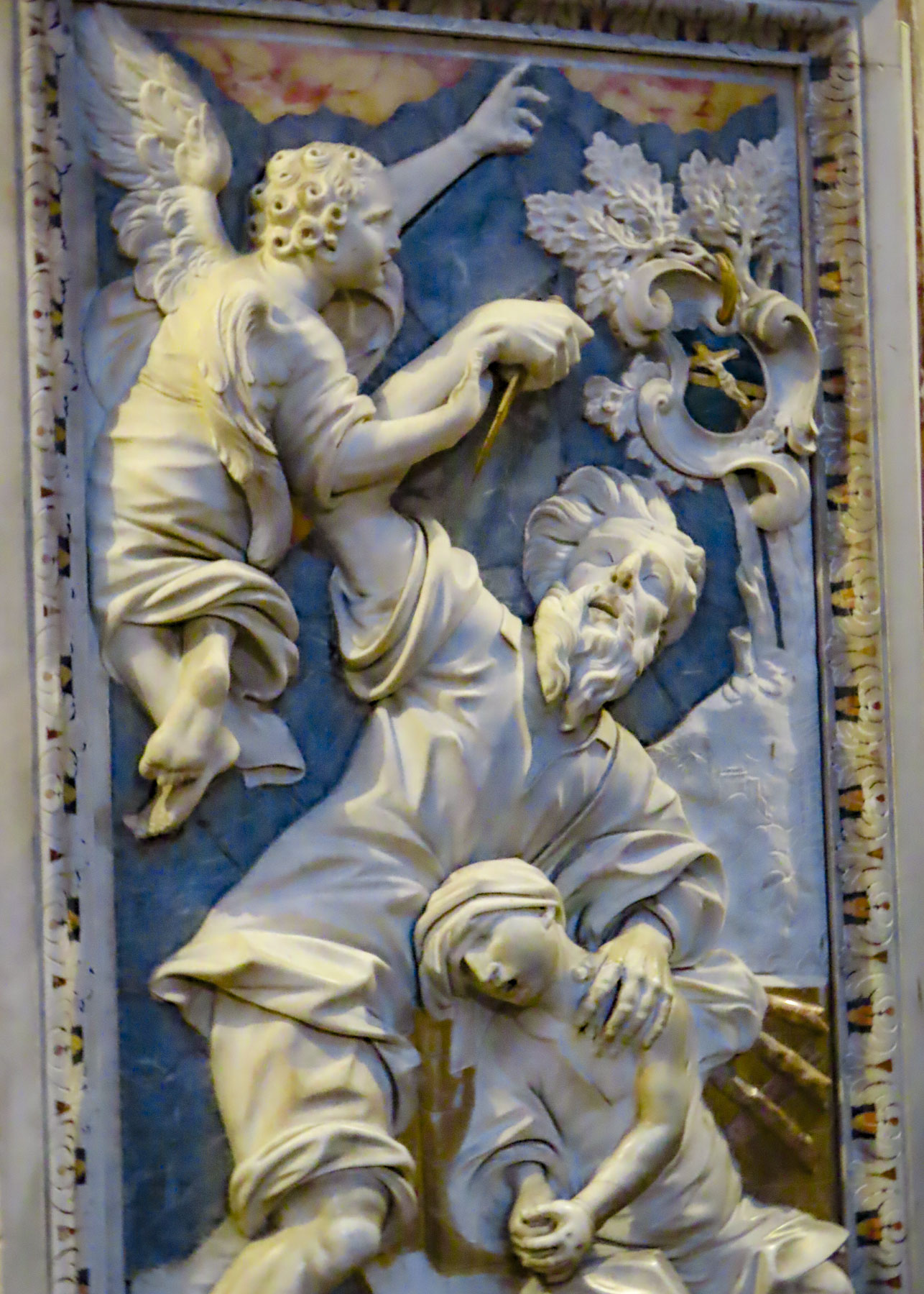

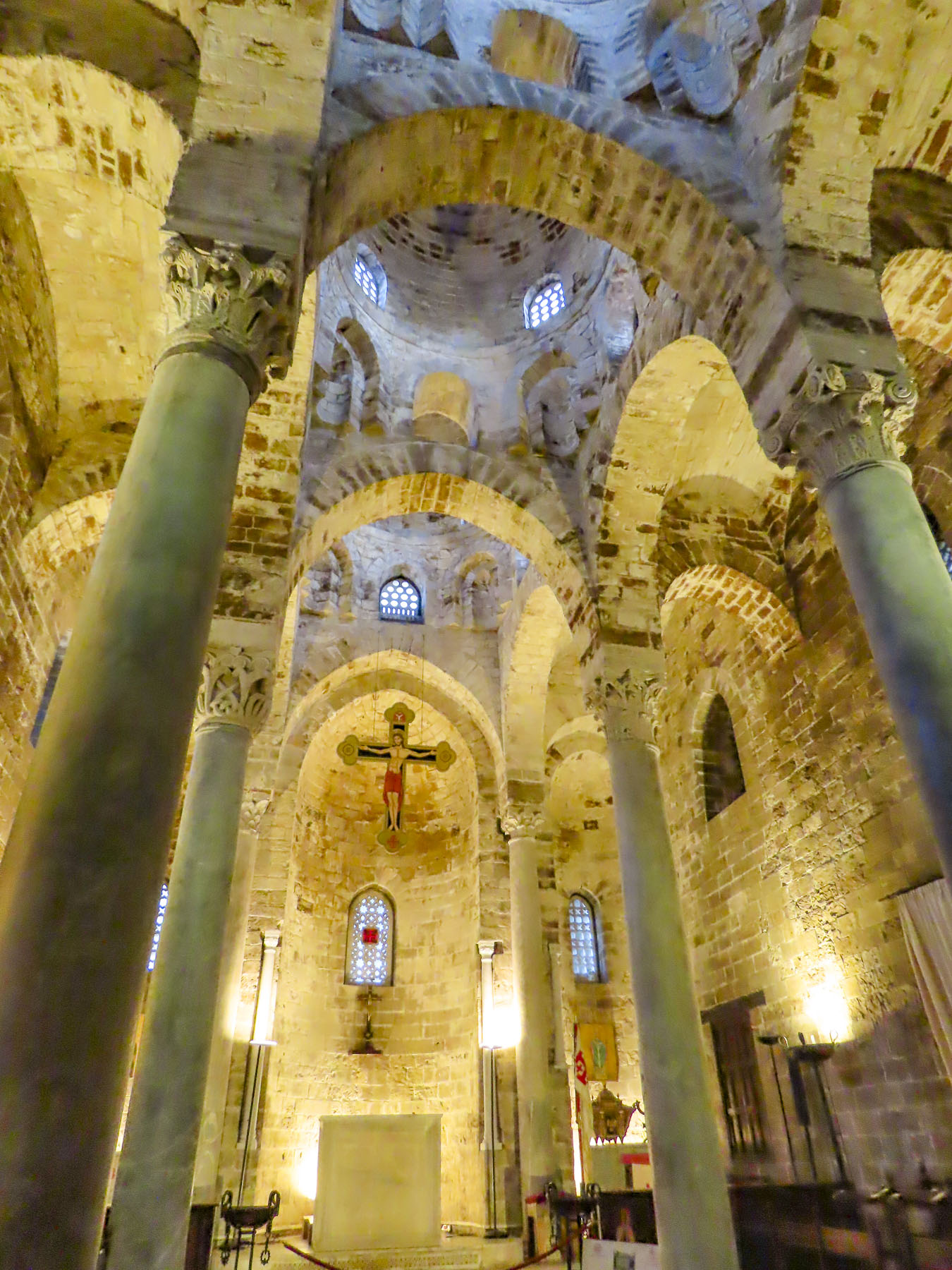


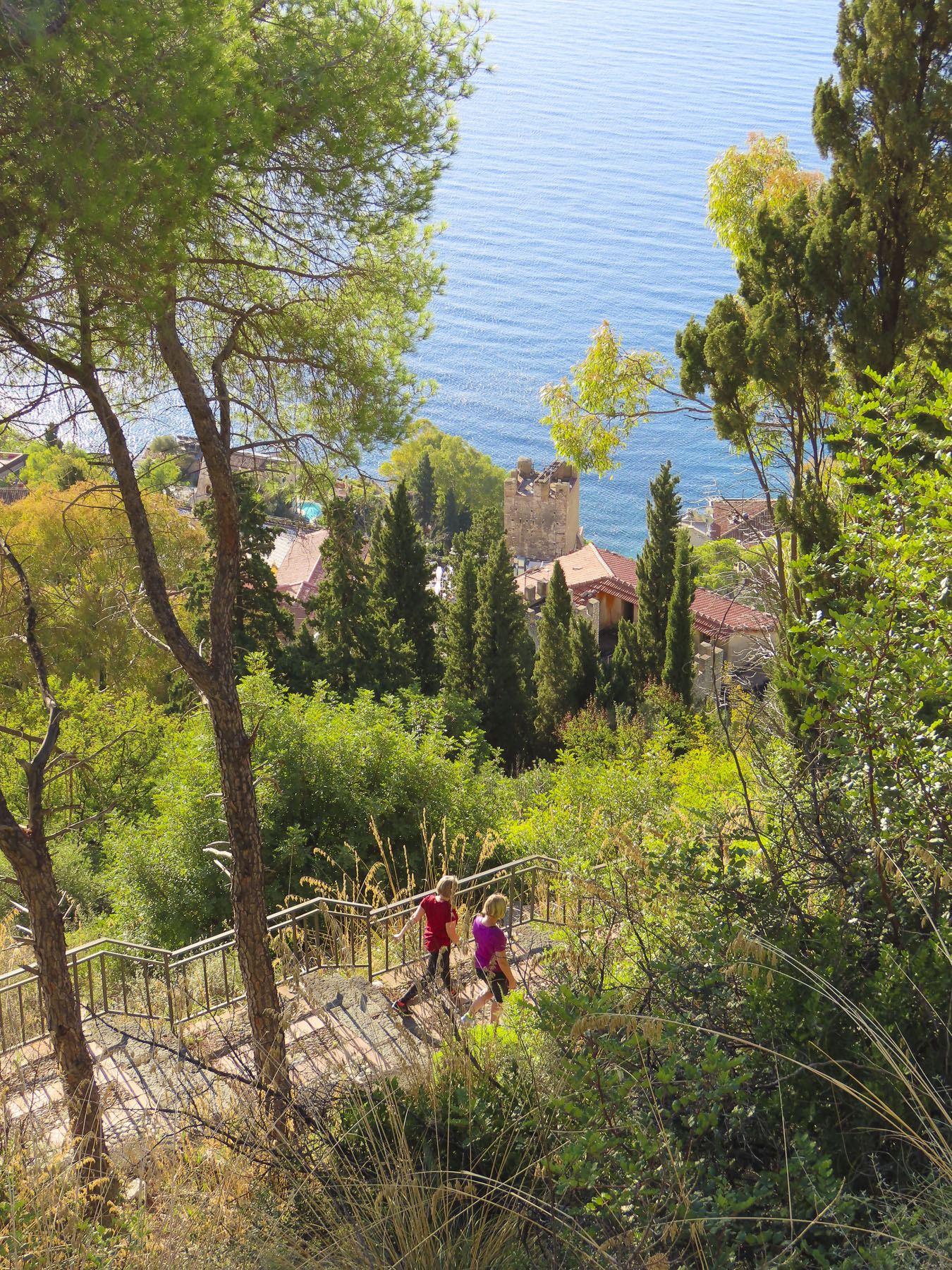


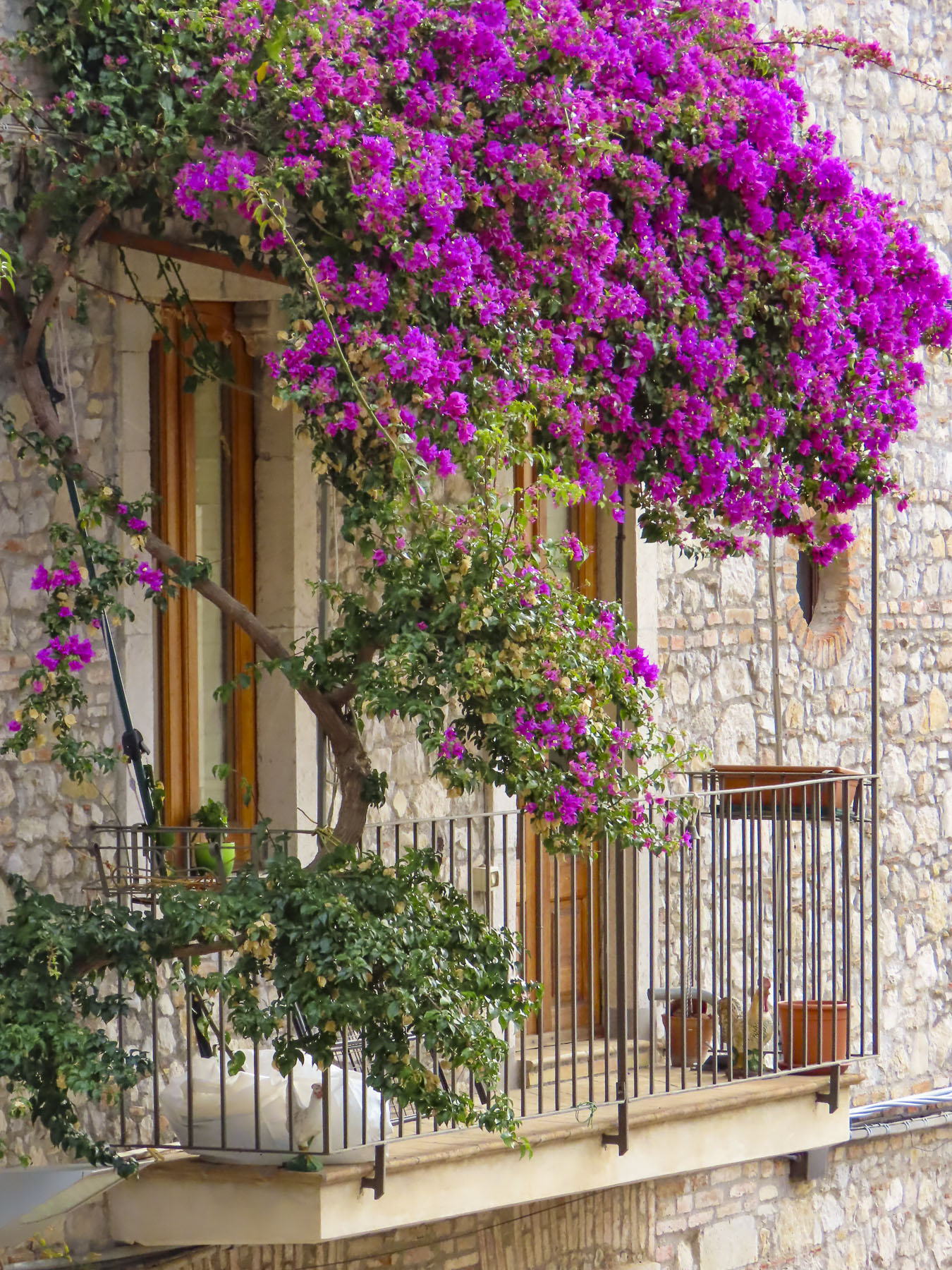


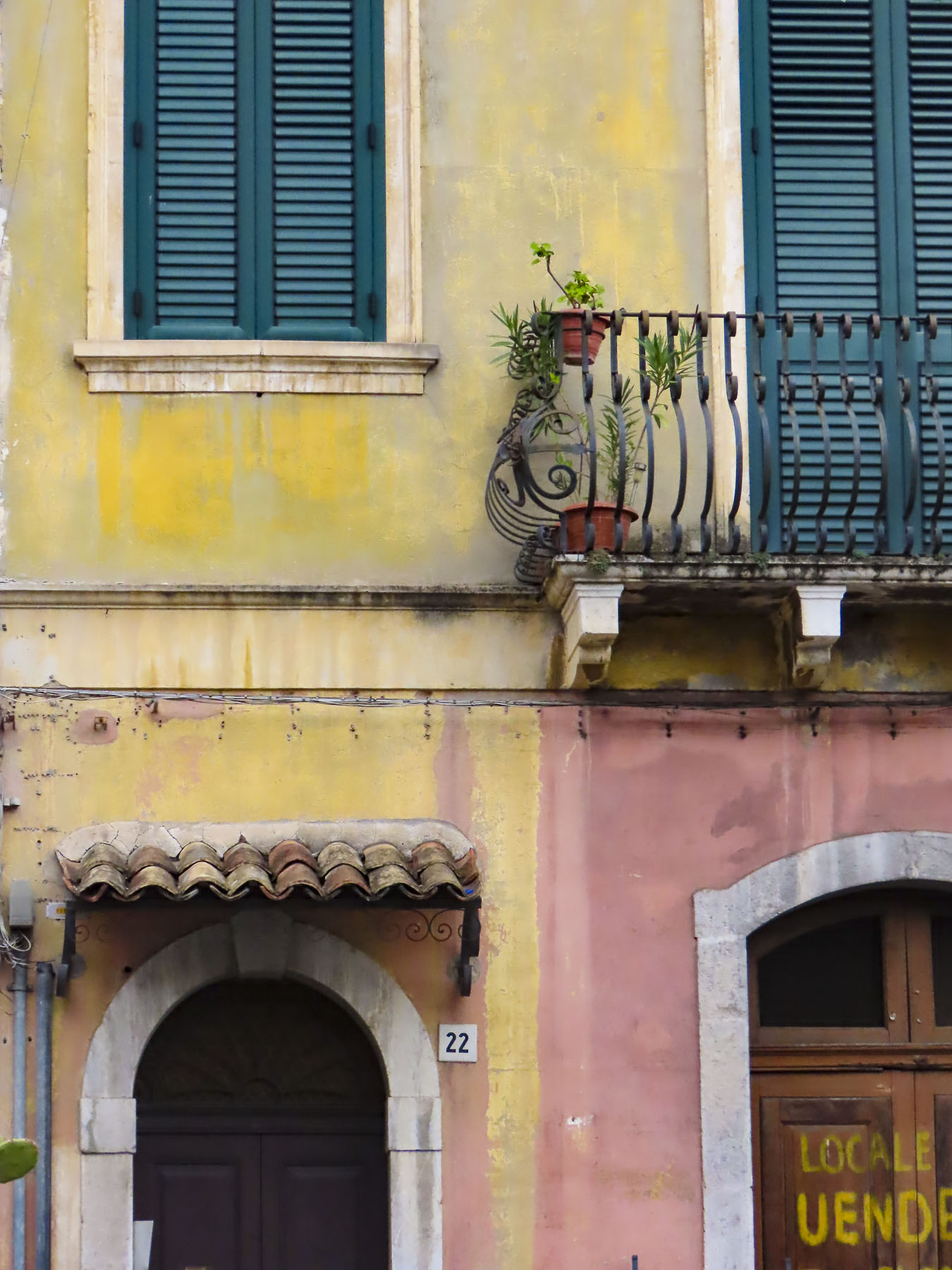
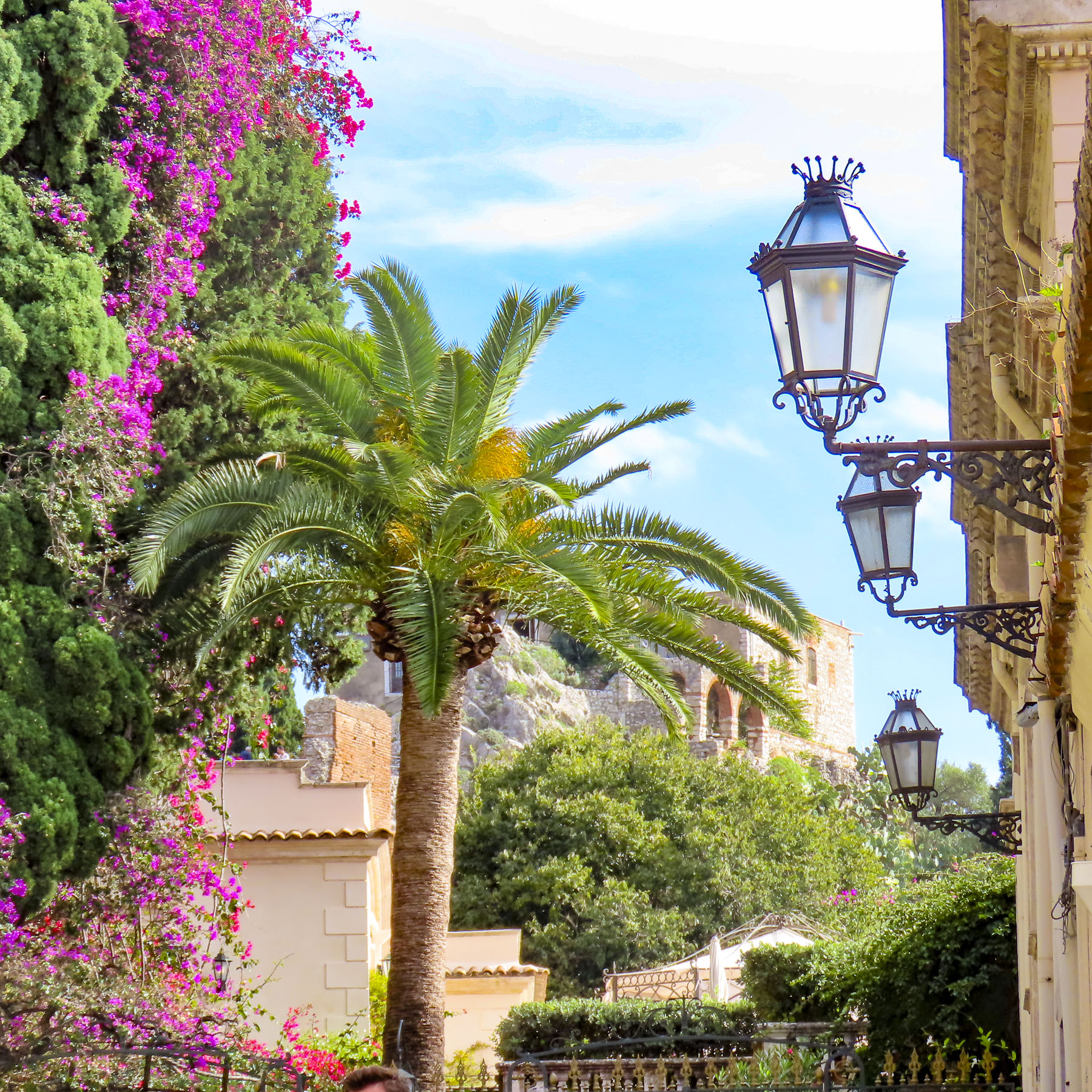

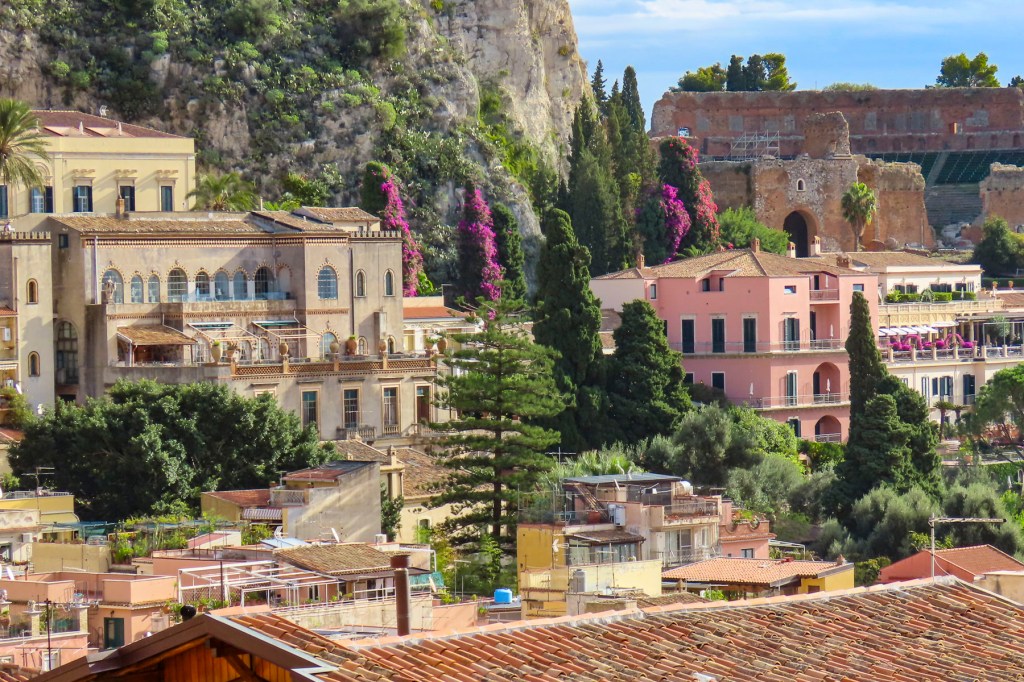


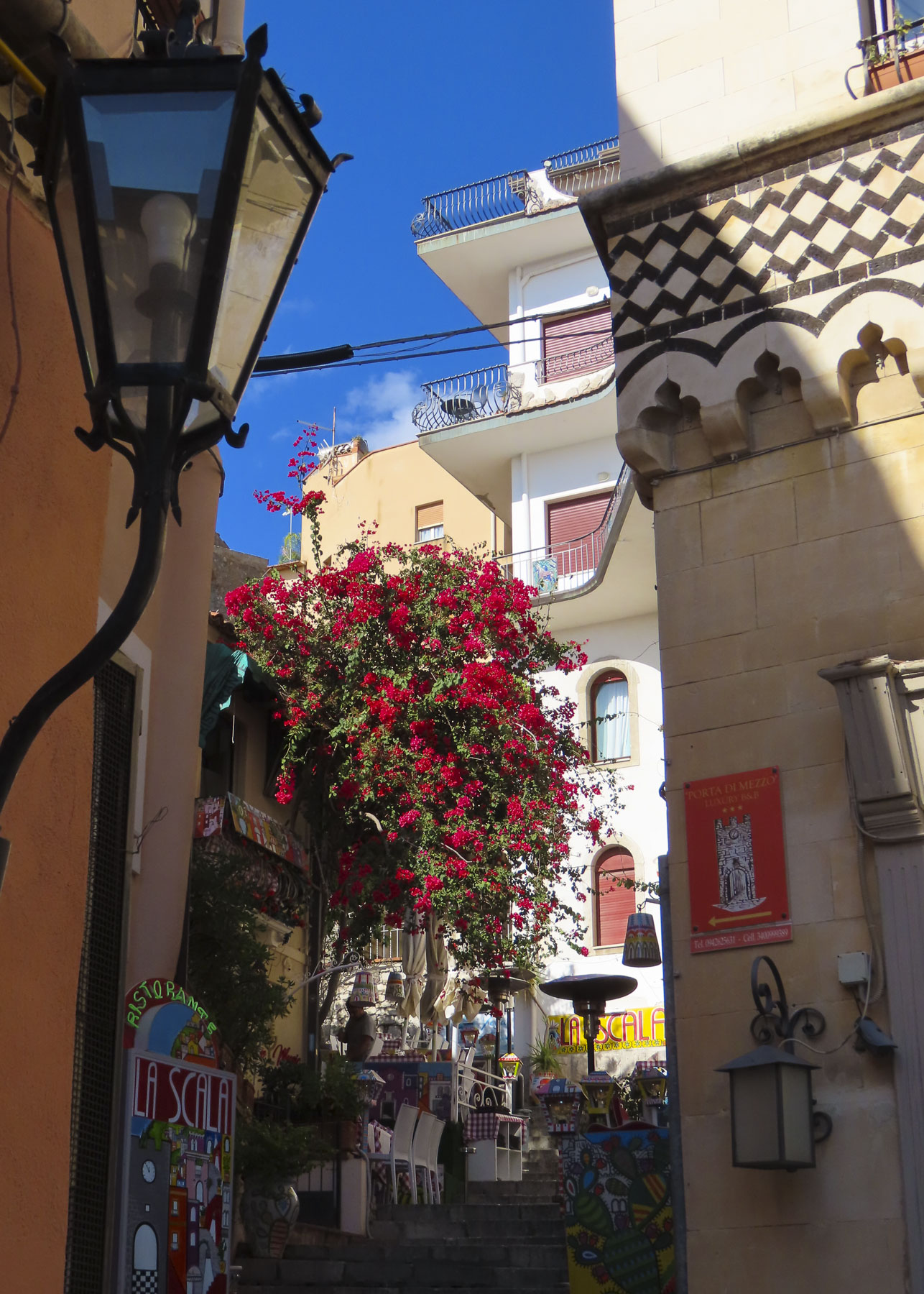
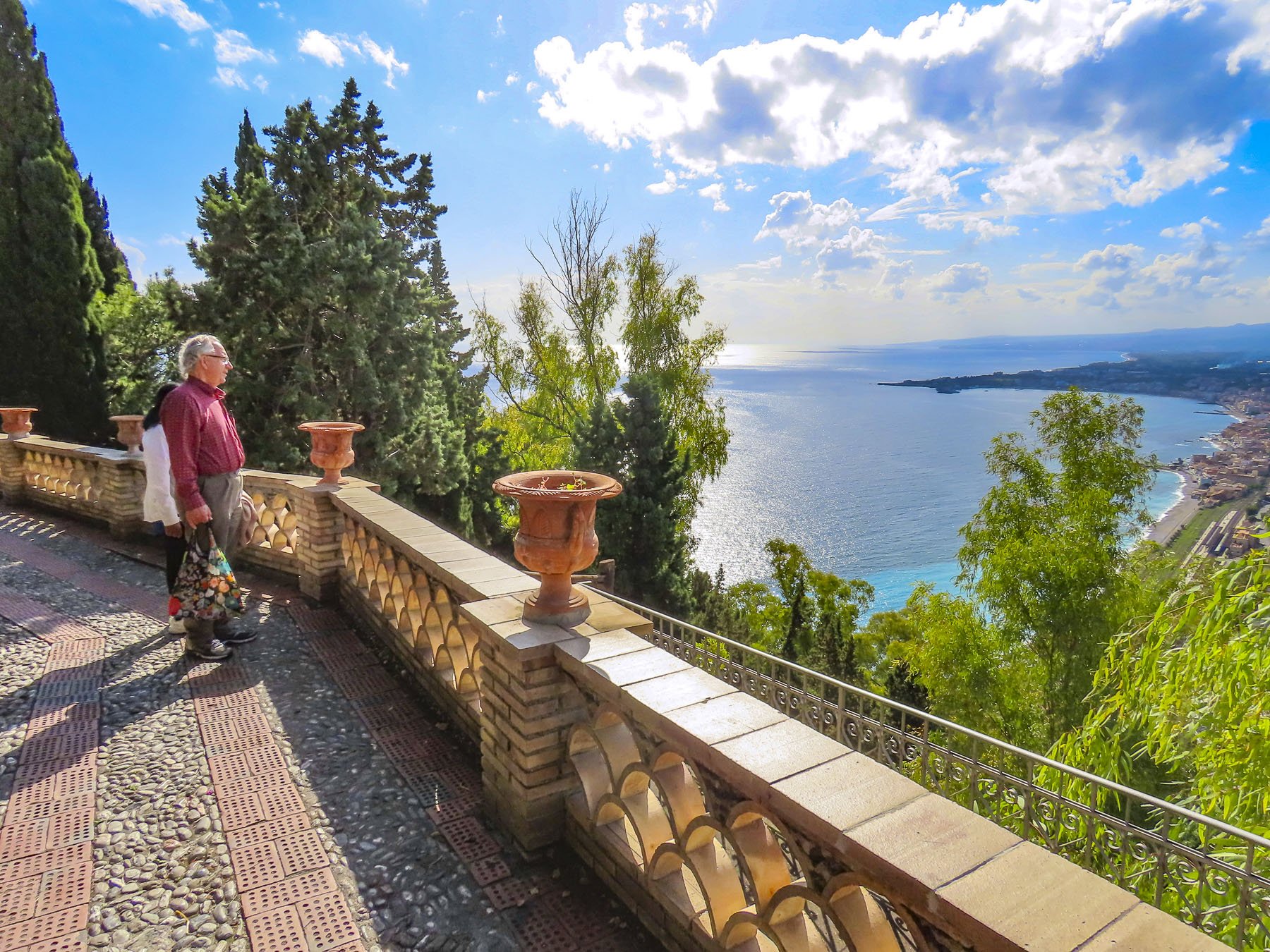


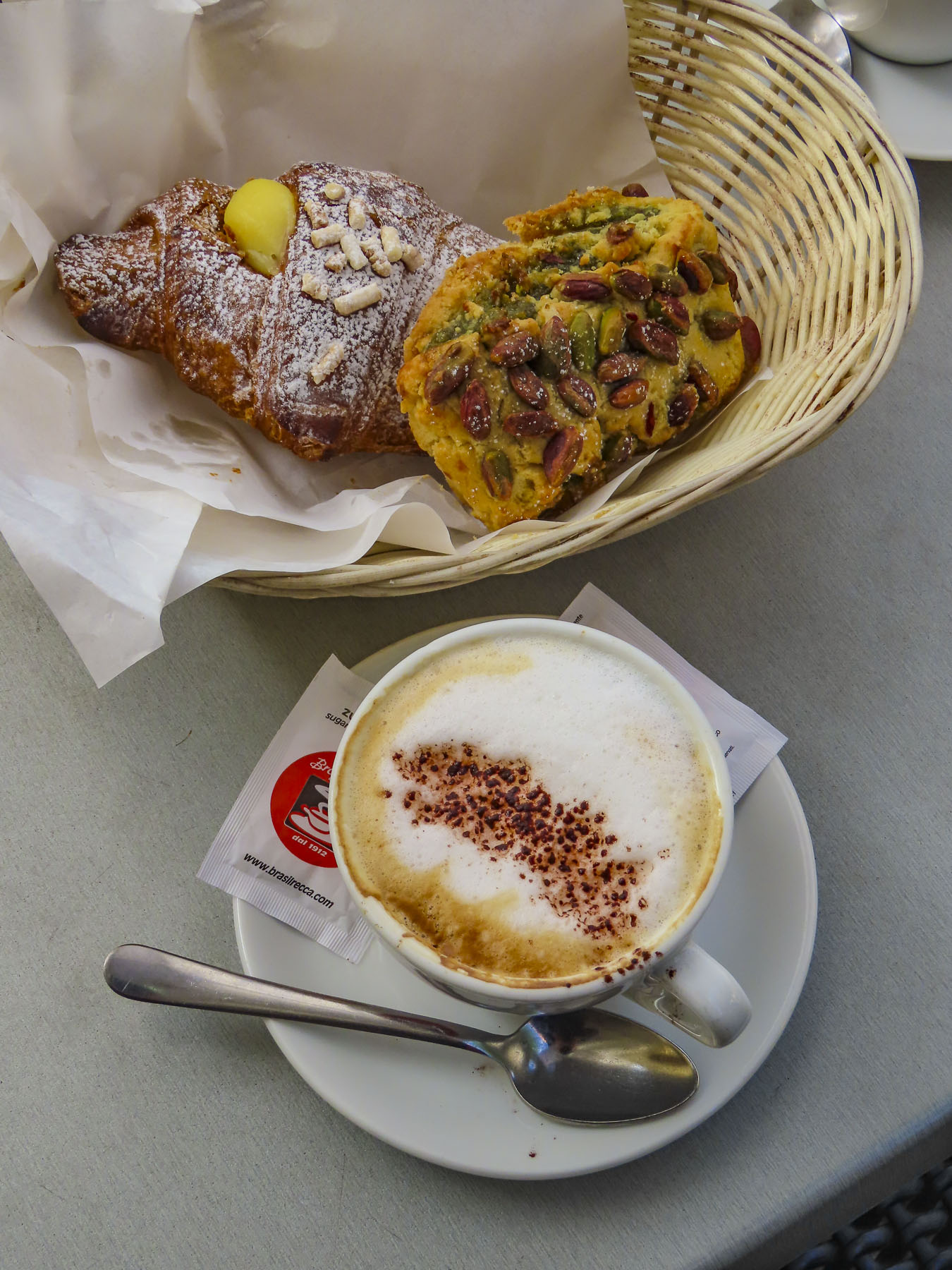


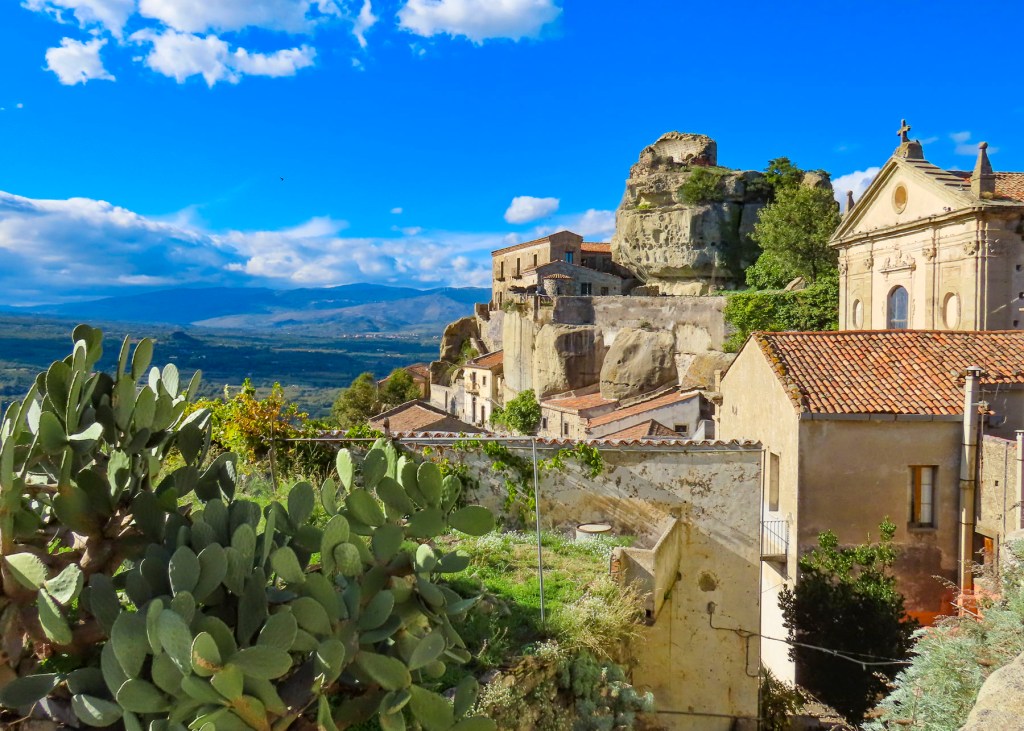




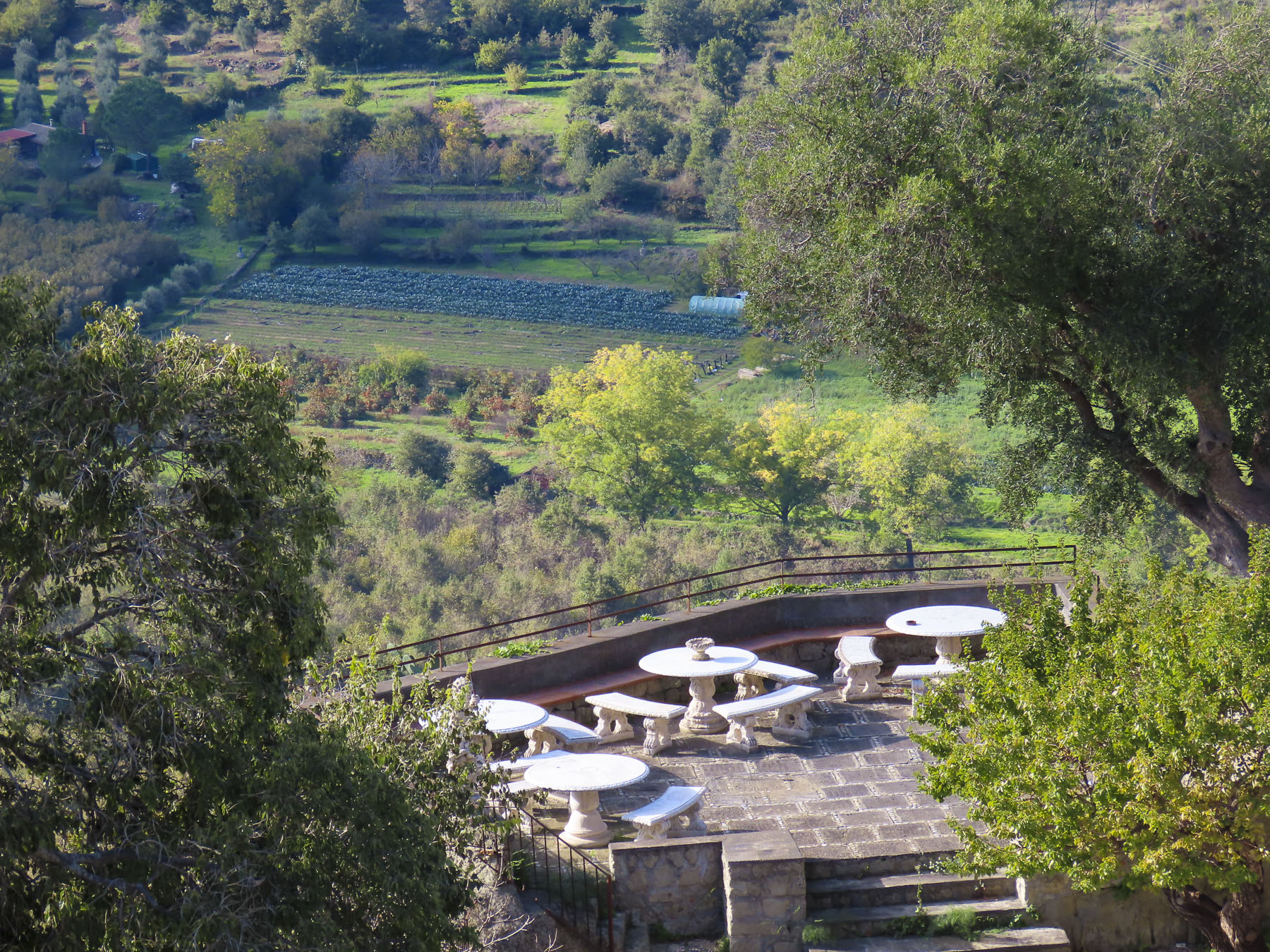

 2 Suitcases for 2 years