

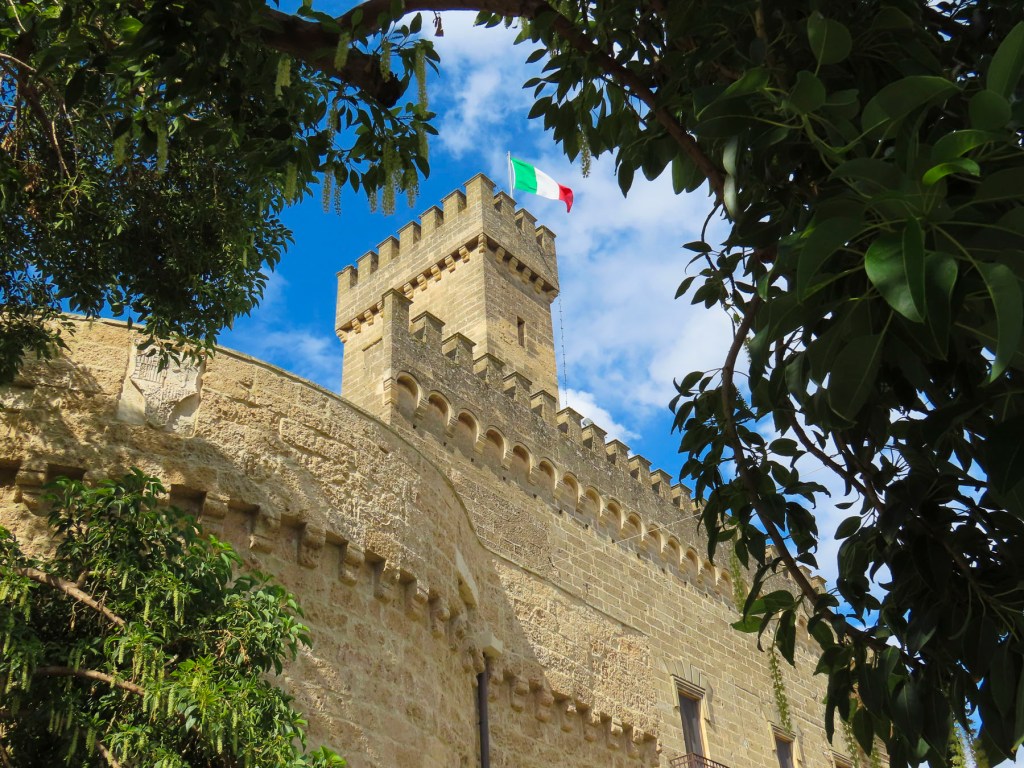
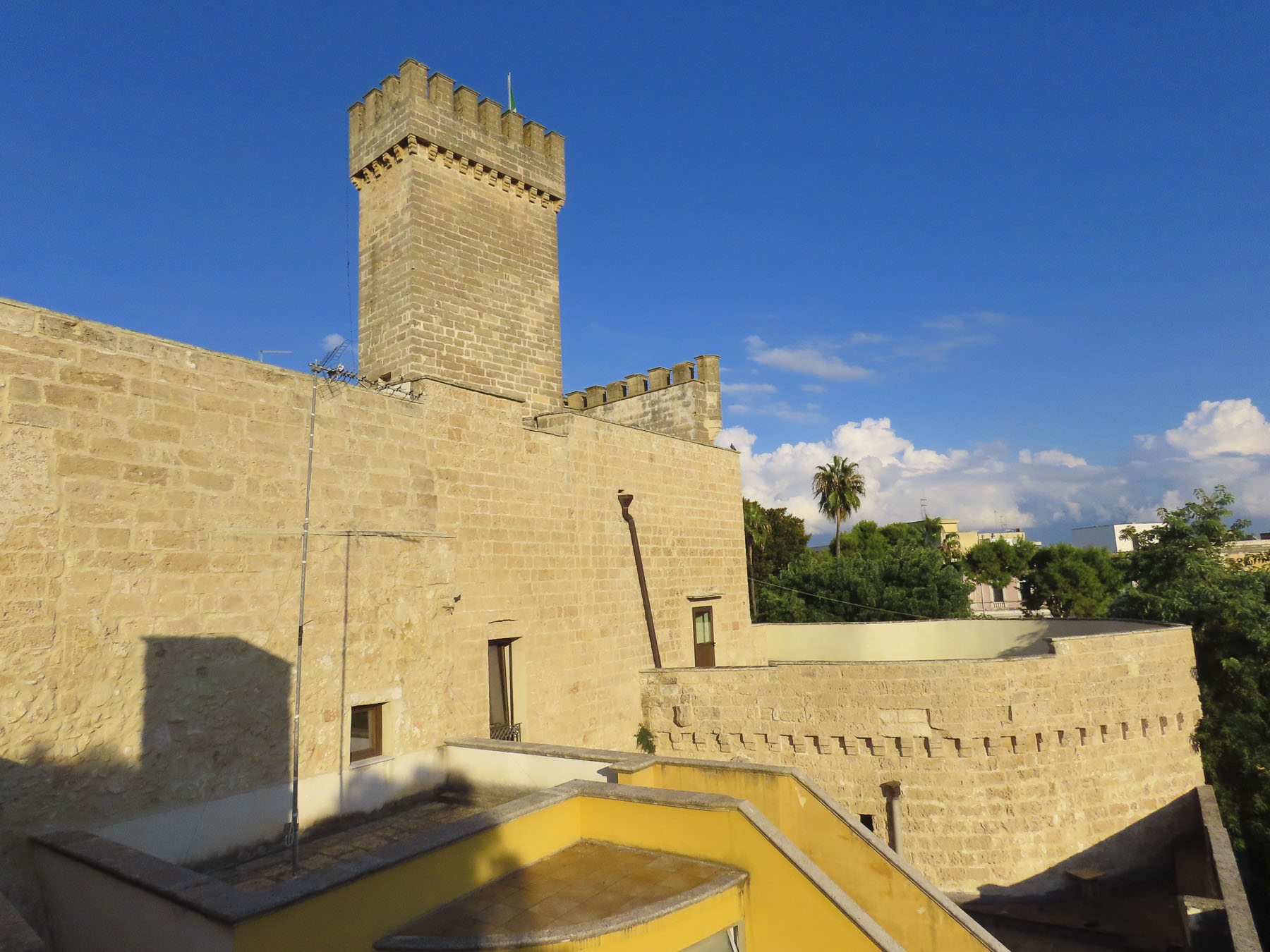
Our mishaps of driving in Italy are still memorable. But they were far more forgivable and less costly before the advent of the remote video surveillance systems that Italian towns use today. Years ago, we had briefly visited Vicenza, home to one of the world’s most influential Renaissance era architects, Palladio. After a long day on the road, navigating down from the Dolomites, we drove through the old city gate under the Tower of Porta Castello, the last remaining tower of a 12th century fortress and wall that once enclosed the Renaissance city. Today it houses an art gallery, and you can climb to the top for views of Vicenza.


The directions to the hotel were confusing and our GPS at the time was no help. We had already stopped twice to ask the local polizia for directions, but of the four officers asked, each had a different opinion about where our obscure lane was located, which only befuddled us further. A few moments later we realized Corso Palladio was a pedestrian-only street and we were intruding on its charming ambience. The hotel assured us they had parking, so we continued along slowly through a thickening crowd that didn’t think anything of us. It didn’t help that the street signs were impossible to see from the car. Traveling the whole length of the street, we ended at a piazza in front of the Teatro Olimpico, designed in 1580; it’s the oldest indoor theatre in the world, with its unique original stage set still in use. It was Palladio’s last creation before his death.



Across the way two police officers with submachine guns stood by their patrol car in front of the Museo Civico di Palazzo Chiericati, known for its eclectic collection of donated art, antique furnishings and toy soldiers from the Veneto region. There was no mention of the “BIG FINES,” we had momentarily anticipated. Instead, the gracious officers gave us a police escort to the hotel. Parking was in the narrow lane, in front of reception.


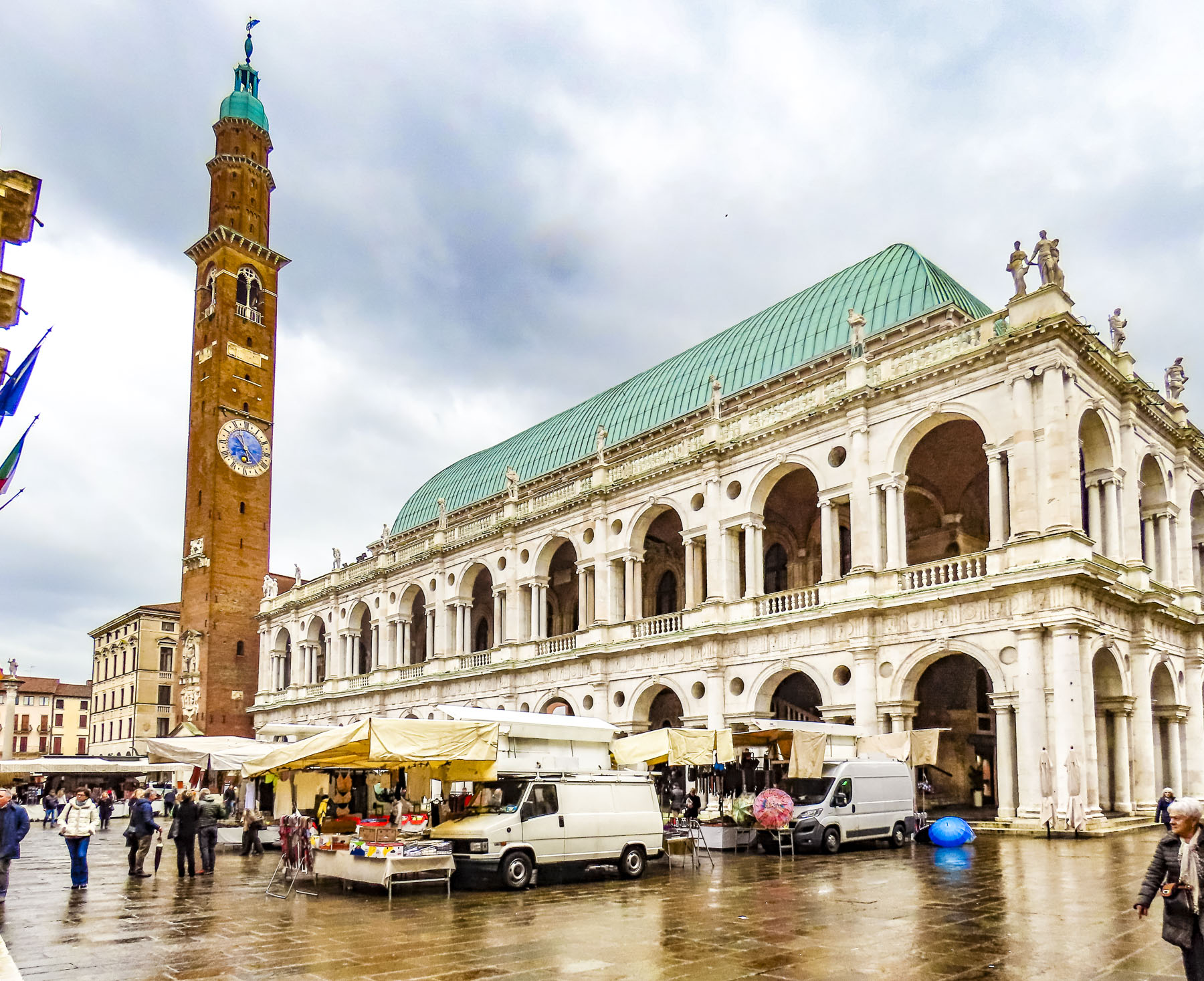
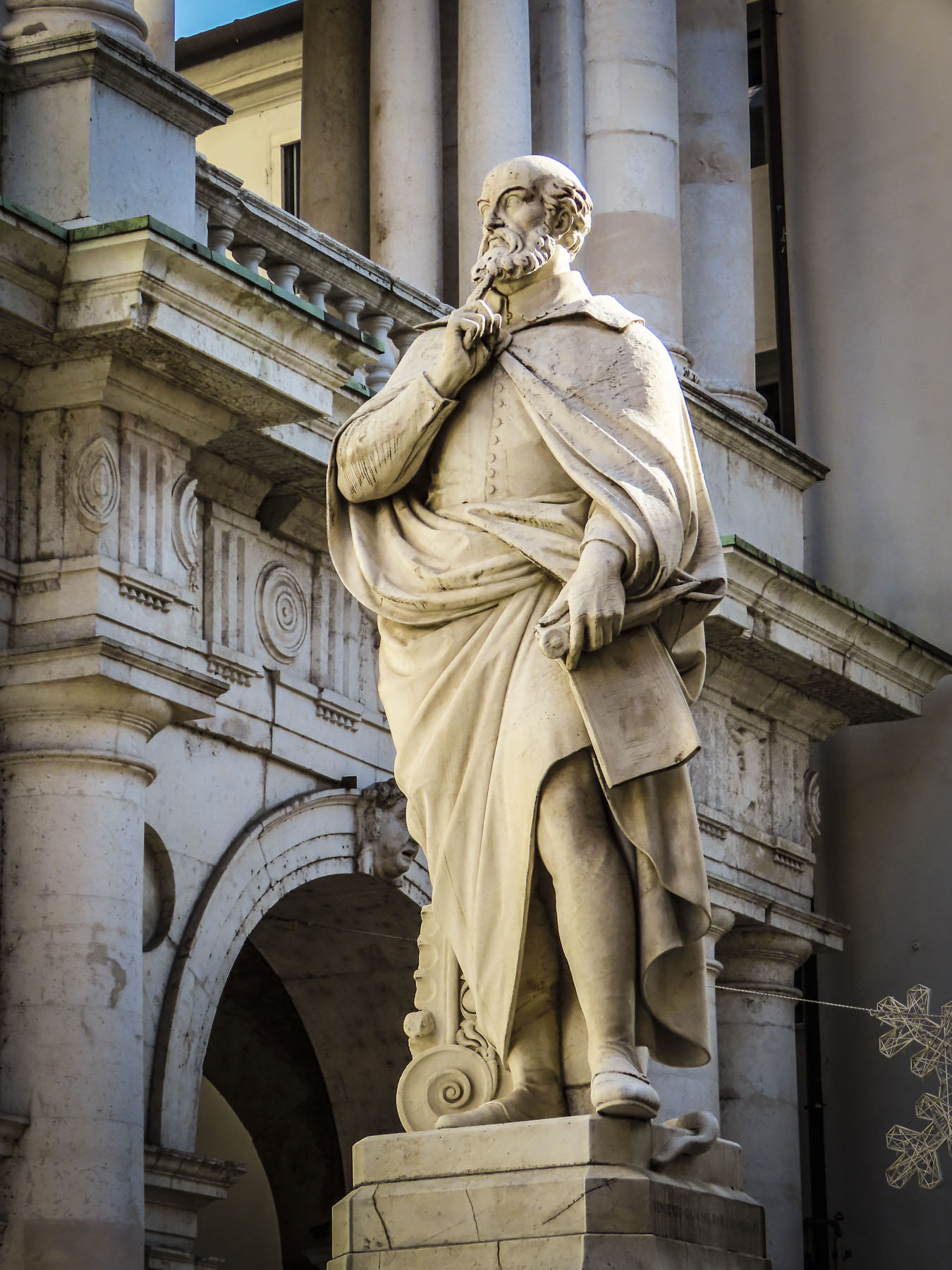
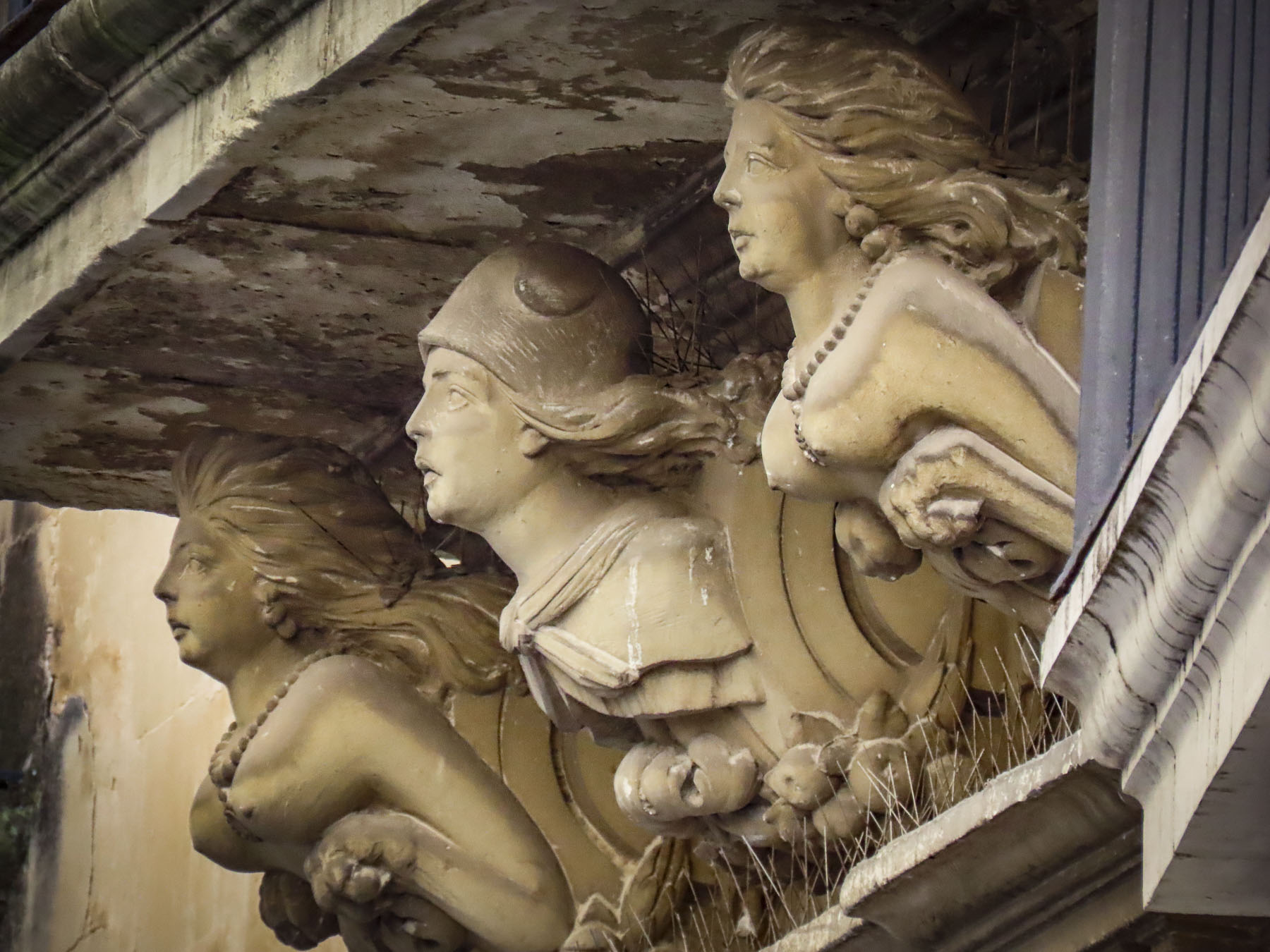
Our visit was long enough for dinner and a stroll, the next morning, around the Piazza dei Signori with its massive civic building, the Basilica Palladiana, redesigned to its present form in 1546 by the young, as-yet unknown hometown architect Andrea Palladio. His architecture can be characterized as a refined rethinking of classical Greek and Roman temples with domed and columned buildings favoring a “harmonic Renaissance aesthetic.” The style was popular with many wealthy Italian families across the Veneto region, who commissioned him to design their palazzos. This grand style continued to be extensively influential into the 19th and 20th centuries where it was favored for municipal and government buildings, i.e., the United States Capitol Building and British Museum, among others.


Our original visit was enough time to realize the city was vastly interesting and that we had mis-planned. Now we stay a minimum of two nights wherever we go to compensate for time lost traveling between destinations.
We figured seven nights this time should be enough to relax, enjoy the city and sample its livability.
Raised in the suburbs of New Jersey, we always shunned living in a city until we retired and sold most everything, including our cars, to finance this two-year adventure around the world. To our surprise we now enjoy city life. Especially the walkability of smaller historic cities with their pedestrian only centers, a concept not found in the sprawl associated with urban planning in the United States.

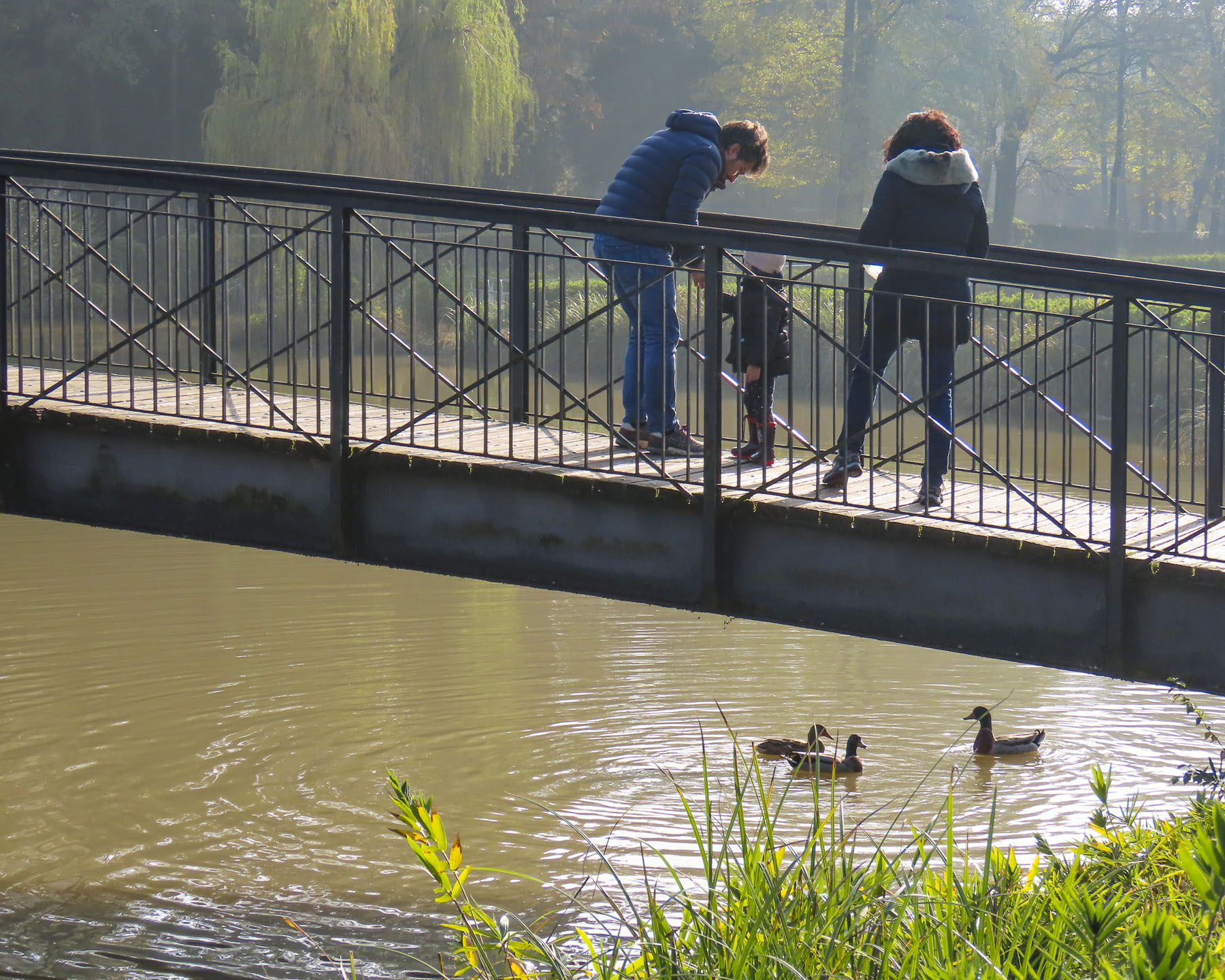
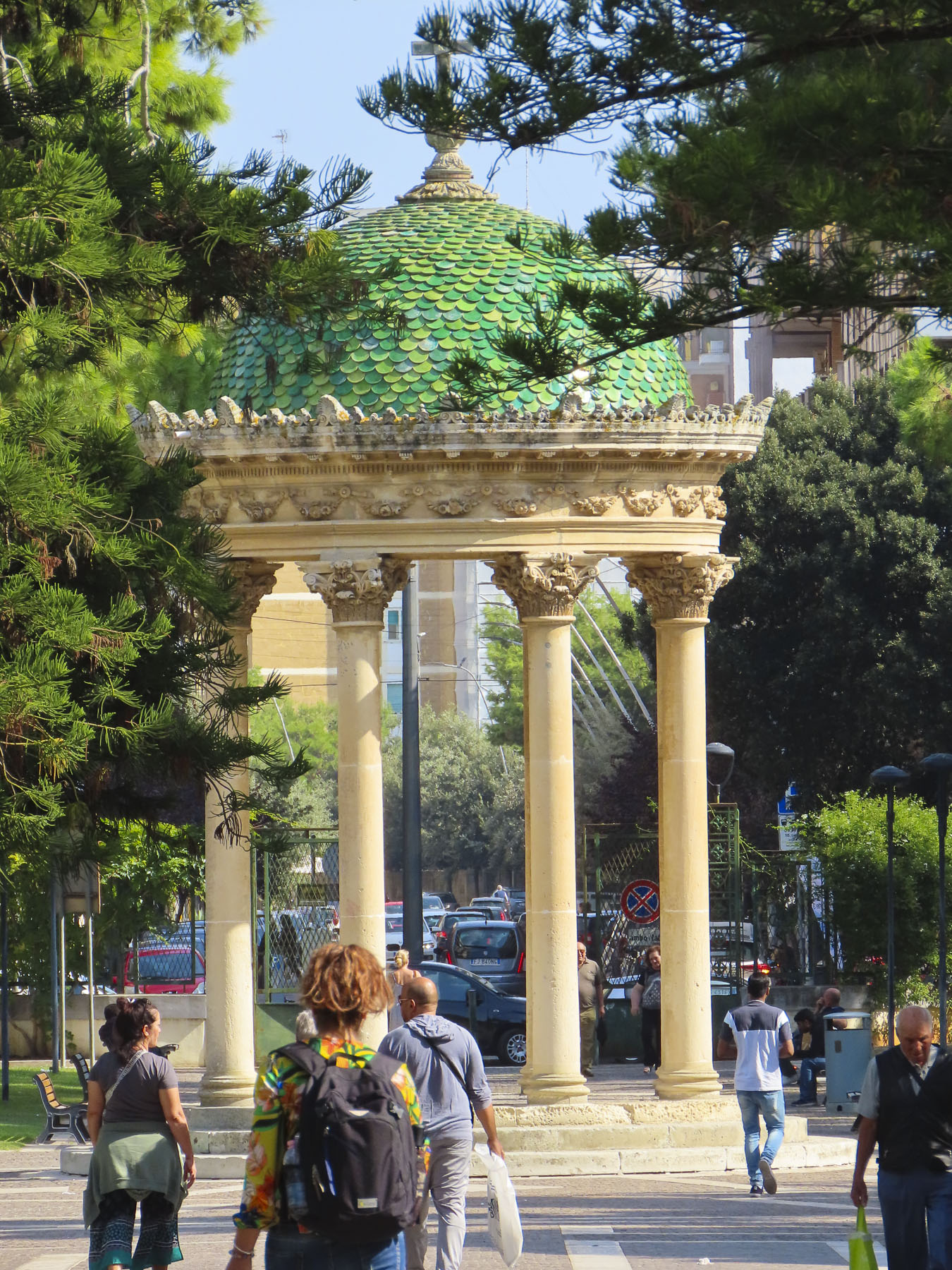
As we neared Vicenza our shuttle driver, Fabrizio, from the Venice Airport, detoured slightly to show us two points of interest on the outskirts of the city that he thought we might enjoy, and were afraid we would otherwise miss. Parco Querini, a semi-formal large open green space with sculpture lined paths and a domed pergola, looked stunning on a late autumn afternoon. It was once the private retreat of a wealthy family and was opened to the public in the 1970s.

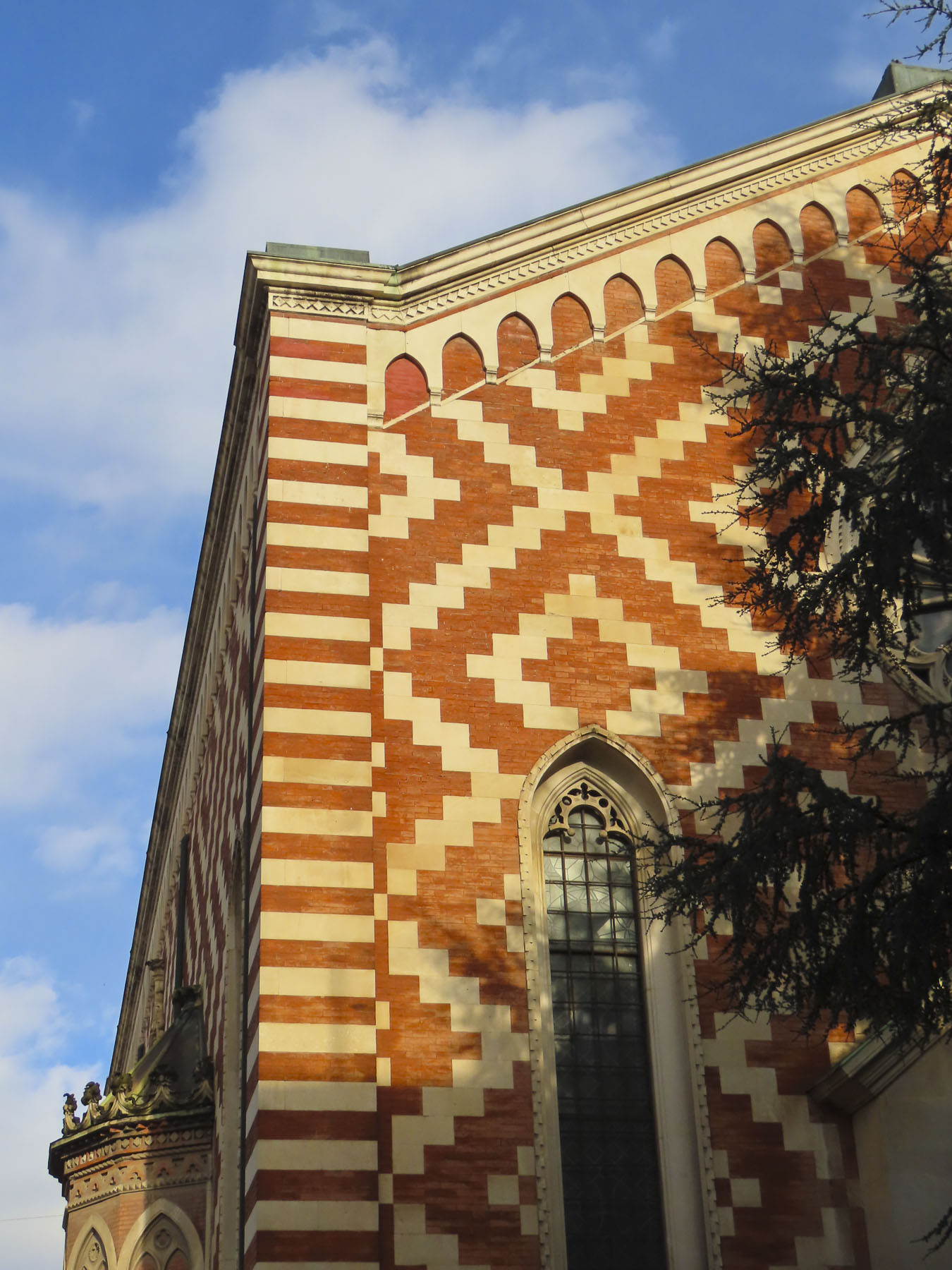
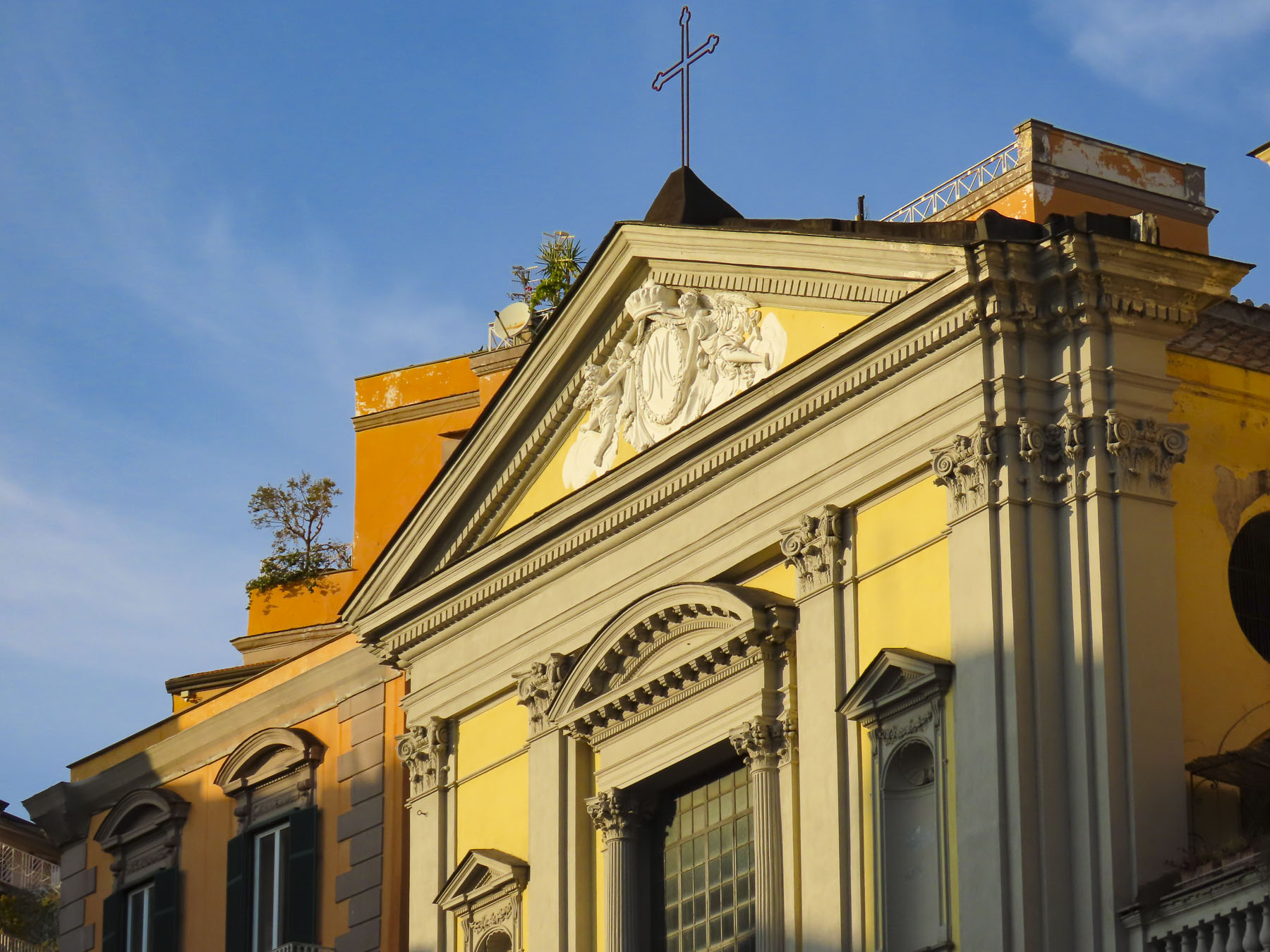
Nearer our apartment, Fabrizio took us past the red and white brickwork of the Chiesa de Santa Croce ai Carmini, with its architecturally distinctive facade. We found both sights interesting and vowed to return.

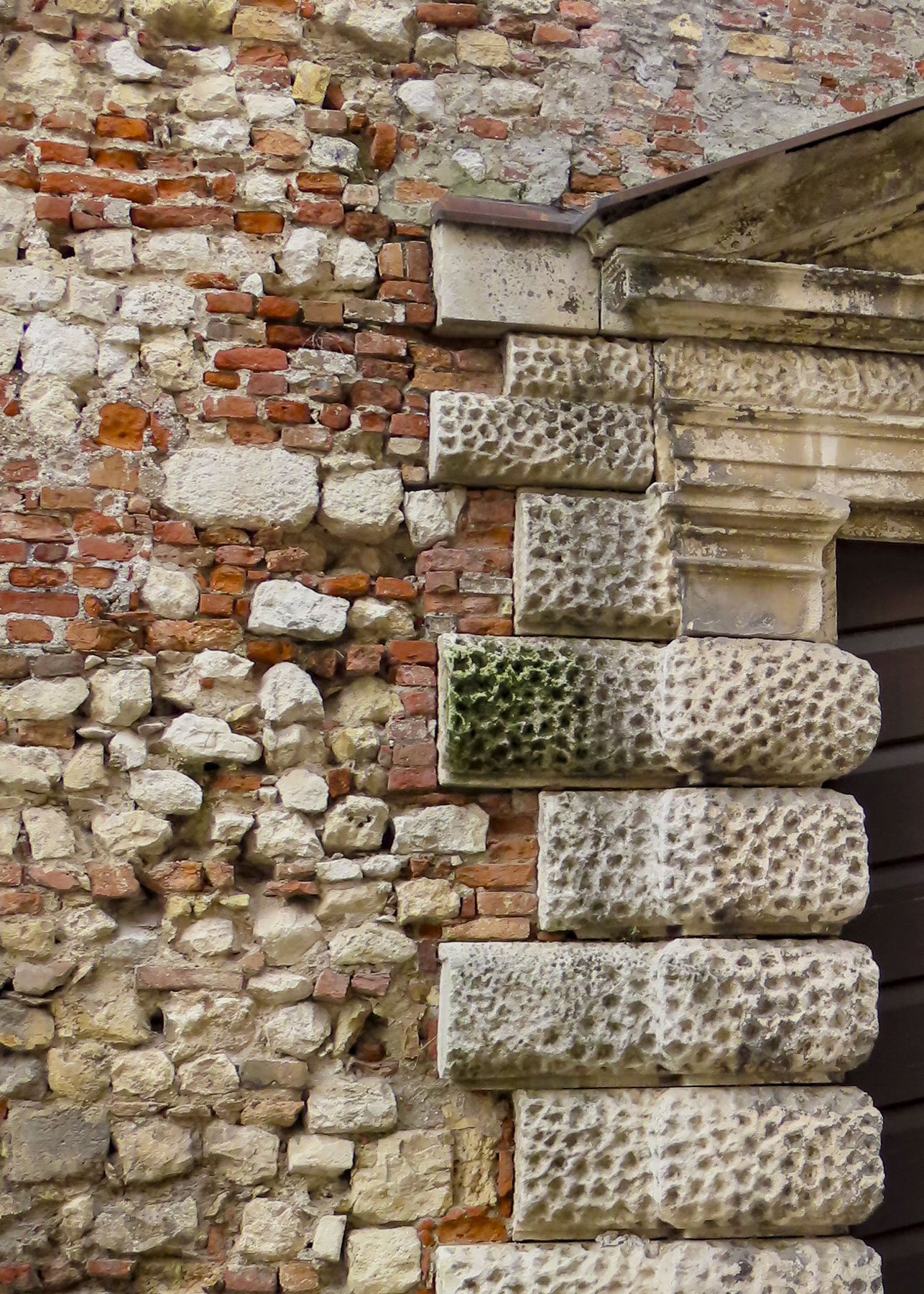
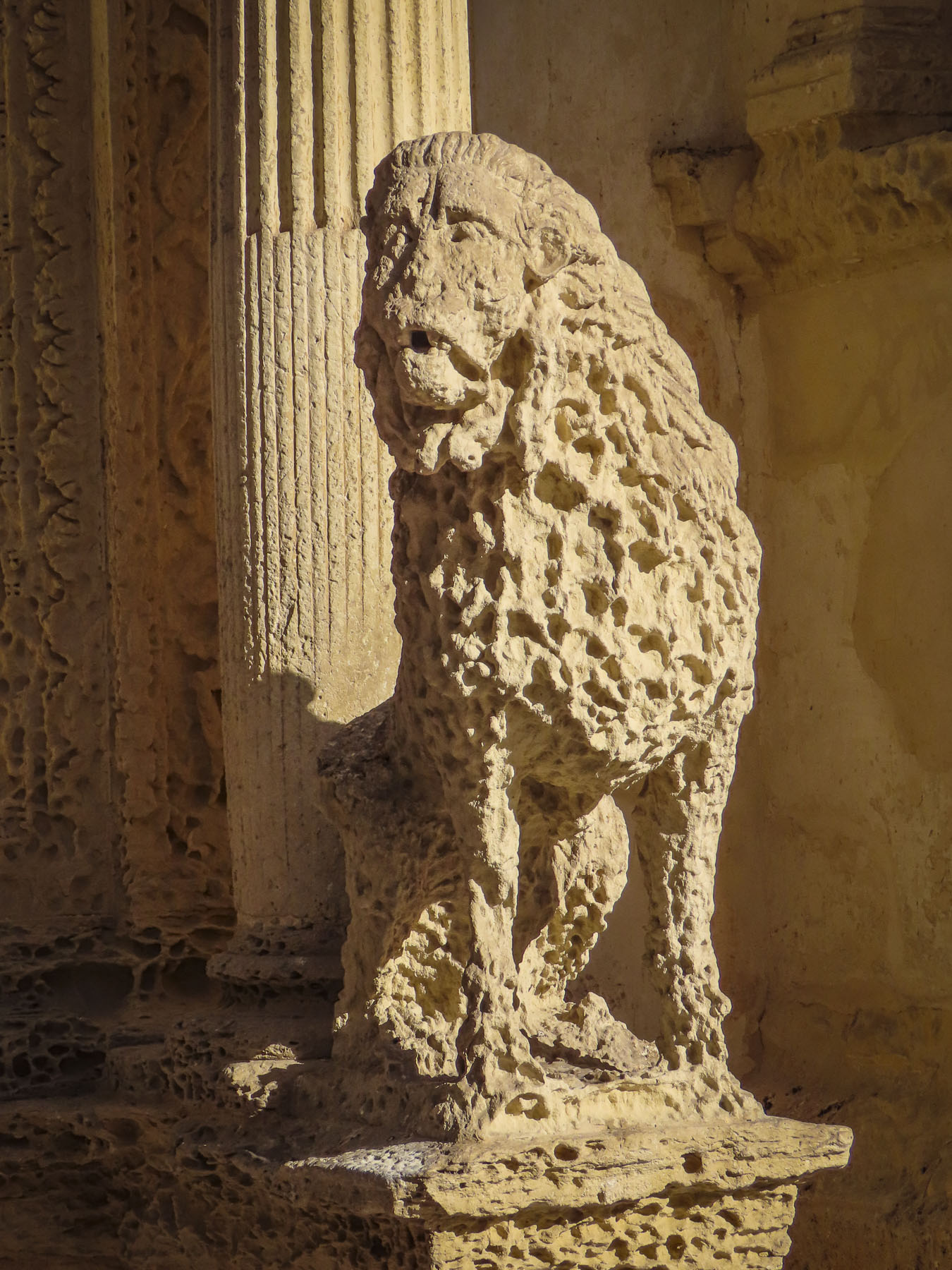
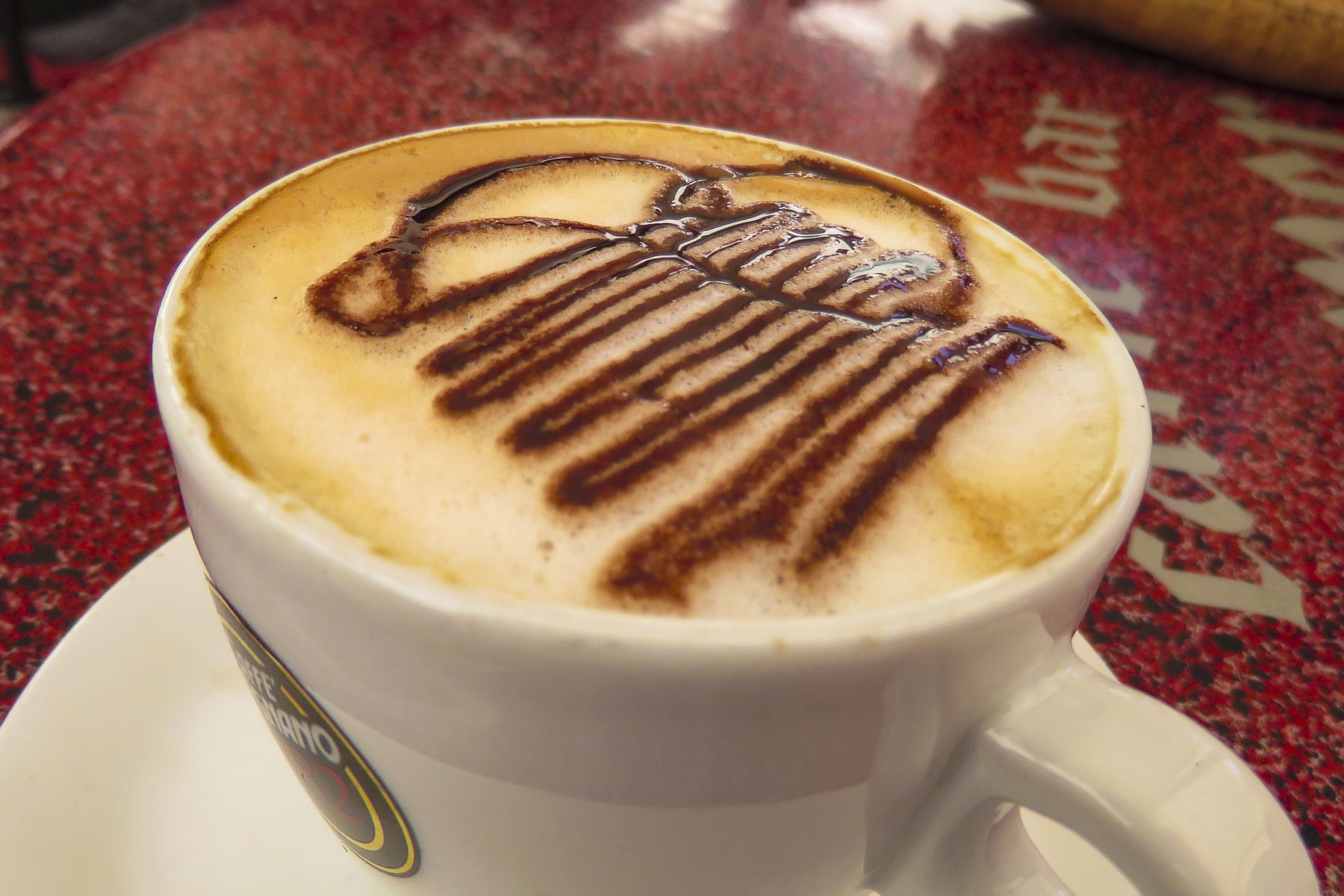
While walking to the park for a return visit, we found the Boutique Del Pane Vicenza, a delightful small bakery at the very end of Corso Antonio Fogazzaro, past the 14th century Church of San Lorenzo with its intricately carved roped portal and guarding lions that have slowly eroded with time. Years ago in Italy, the concept of “coffee to go” or “take away” as we have in the states was unheard of. Tradition was you stood at the counter for a quick morning espresso or lingered at a table. Attitudes have evolved and we are not sure if we agree, but this visit, with coffees and pastries in hand, we snacked in the park.

Nearby the twice-weekly artisanal farmers market, Il Mercato Campagna Amica di Vicenza, brought locally produced cheeses, wines, fruit and vegetables to new meaning with a “zero food miles” philosophy. The artisanal baker was very popular with folks queued three deep at her counter for a chance to buy a wedge of bread from her huge country loafs. Around the corner from the market, we found the best vegetarian restaurant we’ve ever been to, NaturaSì Silene Bio Bottega E Cucina. With truly the most flavorful and memorable vegetables.


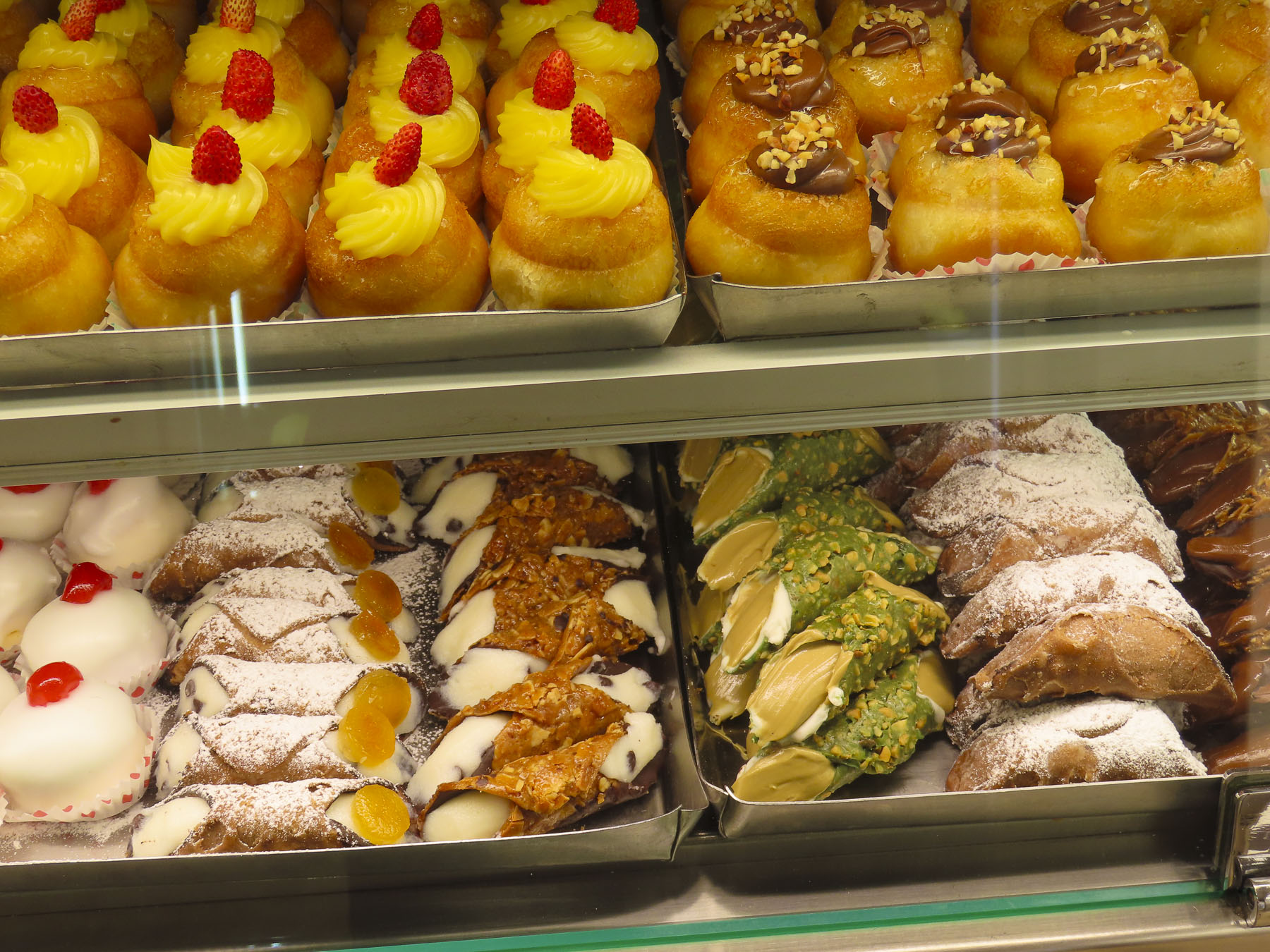
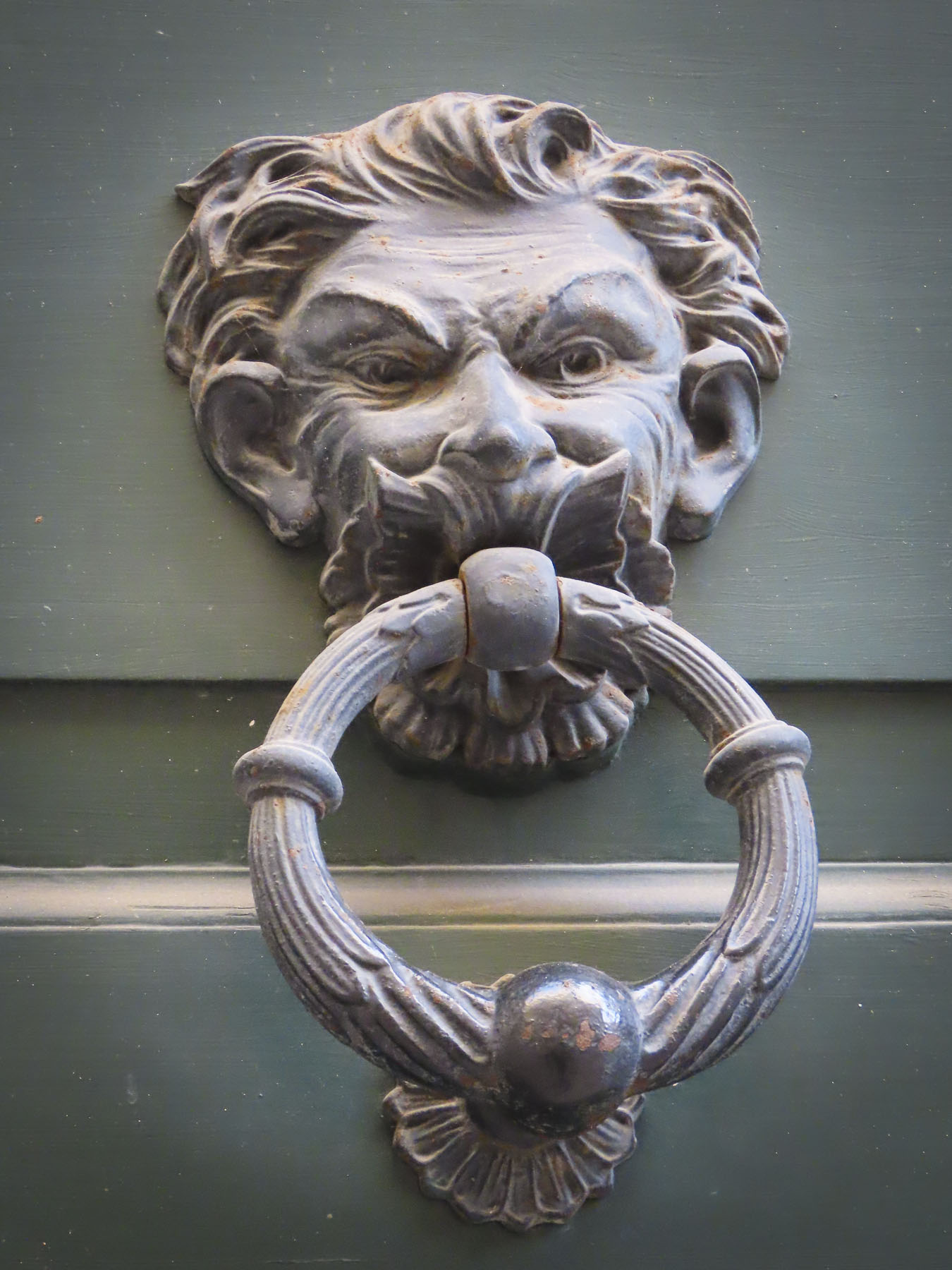
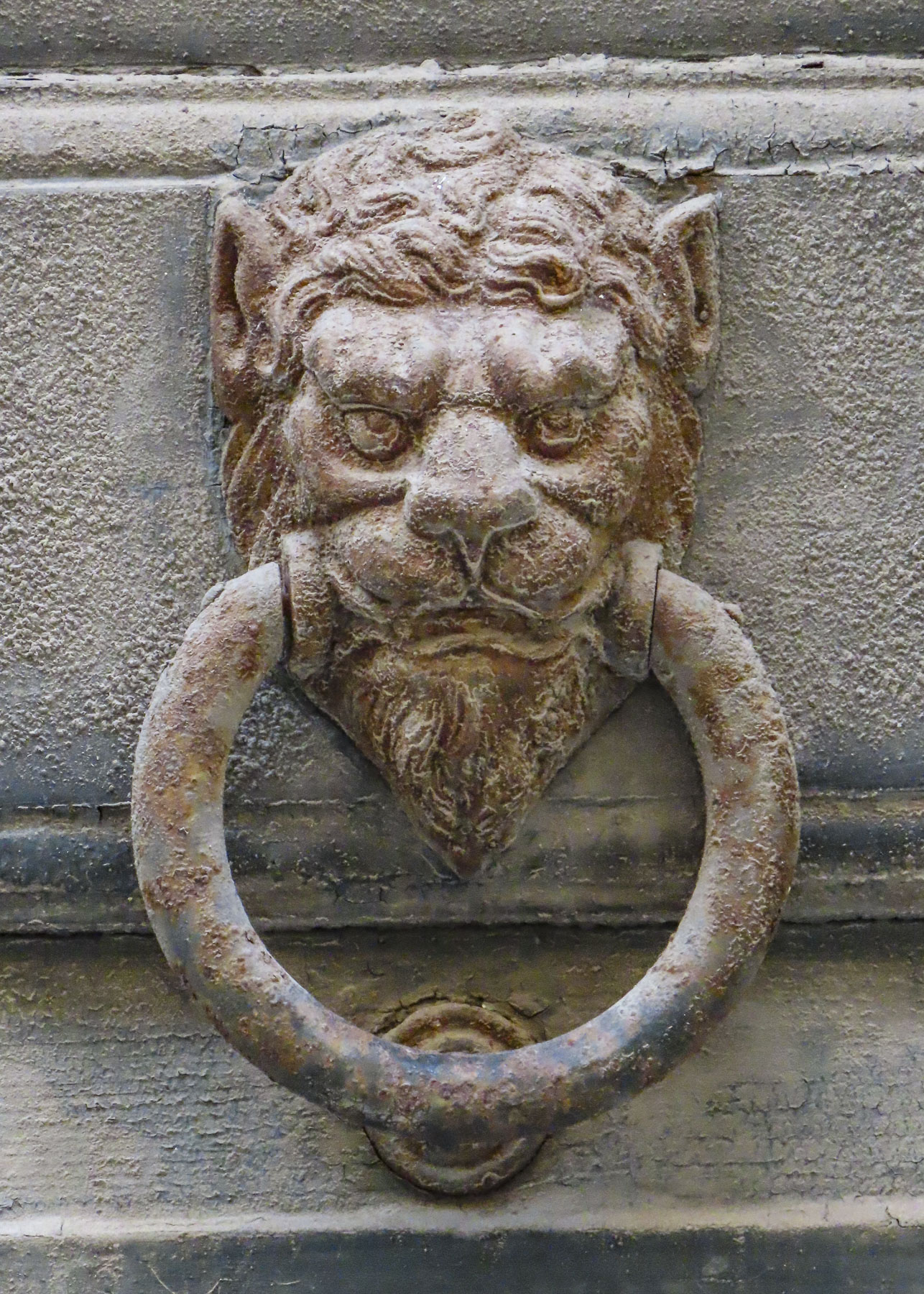
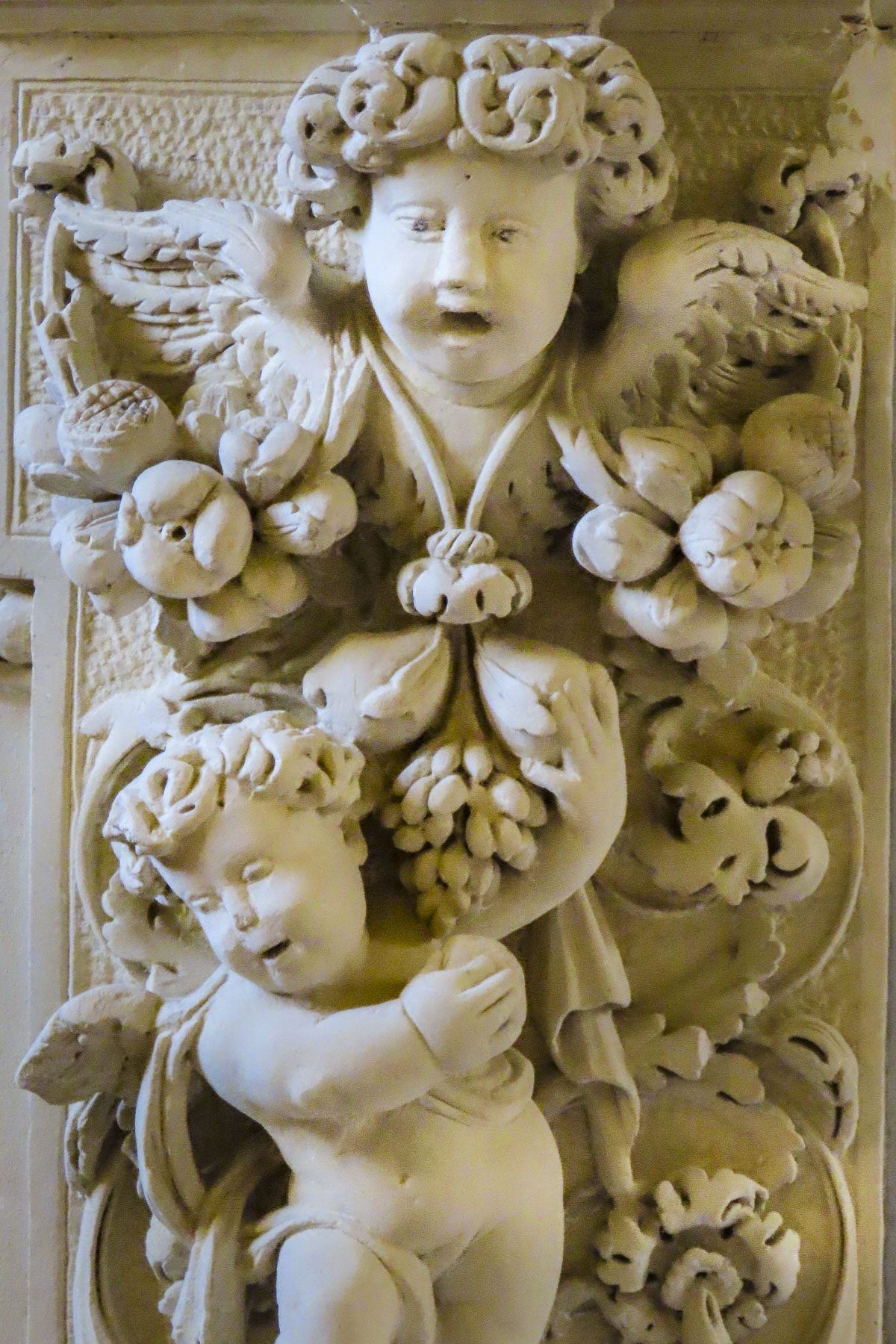
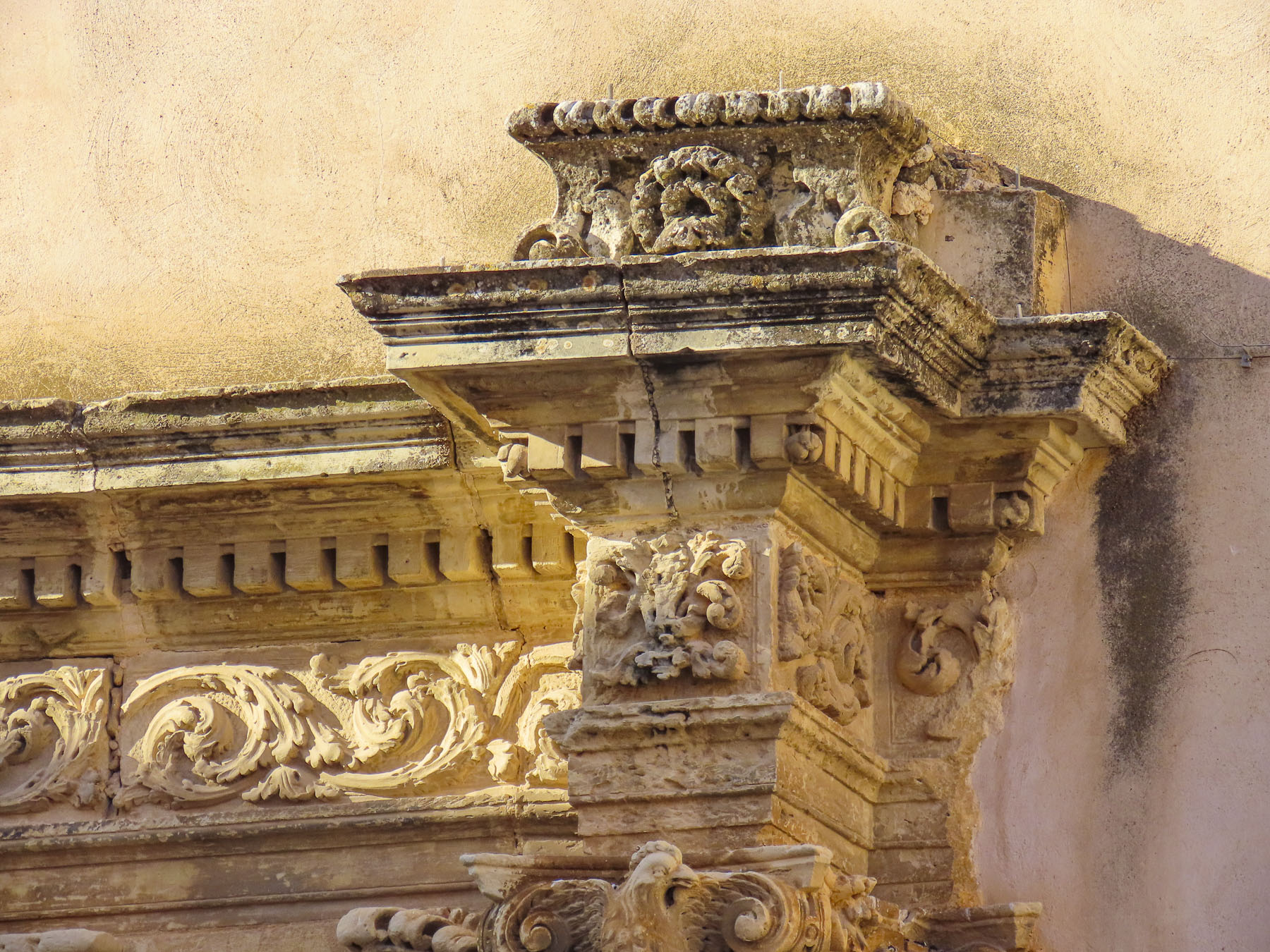
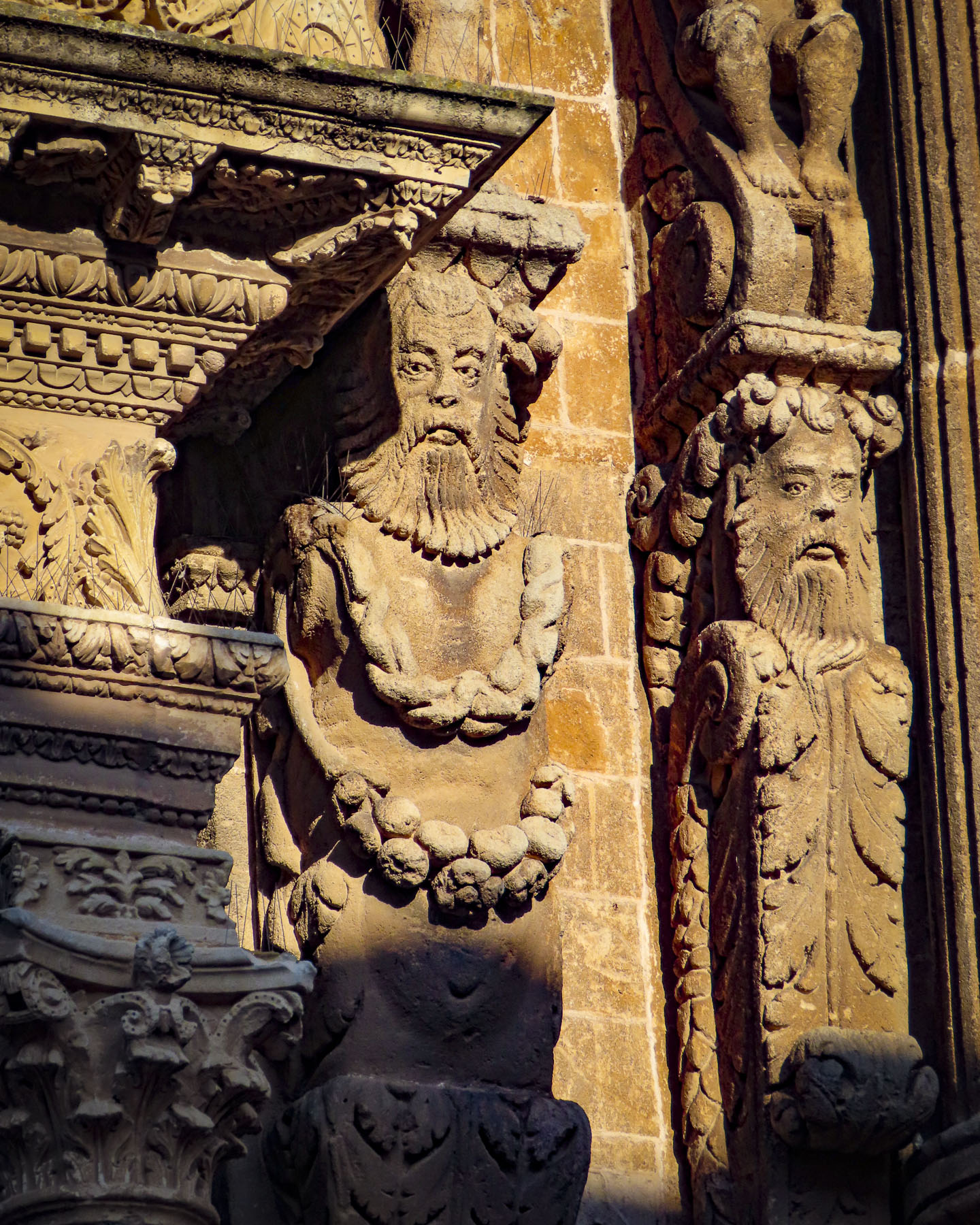
From our apartment on Contra Motton San Lorenzo we explored the historic center of this delightfully compact, Renaissance city, where we were less than a ten-minute walk from everything. As we strolled past intriguing architectural details, we took note of what to do and where to go later in the week. Discovering pastelería is our superpower and we put it to good use finding tasty creations to enjoy for the next morning. Walk a little then café – repeat was a well-paced yet caloric approach that we fully enjoyed in our explorations of the city. Though some days longer walks between cafes were needed when our belts were too tight. Donna says the solution is simply to wear elastic waist pants.

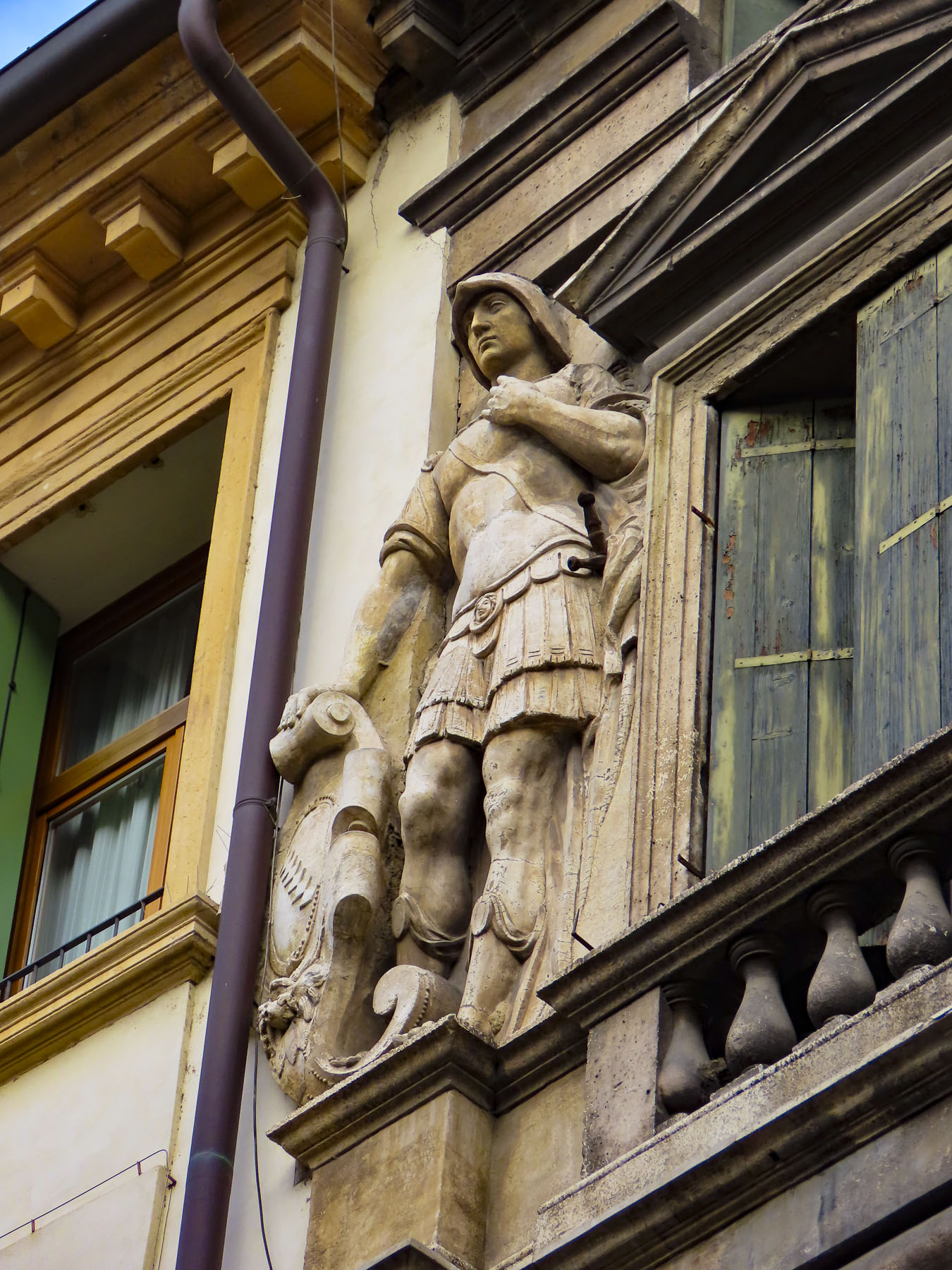

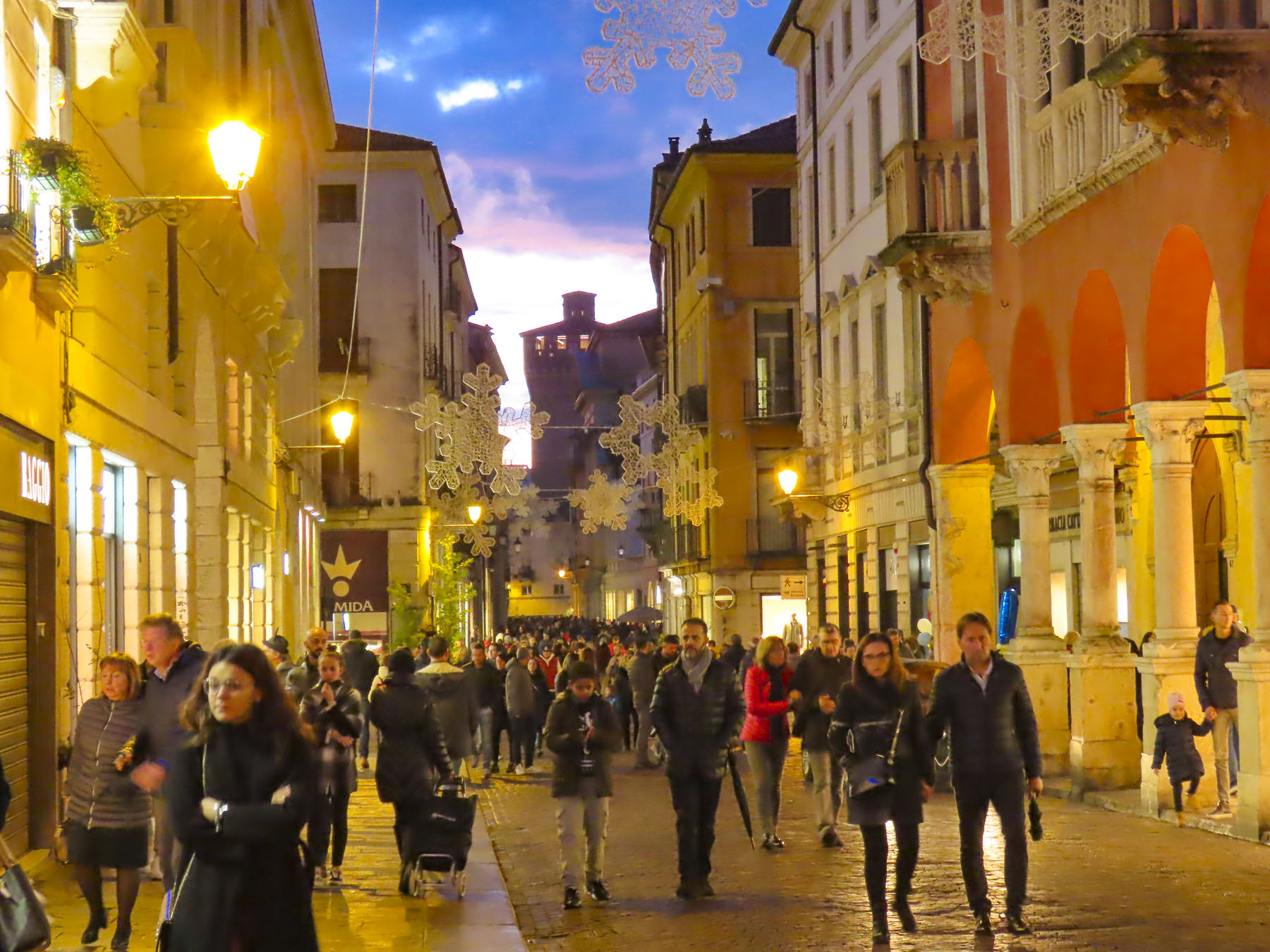
During the time of the Romans the main street in Vicenza was Via Postumia, a military road that connected outposts across Northern Italy. Later during the Renaissance, noblemen competed in Palios, horse races, on the religious festival days for Sacra Thorn and Corpus Domini, when the main street, now lined with arcaded sidewalks, was used as a racecourse. After the Second World War the street was renamed Corso Andrea Palladio, to honor the great architect for his contributions to the city, and an electric street-trolley coursed down the avenue. The Corso and the historic center of Vicenza have been pedestrian only since 1983. It remains a vital artery, with upscale shopping and restaurants connecting either end of the town and the historic sites in between. It’s the perfect street for La Passeggiata, the early evening stroll locals still enjoy. If you are looking for a traditional Italian bar along the Corso, the Gran Caffe’ with its old-world charm is the perfect place for an espresso or spritz. It attracts a diverse following, and is popular with students, professionals and a cadre of finely dressed older women who seem to be as much of an institution as the café itself.

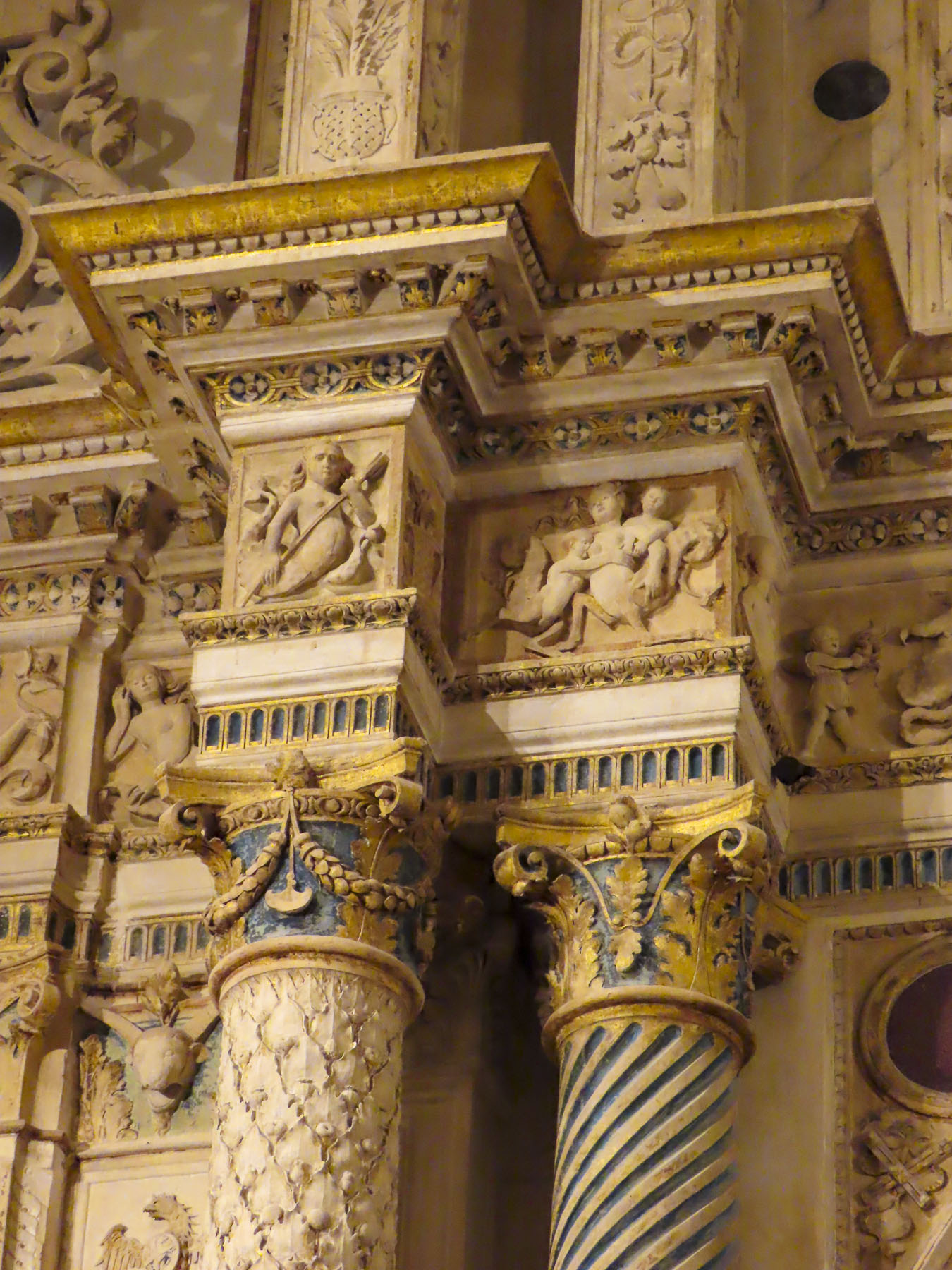
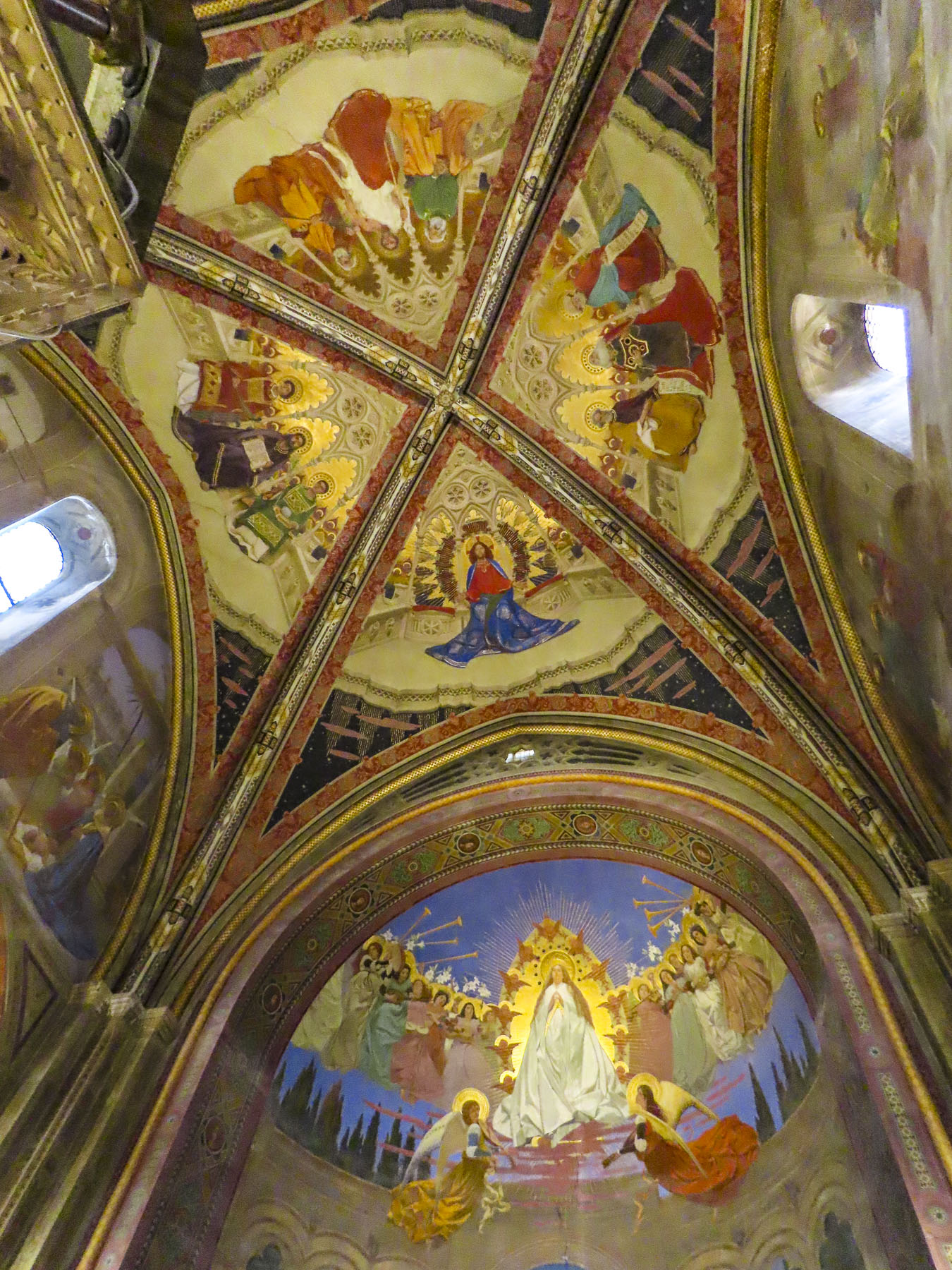
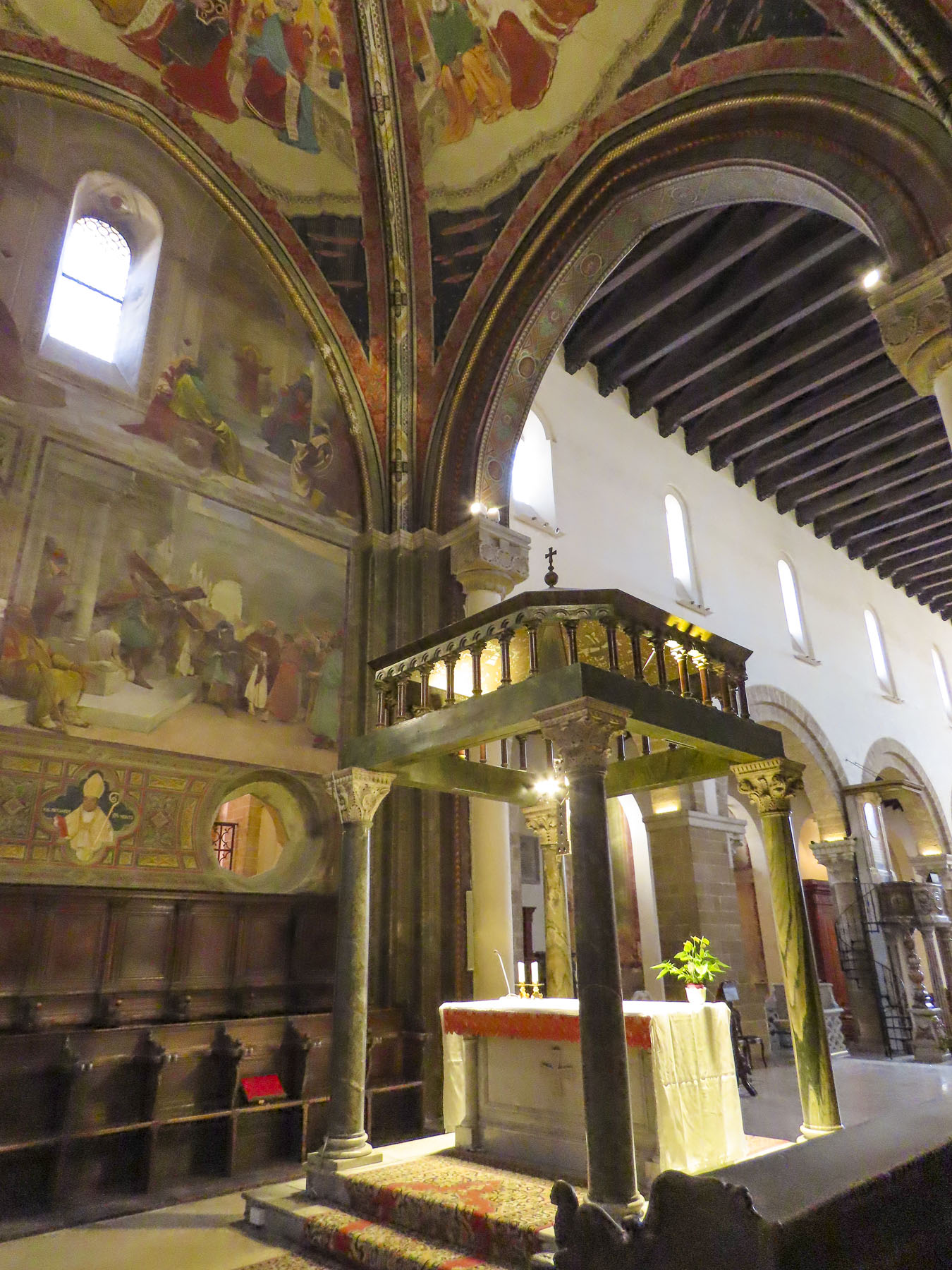
Vicenza’s relic from Christ’s Crown of Thorns is treasured in the Sanctuary of Santa Corona, which was built by the Dominicans in the late 1200s to safekeep the extraordinary gift from the French King Louis IX to the Bishop of Vicenza.

The centerpiece of the church is a beautiful altar embellished with pearls, corals, lapis lazuli and polychrome marble. Interestingly, outside hanging on the wall of the cloister is a plaque featuring a Cinta senese, an ancient Italian pig breed that is famous for its flavorful meat.


Palladio has definitely left his mark on the city with buildings of his design on almost every street – at least, it seems that way. A tour of the city wouldn’t be complete without stopping at the Palazzo Barbaran da Porto, a Palladio design built in 1570, that is now a museum with interactive exhibits and video displays as well as three dimensional models dedicated to the architect’s work. Recognized by UNESCO in 1994 for his influential architectural aesthetic, called Palladian, twenty-four of his Palazzo designs and the city itself have been designated a World Heritage Site.


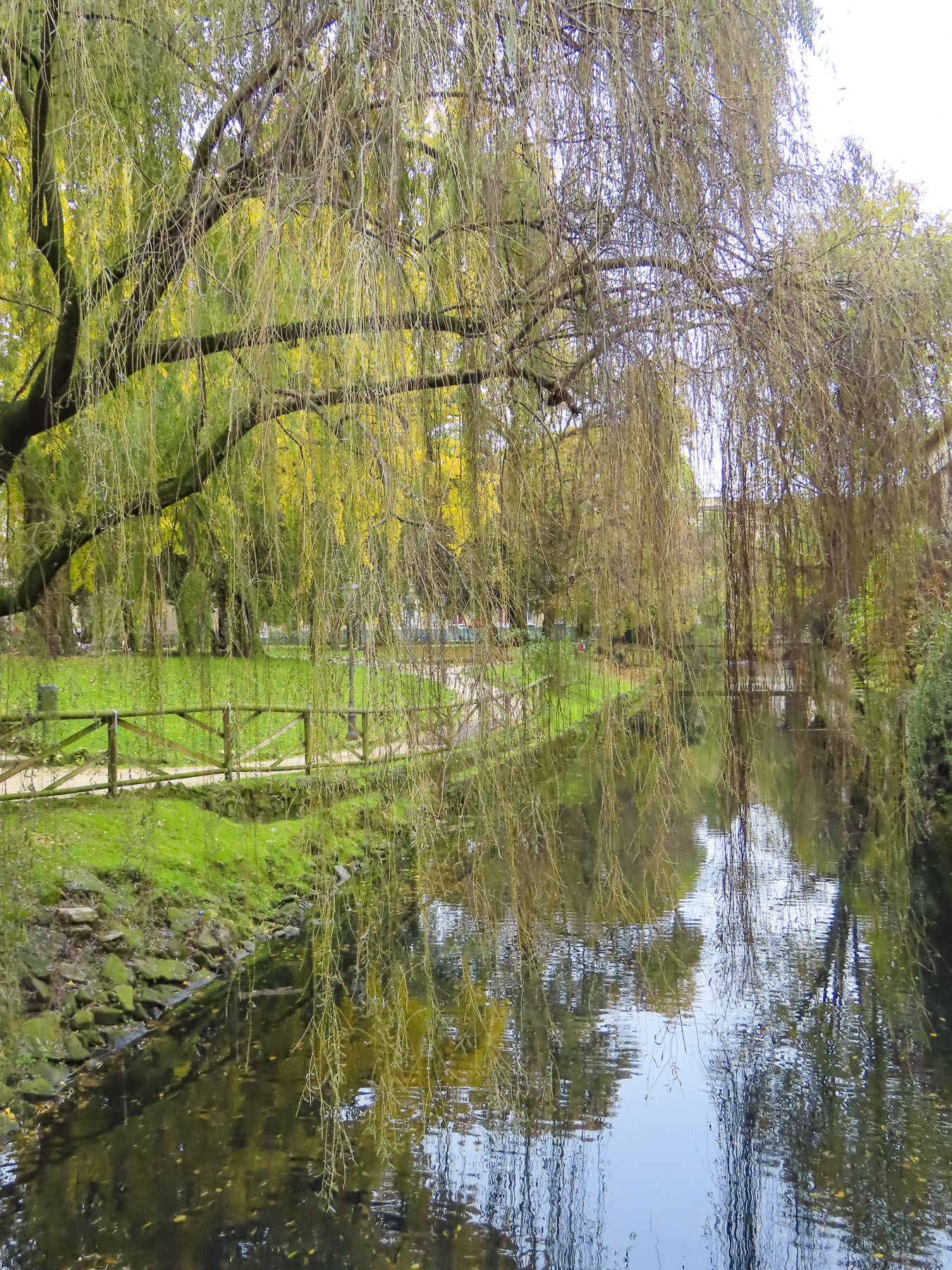
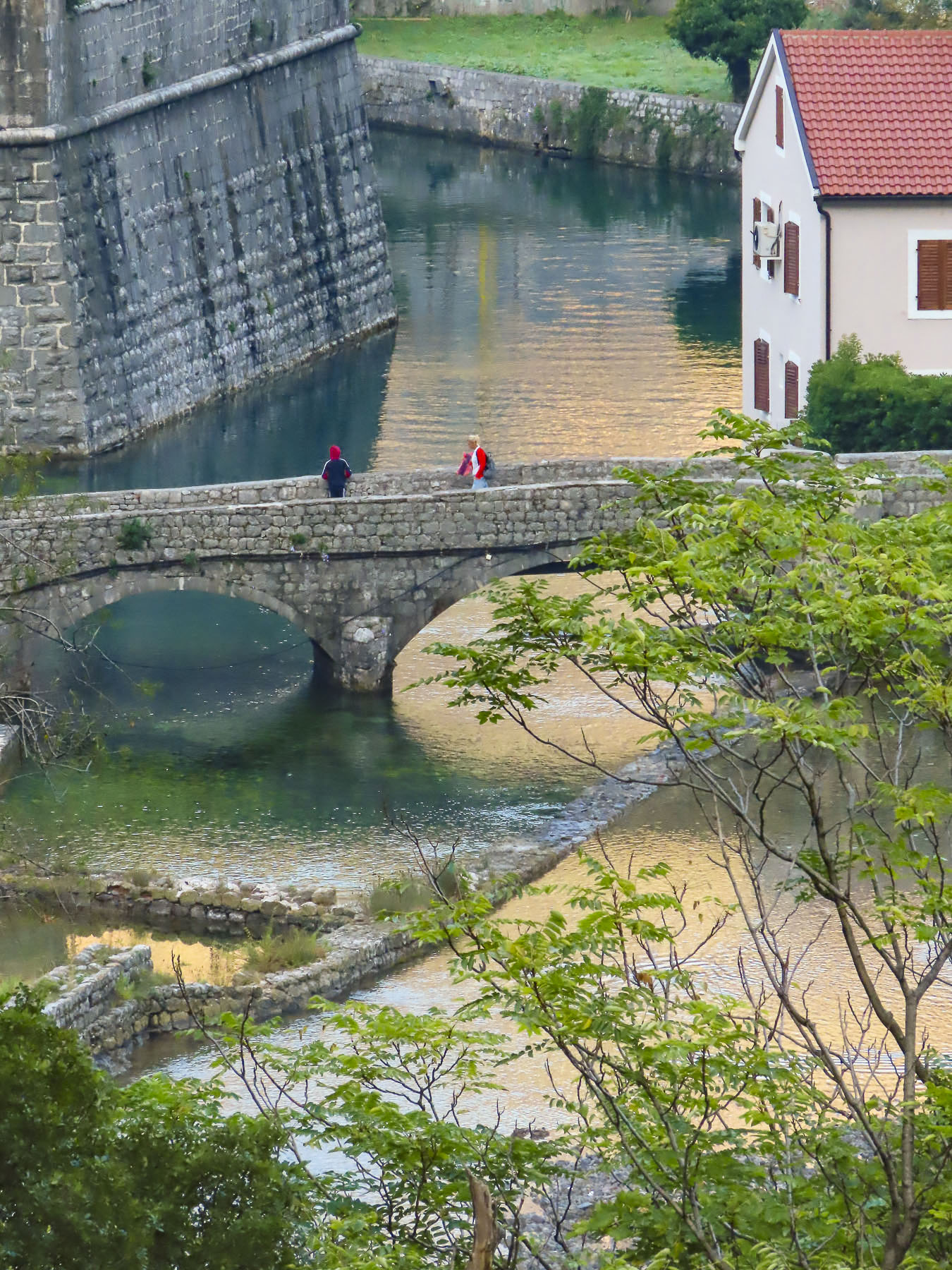
The city also has a wonderful ambience aside from his architectural masterpieces. Waterscapes from the Ponte S. Paolo and the Ponte S. Michele over the Fiume Retrone reflect a quaint village vibe unexpected in comparison to the grand Piazza dei Signori just two blocks away.


Pasticceria Venezia – a Vicenza dal 1964, just up from the bicycle parking on S. Paolo and near the Palladian Basilica, is a terrific place for café and a bite to eat.


On the other end of town just outside the Porta Castello, the Giardini Salvi, a treed greenspace with fountains, has been on the city map since 1580. It was the private park to the Palazzo Valmarana and in a brief moment of 16th century civic mindedness, was open to the public for a few years before being closed again for several centuries. It wasn’t until the 20th century that the park was permanently reopened for public use.


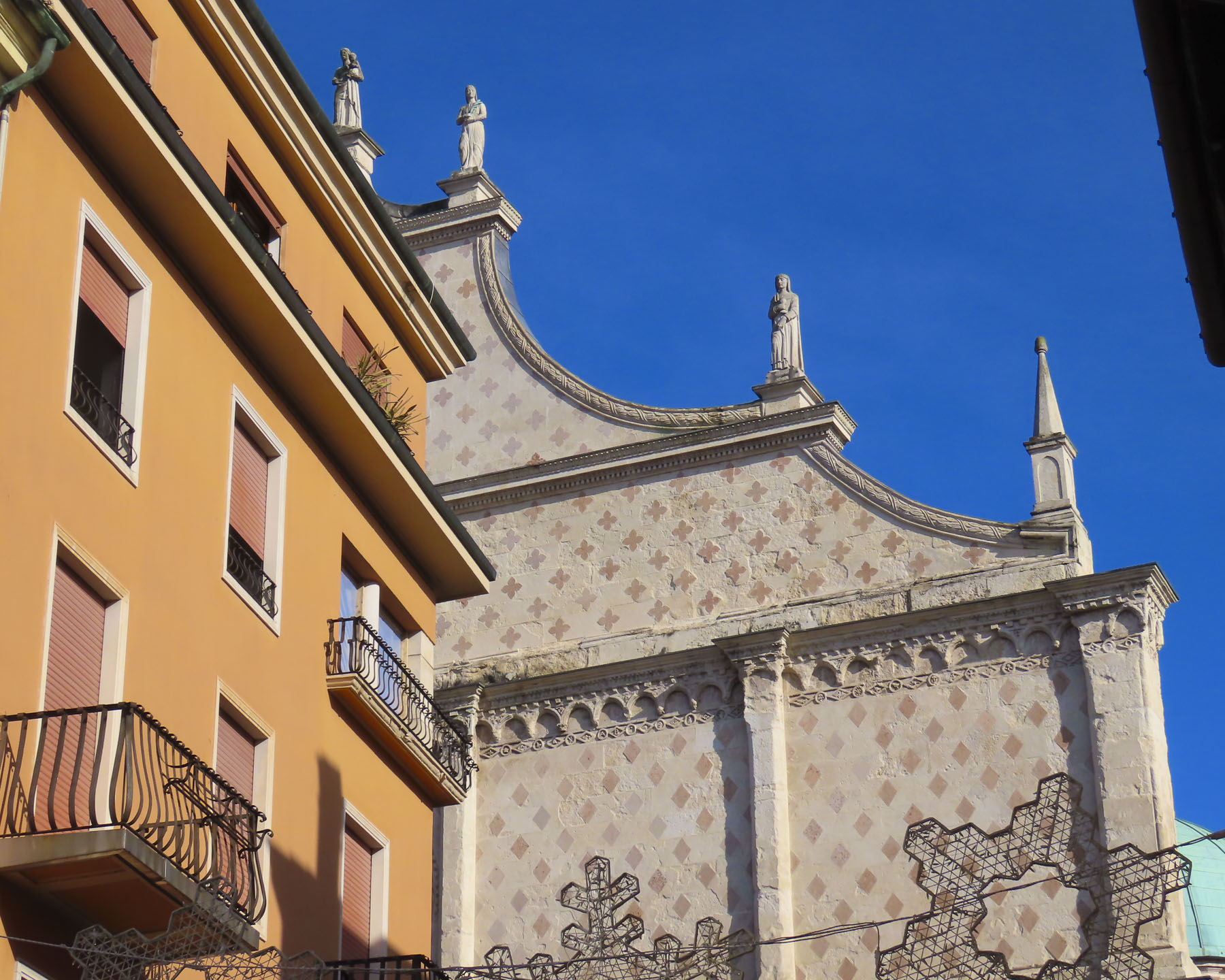
The district south of the Corso Palladio is also worth exploring with the Duomo di Vicenza, the Cathedral of Saint Mary of the Announcement, as its centerpiece. Heavily damaged by allied bombing during the Second World War, only the original 1482 Gothic entrance façade remained, while the rest of the church had to be reconstructed.

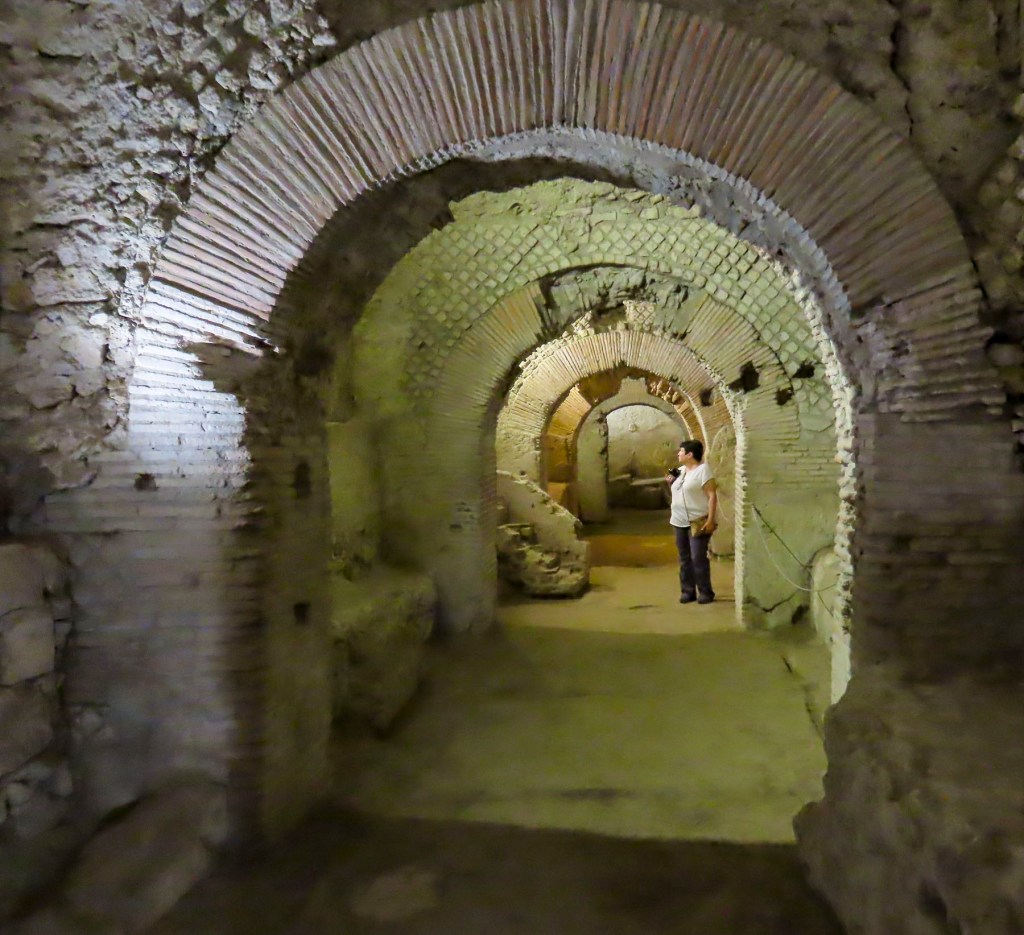
Diagonally across the street, in the ancient Bishop’s Palace, the Museo Diocesano di Vicenza has a unique collection of Vicentine religious artifacts. Interestingly there is a large collection of fine marble spheres, some the size of bowling balls, given to a former Bishop of Vicenza as gifts. Discovered on the other side of the piazza during reconstruction after WWII the Criptoportico Romano was the subterranean storage area of a 1st century Roman domus. As interesting as that sounds, if you’ve been in an empty, damp dark basement before, you can skip this.


Around the corner is Righetti’s, a self-service restaurant and another Vicenza institution for over thirty years, that should be experienced. Customers find their own tables and set the cutlery themselves before walking to the back of the restaurant and placing their orders, from the daily changing menu on chalk boards, directly with the cooks in the kitchen. After dinner, the cashier counts your glasses and plates, then bills accordingly. They are open Monday through Friday for lunch and dinner, cash only.


Although the weather was noticeably cooler, we enjoyed our November off-season visit to this visually pleasing and gentle city. If you are an admirer of historic architecture, Vicenza is akin to finding a lost treasure. The bonus was the lack of large tourist groups, which we imagine could be quite smothering in this quaint city during peak travel months.
Till next time, Craig & Donna






































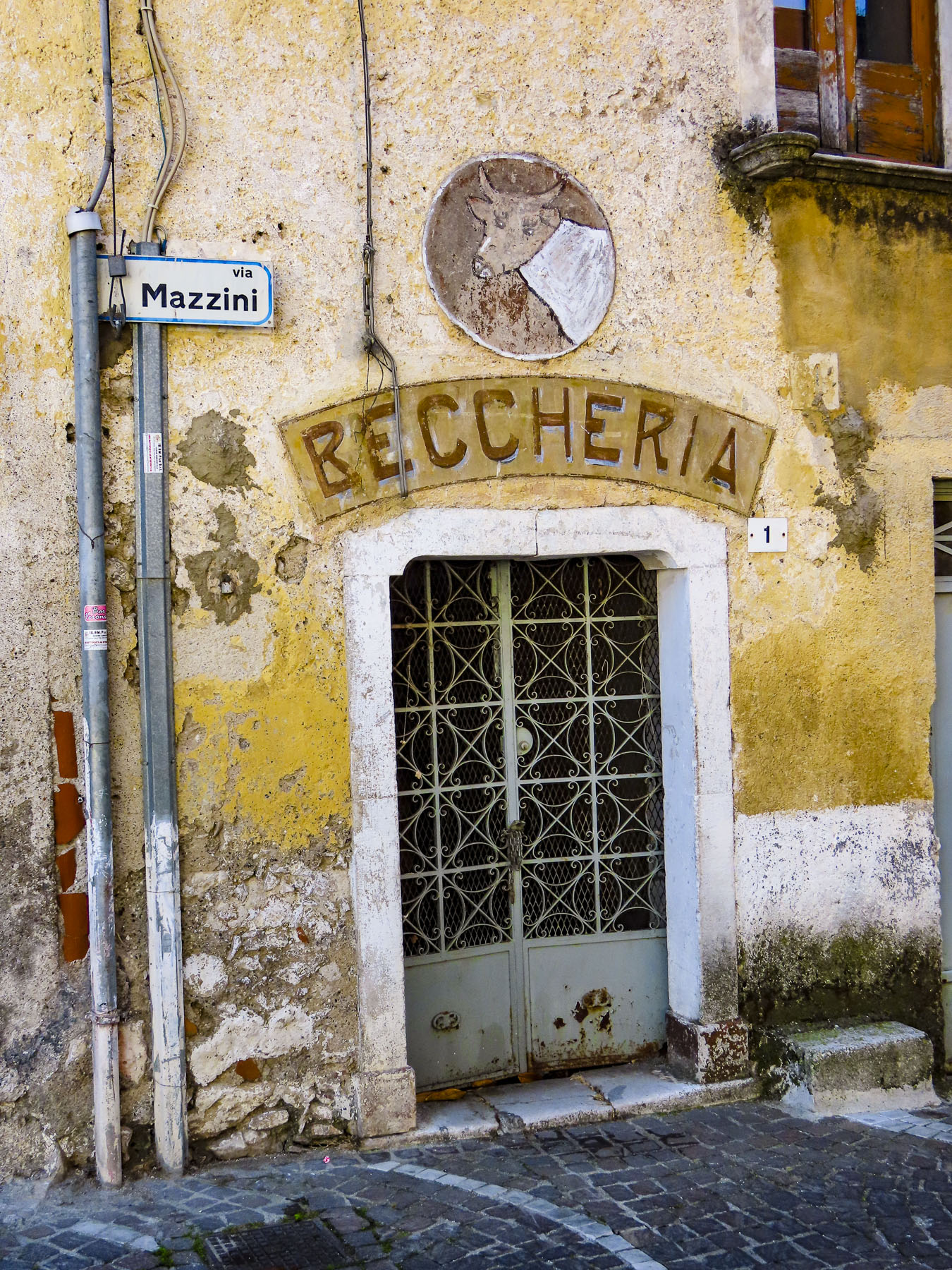
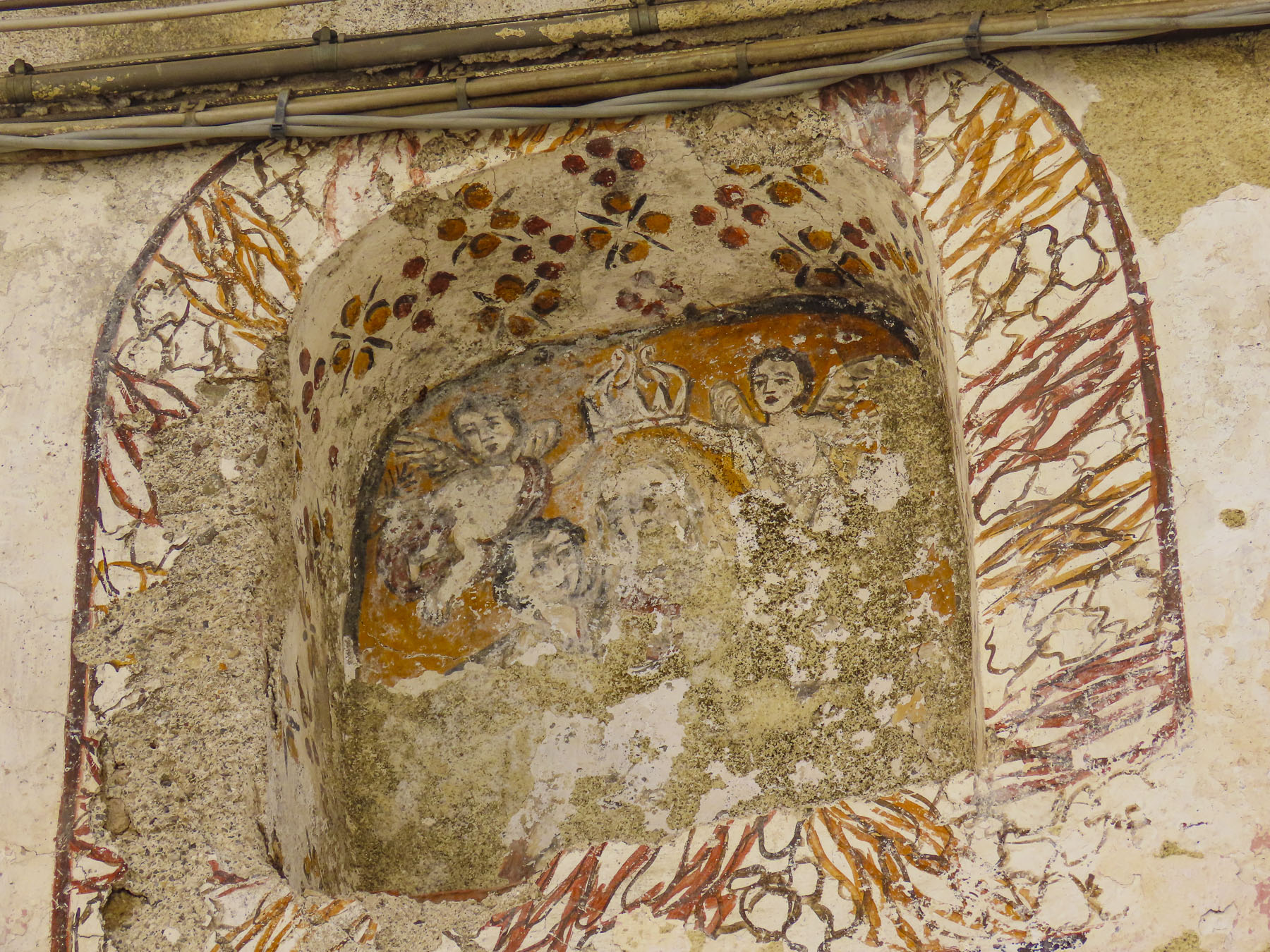

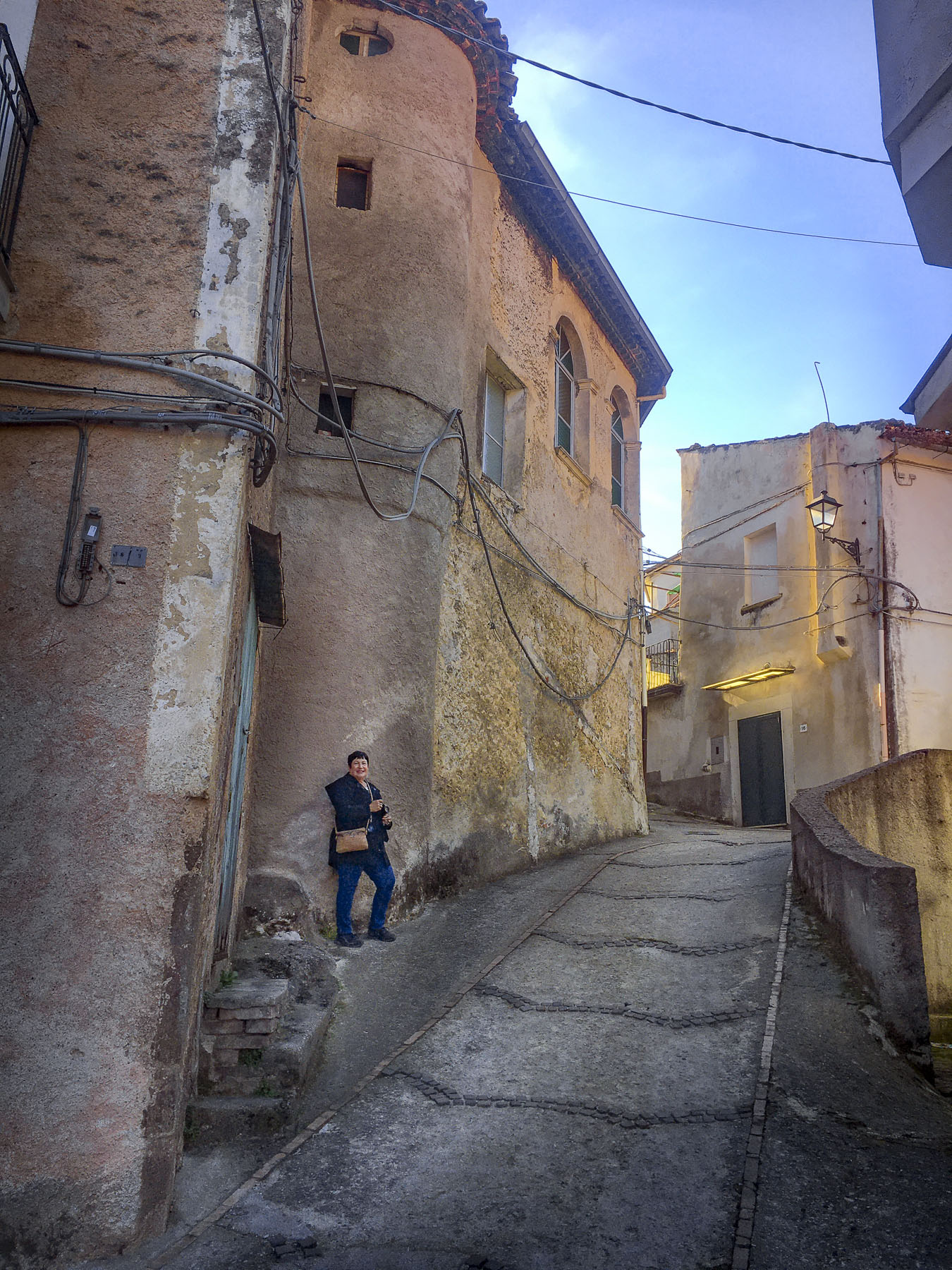
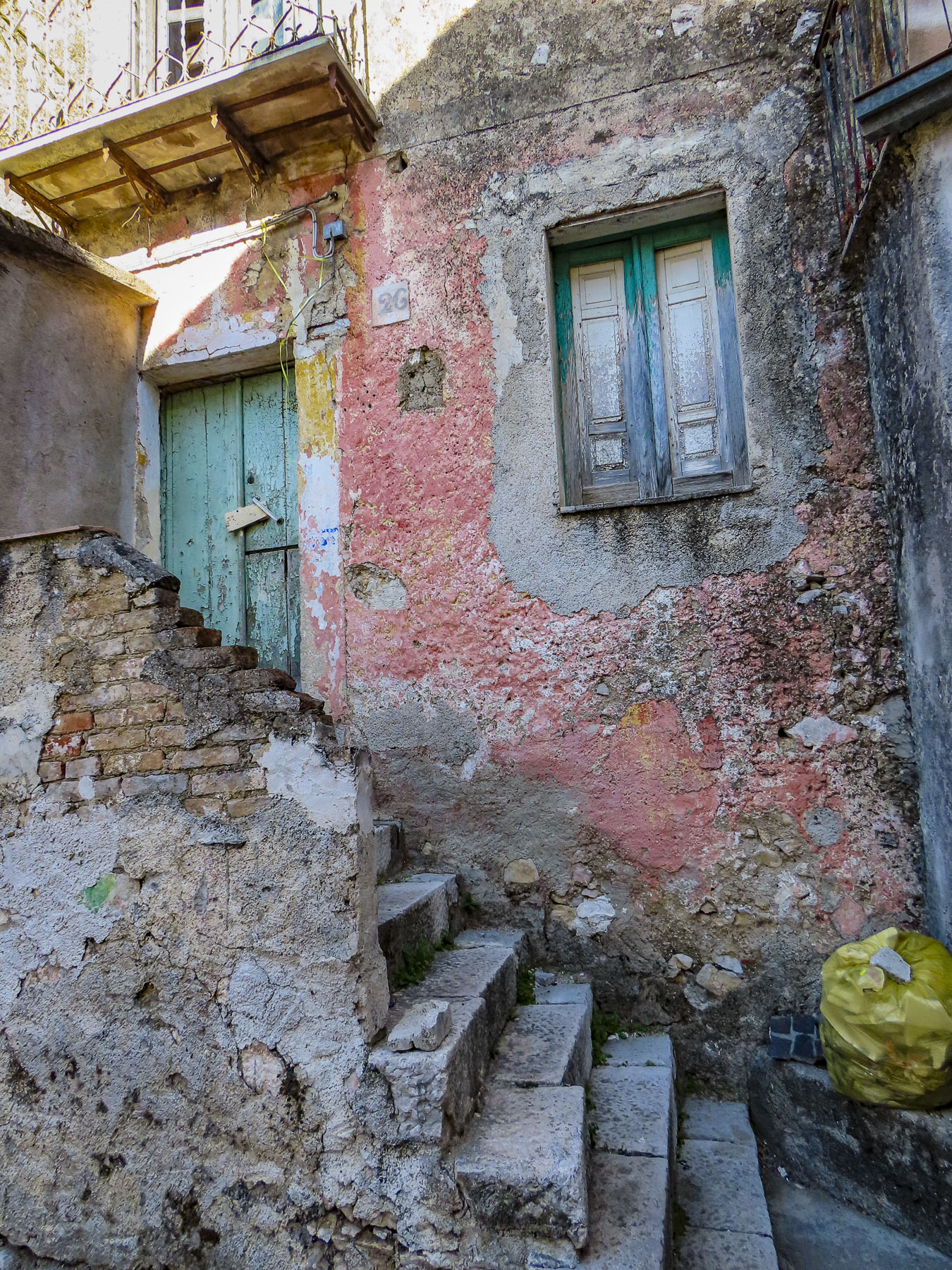


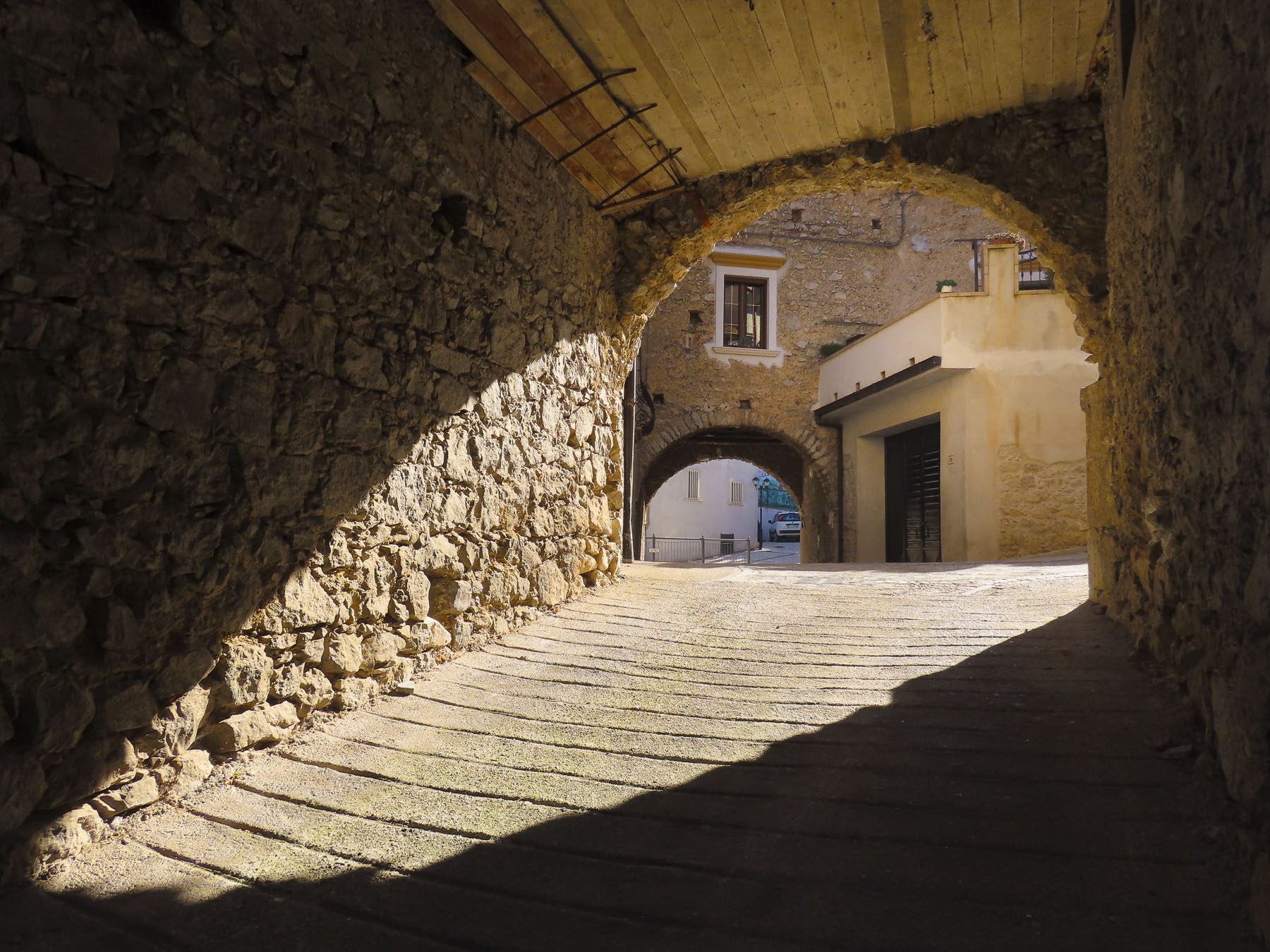
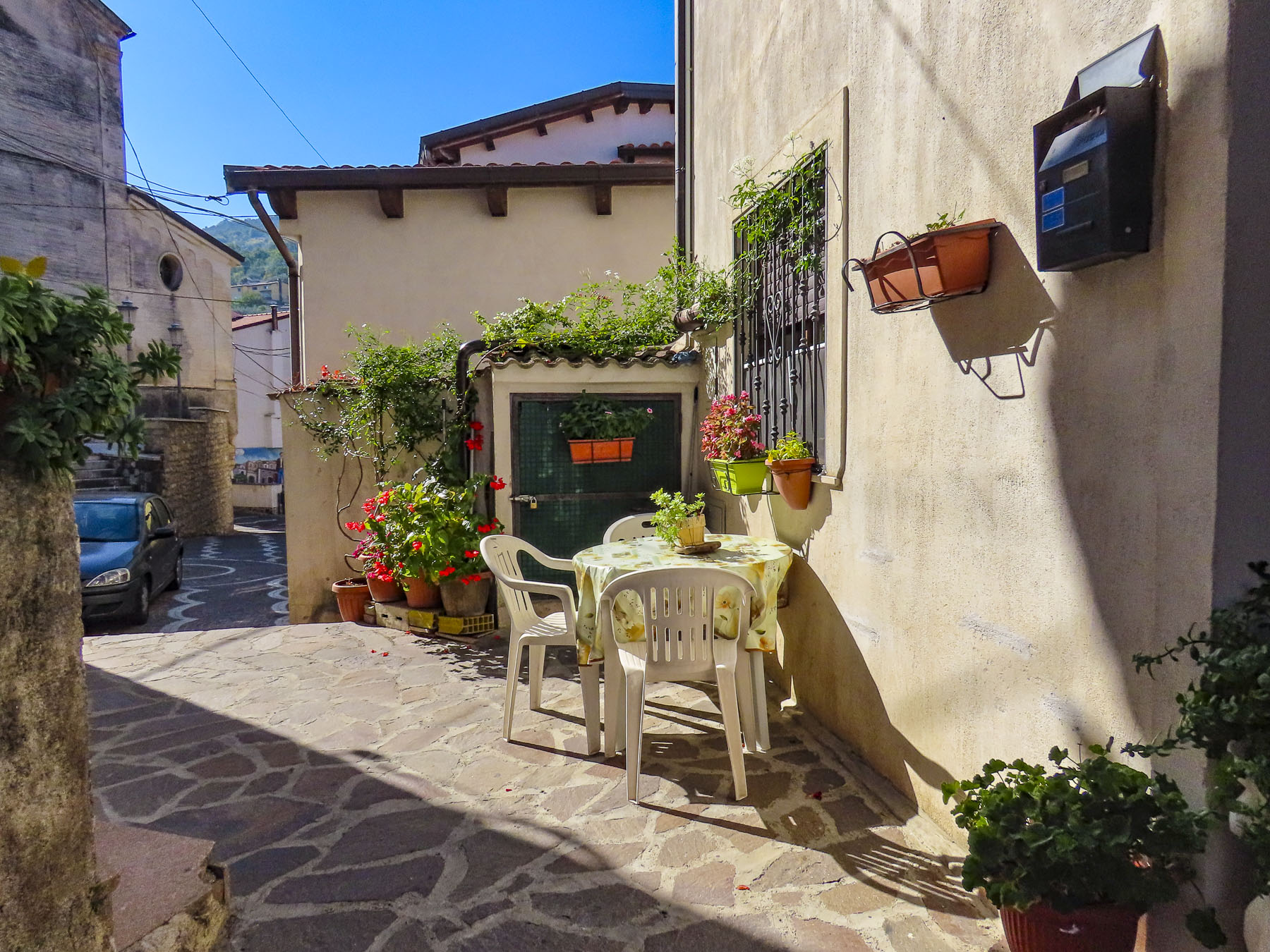



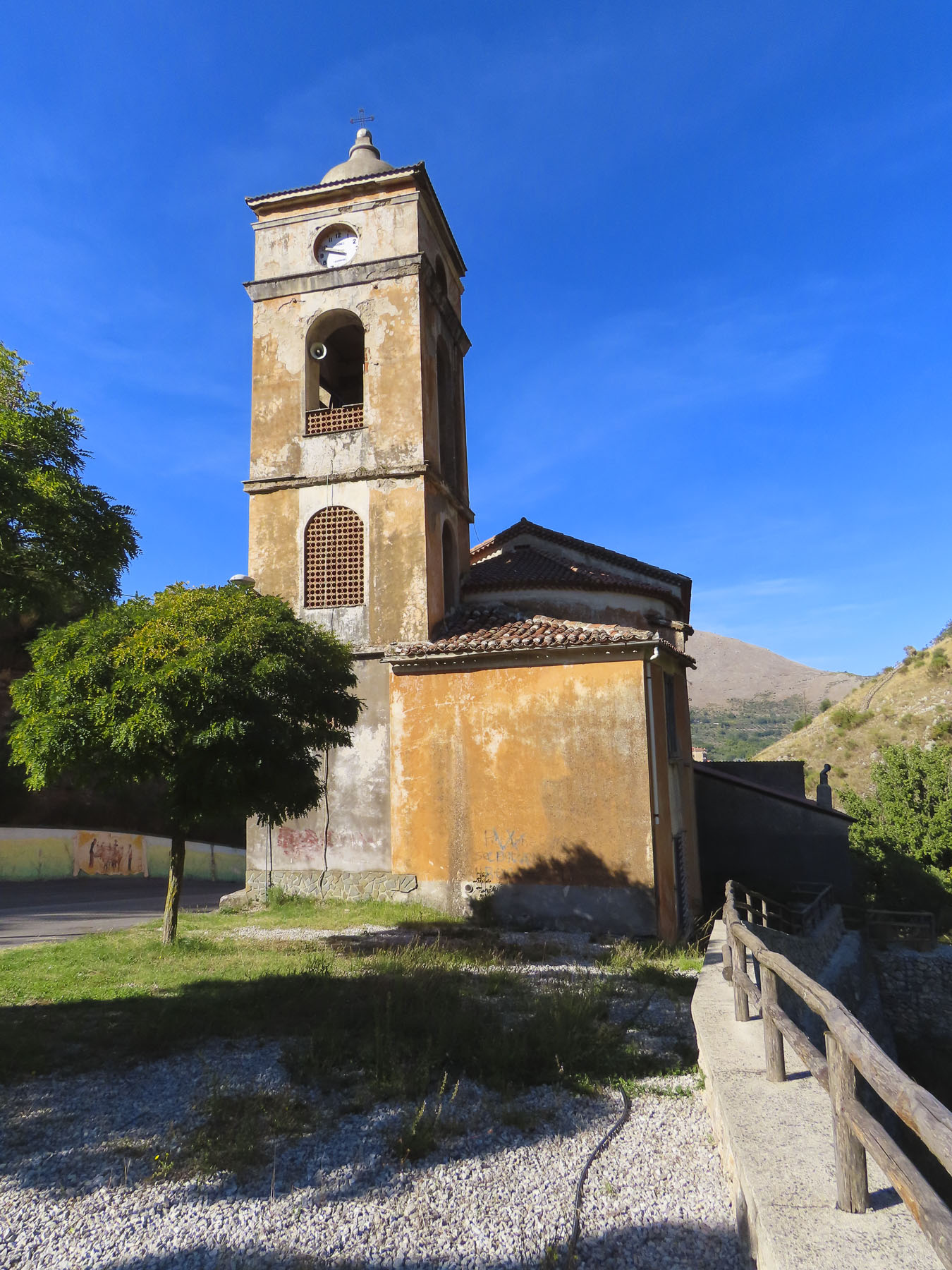















































































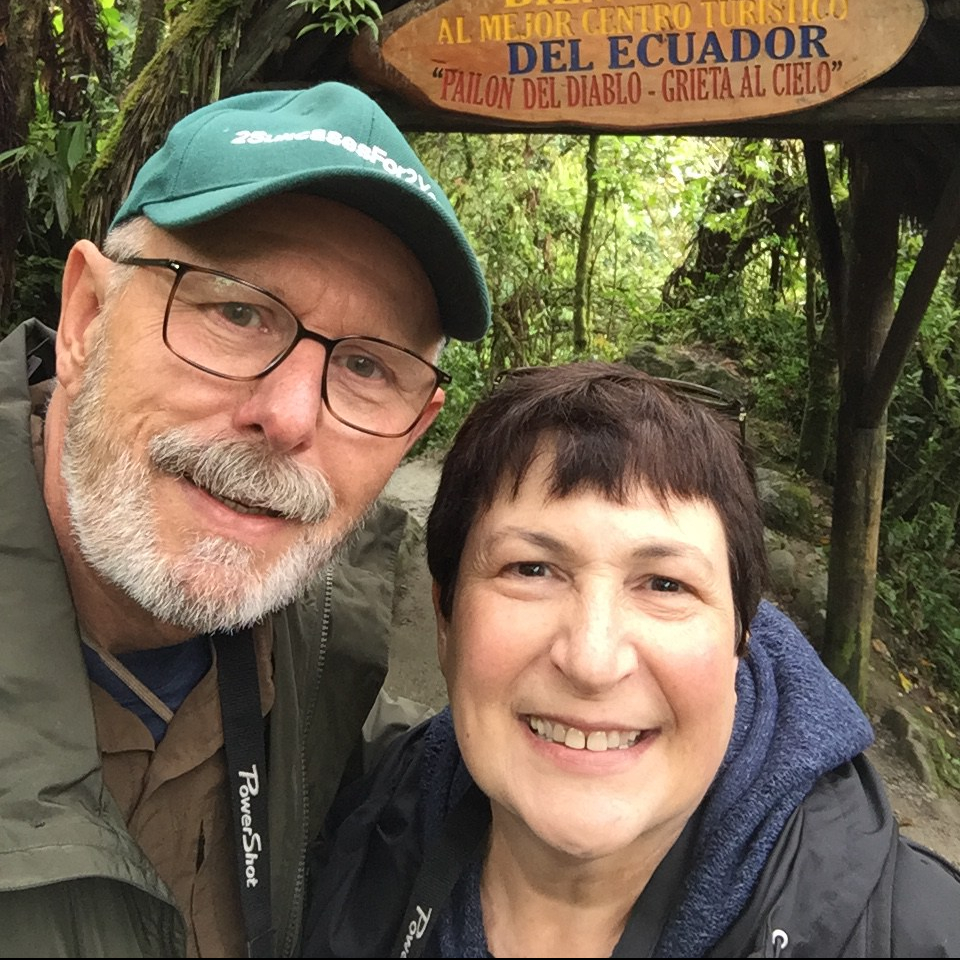 The good news is we haven’t killed each other, though there have been times that I’ve dreamt a pillow was hovering over my head. Just kidding. We have gone from the two of us working six days a week while living in an eight-room house, to being together 24/7 with only a suitcase each. Boy did we downsize! It was challenging: what not to bring, considering all the seasonal changes we have encountered. Don’t laugh, but I have thermals, wool hats and gloves packed, just on the off chance we get snowed in on a mountain pass in the French Alps, this July. Yes, there’s also a flask of medicinal whisky packed in the bags for emergencies. And to my wife’s amusement, a cheap plastic fly swatter. Tragically the backup swatter was left behind in Antigua. In Lisbon I finally caved in and bought a pair of slippers because the floors of the stone buildings just don’t retain any heat in the winter. The comfort of a pair of slippers in the evening, after a long day of walking, can’t be underestimated.
 It’s been a huge but surprisingly easy transition for us. 253 days ago (I thought I was writing this at around day 200, it’s easy to lose track of time on the road) we slammed the door shut on our storage pod, locked it, and popped open a bottle of champagne to celebrate our impending journey. We haven’t looked back. Ecuador, Guatemala, Cuba and now Portugal; I can’t imagine undertaking this adventure with anyone else.


 This visit also gave us an opportunity to jettison the wonderful textiles and ceramics we had purchased along the way for a home we don’t have yet. Imagine this scene from our last stop in San Pedro – the backseat of a tuk-tuk overflowing with Donna and all our suitcases, while I’m sharing the driver’s seat with the driver, one cheek on, one cheek off and a foot dangling outside the cab as we speedily snaked through the steep narrow alleys of the village.


![IMG_2836[12654]](https://i0.wp.com/2suitcasesfor2years.com/wp-content/uploads/2018/11/img_283612654.jpg?w=279&h=209&ssl=1 "IMG_2836[12654]")
![IMG_2841[12658]](https://i0.wp.com/2suitcasesfor2years.com/wp-content/uploads/2018/11/img_284112658.jpg?w=279&h=209&ssl=1 "IMG_2841[12658]")
![IMG_6276[12629]](https://i0.wp.com/2suitcasesfor2years.com/wp-content/uploads/2018/11/img_627612629.jpg?w=477&h=636&ssl=1 "IMG_6276[12629]")


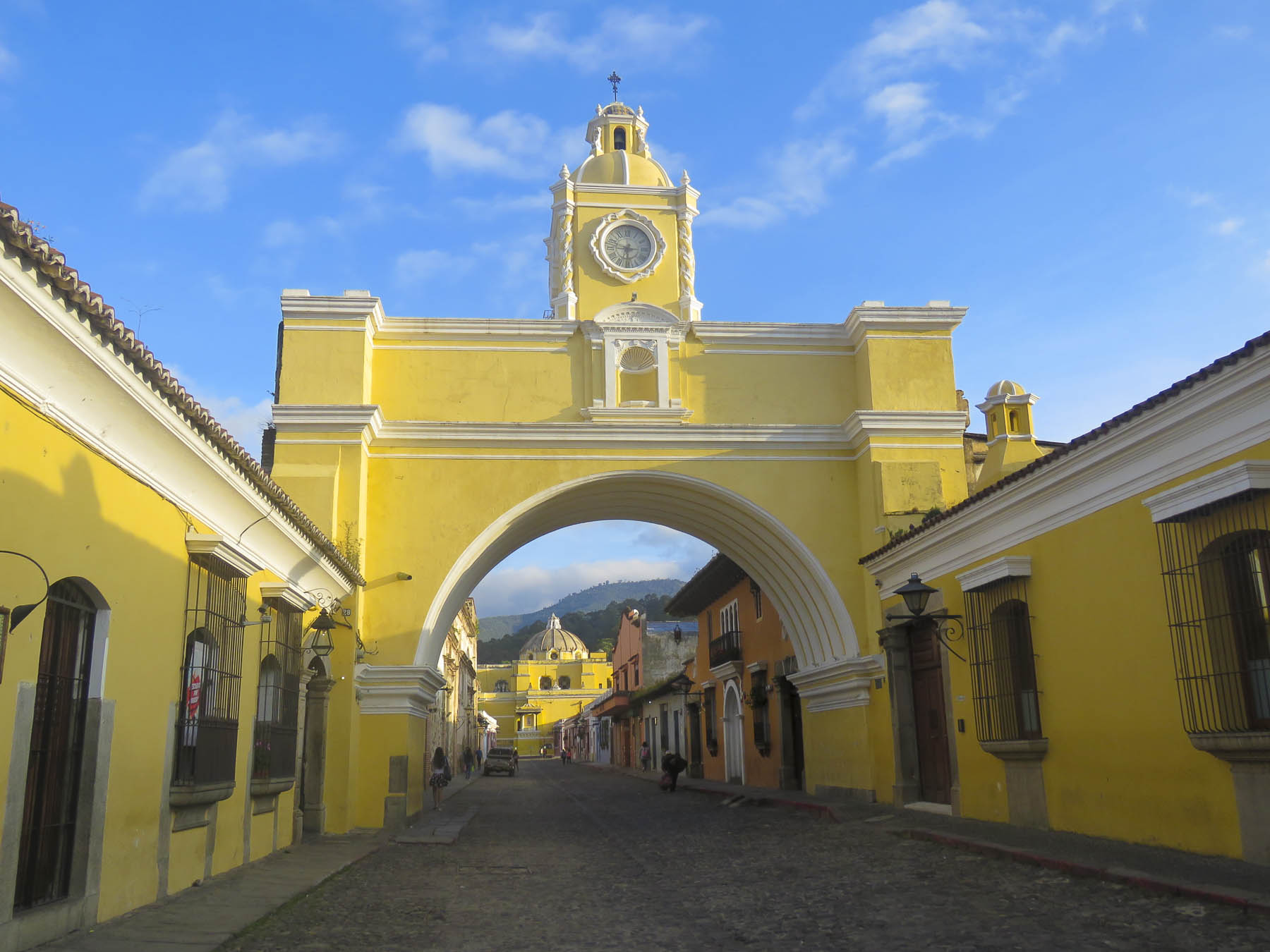 Paradise is such a subjective feeling and if you don’t require a turquoise blue sea and white sand beaches, Antigua, Guatemala just might fit the bill. This charming colonial city with its ever spring-like weather was perfect for our two-month stay.
 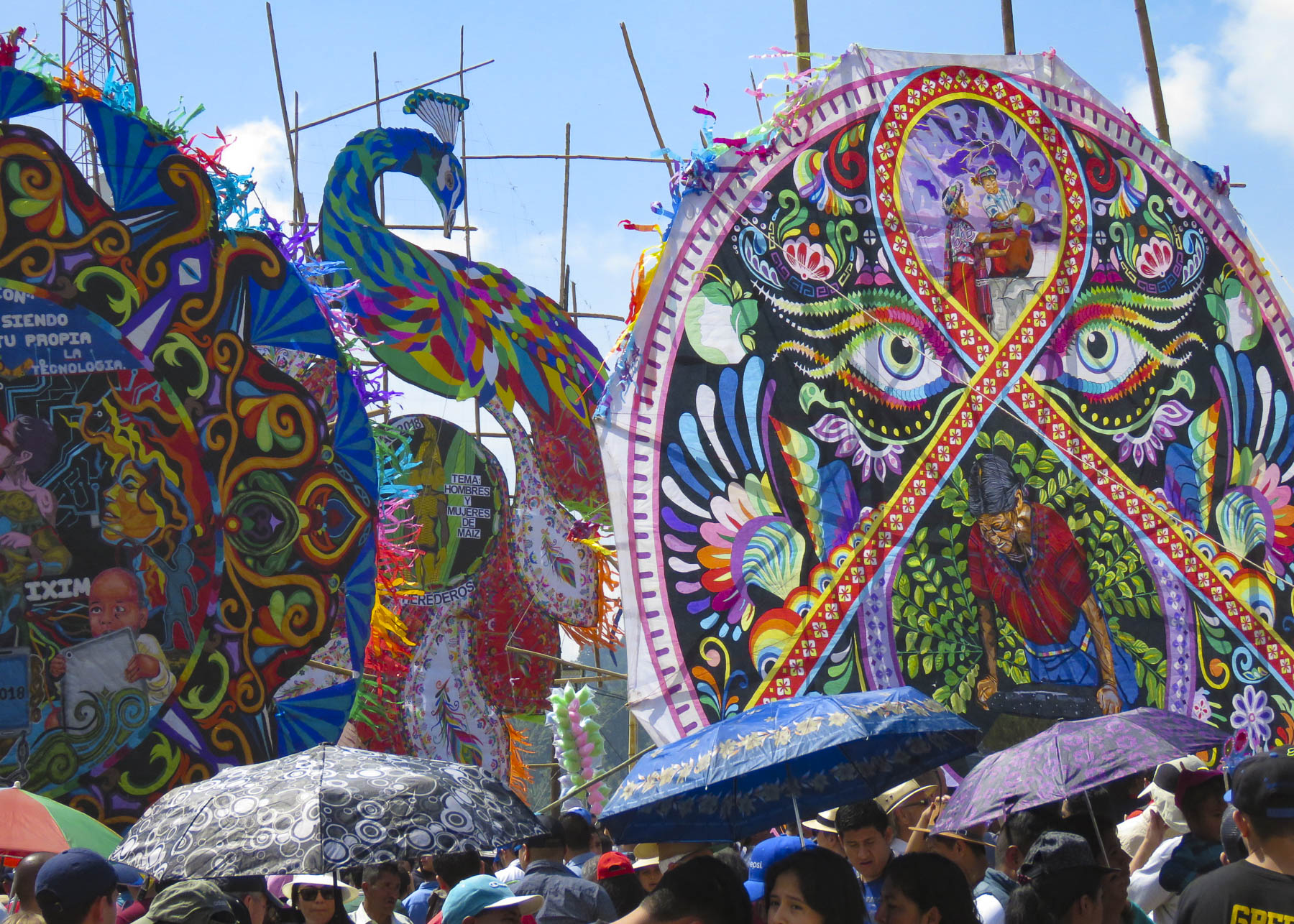 We arrived in Antigua at the end of October so that we could attend the Sumpango Giant Kite Festival held every year on November 1st, All Saints Day. That spectacularly colorful event and a religious procession that burst forward from La Merced Church on October 28th would prove to be representative of the people and life in Guatemala we experienced.


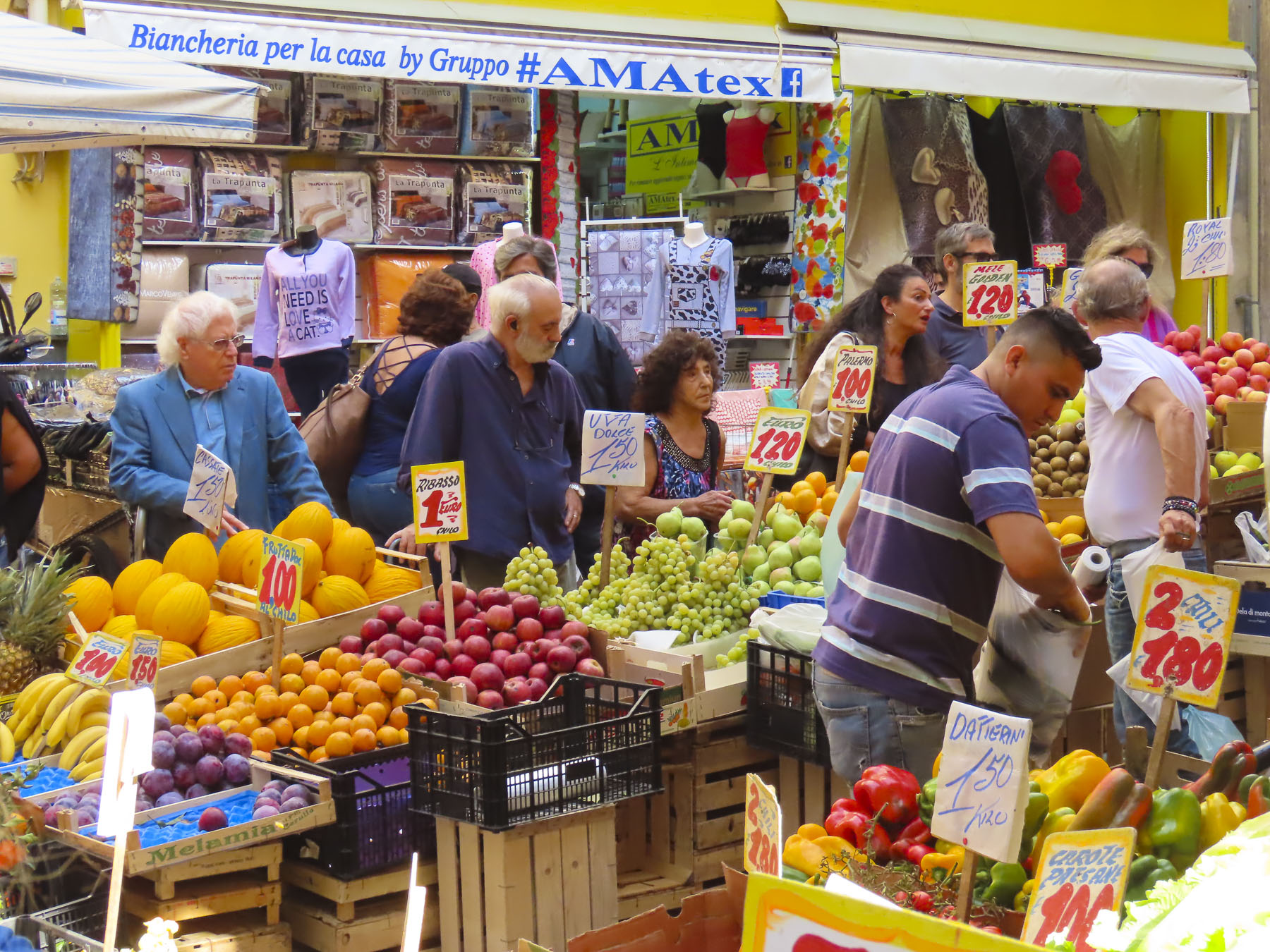
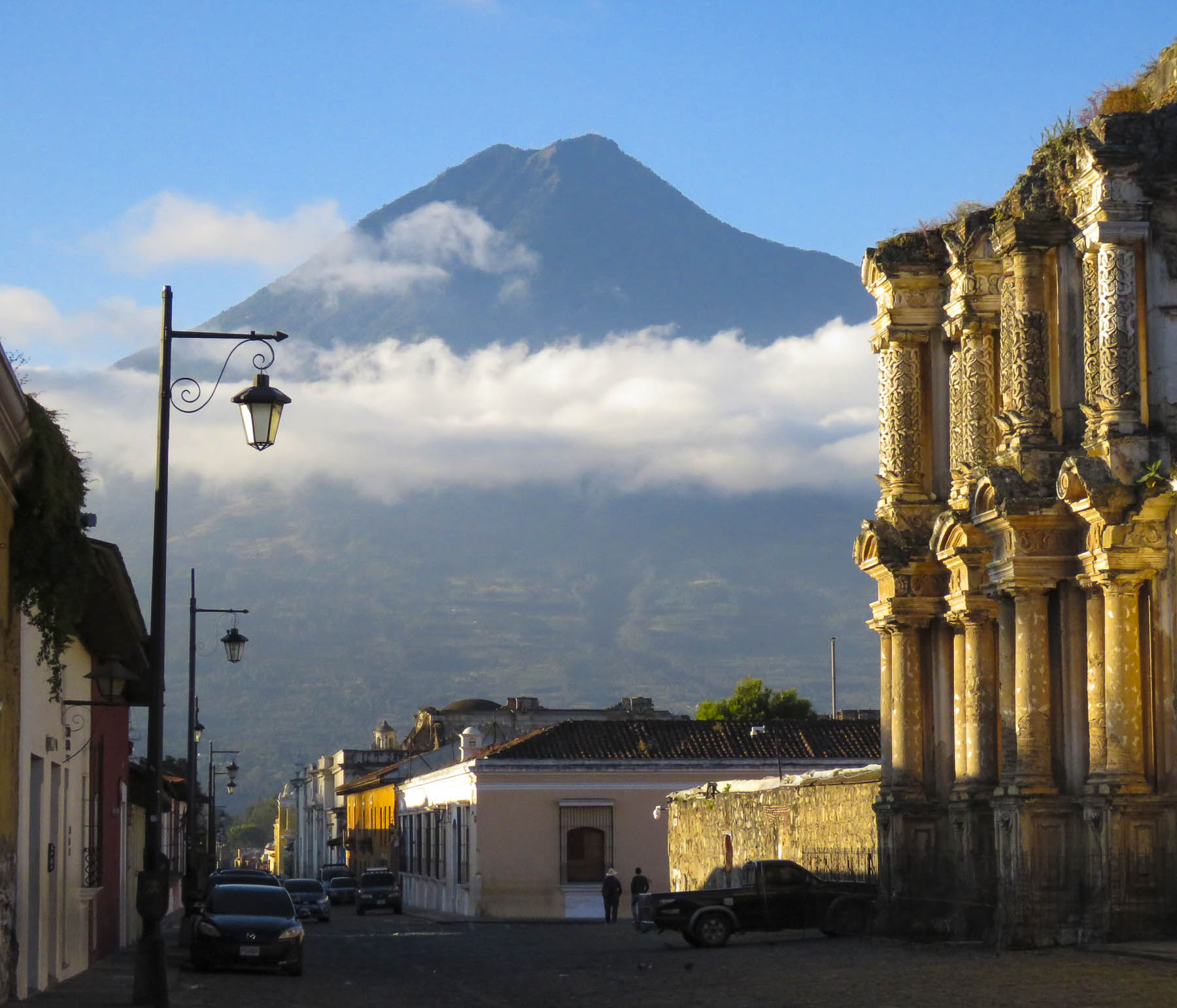
 On Mondays, Thursdays and Saturdays the market tripled in size when the outdoor portion was open, and farmers brought in truckloads of fruits and vegetables from the surrounding villages. There we experienced one of the best markets going, set in a bustling, dusty lot with Volcans Agua, Fuego and Acatenango touching the sky in the background. Most produce was sold in quantities of 5 quetzals (60 cents) so bring lots of small bills, as vendors didn’t usually have change for anything larger than 10Q. The flavor of the locally grown vegetables was amazing. Being backyard gardeners ourselves, we were duly impressed. Twenty quetzals would buy enough vegetables for a week.


 Shopping at the local supermarket, La Bodegona, was a wonderfully hectic experience. At times it could feel like you were shopping from a conga line, weaving up and down aisles, afraid to leave the line for fear of not being able to enter it again and being stuck in dairy for eternity. Numerous store employees lined the aisles offering samples of cookies, deli meats, drinks and other temptations to keep the energy level of the beast alive. It was a hoot! We had to psych ourselves up, like players before the big game, to shop there because it was so hectic and required a certain mental and physical stamina. I will confess though to dancing in the checkout line to blaring Latino Christmas music – the mood was contagious.
  On the same block D&C Cremas, a Walmart affiliate, offered a more sedate shopping experience. Both supermarkets had excellent poultry, which was more tender and tastier than back in Pennsylvania. We were also fortunate that a pork butcher opened a new shop a half block away and offered fresh meat and sausage daily. We enjoyed all the different varieties of Guatemalan sausage he made and found them to be very flavorful and lean, with almost no fat.


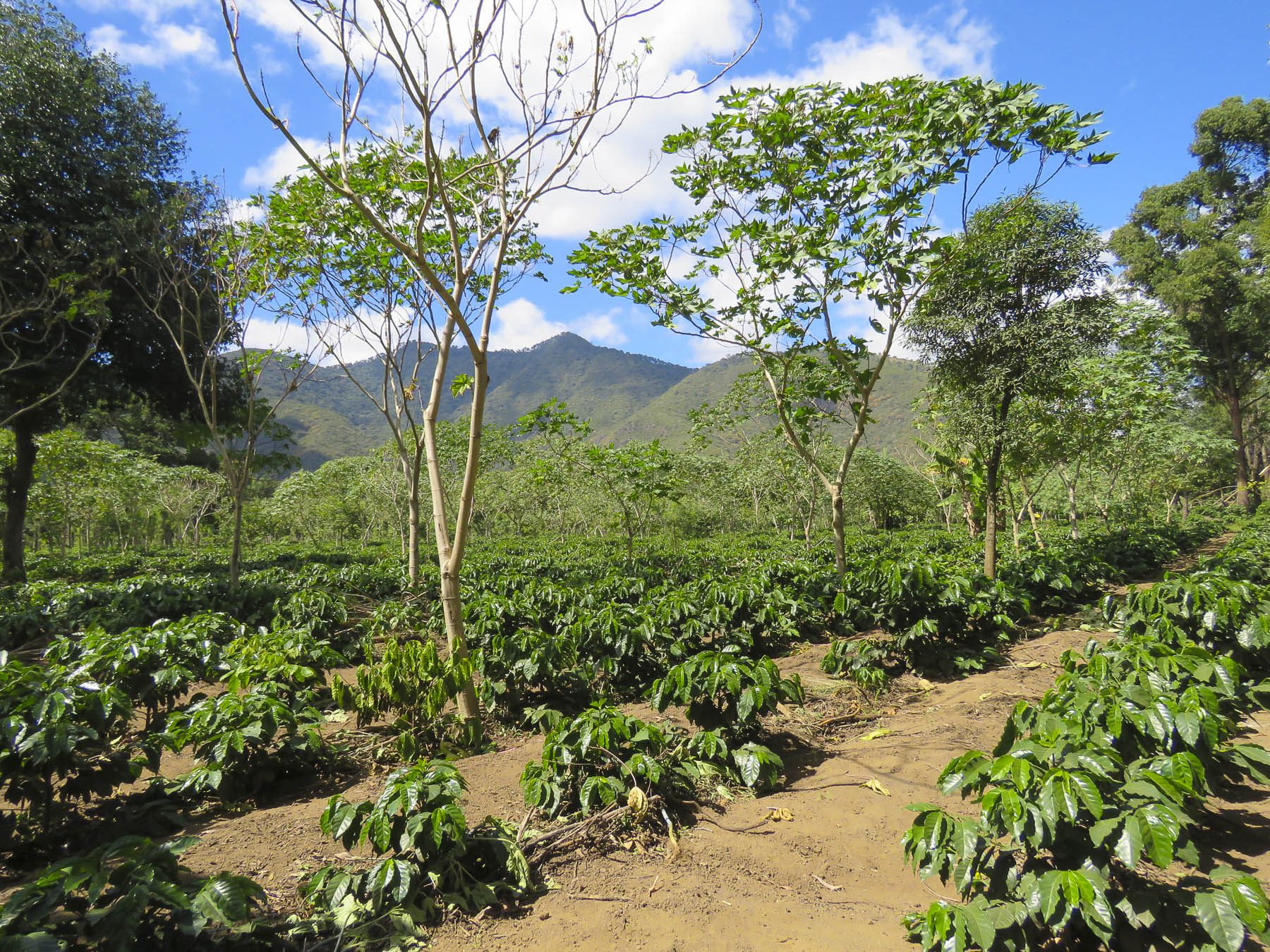 The next day we a followed a serpentine mountain road, second gear all the way, up to Santo Domingo del Cerro, a beautiful sculpture and art park with museums, walking trails and a restaurant that overlooks Antigua. Plan on spending at least a half day there, because it is a beautiful setting for a restful day or afternoon. Casa Santo Domingo offers a free hourly shuttle to the park from the hotel in town.


 Antigua filled early with people in all their finery on New Year’s. Vendors selling textiles the day before were now offering party hats and all sort of 2019 memorabilia. Concerts were held in Plaza Mayor and under El Arco. Firework launchers were being setup amidst the crowds in the streets. Families were picnicking in the park and folks were staking their spots early to watch the fireworks later. At midnight a loud and colorful display filled the night sky. We could hear the roar of an appreciative crowd from our rooftop. We heard random explosions throughout the night to sunrise. Guatemalans love their fireworks!
 2 Suitcases for 2 years