
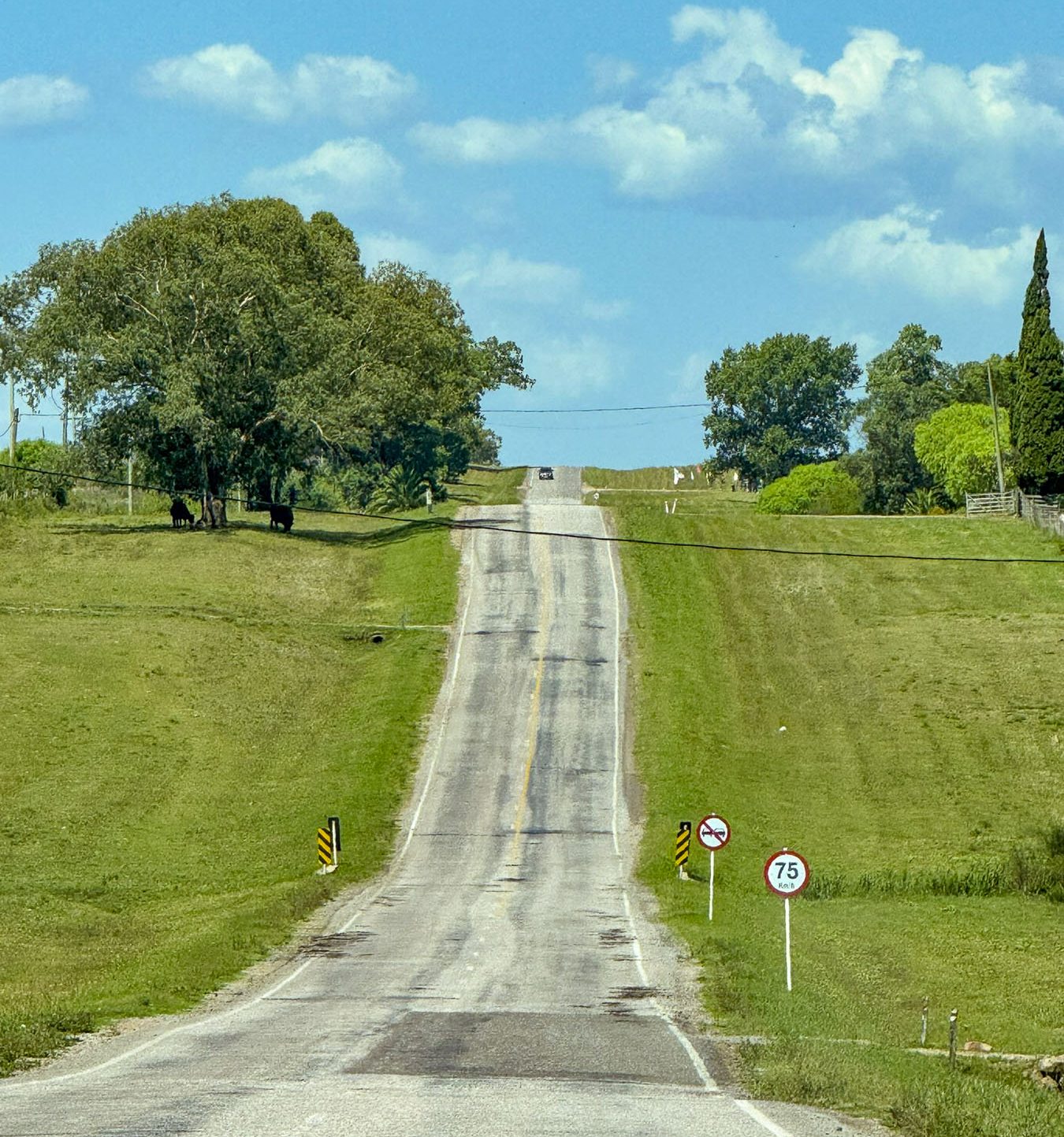
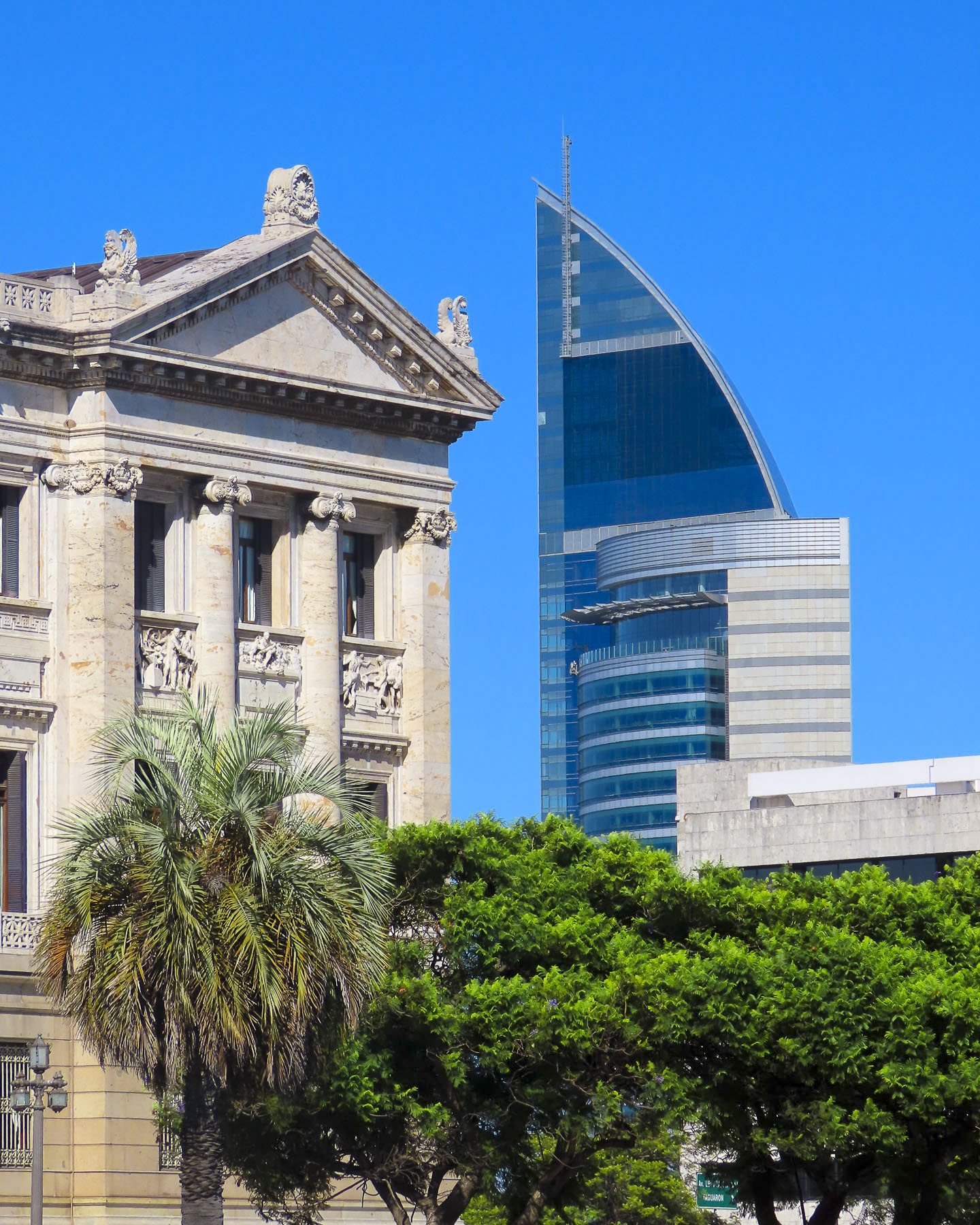
Montevideo’s skyline vanished quickly from our rearview mirror as we headed west on Rt 1, through rolling hills verdant from recent rains, into Uruguay’s burgeoning wine region. The road roughly paralleled the contour of the Río de la Plata. This large navigable body of water that separates Uruguay from Argentina is often called the widest river estuary in the world. Sheltered from the harsh seas and winds of the Southern Atlantic Ocean, it appealed to the Portuguese who, in 1680, landed 400 soldiers and cannons, along with stonecutters, carpenters, and craftsmen from five Galleons to found Colonia del Sacramento, on a small strategic peninsula. It was an attempt to deter Spain from expanding its Argentina colony, which had already established Fuerte de San Lázaro, a military outpost farther north near the Arroyo de las Vacas River in 1527. Spain later sent more settlers across the Río de la Plata to establish ranches in the vast pampas wilderness, around what today is the town of Carmelo, in 1611.

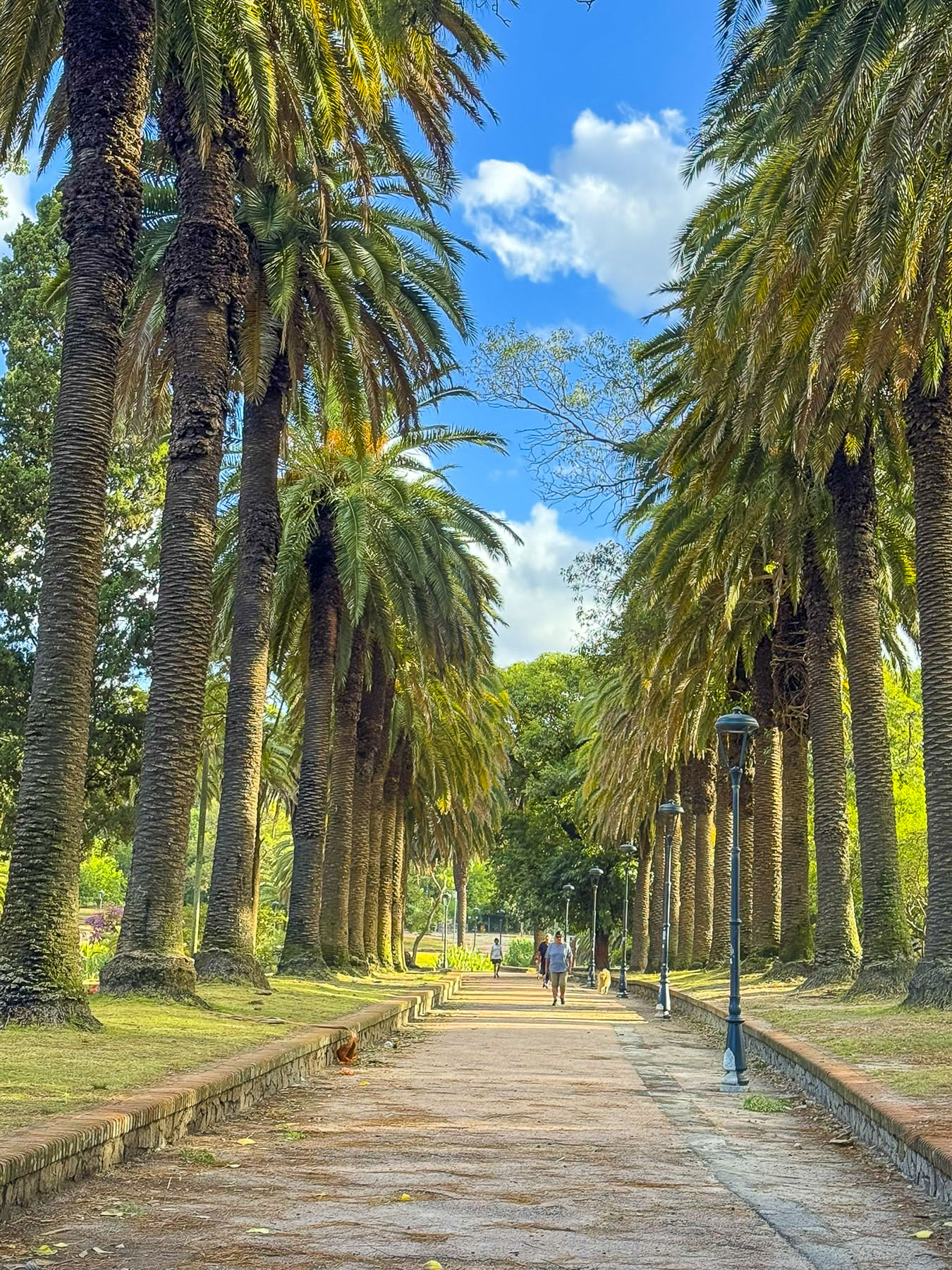
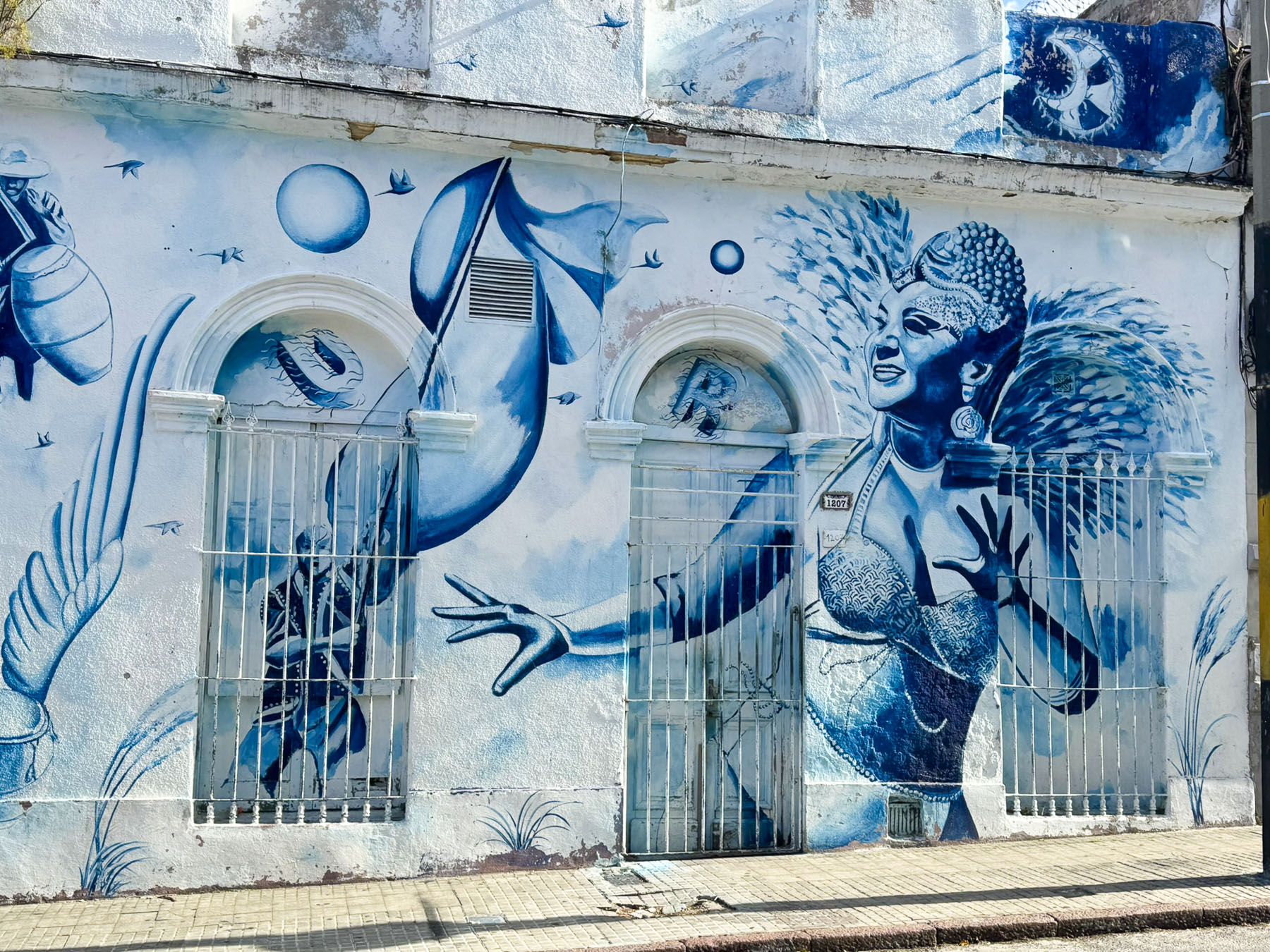
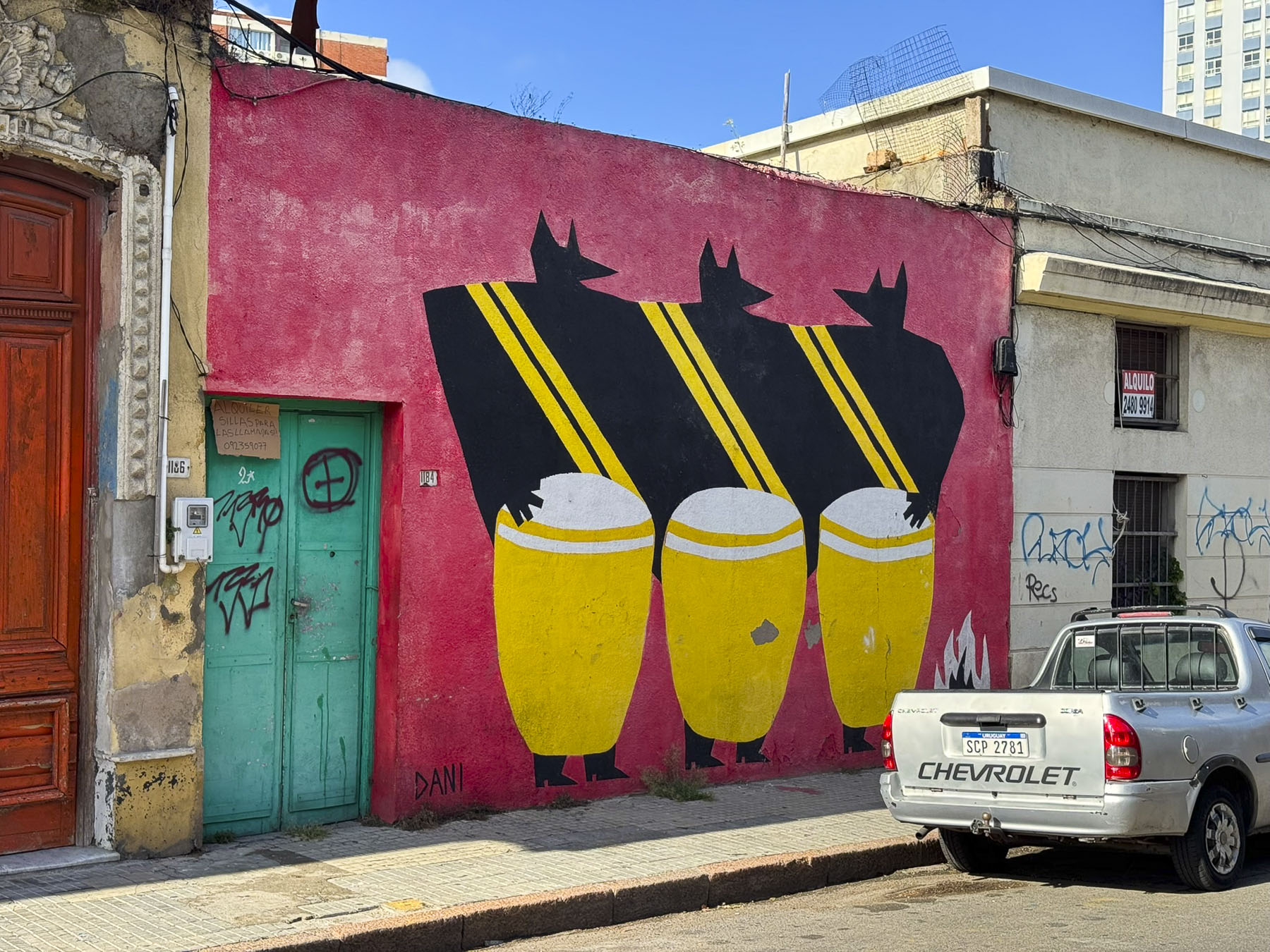
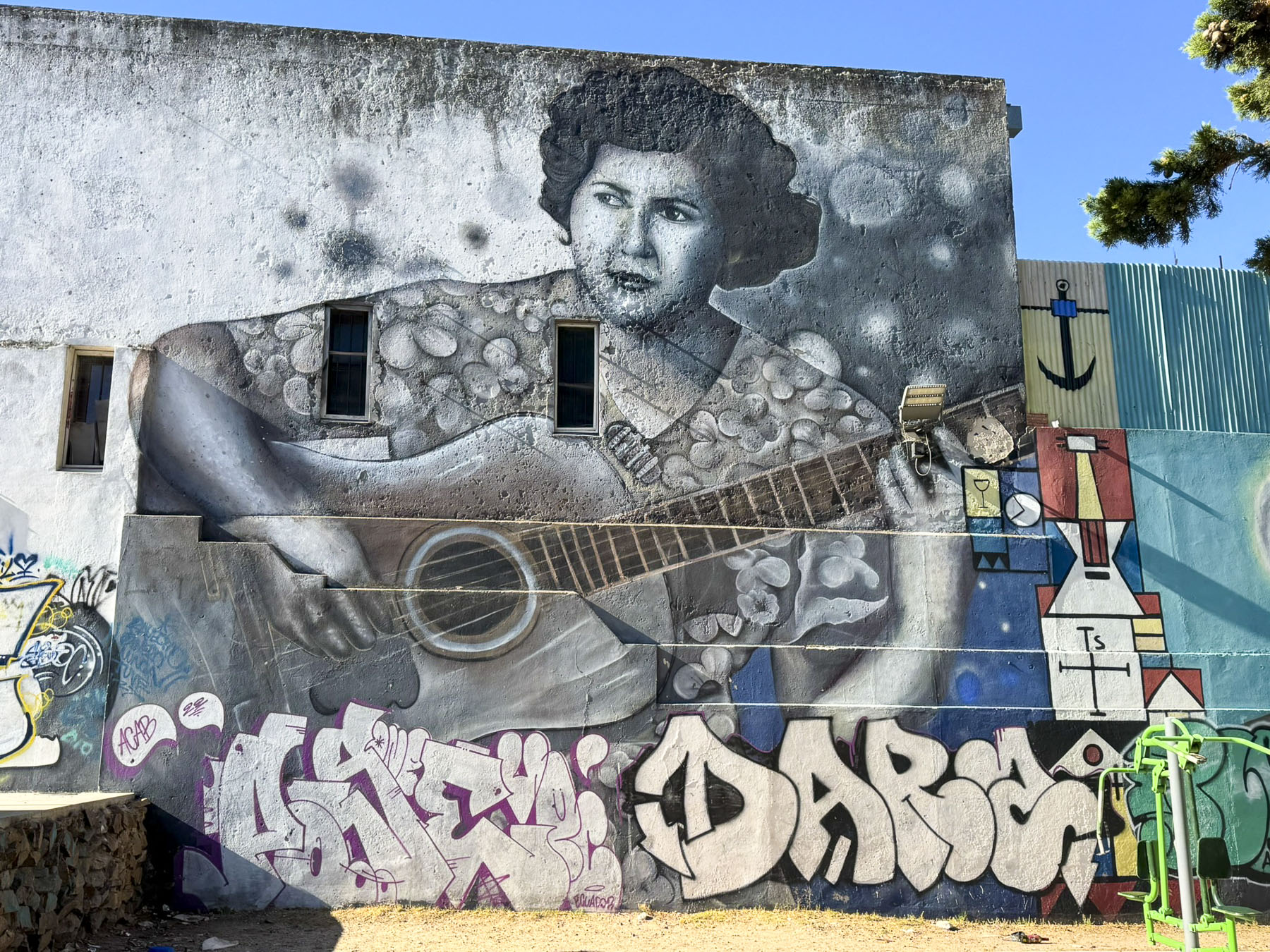
There was very little traffic on the road, and the two-and-half-hour trip flew by as we zipped past the occasional farm stand along the way. Nearing Colonia del Sacramento, a row of stately palm trees lined the thoroughfare. Entering the city, we drove down Gral. Flores, a wide tree-lined boulevard, past a colorful street mural and an inviting city park to the Posada Manuel Lobo, our hotel for two nights. The newer boutique hotel was nicely decorated in an old colonial theme, with beamed ceilings and antiques, and its location was perfect, just a block away from Colonia’s historic quarter. And with a hearty breakfast included, and free parking on the street, what else could we ask for?


A quick trip to a pharmacy took us past the first of several antique cars, from the 1930s and 40s, that seem to be parked intentionally across the town as interesting accent points, and the Café Rollito where we returned to later and ordered a luscious waffle topped with cream mixed with fruit. Their cappuccinos were also very good. The cars, as we learned, are called ‘cachilas,’ family heirlooms that were acquired in the early 20th century when Uruguay’s economy boomed from exports of beef and wheat to a war-torn Europe.
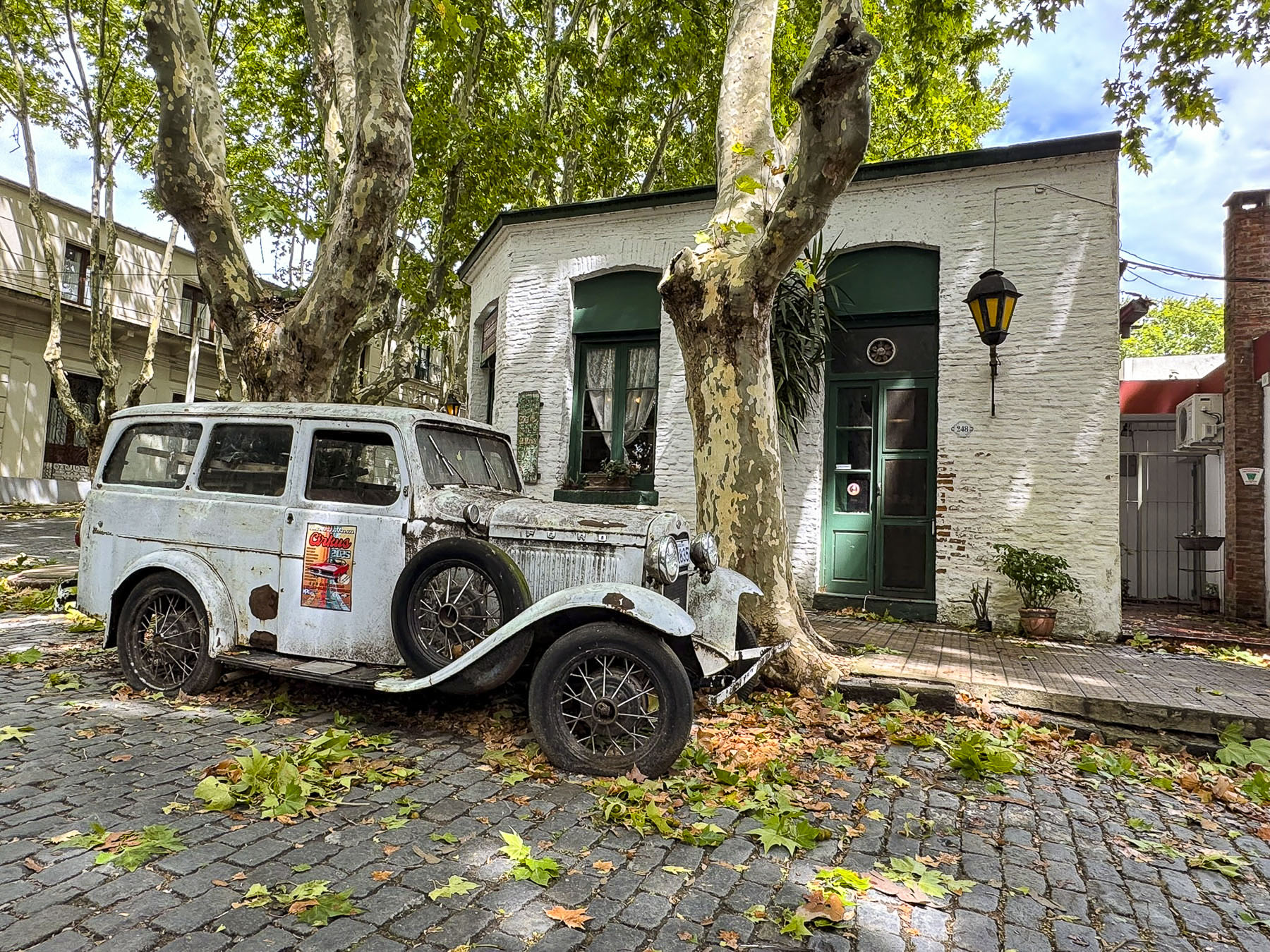

Imports nearly ceased when the country’s economy collapsed in the late 1950’s. Out of necessity family cars were lovingly maintained, and passed down through the generations, and repeatedly repaired until they couldn’t be. They reflect the country’s strong family ties, work ethic and nostalgia for simpler times.

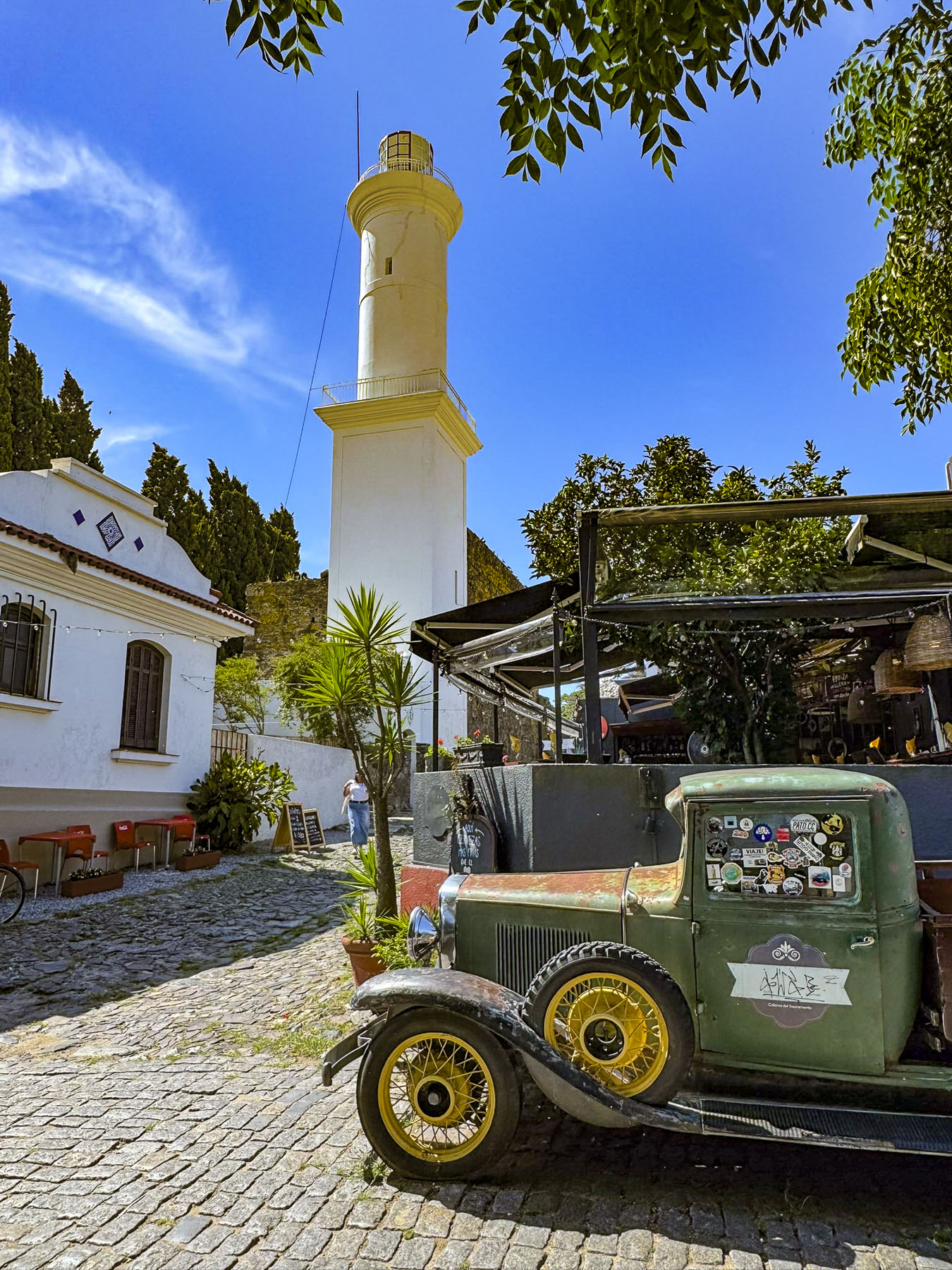
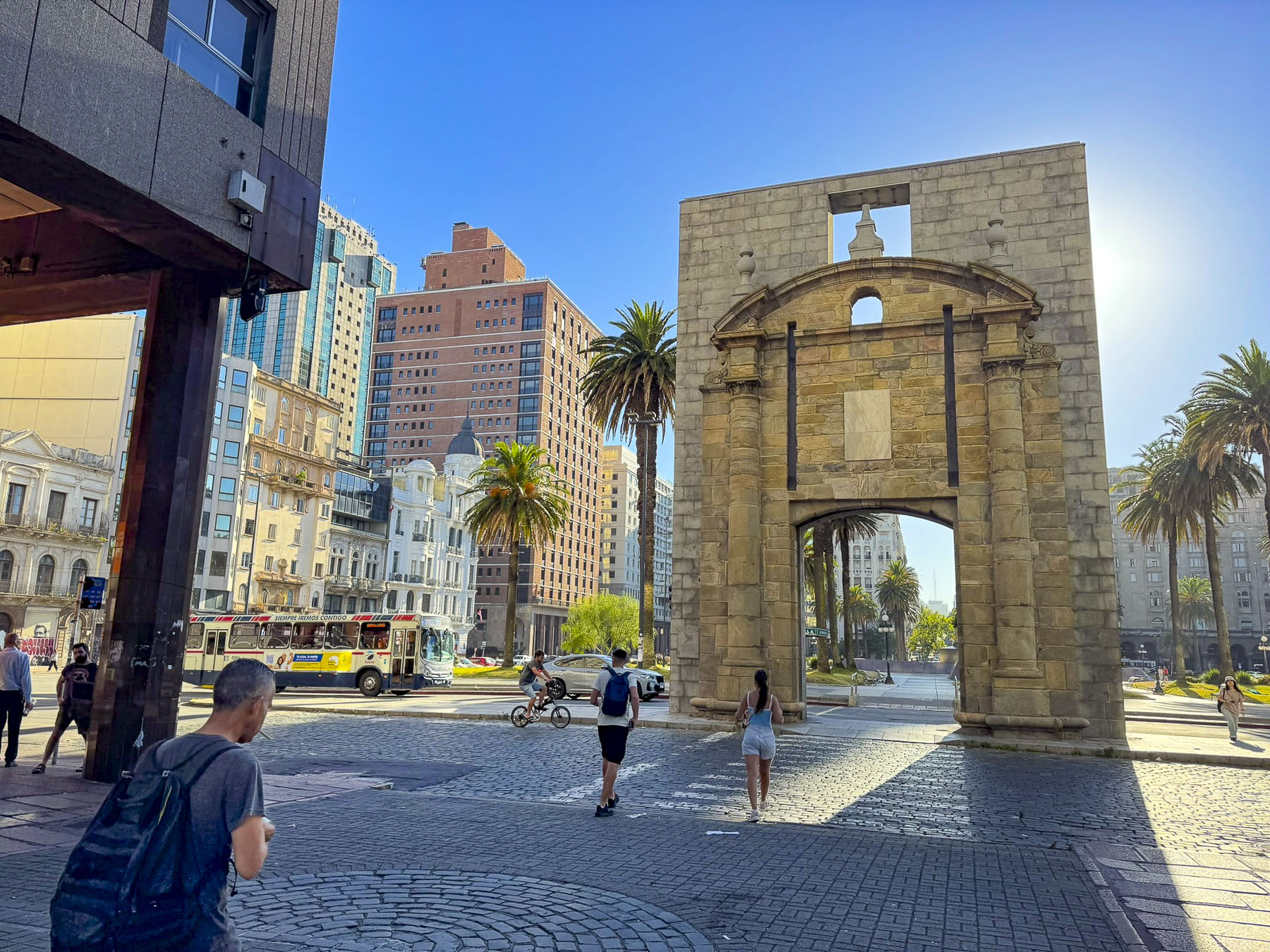
Afterwards we walked into the historic quarter, which is roughly defined by the footprint of the ramparts that once encircled this small frontier outpost. Only the citadel’s gateway, the Puerta de la Ciudadela, and a small section of the fortress’s defensive wall have been preserved. But the original irregular layout of the 17th century cobbled lanes still exists, and weaves between rows of Portuguese era colonial buildings.
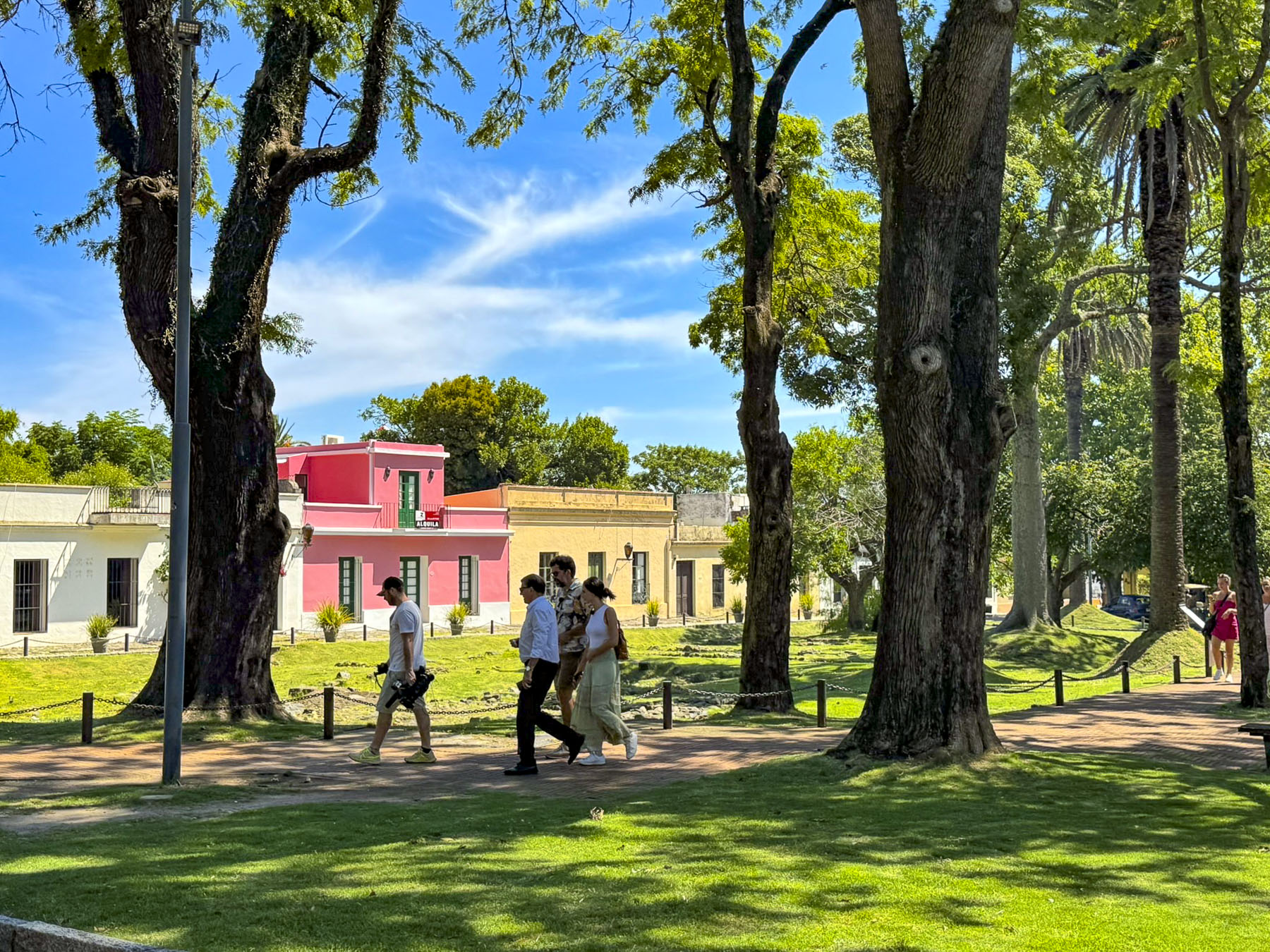
The citadel was attacked and captured by Spain several times, only to be returned to Portugal by various treaties. Spain’s “Laws of the Indies,” which required towns to be designed in a “checkerboard” grid pattern, wasn’t imposed on the growing town until it became a Spanish possession with the Treaty of San Ildefonso in 1777.

The afternoon was surprisingly hot, reaching 38C (100F). We thought we had timed our trip to coincide with the more temperate weather of Uruguay’s fall, but during our 16 days in the country the weather was unseasonably hot.
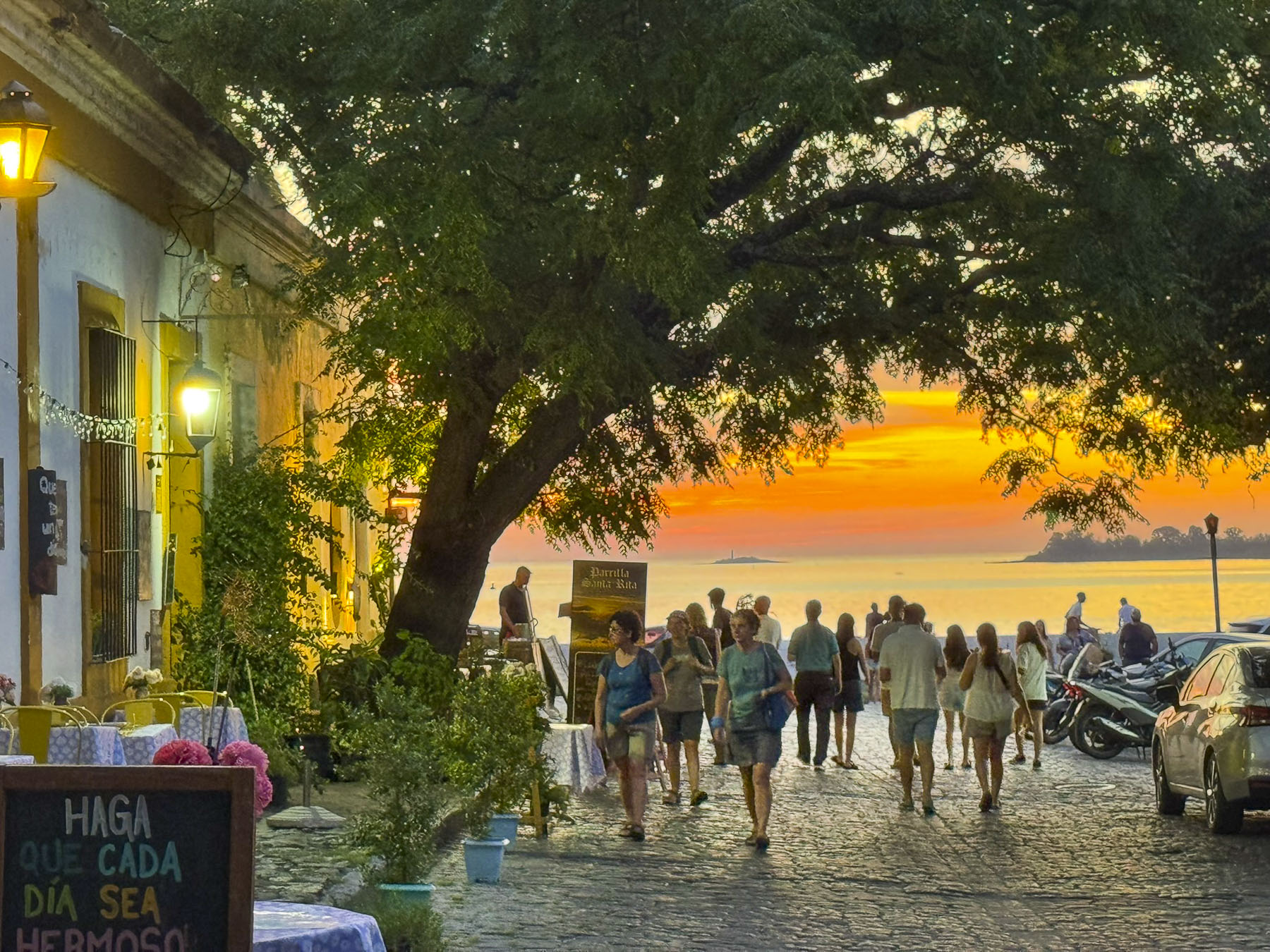
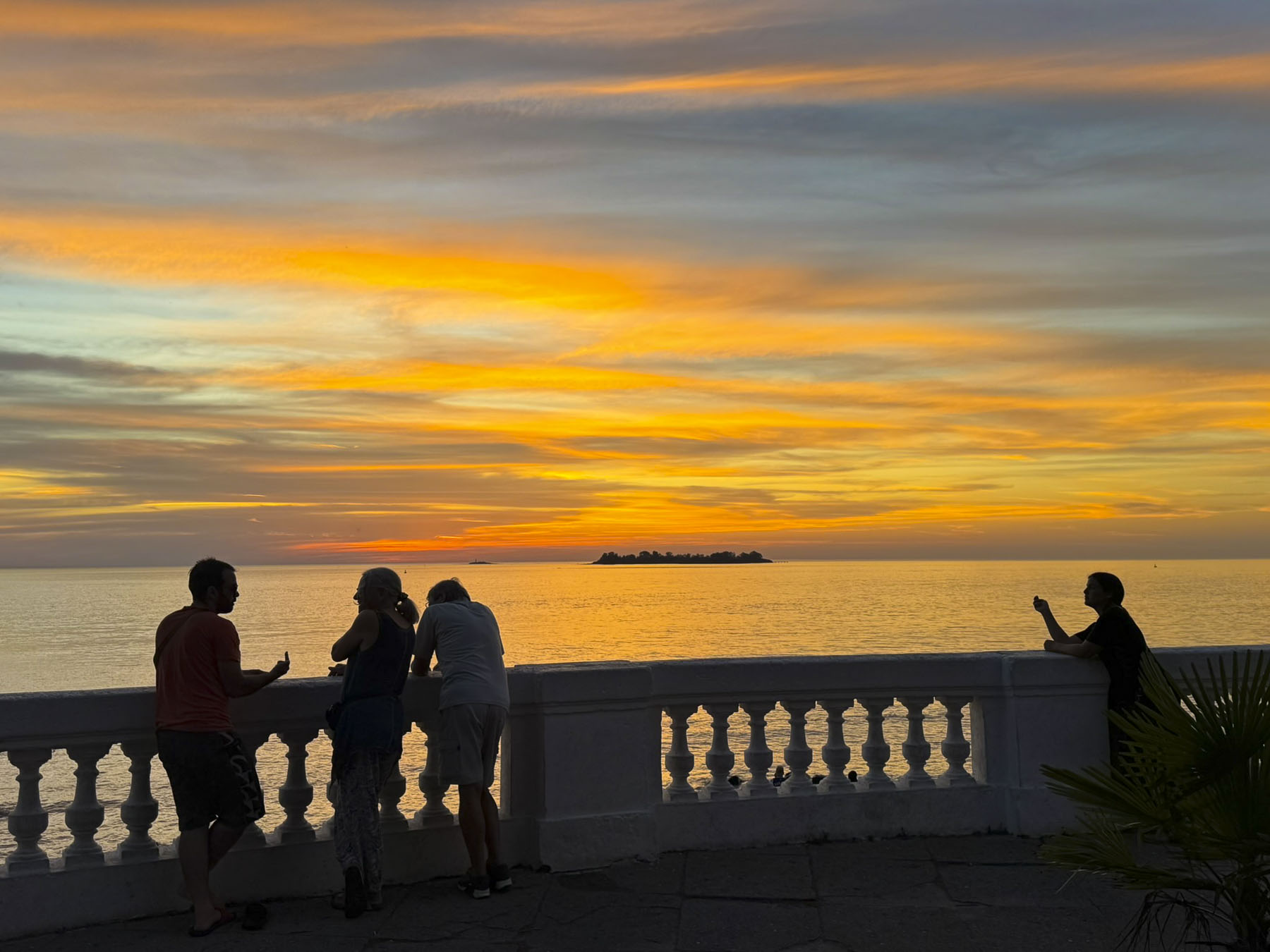
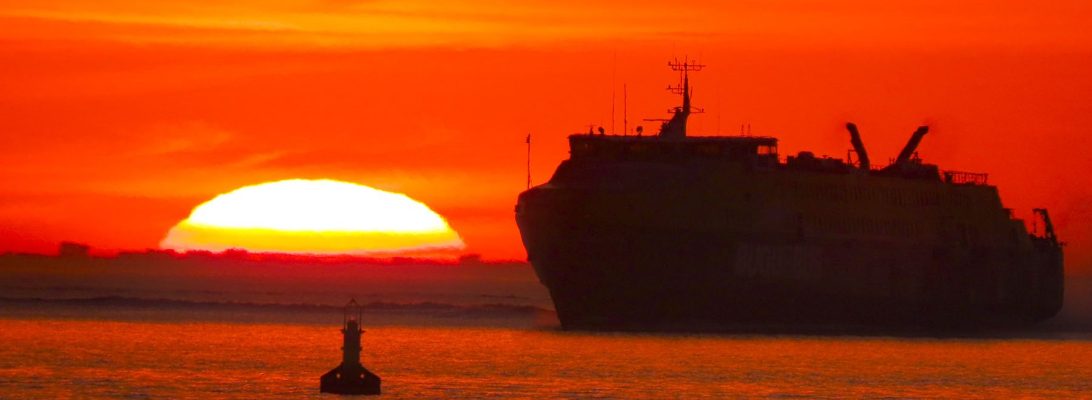
We wandered the shaded lanes of the historic district for a while before heading back to the hotel for a siesta. Later we headed to the Vista del Atardecer, a short waterfront promenade that is a popular spot to sip maté tea, and watch the sunset over the Río de la Plata. It was off this point in 1763 that cannon fire from the fort sank the British privateer Lord Clive as it attacked the town. The surviving pirates were tried and hung. In 2004 the sunken ship was located, and efforts to raise money to finance the salvage of its rumored treasure are underway. The late ferry from Buenos Aires was silhouetted against the fiery sunset as it set below the horizon. Over the horizon Buenos Aires lies only 59km (37mi) away and takes only an hour and a quarter to reach by ferry.

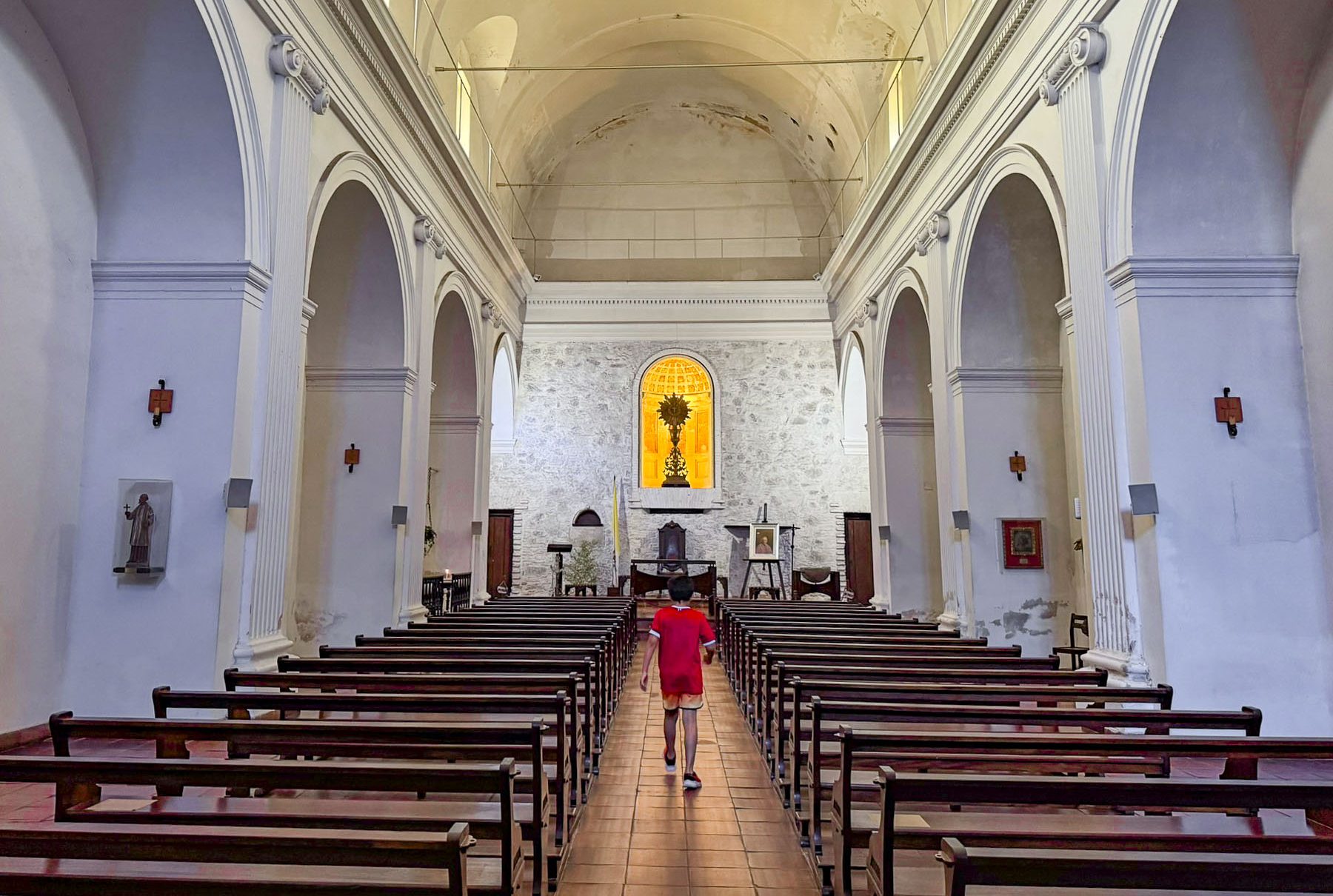
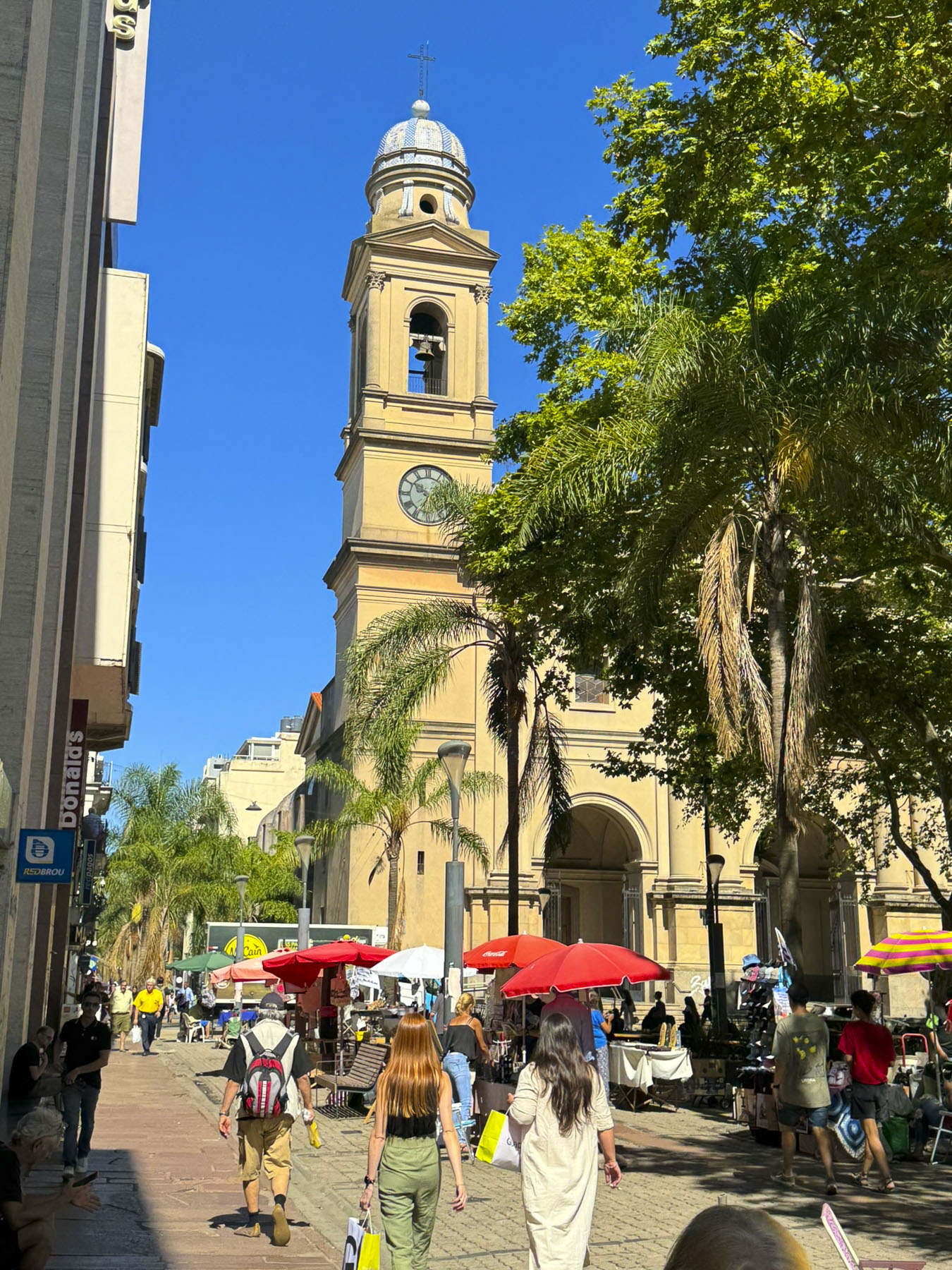
Later we visited the Basílica del Santísimo Sacramento. It’s often considered the oldest church in Uruguay because the 1810 building that stands today was built over the ruins of a smaller stone church built in 1699 atop the site where the colony’s first adobe and straw chapel was erected in 1680.
Across the lane we had dinner outside at ¡Qué Tupé! It has a very colorful interior, but the evening was cooler, and we chose a table outside on the plaza, under trees strung with lights. We both enjoyed wonderfully tender and flavorful steaks for dinner, along with glasses of Tanat, Uruguay’s signature wine.


The next day we crossed the citadel’s old drawbridge and walked along the remants of the San Miguel Bastion. We continued down rough stone lanes lined with colorful time worn pastel buildings covered in bougainvillea. At the Museo de Colonia we decided to go inside when we spotted a huge skeleton of a blue whale while peeking through a gate to the museum’s courtyard.


We discussed ticket options with the attendant in the lobby, whether to purchase individual tickets or the pass that allowed us to visit all the museums in Colonia. We opted for the multi-museum pass but after purchasing we were frustrated to learn that only the ticket lobby and not the museum itself was open that day.


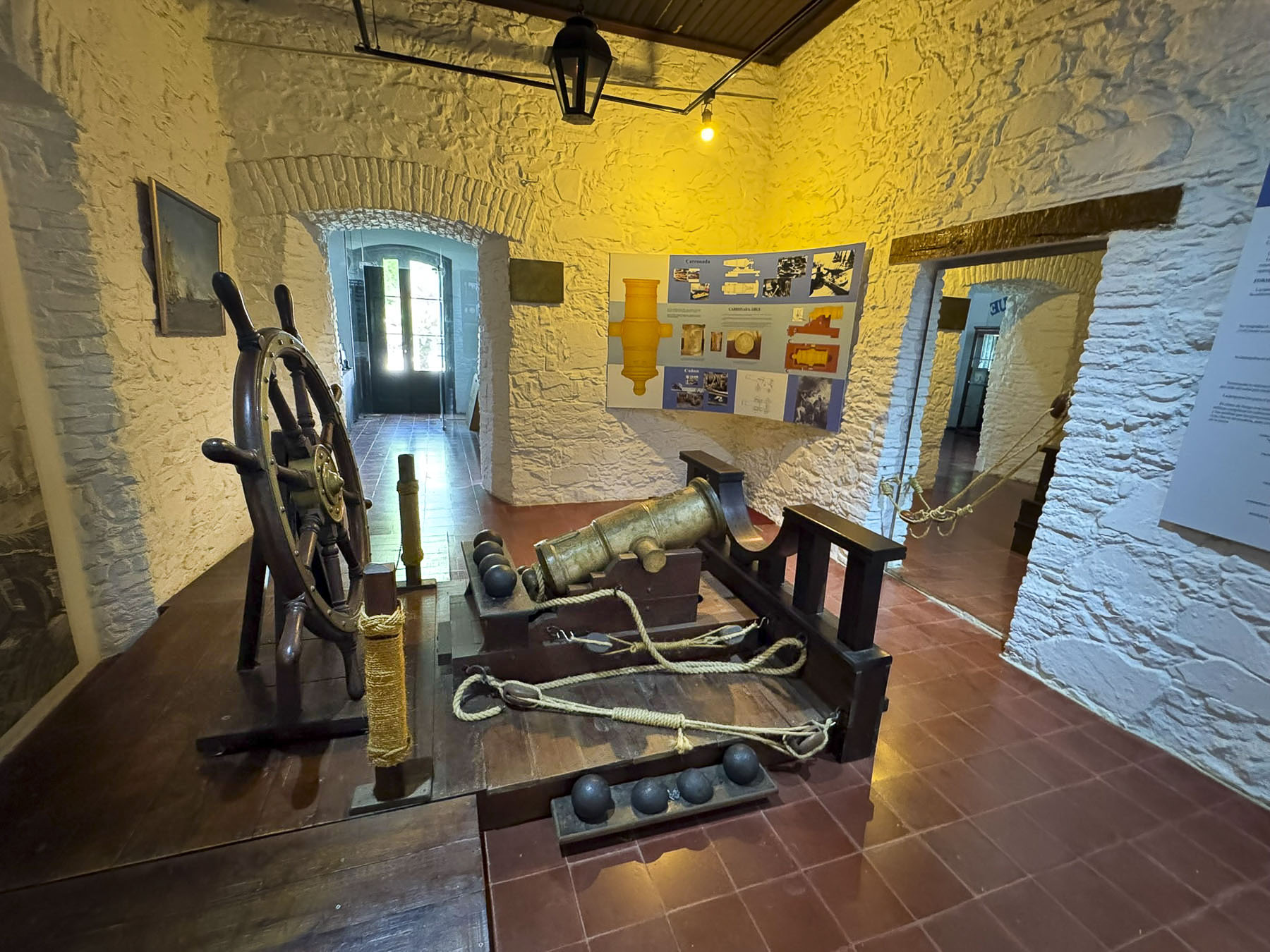
Aside from the Museo de Colonia, most of the museums in Colonia are very small, with only 2-3 rooms, but we were able to use our pass at the Nacarello House, a 1700s era home, and the Museo Naval which had a tiny collection focusing on the town’s nautical heritage.
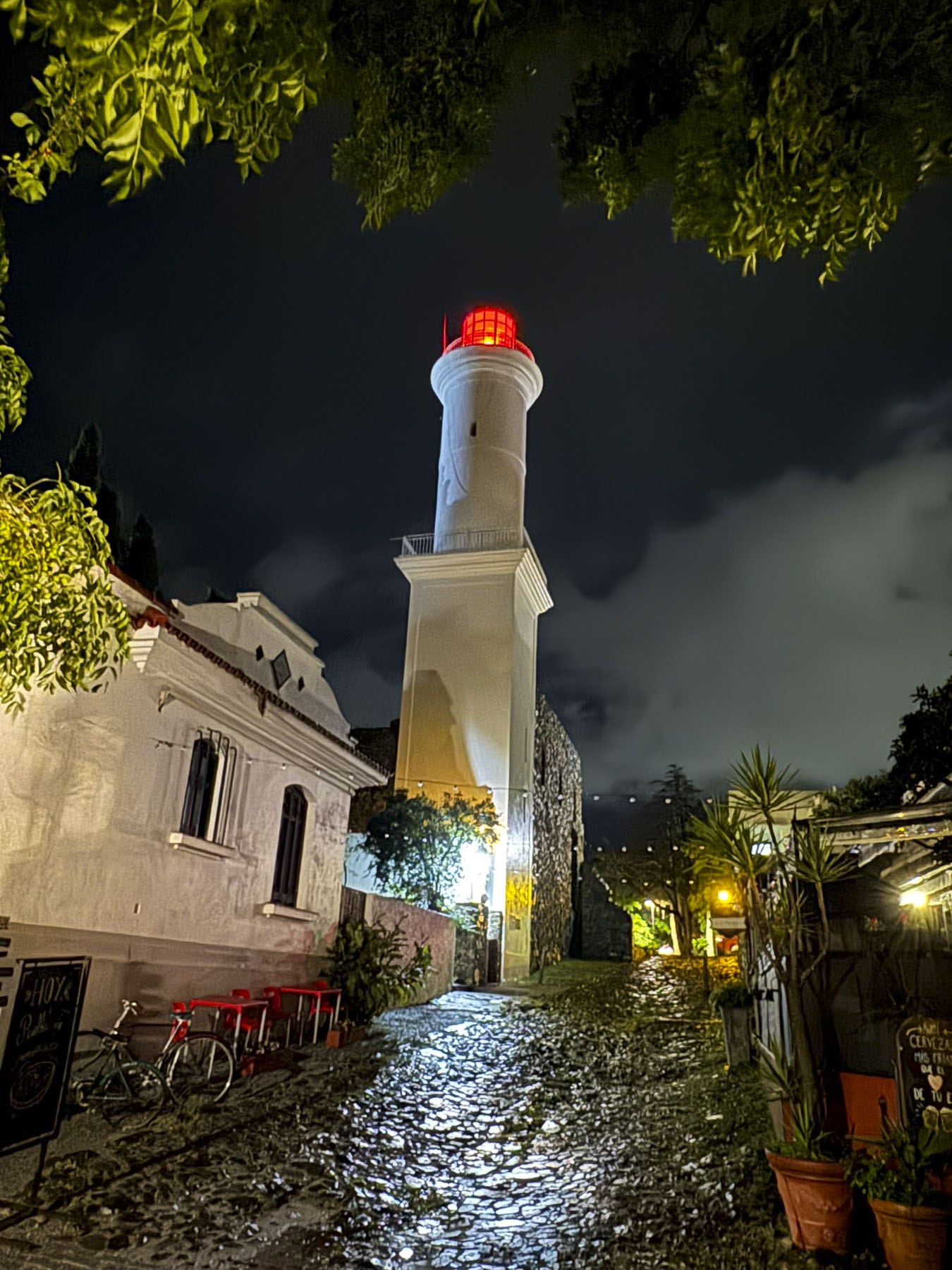
Reflections from the lighthouse beacon glistened on the still wet pavement as we strolled to Charco Bistró. The 34m (112ft) Colonia del Sacramento Lighthouse has guided sailors on the Río de la Plata since 1850 when it was erected on the highest spot in the town. We rarely make reservations, and the restaurant was full of people still leery of the weather, but a table was found for us. The pleasant but overworked staff contributed greatly to a very nice dining experience on our last night in Colonia.
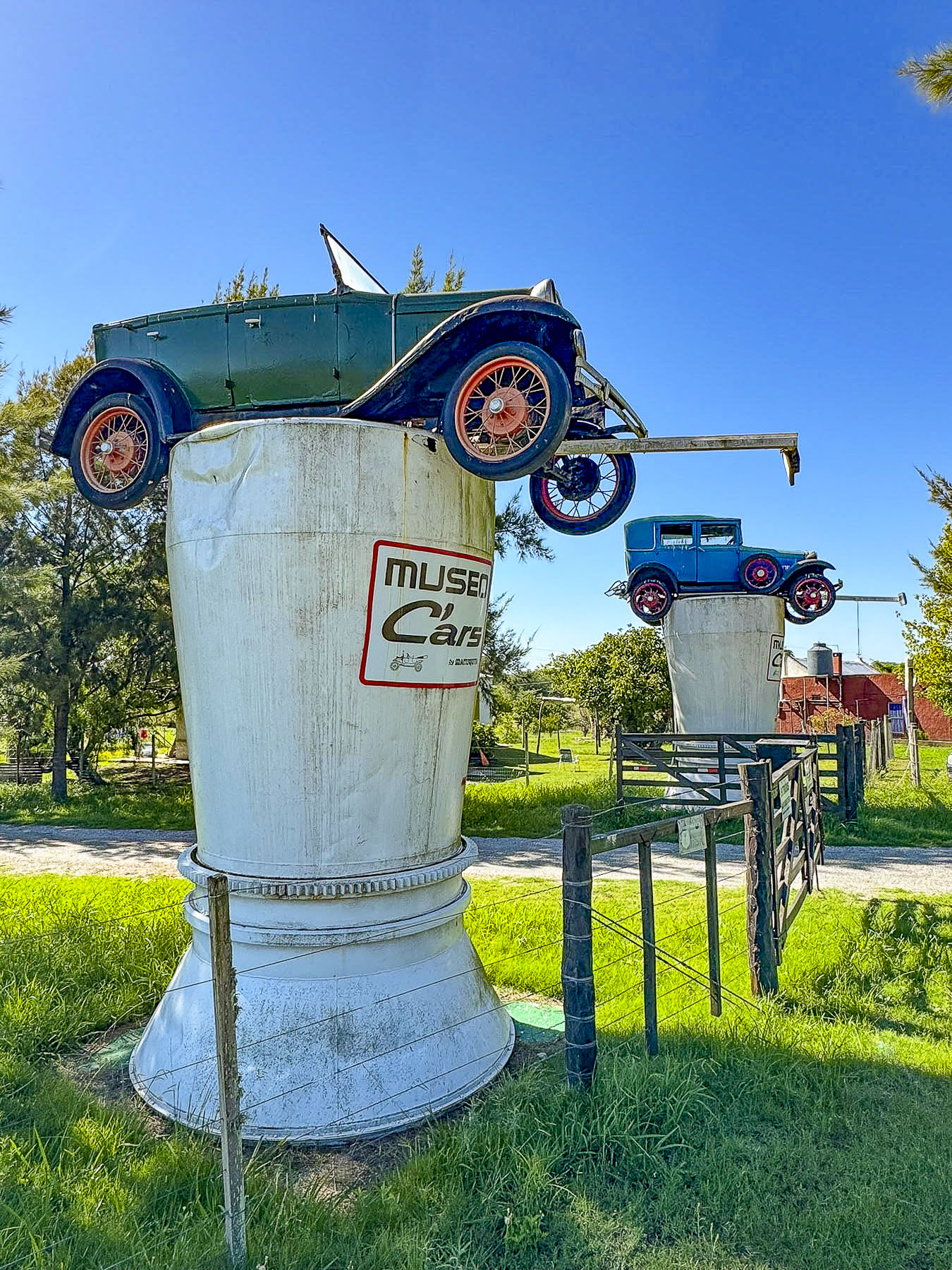
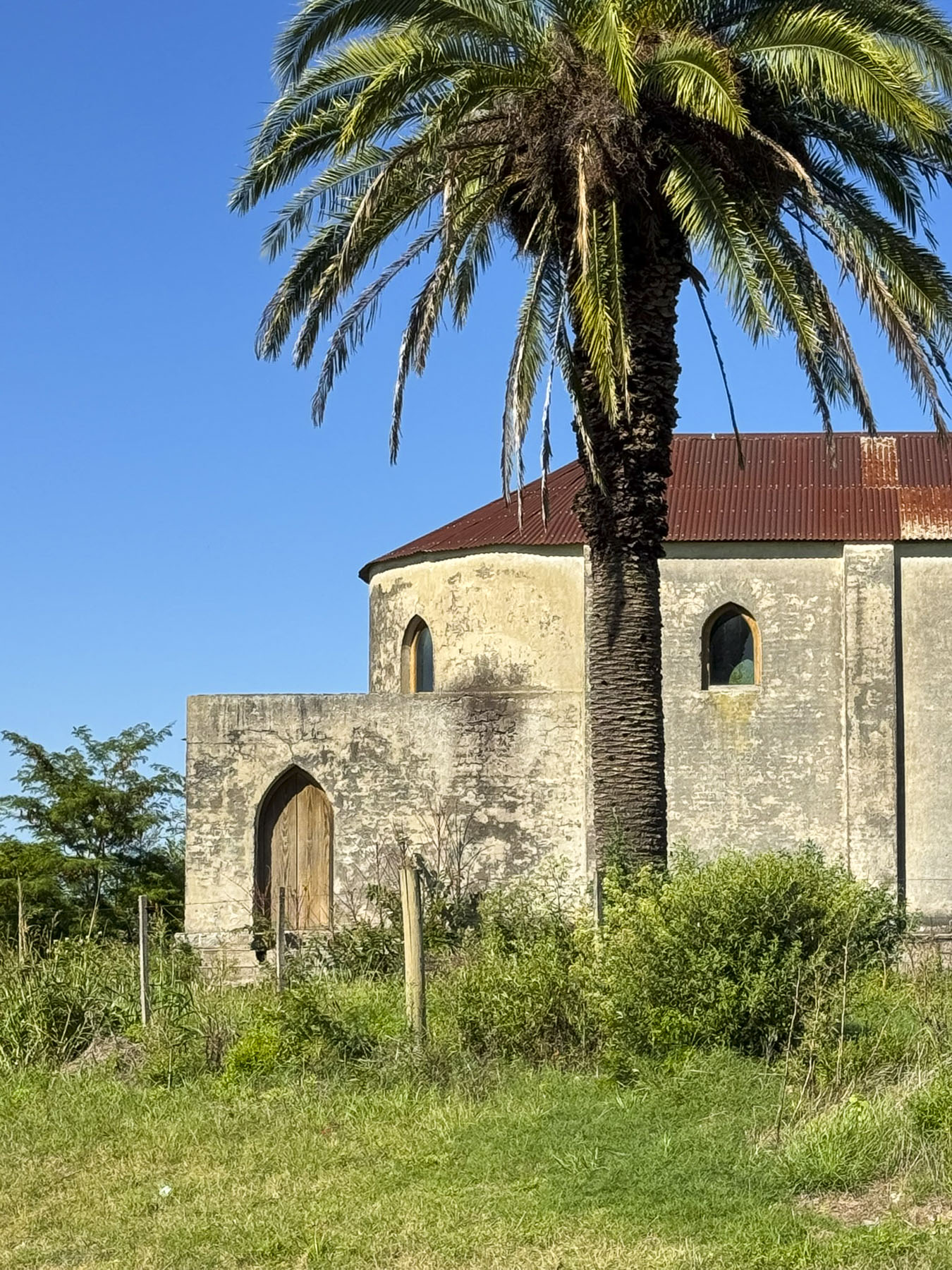
Following Rt 21, we headed north to Carmelo, an hour away. The C’ars International Museum was along the route. It has a modest collection of cachilas, the oldest being a 1929 REO. The museum also features nostalgic recreations, using restored original materials, of early 20th-century settings, such as a pharmacy, gas station, and barber shop. A little farther up the road there was an abandoned colonial era church. The stone building was quite large, but unfortunately there wasn’t a historical placard outside, and we haven’t been able to find any information about it.

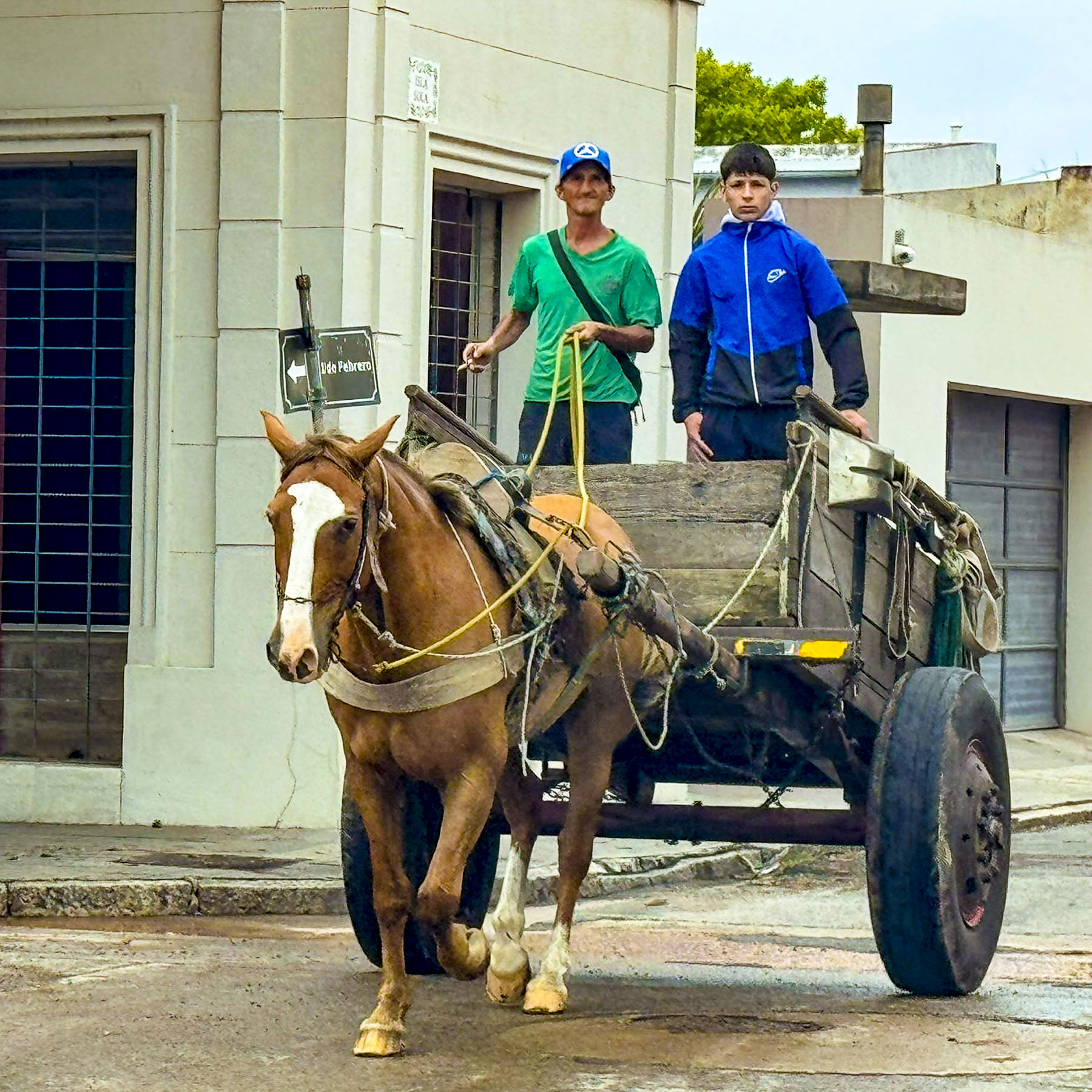
Our morning sun had faded by the time we crossed a historic old swing bridge over the Arroyo de las Vacas into Carmelo. The gray overcast day gave the deserted streets of the quiet town the feeling of being a forgotten colonial backwater. This ambiance was reinforced when the first traffic we encountered was a horse drawn farm cart cantering down the street as we parked at the Rambla de los Constituyentes, a riverfront promenade, to get a better view of the bridge. It’s a pretty park with terraces along the water and an ivy-covered arbor dedicated to Dionysus, the god of wine making.

The swing bridge was built in Cologne, Germany, shipped to Uruguay, and then reassembled across the river in 1912. It had at the time a unique hand-operated mechanism that turned the center part of the bridge parallel to the riverbank, so larger merchant vessels could still access the warehouses along the upper reaches of the river, and load cash crops for export. From the riverport there is ferry service from Carmelo to Tigre, Argentina, several days a week.

Driving through town we stopped at the Plaza Artigas where under waving flags a statue commemorated General José Gervasio Artigas, who founded Carmelo in 1816. The area’s history dates back to 1527, when the Spanish built the Fuerte de San Lázaro, a small wooden fortress near the mouth of the Arroyo de las Vacas River. But a concerted effort to colonize the area wasn’t made until settlers were given cattle to bring into the wilderness grassland in 1611. But before leaving Carmelo we indulged our “drive a little then café” philosophy with very good coffee and pastry at Amor Café. There were a few newer buildings in Carmelo, but generally time seems to have stopped in the town.


We came up to Carmelo, the oldest wine producing region in Uruguay, to visit some of its highly touted wineries, known for their Tannat, Merlot, and Chardonnay wines. The area’s subtropical climate and diverse soils create a unique terroir that allows winemakers to cultivate a wide range of grapes.


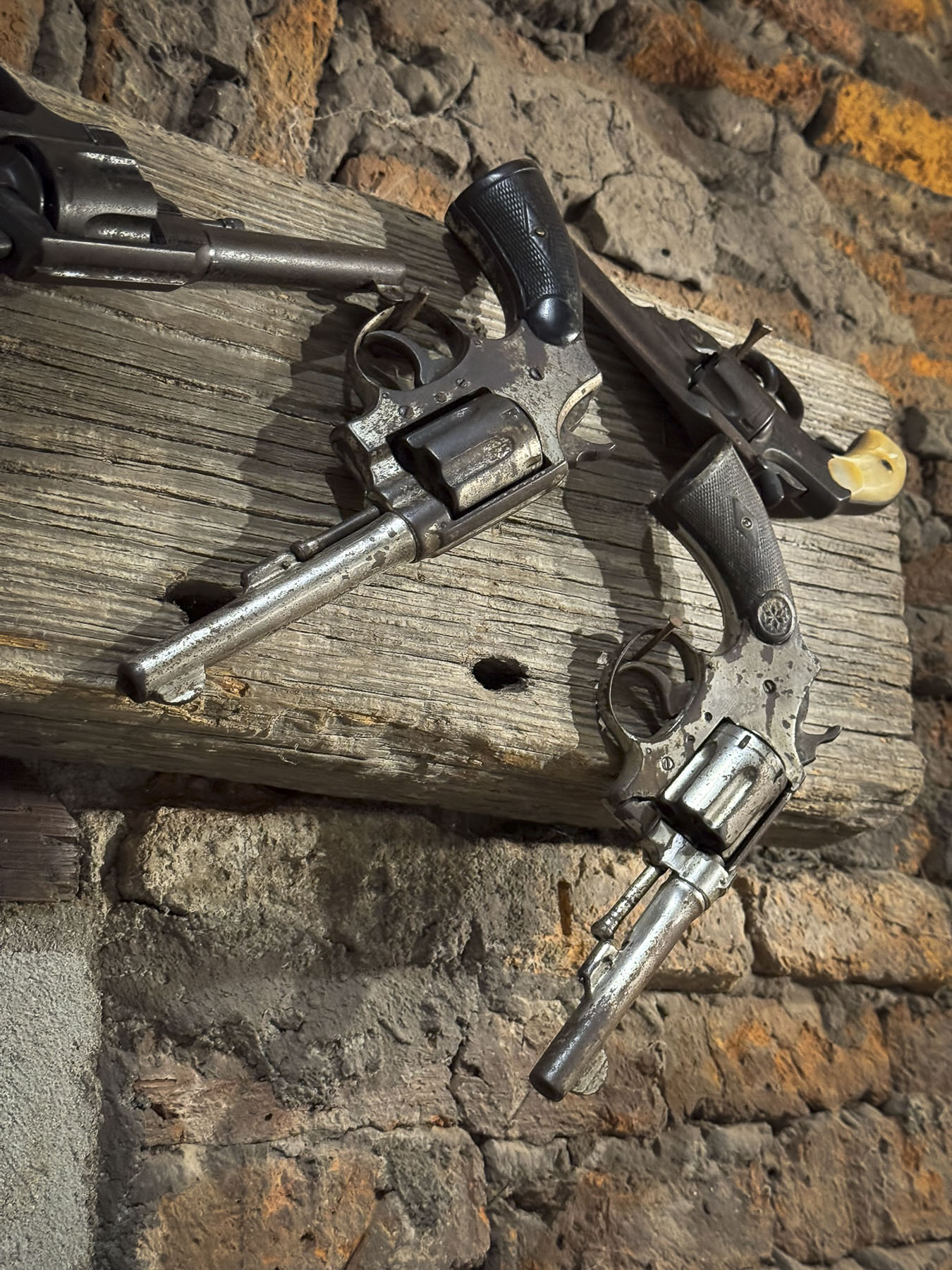

Our first tasting for the afternoon was at El Legado, a small boutique winery, with four guest rooms and a restaurant, that produces only 4,000 bottles of wine a year. It is named to honor Bernardo Marzuca’s father, who dreamed of establishing a family winery. María Marta Marzuca and her son welcomed us warmly, and shared the history of winery – it has only been open since 2007 – before giving us an interesting tour through the winery, as well as the vineyard, where the grapes had been harvested the week before. In the small wine cellar, bottles from particularly good vintages were signed with the name of people who had bought them, but left them there to age.


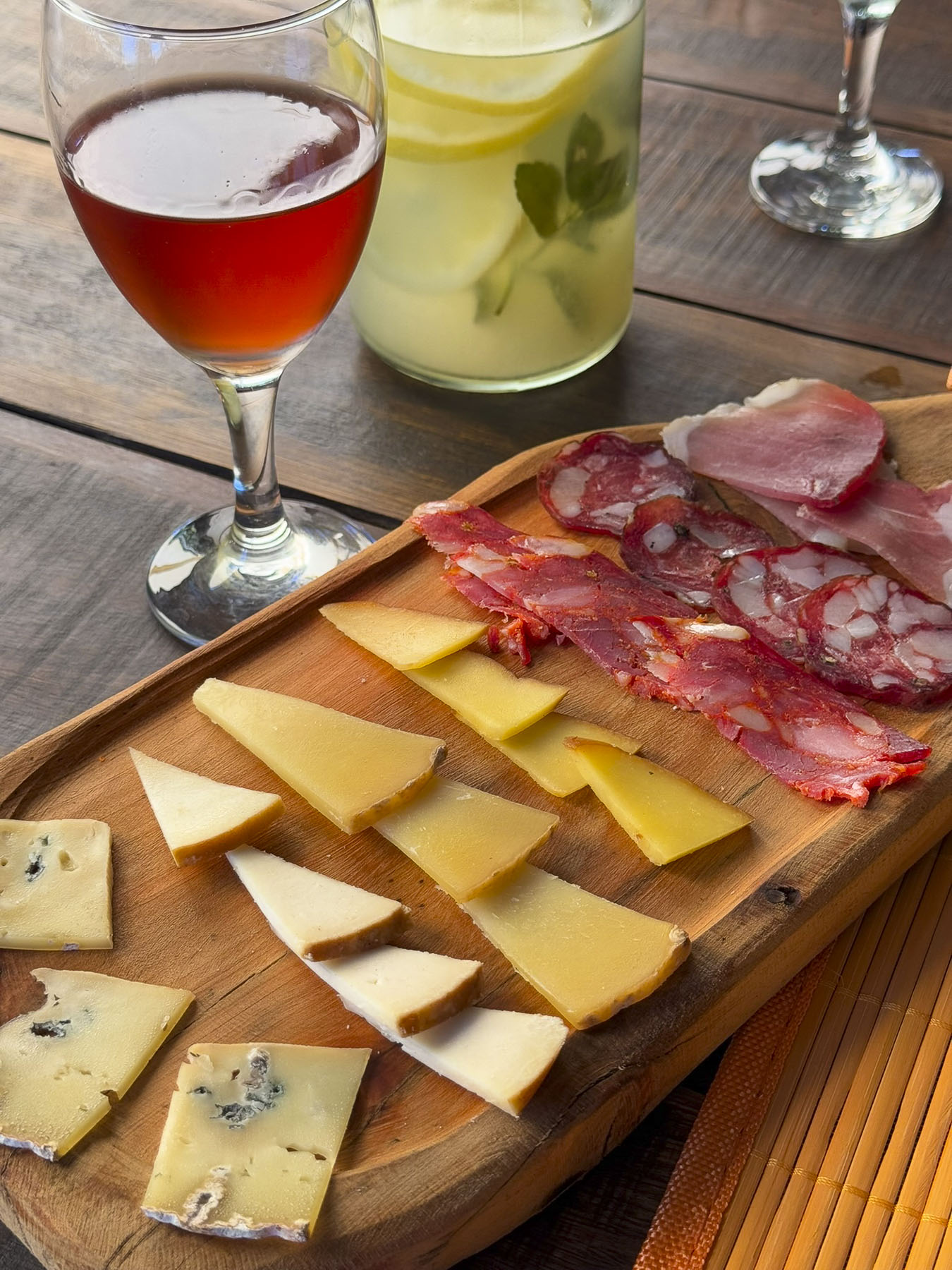
Our tasting included their three red wines; Syrah, Tannat, and a Tannat/Syrah blend, along with a Viogner, an aromatic and fruity white wine. The accompanying hearty charcuterie board with artisanal cheeses, salamis, and bread was excellent, as were the wines. It was a very pleasant experience and we wished we could have lingered more, but we had booked a later tasting that day at the Bodega Zubizarreta, where we would be staying for the night.

We followed a road through gently rolling farmland past the Zubizarreta winery to the Calera de las Huérfanas, the ruins of a large Spanish Jesuit mission. It existed from 1741 until 1767, when all the Jesuits were expelled from the Spanish Empire, and their lands were seized by the crown. But during that brief time it was a self-sustaining community of 250 people that included priests, colonialists, indigenous Charrúa natives, and slaves who operated four clay kilns which produced limestone and the bricks that were used for building the site’s chapel.
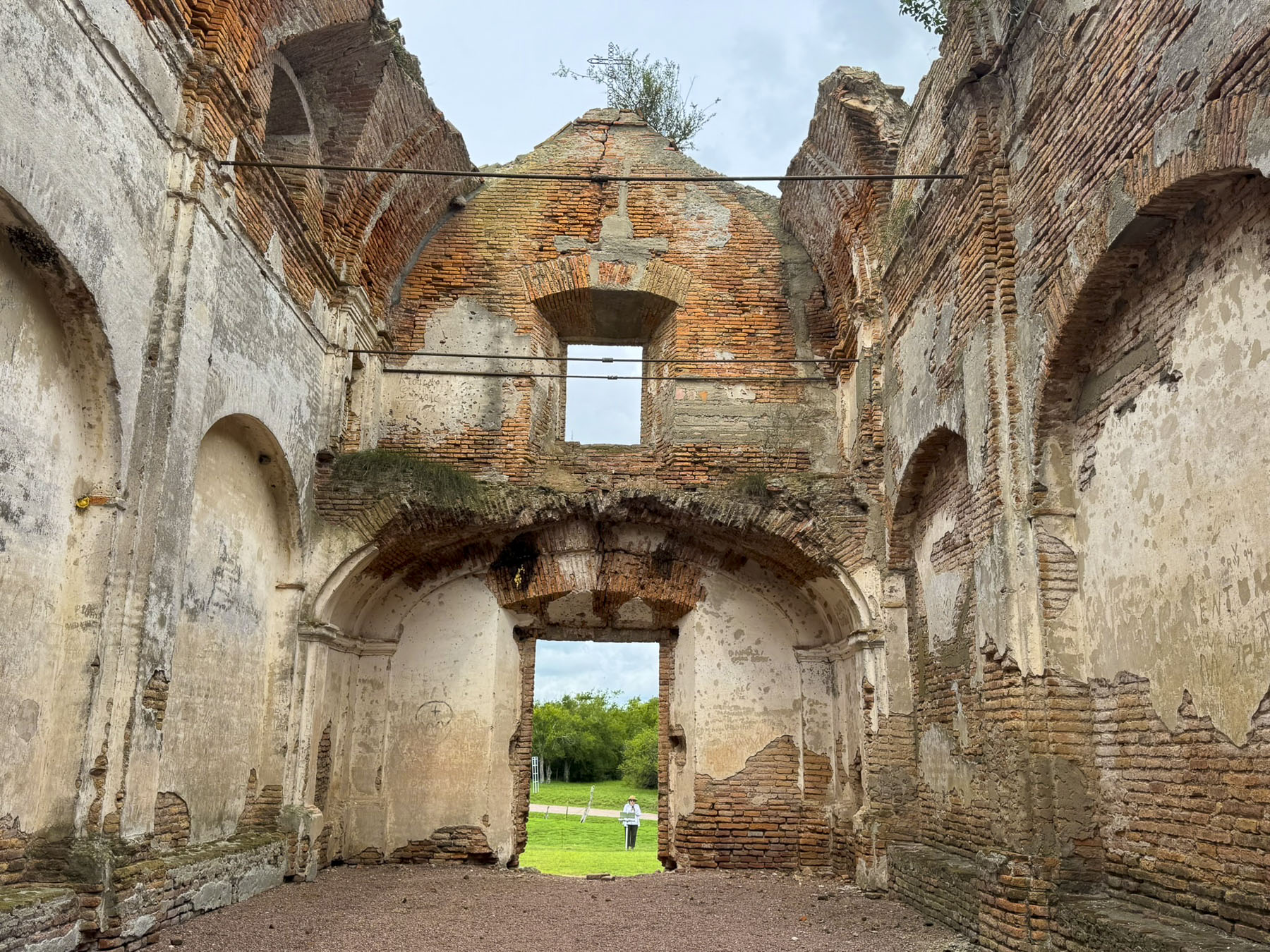
In addition, they ran a blacksmith shop and bakery, farmed the land, tended animals, and made wine from 1500 grape vines, which were the founding of Uruguay’s wine industry. After its confiscation it was used as the College of Orphan Girls of Buenos Aires, and then forgotten after it was destroyed in the early 1800s by Brazilian forces when a state of undeclared war existed between Uruguay and Brazil.

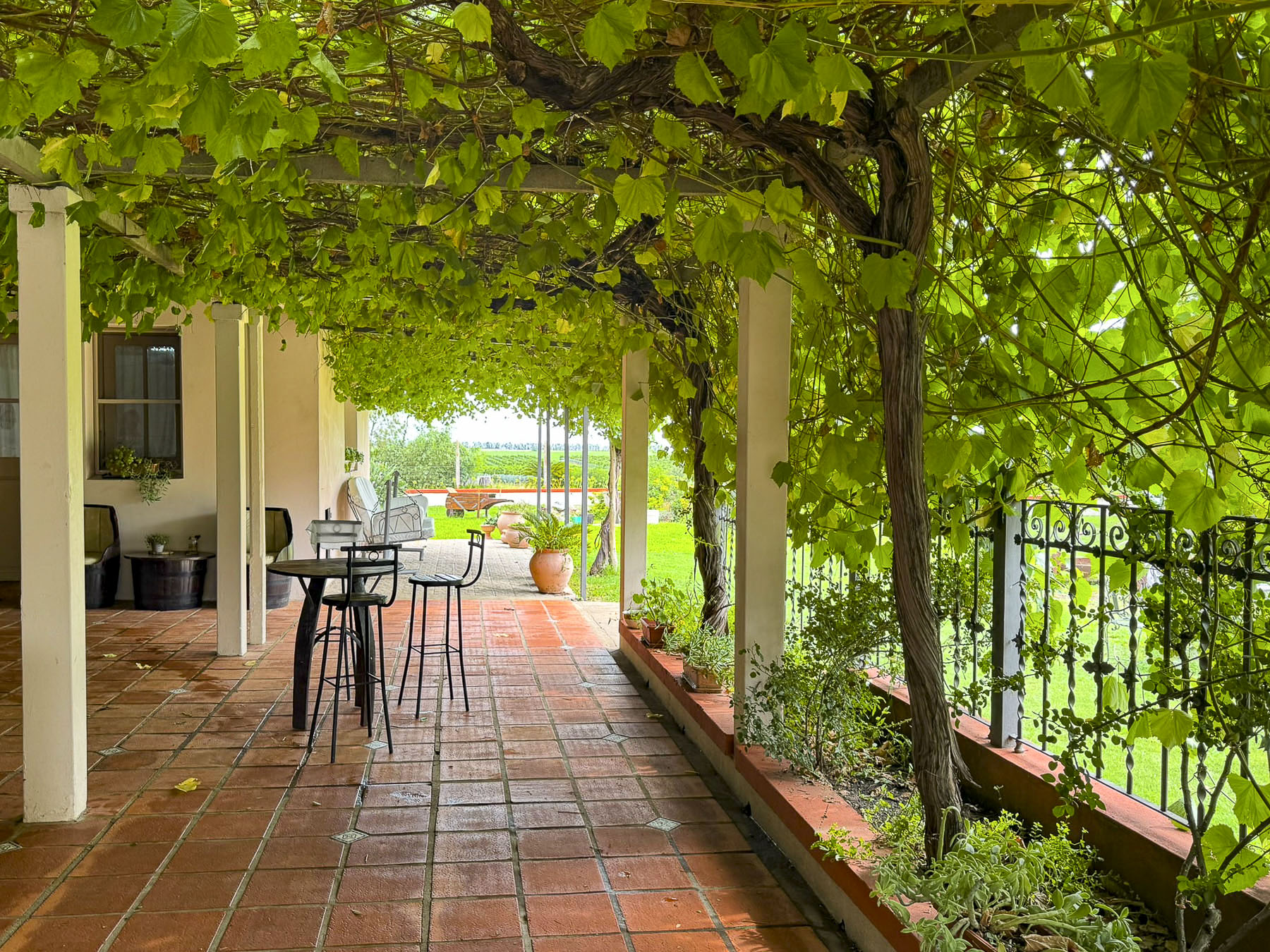
Grapes still hung from a decorative arbor as we made our way into the courtyard of the Zubizarreta Winery and were greeted by Mariela Zubizarreta, the daughter of the matriarch that now owns the wine estate that was started four generations ago by her grandfather in 1957, a Basque immigrate with “nothing to lose.”
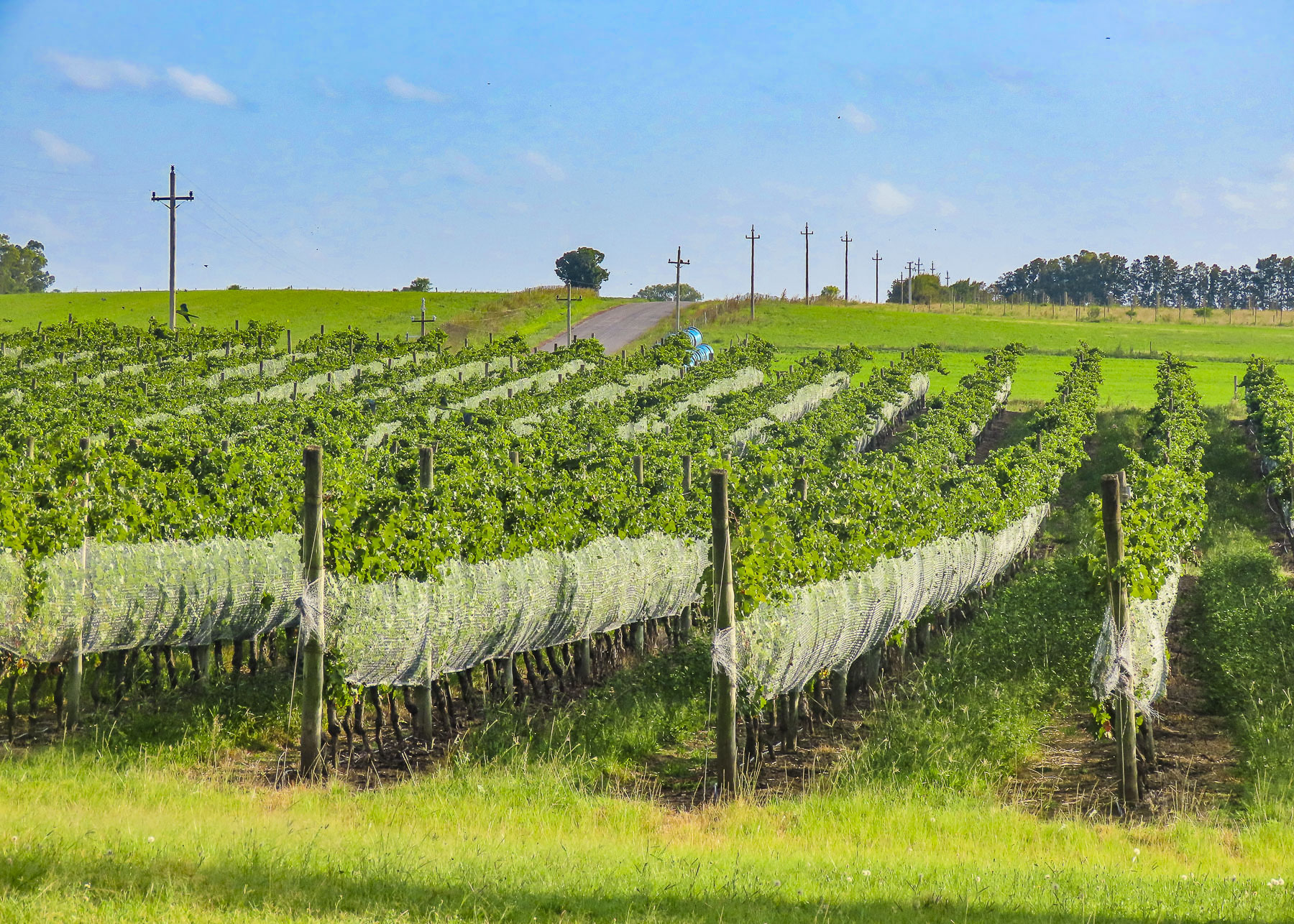


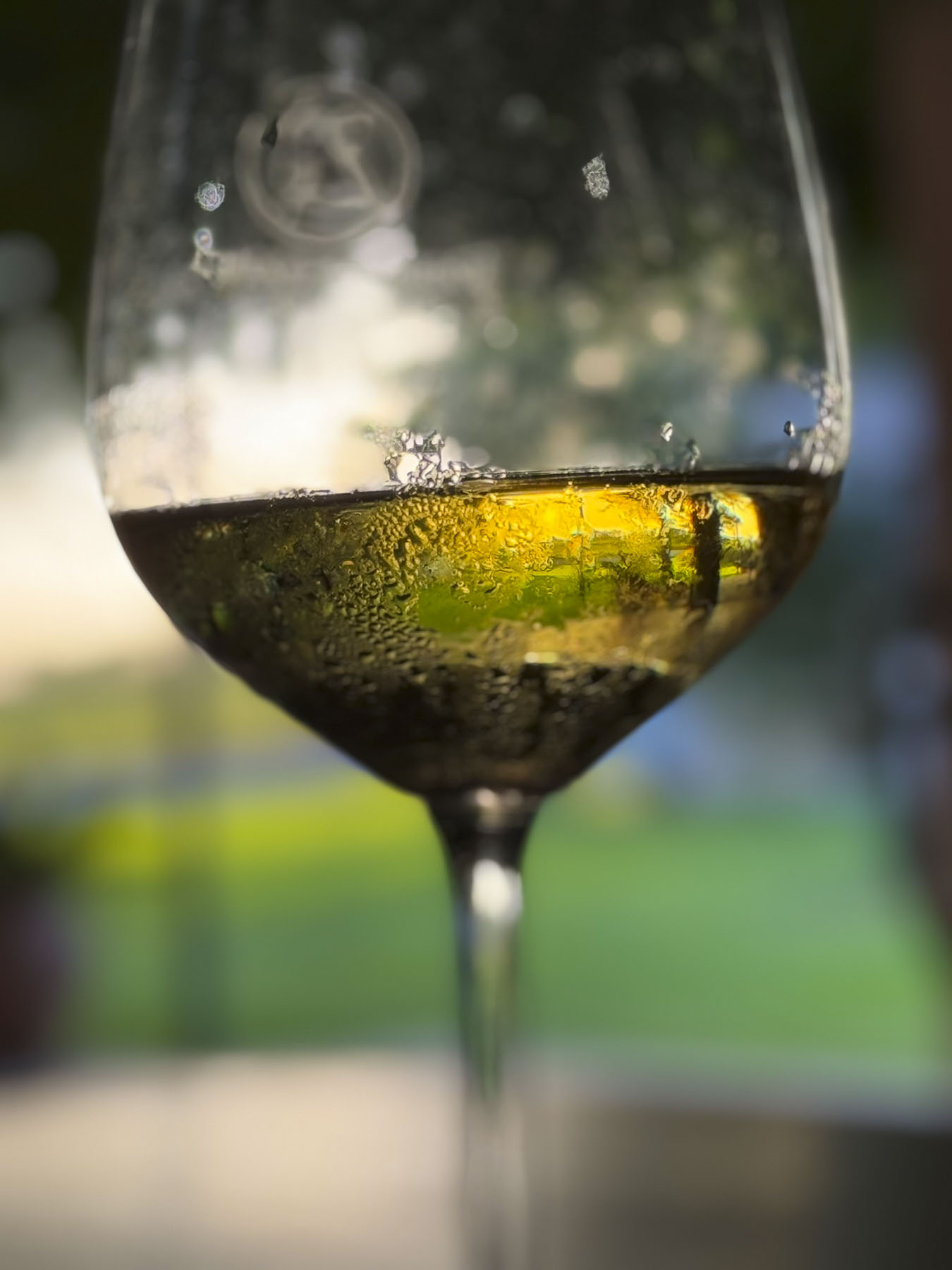
From their large vineyard they harvest nine different varietals and bottle 12 fine red, white and rosé wines. And as a commercial vineyard they also fill 5 gallon damajuanas with an excellent house wine for restaurants across the region.


We finished our tasting as the sun began its slow afternoon descent and cast a warm glow across the vineyard. Mariela showed us our room in Aitona’s House, the old family home which dates from the early 1900s, one end of which has been transformed into a lovely period furnished, large one-bedroom suite. Handing us the key, she relayed that the winery was now closed for the day, and that we would have the estate to ourselves for the night. “A nightwatchman will arrive later. See you in the morning.” We sipped wine as the sun set across the vineyard.
The next morning was a transition day for us, and we set out on our longest drive of our road trip through southern Uruguay. Driving from Carmelo to Minas would take 4.5 hours, but with stops along the way it would take us all day.

We backtracked on Rt21 before turning east off Rt1 past Colonia del Sacramento onto east Rt11 through sleepy towns and expansive farmlands that were completely flat to the horizon. In San José de Mayo we stopped to photograph a monument to the Motorcycle Club of Uruguay, which for us, channeled the book and movie the Motorcycle Diaries, which portrays a young Che Guevara’s journey to discover the essence of South America in 1952, before he became a ruthless revolutionary.


Passing through the city of Santa Lucia, we found a restaurant on Google Maps across from the town’s central plaza. The Paseo Bistro turned out to be atop the Supermercado El Paseo, a very large two-story grocery and department store, that has a hardware department and appliance center, along with a very popular restaurant with a rooftop terrace. The bistro was very busy at lunchtime, full of families and professionals. Ordering was from a picture menu above the kitchen, where our meal was freshly prepared. A restaurant pager alerted us when our food was ready. We were pleasantly surprised at the quality of our lunch as well as its reasonable price.


From Santa Lucia we continued east on Rt81. The route now rose through gently rolling hills spectacled with small patches of forests. Just before reaching the village of Montes I suddenly slowed and did a U-turn. “Why are we turning around?” Donna asked. “Did you see those dinosaurs?” “You’re delusional and should drink more water to stay hydrated!” “I only need to run faster than you,” I chuckled. The Parque de los Dinosaurios was at the end of a two-track lane, where a man and woman were sunning in their yard. With our lack of Spanish, we pointed and expressed an interest in seeing the dinosaurs up close. As we learned from the man’s wife he single-handedly created this whimsical playland and picnic area filled with colorful prehistoric creatures. It’s definitely a Uruguayan roadside oddity that was a fun stop.


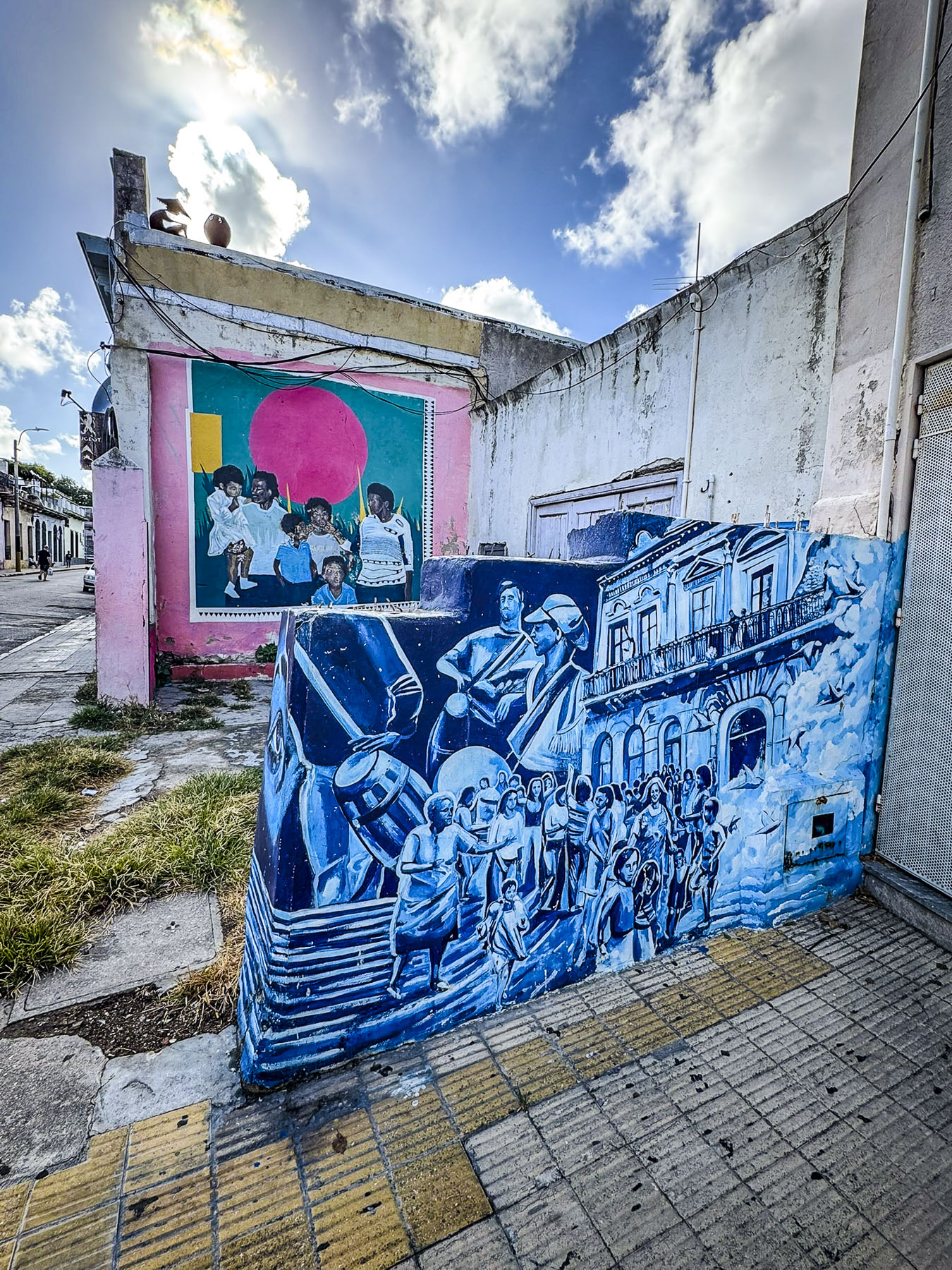
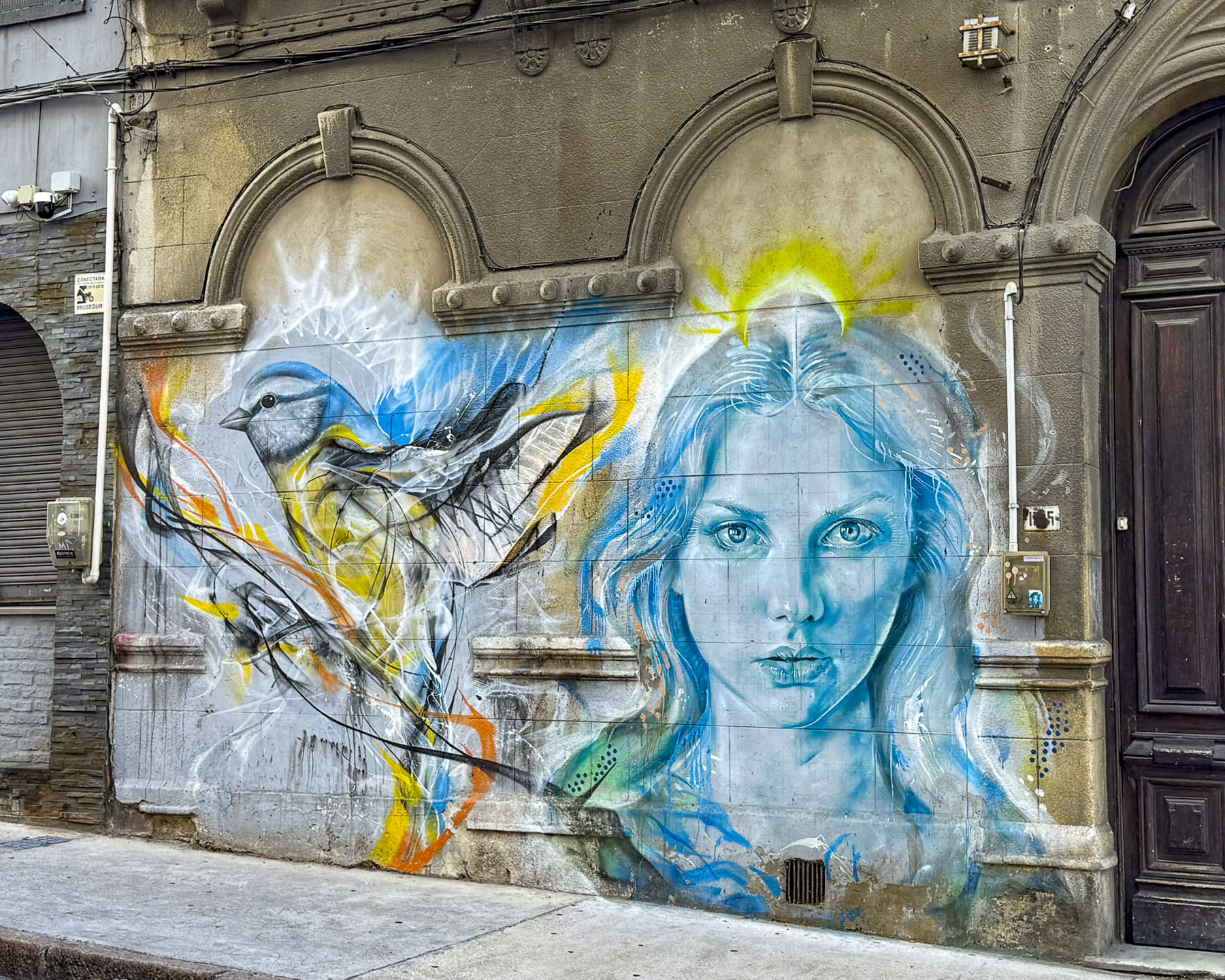
Driving into the center of Minas we passed a number of interesting street murals on the way to the Plaza Libertad, a classic Spanish square with an equestrian statue that celebrates the Lavalleja Department’s gaucho heritage, and a reflecting pool surrounded by palm trees that faces the neoclassical designed Catedral de la Inmaculada Concepción de Minas, which dates from 1892.

After an early dinner we headed to our accommodation for the night at the Valle de Domos, a small eco-friendly, sustainable resort where the individual cone-shaped cottages were constructed with earthen bags.
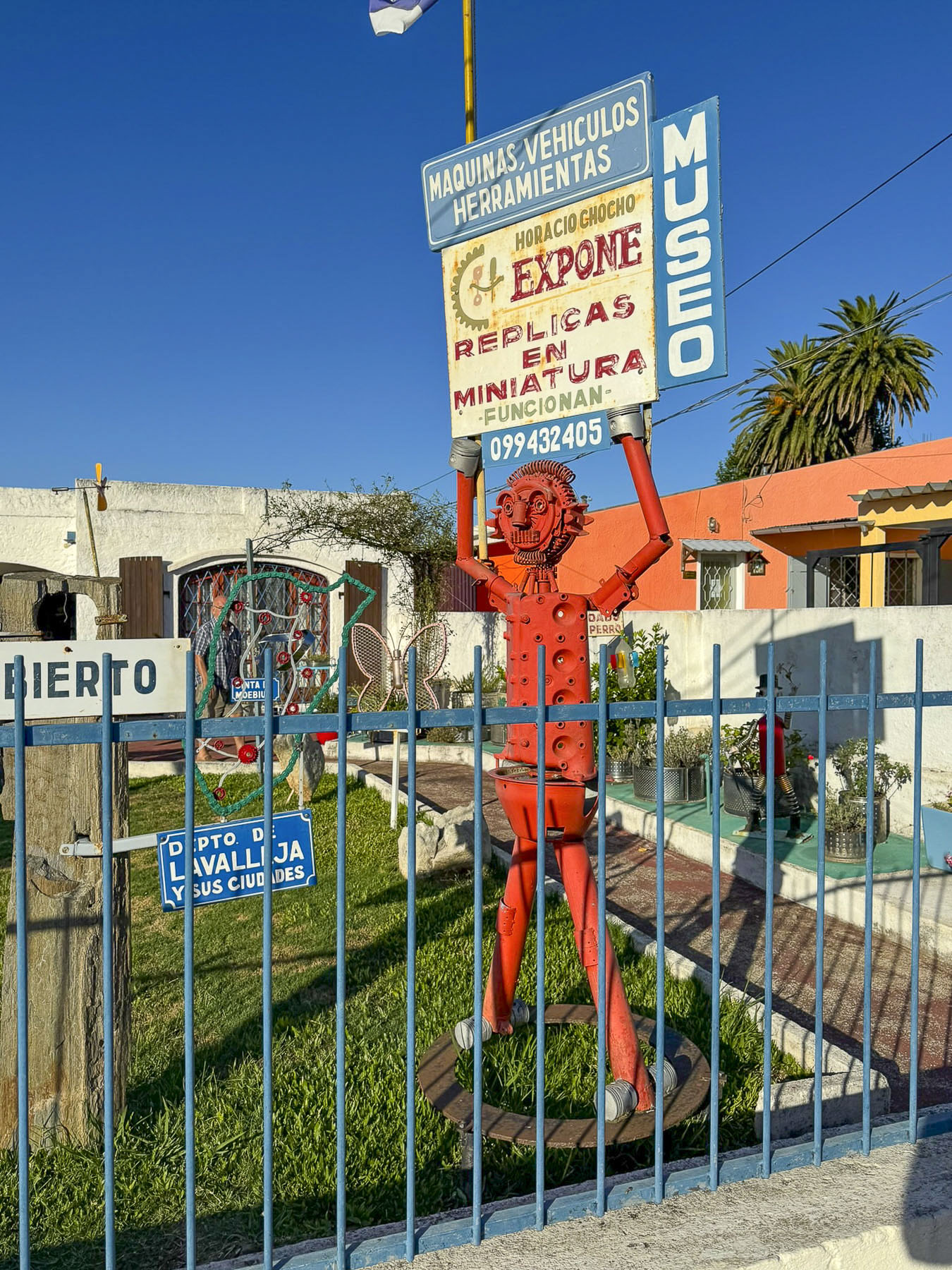

But before leaving Minas we made one last stop at the Museo de Réplicas en Miniatura. It’s a small private museum/workshop in the home of Horacio and Mirta Chocho. Horacio, a retired mechanic, met us at the gate to his yard and explained with no ifs, ands, and buts that his presentation takes a full 45 minutes and that he wasn’t interested in sharing his work unless we agreed to stay till the end. The man is definitely a mechanical genius and created his working models of cars, trucks, tractors and trains, along with various other items from found objects.

Twilight was descending when we reached the Valle de Domos. Though we had a confirmed reservation the manager was not expecting us, and was reluctant to let us stay, even though they had vacancies, until a phone call to the owner rectified the situation. We love these sort of alternative housing solutions and had a comfortable one-night stay. Sun light filled the tiny kitchen the next morning as we made coffee. There are several larger cone shaped cottages at the resort with 2-4 bedrooms and living rooms. If we had stayed longer, we would have chosen a larger unit.

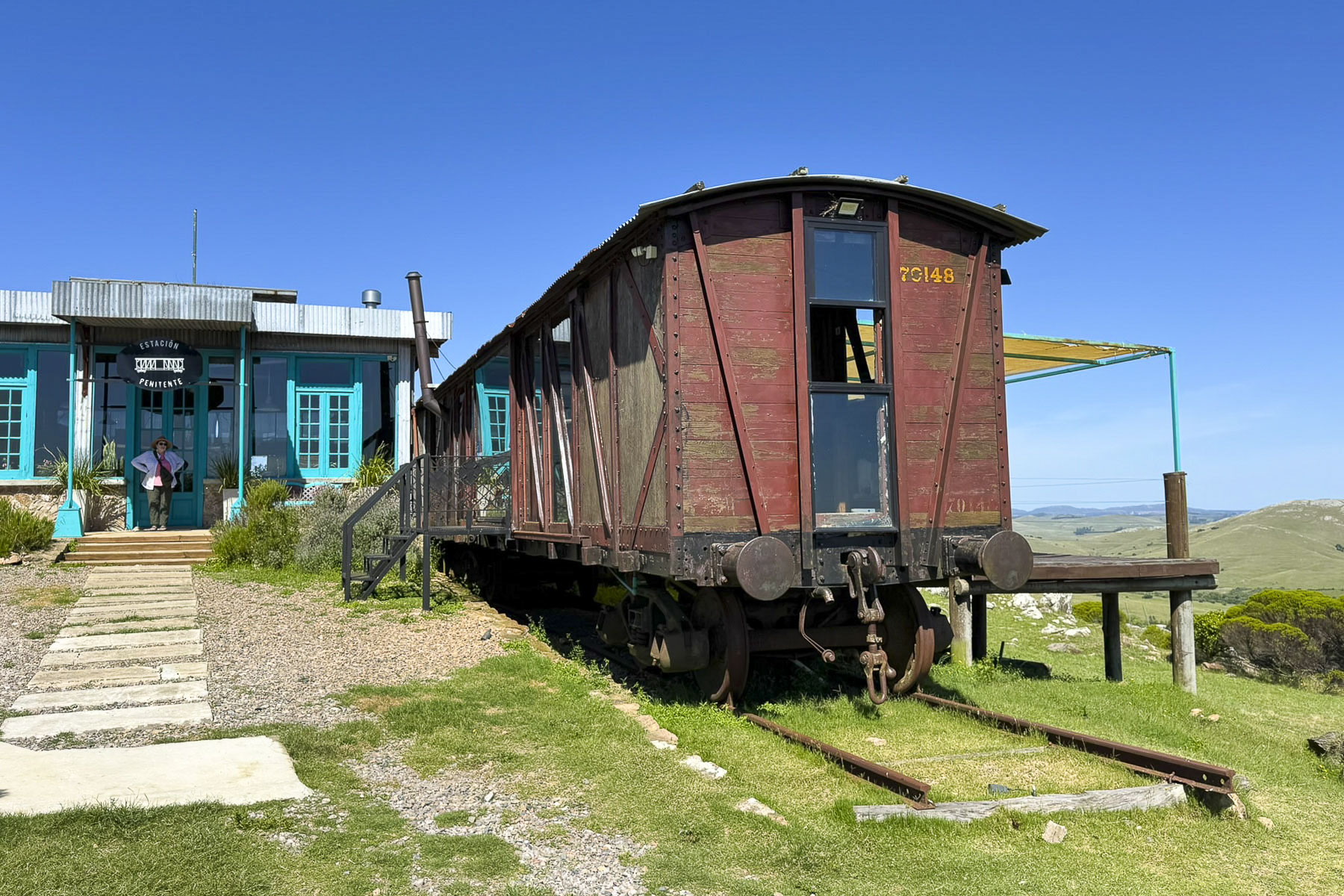
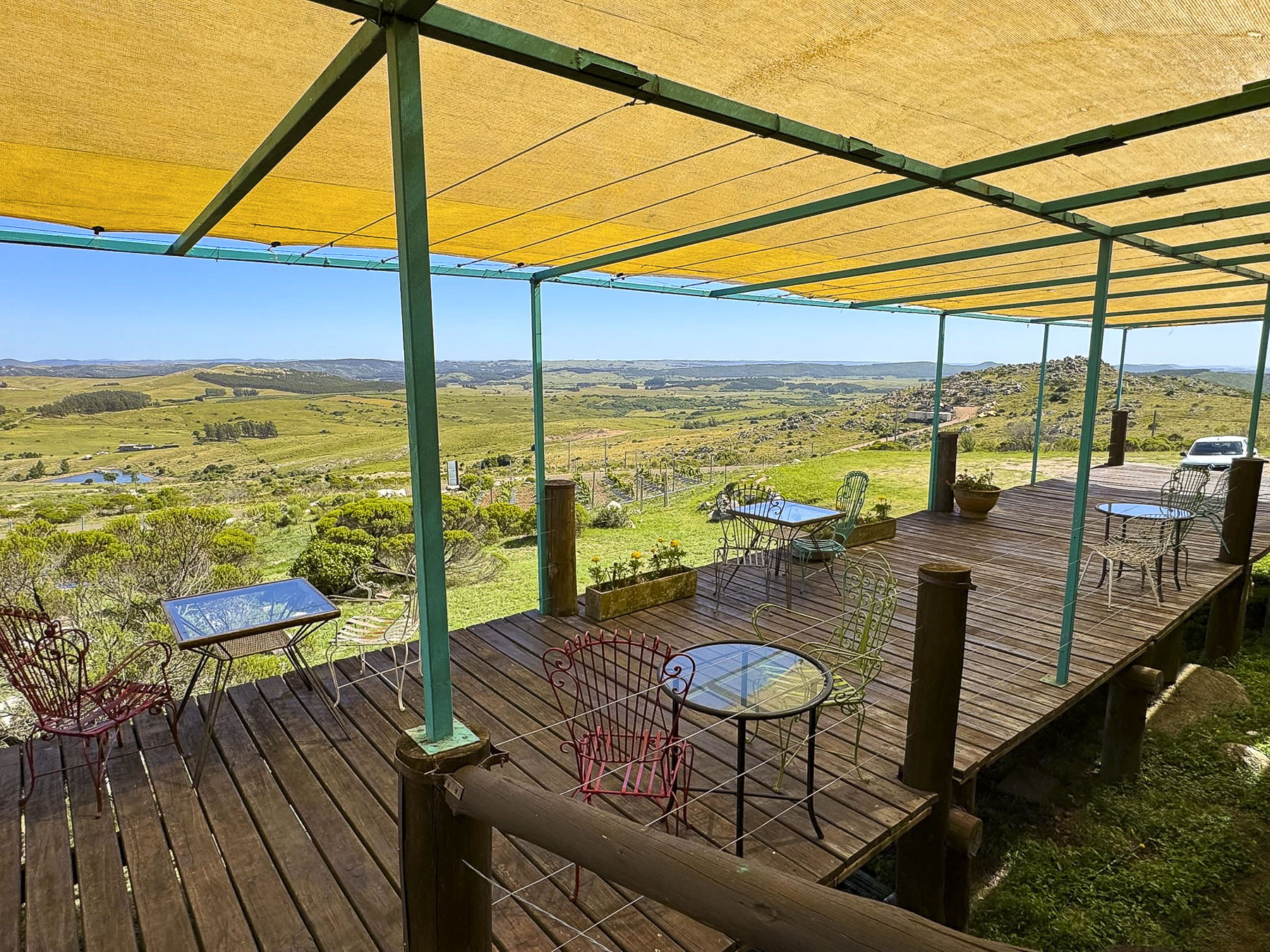
Though we had a kitchen, we only had the makings for instant coffee and a few snacks, so we started the day in pursuit of a real breakfast and a good cup of java, which unfortunately was a little more challenging than expected. The hours and open days listed for the cafes on our online maps were incorrect. We realized this when the owner of Penitente Station, a unique restaurant in an old railroad car positioned atop a ridge in the Sierra de Minas, turned us away, but did let us admire the panoramic view from the railcar.
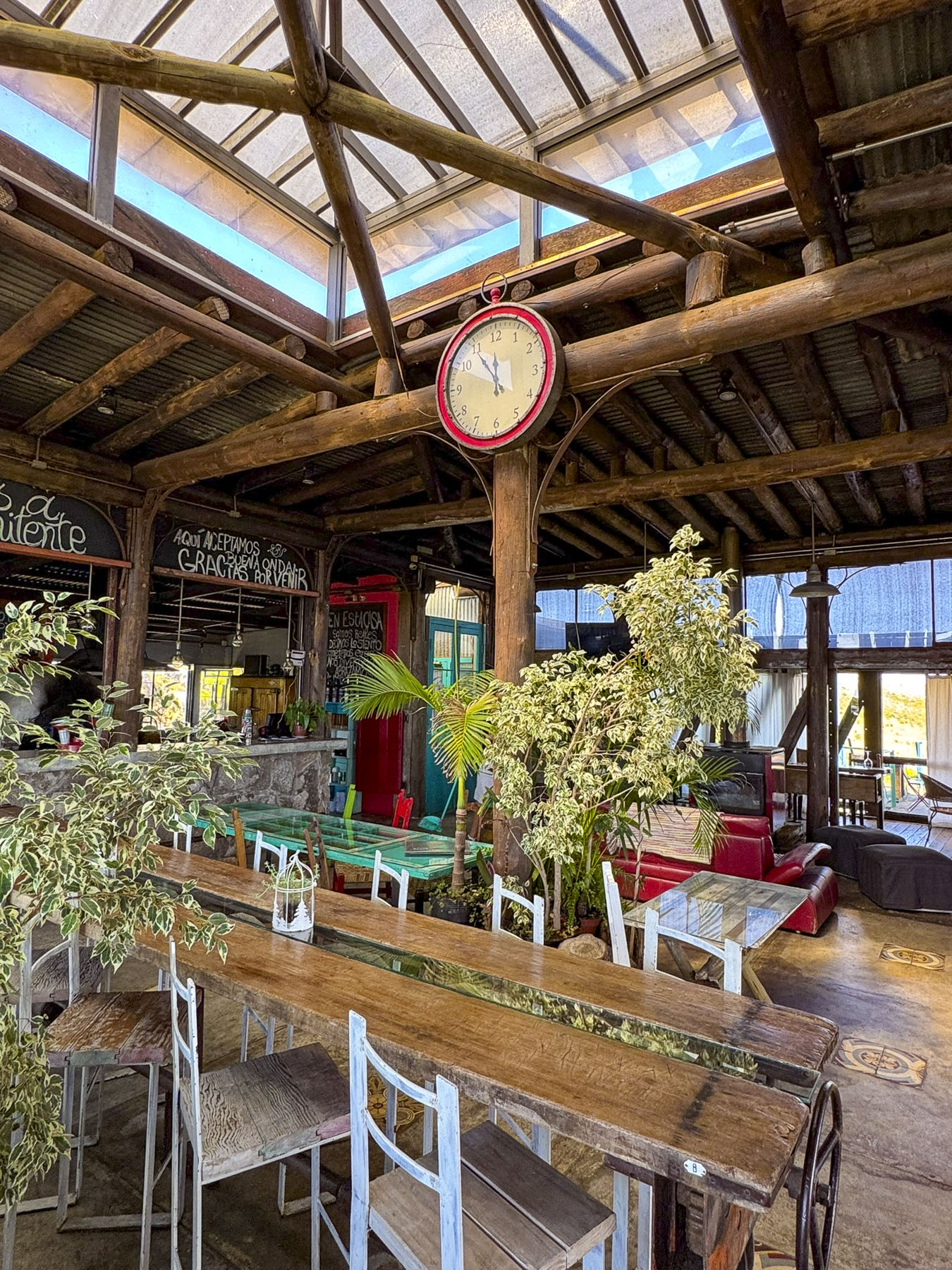
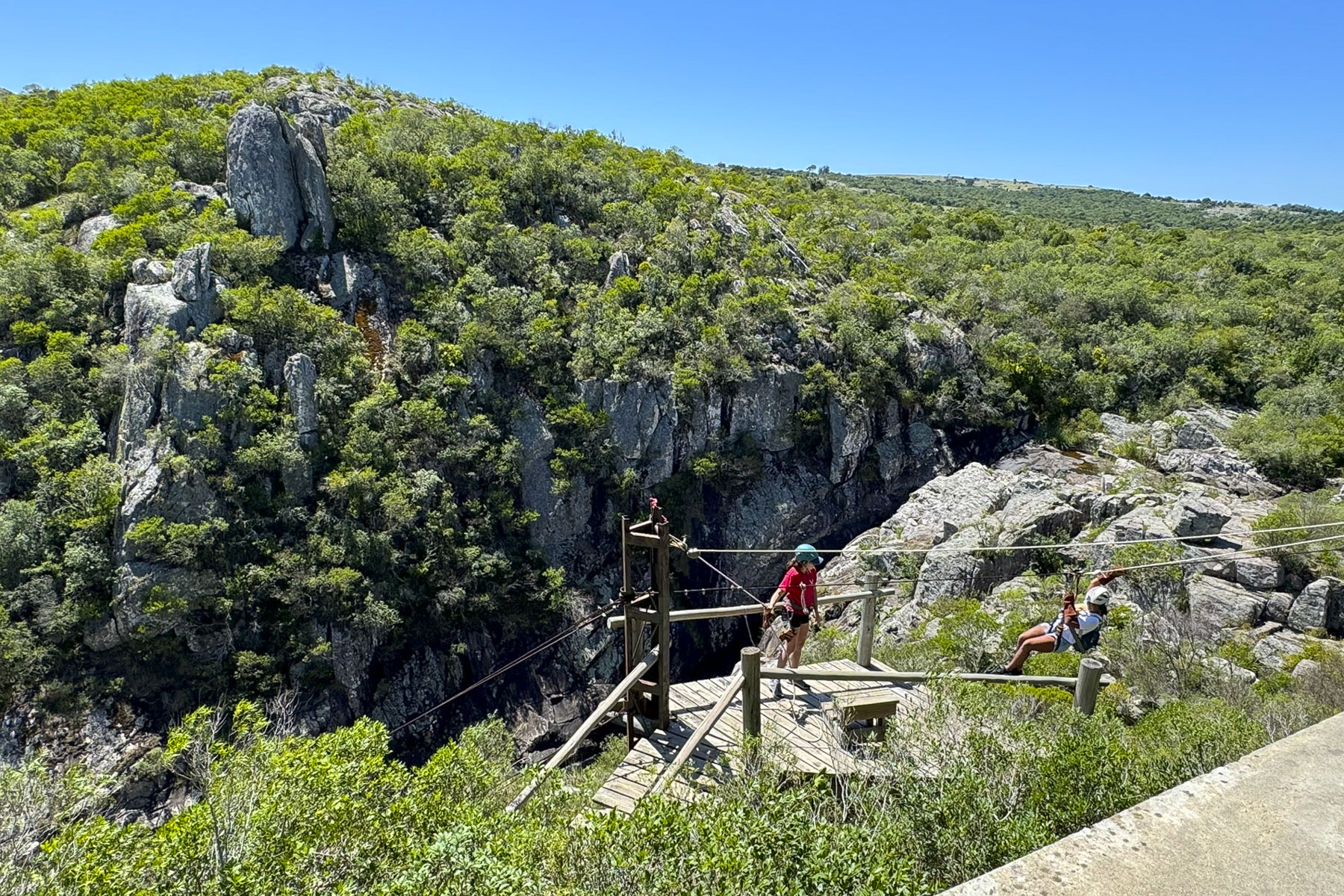
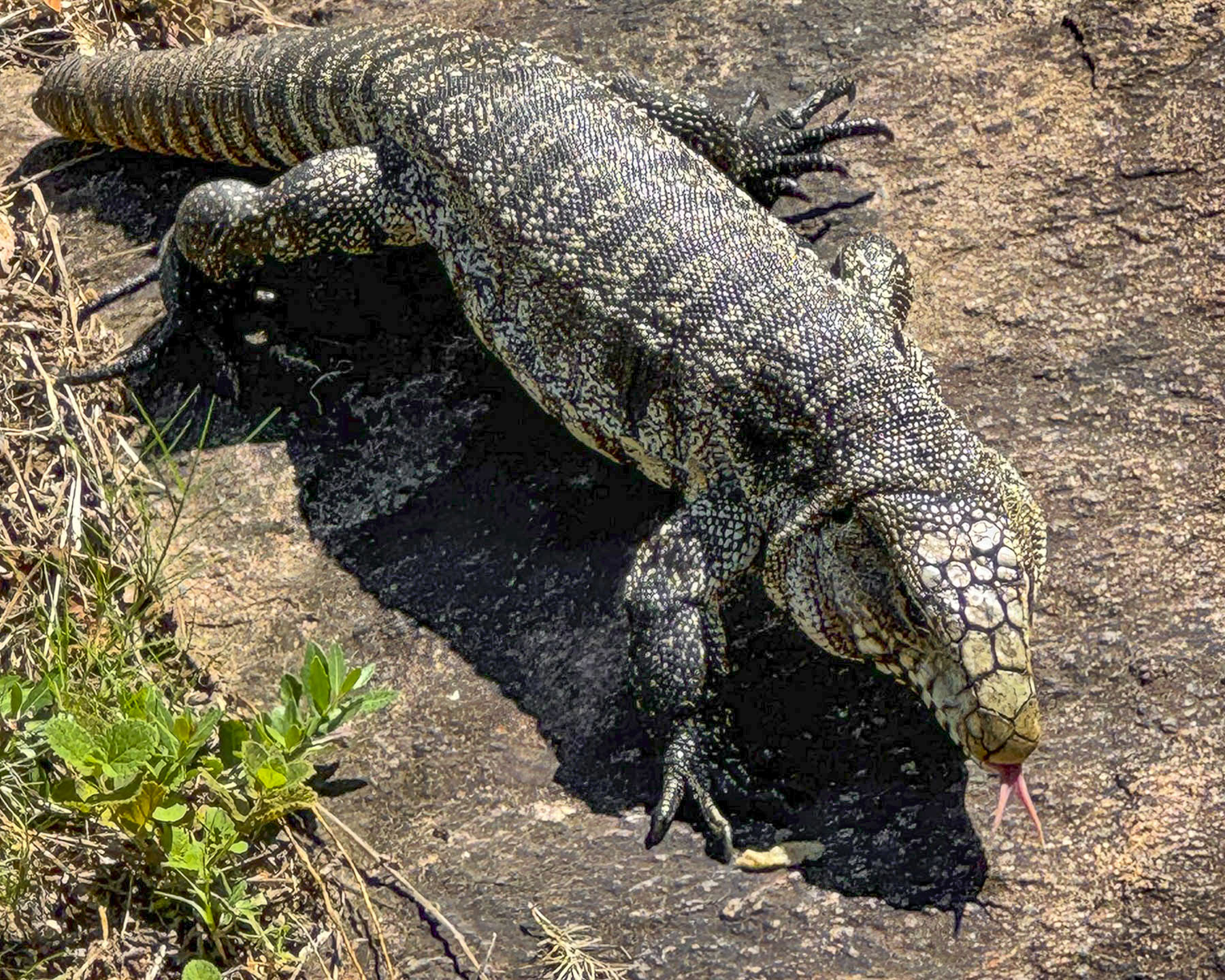
Fortunately nearby, everything was fully operational when we arrived at Salto del Penitente, a large state park with a zip line course, that is known for its spectacular rainy season waterfall. The park’s excellent restaurant with an open terrace overlooks Uruguay’s tallest waterfall, which drops 60m (200ft) through a narrow gorge below the granite rock face of Salto del Penitente, into a lagoon that’s a popular spot to swim. But the water flow was low and the stream was hidden away in its crevice. We did enjoy watching birds of prey soaring on the updrafts, two Pampas foxes, and several large black and white tegu lizards, which can grow to four feet in length, scattering from one shady spot to the next.

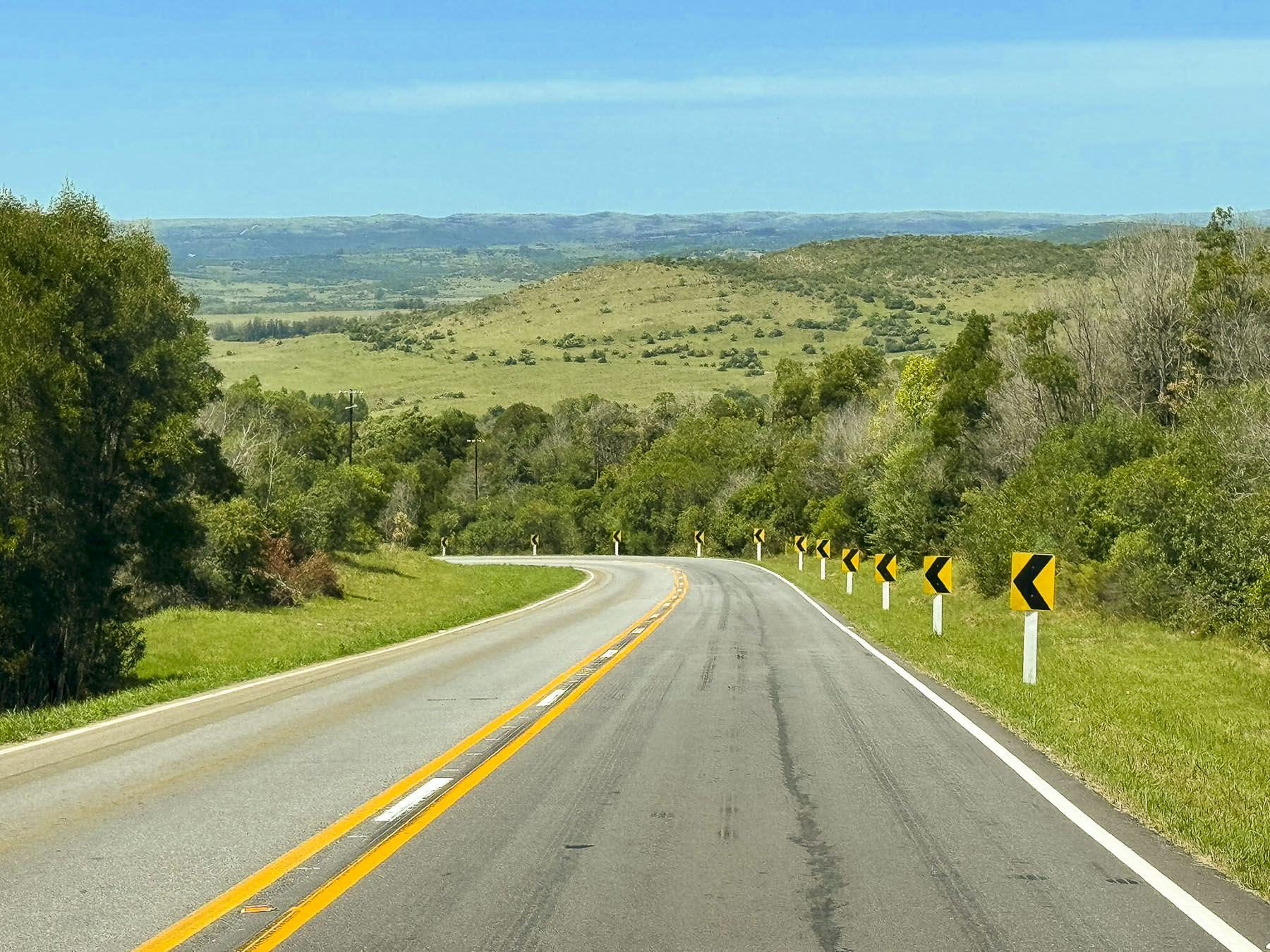
From here we were cutting across the rugged Sierra de Minas region to the South Atlantic coast at Faro de José Ignacio, 252 miles east of Carmelo. The excellent state roads we followed were all paved, numbered and well signed, until we turned to Garzon, where the blacktop suddenly became hard-packed dirt. These wide, well maintained dirt roads coursed through a vast nearly unpopulated area that took us near Uruguay’s highest point, the 513.66 m (1,685.2 ft) tall Cerro Catedral. Though it really wasn’t noticeably distinguishable from the surrounding landscape.
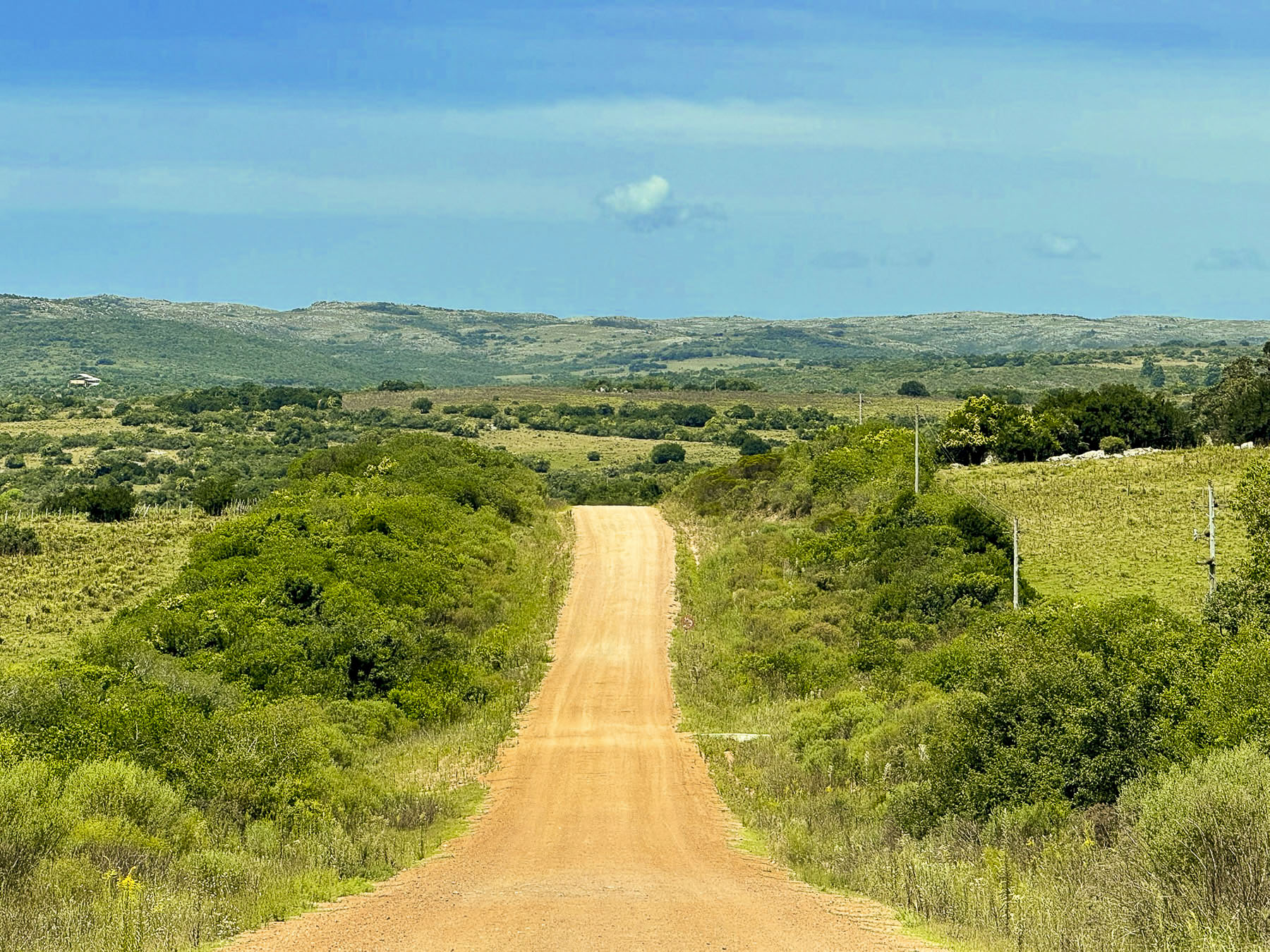
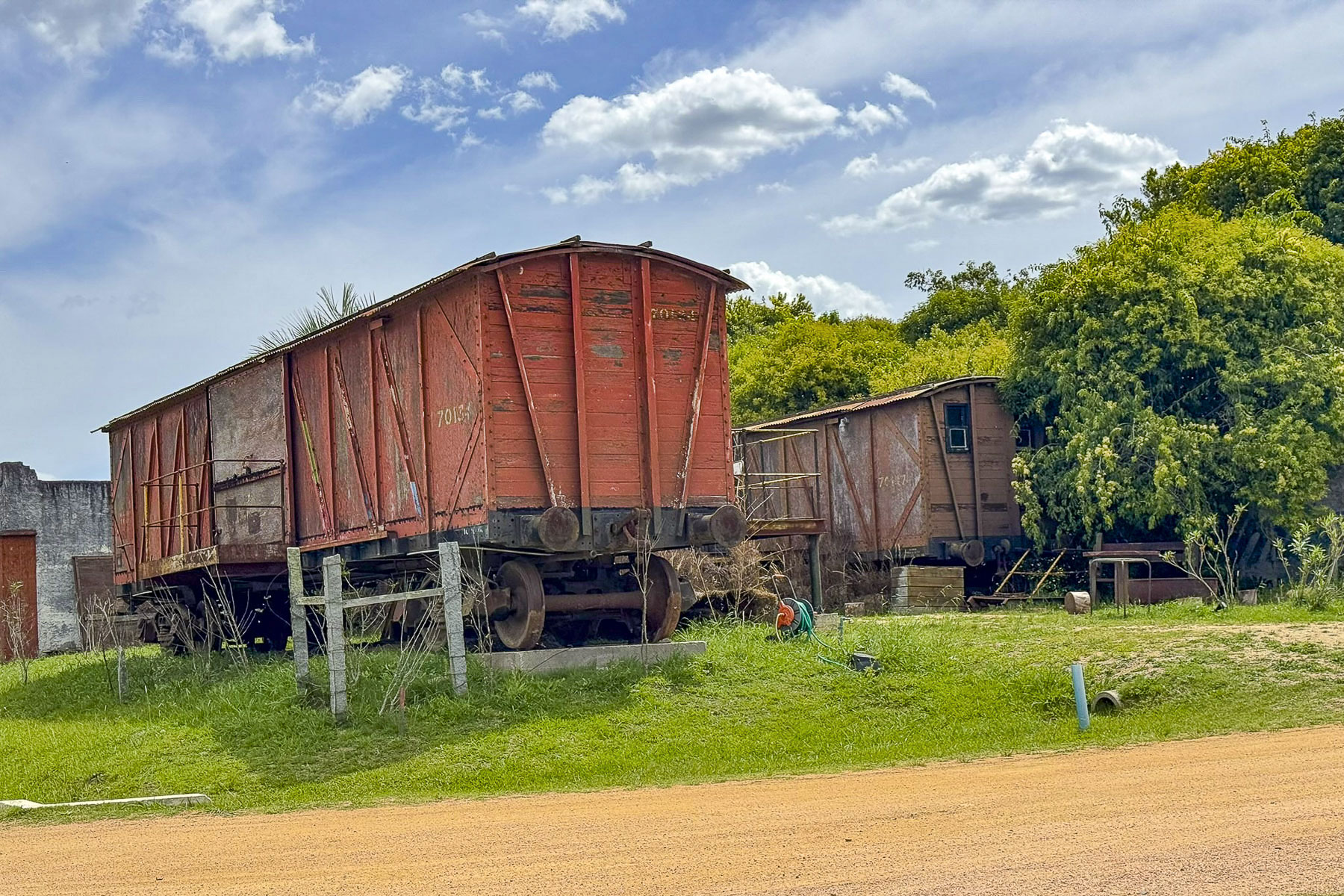
Pueblo Garzón is an old frontier-like ranching community that was founded in the early 1900s, and was a boom town on the Central Uruguay Rail Line, which took the rancher’s cattle to the port of Montevideo for export. When the pueblo achieved the status of being a town in 1935, it had 470 inhabitants. With the economic downturn that engulfed Uruguay after WW2, partially as a result of the economy relying too heavily on beef exports, the train service to Garzón ended. An exodus of people began and by the 1970s Garzon was considered a ghost town. We good picture tumbleweed blowing through the town.
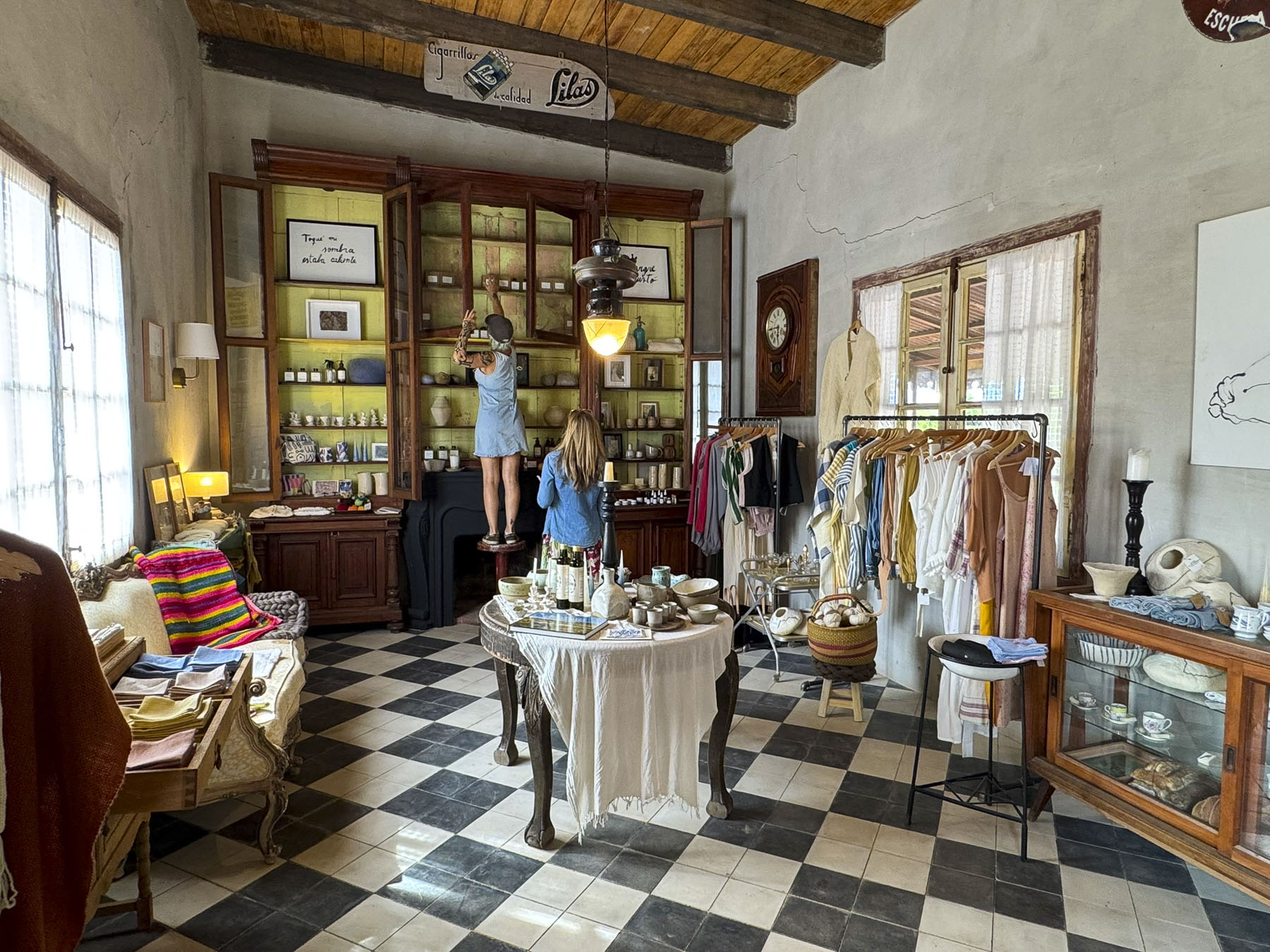


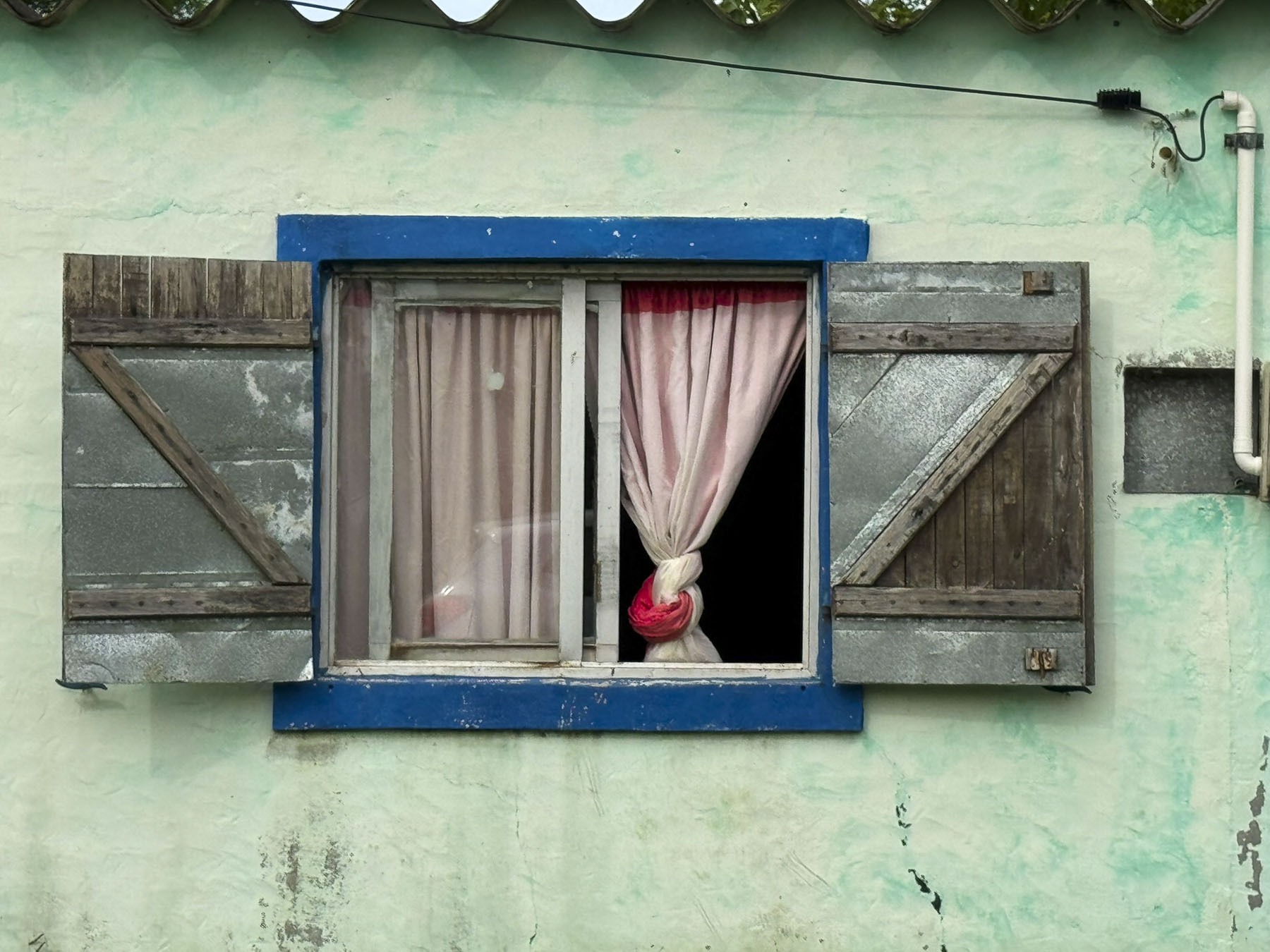
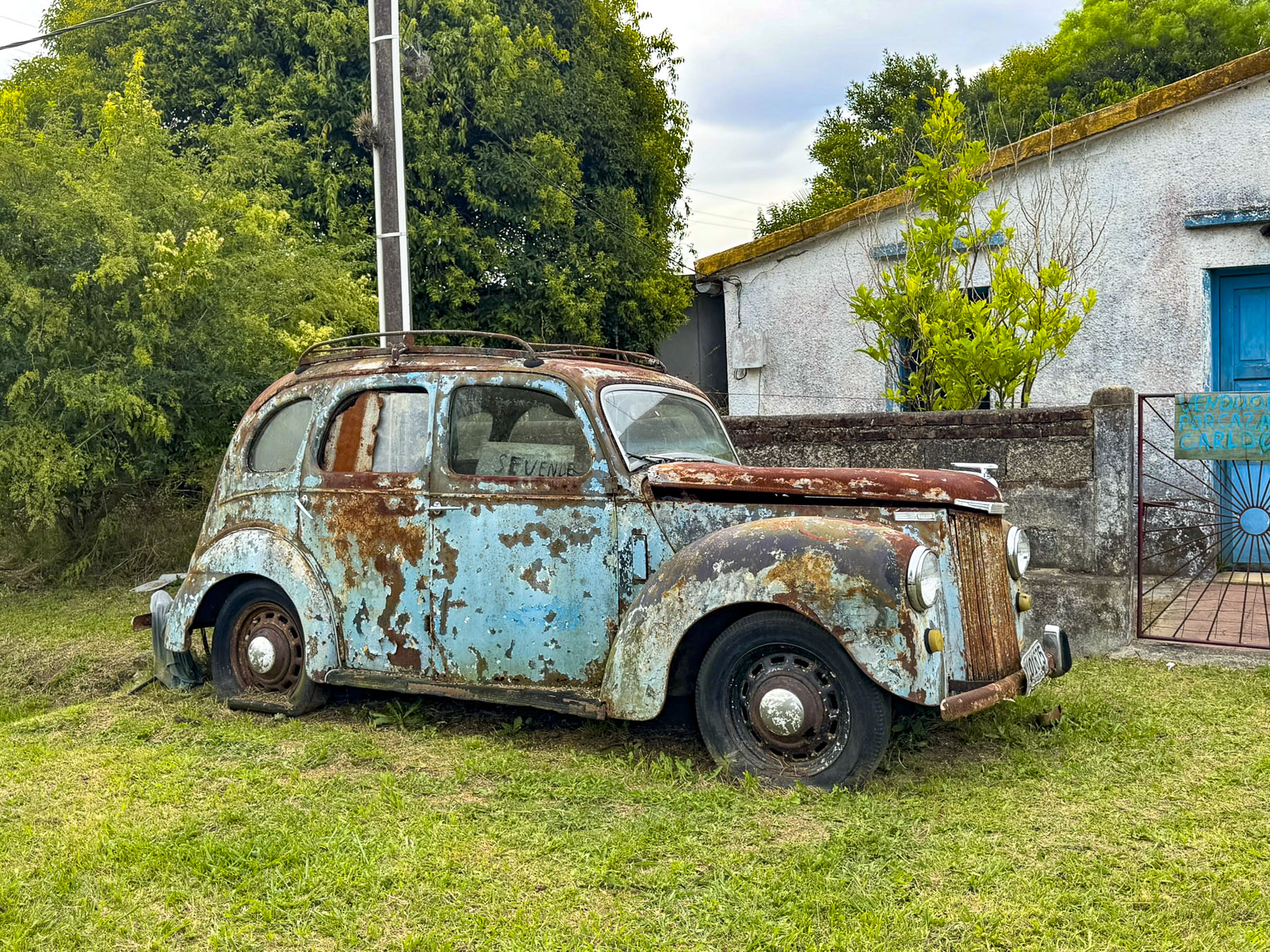

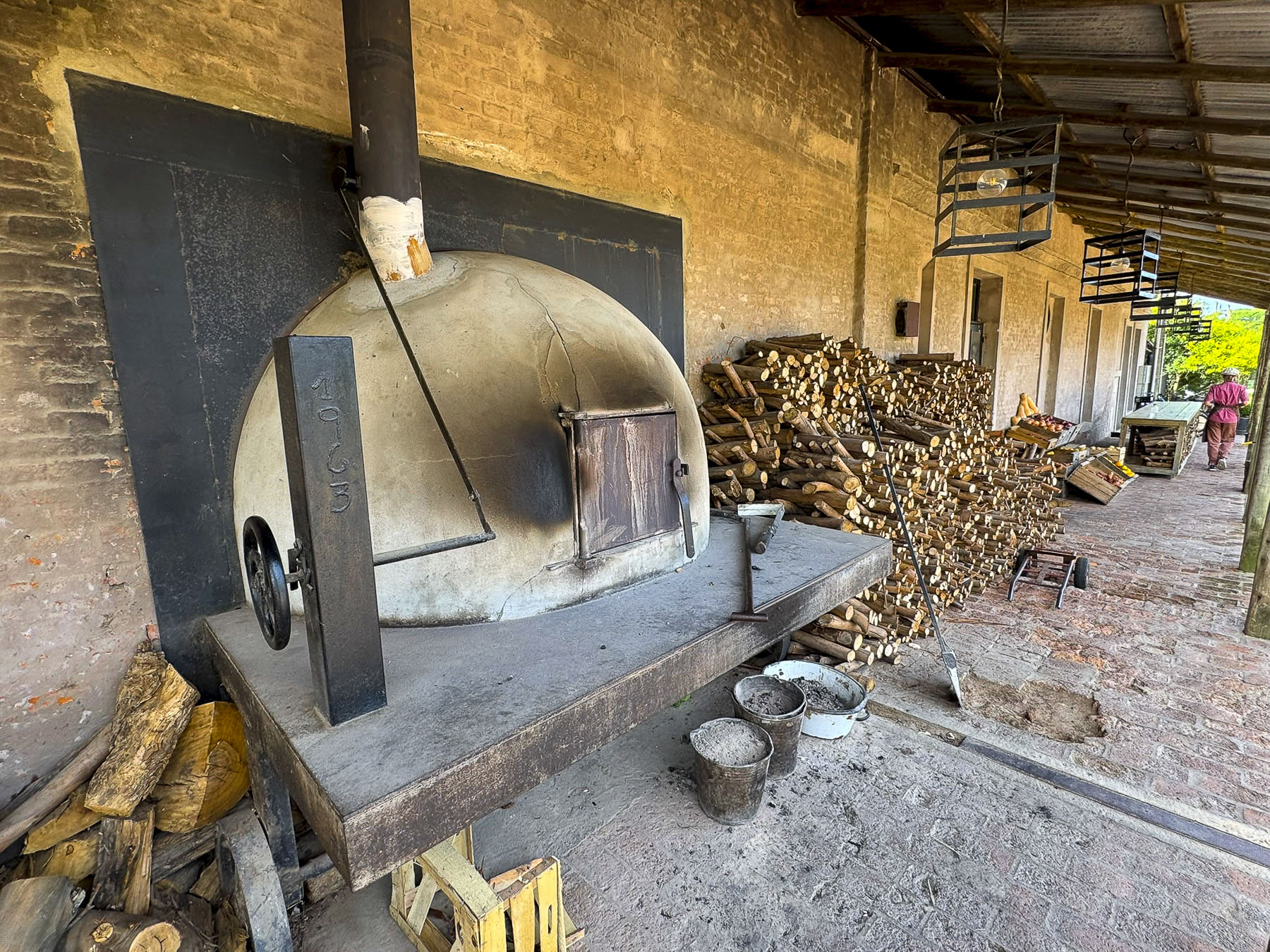
In 2003 the internationally renowned chef Francis Mallmann fell in love with the tranquility of the area and renovated the town’s abandoned general store into the El Garzón, a small restaurant and boutique inn. His signature horno, a large clay oven, surrounded by piles of stacked wood dominates the old wrap-around porch where ranch supplies once stood. Several small galleries, a café, and another inn soon followed.
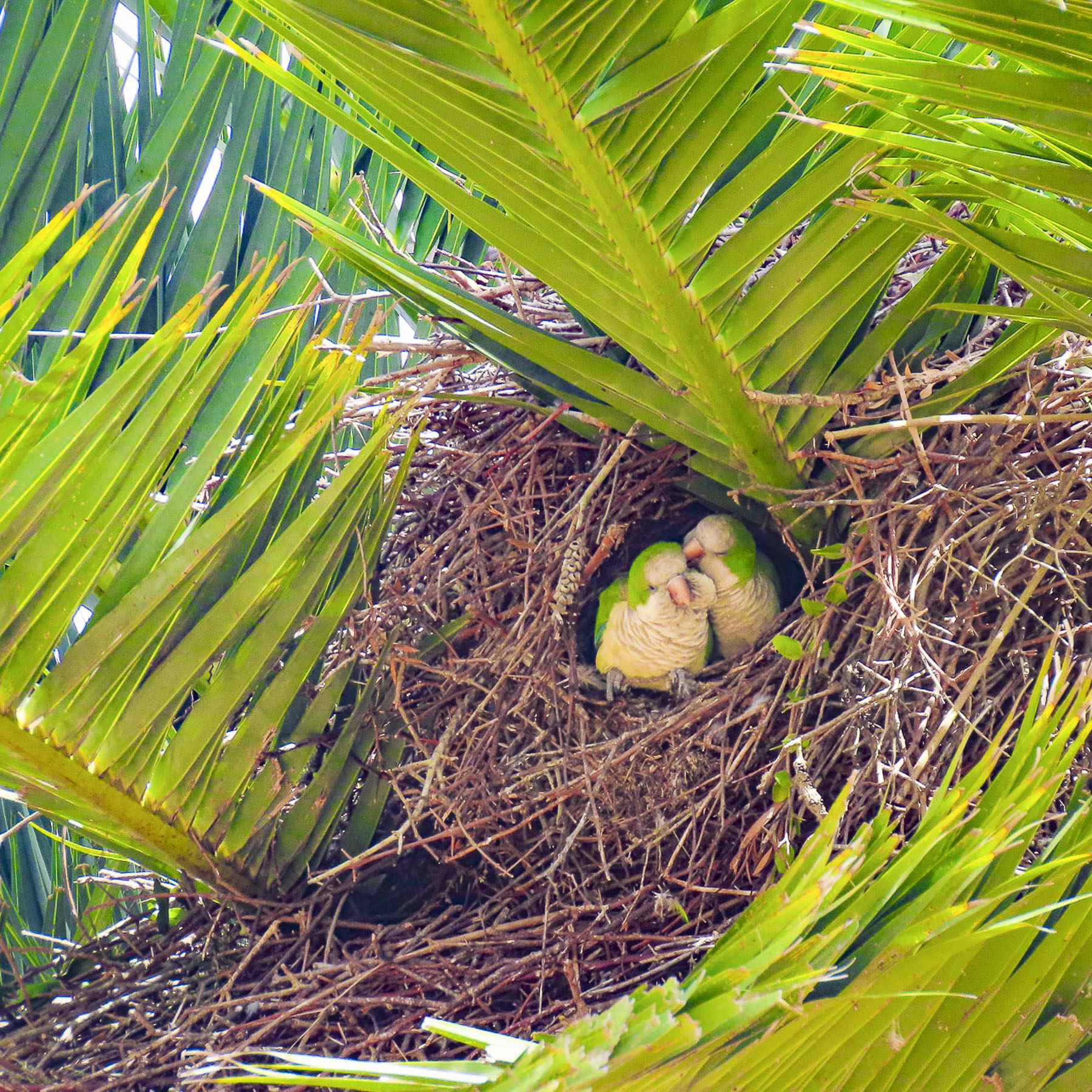

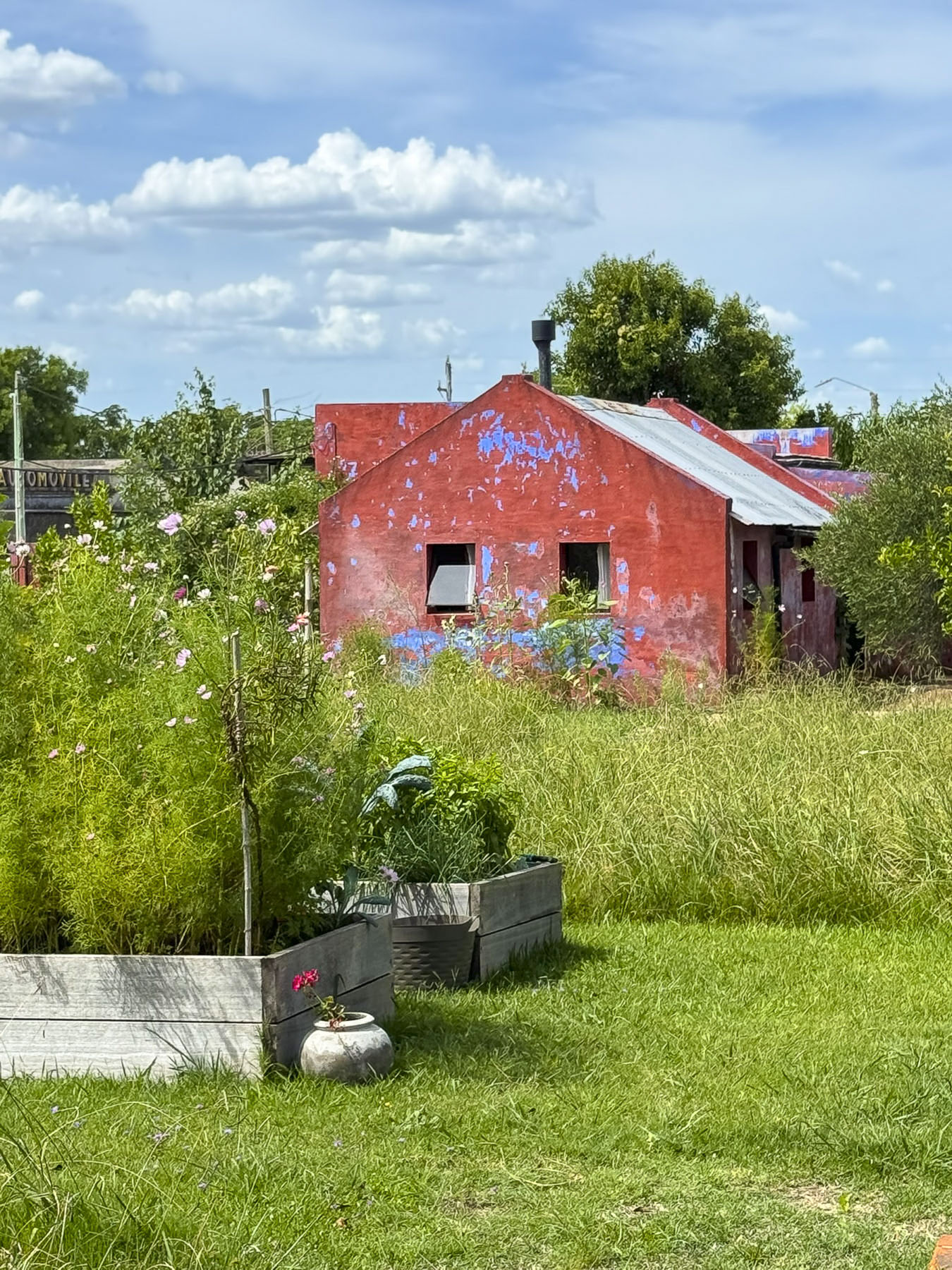

The town’s prospects really began to increase in 2016 when Bodega Garzón, a large ultramodern, sustainably built winery with 524 acres of vineyards, was opened. It was envisioned by Alejandro P. Bulgheroni, the Argentine billionaire and wine entrepreneur, to be “the most emblematic winery of modern viticulture in Uruguay, creating premium wines with an intense personality and a deep sense of belonging to the land.” Since then, grapes harvested from 1200 different plots, which take advantage of the estates’ different microclimates, have created wines which have consistently won awards, and it has become a destination for wine enthusiasts and bon vivants from around the world.

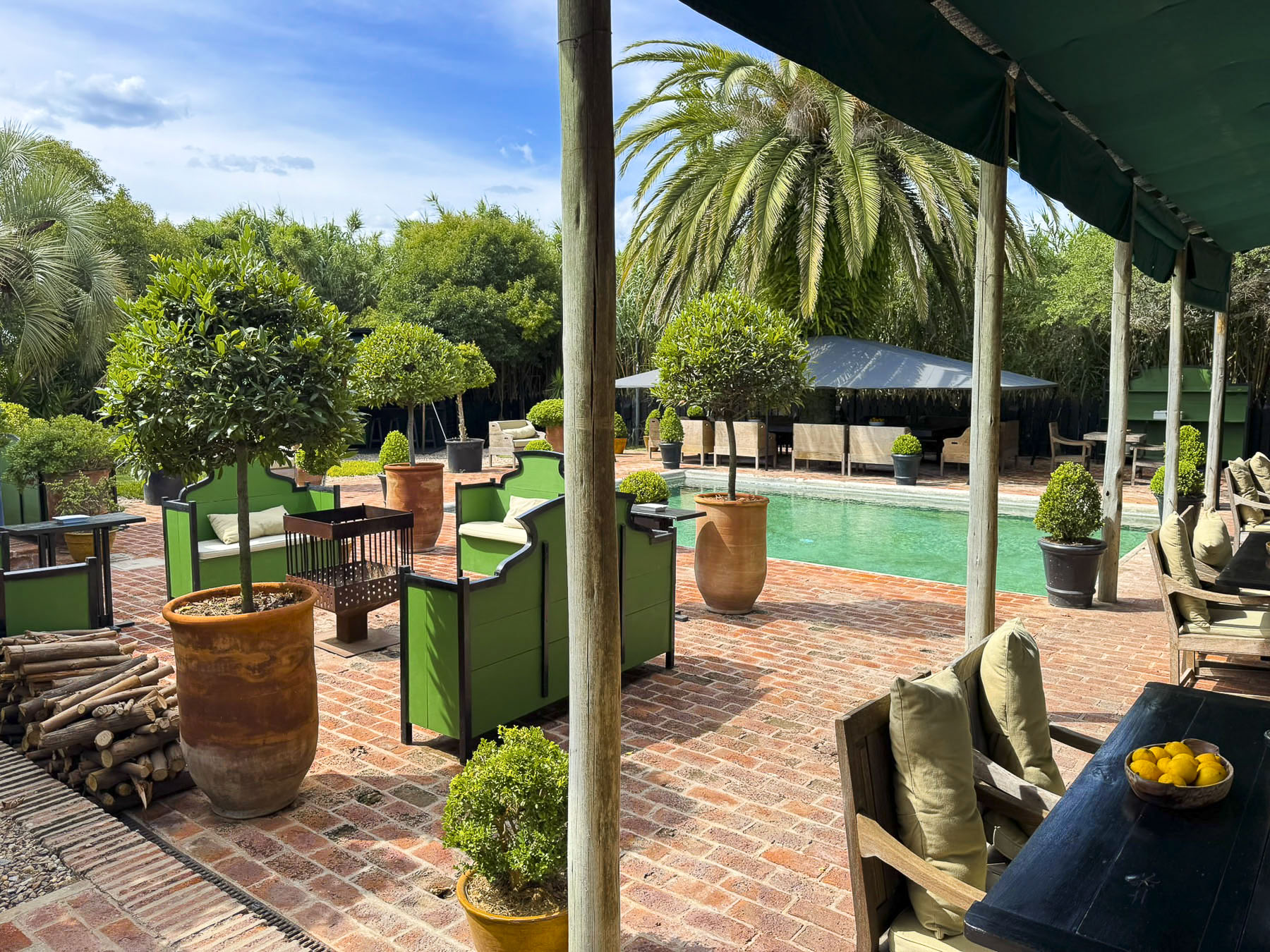

It was serendipitously Valentines Day and El Garzón was the perfect place to celebrate.
Faro de José Ignacio was only 30 minutes and a whole world away.
Till next time,
Craig & Donna















































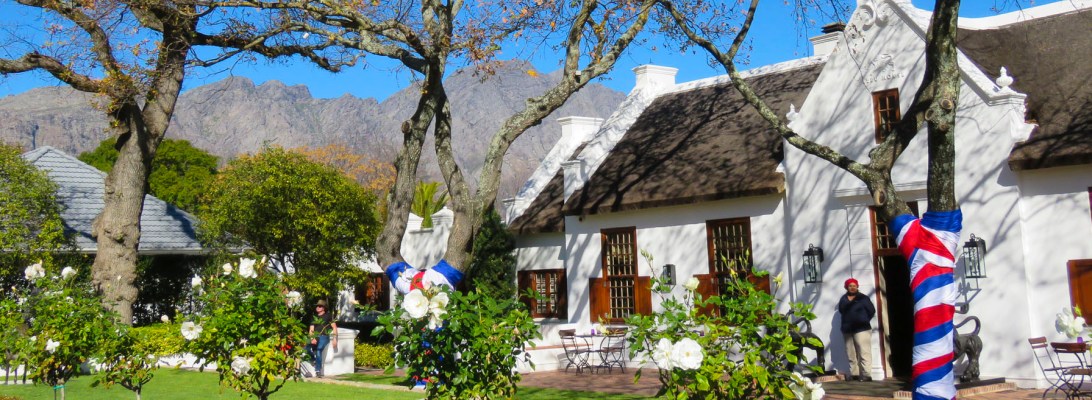
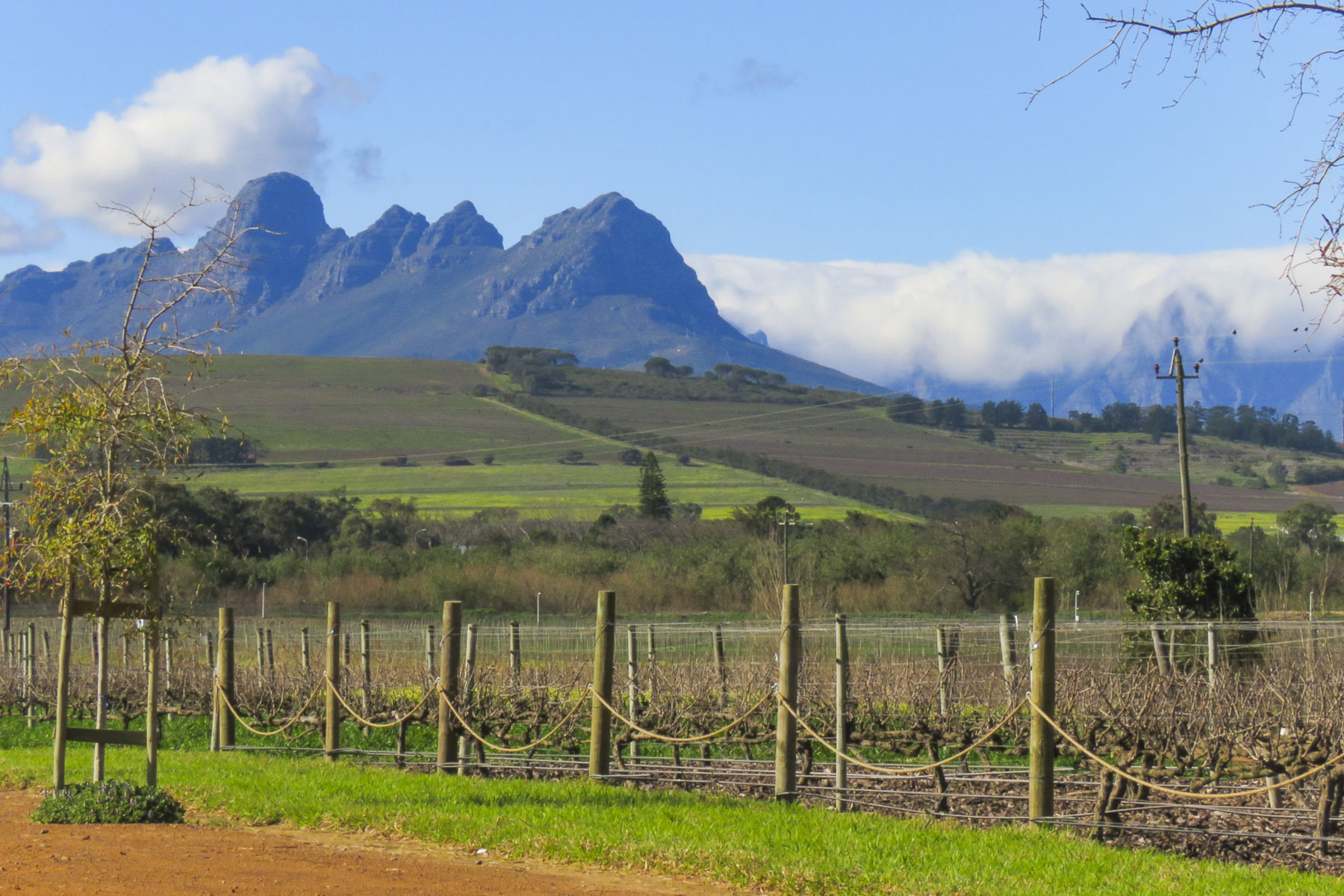 We planned a long weekend to celebrate
  But first we had to get there. Just before our exit off the N2, the silhouettes of several tall sailing ships broke the horizon as if they were crossing an inland sea. Imagining a pirate swinging from a yardarm, we did a quick double take and followed a side road down to the entrance of
  Across the street from the movie studio, our wine tasting started at


 Our room was spacious and comfortable, bigger than several studio apartments we have rented. We spent a little time walking around the pond, watching the weaver birds dart in and out of their hanging nests, before the sunset.


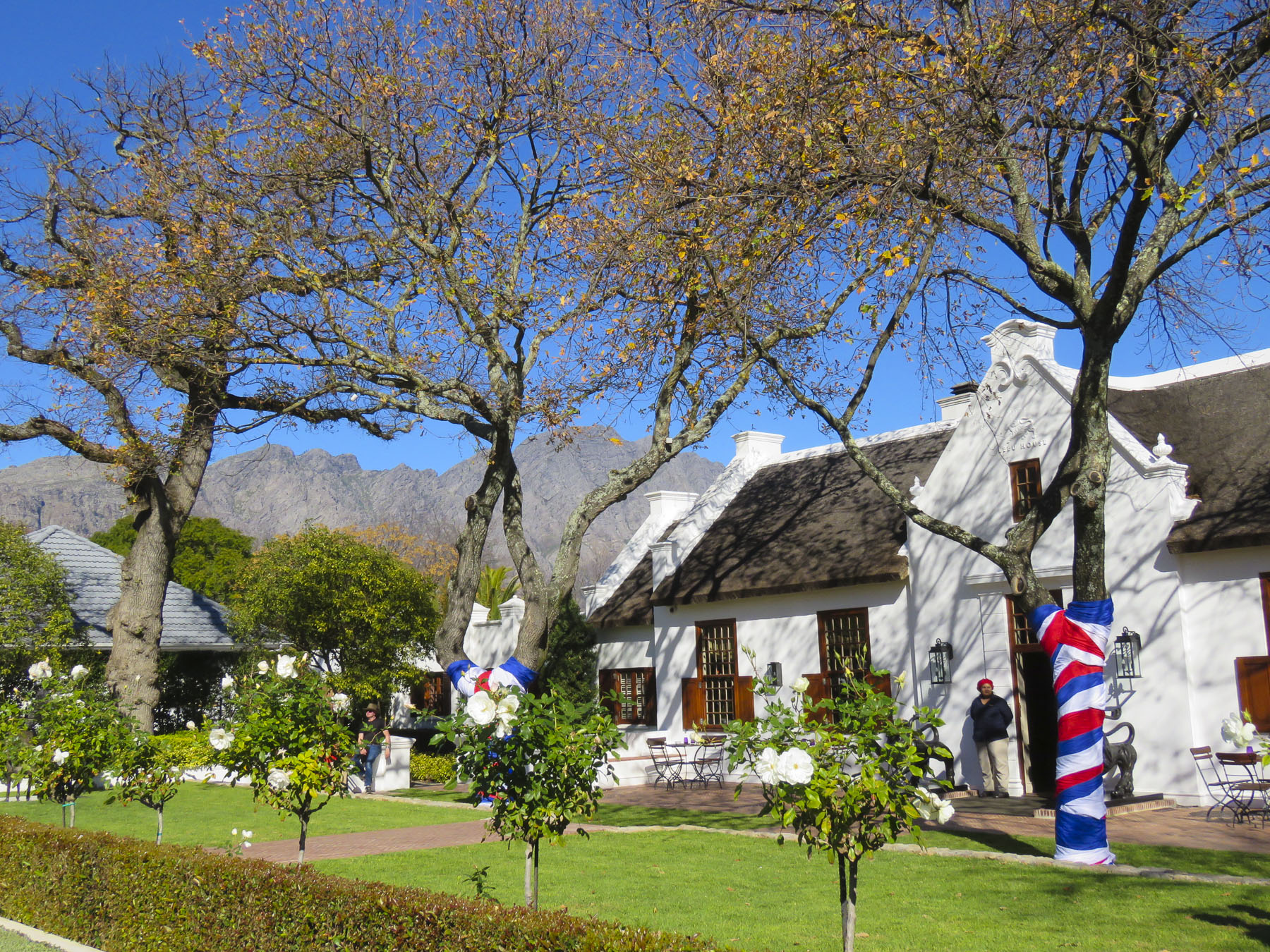 We followed the queue of beret wearing Francophiles draped in colors of the flag, past a vintage car show and a very competitive barrel rolling contest, to the Food & Wine Marquee, where our tickets included a live concert by South African rocker Karen Zoid, two very nice wine glasses, tasting coupons and R20 vouchers to use towards the purchase of food or bottles of wine.


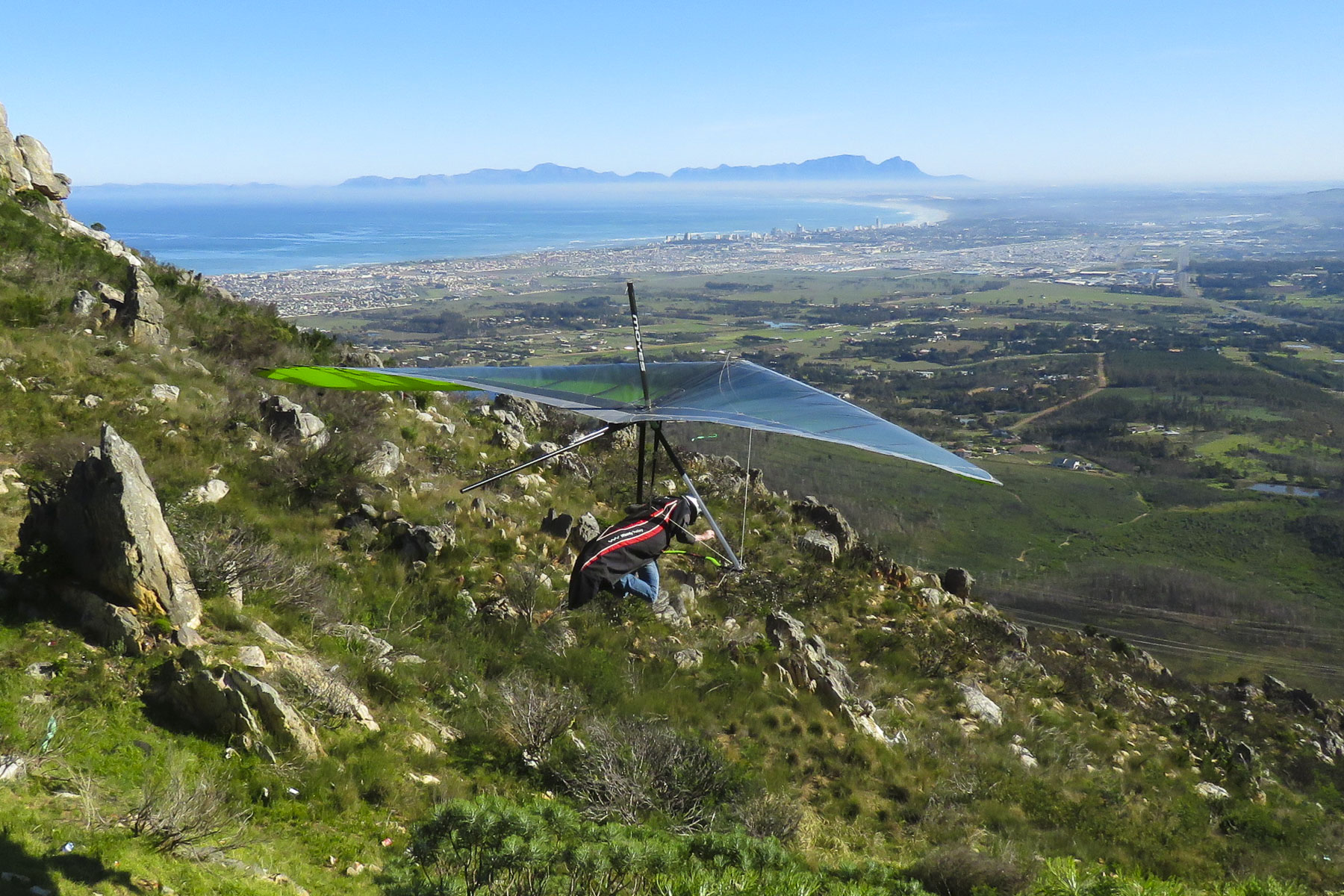 Luck was with us when we pulled into the Sir Lowry’s Pass View Point, in time to see several paragliders launch from the steep slope of the overlook. The view toward the town of Strand, on False Bay, with its long sandy crescent of beach, was incredible. Further on fruit orchards lined both sides of the road for as far as we could see. The valley’s unique climate, cooler and wetter than the surrounding region, is perfect for the local orchards to blossom. Today the Elgin region produces 65% of South Africa’s export crop of deciduous fruits.
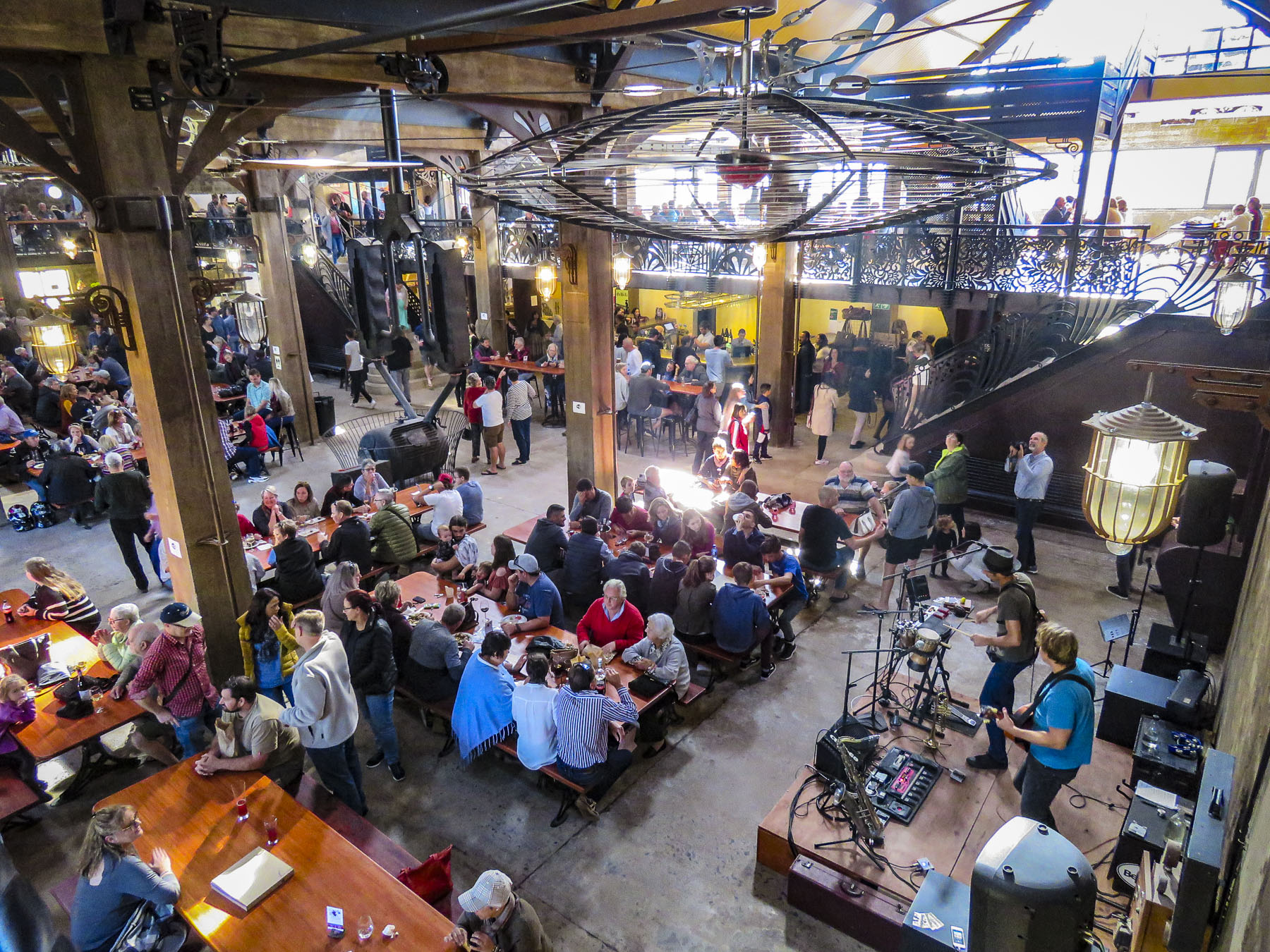 We were working our way to the
 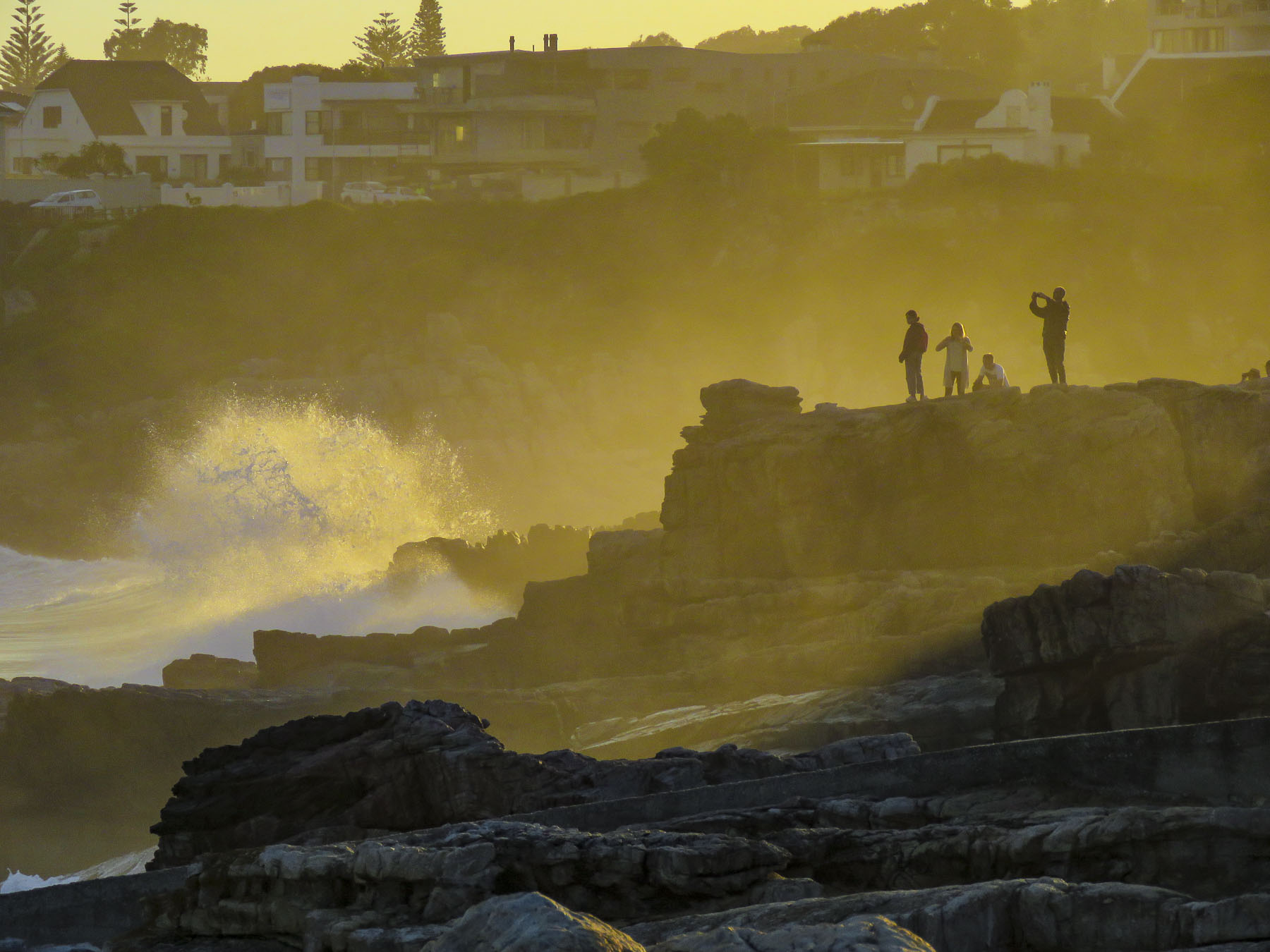 Located directly across the street from the ocean, the
  Walker Bay’s thunderous waves crashing against the rocky coastline were spectacular with their large sprays as we walked along the Hermanus’ Cliffside Path to Gearing’s Point, a scenic overlook, hoping to spot whales. Our Cape Town friends had mentioned that it’s often possible to sight Southern Right Whales from the shore here during their June to November calving season, after which they head back to the waters of Antarctica.
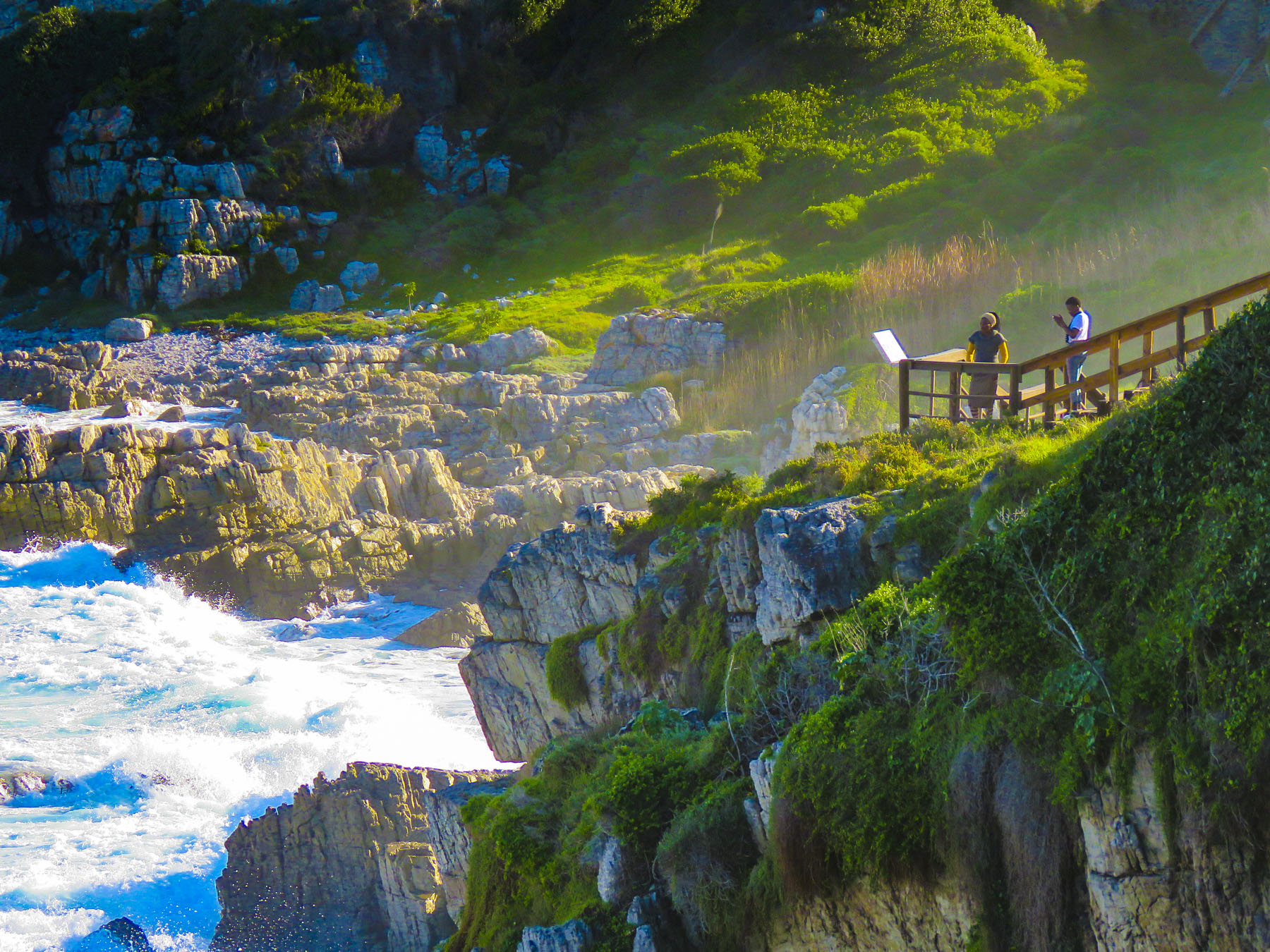 It’s a well-defined trail, with cement, dirt and boardwalk sections, that starts at the village’s New Harbor and hugs the coast for 7.5 miles, ending at the Klein River Estuary. Five miles of the path are wheelchair accessible. In some places it passes under trees twisted to grow almost parallel to the ground, by the fierce South Atlantic winds that blow in from Antarctica.

 The seascapes from the cliffside path were beautiful, but we hadn’t spotted any whales and the village’s whale crier wasn’t sounding his kelp horn. Yep, what started as a publicity stunt has become tradition and Hermanus has had an official, and the world’s only, whale crier since 1992.
 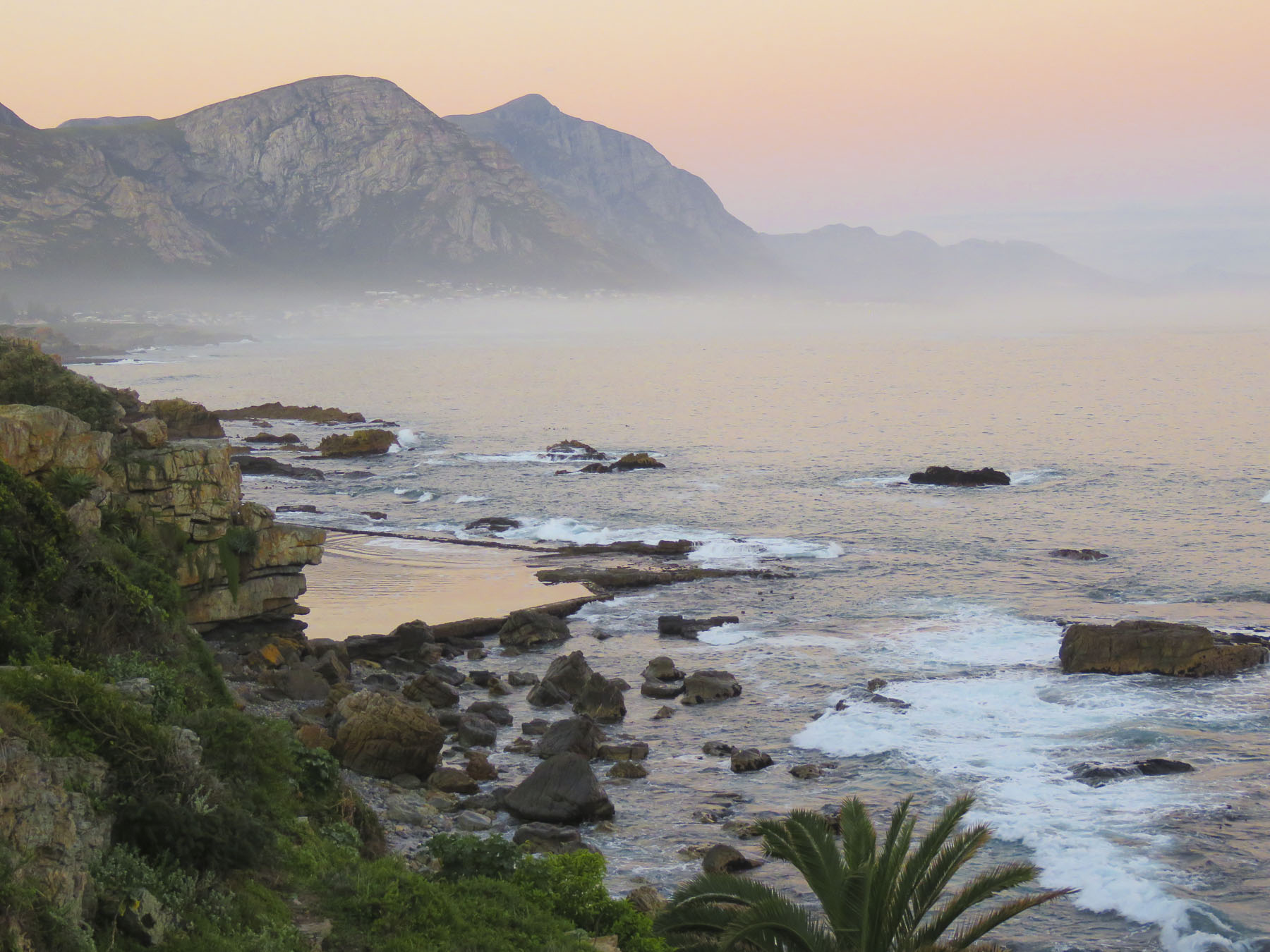 In 2016 the movie The Whale Caller was adapted from South African author Zake Mda’s 2005 novel, of the same name, which has the whale crier as the central character.

 With skipper Emile at the helm, the first mate tossed the mooring lines to the dock and we departed onto a gently rolling sea. Phillip, a registered naturalist with a delightful wry sense of humor shared his love of the sea with us. “There’s a good chance we’ll see Southern Rights today. We spot them by their distinctive V-shaped blow and the callosities (clusters of barnacle like growths) on their heads. We may also see Africa Penguins, Fur Seals, Dolphins, migrating Humpback Whales and resident Bryde’s Whales.” Psyched now, all eyes scanned the horizon for any telltale signs of these gigantic, yet elusive creatures.

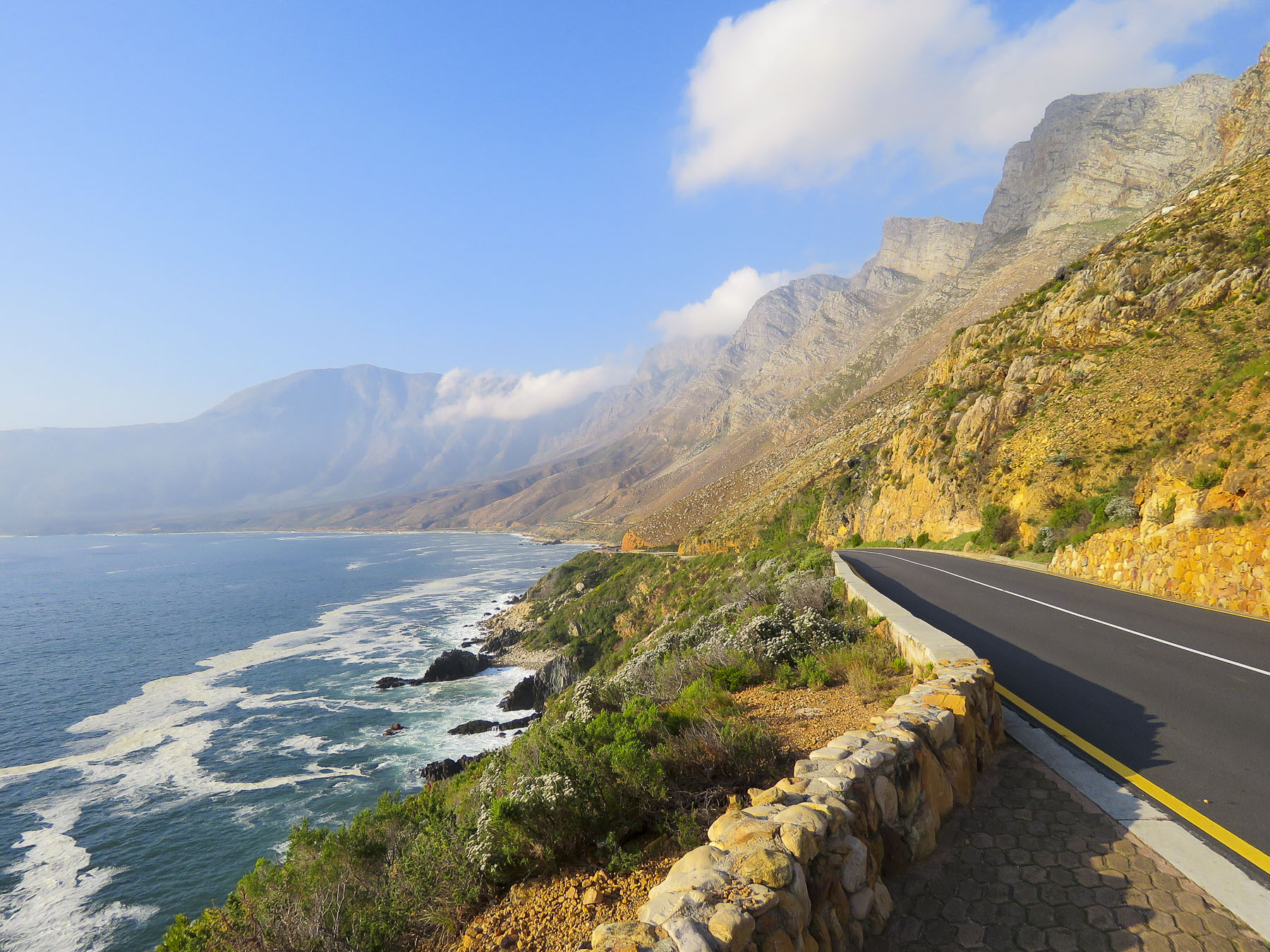 Heading back to Cape Town late the next day, we followed the scenic R44 coastal road through the seaside villages of Kleinmond, Betty’s Bay, Pringle Bay and Rooi-Els as the golden hour was approaching.
 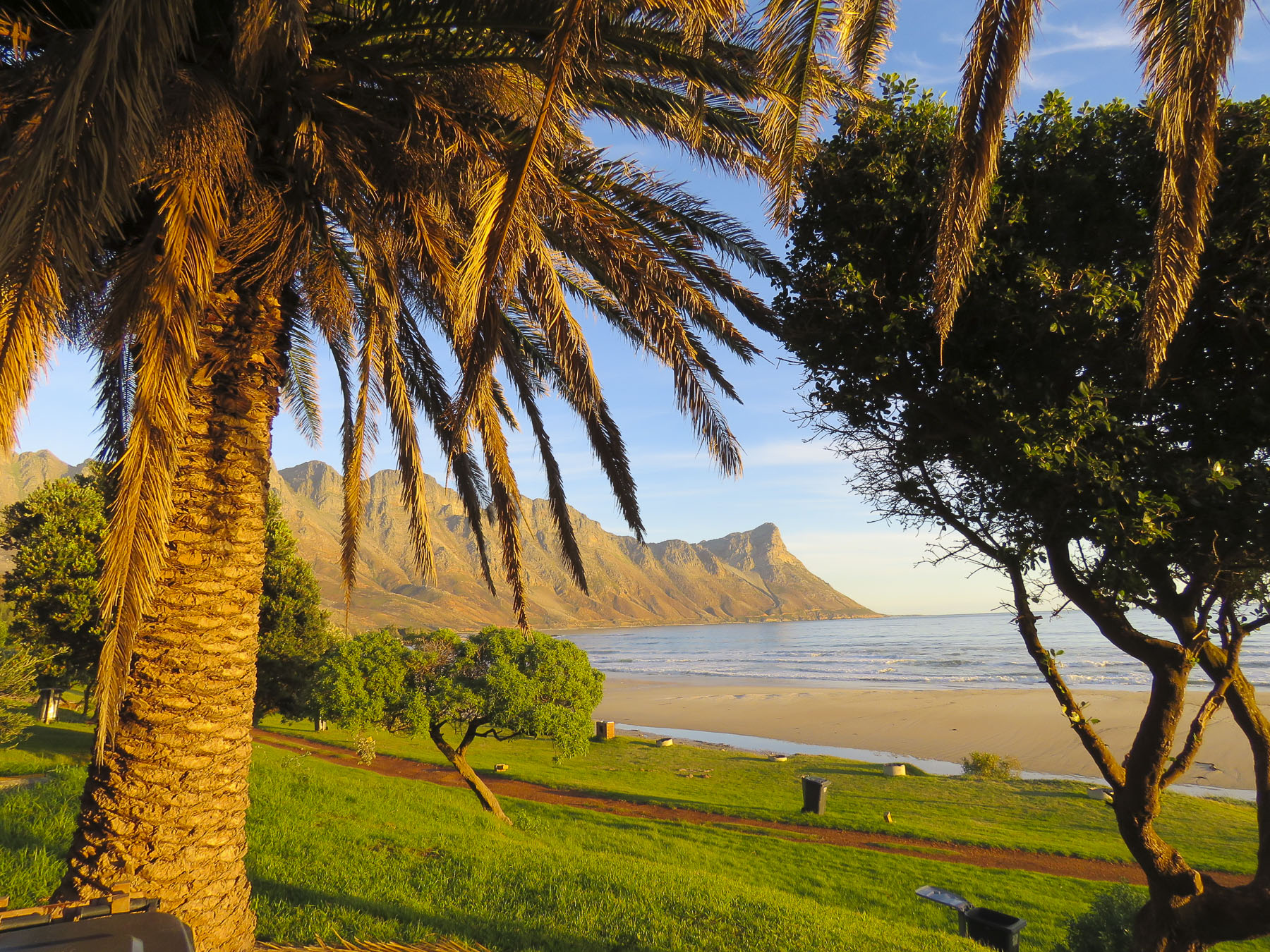 Each turn of the road offered a dramatic view of the coast and we stopped many times for photos. We merged back onto the R2 at Gordons Bay just after sunset for the ride the rest of the way back to the city.

 2 Suitcases for 2 years