Driving Through the Baltics: Part 9 – Sigulda, Latvia to Tartu, Estonia or Spires, Onion Domes and a Neat Cafe

Mornings with overcast skies, which cleared by noon, had prevailed for the past two days. We hoped that this weather pattern would continue as we headed north from Sigulda to Tartu under a gunmetal gray sky. It would be less than a three-hour drive if we drove directly there, but that’s not our modus operandi. Over wine the night before we had scoured the map along our tentative route and highlighted some picturesque and fascinating stops for further exploration in the region.

After a short 20-minute drive from Sigulda we stopped at Lielstraupe Castle. It was originally constructed in the later part of the 13th century as a crusader fortress by Voldemar von Rosen, a Teutonic knight and vassal to the Archbishop of Riga, who had initiated a crusade into the region to forcibly convert the area’s pagan tribes to Christianity. The thriving medieval village of Straupe grew around the castle and was a merchant town within the Hanseatic League. It was totally destroyed during the Polish – Swedish wars in the early 1600s and never rebuilt. The castle, now a substantial manor home after being rebuilt from ruins after the wars of the 17th century, remained sporadically in the possession of the von Rosen family, through centuries of the region’s conflicts, until 1939. During the Soviet era the manor was used as the Lielstraupe Tractor Station, with its rooms and stables being used for classrooms, workshops, and dormitories. In the 1960s the estate was used as a psychiatric hospital. Since 2023 the castle has been owned by the Municipality of Cēsis, which has opened it to tourists as it undergoes renovations. Unfortunately, we were unable to tour the interior of the manor, since we stopped by before its opening time.
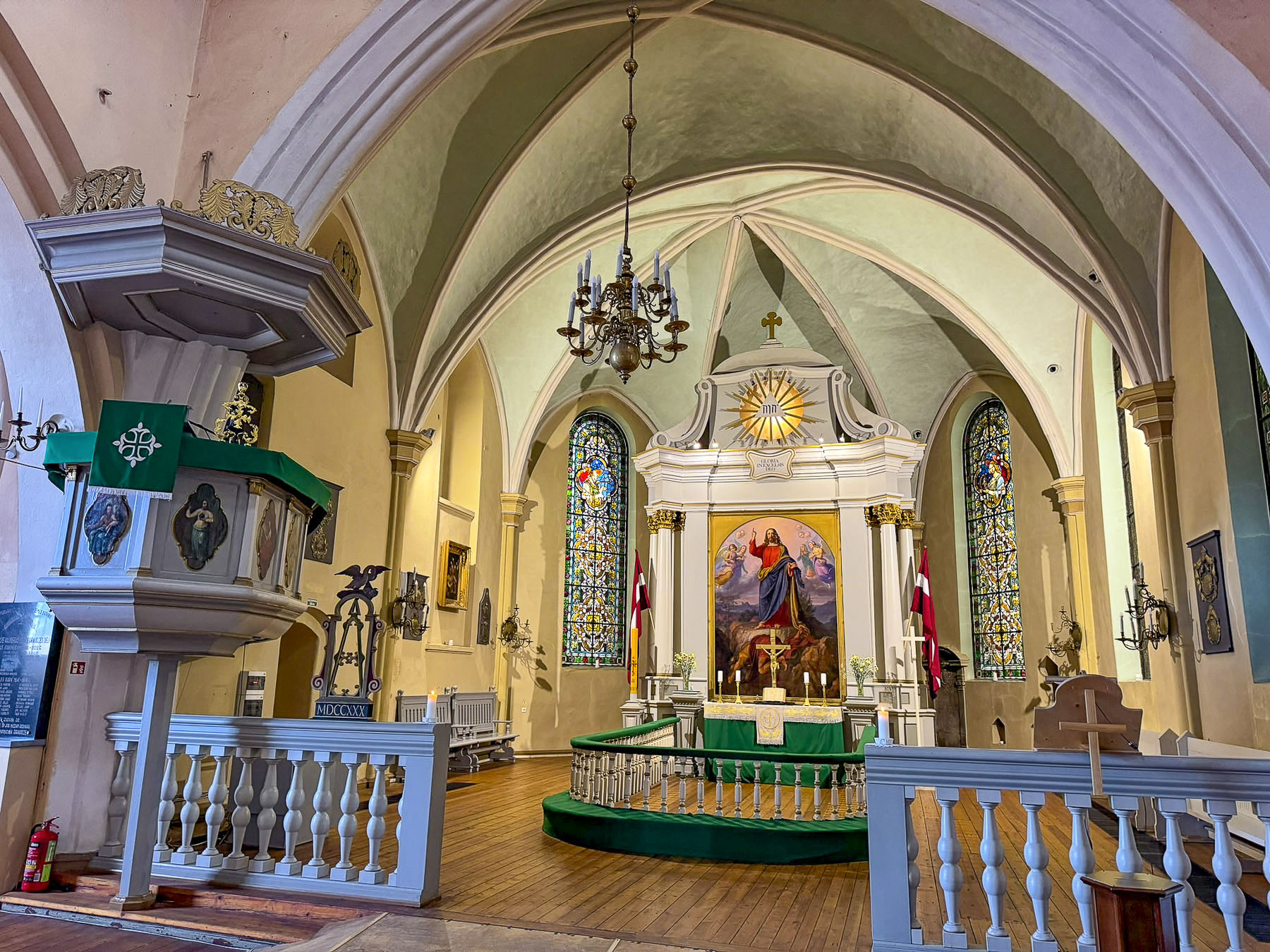
Our “drive a little then café” instincts took us to Valmiera, the largest town in the Vidzeme region with a population of about 51,000. Like Cēsis and Sigulda, its founding is tied to the Northern Crusade in the 13th century. Parking was conveniently located across from Valmiera’s St. Simon Church. Amazingly, the medieval building, which dates to 1283, is believed to have survived the centuries without any major alterations. Russian Czar Ivan the Terrible ruled during the Livonian War (1558-1583), a conflict which included the medieval superpowers Sweden, Denmark, and the Polish-Lithuanian Commonwealth fighting for control of Latvia. Several cannon balls fired by Russian troops into the church’s walls are on display in the church’s narthex as testimony to the strength of its construction. It was a Catholic church until Martin Luther’s Protestant Reformation was brought to Latvia with the signing of the Truce of Altmark in 1629, which ended the Polish-Swedish War (1600-1629).

A short walk from the church were the 13th century ruins of a Livonian Order Castle. As ruins go, these were not very impressive, with only a small L-shaped wall section still standing. However, there was a very interesting 3D relief map of old Valmiera in the courtyard in front of the Museum of Valmiera which showed that the town was ringed with defensive fortifications, which signified the town’s importance within the Hanseatic League, second only to the town of Cēsis in the Vidzeme region. The ramparts stood until they were destroyed in the Russian Empire’s shelling of the city during the Great Northern War in 1702. After the war the castle’s ruins were used as a quarry to rebuild the villagers’ homes destroyed during the conflict. The church was easily located on the map and was a good reference point for understanding how the old town was laid out.

From the castle grounds we then followed a pretty path downhill to the bank of the Gaujas River before succumbing to our call for coffee. We stumbled upon Café Kekss totally by accident. They have several unique small greenhouses, with tables and chairs for 4 people in each enclosure, outside their small cafe. It was a chilly and windy day when we visited, but sitting in one of the glass houses was perfect. The staff was very nice and the barista who took our order delivered everything to our table.

We really enjoyed our experience there, and the greenhouses are a great way to extend the season. Before returning to the car we spent a little bit of time strolling along the Dzirnavu ezeriņa promenade in the park downhill from the café.

It was the last Saturday in September, and unexpectedly we had the road to ourselves, only occasionally seeing another car whiz by. As hoped for, the sun brightened the sky later that morning as we continued our drive through a mostly semi-rural landscape, dotted with farms, towards the Latvia/Estonia border.

Only a short distance away from the border we paused to stretch our legs at Valka-Lugaži’s Evangelical Lutheran Church, our last stop in Latvia. The church’s name first appears in medieval documents of 1477. Prominent nobles were patrons of the church since much of the congregation were the poor serfs who farmed the land of their lords during the feudal era, which unfortunately lasted in Latvia and Estonia well into the late 19th century. Church history notes that the Baron von Wrangell family rebuilt the church many times over four calamitous centuries which saw the region engulfed in wars. The last descendant offered to repair the church in 1910 when a fire collapsed the belltower into the church. With the Lord’s good graces and the steady hand of a bomb disposal expert, an unexploded WW2 bomb, ignored by the communist regime for fifty years, was finally removed from the belltower after Latvia regained its independence in 1991. We crossed over the waters of the Pedeli River into Valga, Estonia. Interestingly Valka and Valga were one town until their separation at the end of World War I. With the collapse of Imperial Russia, Estonia and Latvia declared their independence and a new border was determined which split the town in half down the center of the river. A spirit of unity still remains between the two towns, as extended families now travel freely across the border since the countries joined the Schengen Area, and even share a professional basketball team, the BC Valga-Valka/Maks & Moorits, along with the slogan “One Town, Two Countries.”

A few minutes outside of Valga we turned and followed a secondary road to Sangaste Castle in rural Otepää Parish. More manor home than castle, the estate’s history began in 1866 when F. G. M. von Berg (1845–1938), the last Lord of Sangaste, inherited the property from his uncle Count von Berg, a decorated Russian Field Marshal, and dreaming big decided to build his family a 99-room English style mansion. Its size was only curtailed by an imperial rule that permitted no homes with over 100 rooms unless they were built for the Czar. Von Berg was a successful agriculturalist, having developed a new rye variety, along with establishing a prized dairy herd with milk “so good that it was sold in the markets of St Petersburg.”  Though located deep in the rural countryside, the manor had all the modern conveniences available at the beginning of the 20th century, with a telephone line installed in 1896 and electric lights in 1907.
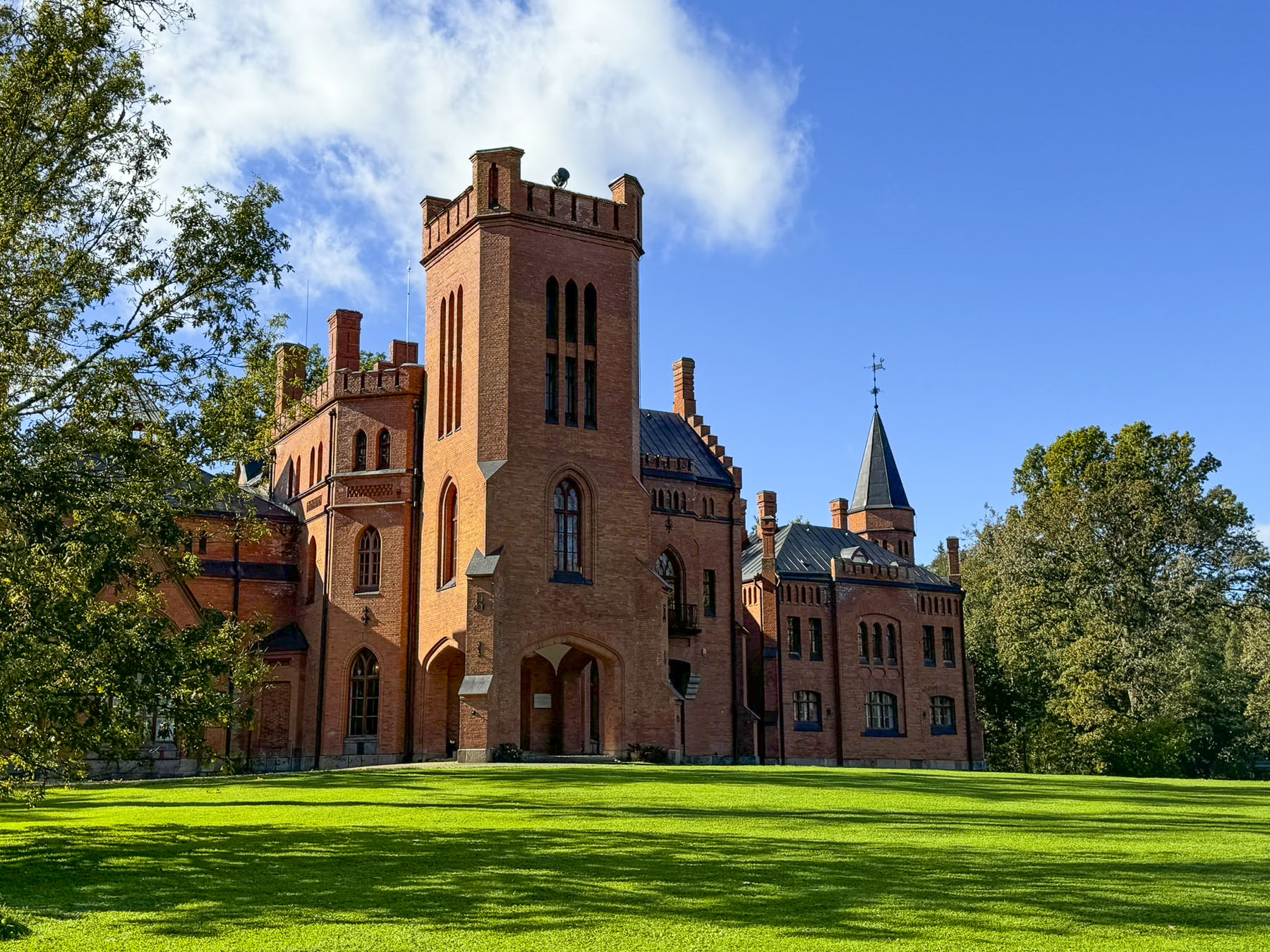
With Estonia’s independence from Russia at the end of the First World War the new government started to seize the lands and manor houses of Baltic Germans. The government however acknowledged von Berg’s contributions to Estonian agriculture and allowed the aging Baron to stay in his home until his death in 1938. During the communist occupation of Estonia, the castle was used as a Young Pioneer Camp and its interior was altered to have 146 rooms. Somewhere along the line someone determined that the manor was composed of 1.45 million red bricks, or one brick for every Estonian.

In the crossroads village of Sangaste, in front of its church, a lone tree showed off its spectacular yellow leaves, signaling Autumn was finally here.
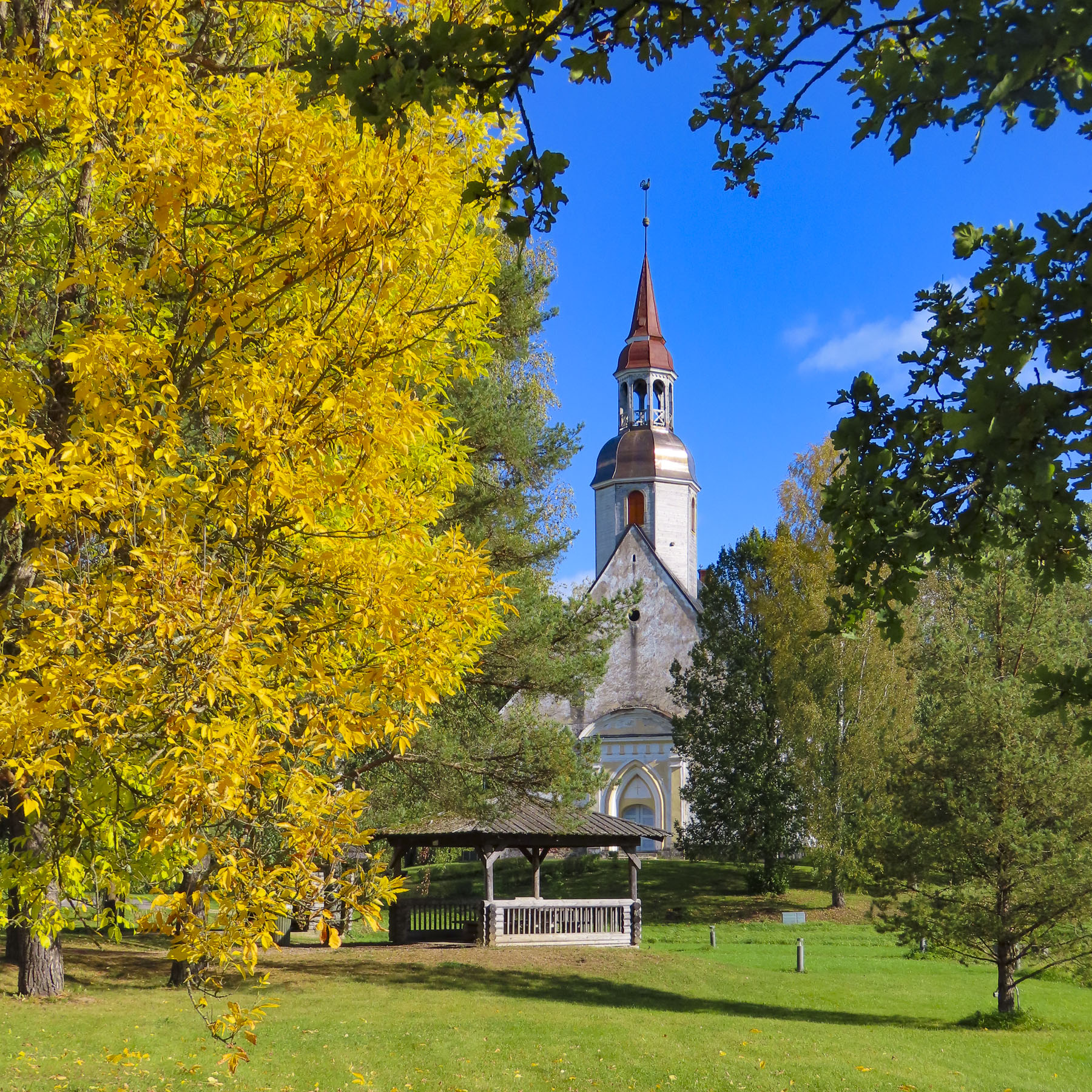
Four miles beyond Sangaste we glimpsed the onion shaped domes of (EAÕK) Ilmjärve Jumalailmumise, an Estonian Apostolic Orthodox Church, amidst a clearing. The red brick and stone facade of the 1873 church was brilliant in the afternoon sun. Unfortunately, the church was closed, though we were able to peek at the interior through an old-fashioned skeleton lock, and even take a picture. A placard in front of the building noted that the church’s two large bells were donated by the Russian Czar Alexander II. The church suffered during WW2, but its spirit was wounded the most when thieves in 1979 stole the church’s silver treasures used for communion.

We hadn’t expected restaurants in the area to be so scarce and far apart. Many were already closed for the season, though the weather, now cooler in late September, was still very comfortable. Our hope rose when we approached a restaurant across from the ski lift, that was now carrying mountain bike riders to the summit for a thrilling downhill ride, at the Munamägi Ski Center, outside of Otepää, the “winter capital of Estonia.”

But as we neared an employee flipped the sign hanging in the door to CLOSED! It was only mid-afternoon, had we missed the lunch hours? With our stomachs now rumbling we breezed quickly through the town and regretfully bypassed the opportunity to visit the ruins of Otepää’s ancient hill fort from the Viking era, and the remains of a Bishop’s castle where the oldest known firearm in Europe was discovered. We also missed Otepää kirik, the town’s historic church, which in modern times is historically connected to the country’s flag, when in 1884 the blue, black and white flag of the Estonian Student Union was consecrated there during “Estonia’s Awakening.” The Student Union’s design became the flag of Estonia in 1991.

We eventually had a very nice late lunch at Pangodi kalarestoran, a fish restaurant, before  our last excursion to Luke Mõis, an ancient feudal estate that dates from the 13th century. The manor house is an unassuming building that now hosts events and weddings. But the real interests here were the cascading ponds and the Gardener’s Cottage. The estate’s head horticulturalist must have been highly regarded judging by the beauty of his ornately trimmed petite home, in a lovely bucolic setting along one of the ponds. If we had planned better this would have been the perfect spot for an afternoon picnic. It’s a very pretty spot that’s worth detouring to if you are driving from Riga to Tartu.
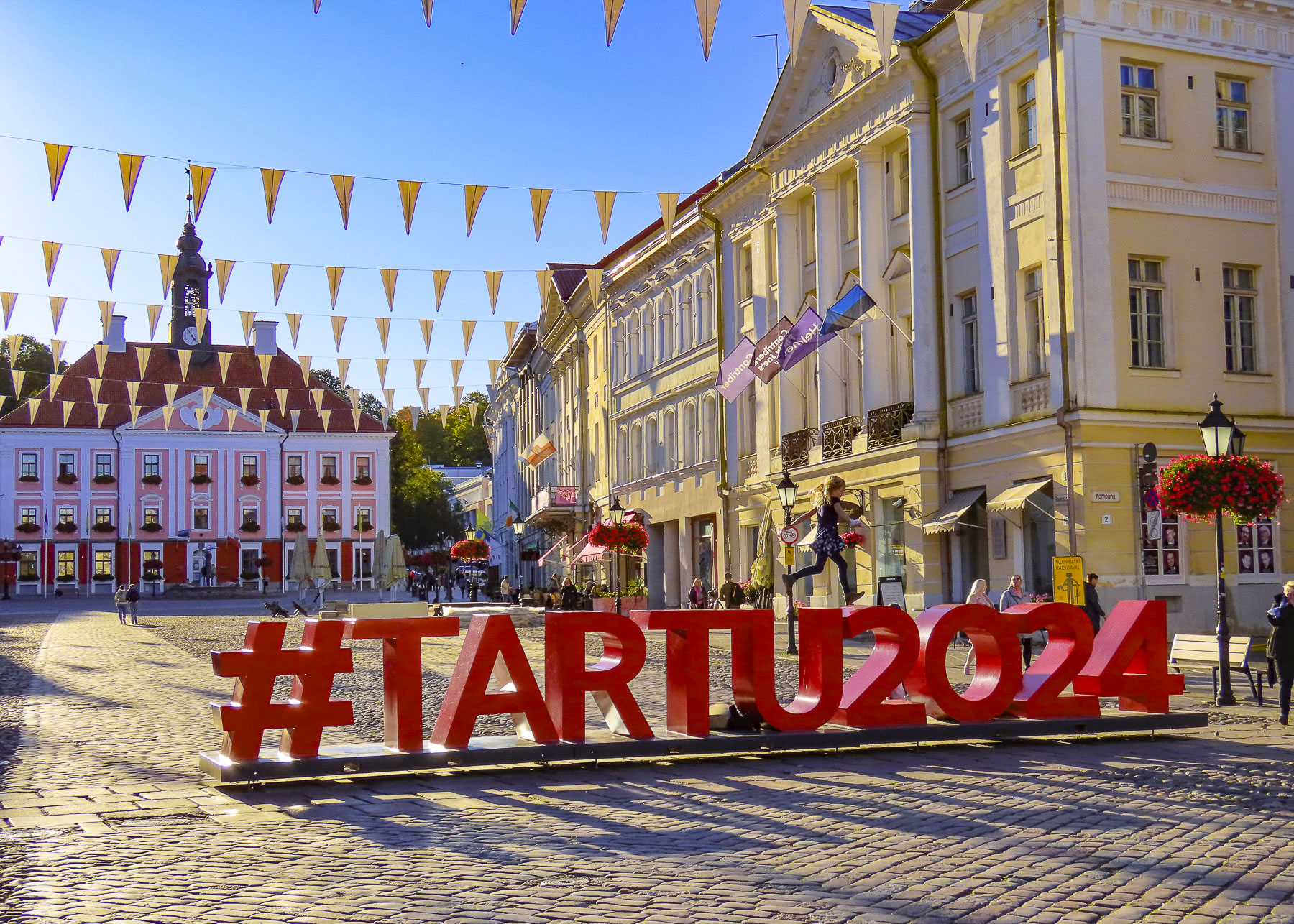
Tartu was only 30 minutes from Luke Mõis and we arrived to find Estonia’s 2024 Capital of Culture alive with activity as we checked into the Art Hotel Pallas, a creatively decorated boutique hotel, ideally located on a pedestrian mall that led into the town’s historic center.

After dinner we enjoyed a leisurely stroll over the Kaarsild, an arched bridge that spans the Emajõgi River, an important trade route since the Viking era that connects Lake Võrtsjärv to Lake Peipus and is still navigable all the way to the Baltic Sea. We wondered if a Viking ever imagined the bright lights of the bridge and Tartu’s growing skyline reflecting upon the river’s water.  

Till next time,

Craig & Donna

Road Tripping Through the Baltics: Part 7 – Riga to Šiauliai, Lithuania or Crosses, Churches and Towns Filled with Art
There are always several dilemmas with a road trip: how far to drive, do we drive straight through or look for interesting stops along our route? We tend to make stops, multiple stops to the point of my trusted co-pilot advising that, “we’ll never make it there at this rate,” but there’s a fear of possibly missing something. Fortunately, our “walk a little, then café,” philosophy easily converts to “drive a little, then café,” and in pursuit of those cups of coffee we’ve happened upon some laid back, interesting places.

The Hill of Crosses in northern Lithuania was our destination as we headed south on the A8/12 from Riga. Only two hours (78 miles/126 km) from Riga, many folks choose to do it as a day trip out of the Latvian capital. Which would have worked for us, but we have this quirky rule that we don’t put a pin in our wall map unless we’ve actually stayed overnight in the country. So, with that in mind, we booked two nights’ accommodation in Šiauliai, the town just beyond the Hill of Crosses.

Craving a cappuccino, we detoured into Jelgava for what we thought would be a short stop to satisfy our caffeine addiction. As we crossed over the Lielupe River we spotted the Jelgava Palace on a large island. It called for a stop. A wooden fortress was first erected here in the 13th century as part of the Livonian Order’s conquest of the pagan Zemgalian tribe that inhabited the region. Today’s beautiful 18th century Baroque style palace with 669 rooms is touted as being the largest in the Baltic states. It is actually a reconstruction of the palace which was burned down during WW2. During its apex it was the seat of the Duchy of Courland and Zemgale, and an important diplomatic post between Russia and Poland. Famously, the exiled French King Louis XVIII, to save his head from the guillotine, inhabited the palace from 1798 – 1807. Part of the palace houses a small museum with the Family Vault of the Dukes of Courland and Semigalla being the main attraction. The rest of the building is occupied by the Latvia University of Agriculture and Latvia’s University of Life Sciences and Technologies.

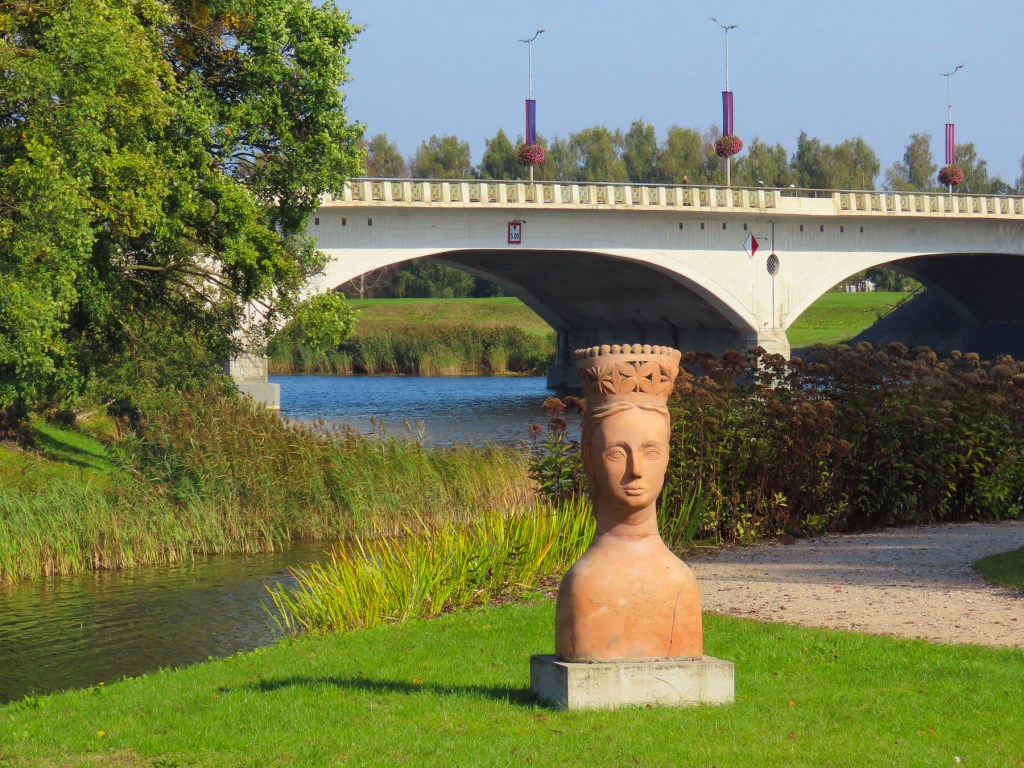
Across from the palace was Pasta Sala, a smaller island with an interesting art park that hosts the annual Jelgava International Sand Sculpture Festival every June and an International Ice Sculpture Festival every February. Unfortunately, traveling in the late September shoulder season we missed it. But we did enjoy wandering along a walking path through an installation of Chamotte fired-clay sculptures.

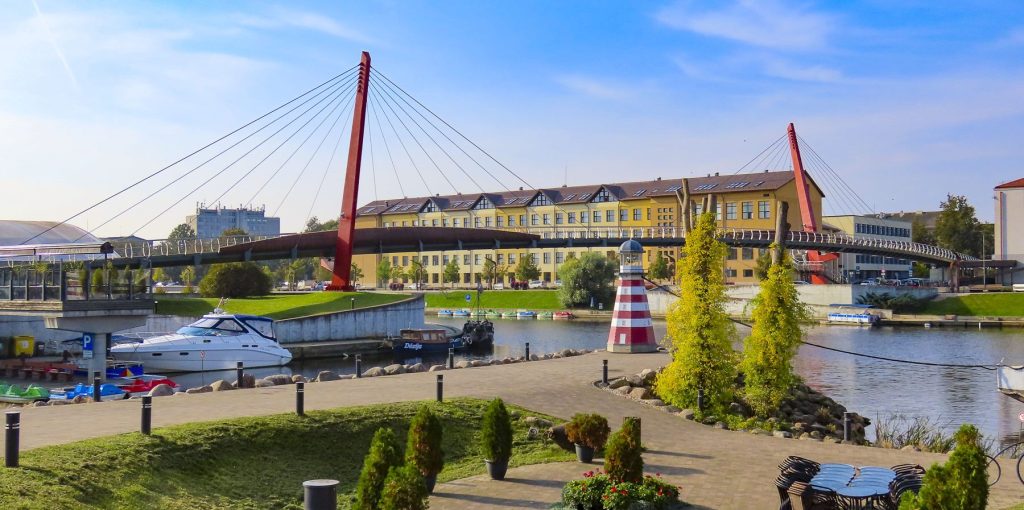
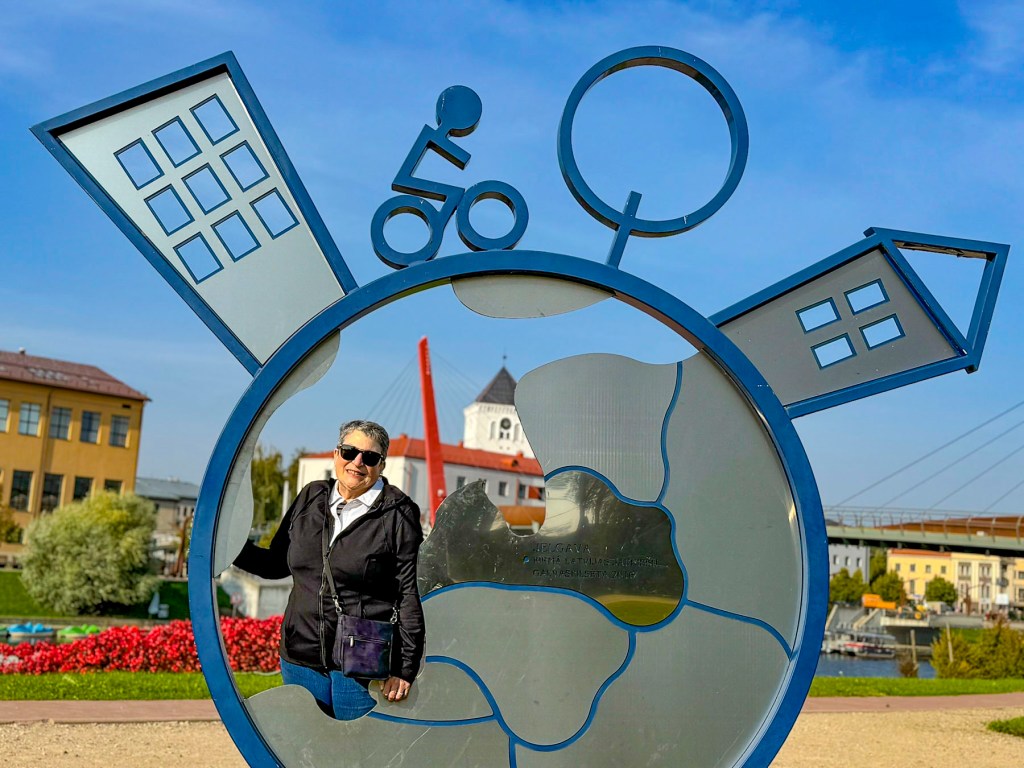
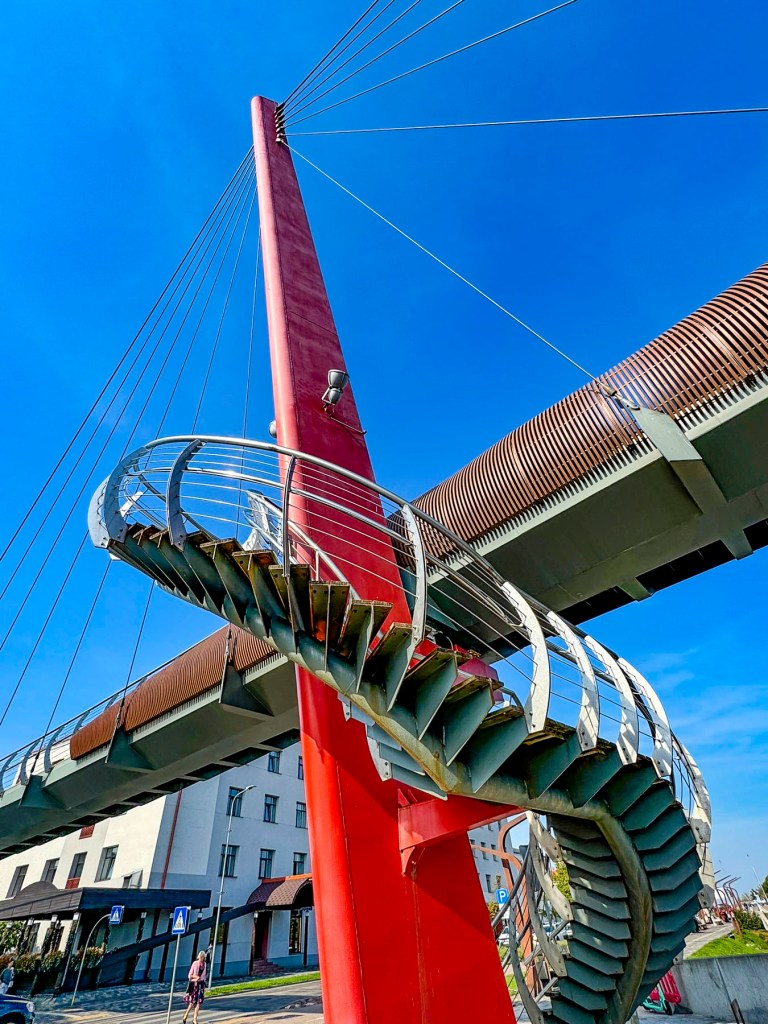
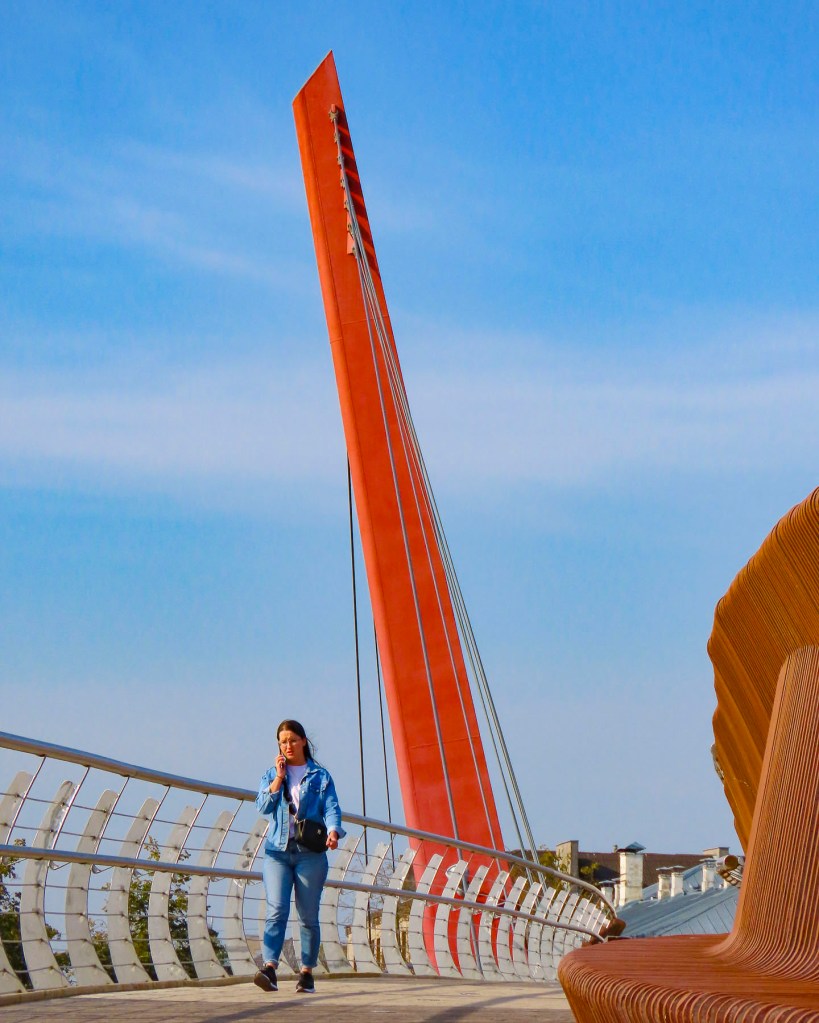
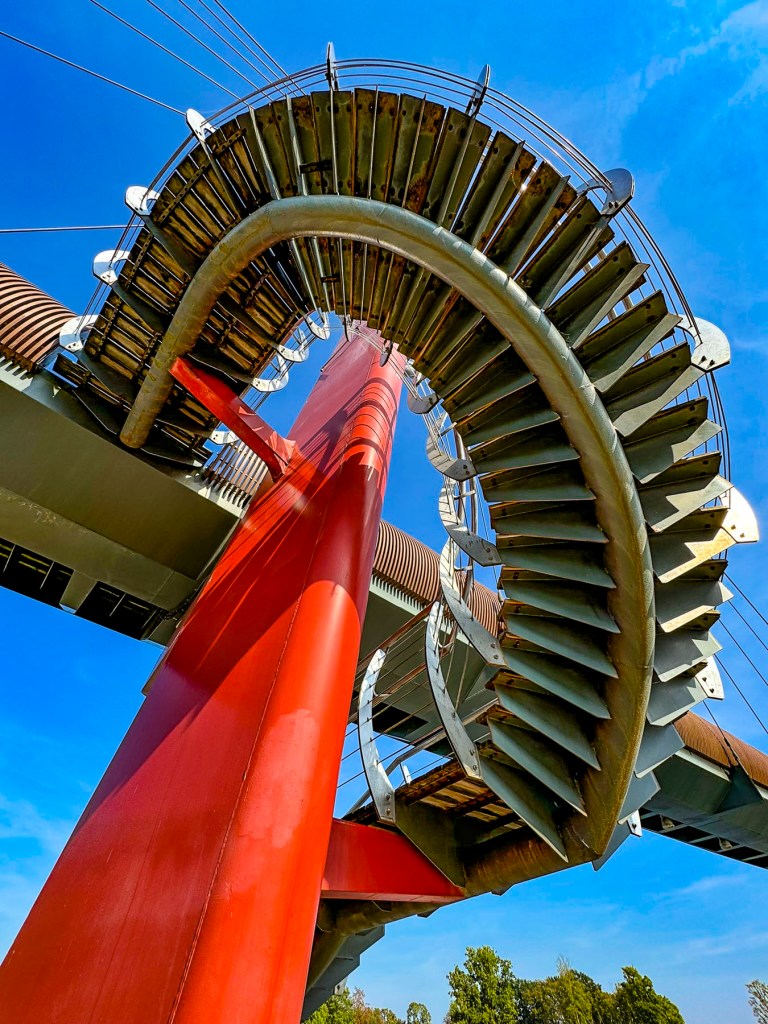
Between the palace and the park, we were now smitten with the impromptu stop and were enticed to follow a graceful modern footbridge, the Mītavas Gājēju, that tilts over the river into the town center, which was surprisingly quiet for a Tuesday in late September, considering that the university town is Latvia’s fourth largest city, with a population of roughly 60,000.

It’s unusual for only half a church to be left standing, but Jelgava’s Holy Trinity Church (1574) is a stark reminder of the devastation the city suffered during Soviet Union and Nazi Germany sieges and occupations of the city during WW2, which left ninety percent of Jelgava in ruins and all its Jewish citizens lost to the Holocaust. Its belltower above the town’s tourist information office was opened in 2010 as an observation deck after extensive reconstruction.

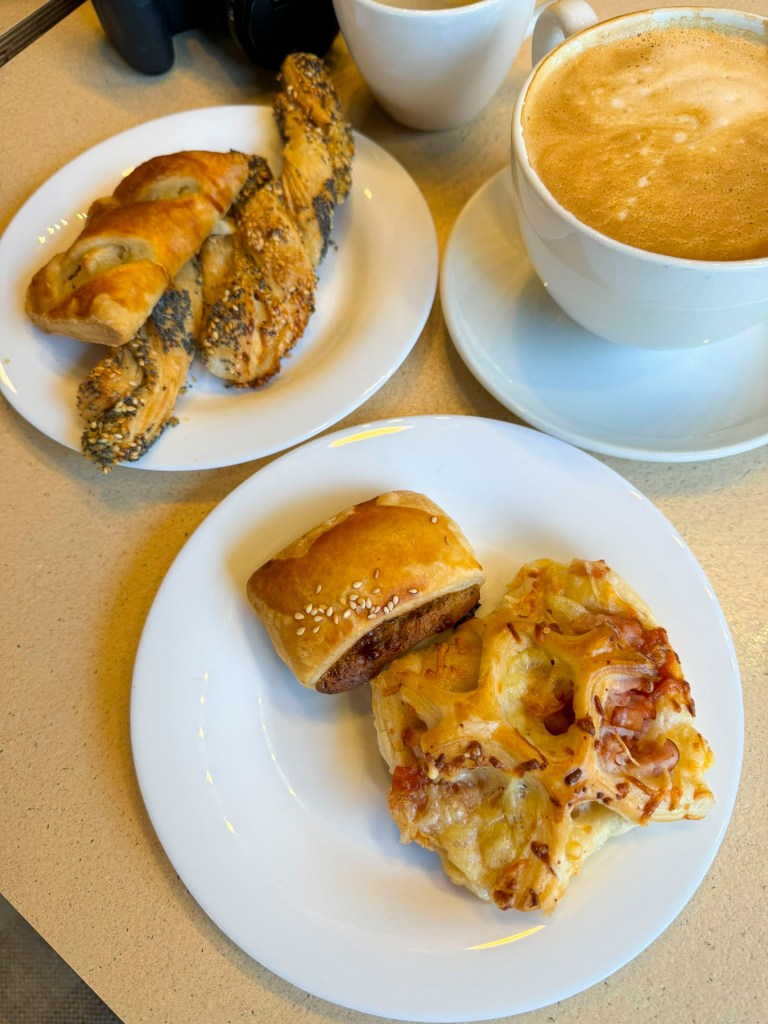
That promise of a morning coffee wasn’t forgotten as we walked along a pedestrian mall past a small daily street market to Konditoreja Silva, a bistro and patisserie where the coffees were very good and the selection of tasty pastries was mouthwatering.

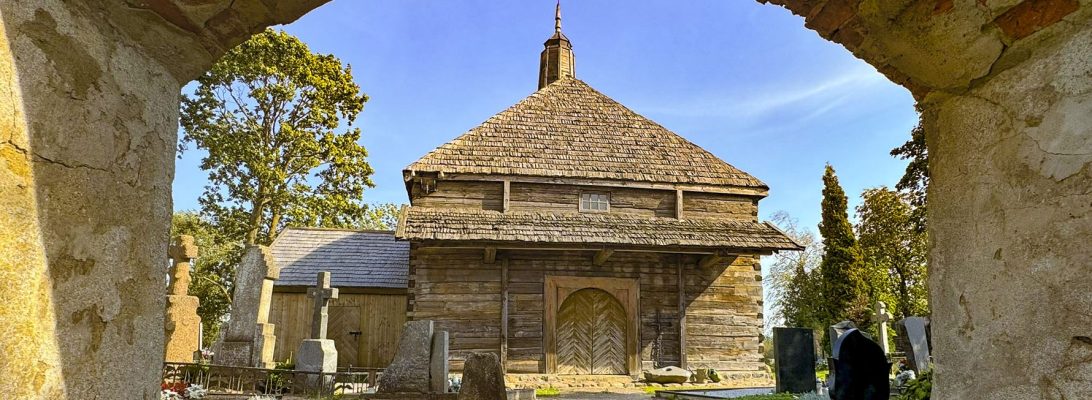
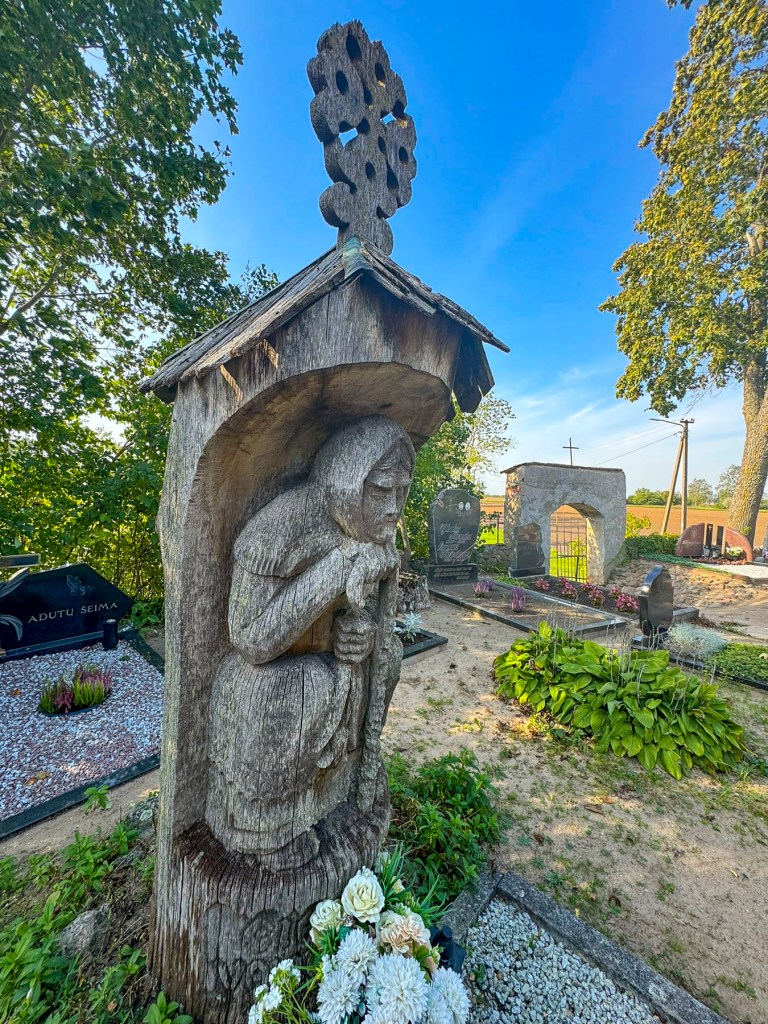
Back on the road, we continued our drive south and crossed the border into Lithuania. We zoomed by a small roadside marker that pointed to the Jakiškiai Chapel, one of the last wooden churches from the 17th century remaining in Lithuania. We u-turned in order to find it. Passing through a small hamlet, we located the church situated on a low knoll, surrounded by fields and pasturelands.

It’s also known as the St Ignatius of Loyola Cemetery Chapel, named for the founder of the Jesuits, who were active in the region at the time. It’s a fine example of rustic folk sacral architecture.

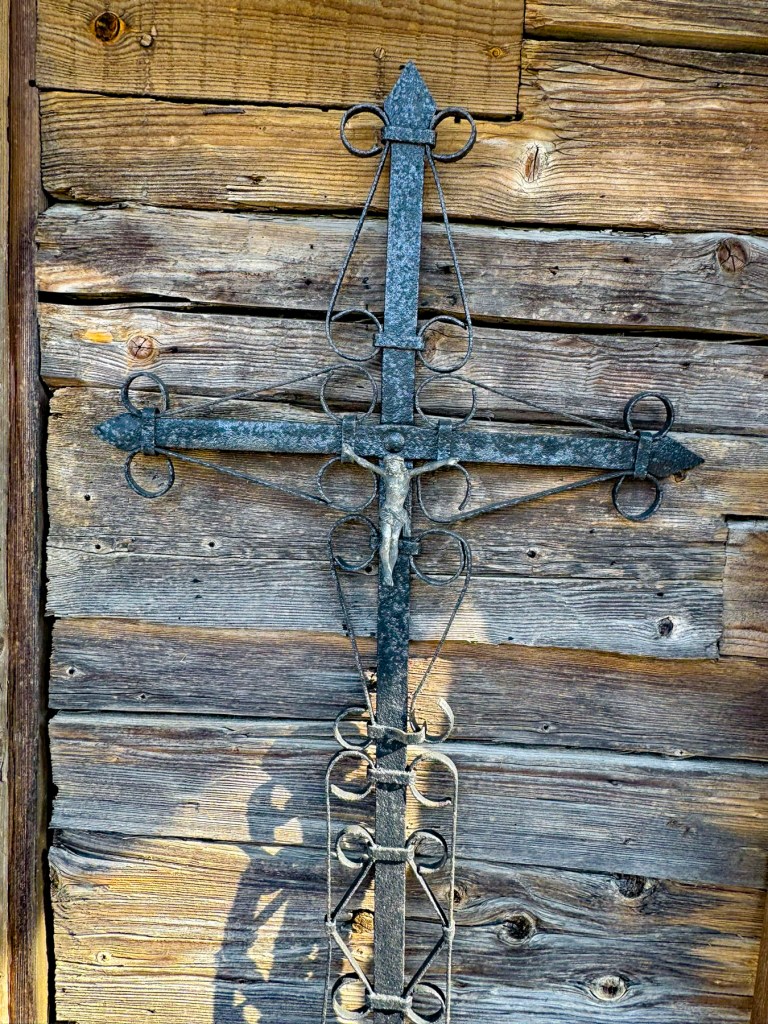
The graveyard surrounding the chapel was full of interesting old headstones. Some were carved from logs and were well weathered and split from age and the elements, while the more recent graves were marked with stone or marble memorials with the deceased’s portrait etched into the surface. There was a caretaker working on the grounds who wouldn’t acknowledge our presence, so we contented ourselves with peering through the dusty windows into the sanctuary the best we could.

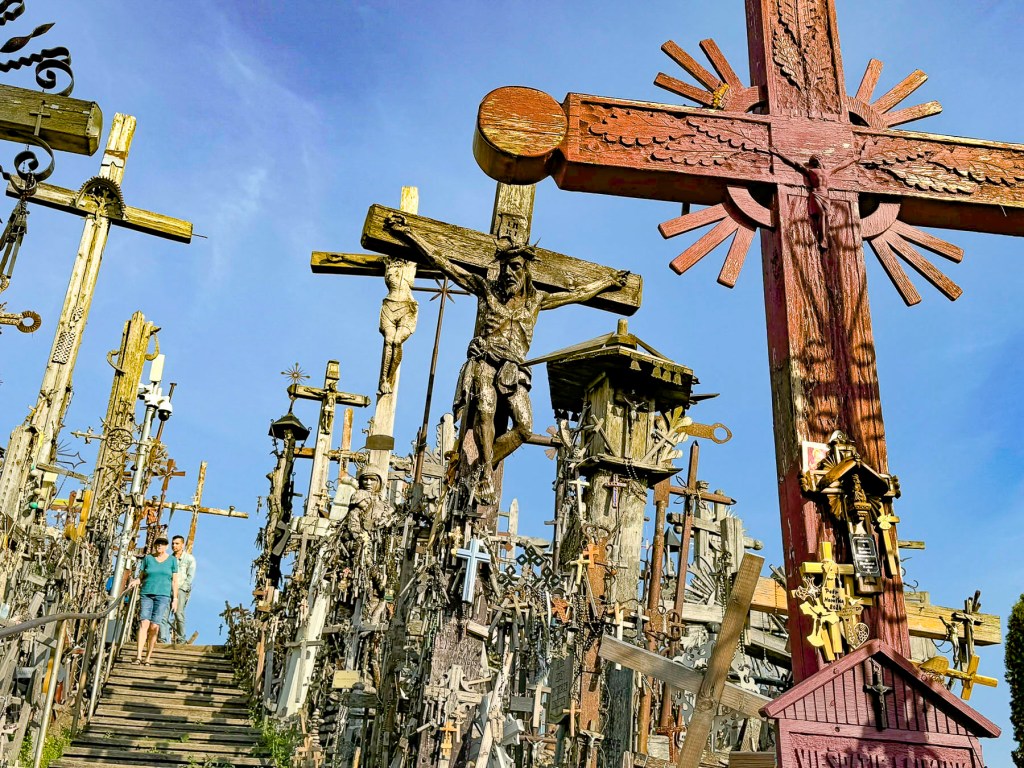
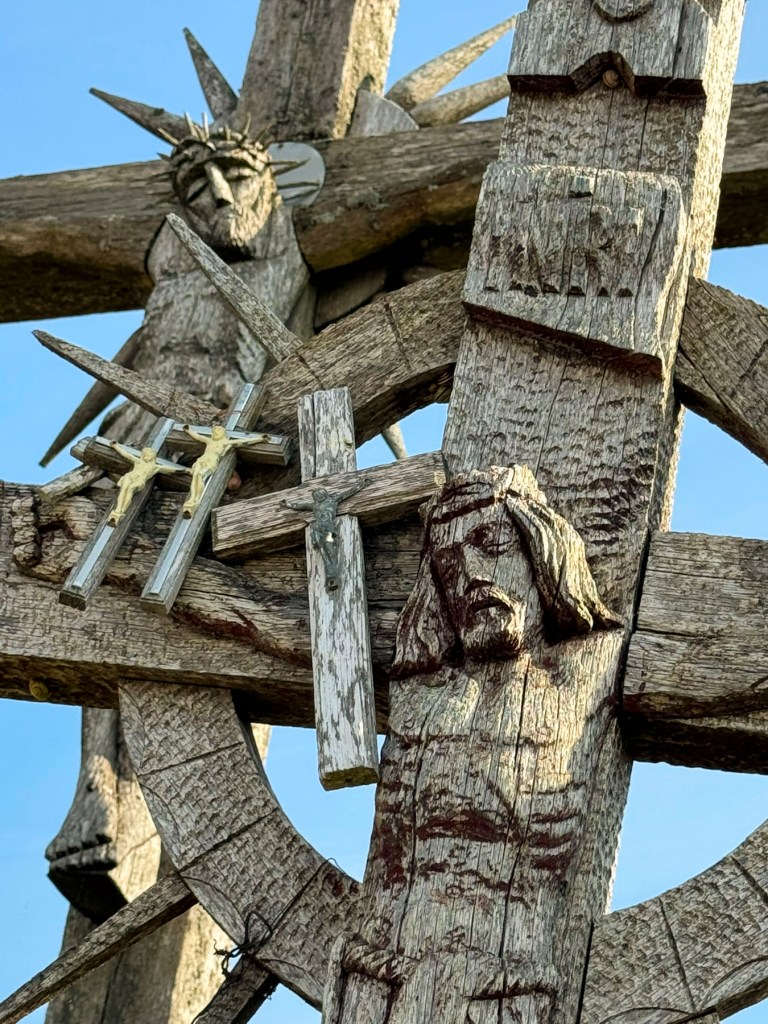
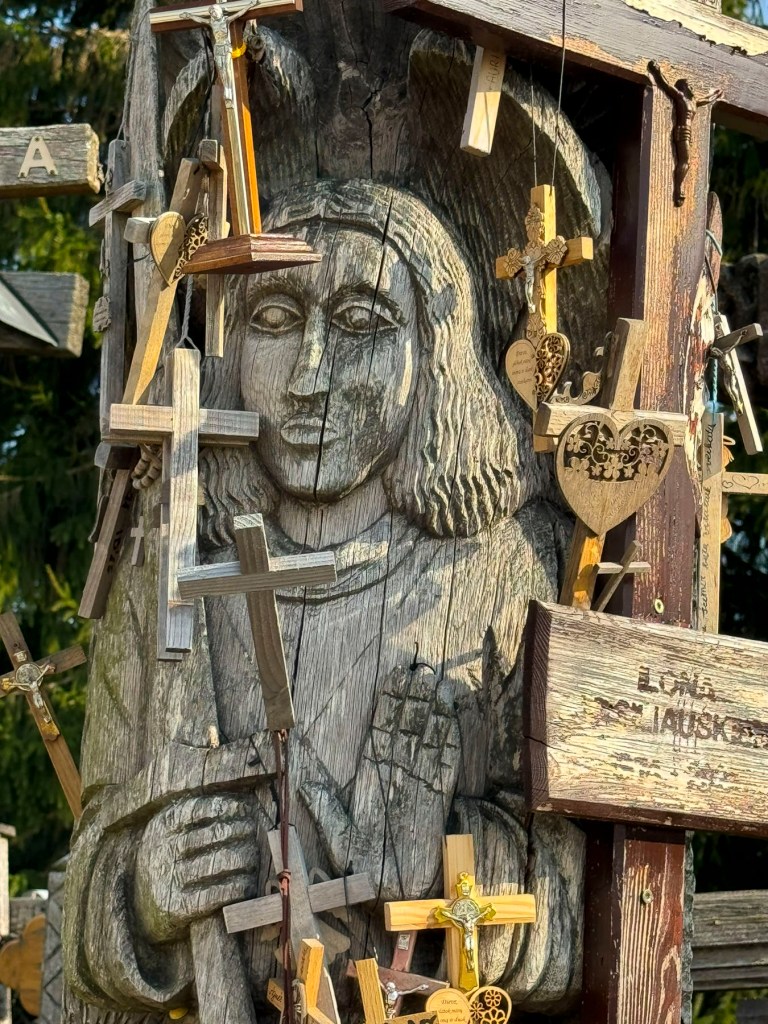
The Hill of Crosses was only 20 minutes farther south, just off the A12. The precise history of the hill is not known, but it is believed to have started as a way to commemorate Lithuanian rebels who never returned after uprisings against Imperial Russia’s rule in 1831 and 1836.  From a distance the hill is only speck on the horizon. It wasn’t until we were walking the long approach path that the hill slowly grew, and its monumental scale became apparent.

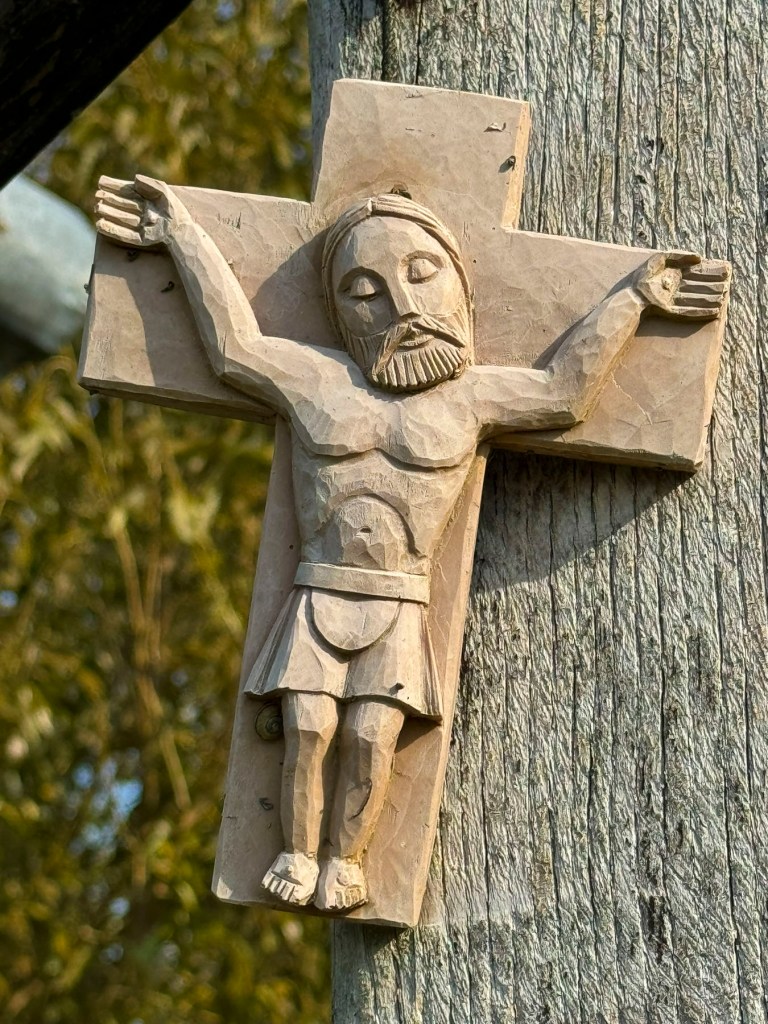
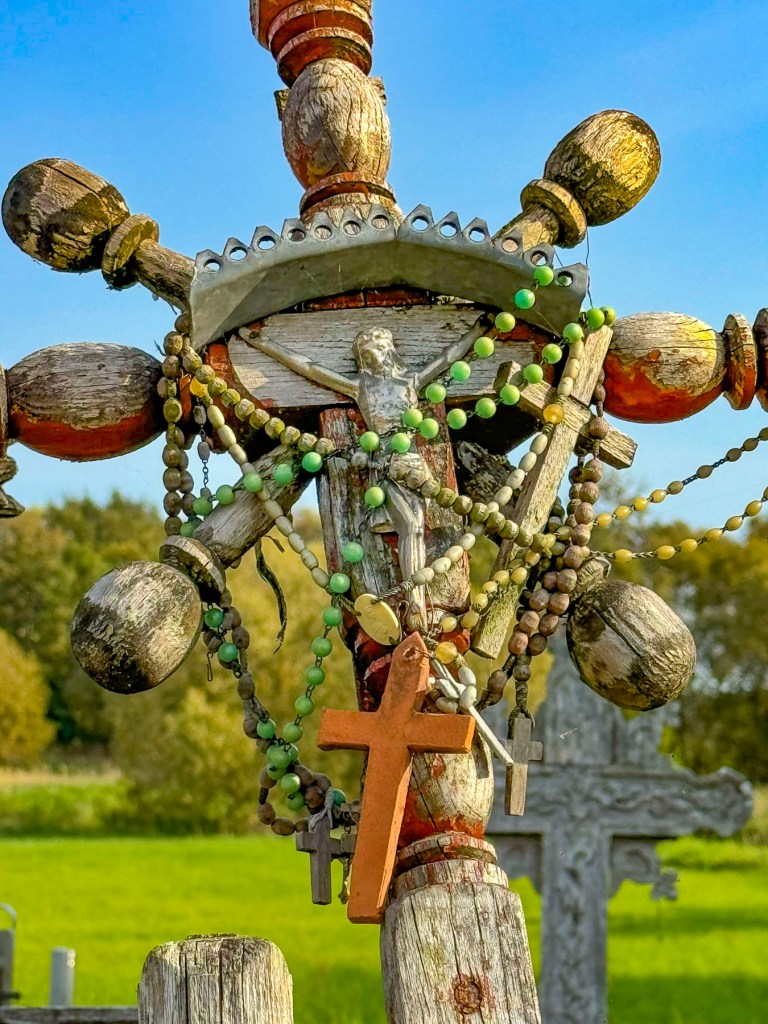
Not really in height, it’s a modest hill with stairs to its apex, but in girth and the sheer number of crosses, from tiny store-bought ones to large crosses handcrafted I imagine with sweat and tears. It’s estimated that there are now 200,000 crosses and crucifixes spread across the half hectare (1 acre) site. All are mingled together haphazardly and are treated equally in their importance, and they stand as testimony to the character and faith of the Lithuanian people who created this spectacular monument. The crosses were bulldozed and razed repeatedly during the Soviet era but were always rebuilt by the people. The hill stands as a sign of quiet resistance to the Soviet Union’s atheist communist occupation.

The fifty years of oppression which started with the Soviet Union’s annexation of Lithuania in 1940 ended in 1990 with the Act of the Re-Establishment of the State of Lithuania. A dream realized after the Baltic Way, a human chain of approximately two million peaceful protesters joining hands along a route that stretched from Vilnius, Lithuania through Riga, Latvia to Tallinn, Estonia in August 1989. Lithuanian was the first of fifteen Soviet republics to declare independence, which forced the collapse of the Soviet Union in 1991. Since Pope John Paul II’s visit to the Hill of Crosses in 1993 it has become a popular pilgrimage site.

During the 13th-century Christianity was not enthusiastically embraced by the pagan Lithuanian tribes of the region who rallied to decisively defeat the onslaught of the crusader Knights of the Livonian Brothers of the Sword in the1236 Battle of the Sun/Saulė, the victory from which Šiauliai takes its name and the year of its founding. It would be another two centuries before the first wooden church in the town was built on a small rise overlooking Lake Talkša.

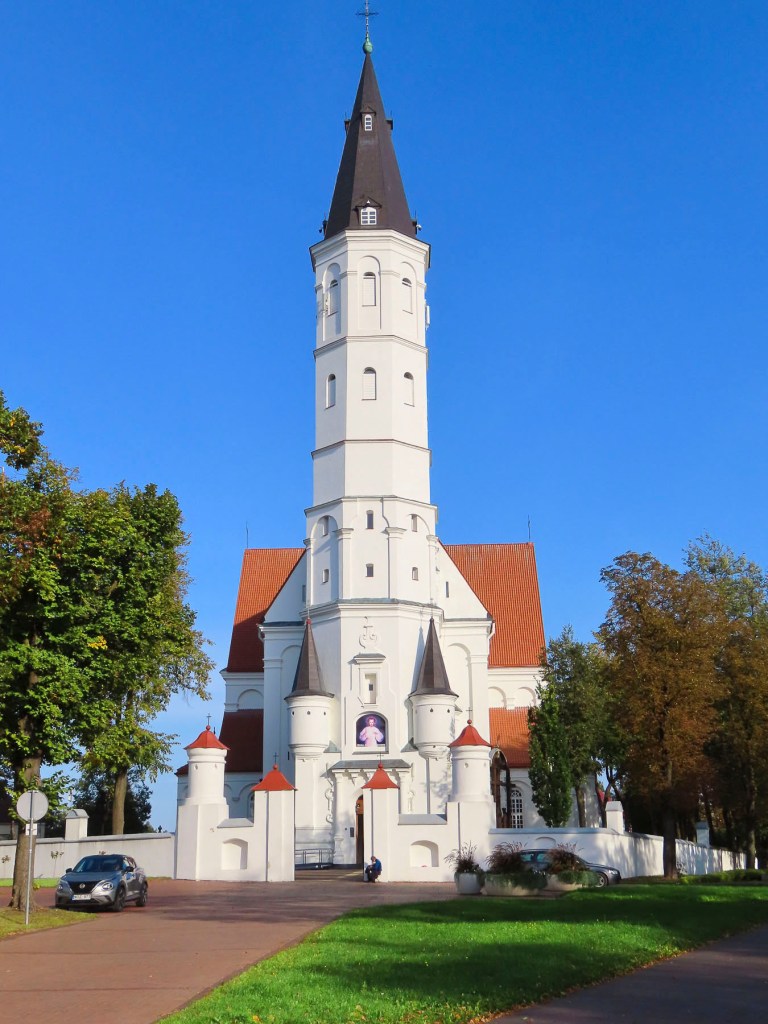
The graceful Church of Saints Peter and Paul with its soaring belltower and brilliant white façade replaced the earlier 1445 church in 1617. It was our first stop. The church became Šiauliai Cathedral when Pope John Paul II elevated its status when the Diocese of Siauliai was created in 1997.

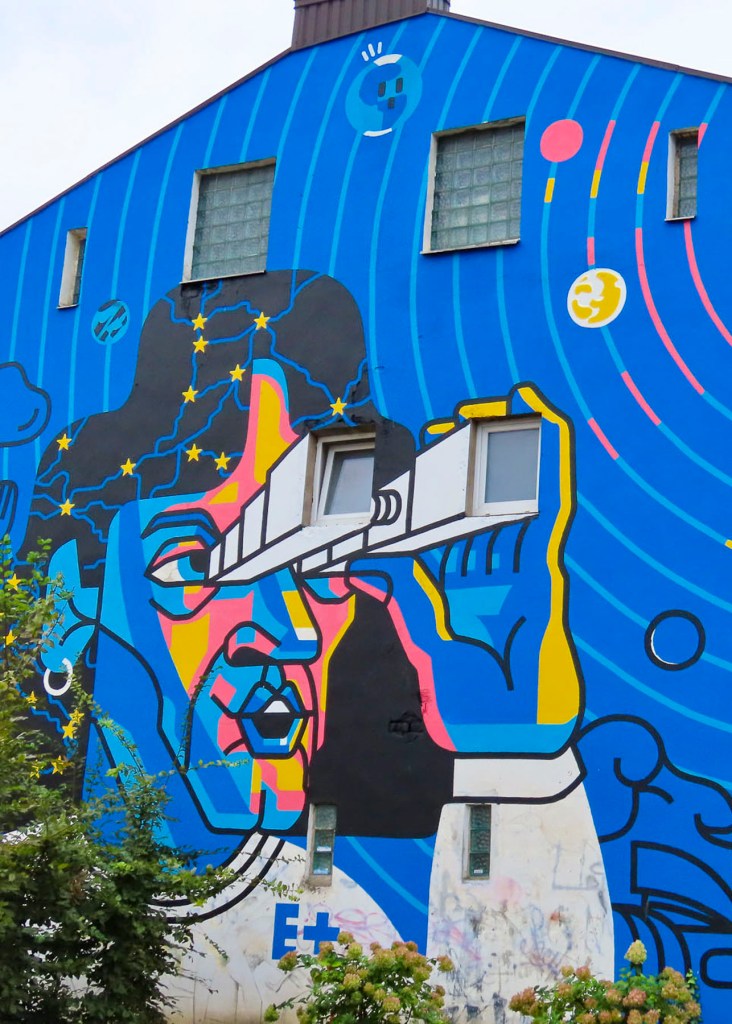
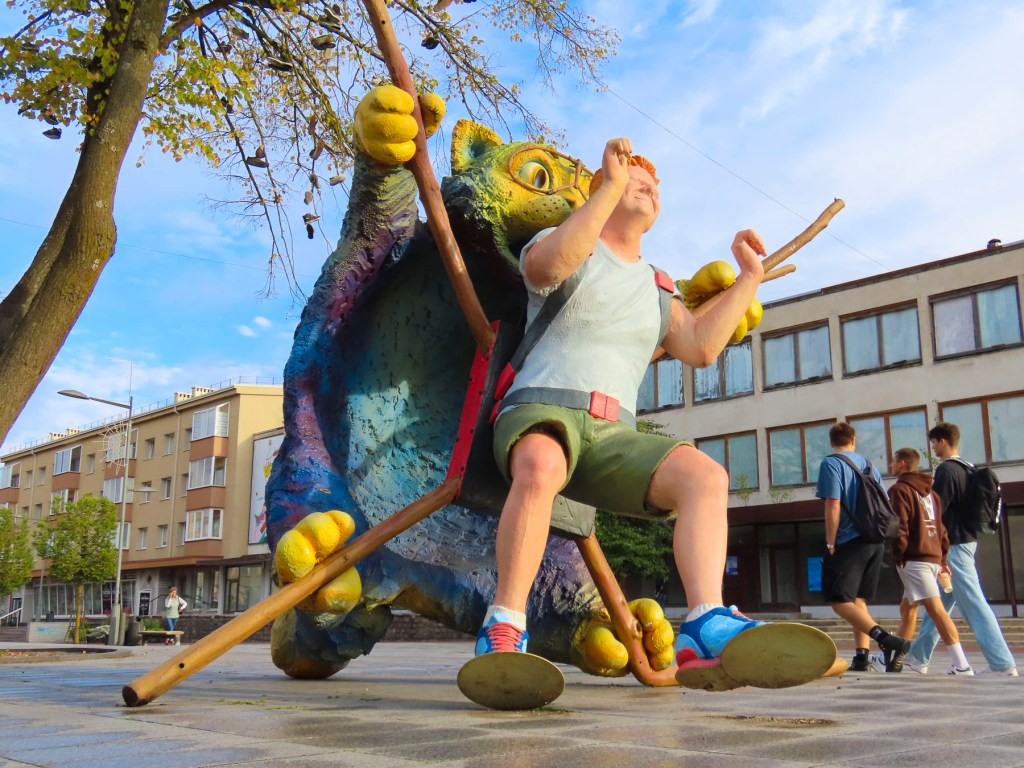
After checking into the hotel Turnė (free parking) for two nights, we walked a short distance into the center of Šiauliai to stroll along its nearly mile long pedestrian mall, Vilniaus g. One of the first things we noticed about the town was the amount of public art displayed along this street.

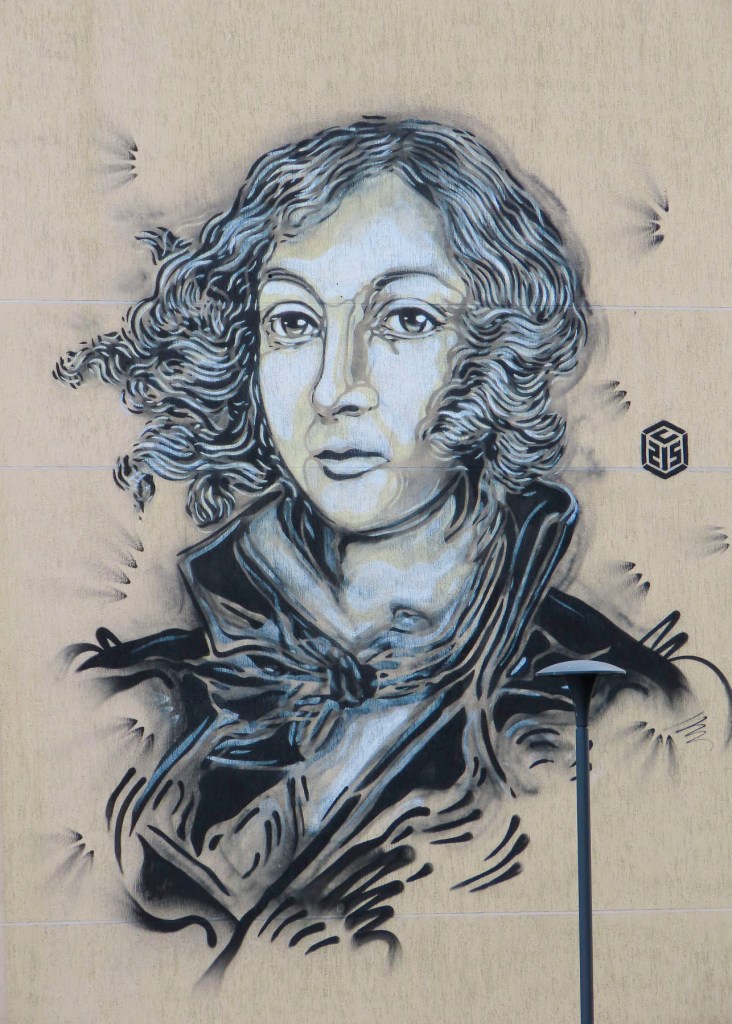
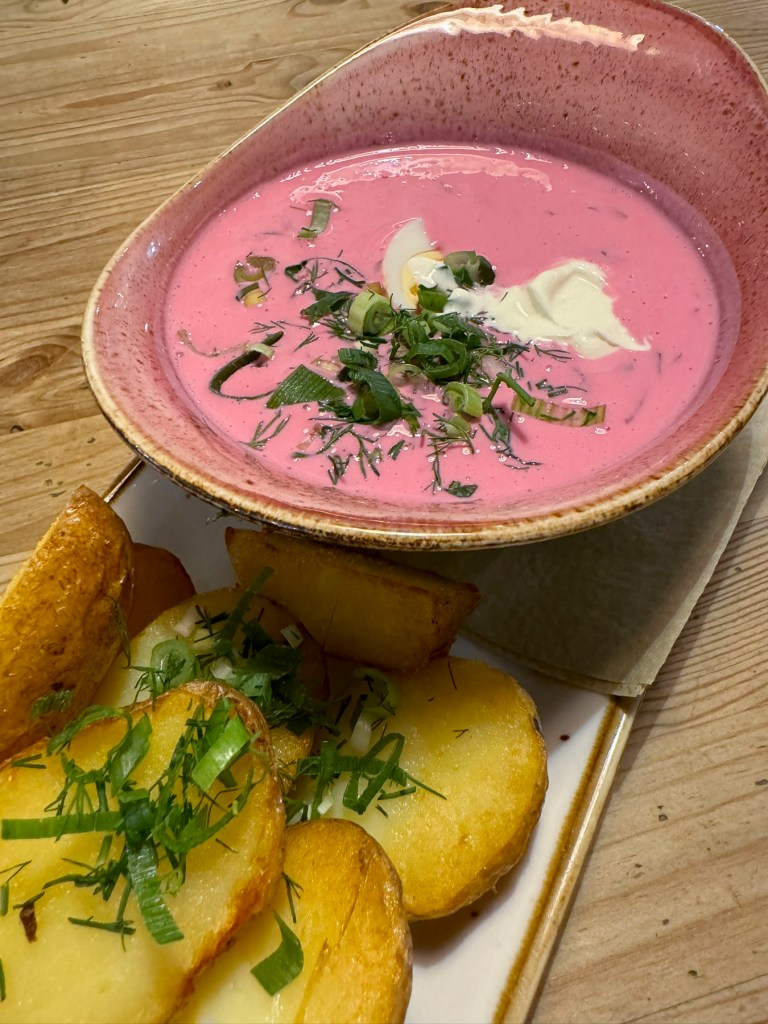
It’s an interesting variety of wall murals, and contemporary sculptures that enhance the walkway. As it was getting late we only walked the southern end of the mall to have dinner at Žemaitis Restoranas, located in the Hotel Šiauliai. The Lithuanian specialties – cepelini, homemade dumplings, Kedainiai potato pancakes, Karka with stewed cabbage – were so good and reasonably priced that we dined there twice.  

By the time we had finished dinner it was dark outside and upon leaving the restaurant we spotted the spectacularly lit dancing water fountain “Trys paukščiai,” Three Birds, designed by the Lithuanian artist Kestutis Kasparavicius. Its ballet of synchronized water jets and colored lights totally mesmerized us as we watched its performance several times. The quality of the installation was amazing and equal to the best fountains you’d find in NYC, Paris or Madrid.

The next morning, in pursuit of breakfast, we walked the northern part of Vilniaus Street, which we discovered was the first pedestrianized boulevard in Lithuania when it prohibited cars in 1975, and is the third oldest pedestrian street in Europe. A nice feather in the town’s cap for an off-the-radar-destination.

As we worked our way towards the Prezo Kepyklėlė café, the street was full of university students walking to morning classes in the buildings of Vilnius University and Šiauliai State University of Applied Sciences scattered across town.

Much of the contemporary public art at this end of the mall is sponsored by the Šiauliai Art Gallery with a mission statement to encourage within the community the free expression of art.

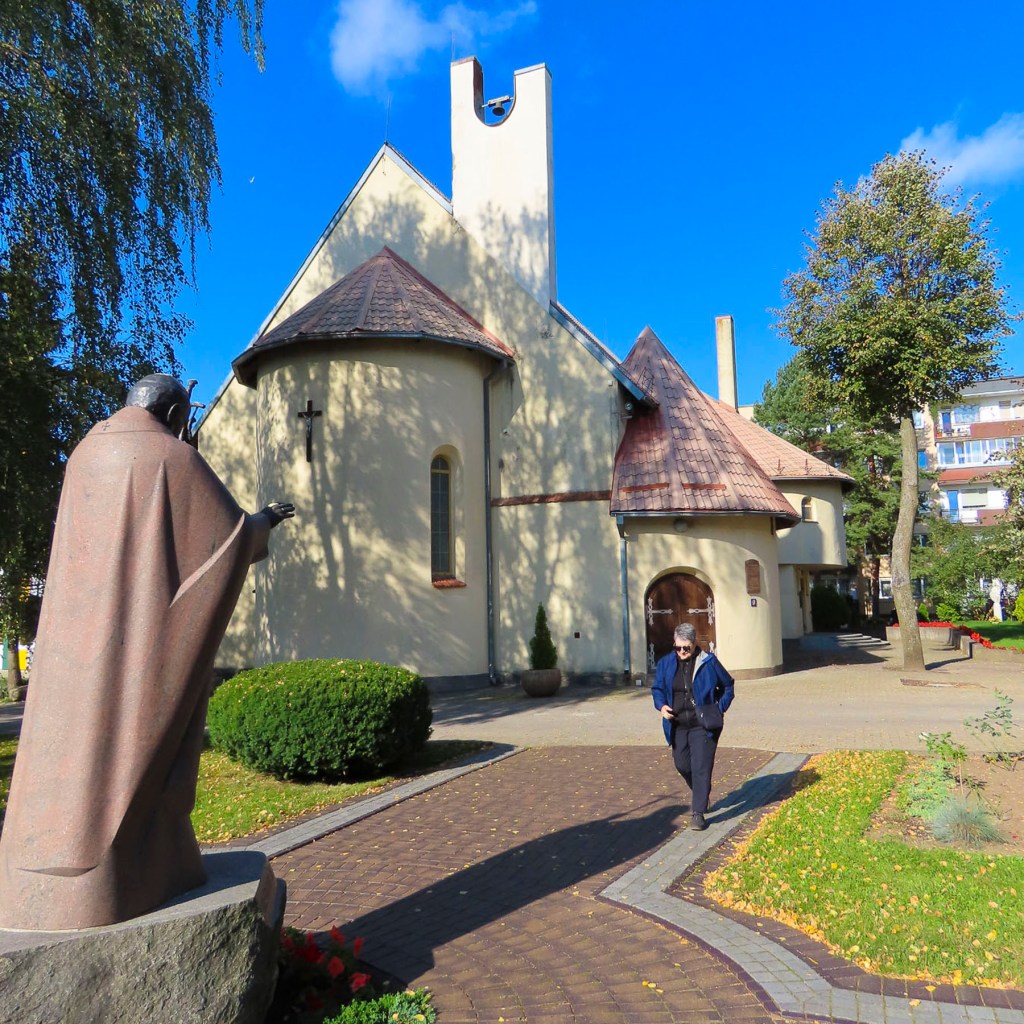
A narrow alley next to the gallery led to an almost hidden away St. Ignatius Loyola Church. It’s not very old as churches go, but its uniqueness stems from its roots as an ordinary home before the Jesuits bought it in 1930 and converted it to a church. At the end of WW2 communist authorities imprisoned two of its priests and sent a third to exile in Siberia. The sanctuary was closed and used as a warehouse, then a gym. In 1986 the local government deceptively requested funds from Soviet authorities to renovate the building into a concert hall but instead restored the church. After Lithuania declared its independence in March of 1990 the church was reconsecrated in December, just in time to celebrate Christmas Mass. A statue of Pope John Paul II in the church’s courtyard commemorates his stay in the small rectory when he visited the Hill of Crosses in 1993.

In the parking lot of an apartment building next to the church we noticed a defiant wall mural depicting a young woman in traditional dress lighting a Molotov cocktail held by a partisan resistance fighter. It testifies to the resilient character of Lithuanians. Lithuania did not submit easily to communist rule after WW2 and had an organized resistance movement into the early 1950s, with some individual partisans fighting on in the 1960s. Unfortunately, a car was parked too close to the wall for me to get a clear photo of the mural.

We found Šiauliai to be wonderfully walkable as we made our way across town to Lake Talkša, first stopping at Saulės Laikrodžio Aikštė, Sundial Square, where a brilliant golden archer stands atop an 18m (59ft) tall gnomon which casts its shadow across the numbers 1-2-3-6, the year of the town’s founding, in the plaza at its base.

Two paths from the sundial led to the lake. One was a direct shorter route, but we chose the longer way through the neighboring cemetery to the lakeshore. It was a perfect fall afternoon with puffy white clouds sailing across the bluest sky. On the far shore only a subtle hint of yellow suggested autumn colors would soon appear.

A path along the shore led to a children’s playground and outdoor fitness area before reaching a large stone labyrinth where a lone woman seemed to be deep in a meditative walk.

Beyond the labyrinth stood a large metal sculpture called Geležinė Lapė, the Iron Fox. In 2009 the local artist Vilius Puronas crafted 7 tons of steel into this whimsical monument that’s 15m (49ft) long and 6.6m (22ft) tall to celebrate the 1000th anniversary of the earliest mention of Lithuania as a country. In a 1009 chronicle called Annals of Quedlinburg, a writer described in Latin, “in confinio Rusciæ et Lituæ a paganis capite plexus,” which translates as, on the border of Rus’ and Lithuania, the pagans have their heads covered with plexuses. It’s not the most notable introduction to the world at large, but I will say during our short time in Lithuanian the country made a great first impression upon us! One day we hope to return and make it to Vilnius.

Till next time,

Craig & Donna