
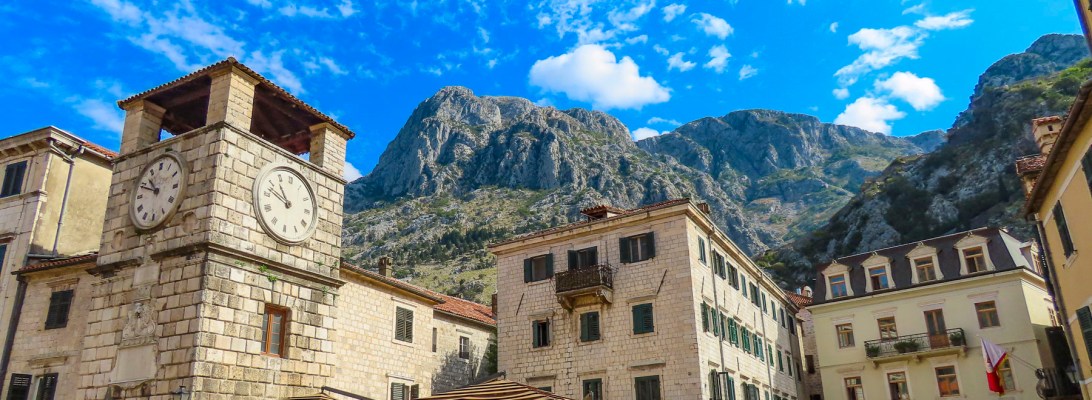
Twenty-four hours out of Africa we were finally unloading our bags from the taxi, under tall palm trees across from a beautiful harbor. In front of us stood the Sea Gate, the 16th century arched entrance through ancient stone fortifications and the winged lion of St. Mark. Both were constructed in 1555 when this port city was under Venetian rule.

With little difficulty we found our host and followed her through the ancient portal under a relief sculpture of the Madonna and Child, flanked by St. Bernard and St. Tryphon, the town’s patron saints. There was a small rectangular slit underneath the stone carving where prayers were once placed. “Now it’s used as a complaint box by local residents!” our host joked.


The archway perfectly framed a quaint plaza, The Square of the Arms, lined with shops and restaurants set dramatically under the backdrop of St. John’s Castle, Kotor Fortress, which towers protectively over the city. Within the walled city it’s a wonderful pedestrian-only maze of narrowing alleys that weave about. Our second-floor apartment was at the intersection of several of them and overlooked a view of the restaurants on Plaza Tripuna.
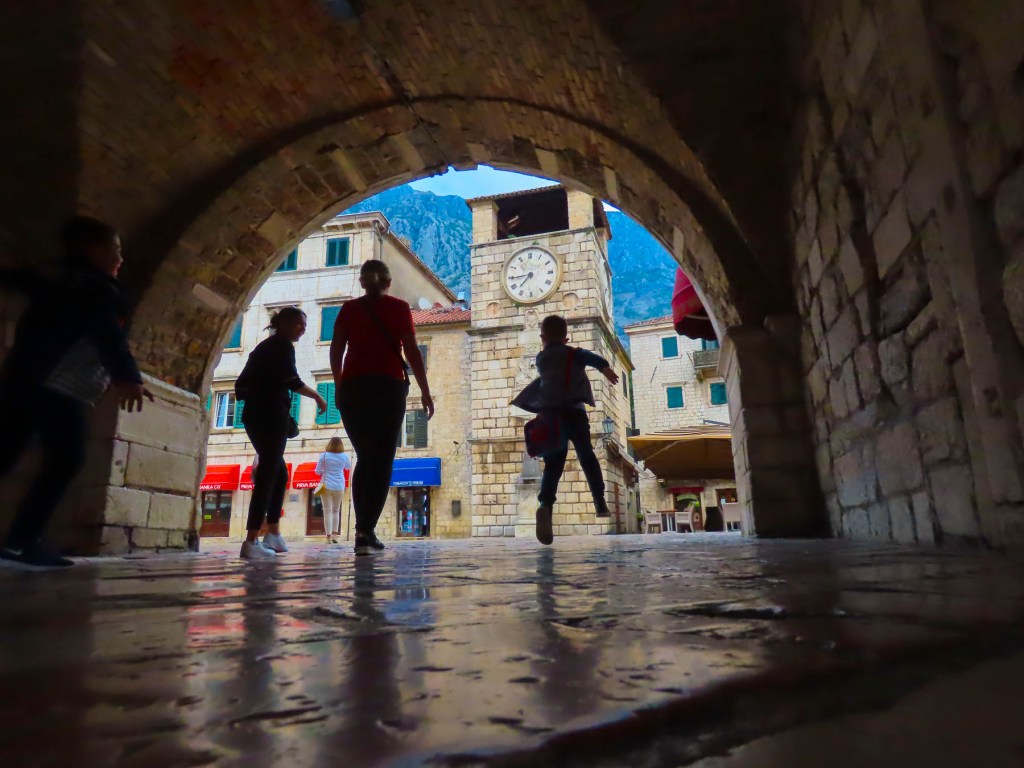
After six weeks of continuous travel we were looking forward to being rooted for a while in an apartment, returning to our immersive travel philosophy. With a spacious living room, kitchen, hot water, and live saxophone music six nights a week, we were ready for this month of R&R in Kotor. Though by the third night the saxophonist had played the identical repertoire each appearance, without changing its sequence. We were doomed to a Bill Murray-like Groundhog Day scenario, until he took three days off and was temporarily replaced by a young violinist. She was a breath of fresh air.


But, with any new destination there is the urge to explore. Outdoor dining was still in full swing and perfect, since the hottest days of summer were long gone by mid-September. After lunch our first mission was to find a grocery store to get some basic essentials – wine, coffee and some breakfast items for the next day before we crashed from a long travel day. Through the North Gate and across the Scurda River we found Voli and Aroma grocery stores.
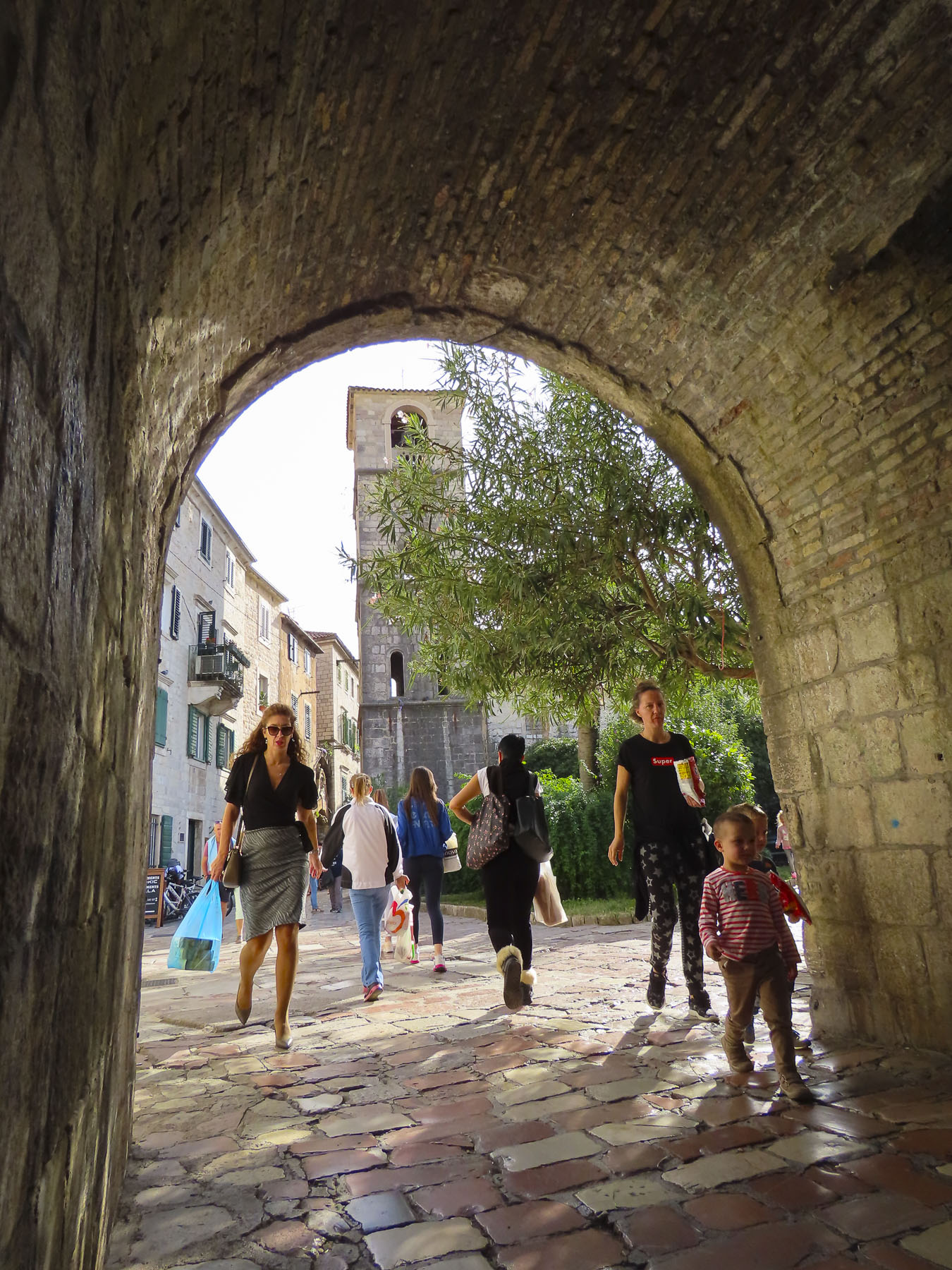

The second, lone mission, was to find the laundry service as our cloths were about to walk away on their own in protest. Before our host departed, she confirmed there was a laundry service, but wasn’t sure exactly where, as she didn’t use it, only that it was outside the city walls somewhere along the road that followed the bay. She waved vaguely in the general direction of the South Gate. It was a pleasant walk past the vegetable vendors in the daily market, outside the city walls, laden with fresh fruits and vegetables and FIGS!! (Our decision to call Kotor home for a month was instantly reinforced by this discovery.) Further on there was an Idea supermarket and the Sladoja mesara meat shop and grill restaurant. I walked all the way to the bus station and back tracked without spotting the laundry. Not one to accept surrender, I asked a woman exiting an apartment building with my laughable Serbian, praonica? (laundromat in Serbian.) I also showed her a slip of paper with it spelled out, just in case. Saint Jude must have been watching. She not only spoke English, but happened to work there and was returning from her lunch break. Nearing home, I found the only bakery within the old town just around the corner from our apartment and was able to pick up some wonderful fresh breads and baked goods at very reasonable prices. This became a regular stop during our stay.


Instead of ticking off destinations and sights within a short period of time, it was good to be back on track with our slow travel approach to seeing the world. Yes, we still want to see everything a locale has to offer, but at a reasonable pace with a walk a little, then café style repeated throughout the day. This approach allowed us to enjoy the Adriatic lifestyle by immersing ourselves into the ambience of Old Town Kotor for a month.
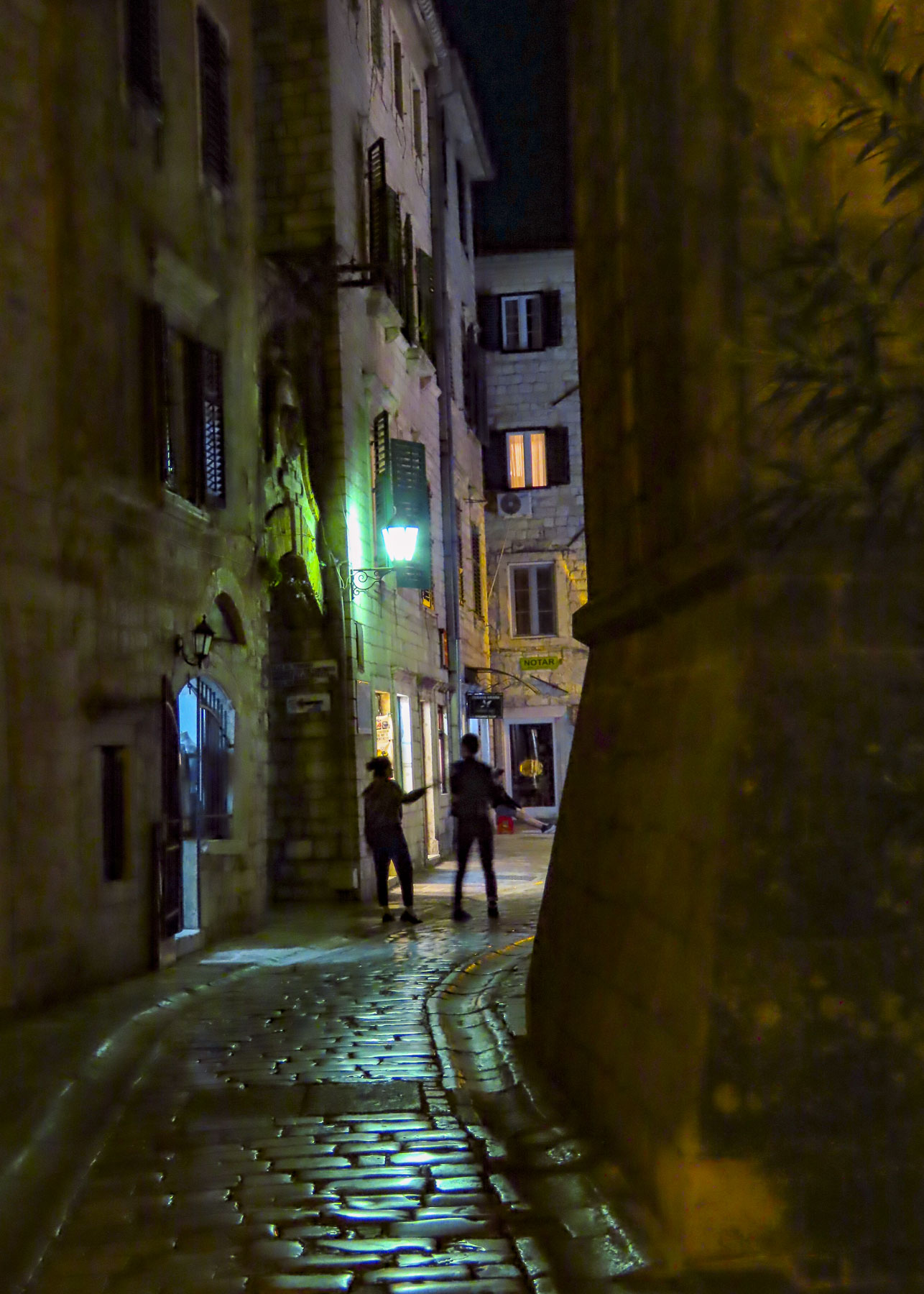

Surrounded by its ancient walls, the village really was the perfect size, impossible to get lost within and full of interesting finds and eateries. If we started our day early enough, we caught pleasant glimpses of parents walking their children through the ancient gates to school, and vendors delivering the day’s supplies by pushcart down the tight, cobbled lanes, hard work for sure.


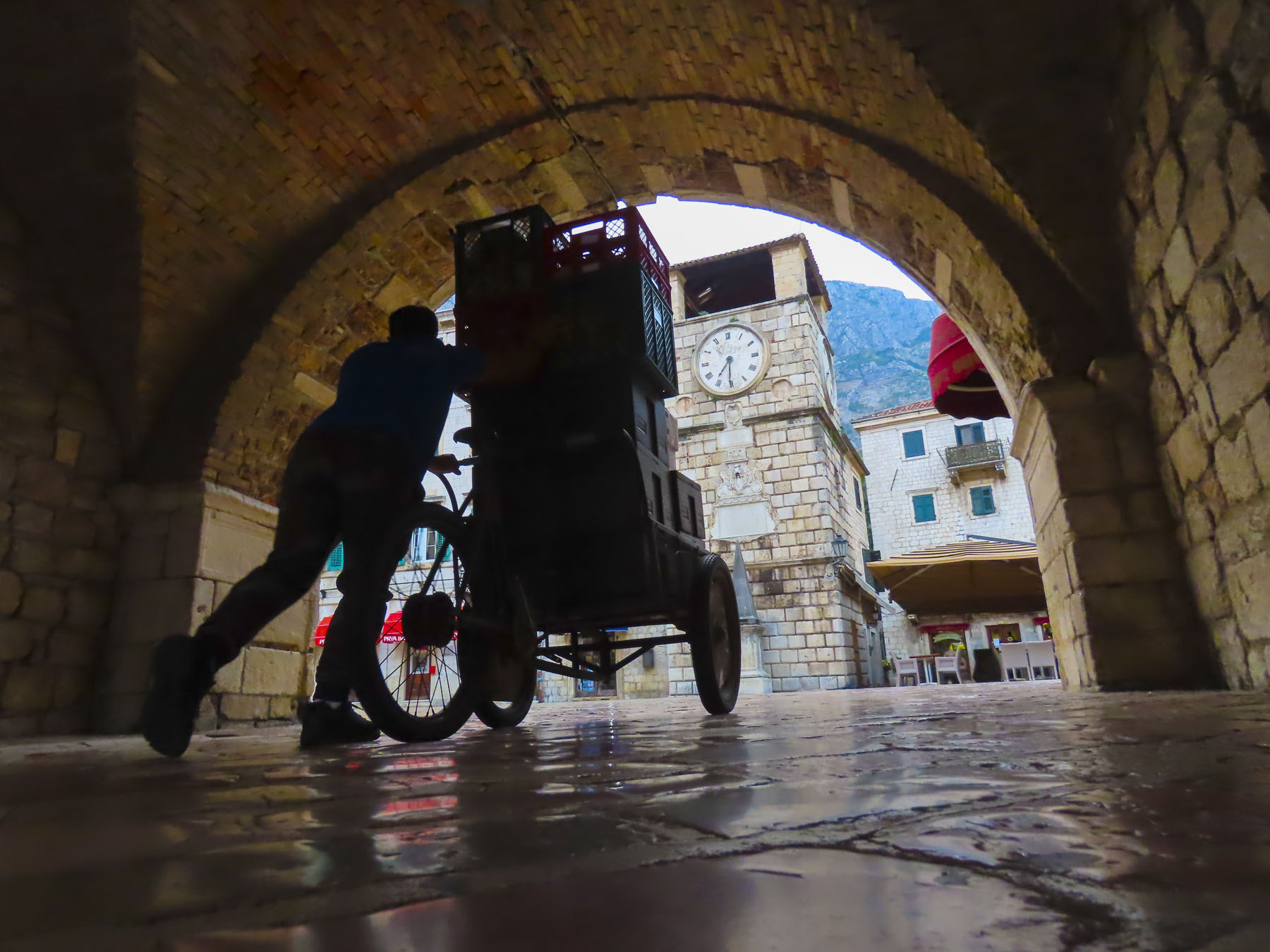
Exploring the alleyways that twisted through the town, we found unique architectural details, remnants from past empires and seafaring wealth.


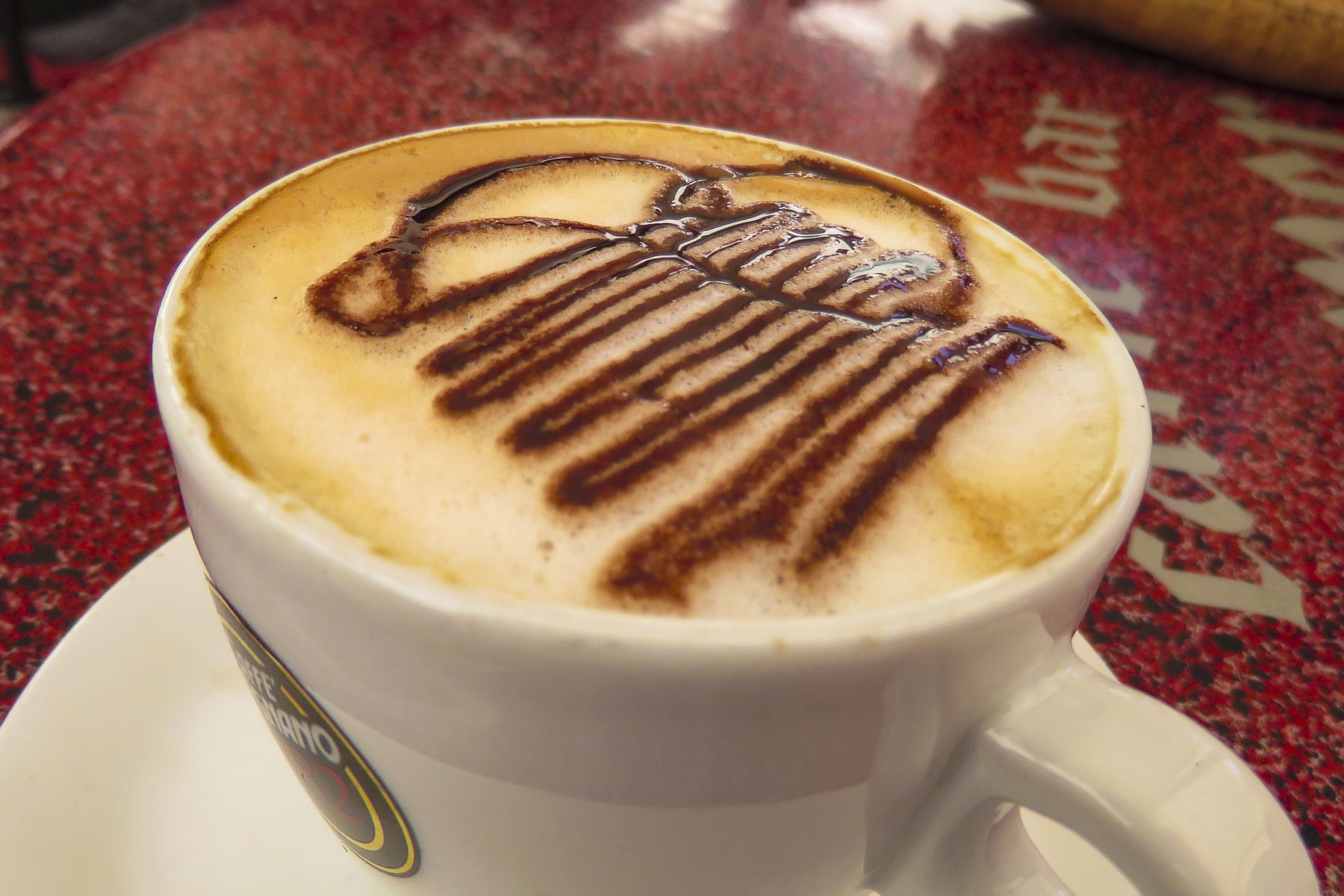
The alleys led to small intimate plazas with umbrellaed tables and entertaining street musicians. Caffe bar Perper on Pjaca od Salate made very good cappuccinos and every morning two singers sang a medley of Balkan folk songs with a sprinkling of western tunes thrown in. Across the plaza Konoba Scala Santa, the oldest restaurant (1931) in Kotor offered regional specialties and a rustic interior with a fireplace on those rainy fall nights that chased us inside.

After coffee one morning we followed the steep stairs off Pjaca od Salate past old stone homes (wondering how folks do it when we saw a baby stroller on a landing) built into the hill to the entrance of Kotor Fortress. 1350 steps to the top – we could do it! Fortunately, we chose a cool day. It was a challenging trek over a rough stone path and stairs still in need of repair from the 1979 earthquake that struck the city.

Fortifications have loomed over Kotor since Illyrian times, 4th century BC until 167 BC, with additions made by Roman emperor Justinian I in the 6th century. The Venetian Empire expanded the fortifications further in the 16th century. It’s their stones that we were tripping over. Our effort was rewarded with spectacular views of the city, bay and old caravan trail from the serpentine path that twisted all the way to the top.
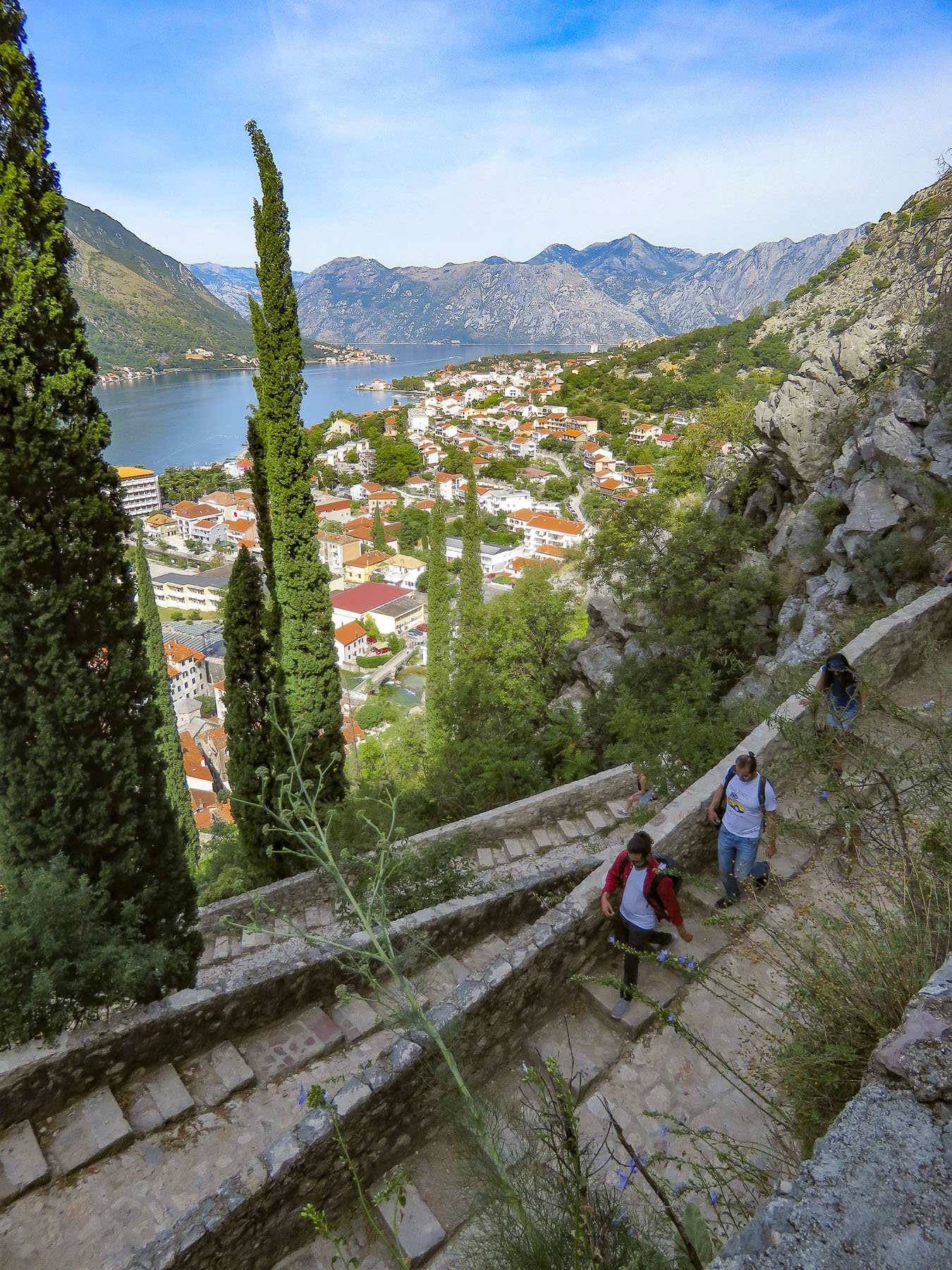
As formidable and imposing as the fortress looked, it has been seized several times during conflicts with the Ottoman, French and English. Good walking shoes and water are a must for this going. 650 steps up the Church of Our Lady of Remedy marks the halfway point and is a good place to rest and enjoy the view for a while. The small chapel was built by survivors of the 1518 plague to honor the Holy Mother.

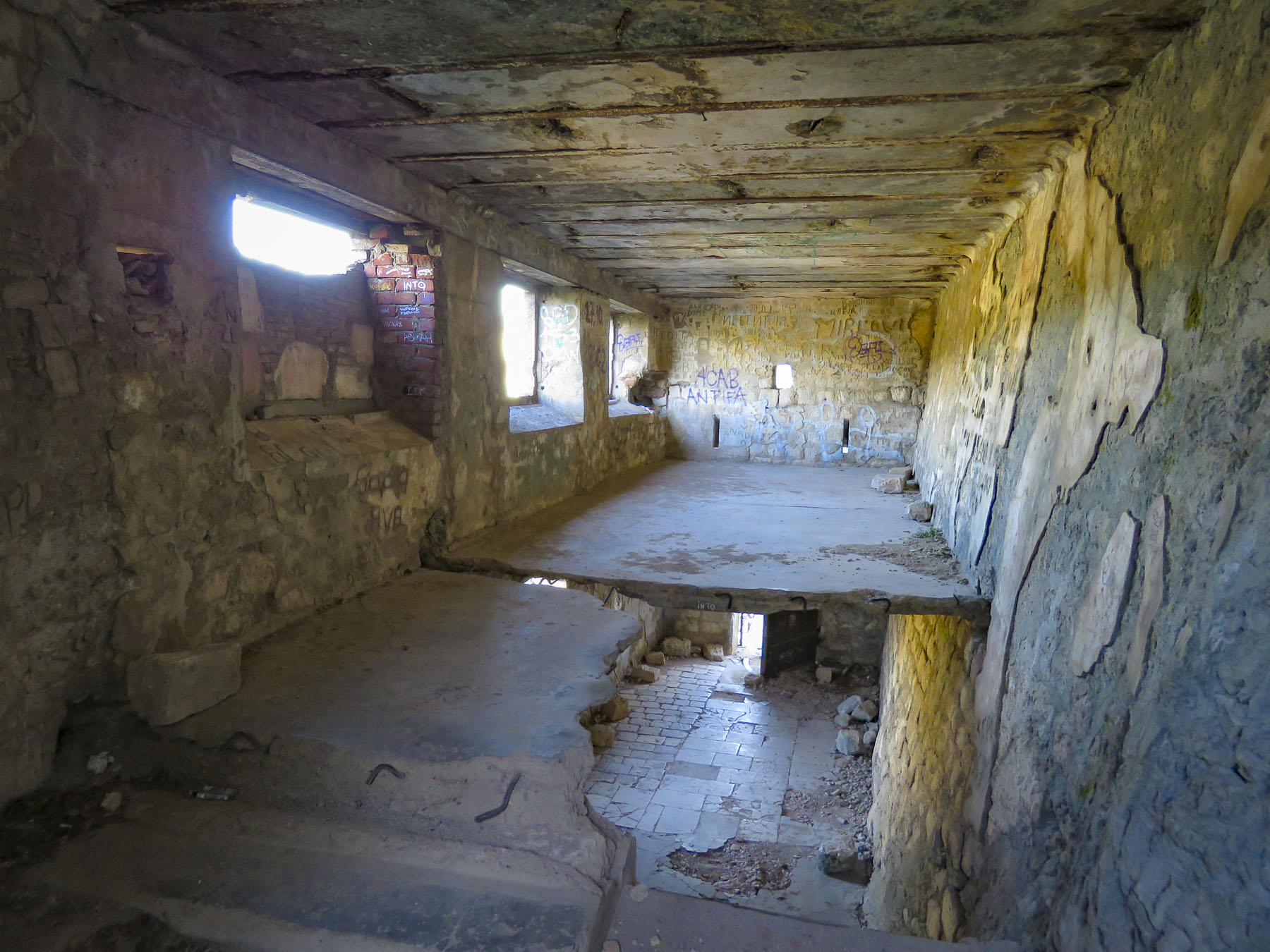
In 1979 an extremely destructive magnitude 7.0 earthquake devasted old town Kotor and many similar towns along the Montenegro and Albanian coastline which was then part of Yugoslavia, leaving 100,000 people homeless. All the stone buildings suffered some form of damage and the city was closed to the public for ten years during its restoration. Some signs of the earthquake damage are still visible, most noticeably block-long 19th century Austrian Prison that has large cracks in its exterior walls and the sky visible through its roof.


The churches in the historic center also suffered extensive damage. Their facades have been fully restored, but their ornate interiors were destroyed beyond repair. The interiors are noticeably less ornate than similar era churches in Europe, with only fragments of relief carvings and frescoes remaining, hinting at their former beauty. Priče o Potresu / The Earthquake Stories is a 2020 documentary by Montenegro director Dusan Vulekovic about that destructive natural disaster. Severe earthquakes also struck Kotor in 1563 and 1608.

The one drawback of Kotor is that it’s a busy cruise port with four or five large cruise ships disgorging thousands of passengers between 10am and 3pm every day until the end of the cruising season. But they followed a limited circuit and if we planned around them, they were barely noticeable. By October first only one or two cruise ships were anchoring in the bay each week.

Often referred to as Europe’s southernmost fjord, the walls of Kotor bay are so high and steep that they cast shadows late into the morning and early in the afternoon over the city. This is a tremendous help in moderating the heat of the Adriatic summers. Its unique geography makes it the most naturally protected harbor along the Adriatic coast, providing safe anchorage for sailors since the beginning of boat building, several millennia ago.


There were a variety of water tours available and we opted for one that took us to Our Lady of the Rocks and Perast. The legend of Our Lady of the Rocks starts in the 15th century when two brothers, fishermen from Perast, found an icon of the Virgin on a rock protruding from the center of the bay. Fulfilling the Virgin’s request of them to build a church in the bay, they began transporting stones by boat from the shore and dropping them in the bay. Soon others followed. Today there is a small Catholic church on the island and a festive boat procession every July called Fasinada that keeps the tradition alive.


The views from the bell tower of St. Nikola Church over the quaint village of Perast and the open expanse of Boka (Kotor) Bay were tremendous. It was a wonderful, beautiful day on the water that ended hours later in agony, as we both succumbed to food poisoning from lunch. Fortunately, Donna found a visiting Doctor service that provided an English-speaking physician who made house calls. After a midnight knock on the door and a short consultation we were advised to hop in his ambulance for an intravenous treatment at the local clinic. It turns out that we had visited this clinic ten days earlier for treatment of a sinus infection and pinkeye that Donna caught before we left Ethiopia. After our hour and half treatment, we felt one hundred percent better and were discharged at 1:30AM onto a deserted sidewalk with no assistance offered to get us back to town. It was too far out of town to consider walking and considering we were still recovering, we waited patiently as the occasional car sped past Finally a taxi zoomed by and, hearing my booming shout of “TAXI!” the driver hit the brakes and did a U-turn.


Our travel insurance covered the hospital visits, though the claims were cumbersome to file. (Keep your airline tickets for proof of travel.) Amazingly, the hospital treatment, including transport by ambulance, was only €50 each – extremely affordable compared to medical care in the United States. Likewise, the prescriptions we filled the next day were easily paid for out-of-pocket. It is worthwhile to compare the cost of drugs that you regularly purchase in the United States with what they cost overseas when traveling. There is an outstanding difference, with foreign prices being much lower and many not requiring a doctor’s prescription. Just check Google for the correct name of the drug for the country you are in.


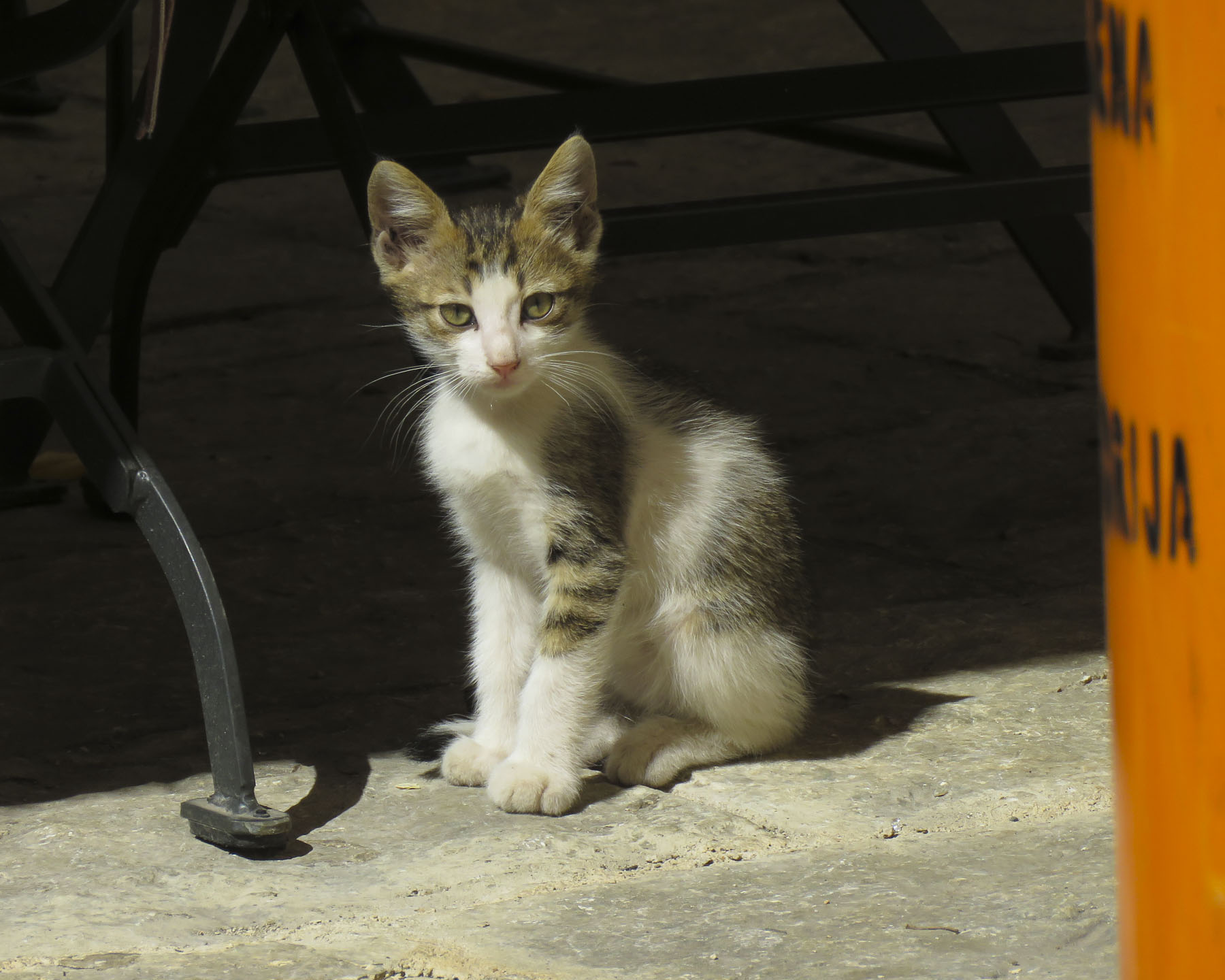

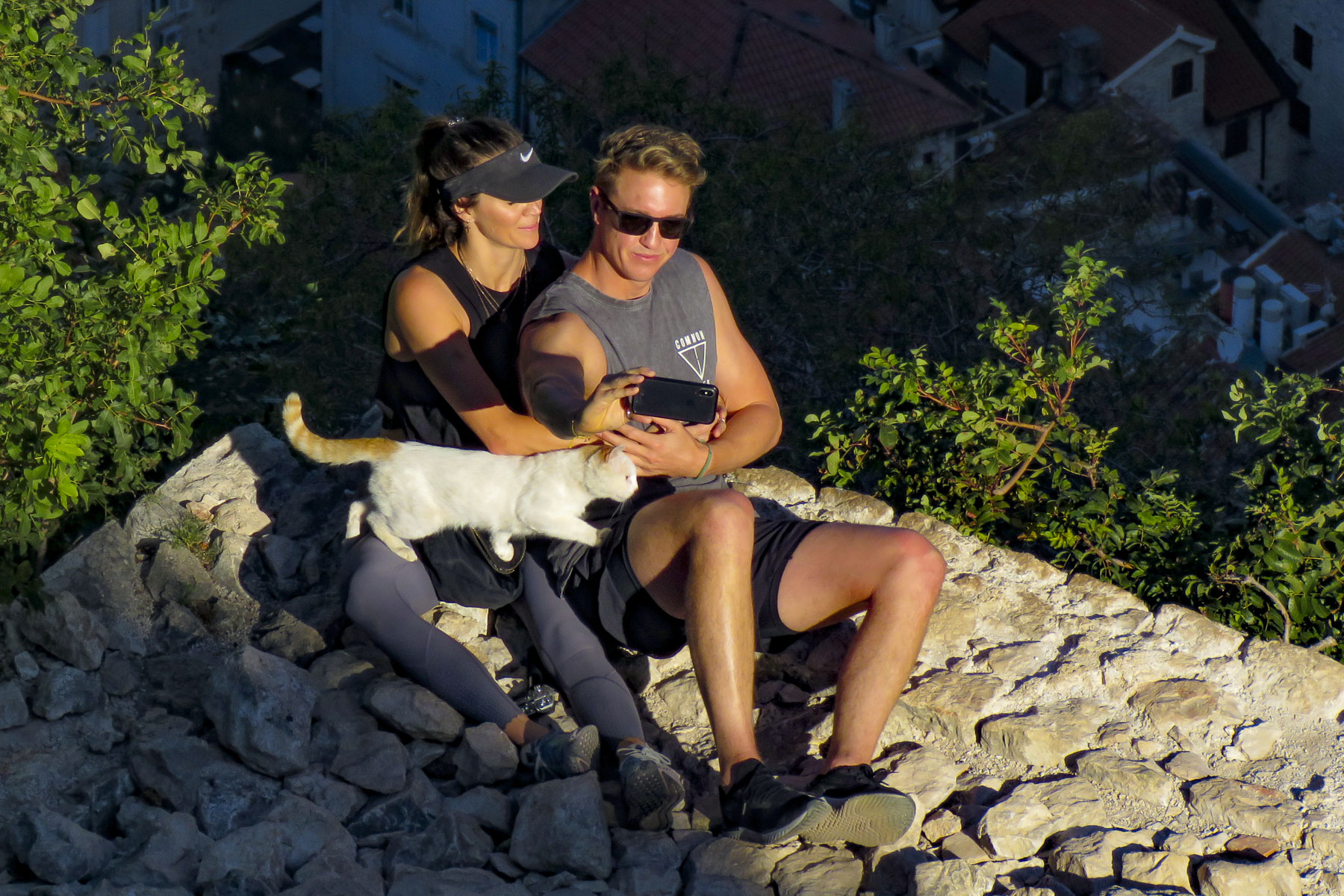
The old town is also famous for its colony of “Kotor Cats,” descendants of ratters taken to sea by sailors to control rodents on board their ships. As we walked around town, we noticed small trays of cat food placed about for them. Kotor Kitties is a non-profit organization started by an American visitor to Kotor several years ago that provides food, veterinarian care and neutering for the famous felines.

Our wanderings expanded to include longer treks along the picturesque roads that followed the shoreline of the bay. Walking only minutes from old town along Put I Bokeljske Brigade on the bay’s eastern shore put us in a more relaxed world with pebbled beaches, small marinas, waterfront restaurants, private homes and small boutique hotels along the water. Though the bay water was still warm enough for swimming, the area was very quiet at the end of September, with most of the small hotels posting “rooms available” signs in their windows. Many of the beach facilities pulled in their cabanas and rental kayaks with the end of the cruise boat season, which coincides with the beginning of the rainy fall season. Fortunately, the restaurants were still open along this route and several of them enticed us enough to revisit this seven-mile roundtrip walk to the village of Dobrota weekly.


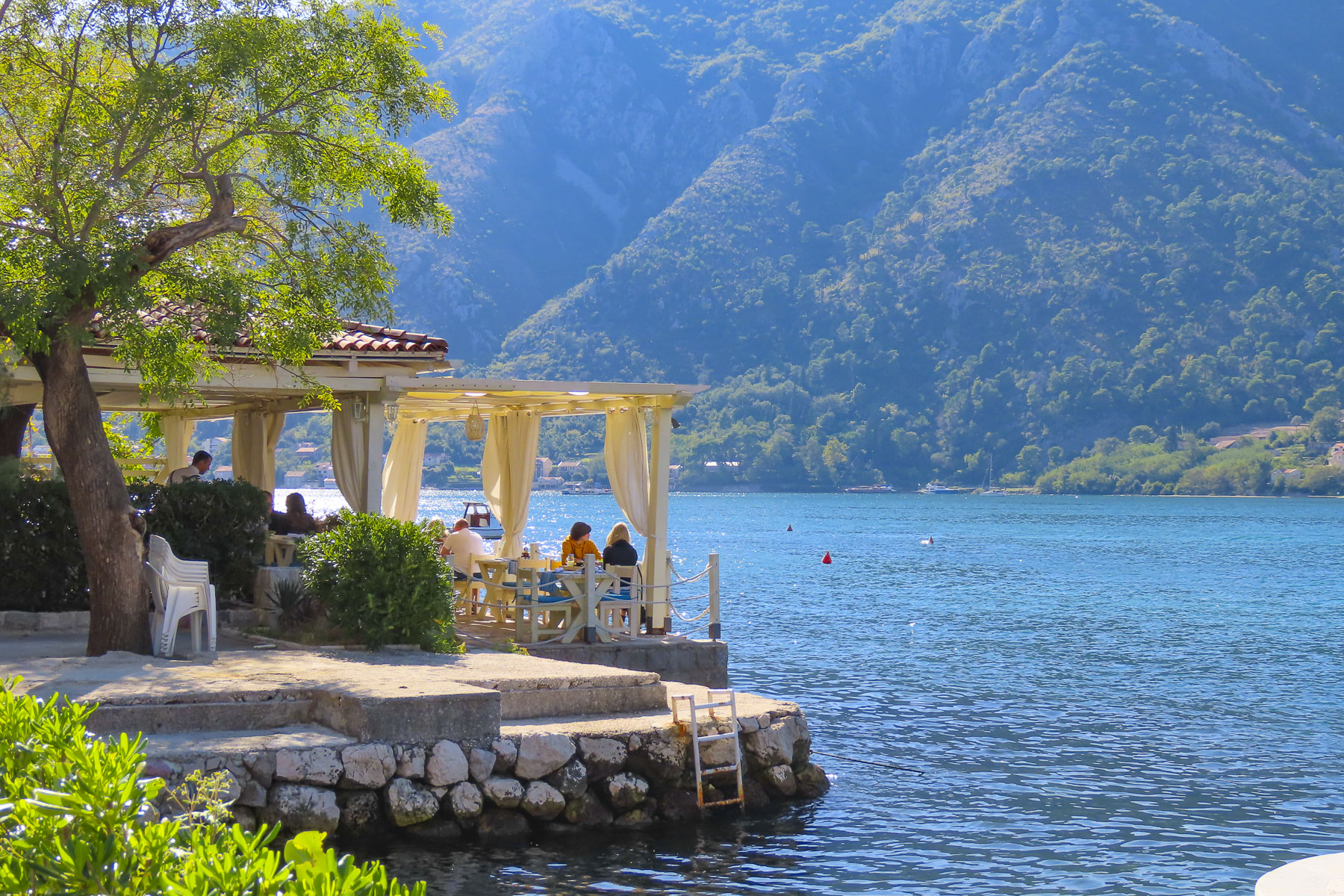
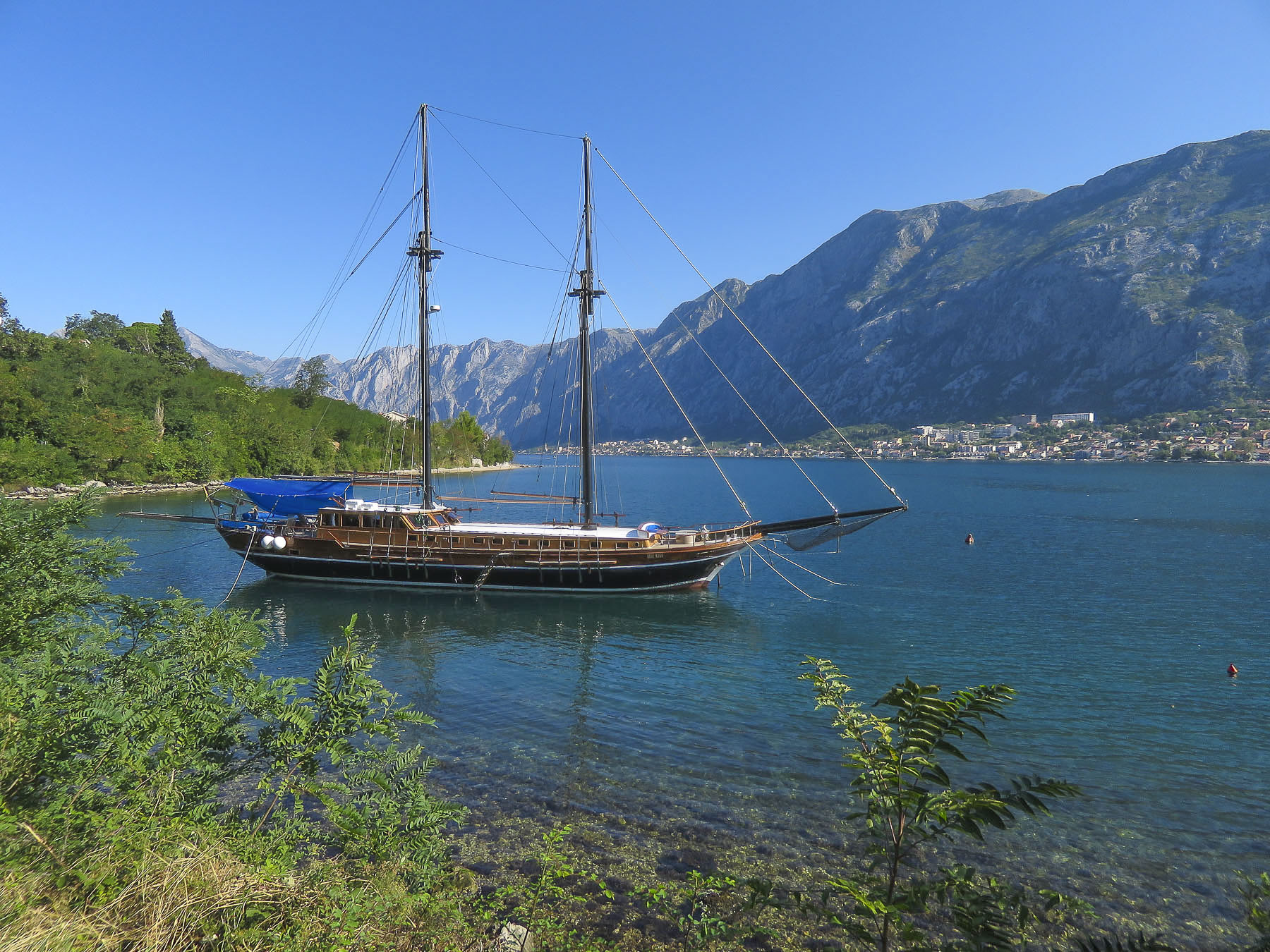
The western shoreline along the bay was equally enticing with its small coves that sheltered yachts at anchor, and the historic churches of Crkva Sv. Ilije in Gornji Stoliv and the parish church of Prcanj, Bogorodicin Hram, offered wonderful views of the bay from the top of its monumental stairs leading to the church. There were also some nice quirky finds along this route: props that looked like they were once used in a local carnival.




Montenegro is a small country; besides being known for its fabulous Adriatic coast, it has an equally impressive mountainous interior only a short distance inland from Kotor that can be visited on day trips. There were numerous tour operators around town that all offered basically the same excursions. We chose one to Durmitor National Park that included stops at the dramatic Most na Đurđevića Tari bridge that spans the turquoise waters of the Tara River. Visits to Black Lake, Lake Slano and the cliffside Ostrog Monastery would round out the day.

It was late September now and the chill of fall was in the morning air. Optimistically I wore sandals, anticipating a warm and sunny afternoon as it was the day before. As we drove into the mountains, the clouds thickened and the temperature dropped to the point were when we stopped at a small shopping center for a rest break I ran into a shoe store to buy a pair of heavy socks, much to Donna’s amusement.

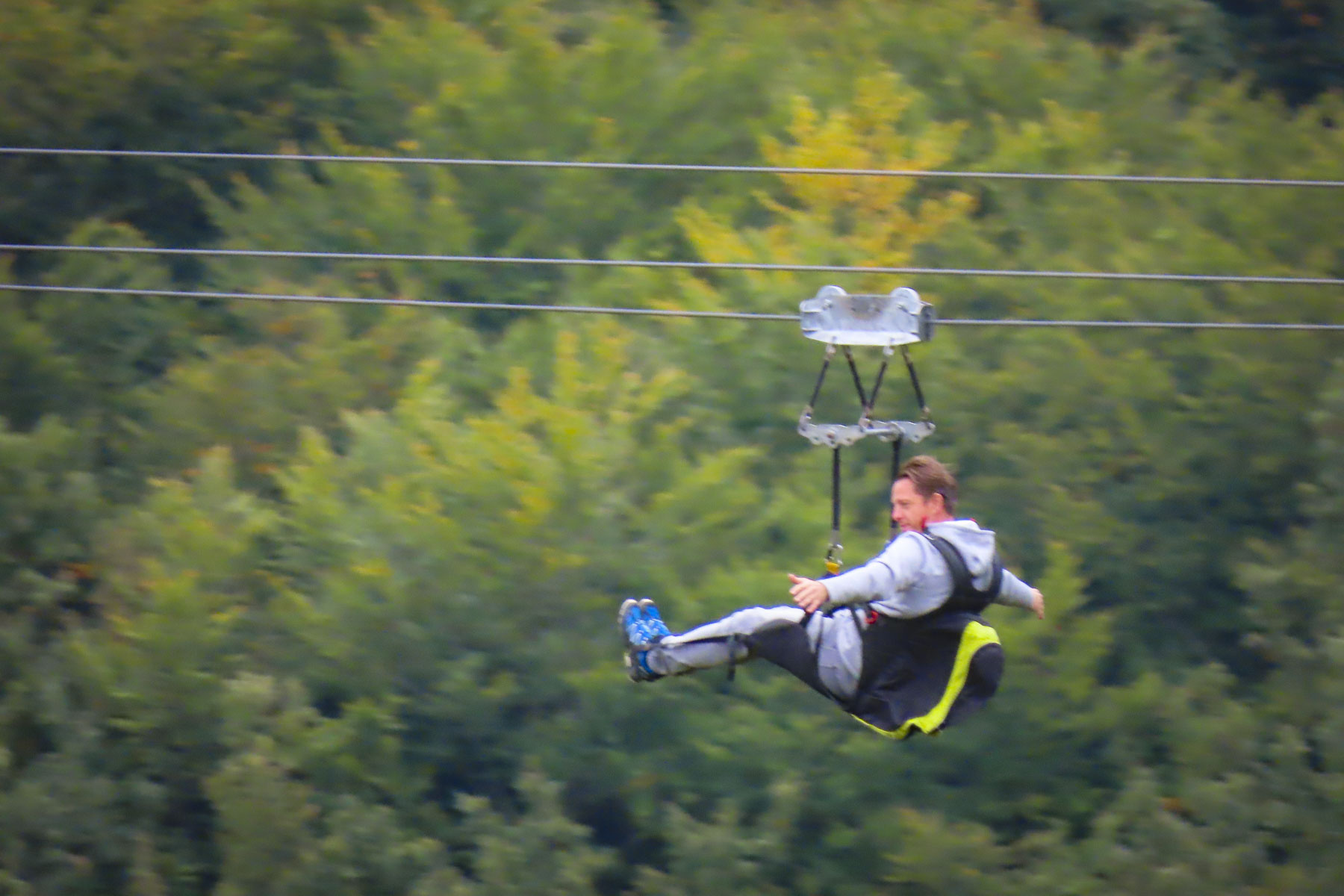
The mountain vistas along the drive to Djurdjevica Tara bridge were fantastic and we arrived in time for some in our group to zip-line across Europe’s deepest canyon (4300 ft) and the turquoise waters of the River Tara – the “tear of Europe,” below.


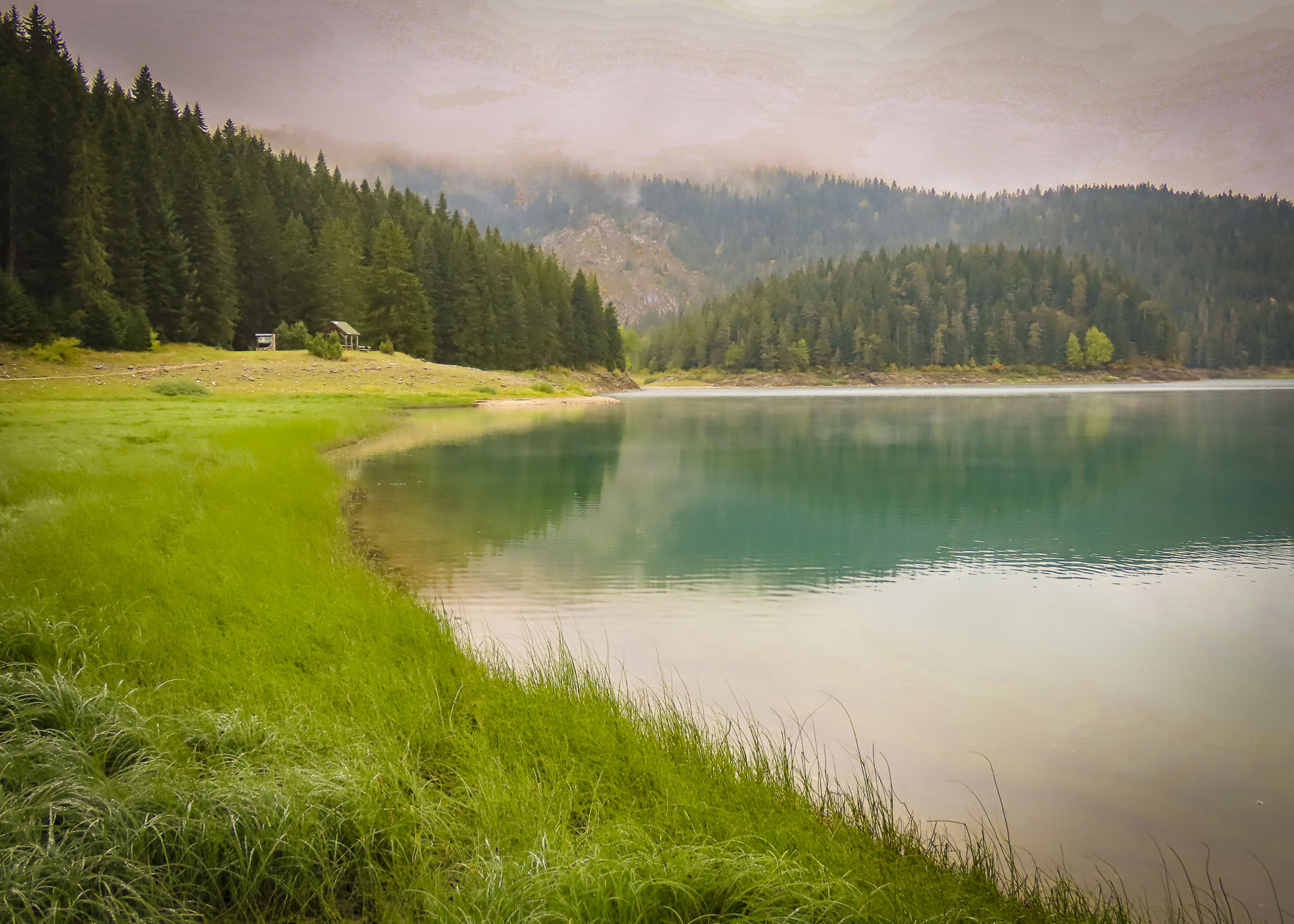
An easy hike through old growth forests around Black Lake followed lunch at a waterside restaurant.


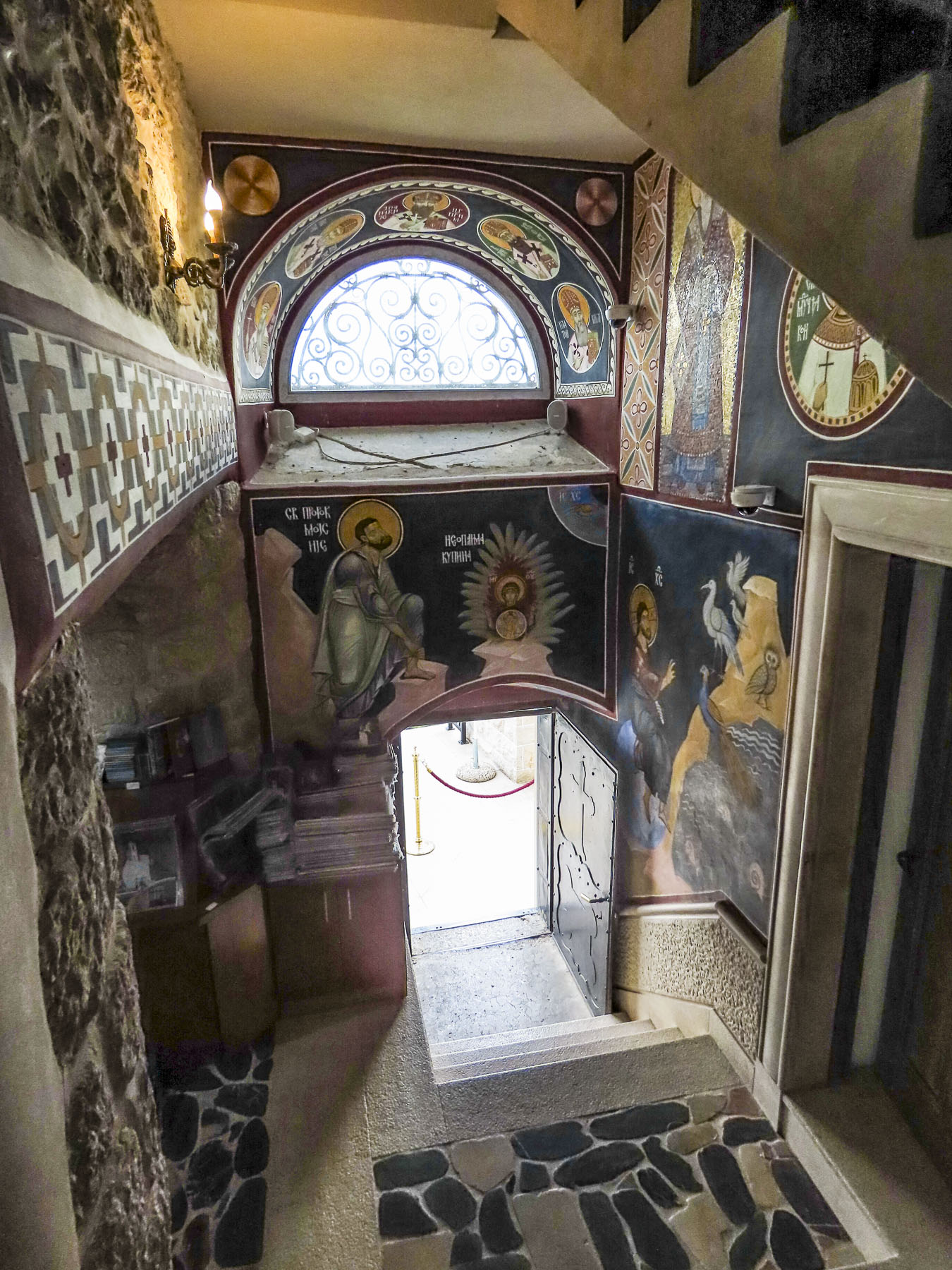

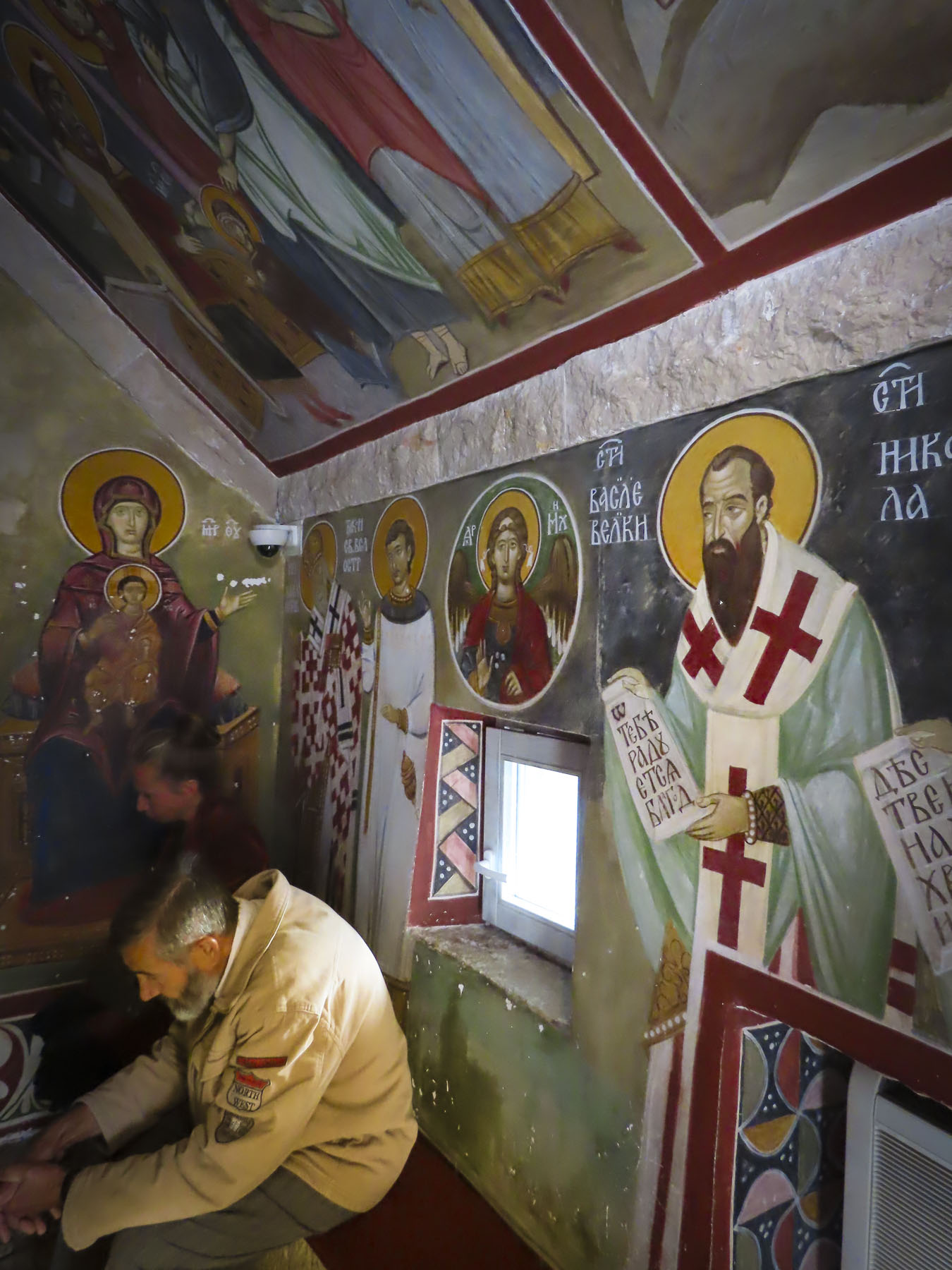
The last stop of the day was at Ostrog Monastery which expanded around a cave church that was built high into the mountains in the 1600s by Vasilije, the Bishop of Herzegovina and later known as St. Vasilije, to escape Ottoman raiders. Upon his death his body was entombed in the church and legend says his mortal remains have miraculous healing powers. Over the centuries, the monastery has become a pilgrimage site for Orthodox Christians, Catholics and Muslims, drawing 100,000 visitors annually. Additionally, the monastery is also known for its unigue religious frescoes, which were painted directly onto to the surface of the cave, following their natural curvature. Our guide had timed our visit perfectly to coincide with the 5:00 PM mass. It was a moving experience to hear the liturgy sung and projected from loudspeakers out over the valley as the sun was setting.
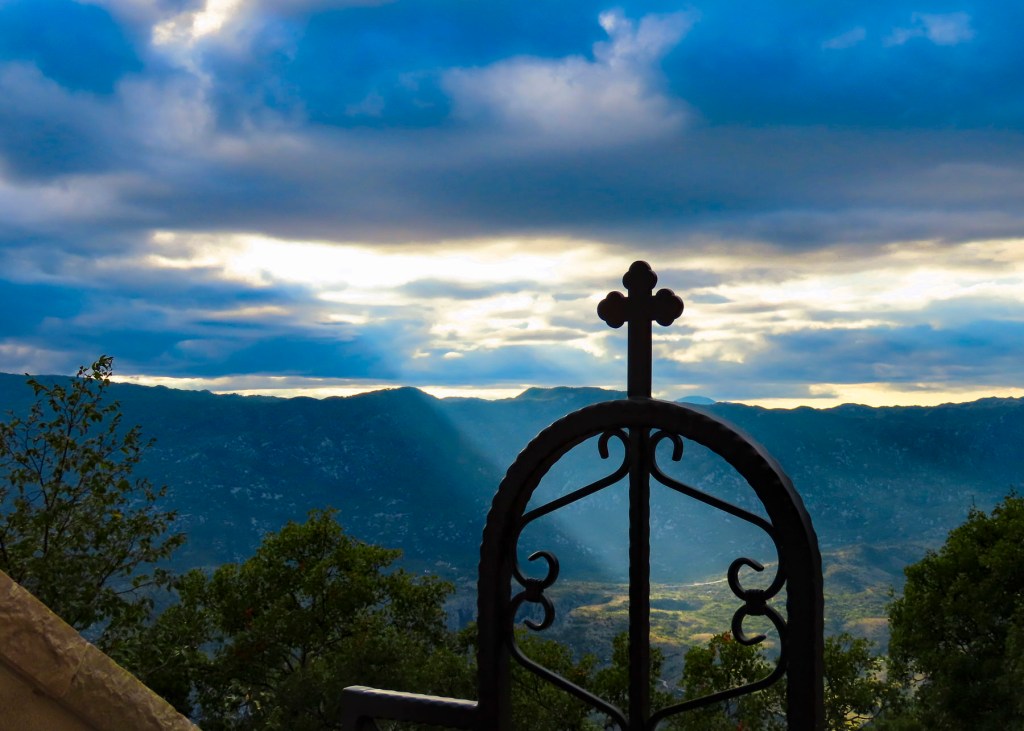
The last stop of the day was at a scenic overlook above Kotor Bay. Montenegro packs a magnificent amount of beauty into a small country and should be on everyone’s radar for an affordable, budget friendly destination.

A week later we rented a car to explore parts of Montenegro on our own.
Till next time, Craig & Donna

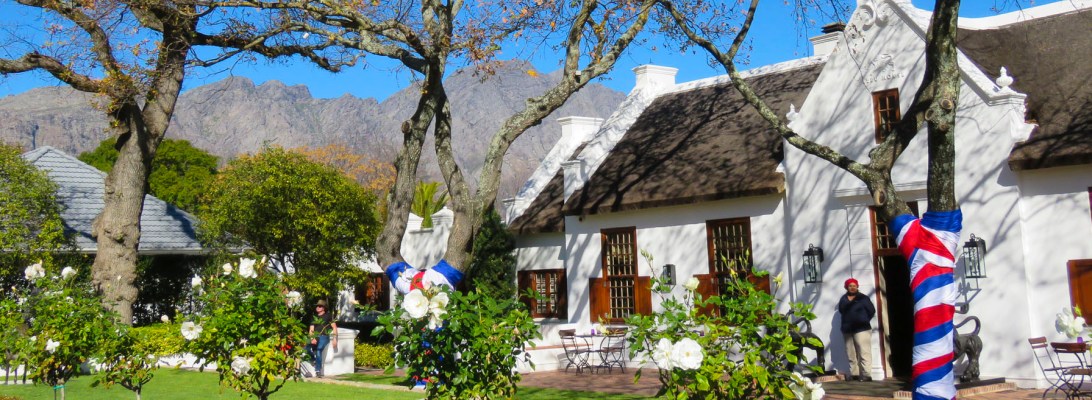
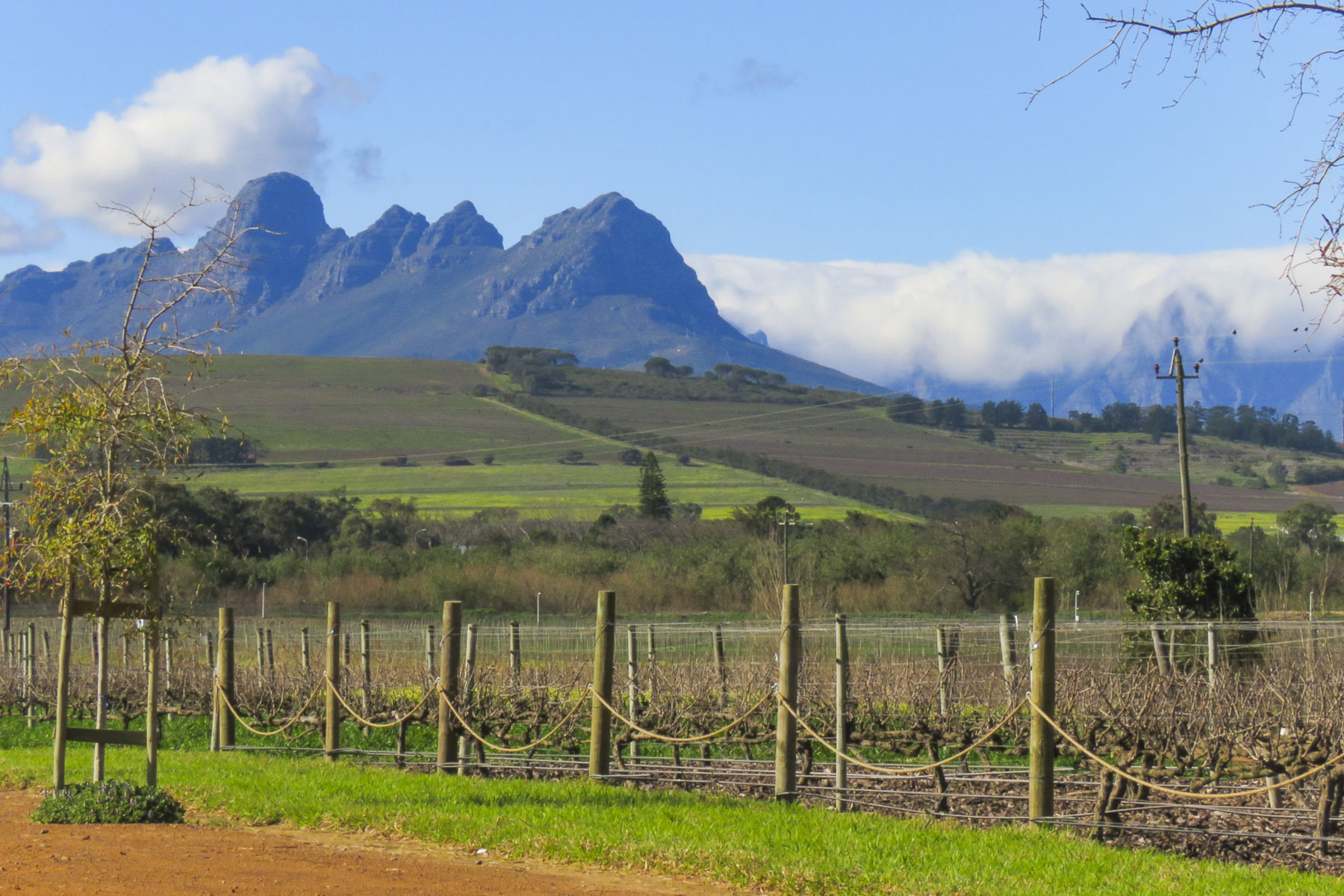 We planned a long weekend to celebrate
  But first we had to get there. Just before our exit off the N2, the silhouettes of several tall sailing ships broke the horizon as if they were crossing an inland sea. Imagining a pirate swinging from a yardarm, we did a quick double take and followed a side road down to the entrance of
  Across the street from the movie studio, our wine tasting started at


 Our room was spacious and comfortable, bigger than several studio apartments we have rented. We spent a little time walking around the pond, watching the weaver birds dart in and out of their hanging nests, before the sunset.


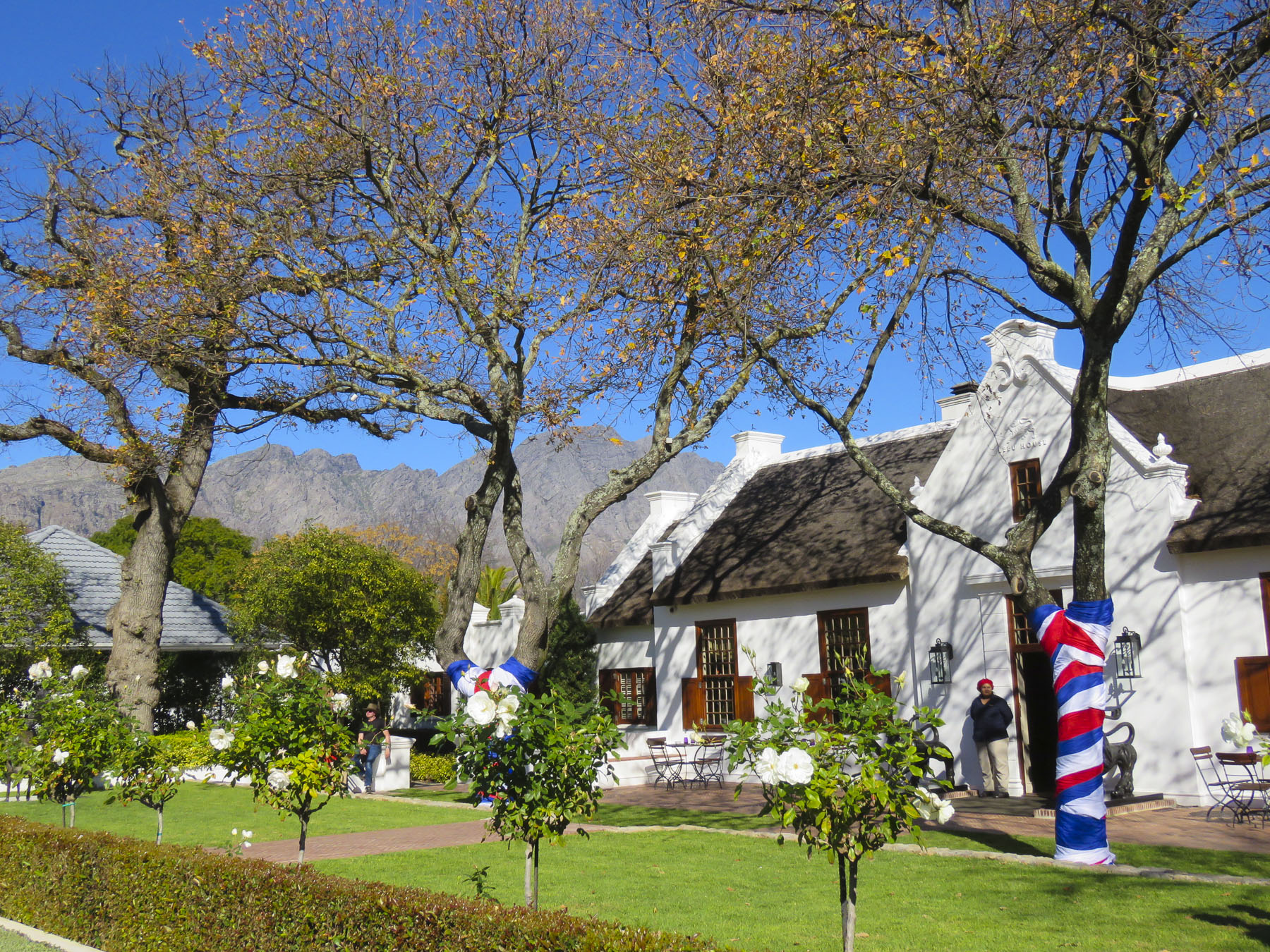 We followed the queue of beret wearing Francophiles draped in colors of the flag, past a vintage car show and a very competitive barrel rolling contest, to the Food & Wine Marquee, where our tickets included a live concert by South African rocker Karen Zoid, two very nice wine glasses, tasting coupons and R20 vouchers to use towards the purchase of food or bottles of wine.


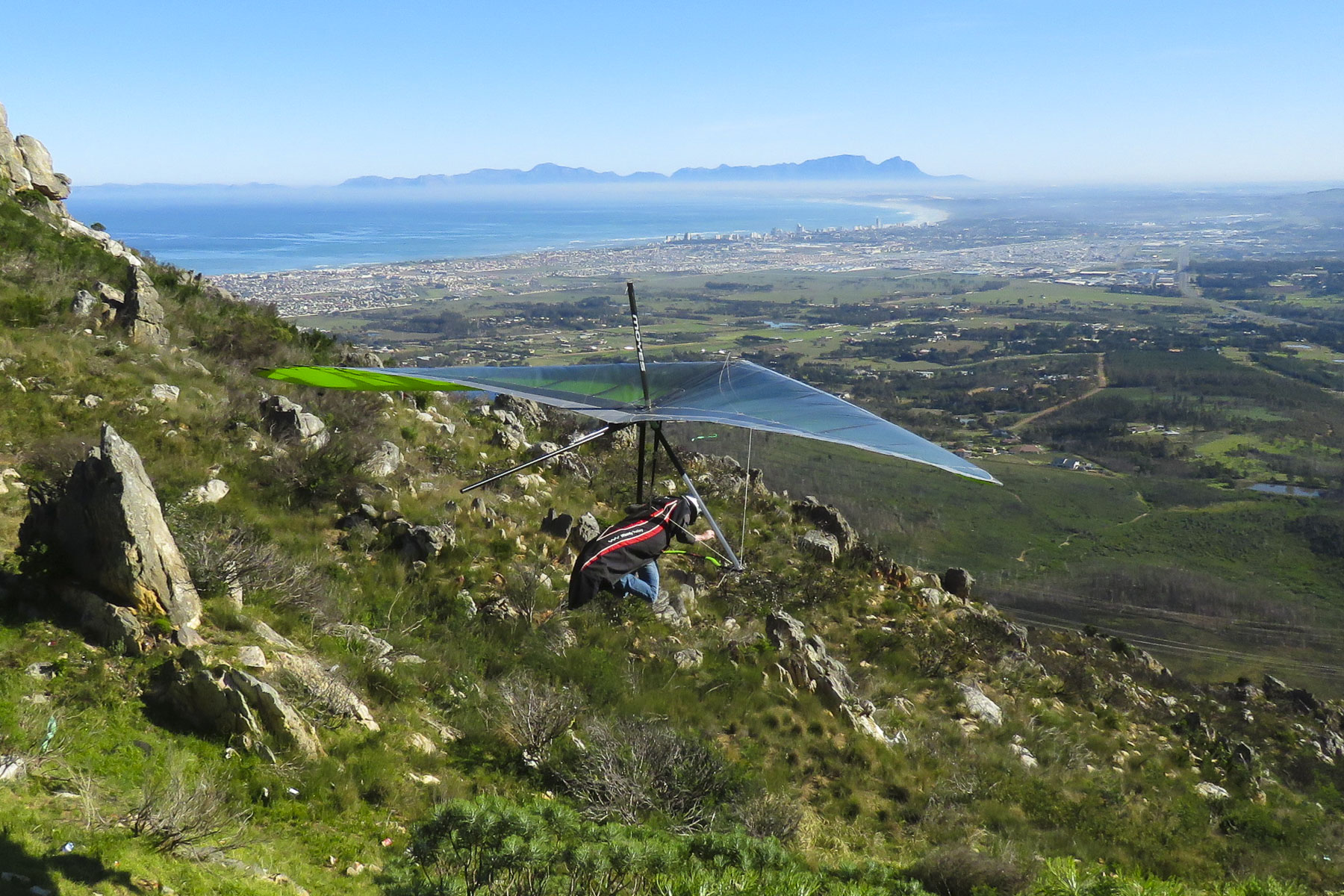 Luck was with us when we pulled into the Sir Lowry’s Pass View Point, in time to see several paragliders launch from the steep slope of the overlook. The view toward the town of Strand, on False Bay, with its long sandy crescent of beach, was incredible. Further on fruit orchards lined both sides of the road for as far as we could see. The valley’s unique climate, cooler and wetter than the surrounding region, is perfect for the local orchards to blossom. Today the Elgin region produces 65% of South Africa’s export crop of deciduous fruits.
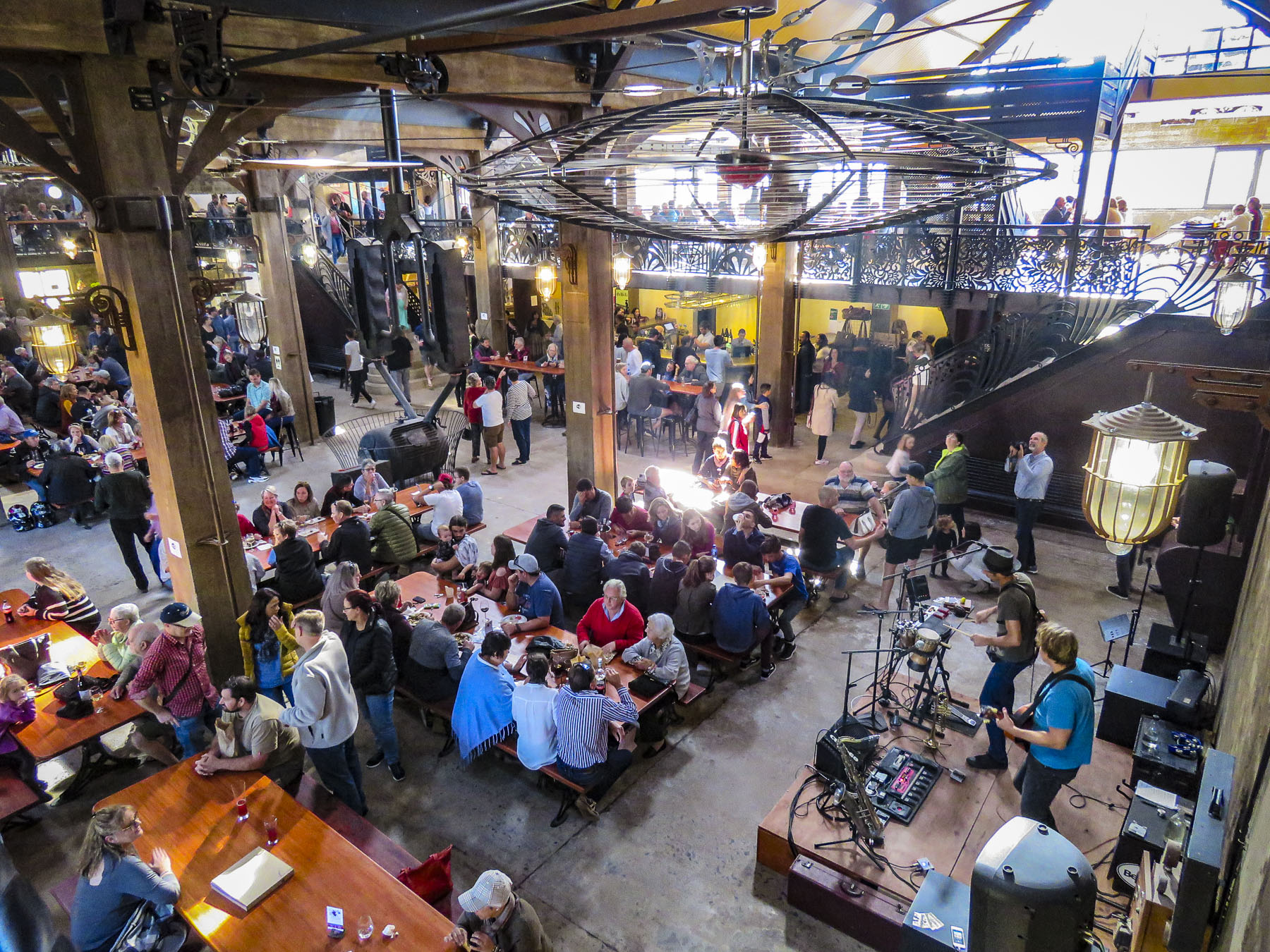 We were working our way to the
  Located directly across the street from the ocean, the
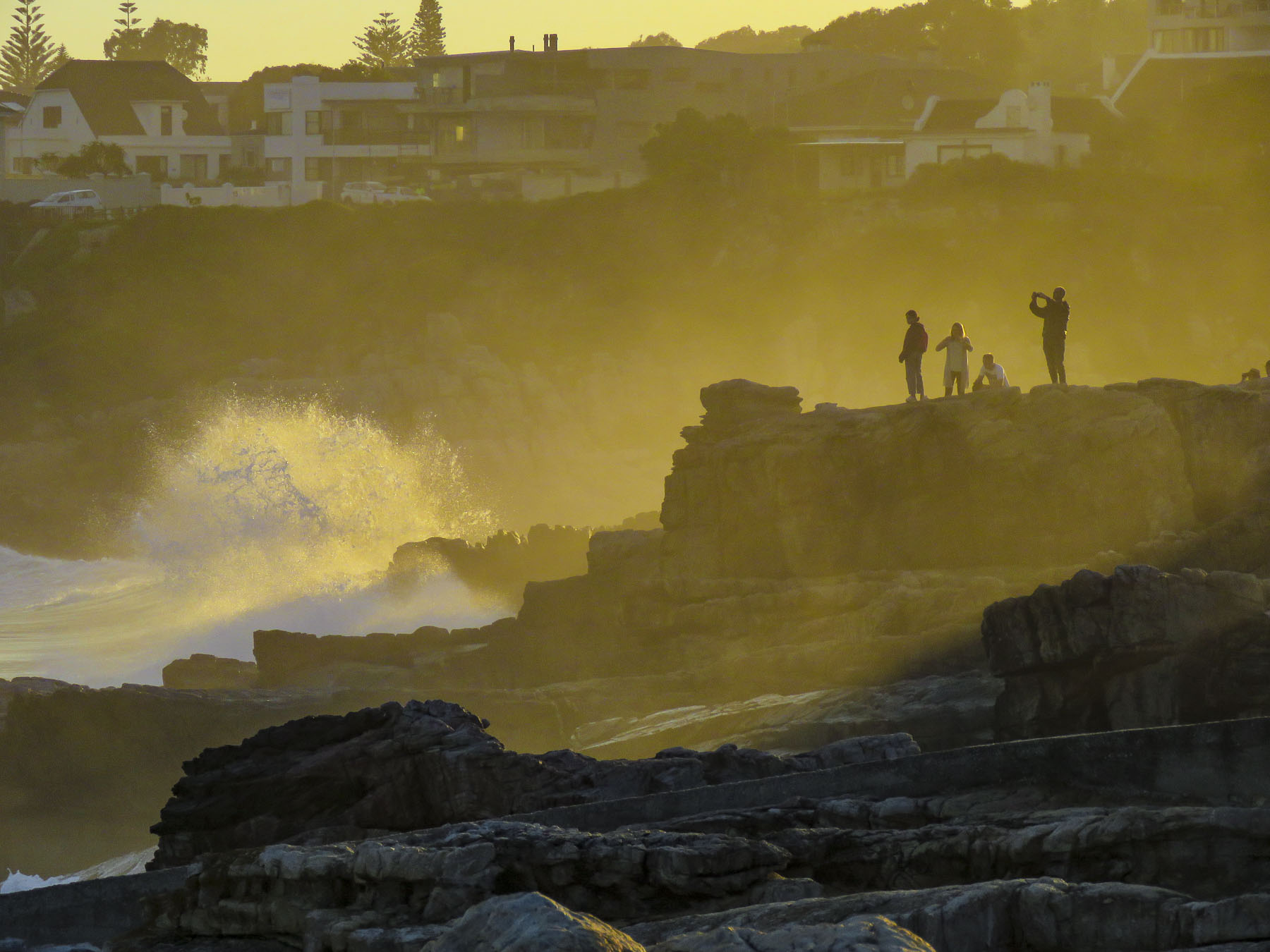
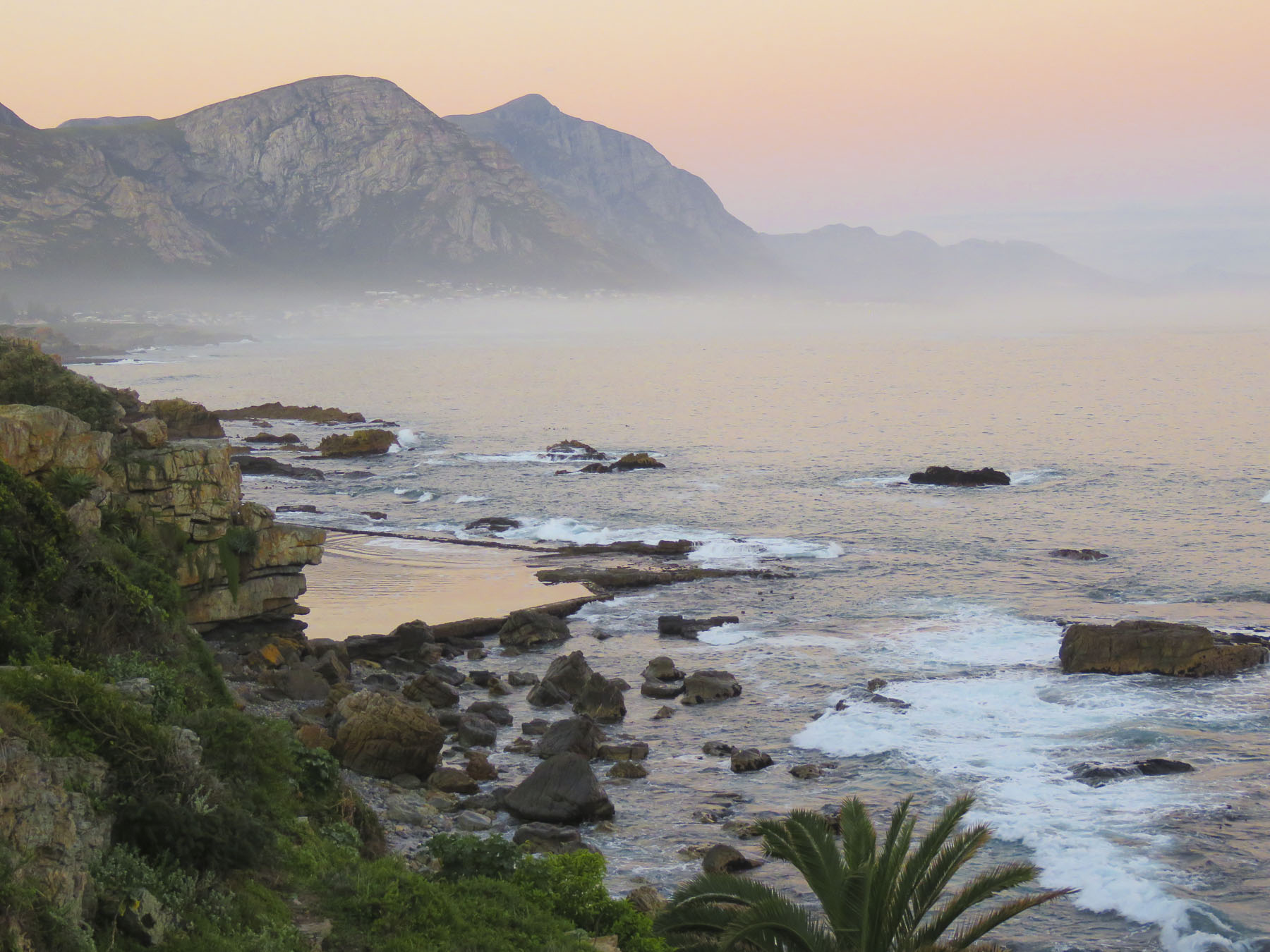
  Walker Bay’s thunderous waves crashing against the rocky coastline were spectacular with their large sprays as we walked along the Hermanus’ Cliffside Path to Gearing’s Point, a scenic overlook, hoping to spot whales. Our Cape Town friends had mentioned that it’s often possible to sight Southern Right Whales from the shore here during their June to November calving season, after which they head back to the waters of Antarctica.
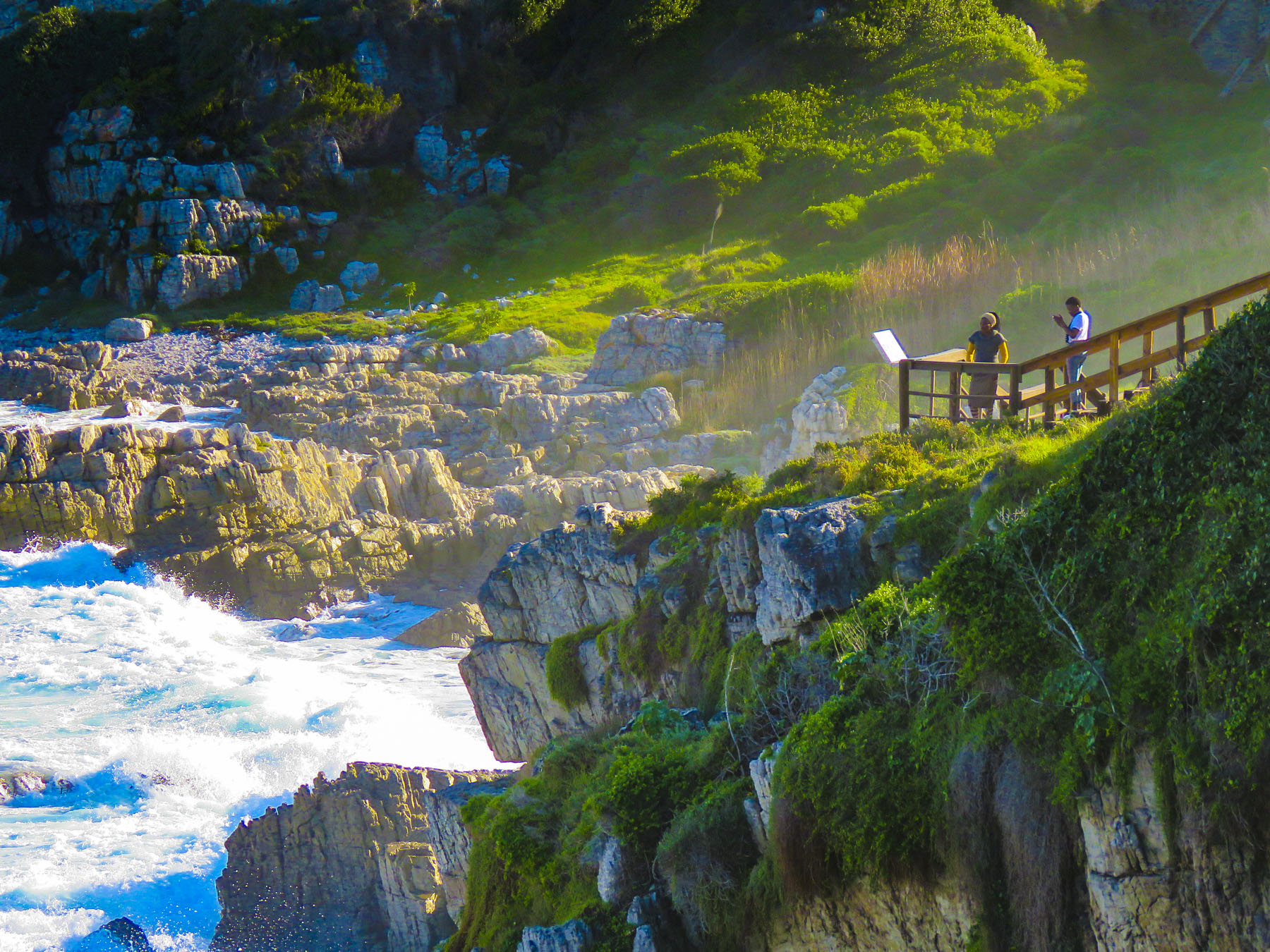 It’s a well-defined trail, with cement, dirt and boardwalk sections, that starts at the village’s New Harbor and hugs the coast for 7.5 miles, ending at the Klein River Estuary. Five miles of the path are wheelchair accessible. In some places it passes under trees twisted to grow almost parallel to the ground, by the fierce South Atlantic winds that blow in from Antarctica.

 The seascapes from the cliffside path were beautiful, but we hadn’t spotted any whales and the village’s whale crier wasn’t sounding his kelp horn. Yep, what started as a publicity stunt has become tradition and Hermanus has had an official, and the world’s only, whale crier since 1992.
  In 2016 the movie The Whale Caller was adapted from South African author Zake Mda’s 2005 novel, of the same name, which has the whale crier as the central character.

 With skipper Emile at the helm, the first mate tossed the mooring lines to the dock and we departed onto a gently rolling sea. Phillip, a registered naturalist with a delightful wry sense of humor shared his love of the sea with us. “There’s a good chance we’ll see Southern Rights today. We spot them by their distinctive V-shaped blow and the callosities (clusters of barnacle like growths) on their heads. We may also see Africa Penguins, Fur Seals, Dolphins, migrating Humpback Whales and resident Bryde’s Whales.” Psyched now, all eyes scanned the horizon for any telltale signs of these gigantic, yet elusive creatures.

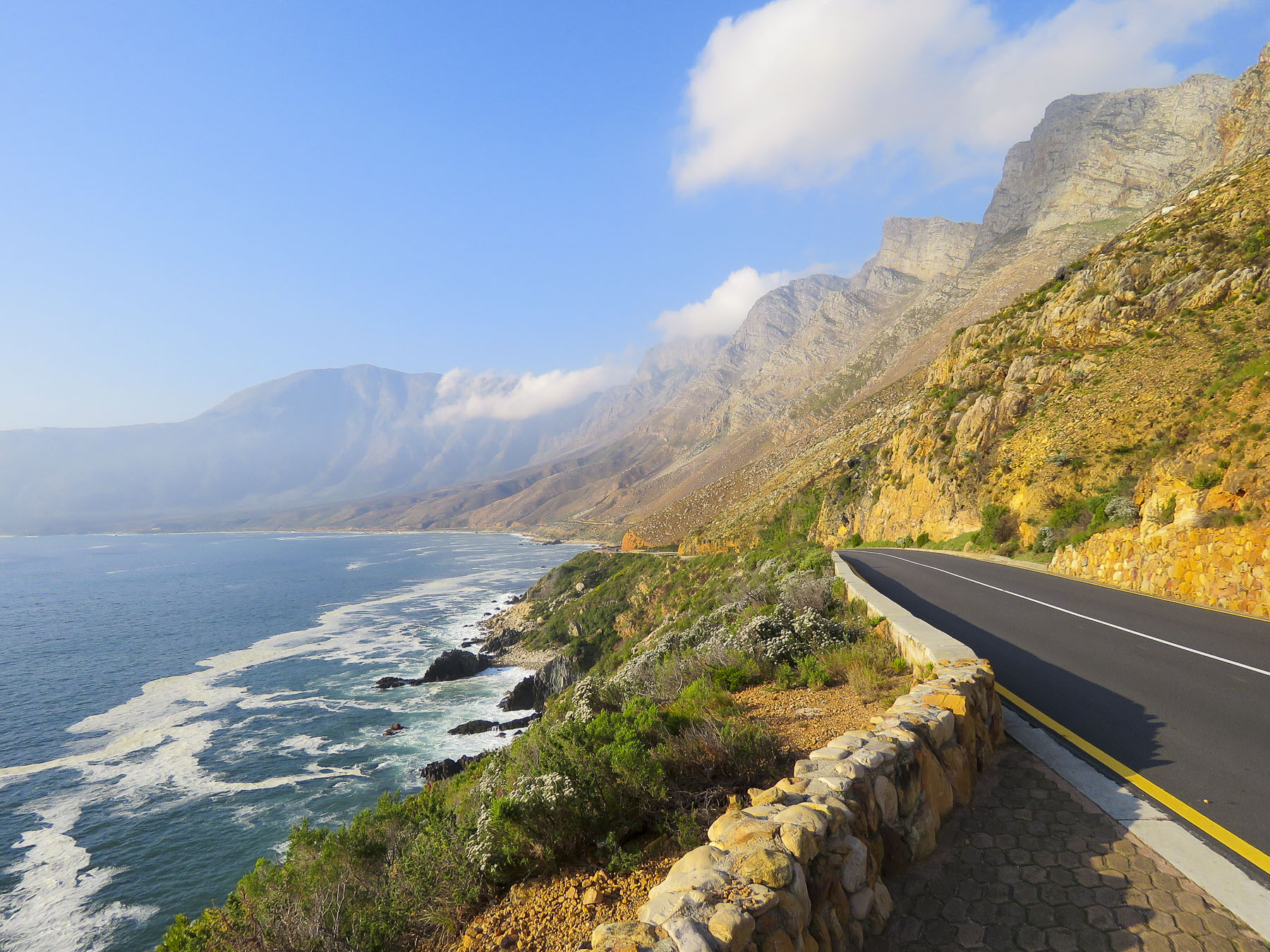 Heading back to Cape Town late the next day, we followed the scenic R44 coastal road through the seaside villages of Kleinmond, Betty’s Bay, Pringle Bay and Rooi-Els as the golden hour was approaching.
 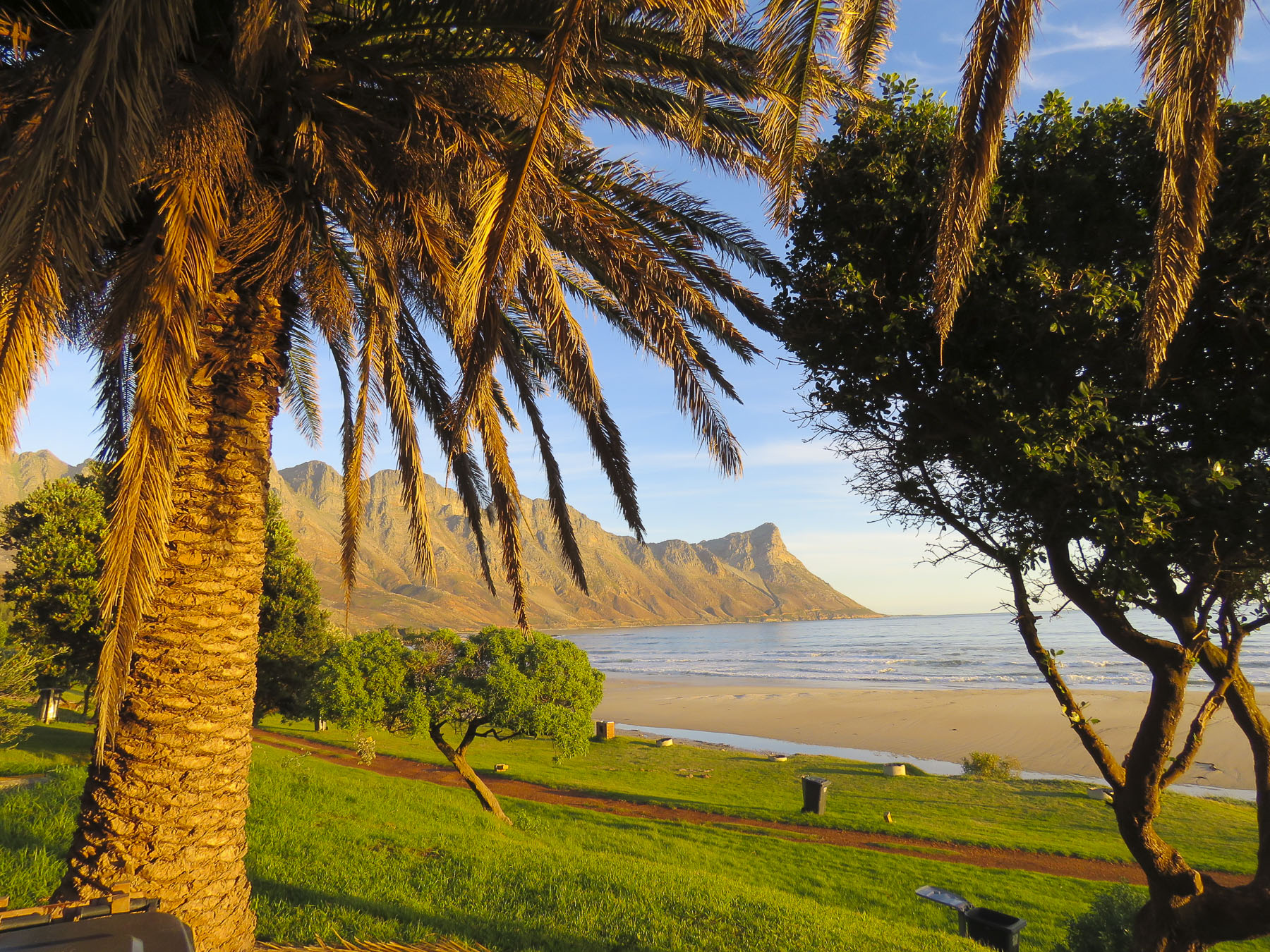 Each turn of the road offered a dramatic view of the coast and we stopped many times for photos. We merged back onto the R2 at Gordons Bay just after sunset for the ride the rest of the way back to the city.


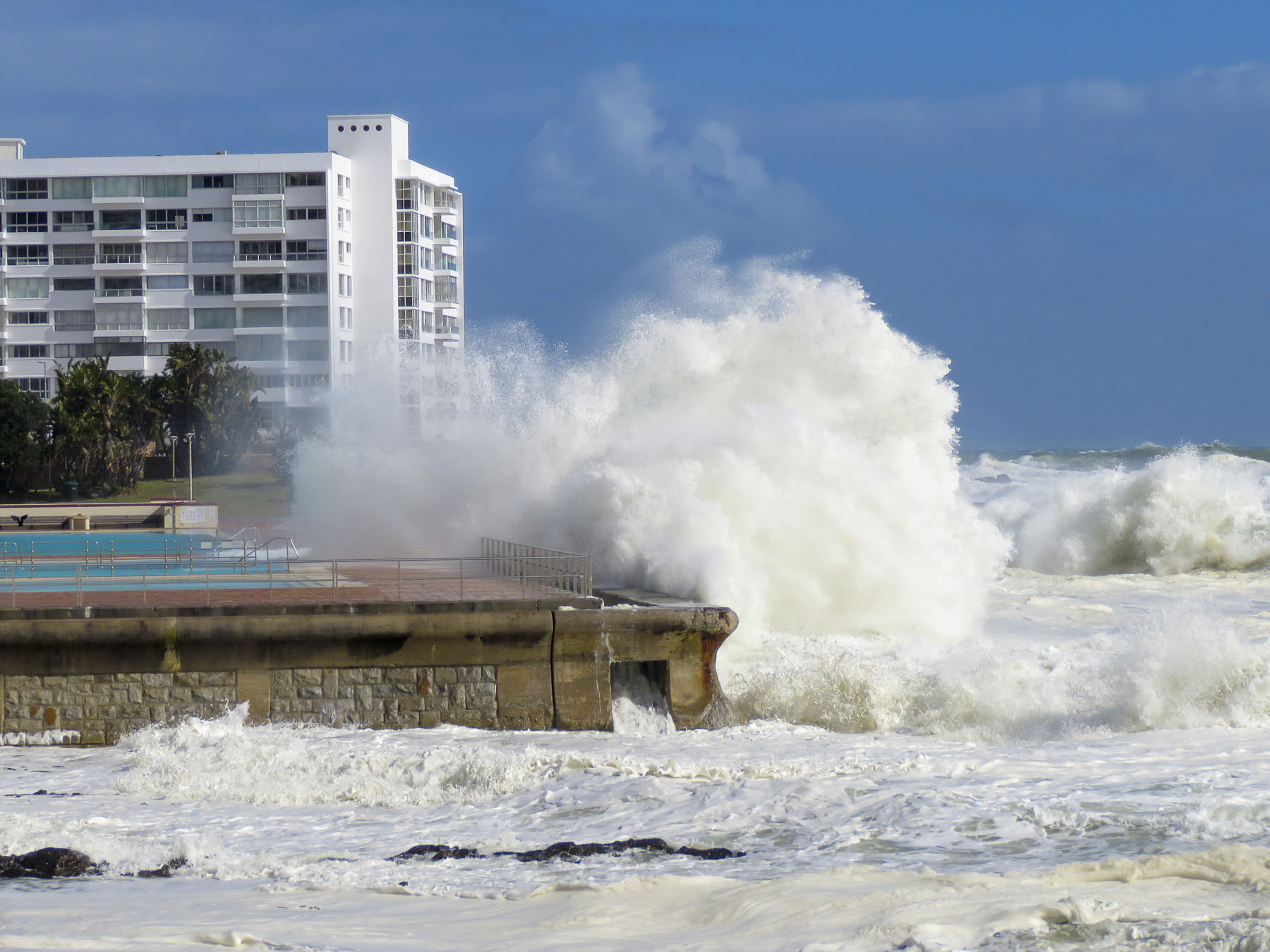 After our last apartment in the “Mother City,” on Bree Street, we moved to the Sea Point neighborhood and as its name suggests, it hugs the coastline under Signal Hill and Lion’s Head Mountain. Finding the ideal apartment for our last 30 days in Cape Town required a bit of detective work on our part though. One of the draw backs of using Airbnb is that it does not provide the specific address of a property until you actually book it. So, while the interior photos of a listing might be charming, its exact location could be anywhere within a five-block radius of a dot on the map, unless the host gives hints in the apartment description.
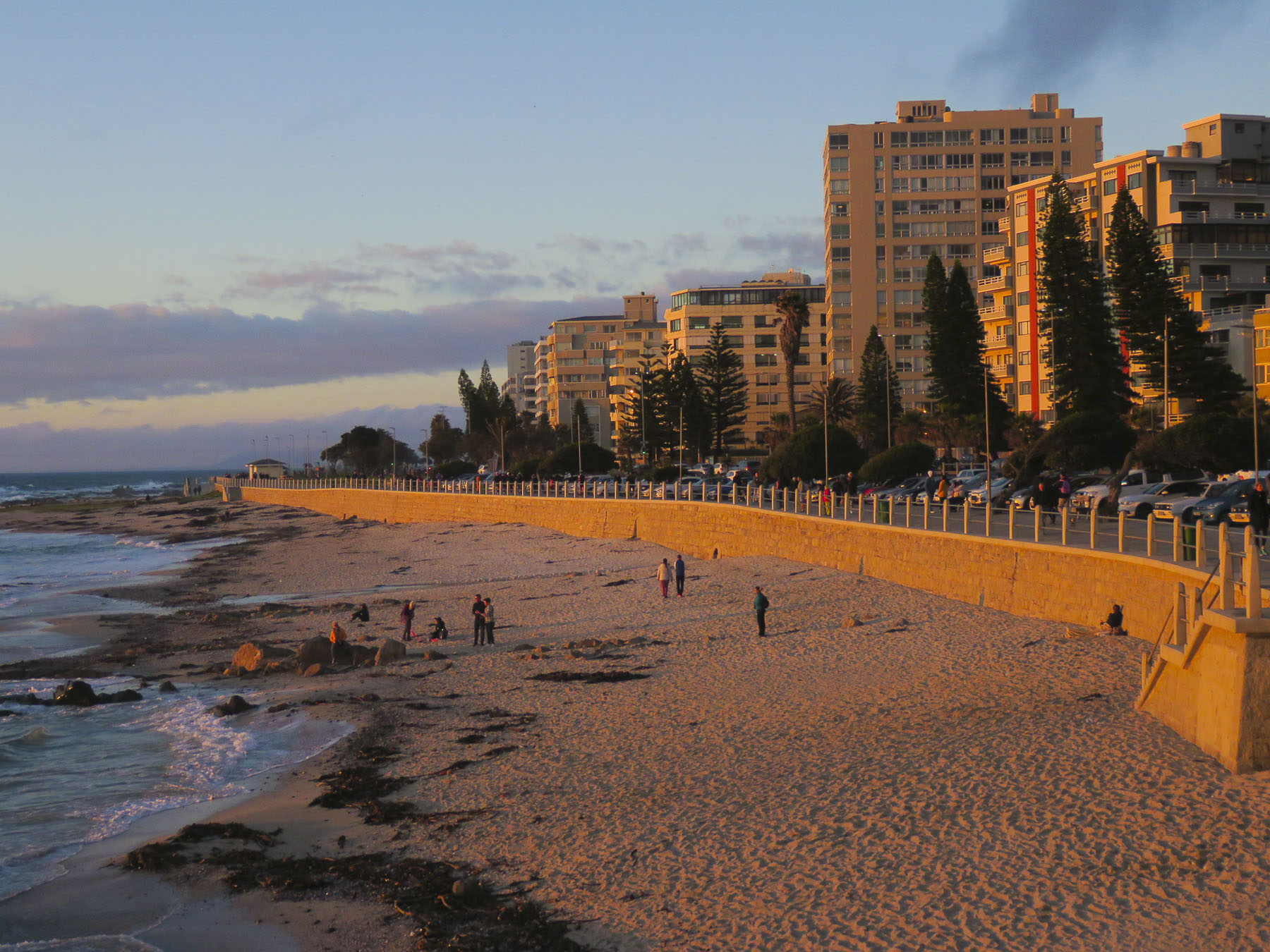 In Sea Point this could mean on the water or nowhere near it. But with a little sleuthing regarding our final three choices, we were able to determine which one was right on the waterfront. Our reconnaissance of the neighborhood paid off and we booked a sixth-floor one-bedroom apartment with a terrace, that had an ocean view for dramatic sunsets and inland views of the paragliders launching from Signal Hill.
  It was the perfect location across from the Sea Point promenade. The lively Mojo Market, with numerous food stalls and live music seven nights a week, was just around the corner. Here we enjoyed the best fresh oysters and mussels in sauce at The Mussel Monger & Oyster Bar while sipping South African wine or local craft beers as the nightly band played.
 It’s actually possible to walk along the promenade from the V&A Waterfront all the way to the Camps Bay Beach. It’s a little over six miles in length, but it’s a popular stretch of sidewalk, which locals call the Prom.


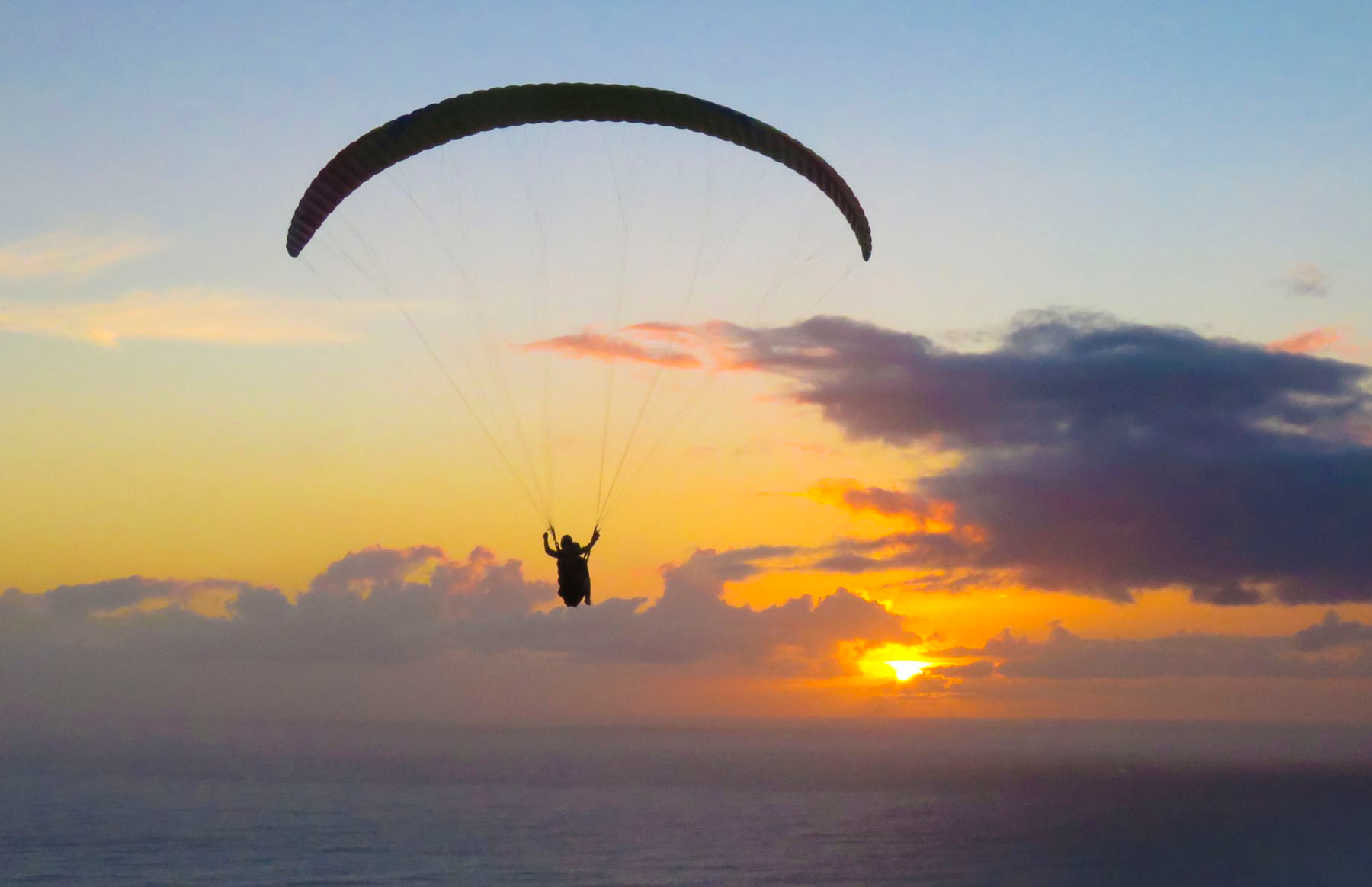
 Weather permitting, paragliders seemed to launch in rapid succession all day long from Signal Hill, first riding the thermals along the ridge towards Lion’s Head before turning back and gracefully spiraling down over the rooftops of Sea Point to land in a grassy park next to the promenade.
 We transitioned easily into our new neighborhood, finding three grocery stores and
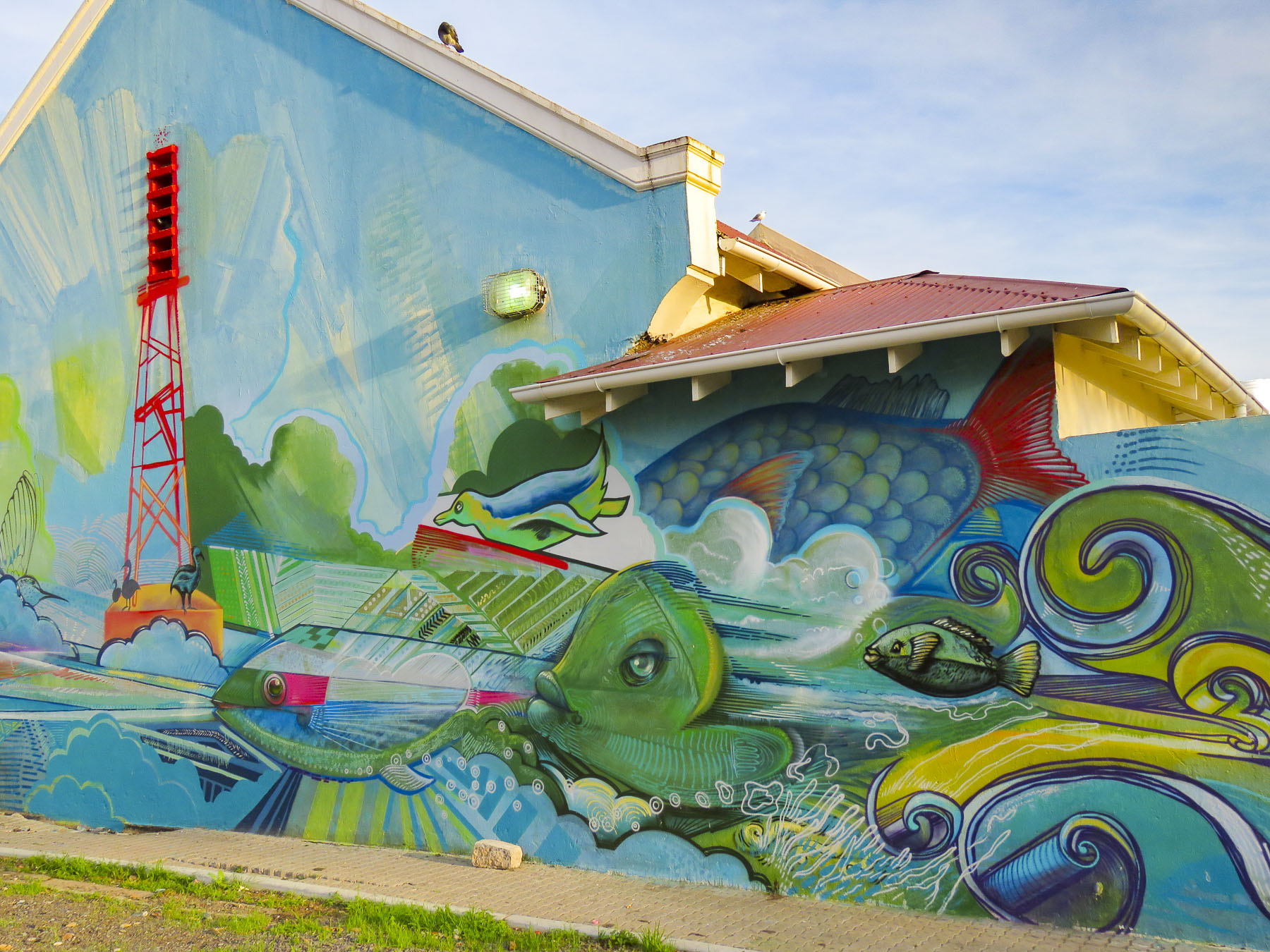
  Cape Town artists will paint anywhere and the walls of the underground parking garage at the Pick ‘n Pay – Sea Point were the perfect canvases for some incredibly talented street muralists. Sadly, we don’t think enough folks see these hidden works of art.


 In Hout Bay, time flew by at the


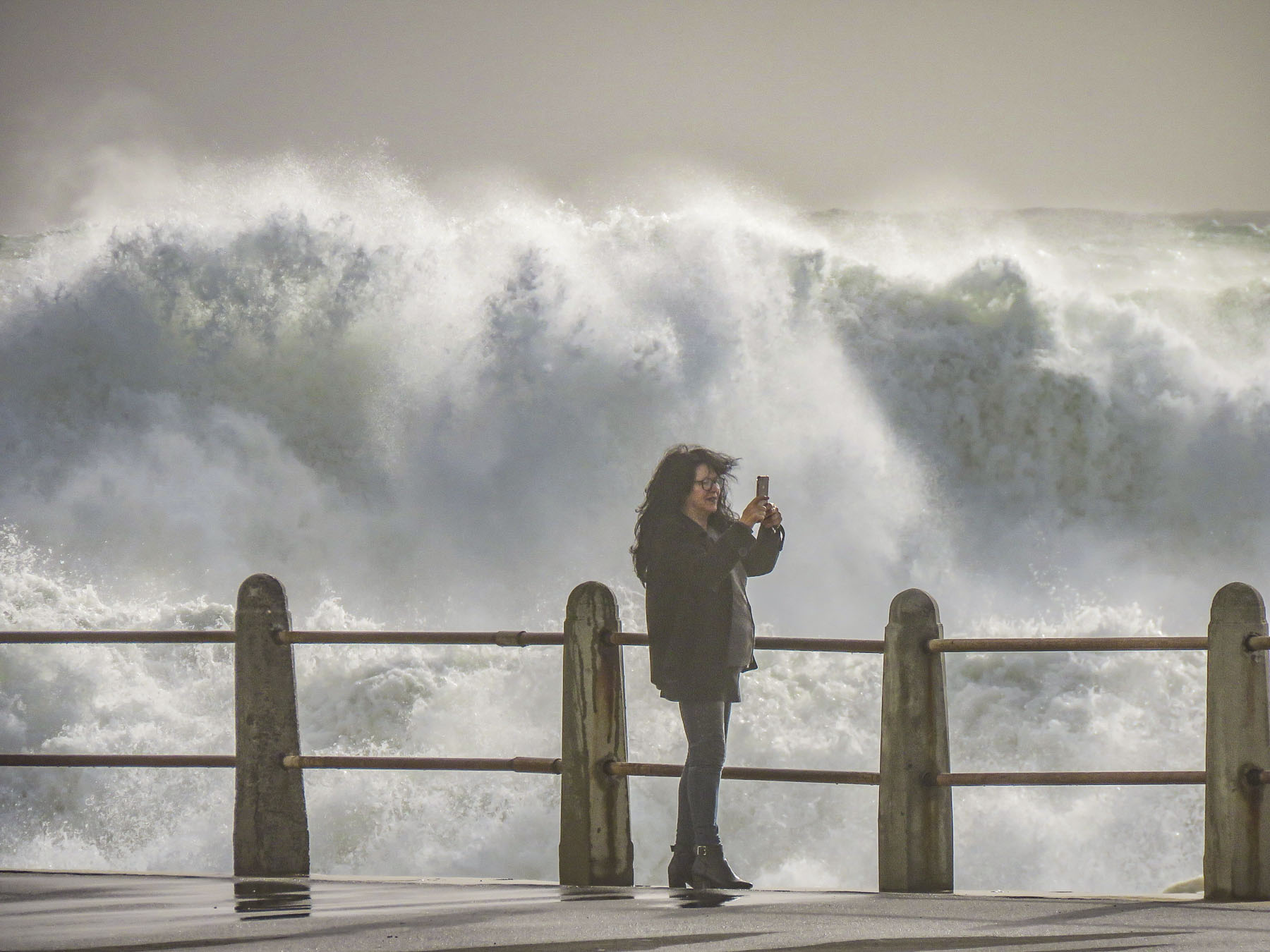
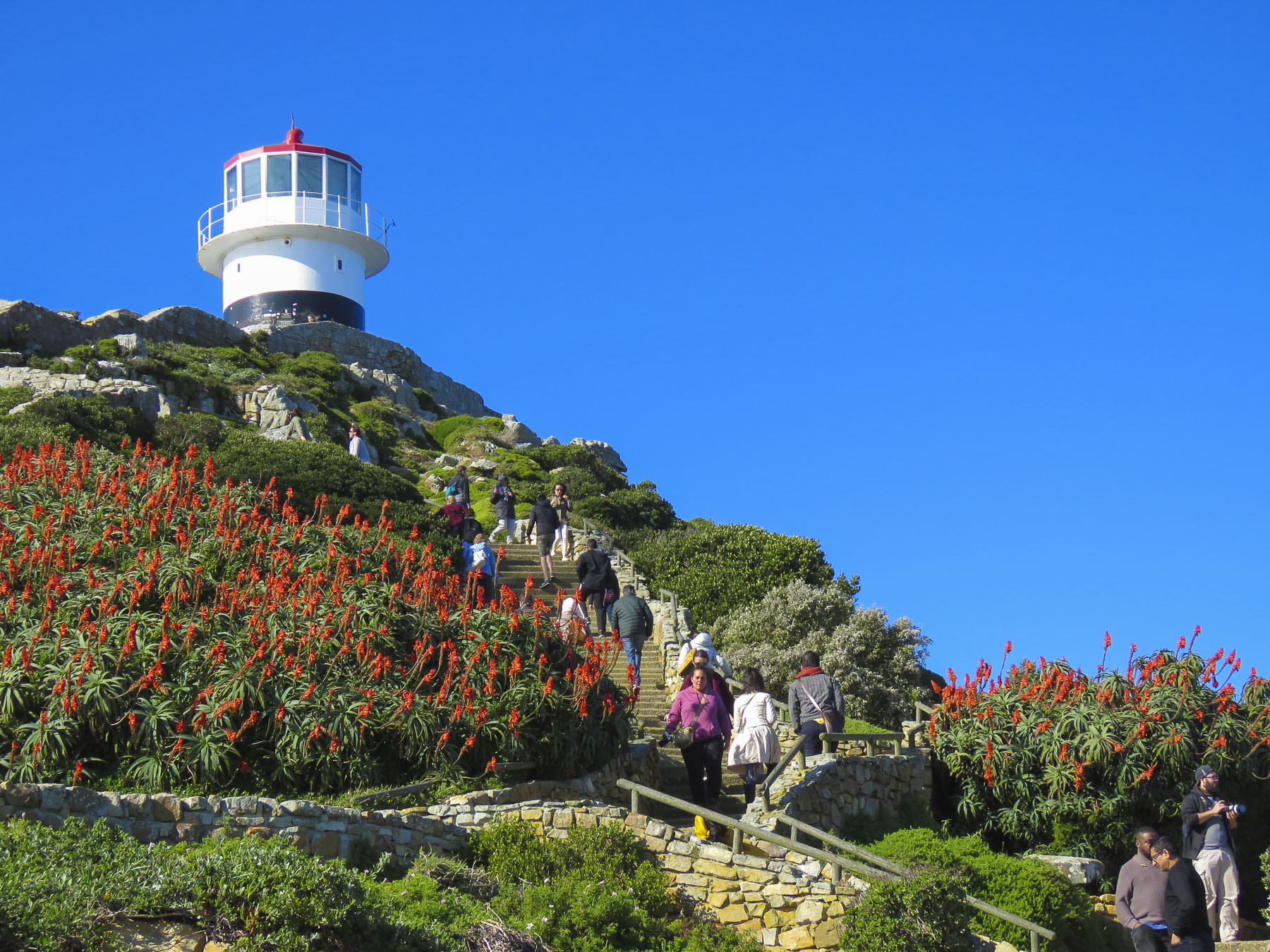 The wind was so strong it made it impossible to hold the camera steady. We soaked in the views as long as we could before the buffeting winds forced our retreat. Sitting outside at the snack bar we were astonished to witness a baboon snatch an ice-cream cone from a young boy and then gobble it up with great delight.
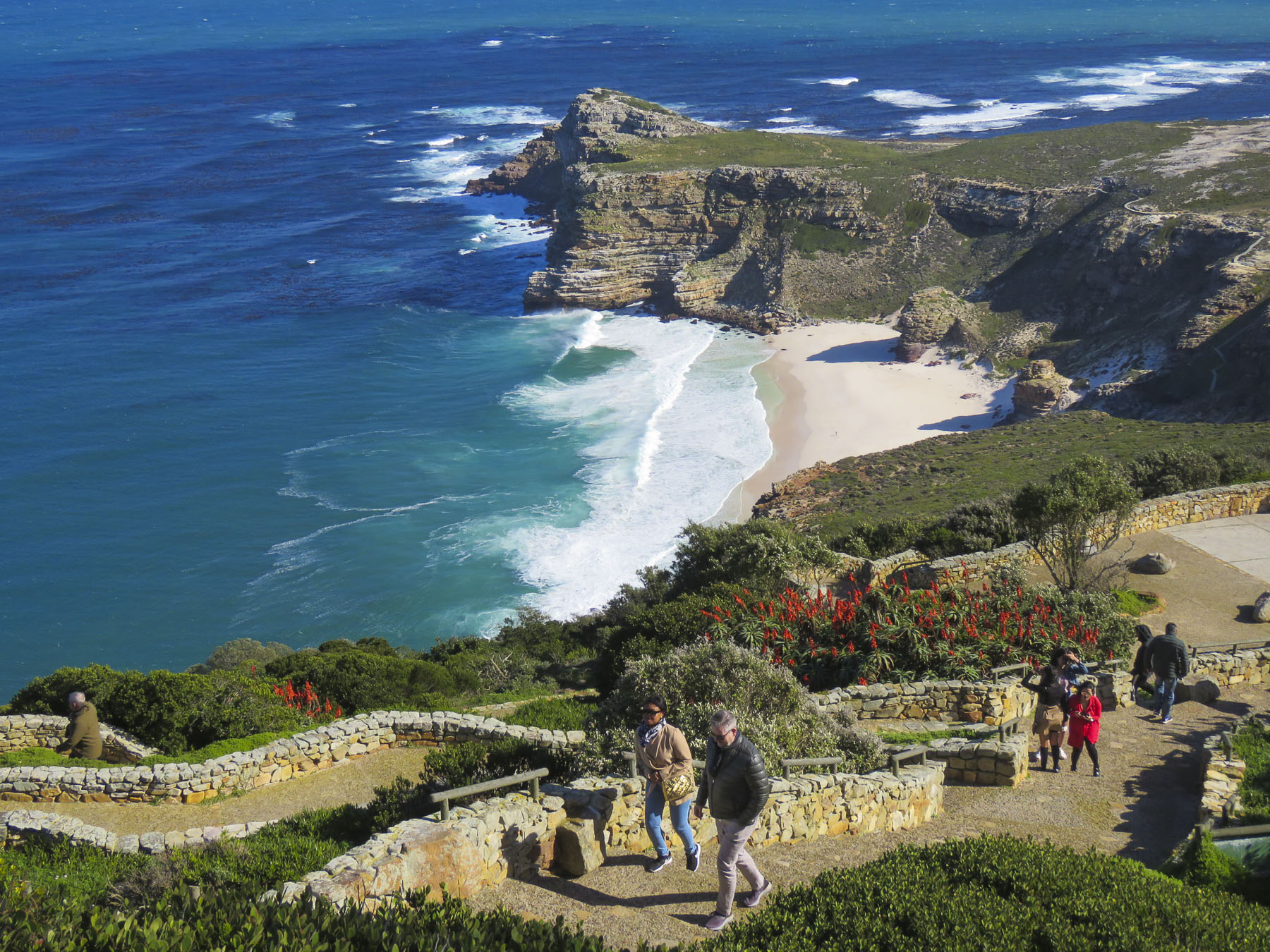 We revisited the Simon’s Town area several times, because to see all the spots that interested us required more than one day. The big draw to Simon’s Town was the Boulders Penguin Colony. This is a restricted reserve where visitors must stay on the boardwalk in the viewing areas. Our timing was perfect as penguin chicks had recently hatched and could be seen at the nests snuggling against their parents for warmth. The beach was full of activity, with different groups of penguins doing their best Charlie Chaplin struts into or out of the turquoise waters of the bay.


 One morning in late July we opted to try a whale watching tour again, this time from the Simon’s Town waterfront, hoping to see some tail slapping or breaching action that was elusive in Hermanus earlier. Alas, we only viewed one tail slap on this trip. As much as the tour operators want you to believe July is a good month for viewing whales, based on our disappointing experiences we’d suggest waiting till later in August or September for more certainty when larger whale pods return to the waters of False Bay. But it was a smooth day at sea, cruising along a dramatic coast and we did get to view a large colony of sea lions on some offshore rocks.


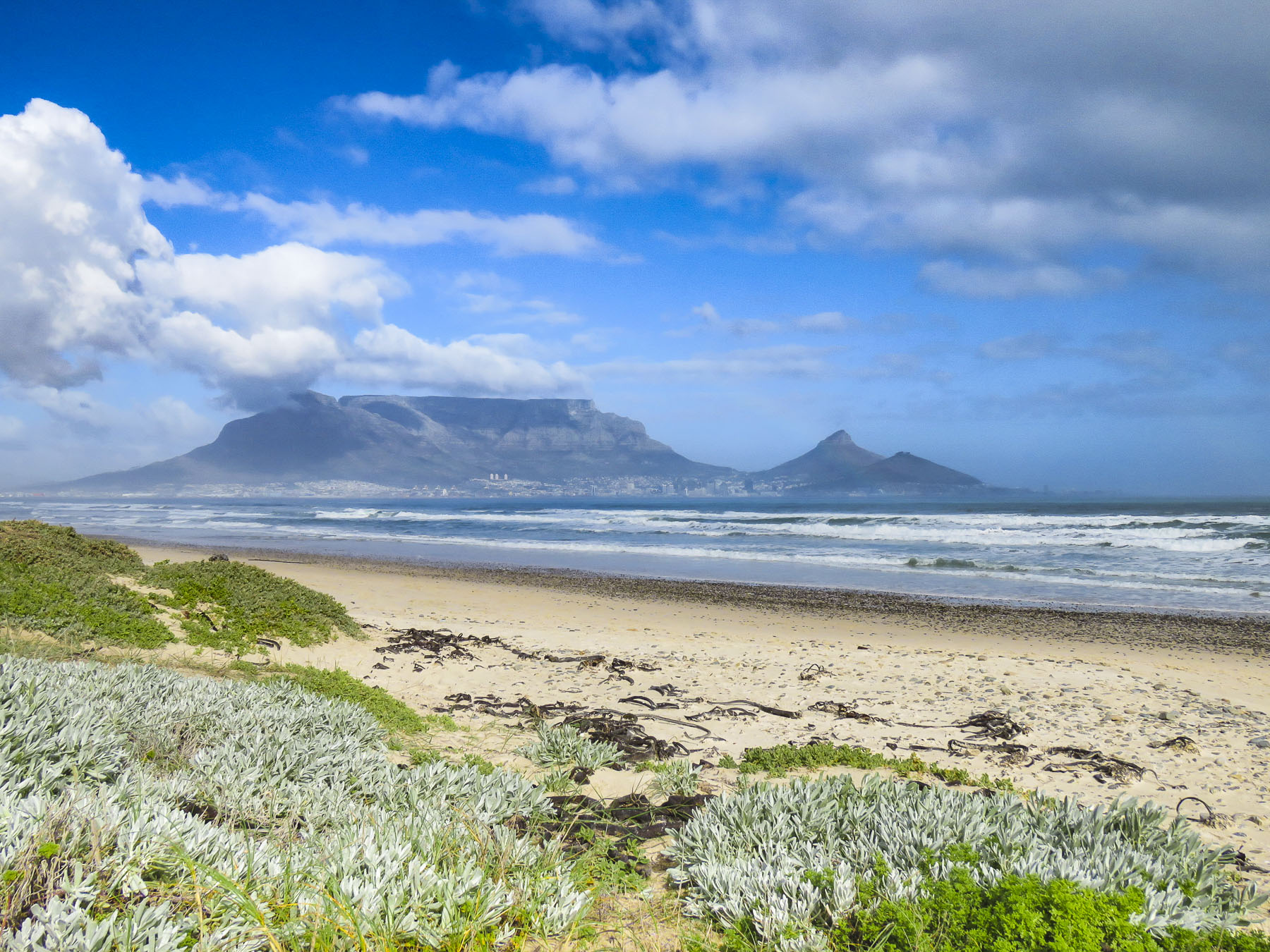 Once outside of Cape Town the R27 cut a desolate track through a rolling landscape of open fynbos with scarcely a tree to be seen. Every so often the head of an antelope or ostrich could be seen emerging above the bushes on either side of the road. The heather clad landscape eventually gave way to pastureland speckled with sheep and wheat fields.
 Paternoster is one of the Western Cape’s oldest fishing villages, dating from the early 1800s, and is said to have gotten its name from Portuguese sailors who evoked the Lord’s Prayer to save themselves from shipwreck off its coast. The area was first explored when Vasco da Gama landed nearby in Helena Bay, in 1497. By then the area had been inhabited by the indigenous Khoisan for thousands of years. Hunter-gatherers, they harvested dune spinach, an local vegetable, from the beaches, and shellfish from the area waters, and they left behind middens that have been estimated to be 3,000-4,000 years old. The harvesting of the ocean’s bounty continues, with fishermen still launching their small boats into the sea from the beach and returning with fish and lobsters. As you pull into the village it’s not unusual to see fishermen selling their day’s catch from five- gallon buckets at the town’s intersections, where they hoist live lobsters aloft and yell “kry hier kreef!”, Afrikaans for “get some lobster here.” Aside from the picturesque whitewashed and thatched roofed fisherman’s cottages along a white sand beach dotted with boulders, there’s not much to this sleepy fishing village, except for some reportedly excellent seafood restaurants that were unfortunately closed the winter day we visited.
 A short way out of town we followed a dirt road to the Cape Columbine Lighthouse. Built in 1936, on an outcropping of boulders called Castle Rock, it’s one of the last manned lighthouses in South Africa. “Seniors are free,” the lighthouse keeper, a senior himself, announced, as he pointed us to a set of stairs that eventually led to a very tall, steep wooden ladder. The panoramic view from the top was brilliant and, as expected, breathtaking. Getting down was a little more challenging than getting up. It was a kind of “make it or break every bone in your body if you don’t” situation. We’ve found in our travels around the world that folks in other countries can do all sorts of risky things, that in the states wouldn’t be allowed for safety concerns. Overseas it’s all about being responsible for your own safety. “See you at the bottom,” Donna said as she agilely maneuvered on to the ladder. “One way or another,” I grimaced in response. For me, with a fearful respect for height, it was all about that first step down.


 Unbeknownst to us, Bree Street is considered “Cape Town’s hippest street.” The area is in the midst of gentrification with numerous restaurants, bars and cafes scattered between high-end boutiques, art galleries, mechanic shops, plumbing supply stores, classic car and motorcycle showrooms, along with marine and industrial supply stores. And I swear all the above seem to offer luscious cappuccinos!


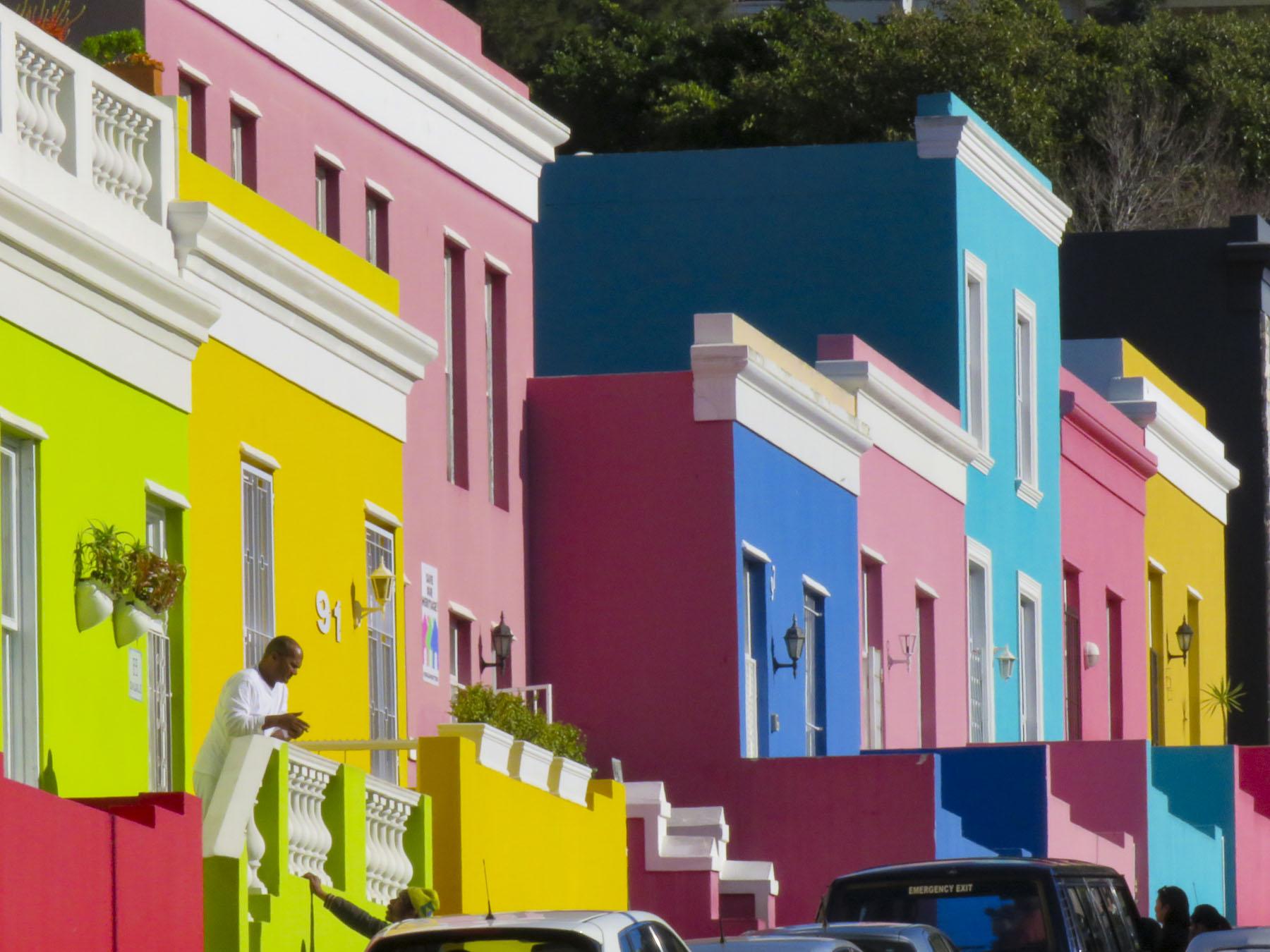 Formerly known as the Malay Quarter, the colorful homes of the Bo-Kaap neighborhood, located between Signal Hill and the city center, were only a few blocks away. One of the oldest continuously inhabited neighborhoods in the city, the first homes were built in the 1760s as housing for mostly Muslim slaves, who were brought by the Dutch from Malaysia, Ceylon and Indonesia to work. The neighborhood grew when slavery was abolished throughout the English empire in 1833. It’s said the houses were then painted bright colors as an expression of newfound freedoms. The neighborhood is home to the Auwal Mosque, the first built in South Africa in 1794 and still in use today. In 1957 the apartheid government declared Bo-Kaap a Malay Only Area and forcibly relocated everyone else. The pressure continues today under the new guise of gentrification. Bo-Kaap means “above the Cape” in Afrikaans and with its stunning location on the lower slope of Signal Hill and its close proximity to the Cape Town Business District, it has become a very desirable location. Old time residents fear the heart of Bo-Kaap will disappear and it will just become a façade of brightly painted buildings.
 We walked the hilly, cobbled streets of Bo-Kaap several times, enjoying its cityscape. One day we encountered a small flock of sheep grazing, within sight of the city’s skyscrapers, as we made our way to the Noon Gun, a naval cannon fired once a day, every day for over two-hundred years.
  Originally it was a signal for ships in the harbor, back in the day when they used sextants to navigate, to set their chronometers which were used to help calculate longitude. Critical stuff when you are navigating around the treacherous Cape of Good Hope. It’s a tradition that has survived the Dutch, English and apartheid.
  The Cape Malay community has contributed greatly to establishing Cape Town as a foodie’s destination with a cuisine that embraces exotic spices. Cinnamon, cardamom, ginger, cloves, mustard seed, chili and roasted fenugreek seeds all flavor various curries, bobotie, biriyani, rendang, and samosa recipes that have endeared themselves to Capetonians.


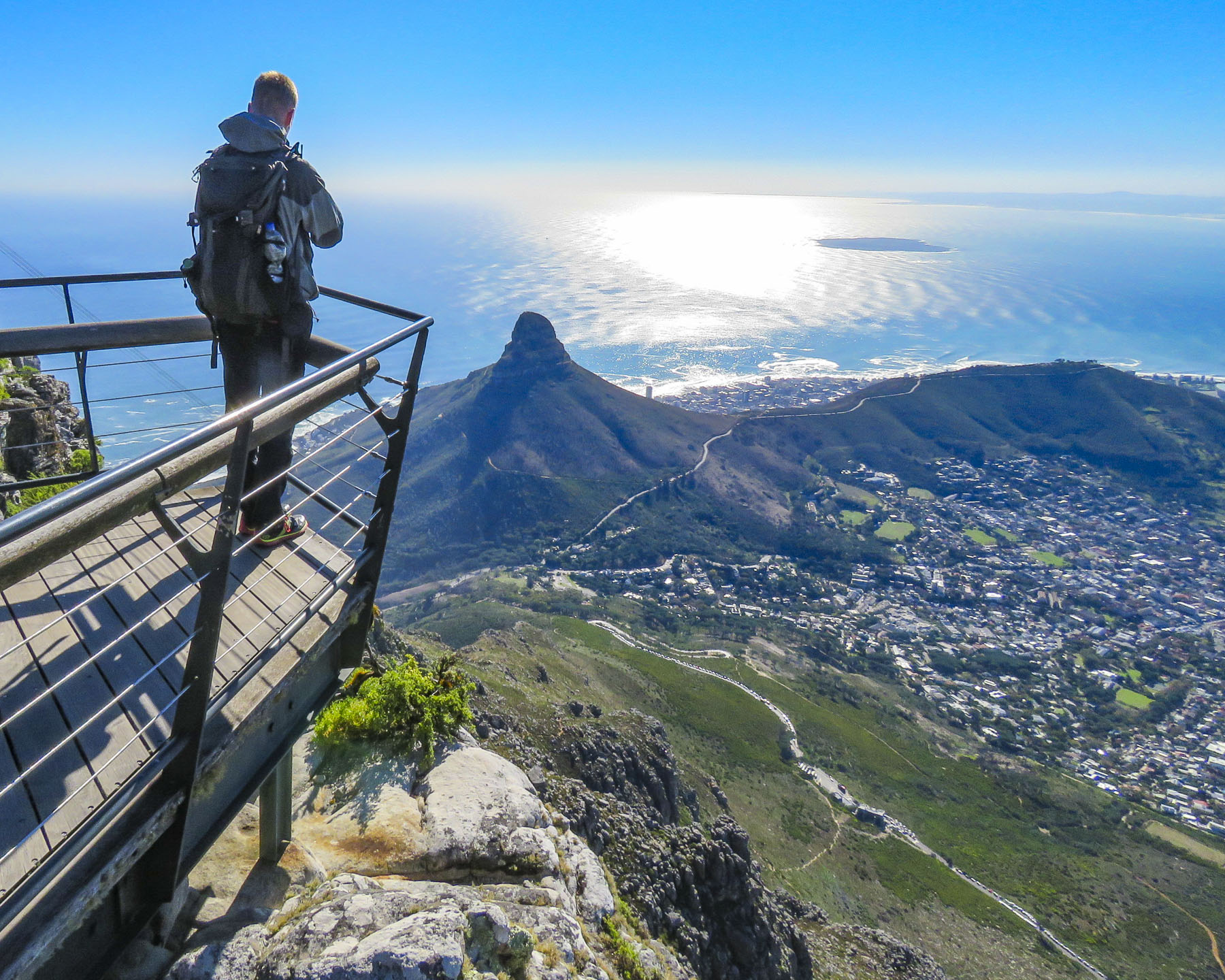 Renting a car made it easy for us to reach points farther afield in Cape Town and its outlying districts. Our day trips included taking the cable car to the top of
  One morning we walked through the


 After our morning at the botanical gardens we headed over to Woodstock for lunch at

 We returned to Woodstock to check out The Neighbourgoods Market, a Saturday only food event, at The Old Biscuit Mill, a renovated mixed-use industrial site with offices, galleries featuring local artisans, vintage shops and eateries. If you need a retail therapy fix, this is the place to head. They have an interesting photography store called

 James Michener’s play South Pacific, an appropriate story for the times about diversity and acceptance, was performing downtown at the
  “You must attend a rugby game while you are here, it’s so South African. The playoffs are next weekend.” So Vincent, Donna’s friend from seminary, took us to our first rugby match. We are not sports fans and typically avoid watching any sports on TV. But this playoff match between the hometown favorites the Stormers and the underdog Sharks from Durban was a fascinating contest of almost continuous play; there was never a dull moment. Shockingly, the underdogs pulled off a surprise victory in the final second of the game and earned themselves a spot at the Rugby World Playoffs in Canberra, Australia.

 Muizenberg beach is renowned for its gorgeous stretch of sand, colorful beach cabanas on False Bay and interesting streetmurals scattered about town.


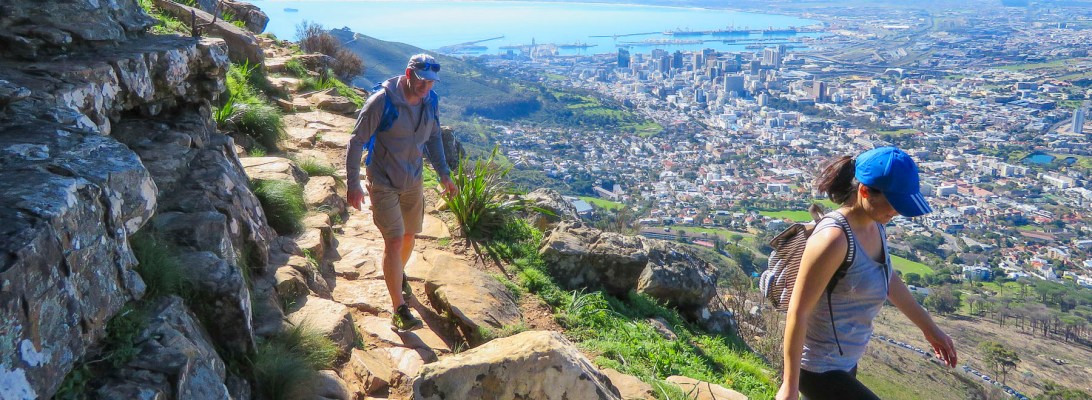
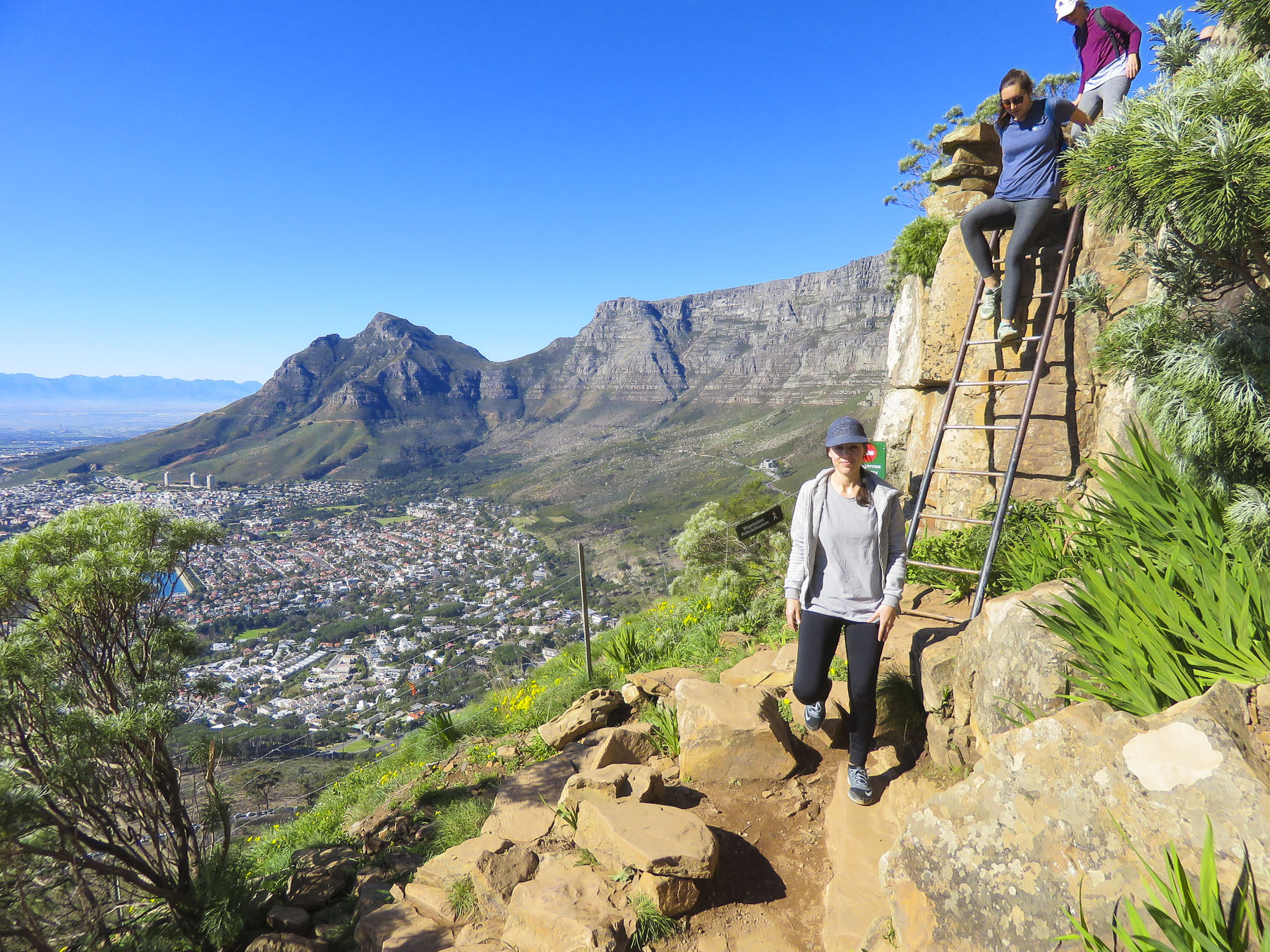
 On a cool Saturday we hiked up Lion’s Head Mountain along a trail that corkscrewed around the mountain to the top.
 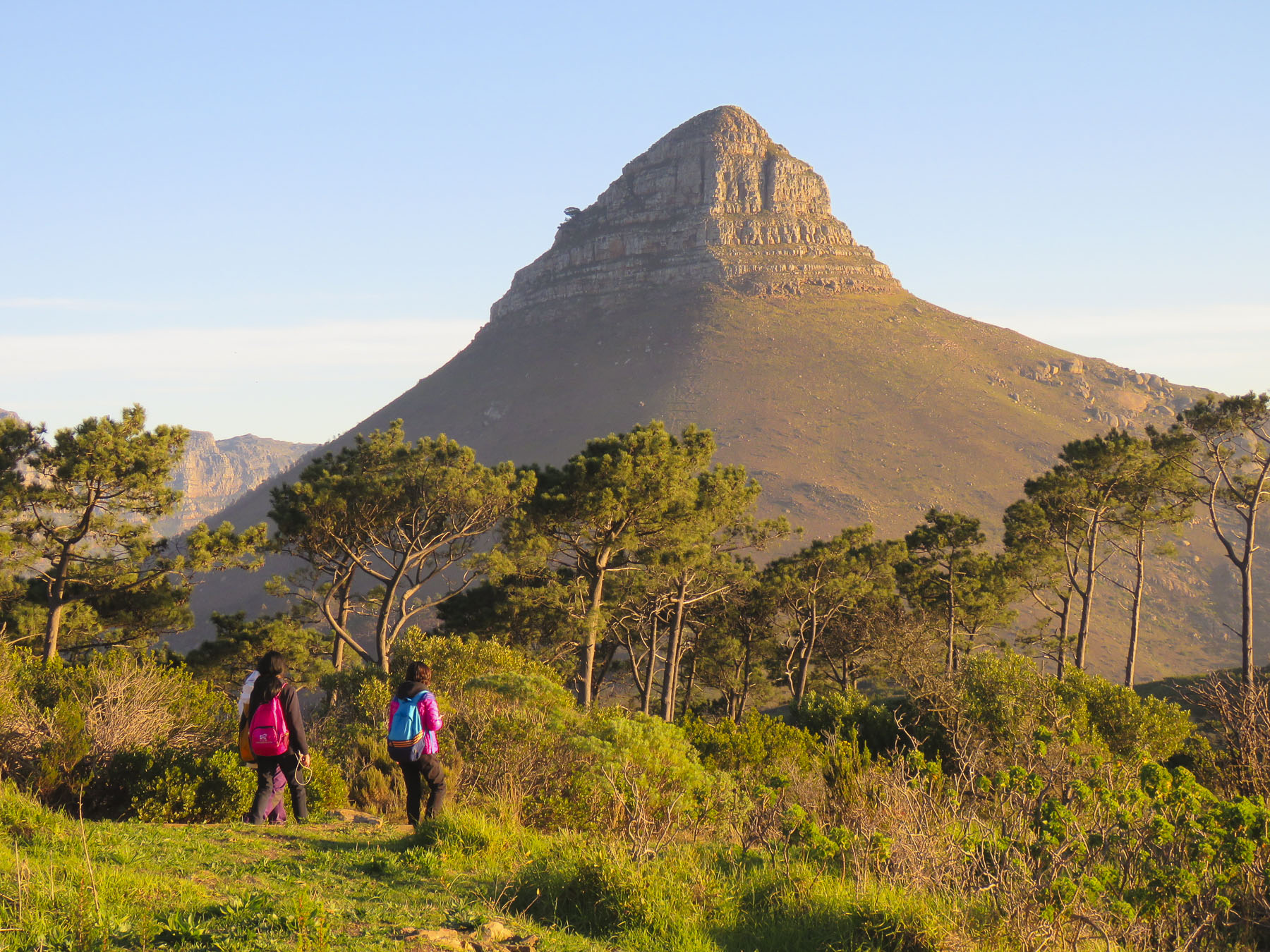 The path deteriorated as we climbed higher with uneven footing that at times narrowed to the width of our feet as it edged, for short distances, along cliff tops.
  In some spots, ladders were used for short vertical climbs. If you plan to go, bring water and food. There are plenty of boulders to sit on to enjoy the 360 degree views the trail offers. We didn’t make it to the summit, with the last part a little too vertical for us, but we felt very satisfied with what we accomplished.
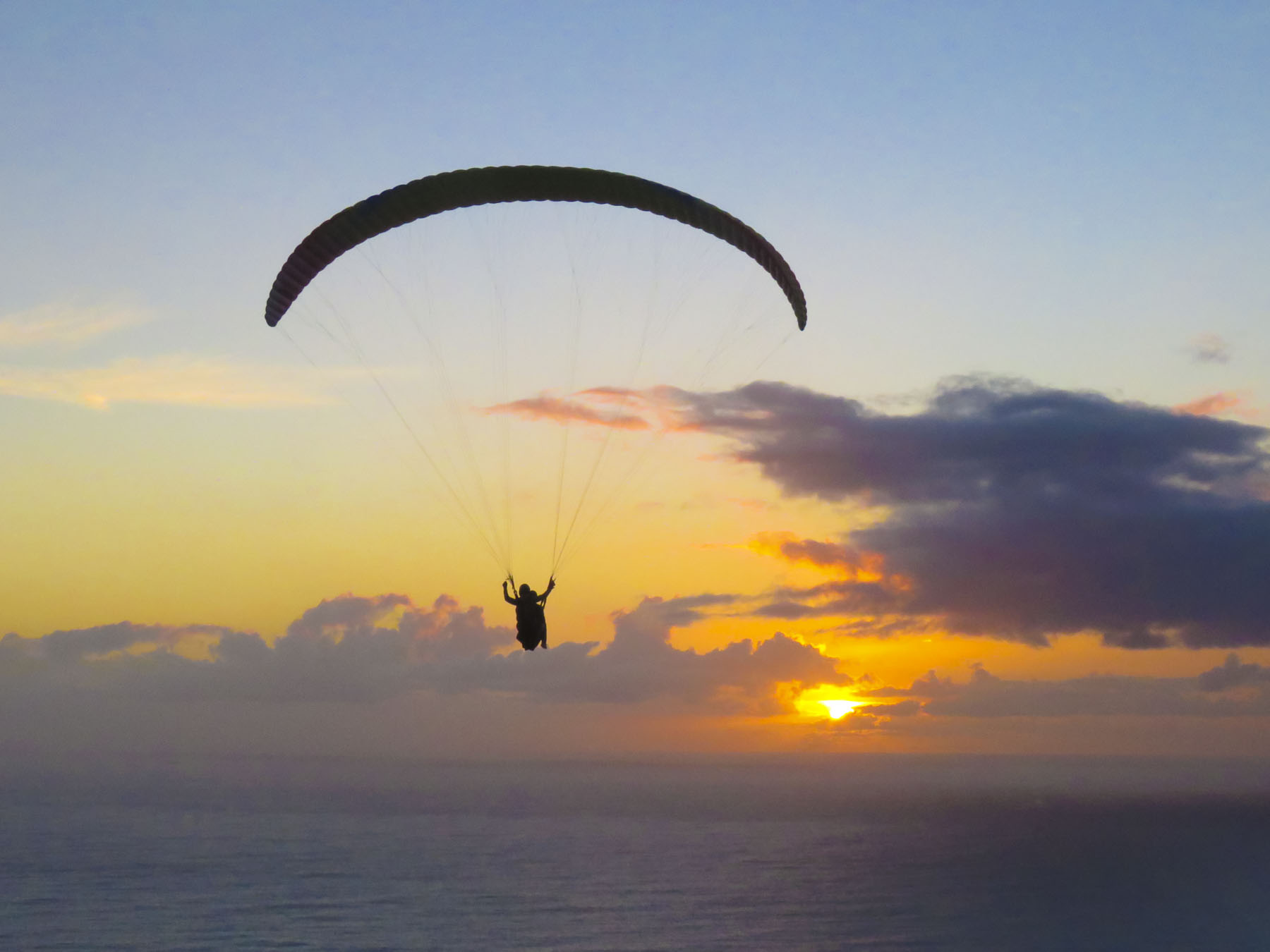 We spent several afternoons on Signal Hill, watching paragliders launch into the sky above Sea Point, and then gently drifting toward the beach as the sun slowly sank below the South Atlantic horizon.
 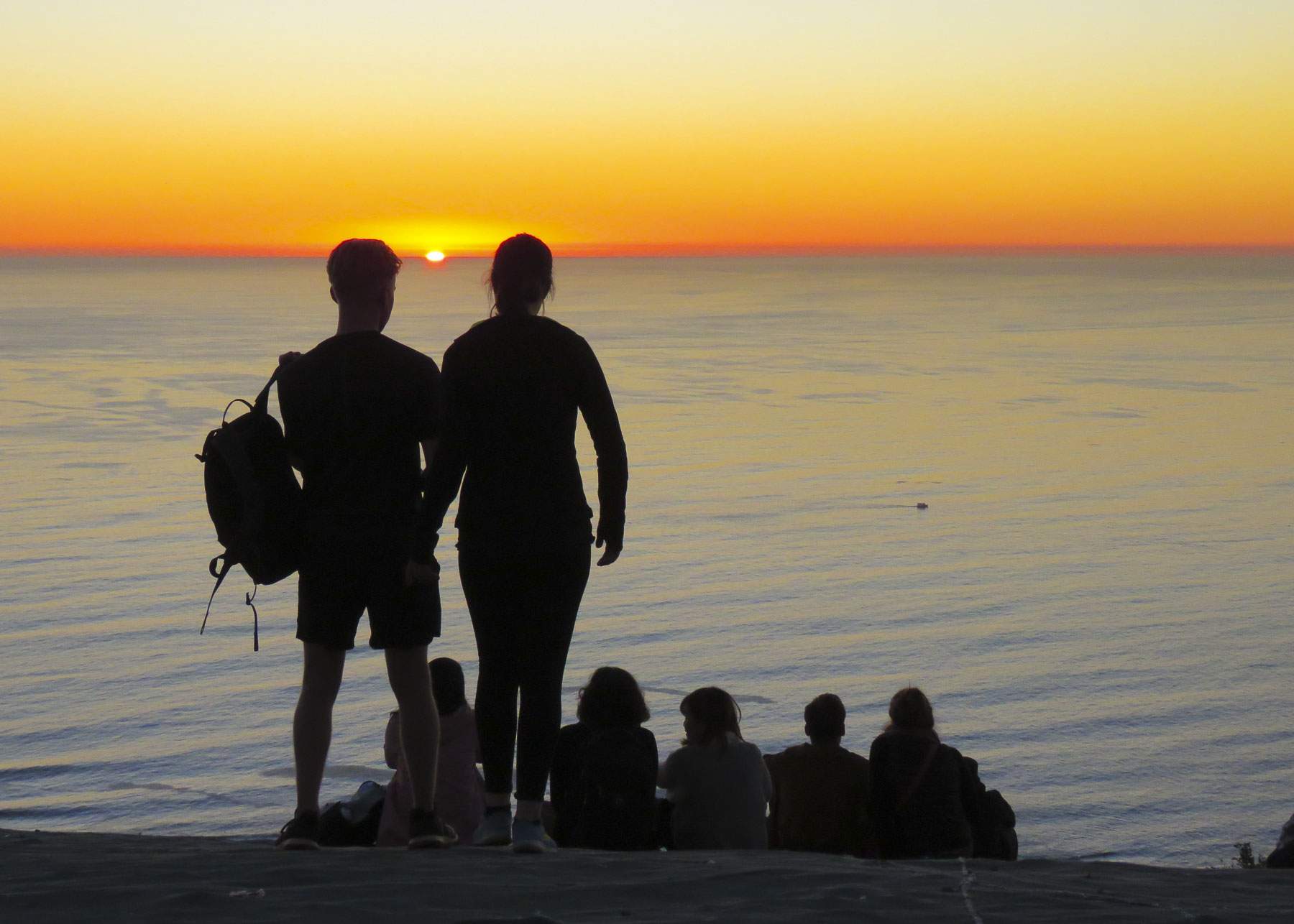 This is a popular spot at the end of the day with many folks making a picnic of it, clinking glasses of wine as the sun sets. There are also several food trucks that provide light meals and of course cappuccino. It is, after all, Cape Town.

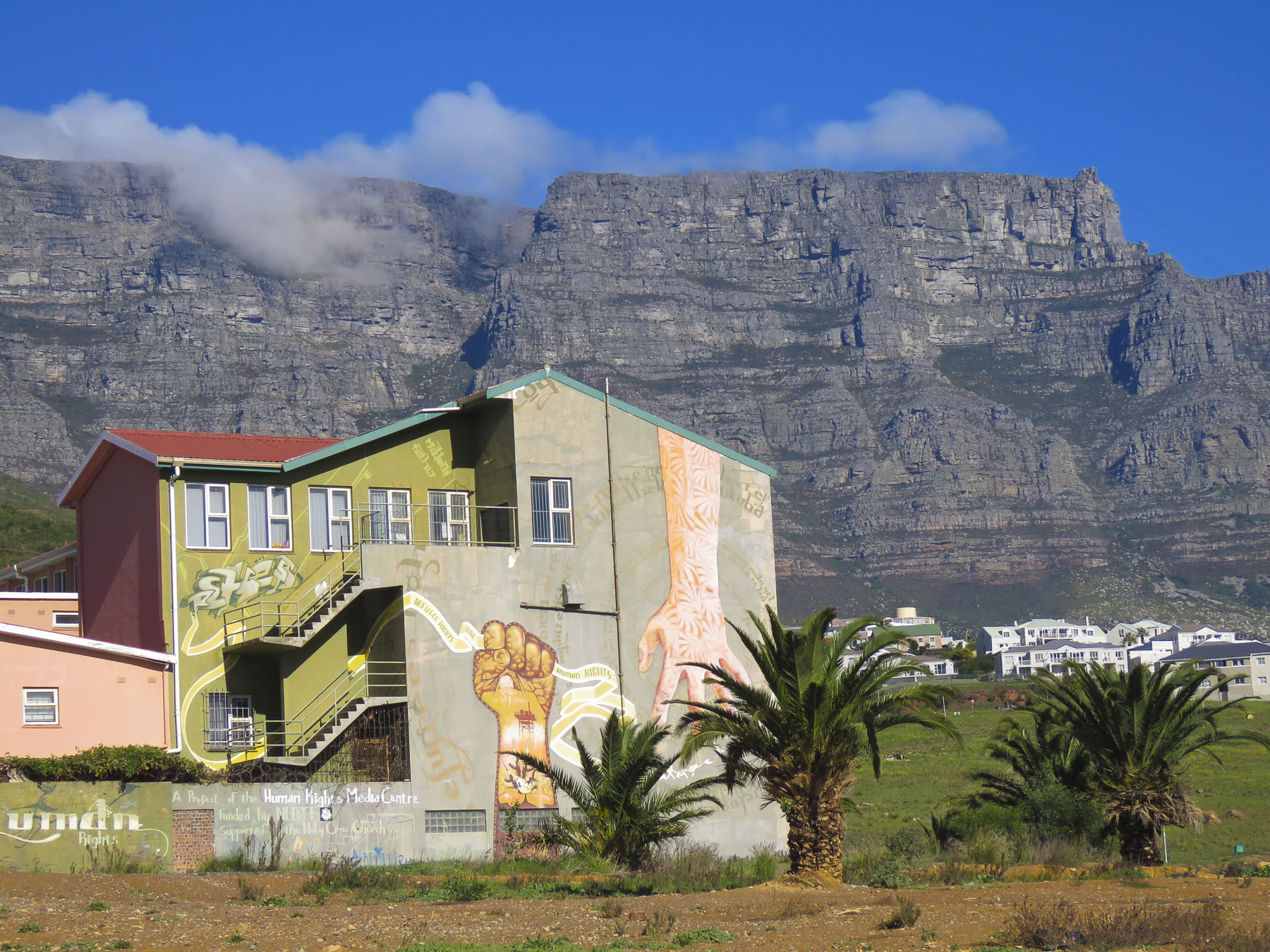 It’s here that we first noticed the really interesting street murals that could be seen on some of the homes. Not gratuitous bubble-scripted graffiti, but pictorial or political works of art relating to freedom, equality and hope by talented artists that enhanced their surroundings.

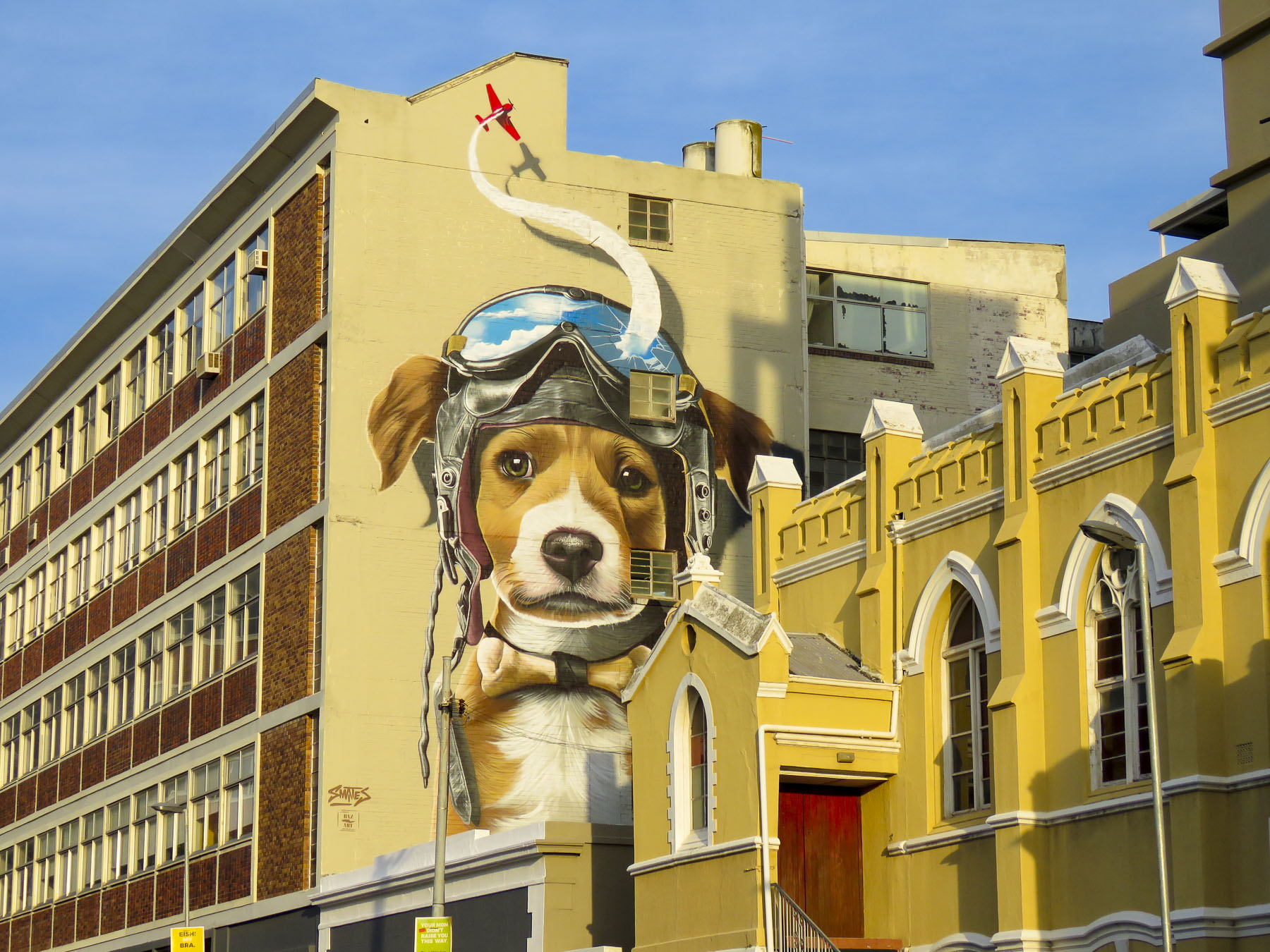 In our exploration of Cape Town, we accidentally and to our delight, came across many wonderful murals while walking or driving about. Behind our apartment on Harrington Street a wonderfully, whimsical mural of a dog dreaming about flying, by Belgian artist
 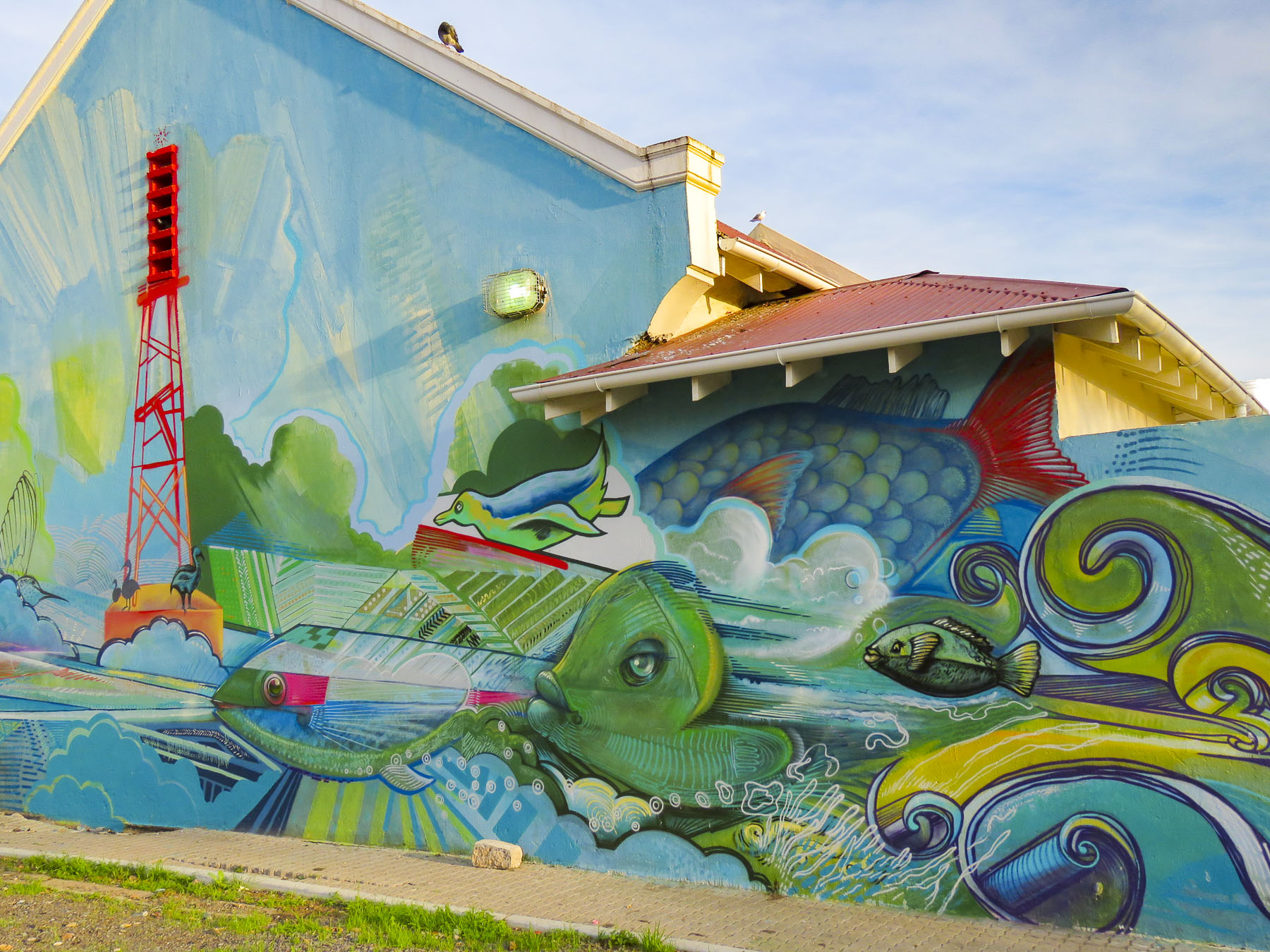 Farther down the street in District 6, across from Charlie’s Bakery, a colorful mural graced the back of a small building in a parking lot, while its front wall featured an understated portrait of Nelson Mandela by
 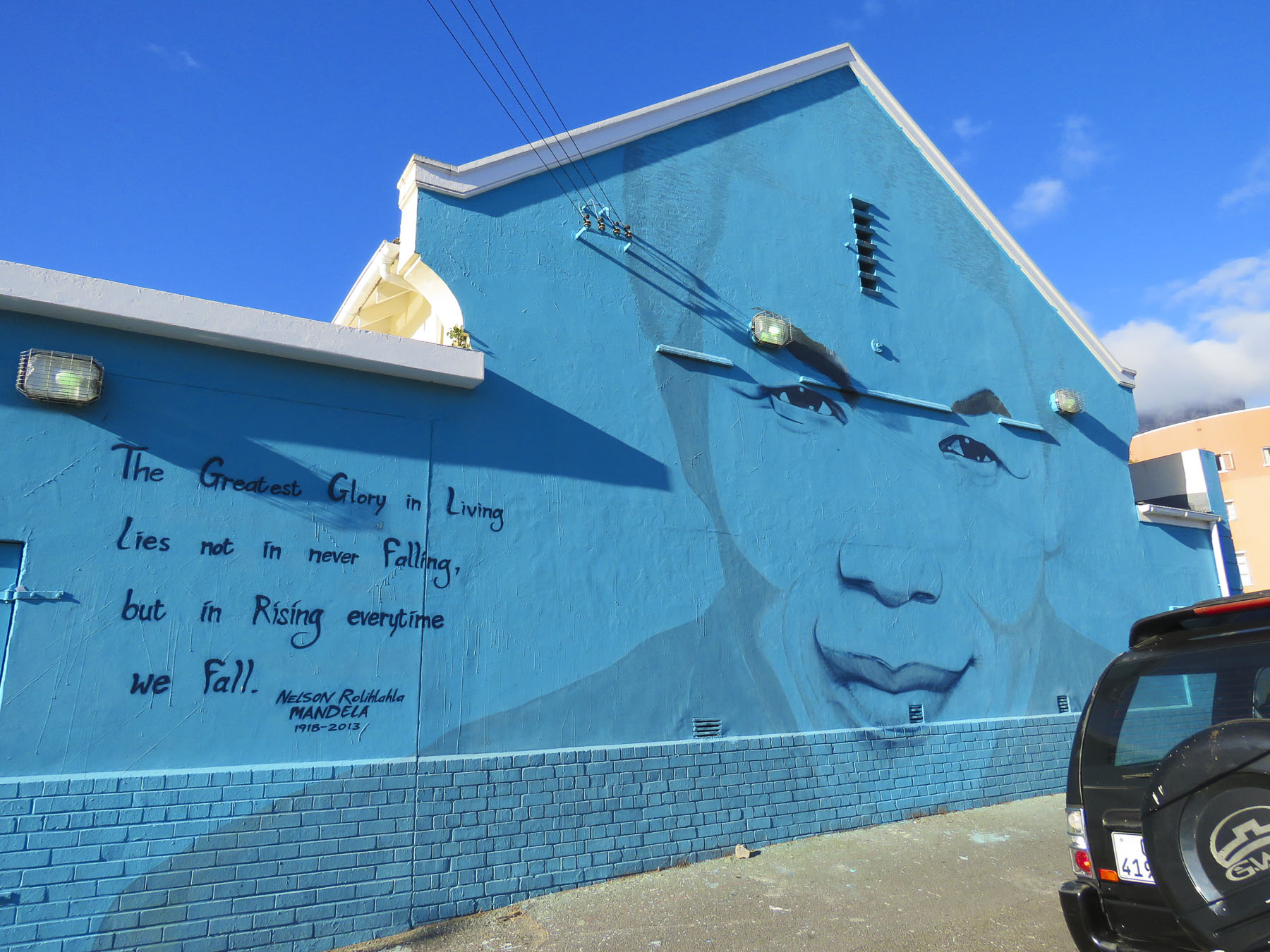 And at the bus station, under the highway, across from the Gardens Shopping Center the dismal gray walls sprang to life with imagery.


 Turns out the Woodstock and Salt River neighborhoods are ground zero for freedom of expression based on the number of street murals we discovered just by driving around. One seemed to lead to another around the corner.
  When we stopped to photograph the mural of the swimming elephant, one of the unofficial parking guards introduced himself as the “curator of street art” and offered to guide us.


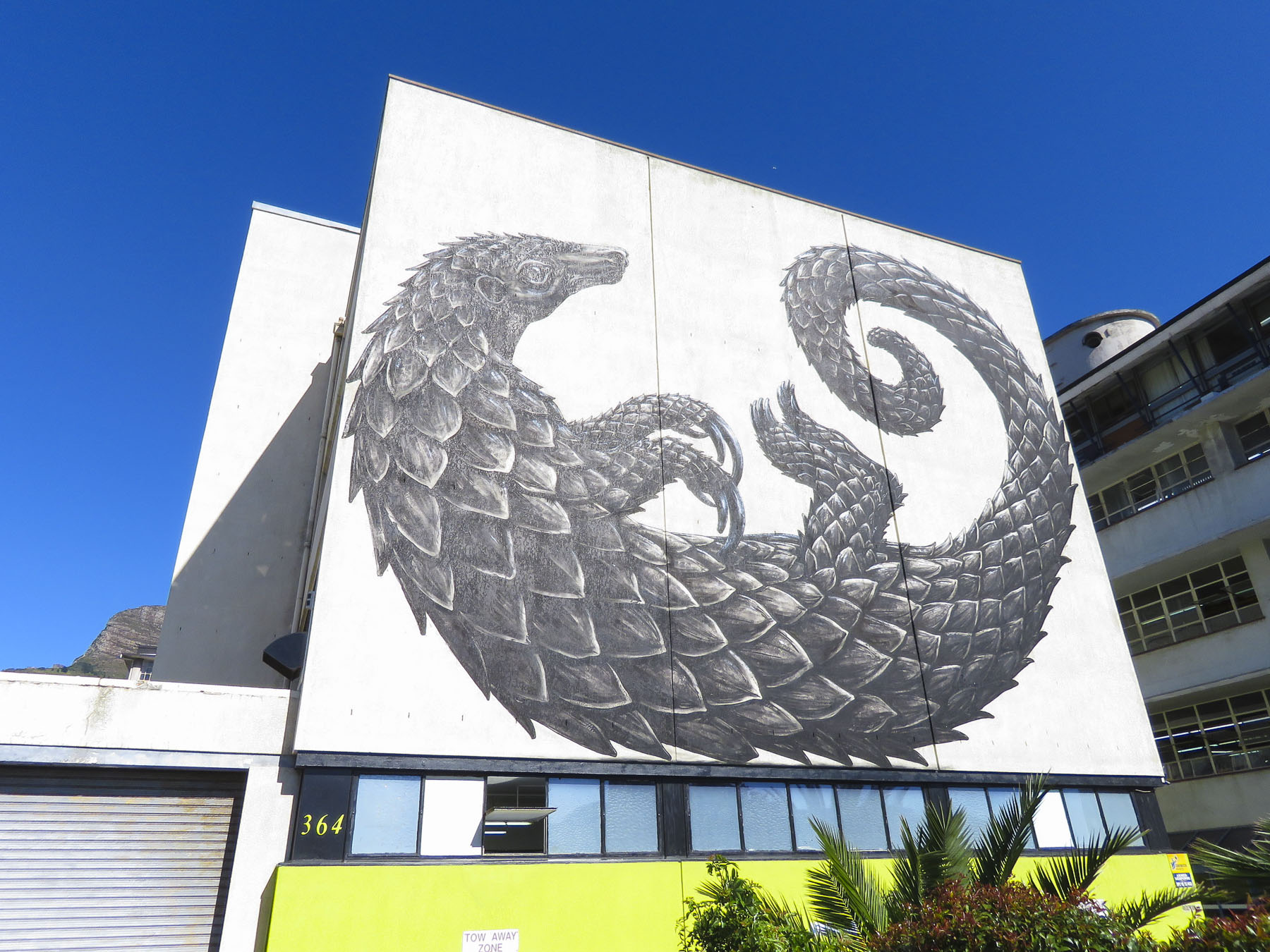 Traveling along Victoria Road in the Salt River district, the large mural of a pangolin, painted by Belgian street artist
  The festival is sponsored by

 His style is very distinctive, and we recognized many of his works as we traveled around the Cape. Back in town the exterior wall of Surfstore Africa is playfully illustrated with a giraffe wearing sunglasses.
 Our most unexpected discovery happened at the indoor parking garage of the Pick N Pay grocery store in Sea Point. Here several beautiful portraits were painted on the walls of the driving ramp leading from one level to the next.


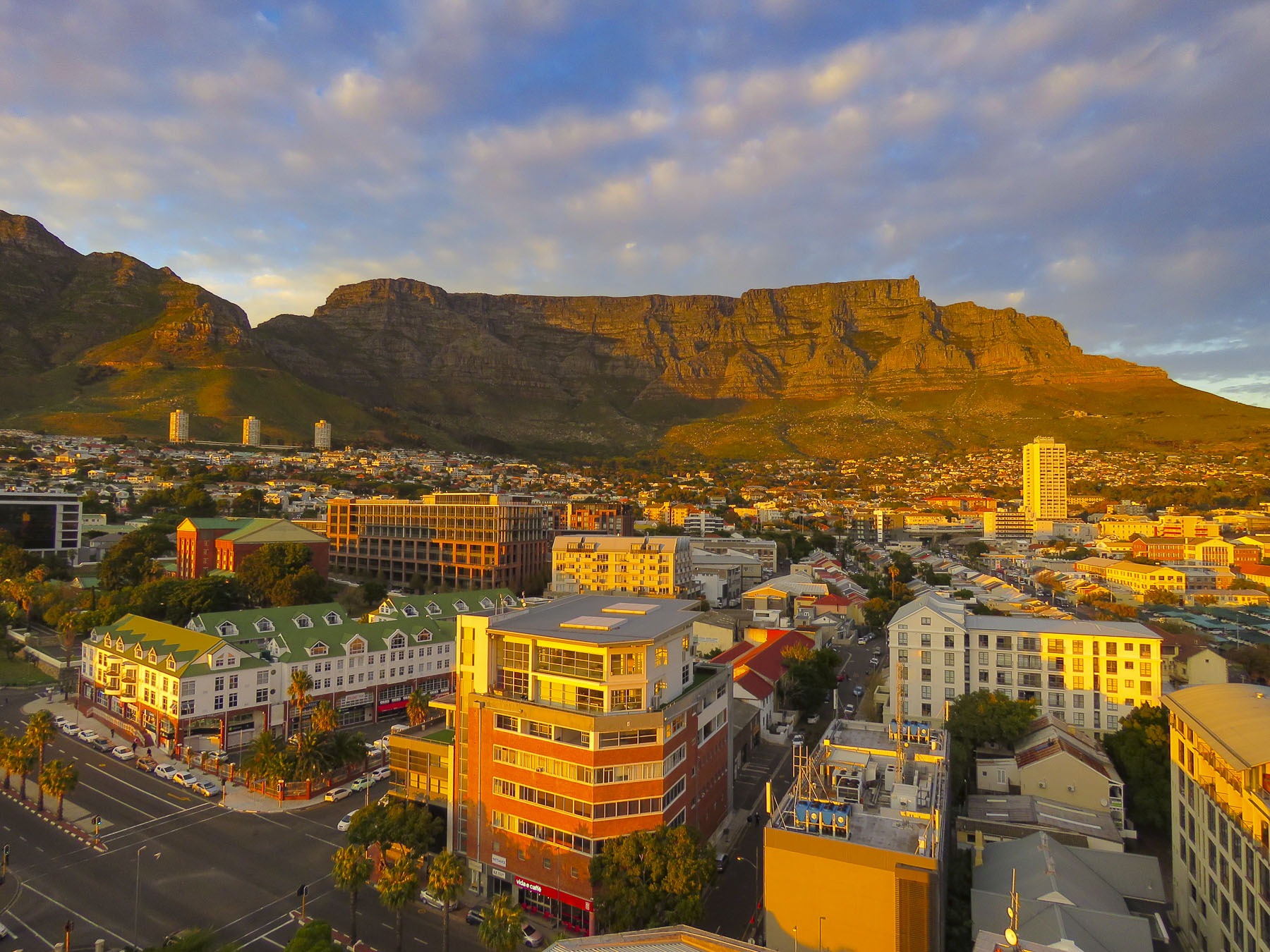 This would be Donna’s fourth trip to Cape Town and my first. Back in 1993 she visited friends she had made while attending Princeton Seminary, and a year later in 1994 she volunteered to be an International Observer for the first free and fair democratic elections in South Africa. In 2016 she returned to a city humming with positive energy and a growing economy. Unfortunately, this situation did not continue, and by 2019 the governance and economy of South Africa and its neighboring countries had stalled. The city was still beautiful and growing as a tourist destination, an amazing coffee culture had been born, but shuttered construction projects and an increasing homeless population were evident, and across many different socioeconomic groups, people were feeling disenfranchised. A multi-year drought exasperated many infrastructure problems that were being neglected. Fortunately, exceptional winter rains broke the severe drought and replenished the city’s nearly depleted reservoirs.
 We immersed ourselves quickly into the neighborhood around our first apartment on Buitenkant Street, just a few blocks away from the District Six Museum, steam punk themed


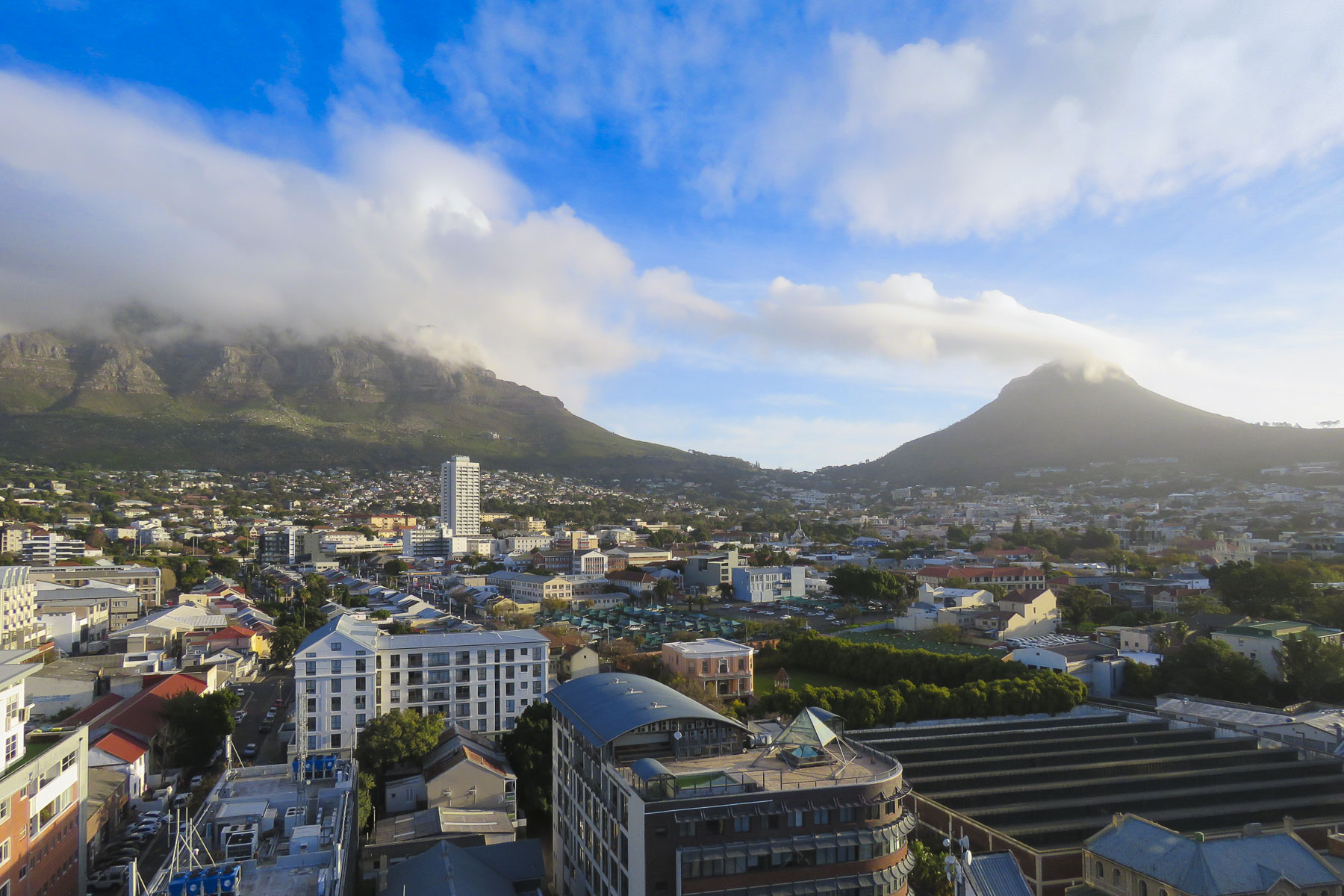 On the edge of the City Bowl and Zonnebloem districts, formerly District Six, our high-rise apartment building had a rooftop gym with fantastic views of the city, a 24hr doorman, gated parking and balconies with beautiful views of Table and Lion’s Head mountains. But the area immediately around us was in transition, without enough residential housing to call it a neighborhood.


![IMG_7861[42783]](https://i0.wp.com/2suitcasesfor2years.com/wp-content/uploads/2020/02/img_786142783.jpg?w=272&h=363&ssl=1 "IMG_7861[42783]")

 We had to find a dentist also, as just before our flight into Cape Town one of my crowns broke. Fortunately, South Africa is recognized for good medical and dental care and is slowly becoming a medical tourism destination. I found Dr. Ramjee on Google Maps, checked his reviews and made an appointment at his office which was within walking distance of our apartment. With his jovial and comforting manner, I instantly felt at ease. Though only a one dental chair office he had a state-of-the-art digital x-ray machine, a dental assistant and a receptionist. Besides the broken crown, I needed a root canal as well – what fun! My experiences with Dr. Ramjee were excellent and I raved so much about him Donna decided to use his services when the need arose for an emergency root canal and crown also. Unexpected expenses that in the states would be costly, even with insurance, were much more affordable and payable out of pocket here. The savings were tremendous.


 You just can’t walk enough miles along the coast or up and down Loin’s Head to keep the calories off in this foodie-oriented city. The Saturday- and Sunday-only food markets didn’t help, but they are a treasured tradition, throughout the region, that brings family, friends and tourists together to enjoy live music and good food.


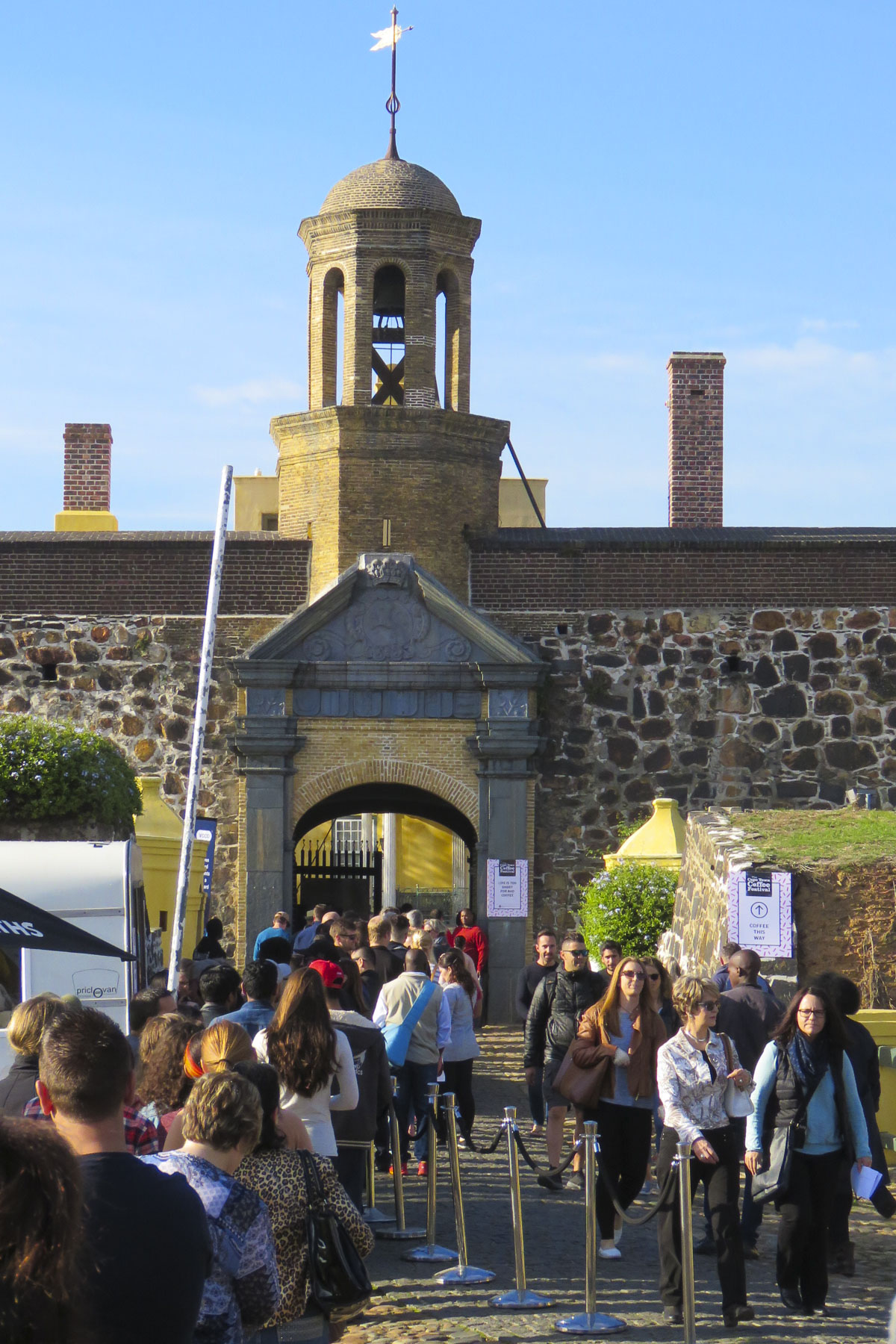


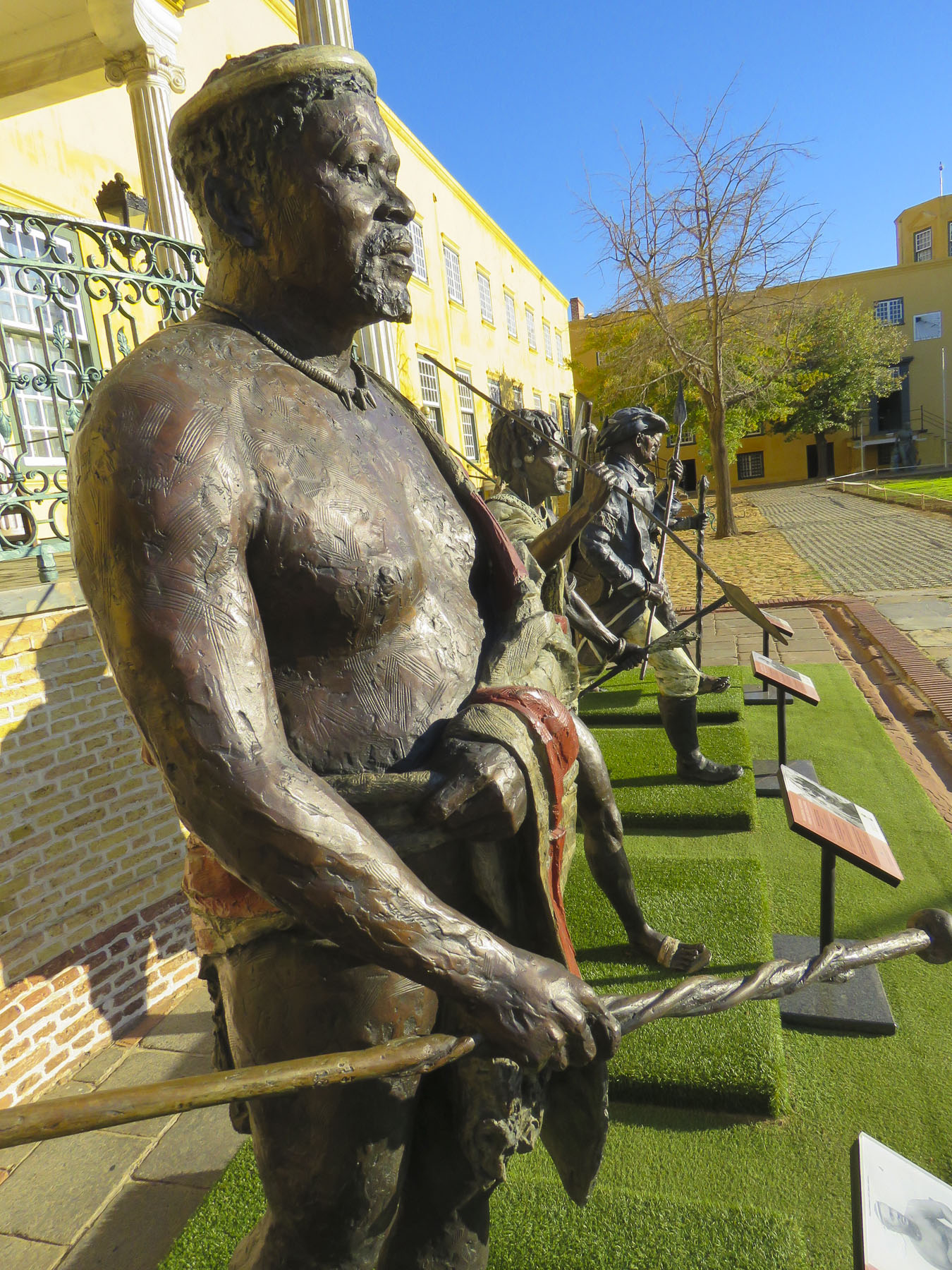 In early June the castle hosted the 2019 Cape Town Coffee Festival which celebrated all things caffeinated with growers from across the continent, barista workshops and pop-up coffee stands. If you ever wanted to see thousands of folks ricocheting off the walls from too much free coffee, this was the place to be.

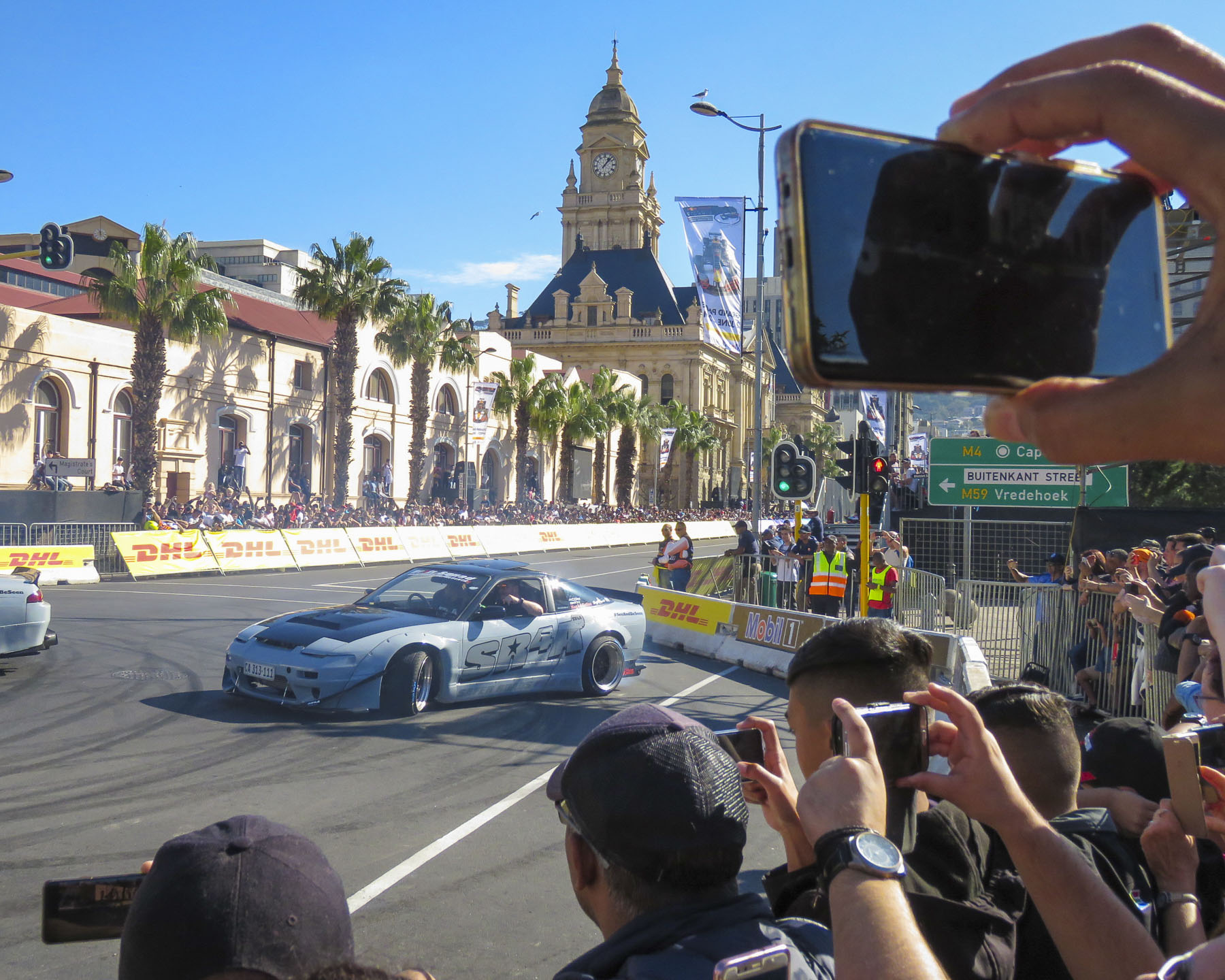 The coffee festival coincided with the Red Bull Cape Town Circuit where their F1 Aston Martin Red Bull racing car roared down Darling Street at over 150mph, passing the spot where Nelson Mandela addressed the nation upon his release from Robben Island, and turning the stretch in front of city hall, lined with bleachers, into a high-speed drag strip. At the intersections, souped-up street cars burned rubber and spun donuts while the Red Bull Air Force performed aerial acrobatics over the city. It was a raucous day that we could hear from our apartment.

 Families and neighbors were intentionally sent to different communities to break the spirit of the people. The apartheid government was so vile it “regarded the district as both physically and morally tainted by miscegenation, wholly unfit for rehabilitation” and flattened every building except for Churches. Even the original streets were destroyed, and new roadways were created so folks couldn’t find their homes, now vacant lots, that they legally owned. Much of the area still remains abandoned. The District Six Museum commemorates this tragedy and the lasting heartbreak of this cruelty.


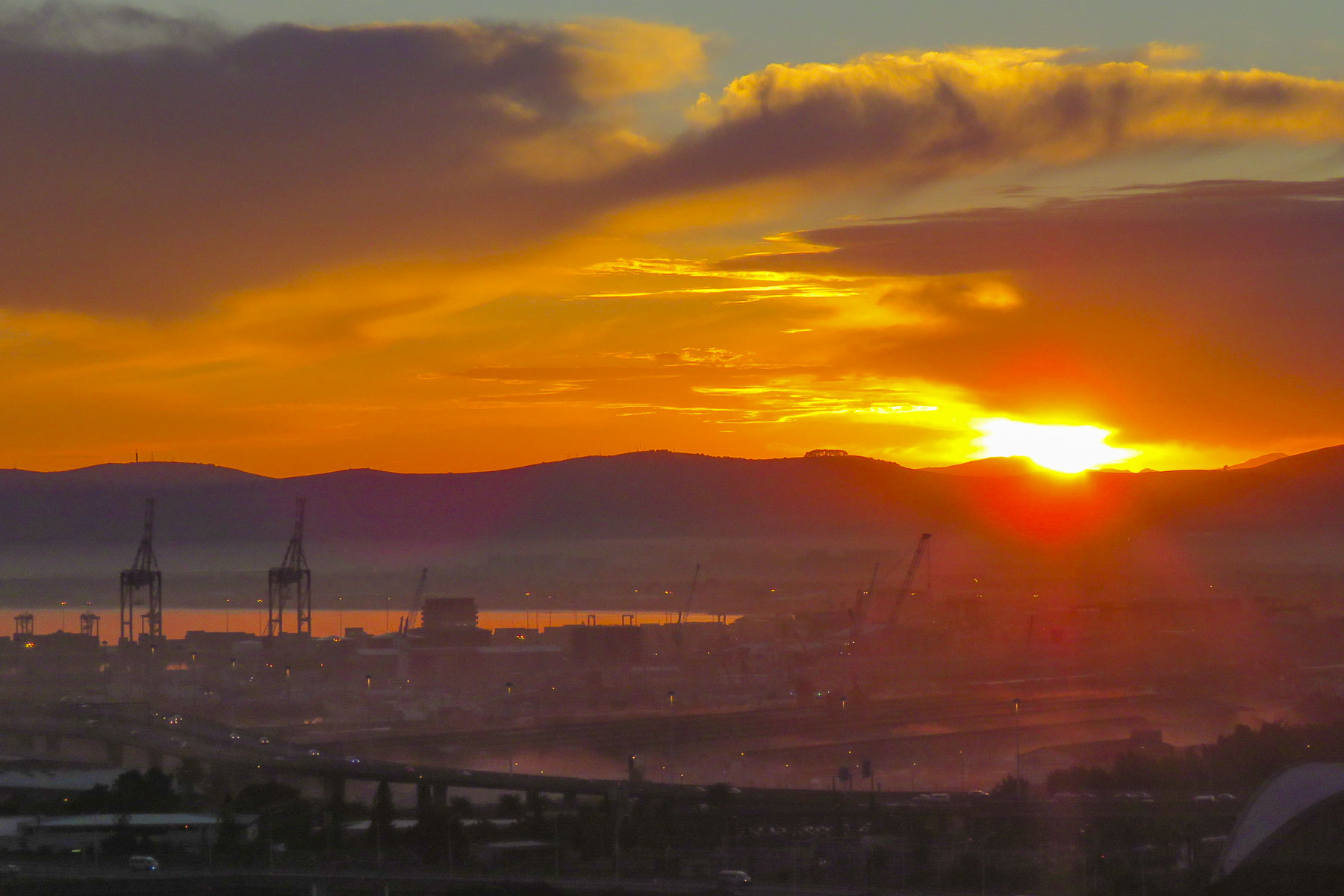 Despite our apartment’s faults, we enjoyed our time on Buitenkant Street. Watching the brilliant sunrises and the flat clouds – the tablecloth of Table Mountain – cover the summit and then spill down the side like a waterfall. The street life below spanned the gamut from groups of tutu-clad race walkers one day to noisily protesting sex workers or Fridays for Future demonstrators the next.


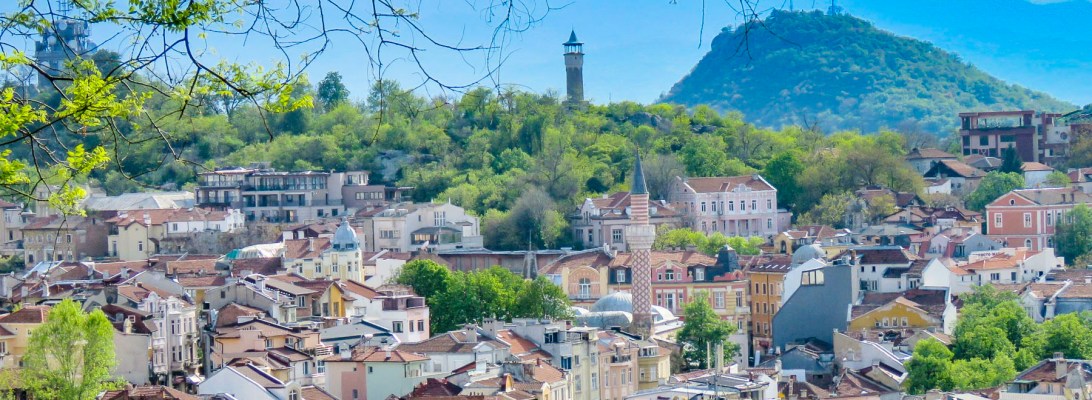
 Just outside Old Town Plovdiv,




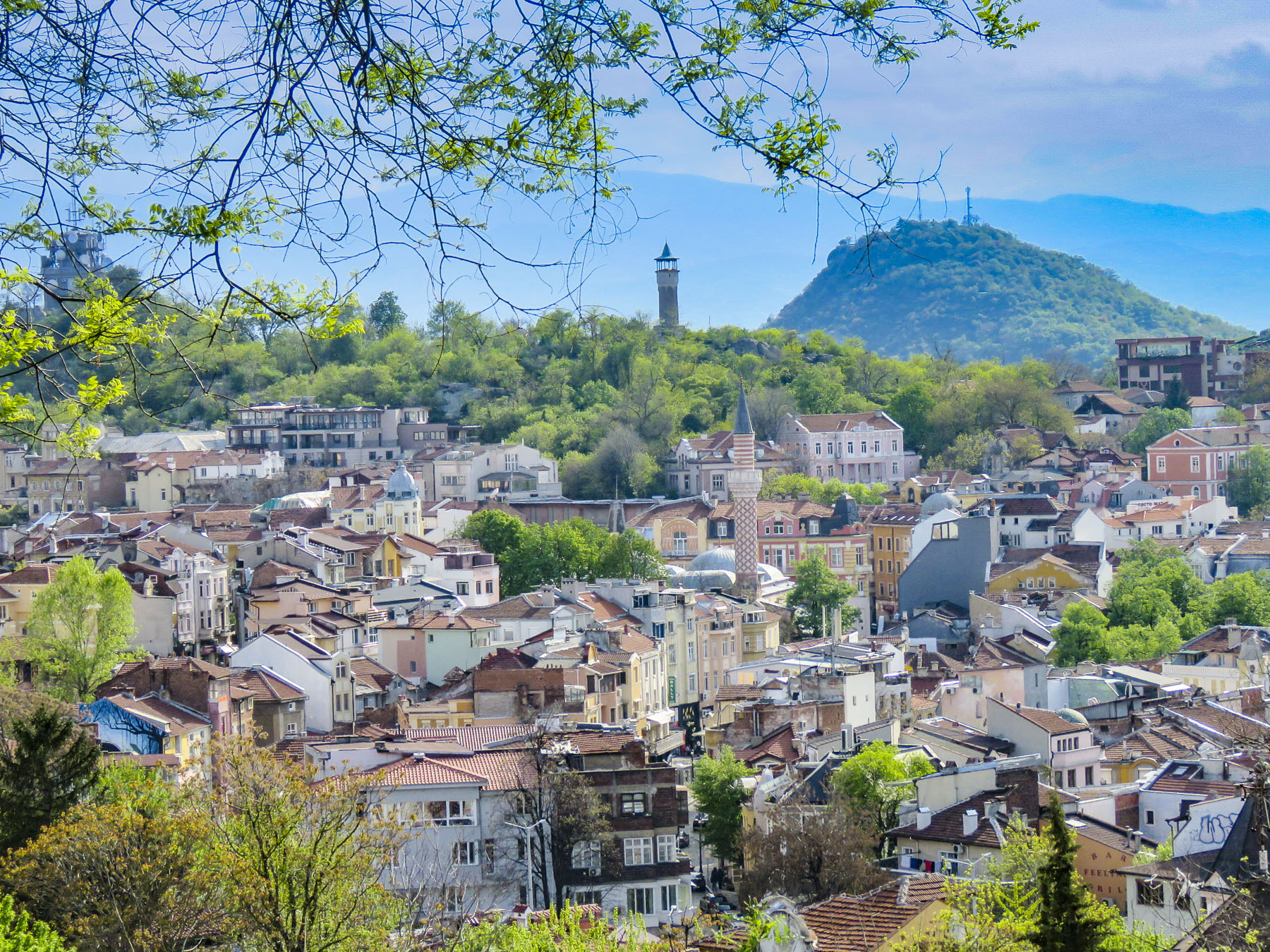 At just over a mile long the pedestrian mall in the center of Plovdiv is the longest in Europe, running from the Stefan Stambolov Square along Knyaz Alexander I, and Rayko Daskalov Street before ending at the footbridge lined with shopping stalls that crosses the Maritza River.


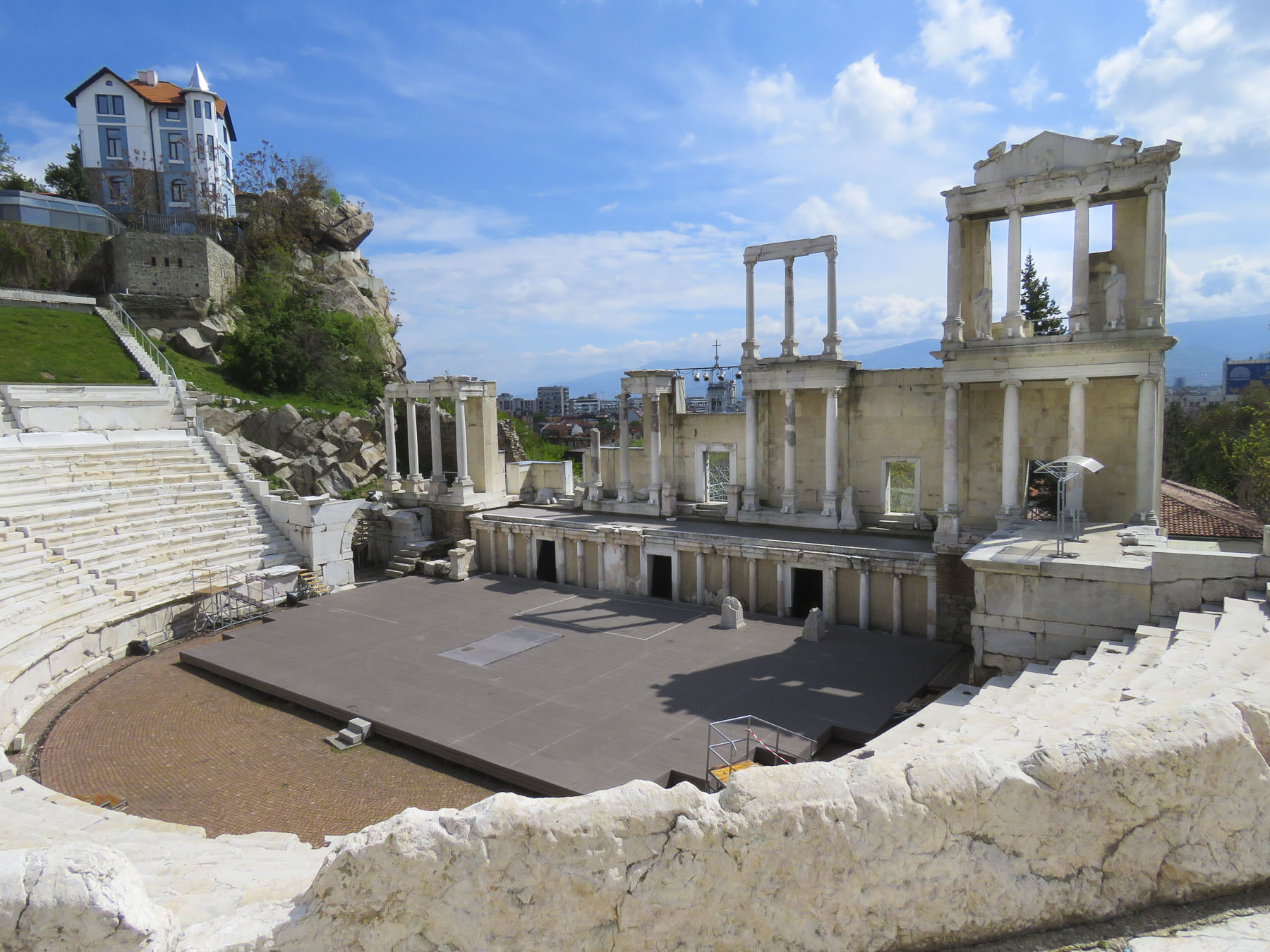
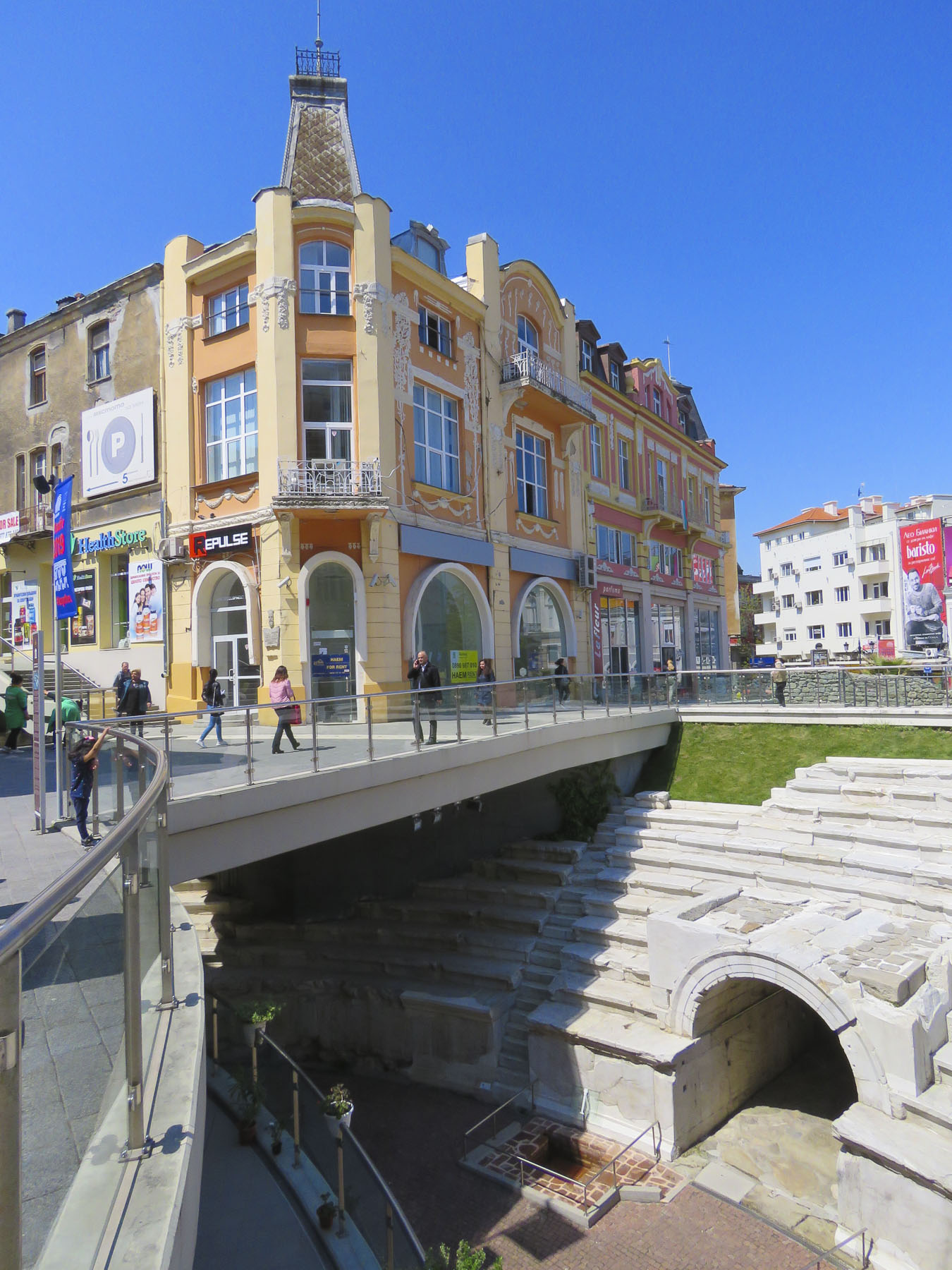 But the jewel of the mall area was the curved ruins of the Ancient Stadium of Philipopolis, with its fourteen tier seating area, unearthed in 1923. Situated below street level and surrounded by modern buildings at Dzhumaya Square, the ruins provided a dramatic juxtaposition of the ancient and contemporary, where you can actually see the layering of history and how the city was built over earlier civilizations. From this excavated section, archeologists have determined that the stadium was a huge 790 feet long and 165 feet wide and could seat nearly 30,000 spectators.
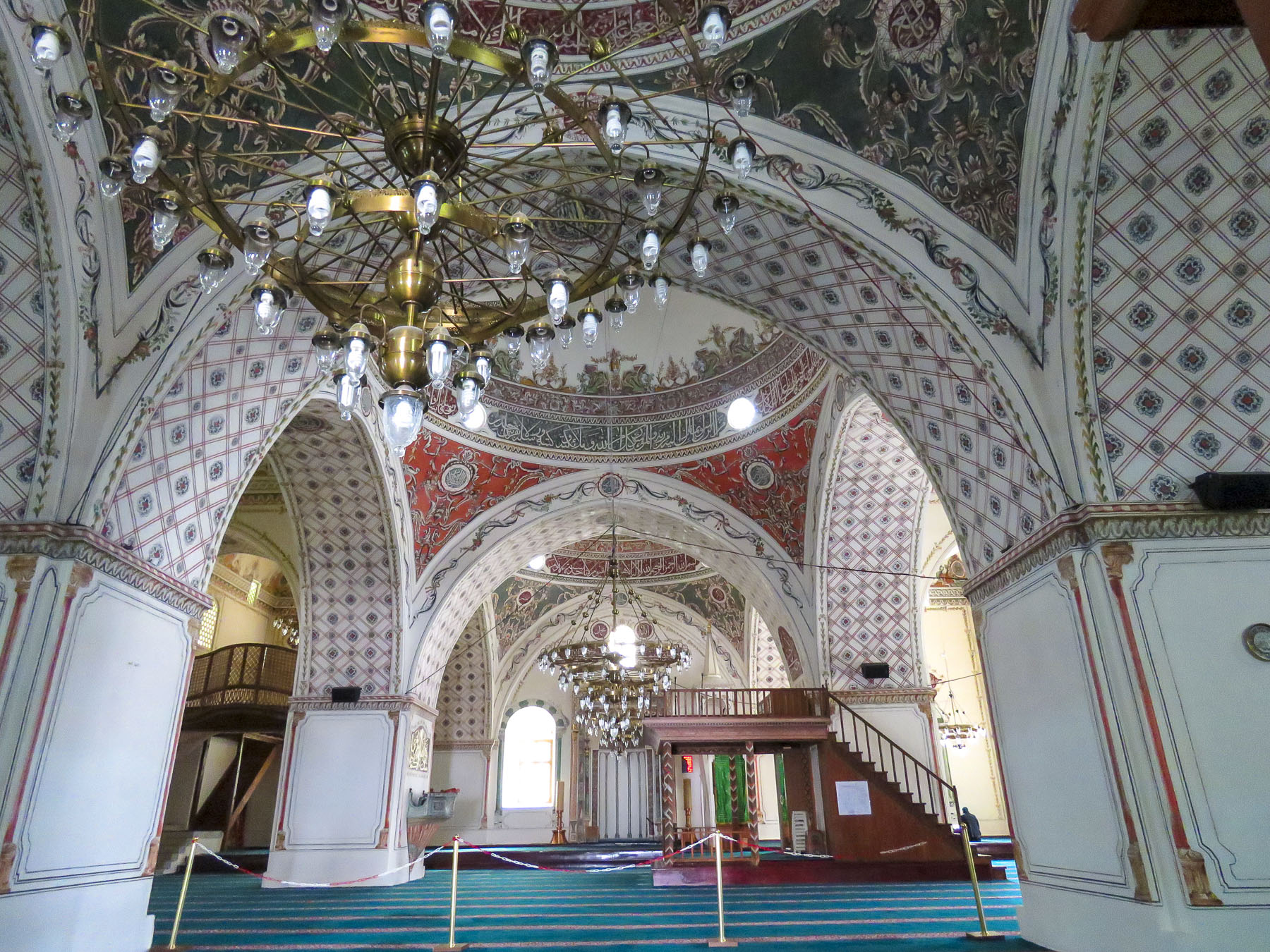 Across the square the Dzhumaya Mosque is the main Friday Mosque for Muslims in Plovdiv. Constructed in 1421, it replaced an earlier mosque built in 1363 on the foundations of a Bulgarian Church destroyed during the Ottoman conquest. It is one of the oldest and largest Muslim religious buildings in the Balkans. At the café in front of it we enjoyed some sweet Turkish tea and pastries in the warm afternoon sun.


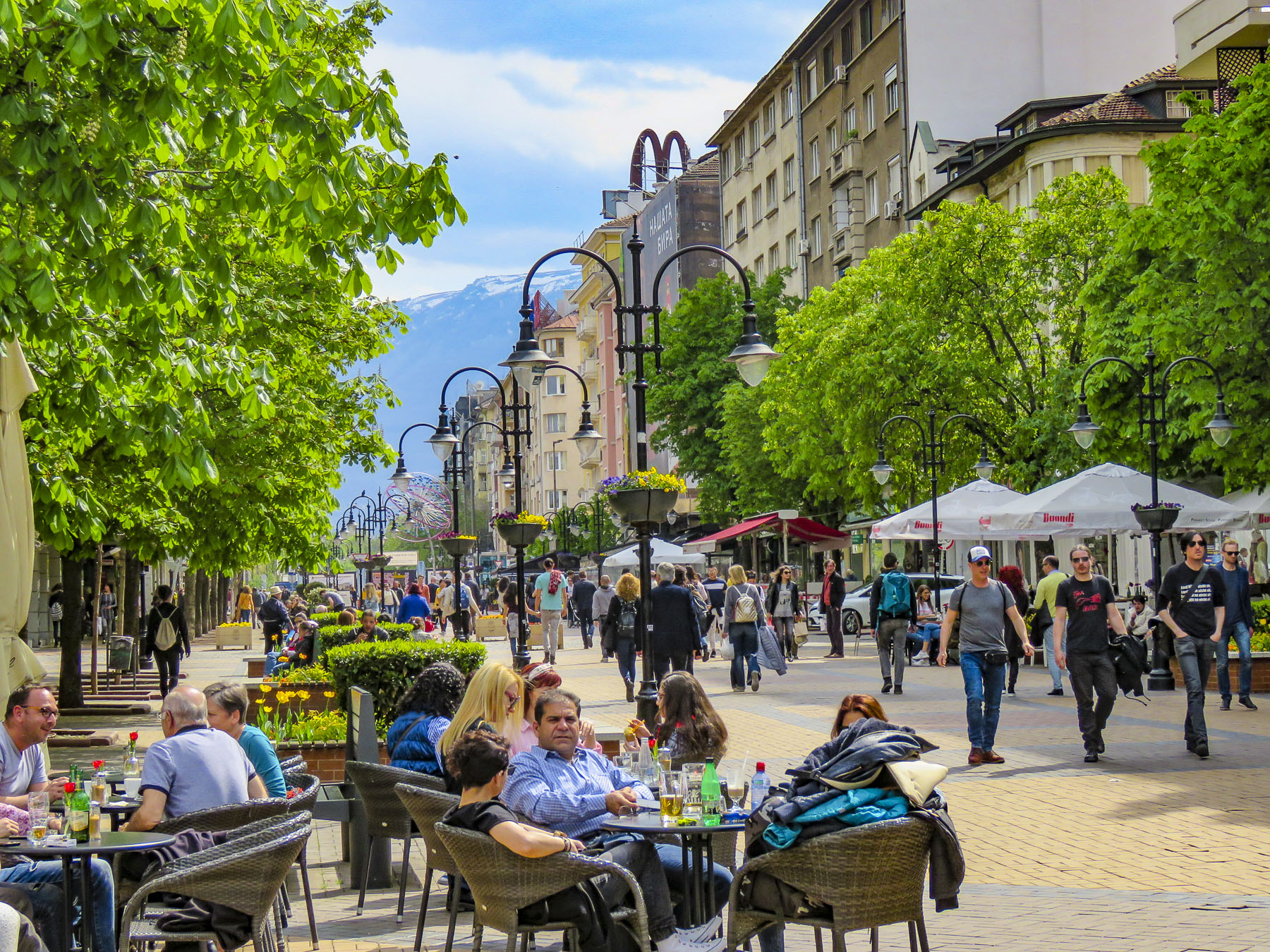 From Portugal we were to go to England for three months of pet sitting in various locales to save some funds for our push into Africa later in the year.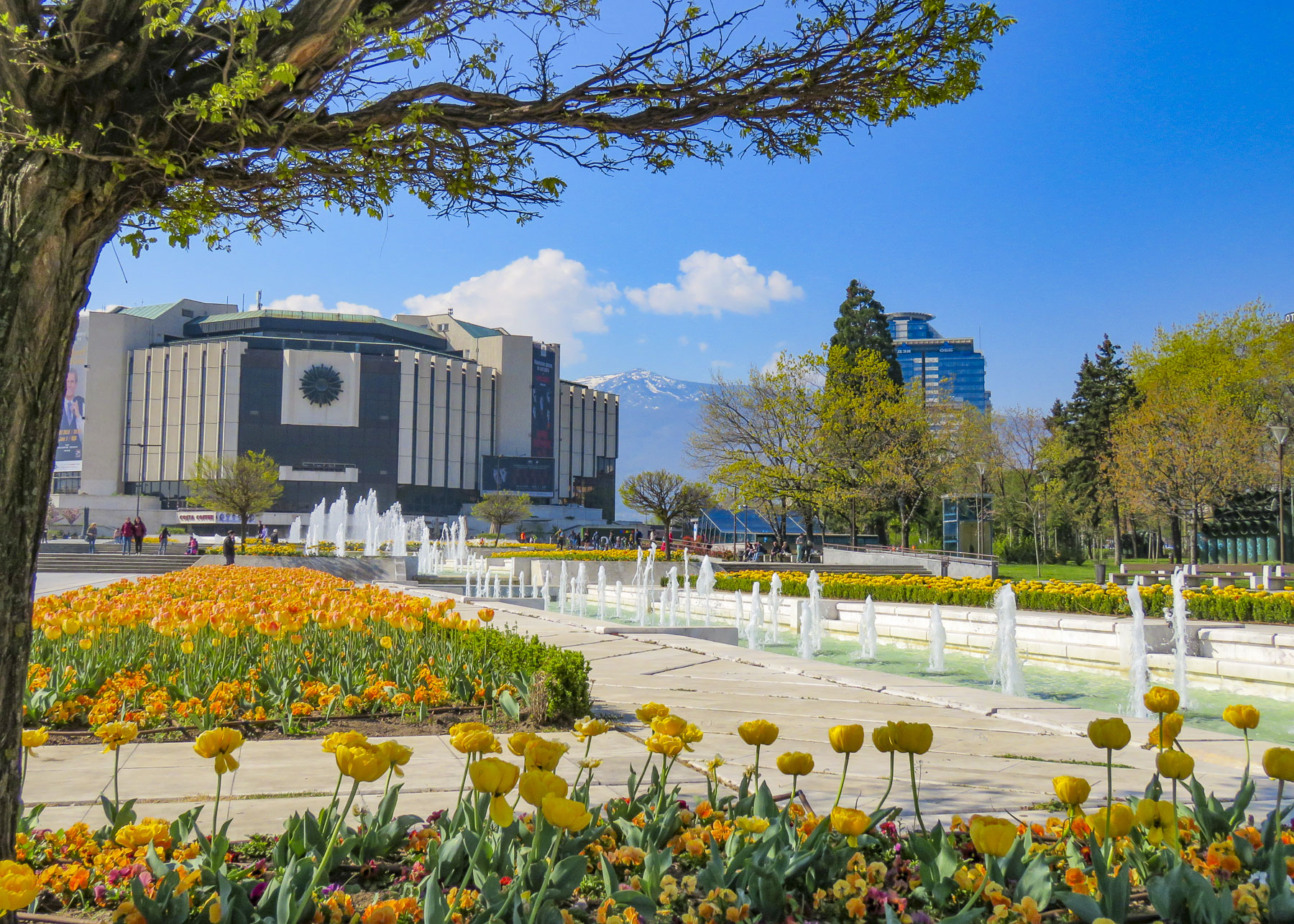

![IMG_4216[35050]](https://i0.wp.com/2suitcasesfor2years.com/wp-content/uploads/2019/12/img_421635050.jpg?w=178&h=237&ssl=1 "IMG_4216[35050]")
![IMG_4487[35046]](https://i0.wp.com/2suitcasesfor2years.com/wp-content/uploads/2019/12/img_448735046.jpg?w=178&h=237&ssl=1 "IMG_4487[35046]")

![IMG_5015[35024]](https://i0.wp.com/2suitcasesfor2years.com/wp-content/uploads/2019/12/img_501535024-e1577548338172.jpg?w=214&h=237&ssl=1 "IMG_5015[35024]")


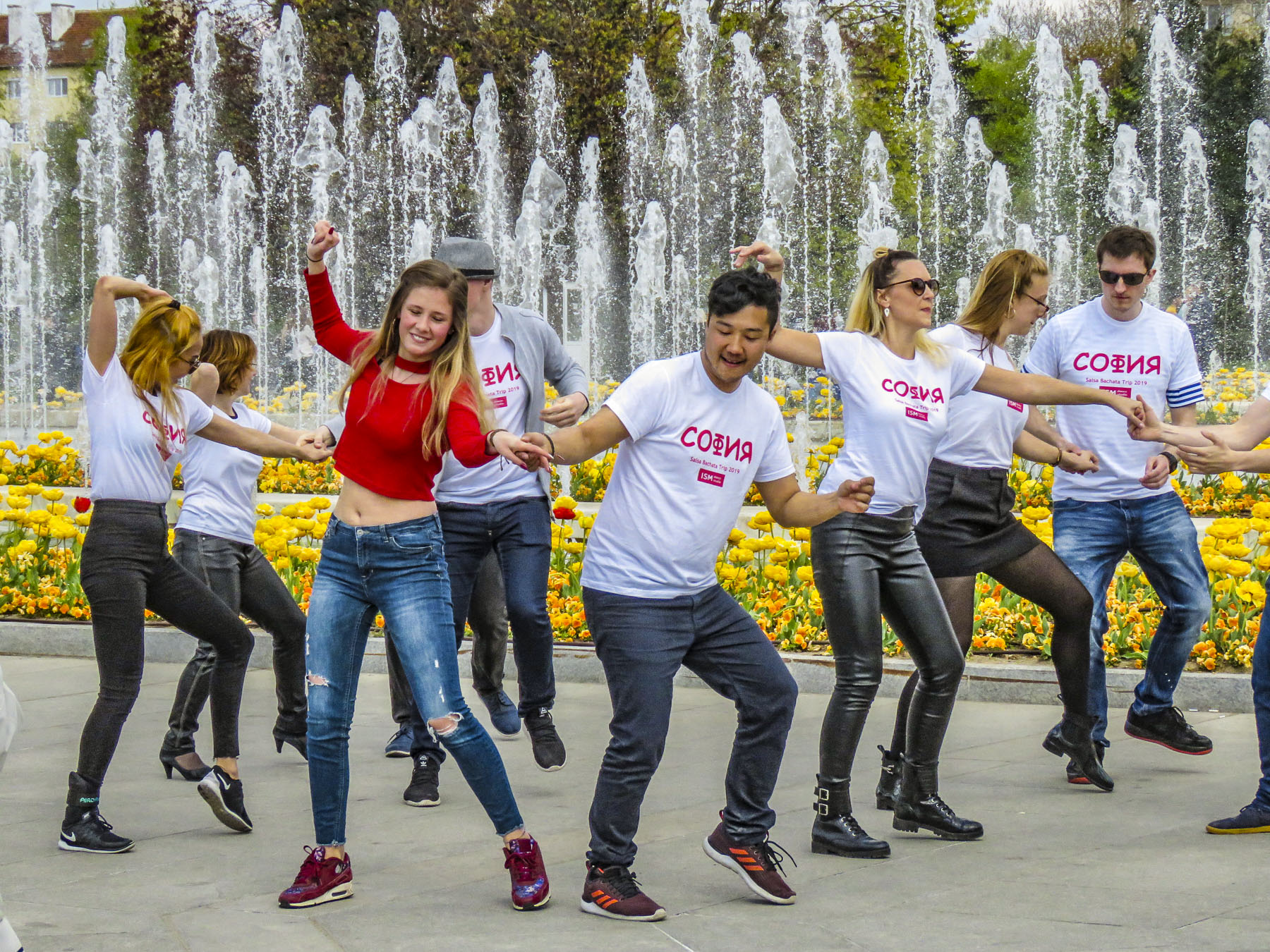 Weekends were especially rewarding when it was more likely we’d come across a street market or dance class in a park.


![IMG_4736[35121]-2](https://i0.wp.com/2suitcasesfor2years.com/wp-content/uploads/2019/12/img_473635121-2.jpg?w=552&h=414&ssl=1 "IMG_4736[35121]-2")


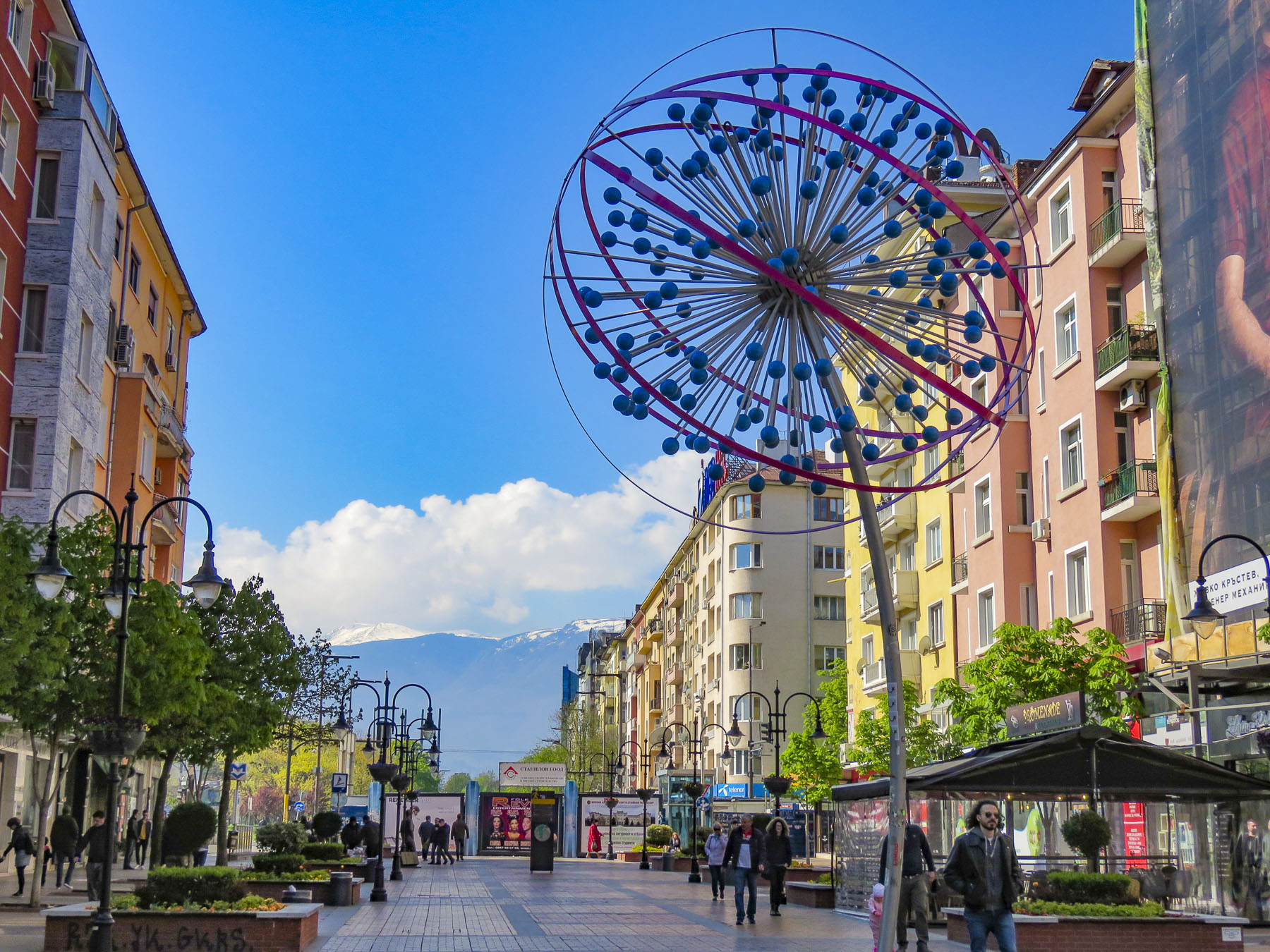 The cost of living in Bulgaria was very favorable with most items in the bakeries costing just one dollar and a nice dinner for two with wine, dessert and coffee costing under $40.00. A visit to a local dentist, recommended by our Airbnb host, to have a cavity filled cost $20.00. The x-ray needed cost $5.00 from a different facility around the corner.
 ![IMG_4282[36950]-2](https://2suitcasesfor2years.com/wp-content/uploads/2019/12/img_428236950-2.jpg) Our lovely, large one-bedroom apartment with living room, dining table and small balcony, just two blocks away from the popular pedestrian mall, cost less than $800.00 for the month. (We found it amusing that the two-burner electric cook top was kept in a drawer in the kitchen, but we made it work for us.) A 90¢ USD subway fare got us to the airport for our $10.00 per day car rental, with unlimited miles, for our road trips. There were some oddities though.
Our lovely, large one-bedroom apartment with living room, dining table and small balcony, just two blocks away from the popular pedestrian mall, cost less than $800.00 for the month. (We found it amusing that the two-burner electric cook top was kept in a drawer in the kitchen, but we made it work for us.) A 90¢ USD subway fare got us to the airport for our $10.00 per day car rental, with unlimited miles, for our road trips. There were some oddities though.


![IMG_4122[35061]-2](https://i0.wp.com/2suitcasesfor2years.com/wp-content/uploads/2019/12/img_412235061-2.jpg?w=199&h=265&ssl=1 "IMG_4122[35061]-2")
![IMG_4286[35051]](https://i0.wp.com/2suitcasesfor2years.com/wp-content/uploads/2019/12/img_428635051.jpg?w=272&h=363&ssl=1 "IMG_4286[35051]")


 After you crouch to enter through a low door and then look up in this intimate space, the WOW element of

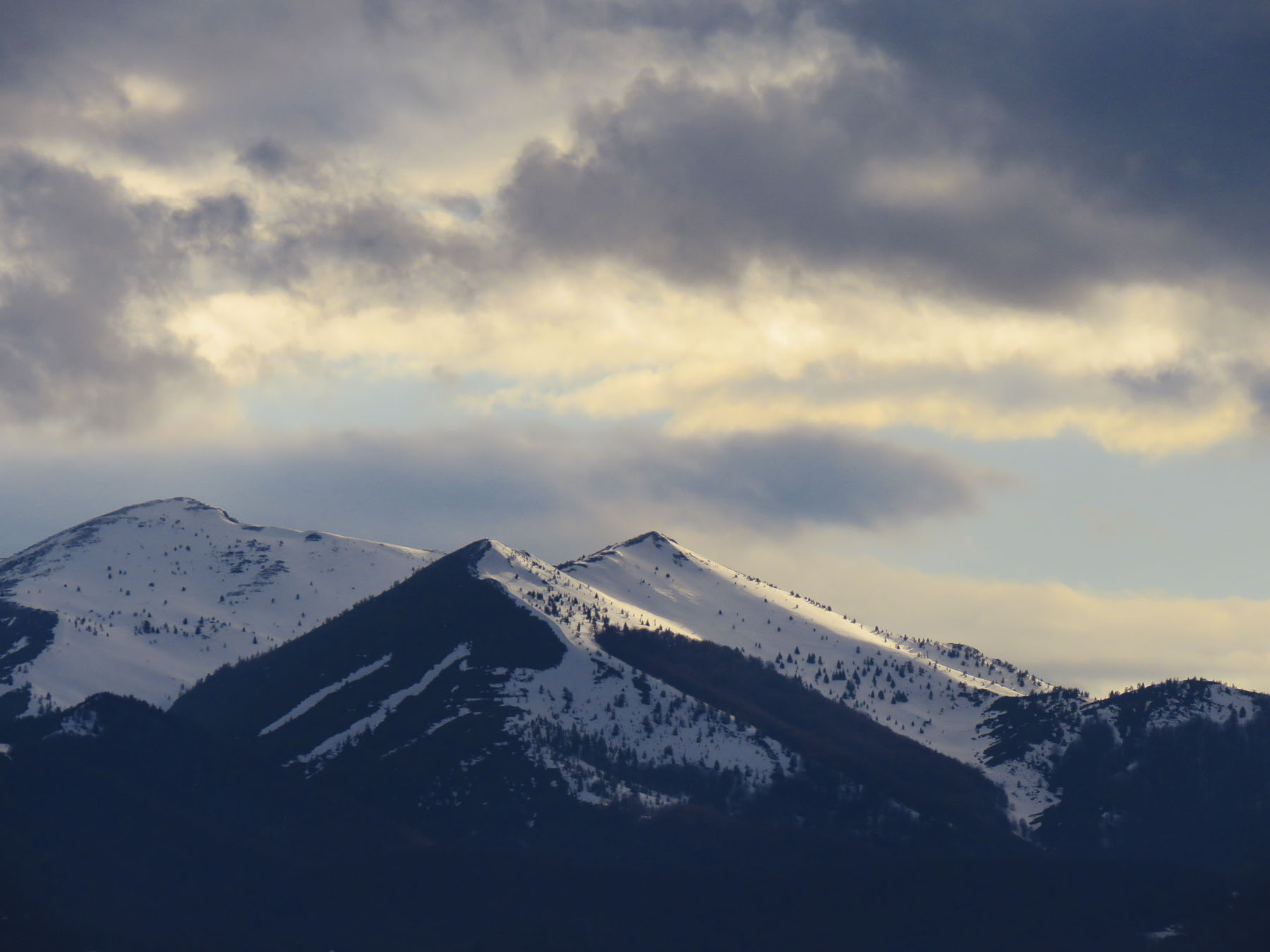 Our main destination was


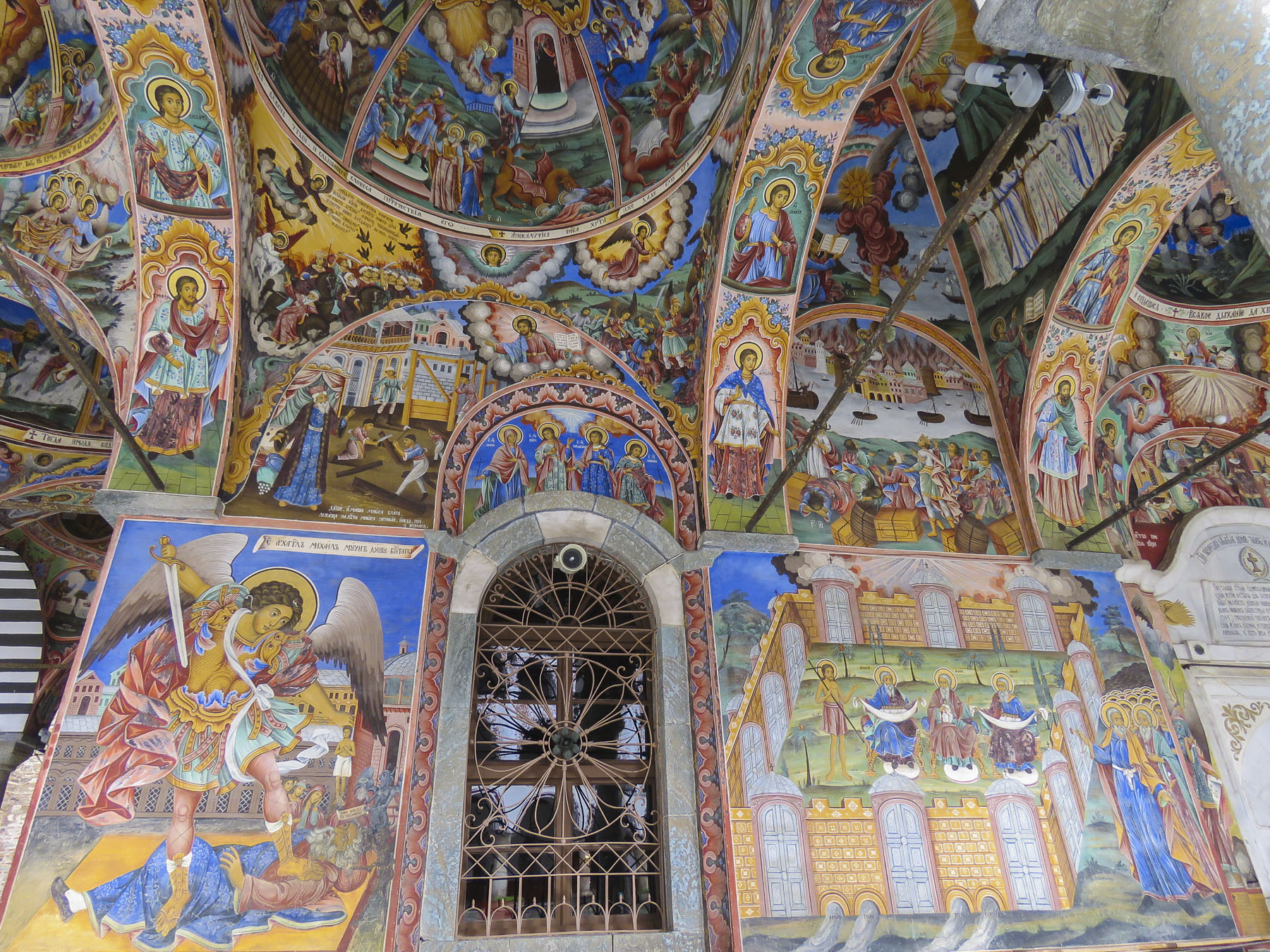
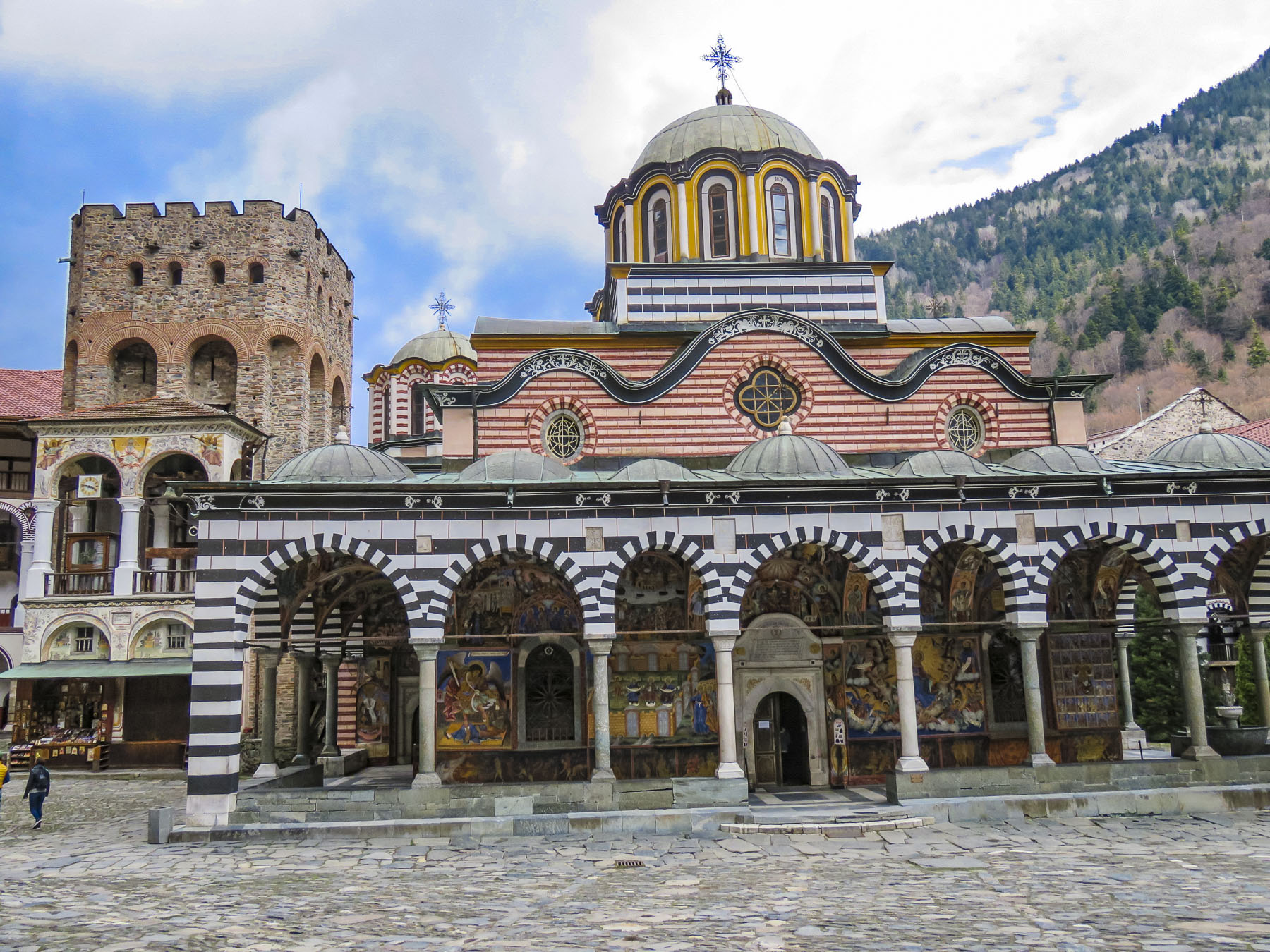 This is the only monastery to survive during the centuries of Ottoman domination over Bulgaria, when it was rebuilt in defiance of the Turks. The Bulgarian people have great affection for this monastery, as a symbol of their religion and culture during those turbulent centuries.


 Thirteen miles from the monastery, on a side street in the town of Rila, we spotted a church with three small cupolas, that called for a quick stop. The church “St. Nicholas the Wonderworker Mirikliyski” was a surprising find with its cracked bell tower and muraled covered entrance porch, complete with woodpile.
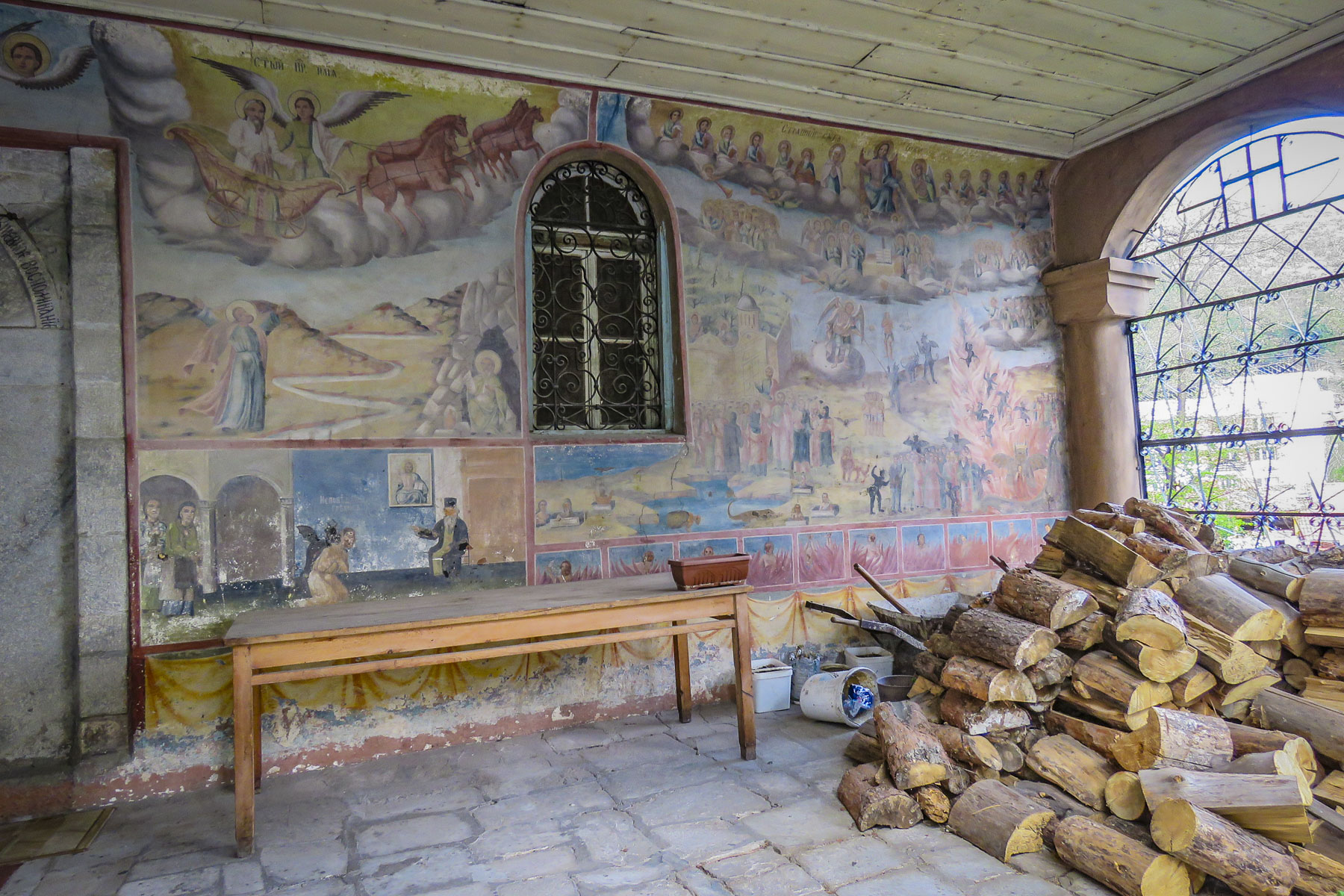 The painter of these hell fire and brimstone murals might have gotten his inspiration from the tortured works of Dutch painter Hieronymus Bosch. Unfortunately, the church was closed and we haven’t been able to find any other information about this off-the beaten-path treasure.


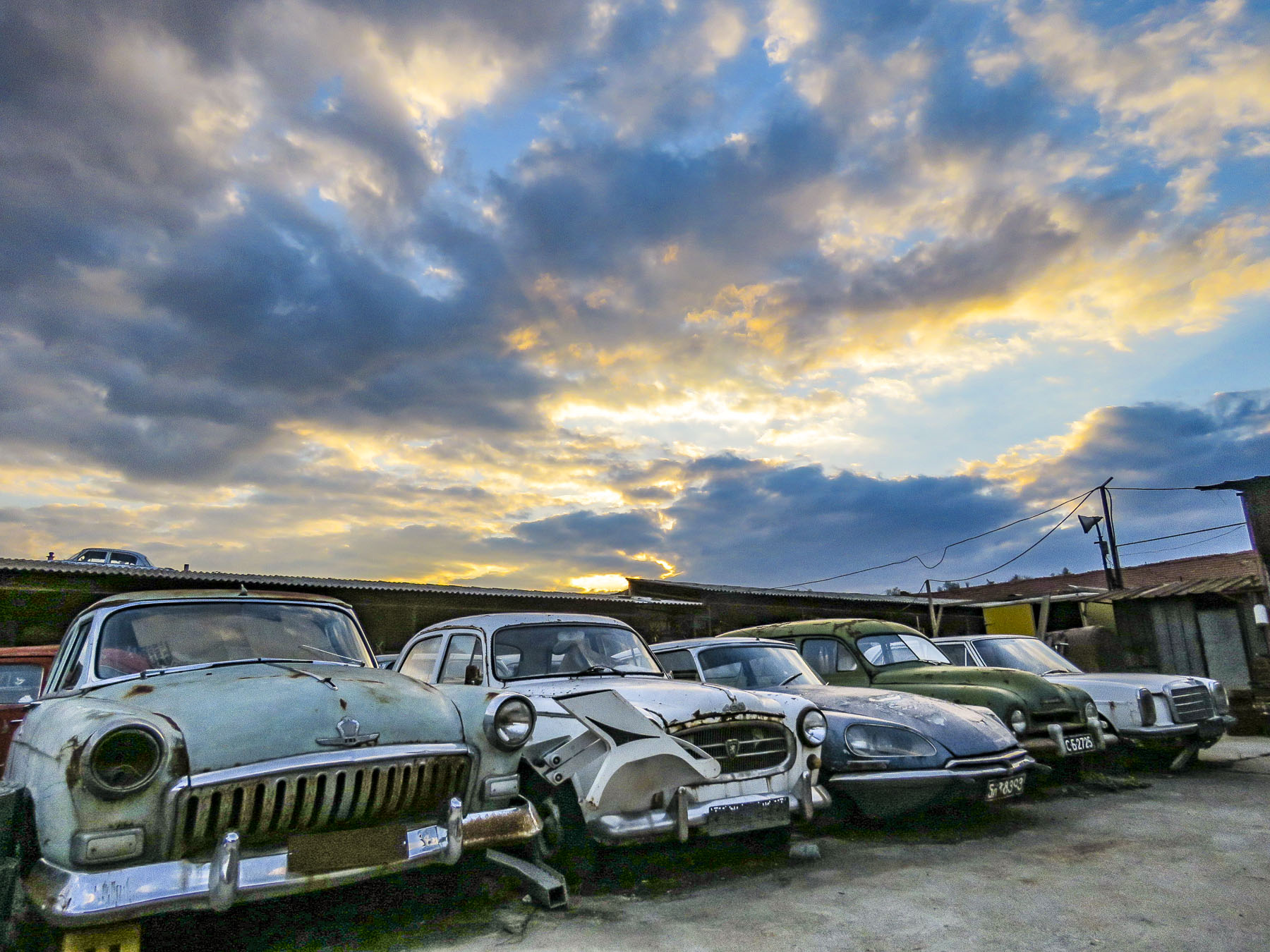 The Unofficial Junk Museum is a vast, rusty and dusty collection of whatever the owner deemed representative of Bulgarian culture under communism. Radios, tv’s, typewriters, farming equipment, cars, motorcycles, household items and busts of Stalin are stacked everywhere. It’s fascinating! And of all the places to buy a bottle of homemade


 In the morning we followed Rt. 1 south for a while as it hugged the Struma River, which would eventually reach the Aegean Sea, before we turned off and headed in to the Pirin Mountains.


 Melnik is situated in a wide gorge under striking sandstone rock formations, called hoodoos, that tower hundreds of feet high, created from millennia of erosion. Locals refer to these geological phenomena as Melnik Earth Pyramids. The village has been renown for making strong wine since 1346 from a regional red grape varietal, Shiroka Melnishka, and wine cellars still line its main street.
  Once a thriving village with one thousand residents, today it is now home to fewer than three hundred. The village was a delight to explore with its cobbled streets meandering between the whitewashed stone and timber homes built in the Bulgarian Revival style. Ninety-six of the village’s houses are historically protected. Any new construction in town adhered to that aesthetic.
  From the ruins of Bolyarska kŭshta, high on a hill above the Church of St. Anthony, we spotted the dome of what looked like a hammam, a Turkish bath, nestled between the traditional homes below, and went to explore.
  With the help of a kind woman, who somehow knew what we were looking for, we found the ruins of a small Roman era spa in a small side alley. Its dome was fully intact and the substructure of its once heated floor remained. There is also a single arched old roman bridge, near the parking lot, that you can still walk across. Before continuing to Kovachevitsa, we relaxed at one of the sunny cafes in the center of the village.
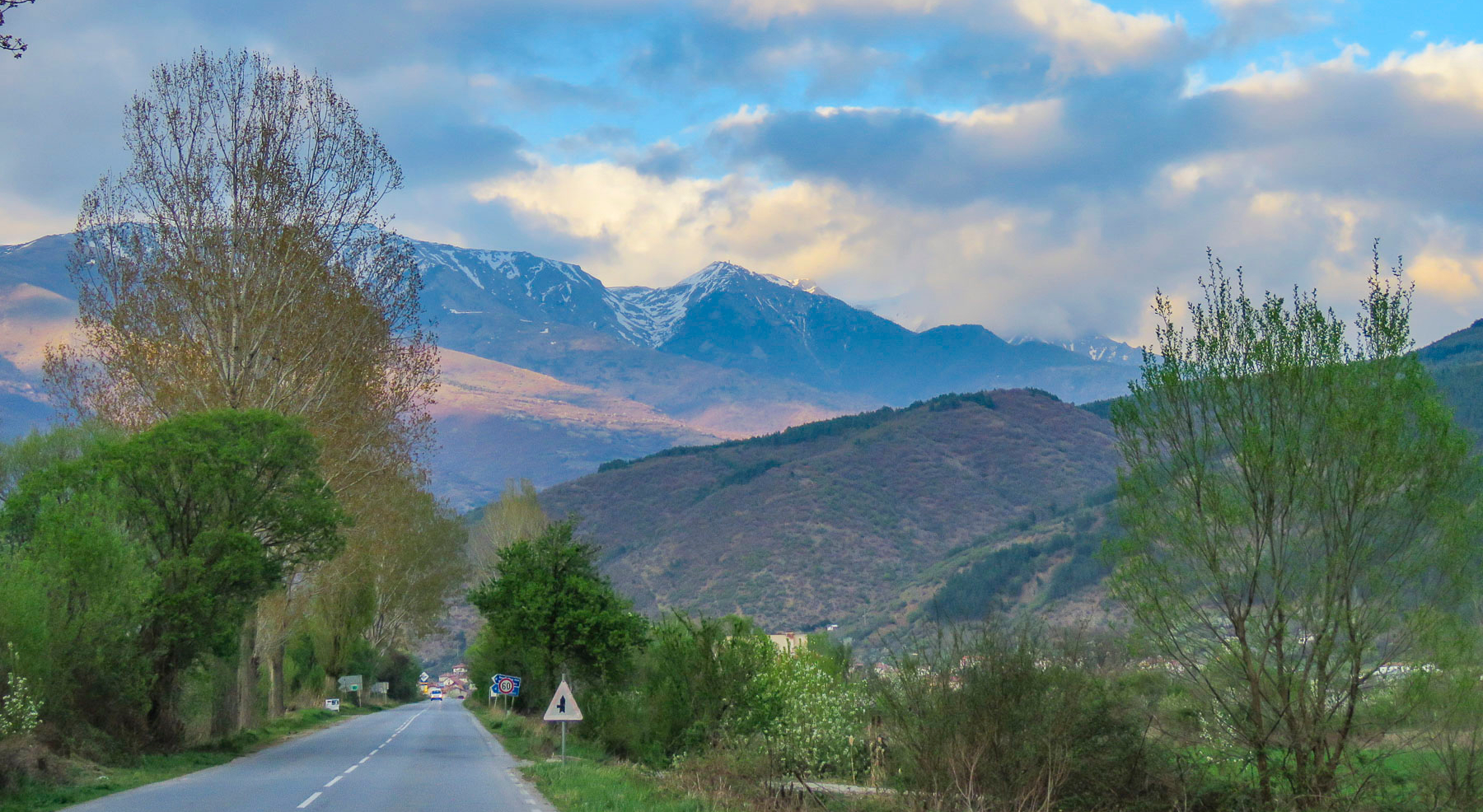
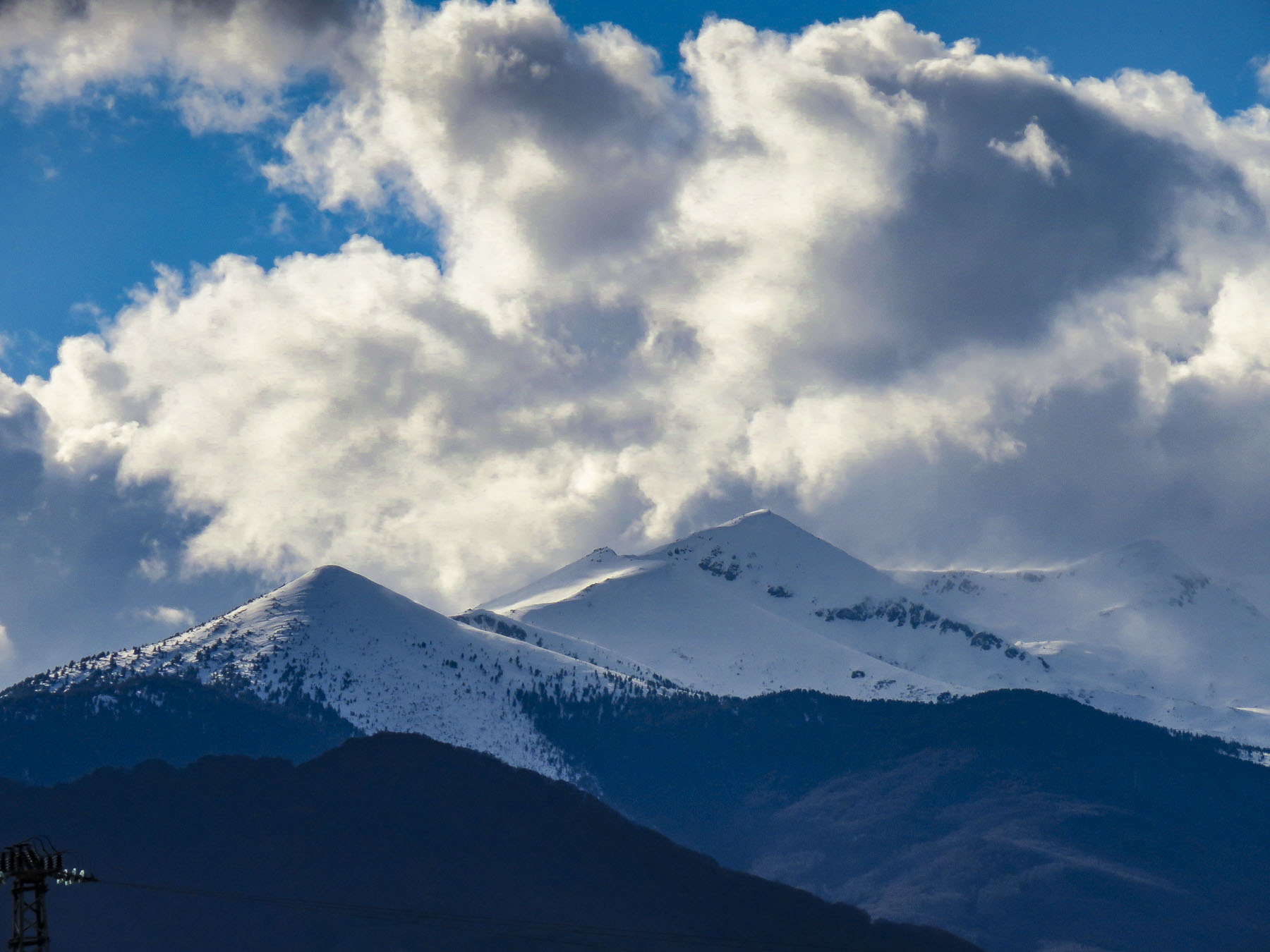 Kovachevitsa, an isolated, rustic stone village in the Rhodope mountains, was only 52 miles away near the border with Greece. However, it took us the bulk of the afternoon to reach because “someone stops every hundred yards to take a photo.” And stop we did as we were awed by the beauty of the border region as we drove through the mountains. So close were we to the border that our phones binged with a “Welcome to Greece” message from our cell phone carrier.
 At one point we stopped to photograph a complete section of an iron truss bridge, just rusting away on the side of the road, only to have our car suddenly surrounded by a flock of bah-ing sheep.

 So, we knocked on the ancient door of the closest building only to be greeted by loud barking. Retreating back to the car we pondered what to do when a voice behind us said “hello.” That was the only word of English our host spoke until he said “goodbye” two days later. The barking dog turned out to be a gentle giant, who welcomed us to the inn. In fact, all the dogs of the village were St. Bernard-size, and they must all have been related, because they closely resembled one another. Fortunately, they were good-natured.


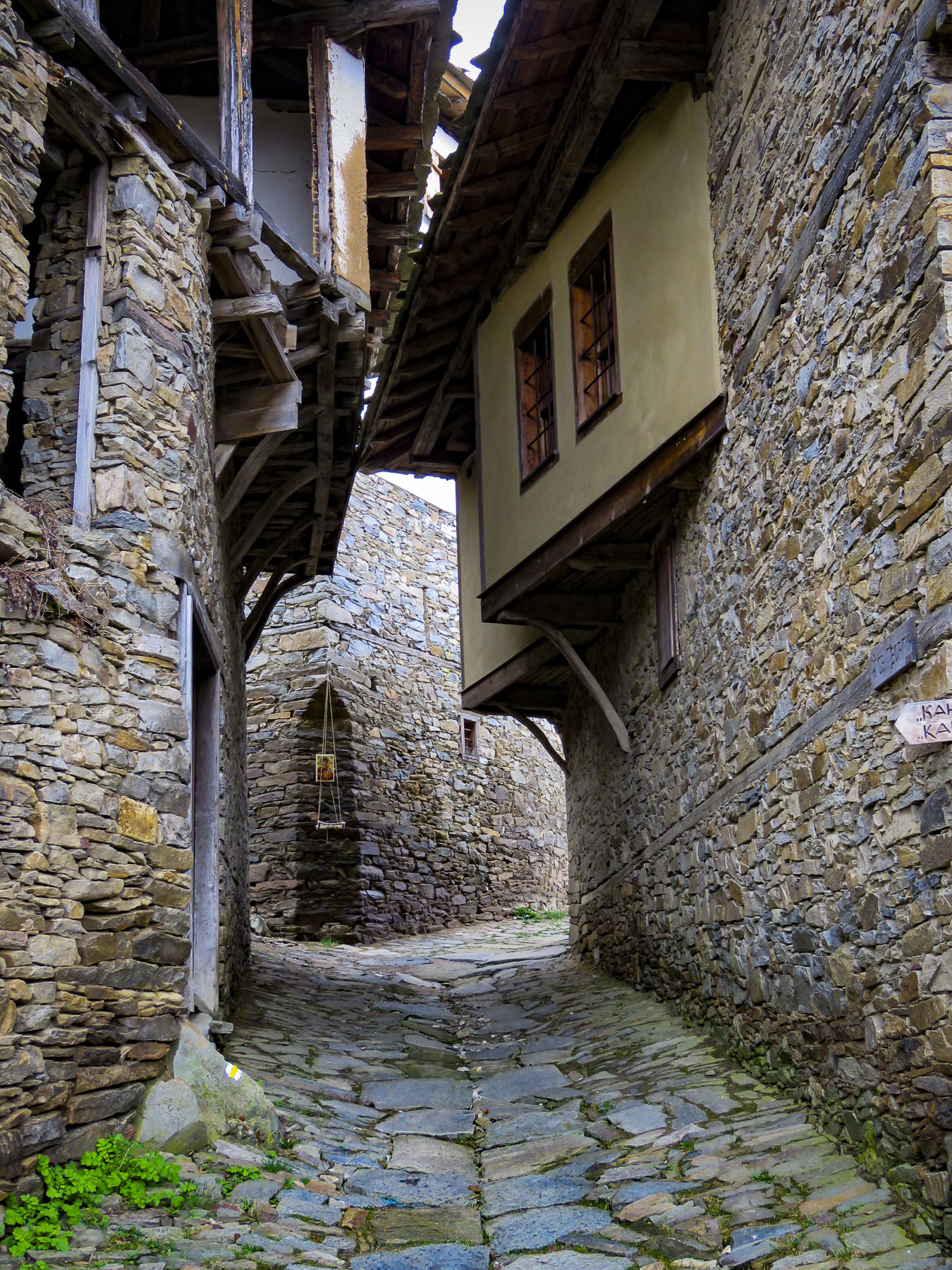 Bulgarians fleeing religious persecution and the forced conversion policies of the Ottoman Empire sought refuge in the rugged Rhodope mountains and established Kovachevitsa in 1656. Agriculture and stockbreeding in the area thrived during the 1800s and the homes still standing in the village date from that time. The tall stone homes of Kovachevitsa are stunning and unique in an organic way.

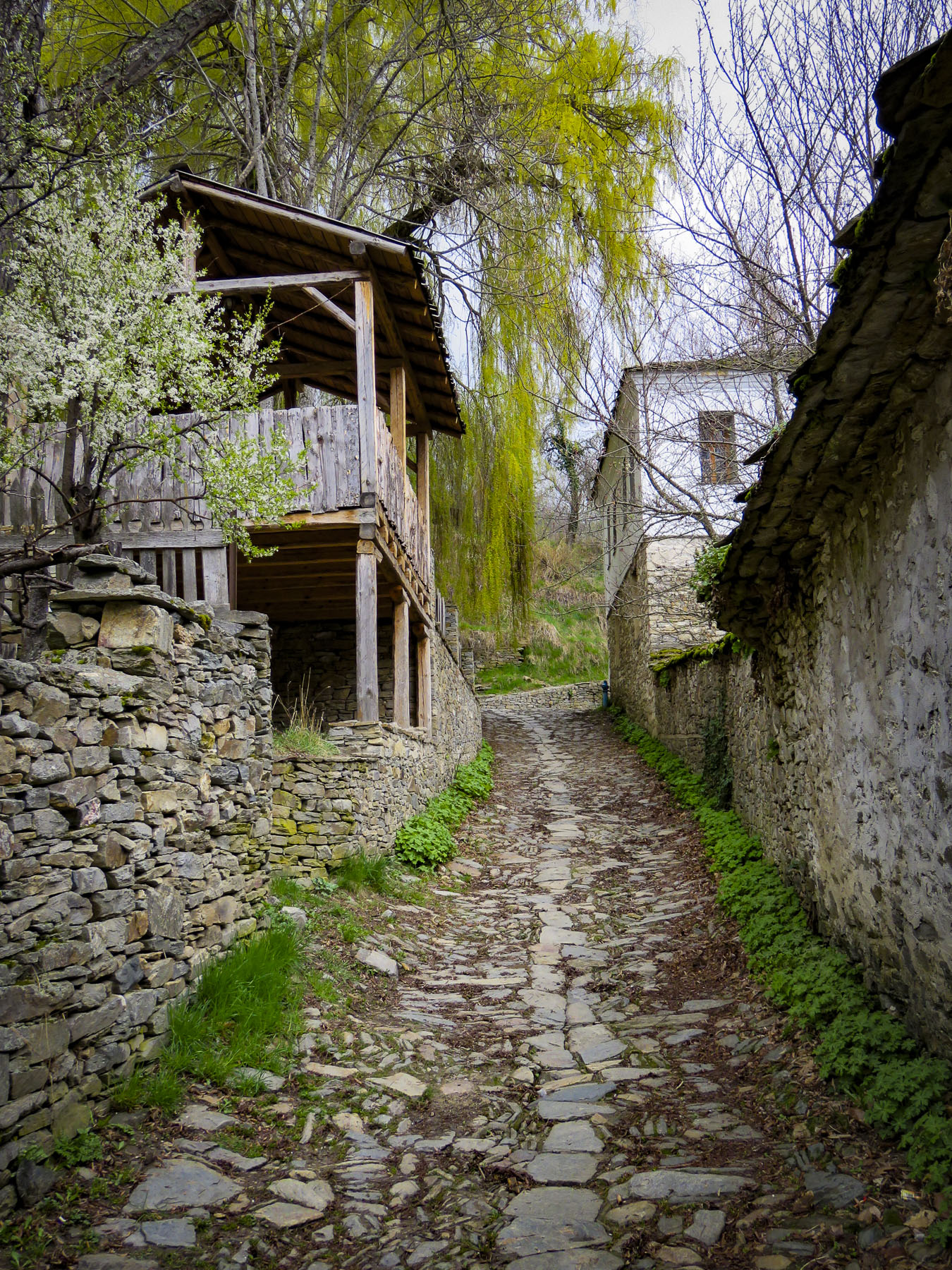 At breakfast the next morning Google Translate nicely bridged our communications barrier with the innkeeper’s wife. Loading the Cyrillic keyboard into the app for our hostess to use, Donna’s phone was passed back and forth repeatedly during a lively conversation about family, each other’s lives, the village and our travels. Our hosts’ children live with their grandparents in one of the larger towns off the mountain as there isn’t a school in the village anymore.
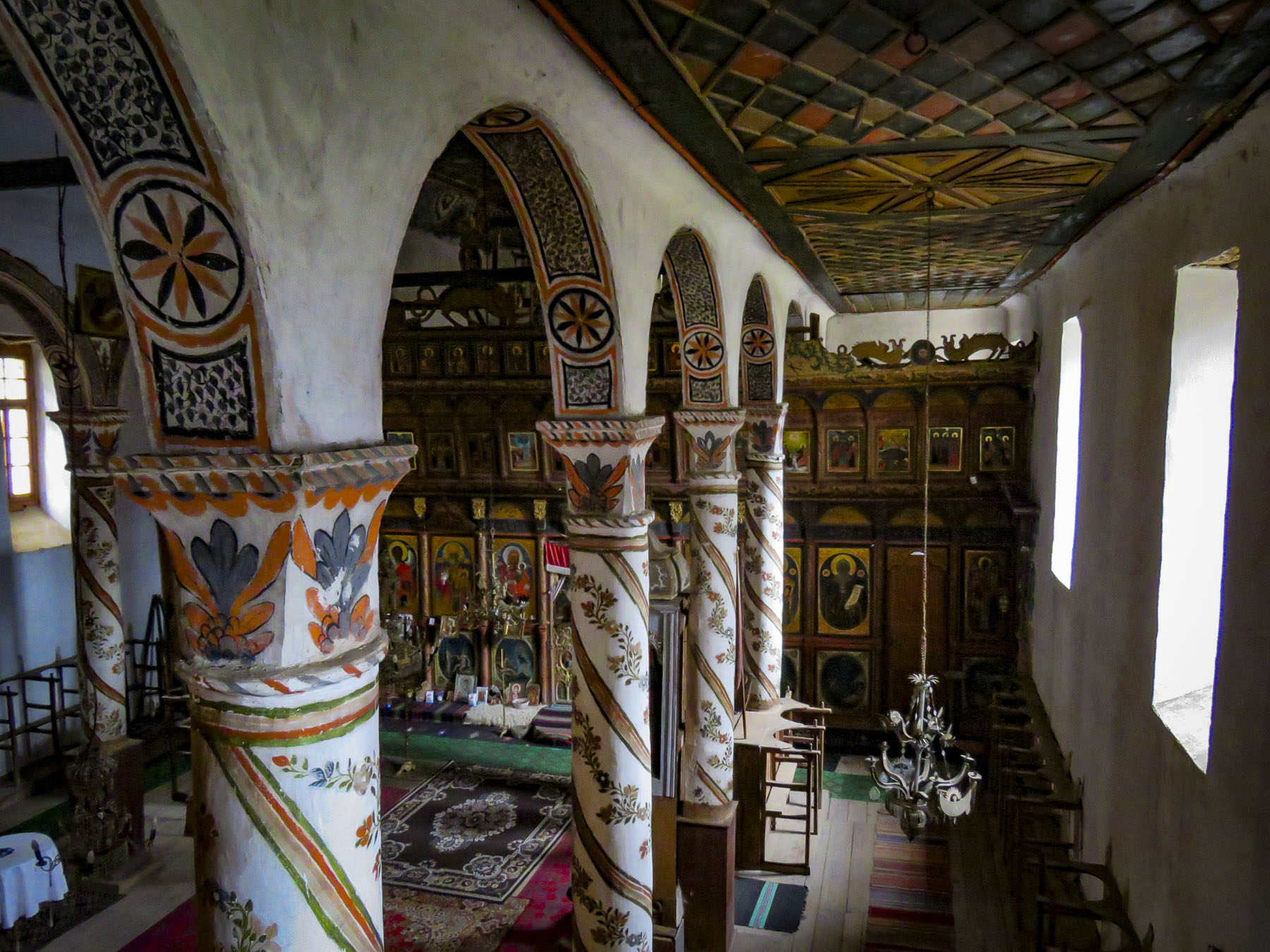
 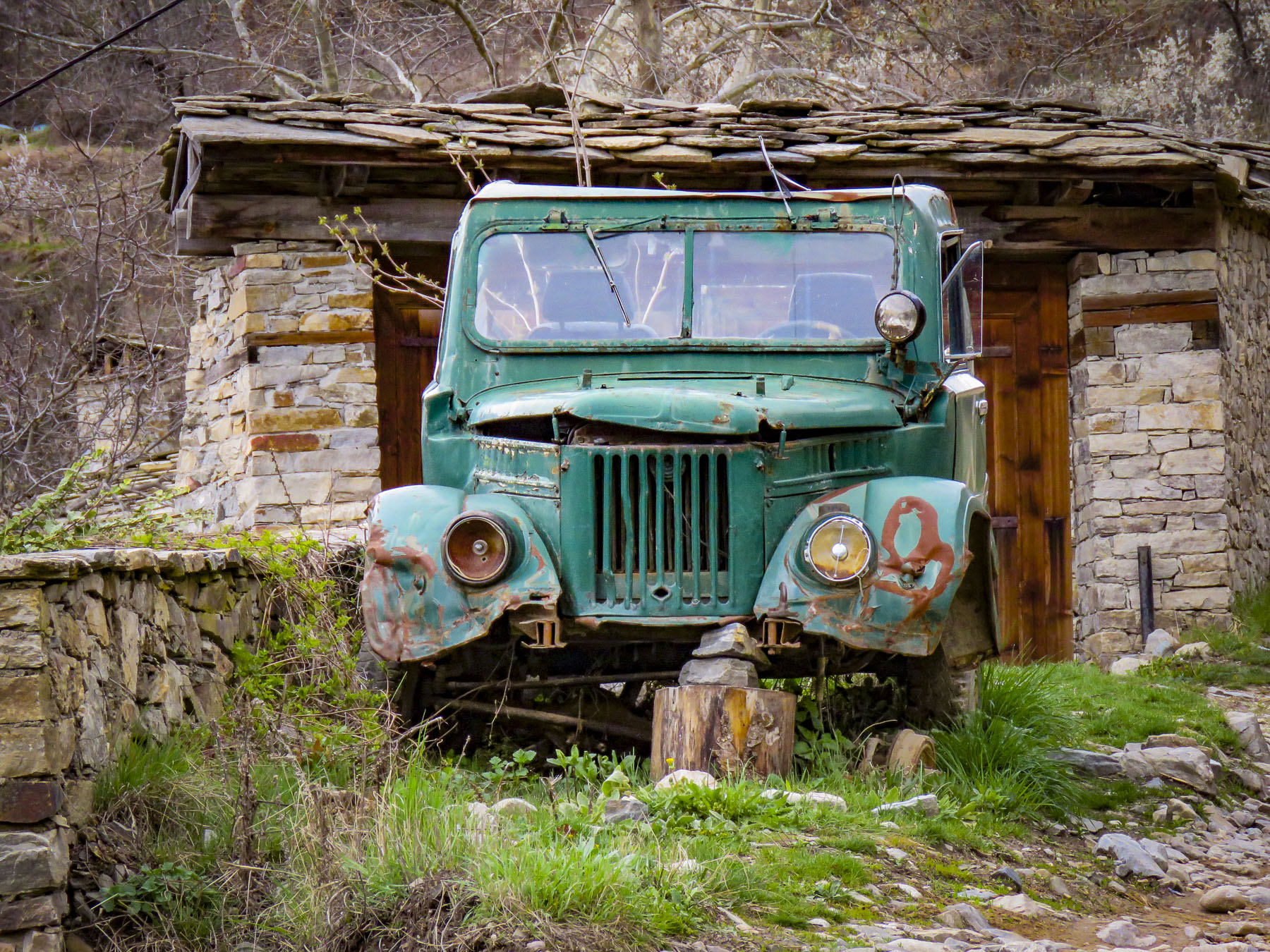 Most of the young families have moved away to find work, leaving only 28 year-round residents looking after the village till the tourist season starts. Strolling under blossoming elderberry trees, we had the narrow lanes to ourselves as we worked our way towards St. Nikolas Church.

 On the way back to our inn we stopped to admire the woolen creations knitted by a lone street vendor with a toothless smile who was bundled under layers of clothing to ward off the mountain chill. Her prospects for a profitable day seemed slim as the street was nearly deserted. When we expressed interest in only one pair of socks, she assertively pantomimed that we needed more. Looking up from readying our payment we could only smile and chuckle when we found she had filled our bag with two extra pairs of socks. They were well made and a bargain, so we caved to her sales pressure. I’m wearing a pair now as I write this, and my toes are happy we she insisted. I wouldn’t have been surprised if we were her only sale of the day.
 2 Suitcases for 2 years