

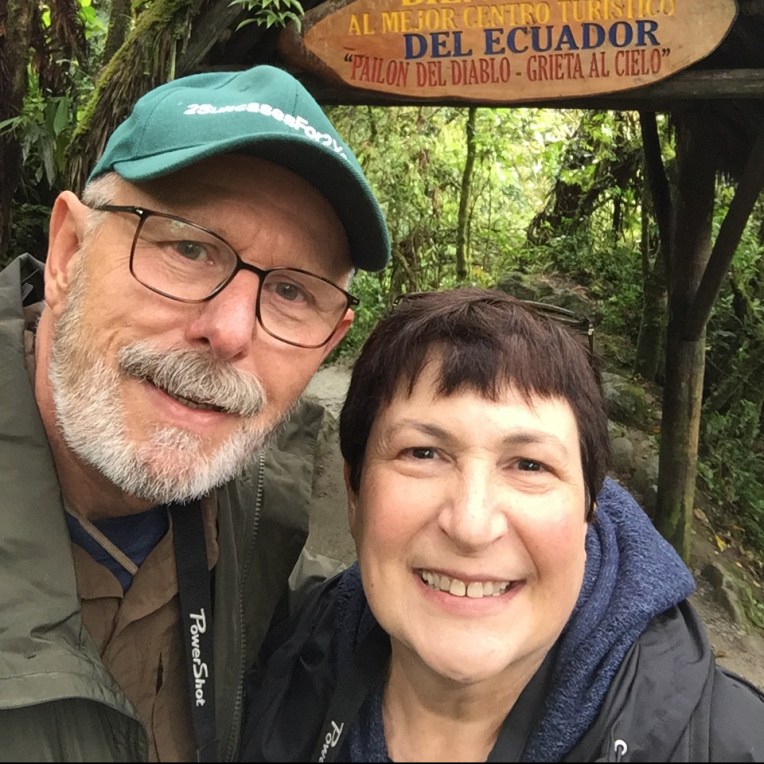
 The good news is we haven’t killed each other, though there have been times that I’ve dreamt a pillow was hovering over my head. Just kidding. We have gone from the two of us working six days a week while living in an eight-room house, to being together 24/7 with only a suitcase each. Boy did we downsize! It was challenging: what not to bring, considering all the seasonal changes we have encountered. Don’t laugh, but I have thermals, wool hats and gloves packed, just on the off chance we get snowed in on a mountain pass in the French Alps, this July. Yes, there’s also a flask of medicinal whisky packed in the bags for emergencies. And to my wife’s amusement, a cheap plastic fly swatter. Tragically the backup swatter was left behind in Antigua. In Lisbon I finally caved in and bought a pair of slippers because the floors of the stone buildings just don’t retain any heat in the winter. The comfort of a pair of slippers in the evening, after a long day of walking, can’t be underestimated.
 It’s been a huge but surprisingly easy transition for us. 253 days ago (I thought I was writing this at around day 200, it’s easy to lose track of time on the road) we slammed the door shut on our storage pod, locked it, and popped open a bottle of champagne to celebrate our impending journey. We haven’t looked back. Ecuador, Guatemala, Cuba and now Portugal; I can’t imagine undertaking this adventure with anyone else.


The Airbnb revolution has greatly contributed to our concept of slow travel, allowing us to immerse ourselves in a location for an extended period of time and to enjoy a community to its fullest. Experiencing a festive Christmas season and an explosive New Year’s celebration in Antigua, Guatemala, was extraordinary and something we wouldn’t have appreciated as much if we were just passing through.


We felt a little blue being away from our kids and their families during Christmas. The irony that we, and not the children, broke with the family tradition first was not lost on us. A three week visit back to the States in mid-January to see everyone helped tremendously.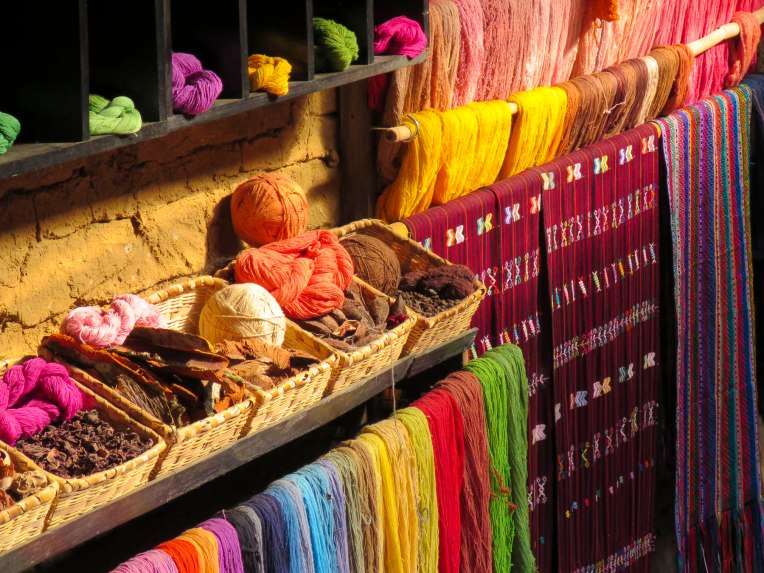 This visit also gave us an opportunity to jettison the wonderful textiles and ceramics we had purchased along the way for a home we don’t have yet. Imagine this scene from our last stop in San Pedro – the backseat of a tuk-tuk overflowing with Donna and all our suitcases, while I’m sharing the driver’s seat with the driver, one cheek on, one cheek off and a foot dangling outside the cab as we speedily snaked through the steep narrow alleys of the village.


Shopping in the central markets and street markets of each city has been wonderful as cooking is essential to keeping within our budget, though the size of some of our kitchens have tested our creative culinary abilities. The exotic fruits available to us in Ecuador were amazing and we tried many that we were unfamiliar with.

![IMG_2836[12654]](https://i0.wp.com/2suitcasesfor2years.com/wp-content/uploads/2018/11/img_283612654.jpg?w=279&h=209&ssl=1 "IMG_2836[12654]")
![IMG_2841[12658]](https://i0.wp.com/2suitcasesfor2years.com/wp-content/uploads/2018/11/img_284112658.jpg?w=279&h=209&ssl=1 "IMG_2841[12658]")
![IMG_6276[12629]](https://i0.wp.com/2suitcasesfor2years.com/wp-content/uploads/2018/11/img_627612629.jpg?w=477&h=636&ssl=1 "IMG_6276[12629]")
In Olon we bought the catch of the day from the fish monger as be pushed his cart through town. Guatemala yielded remarkably flavorful vegetables. We had a memorable culinary carrot experience there, go figure. This from a home gardener is quite a statement. Like our neighbors in the Alfama district, we are hanging our laundry out the windows to dry in the Lisbon fresh air. Our stays in each place have ranged from four to ten weeks. I favor the longer stays whereas Donna prefers a shorter visit.


There have been challenges negotiating the medical systems in Ecuador and Portugal only because we haven’t known the protocol of the local doctors. We have been extremely impressed by the care we have received from the medical professionals in these countries for altitude sickness and a persistent upper respiratory infection. The out of pocket costs have been remarkably inexpensive in comparison to the U.S. medical system.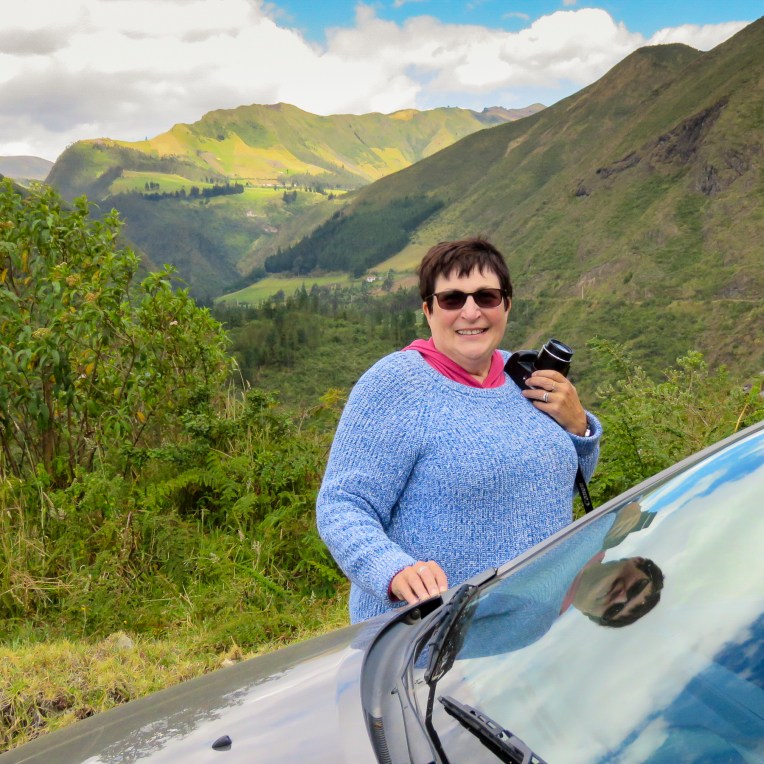 Not everything has gone smoothly. A rental car agency did not honor a reservation and we had to scramble to find another one late one night in the airport. We have felt very safe during our travels, but there are unfortunately some extremely talented pickpockets out there. May the curse of arthritis shorten their careers! Filing a stolen property report in Lisbon with the tourist police turned out to be an enjoyable experience due to the officer assigned to us. Luckily, within 24-hours they called us with the good news that our wallet had been recovered, minus the cash of course, but that our passport and credit cards were all there. Honestly, we weren’t following our own advice: only carry in your pockets what you are willing to lose. Everything else of value needs to be carried under your clothing.
 After Lisbon it’s a two-week road trip through Portugal. Then we are off to, of all places, Sofia, Bulgaria for a month, (the Beatles song “Back in the USSR” keeps coming to mind) in order to reset our Schengen union days for later in the summer. After that, two dog sits in England and two Workaway experiences in France at a 14th century chateau await us before we resume our life of leisure in Kotor, Montenegro, in September.
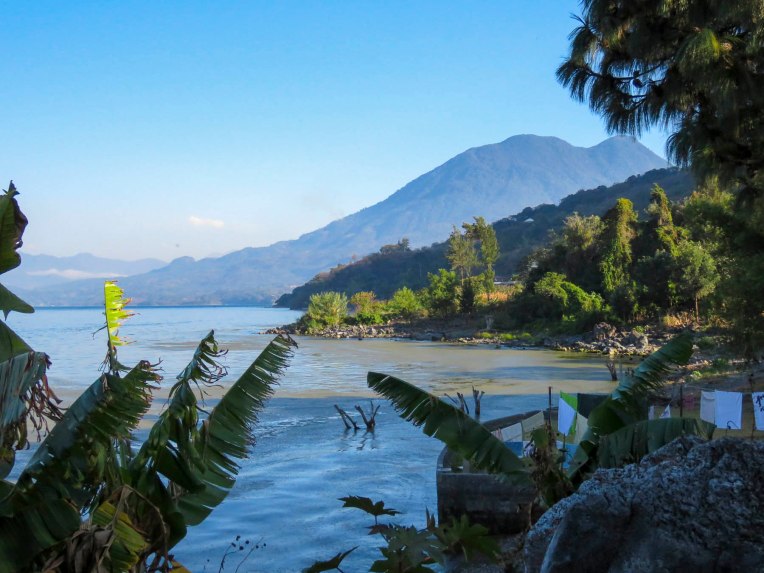 We have shared meals and stories with so many wonderful and interesting people along the way. These friends have made this journey what it is – fantastic!
Kindness and a smile go a long way in this world.
Till next time,
Craig & Donna


 2 Suitcases for 2 years