A Balkans Road Trip Part 4: Slovenia – A Day Trip from Ljubljana to Lake Bled

Enchanting photographs of Lake Bled and the Church of the Assumption of the Blessed Virgin Mary on its island pulled us into the countryside like a magnet, its attraction drawing us away from Ljubljana to visit the iconic pilgrimage site that’s become a symbol of the natural beauty that awaits visitors to Slovenia.

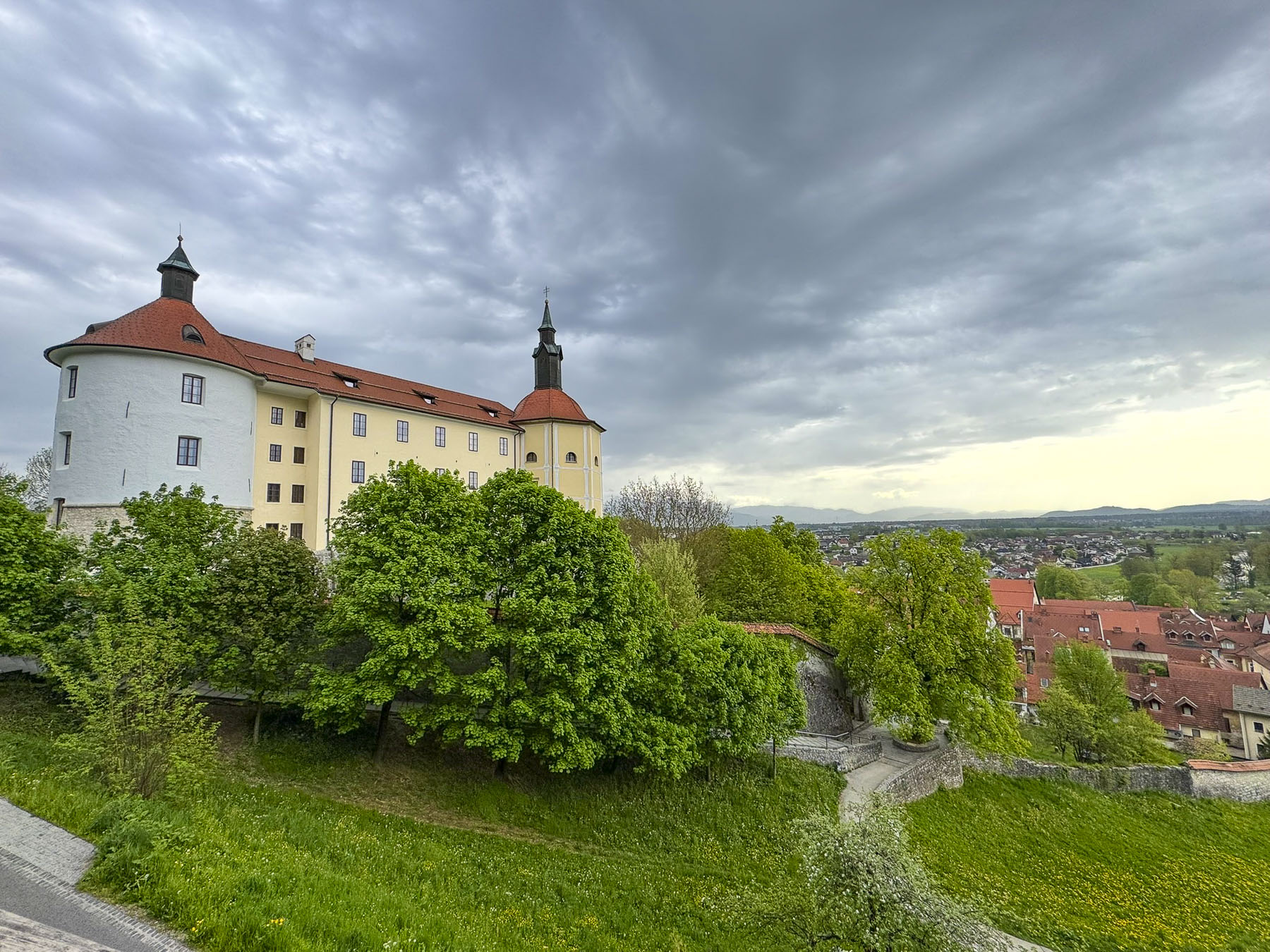
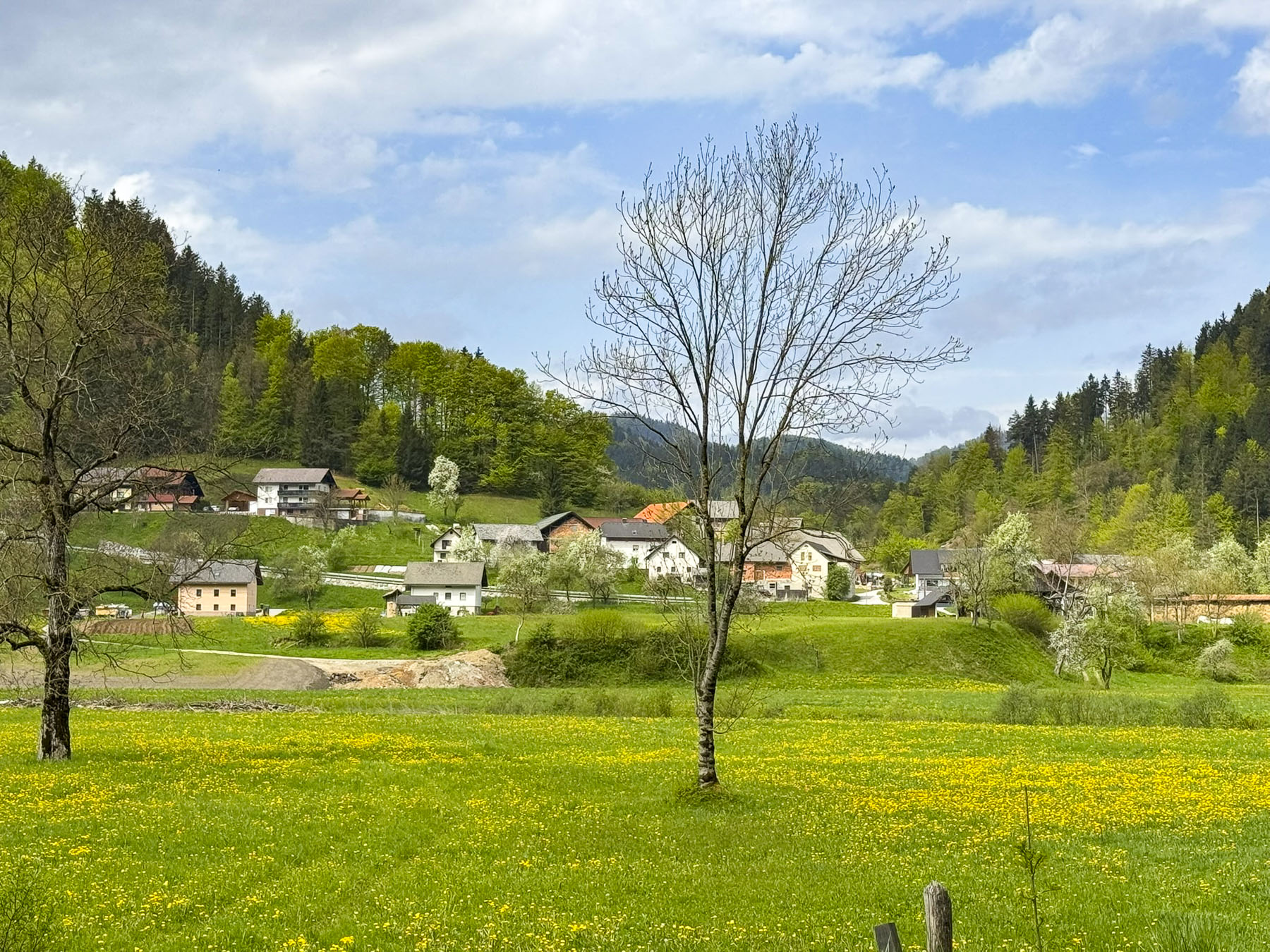
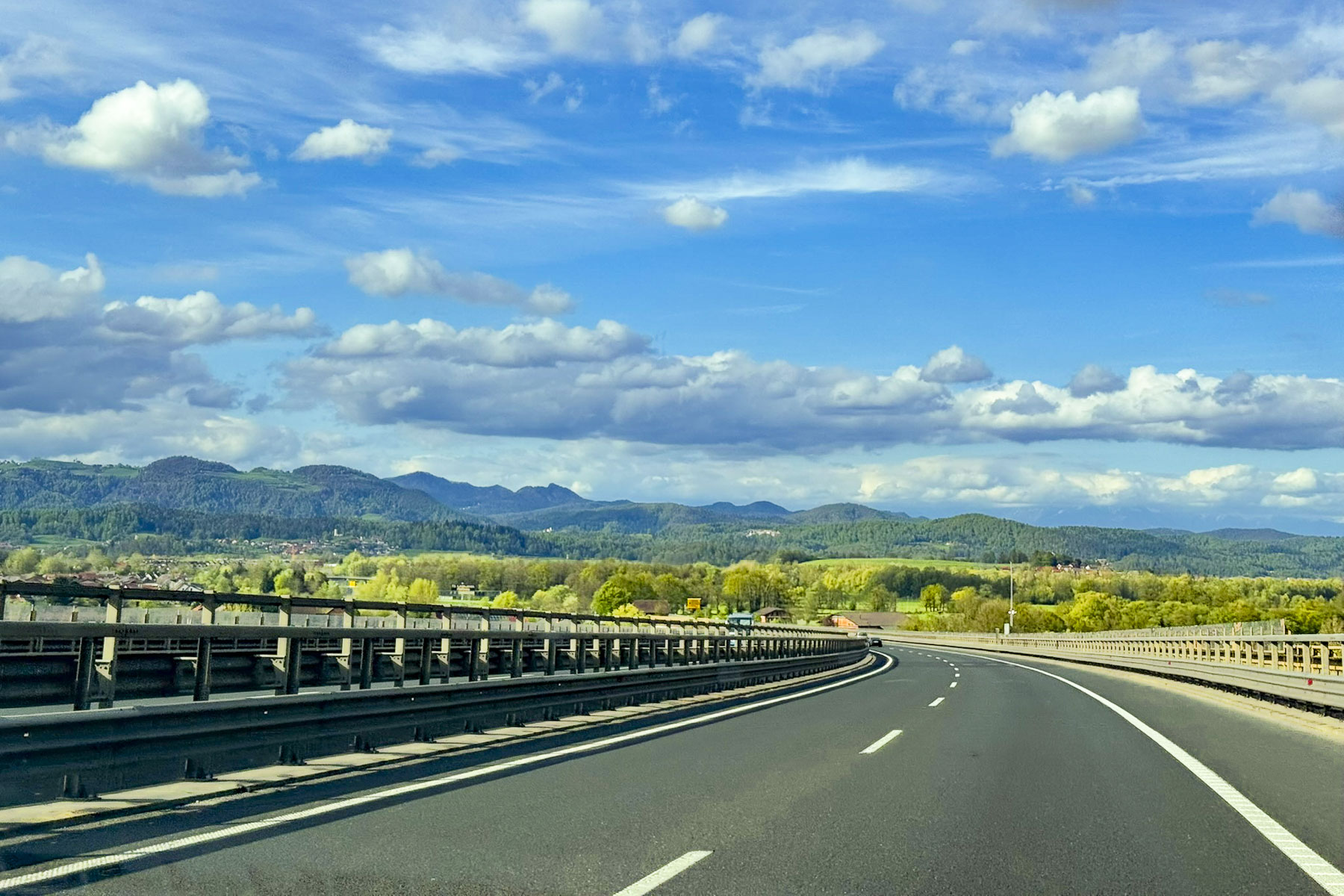
Via the E61 toll road from Ljubljana, Lake Bled is an easy and quick day trip from Ljubljana, but we chose a route through the foothills of the Julian Alps, an immense area that stretches to the northwest from Skofja, a charming town with medieval roots.

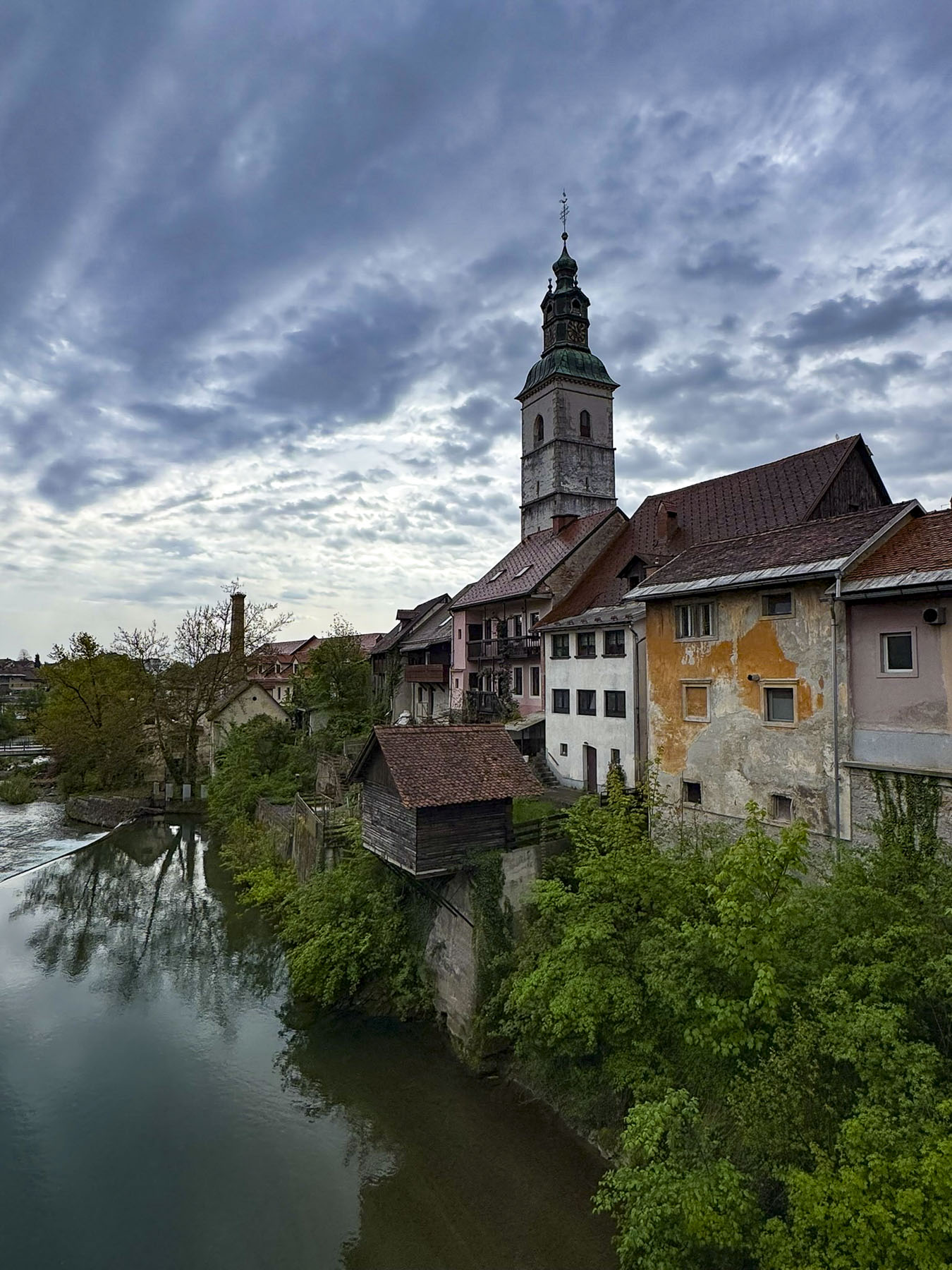
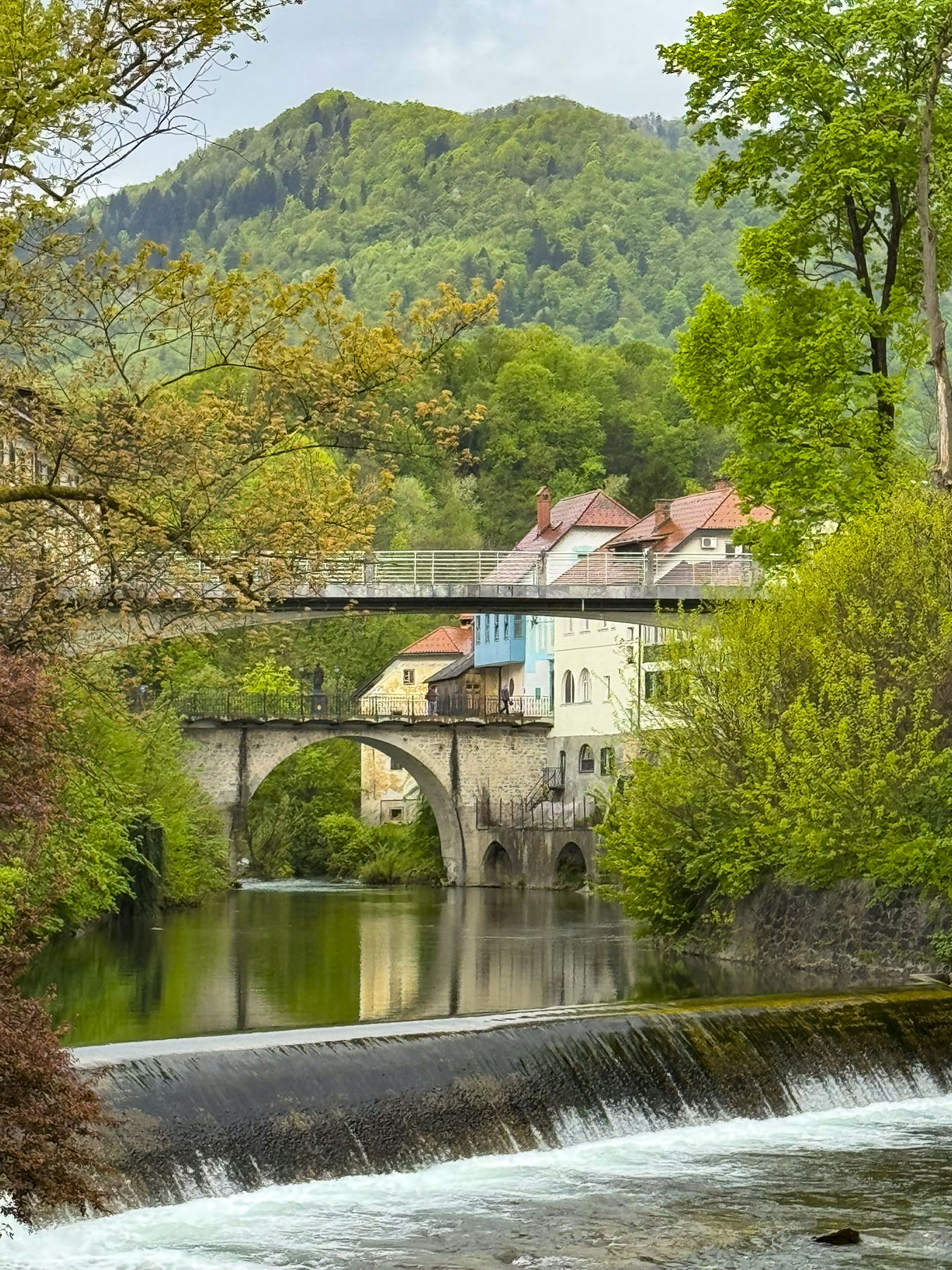
Škofja Loka, the “Bishop’s Meadow,” was founded on the hillside above the confluence of Selška and Poljanska Sora rivers, by a 973 AD land grant to the Bishops of Freising from the German king and Holy Roman emperor, Otto II. By the mid-1200s it was busy walled market town with Skofja Loka Castle towering over it.

The town has persisted through a turbulent history; having survived a devasting 1511 earthquake, and after fires in 1690 and 1698, it rose from its destruction like a phoenix. The picture image of the town today stems from this last rebuilding and the removal of town’s ramparts in 1768.

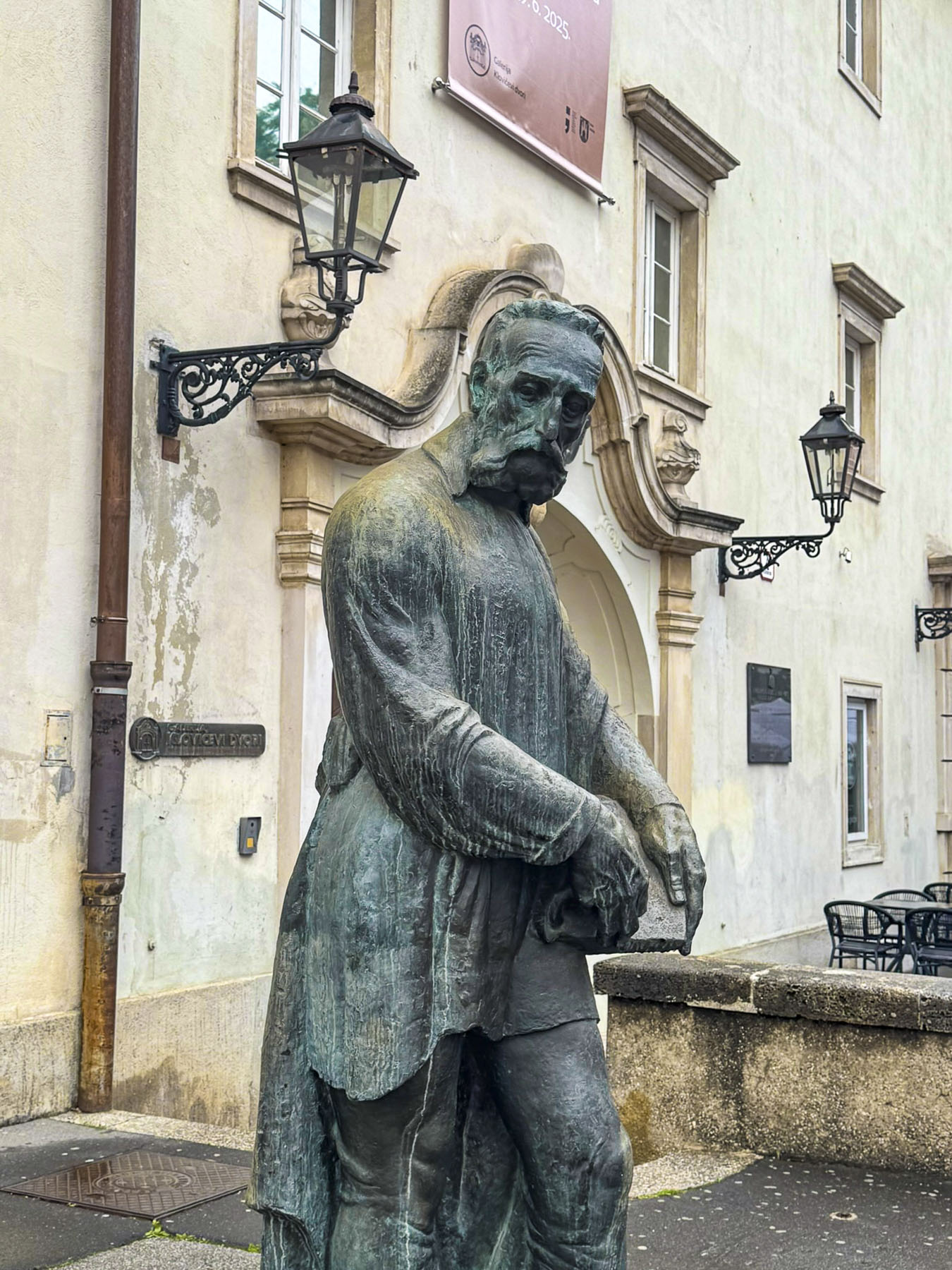
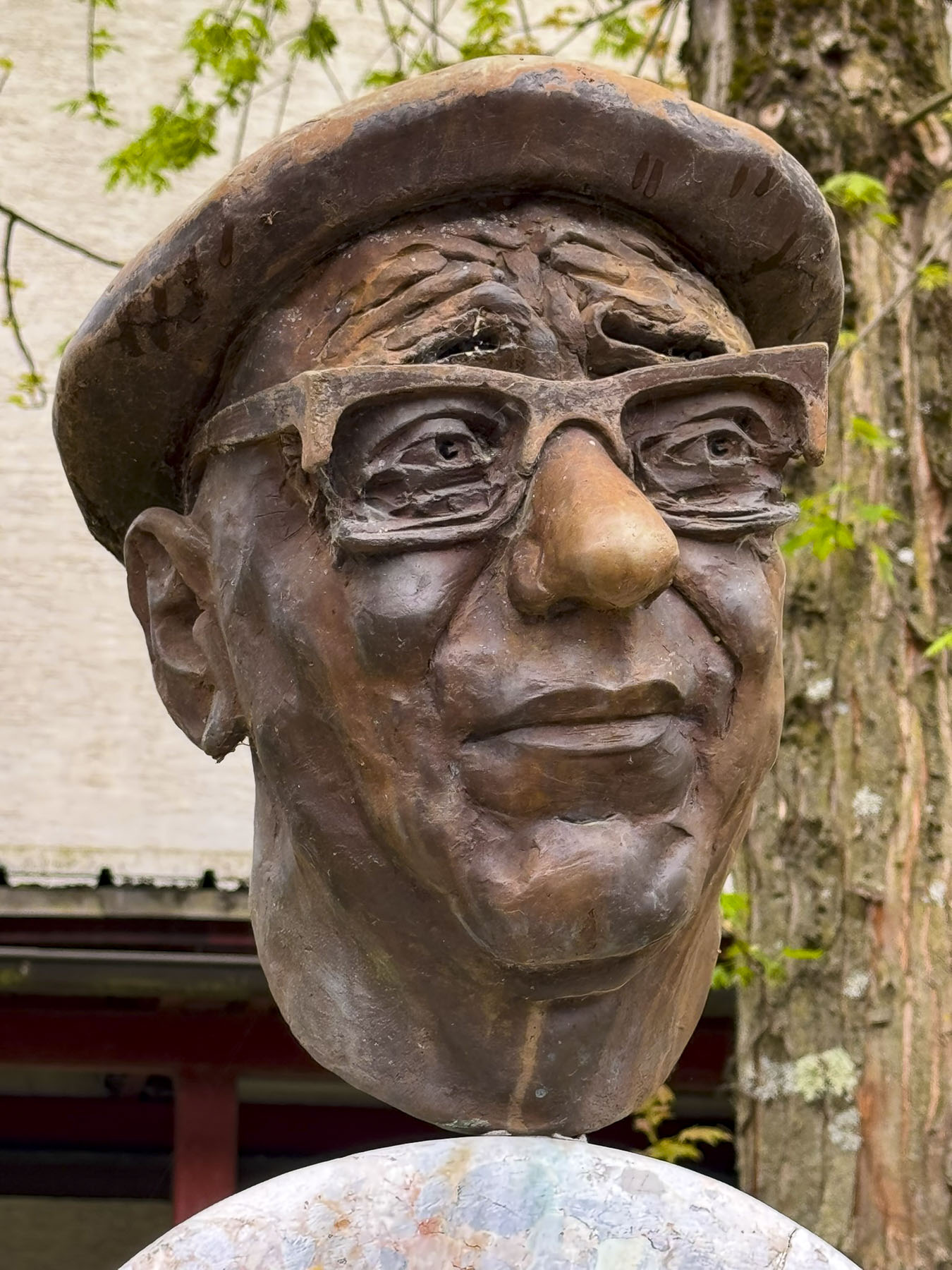
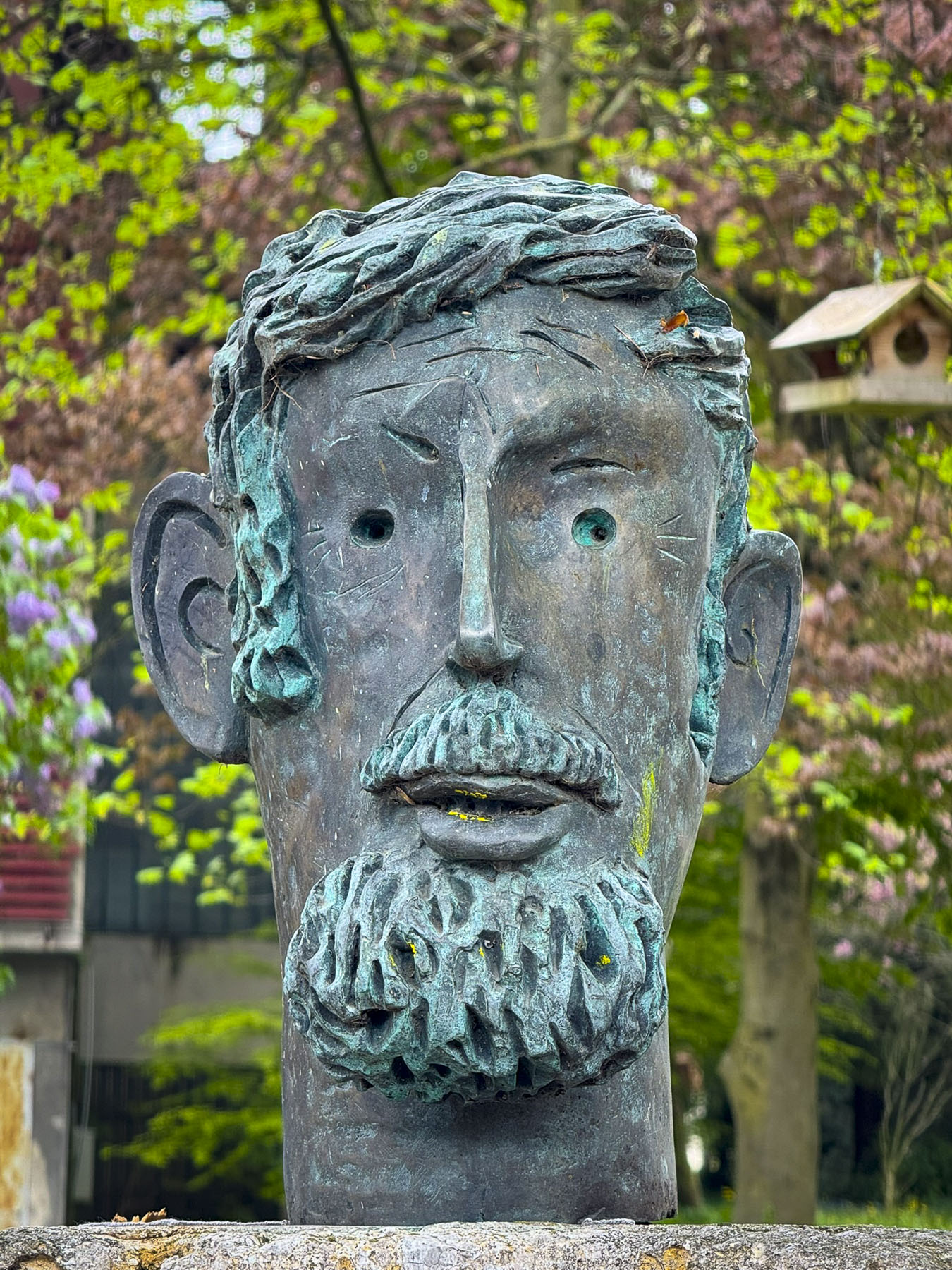
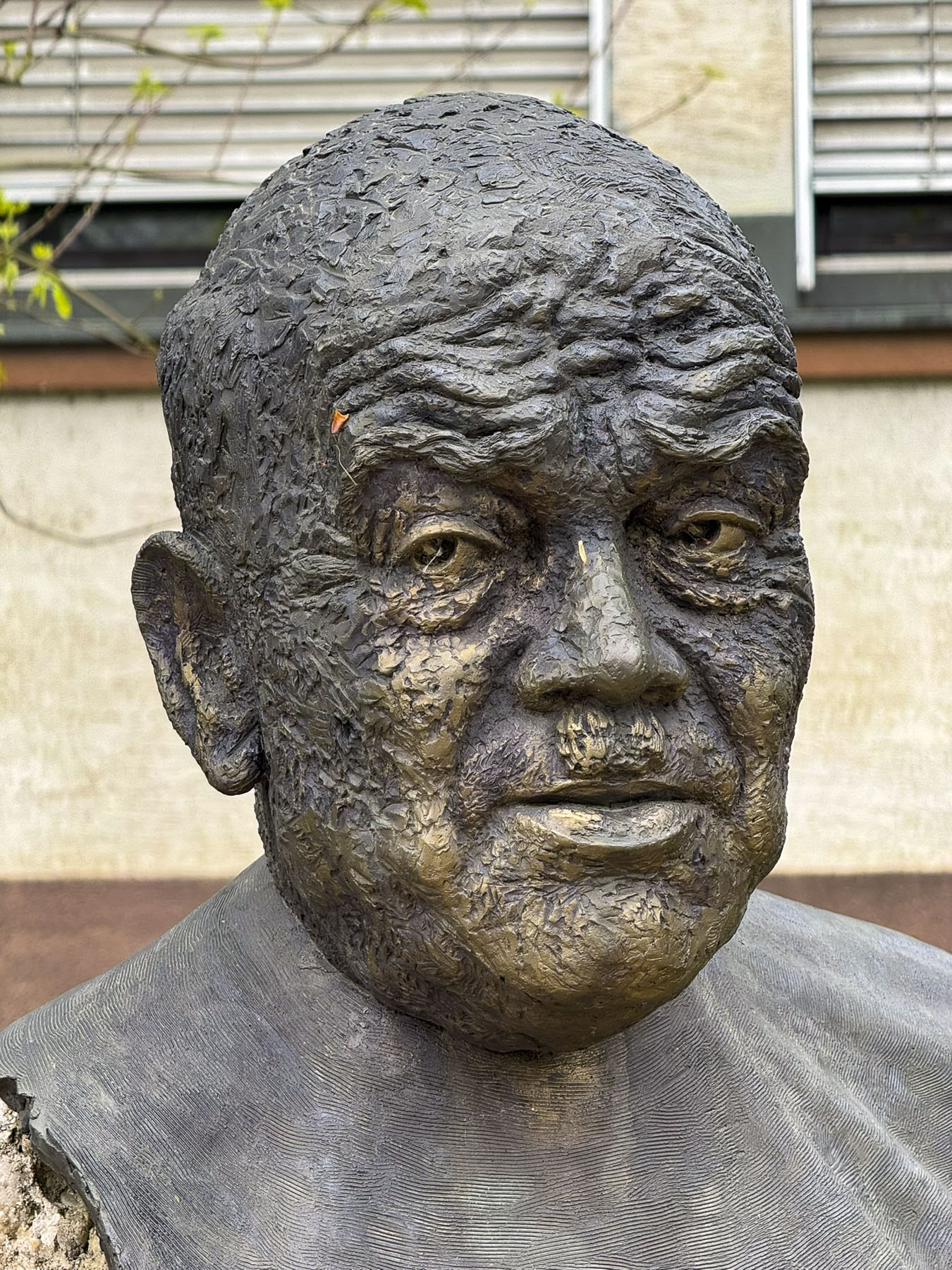
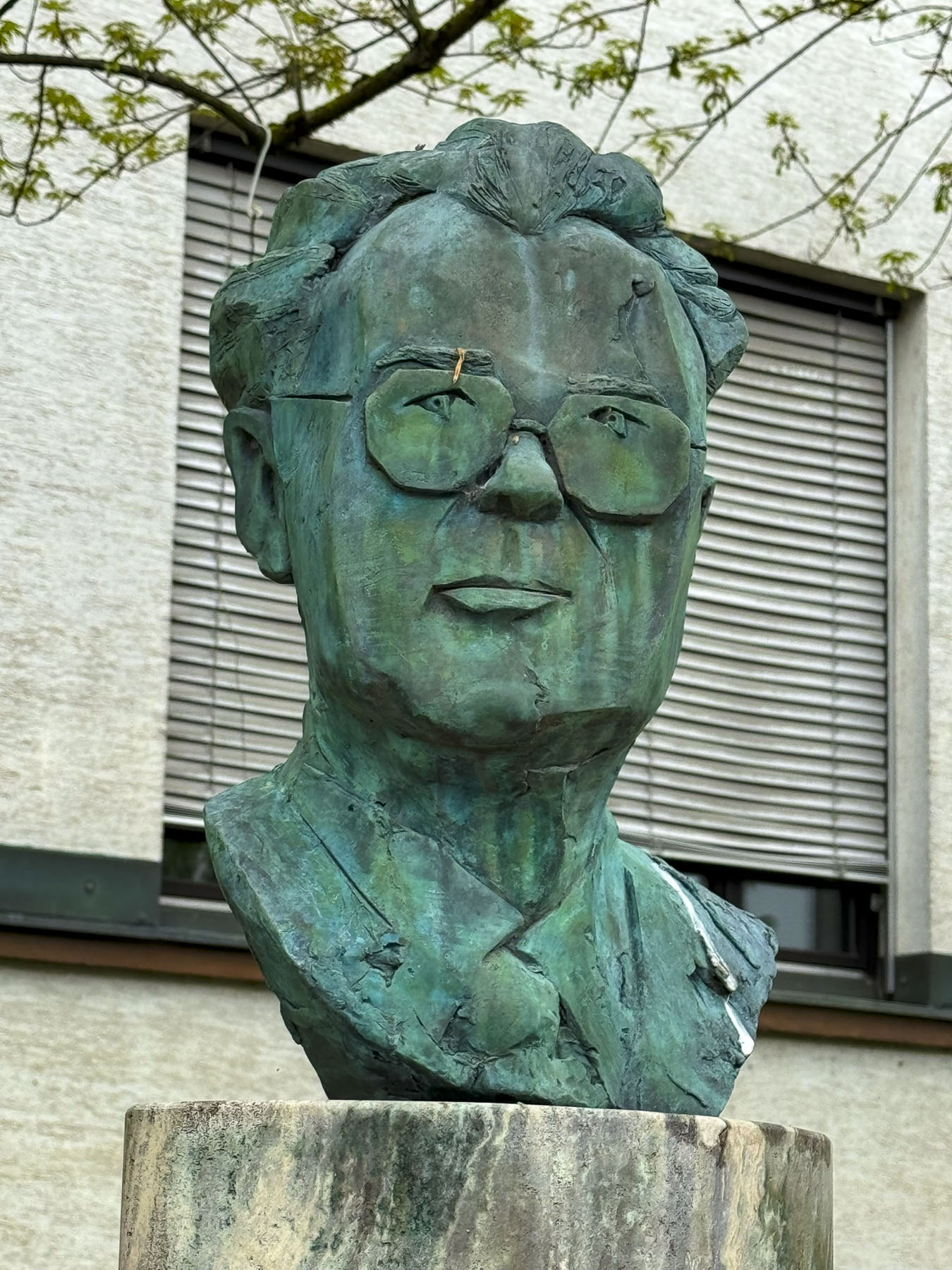
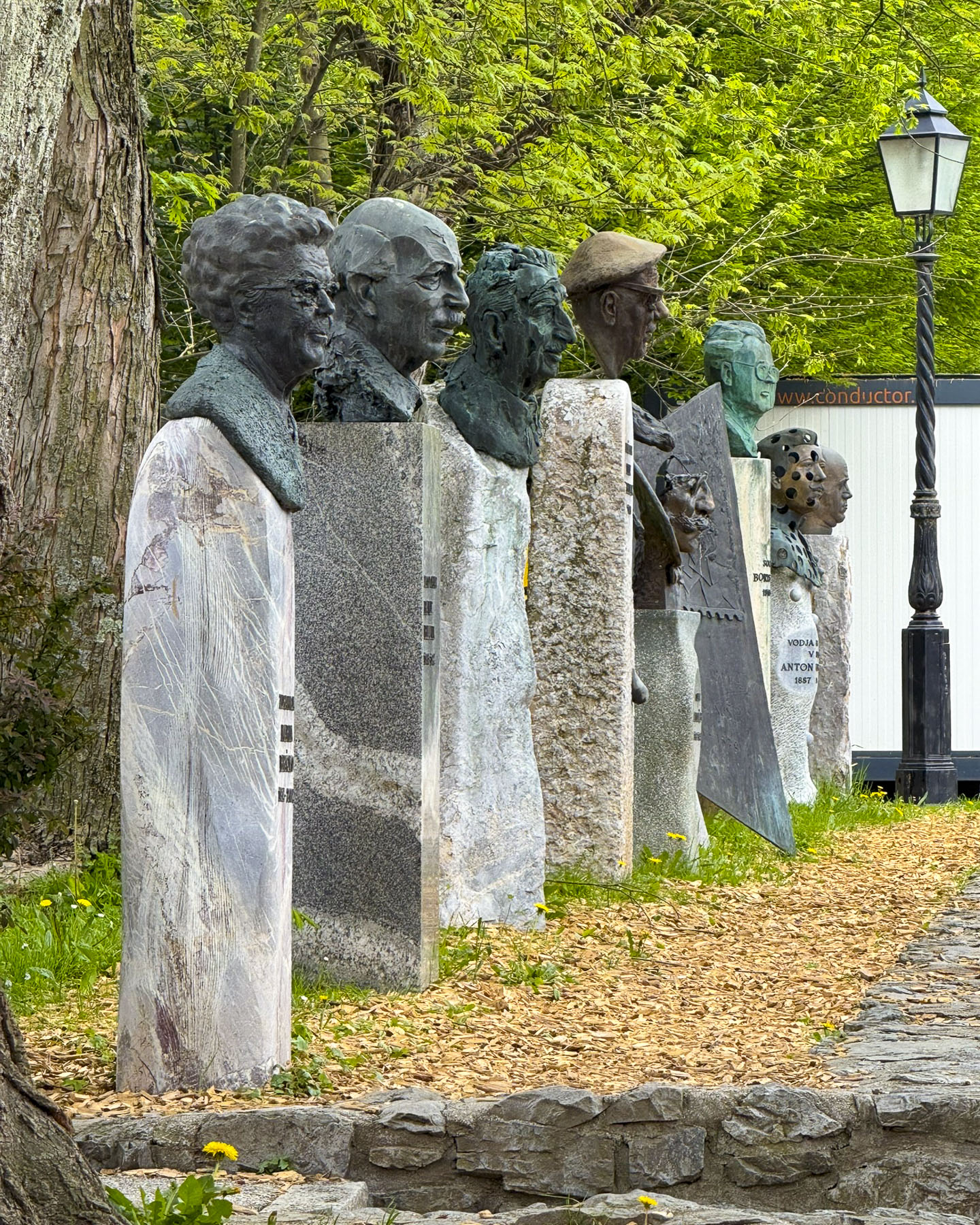
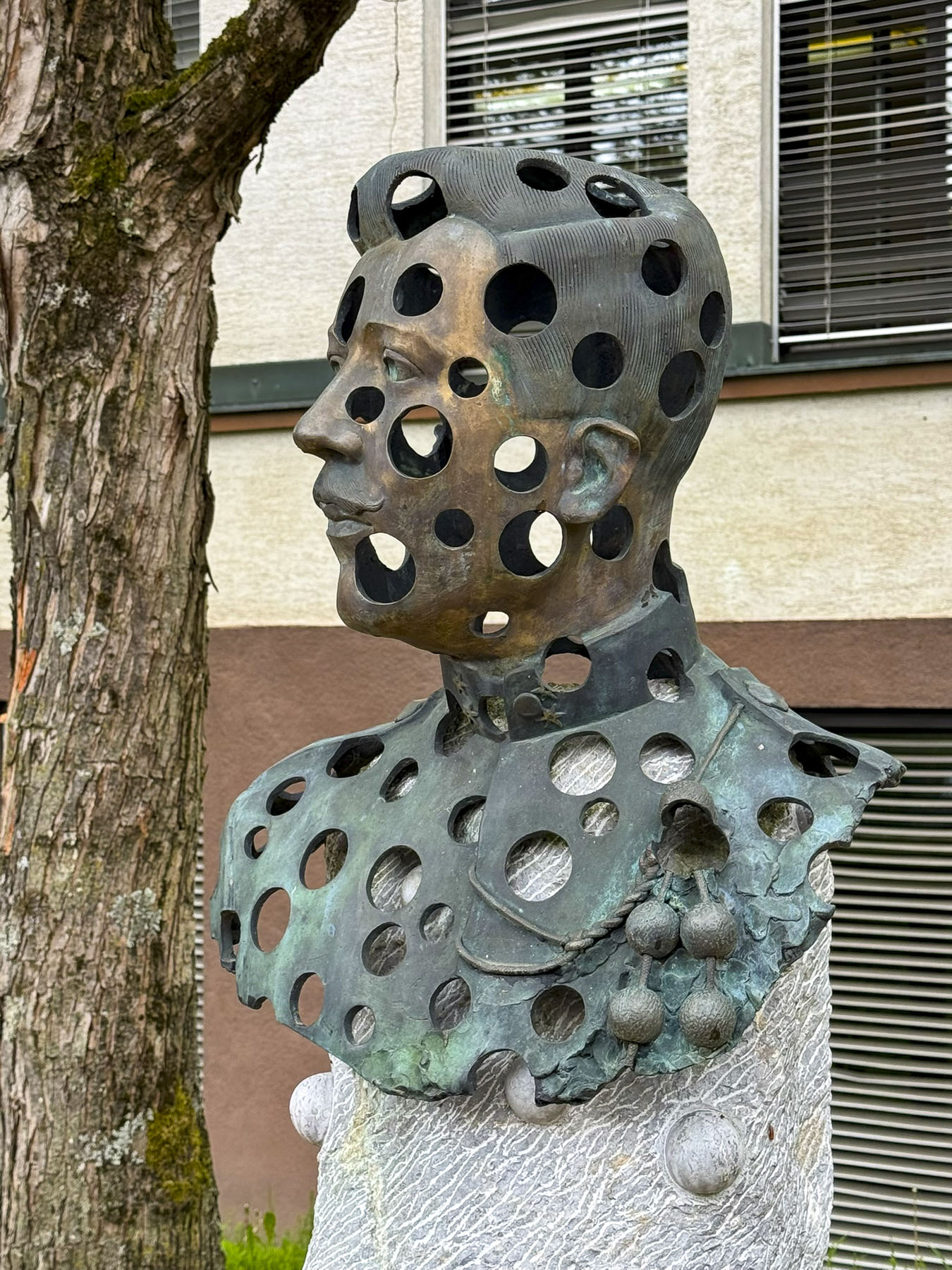
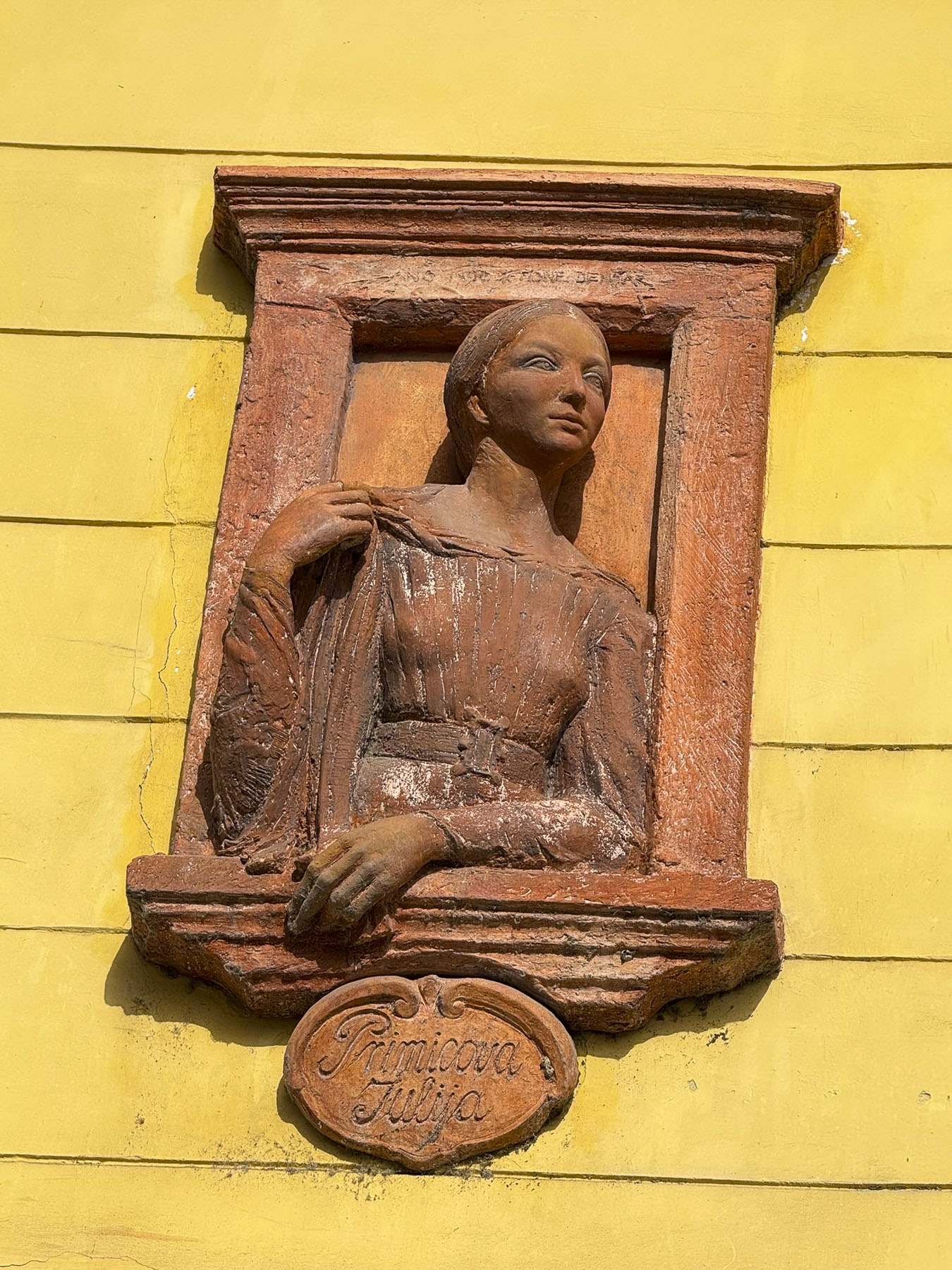
In Selška Sora’s new town we had coffee at the Art Café and sat outside on its porch, even though it was a chilly day, to enjoy the ambience of the town. Across the street from the cafe was a small memorial park Aleja zasluženih, the Alley of the Deserving. It featured a row of unique artistic busts portraying influential notable people of the area.

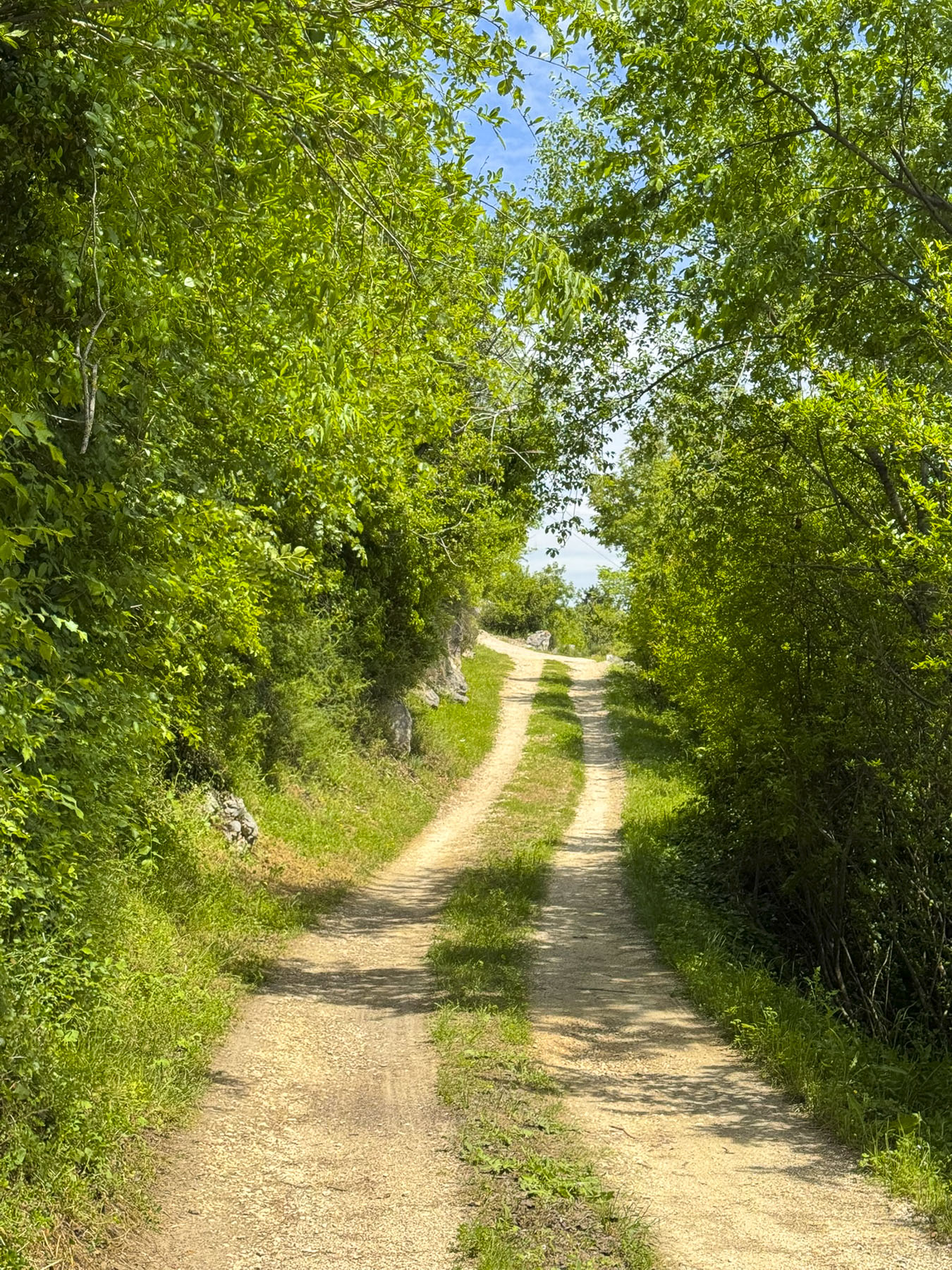
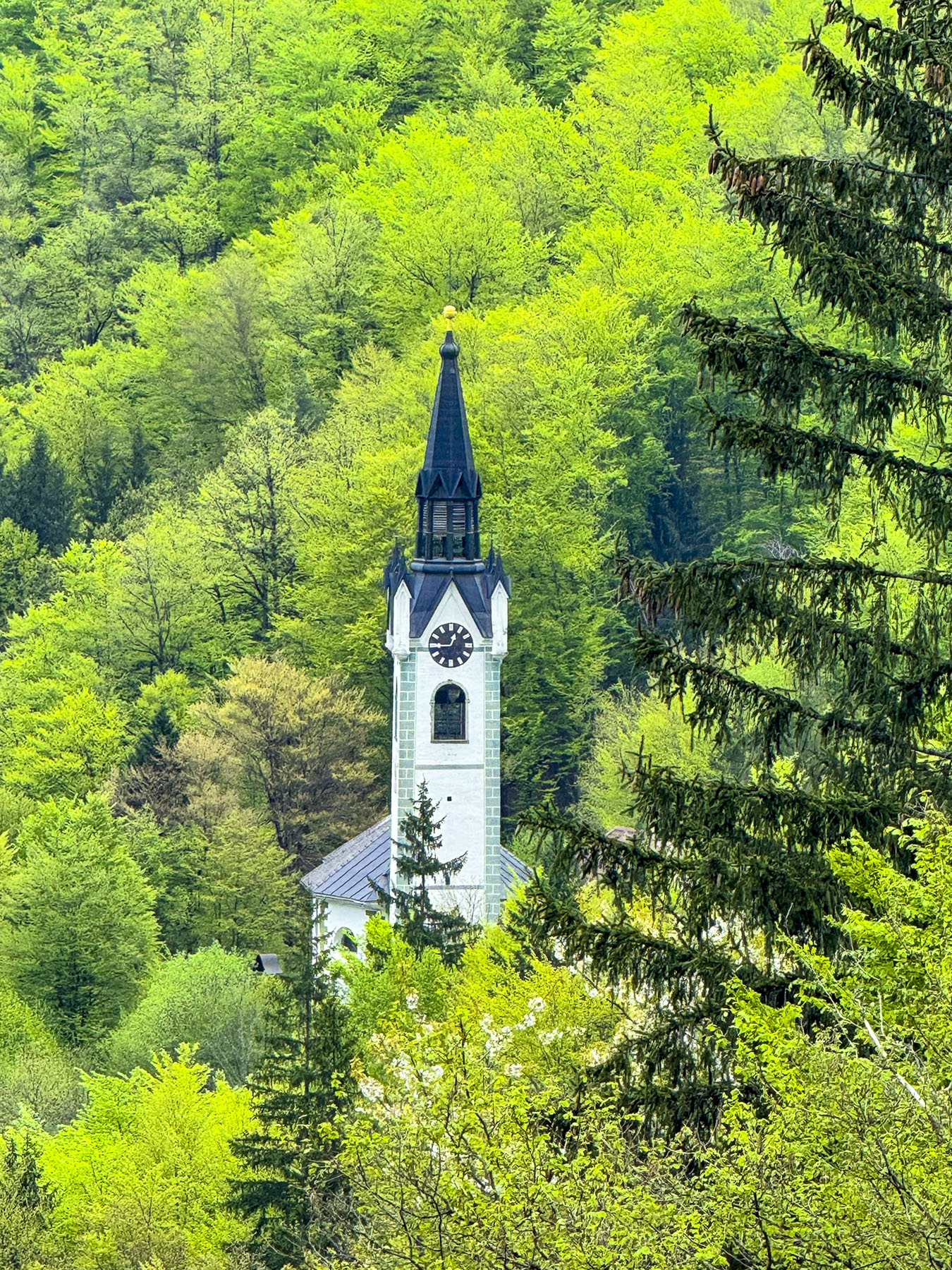
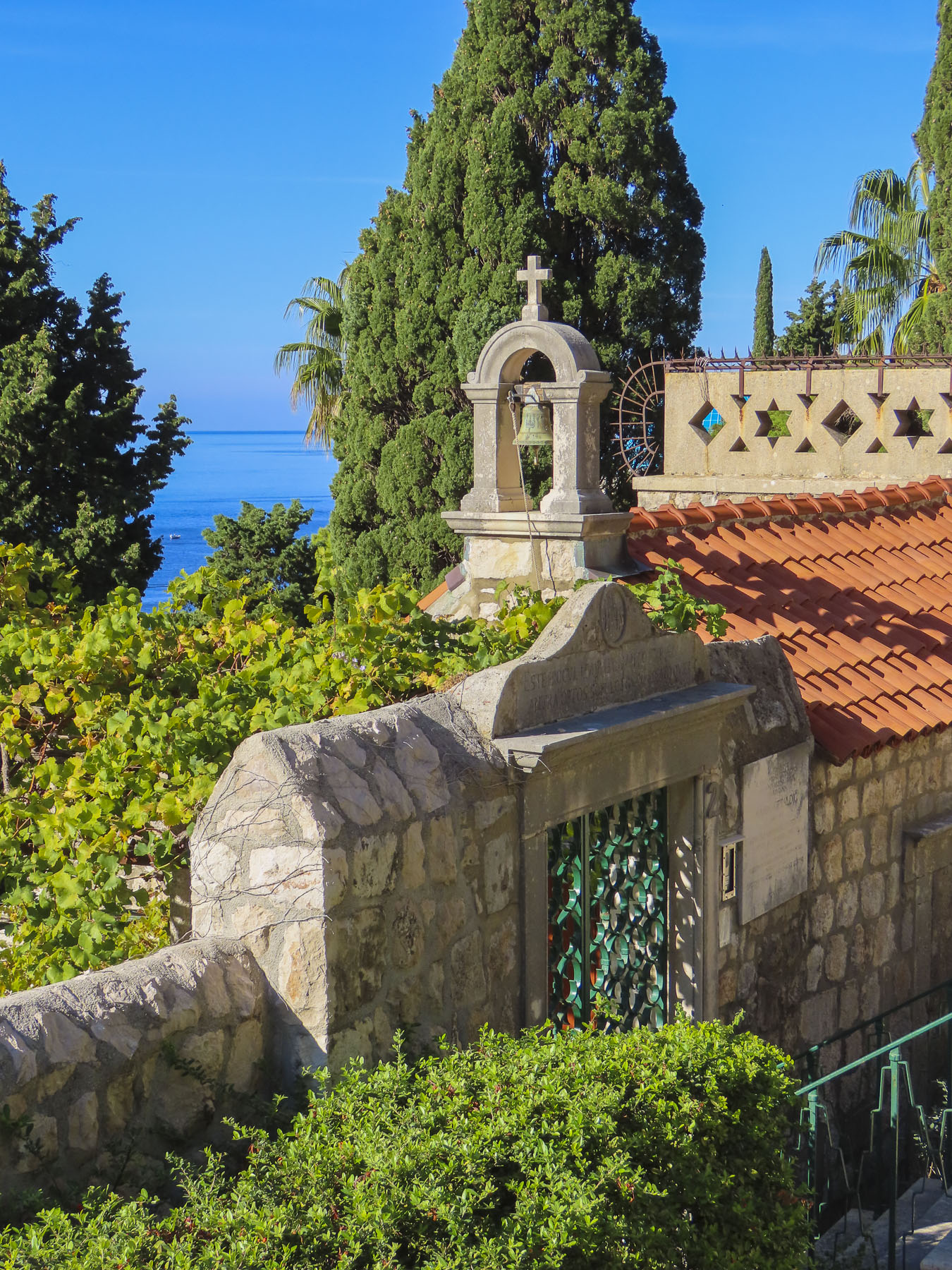
Driving across the countryside, every hilltop we saw seemed to be crowned with a small church, which is not surprising considering Slovenia has nearly 2,900 of them. Twenty-four-hundred of them are still actively used, but many of the older churches in rural areas have congregations of fewer than fifty, some even smaller than twenty. With fewer priests nowadays Sunday services are rotated between communities. Our backroads route from Selška Sora to Lake Bled through the area’s foothills was designed to see several of these old chapels in the countryside.

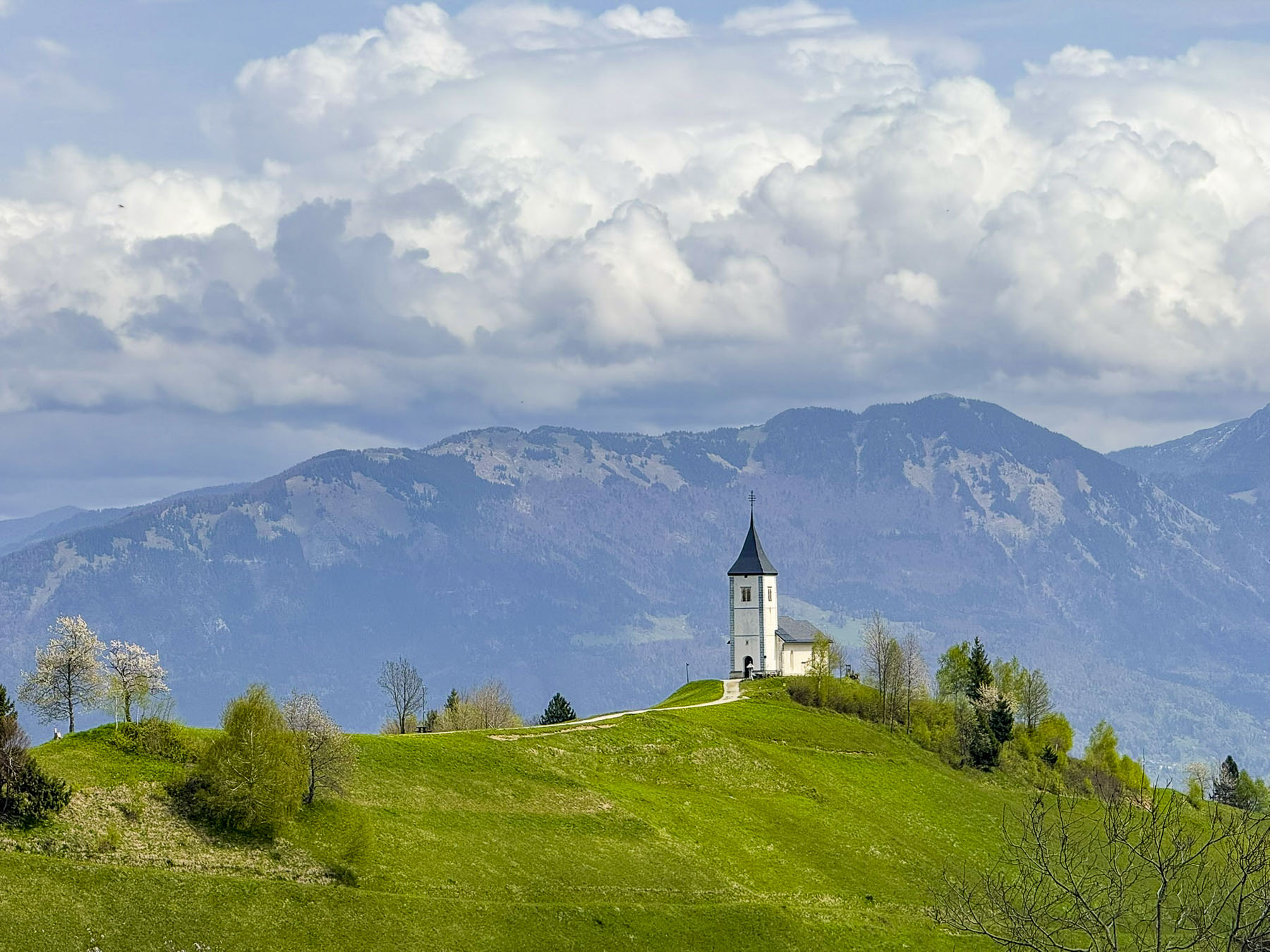
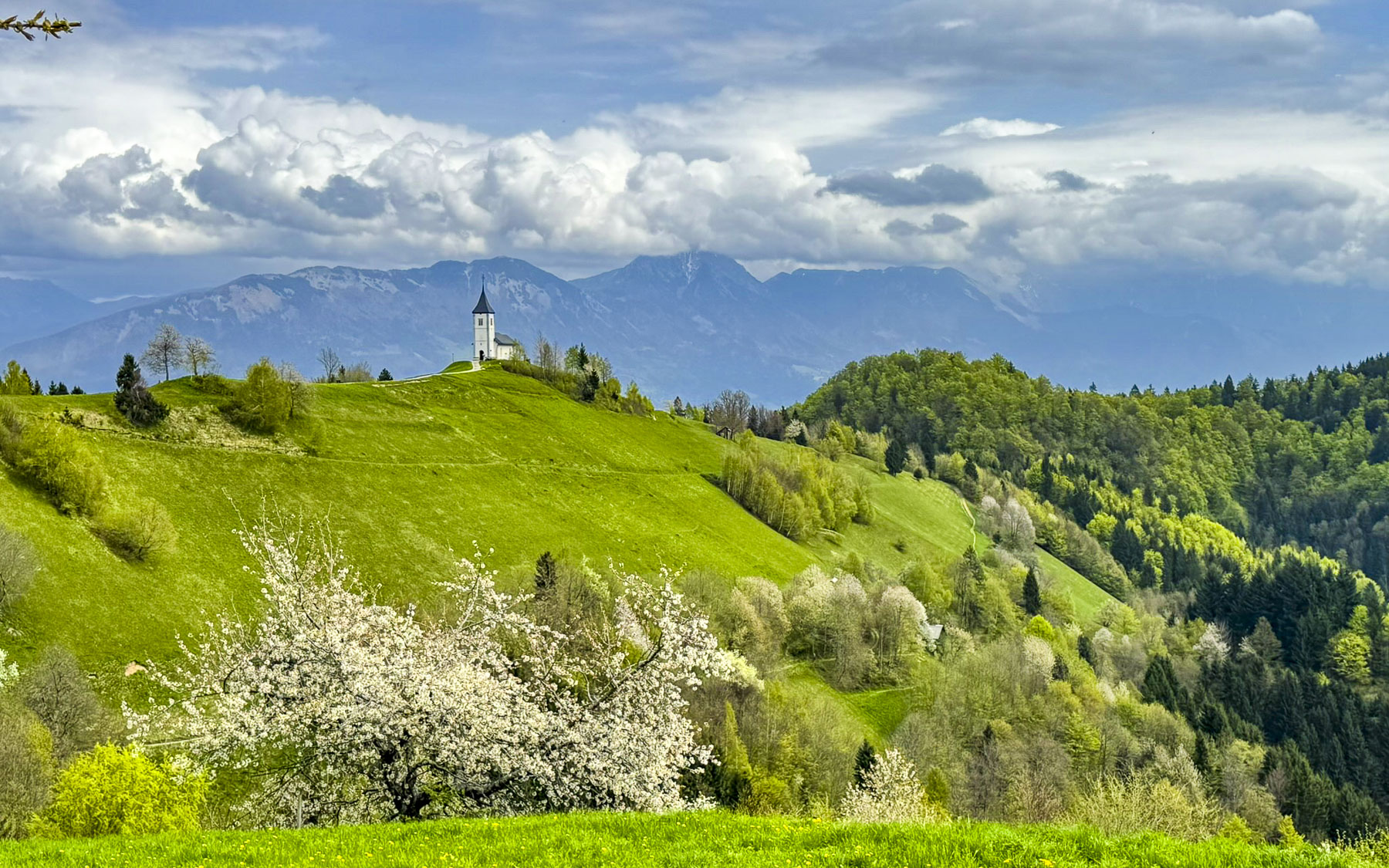
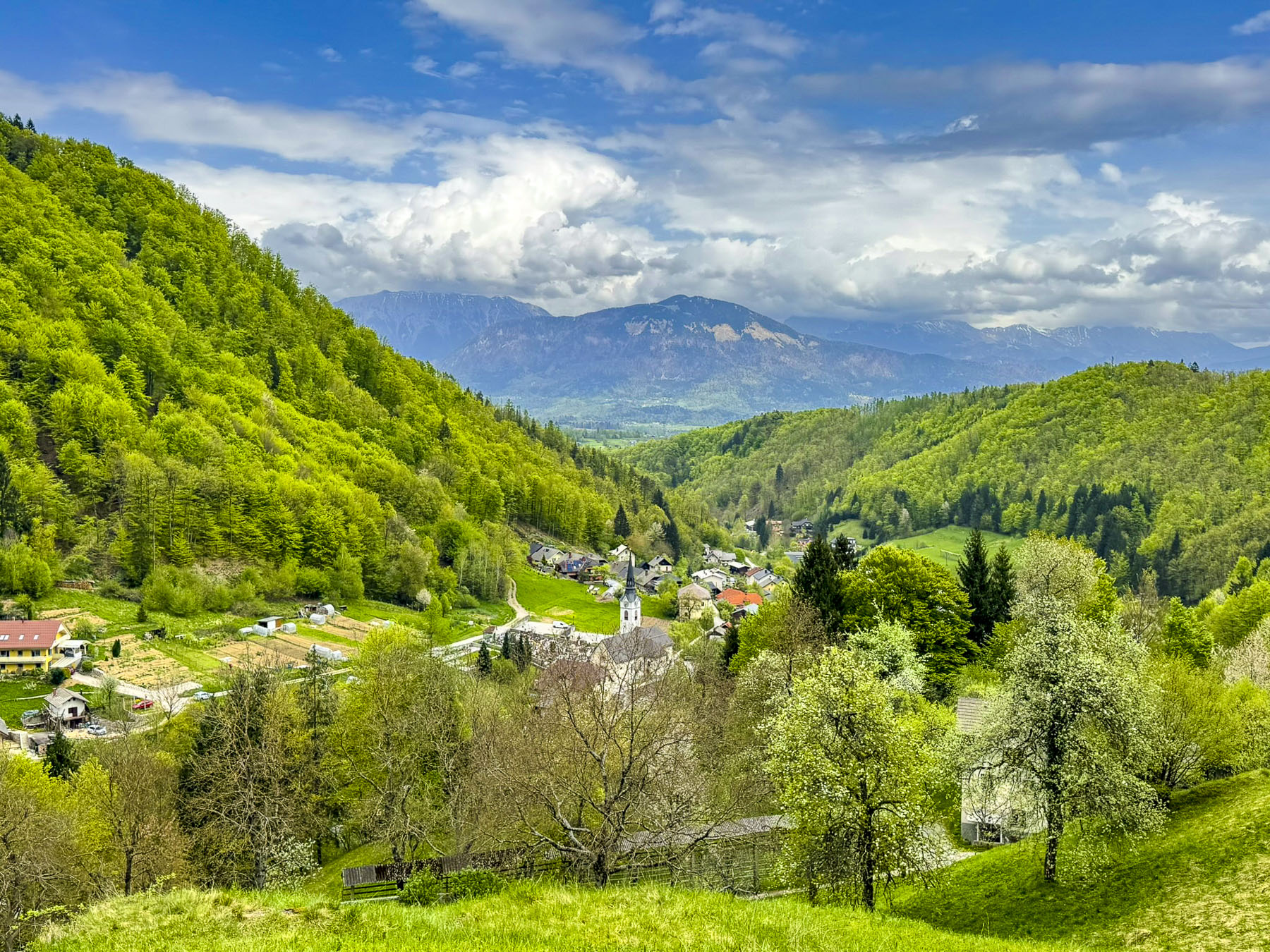
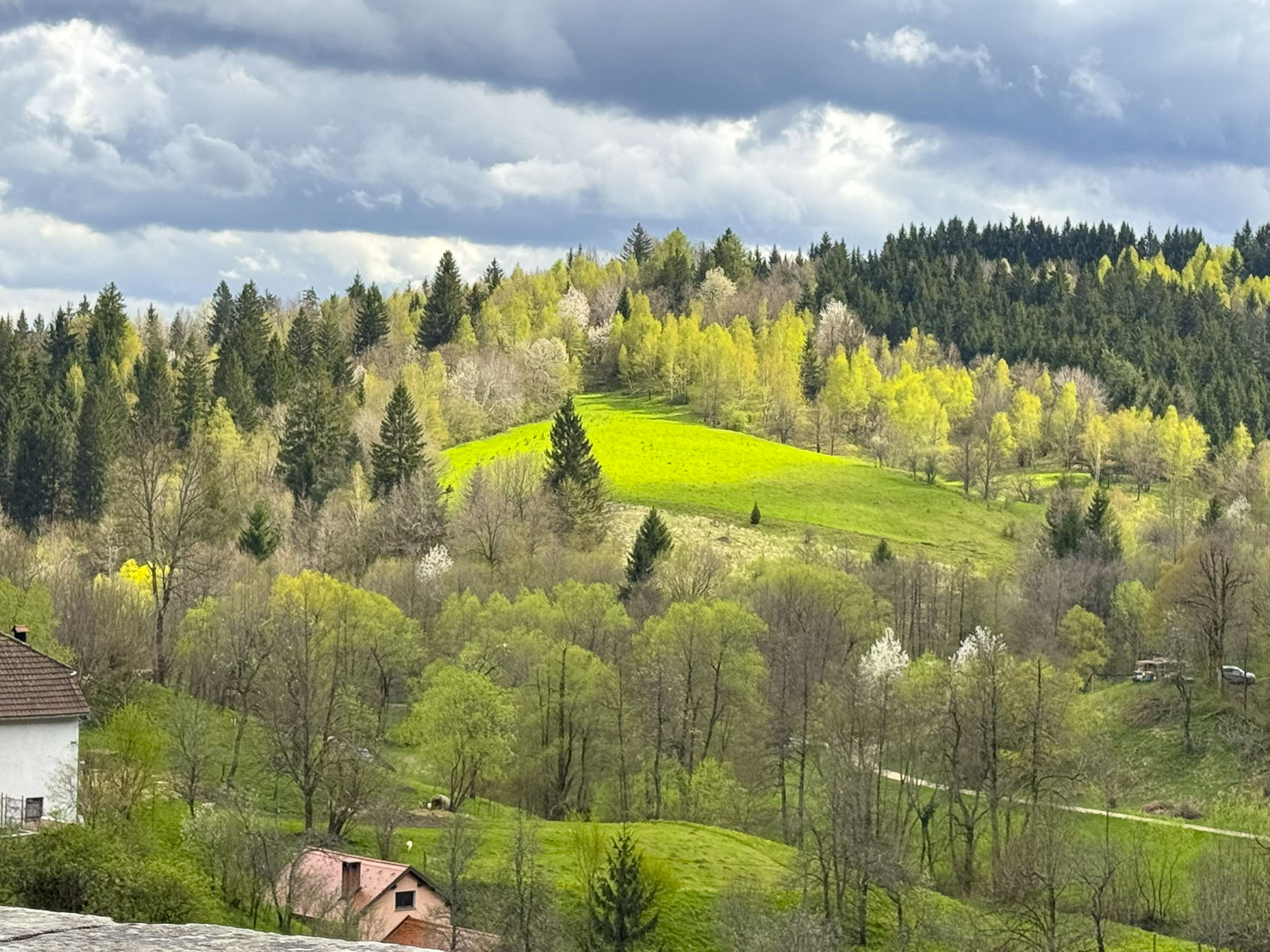
Steep switchback roads climbed into forests which opened to rippling pasturelands as far as the eye could see in the tiny hamlet of Jamnik., on a ridge before a backdrop of the distant Karavanke Mountain range, was the Church of St. Primož and Felicijan which stands quietly as if in reverence, placed upon a ridge; the distant Karavanke mountains, a massive range that forms a natural boundary between Slovenia and Austria, create a backdrop for this lovely church.

It’s a beautiful setting on the Jelovica Plateau which local folk refer to as the “Balcony above Gorenjska,” the name of the surrounding region. First mentioned in the 15th century, the church was named for Saints Primus and Felician, two brothers and early Christian converts who were martyred by beheading in Rome by the decree ofEmperor Diocletianaround 286 AD. It is said that the church holds their relics and has become a pilgrimage site, and in “Slovenian folklore and religious tradition, these saints are often viewed as “guardians” of the landscape. Their hilltop sanctuary serving as a beacon during turbulent times, including the Turkish invasions, reinforcing their role as symbols of Slovenian faith and cultural identity against external threats.”

Regrettably, beauty doesn’t exclude tragedy and several clandestine mass graves from the end of World War II are located near Skofja Loka. They were the work of Josip Tito’s communist partisans who targeted groups due to their ethnicity, or were members of the Slovene Home Guard, an anti-communists force, civilians marked as “class enemies,”[or victims of political purges. Sadly, across Slovenia, 750 of these secret burial sites, concealed by various communist regimes from 1945 to 1990, have been located by the Commission on Concealed Mass Graves in Slovenia, since the country’s 1991 independence.

The road crested and then began a long twisting descent to Kropa, a picturesque village nestled at the head of a lush green valley. During the Medieval Era the village was a prosperous center for the hand forging of nails, which were sold all across Europe. Every July the village hosts an Iron Forging Festival, where folks can watch blacksmiths demonstrate their ancient crafts.

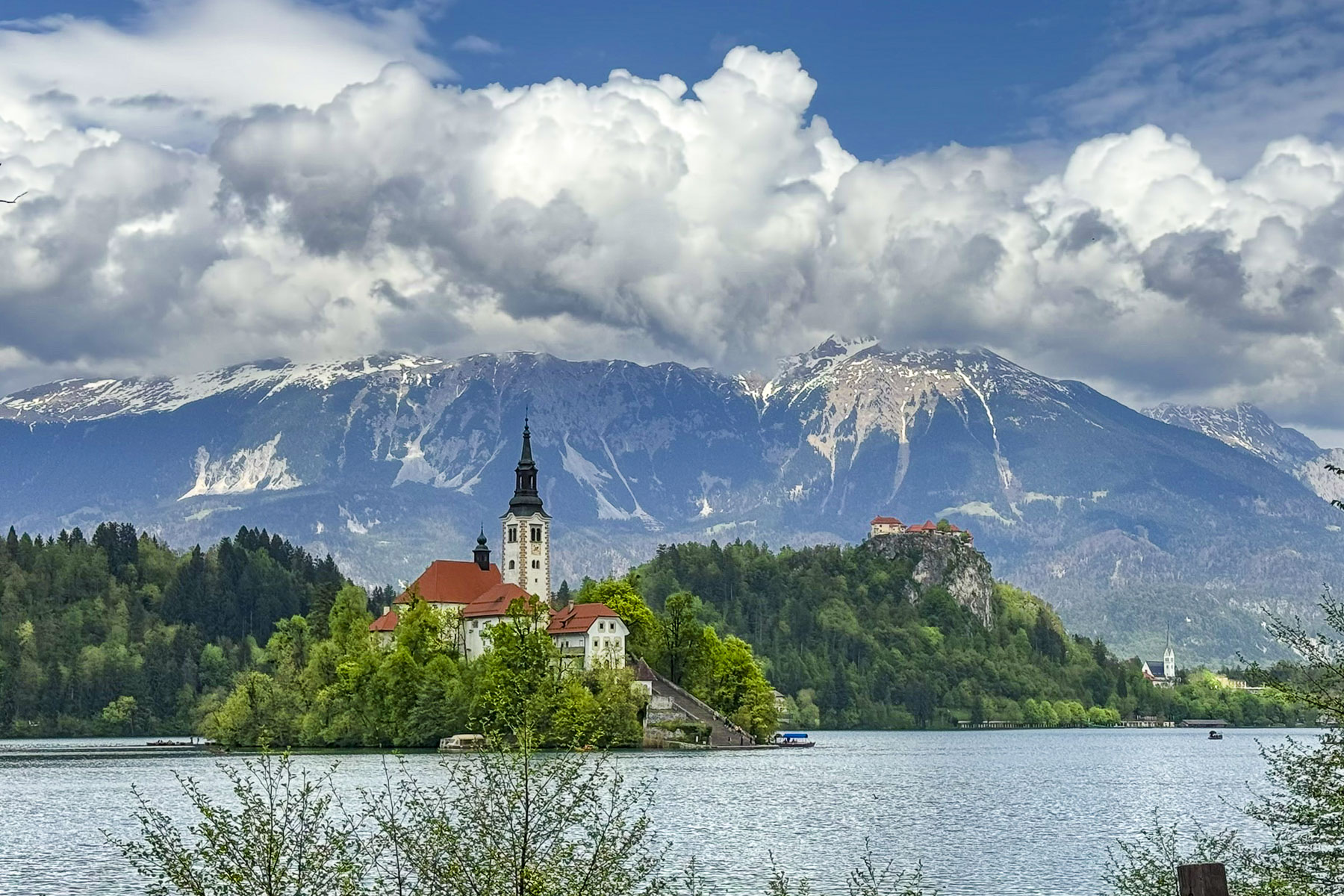
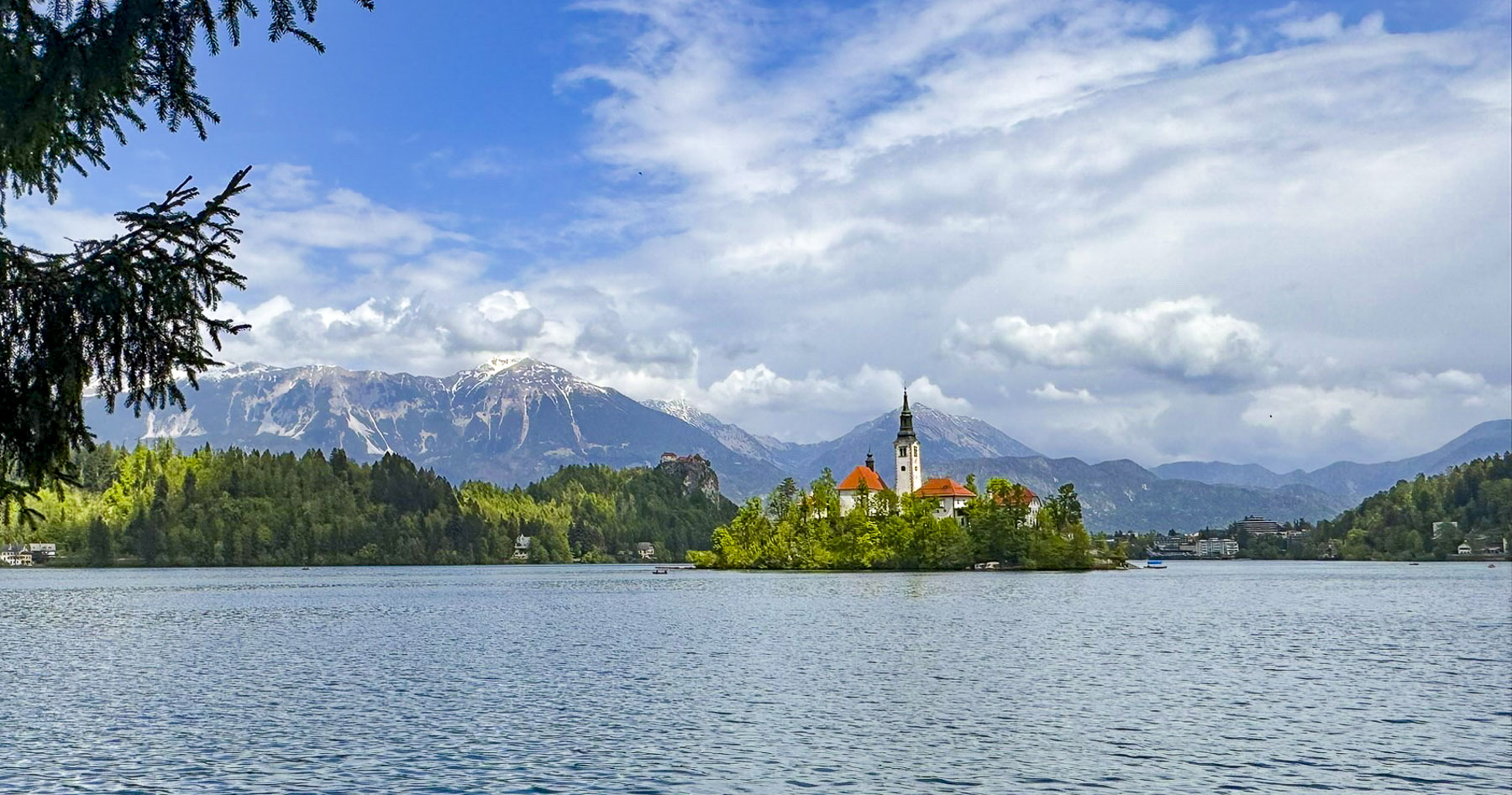
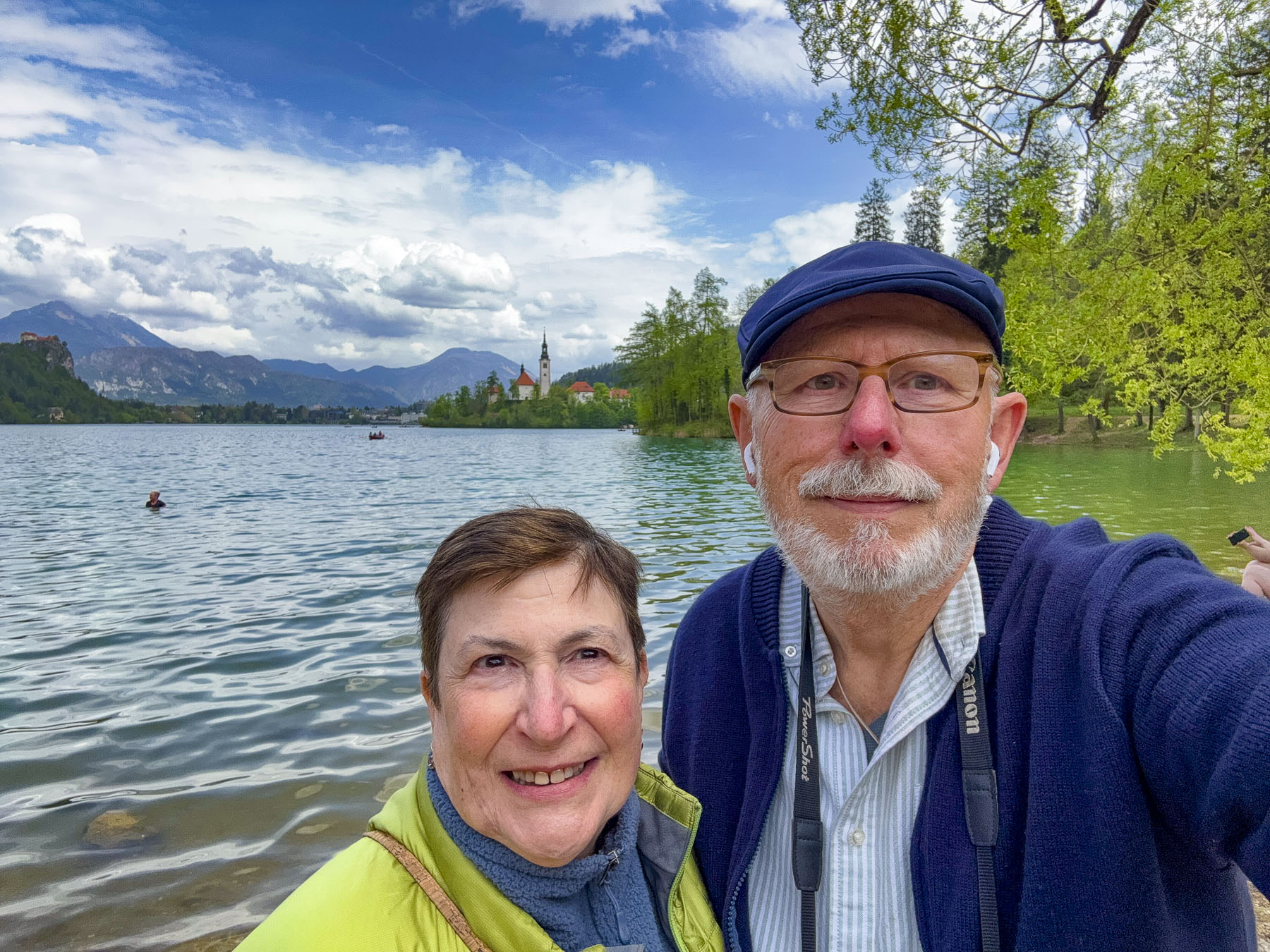
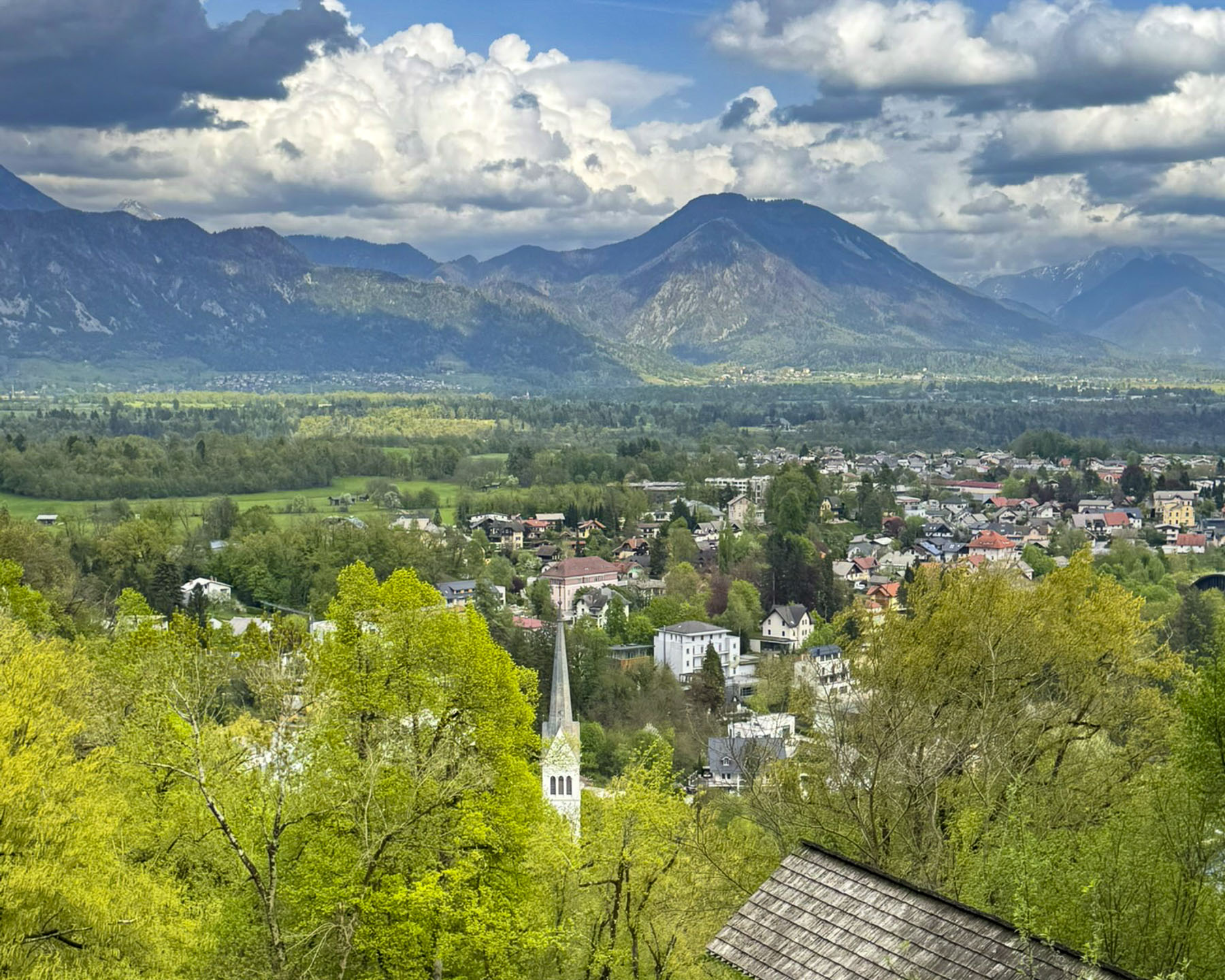
Driving down the hill through the center of Bled, the Church of the Mother of God on the Lake appears perfectly placed in the center of a waterscape surrounded by the foothills of the Julian Alps. Even though we’ve seen thousands of pictures of this iconic setting over the years, nothing replaces the appreciation of this glorious location better than standing on the shoreline and gazing across the glacial waters for ourselves. The scene was visually stunning.

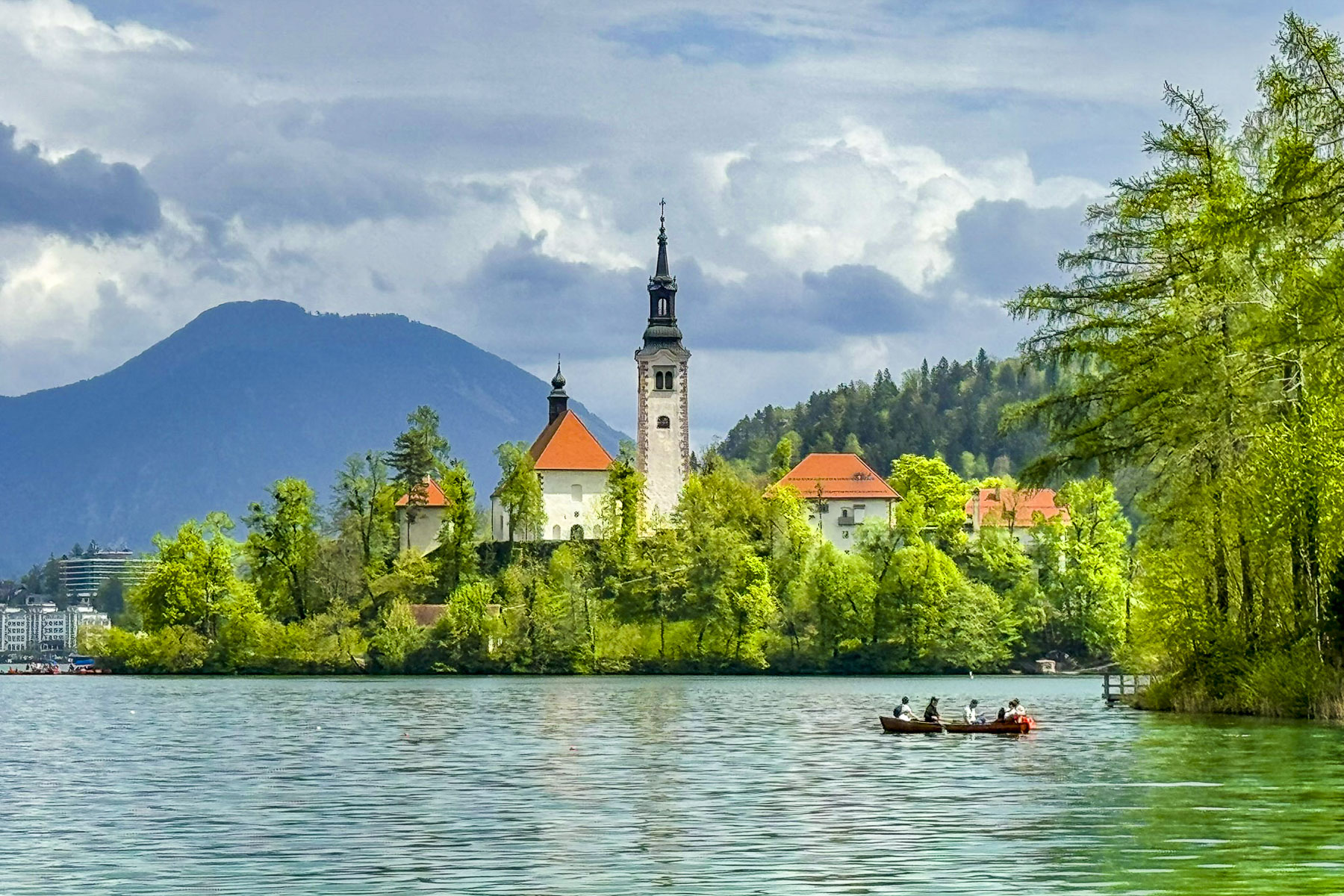
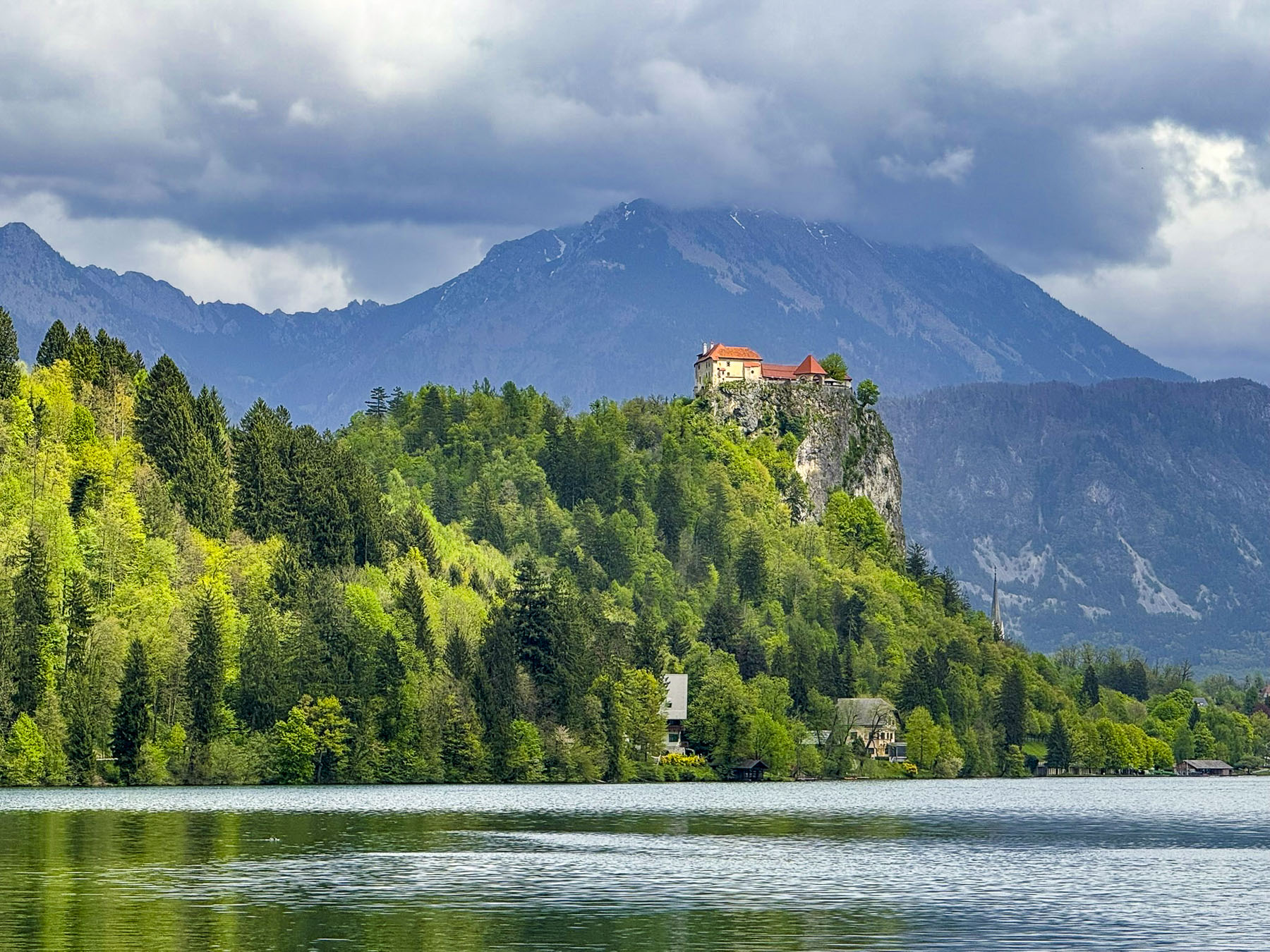
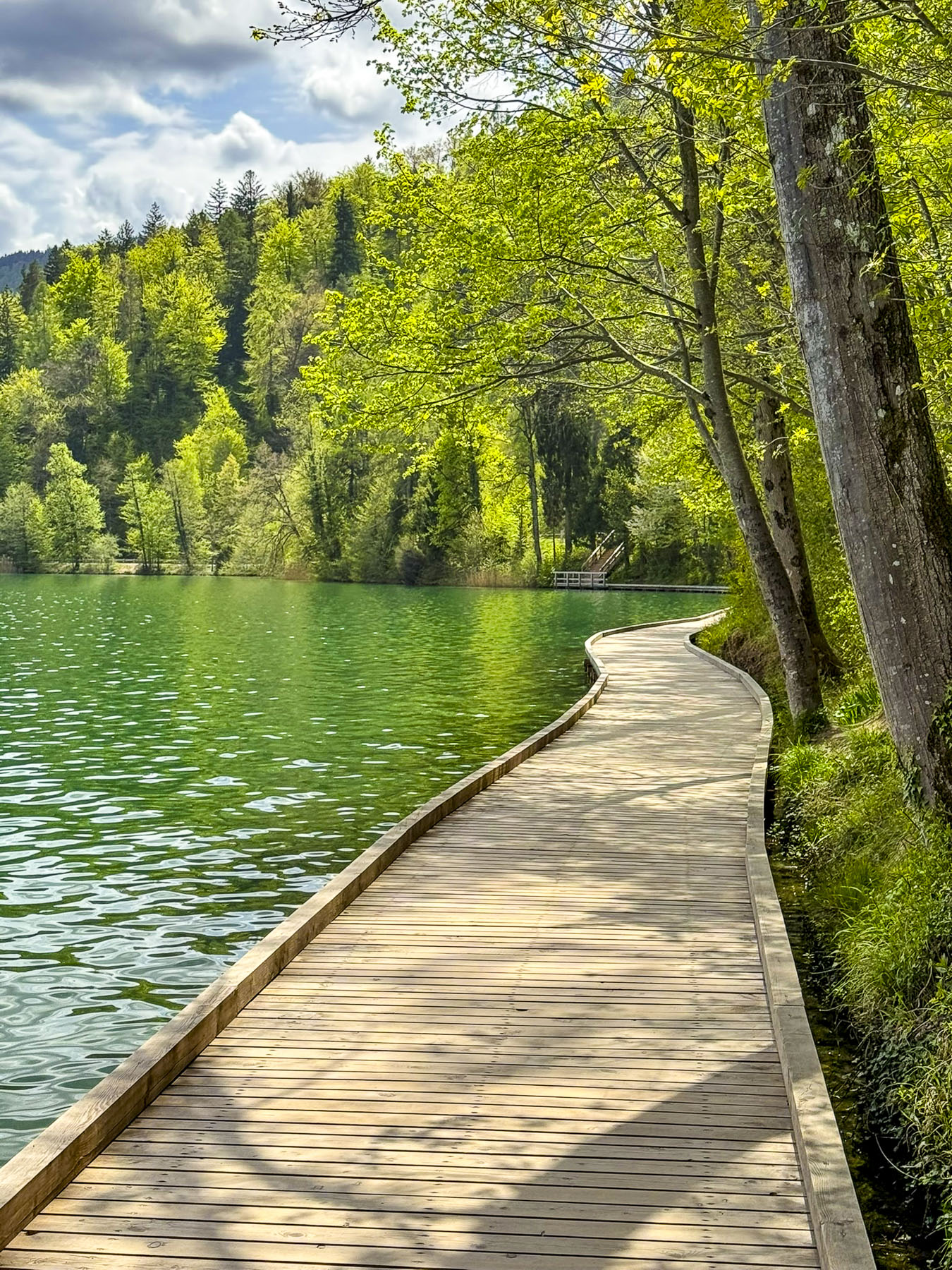
We drove to the far side of the lake where there was a paid parking lot near two restaurants on the lakefront. Then walked back along the road and a section of boardwalk to a panoramic viewpoint. Licensed oarsmen, called pletnars, stood on the stern of their traditional flat-bottomed wooden boats and rowed their passengers, with twin oars, gondola style across the lake to the island. Bled Castle commanded a cliff face on the horizon. A 6 km (3.75 mi) road circles the lakefront, and past where we parked is seasonally closed to allow folks to walk along this narrower section and enjoy the scenery without having to be concerned about cars.

There are many beautiful landscapes around the world – the luck of nature perhaps, or are they perhaps the hand of divine intervention? Which leads me to wonder, when the first pagan temple was constructed on the island in Lake Bled, did the builders appreciate the beauty of the setting, or was the hard-to-reach setting chosen to create a symbol of faith that required effort to reach, reflecting devotion and commitment? Archeological evidence suggests that the island first hosted pagan rituals during the Bronze Age. Later with Slavic migration into the area during the 7th century AD, a temple dedicated to Ziva, the pagan goddess of life and fertility, was established. During the 8th century the local population converted to Christianity and built the island’s first church dedicated to the birth of Mary atop the ruins of the pagan temple. Renovations to the original church followed in the 15th and 17th centuries, when its famous “wishing bell tower,” and staircase was built. Today, the island remains a symbol of fertility and love; it is a popular wedding spot where grooms traditionally carry their brides up the 99 stone steps to the church for good luck.

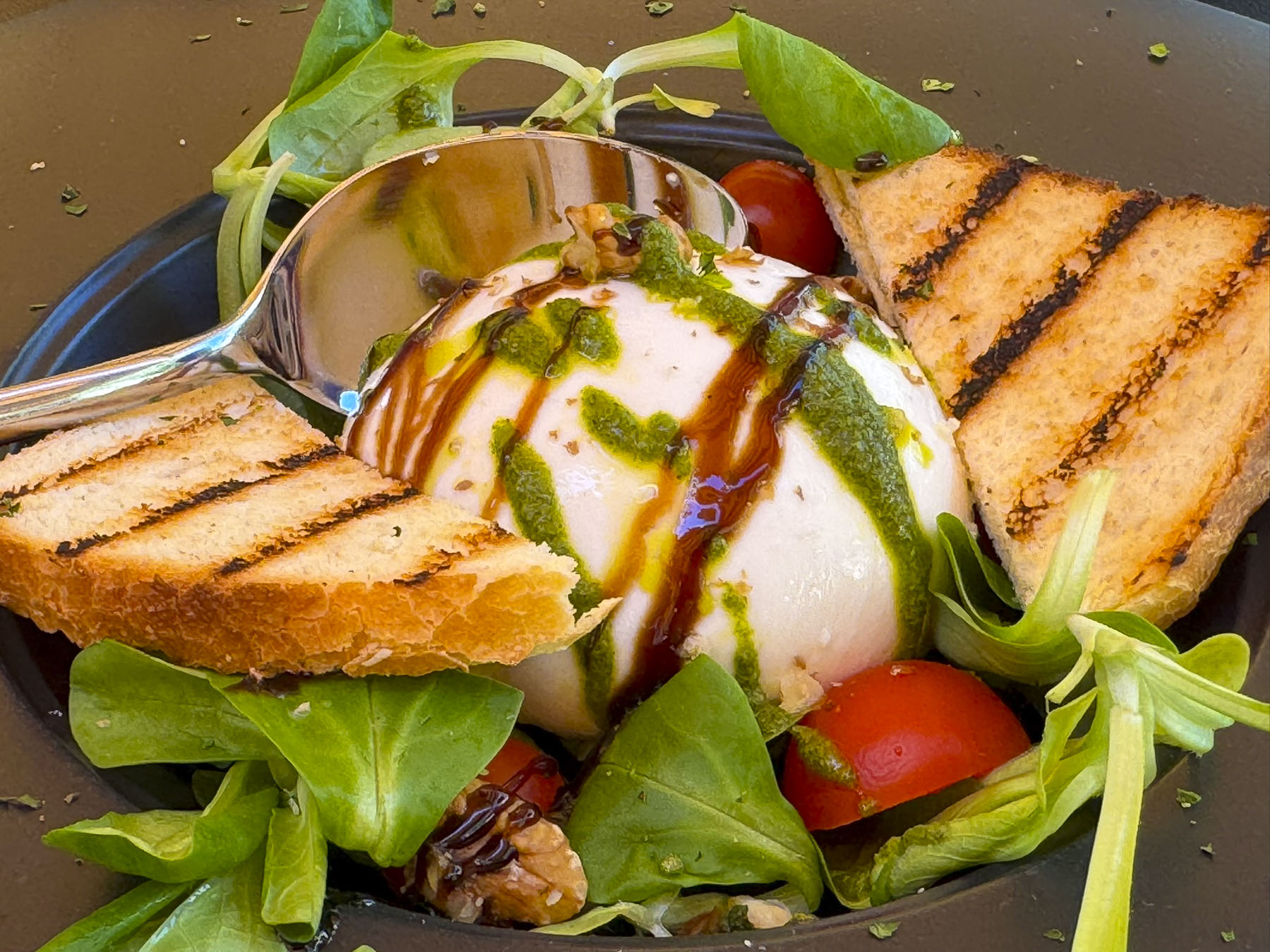
After walking along the lake we drove to Caffe Peglez’n, where we were lucky to find metered parking nearby. We chose this café for lunch specifically to try its Blejska kremšnita, Bled cream cake, which combines delicious layers of custard and whipped cream between a crisp crust dusted with powdered sugar.  Theirs is reputed to be the best in Slovenia. We were not disappointed.

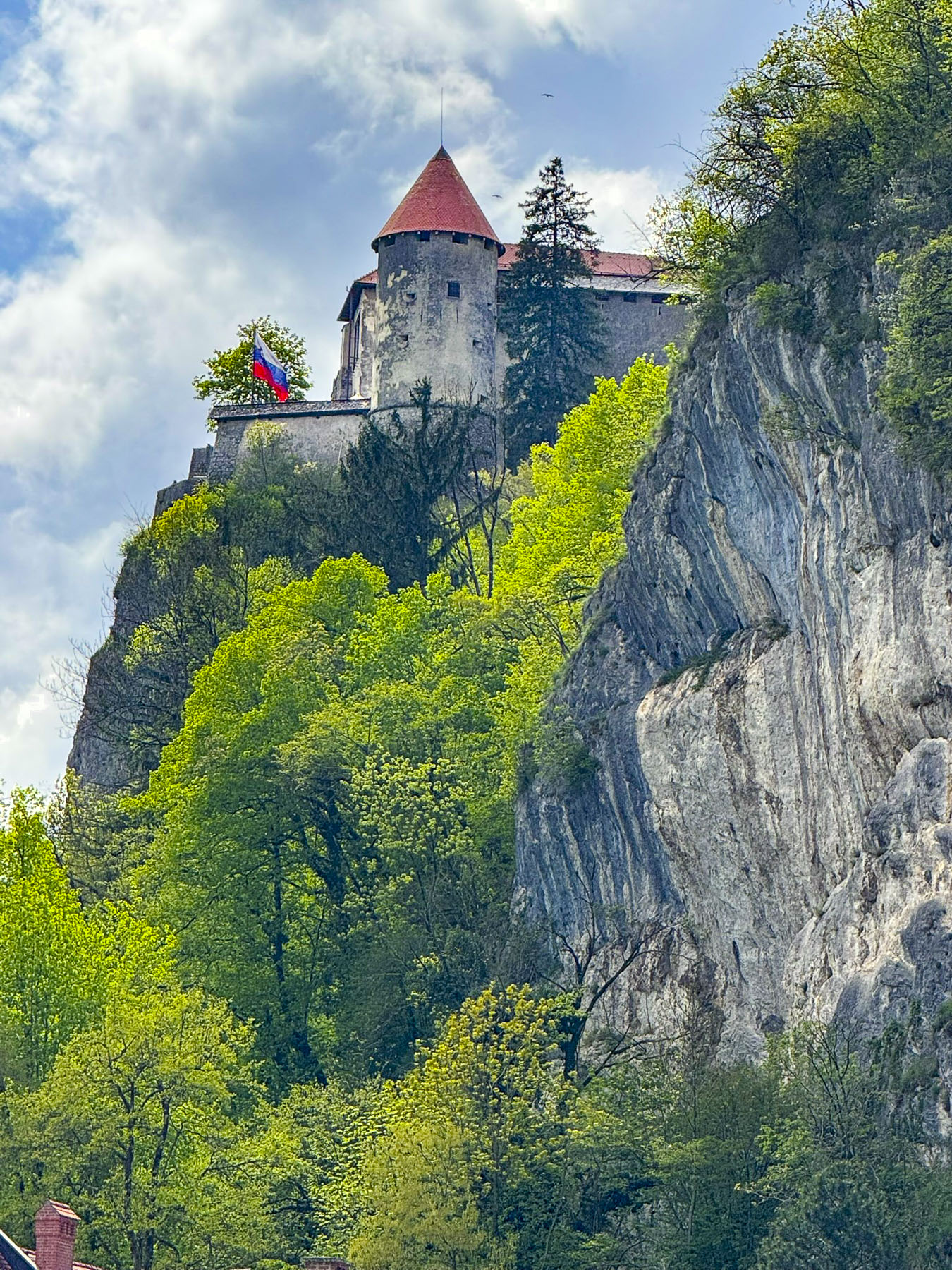
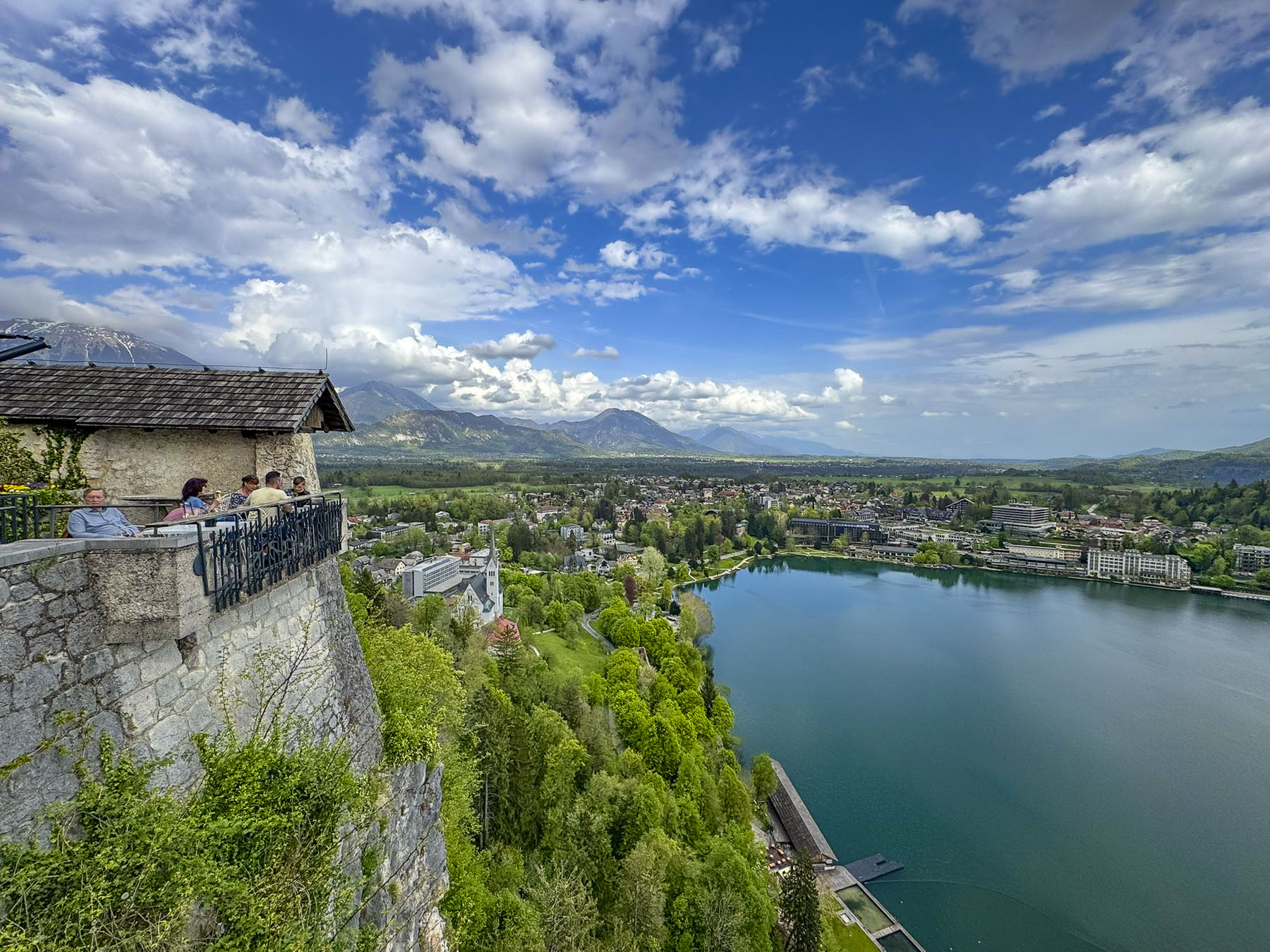
Afterwards we finished our day trip at Bled Castle, Slovenia’s oldest fortress, built in 1011. Located high on a rocky promontory, it has a commanding view of the lake from its terrace, and an interesting museum that highlights Slovenia’s history and culture.

Lake Bled was a phenomenal destination, and in hindsight I wished we had spent 2 nights there to fully experience the mood of the lake as the light changed throughout the day.

Till next time,

Craig & Donna
A Balkans Road Trip Part 3: Slovenia – The Dance of Death, Castles, & Ljubljana

With a sharp dog-leg turn to the left we followed the E751 across the bridge above the Dragonja River and crossed into Slovenia from Croatia, leaving the cerulean blues of the Adriatic behind us as we headed into the mountainous “Green Heart of Europe.” Across from each other at an intersection, competing ladies had cartons of fresh picked Spring strawberries piled high on roadside tables.

Ljubljana, Slovenia is only 202 km (126 mi) from the harbor town of Pula, Croatia, a fast 2.5-hour trip, on excellent roads, if you drive straight through. But we had chosen several spots to explore along the way, and we’d be happy if we arrived in Ljubljana before sunset.

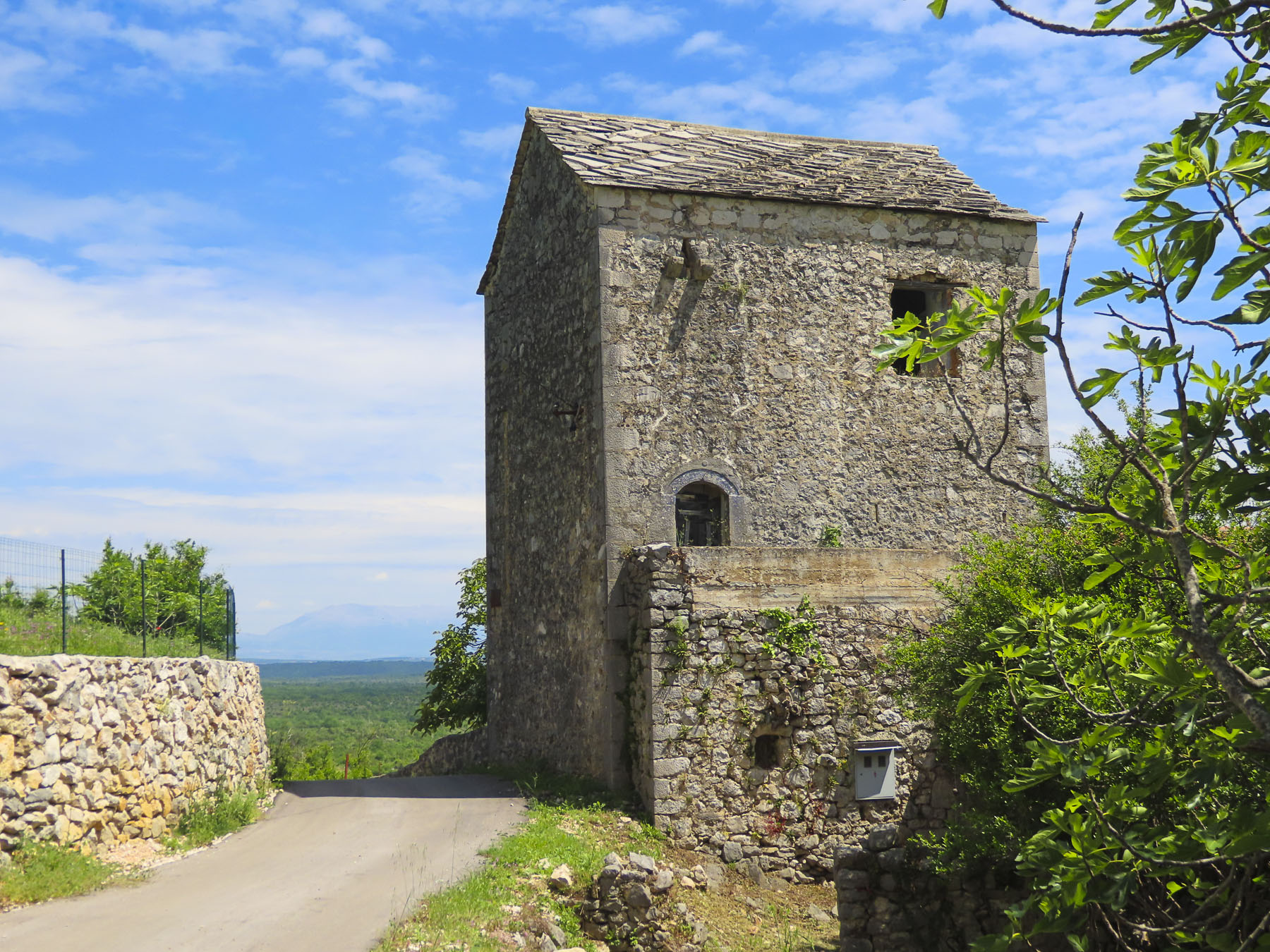
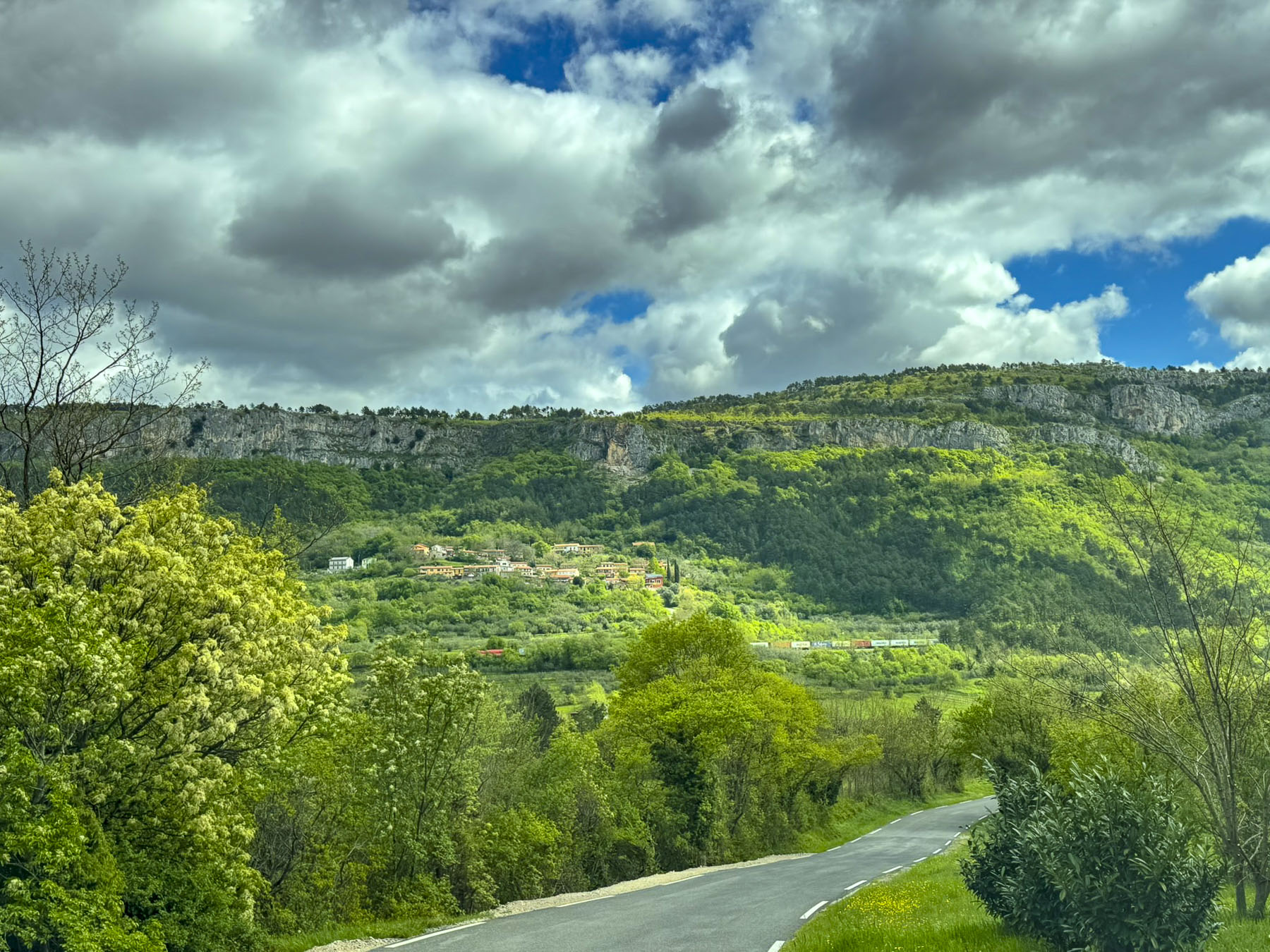
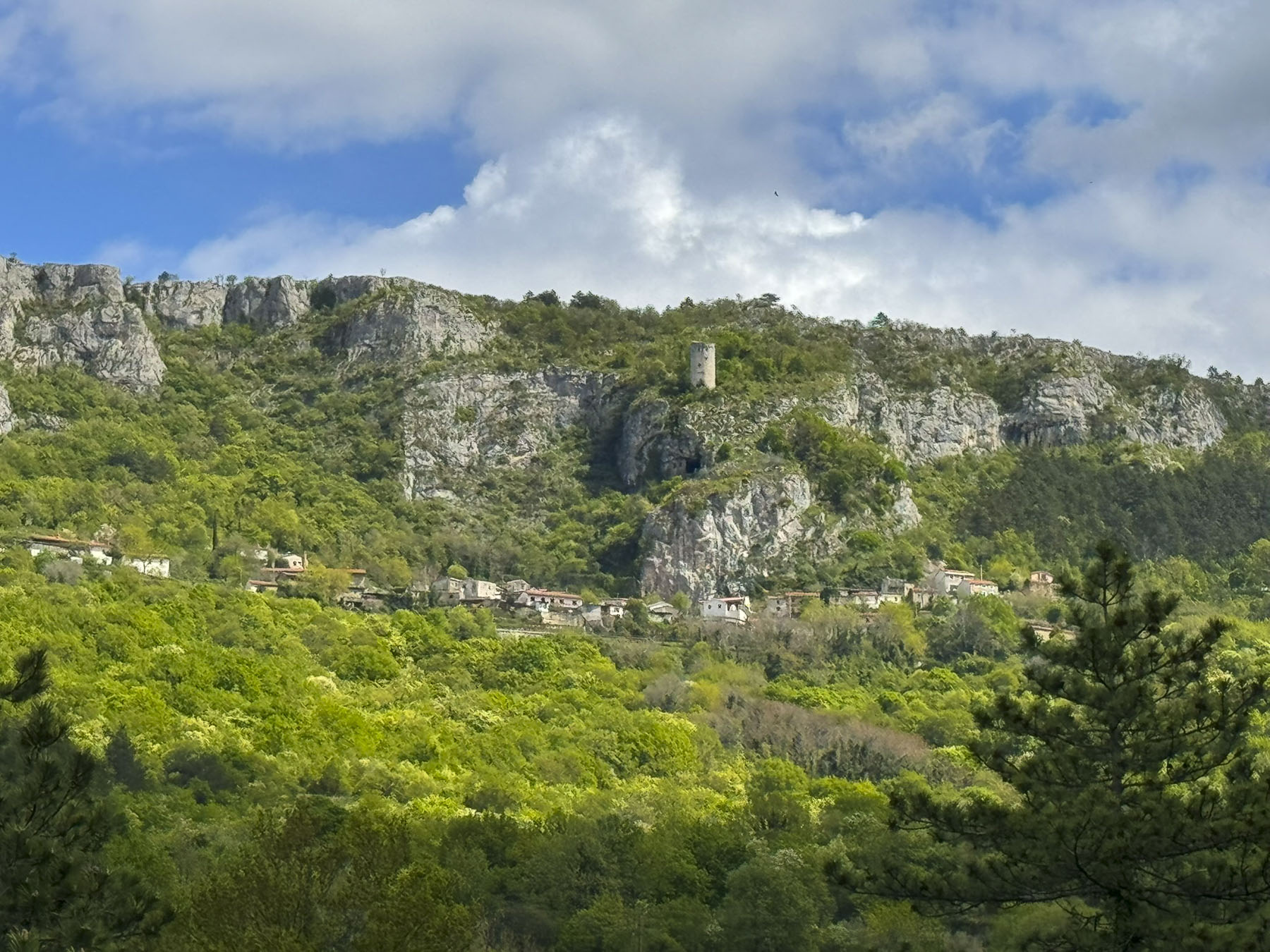
With a population of just over two million people, Slovenia’s countryside is wonderfully underdeveloped, and rich with pristine landscapes of forests and farmlands. A fresco of dancing skeletons in Cerkev sv. Trojice, the Church of the Holy Trinity, in the rural village of Hrastovlje was our first destination. Along the way a cluster of homes in the hamlet of Podpeč, seemed to cling for dear life on a steep slope below a karst cliff face, on top of which stood Obrambni Stolp Podpeč, a tall 11th century Venetian watch tower, which is said to have outstanding views across Slovenian Istria region all the way to the Bay of Koper and the Gulf of Trieste.

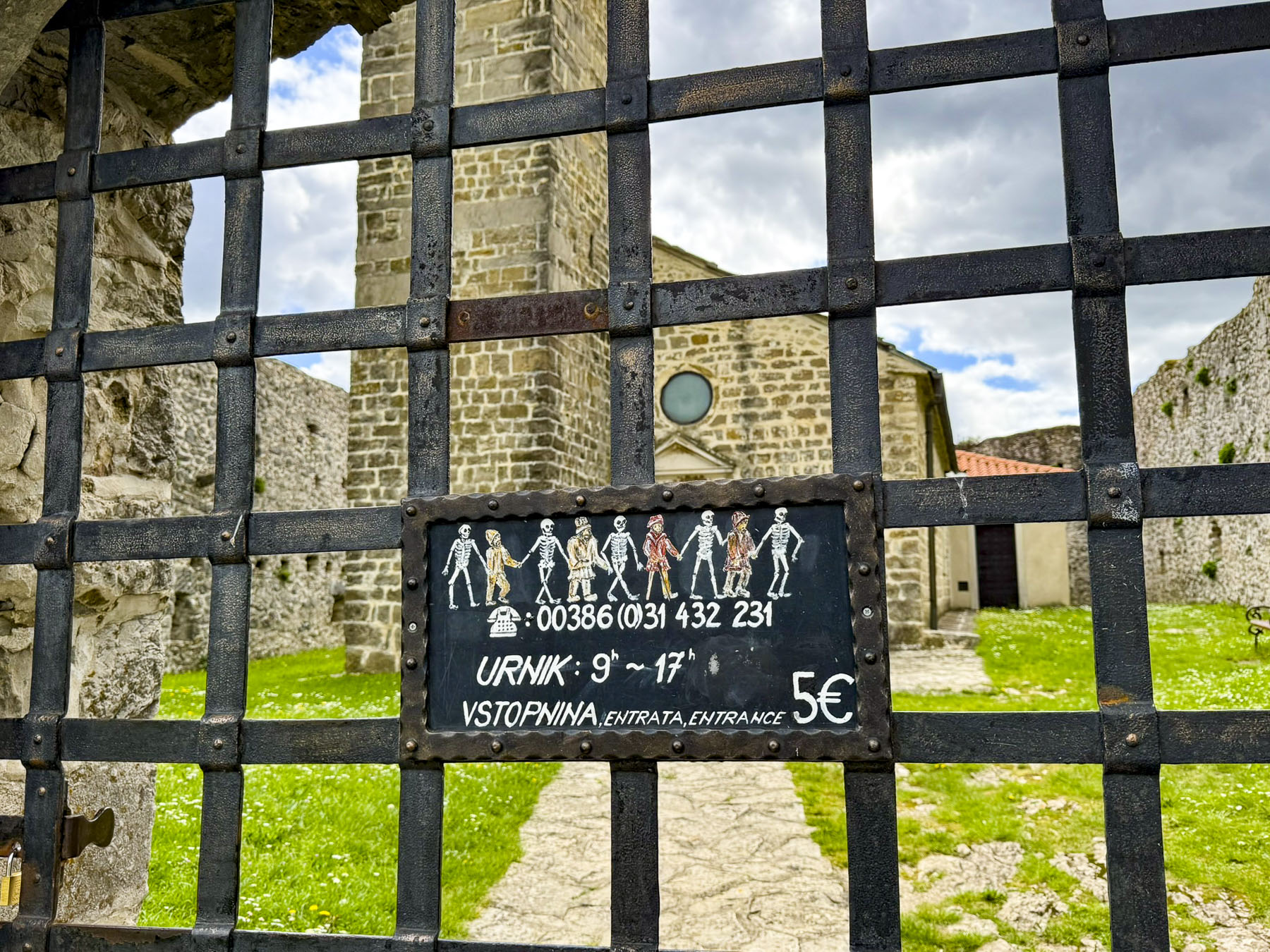
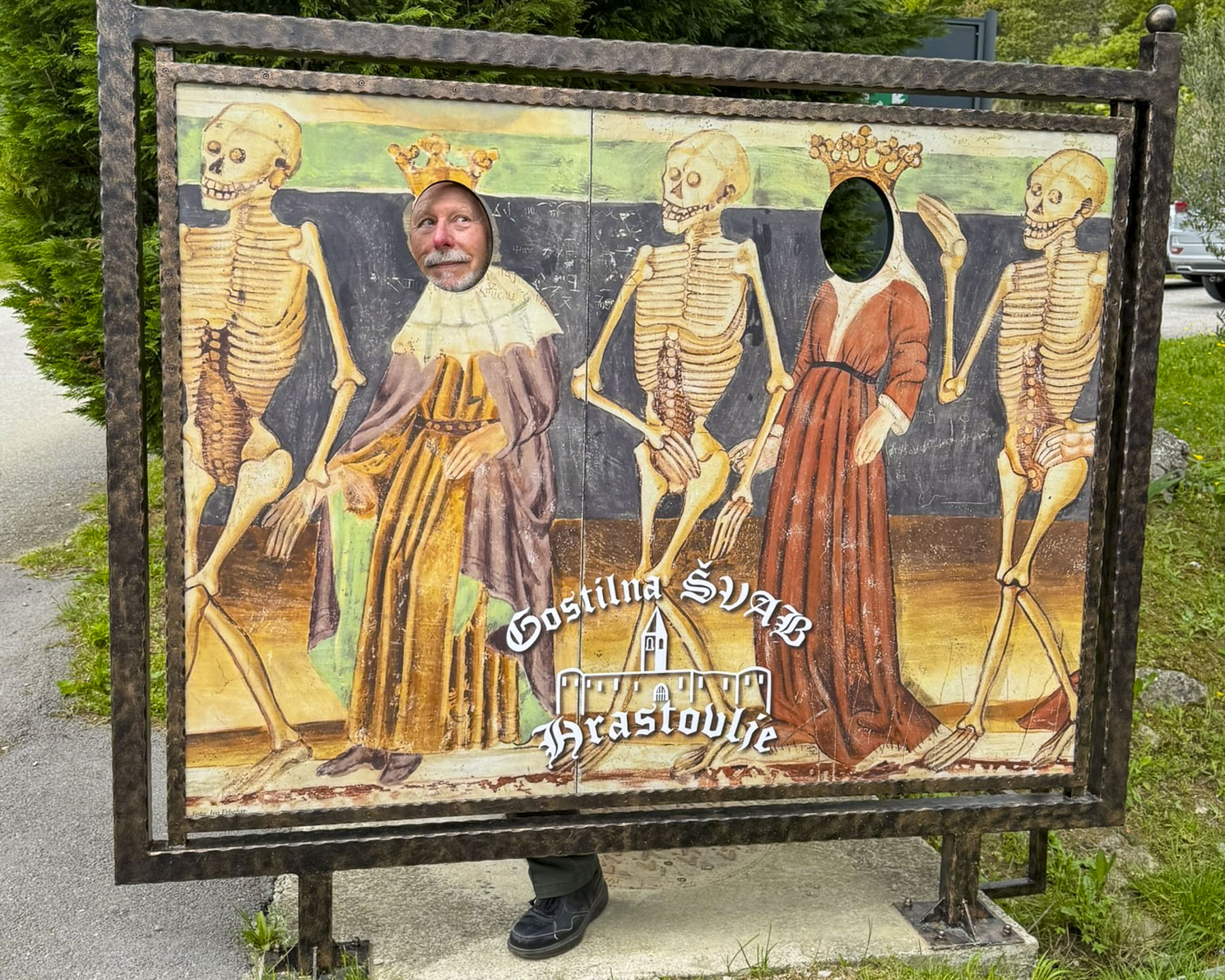
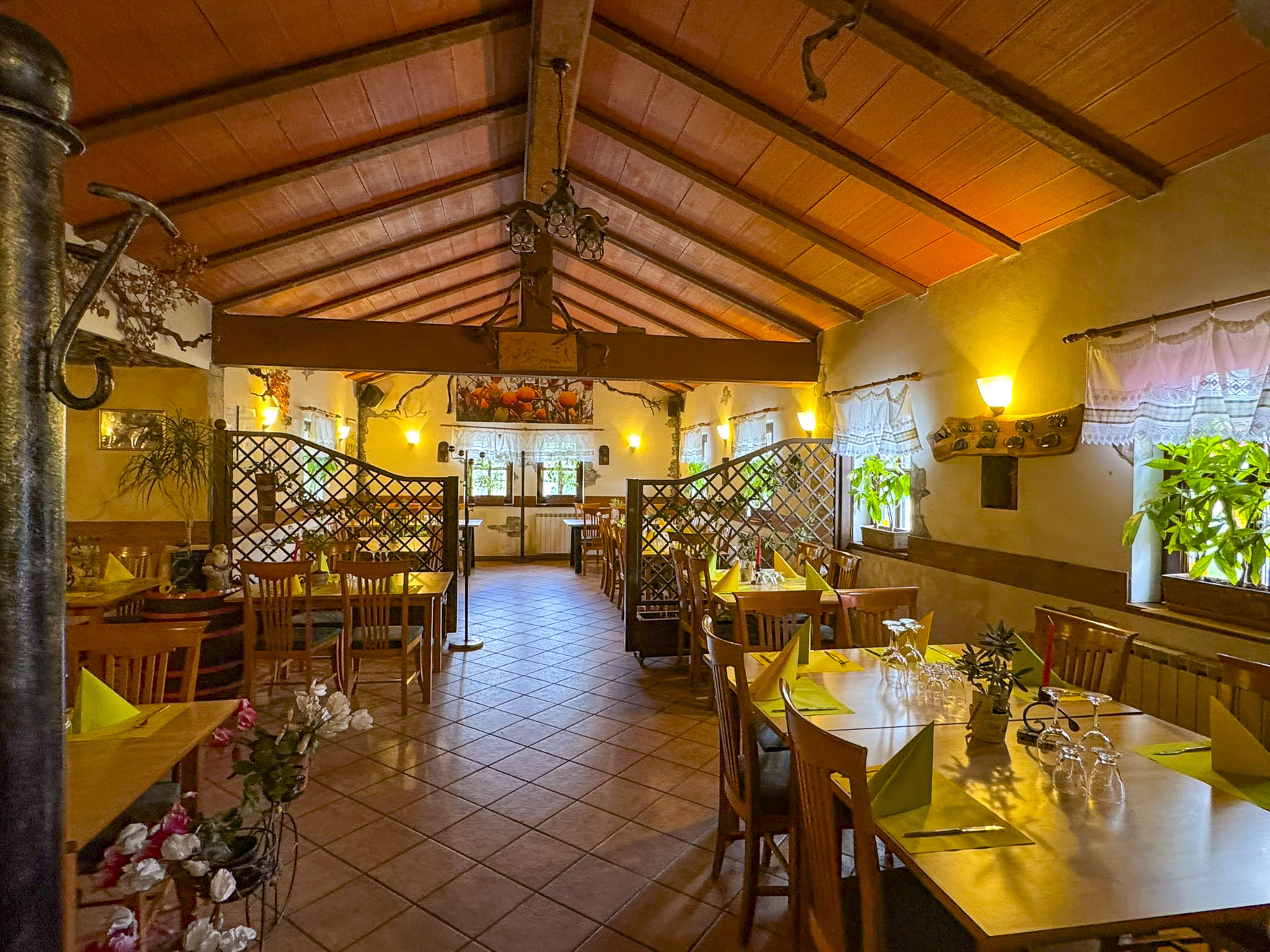
A few minutes later, after driving between buildings along a very narrow farm lane, where we were sure we would have lost the side mirrors on the car if we hadn’t pulled them in, we were standing in front of the locked iron gate of Cerkev sv. Trojice. A placard picturing the fresco we hoped to see listed a telephone number to call. We dialed, no answer. It was a beautiful Spring Saturday; surely, we thought, the site must be open. Fortunately, there was a small taverna, the Gostilna Švab, nearby that was in the process of opening for lunch. Inquiring about the church, the proprietress was very helpful in calling the gentleman, who she assured us would be there shortly. Pouring two coffees she shared, “he’ll be there by the time you finish these.” The coffee was very good, alleviating the chill of the morning as we sat outside on the tavern’s terrace, and it perfectly satisfied our “drive a little, then café, ritual.

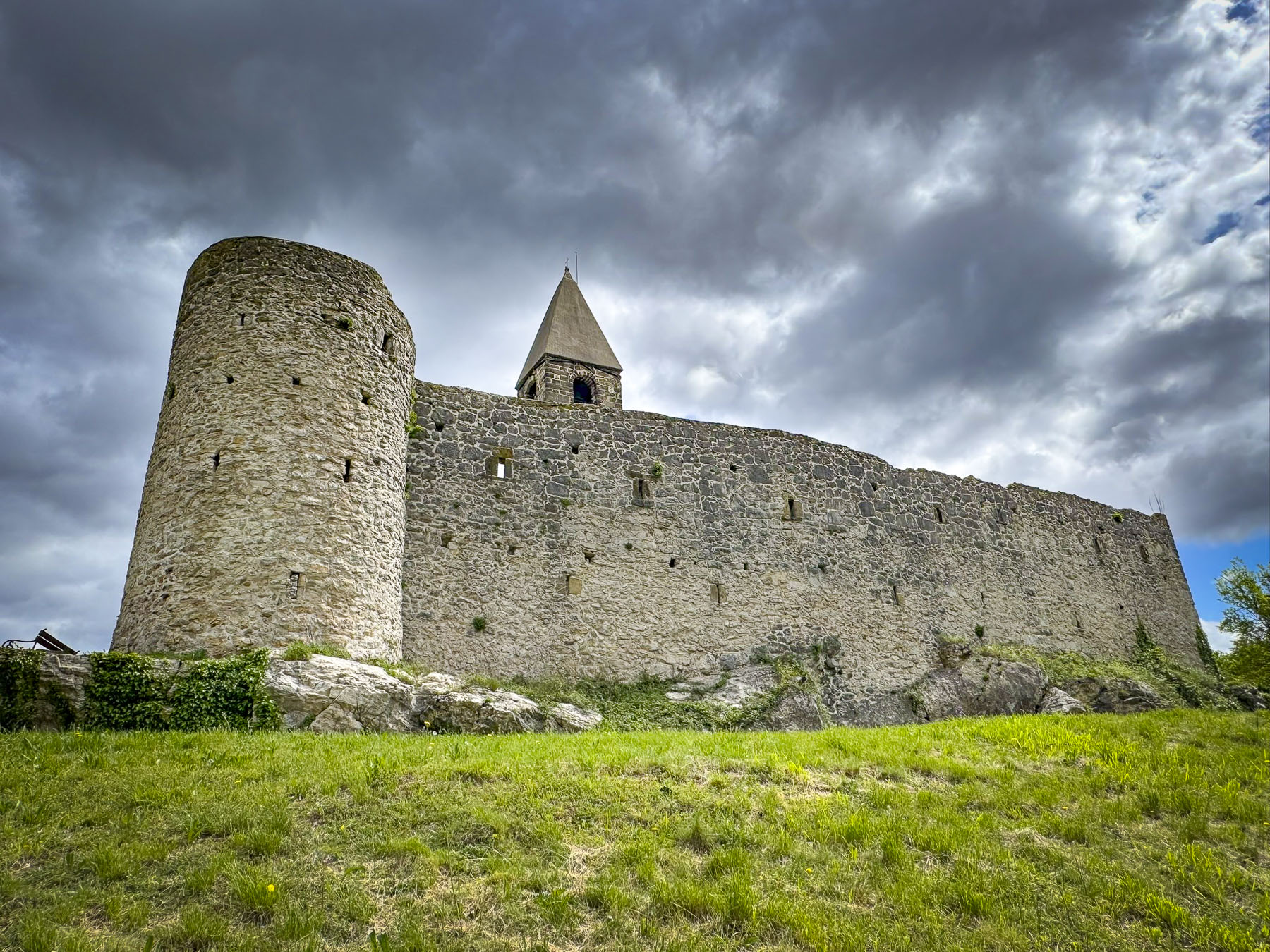
By the time we entered the courtyard of the fortress church several other visitors had arrived, and we spent a few minutes admiring the small church and its belltower. The ancient church, built on a rise above rolling fields, is believed to have been built between the 12th and 14th centuries, with the ramparts and corner towers added later in the 16th century to repel Turkish attacks along this frontier region as the Ottoman Empire fought to expand its control across the Balkan region farther into the territory of the Habsburg Empire, but didn’t succeed. It’s not remembered when the clock was added to the belltower.

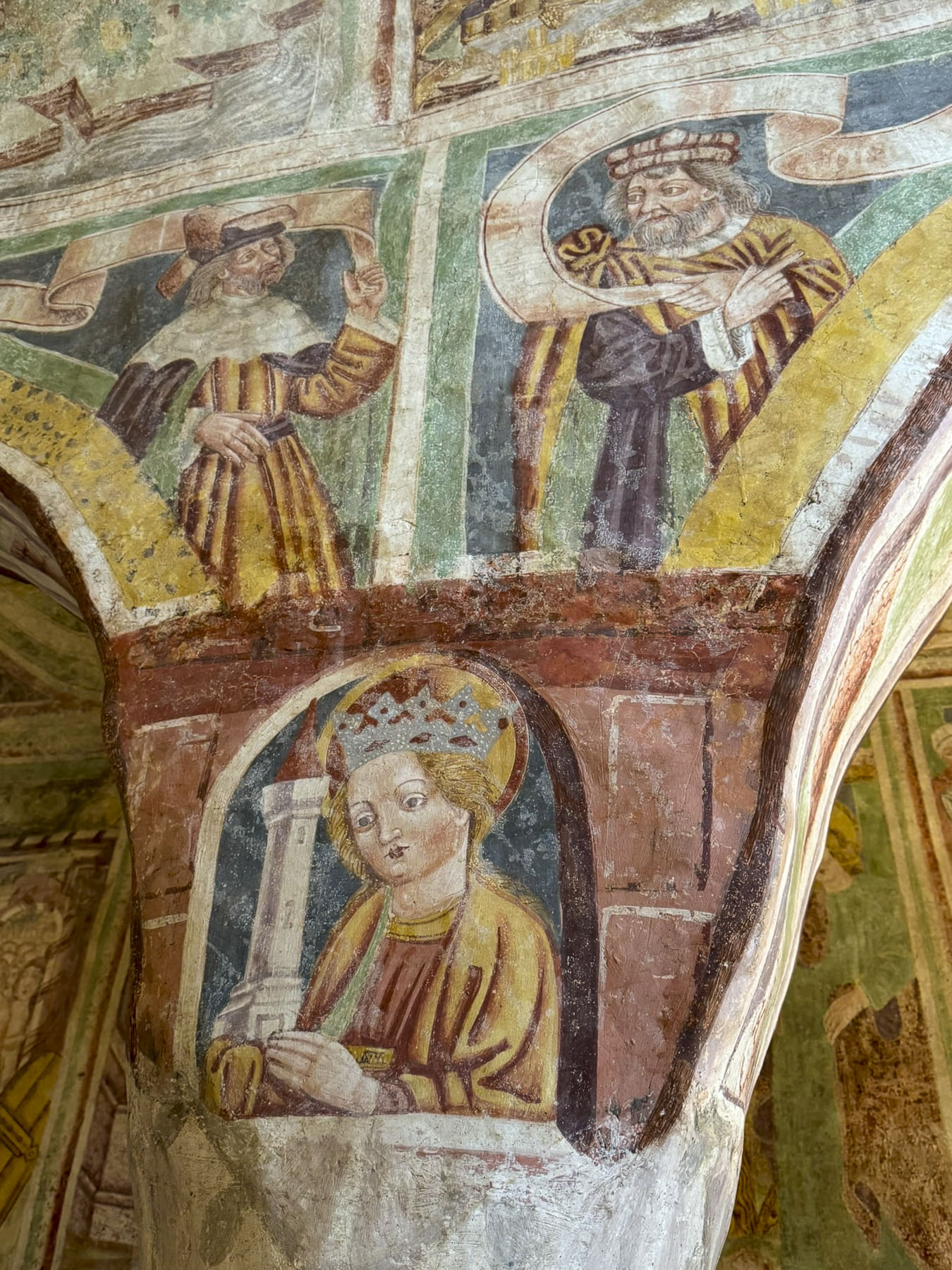
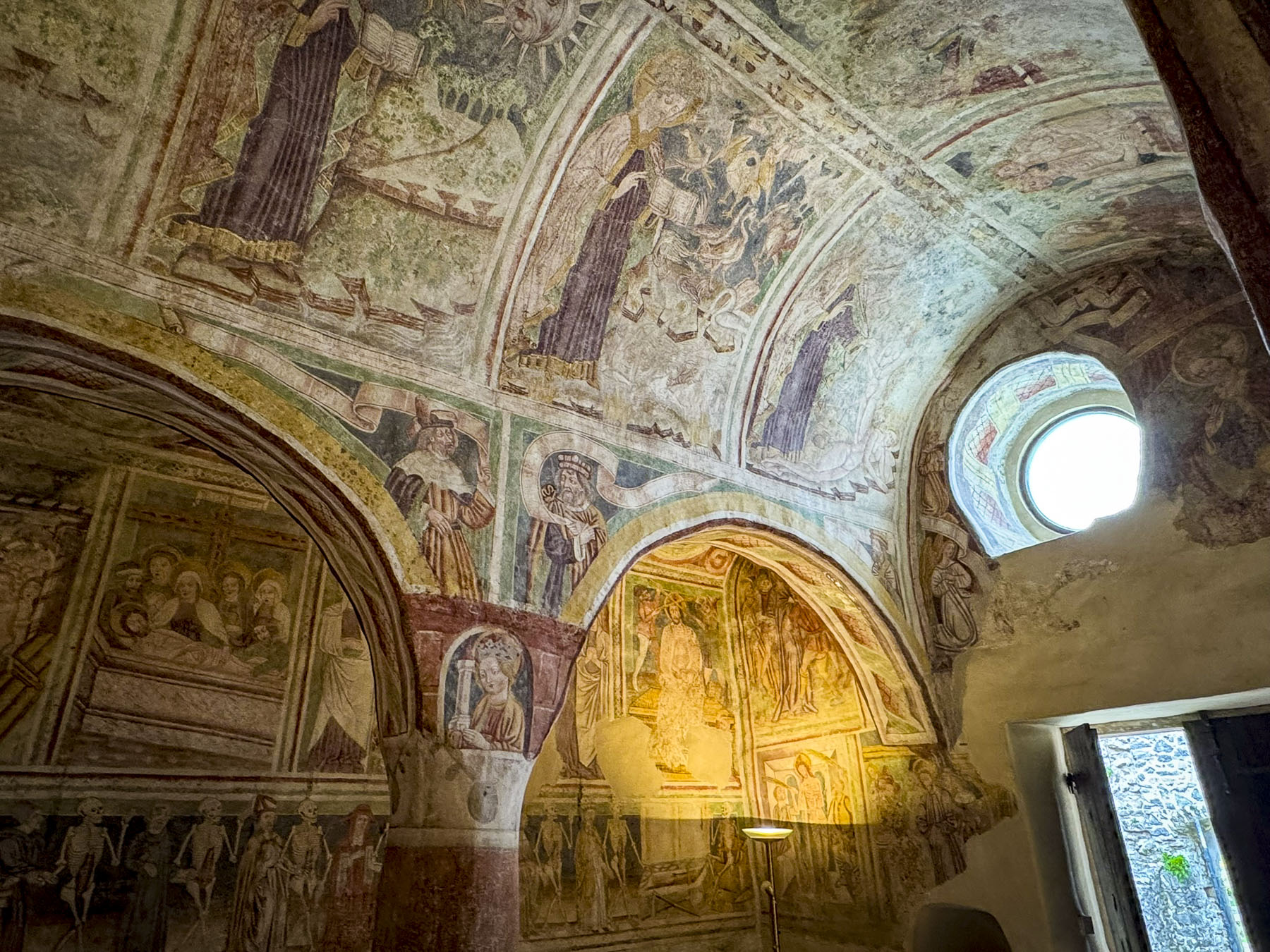
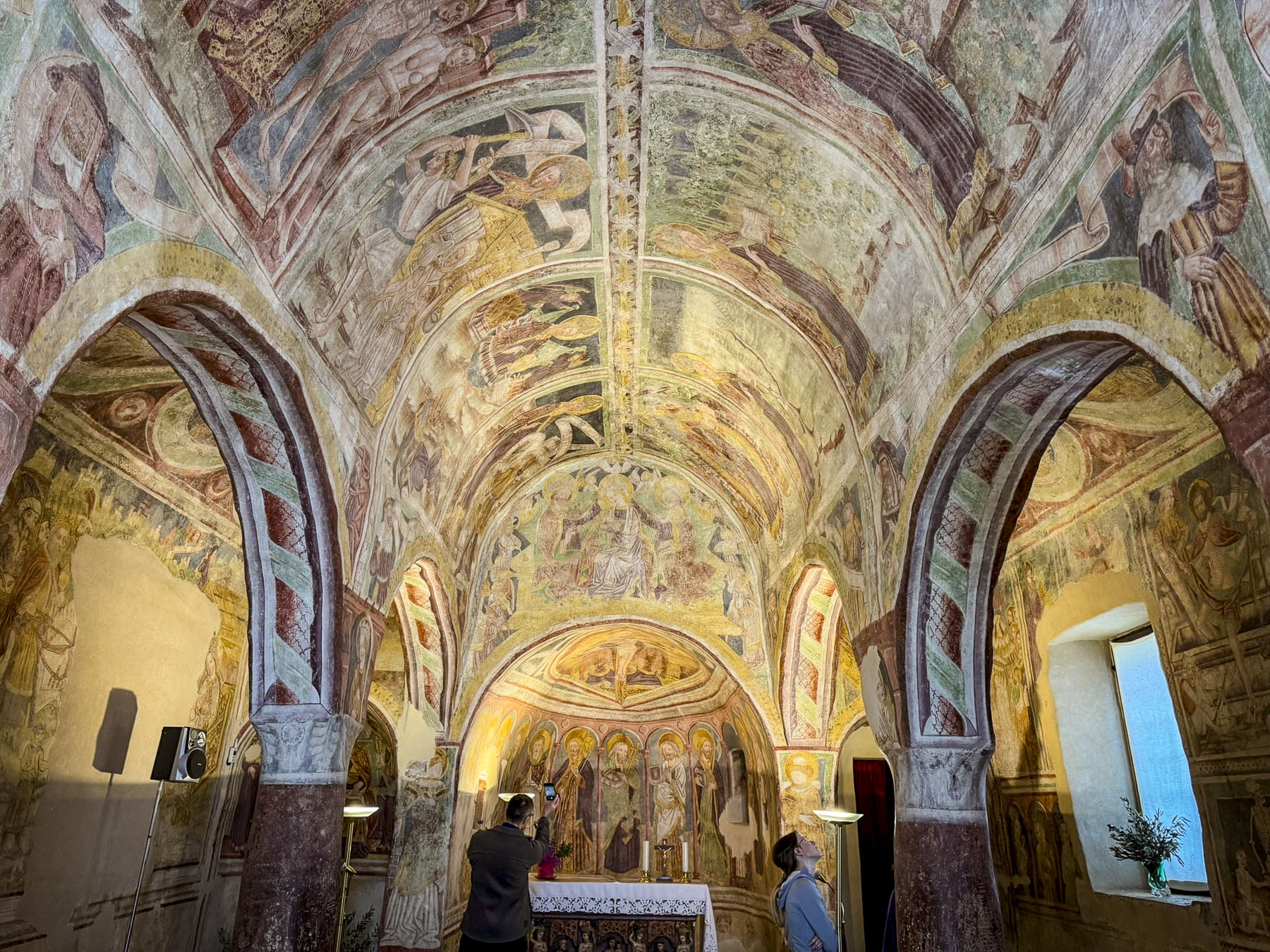
Inside the small chapel every wall and ceiling is spectacularly covered with biblical teachings. At some time over the centuries the frescoes were covered with layers of plaster and remained hidden until 1949 when the Slovenian painter and art teacher Jože Pohlen, who was born in Hrastovlje, noticed that areas of flaking plaster suggested earlier paintings underneath and thought a hidden gem might be waiting for discovery. Surprisingly, although historians don’t have an accurate history of the church, they do know thanks to the restoration of the frescoes by Pohlen, and the discovery of a signature that they were painted by Janez van Kastav, John of Kastav, from Croatia, in 1490.

All the religious illustrations were intriguing, but the most unique was the Dance of Death fresco, which depicts 11 skeletons leading a parade of everyday souls that includes a prince, a priest and a pauper to the grave. A stark reminder that, regardless of our stations in life, the same fate awaits us, though a Royal does lead the group to their final destination. Leaving the courtyard, we noticed a sign for local Isteria wines for sale on a door to one of the watchtowers. “Red or White?” “One of each, please,” and with that he unlocked the ancient wood door that was almost falling off its hinges and revealed his impromptu wine cellar.

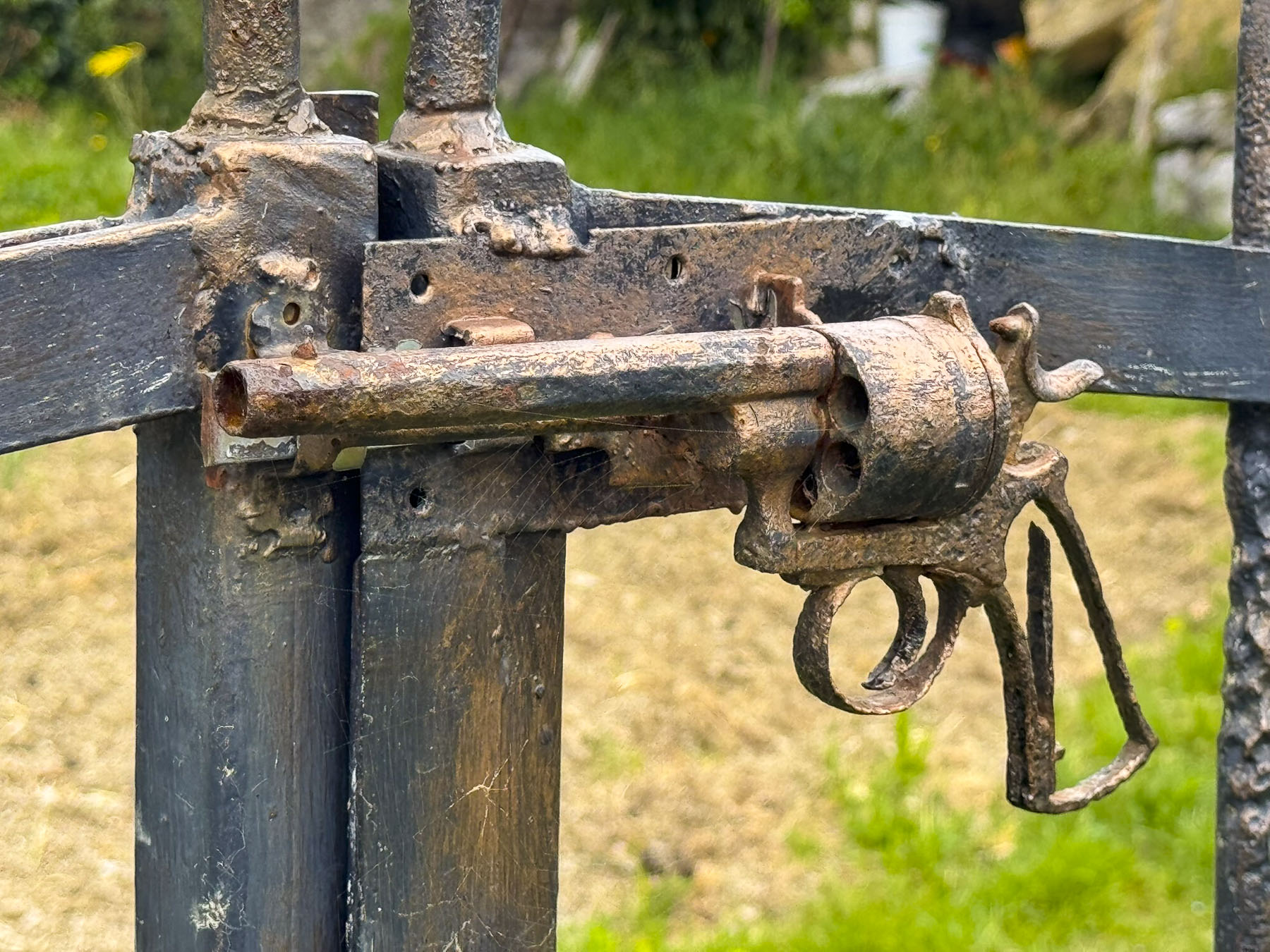
A farmer’s enclosure across from the church had rusted relics from WWI and WW2 nailed to the top of the fenceposts. A silent and ironic testimony to the centuries of conflict that have fallen upon this bucolic area. We had hoped to stop at Lipica Stud Farm, an almost 500 hundred year old horse breeding facility that was started in 1581 with 24 broodmares and six stud horses brought from Spain originally to create a herd of the magnificent white horses for the royals of the Hapsburg Empire. Today the breeding farm remains dedicated to raising Lipizzaner horses for equestrians around the world.

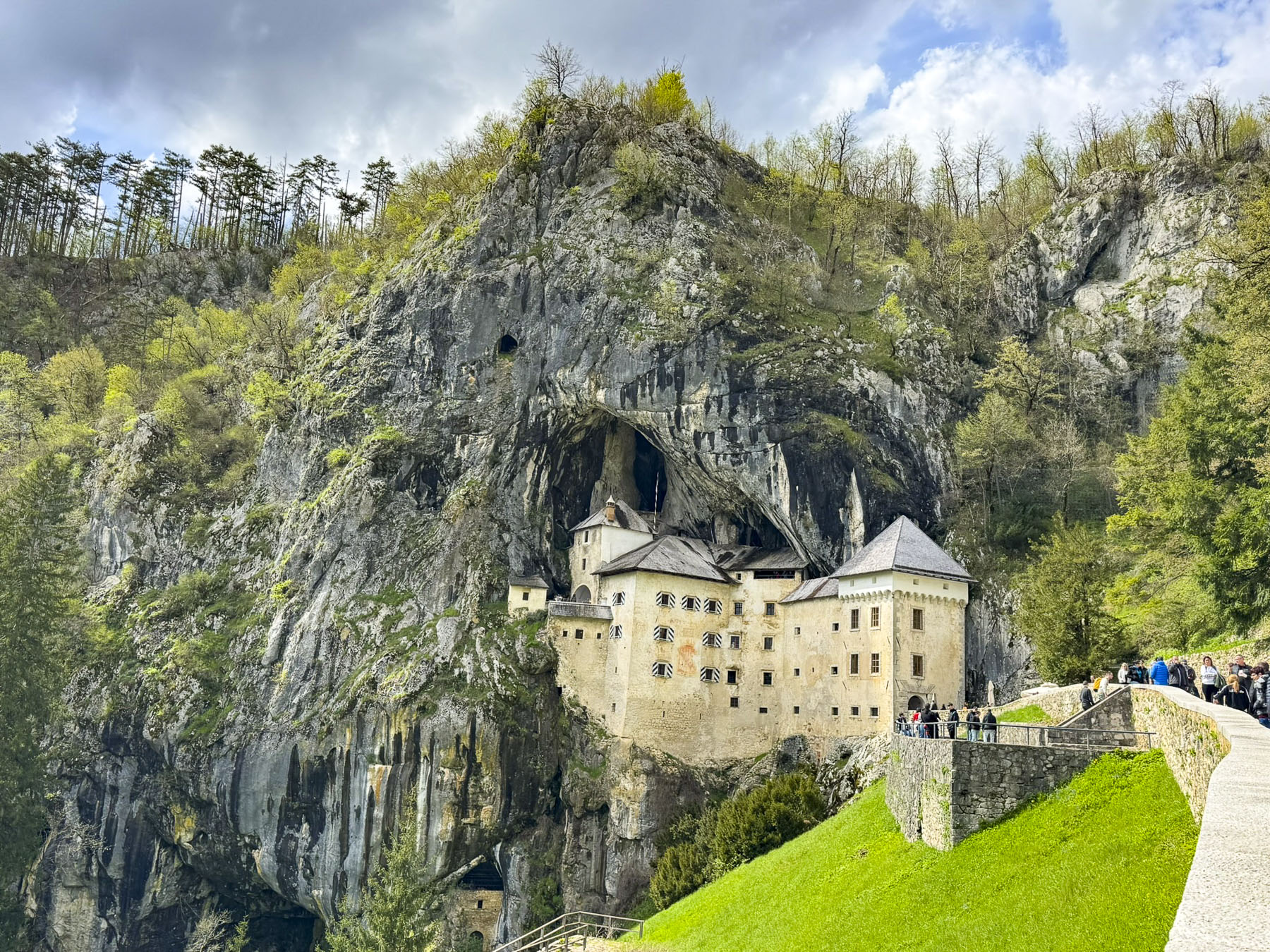
Unfortunately, the equestrian center was closed the day we were in the area, and we continued on to Predjama Castle. The 13th century fortified chateau was dramatically built halfway into a large cave on a towering cliff face, by the rebellious knight Erazem, whom legend believes was Slovenia’s Robin Hood; he pillaged wealthy towns and protected the local peasants. Betrayed by a castle servant who signaled the enemy with a candle, Erazem met an unceremonious death when a cannon ball fired by troops of the Holy Roman Empire caught him with his pants down as he was using the castle privy.

An audio tour of the castle took us through secret tunnels, a dungeon, and several restored living areas, where only the lord of the castle enjoyed fireplaces, while his staff froze in their quarters. We felt the best element of the castle was its picturesque setting, which can be viewed for free, and thought that unless you have never toured a castle before, the entrance fee wasn’t worth the experience they offered. We enjoyed a very nice lunch at Gostilna Požar, which has a patio with views of the castle.

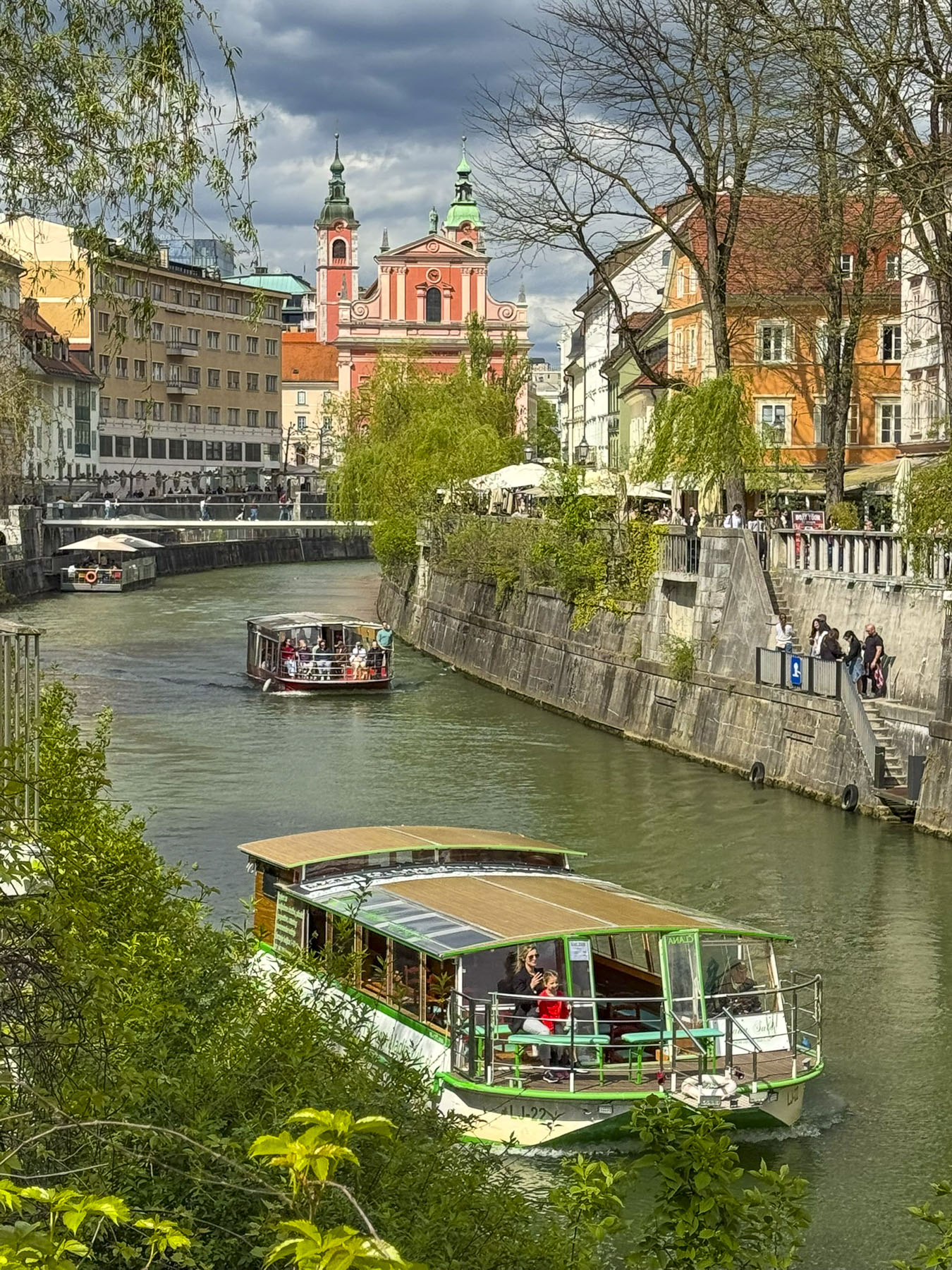
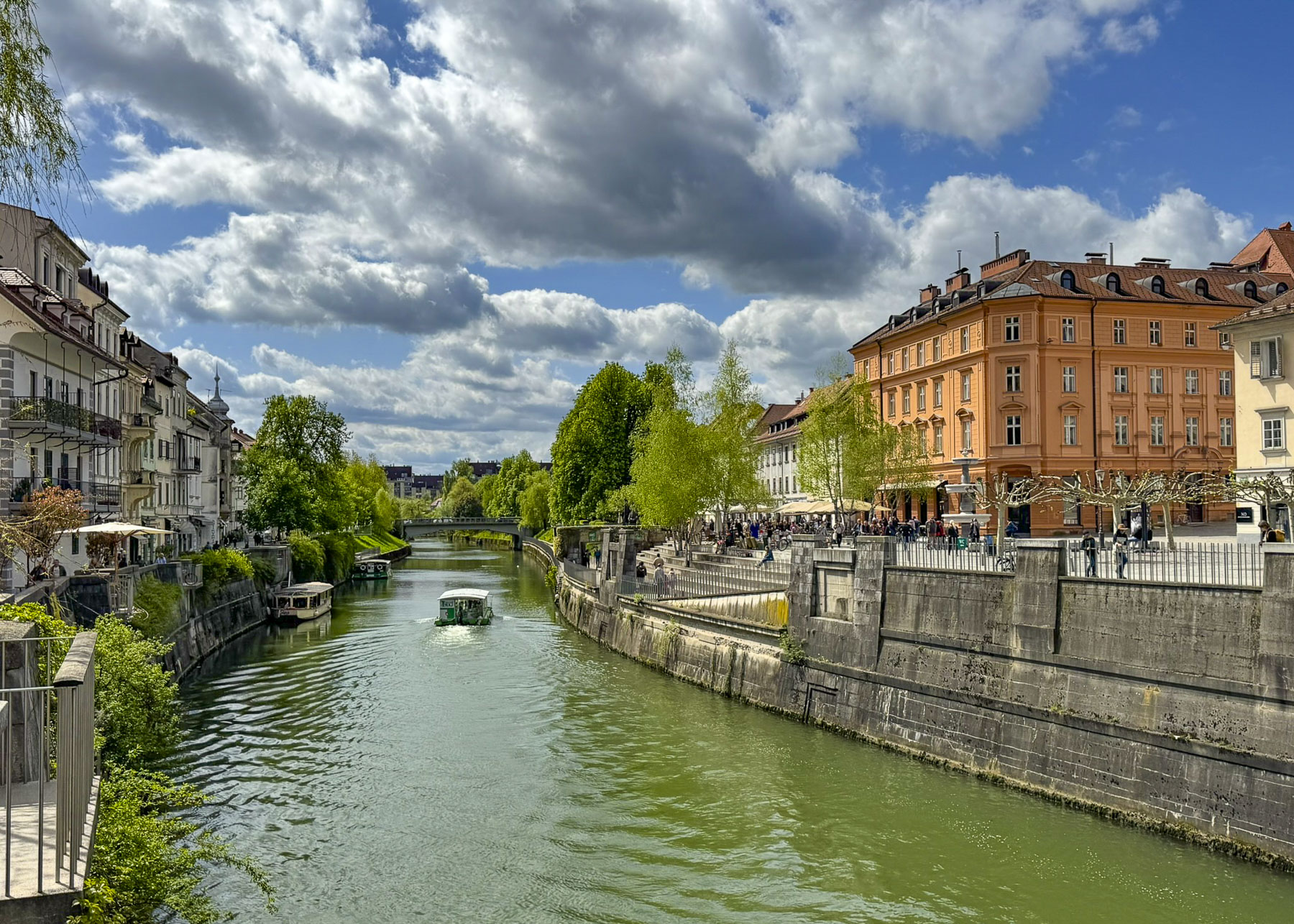
Ljubljana’s extensive old town along the Ljubljanica River is a beautiful pedestrian only area that spans both sides of the river as it flows through the capital city of Slovenia. Our taxi, on arrival and final departure, from the Parking Tivoli II lot to the French Revolution Square was included in our 5 night stay at the Barbo Palace Apartments. The short ride followed a convoluted route due to pedestrian-only and one-way streets. But it was a nice  introduction to the architectural diversity of Ljubljanica, and we took note of which buildings we wanted to return to later in the week to photograph.

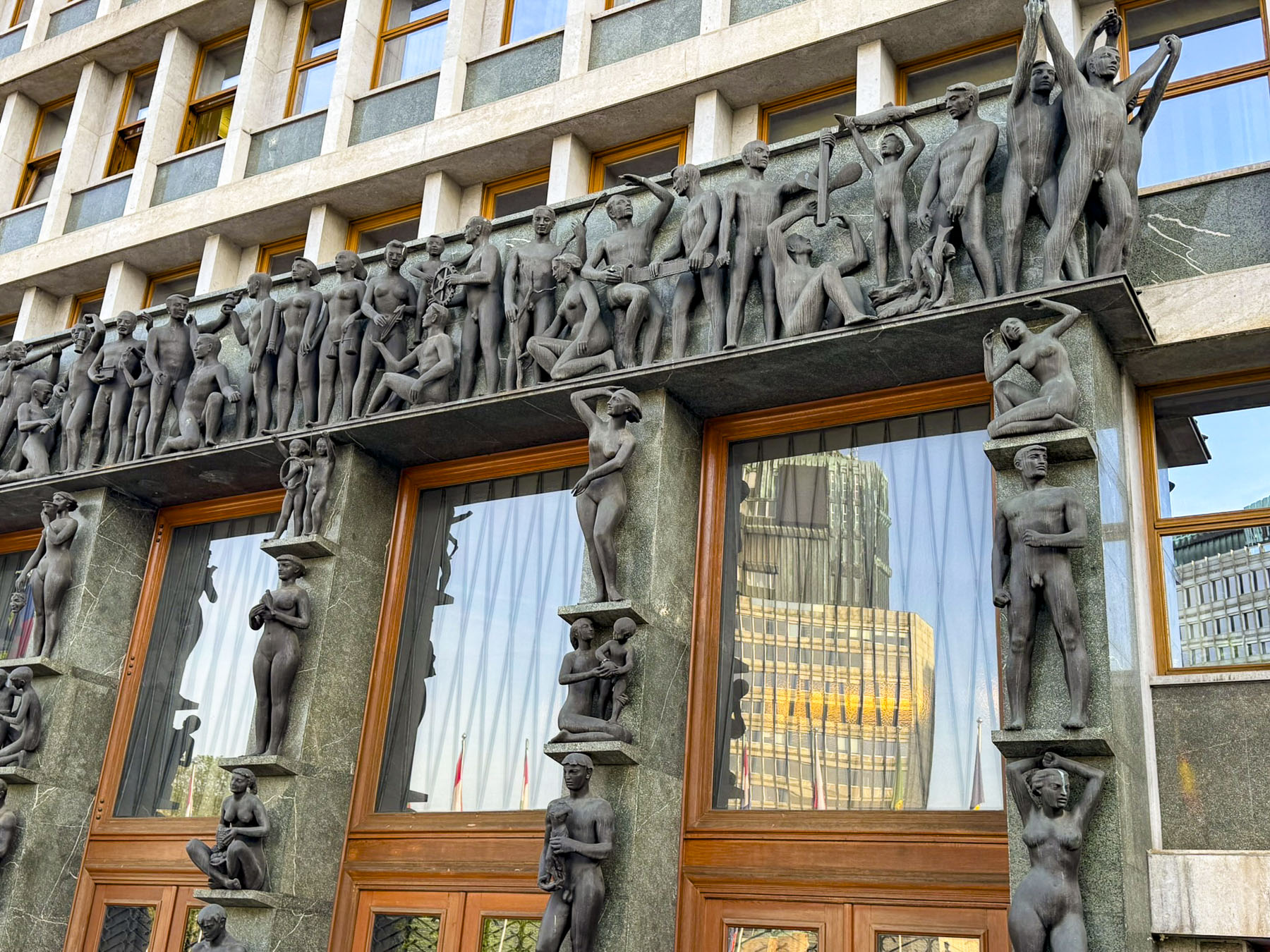
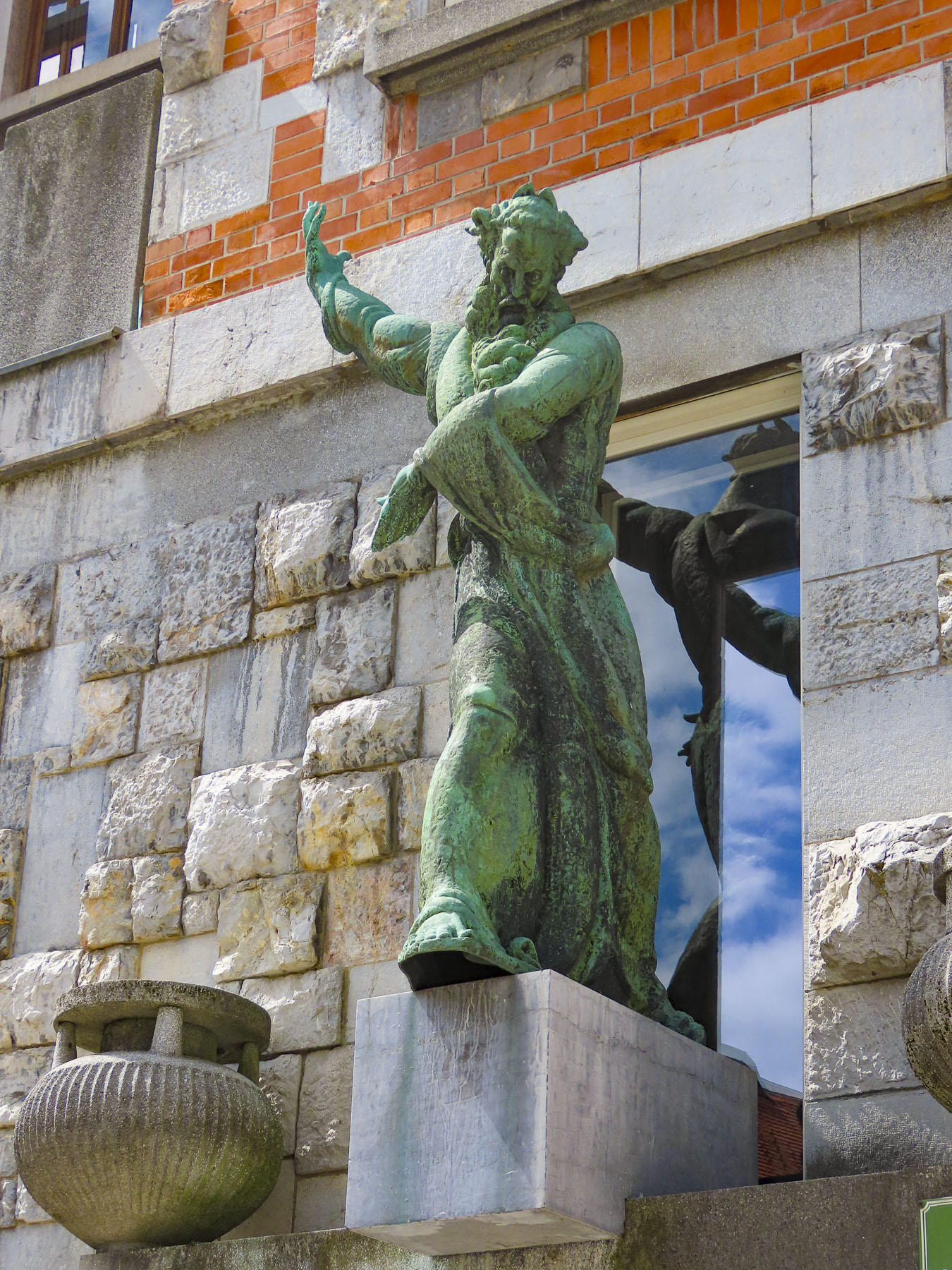
First, we passed the National Assembly Building of Slovenia, a modernist building with a contrasting entranceway surrounded by an immense bronze sculpture created by the work of the Ljubljanica artists Zdenko Kalin and Karel Putrih in the 1950s. The artwork is called the Working People and reflects the collective philosophy of communism and “symbolizes the progress of civilization.”

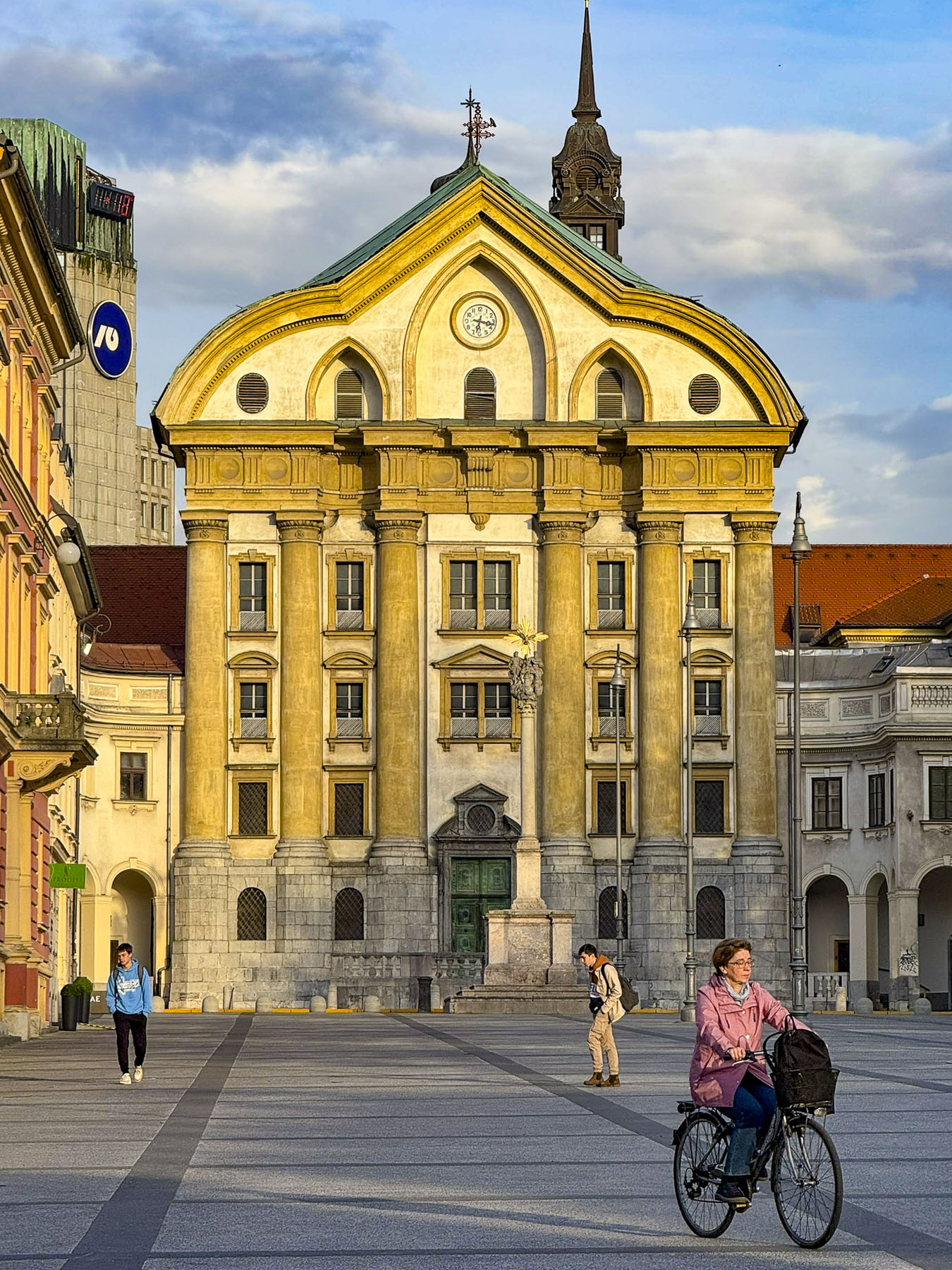
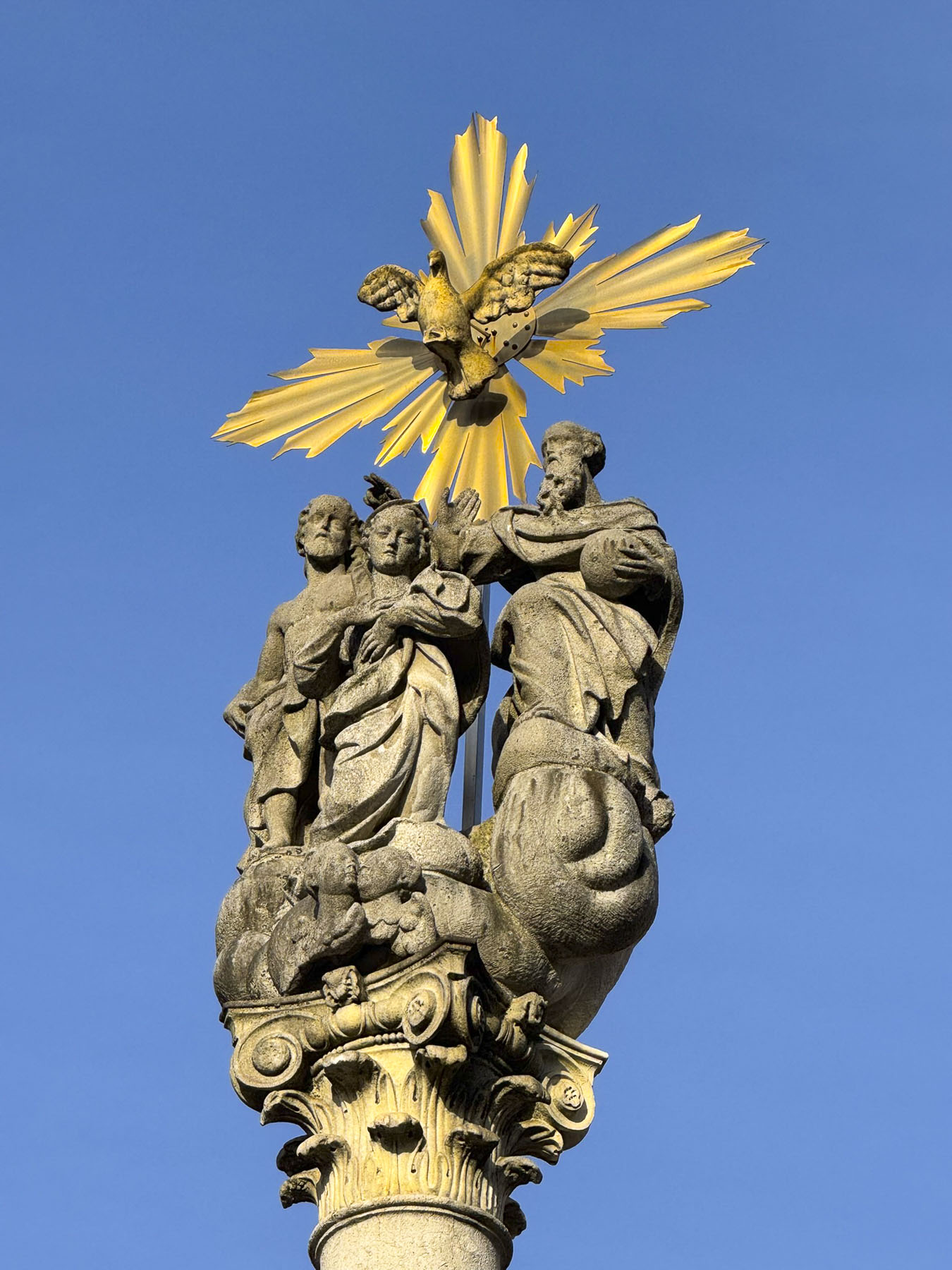
Adjacent to Park Zvezda was the beautiful, architecturally distinct hull-shaped roof and six column fascia of Ursuline Church of the Holy Trinity, a 1700s Baroque style church with an attached monastery. Across the street was the striking Pillar of the Holy Trinity.

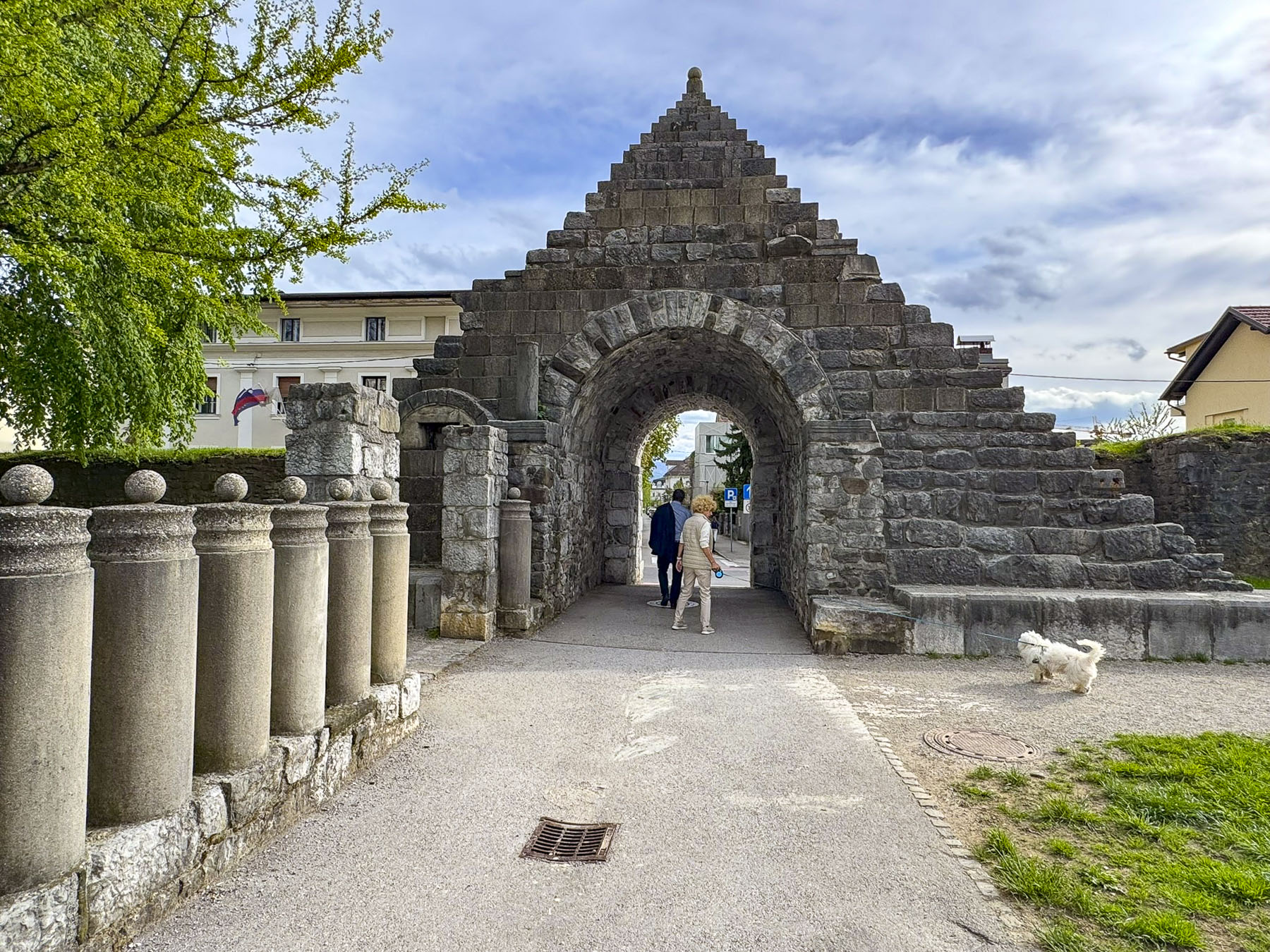
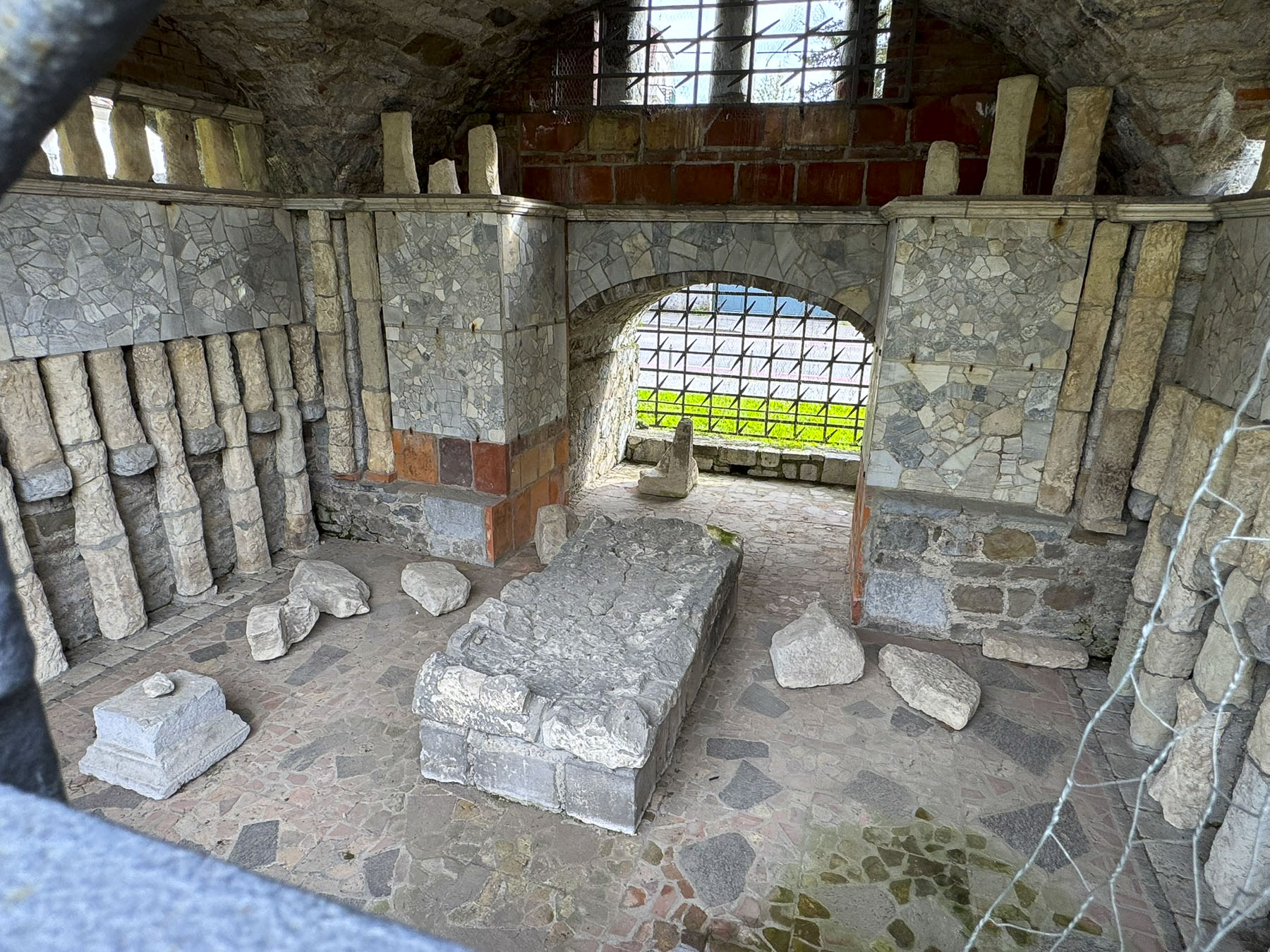
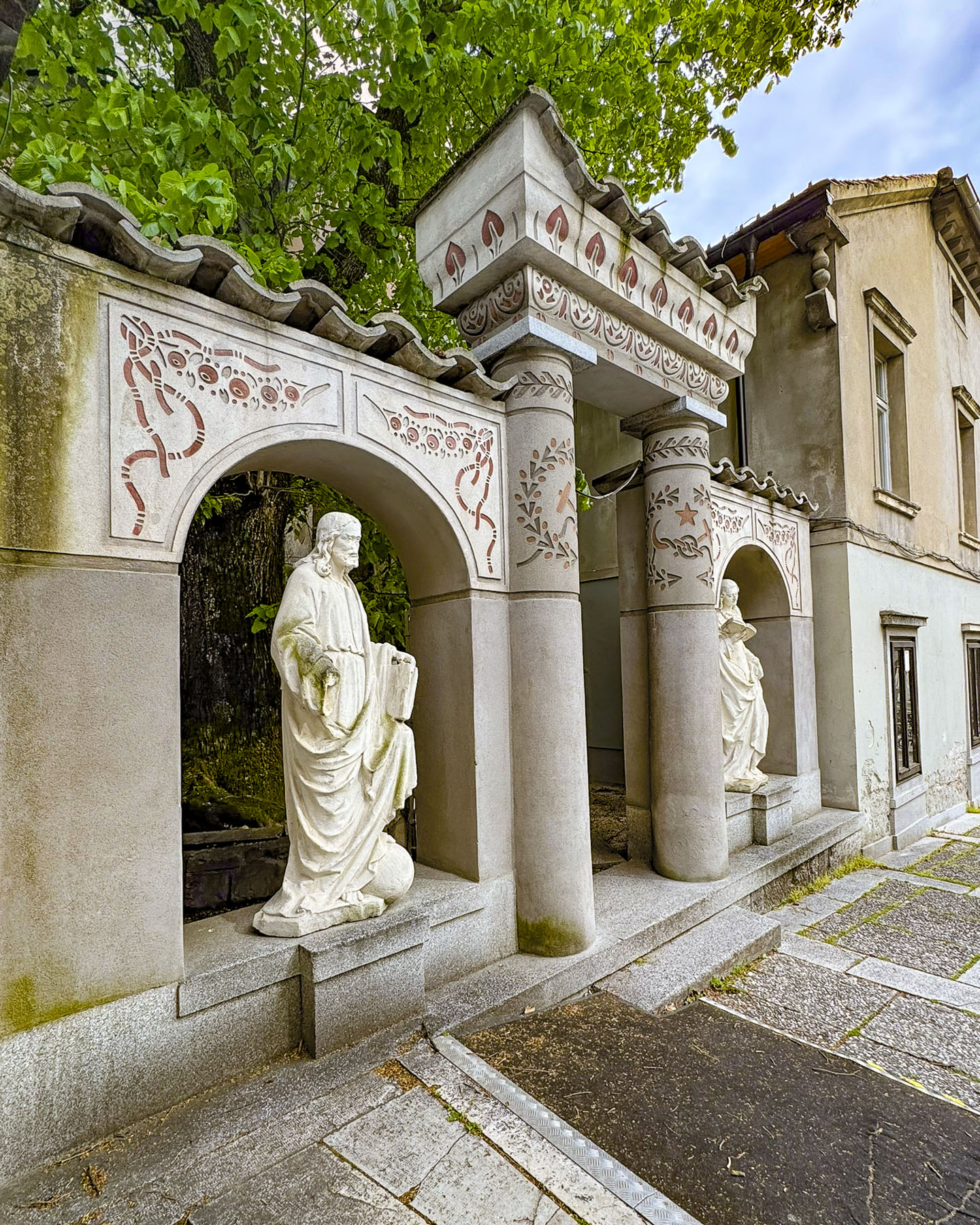
On Mirje Street we passed the remains of the defensive wall and gates of one of Ljubljanica’s earliest settlements called Emona, a Roman colony founded in 14 AD on a pre-existing Illyrian village. Located on an important trading route that linked the Adriatic to the Danube River and the northern Balkans, the town with an estimated population of 6,000 flourished until the 5th century when Visigoths and later Huns invaded the area. Afterward the town slowly declined as folks moved away to other areas for their safety.

The short walk to the Barbo down tree-covered lanes passed the conservatory rooms of University of Ljubljana’s Academy of Music, where melodies drifted on the air, and through the recital rooms windows the heads of students intent on playing their instruments could be seen as they swayed with their music.

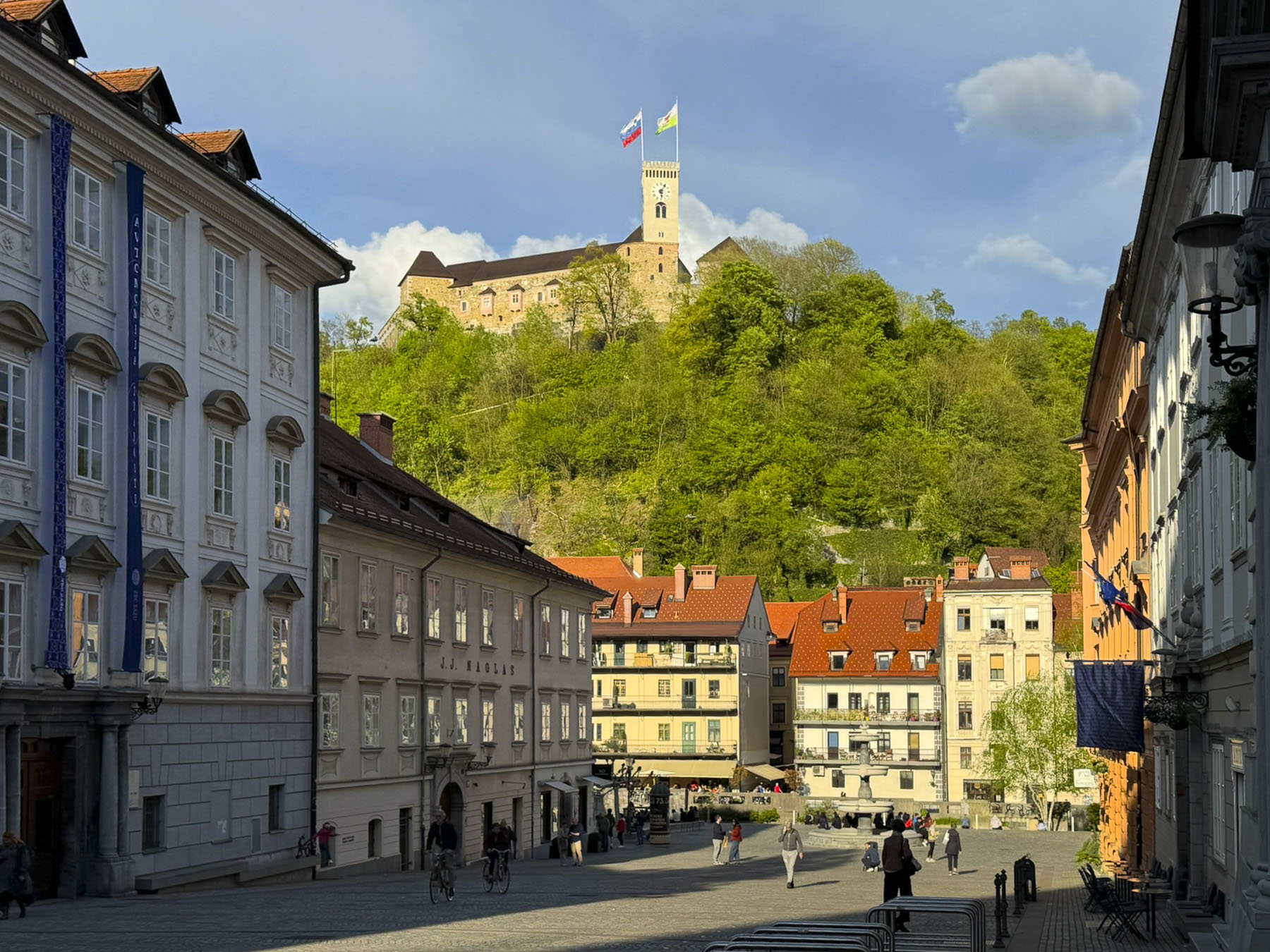
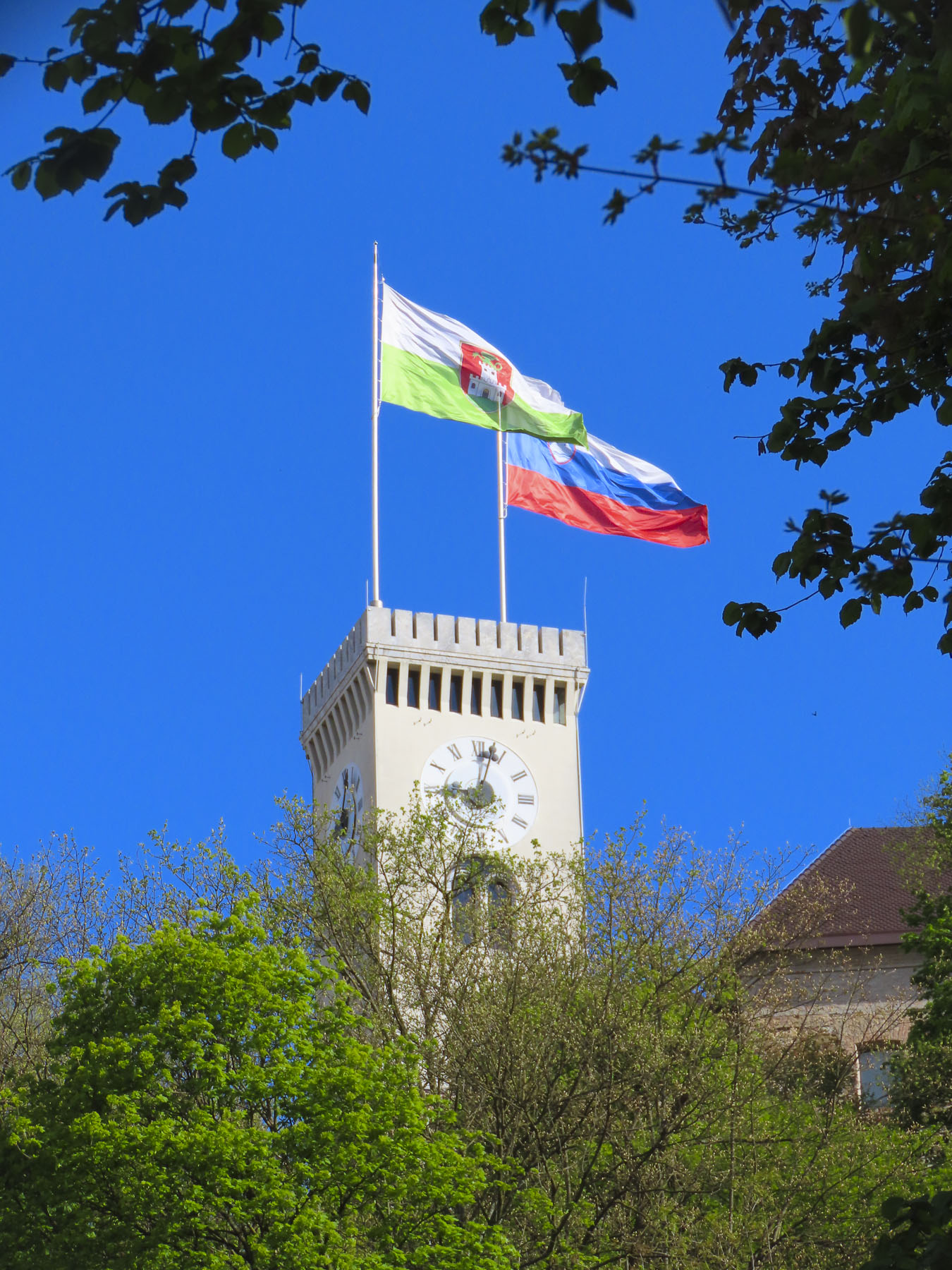
Around the corner from the Barbo Palace, the 18th-century residence of Count Jost Vajkard von Barbo, was a splendid view of Ljubljana Castle, across the river with its flags flickering in the wind. Our one-bedroom apartment on the fourth floor was spacious, with a small kitchen and sitting area. Though rather simple in its décor, it overlooked the interior courtyard and the ancient red tile roofs of the buildings across the way, and it was in a convenient location, the staff was quite helpful, and we enjoyed our stay.

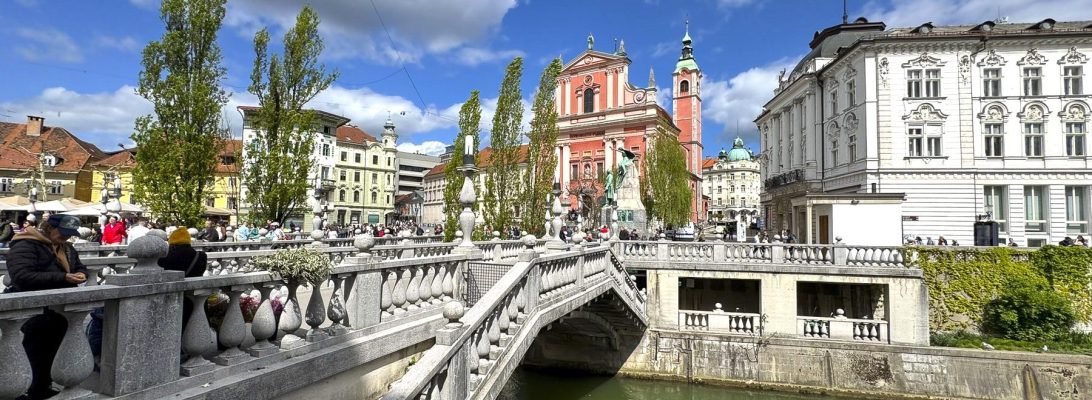
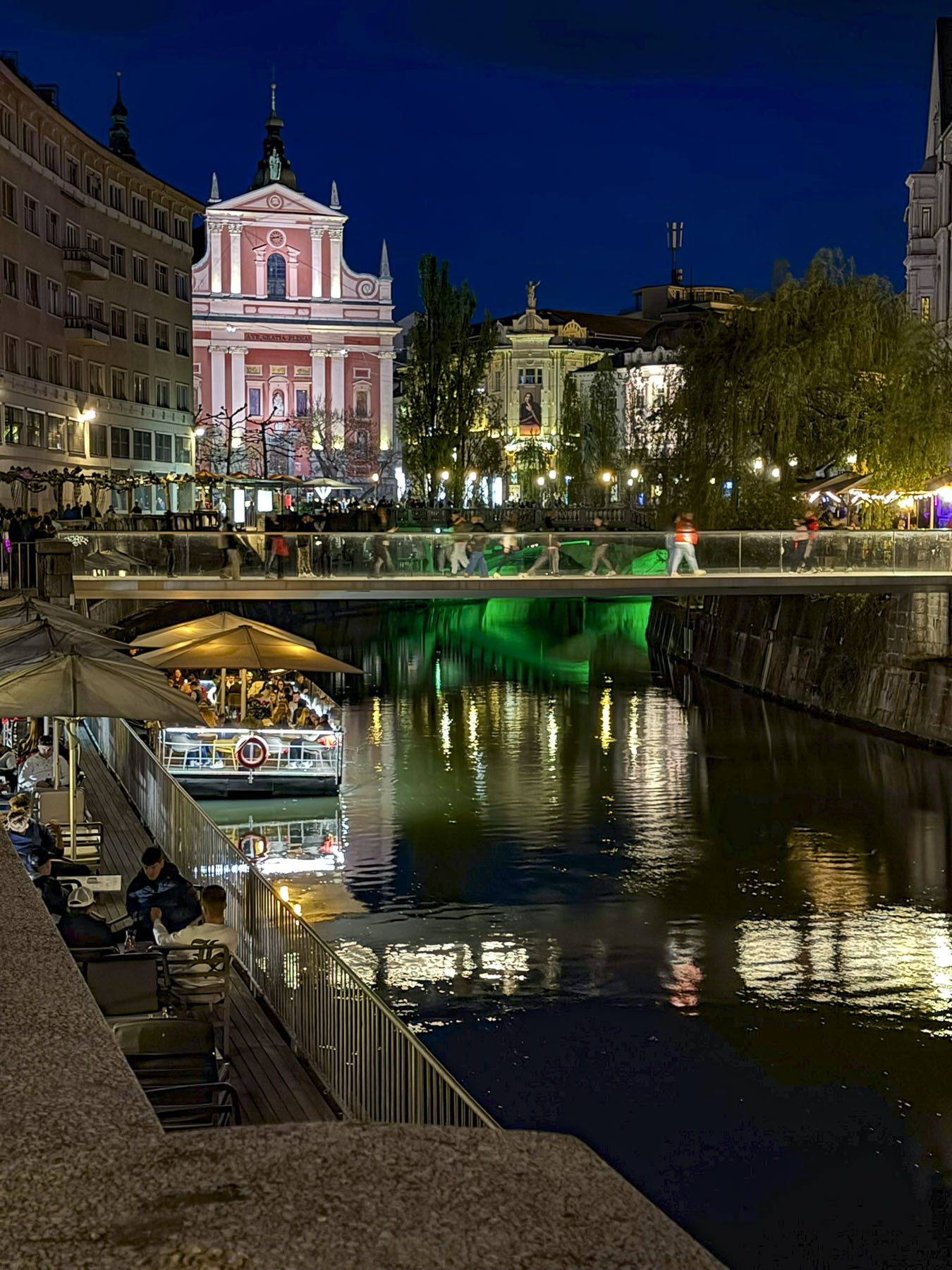
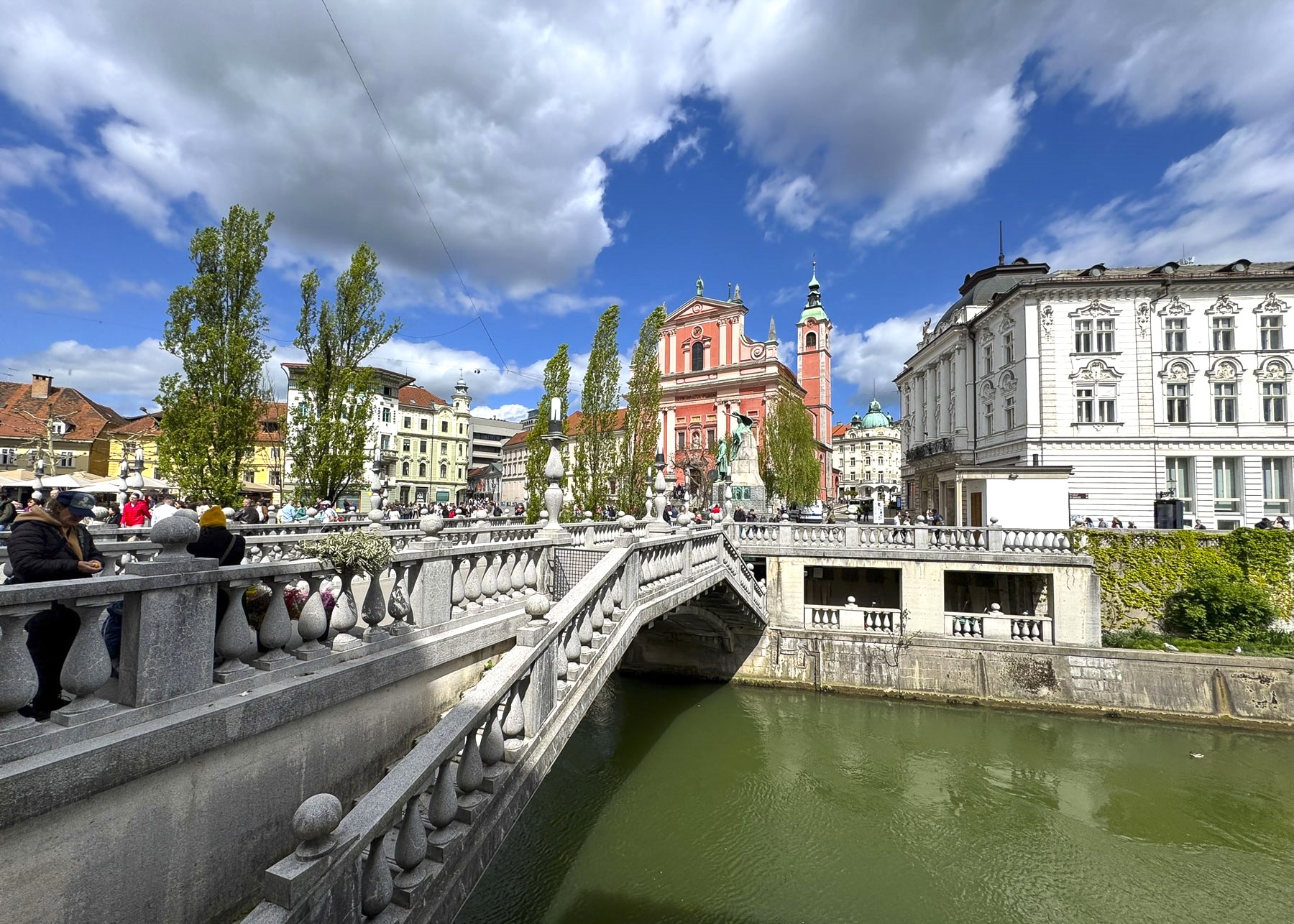
At dusk that evening we strolled along the riverbank promenade to Tromostovje, Ljubljana’s famous Triple Bridge, the center of this historic town, which was designed by Slovenian’s famous architect Jože Plečnik (1872 – 1957). His vision transformed Ljubljana from a provincial town of the Austrian Empire into a modern European city and a regional capital within The Kingdom of Yugoslavia in the period between the two World Wars. Under his direction, while respecting the integrity of landmark buildings, the city center was reinterpreted with new bridges, promenades, streets, squares, and parks. New public buildings which uniquely combined classical and modern designs, which blended the city’s ancient Roman heritage with Slovenia’s traditional character, were added to the cityscape.

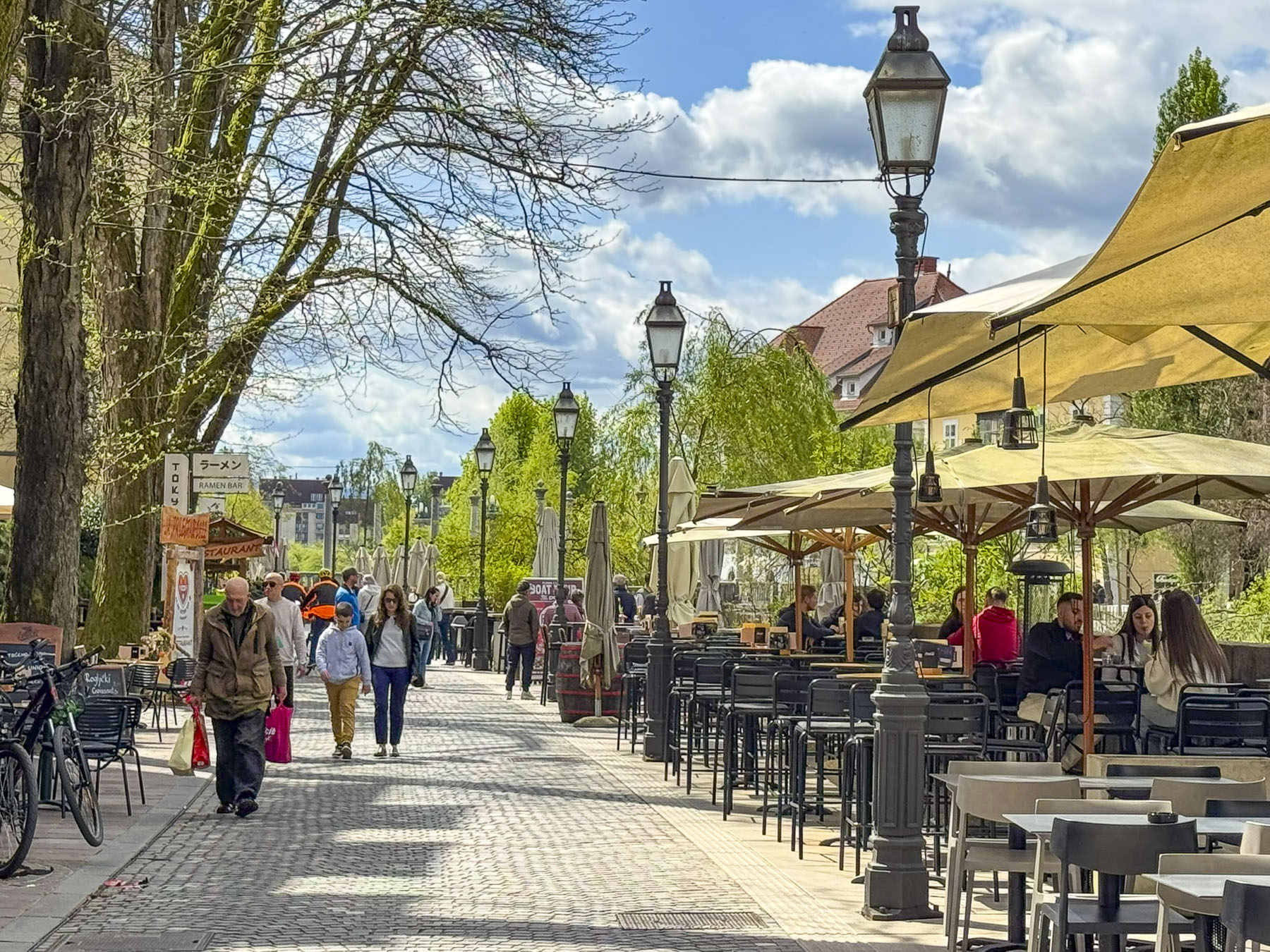
We walked variations of this route multiple times to explore this fascinating, very livable city where folks biked to work, enjoying the vibe of the university students, and the numerous restaurants and cafes in old town.  

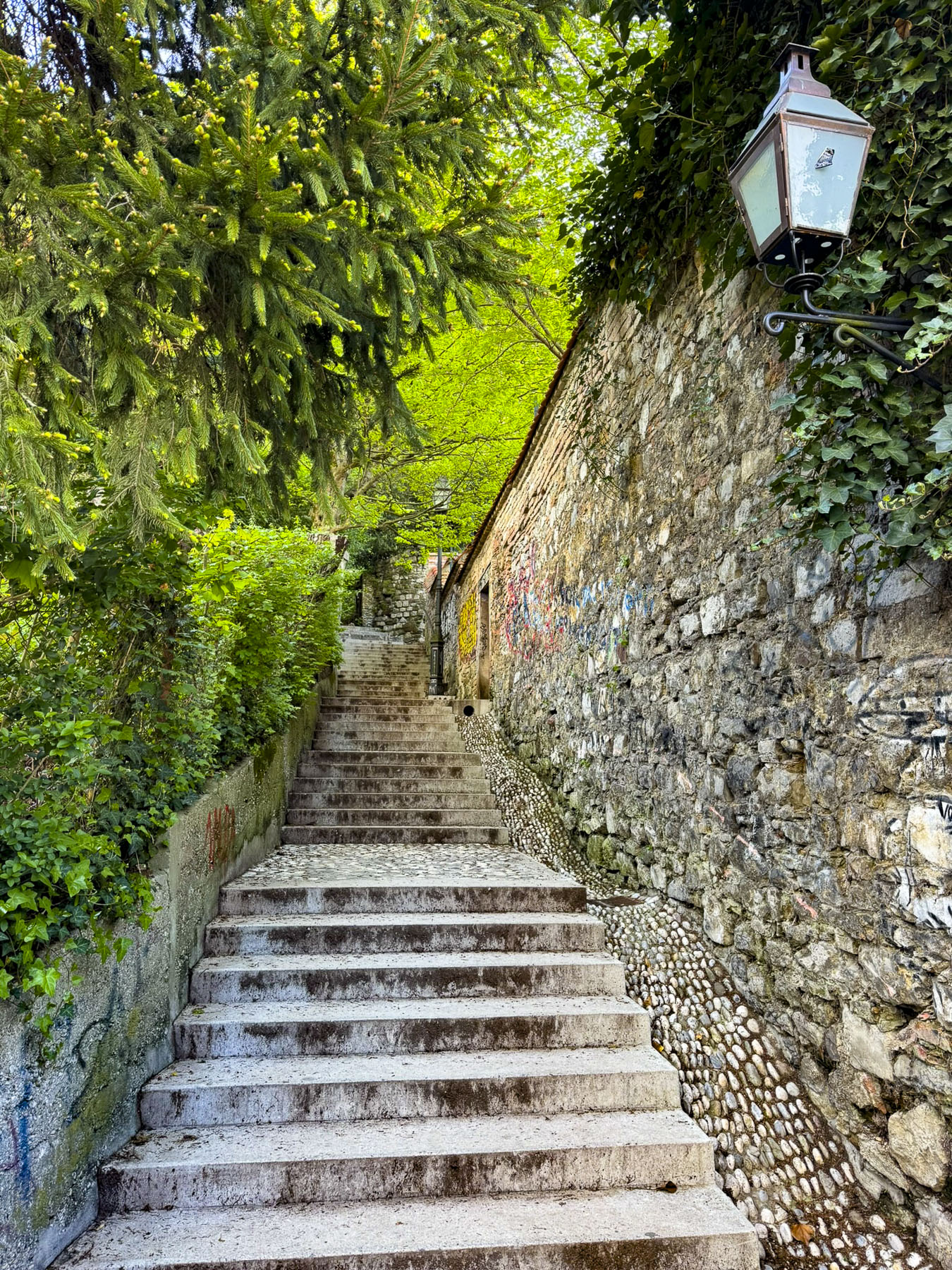
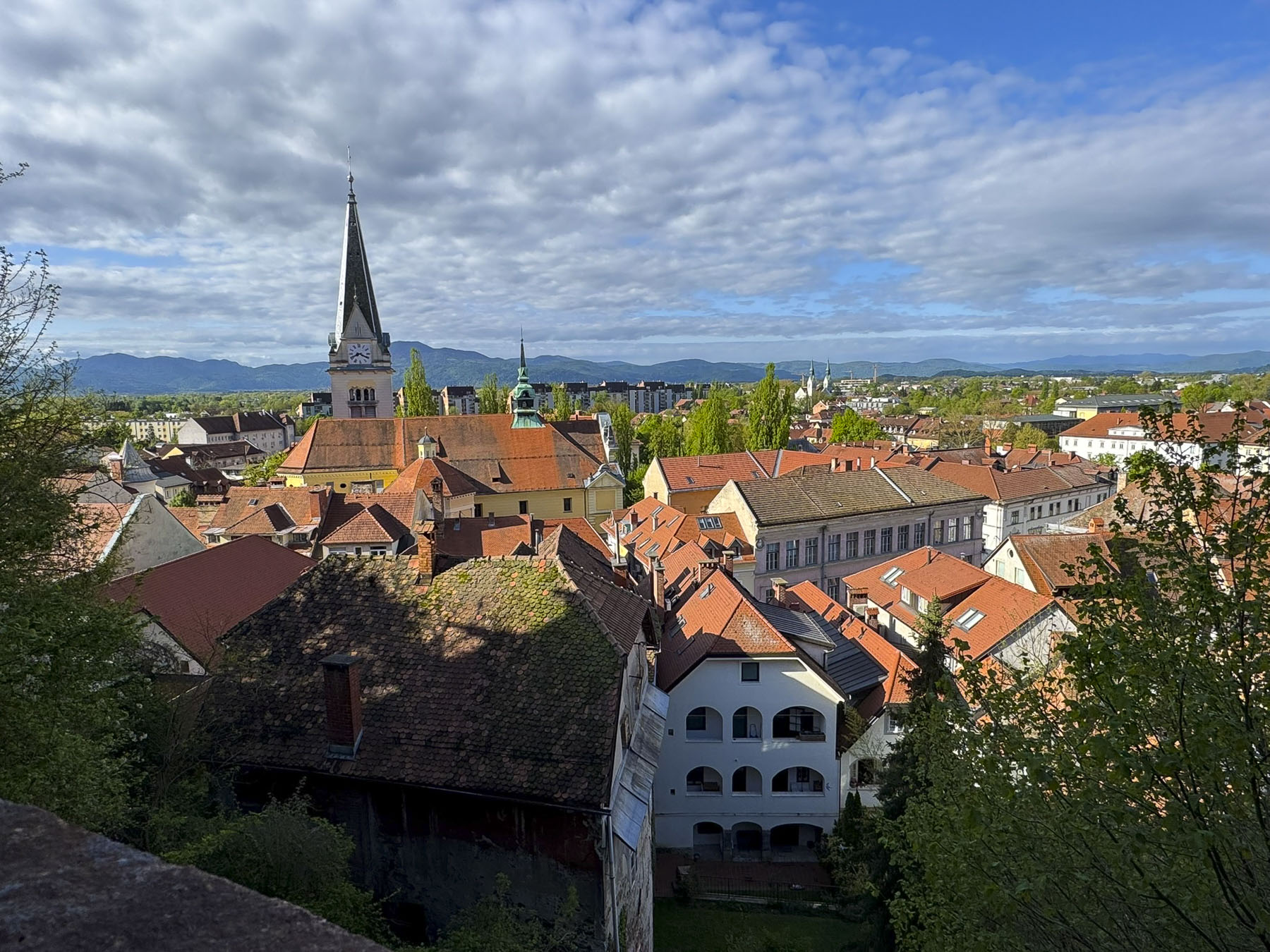
Sunlight brightening our bedroom window revealed a glorious day perfect for hiking to the top of Grajski Grič, Castle Hill. Detoured by a small antiques street fair, we browsed awhile before crossing the river to find the Reber, a narrow-cobbled path, which rises gradually until it transitions to a steep set of allegedly 115 stairs (I can’t believe they counted accurately!), before winding through the wooded hillside and reaching the castle. Along the pathway there was a spot with a nice view over the old town. The paved walkway was another initiative of Plečnik’s and replaced a dirt path that soldiers from the castle once used as a shortcut into town. Interestingly, the location is prominently featured in Vesna, a classic 1953 Slovenian romantic comedy.

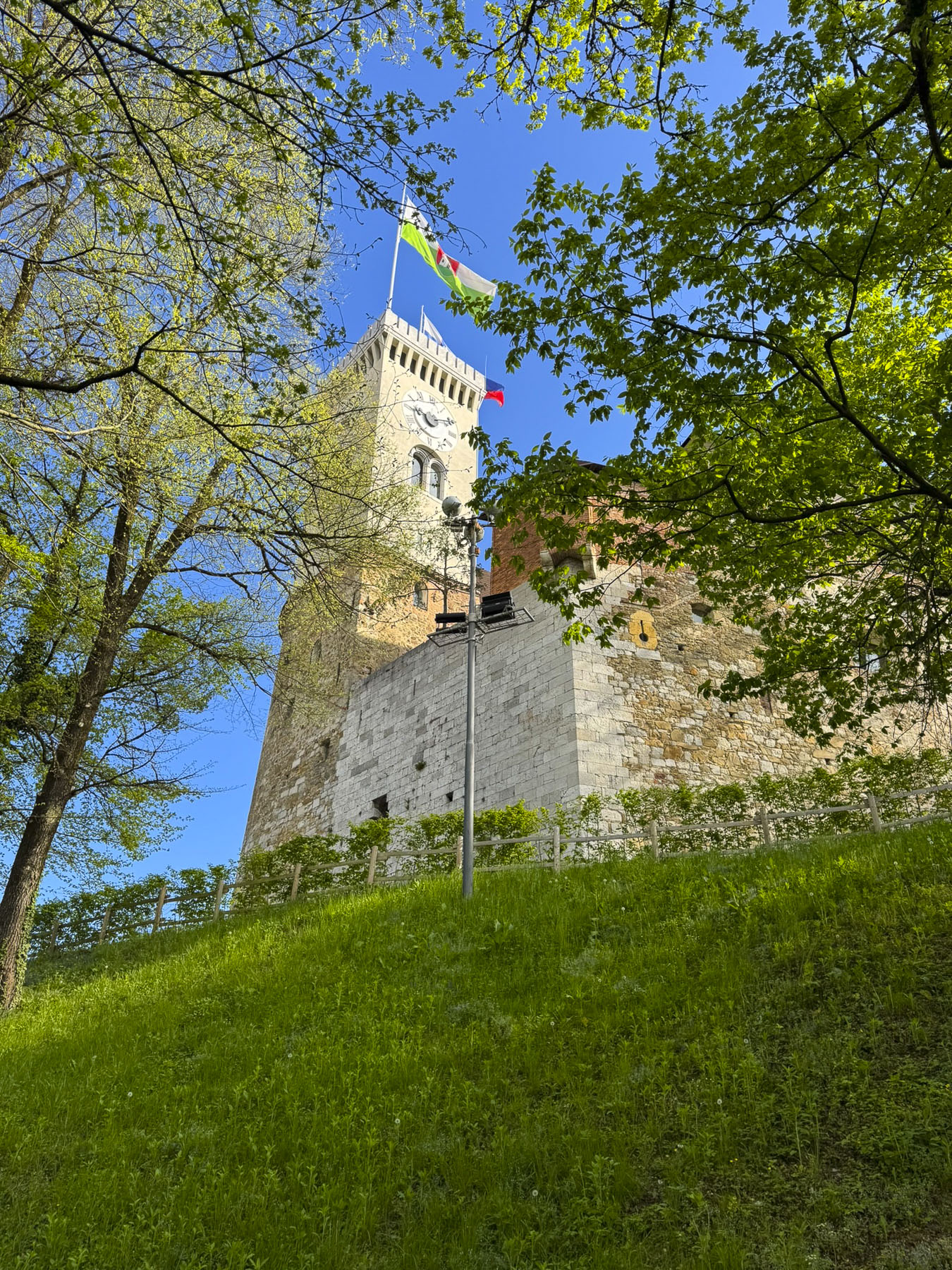
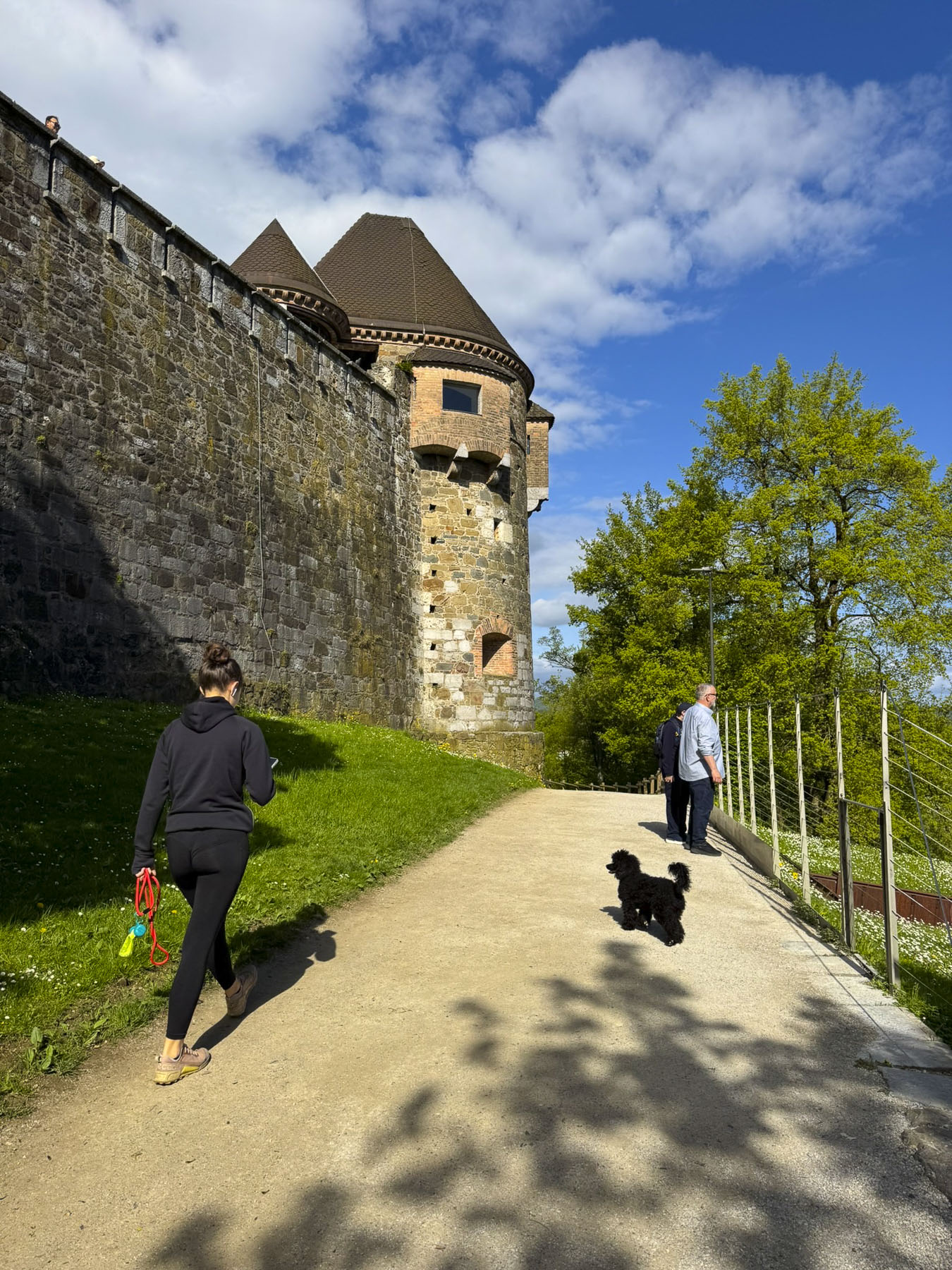
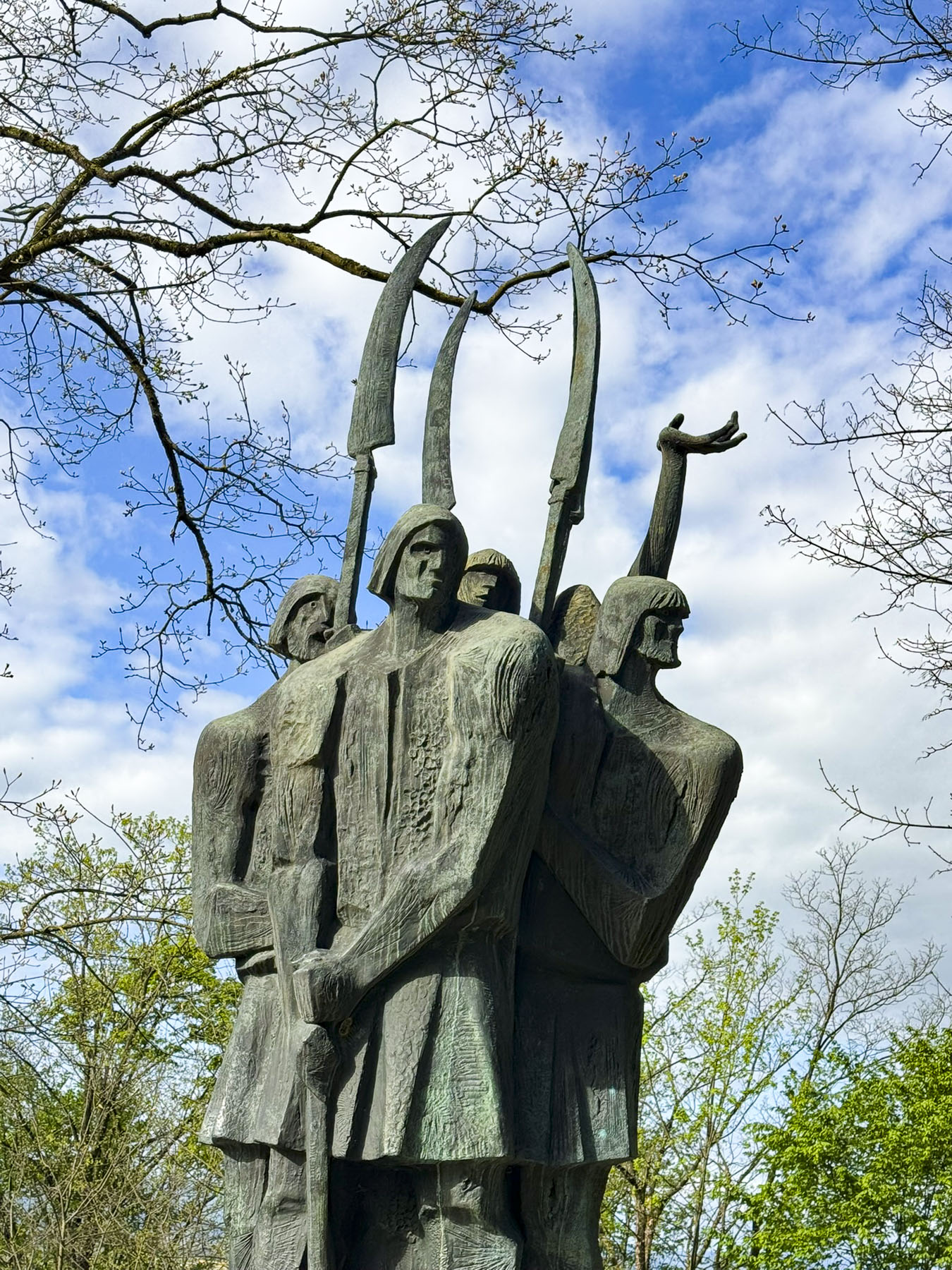
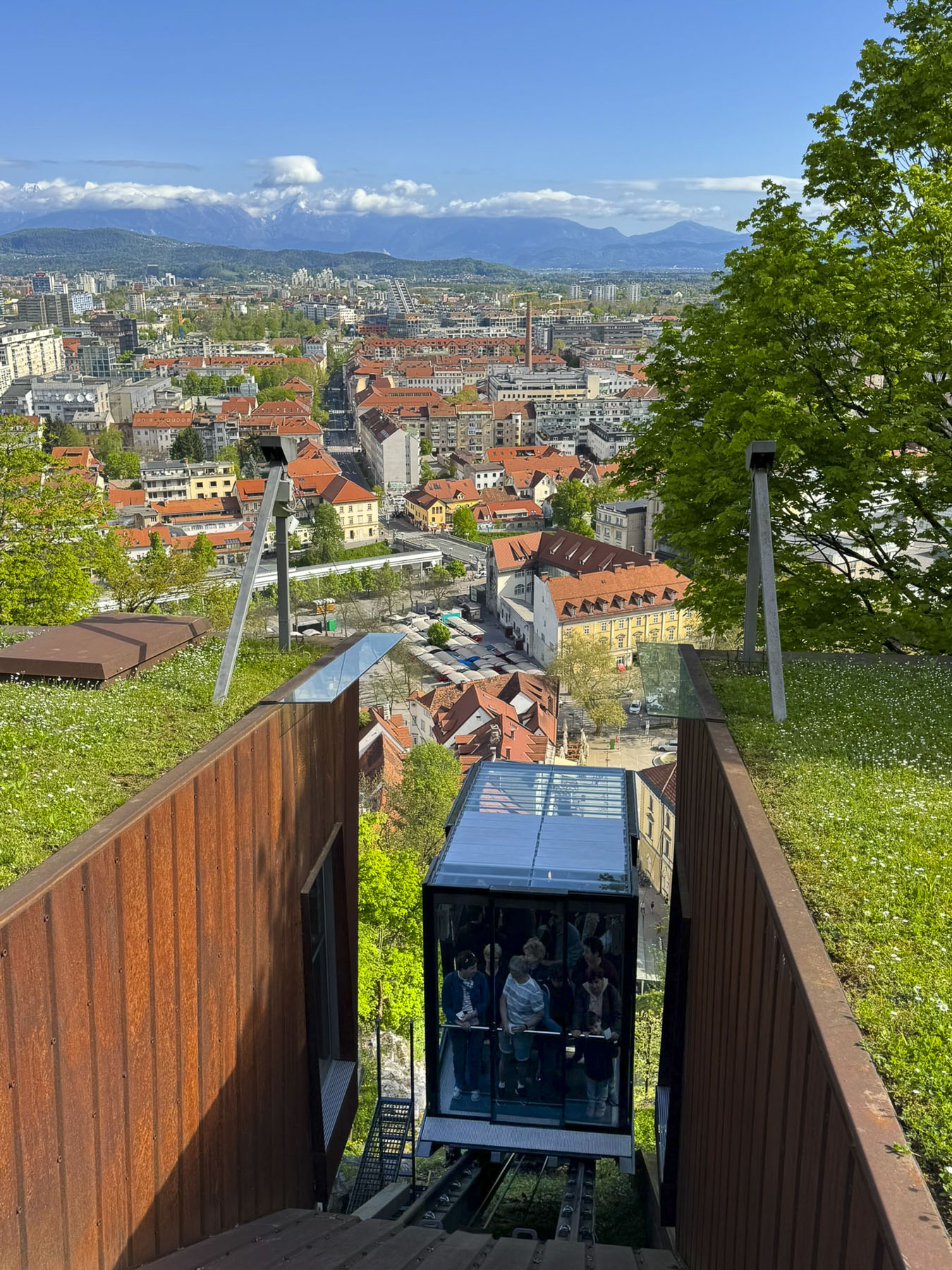
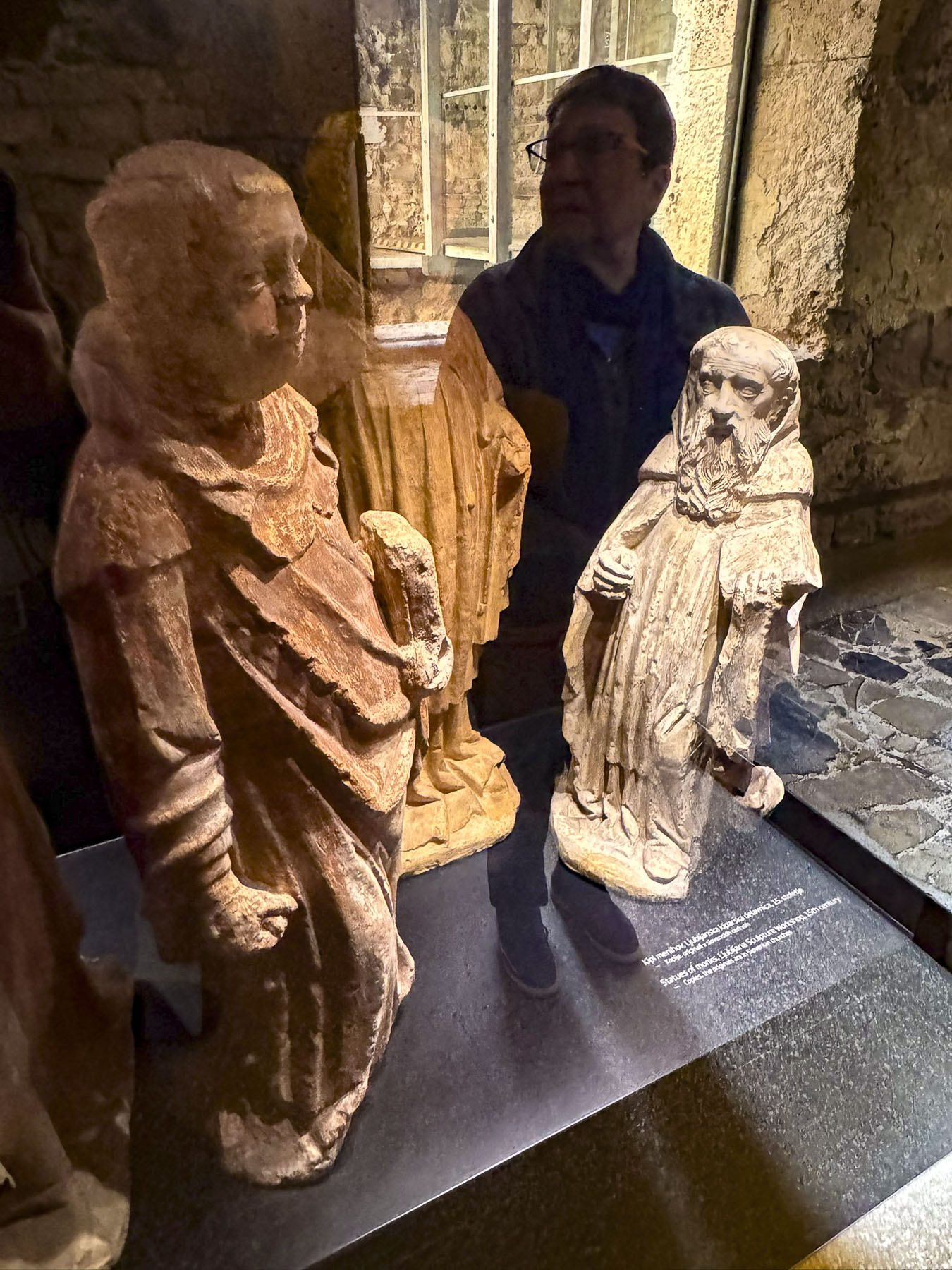
Reaching the castle, we walked around its perimeter, where we watched the funicular from the central market ascend the hillside, and found some interesting historical sculptures before heading to the entrance.

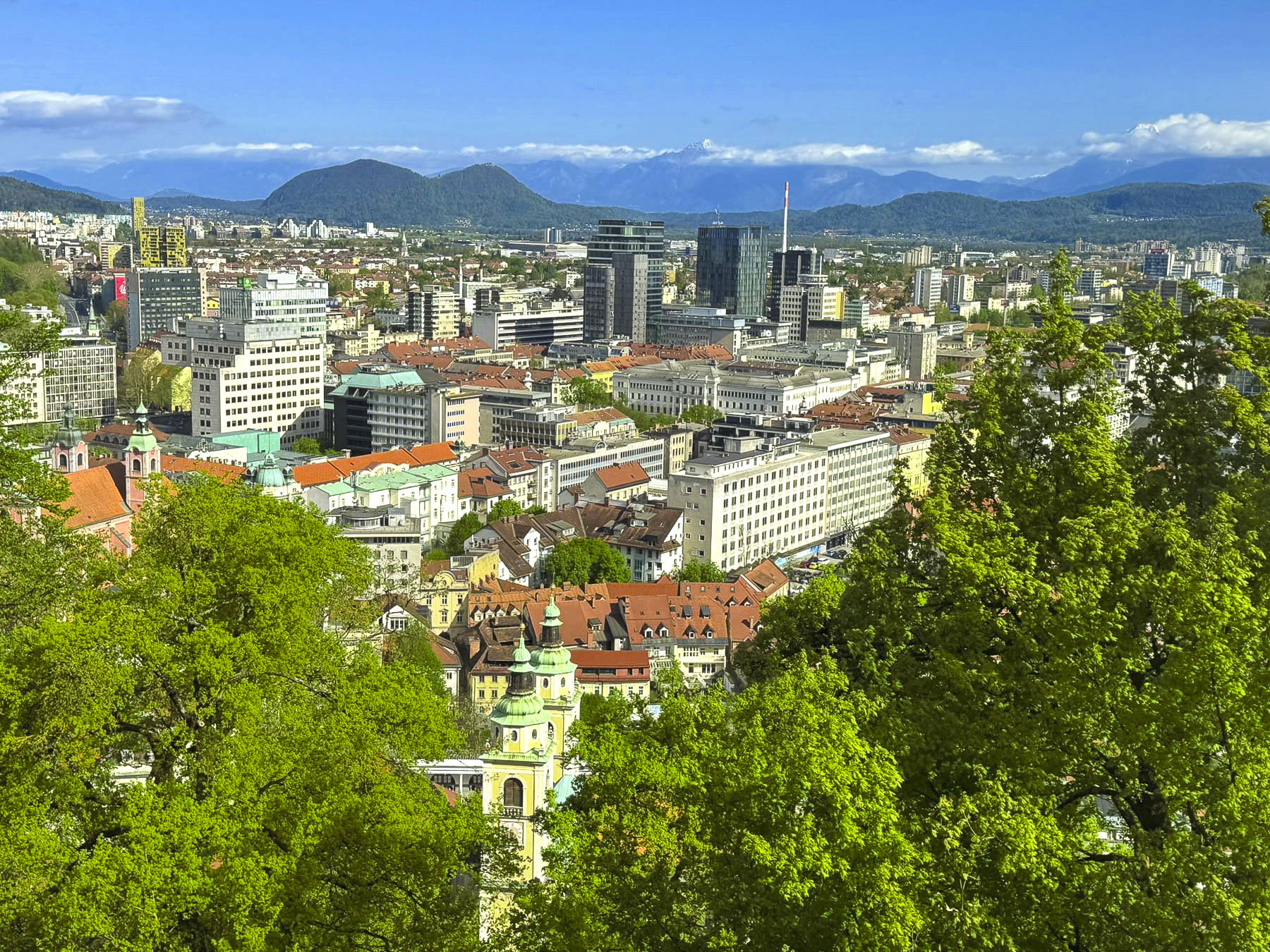
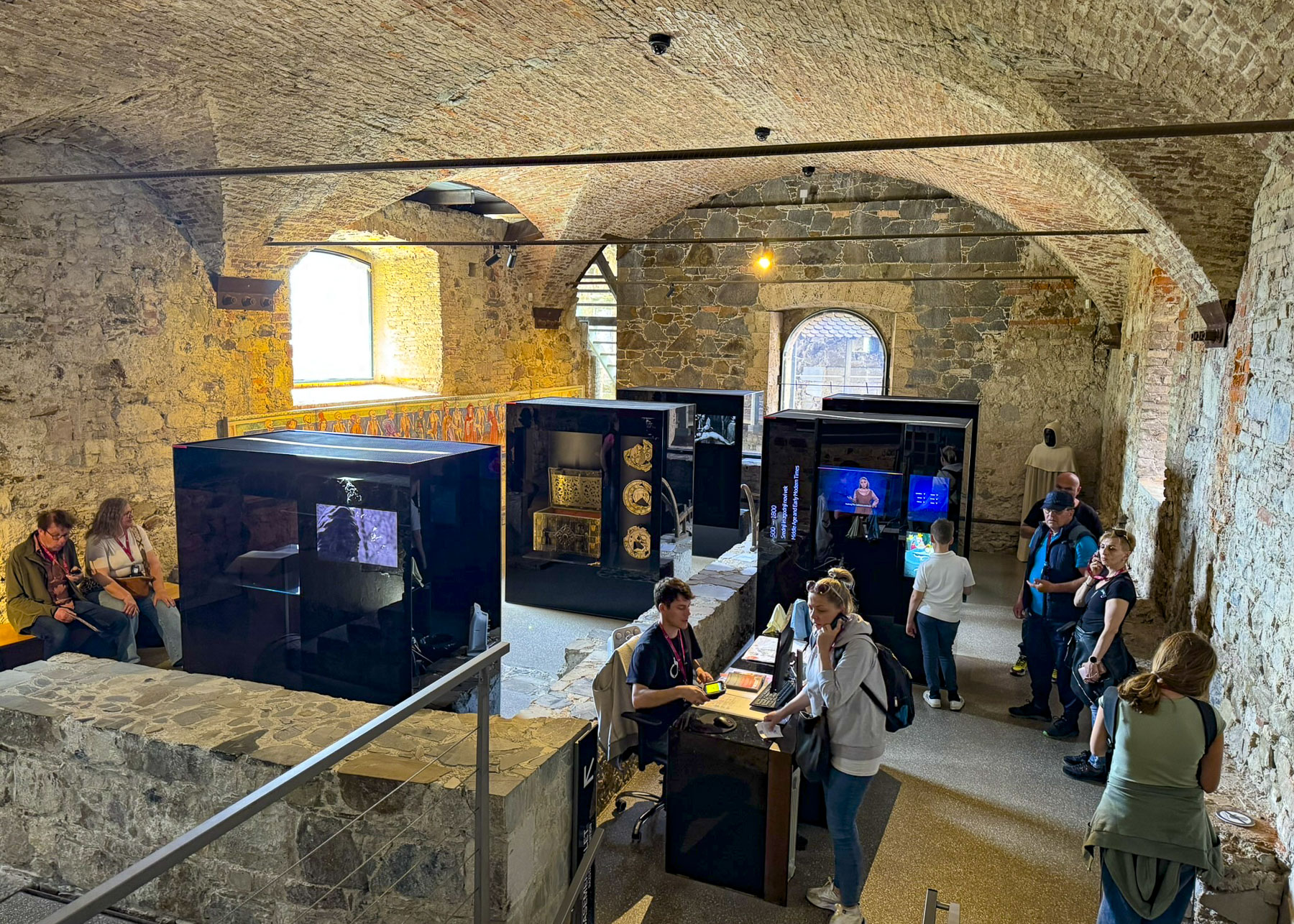
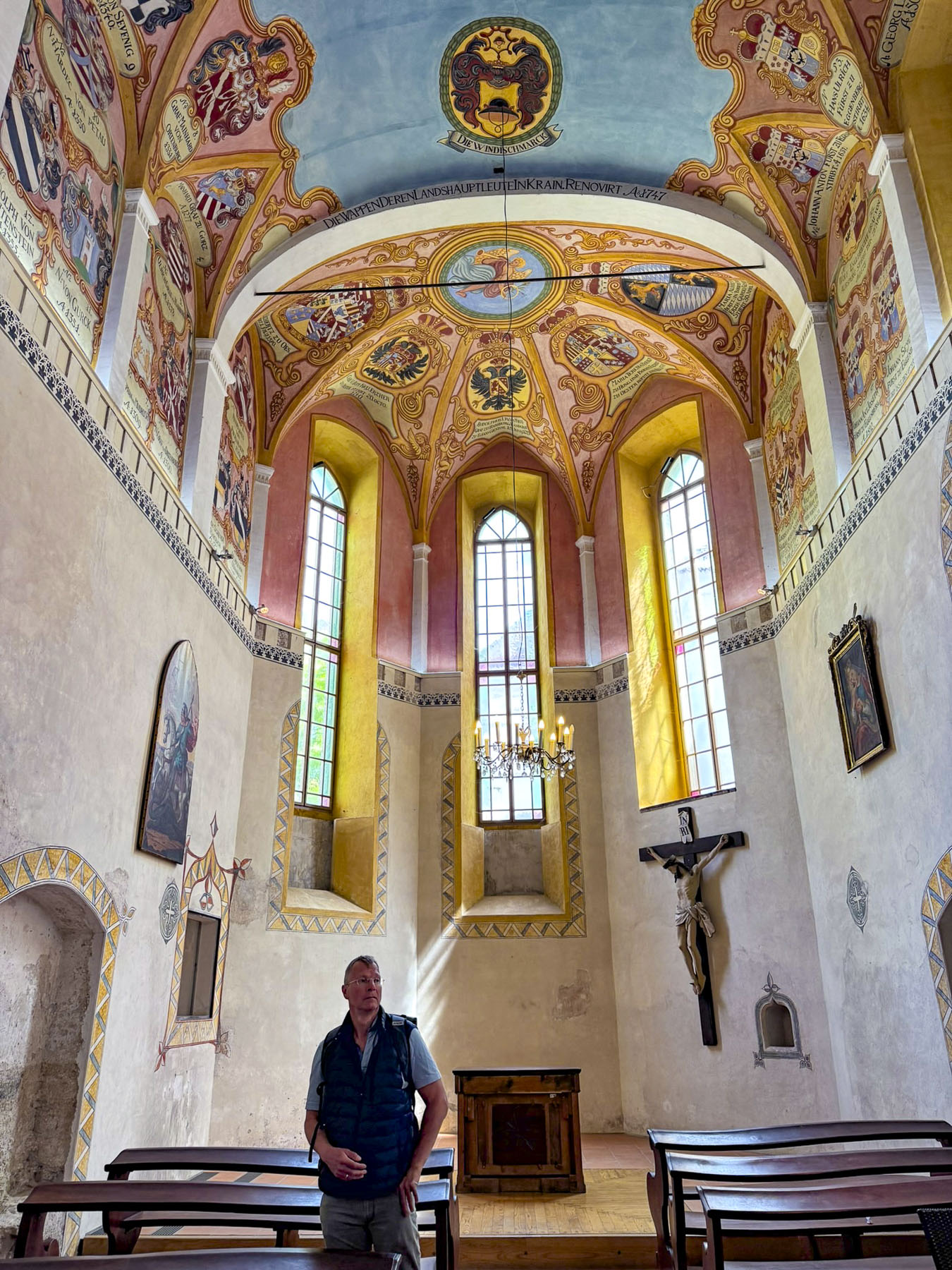
The ticket booth to Ljubljana Castleis situated well in front of the castle, and you’ll need to purchase a pass if you want to visit the history museum and climb to the top of its tower. However, you can enter the courtyard of the castle for free to take advantage of a café there, and climb to the top of the ramparts which have a spectacular view of Ljubljana and the Kamnik-Savinja Alps beyond the city.

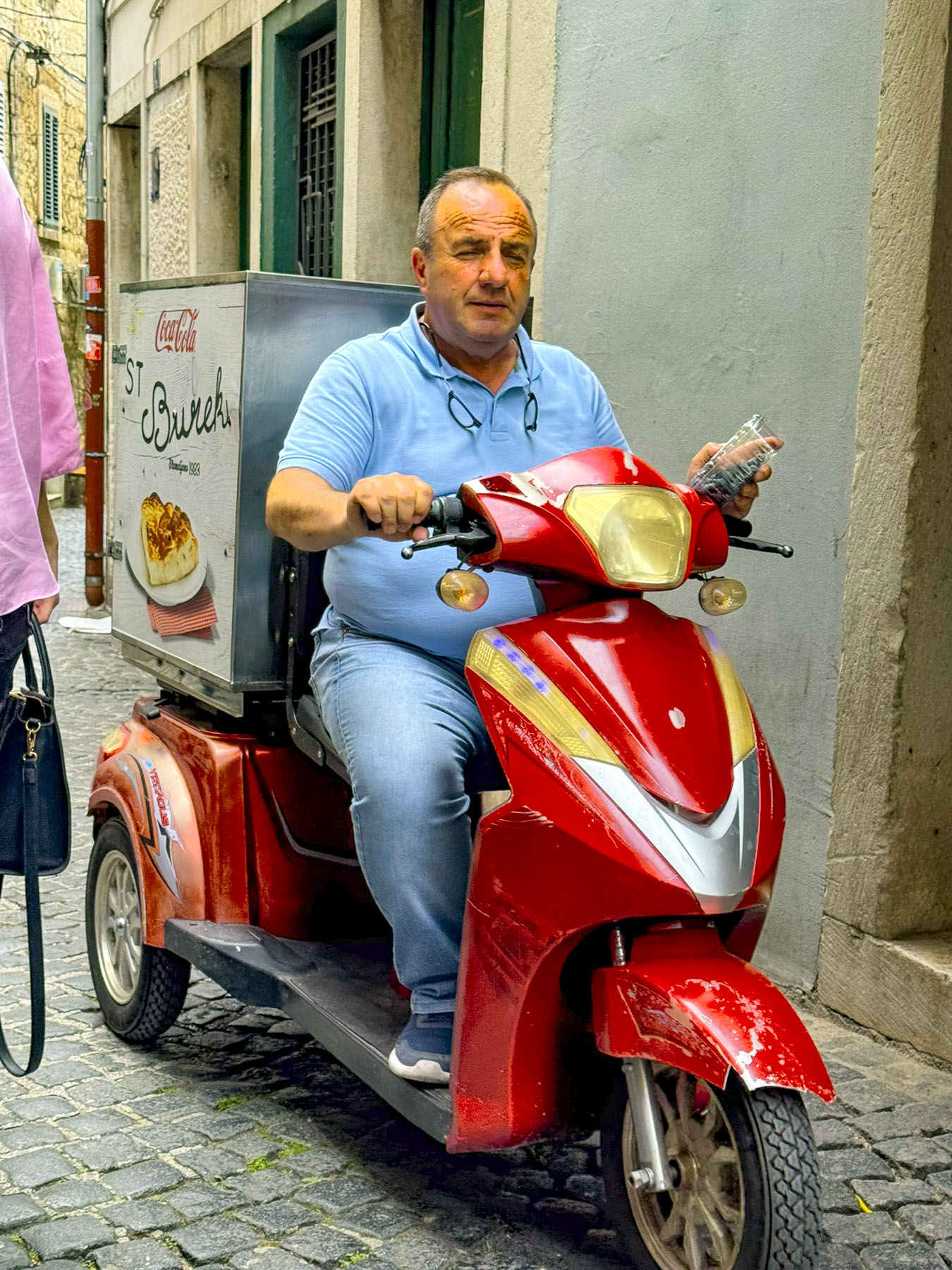
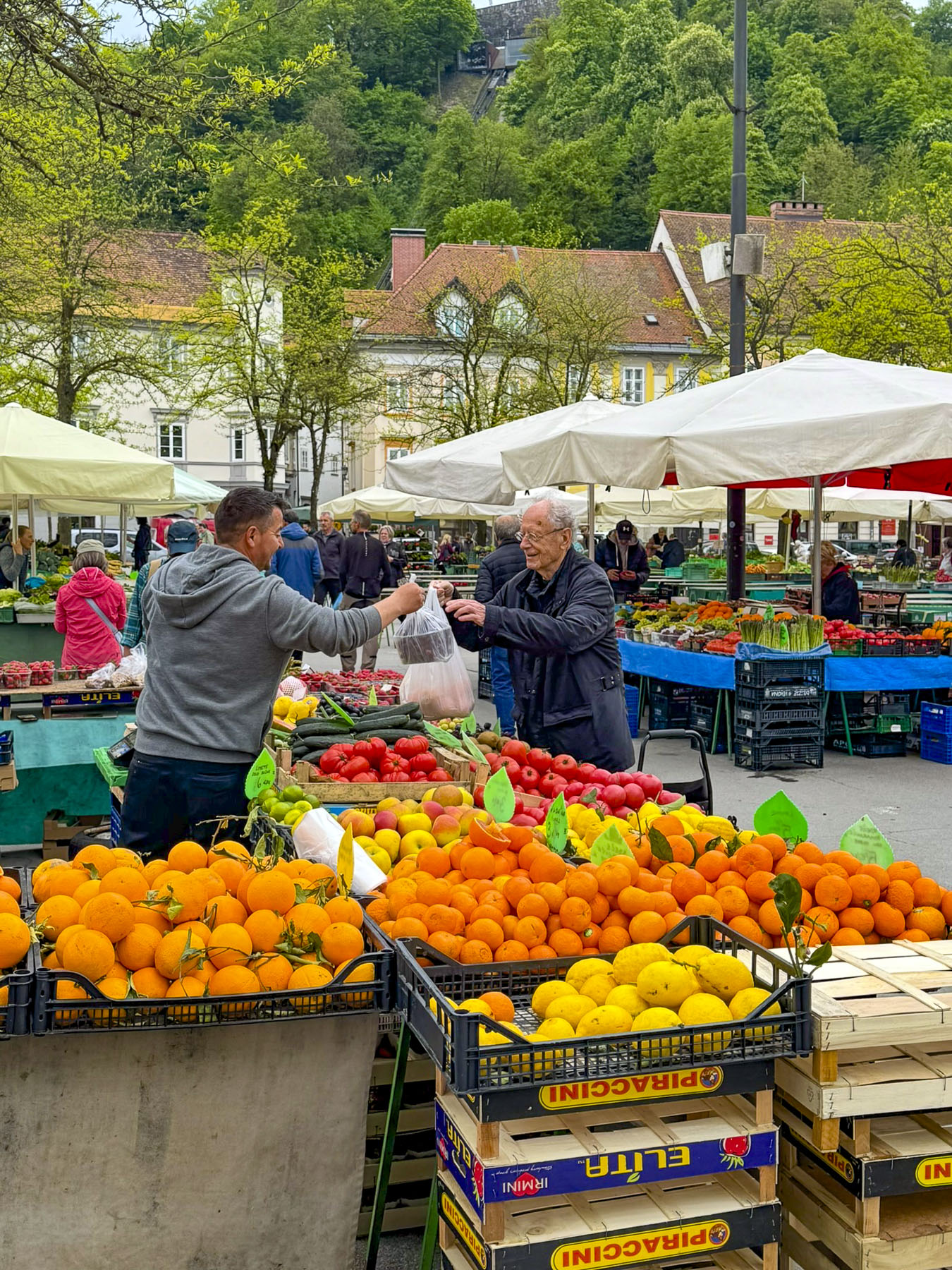
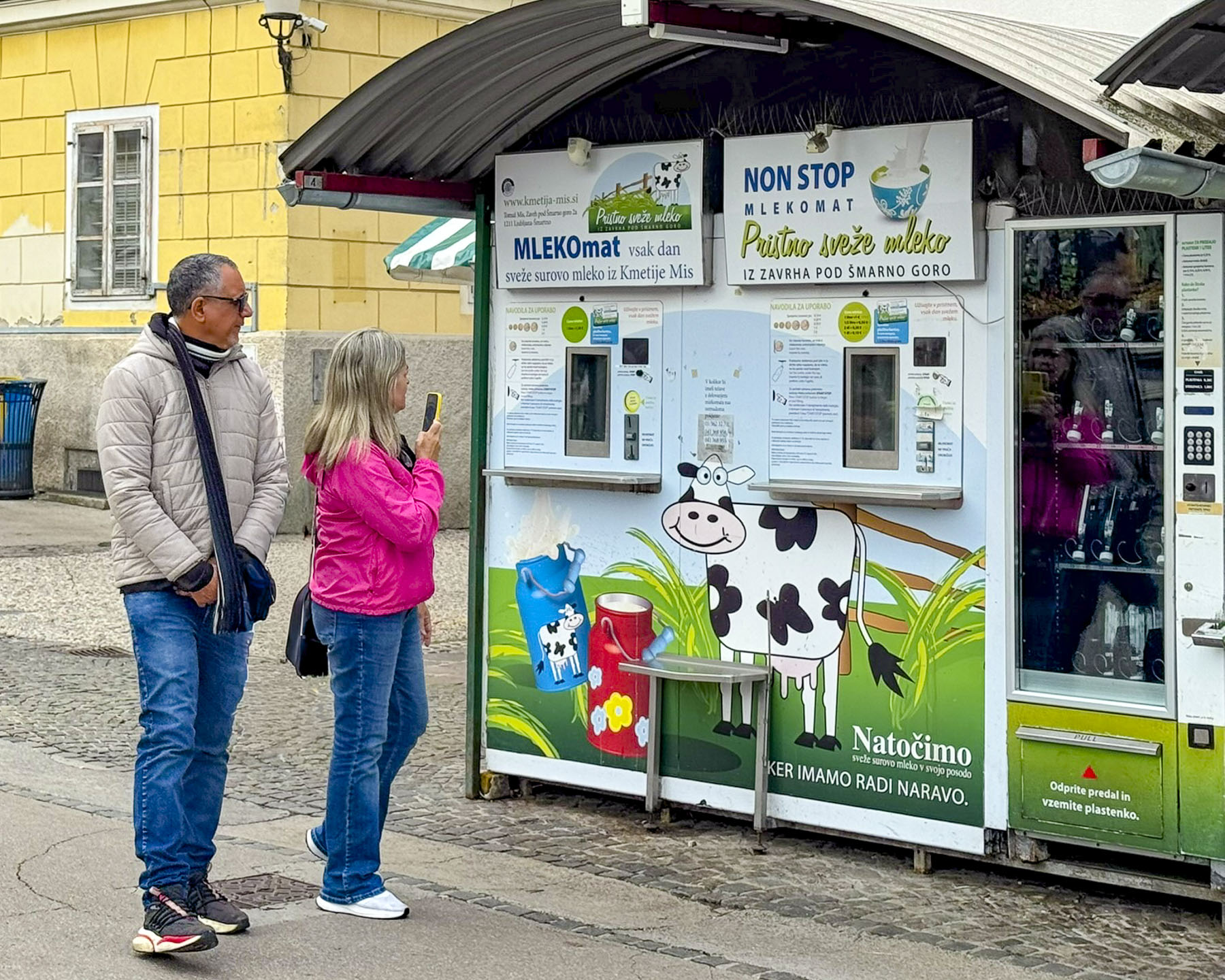
We used the funicular to descend to Ljubljana’s central market square, where in April only a few vegetable and clothing vendors were set up early in the shoulder season. Though we did find a vending machine that dispenses fresh milk into a bottle you provide or buy at the machine. Adjacent to the central market are two block long colonnaded arcades, that house several restaurants and a variety of shops. Year-round on Friday evenings the area transforms into Odprta Kuhna, the Open Kitchen Market, a popular festive hub for food connoisseurs to try traditional Slovenian dishes and international cuisines, from the numerous food stalls along the street. Unfortunately, we were not in Ljubljana on a Friday, to experience this for ourselves. But we did find some tasty burek at Okrepčevalnica Bureka short distance away on Poljanska Cesta.

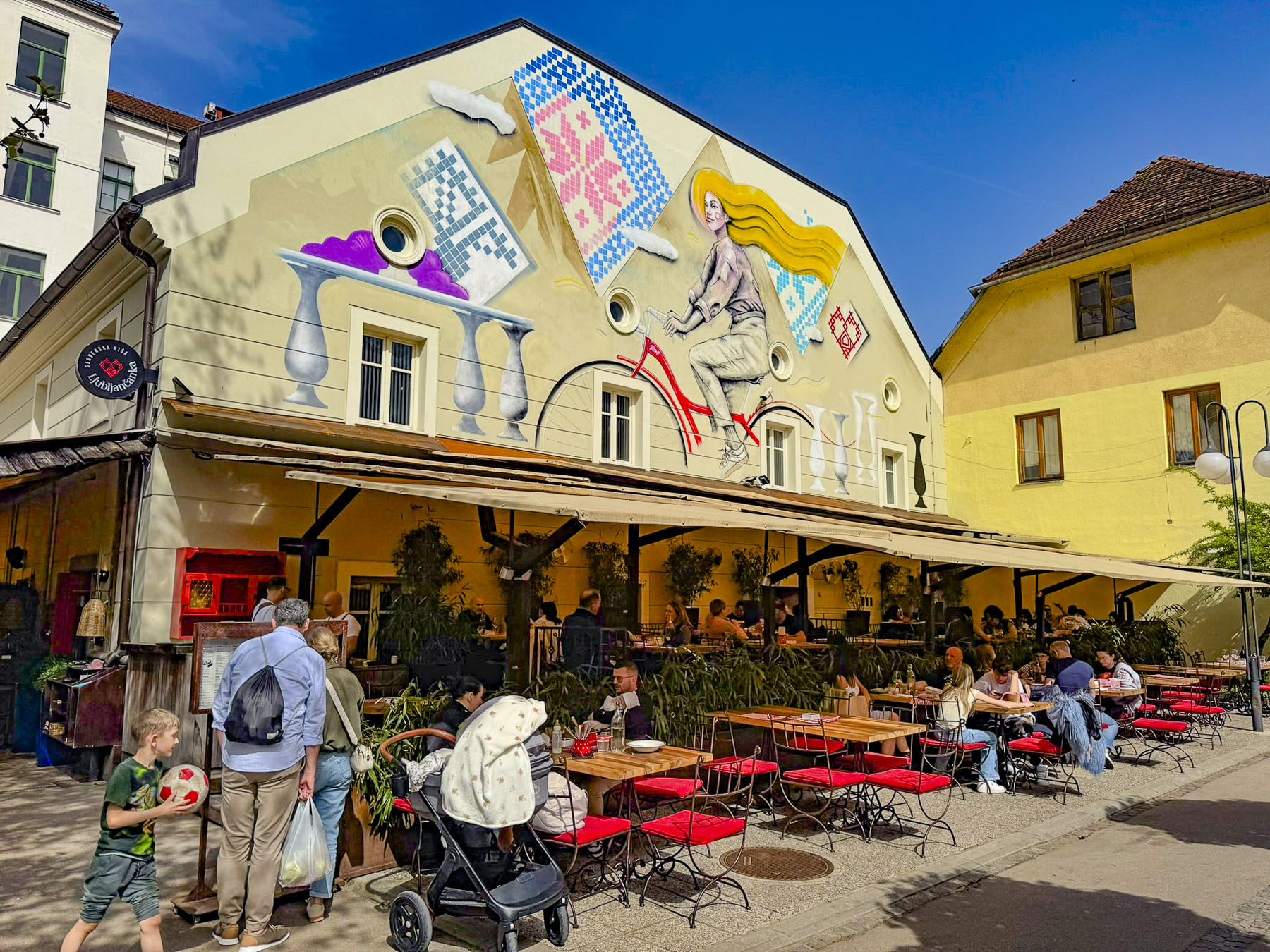
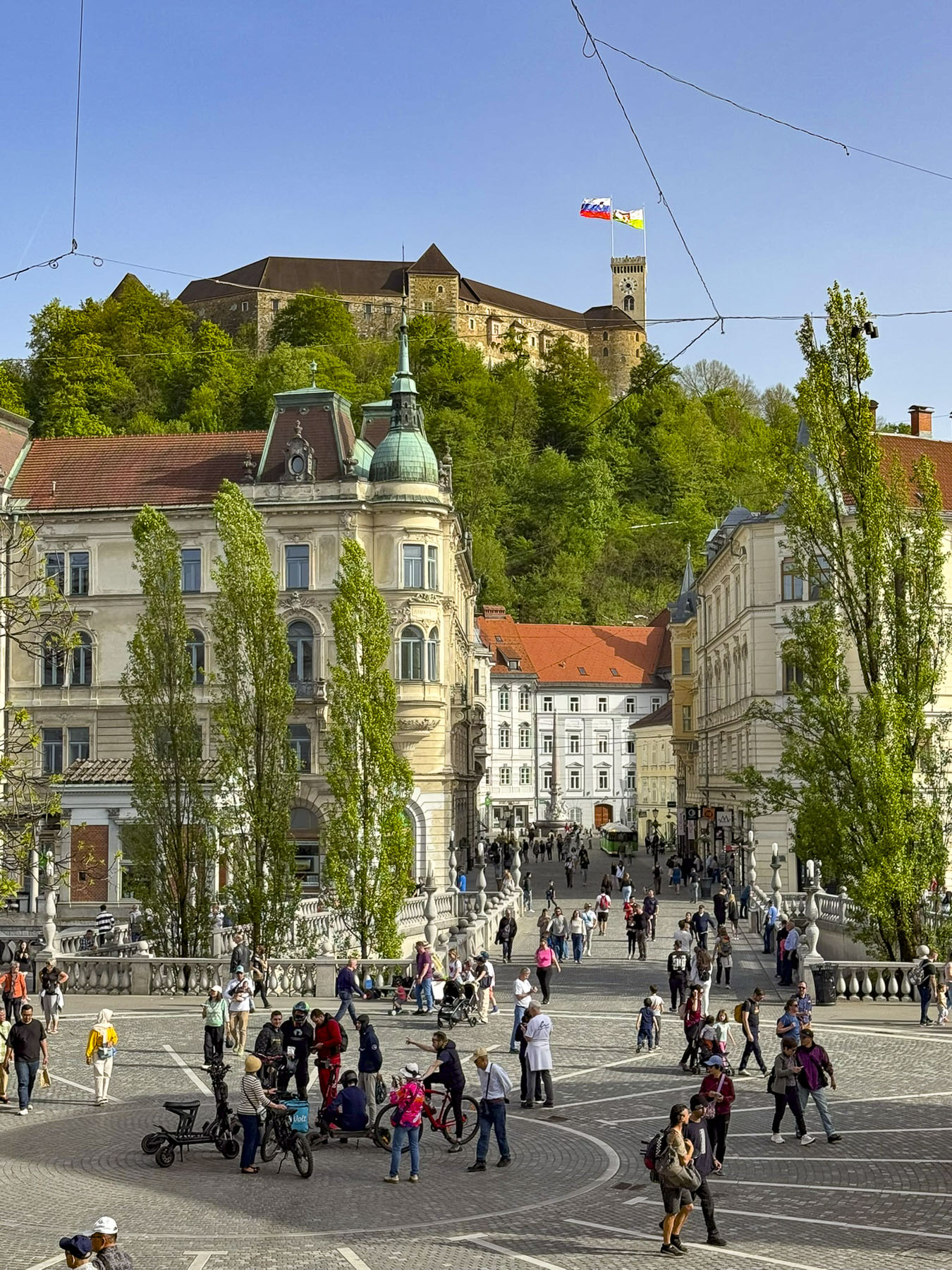
We did enjoy some excellent traditional dinners in Ljubljana, the most memorable being at Ljubljančanka near Prešernov Circle, which is located the base of the Triple Bridge. The plaza is the terminus for multiple streets and is surrounded by beautiful buildings that feature a variety of interesting architectural styles.

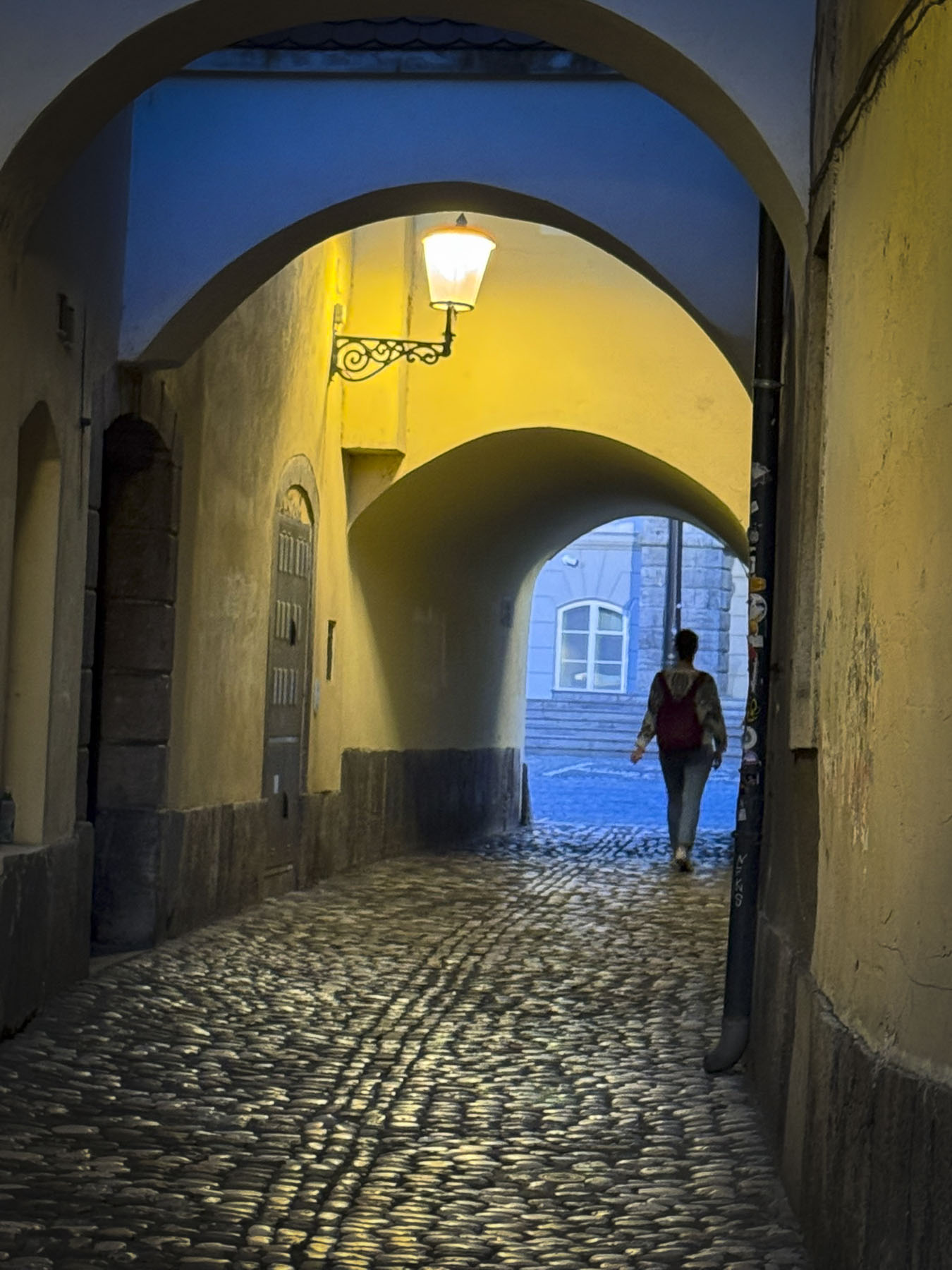
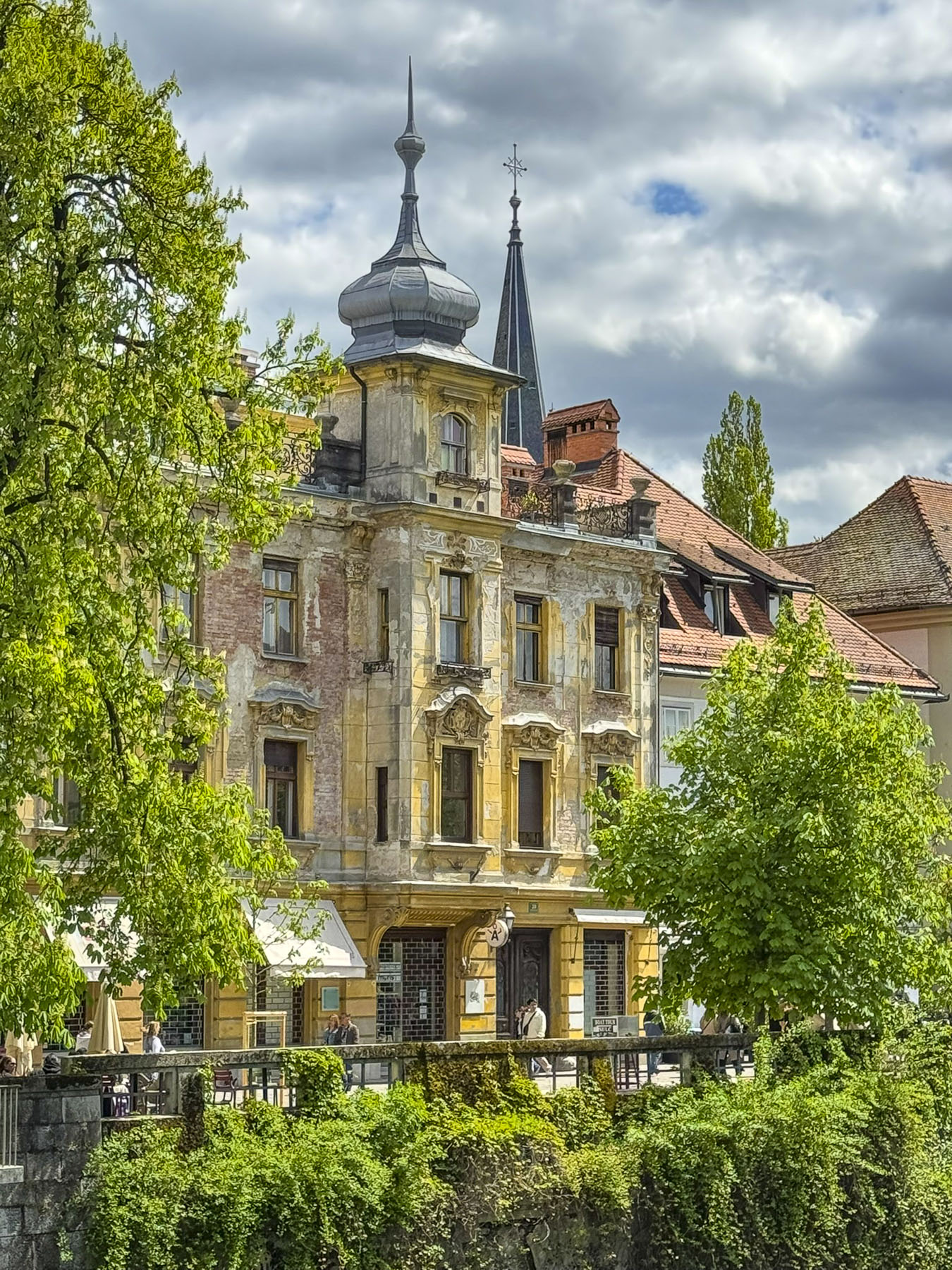
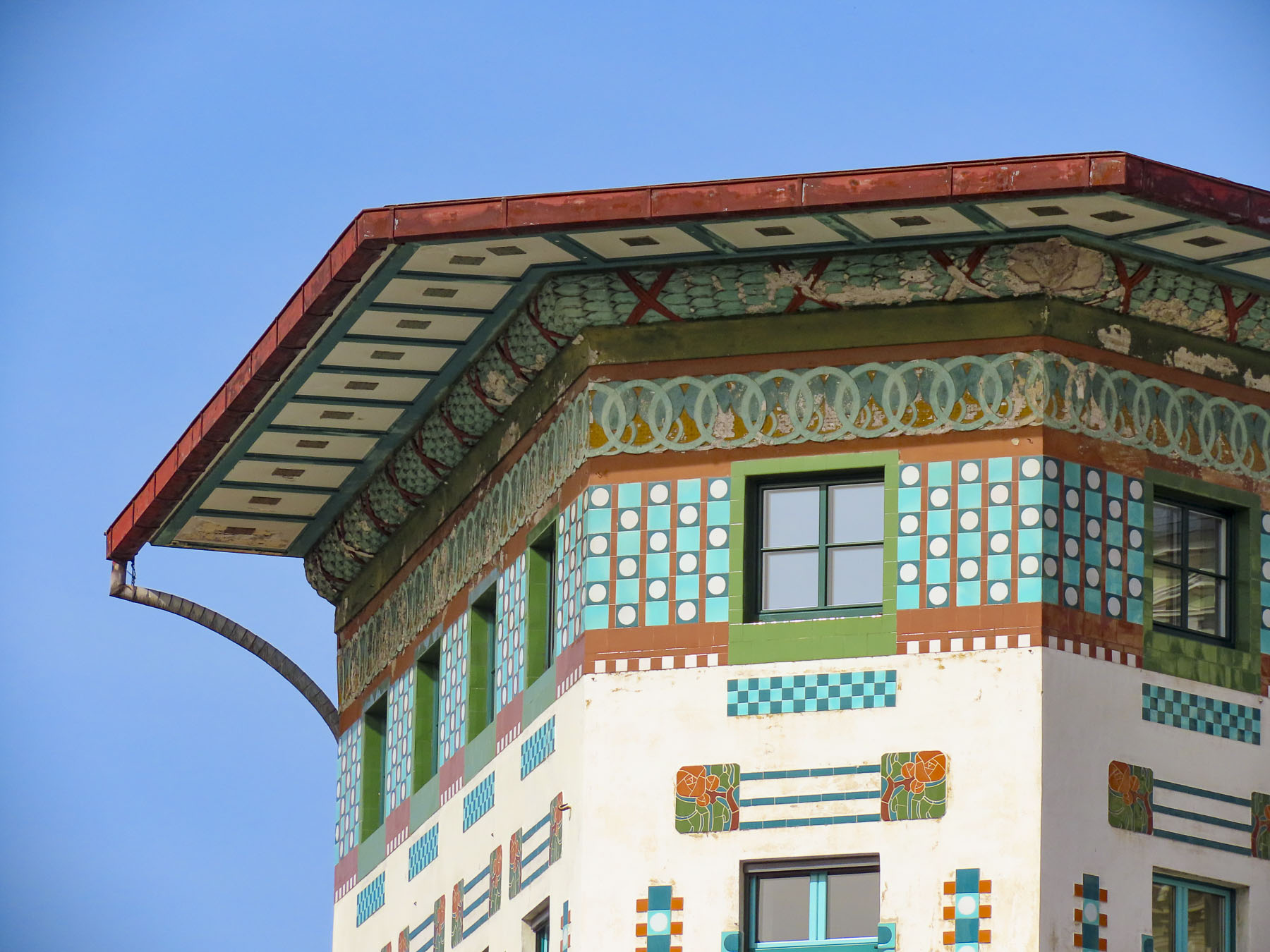
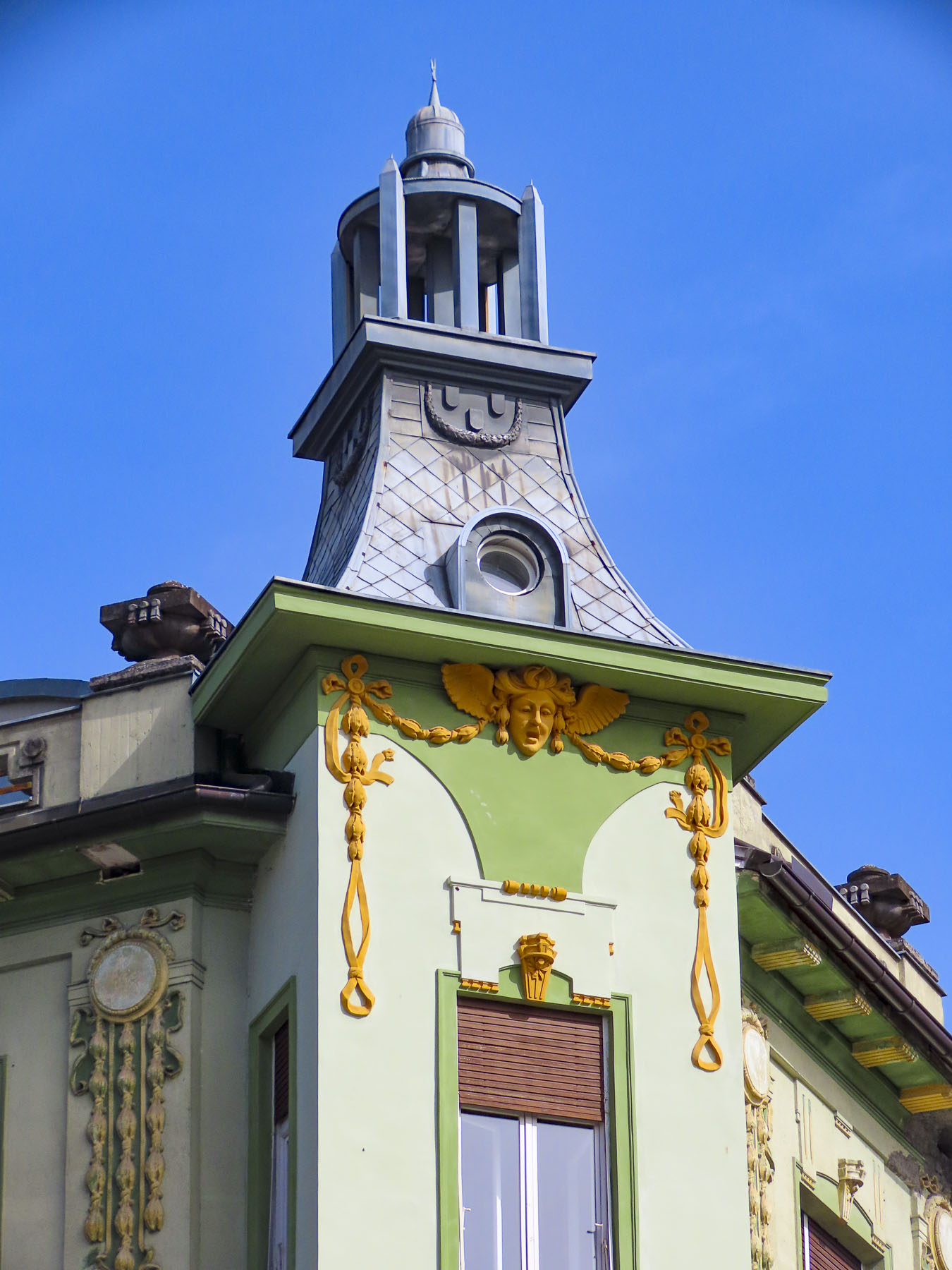
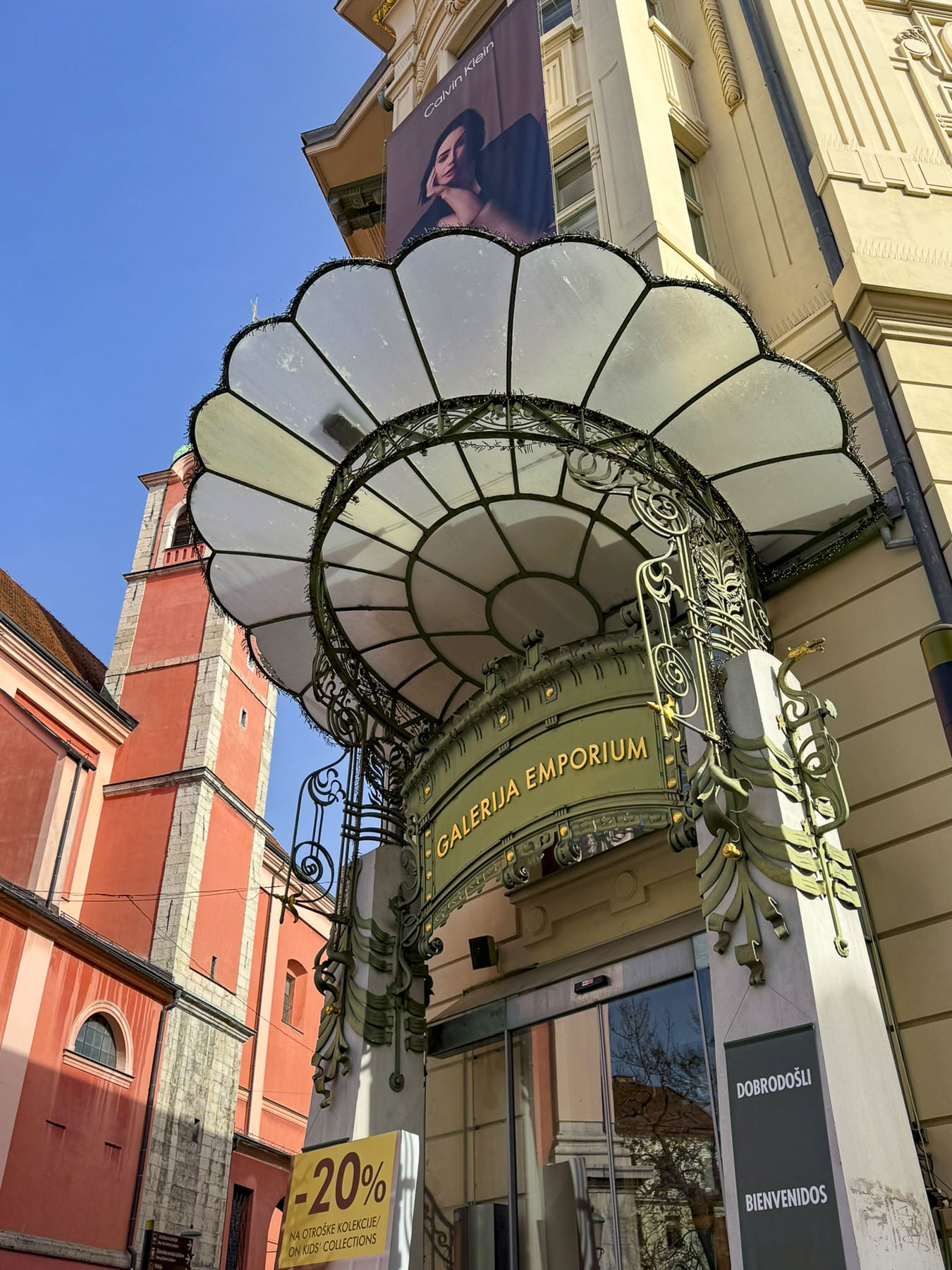
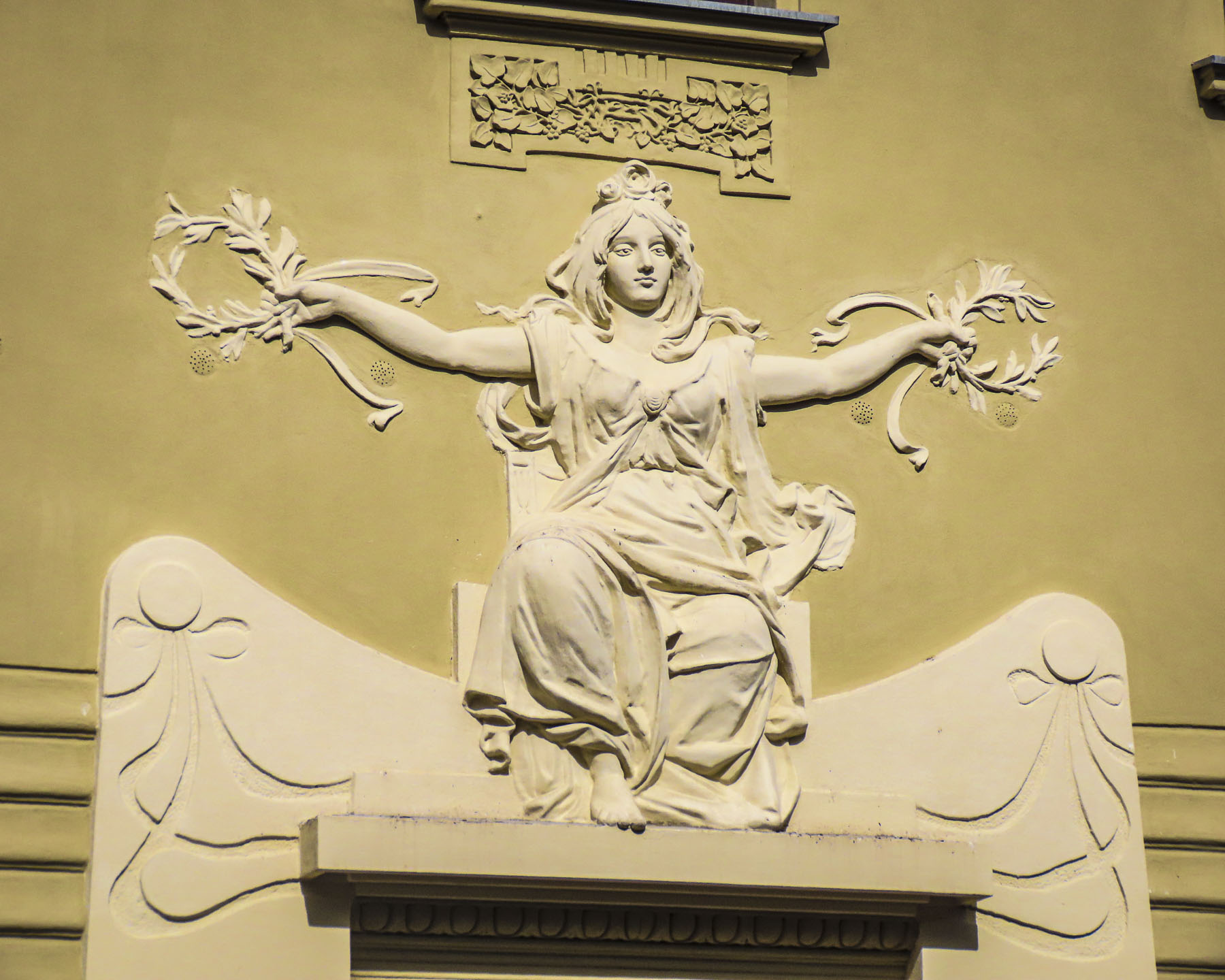
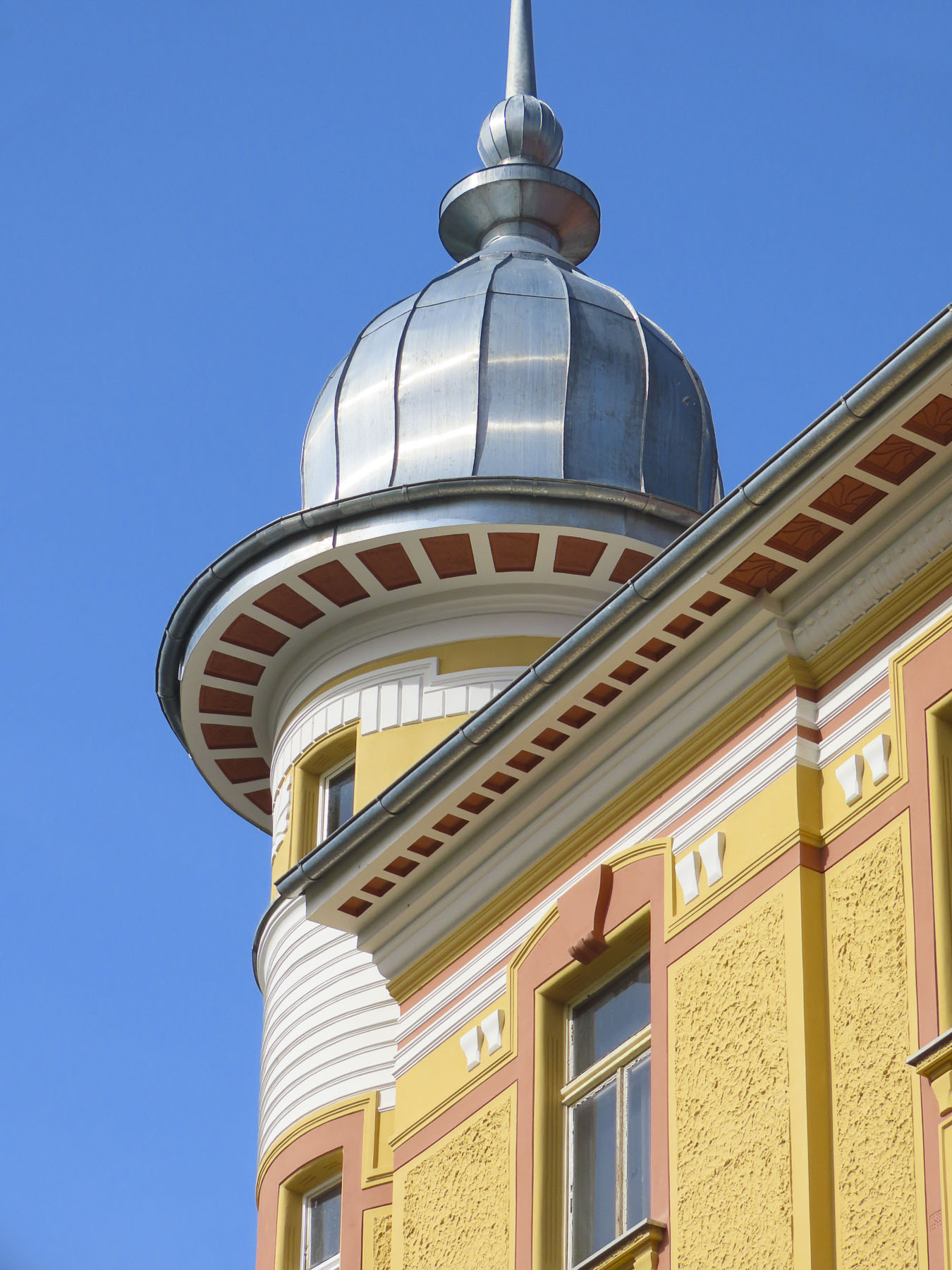
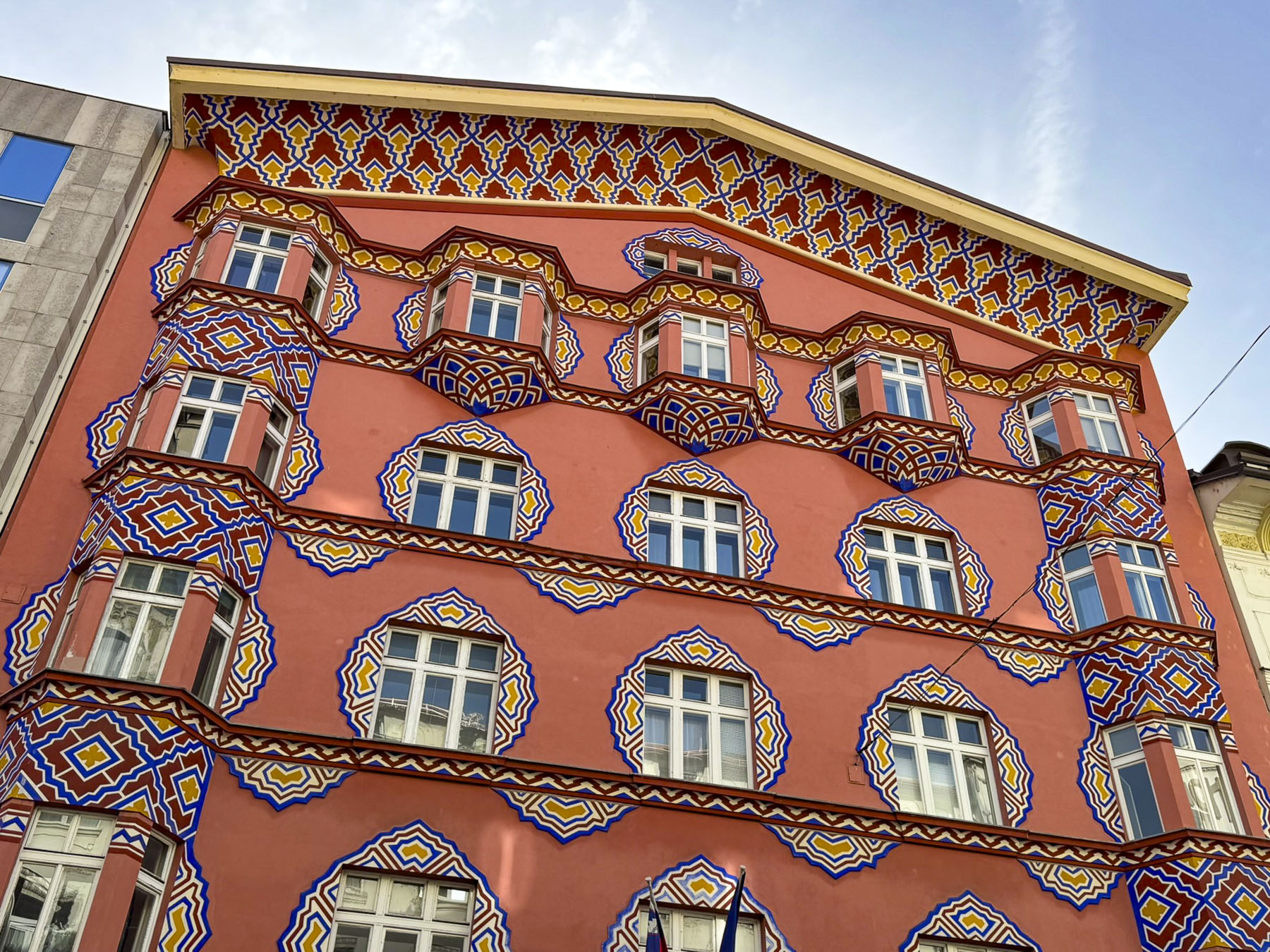
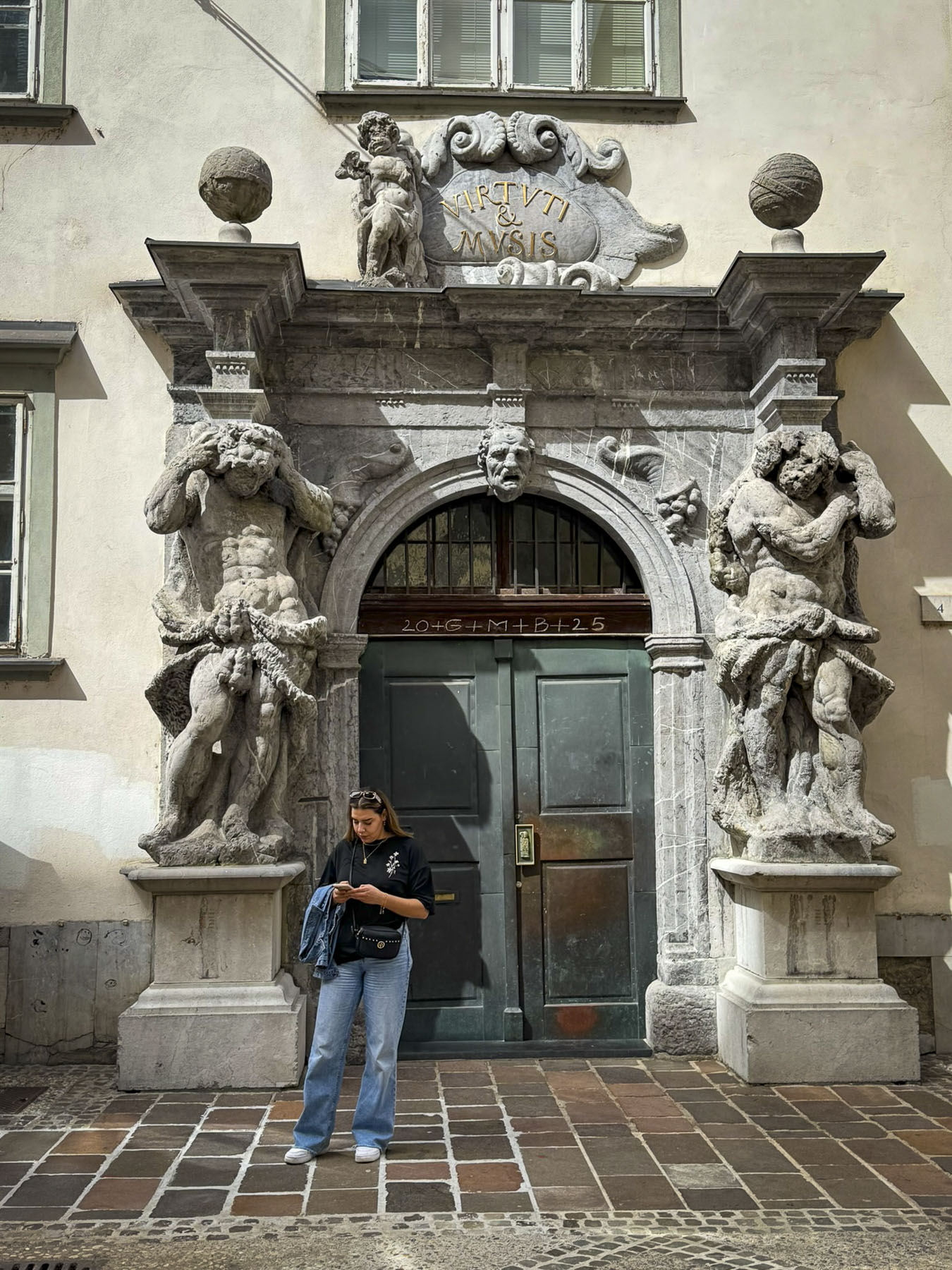
Architectural diversity is visible on most of the lanes running through Old Town Ljubljana, and contributes significantly to the city’s livability.

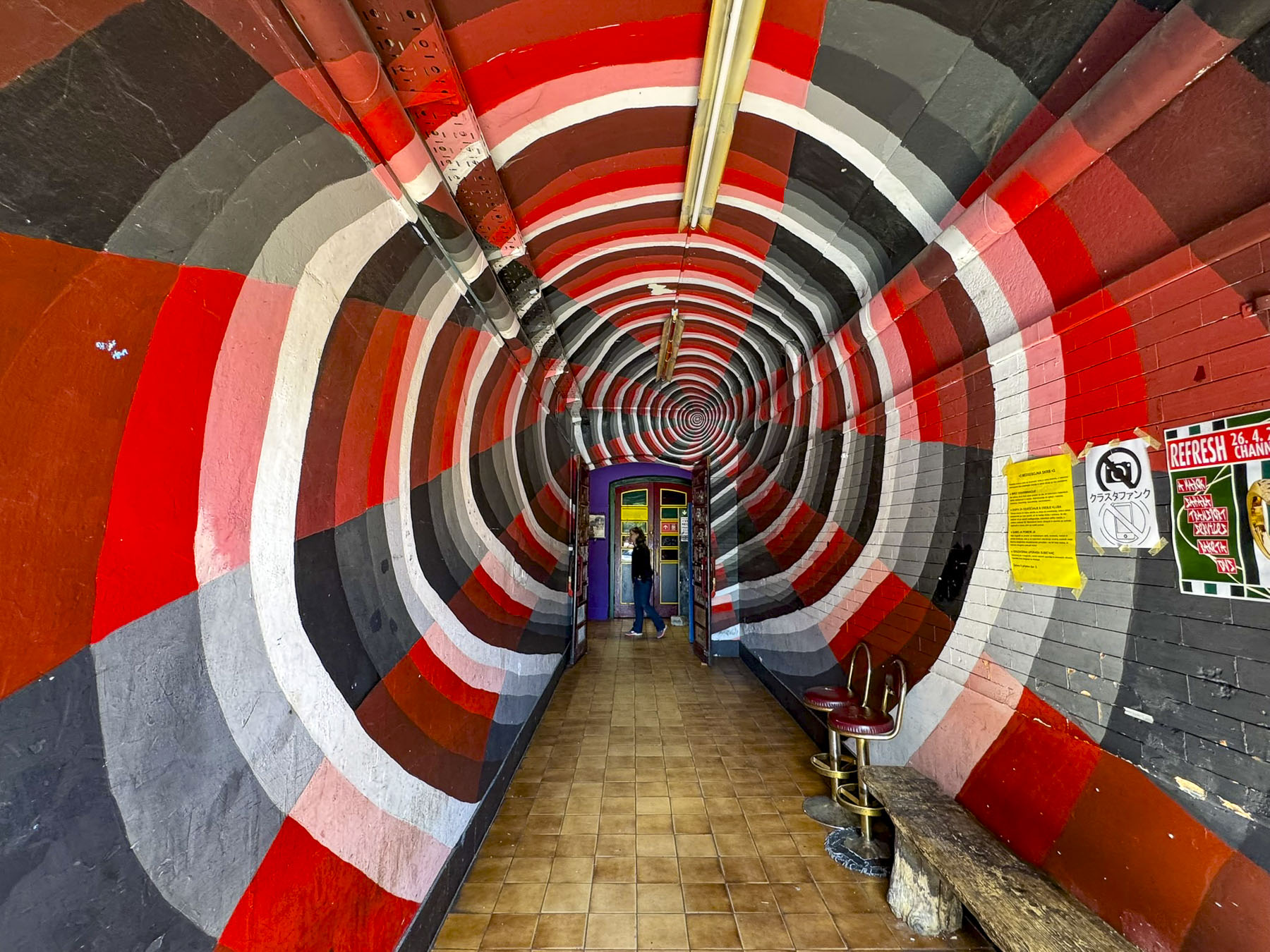
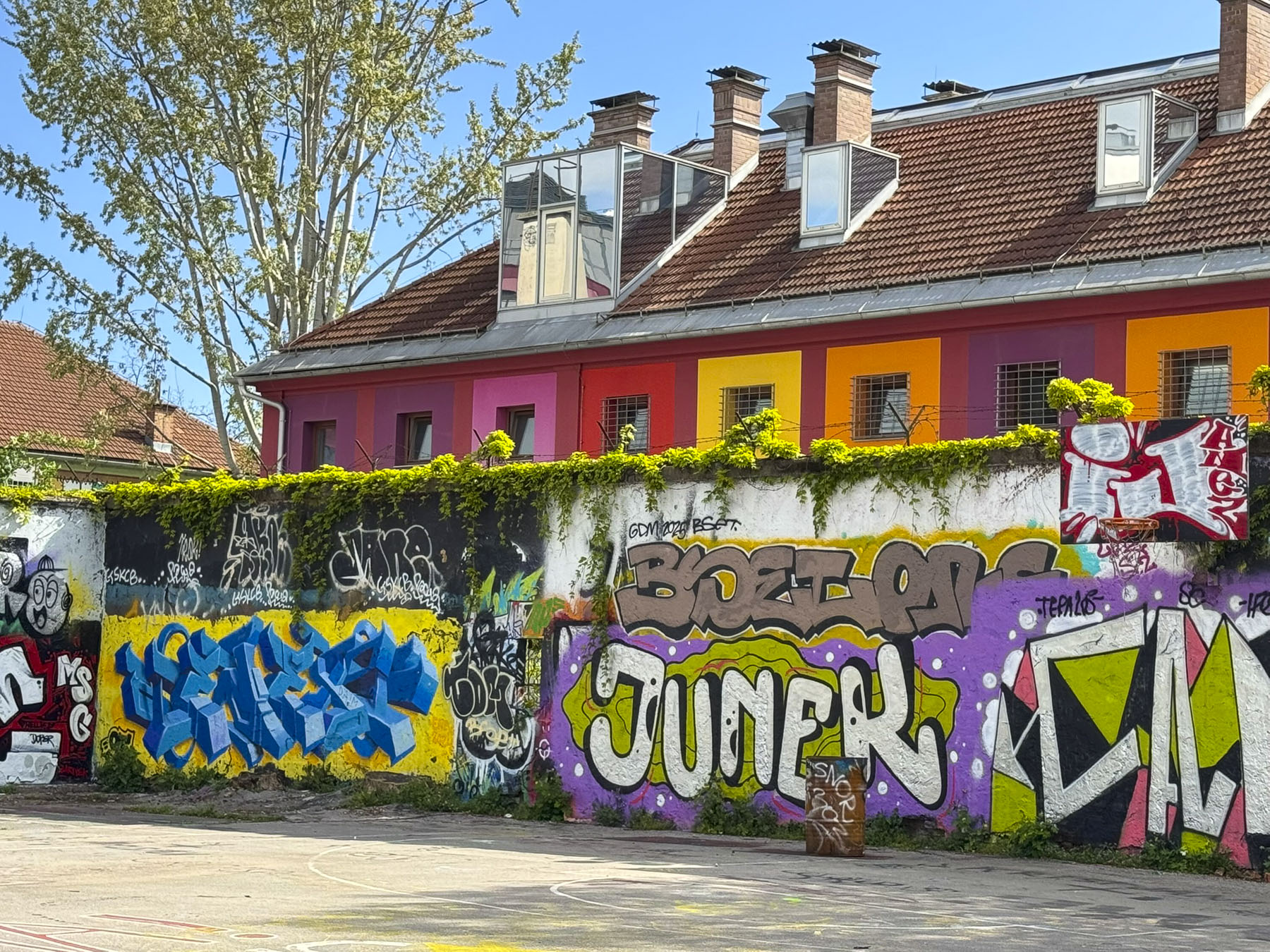
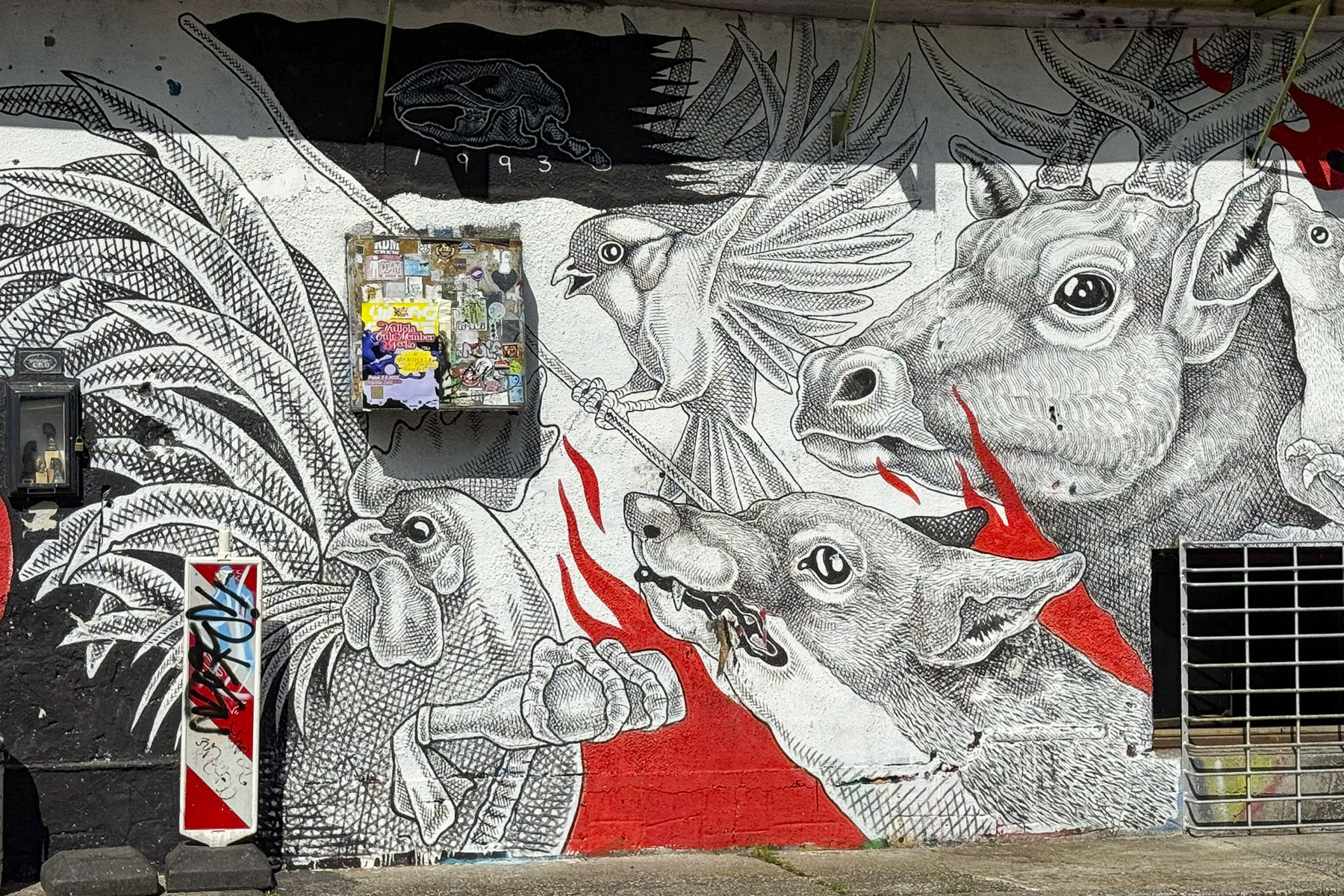
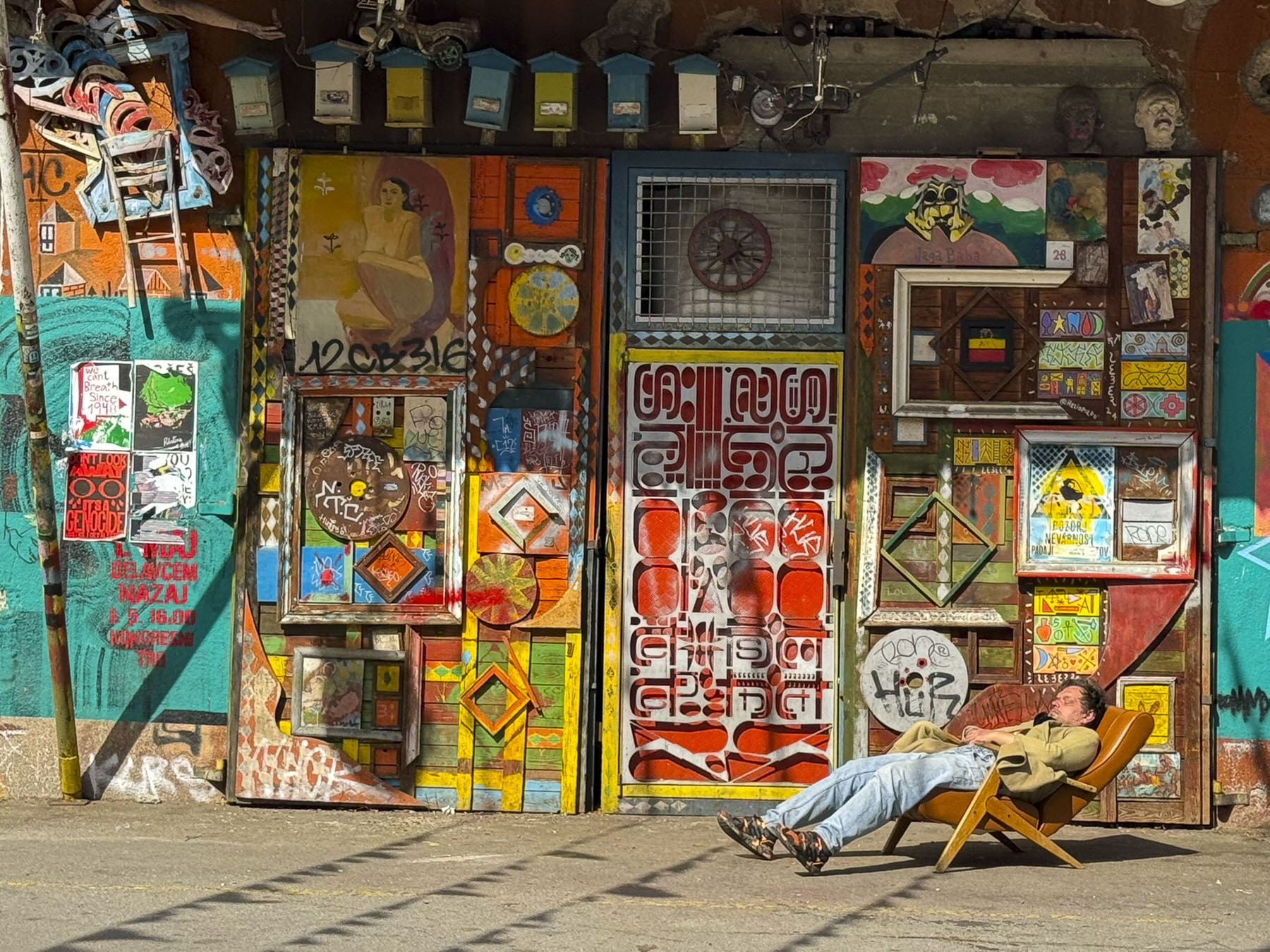
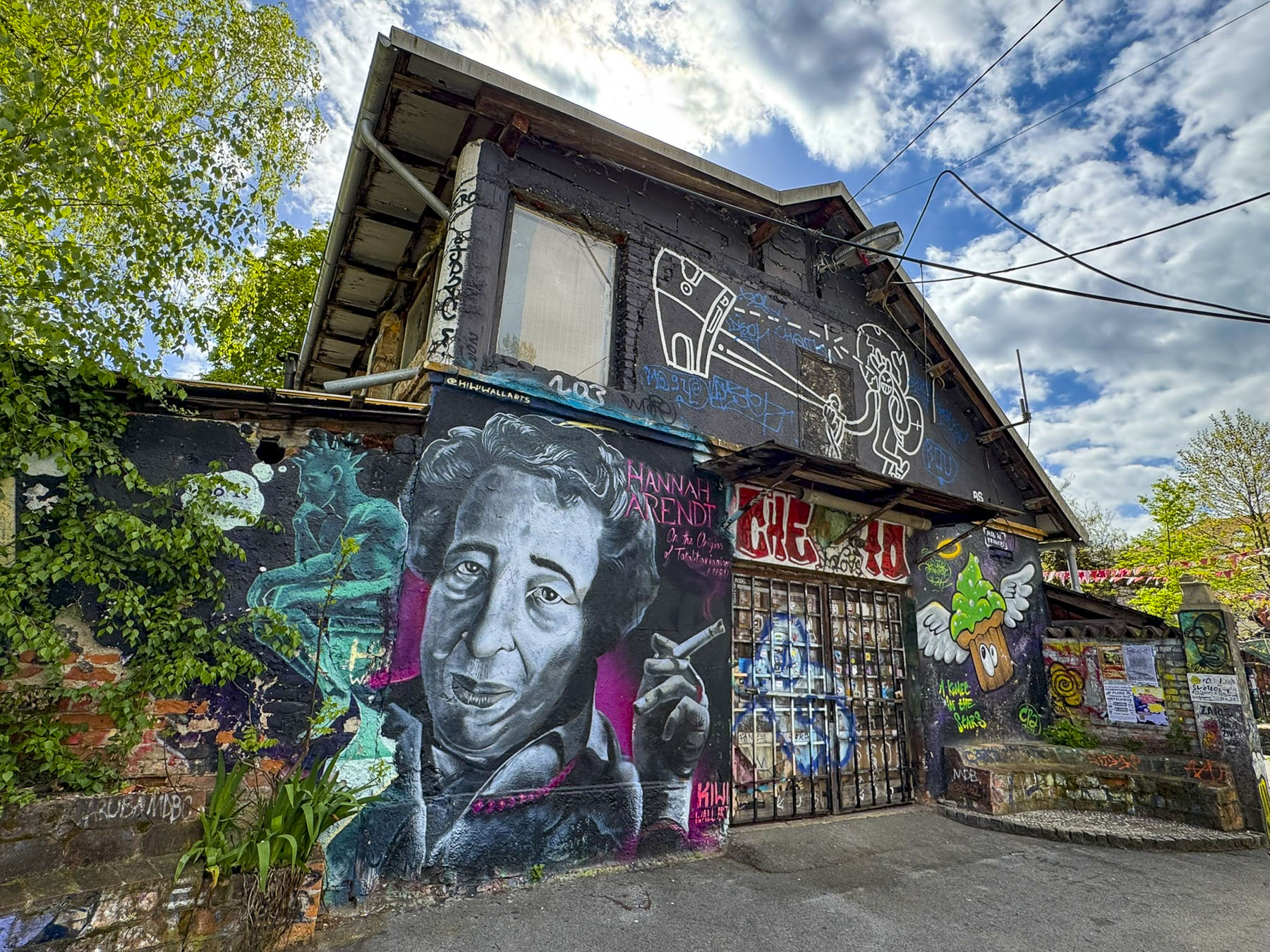
One morning we walked across town to AKC Metelkova Mesto, a center of alternative culture that started in 1993 from a squat in a former military barracks. The one block area is covered in continuously evolving street art and is ground zero for nightlife in Ljubljana, with several music clubs and eateries.

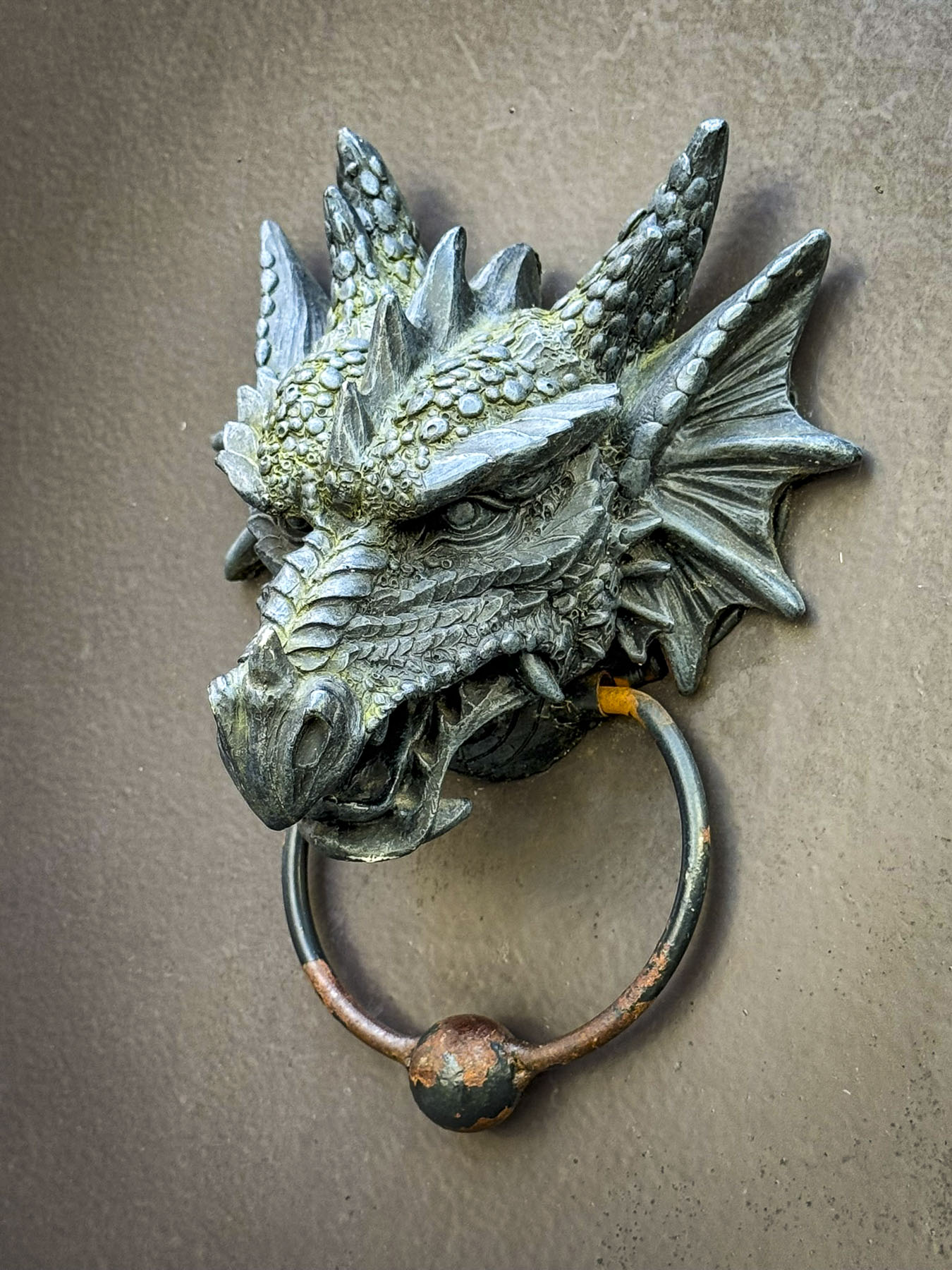
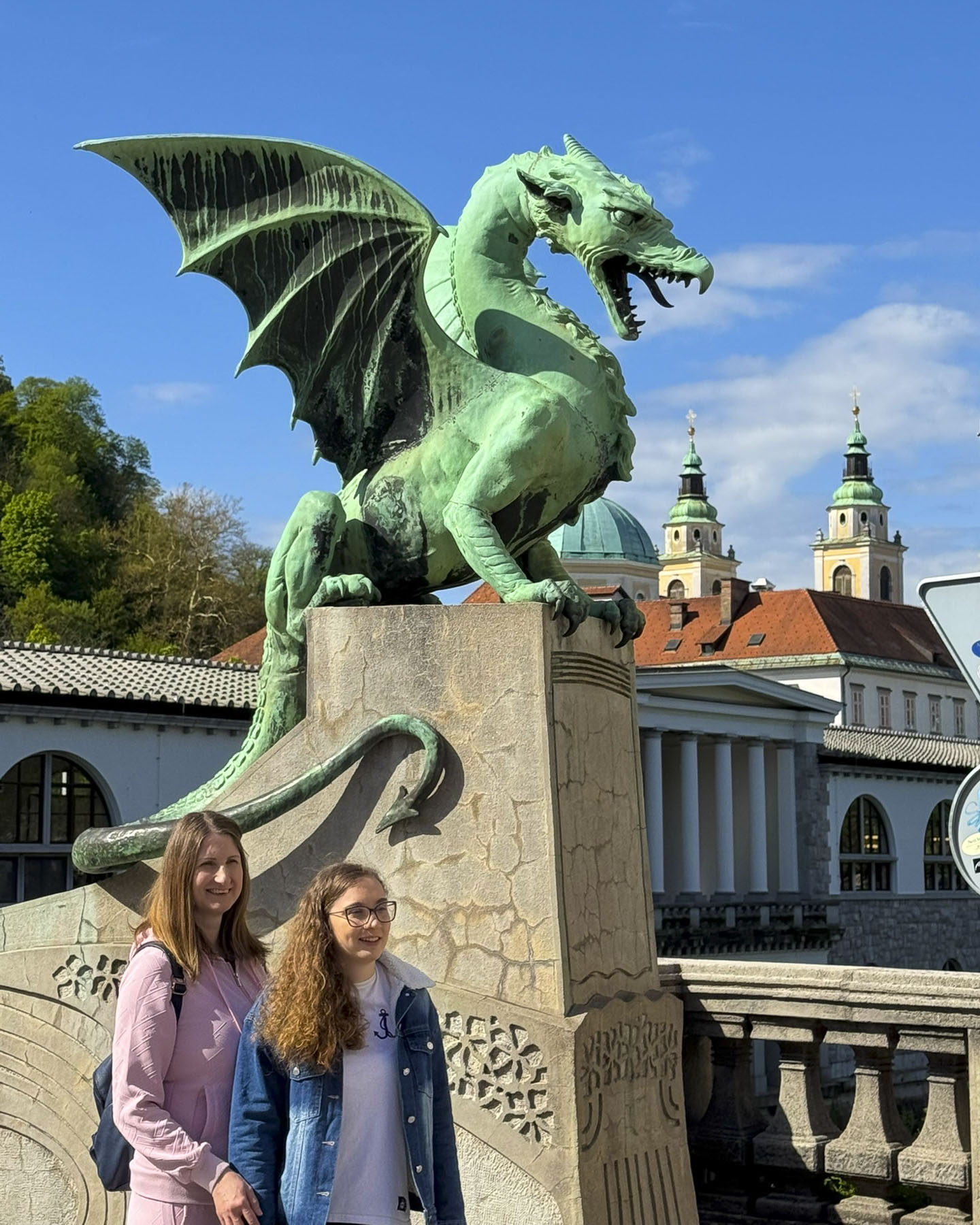
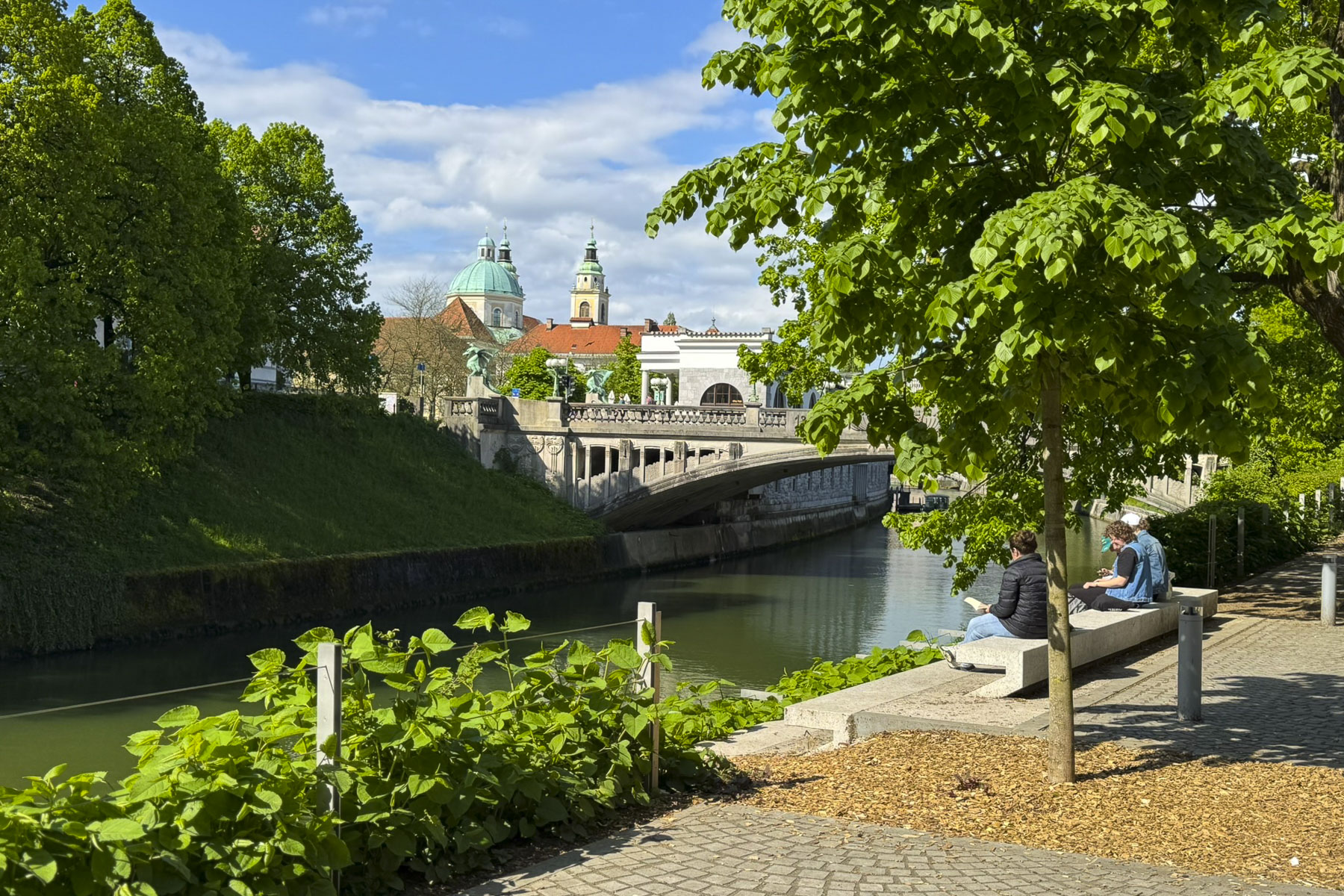
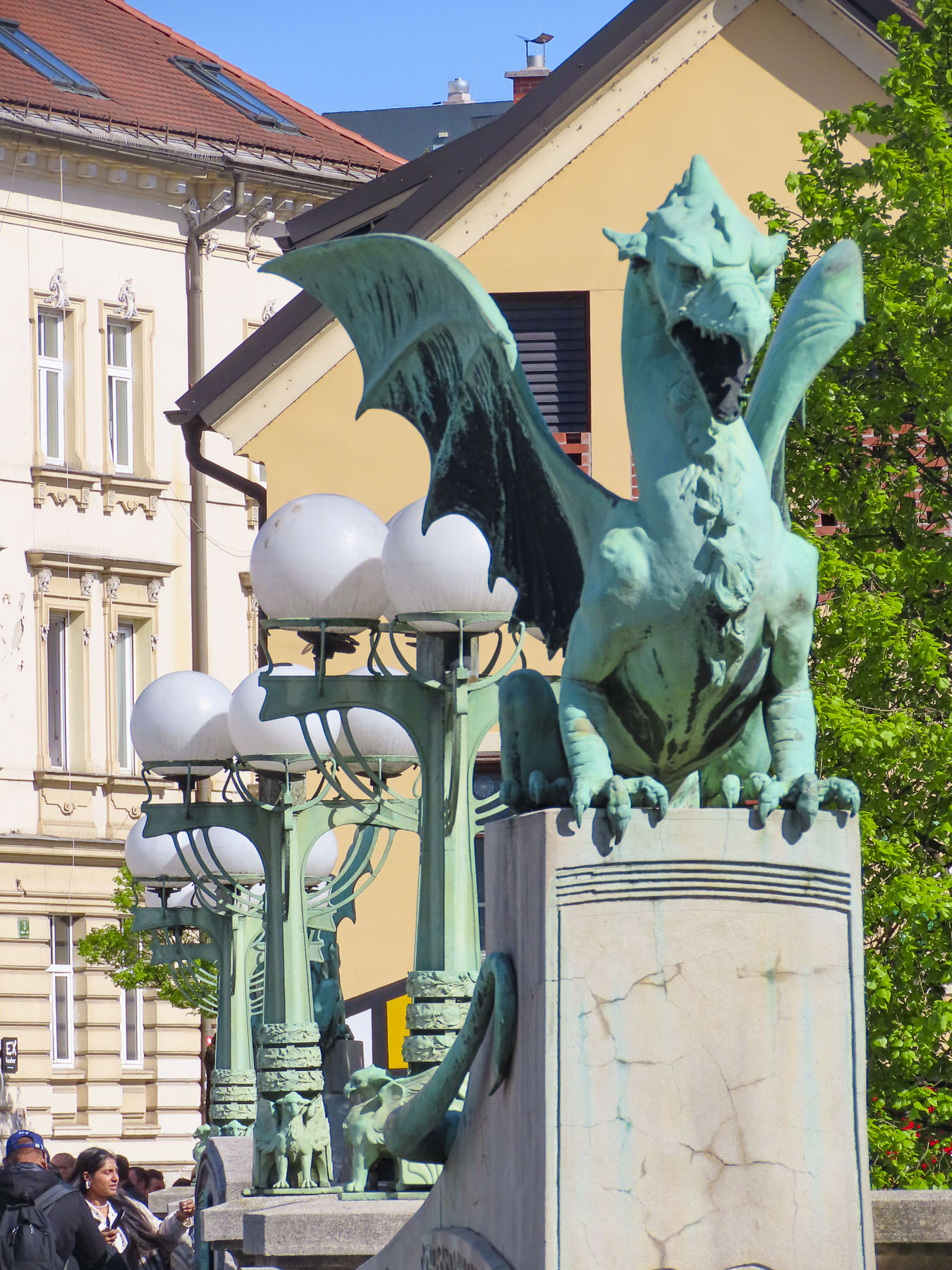
Returning to the old town we crossed the Dragon Bridge, an early 1900s structure decorated with Art Nouveau dragon statues. It was not the first time we encountered dragon symbols in Slovenia. Interestingly, Ljubljana’s love of dragon imagery stems from the city’s creation story and the Greek legend of Jason and the Argonauts, in which Jason slayed a tremendous dragon terrorizing the area, after which some of the Argonauts settled along the river. Today the dragon is a prominent symbol on Ljubljana’scoat of arms, representing power, courage, and wisdom.

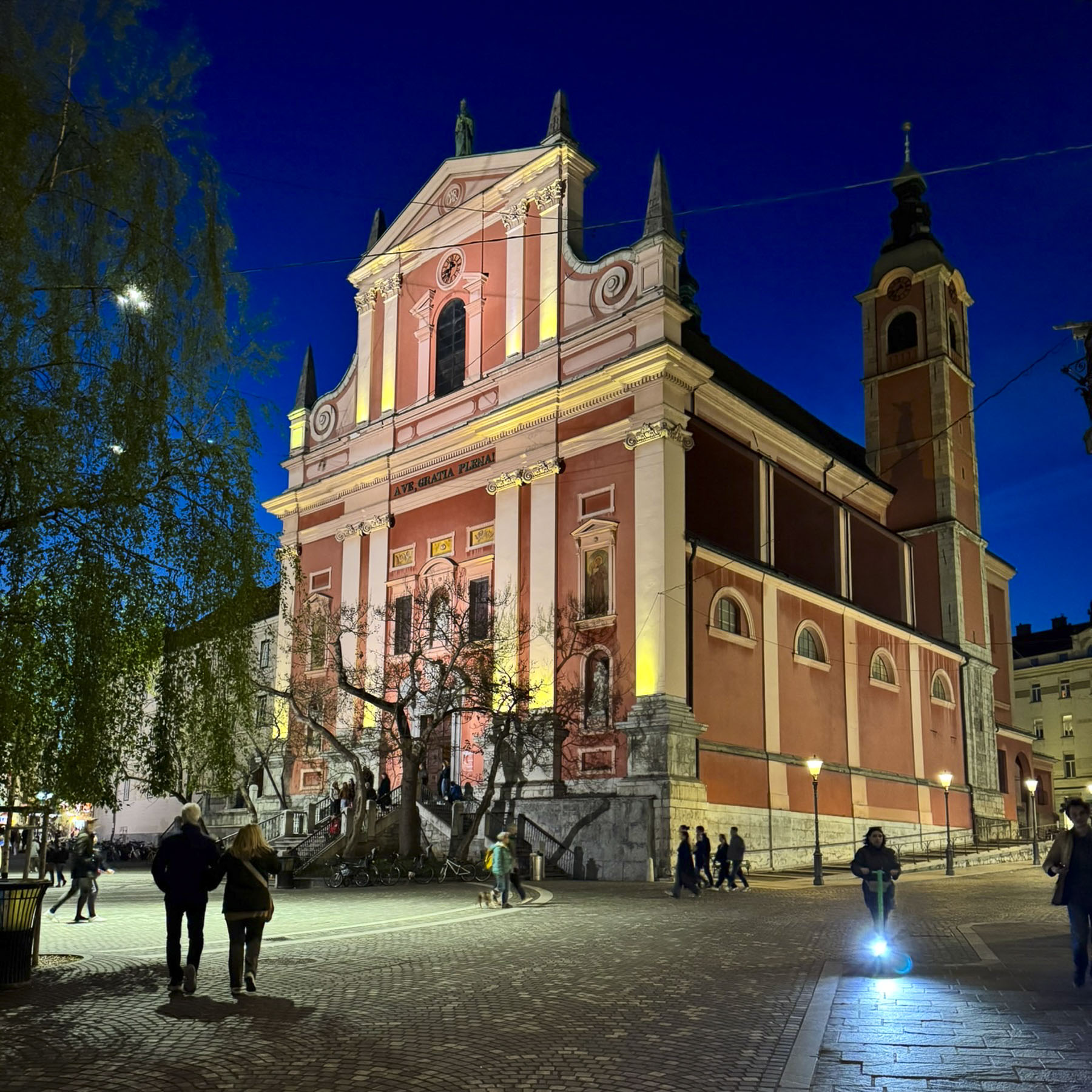
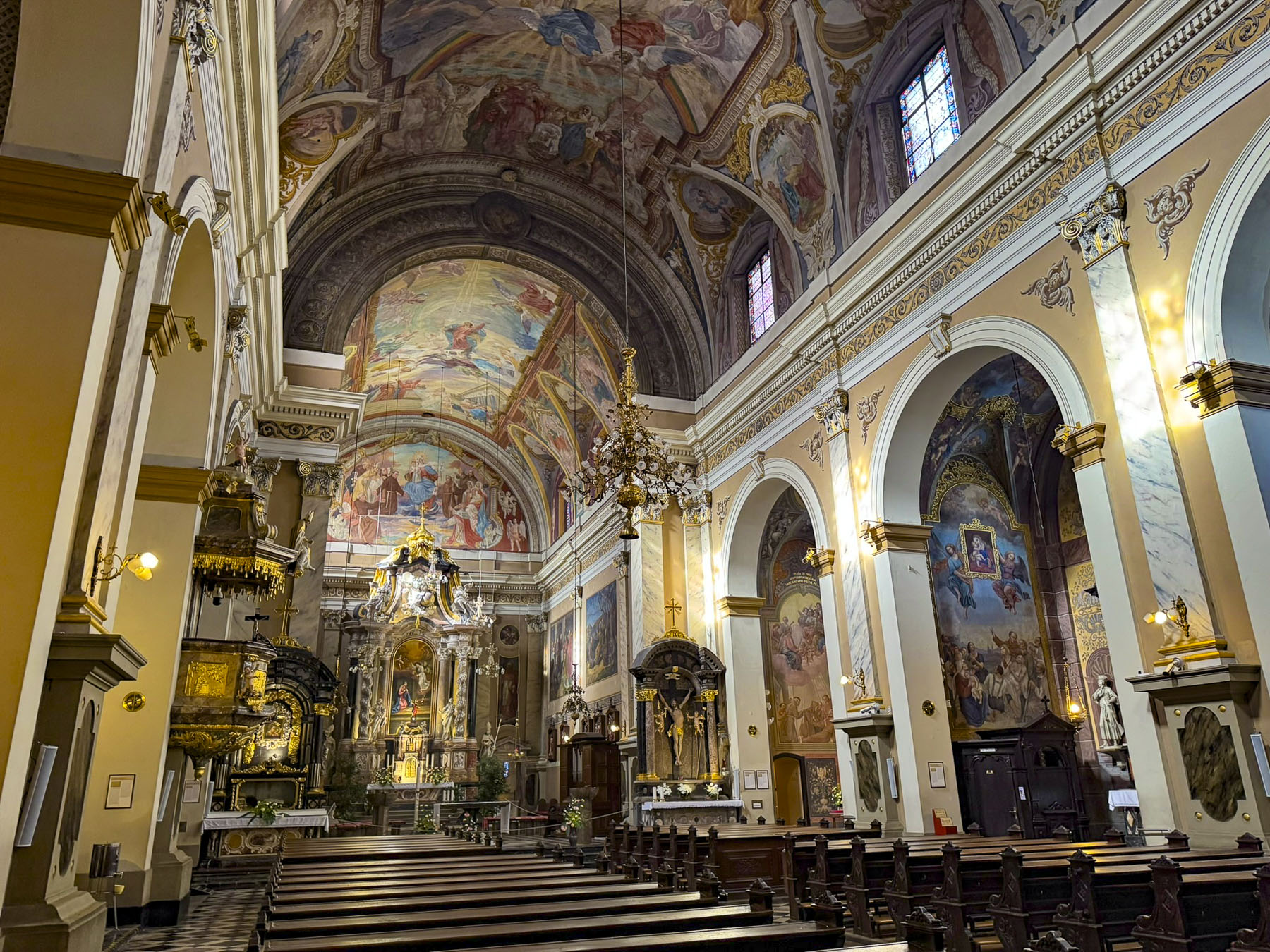
We found the two churches in old town interesting. Visiting first Franciscan Church of the Annunciation on Prešernov Circle, one of Ljubljana’s most recognizable landmarks, which is painted pink, a color chosen to symbolize joy and hope.

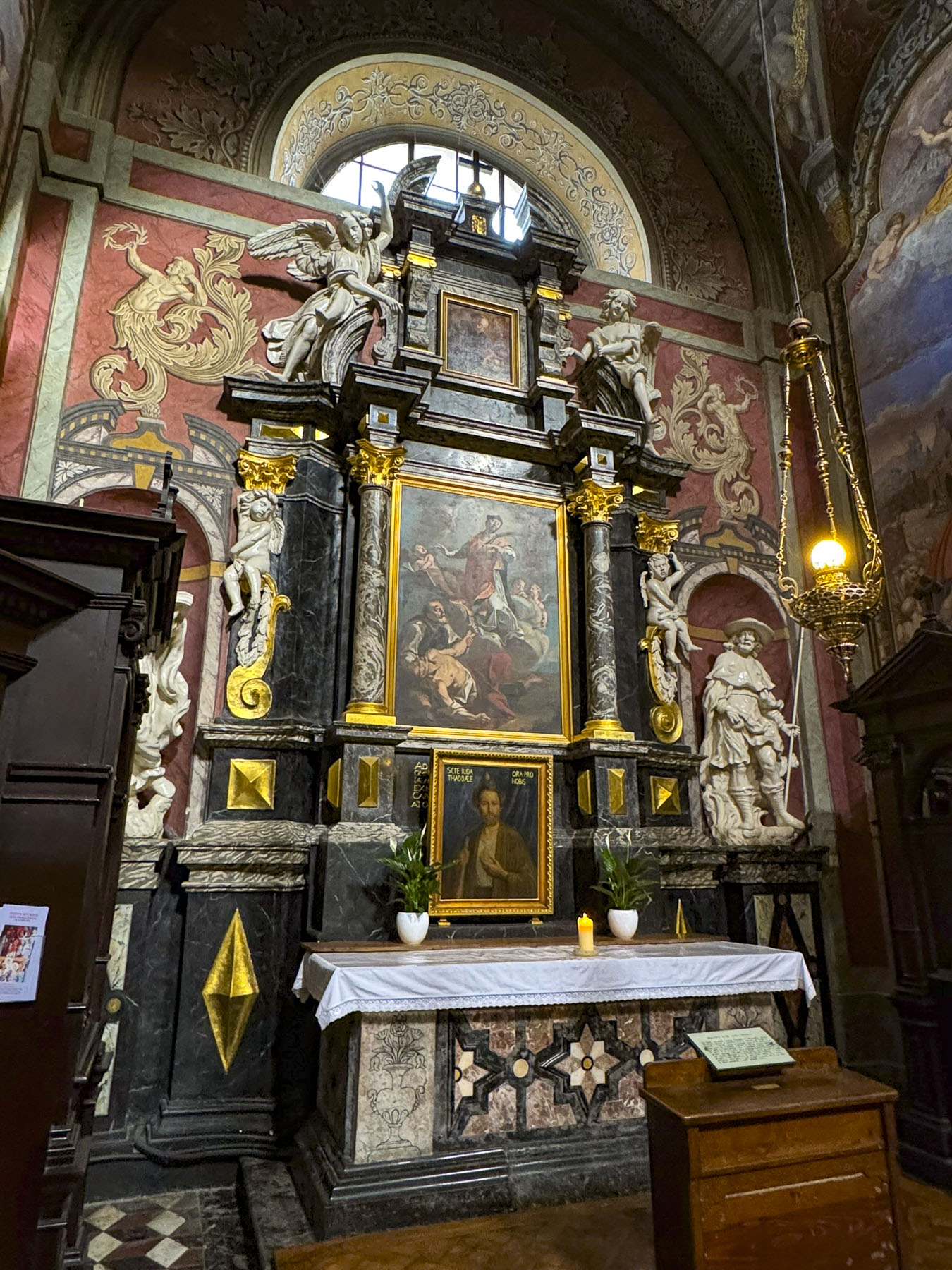
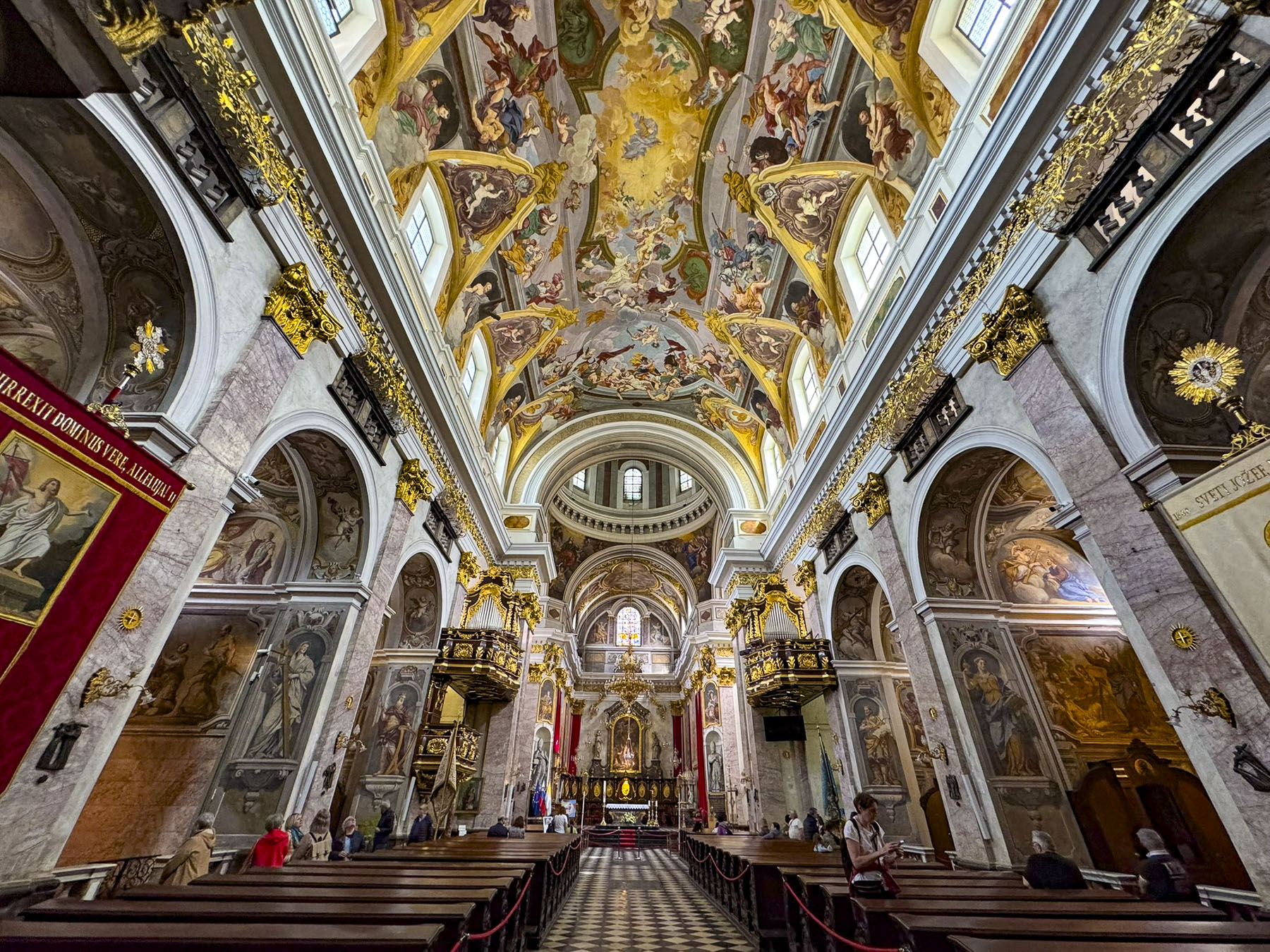
This Baroque church built in the mid-1600s replaced an earlier 13th-century Gothic church. The richly decorated interior is stunningly adorned with gilded altars, delicate stucco work, frescoes, a magnificent organ, and ornate side altars.

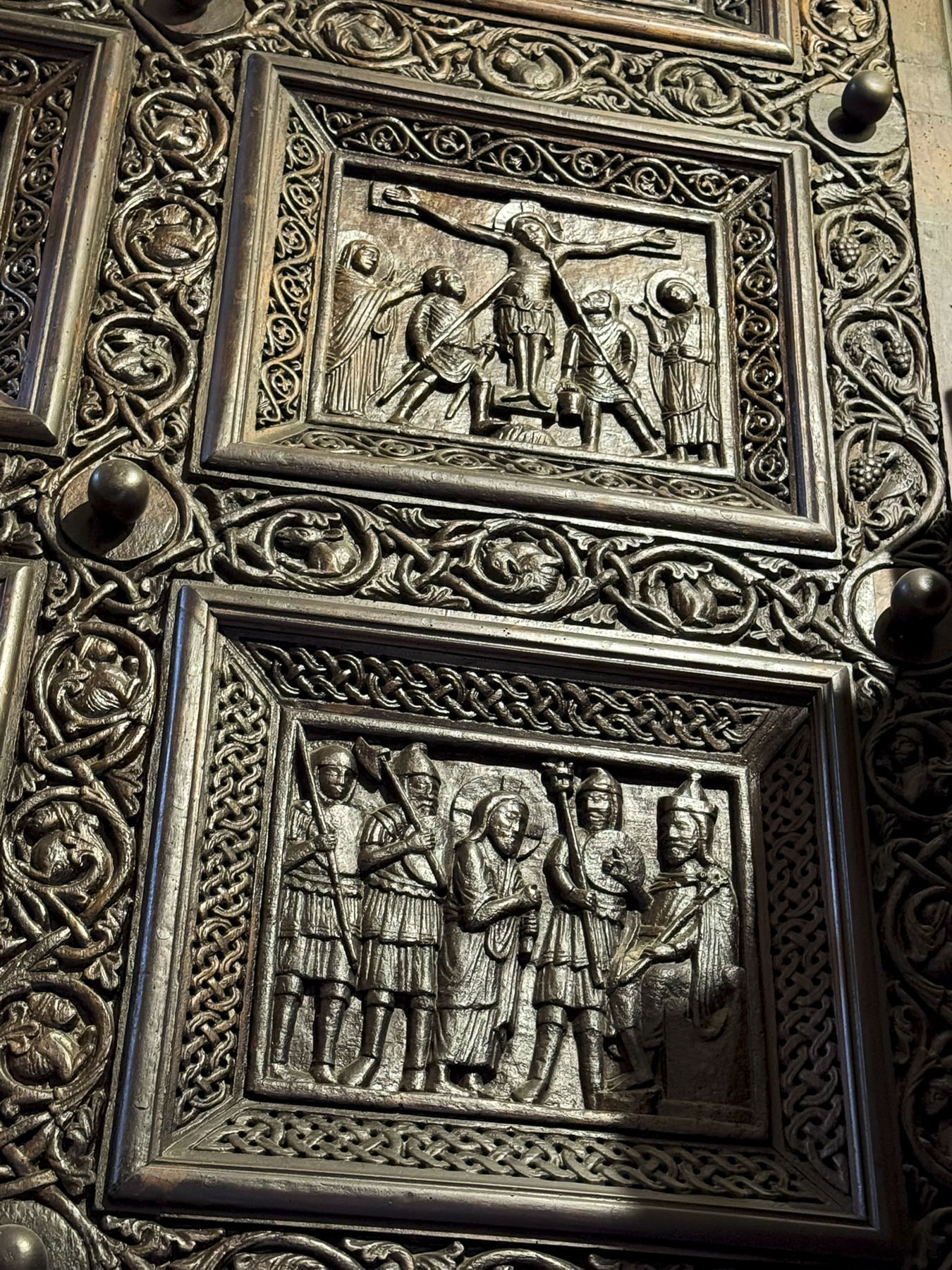
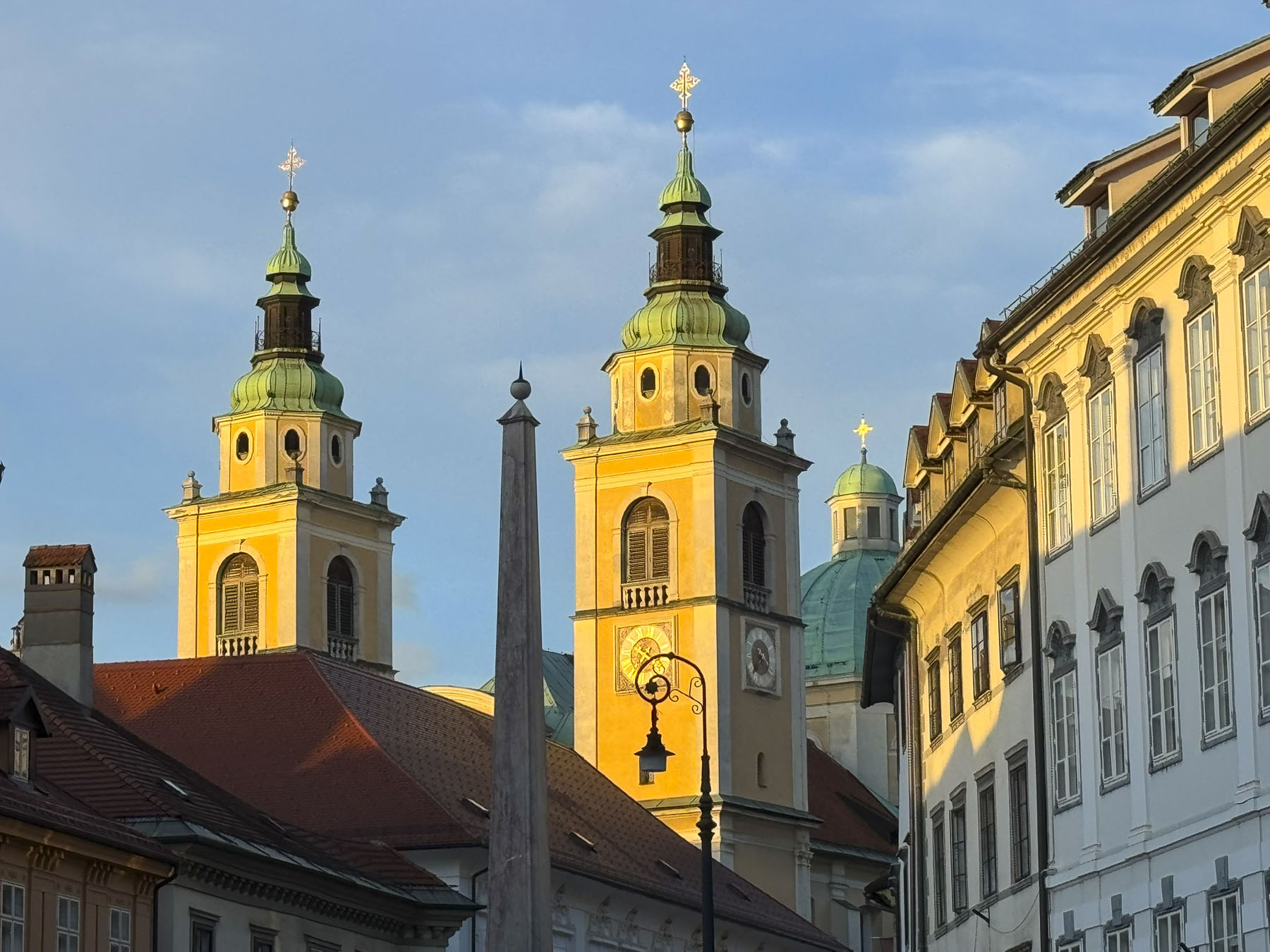
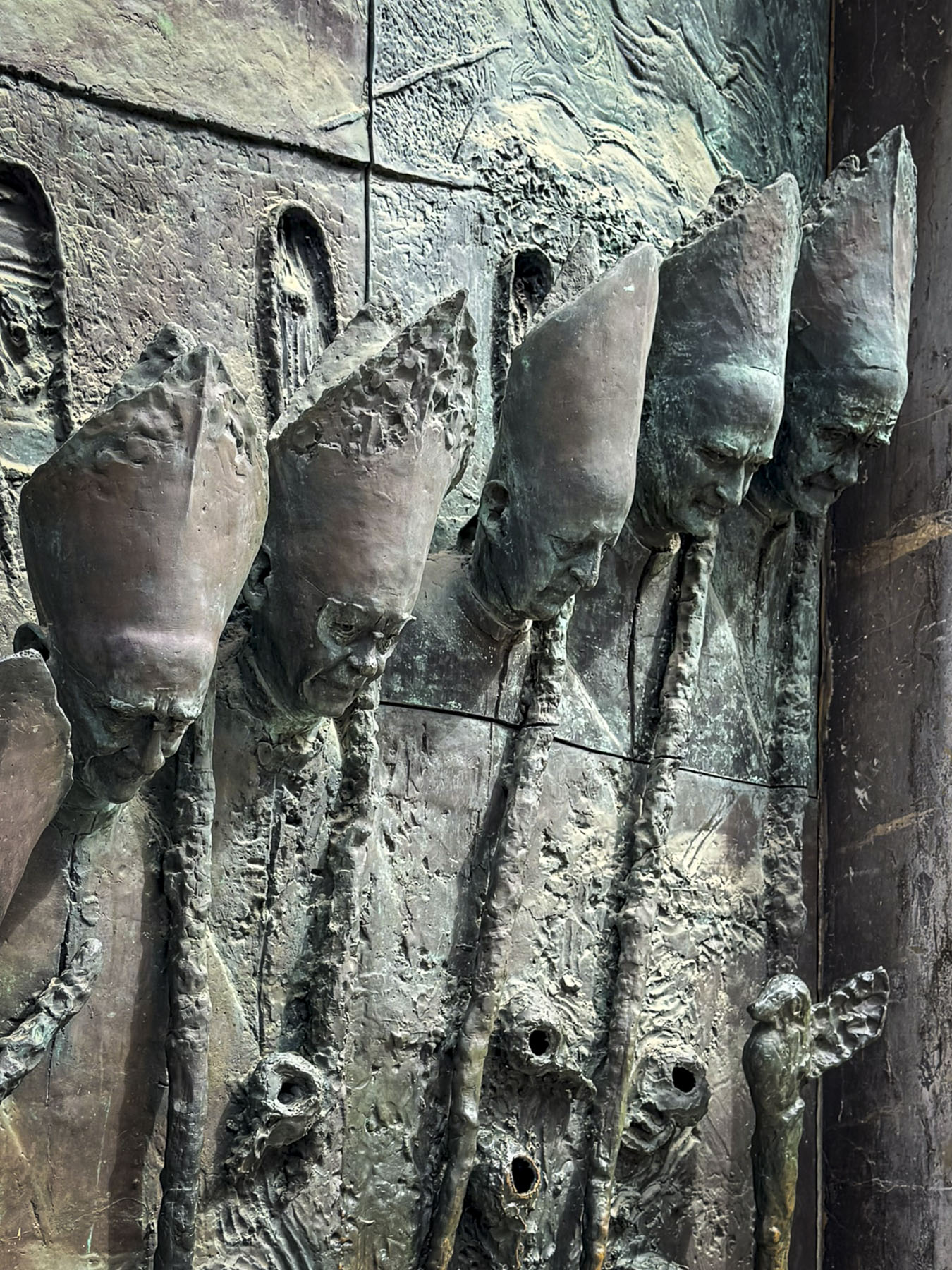
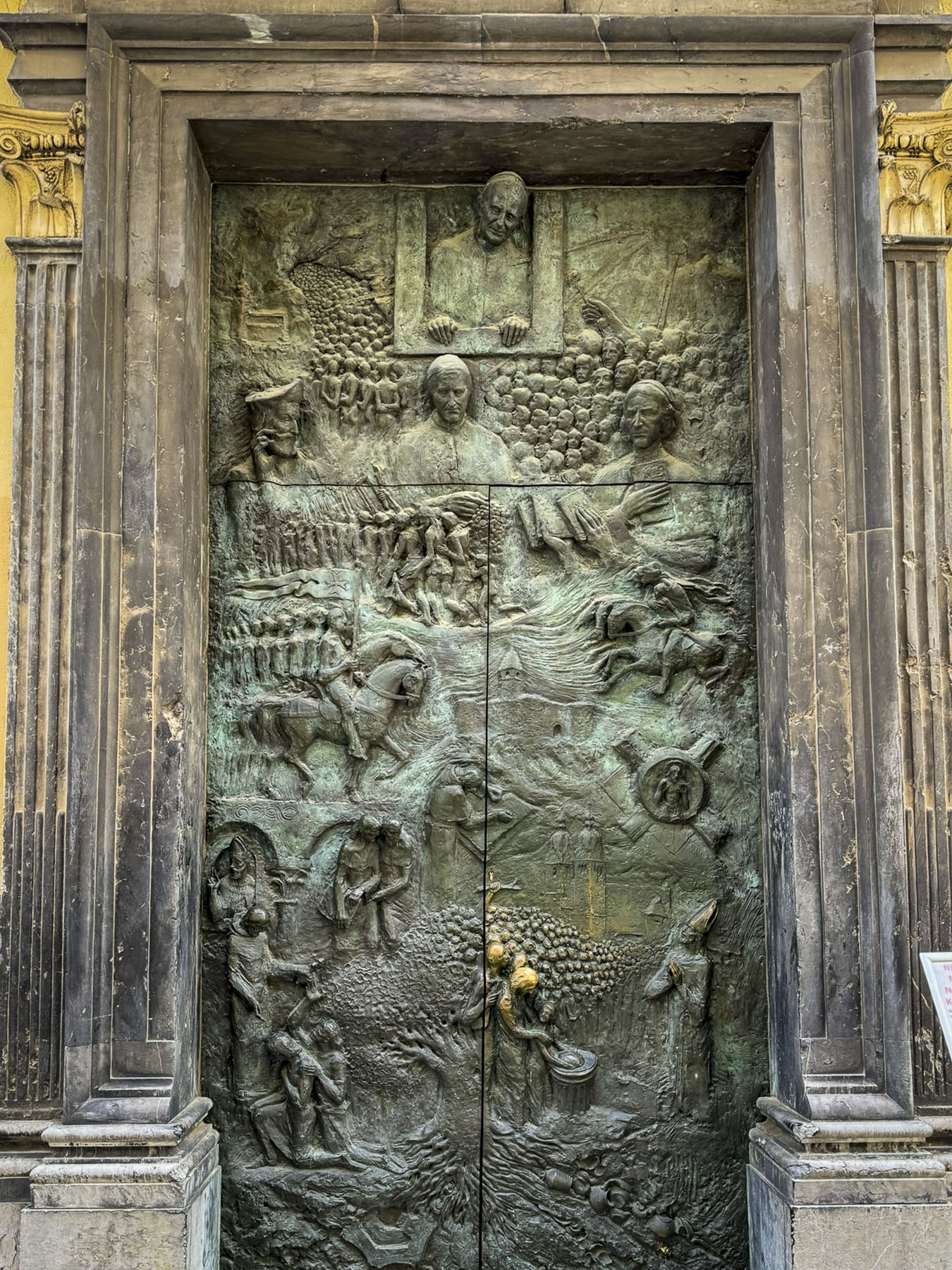
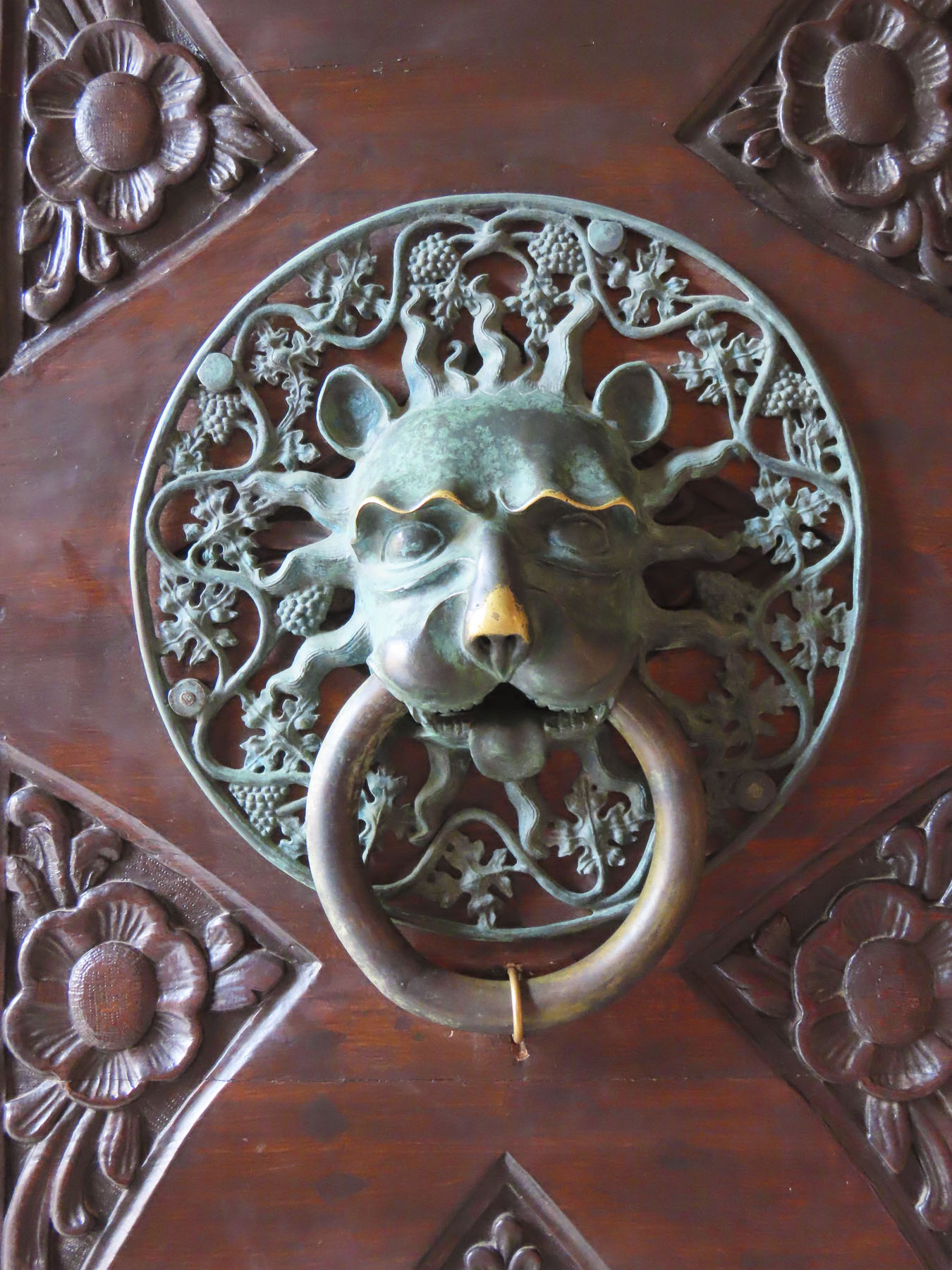
Across the river near the central market was the larger Saint Nicholas’ Cathedral. It is the third in a succession of churches on the site which dates from 1262 when a Romanesque style church was built. A 1361 fire severely damaged the structure and saw it refurbished in the Gothic style. But the church was altered again when the Diocese of Ljubljana was established in 1461 and the church became a cathedral. Notoriously, a suspected case of arson damaged the cathedral in 1469. Two hundred fifty years later construction of the Baroque church that exists today was started. One of the church’s most impressive features were the bronze doors created by Mirsad Begić in 1996 to celebrate Pope John Paul II’s visit to the cathedral to mark the 1250th anniversary of Christianity in Slovenia.

While Ljubljana is very easy to walk around in, the distances between points can be quite far. Helpfully, the city provides a free, on-demand electric shuttle service called Kavalir (Gentle Helper) that tourists can use in the pedestrian zone, and which is easy to arrange through your hotel. The drivers are not tour guides but will share information about the city as they whisk you quietly to your destination.

Ljubljana’s size was just right for us, its ambience charming and as a university town it was a nice mix of young and older. We found the city to be one of the nicest European capitals we have visited, and think it would be the perfect spot for an extended stay.

Till next time,

Craig & Donna
P.S. The Ljubljana Card lets you discover more than 30 Ljubljana sights

Croatia Road Trip Part 2: The Istria Peninsula – Plitvička Jezera, Pula, and Rovinj or Waterfalls, Roman Ruins & a Saint

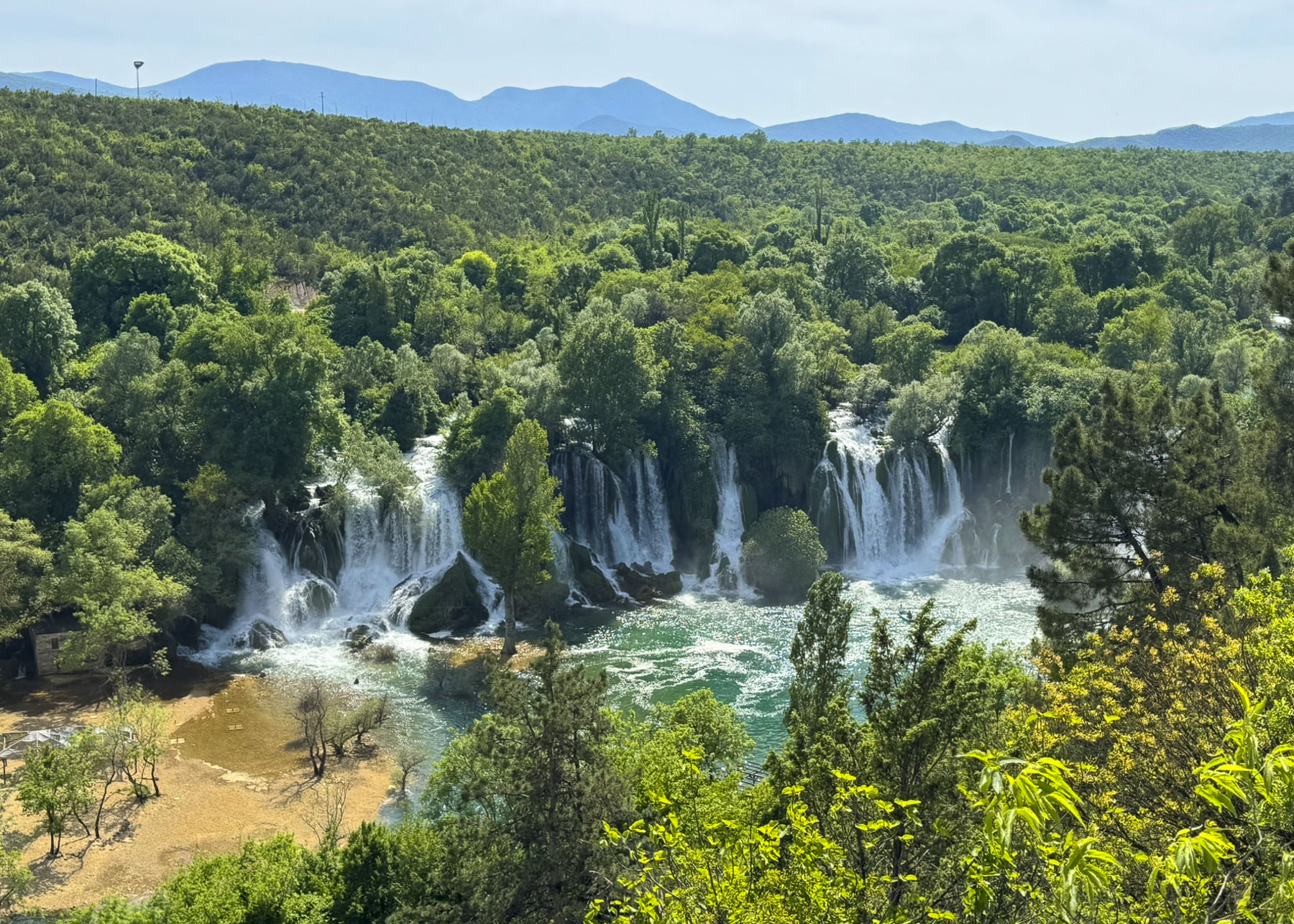
We experienced an infinite palette of blues spread across the sea, sky and waterfalls of Croatia, as if they were an artist’s inspiration, but in fact were mother earth’s creation. The emerald green, turquoise and azure arteries of the rivers were particularly enthralling; they shimmered with the changing light, almost glowing, as they coursed through their surrounding landscapes. The intense colors are the result of limestone and other mineral deposits that line the waterways, and the angle of sunlight on the water. This majestic display of nature’s wonder is on display at Plitvička Jezera National Park, just two hours from Zadar. 

Created in 1949, Plitvička Jezera was Croatia’s first national park and protects a massive 296.85 km2 (114.61 sq mi) area, situated on a plateau in the mountainous Dinaric Alps of central Croatia, that separate the inland region of the country from the Adriatic coast.

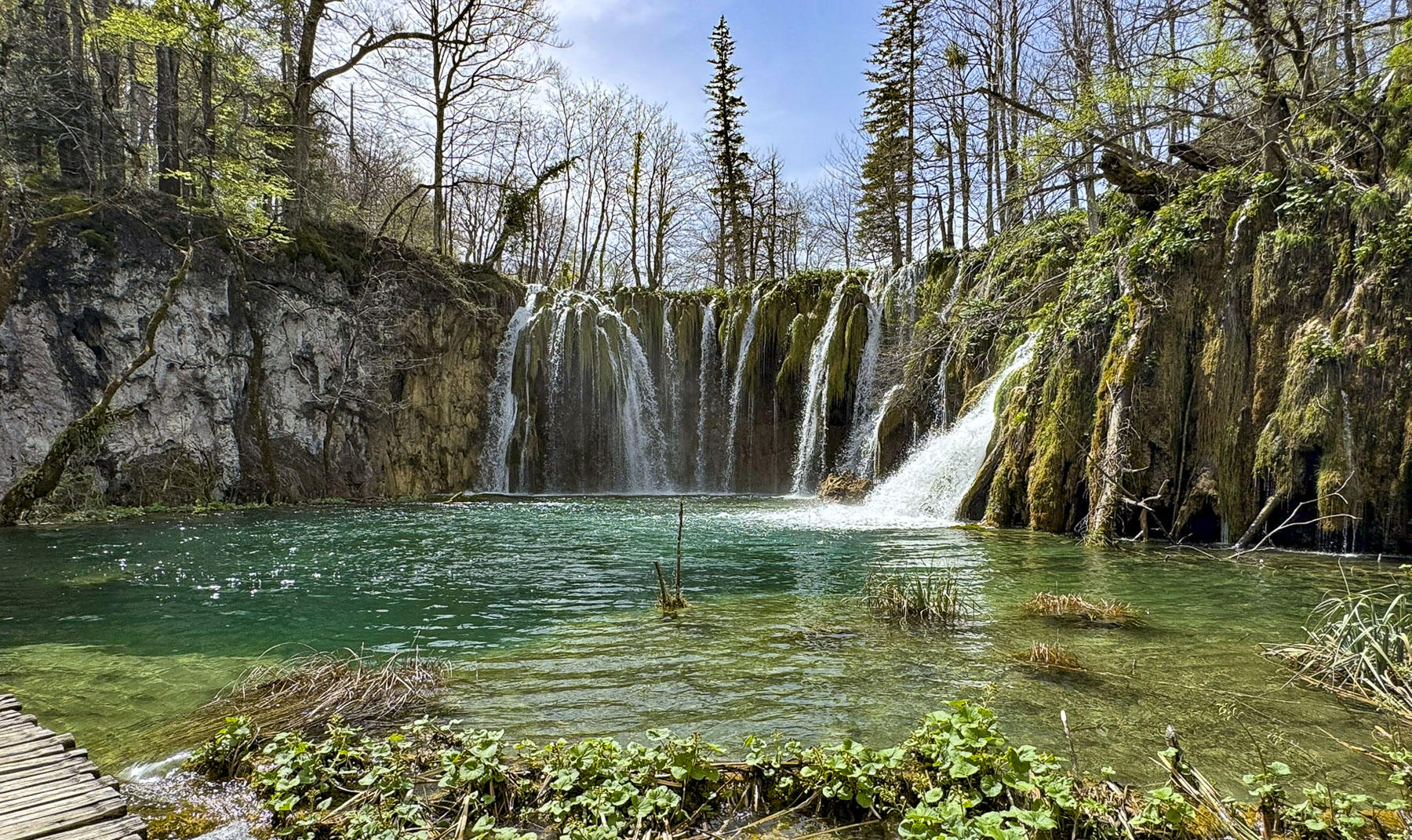
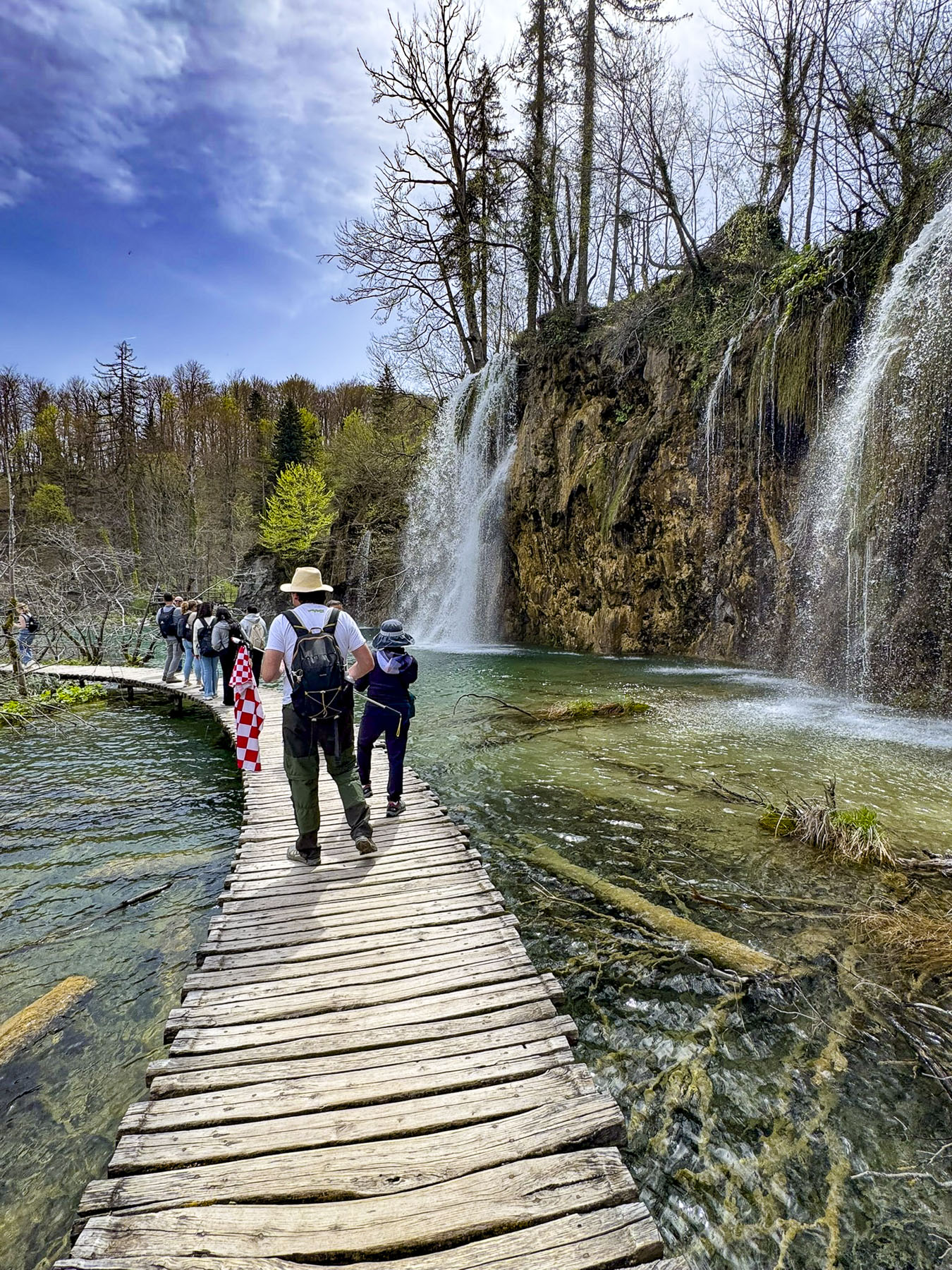
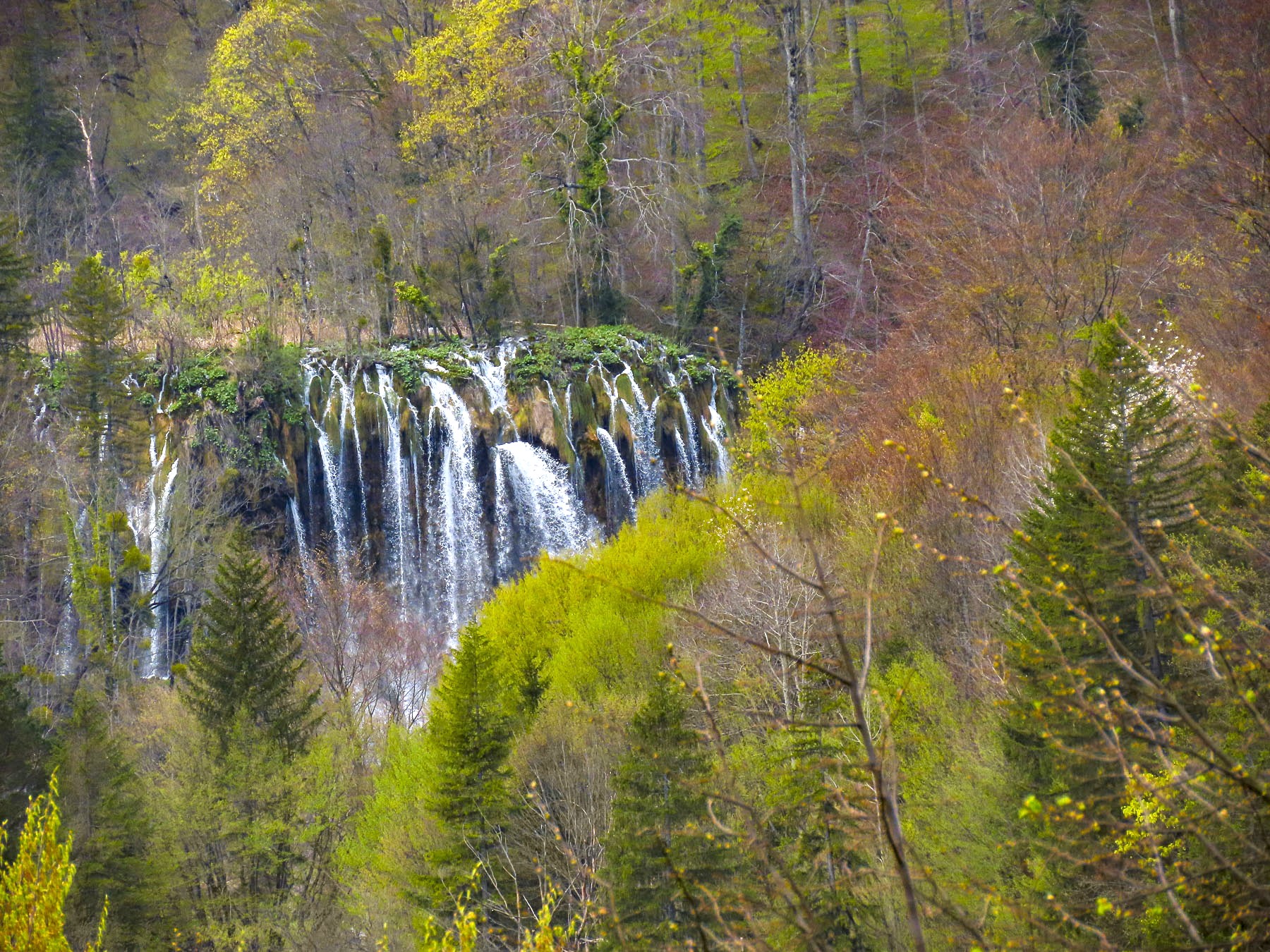
The park has 16 terraced lakes with numerous waterfalls of various heights which folks can view via a series of meandering boardwalks built across the shallow pools below each cascade. The park service has organized these walkways into eight different touring routes/programs.

We visited the park on the Wednesday before Easter, a school vacation week, and the park was busy, but not overwhelmed with visitors. Those in the know arrived early, as convenient parking vanished quickly, and it was a very long walk to the ticket booth.

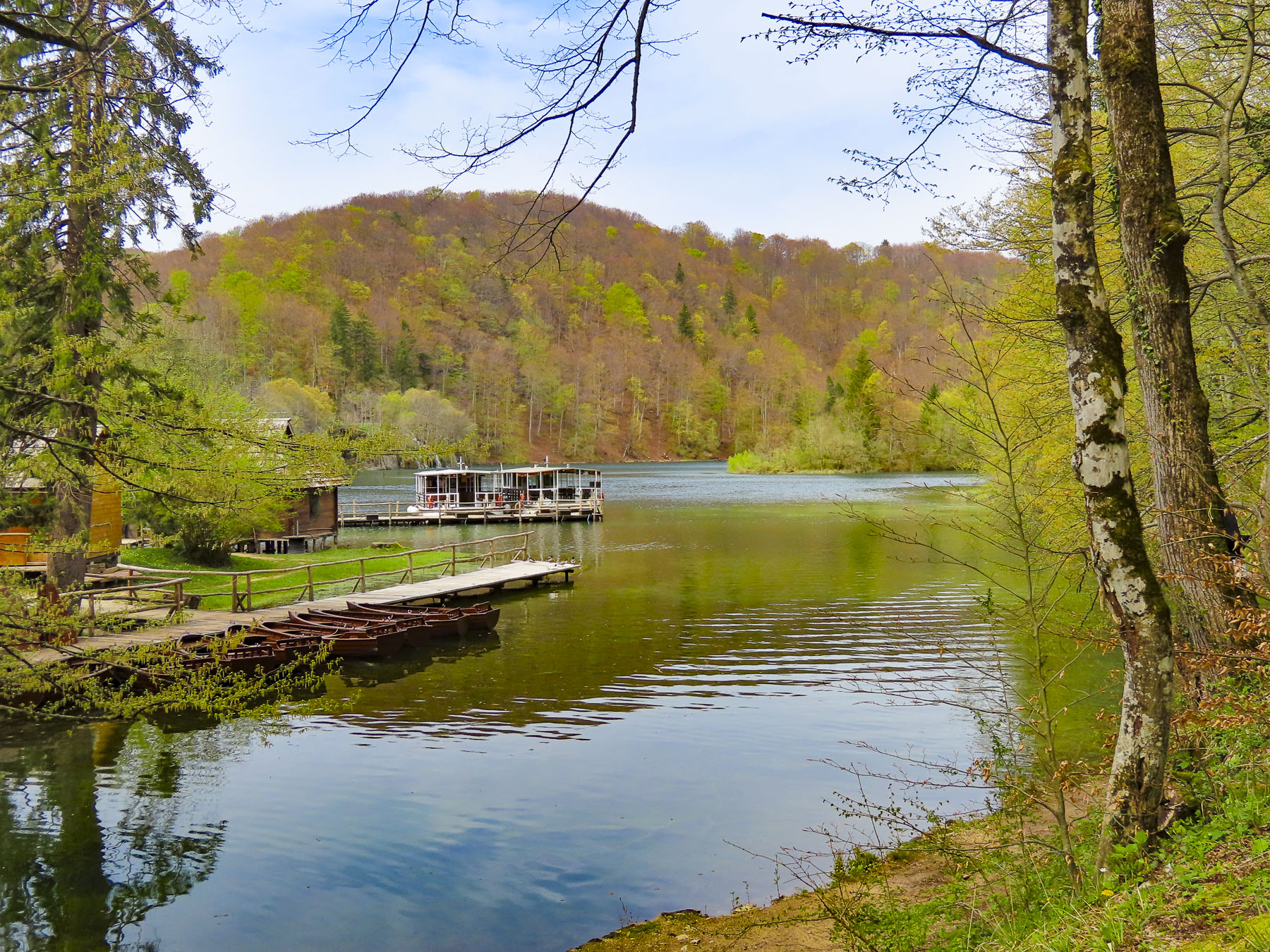
We chose route E, a three hour, 5100m (3mi) circular walk through the Upper Lakes section past Veliki prštavac, and Mali Prštavac falls to Lake Prošćansko, that included a short boat ride across Kozjak Lake at the beginning and end of the trek.

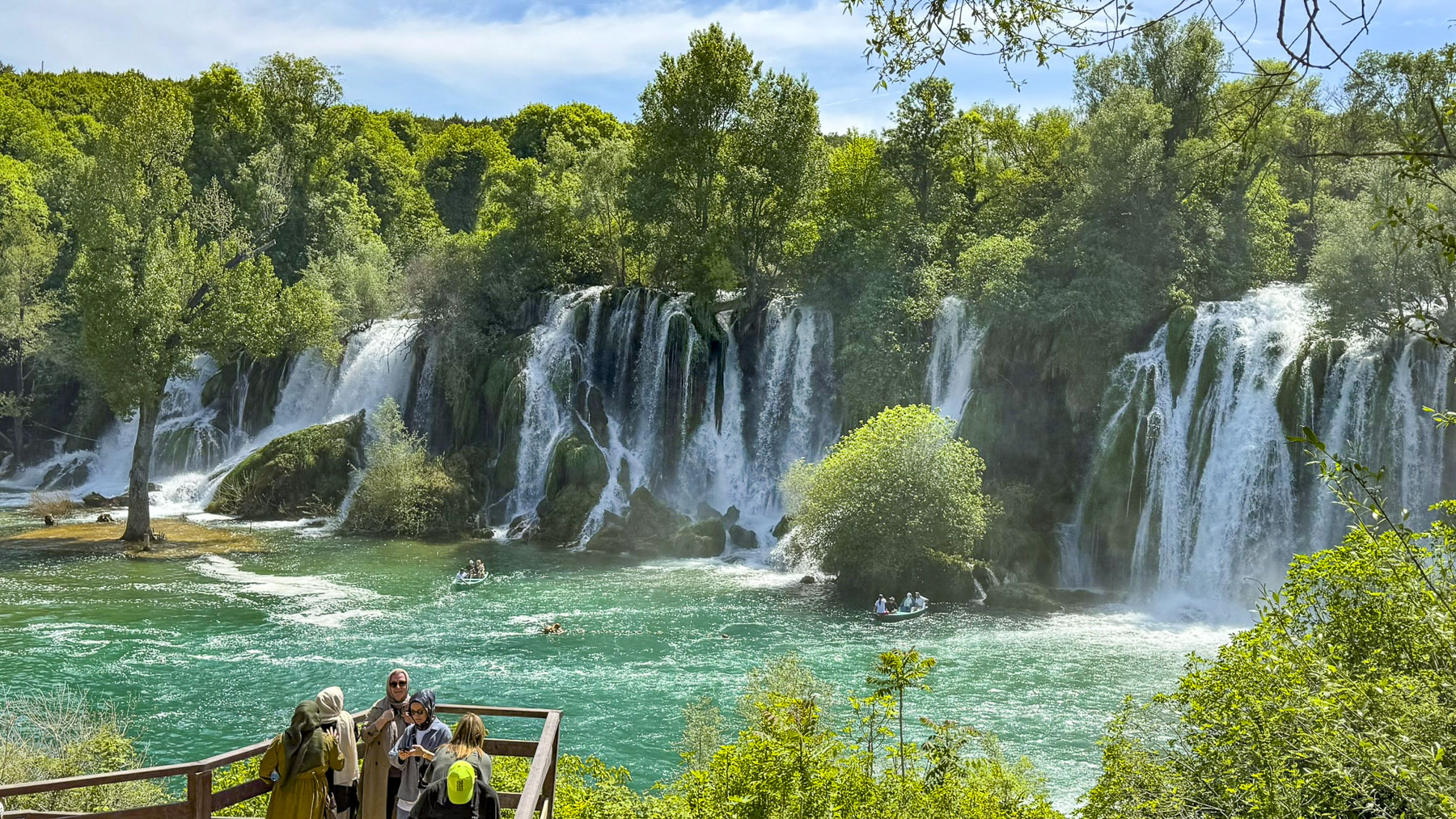
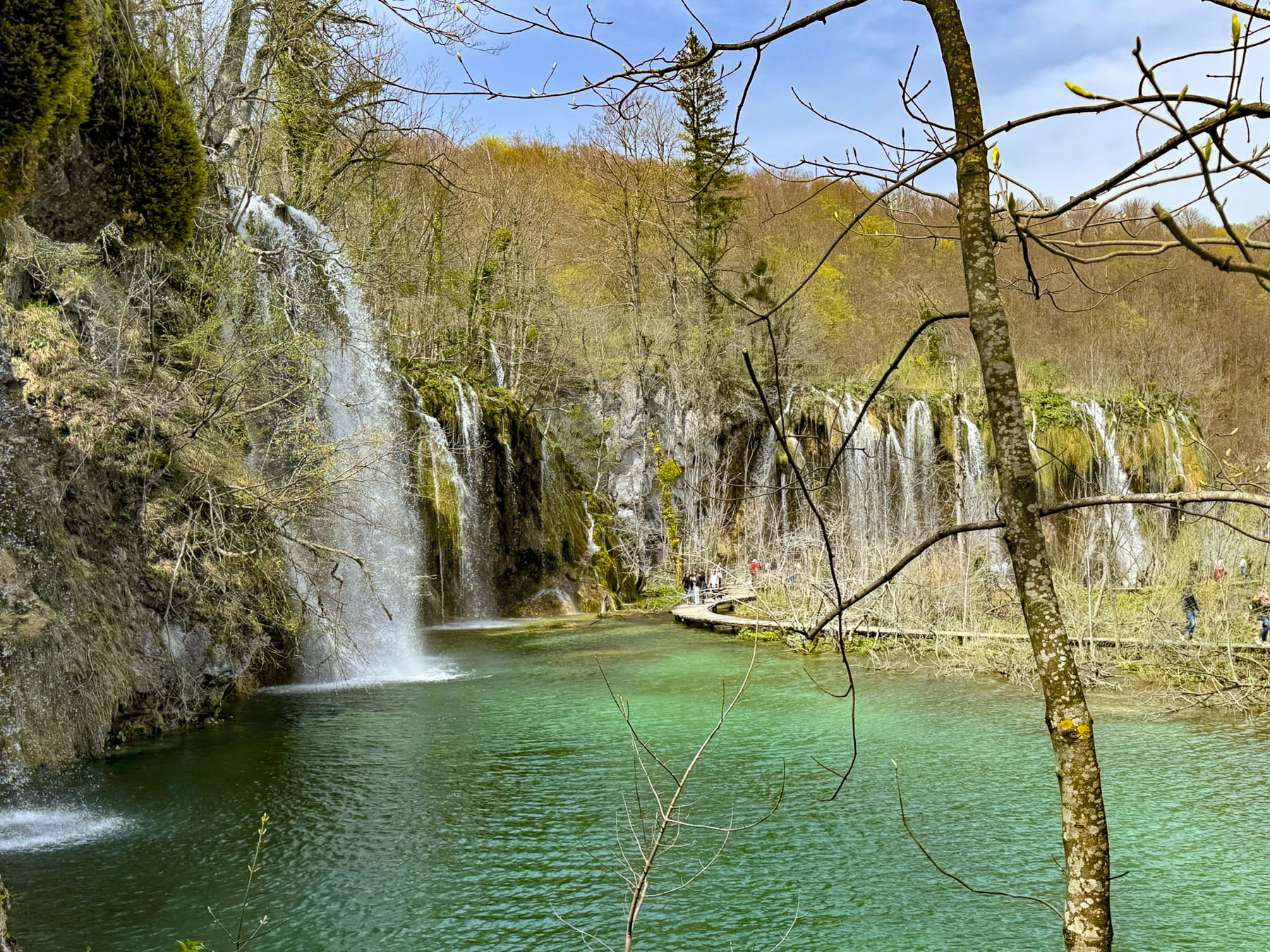
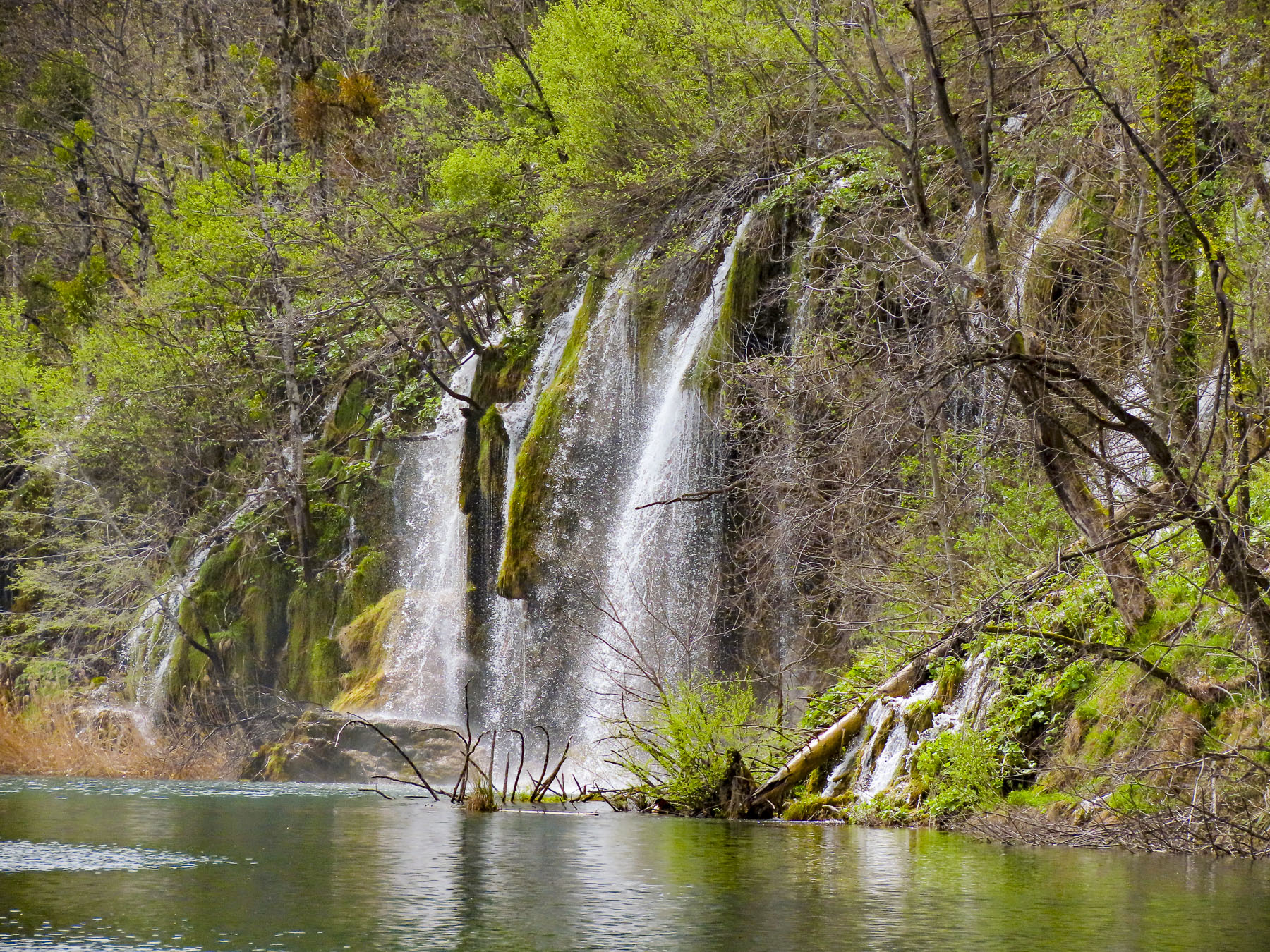
The falls were enthralling, flowing like delicate veils across the rock face of the hills. The boardwalks above the crystal-clear pools were narrow, and for the most part without railings except for sections of stairs that ascended a hillside. But the walk was very easy, and we encountered folks of all different ages, and parents carrying young children.

In mid-April the foliage on the trees in the park was just beginning to leaf out, making it the perfect season to view the falls without them being hidden by trees. Trying to take photographs of the falls, midday, without people in them was nearly impossible, and you need to be at the park before most folks arrive to accomplish that.

Our destination for the end of the day was the Hotel Katarina in Selce, a modest-sized resort village, on the Adriatic. The two-hour drive first took us through mountains covered in pine forests along Rt D52, past small villages where all the homes still had cords of wood for their fireplaces and wood stoves stacked high. Descending the mountains, the landscape slowly greened and transitioned to a rolling pastureland dotted with cows and sheep. Freshly turned gardens along the way were already planted with spring onions. Some of the small farms had roadside stands offering honey and homemade cheese for sale. It was a very pretty drive, but the roads were narrow and did not have any shoulder area to pullover to safely take photographs. Intersecting D23, we continued our descent to the coast through thinning forests then Garrigue, an evergreen shrubland well suited for the region’s hot dry summers.

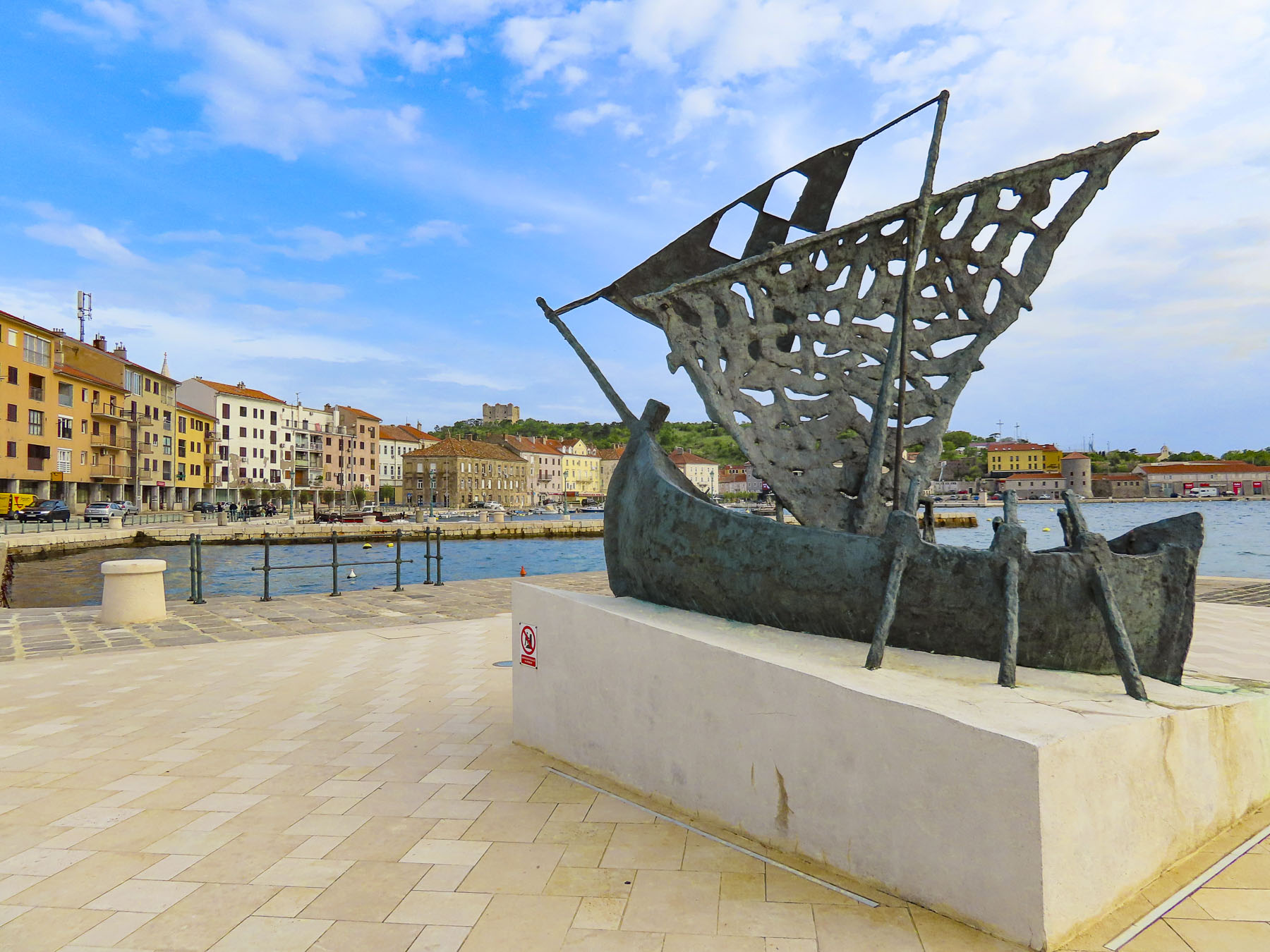
We reached the coast at Senj, the oldest town on the North Adriatic coast, with a history that goes back 3,000 years. The town is located on a crescent shaped bay under the watchful eye of the Nehaj Fortress, a 16th-century bastion that helped to keep the Croatian town independent during the centuries of Ottoman and Venetian aggression in the Adriatic Region. Unfortunately, we didn’t have time to visit the castle, which also hosts an annual three day Renaissance festival called the Days of Uskoks every July. But we did enjoy a short walk along its waterfront before continuing on.

Large modern hotels like the Hotel Katarina, which cater to tour groups, are not our first choice when we travel, but unfortunately during the shoulder seasons along the Adriatic coast many of the hotels that would normally be open during the summer are closed, and options are limited. But the hotel’s location for a one-night stay, in the town of Selce, worked well with our driving plans, as we headed to historic town of Pula, on the Istrian Peninsula.

The hotel was directly across from a promenade, alive with a chorus of wonderful song birds, which we followed the next morning.  At the town’s port the walkway widened into a small plaza planted with tulips and centered with a large Easter Egg, called a pisanice.  

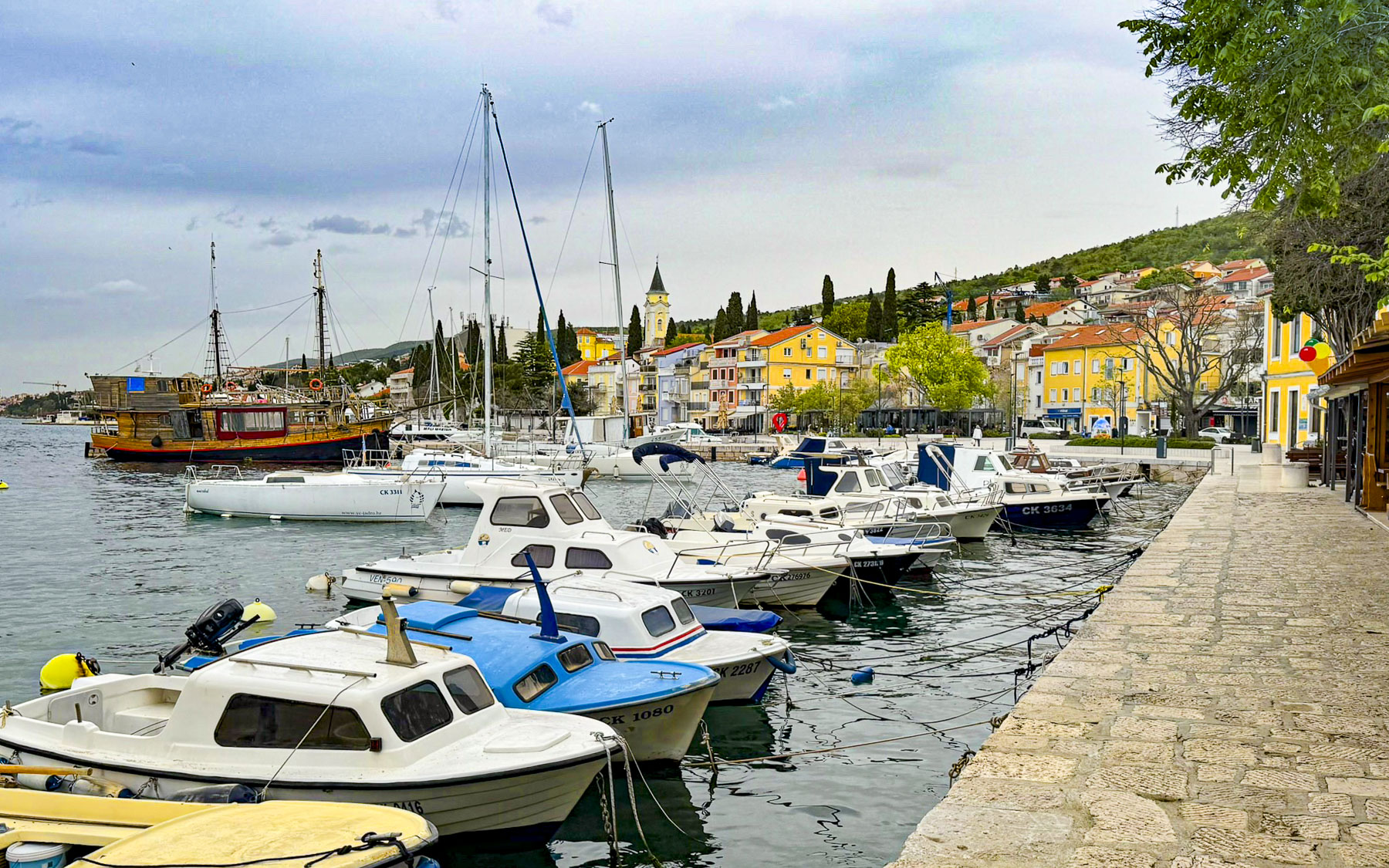
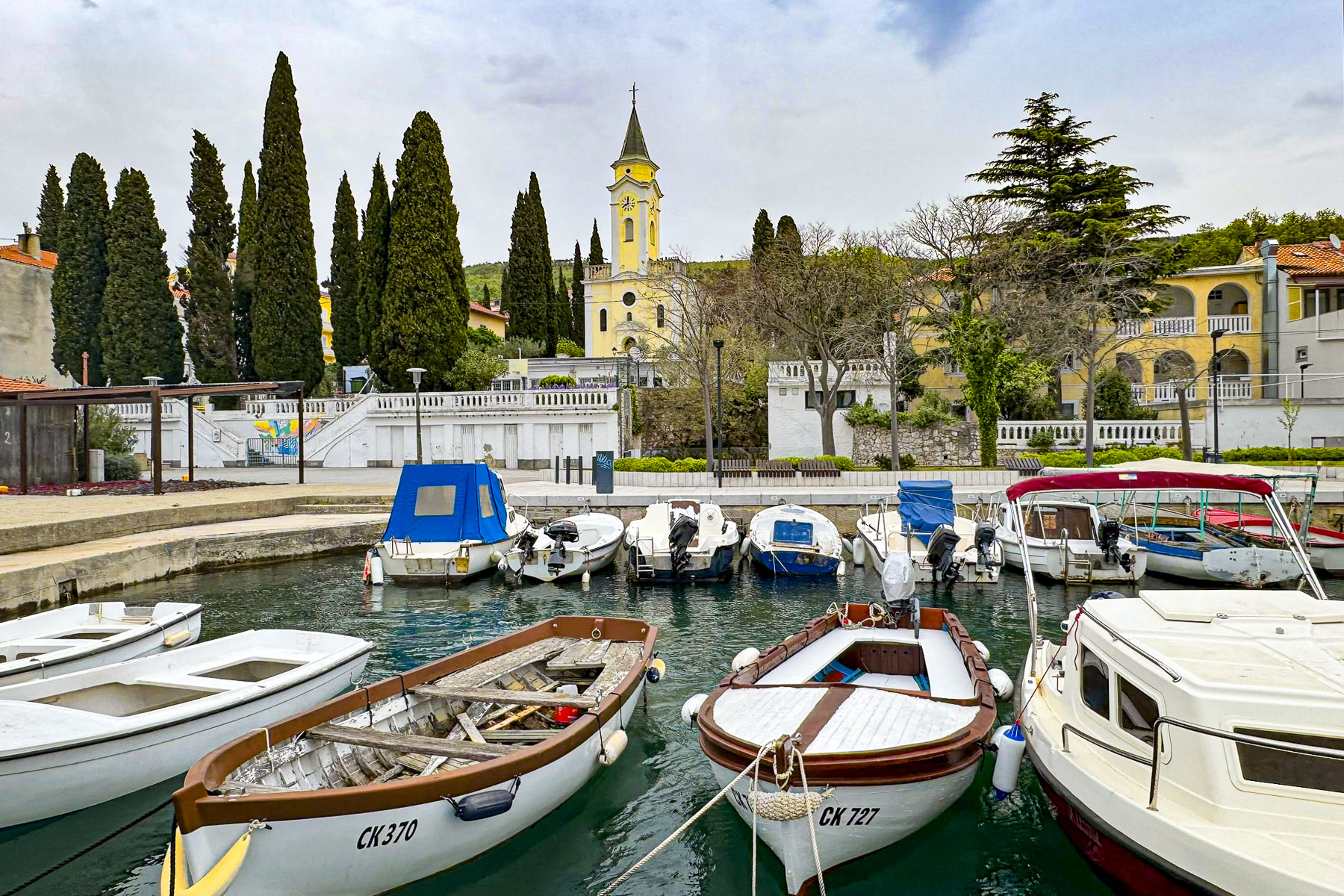
These fiberglass eggs are painted by local artists with themes that reflect the Croatian Christian traditions, and celebrations of Spring. There were numerous restaurants along the quay, but only a few of the smaller cafés were open this time of year. Even though the morning was overcast, the town’s small harbor was a colorful scene of boats and waterfront buildings.

Our drive north from Selce mostly hugged the coast and was reminiscent of Italy’s Cilento Coast along the Mediterranean in the Campagna region. We found the towns and glimpses of the sea along the Croatian coast fascinating and started to think about future return trips to the area. 

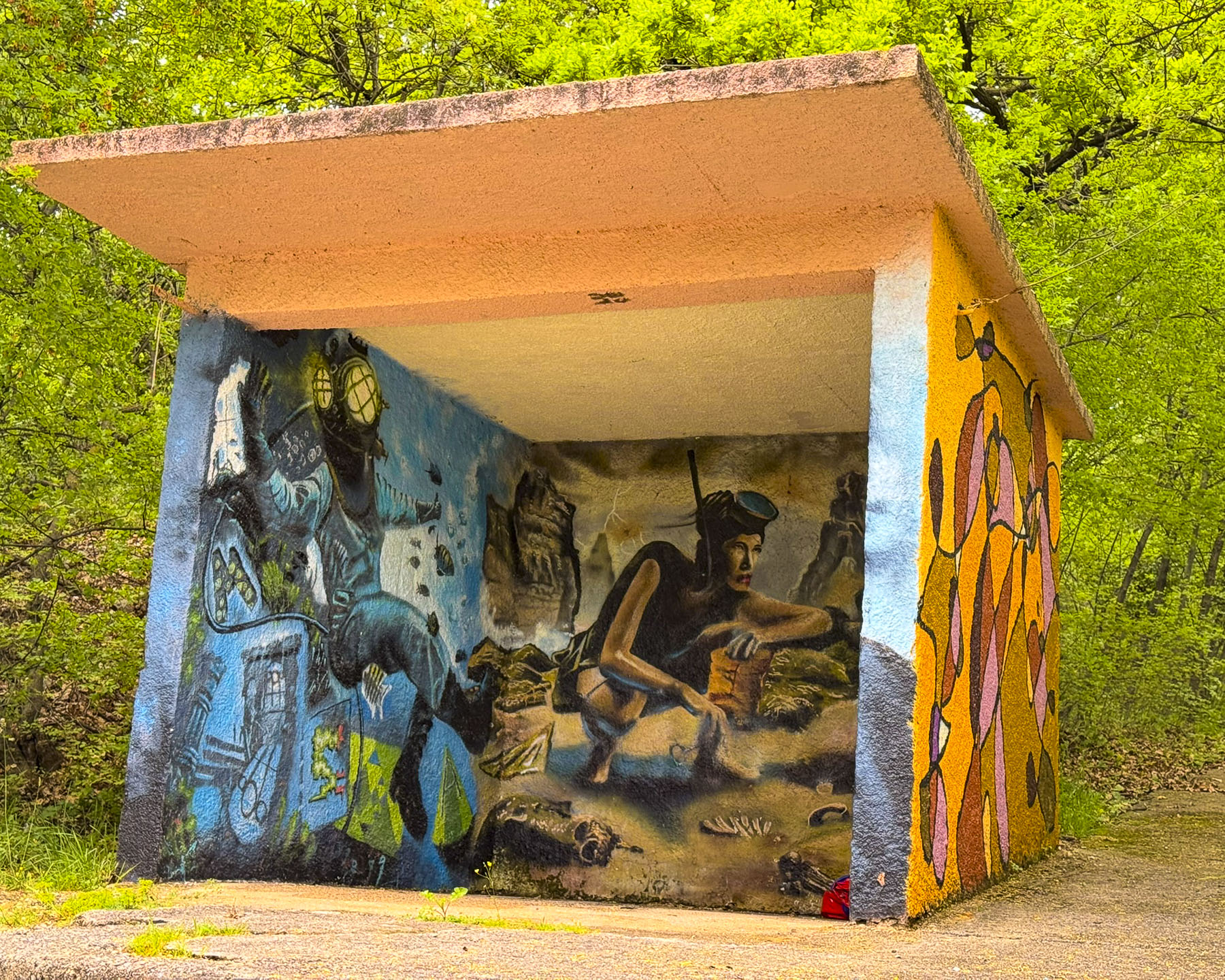
We would enjoy time  to explore in depth not just the small coastal villages like Bakar, where just beyond the village some of the bus stops along the road are covered with murals that reflected the areas maritime heritage, and Mošćenička Draga, beautifully set on a small cove, but also some of the less mentioned larger coastal cities like Jadrolinija and Opatija, which were fashionable Habsburg-era resorts in the 19th century and still retain their fine architecture. We regretted that we only had time to drive through these areas.

The Istrian Peninsula is known for the high quality of its olive oils, wine and regional cuisine which spans from light seafood entrees to hearty meat dishes and stews, the first of which we tried at Tri Murve in Plomin. I wish we could say that this was a well-researched choice, but it was a spontaneous stop, to satisfy a mutinous co-pilot, but we were pleasantly rewarded with a very wonderful lunch. On this chilly day, the temptation to linger here was overwhelming.

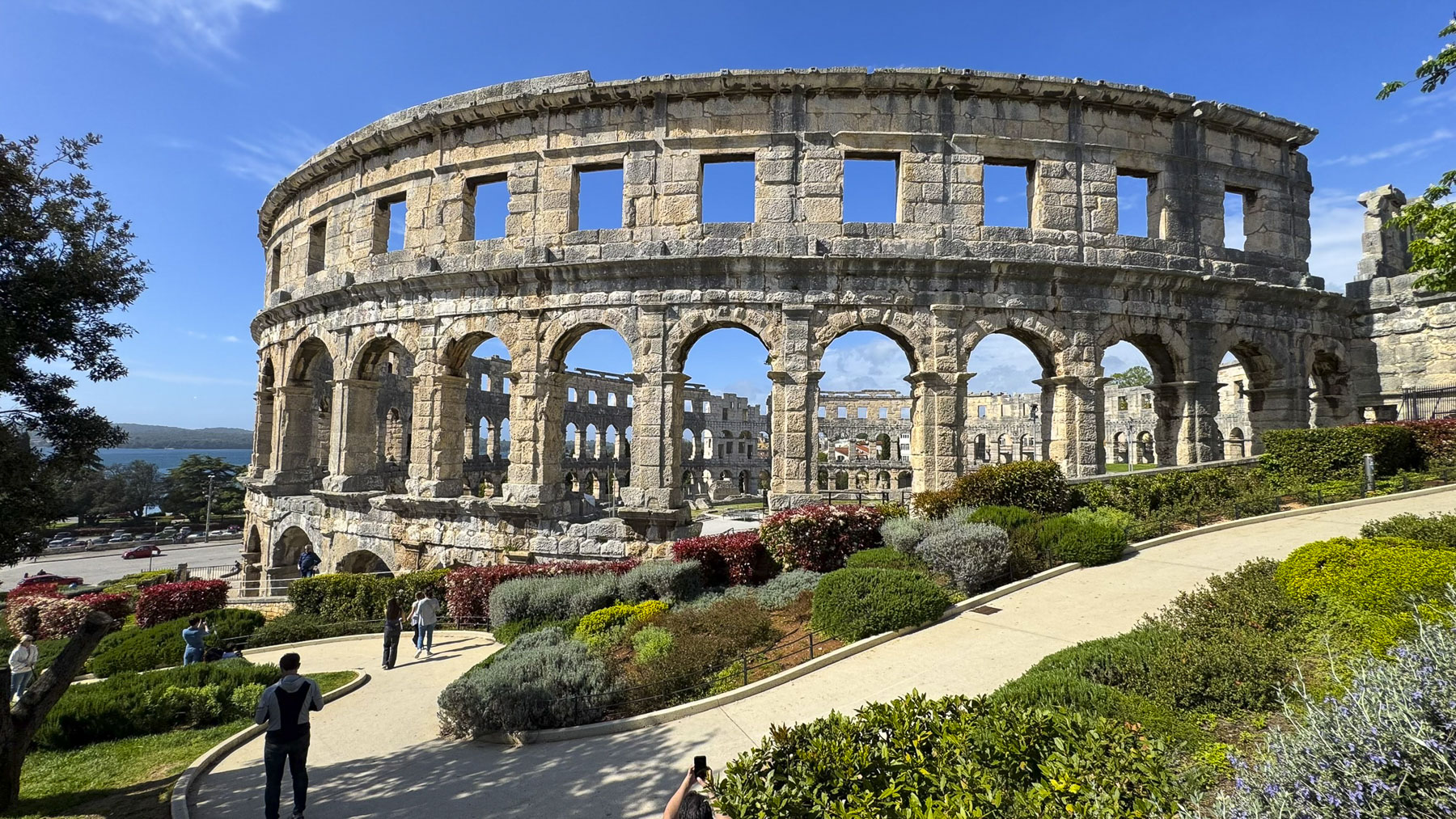
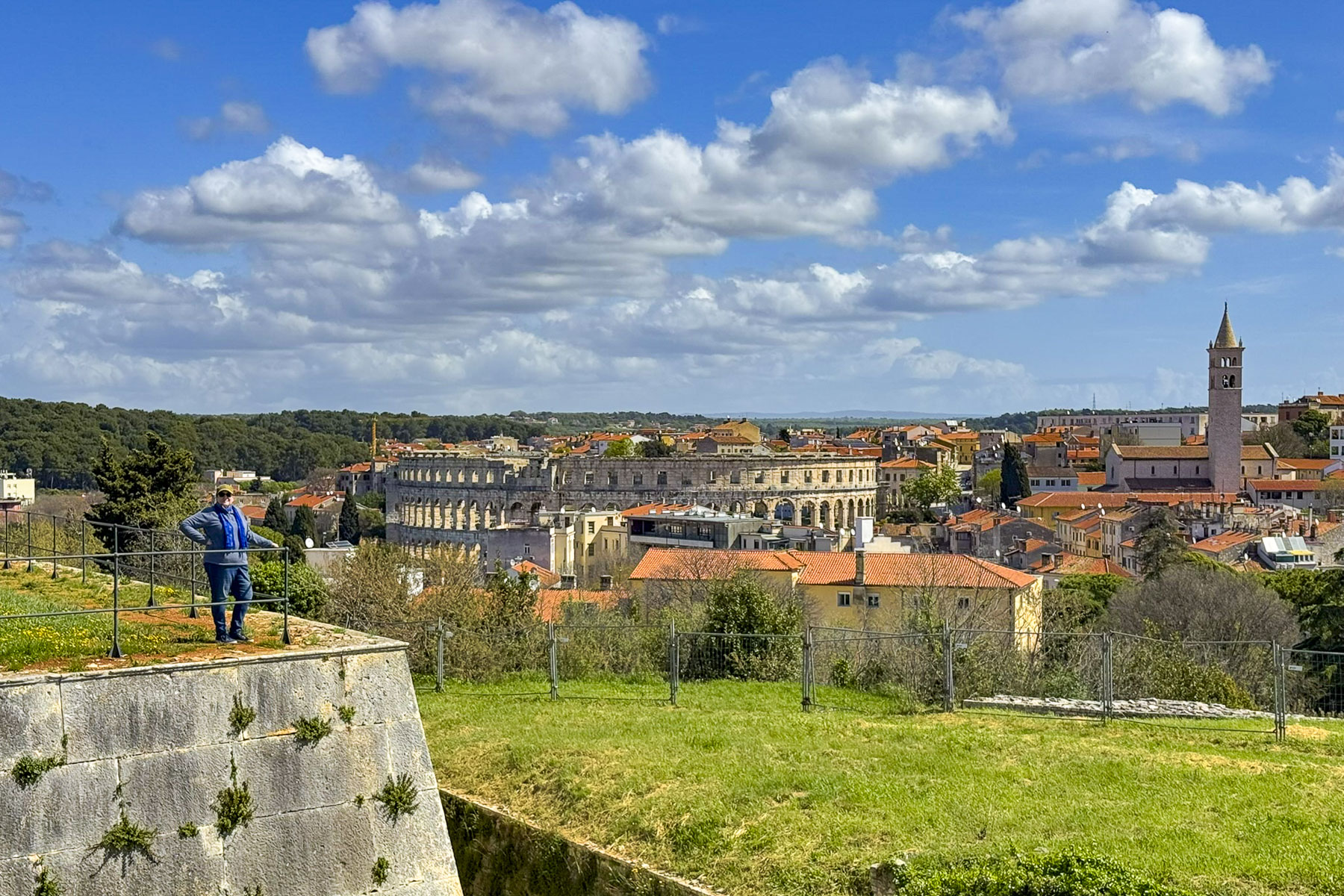
The top of Pula’s ancient Roman colosseum surged above the trees as we drove into the center of the port city. Rome’s presence in the city dates back over 2,000 years, but legend believes the city’s founding was a thousand years earlier and linked to the mythological Greek hero Jason and the Argonauts who sailed into the northern Adriatic Sea to escape the pursuit of the Colchians. The Colchians, exhausted after years of pursuing the Argonauts, feared returning home without the Golden Fleece, and founded Polai, the City of Refuge.

In the mid-1500s when Pula was part of the Venetian Empire plans were proposed to dismantle the arena and rebuild it in Venice. But they were rejected after the passionate arguments of Venetian senator Gabriele Emo, who is remembered with a plaque in the stadium. Though his efforts did not stop the removal of stones to build other structures in Pula which continued well into the 18th century. The arena, a masterpiece of Roman engineering, was originally built to seat 23,000 spectators, and is used to host a variety of events that range from film festivals to concerts and soccer matches, though its seating capacity has been reduced to a safe 7,000.

We thought we were in luck when we found a spot in an untended parking lot atop the hill near the Citadel of Pula, and the Monastery of St. Francis, only two blocks from our lodging at Luxury Flats. However, as we were lifting our luggage from the trunk a parking attendant appeared and informed us the lot was reserved for local residents with permits and we would be ticketed, but he was very gracious and gave us 15 minutes to get our bags to the apartment before we needed to move the car to a municipal paid parking lot across from the Roman colosseum, that he suggested. Finding parking for a rental car is always a task in small European cities. This one was reasonably priced, charging hourly during the day, but free after 18:00 until 8:00 the next morning. 

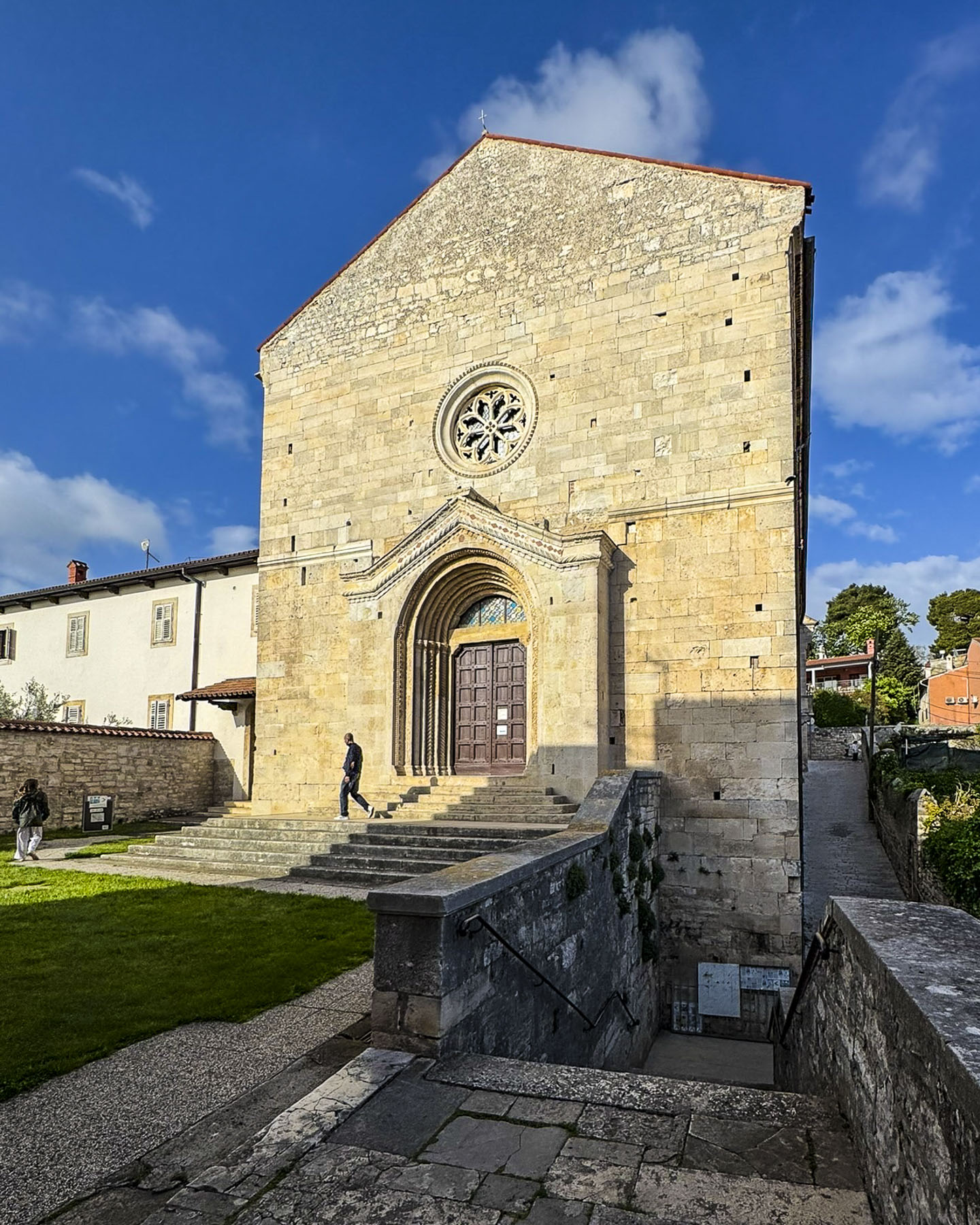
The small studio apartment we rented was modern and had a shared balcony which overlooked an orchard with a garden area that was once tended to by the nuns of the Monastery of St. Francis, next door. The monastery was built by the Franciscan Order in the 1300s and served the religious needs of the community until the country’s communist era. When the complex was then used as a military barracks, then kindergarten, before being returned to the Franciscans in 1992.

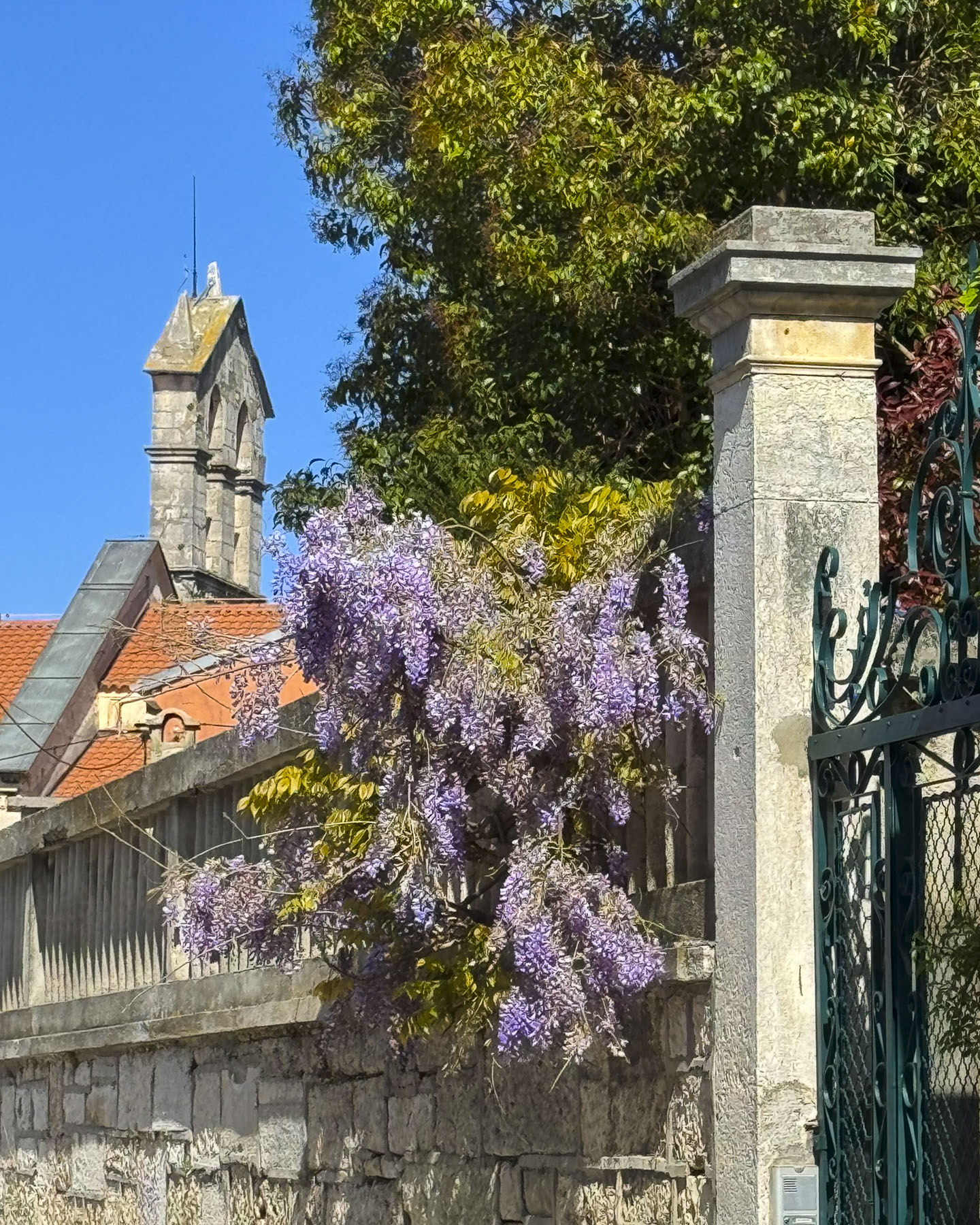
While our flat was adequate for our 3-night stay, we wouldn’t describe it as luxurious, but its location on a steep lane in the center of the historic district was excellent, being only a short walk away from everything in Pula. Wanting to take advantage of the sunny afternoon that appeared as we entered the city, we were soon out and about, walking past colorful homes and flowering wisteria along the road to the Citadel of Pula or Kaštel, as it is locally known.

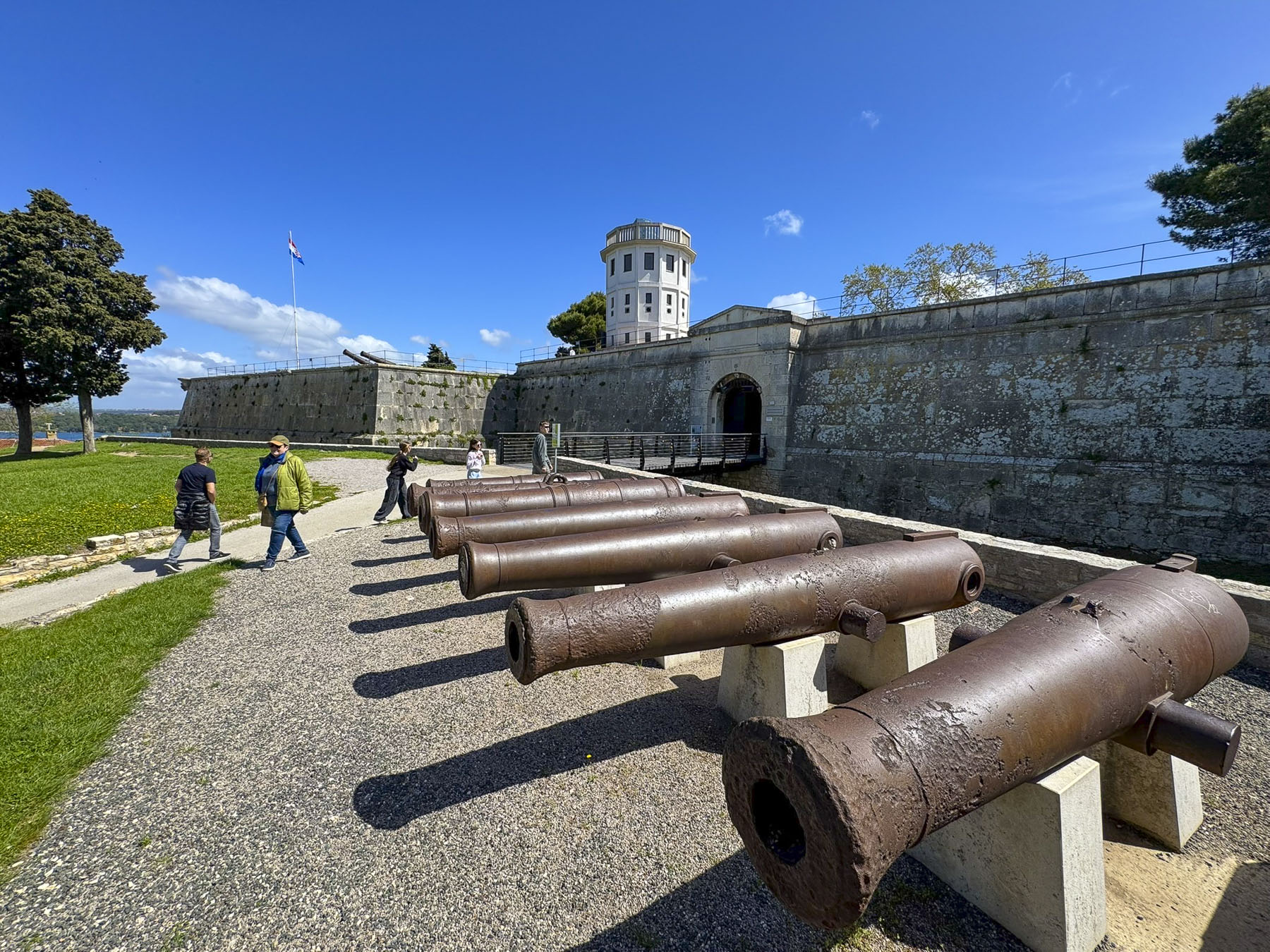
The star shaped bastion was built by the Venetian Empire in the 1500s over the ruins of an earlier Roman fortress and partially used some of the stones from the old colosseum in its construction. It has a commanding view of the harbor and the town surrounding it, and was actively used as military installation by the Austrians during WWI, who built an extensive network of tunnels under the castle known as the Zerostrasse. The tunnels were later expanded upon by the Italians during WWII, and later still, by Yugoslavia’s communist regime, to shelter 50,000 people. Unfortunately, the tunnels were closed when we visited Pula. Near the Zerostrasse’s entrance, at the bottom of the hill behind the Kaštel, there are also the ruins of a small Roman era amphitheater and museum with historical artifacts from the period. The Gate of Hercules and remnants of Pula’s ancient defensive wall are nearby.

Earlier at the Kaštel, we had noticed large idle shipping cranes in the harbor, remnants of Pula’s once important shipping industry. Now from a window in our apartment, as the night sky darkened, we could see the “Lighting Giants” as they are called, lit with colorful lights.

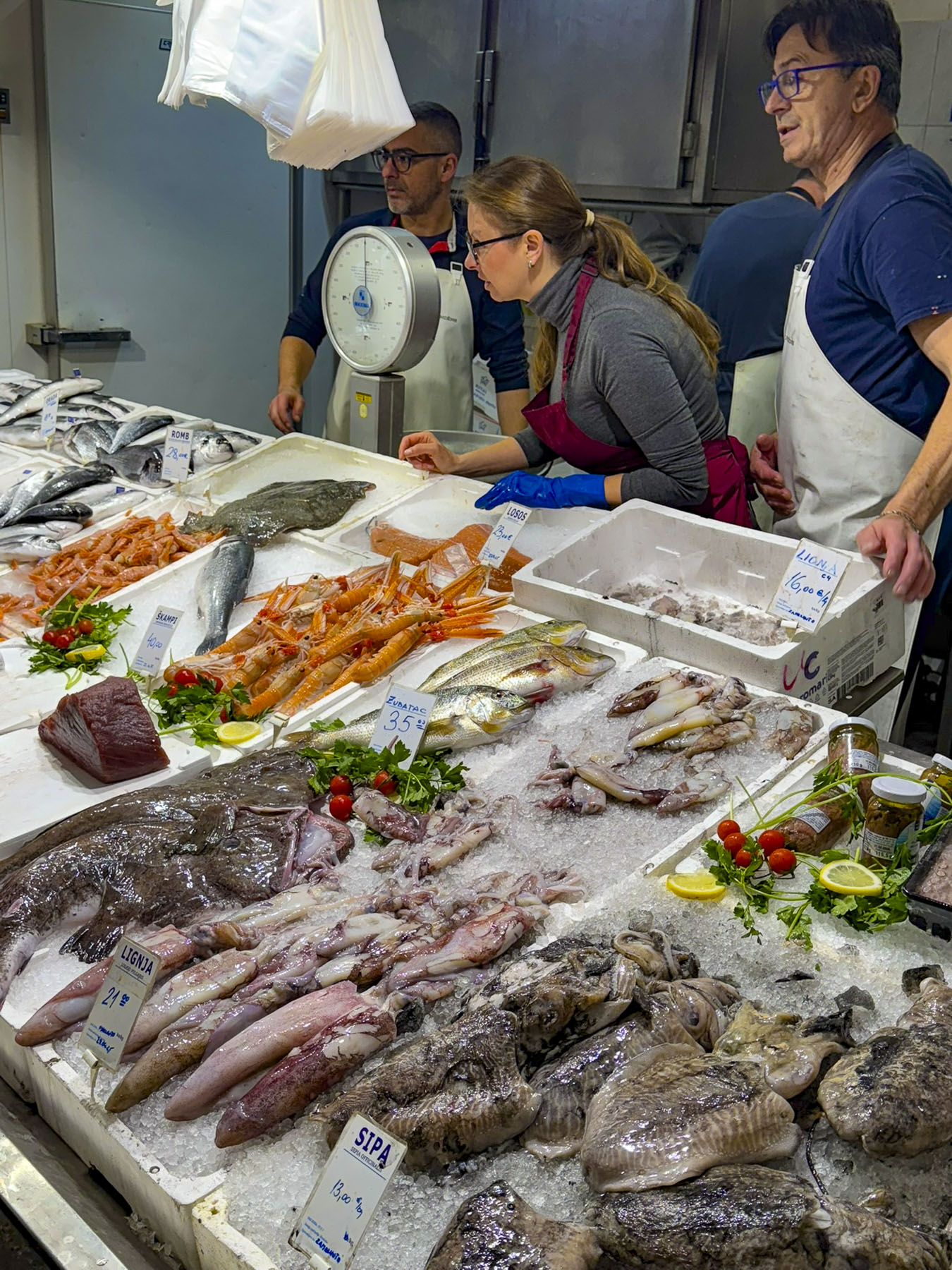
The next morning, in search of breakfast, we headed to Gradska tržnica, Pula’s traditional daily market where the seafood and meat vendors are indoors and the produce and flower sellers are setup outdoors in a shaded park. All the produce in the market looked extraordinary, and we were tempted to purchase some foodstuffs to cook later, but our apartment only had a coffee maker. Excellent pastries and coffee were found at Mlinar, an Adriatic region bakery chain, which we ended up visiting frequently during our road trip through the Balkans.

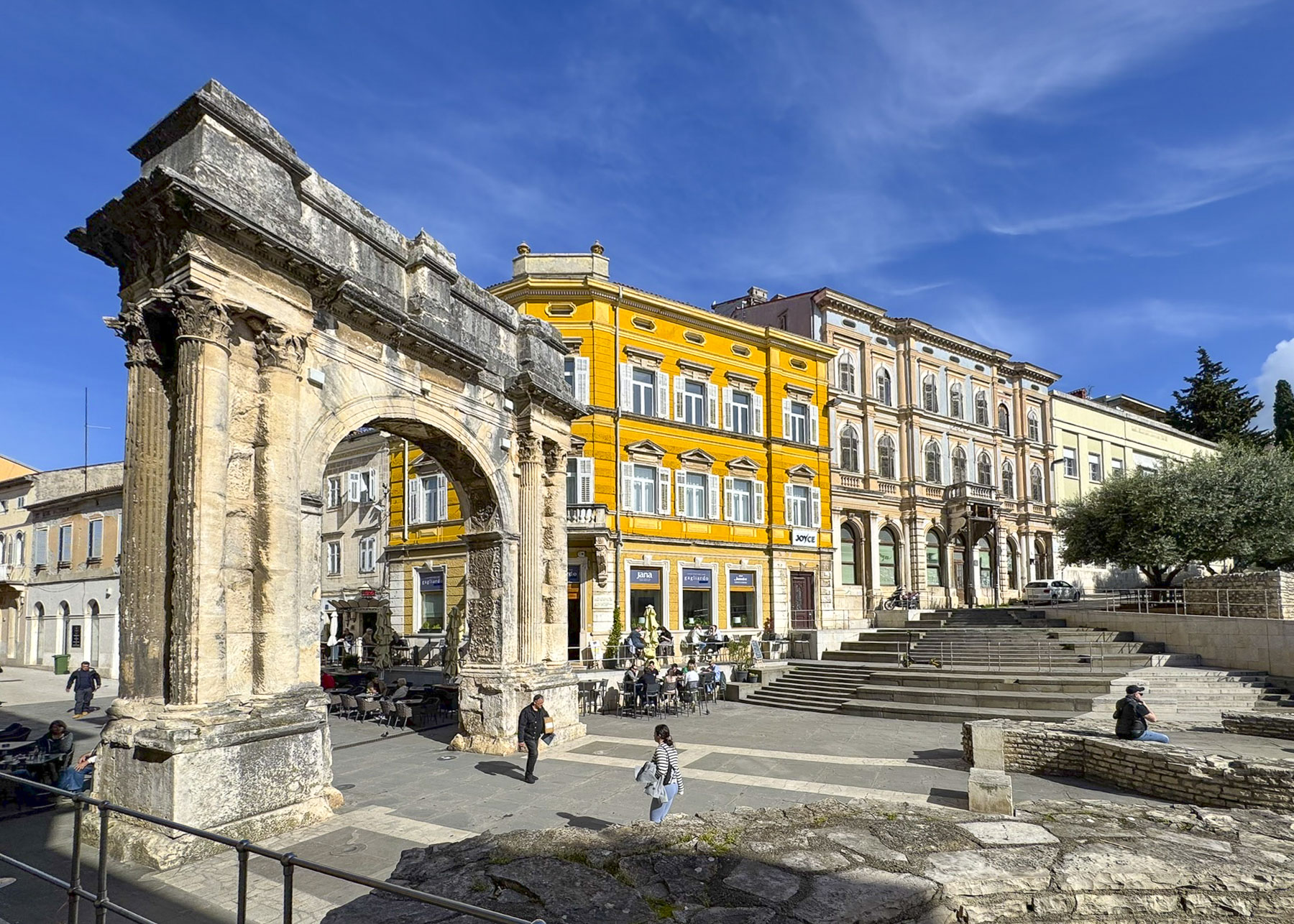
Our route took us through the Arch of the Sergii (29 BC), a Roman triumphal arch, and main gate through Pula’s defensive wall, which once stood around the city.  The ramparts were dismantled in the early 19th century, when Pula was an important naval base for the Austrian Empire, and the prosperous city needed room for expansion.    

Back-tracking through the arch we walked along the pedestrian only Sergijevaca Street, Pula’s main shopping lane, to the old Roman Forum.  After 2000 plus years, the plaza is still surrounded with ancient buildings that include the 2BC Temple of Augustus, and a 13th century Communal Palace, now used as Pula’s City Hall, and remains the center of activity in this historic town. Cafés with outdoor tables lined the perimeter of the square, though the popularity of each seemed to change during the day as people sought tables in the sun to help relieve the chill of an April day. Across from a busker, folks queued up to lend an artistic hand to the painting of two large fiberglass pisanice, Easter Eggs, as part of a fund-raising event.

Farther along the lane, which is now called Kandlerova, curved with the base of the hill below the Kaštel, and opened into a smaller plaza in front of the Cathedral of the Assumption of the Blessed Virgin Mary, Pula’s main church. It was constructed in the 4th century over the foundation of an earlier Roman temple dedicated to the mythological god Jupiter. In the early 1700s, masons reused stones taken from the colosseum to construct the free-standing belltower in front of the church.

Next to the church was Park Jurja Dobrile, a quaint patch of greenery across from the promenade that stretches along the harbor.

It was very easy to enjoy Pula’s sites in a day and a half, so the next morning we set out for a day trip to Rovinj, less than an hour away. Olive groves and farmland graced our route through the verdant Istrian countryside.

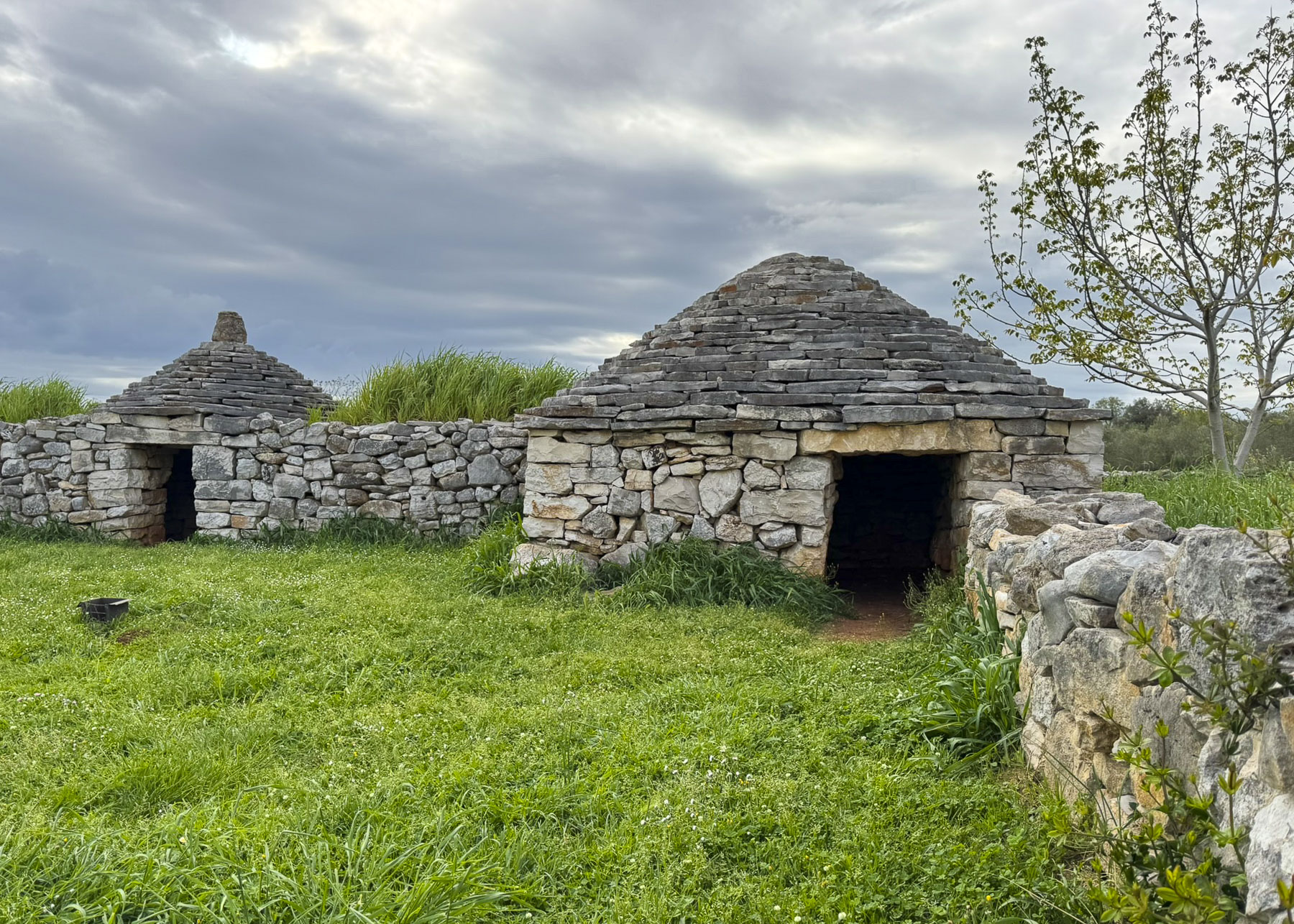
In the fields just beyond Vodnjan we noticed small round stone structures with conical roofs called Kažun. They were very similar to the Trulli we saw several years ago in the Puglia region of southern Italy. Though they share the dry-stone construction technique used to build the Trulli, the Kažun in the Istrian region are much smaller, and were mainly used to store crops, keep animals, and provide temporary shelter for farmers.

Like Pula, parking in Rovinj was limited and the large municipal lot, on the quay nearest to the old town, filled up quickly, even during the shoulder season. Fortunately, we found a parking lot on Vijenac braće Lorenzetto, a little farther away.  From there it was a steep uphill walk until we reached Crkva sv. Franje, the Church of St. Francis, and its Franciscan Monastery which date from the early 1700s.

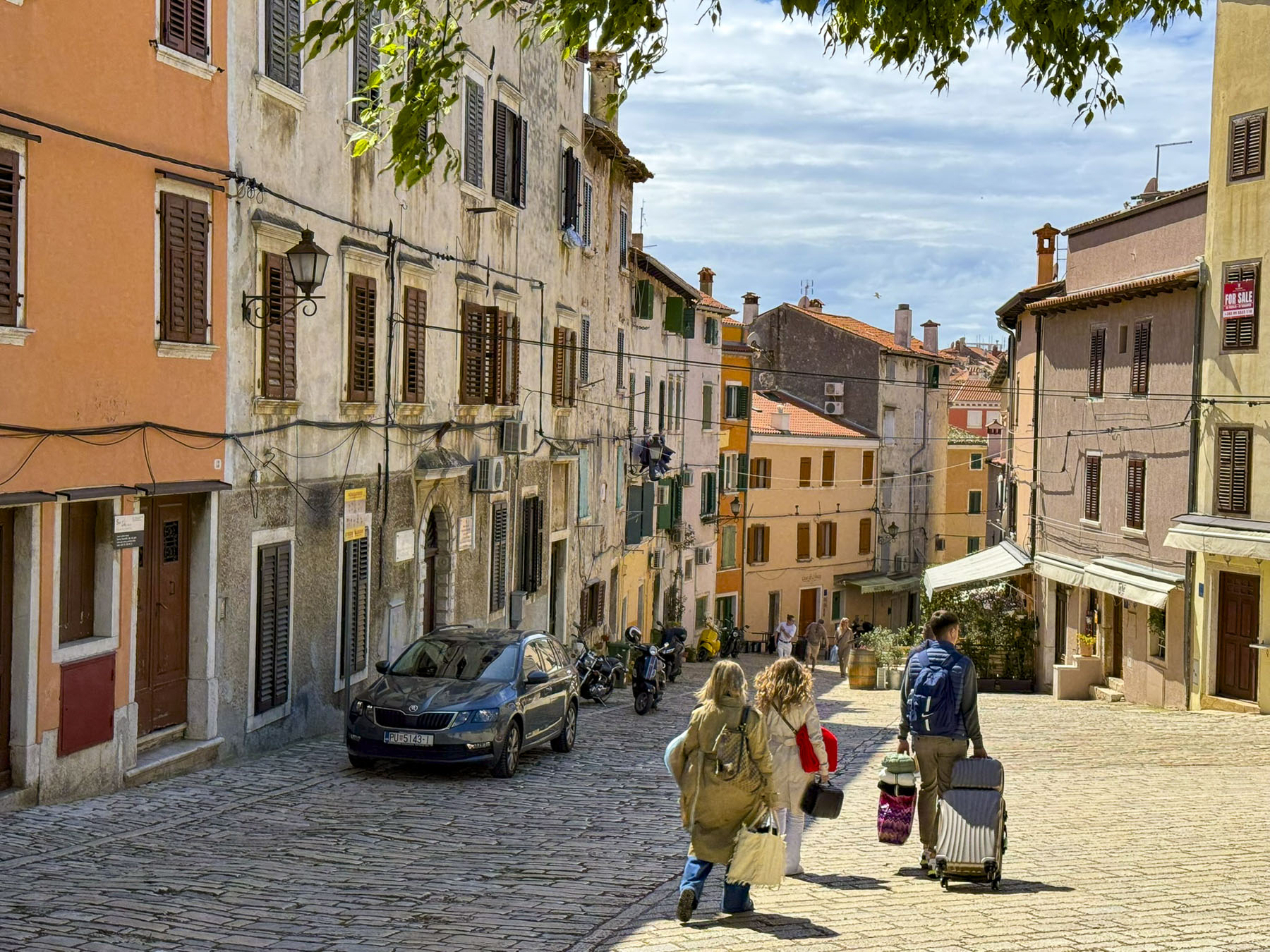
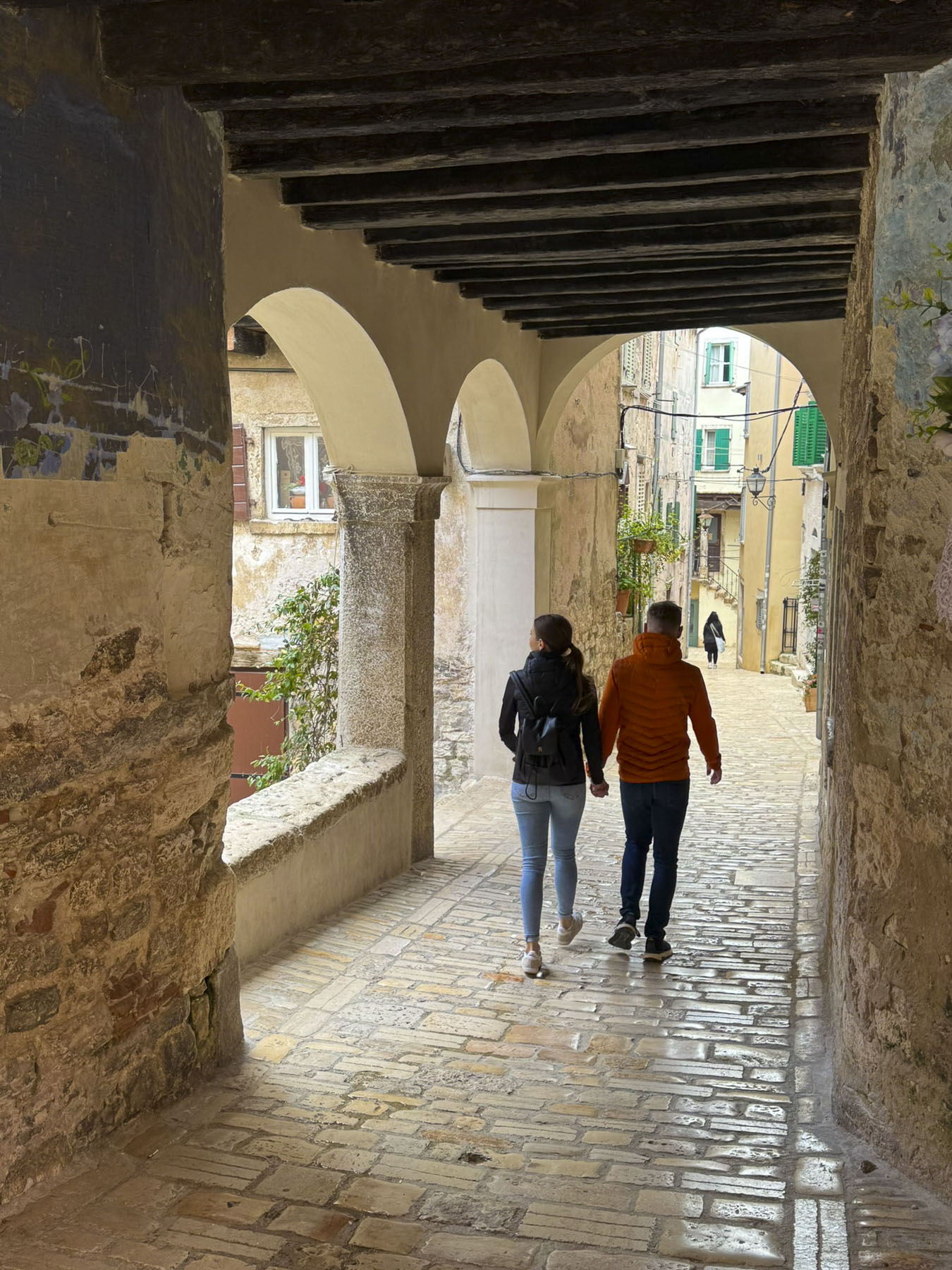
The rattling of suitcases pulled across ancient cobblestones by vacationers heading to their hotels accompanied us downhill. Surely an annoying sound, and we wondered if it was any better or worse than the hoofs of donkeys or horses, and wagon wheels clattering across the stones centuries ago.

This lane from the church passed several restaurants, but the wonderful aroma originating from Fish House Rovinj encouraged us to stop for lunch. It’s a tiny no frills seafood bar with limited seating on bar stools inside and along the wall outside. All the fish is locally sourced and purchased fresh every morning at the docks. We tried fried calamari, grilled shrimps and fish tacos. Every dish was delicious. Their staff were very nice, and the menu was extremely budget friendly considering Rovinj is a top tourist destination. The place should definitely be considered a destination spot when visiting Rovinj.

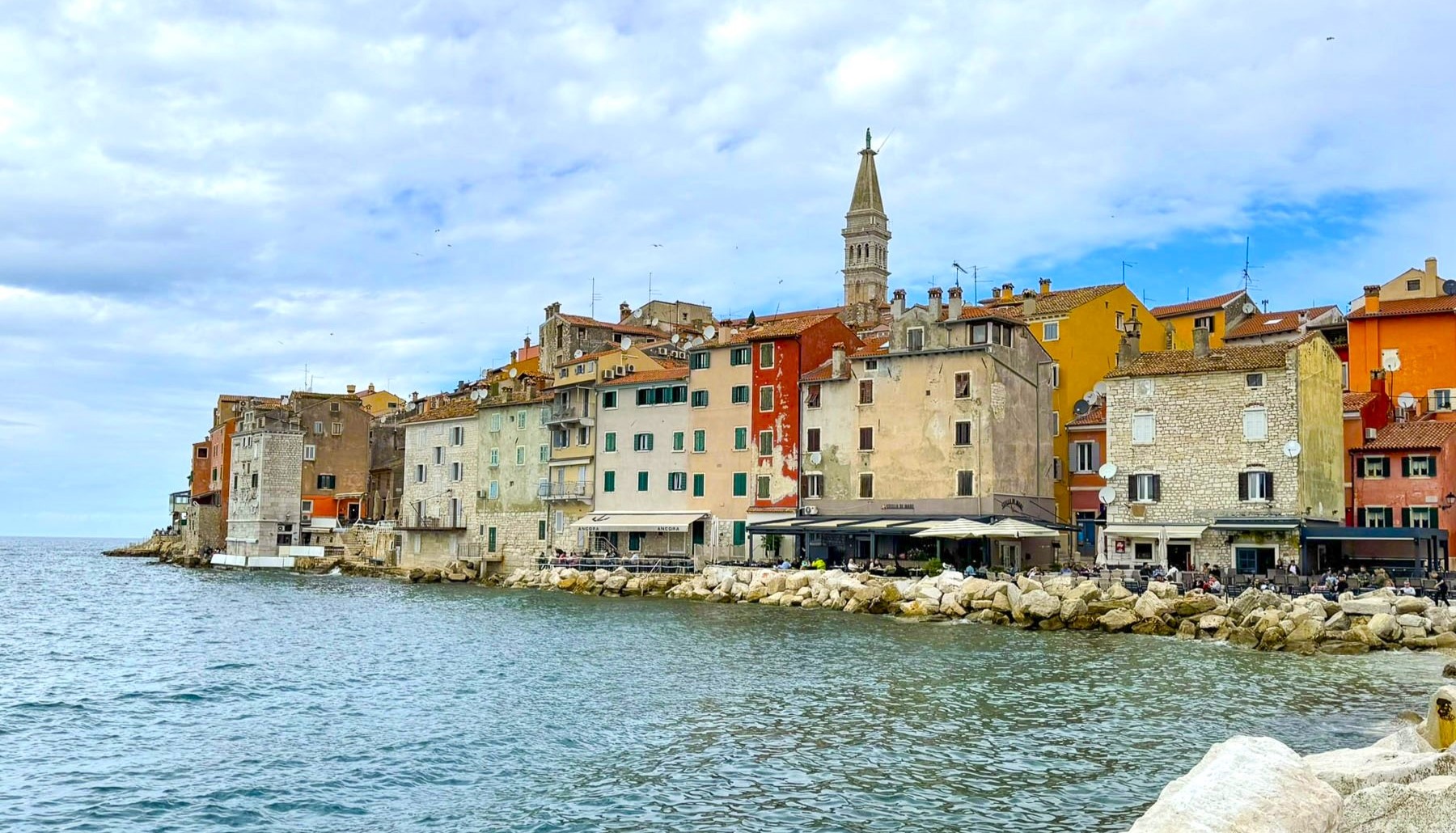
The attraction of Rovinj is its beautiful location on a small headland, that juts out into the northern Adriatic Sea, every square foot of which is covered with picturesque buildings which cascade down to the water’s very edge. The iconic picture of this 16th century merchant and fishing town is taken from the sea and captures the town, centered with the belltower of St. Euphemia’s Church at its apex, as if it was an island floating effortlessly on a horizon that seamlessly merges the sea and sky. The town was in fact an island until it the channel separating it from the mainland was filled in 1763, when the town was part of the Austrian Empire.

We had hoped to take our own pictures of the town from the sea, but the weather we felt was too cloudy to justify the expense of the boat trip. We contented ourselves instead with wandering along the harbor front before entering the old town through Balbi’s Arch, an old  Venetian gate, to the once walled citadel, before following the twisting stone lanes up to St. Euphemia’s Church.

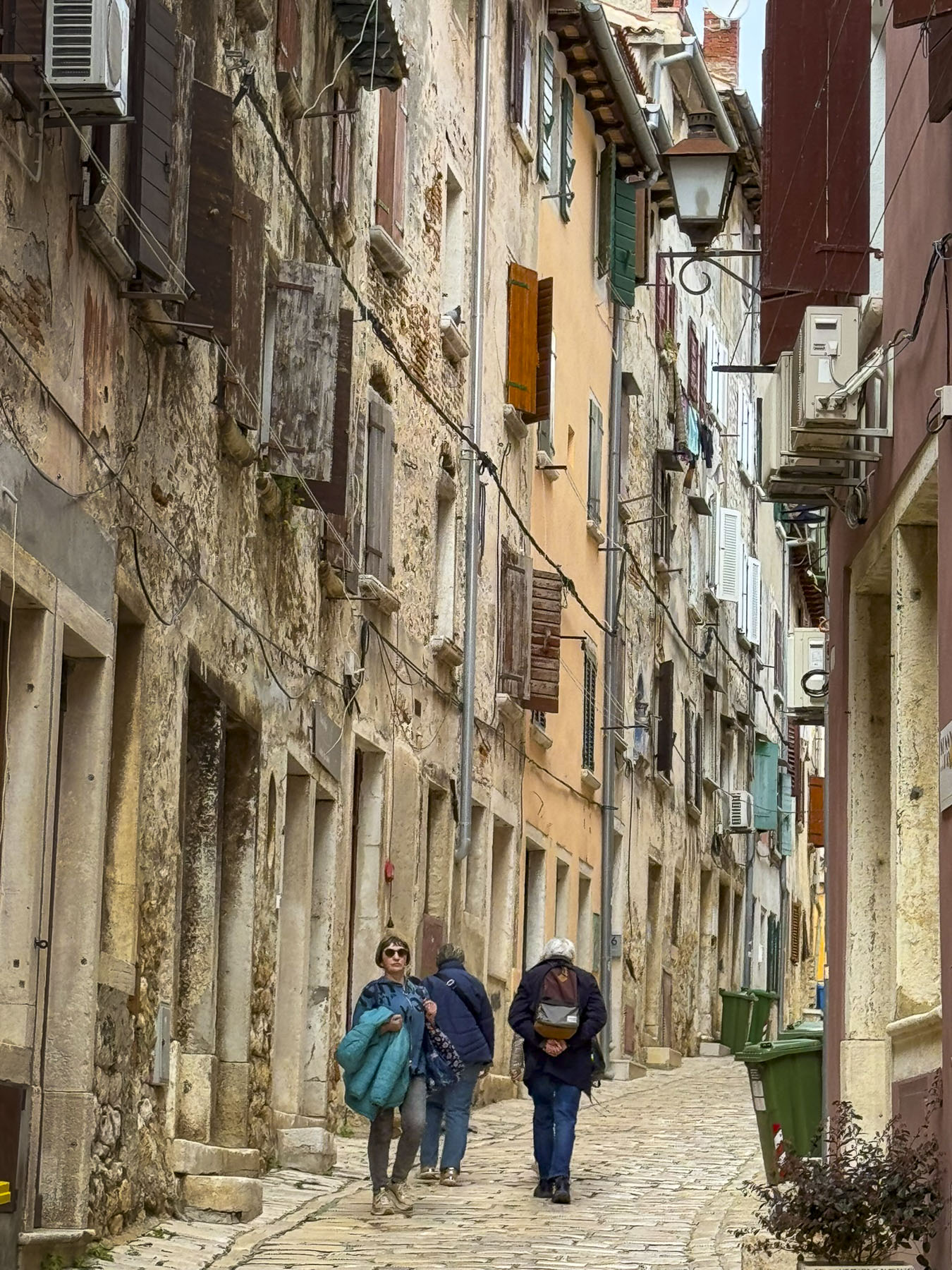
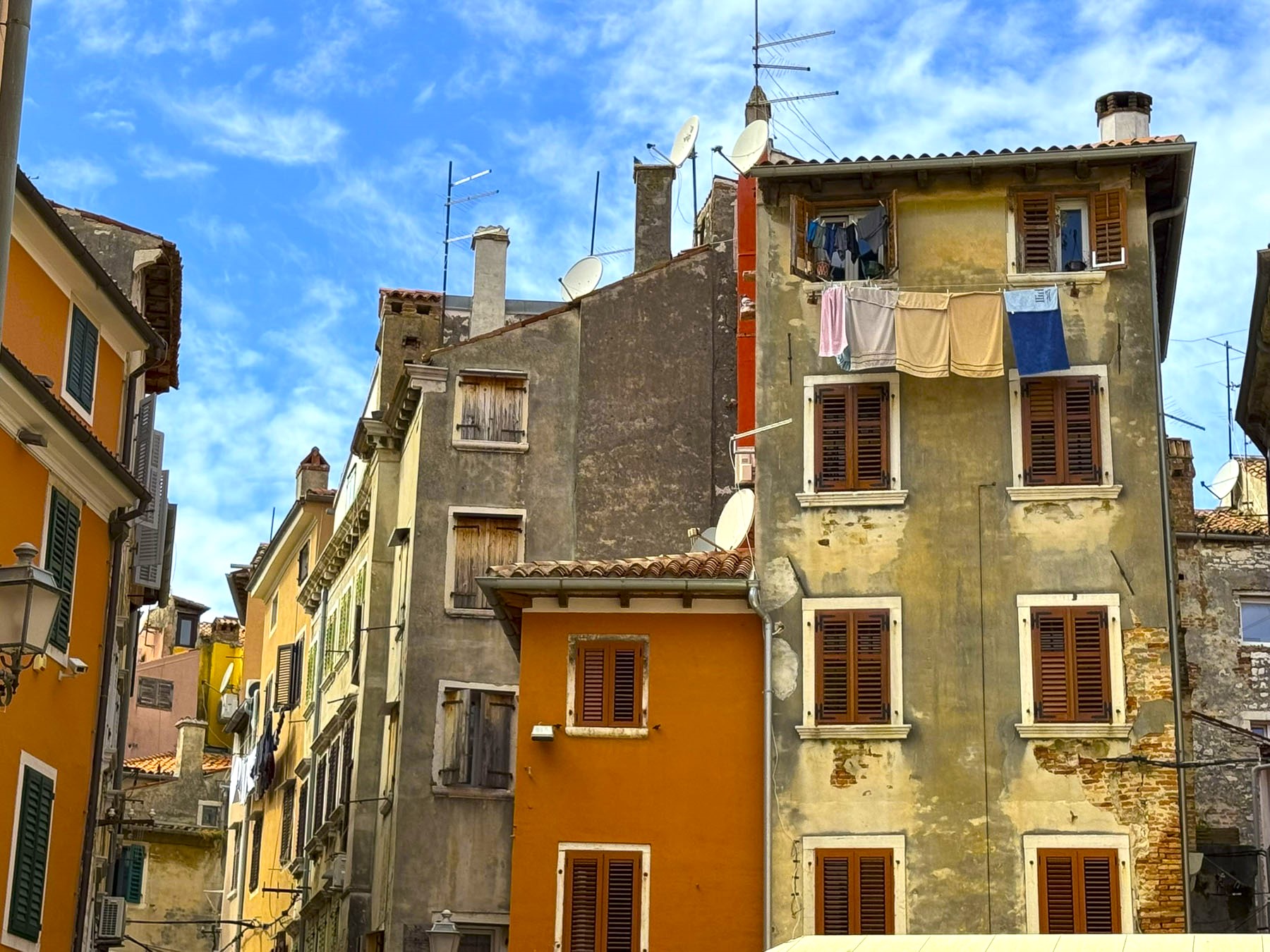
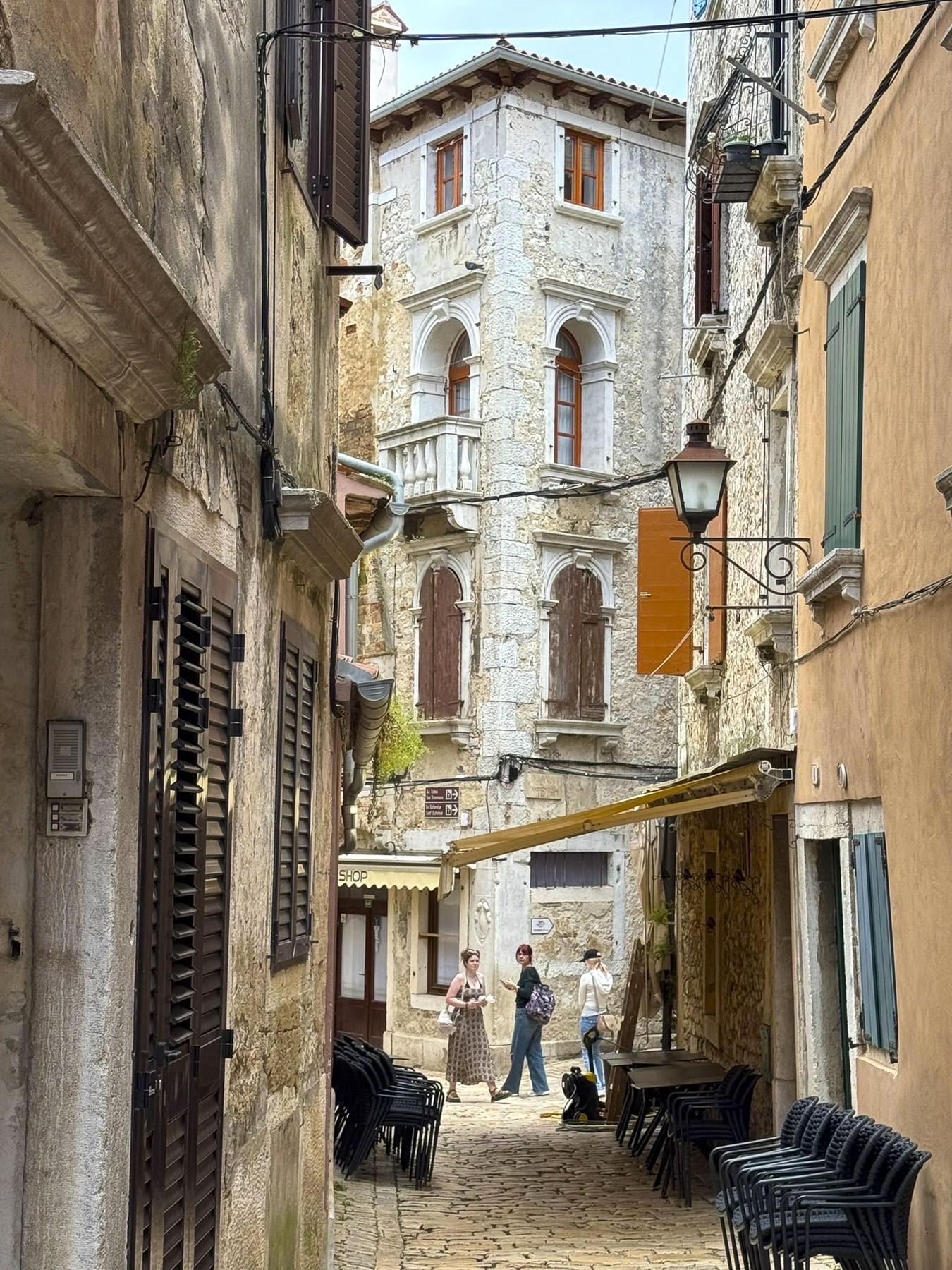
The old town was charming, and while many of the alleys have been gentrified with upscale shops and lodging above them, several retain a rawness, similar to the historic quarter in Naples, Italy.

The lanes to the top of the hill twisted and rose before ending at a large plaza in front of the church. This church was constructed in the mid-1700s, to accommodate the growing city, over the foundation of a small church dedicated to St. George which was built in the mid-300s when the region adopted Christianity.

But part of the reason for the new church was to honor the miracle of St. Euphemia, a 4th century martyr, executed by the Eastern Roman Empire in Constantinople, before the empire adopted Christianity. The legend of St. Euphemia’s sarcophagus arrival to Rovinji  begins during the 700s Iconoclast heresy, when Emperor Constantine V, ordered her relics thrown into the sea. One hundred years later “fishers early one morning discovered a marble sarcophagus which had floated ashore like a stone ship. The townsfolk enlisted their strongest men, horses and oxen attempted  to pull the tomb off the beach, but to no avail.  

Miraculously, the saint presented herself to the crowd and singled out a small boy and said, “I am Euphemia of Chalcedon and I have engaged Jesus by blood. You will pull the stone ark with your body to the church at the top of the hill.” Awed, the crowd parted and watched the child pull the amazing weight of the tomb uphill. There priests slid off the tomb’s top and revealed the motionless body of a beautiful 14 year old girl. Next to her was a scroll of parchment paper with these words written on it: Hoc est corpus Euphemiae Sancte. “This is the body of Saint Euphemia.” Saint Euphemia is now the patron saint of Rovinj and her feast day is celebrated every September 16th, the day her sarcophagus floated ashore.

We had great experiences in Pula and Rovinj, and enjoyed learning about their fascinating history and legends.

Till next time,

Craig & Donna
Zadar: The First Stop on Our Balkans Road Trip Through Croatia, Slovenia, & Bosnia and Herzegovina

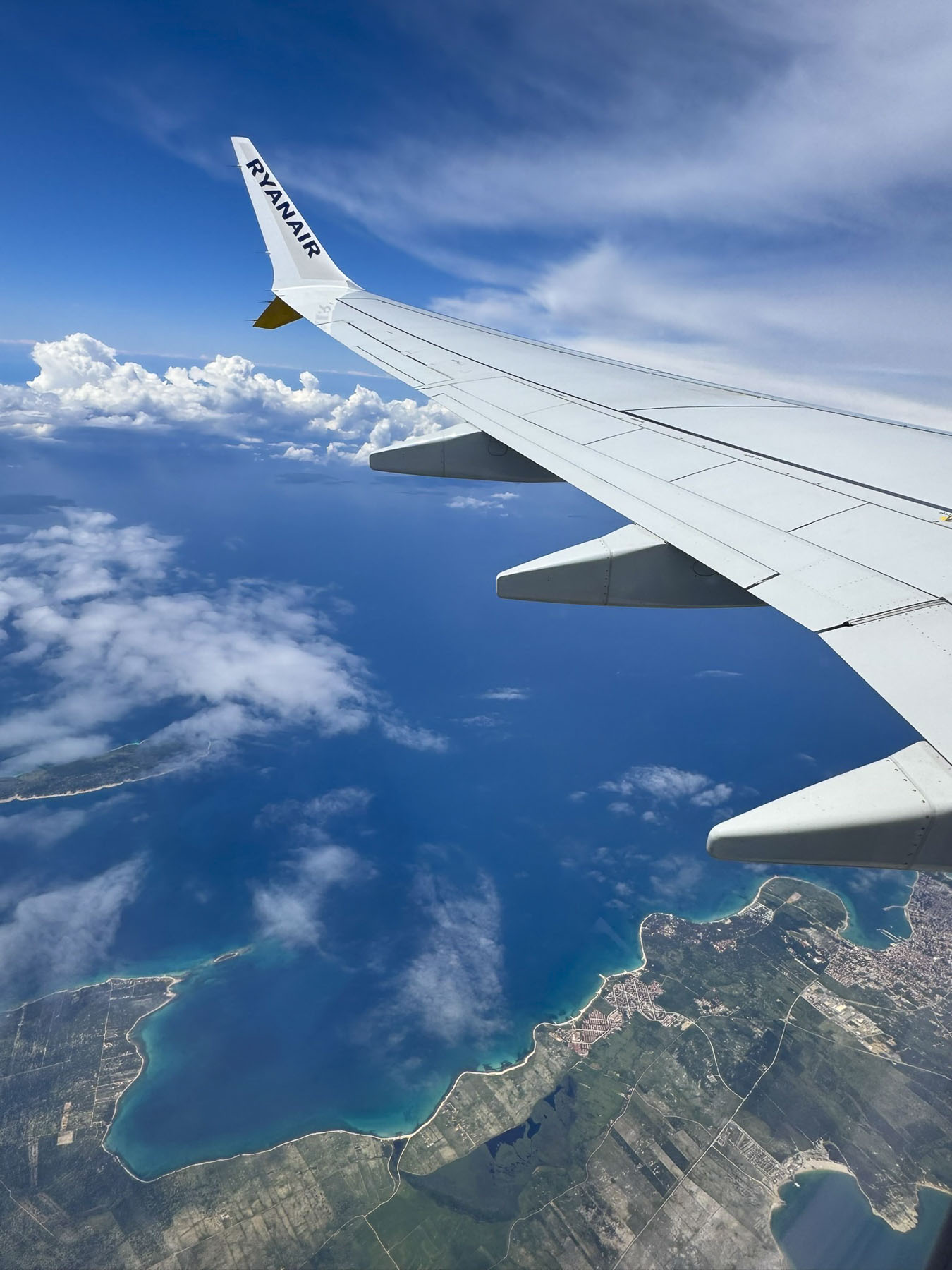
Peering down at the shimmering cobalt and turquoise blue water of the Adriatic Sea relieved the previous day’s anxiety of nearly missed connections. We encountered a long delay at passport control in Paris, before catching our connecting early morning flight to Zadar.

This temporary reprieve was short lived though, as we were confronted with a shuttered rental car window at the Sicily By Car booth, directly across from the small Zadar terminal. It was a Sunday morning – maybe the service at church ran long, or the coffee and pastries at the café were particularly delicious; nevertheless, the other passengers on our early morning flight who had rented with other agencies were long gone. At the terminal’s outdoor café we sipped coffee, waited, and discussed whether or not to cancel our existing reservation.  An hour passed before a car parked behind the booth, and the shuttered window was noisily cranked open. A pleasant young woman greeted us, and the morning’s delay was forgotten. Years ago, we began the habit of asking attendants at the rental car counters for suggestions to non-touristy places to eat. It appears it’s an unusual request from a customer, but folks seem pleased that we sincerely ask for their opinion. “Let me think on that, and by the time paperwork is done and I show you the car, my colleague and I will have some ideas for you.” With the names of three restaurants and a patisserie, “you should definitely try,” we headed off to see waterfalls at Skradinski Buk National Park in a nearly new small SUV, an upgrade from what we had reserved. The park was our first stop on our three-week long Croatian road trip, before our late afternoon check-in at an apartment rental in old town Zadar later.

The sunny April morning was now overcast as we drove into the small village of Benković to see its hilltop castle, and indulge our “drive a little, then café,” philosophy. Unfortunately, the castle was closed and the town seemed deserted in the pre-tourist season. Down the lane from the castle fig trees were setting their fruit and the first flowers of Spring were blooming. The café remained an unfulfilled desire.

We love traveling during the shoulder seasons to avoid the crowds of summer. But one of the drawbacks is fewer, if any, restaurants/cafes are open, especially in the more rural areas.

The drive to the park along Rt56 was semi-desolate, but pretty in an austere way, and passed through Croatia’s garigue shrublands, olive groves, and pine forests. From the road as we drove past Skradin, we could see large charter yachts at their winter moorings on the Krka River, two miles from the sea, sheltering there from fierce Adriatic storms, as they waited for the warmer cruising season to start.  Across the river the road zigged and zagged up the mountainside before leveling off on a high plateau.

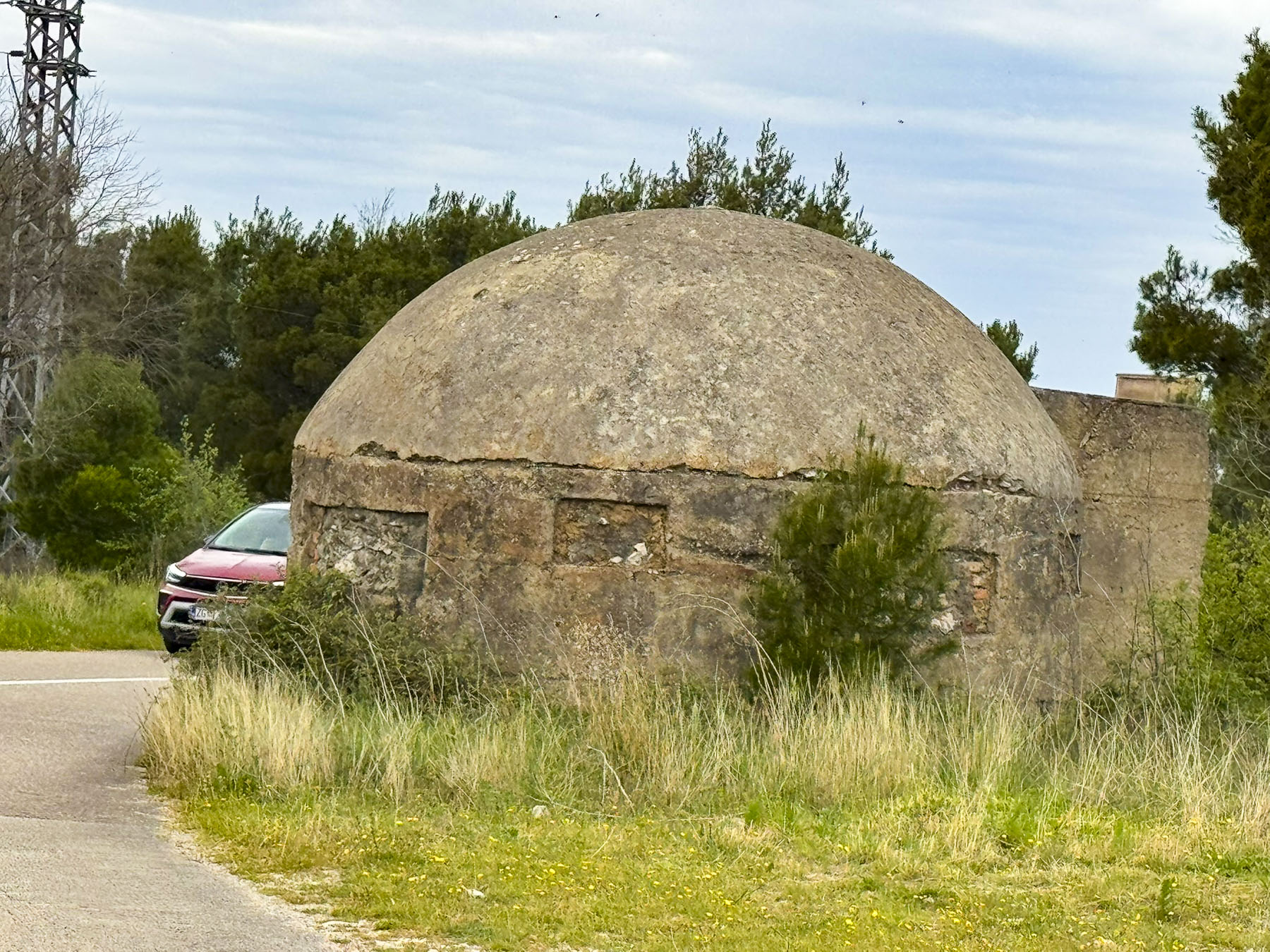
Following the signs to the national park we drove down a side road which passed a sprawling abandoned factory site, fronted with several concrete military bunkers. They were relics from the Cold War era like the ones that dot the landscape in Albania. Built in the 1930s, the IVANAL d.o.o. plant was the Balkans region’s first state-of-the-art aluminum processing complex that employed 400 people. It was confiscated by Czechoslovakia’s communist regime in the 1940’s and never upgraded or maintained. Over the decades production fell until the plant was closed after Croatia’s independence in 1991.

The parking lot at the national park was very full, considering it was a chilly Spring Sunday, but the queue at the ticket booth moved quickly. While the falls are quite a distance downhill from the entrance to the park, some folks chose to walk a route through the forest to forage for the wild asparagus that sprouts along its path from March to May.

We opted for a ticket that included a shuttle bus ride to the largest waterfall, Skradinski Buk, at the bottom of a series of equally impressive waterfalls on the Krka River, then a walk back upstream along the waterway to another shuttlebus stop for a return ride to the top of the park entrance plateau. During the summer months the national park also offers a scenic twenty-minute boat ride from the harbor in Skradin,to the base of Skradinski Buk.

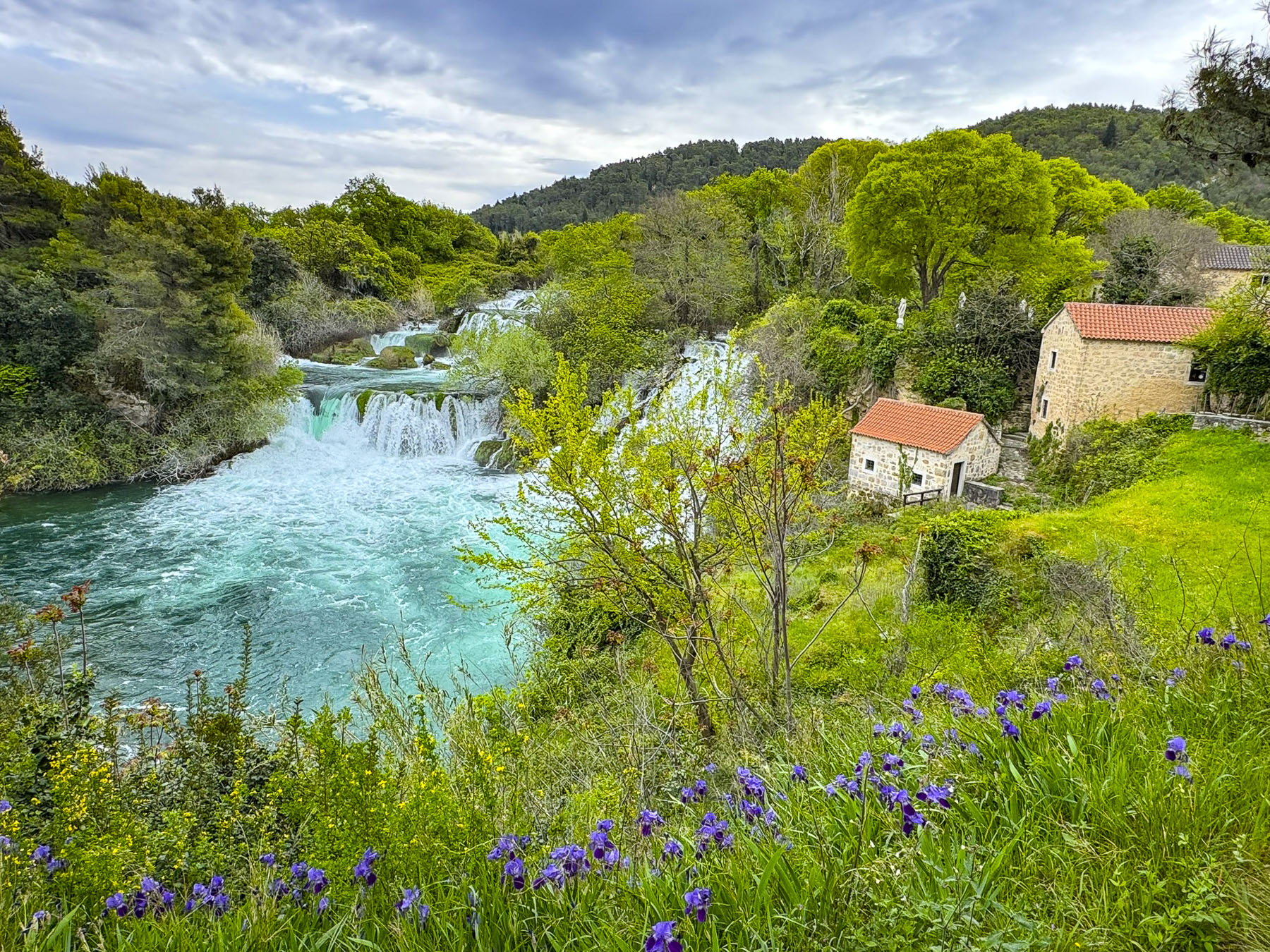
The overcast day was actually the perfect weather condition to photograph the waterfalls without heavy shadows or bright highlights, and the falls were thundering, foaming with the snowmelt from the Dinaric Alps, which run through the coastal Balkans region.

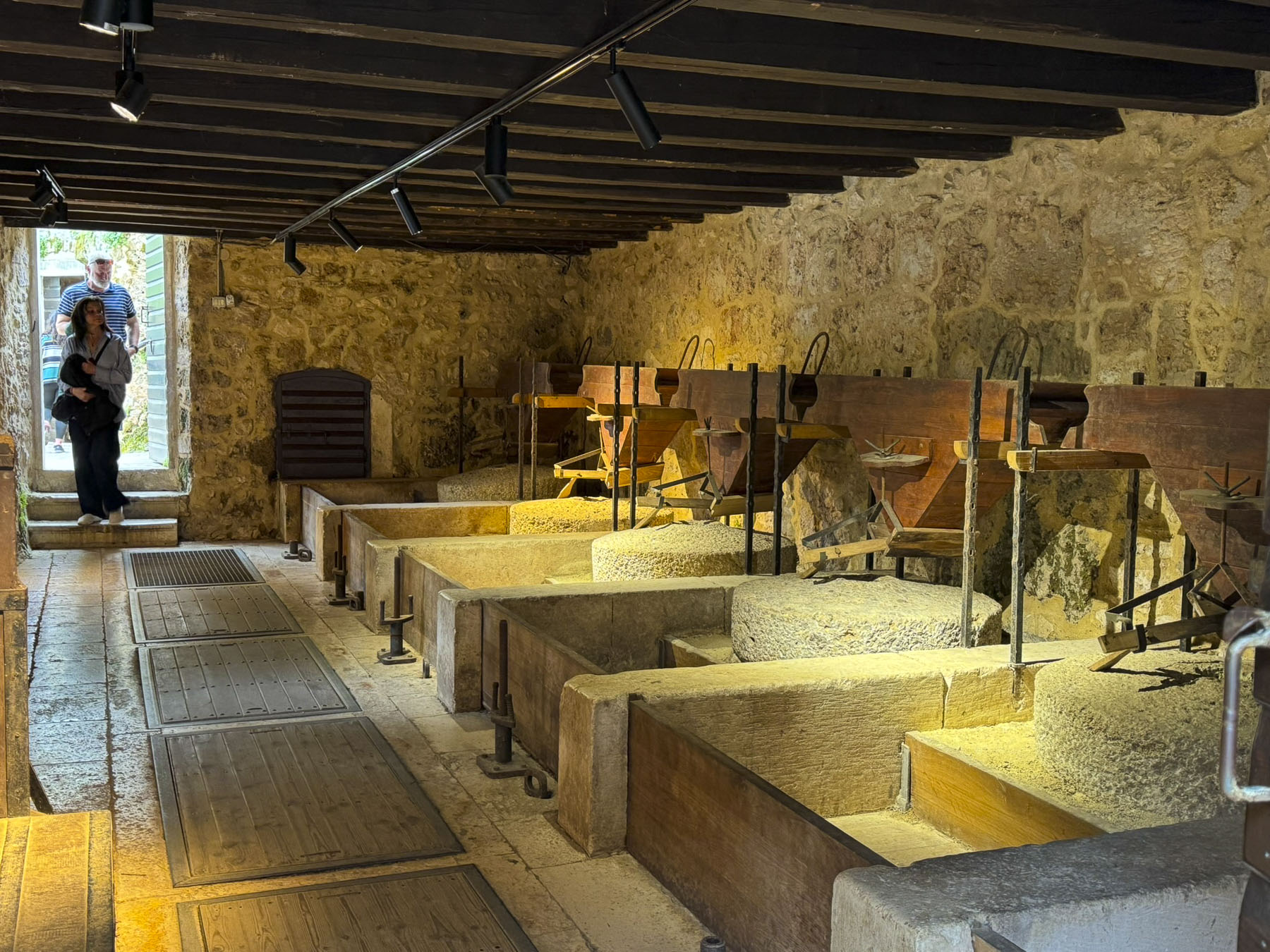
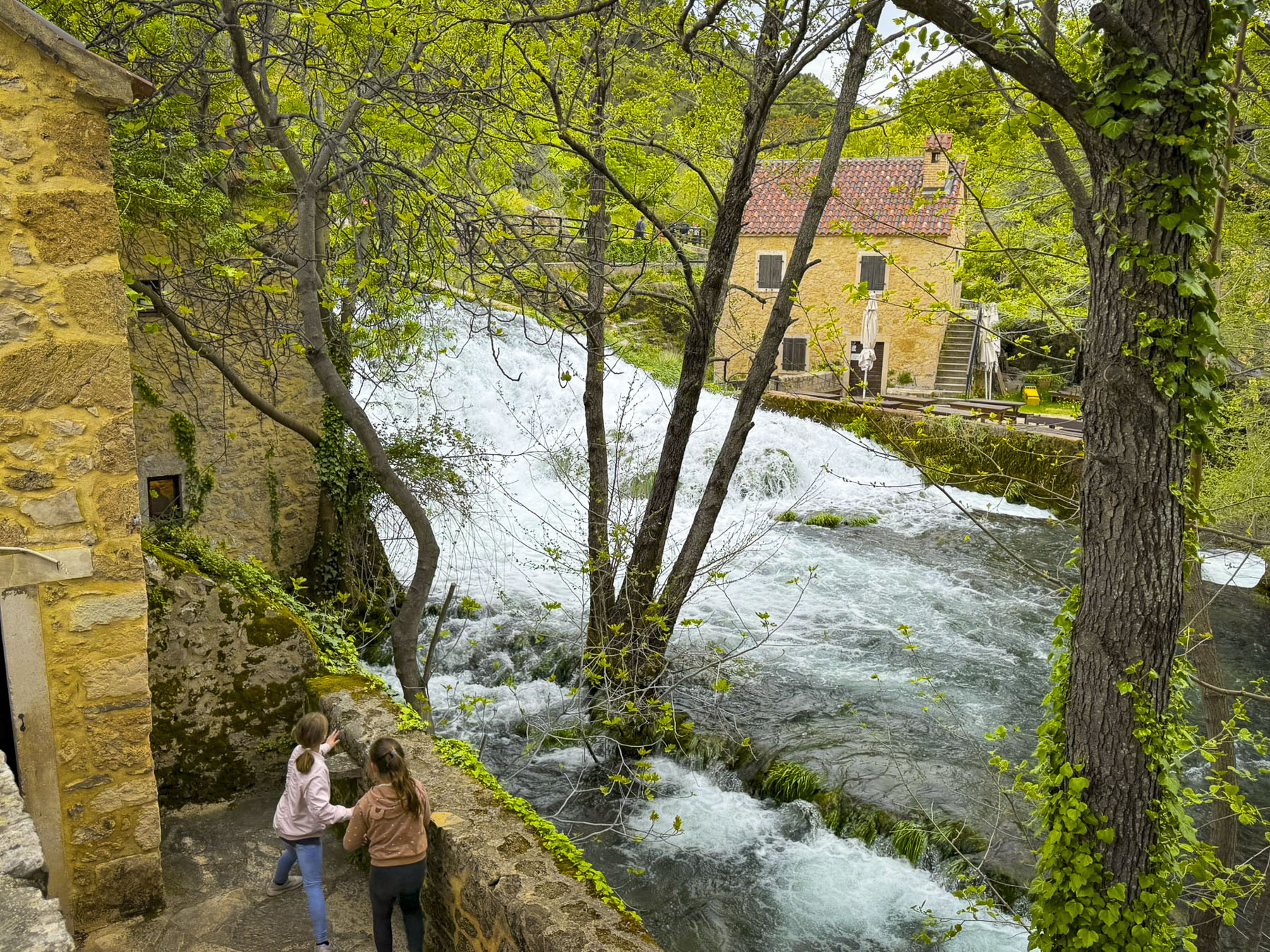
Along the way, we stopped at several restored watermills, with their mill races still intact. They were used primarily to grind locally harvested grain into flour, and to wash processed wool. A blacksmith shop also used a waterwheel to drive its furnace bellows to keep the fire hot enough to work the iron, and to power the heavy trip hammers the smith used to shape tools.

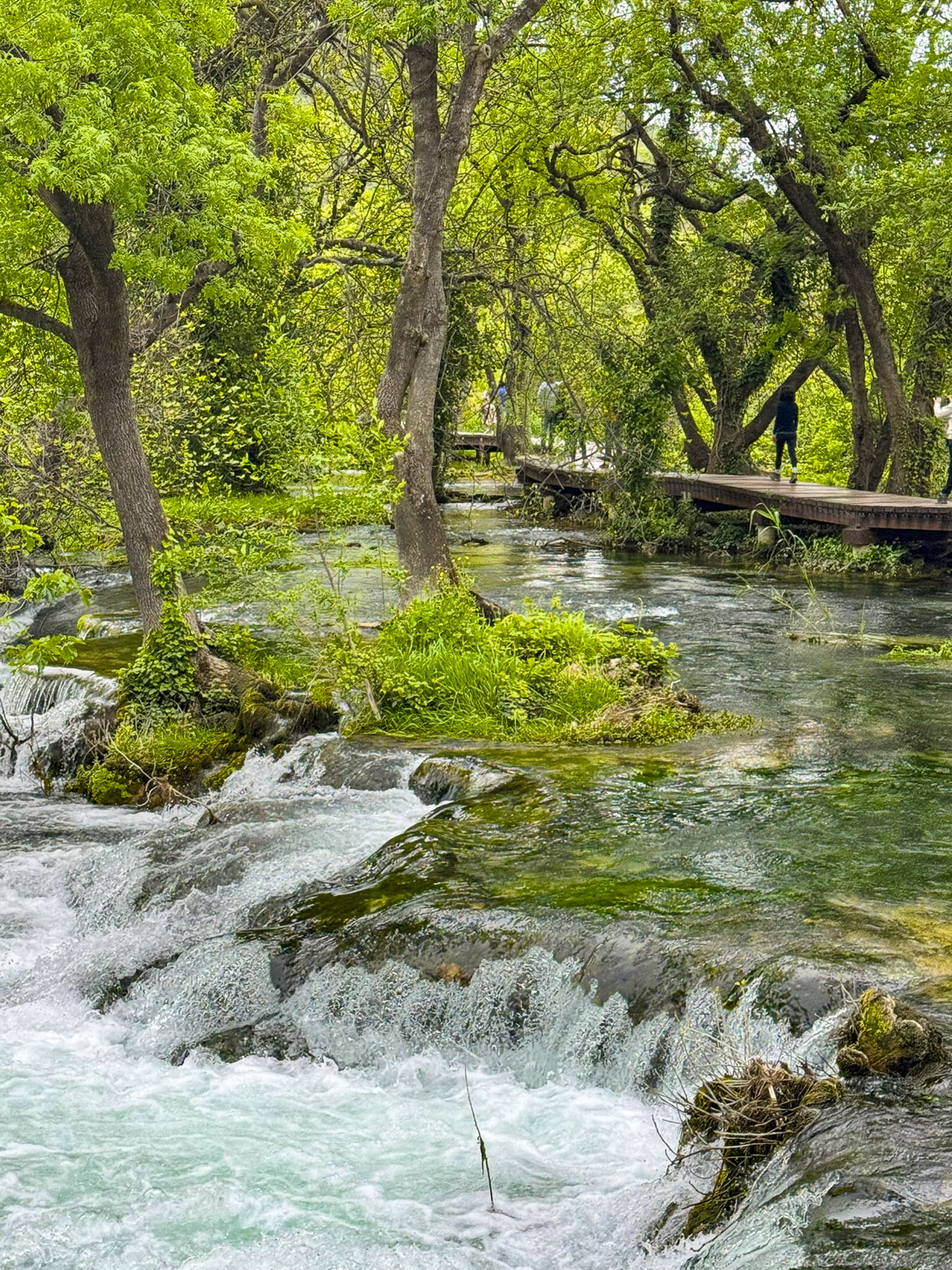
A serpentine elevated wooden walkway, without guardrails, twisted through groves of flooded forest, and kept us dry as the spring runoff rushed below us. It’s important to be aware of your footing in these circumstances, and we always waited at a wider part of the walkway for other folks to pass when the boardwalk was too narrow, to avoid fulfilling my mental image of being swept away down the rapids.

Unlike tourist sites in the United States, where everything is fenced to protect us from injury, in Europe you are expected to be responsible for yourself, and aware of your surroundings to guard against mishaps. We thoroughly enjoyed the waterfalls. We don’t see them in the coastal area at home, since we live nearly at sea level.

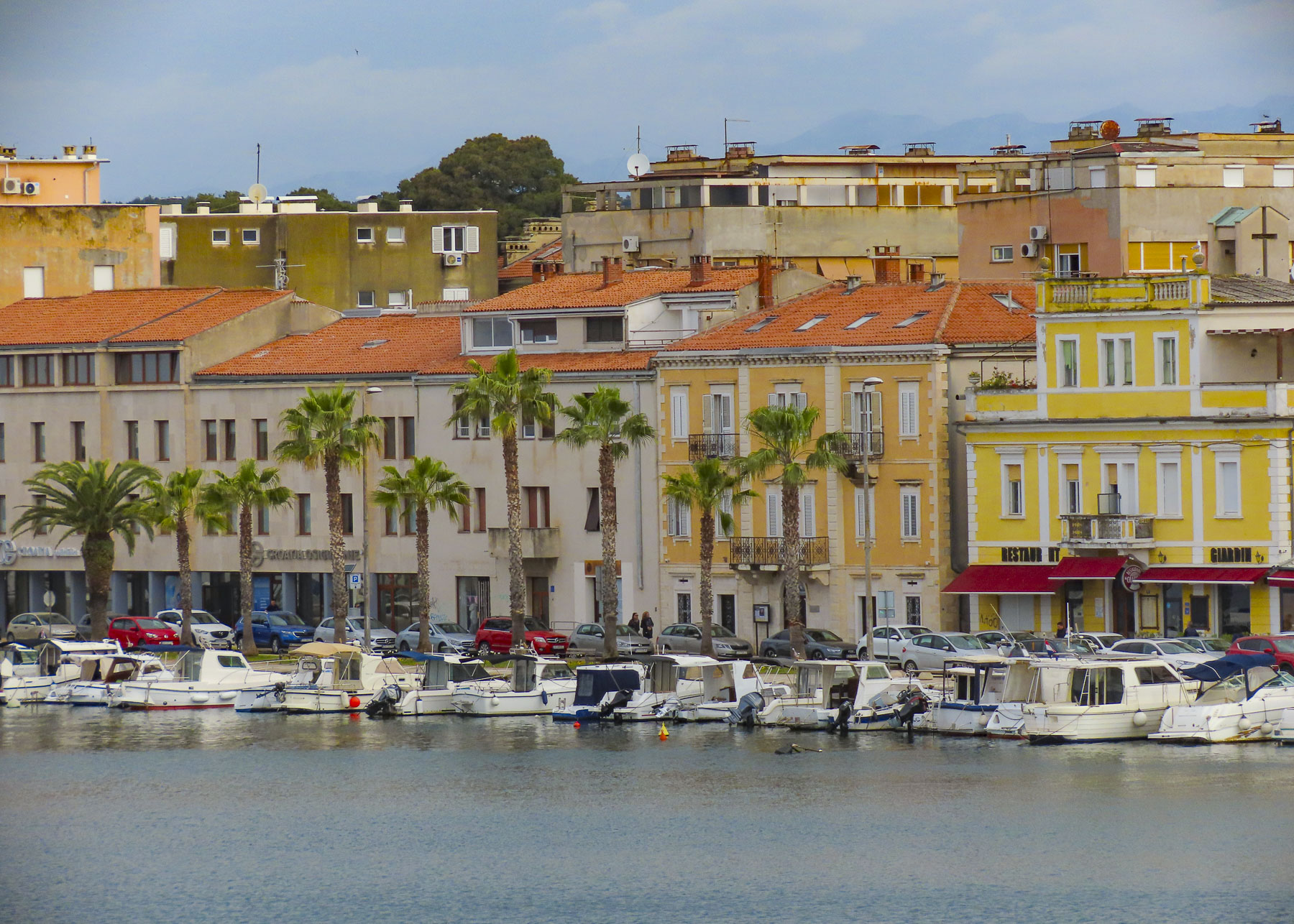
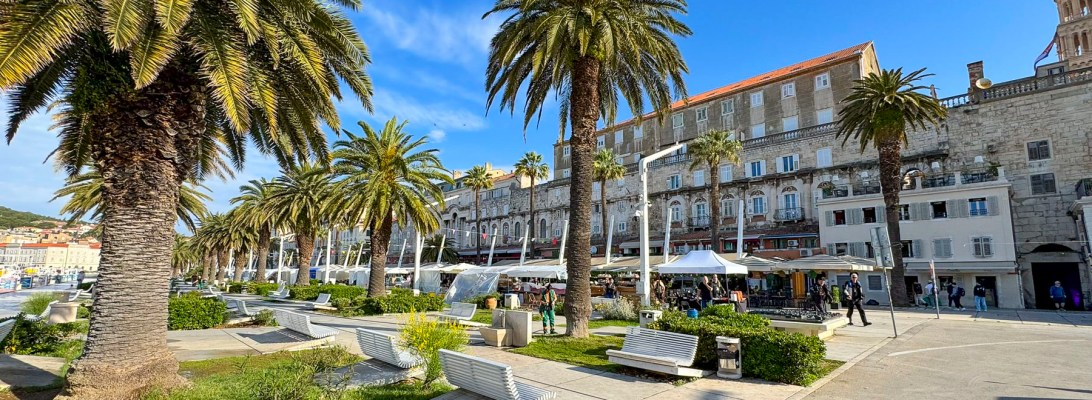
Zadar protrudes into the Adriatic, on a small peninsula, like a thumbs up sign, its once rough coastline now manicured with a sidewalk that follows its waterfront. Parking was challenging, but after circling the old town twice, we found a metered space near the Apartments Donat, our base for three nights. The rooms in the restored 700-year-old building were small. But the location, on a small lane overlooking the Cathedral of St. Anastasia and the Church of St. Donatus, was very convenient.

The manager of the building, who didn’t live on site, kindly made his parking space, next to the building, available to us for the duration of our stay. While having a rental car provides a lot of freedom, the typical 20 euro daily expense of parking in Europe can quickly add up. It’s not always possible, but we try to stay in hotels that provide free parking when we can.

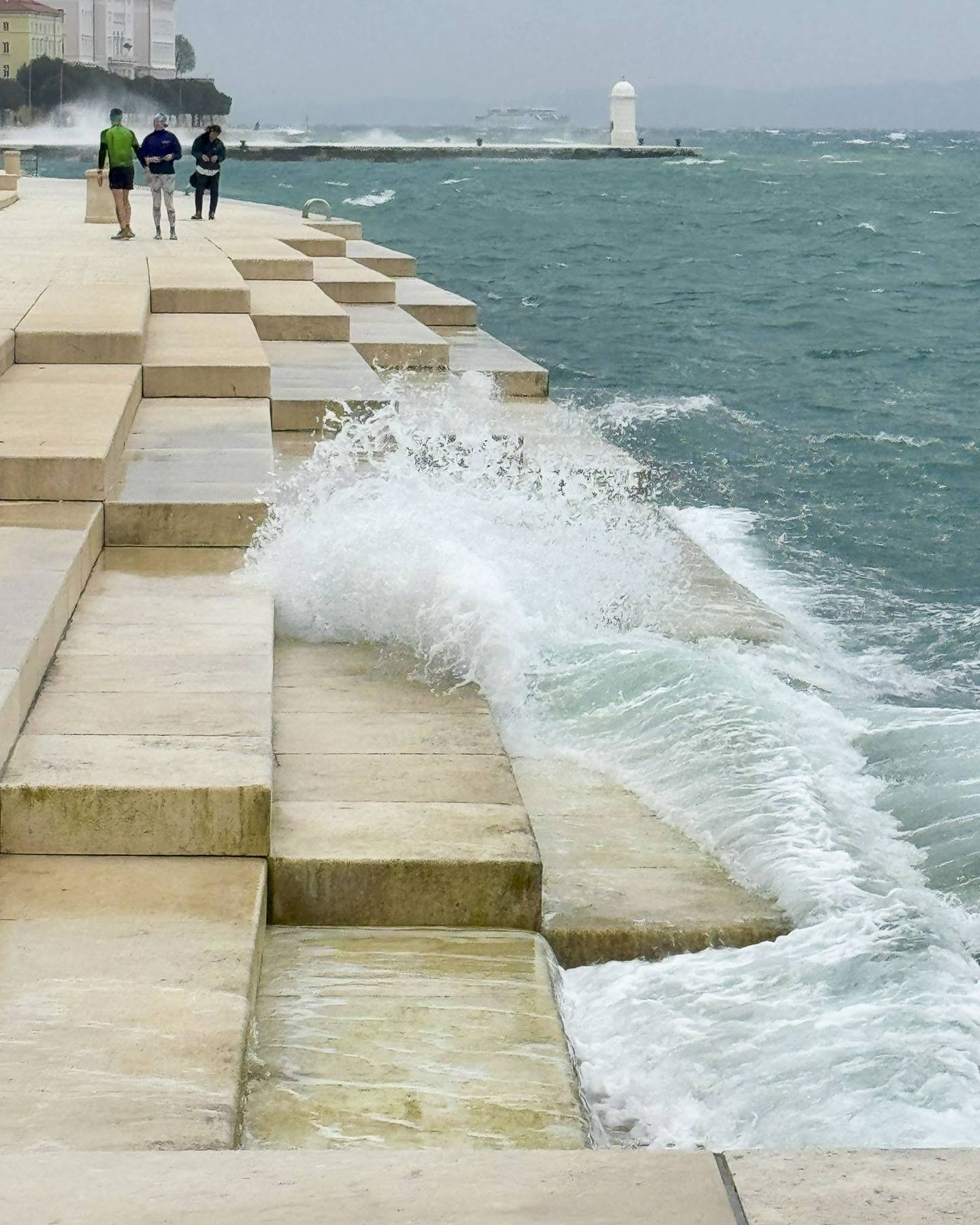
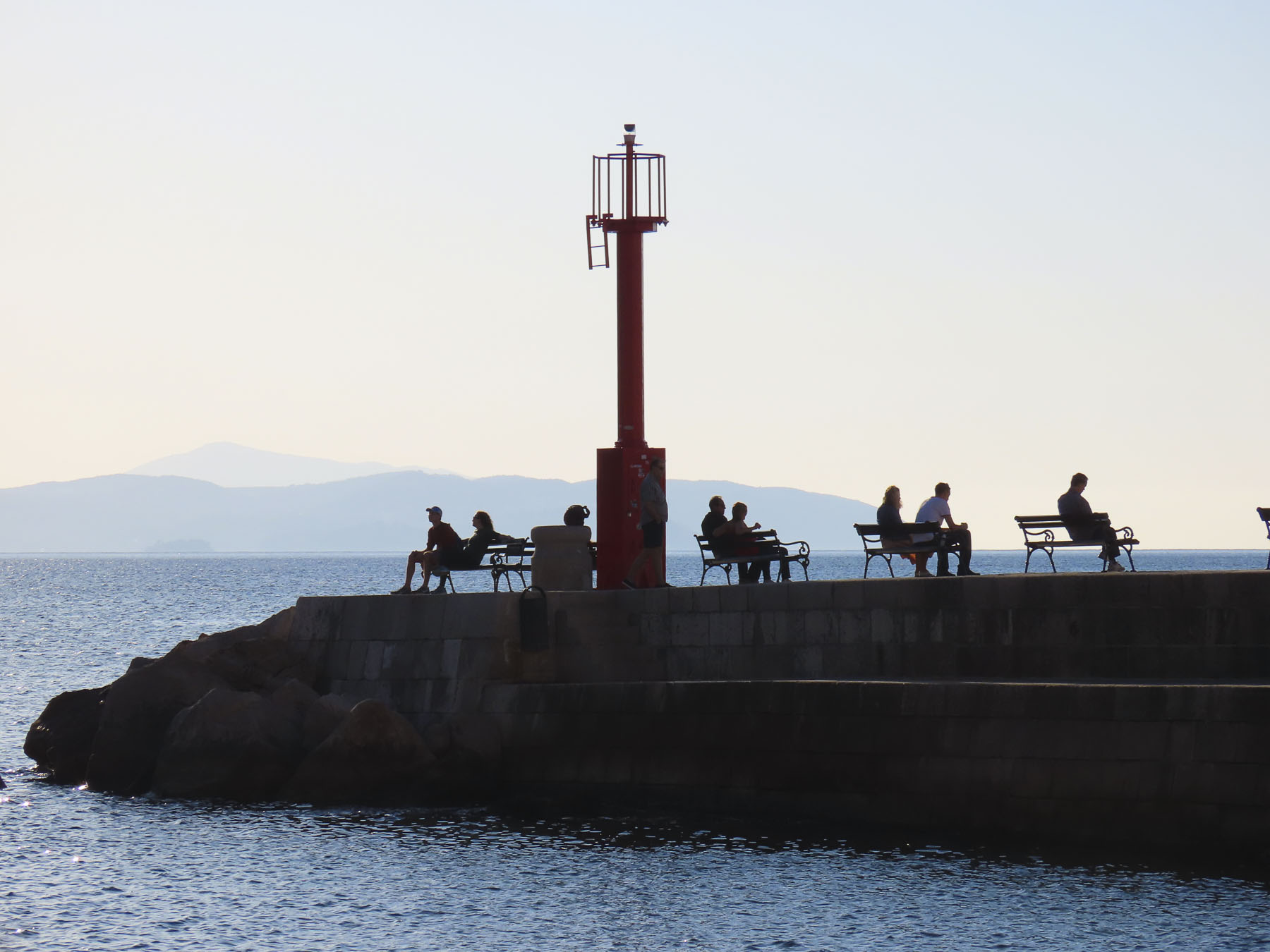
Later that day we walked along the waterfront to Obala Petra Krešimira, a jetty that was being battered by whipping winds and crashing waves, which lifted large sprays of water over anyone brave or foolish enough to venture out onto it.

Nearby, in front of Zadar’s City Hall was Morske Orgulje, the Sea Organ, an experimental architectural sound installation designed by the architect Nikola Bašić and completed in 2005 to refurbish Zadar’s waterfront which had been neglected since the end of World War Two. The design incorporates polyethylene organ pipes under the marble stairs that lead down to the water. The motion of the waves continuously forces air through these pipes to create a “harmonic symphony crested by the wind, waves, and tides,” that is vented through the rise of the steps. Visually it’s a flat surface, but as we walked across the plaza the ethereal music faded in and out moodily with the motion of the turbulent sea.

The Greeting to the Sun, a solar-powered light installation also designed by Bašić, was a short distance away, closer to the tip of the peninsula. It’s a 22m (72ft) wide disc composed of 300 multi-layered glass plates, embedded into the plaza, which you can walk across. The panels absorb solar energy during the day to turn the disk into a colorful light display in the evening.

We hoped the storm clouds would begin to break apart so we could catch a scene from the spot that “Alfred Hitchcock once declared during a 1964 visit to the city as having “the most beautiful sunsets in the world.”  Alas, during our stay in Zadar the mornings were sunny, the afternoons cloudy, and our sunsets stormy and grey.

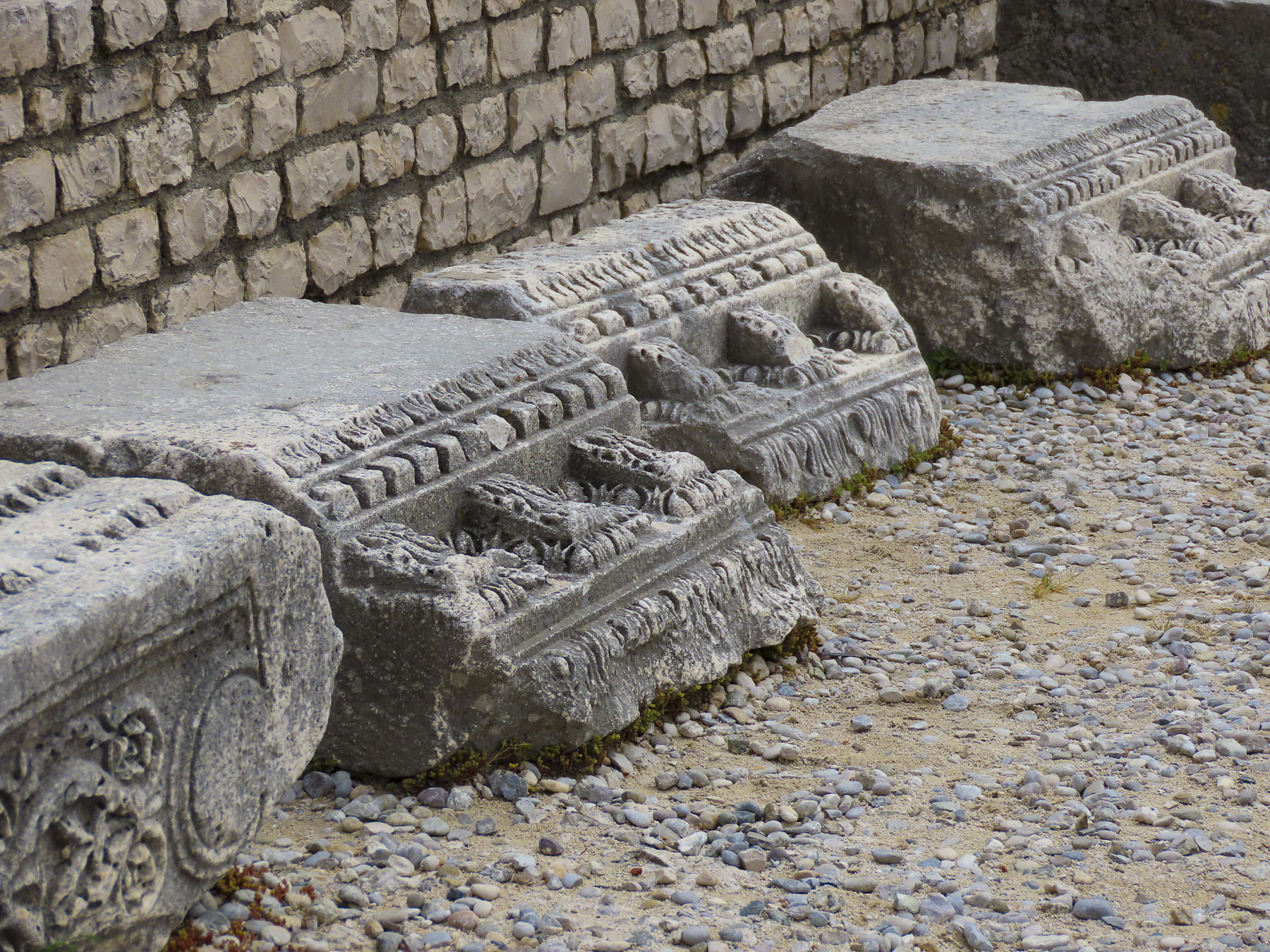
The next morning, we set out to properly explore the town, first stopping at the Roman Effigies, a collection of column sections and decorated capitals from the ancient Roman Forum, which stood in the area of Piazza Papa Giovanni Paolo (Pope John Paul II Square). The plaza itself was built over Zadar’s 16th century water cistern.

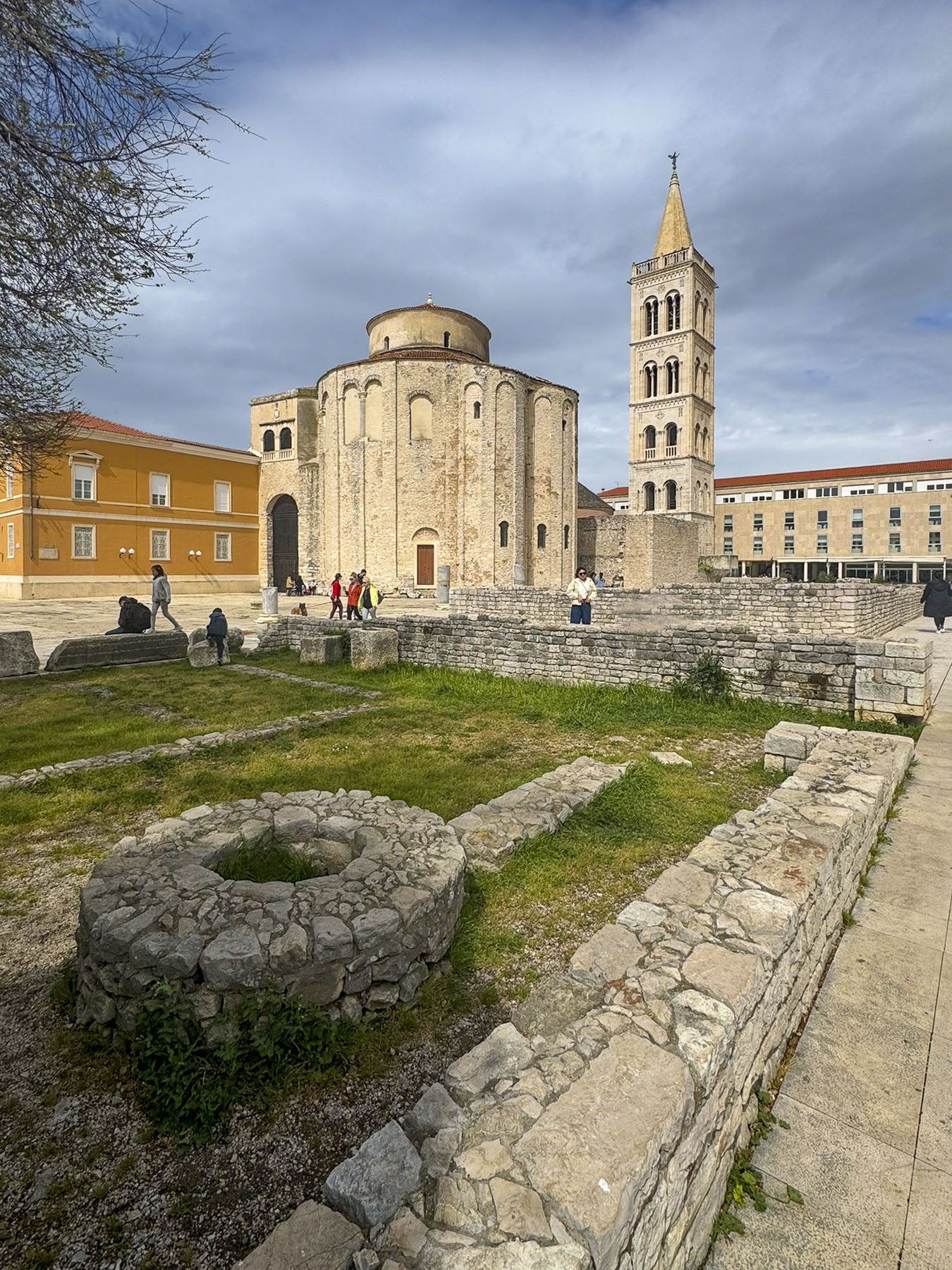
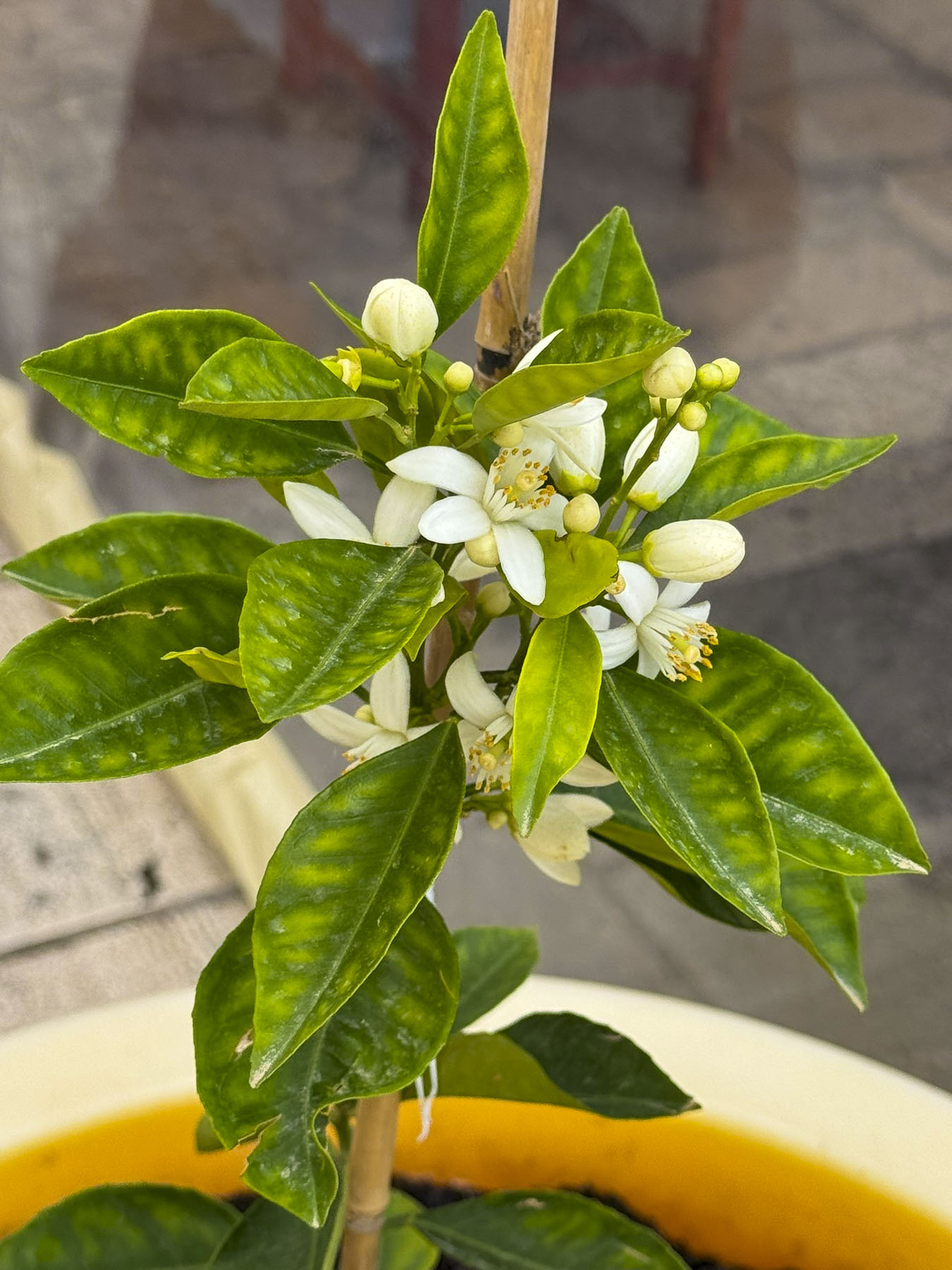
The piazza located next to the 9th-century Church of St. Donatus and the 11th-century Benedictine Monastery of St. Maria is the center point for the northern end of Zadar. The historic buildings did not open until later in the morning, so we continued down Zadar’s narrow lanes, enjoying the fragrance of orange blossoms while we strolled to Pekara Dalmatinka – Old Town Bakery, a recommendation from our friend at the car rental agency.

On the way, something piqued our curiosity down a narrower side alley and we detoured. There in a small workshop a craftsman was applying gold leaf to a frame. We appreciate old-world talents like this, and I asked in English, and gestured with my cell phone, if I could take a photo of him working. All was lost in translation and the man suddenly walked out, only to return a few minutes with his son who spoke English, and we chatted for a minute. Apparently, few tourists ever poked their heads into the workshop; the frame he was gilding was for a church, and his dad is a busy man, but it is okay to take his picture.

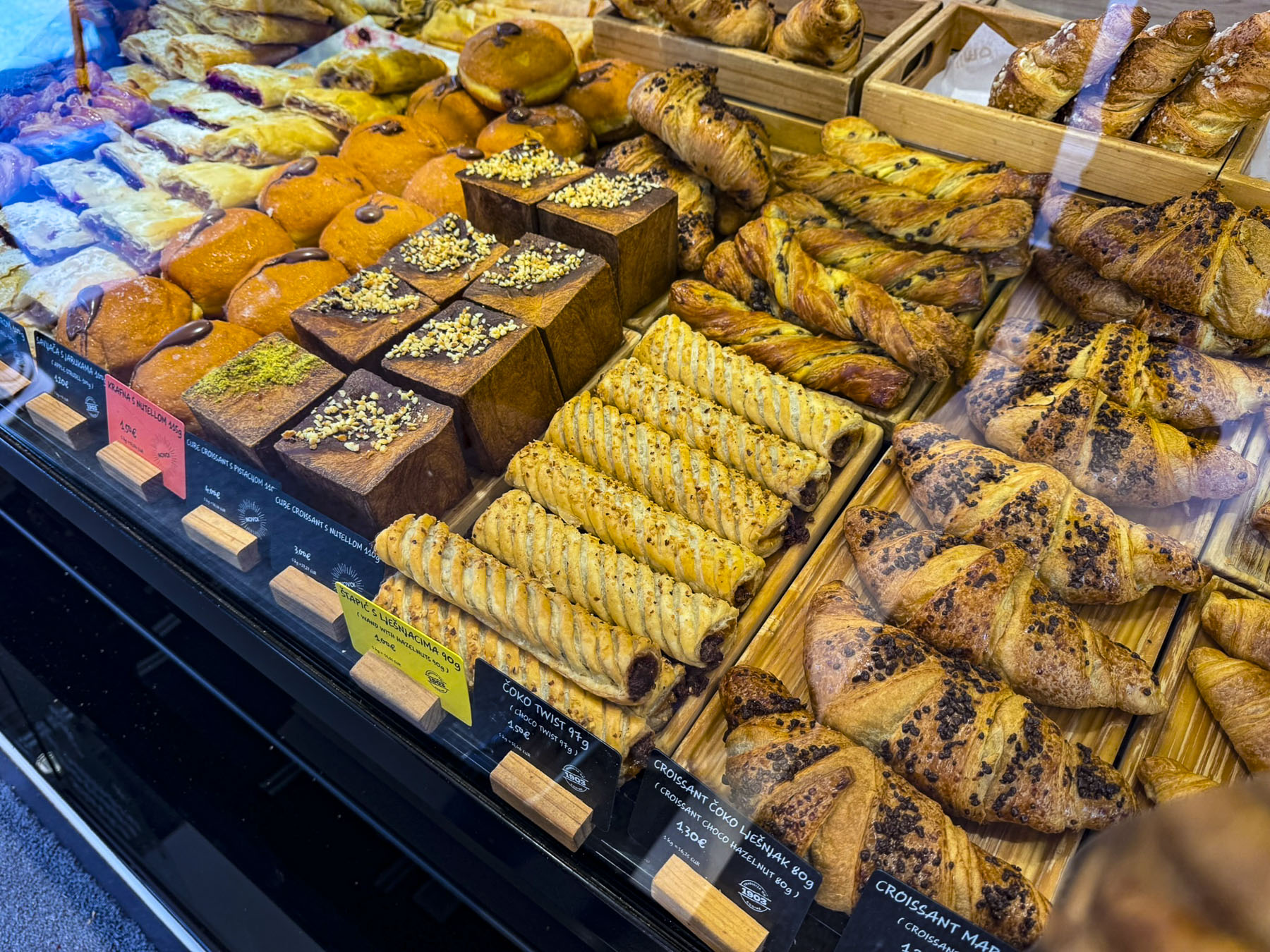
It’s a mistake to arrive hungry to a bakery that confronts you with a display case featuring mouthwatering Croatian pastries. We drooled over Kremšnita, custard cream cake; Madarica, a layered chocolate cake; Makovnjača & Orehnjača, a rolled dough pastry filled with walnuts or poppy seeds; Princes Krafne, a doughnut stuffed with luscious cream; Splitska Torta, a cake with layers of meringue, cream, almonds and figs; and of course Börek, a delicious, coiled phyllo dough pastry filled with feta cheese or spinach.

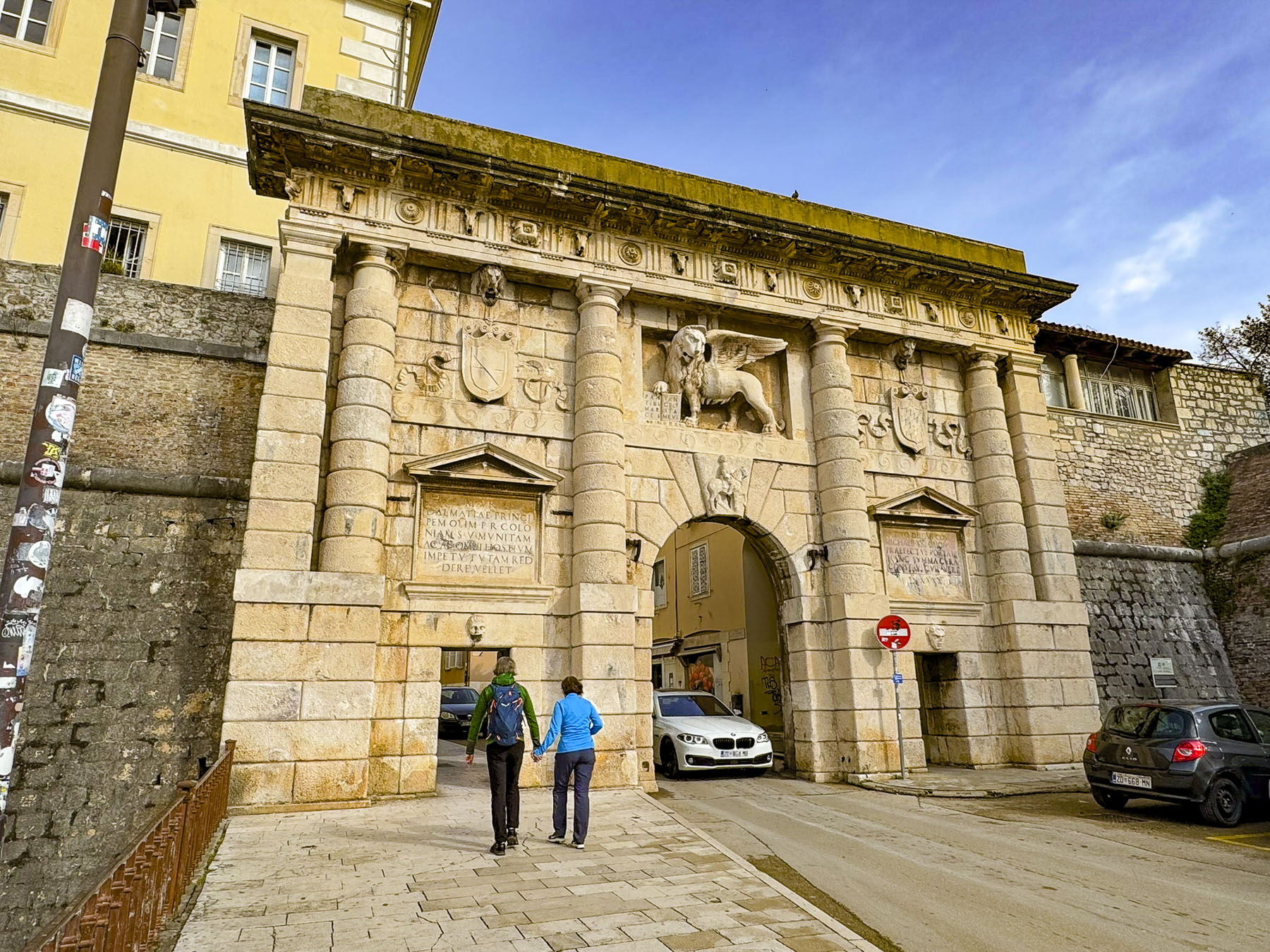
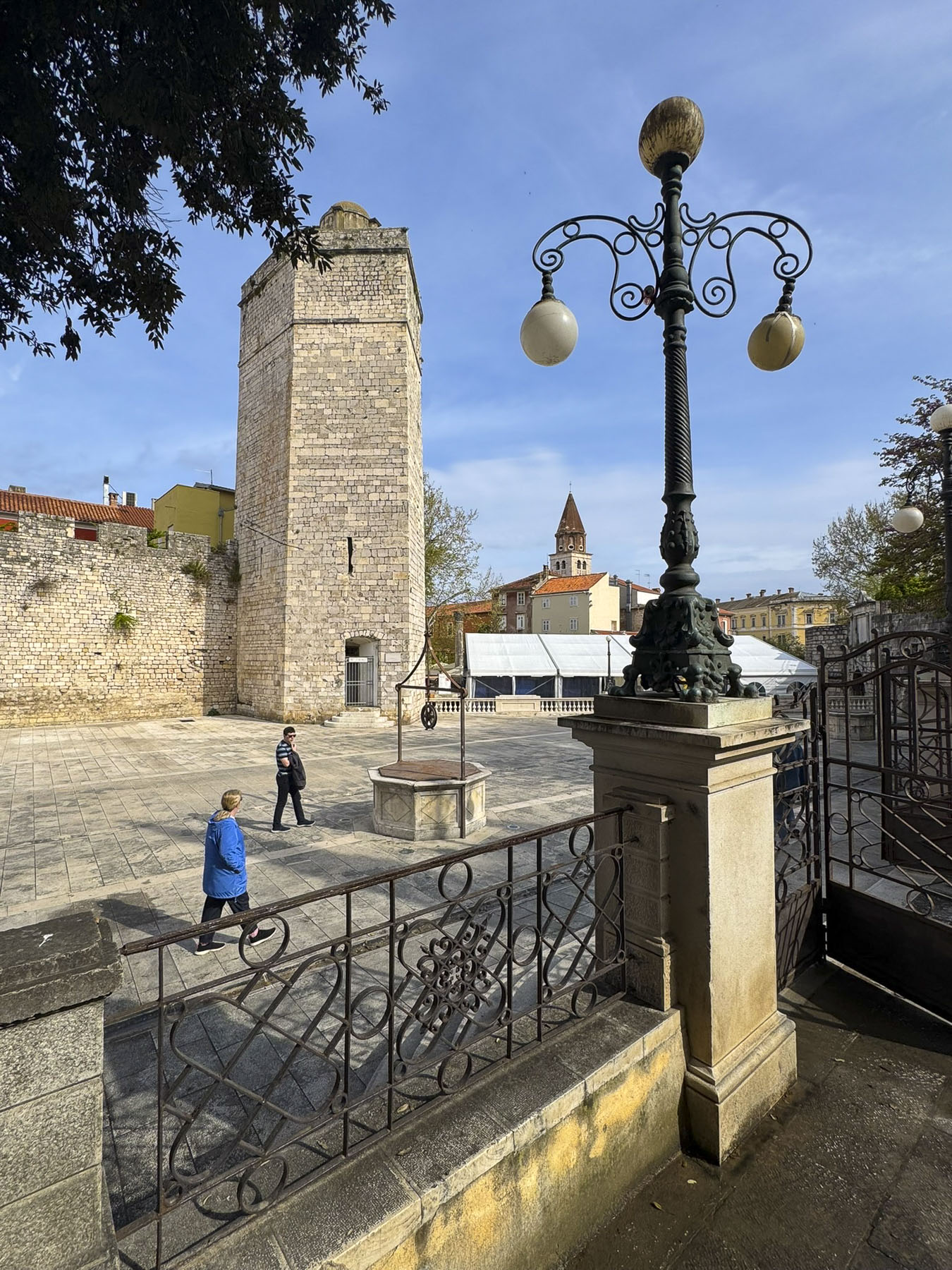
We planned to walk off our over-indulgence, and headed through Trg Pet Bunara, the Five Wells Square, to find a bench in Queen Jelena Madijevka Park. Tree branches laden with purple flowers hung over the decorative railing at the entrance to the park, which sits atop the city’s old bastion, next to the ancient Venetian Land Gate, and was the perfect spot for a morning picnic.  Built in 1573, it replaced an old Roman gate, and featured a relief of the Winged Lion of St. Mark, the symbol of the Venetian Empire, to celebrate a naval victory over the Turks. From our bench we watched a boat enter the small harbor in front of Zadar’s ancient defensive wall, a continuous activity since Zadar’s founding.

The ancient walls and gates around the city were first built by the Romans and then expanded upon by the Venetians in the 16th and 17th centuries, to defend the city from multiple attacks by the Ottoman Empire.

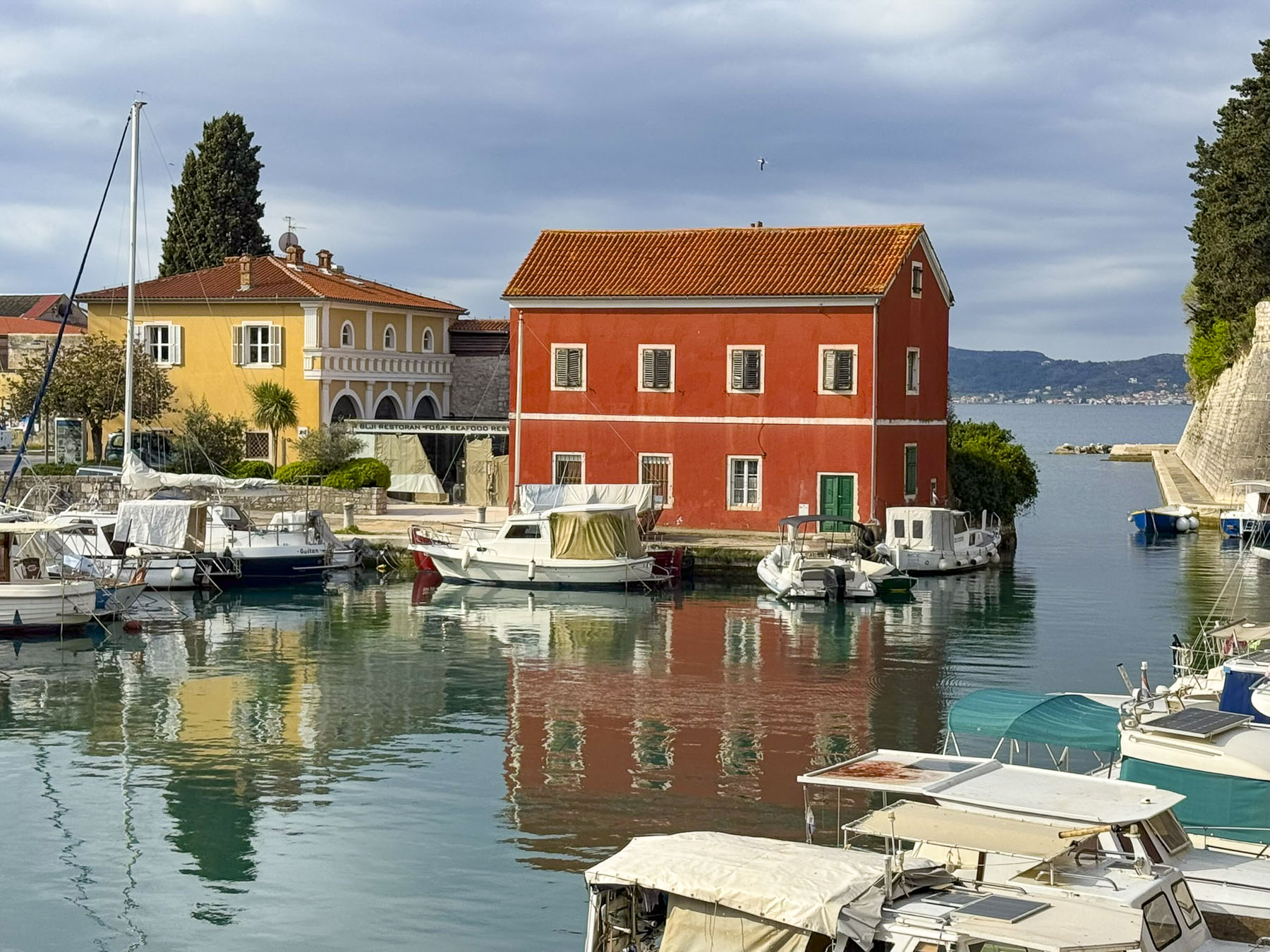
Several of the ancient gates still stand and allow passage from the old town to the ferry harbor. The top of the ramparts over the gates have been incorporated into a scenic walkway that parallels the waterfront and provides a pretty vantage point to view all the maritime activity, and some vignettes of old town Zadar.

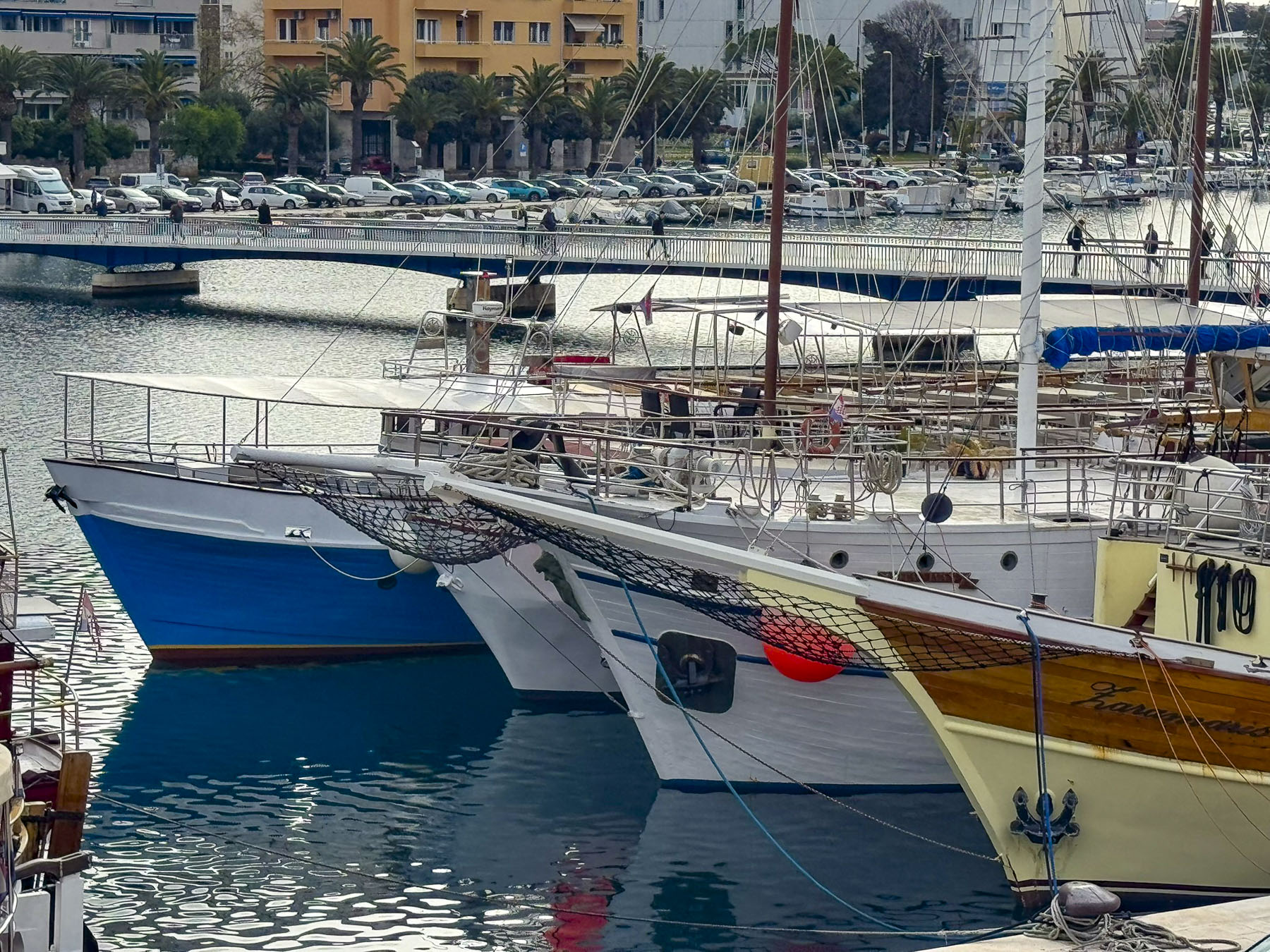
Along this walk we spotted a younger man rowing a small boat with passengers across the narrow harbor, from a small lighthouse to a staired landing on the quay. Apparently, they were on the way to work and his service, like the traghetto in Venice, provided a shortcut. A sign we discovered the next day listed the fee as 2€.

Over the years the population of Zadar has sprawled into new buildings on the mainland, unlike Dubrovnik, which has been gentrified into a theme park. Old Town Zadar, on the other hand, has some newer buildings on its peninsula, but also has many that show the patina of age, and give the town an authenticity and delightful ambience.

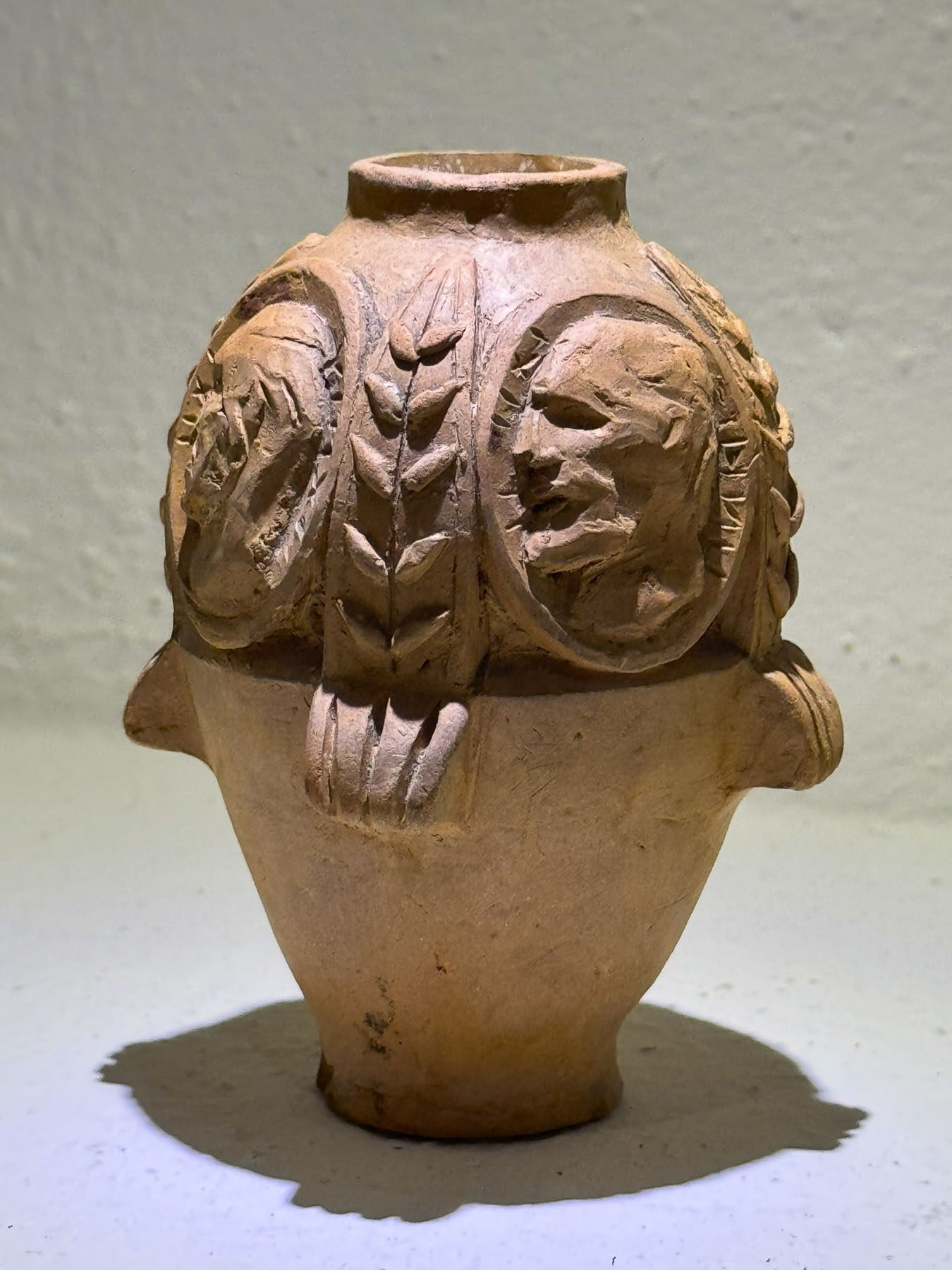
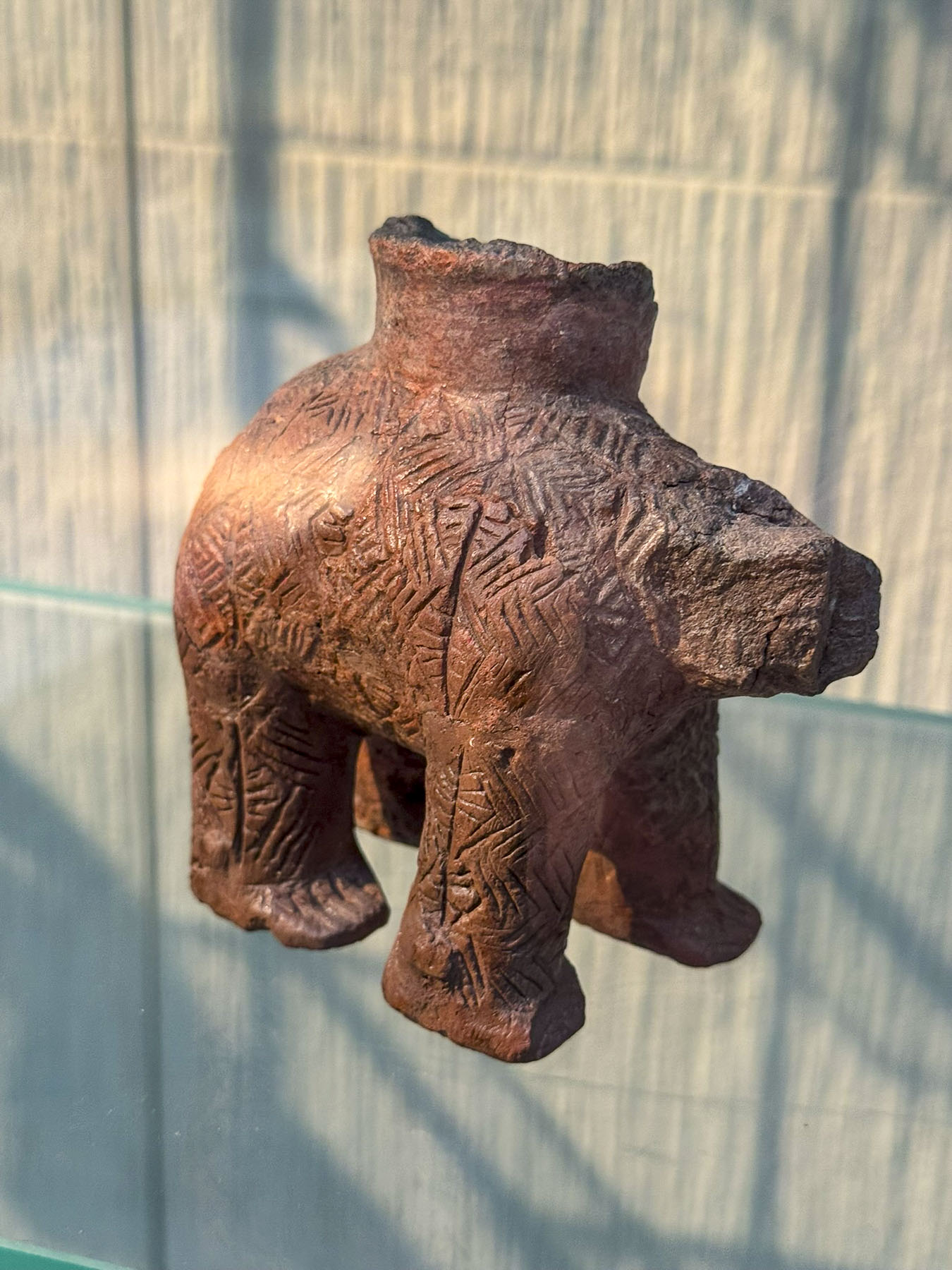
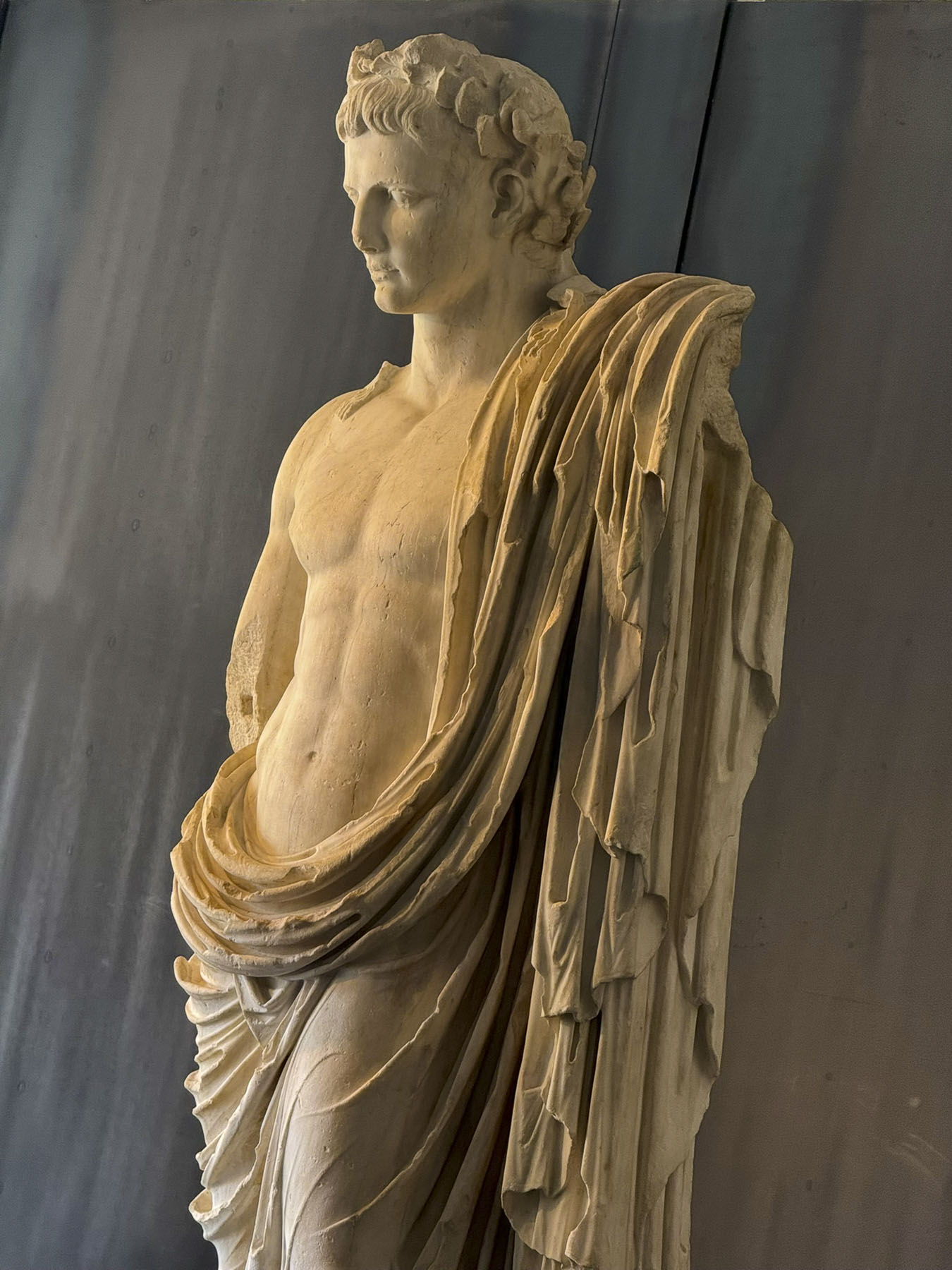
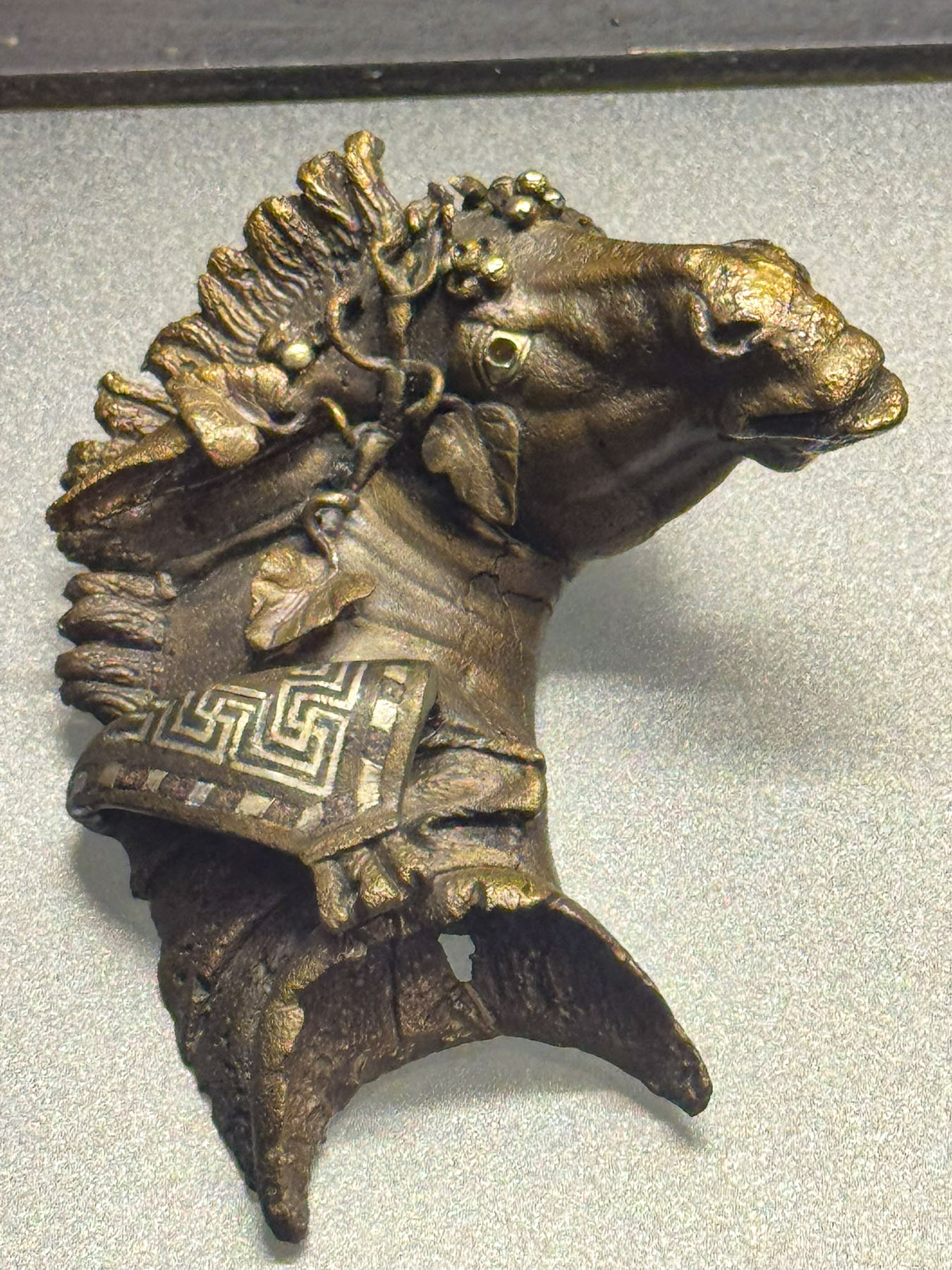
Our sunny morning was threatened with rain by noon, so we headed into the Archaeological Museum, where they have an interesting and diverse collection of ancient artifacts, statuary, and busts unearthed in Zadar, from its pre-history through the Roman Era and Venetian times. Especially unusual was the collection of Neolithic Rhytons, a  four-legged ceramic ritual vessel, from the Impresso and Danilo cultures.

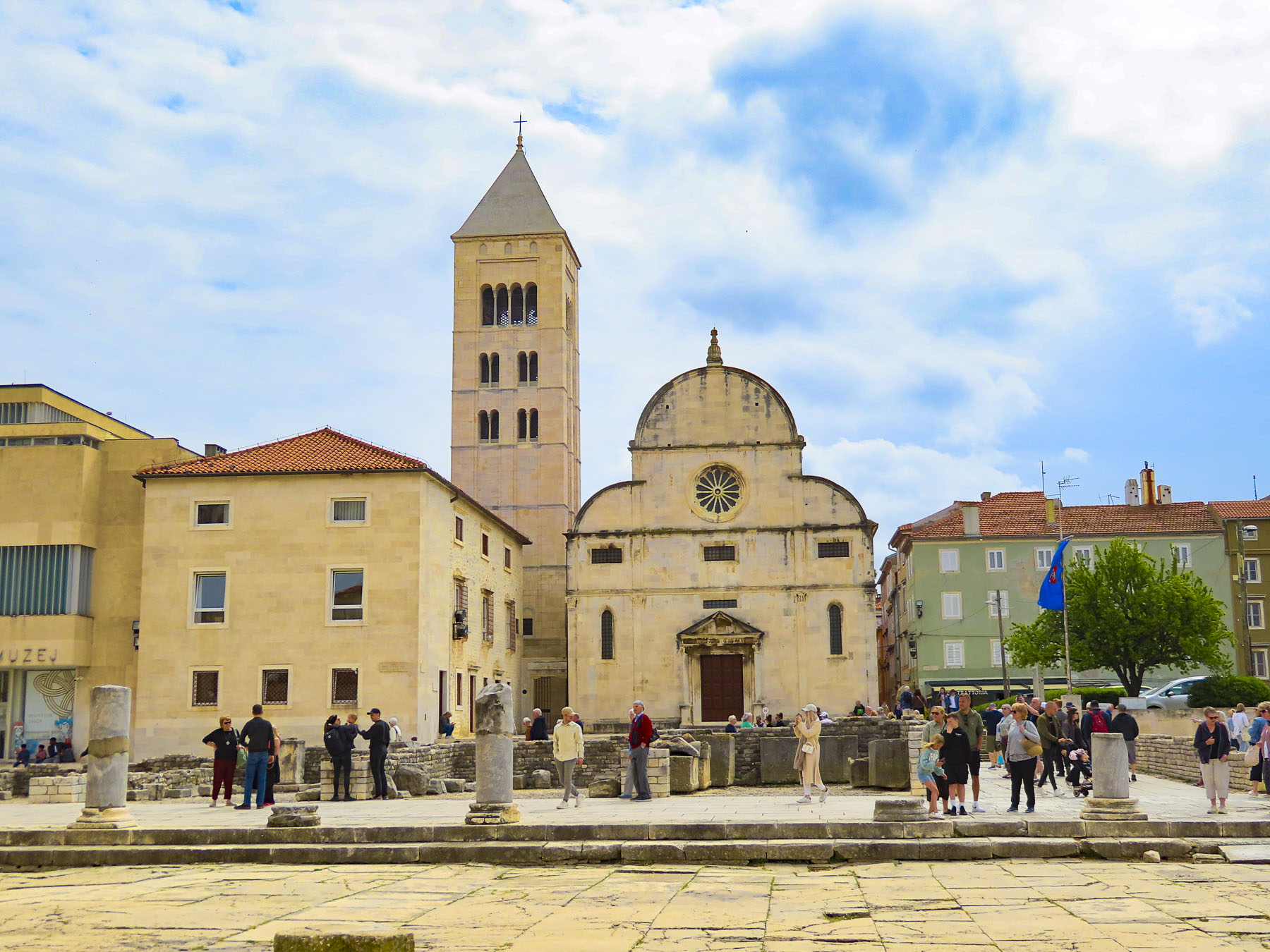
From the museum there is a good view of the Church of St. Donatus, and the belltower of Sainte Anastasie across from the ruins of the Roman forum. We’d pass these landmarks multiple times during our stay.

Fortunately, we did have good raincoats, and we scurried to Kavana Centar, a very nice café several blocks away that had some indoor tables still available and offered a reprieve from the rain. Located away from the main square, its menu was very budget friendly.

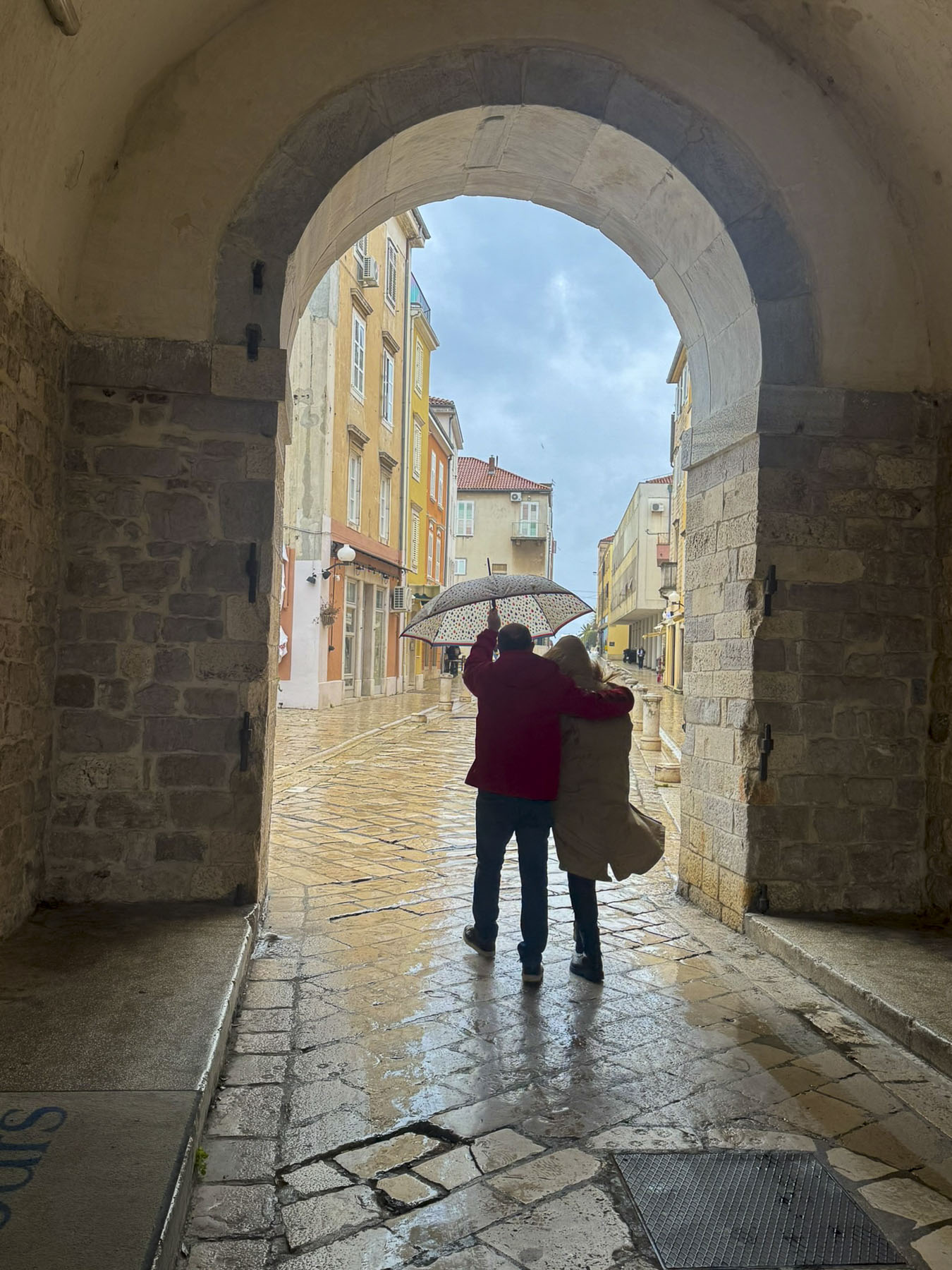
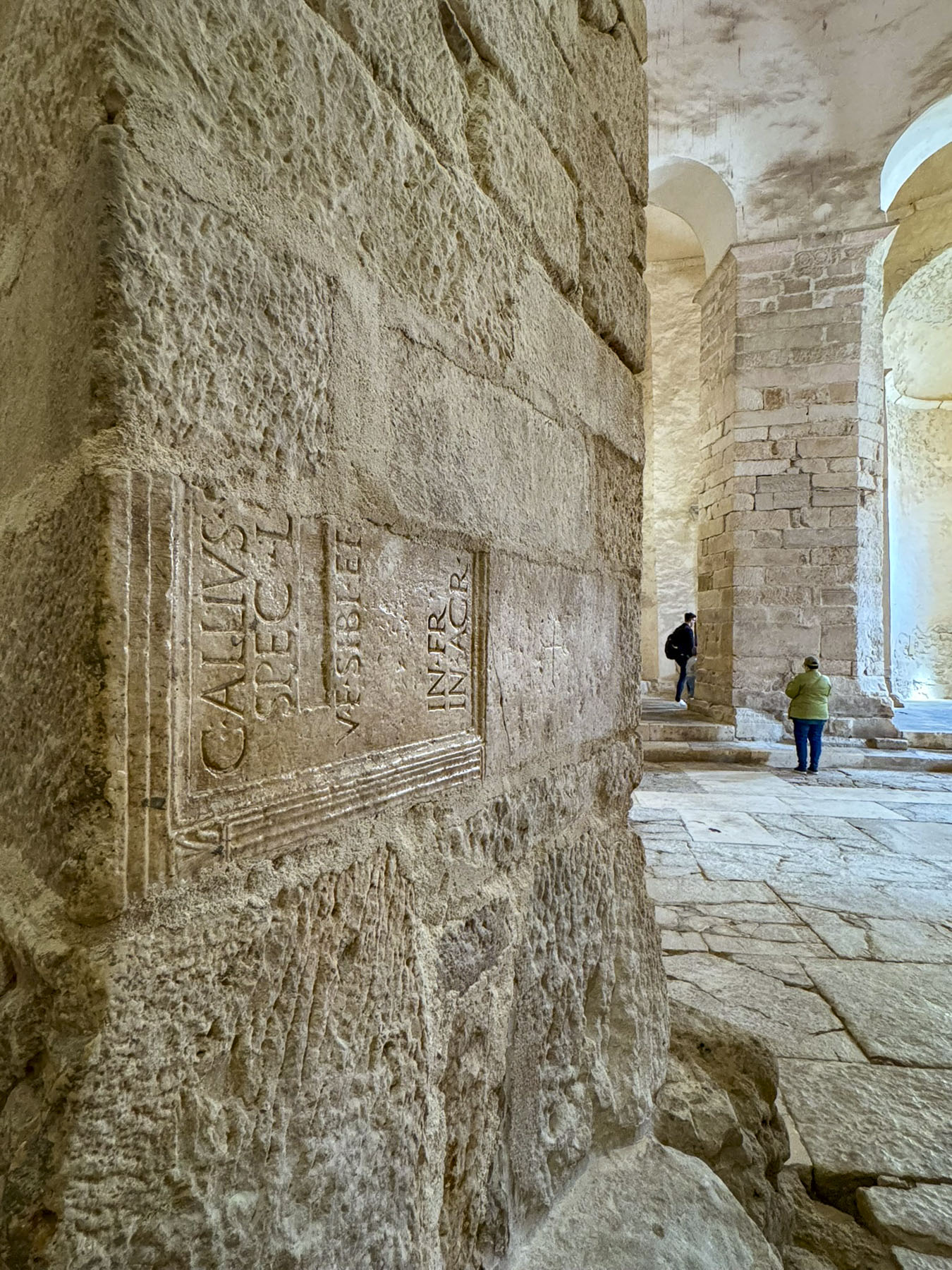
Though the rain had not stopped, folks continued on with their plans, and soon umbrellas were out everywhere.  After lunch, we headed back to St. Donatus, an unusual tall round cylinder-shaped church built during the 9th century in a pre-Romanesque style. Much of its construction utilized the ruins of the old Roman Forum, upon which it was built.

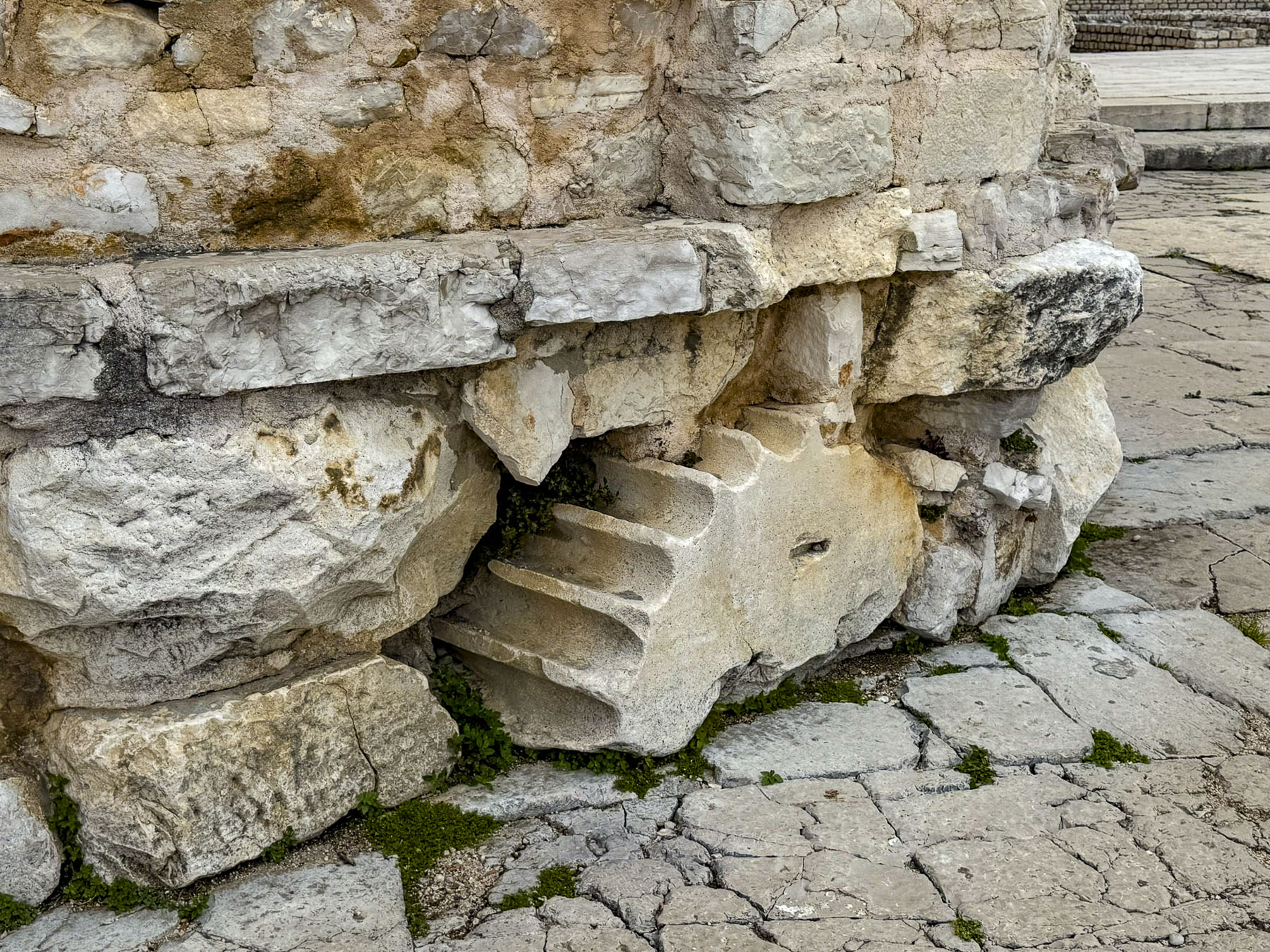
The fragments of reused columns, capitals, plinths, and cornices were used as fill, and can be seen in several exposed spots along the church’s foundation and interior. Its mammoth interior is 27m (89ft) tall, and at the top is a gallery that overlooks the space below.

The church was deconsecrated in the early 1700s, after which it was unceremoniously used as a wine cellar, warehouse, and Zadar’s first archaeological museum in the early 1900s. Nowadays, along with being a tourist site, it hosts theMusical Evenings at St Donatus, a concert series that utilizes the church’s excellent acoustics, every July.

The Campanile di Sant’Anastasia, the belltower of the Cathedral of St Anastasia and its monastery, is right next to St. Donatus. The campanile was added to the church in the 15th century, four centuries after the church and its monastery were completed. During the high season it’s possible to climb the 186 steps to the top of the 55m (180ft) tall tower for a panoramic view of the city and sea. But unfortunately, in early April it was closed when we visited. Surprisingly, the entrance to the cathedral is on the other end of the building, around the corner from the belltower, and took us a few minutes to figure out its location.

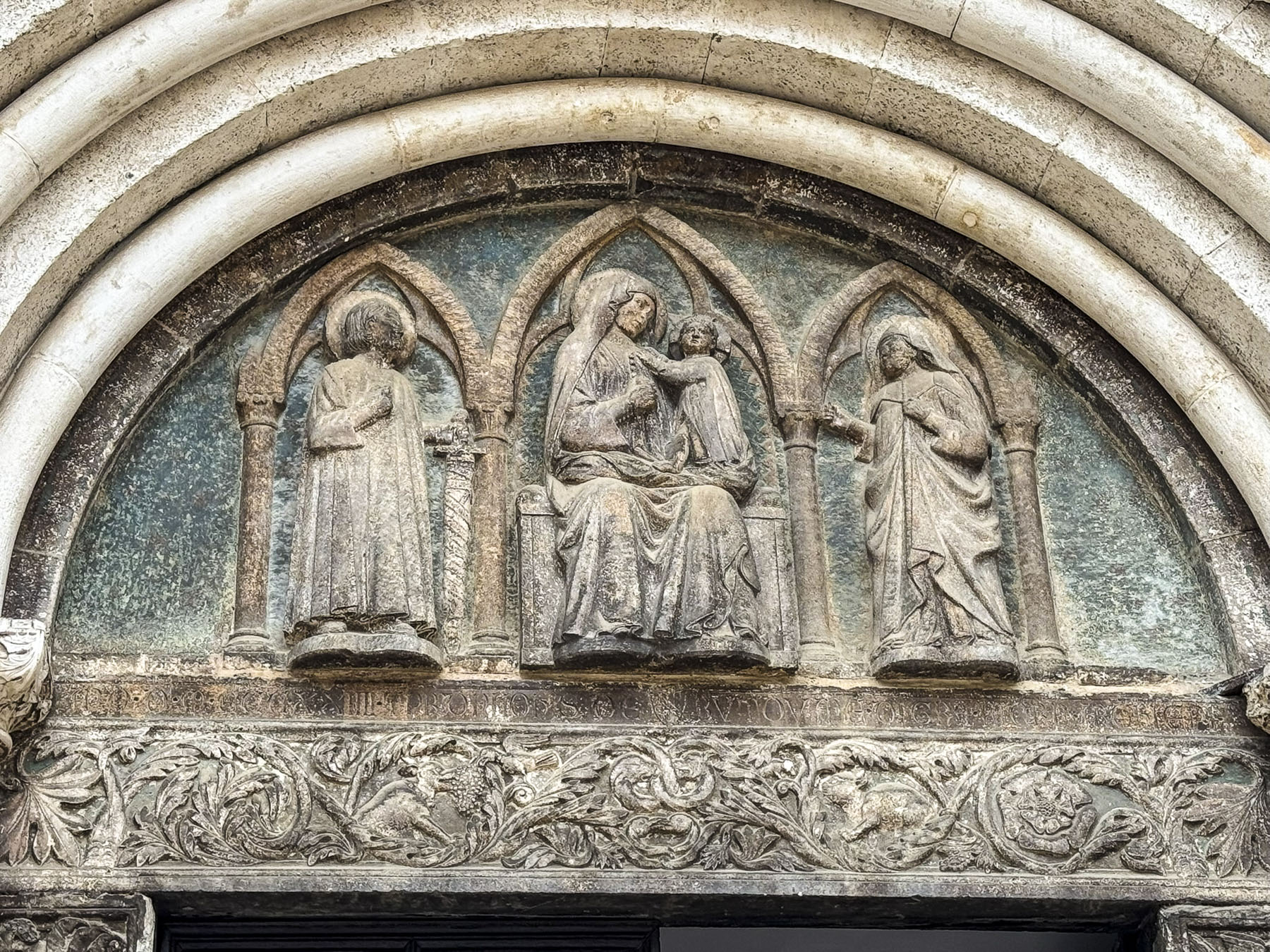
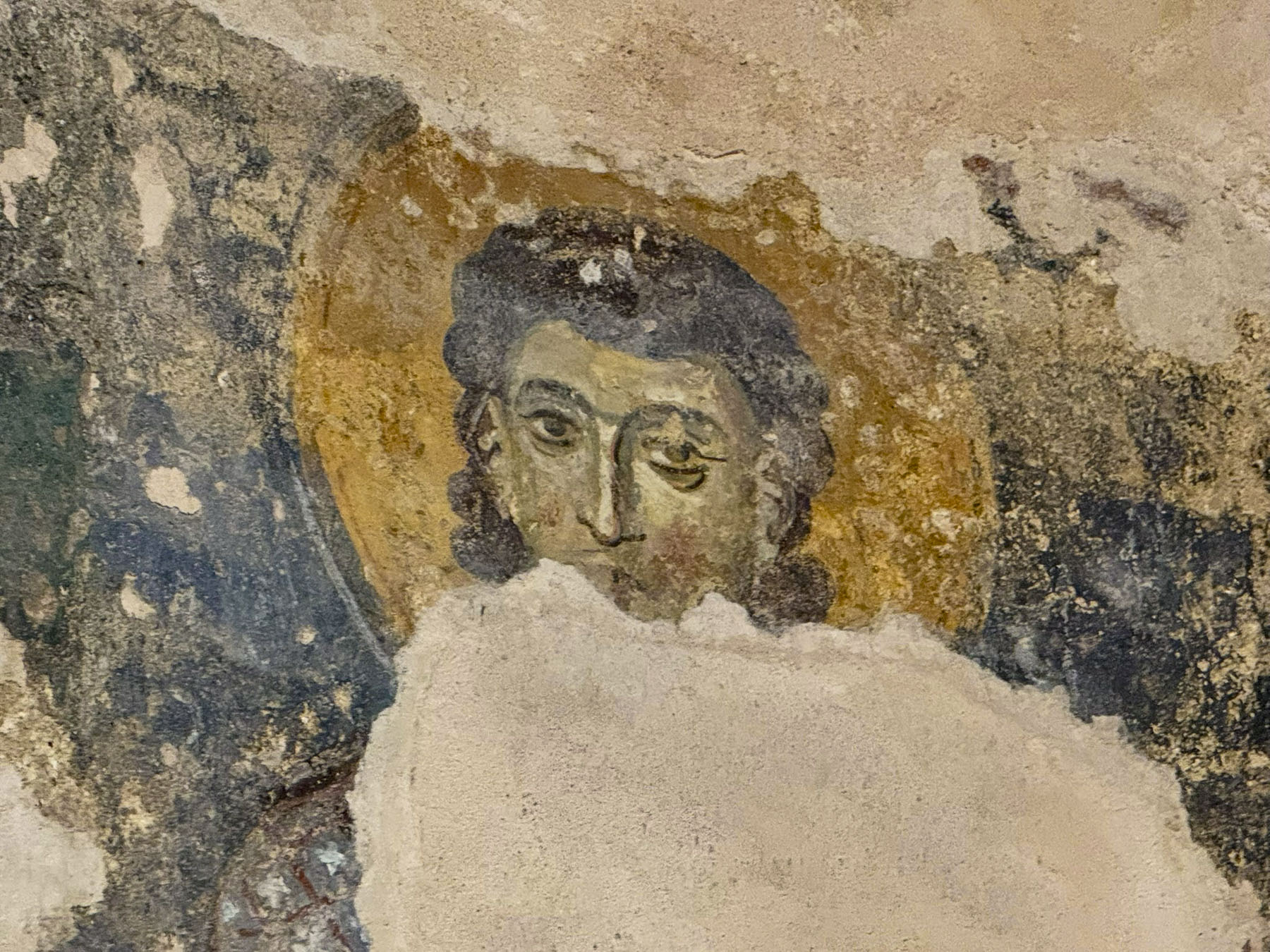
The interior of the Romanesque style church features an open timber truss roof, interesting side altars, an ancient fresco featuring what is believed to be a likeness of the saint, and the remnants of a 13th century mosaic floor, which I almost accidentally fell on, after losing my balance on the uneven stone flooring.

We could only imagine the uproar that would have ensued if I had damaged the antiquity. We wondered if our travel insurance would be of any use in this situation.

There are numerous other churches in old town Zadar. Choosing several churches and connecting the dots between them we found was a good way to see the various neighborhoods on the peninsula.

One of our favorites was the Crkva Gospe od Zdravlja, the Church of Our Lady of Health, set on the edge of a small park. Its small intimate interior was often visited by folks on their way to work in the morning.

Over the course of our wanderings past random buildings, down narrow alleys, and in dim courtyards, we found examples of the many different architectural styles that have graced the city over the centuries.

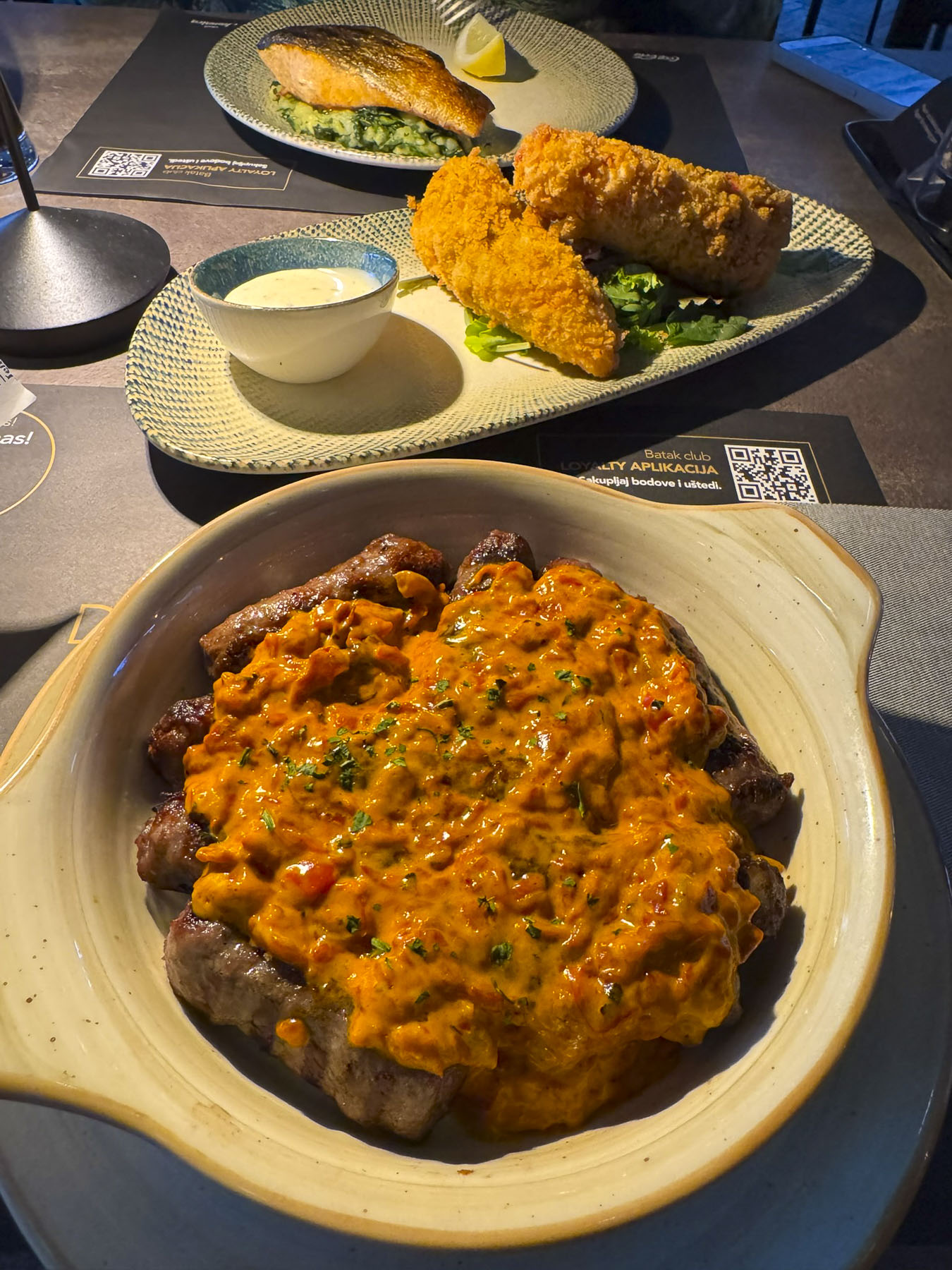
On our last night in Zadar, we drove off the peninsula to another recommended restaurant, Batak Zadar, located in a shopping center, far away from the tourist zone. We ordered several of their Croatian classics, and a local red wine. Everything was very good, and an excellent value compared to the inflated pricing of the restaurants in old town Zadar.

Though the weather could have been more cooperative, we enjoyed our three-night stay in Zadar, and found the size of the charming city just right for a short stay before the start our three-week road trip through Croatia, Slovenia, and Bosnia and Herzegovina.

Till next time,

Craig & Donna             
Dubrovnik: Dragons and Castles

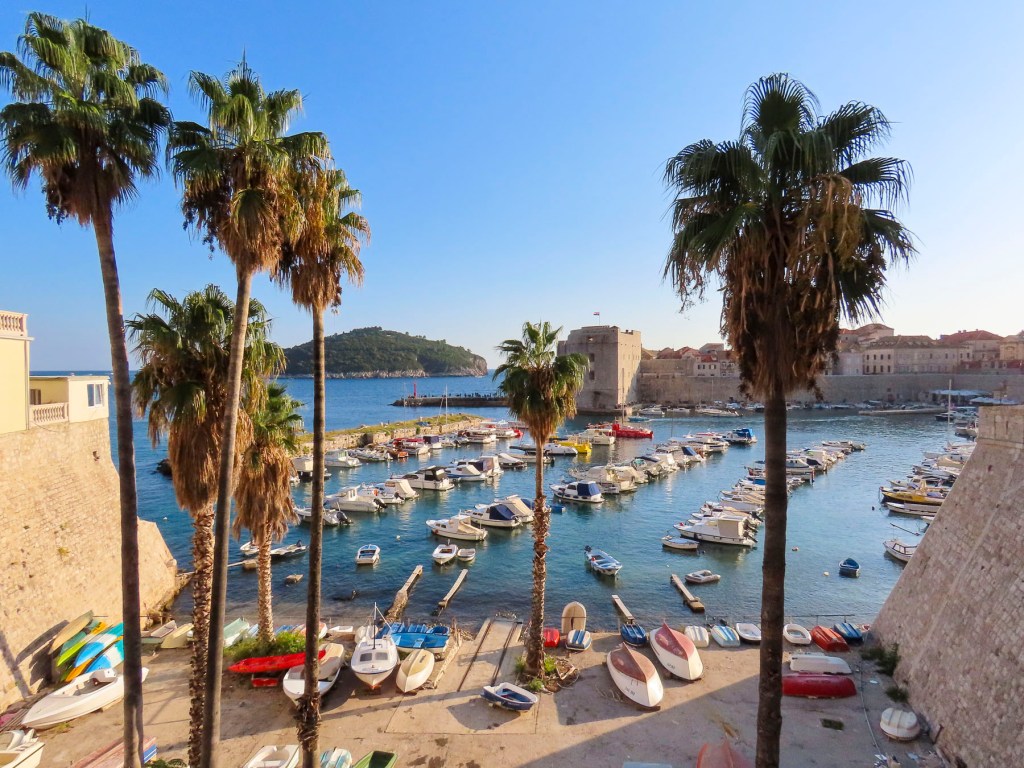
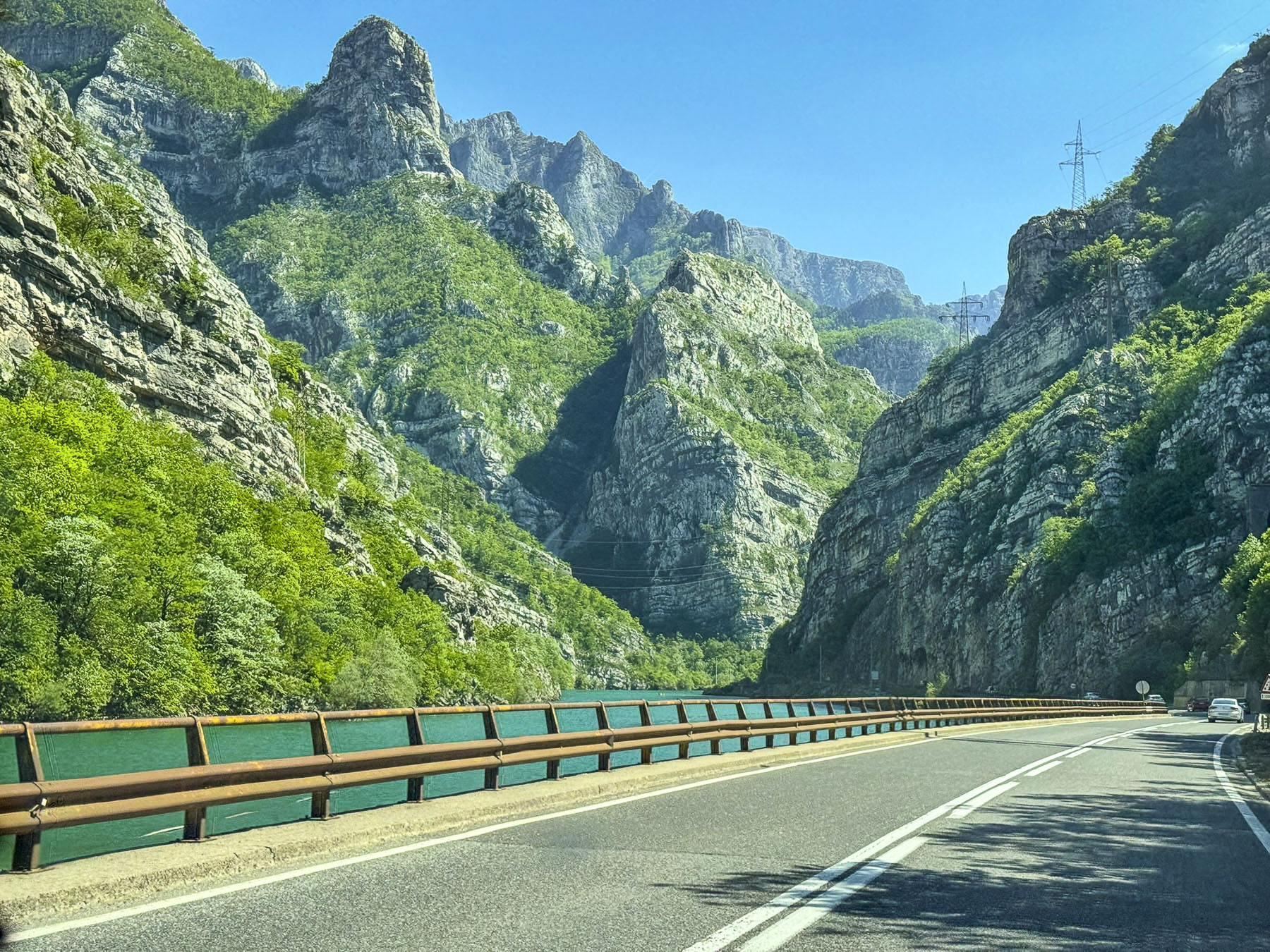
Our first glimpse of Dubrovnik caught us by surprise as we rounded a curve on Croatia’s RT 8. Its thick limestone walls and brilliant red tile roofs, saturated with color, reflected brilliantly on cobalt blue Adriatic Sea.  Its nickname “pearl of the Adriatic” rightly earned.

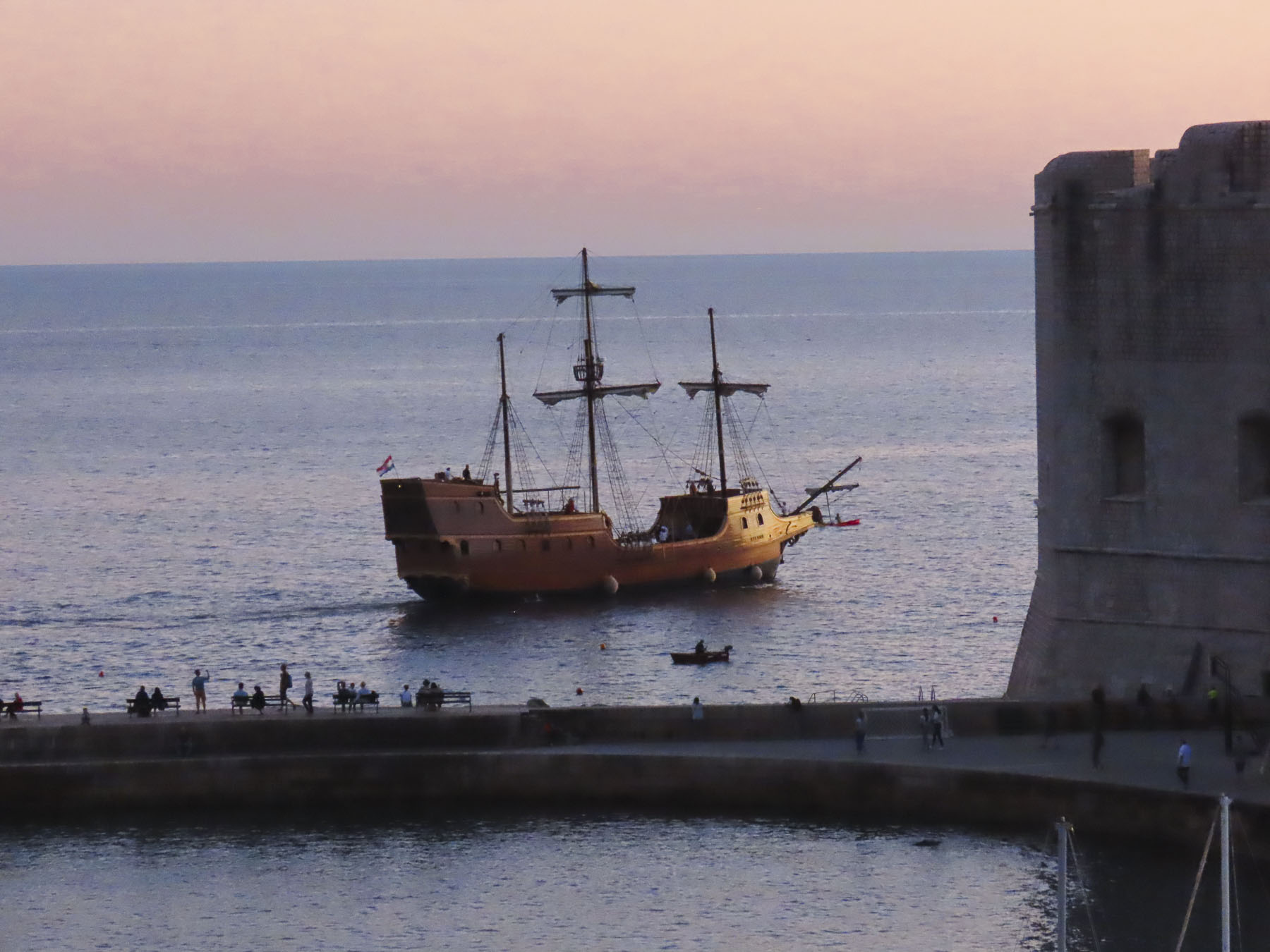
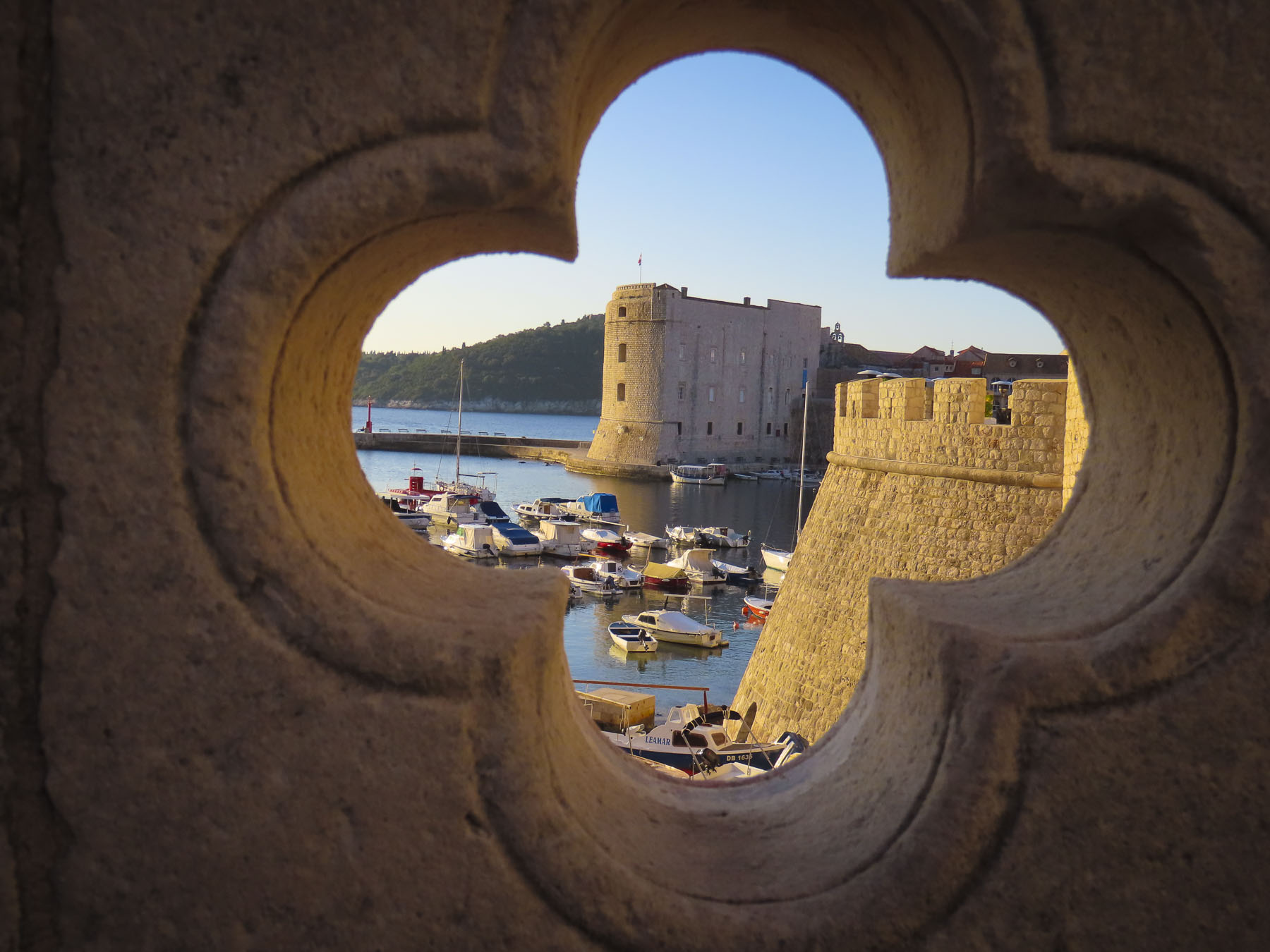
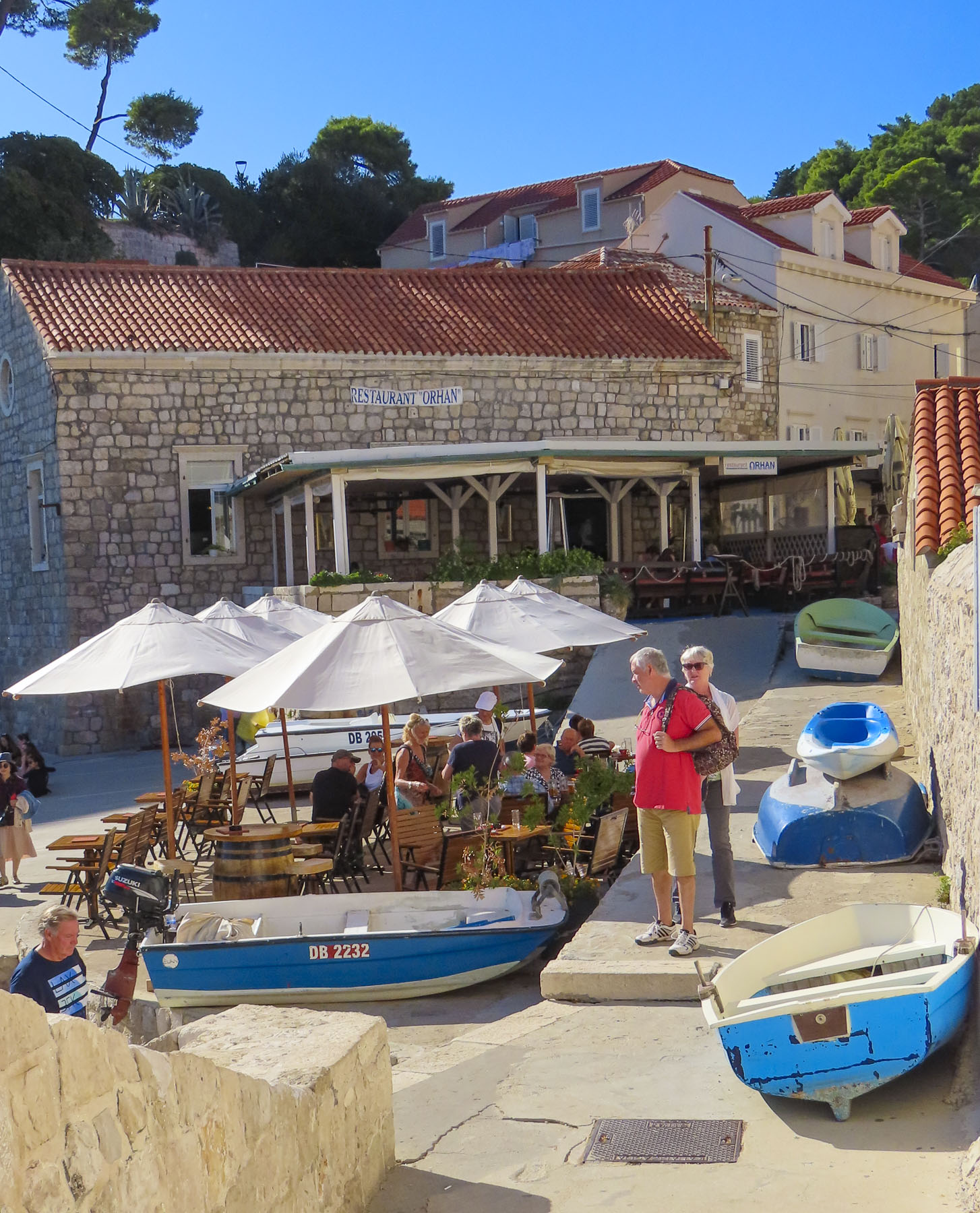
Fortunately, mid-October was considered off-season and we were able to find a wonderful apartment, Old Town Sunrise Apartments just steps away from the Babic’ Bakery and the 14th century Vrata od Ploča or East Gate with its ancient drawbridge.  The agony of lugging our bags up three flights of stairs was rewarded with gorgeous views from our roof windows, since the studio apartment was directly across the harbor from Fort St. Ivana. 

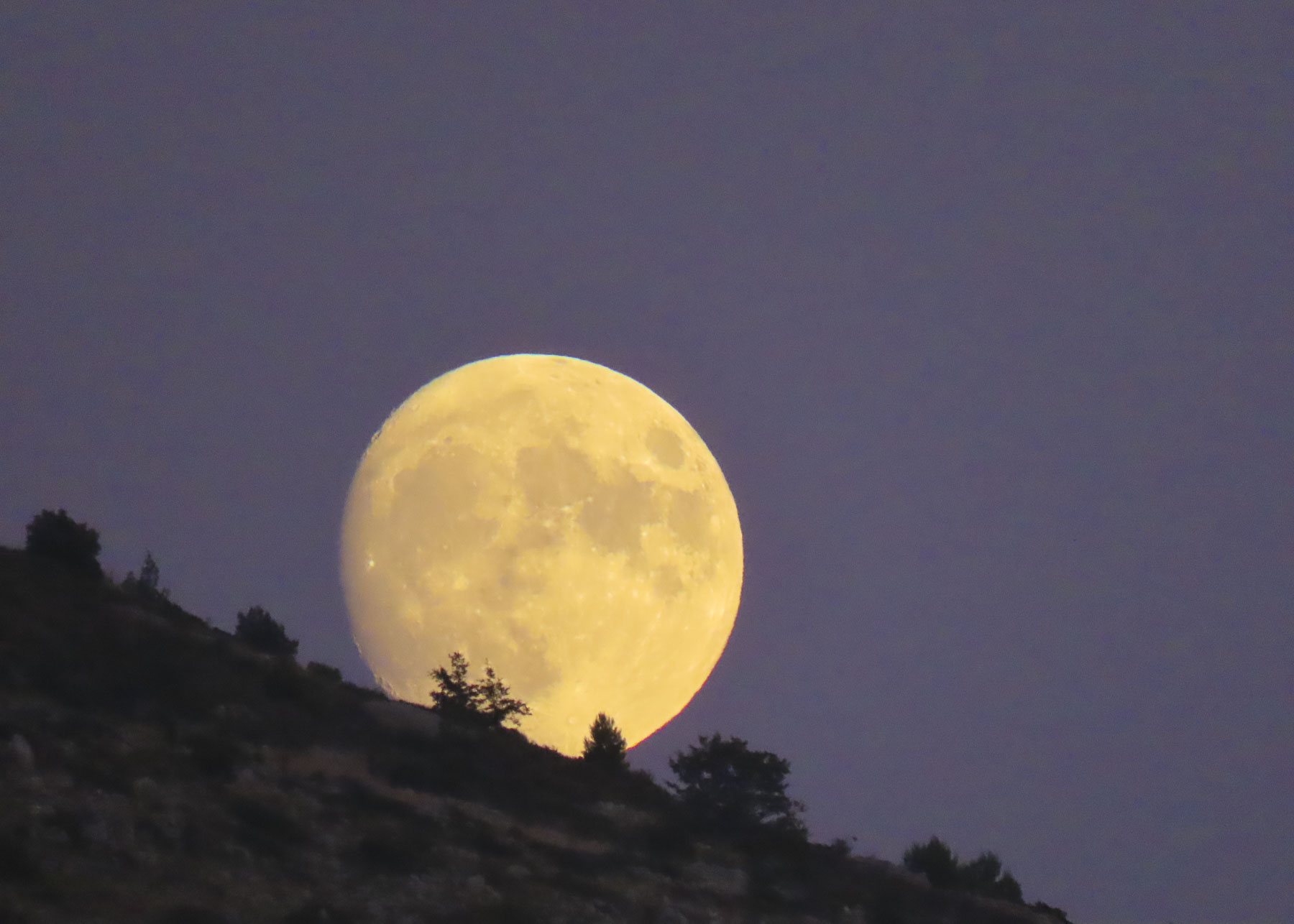
We couldn’t have asked for a better location. The sunrises and sunsets were spectacular over the Adriatic and the citadel.  A brilliant Hunters’ Moon one night was an added bonus, as was watching a group of elderly friends take an early morning swim, their daily ritual.

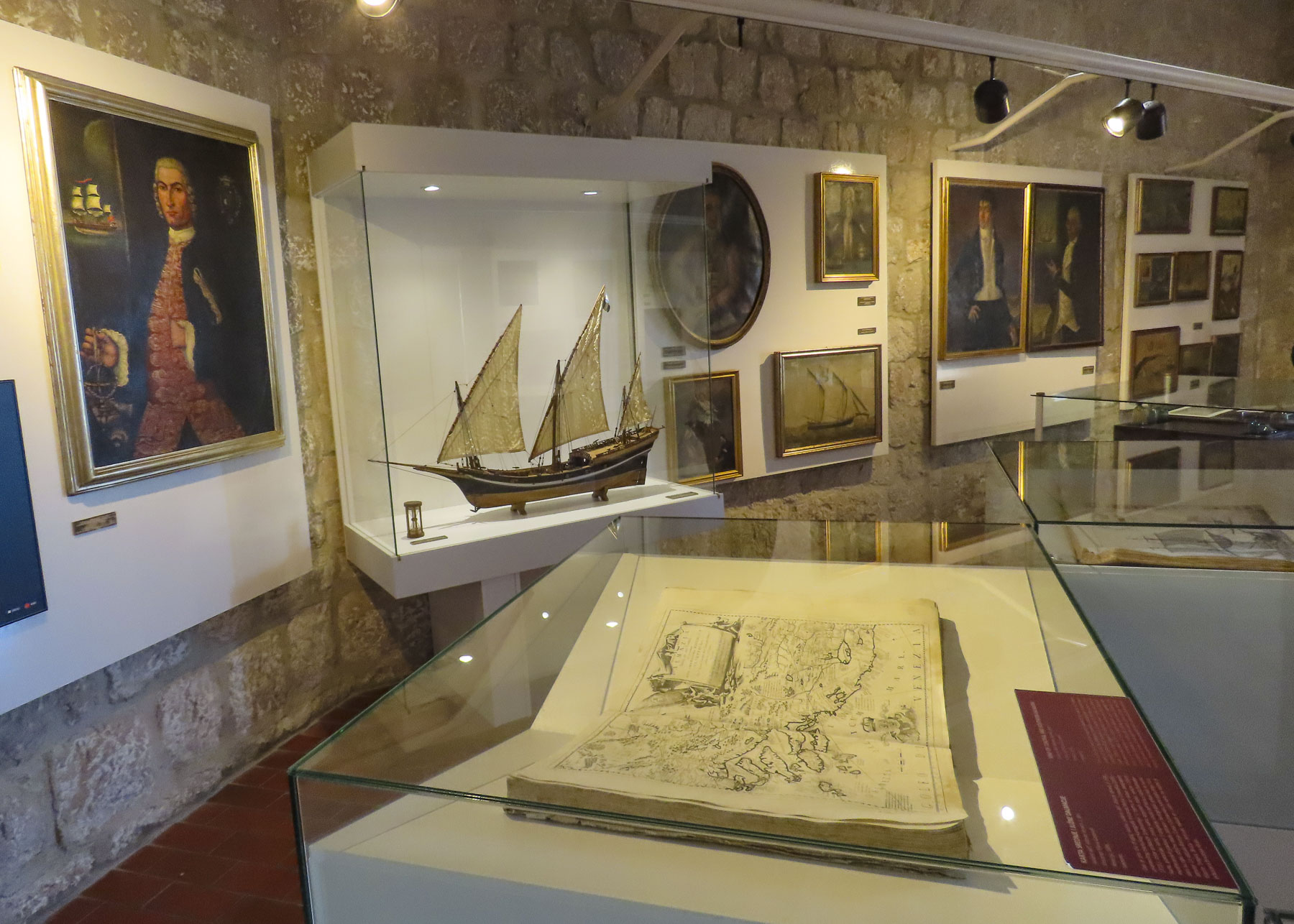
Fort St. Ivana today houses an interesting maritime museum and aquarium, but when it was built in the 16th century its canons protected the city-state’s merchant fleet from the Venetians and Ottomans.  Over the centuries Dubrovnik’s maritime merchants rivaled Venice’s with trade representatives in Goa, India and the Cape Verde Islands off Africa’s Atlantic coast.  Its merchant fleet even traded during the Middle Ages with the English court of Elizabeth the First.
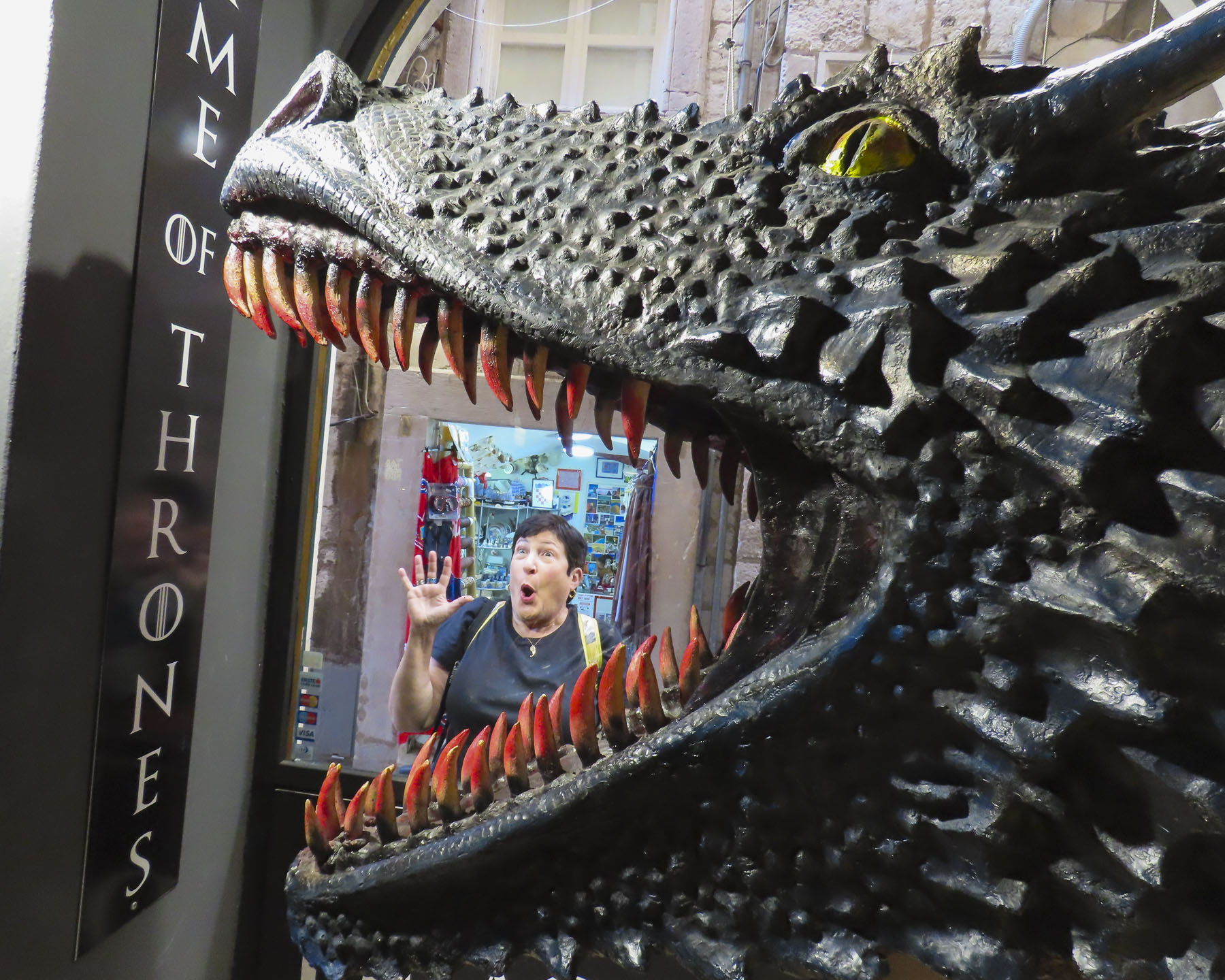
Blame it on Drogon! Since the medieval fantasy Game of Thrones was filmed in Dubrovnik the city has lost its previous reputation as an under-visited and affordable destination on the sunny shores of the Adriatic.  Ever since the TV show’s premiere in 2011 the city has become a mecca, big time, for fans eager to visit the show’s filming locations.  Thankfully, it hasn’t risen to placards of “Jon Snow slept here” or “Rhaegal roasted a nobleman on our roof” level yet.

We had been on our journey fifteen months now and aside from a brief stay in London, Dubrovnik was by far the most expensive destination.  I think this explains why we saw so many people walking down Stradun, the city’s main pedestrian boulevard, eating slices of pizza.  The impact of these high prices was especially acute since the affordability of Kotor, Montenegro (only a short drive away) was still fresh in our minds.  It was actually easier to find an affordable restaurant in London.  It was captive pricing for sure within the fortress walls that encircle Old Town and the only reprieve was to eat in the new town portion of Dubrovnik, outside the citadel. 

Stradum, aka Placa (Stradone or Corso) is the city’s pedestrian-only main boulevard, running 300 yards east to west, connecting both ancient gates and harbors on either side of town.  For us it was too pristine.  An unfair comment, as this resulted when Dubrovnik was rebuilt after the 1991 Balkans War, when the city was shelled for seven months from the top of the mountain above town. Two hundred eighty civilians and soldiers were killed during that prolonged bombardment. Today an aerial tram takes you there for panoramic views. Shrapnel scars, signs of the conflict, remain etched into the stone walls on some buildings.  But the newness of the polished limestone boulevard running past upscale shopping reminded us of an amusement park.

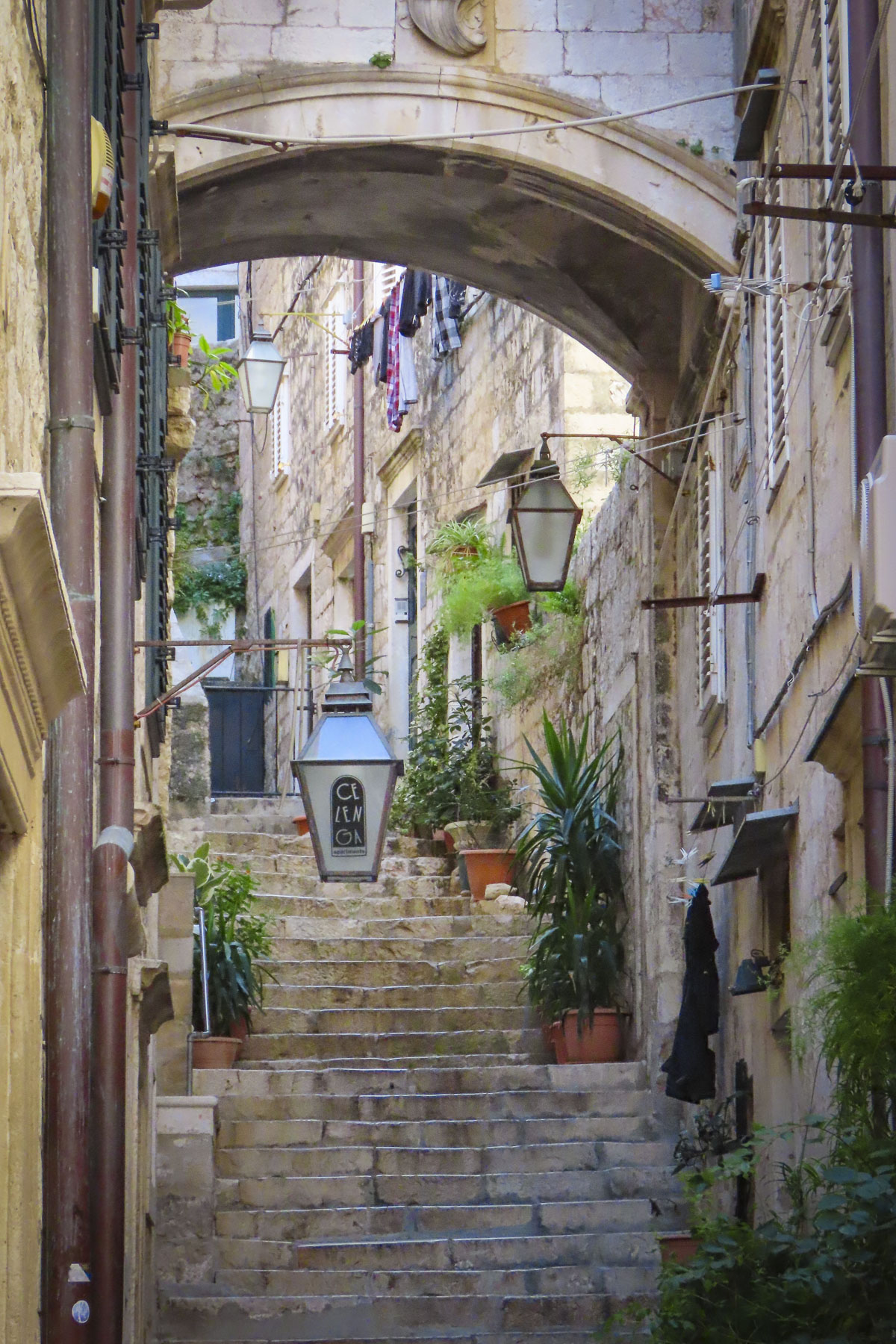
We were drawn into the narrow, arched alleys with steep stairs that climbed the hills and weaved through older neighborhoods on either side of Stradum. The farther away from Stradum we got, the more the crowds diminished. 

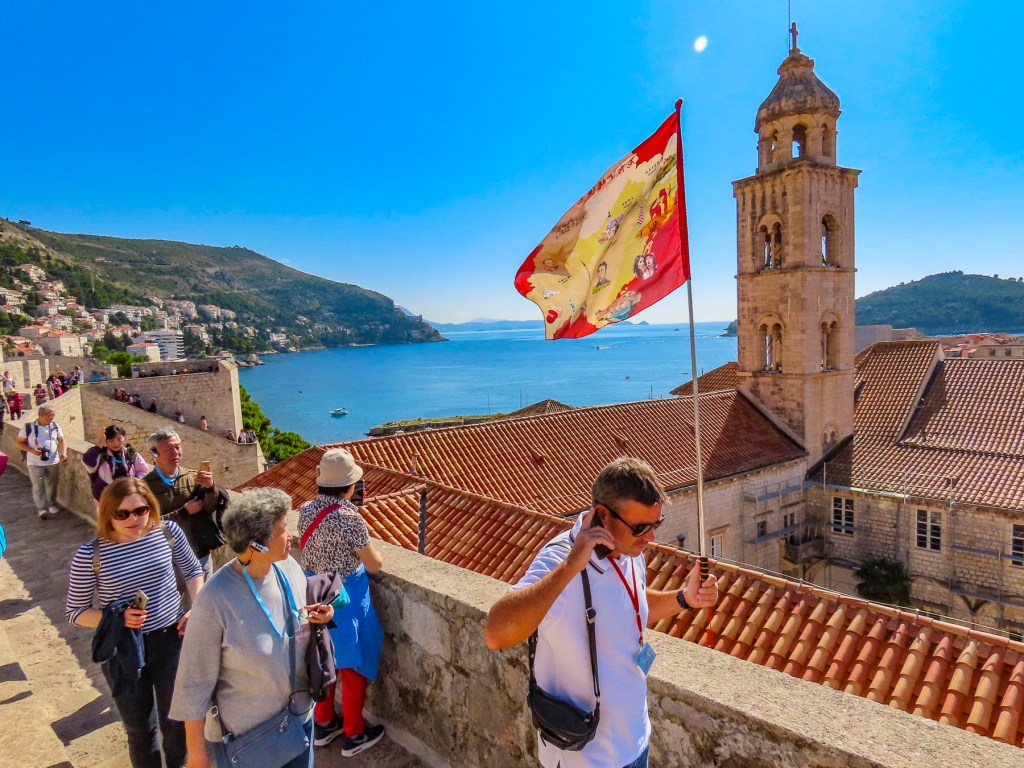
Our other alternative was to walk along the fortress walls that encircle the city for slightly over a mile.  Thirteen to twenty feet thick and towering eighty feet high in some sections, the walls once held 120 cannons to protect the city from land or sea attack.  This walk is a popular activity with fast moving tour groups, but we found if we just let them pass there would be a tranquil void until the next group which allowed us to linger in one spot for a while. 

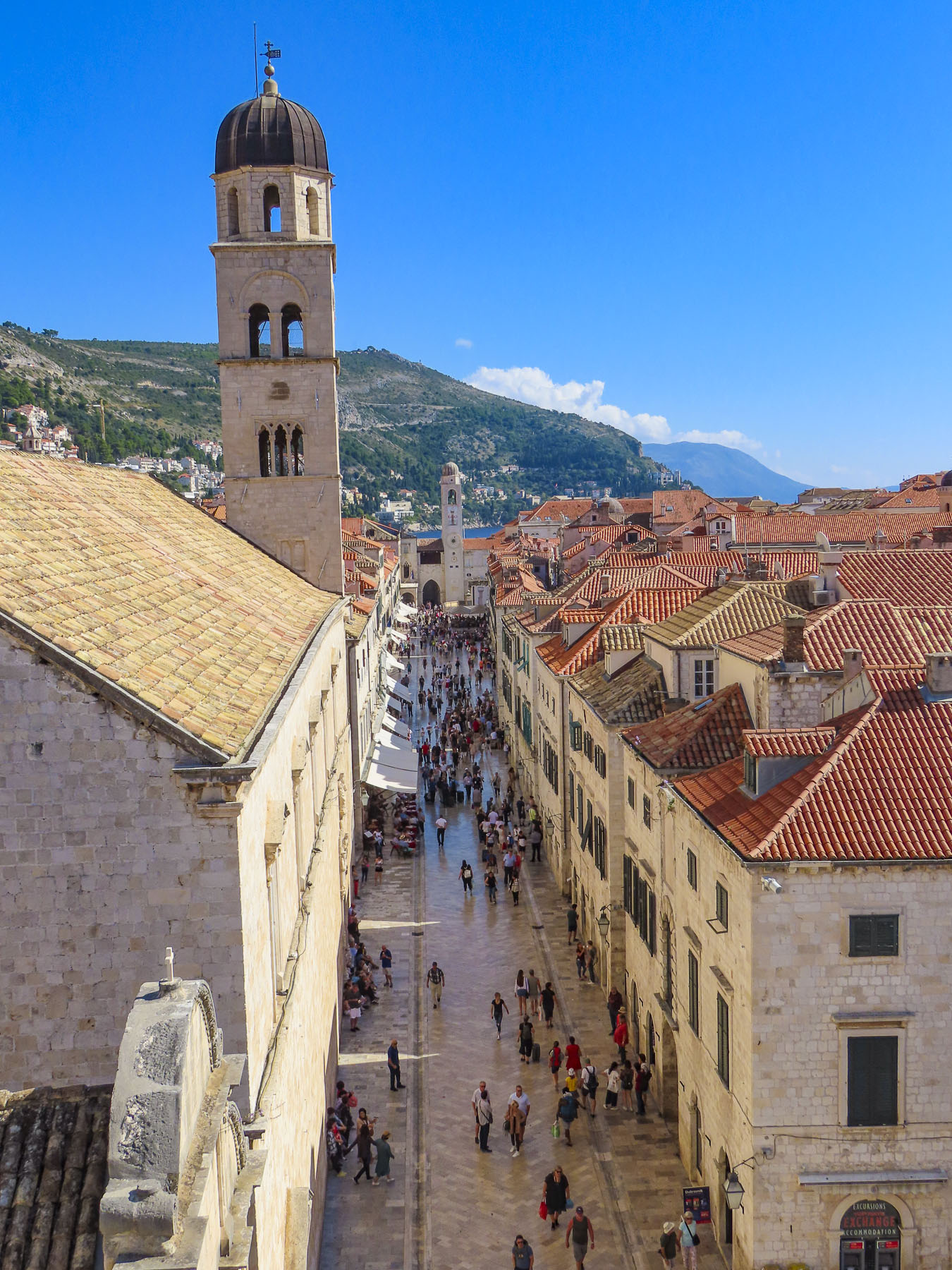
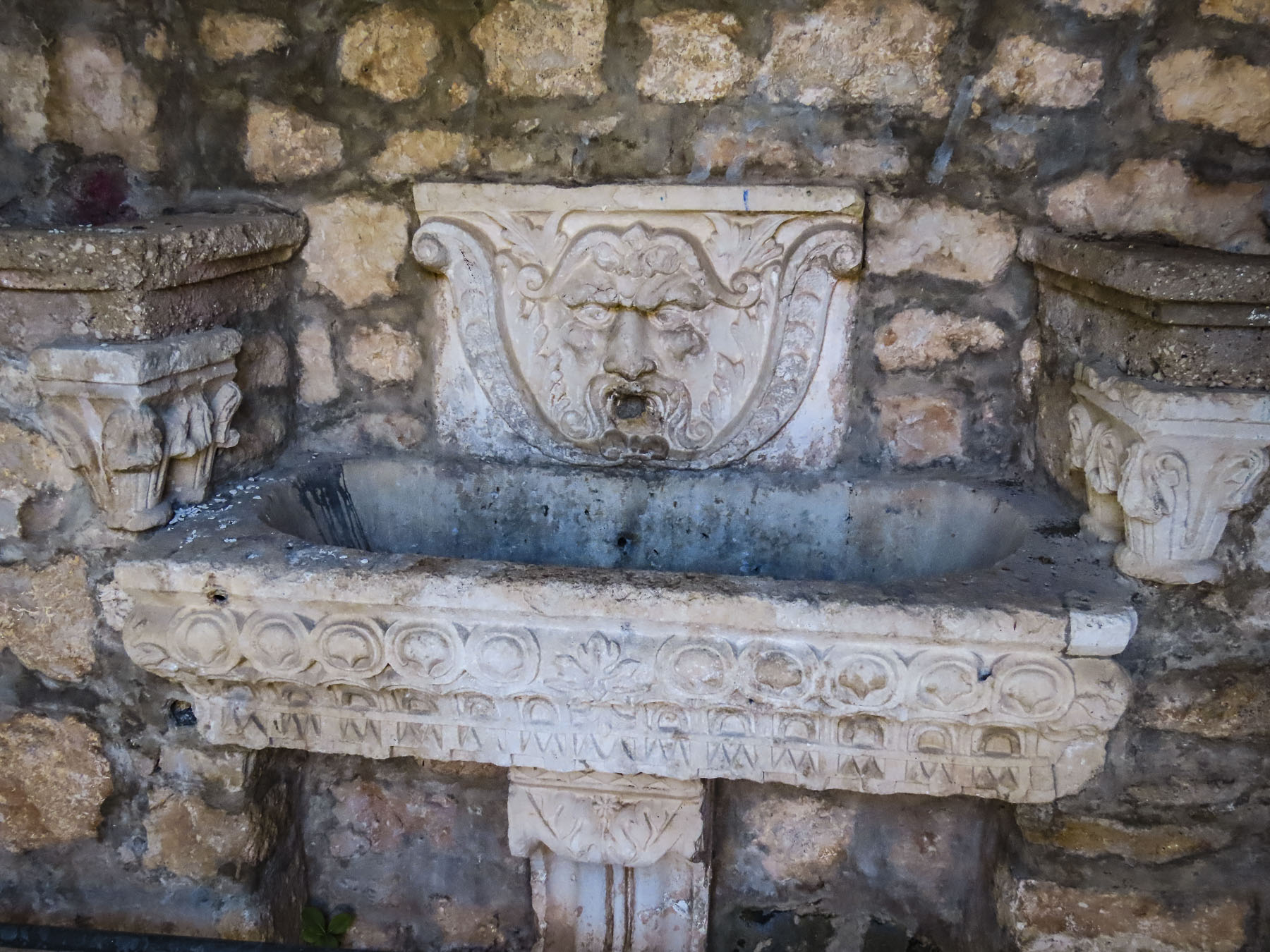
Standing above the West Gate and looking down the Stradum was a prime view that included the circular Large Onofrio’s Fountain built in 1438 and which still supplies fresh spring water, from mountains miles away, to carved faces that spurt water. Farther down the Franciscan Church and Monastery houses the oldest continuously operating pharmacy in the world dating to 1317 in its muraled cloister. Farther along the wall there were several small cafes and stairs that lead to roped off swimming areas at the sea’s edge.

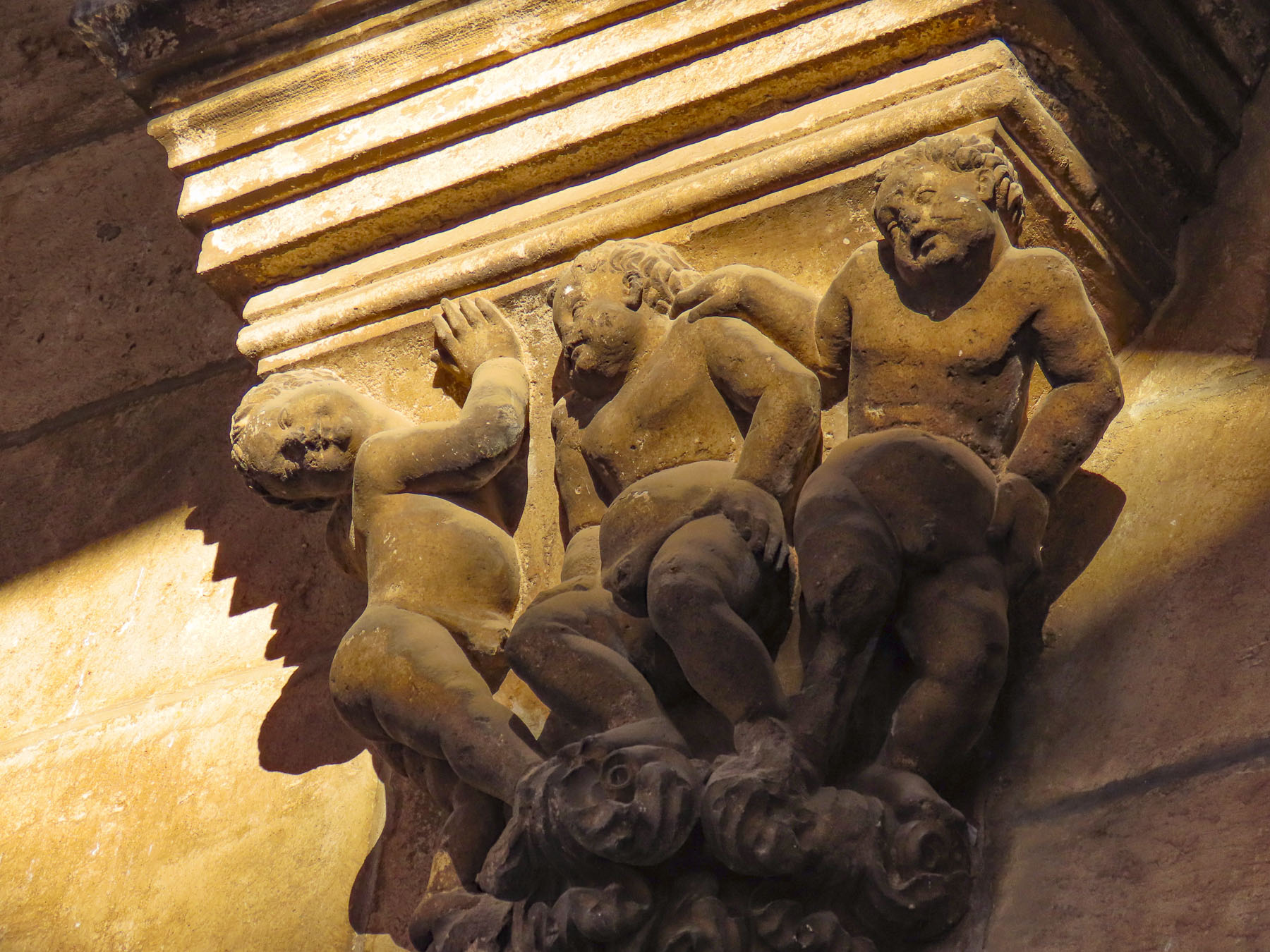
At the far end of Stradum the city’s 100 ft tall clock and belltower zooms skyward over an area that was once the city market in the 1400s. Famously the belltower has two bronze figures named Maro and Baro, zelenci (green) twins that strike the bell on the quarter, half and full hour.  Interestingly, several generations of the same family have maintained the clockworks for over 100 years. Next door the 14th-century Gothic-Renaissance style Rector’s Palace exhibits vestiges of Dubrovnik’s history. Especially noteworthy were the intricately carved exterior columns.

Across the street the statue of golden statue of Saint Blaise cradling a model Dubrovnik on his arm crowns his church.

The city’s 16th century granary and mill has undergone a beautiful and innovative renovation and now houses the Etnografic Museum Rupe. It has a prominent collection of Croatian Cultural items, particularly traditional attire from the regions surrounding Dubrovnik.

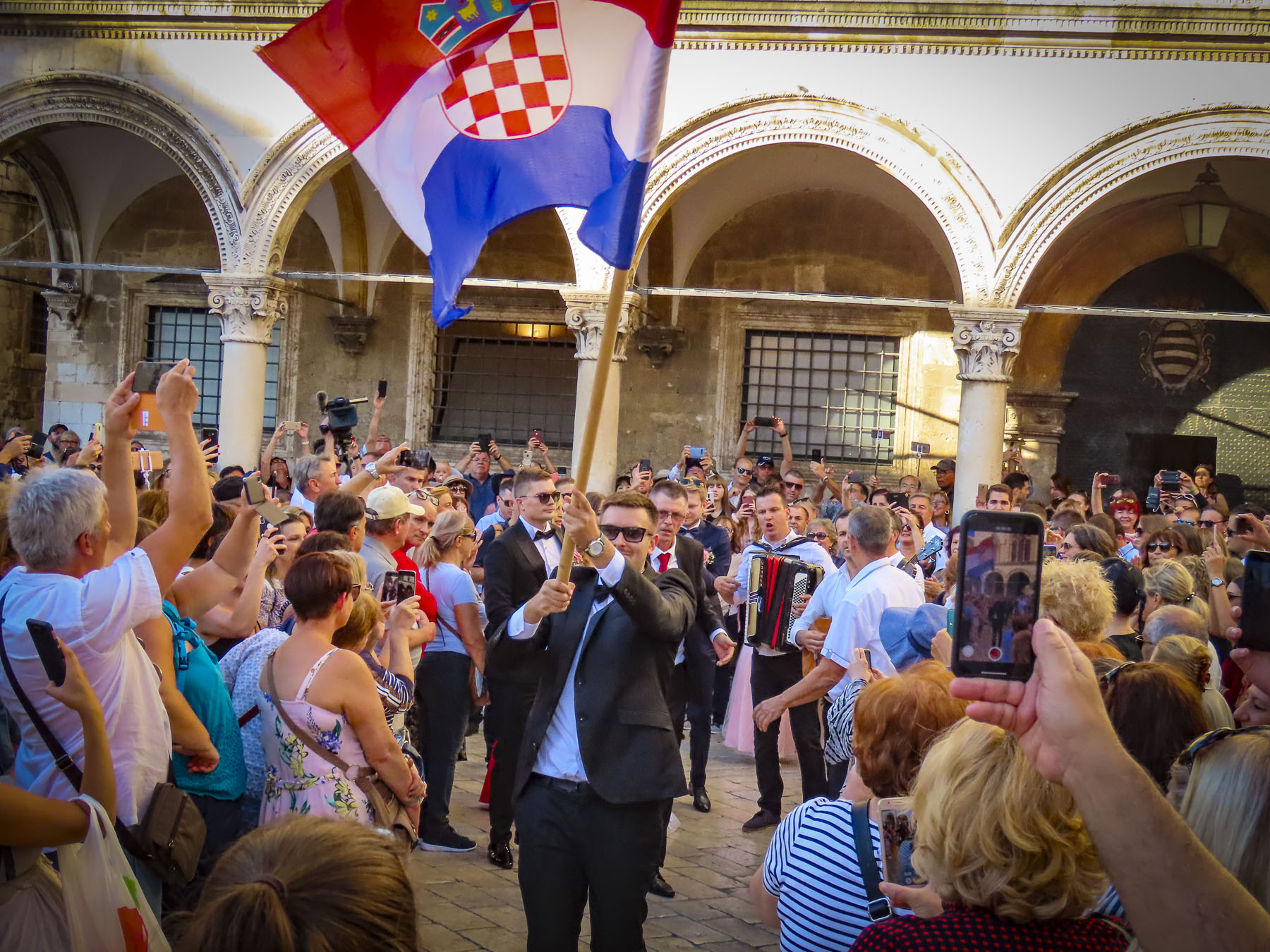
Weddings are a boisterous affair in Dubrovnik, with the bride and groom following a flag waving entourage parading through the pedestrian-only streets on the way to their church ceremony.

Walking east one morning away from the city, along Ul Frana Supila, a quiet road that hugs the water, a small village ambiance prevailed with colorful homes, flowering plants and wild pomegranate trees set into the hillside. 
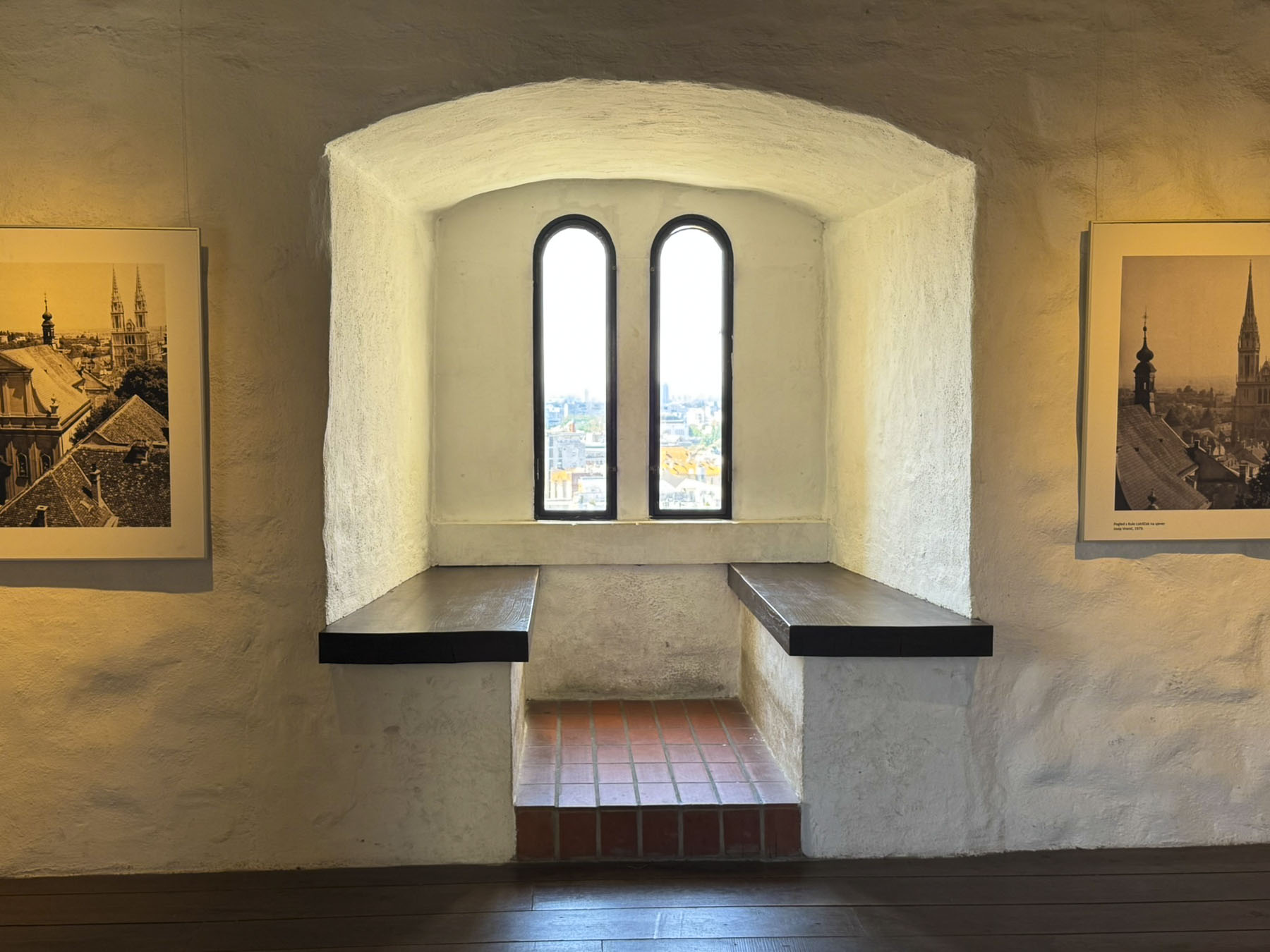
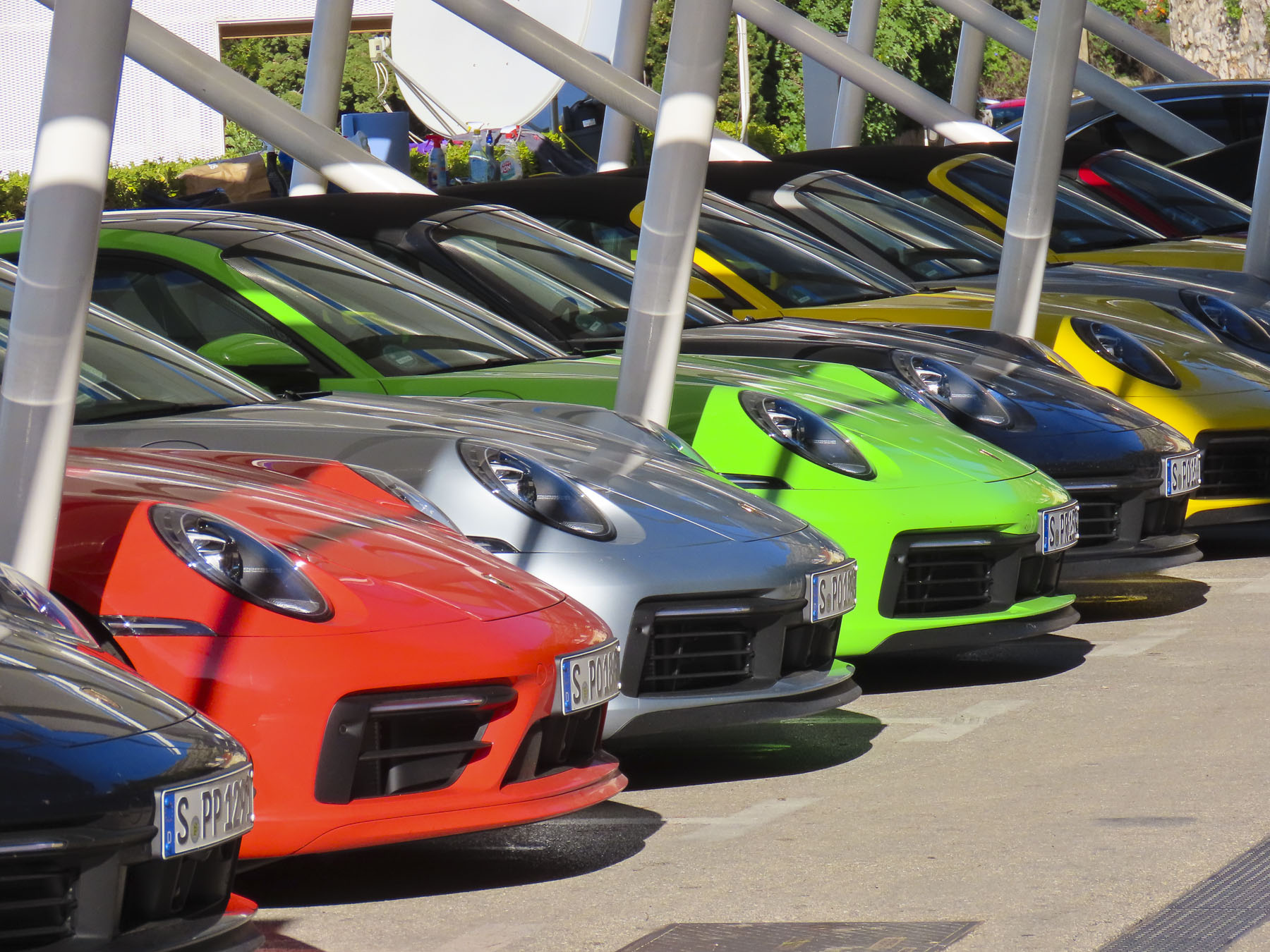
Villas for the well to do, many built on the ruins of previous civilizations, line the road, beautiful none the less. Bored? There was a rainbow-colored selection of wheels for rent at the exotic car dealer to satisfy that zoom, zoom craving. 

Eventually the road narrowed and a chain across it prevented cars from going farther along a treacherous, serpentine stretch that hugs the cliff face.  The road used to connect back to the highway near one of the scenic overlooks.  But it was determined to be too dangerous when its guardrails tumbled down the cliff into the sea.  Now only walkers and bicyclists use it to traverse a dramatic section of the coast. 

A memorial, Spomen ploča žrtvama komunističkog terora, to victims of the communist terror, stands on a curve in the road. It commemorates the lives of five young Yugoslavian partisans thrown from the cliff to their deaths by communist “liberation forces” loyal to Marshal Tito at the end of WWII.

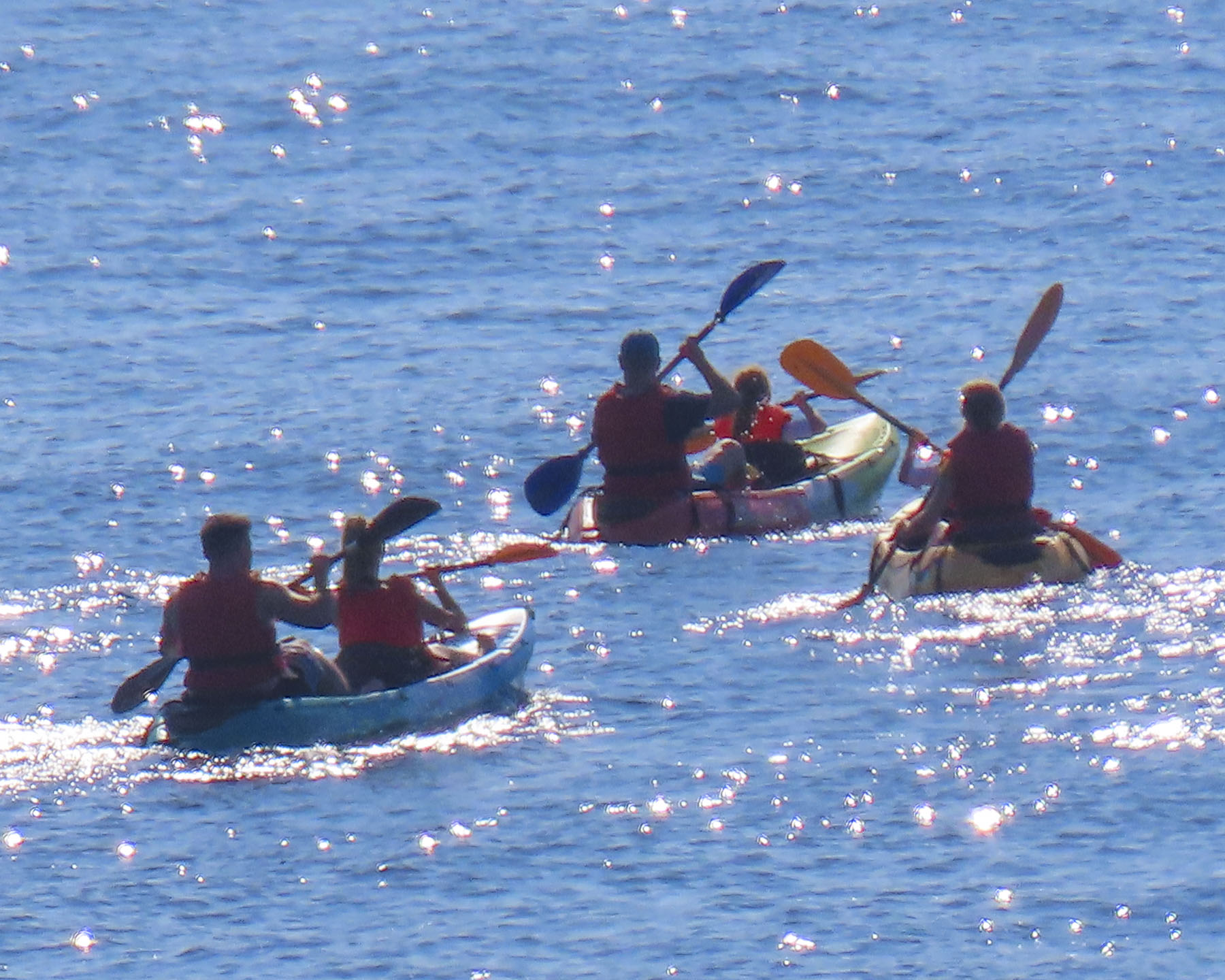
Across from Dubrovnik’s West Gate and harbor, the 11th century Fort Lovrijenac, the “Gibraltar of the Adriatic,” sits atop a towering rock monolith 121 feet above the sea. Climbing to the top of the citadel along well-worn footpaths and stairs satisfied us with great views back across the harbor of walled Dubrovnik and kayakers paddling along in the cove below.

Many kayaking tours leave from West Harbor. Today Lovrijenac’s walls, some reaching a thickness of 39 feet, support theater and music productions during the summer months.  The dramatic setting is also the backdrop for Red Bull Cliff Diving World Series and Knightfall, a historical fiction TV drama about the Knights Templar. 


Behind the fortress, wandering the narrow lanes along the water’s edge felt like we were in a quaint seaside village.

We thought the Three-Day Dubrovnik Card was a good value for us, since it offered free entrance to six museums, two galleries and the city walls, as well as six free rides on the local buses. Staying just outside the fortress walls permitted us to avoid a premium room rate yet allowed us easy entry into the citadel early in the mornings and to find those quiet vignettes and ancient architectural details hidden amidst dramatic shadows.

 For moments we felt like we had this beautiful medieval city all to ourselves.

Till next time, Craig & Donna