


With his eyes still focused on the newspaper spread across the steering wheel of his Mercedes, the caretaker acknowledged our presence, and his ambivalence to our disturbing his quiet routine, with a slight nod. His left index finger barely raised off the steering wheel confirmed the direction through the gate. He sipped from his thermos before turning to the next page of the Gazeta Panorama.
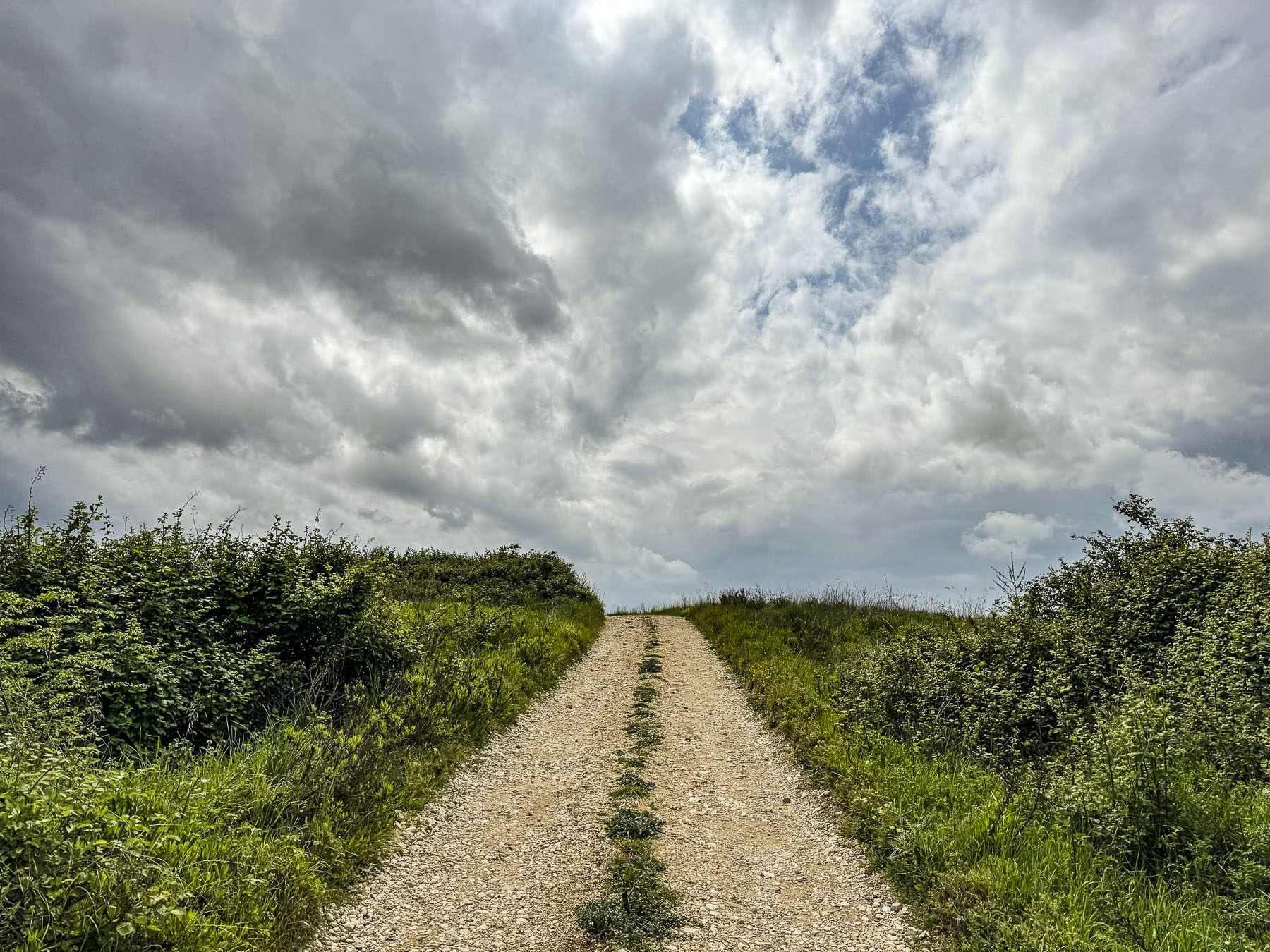

From Upper Qeparo we had made good time driving south along the Albanian coast, only stopping occasionally, as it was a grey day, to admire the dramatic, refreshingly undeveloped coastline. And by the time we walked around the exterior of the church at Manastiri i Shën Nikollës, Monastery of Saint Nicholas, in Mesopotamia, the caretaker was unlocking the ancient door to the sanctuary.
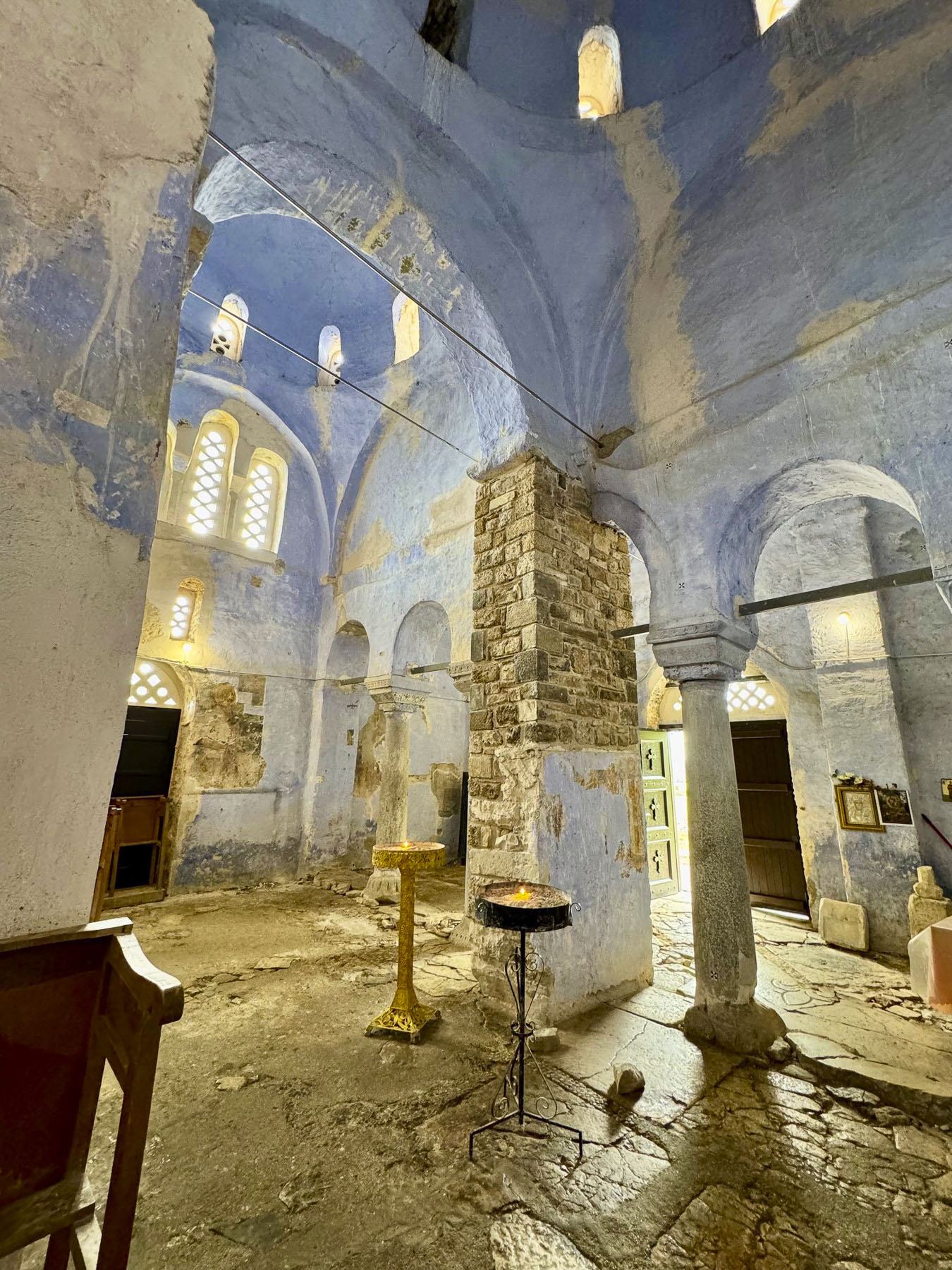
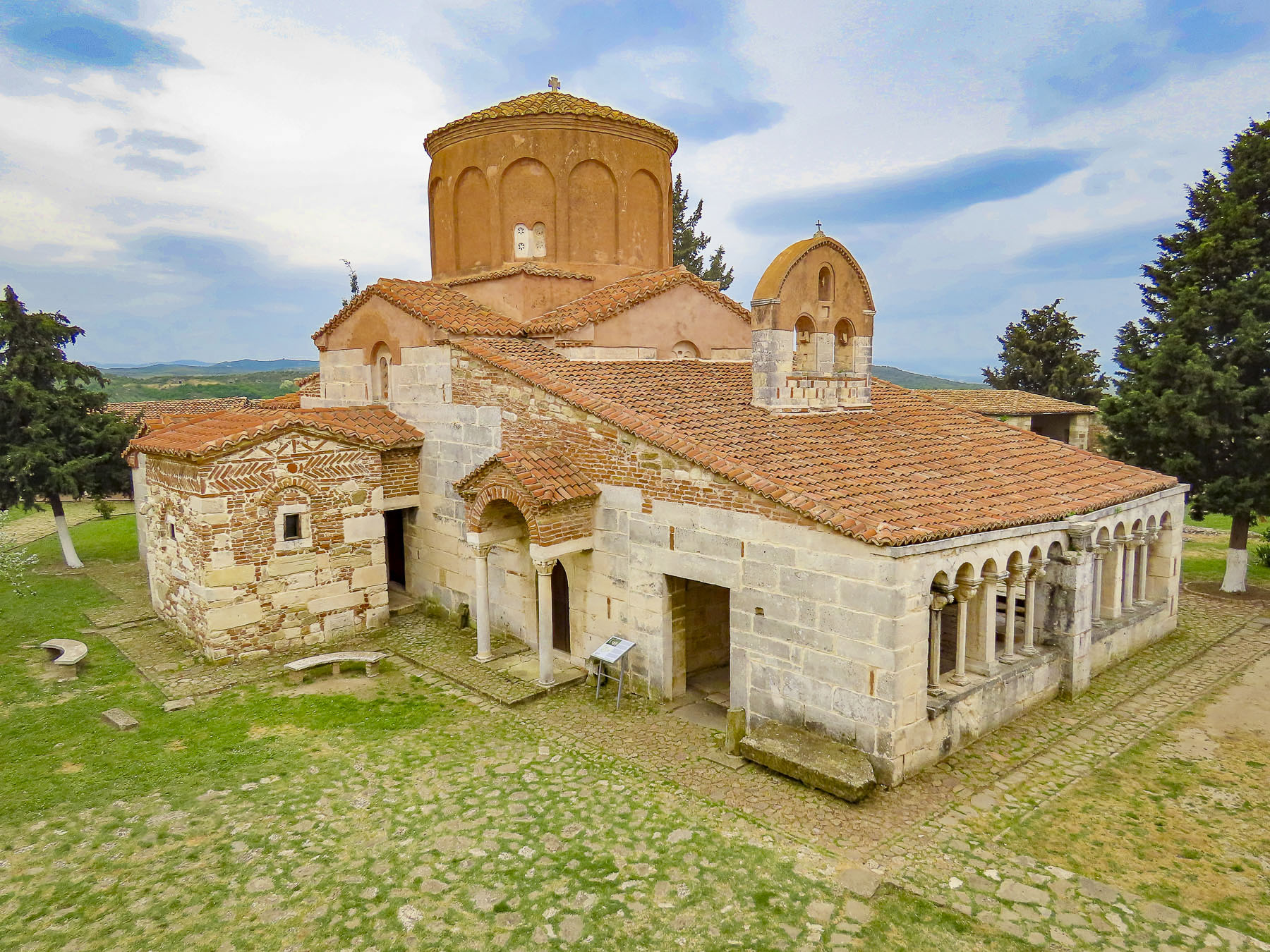
Built in 1224, above a 3rd century BC Greek temple, the church incorporated some of the ancient structure’s still-standing walls in a unique twin apse design, that accommodated Orthodox and Catholic religious services. Light cascading through pigeonhole venting high up on the exterior walls illuminated the interior and gave the wall’s ancient blue paint an ethereal patina. Sadly, the blue paint was applied over original frescoes during the Ottoman era when the church was converted to a mosque and human figures were no longer allowed in religious sites.


After 800 years the church is showing its age with cracks in the walls. A newer cinderblock column stood amid its arches to support the sagging roof. Gold and silver rimmed the icons hung on the carved wooden screen that separated the nave from a remarkable surviving frescoed altar.

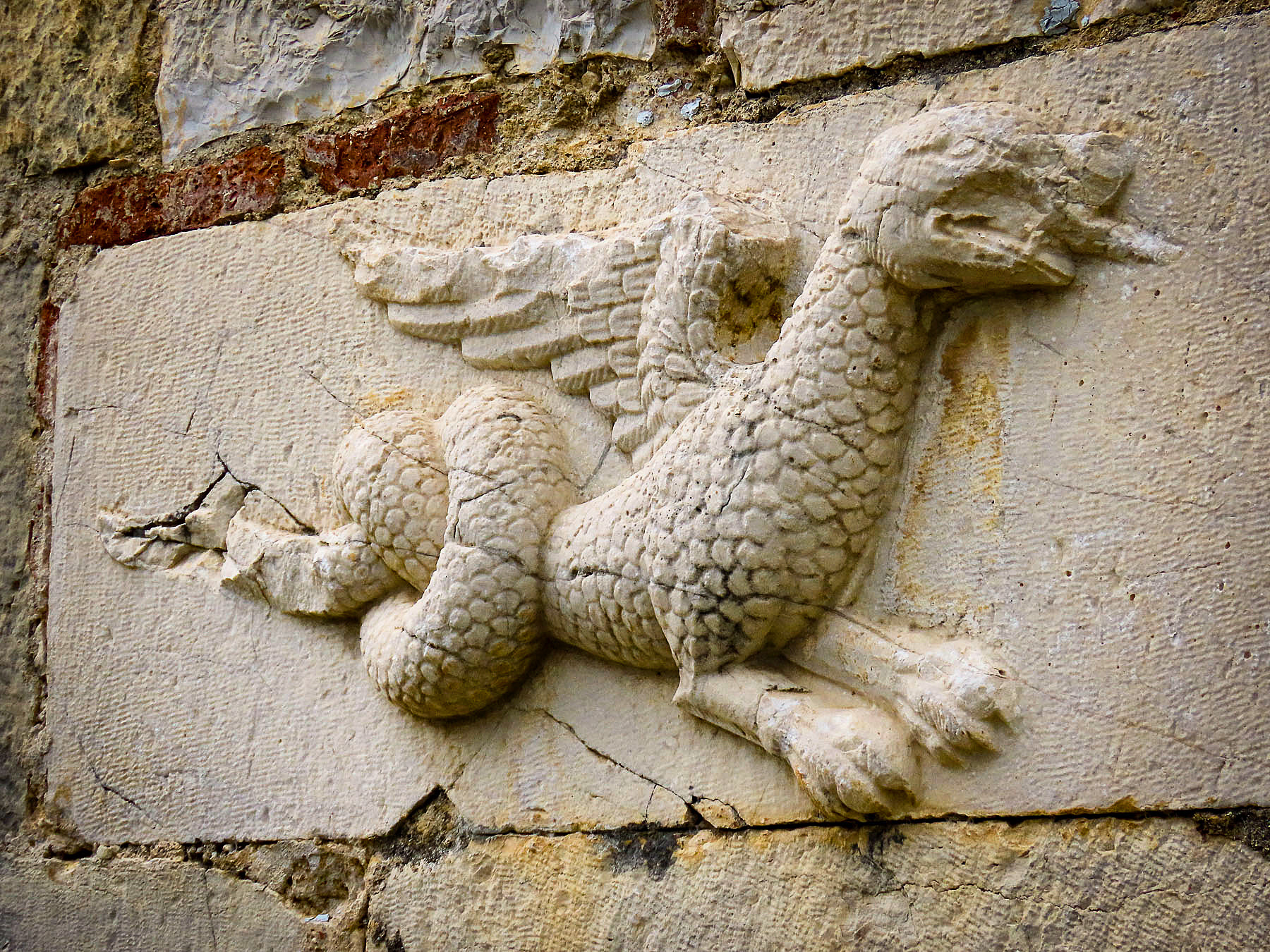
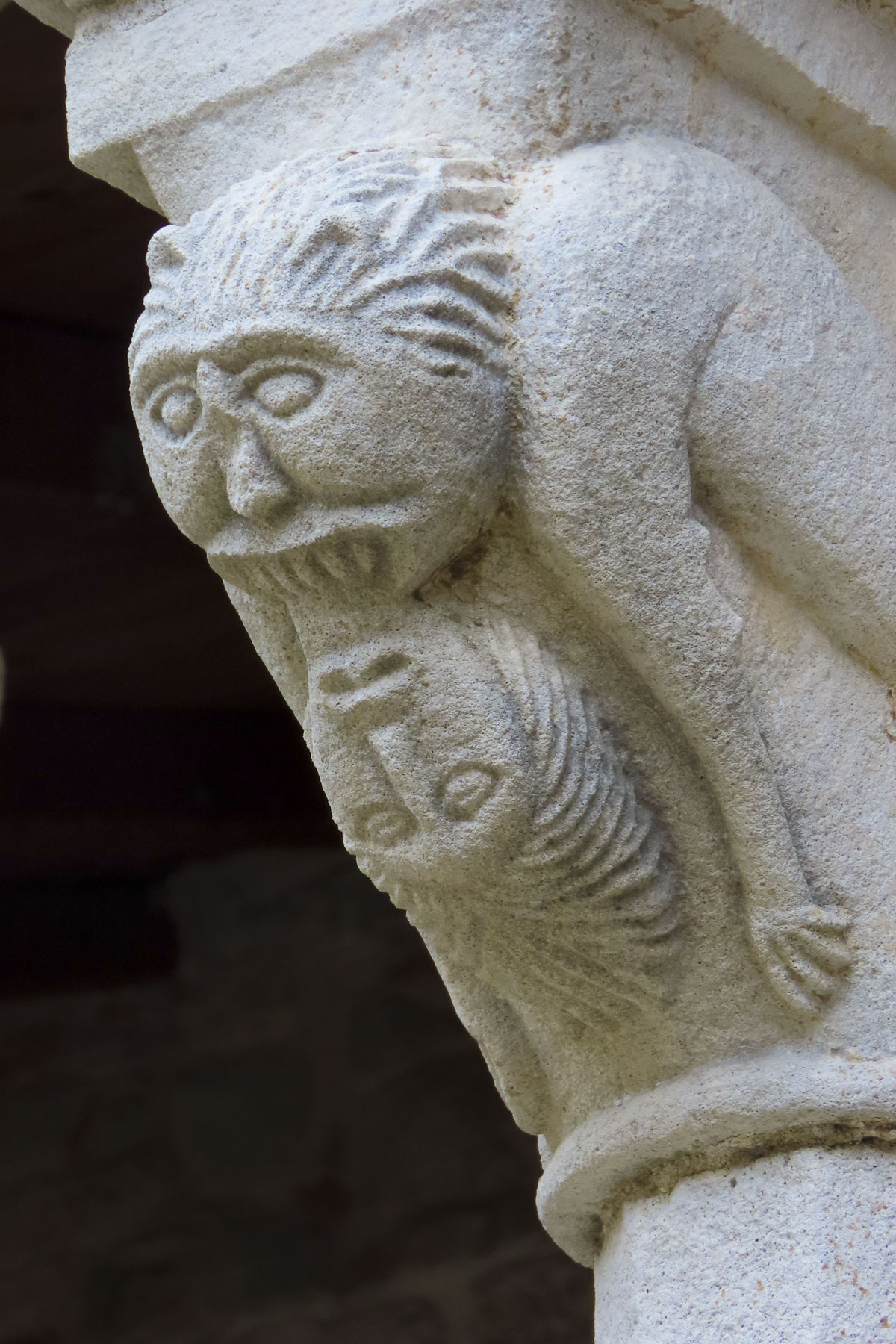
Carved stone relief sculptures on outside walls of serpent dragons with their twisting tails tied in knots, as well as a lion, are attributed to the church’s ancient Greek builders.
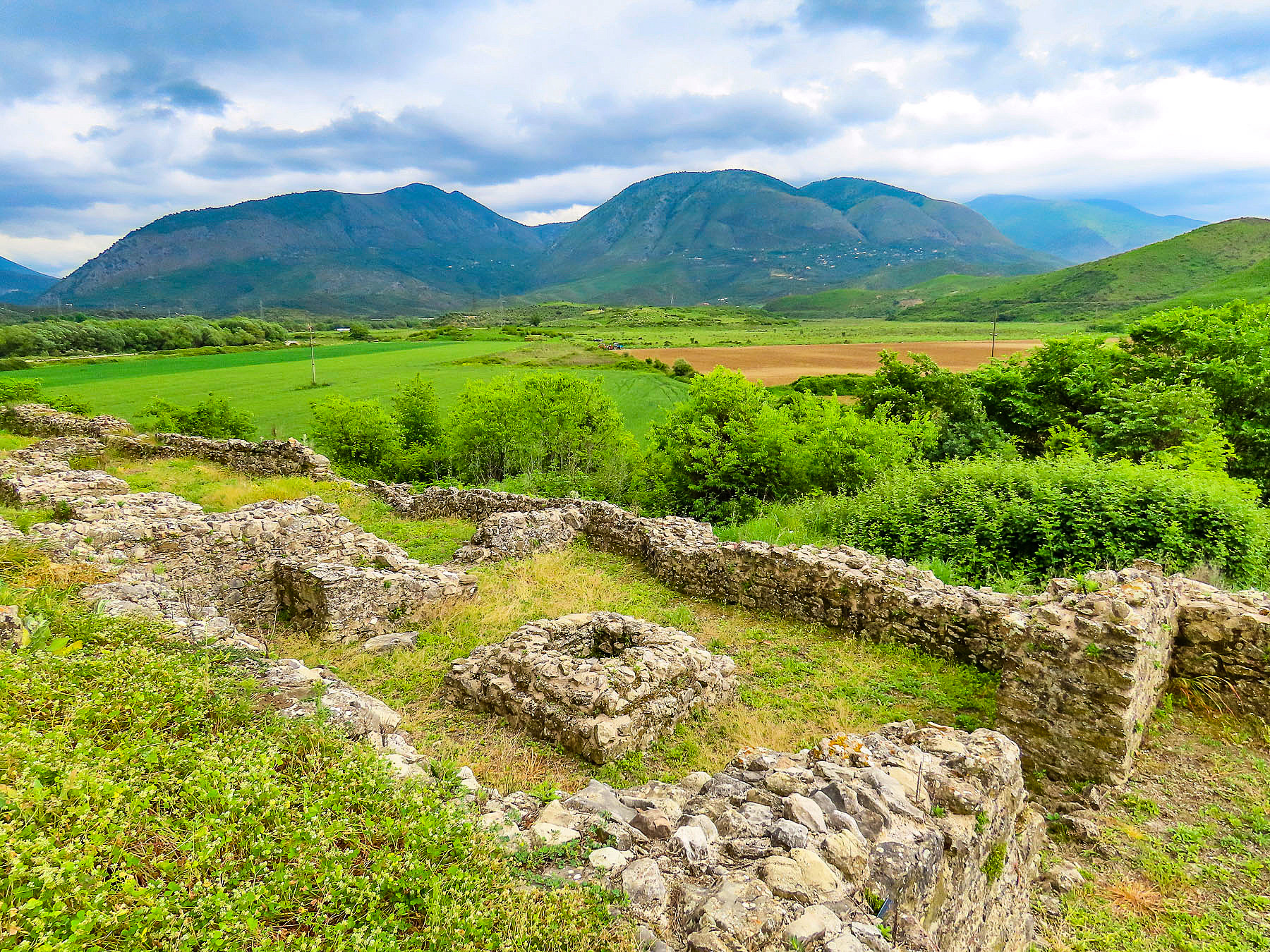
The church and nearby foundation ruins of the monks’ living quarters are all that remain from what was once a large monastery, surrounded by a defensive wall with seven towers. Its stones were carted away long ago to Mesopotamia, and other nearby villages. We had planned to visit the Blue Eye, a crystal clear natural spring, only 30 minutes down the road, but a darkening grey sky deterred us.

Clearing skies greeted our late afternoon arrival at the Harmony Hotel in Saranda. While the freedom a rental car offers during the day is fantastic, the rental often becomes an expensive ball and chain when considering overnight parking options.Fortunately, during the mid-April shoulder season, the Harmony Hotel had plenty of parking right out front on a street that was as steep as those in San Francisco. Concerned that if the parking brake ever failed the car would roll downhill into the Adriatic, I curbed the wheels, a concern the receptionist thought was unwarranted. The local folks never curb their wheels, and no cars have rolled away to a watery grave. Still. The hotel is run by a wonderfully enthusiastic and friendly extended family that exudes hospitality. The sister-in-law guided us upstairs and down a freshly painted hallway, touching the walls every so often to make sure the paint had dried, to a crisp, all white room, with a balcony and a distant view of Corfu, Greece, on the horizon. It was the perfect romantic spot for two nights.
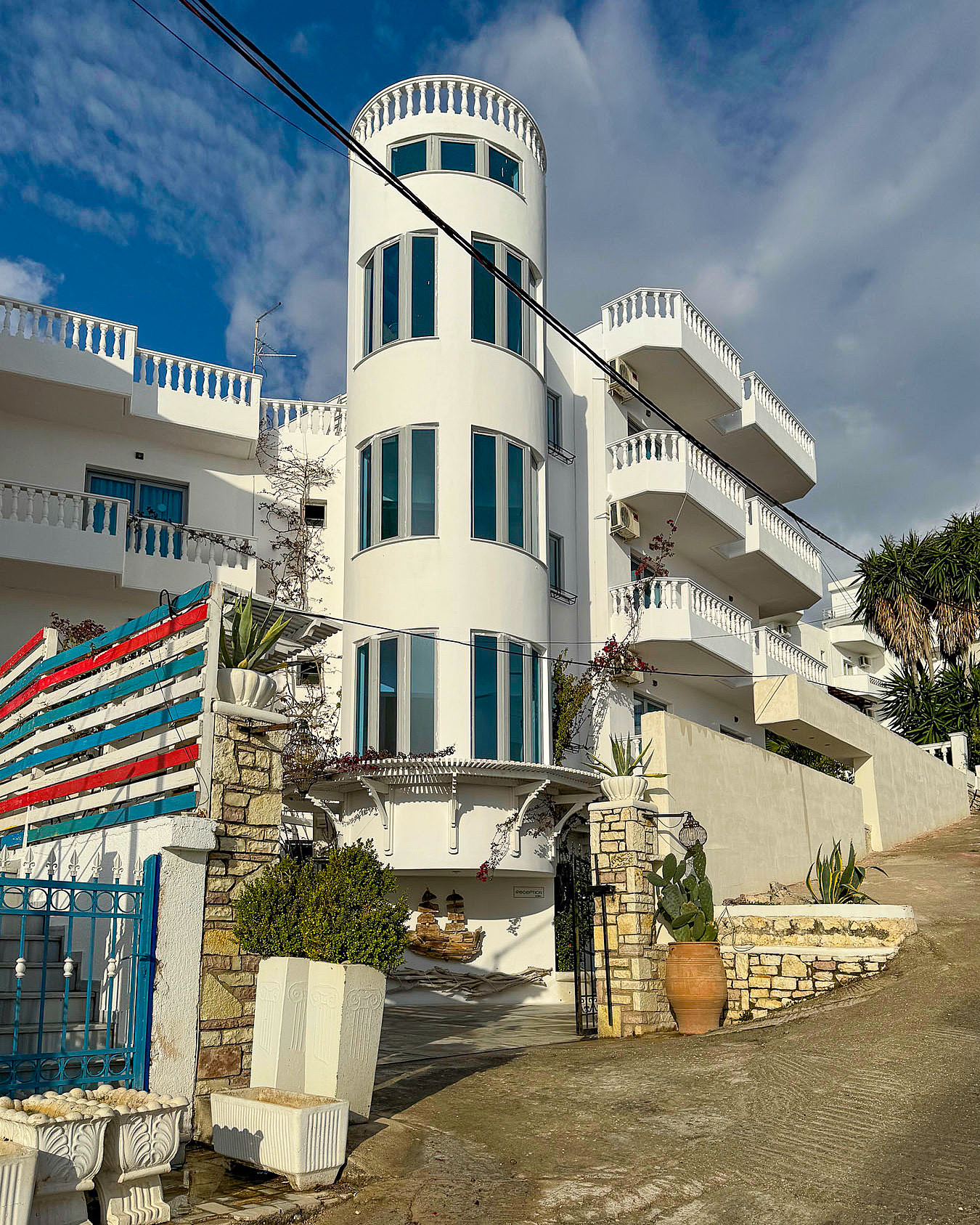

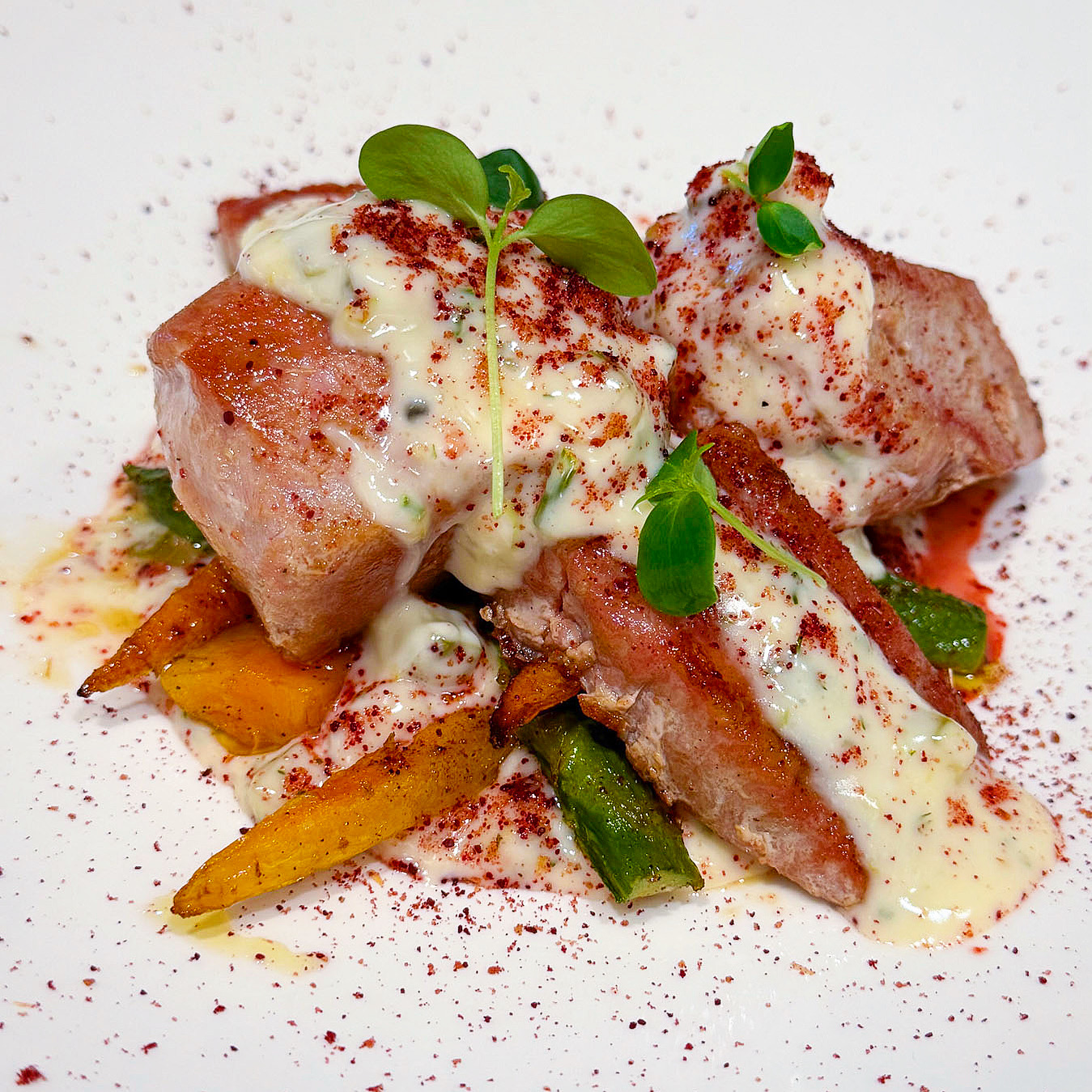
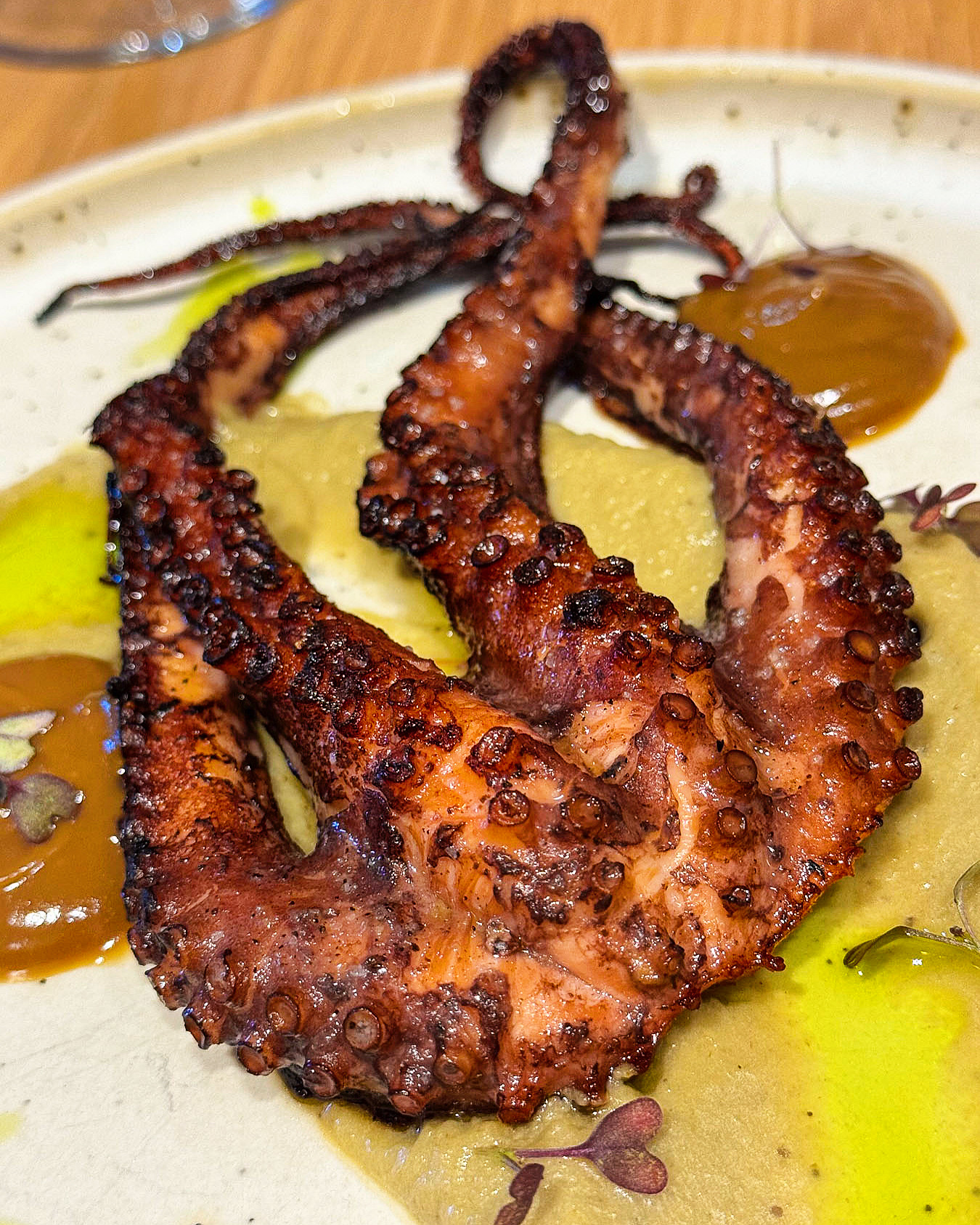
While we prefer touring in the shoulder season to avoid the crowds and heat of the summer months, one of the compromises we often encounter is the closure of many restaurants that would otherwise be open. Fortunately, the hotel’s restaurant was open, and surprisingly it was an unexpected fine dining experience that became one of the highlights of our vacation! We dined there both nights of our stay because the locally sourced seafood and vegetables were extremely flavorful, excellently prepared, totally delicious; Grilled octopus accompanied with a puree of eggplant and pistachio, Albanian Tuna with carrots and asparagus, and local Butrint mussels with fennel were beautifully presented. The restaurant deserves to be a destination in itself. We still remember these dinners as some of the best meals we’ve ever had. If you are staying in Sarande, head to the Harmony Restaurant – you won’t be disappointed!

After dinner our gregarious host joined us. And as we sipped raki, or rakija, together he explained this is powerful stuff with an alcohol content of 45-50%, or as high as 80%, especially if its homemade. Since it’s a traditional Albanian drink, many households pride themselves on their home distilled raki. He went on to explain that many countries have a strong distilled spirit: Mexico with its tequila, Italy has grappa, Greece ouzo, and Russia Vodka. But Albania’s raki is legendary and went on to illustrate it with a story. Three groups of friendly mice hailed from different countries. The mice from Mexico drank tequila and happily partied till morning singing Mariachi songs and dancing. The group of Russian mice, imbibing vodka all evening, became sullen, and eventually fell asleep with their heads on the table. But the Albanian mice, deep into their glasses of raki, become feisty and boisterous, and yell, BRING US THE CAT!! They proceed to chase the unlucky feline around the bar all night. There was also some speculation that Albanian raki might have fueled the first Russian space flight.


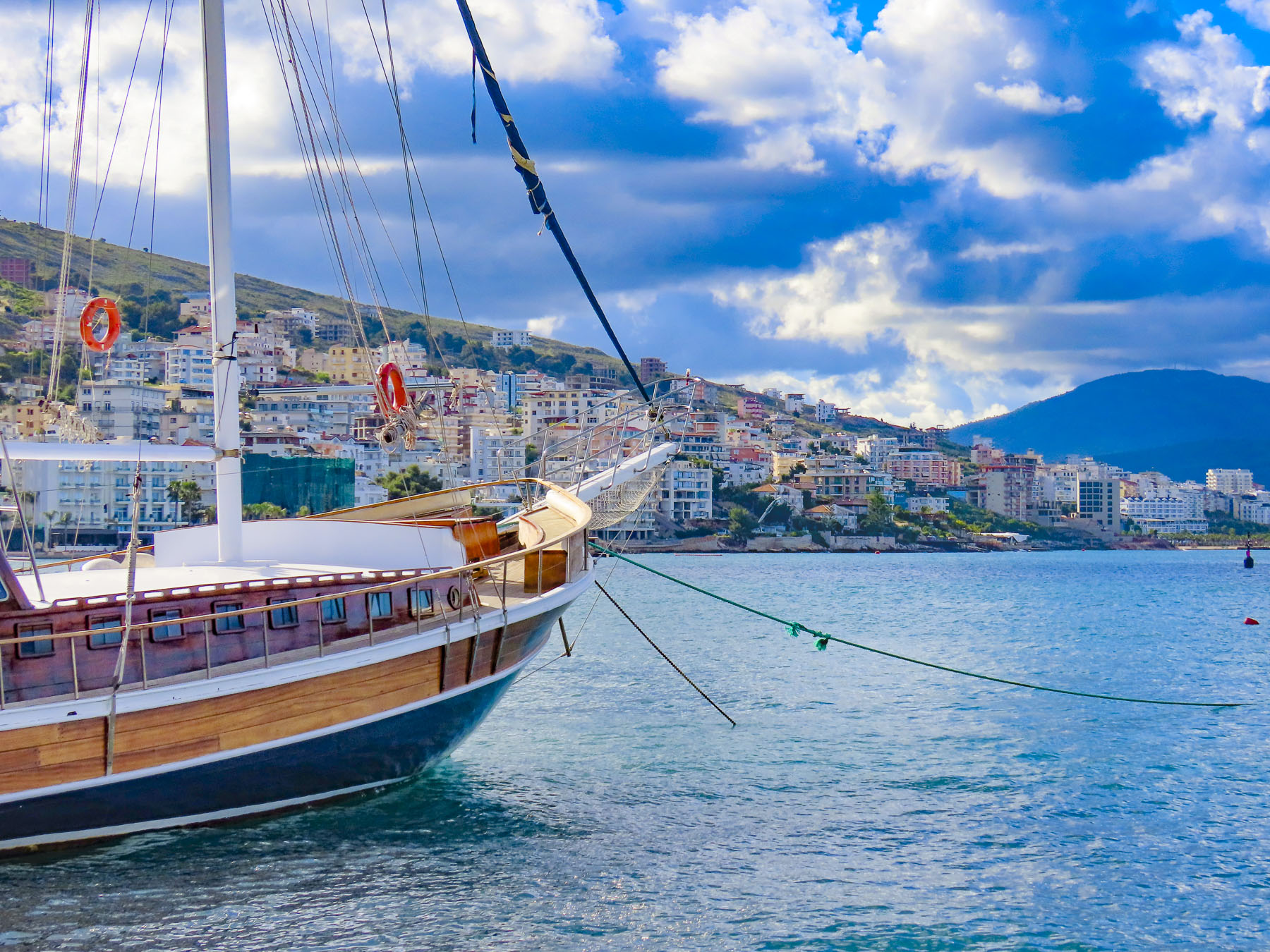
The next morning, we watched from our balcony, as the fast ferry from Corfu sped across the water as it headed to dock along the Saranda promenade. We followed it there after breakfast. The Saranda promenade is along a lovely part of the Albanian Riviera, where the coast bends like the crook of your elbow. The views of the beach, water, mountains and city were spectacular, with the sky speckled with cumulus clouds.
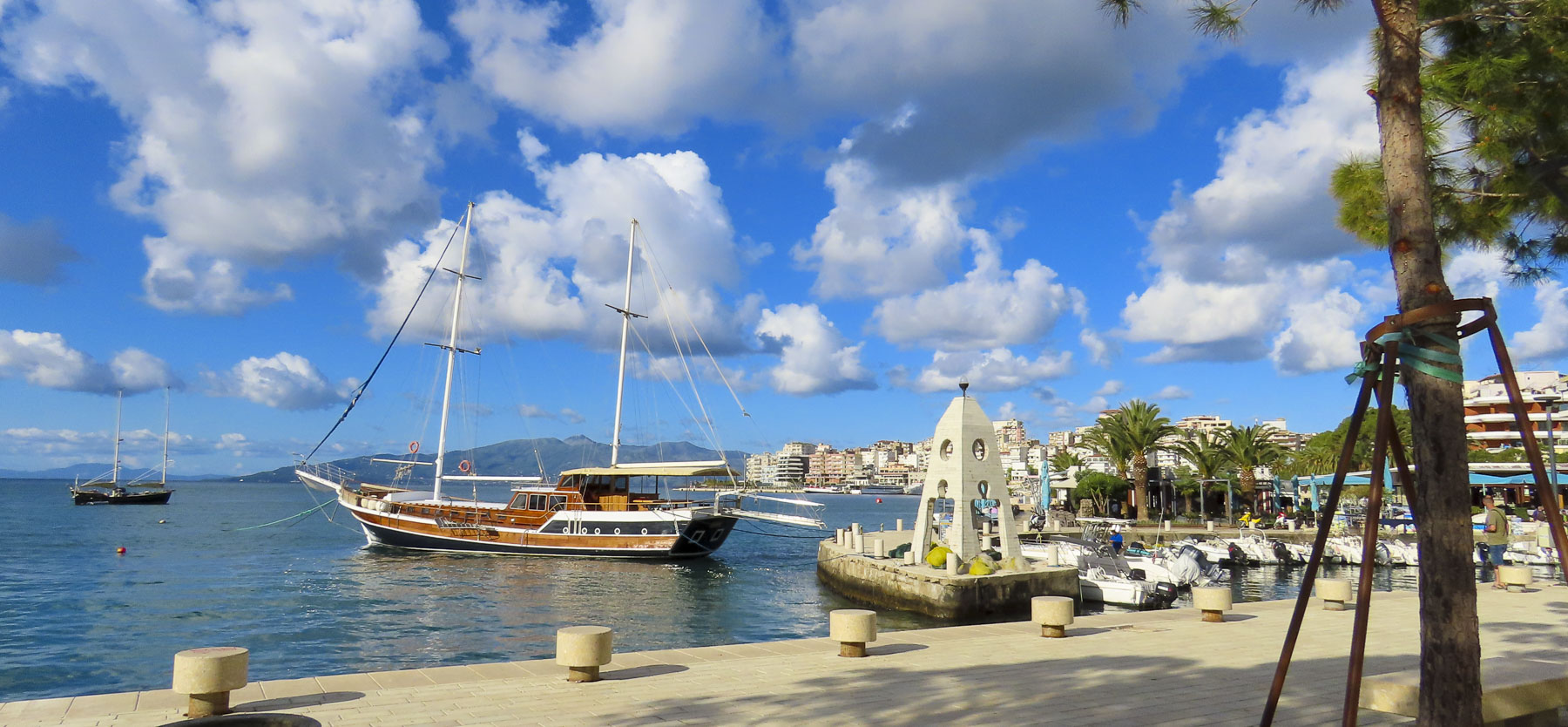
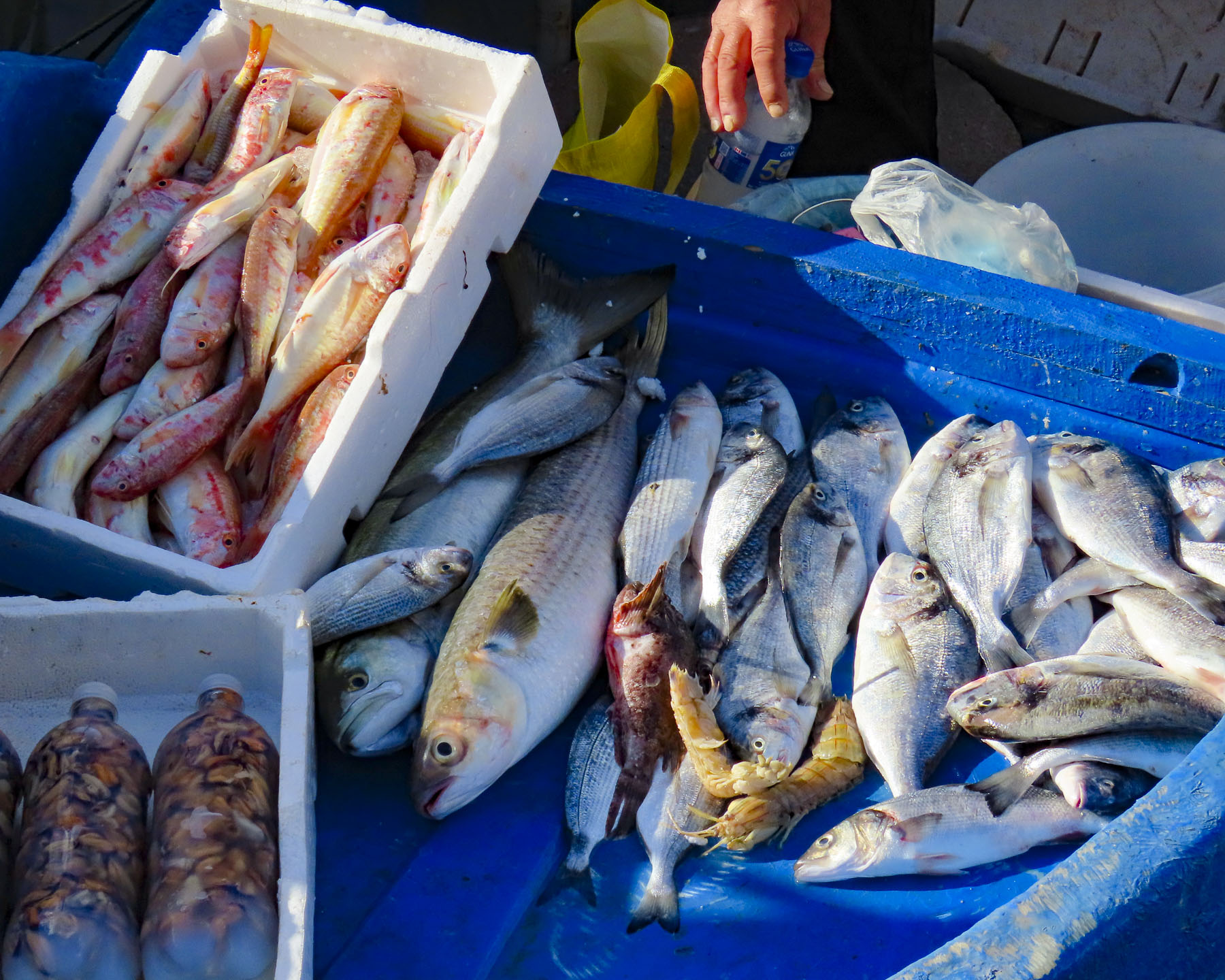
Fishermen sold their morning catch from the bows of their boats tied to the quay. A super-yacht cruised into the harbor and dropped anchor, not far offshore. Our “walk a little, then café,” philosophy brought us to the outdoor tables at Bar Restaurant Limani, on the waterfront.

Later that morning we headed south towards Greece and stopped in the beach town of Ksamil, on the Ionian Sea, to specifically visit that iconic swing set in the ocean, that’s symbolic of the area’s laid-back vibe and tranquility – at least during the day anyway. It’s set in the surf directly across from the Poda Beach Bar if you need a landmark.

The horseshoe shaped beach was a brilliant white, with gentle waves caressing the sand. The water was an inviting aquamarine that faded to shades of cobalt blue as the water deepened. Dipping our toes in the still cold Ionian Sea was as far as we got. In the background the Ksamil Islands separated us from nearby Corfu.

An easy 15 minute drive from Ksamil, we arrived mid-afternoon to the Butrint National Archaeological Park, a UNESCO site since 1992. Parking was easily found near the entrance, by the small car ferry.
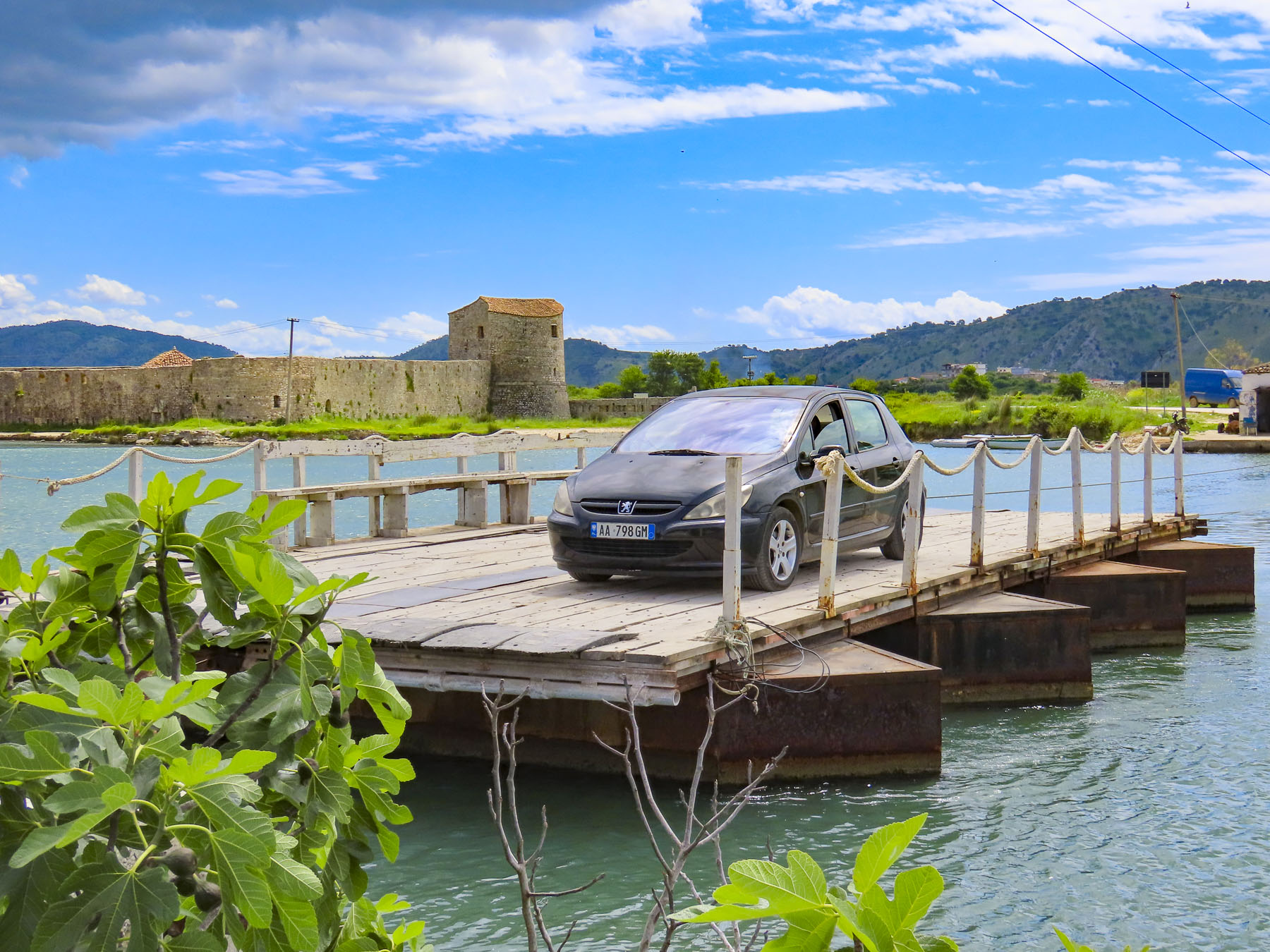
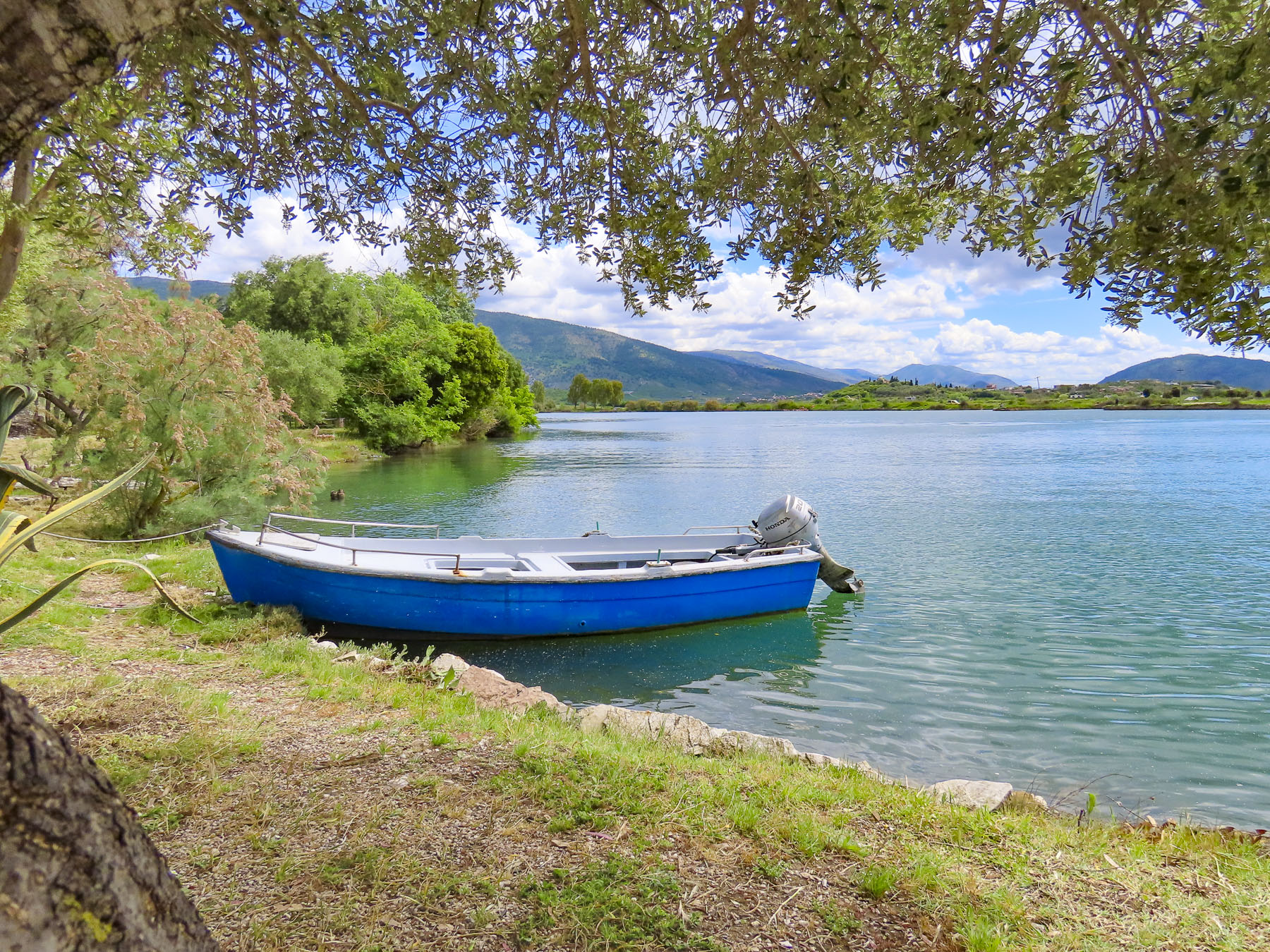
Folks who want to see the old Venetian Castle across the waterway, and those traveling farther south to Greece, need to use the ferry to cross the Vivari Channel, which feeds water to Lake Butrint, really a salt water lagoon. For several millennium it was a vital artery, protected by fortresses on both sides of the waterway, for ancient shipping fleets that sought a safe anchorage in Lake Butrint.
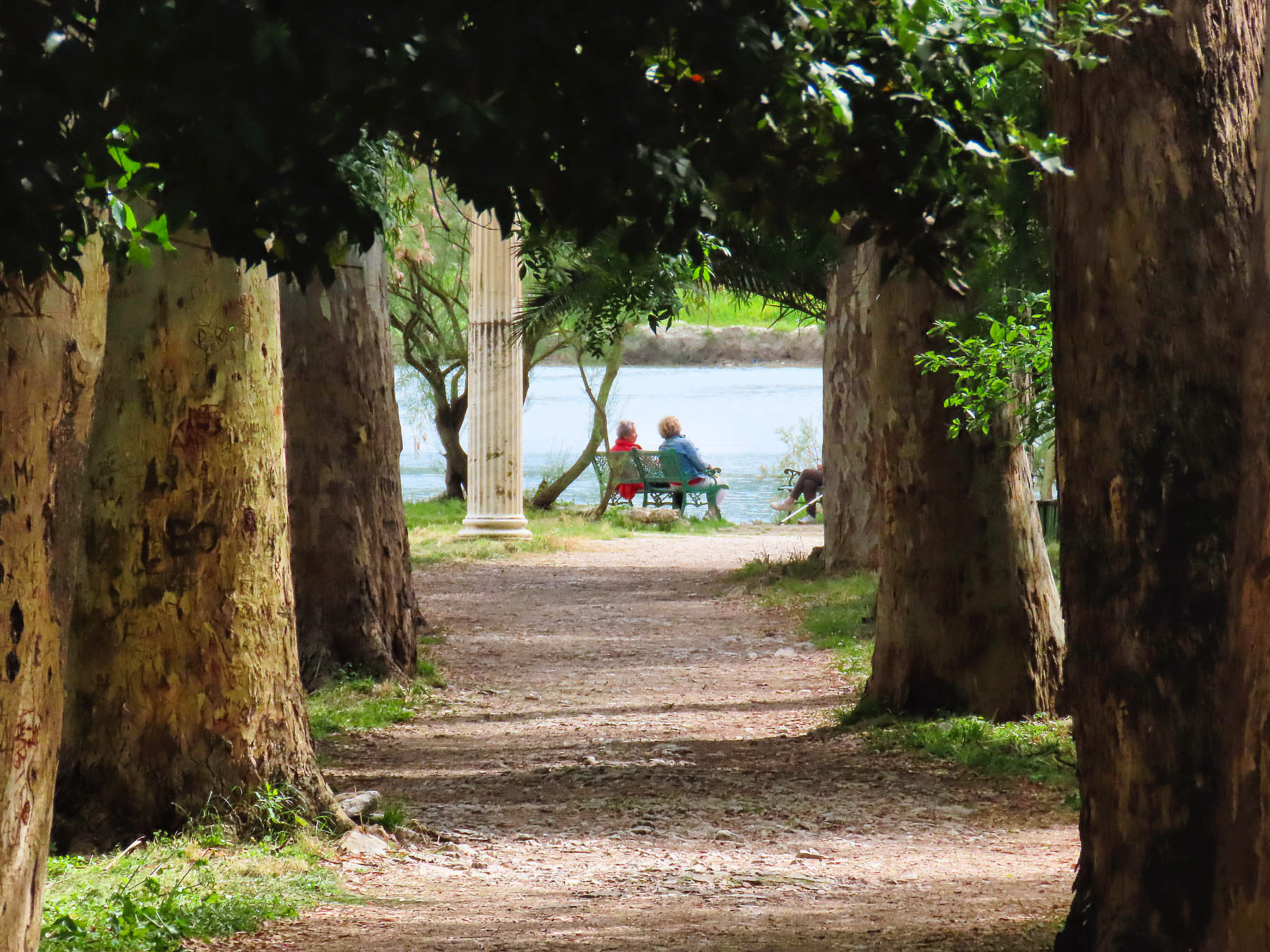
The lake is surrounded by Butrint National Park which was established in the 1990’s to protect the wetland area that is internationally recognized as a supreme habitat for many different bird and fish species. Today the Vivari Channel’s nutrient rich waters continue to support many mussel farms that raise the unique Blue Butrint mollusks. Favored for their high nutrient content, mussels were an important food stock during the lean communist years. A great place to try them is nearby at the Mussel House, run by entrepreneurial Husein Mane and his family. Proudly it’s recognized as the 19th free enterprise business registered in Albania after the fall of communism.

Located on a bulbous peninsula, almost completely surrounded by water, this small defensive hill has been trodden upon since the bronze and iron ages. Later an Illyrian tribe left their detritus. it’s believed the first substantial improvements were made when Greek traders from nearby Corfu established a colony on the hill and built an acropolis in the 8th BC and called it Buthrotum.

The ancient ruins are spread across a beautiful park-like setting, with dirt paths following the riverfront, and winding between the monuments, under tall shade trees. It’s the perfect locale to release your latent Indiana Jones or Laura Croft. It’s obvious from the wonderful aesthetics of the landscape why a succession of civilizations have settled the land, and why the UNESCO literature describes the site “as a microcosm of Mediterranean history.”


After the Greeks, the Julius Caesar arrived in 48 BC and called the city Bouthrotos. I can imagine Caesar atop the hill standing next to Pliny the Architect and asking, “Pliny, what can you do with all of this Greek rubble?” Emperor Augustus renamed the city Colonia Augusta Buthrotumhe. The city thrived under several centuries of Roman rule, its coffers full from trade with the Western Roman and Byzantine Empires. It was during this period of prosperity that a bridge and aqueduct across the Vivari Channel were built. The aqueduct, a testament to Roman engineering, spanned the waterway and continued to a fresh water, mountain spring four miles to the east. Many substantial buildings include a Forum, Roman Baths with heated water, Capitolium, a Gymnasium complex, and a circular Baptistery with a splendid mosaic floor. The floor is covered with sand to preserve it, but it is occasionally revealed for several days each year. Temples dedicated to mythological gods were eventually replaced with a Christian Basilica. Villas of the wealthy dotted the lake shore.
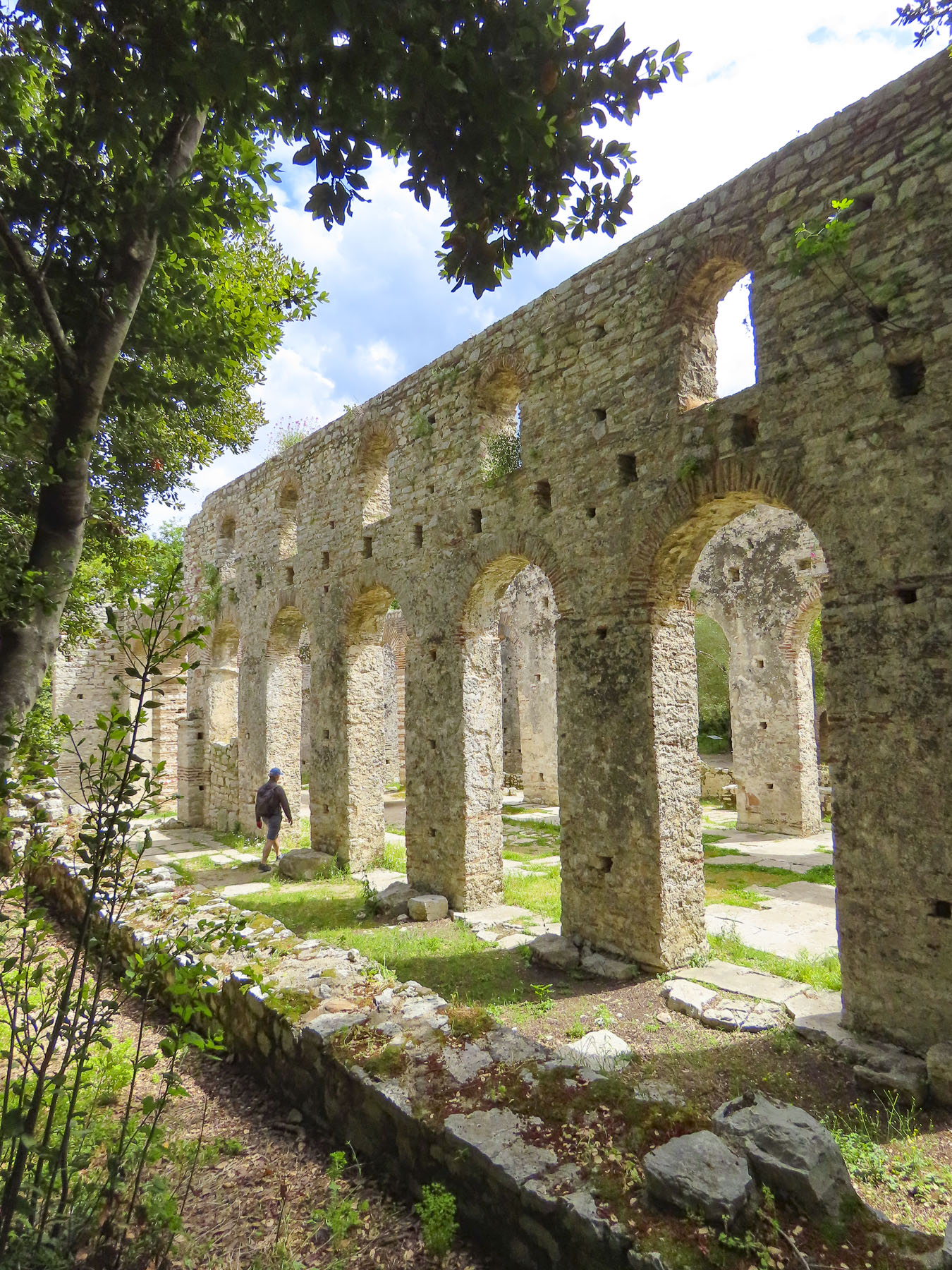
Charles I of Anjou of the Angevin dynasty, aka the King of Sicily, who later named himself King of Albania too, wrestled control of Bouthrotos away from the Byzantines in 1292. The Angevin dynasty ruled the city for nearly 100 years before the Republic of Venice said, “let’s make a deal,” and purchased the city in 1386. This strategic decision gave the Venetians nearly total control of the Adriatic Sea. They reinforced their intent with the construction of a Castle, now the archeological museum, atop the ancient Greek acropolis, at the highest point of the hill. Defensive walls and towers along the shoreline, and a fort across the Vivari waterway were built to help protect their new possession, Butrinto, and harbor. Three hundred years of near continuous conflict followed with the Ottoman empire as it fought to spread its reach across eastern Europe, Greece and the Balkans. The city finally fell to the notorious Ottoman Albanian warlord Ali Pasha Tepelena in 1799, but was soon abandoned as the marshes around the peninsula were infested with malaria carrying mosquitos. Shepherds and their flocks wandered amid the ruins until the first archeological excavations began in 1928. The dig was funded by Italy’s Fascist government headed by Benito Mussolini, with the aim to extend Italy’s historic ties to the region, and support a case for Italy’s bid to annex Albania.
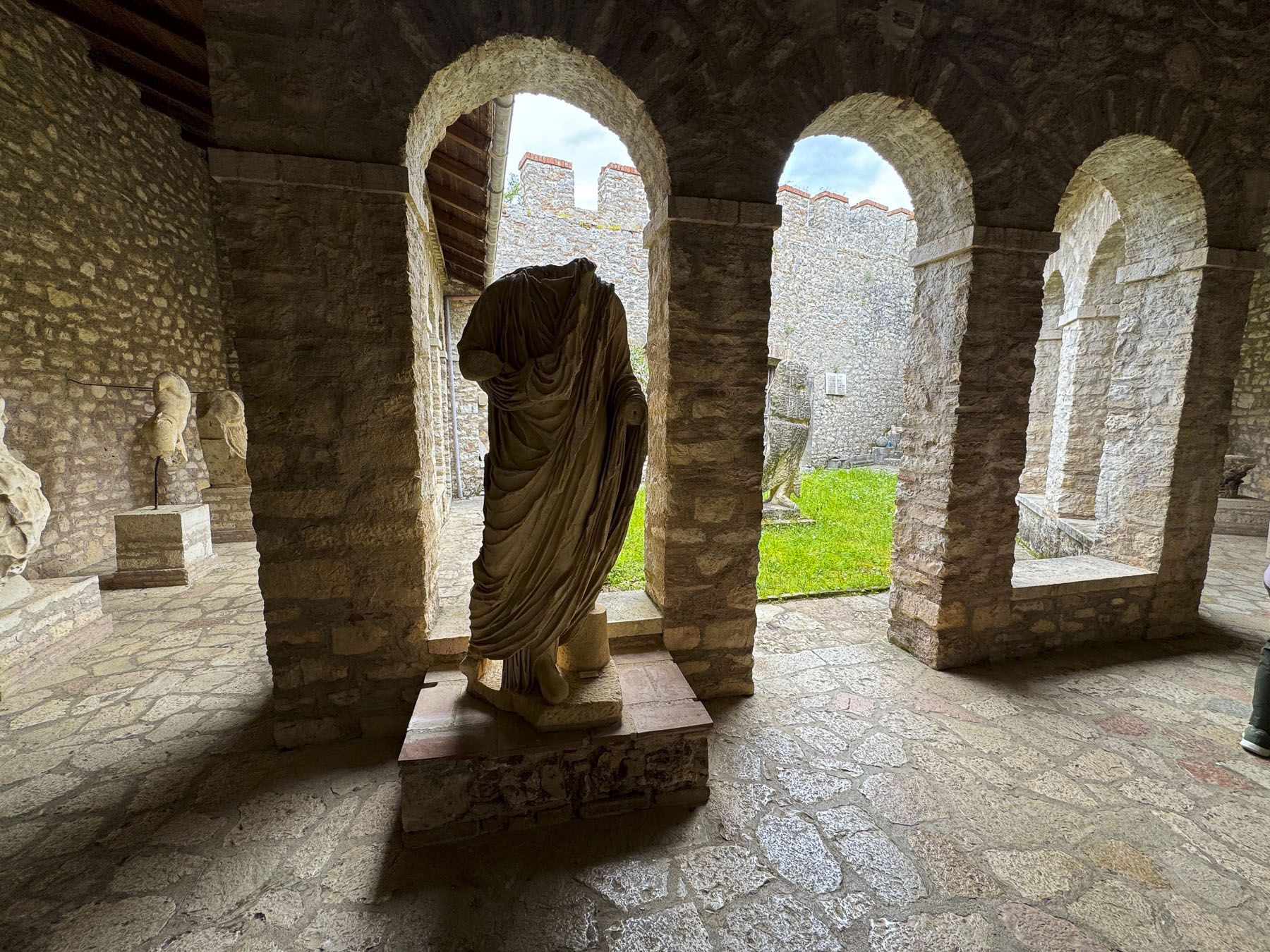
We enjoyed a wonderful afternoon exploring the ruins, and after also visiting the Apollonia Archaeological Park, we must say Butrint is a larger, and far more interesting site, w hich two thousand years ago the Roman writer Virgil described as being as beautiful as the ancient city of Troy, in his poem, Aeneid.
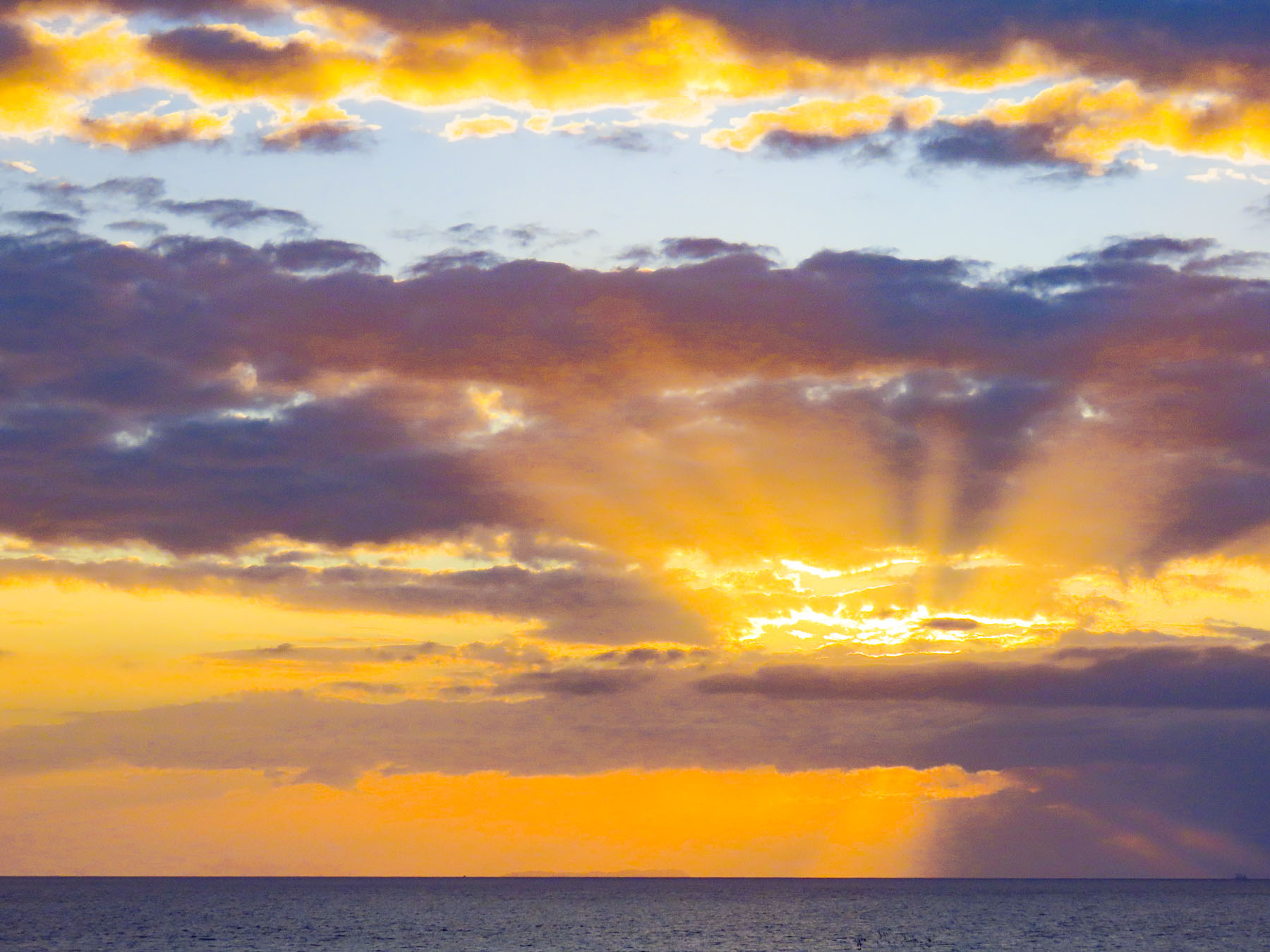
Back in Saranda, we watched the sunset as the ferry from Italy sailed across waters once rowed by the Greek, Roman, and Venetian galleys. We packed. The next morning, we headed to Gjirokaster.
Till next time, Craig & Donna





























































































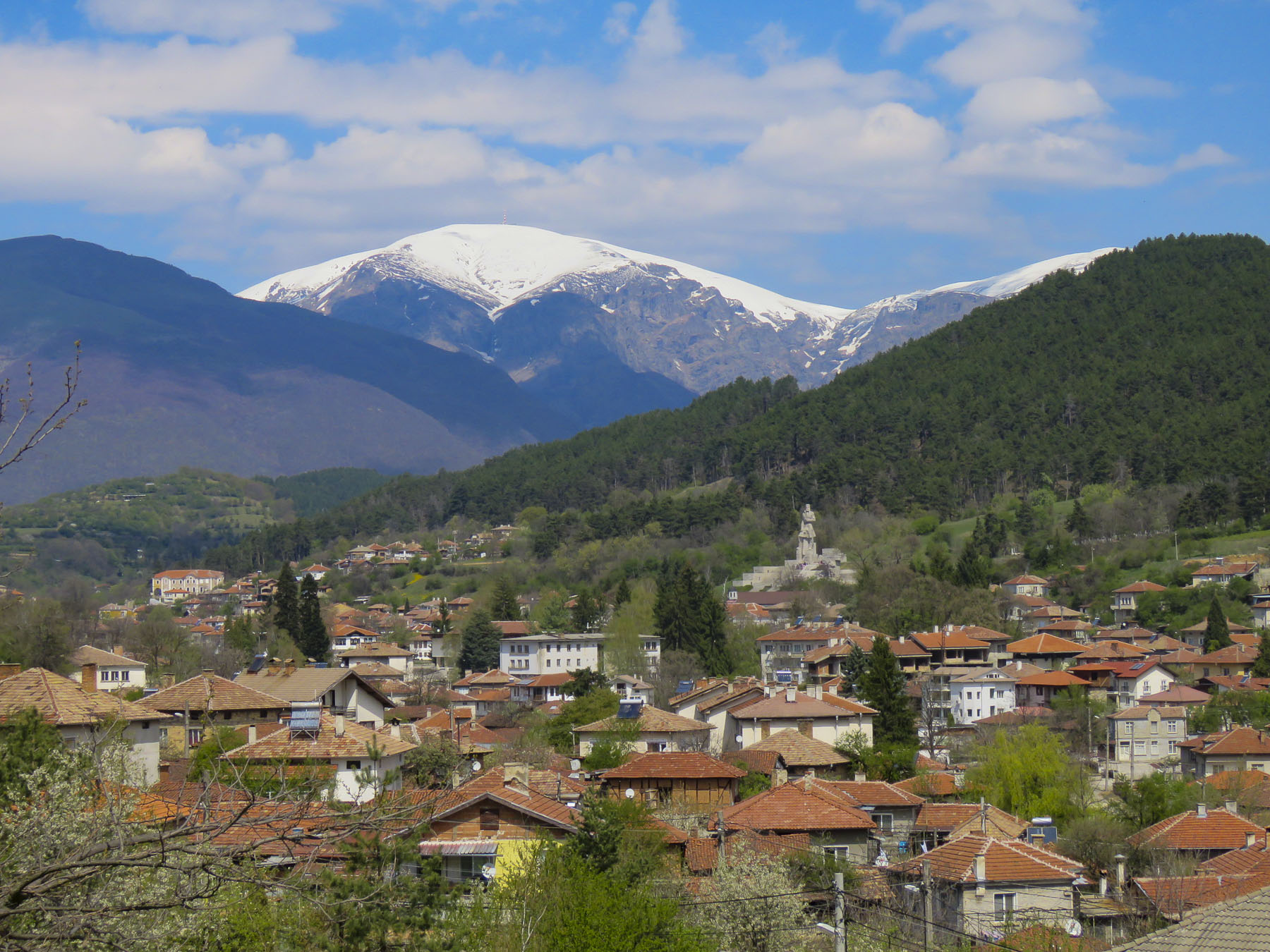 Heading north on Routes 64 and 6 we drove past fallow farmlands waiting for their Spring tilling, and forgotten industrial sites as we worked our way north towards Stara Planina, the Balkans Mountain range that runs east to west for 348 miles and divides Bulgarian into northern and southern regions.


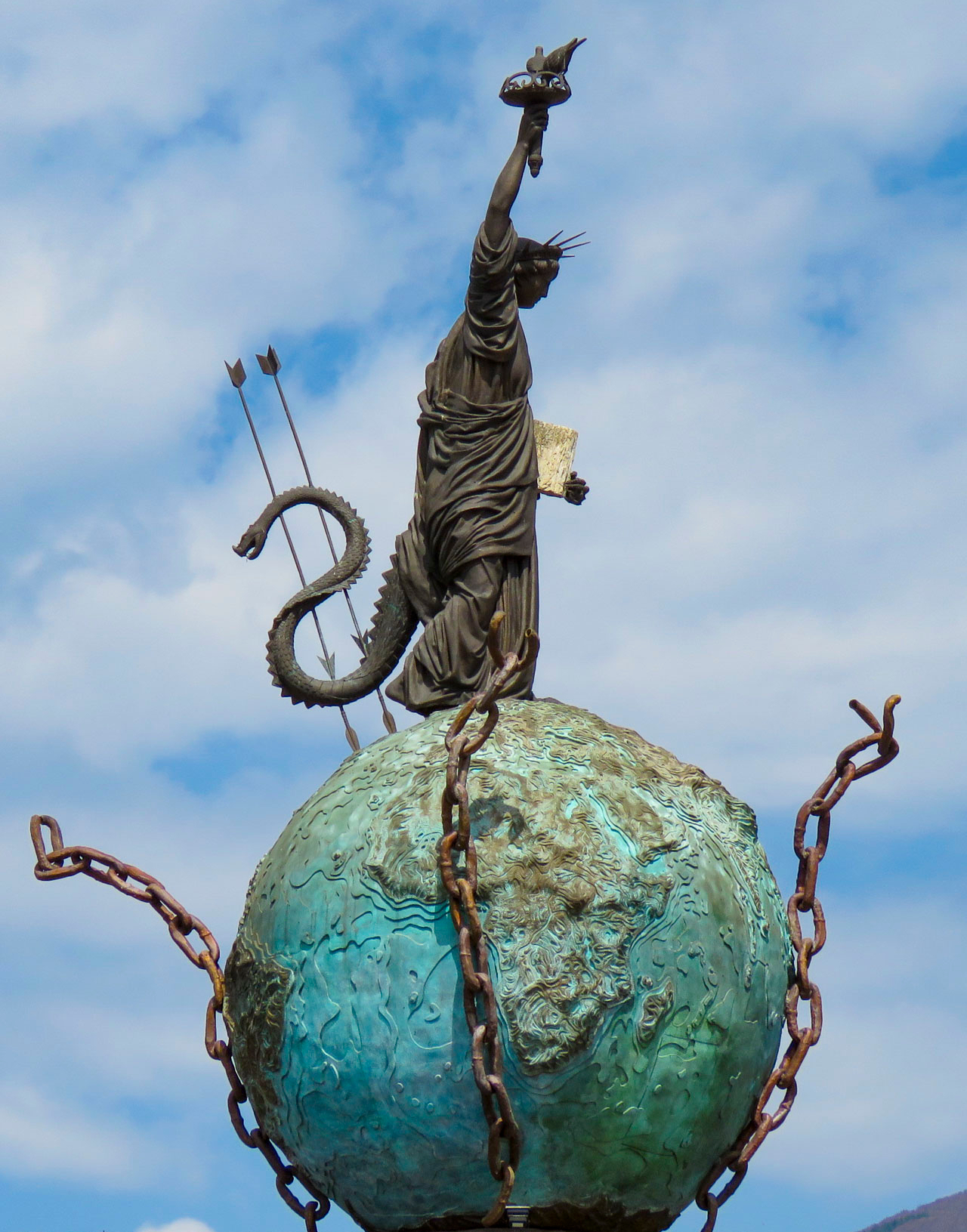 Turning down the long driveway of the
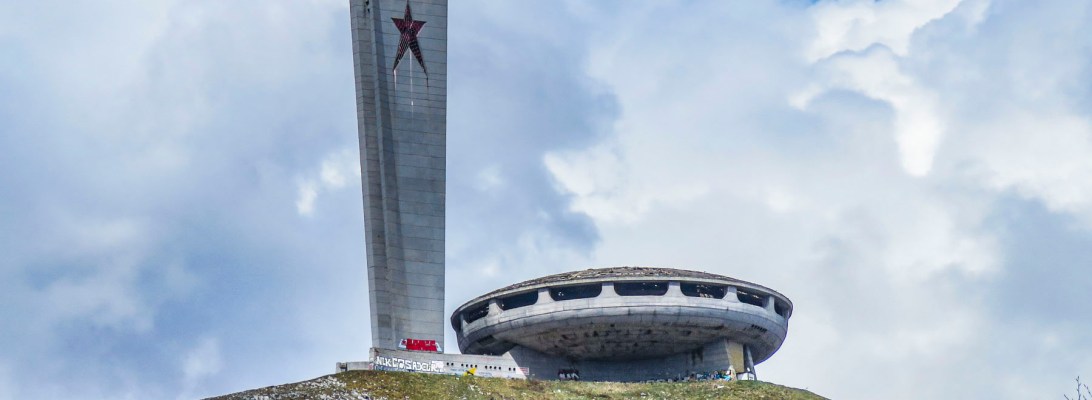
 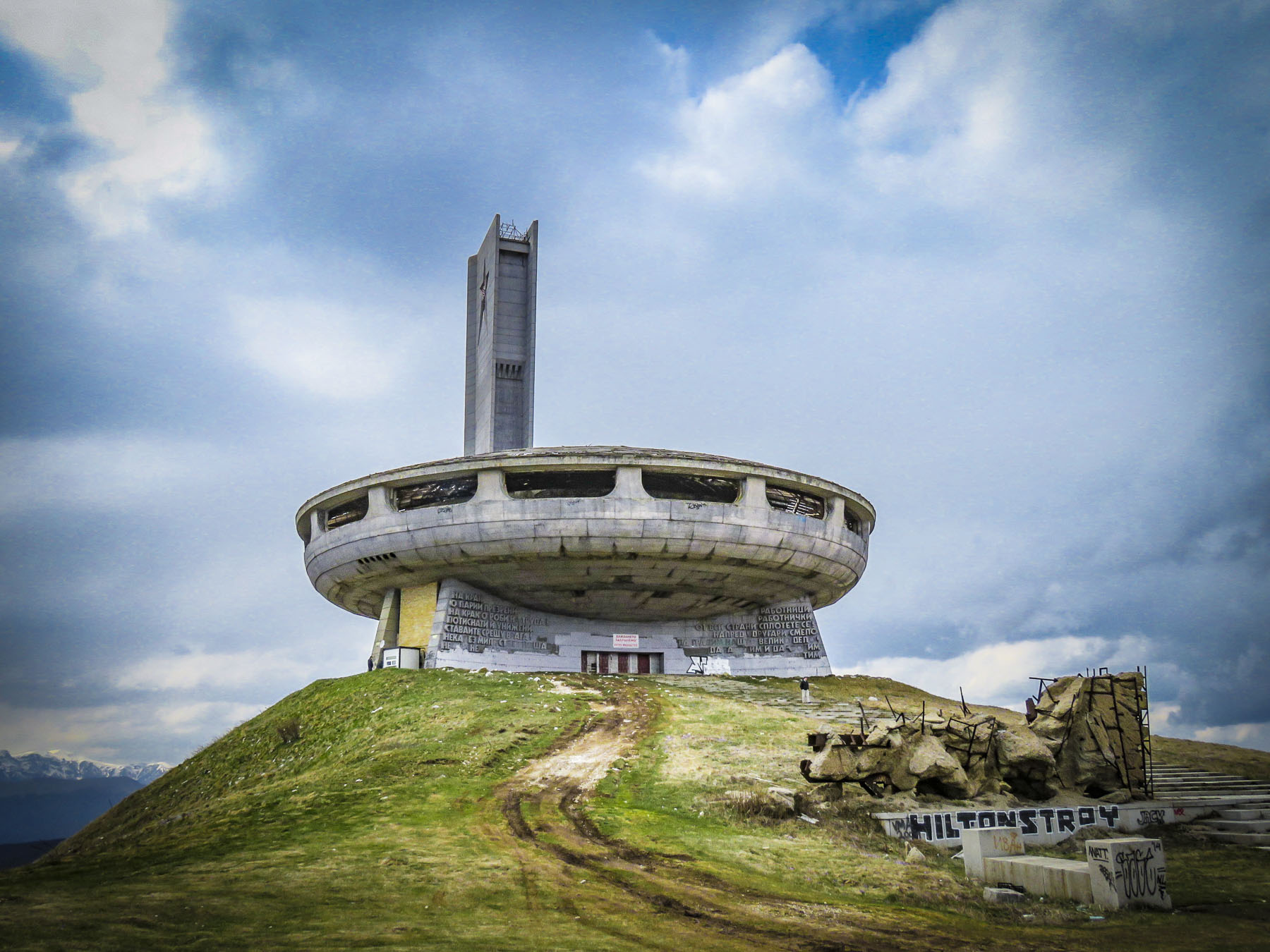 On a wintry, cloudy afternoon the silhouette of

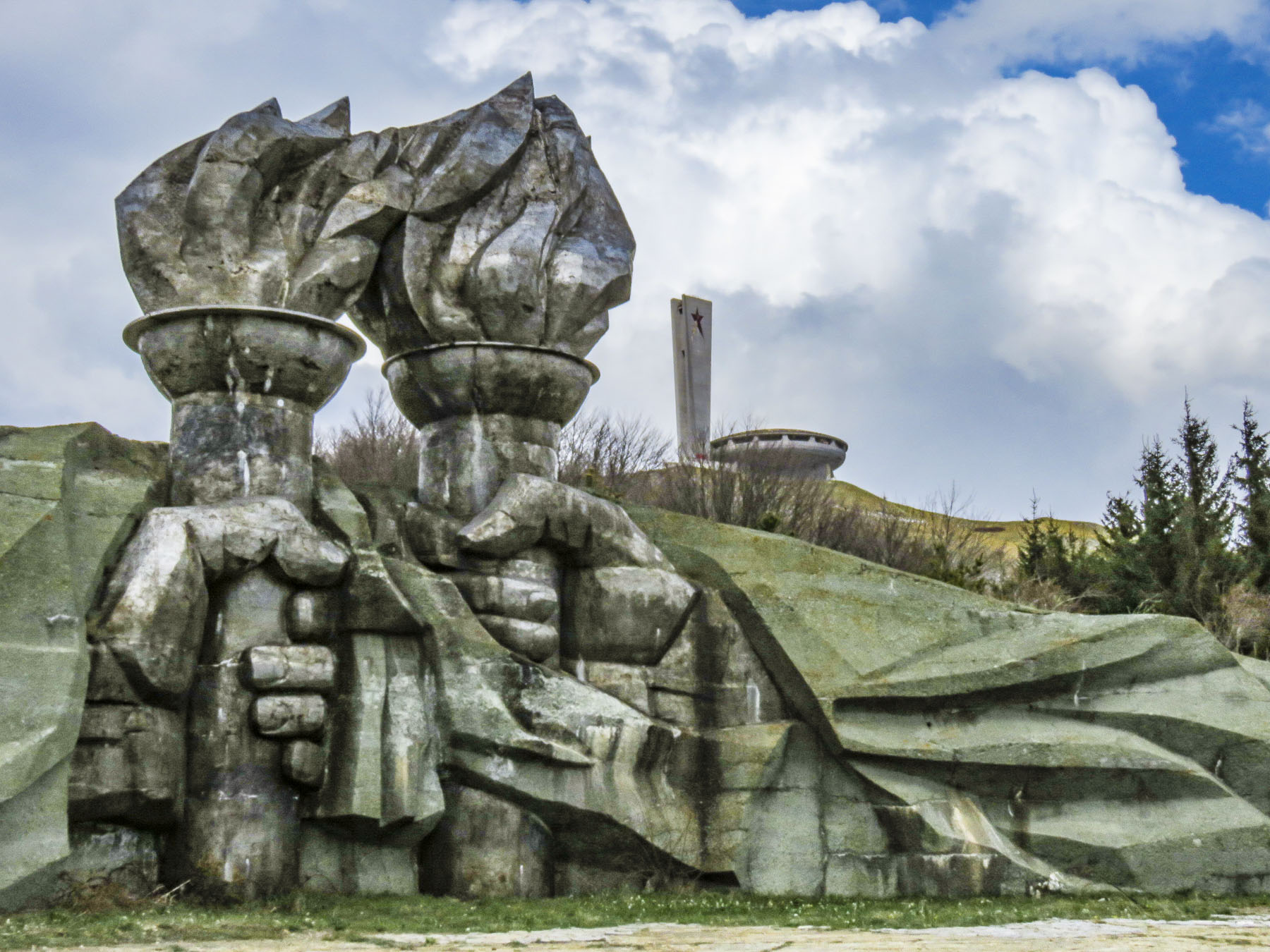 At the opening ceremony in 1981, tribute was paid to those who had gathered there ninety years earlier. “Let the work of sacred and pure love that was started by those before us never fall into disrepair.” Buzludzha was a huge success and a point of national pride for eight years, hosting communist party congresses and educational events. Schools and businesses booked tours for their students and employees. Foreign delegations were paraded through to witness socialism’s success. But then in 1989 the Berlin Wall fell and communism collapsed like a fighter jet breaking through the sound barrier. The monument to socialism was suddenly ironic, irrelevant and abandoned. In 1999 the security guards protecting it were removed and the building was left open to the public and it was looted. Anything of value quickly disappeared, and the rest was left to vandals and frustrated citizens who were known to take their anger out on the building with sledgehammers or spray paint. The red stars in the tower were shattered by gun shots. Soon the glass skylights broke and water damage from rain and the winter elements hastened its structural decline, and the building was eventually shut tight to protect folks from injury. The day we visited there was a lone security guard, suffering as he made his rounds in the bitter wind, protecting this crumbling modern ruin from a handful of visitors.

 As we continued our journey north through the mountains on Route E85, the picturesque
  Woodcarvers, weavers and other craftspeople dressed in period outfits helped further to transport us to a simpler era at the beginning of the Bulgarian industrial revolution. We visited on a quiet day, but the museum has an extensive twelve-month calendar of events with many festivals listed that would have been nice to observe.
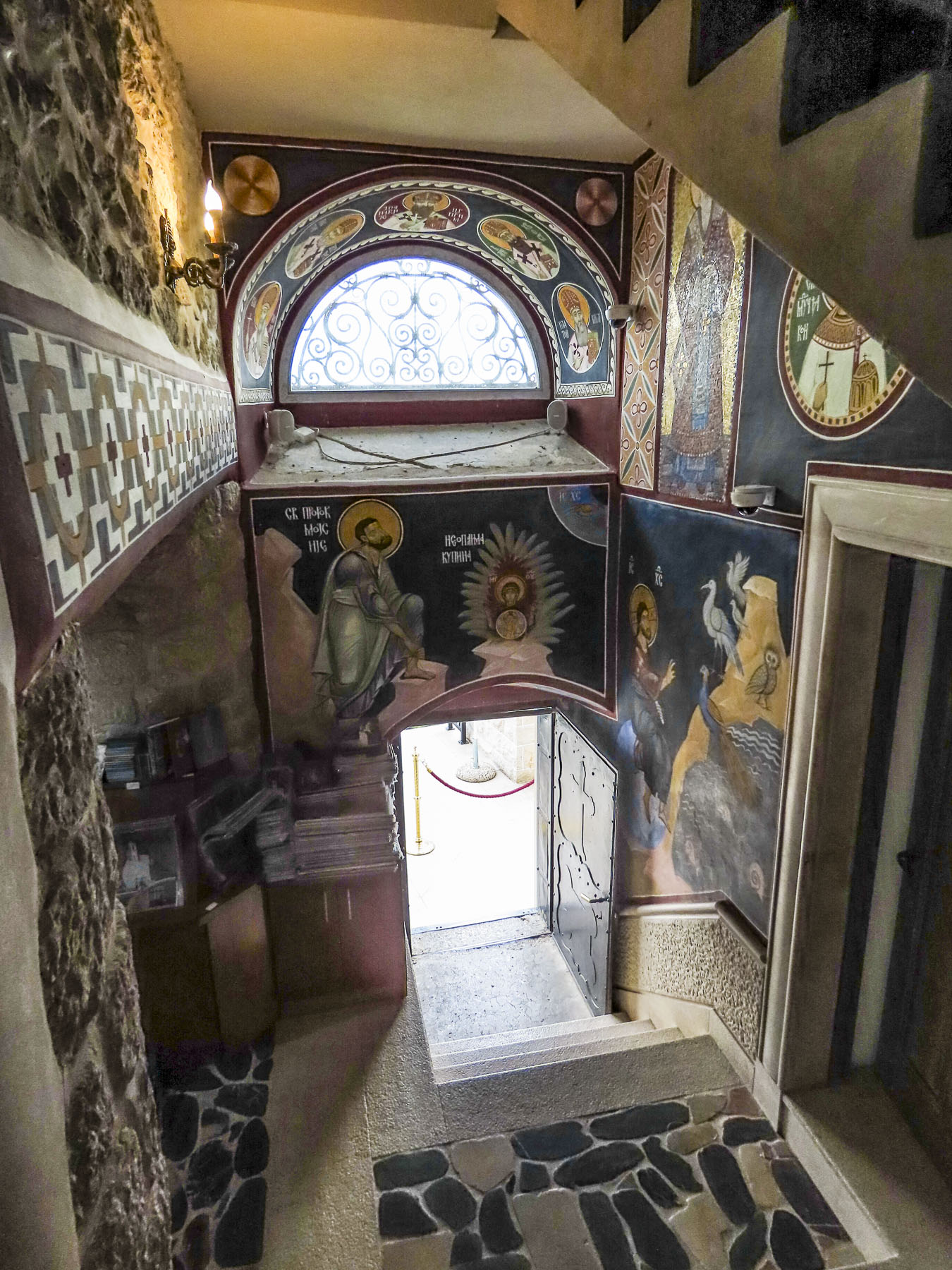
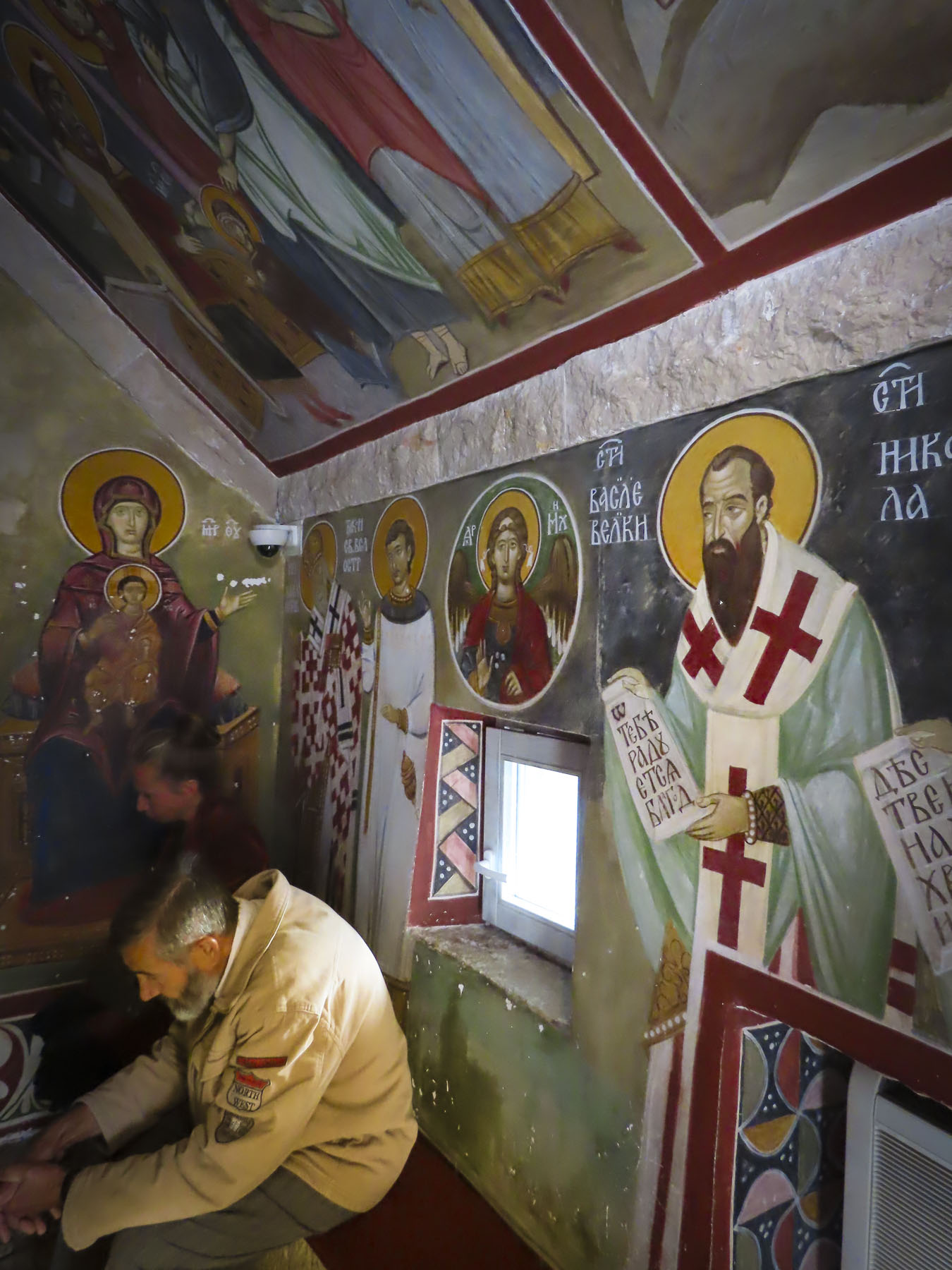
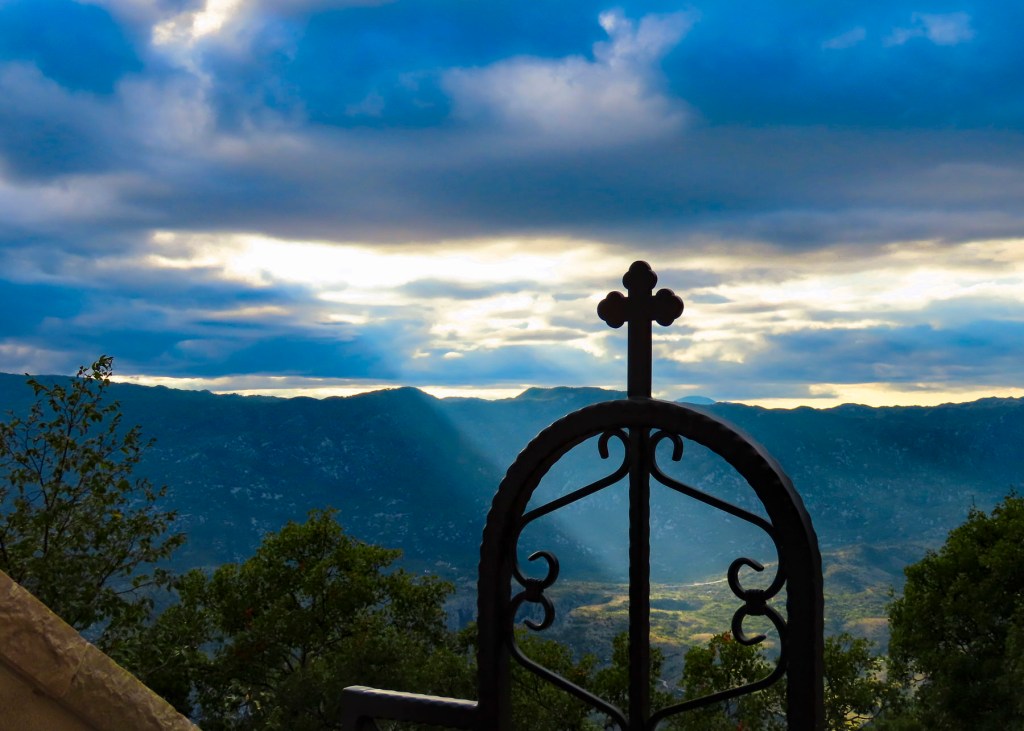
  Traveling along an isolated background road we worked our way towards Sokolski Monastery, known for its cliffside chapel overlooking the northern slope of the Balkan Mountain range. We weren’t disappointed; the church is stunning with its colorful exterior frescoes contrasting with the natural environment surrounding it.
 Built in 1833, the monastery has played an important role in Bulgarian history. During the April Uprising of 1876 eight freedom fighters took sanctuary there. Later captured by the Ottoman army, they were thrown to their deaths from the cliff behind the chapel. The short-lived April Rebellion was brutally repressed, but a year later Russia would help the Bulgarian rebels defeat the Turks at Shipka Pass and begin the march towards freedom. In the courtyard of the monastery an octagon-shaped water fountain was built with eight spouts to commemorate those fallen heroes. Legend states the fountain has never run dry and its cool water holds healing powers.
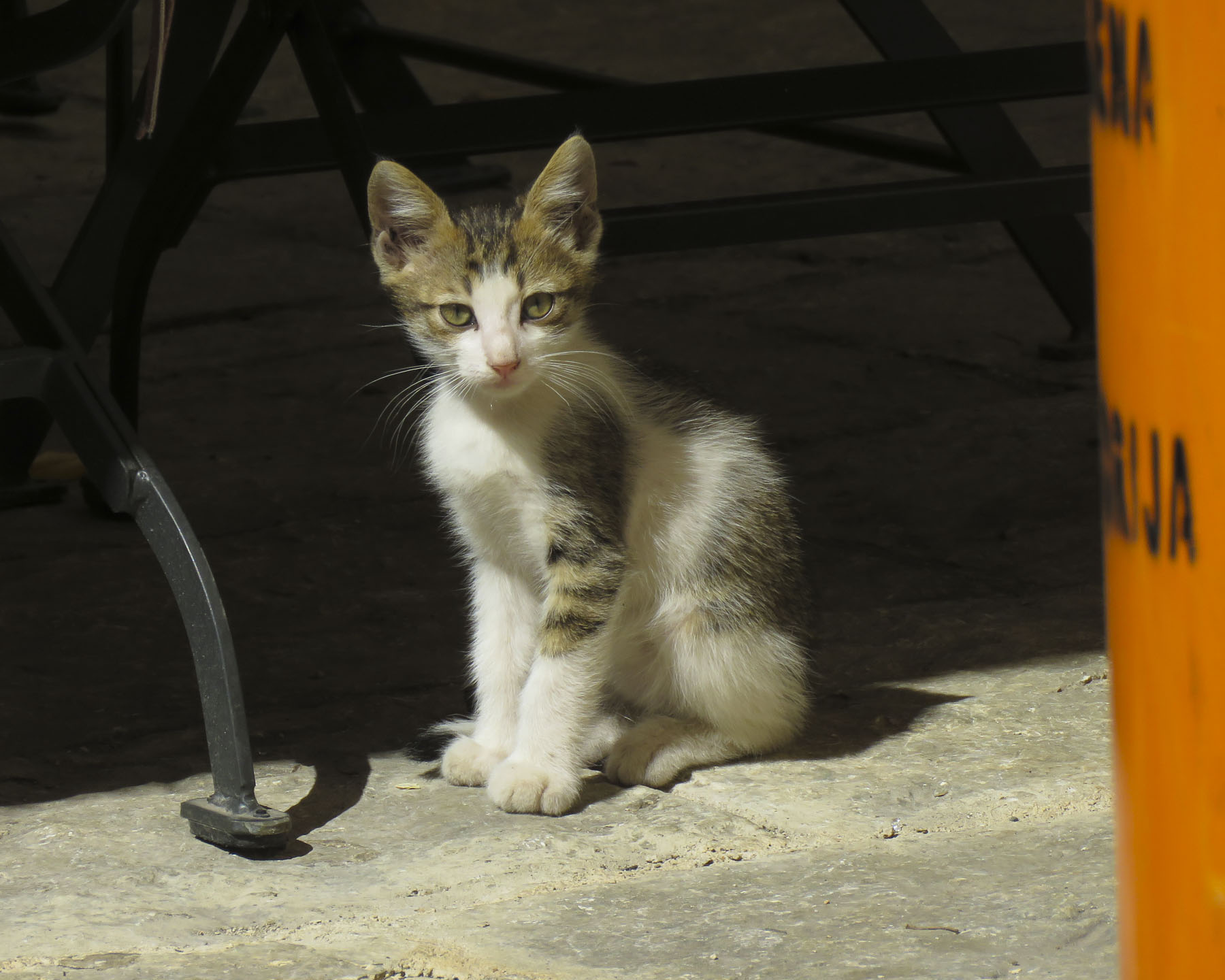
  We made it to Tryavna just in time to have dinner at the restaurant next to our hotel. Enjoying a hot meal after a long chilly day, we were entertained by the waitress trying to keep a determined stray cat from entering the restaurant every time the front door was opened.
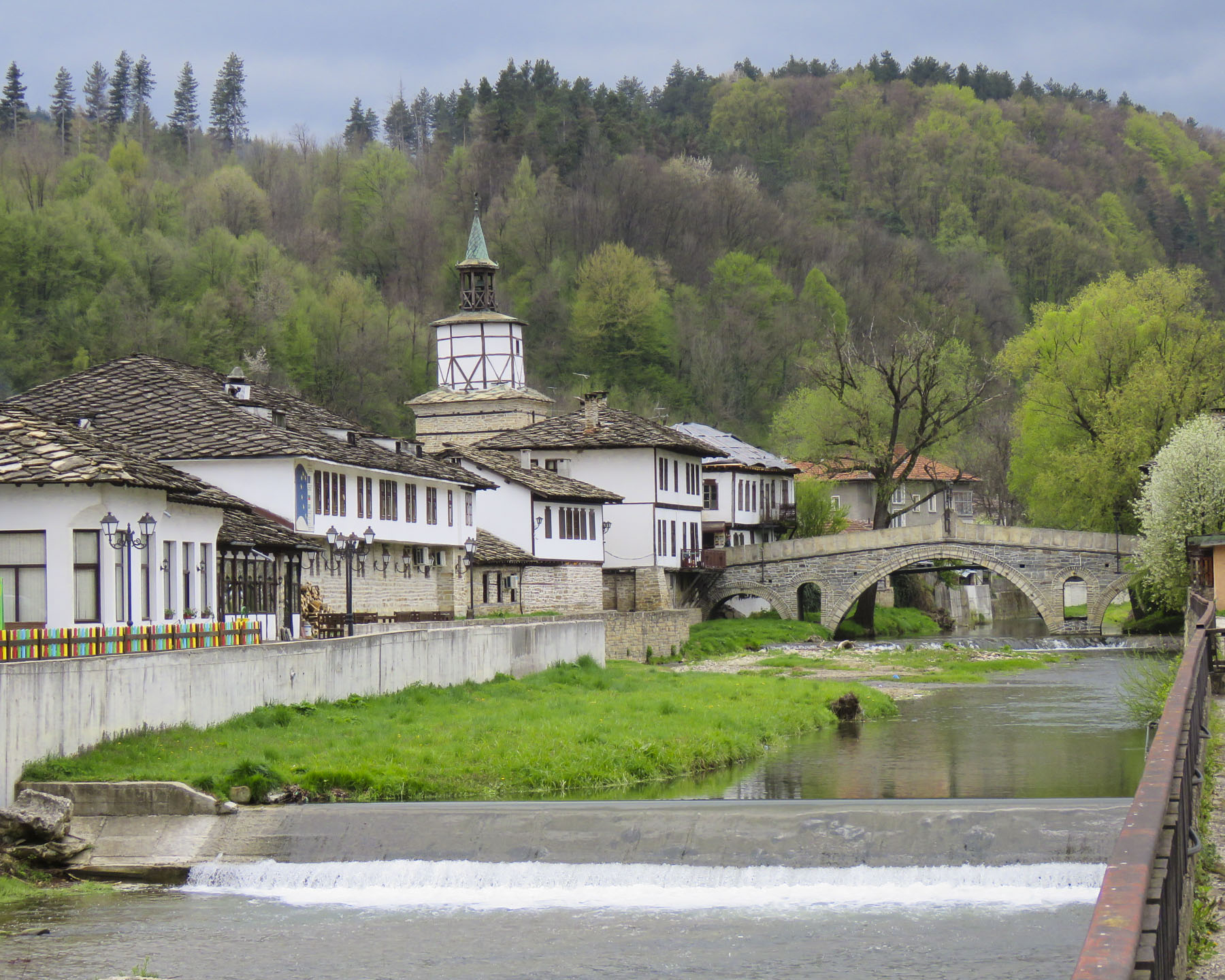 Generations of skilled woodworkers have lived in the Tryavna River Valley, turning trees harvested from the deciduous forests on the slopes of the Balkan Mountains into furniture and ornate wood carvings.

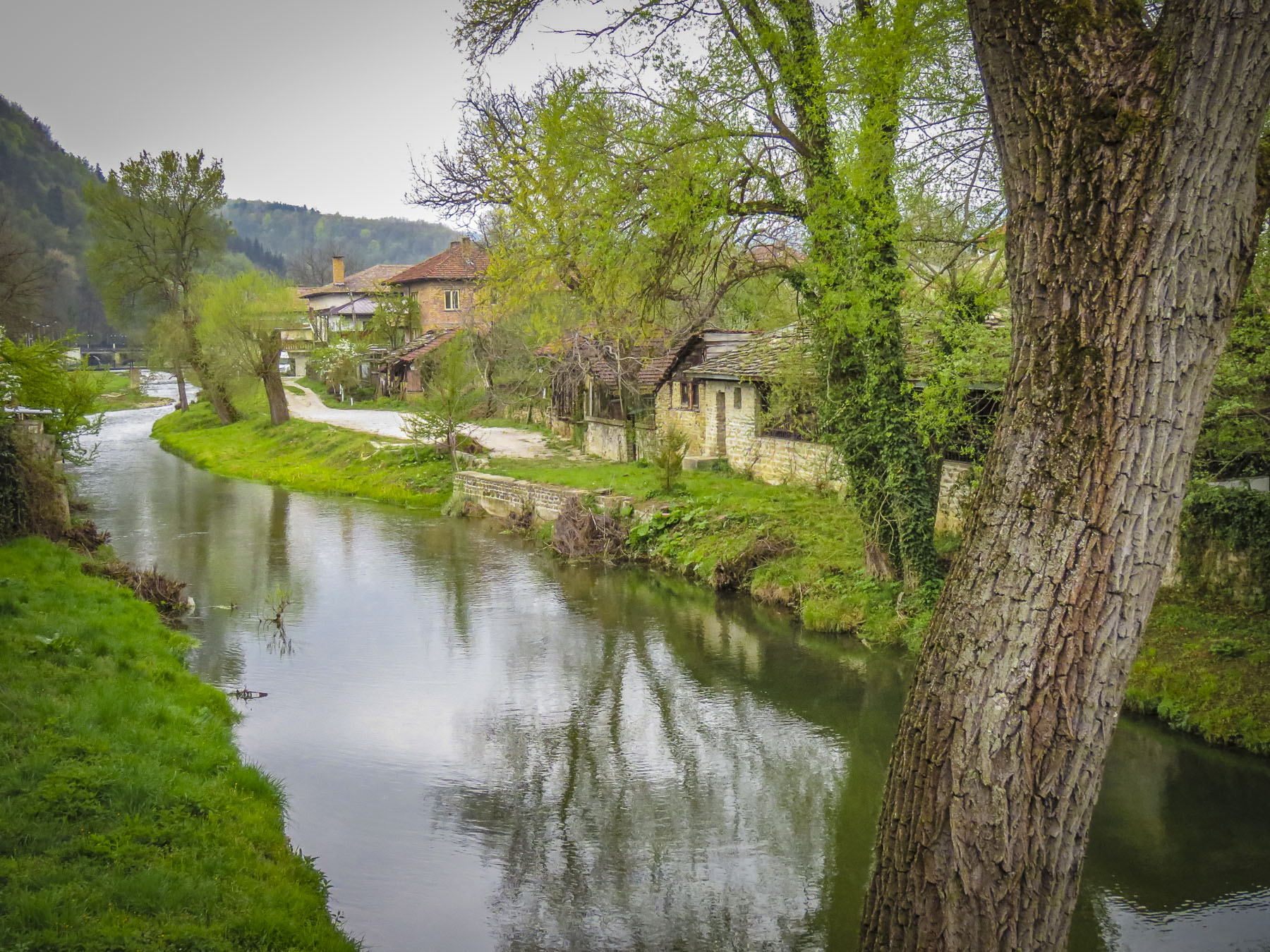 Crossing the footbridge over the Tryavna River at the clock-tower, the pleasant whiff of wood smoke came to us on a chilly Spring morning. Large woodpiles are essential in this region and we saw plenty of homes with the winter’s firewood neatly stacked, as we wandered around the village, with its parks filled with sculpture and tulips in bloom.


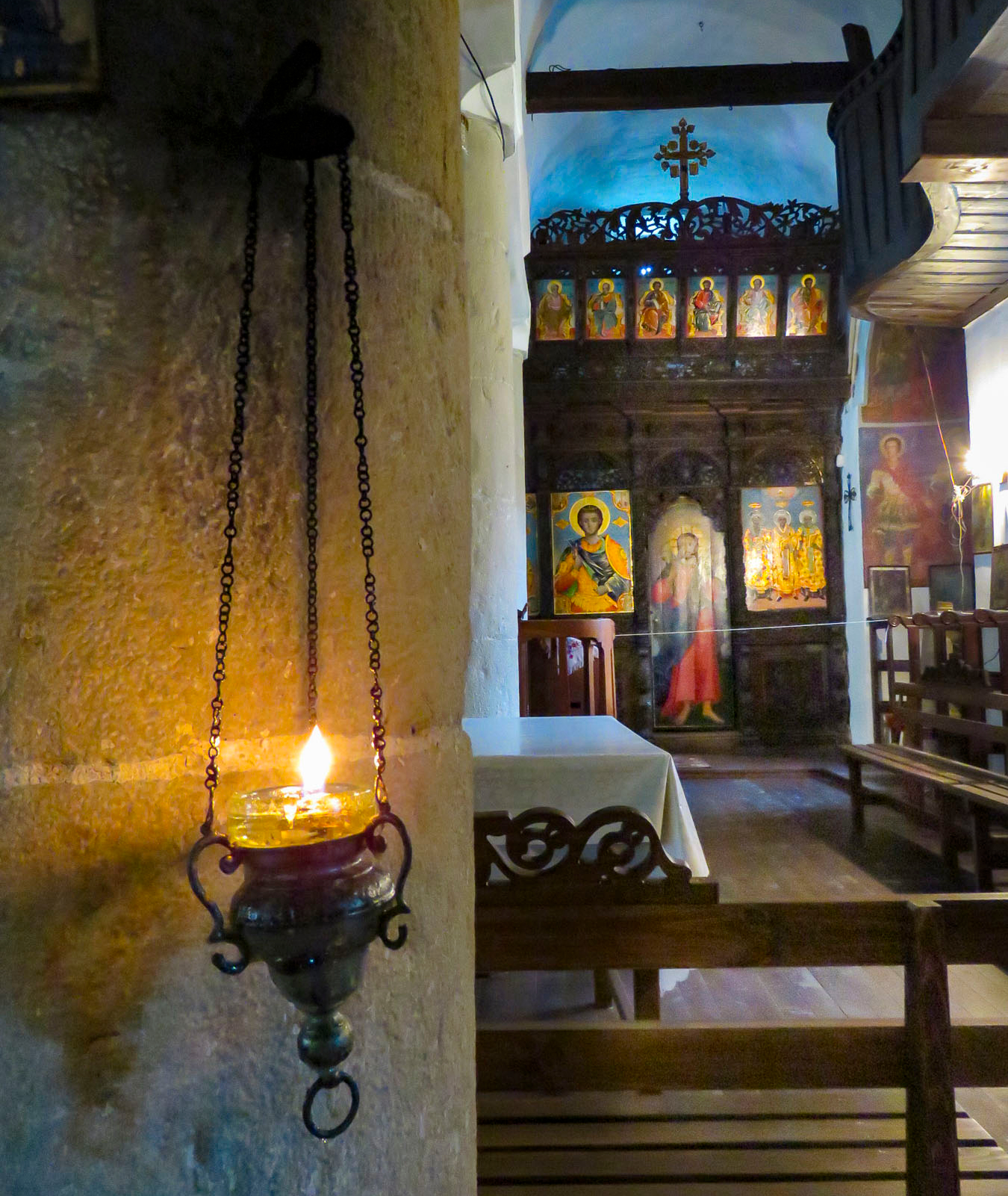
 Over the centuries Saint Archangel Michael Church has been reconstructed several times. Its most recent incarnation dates from 1853 when the tall wooden belfry was added. Inside, the interior is richly ornamented with elaborate 19th century woodcarvings and iconography created by members of the Vitan family, famous throughout Bulgaria for generations of skilled artisans. The carved bishop’s throne is an exquisite masterpiece.
 The safest way to order your cup of java in parts of Bulgaria is to ask for a traditional coffee, not wanting to offend anyone by calling it Turkish. The fact is Greek, Albanian, Bosnian, Persian, Turkish andthe same, plus or minus cardamom or a local spice. But here in Tryavna at the Renaissance Café the coffee was brewed on a very traditional sand stove. A shallow pan filled with sand was heated over an open flame, and a long handled, brass cezve was filled with coffee and water, then partially buried in the hot sand to brew. With diligent attendance our coffee was brought to a frothy boil three times before being moved to the top of the sand where it stayed warm while the grounds settled. The ritual of the event definitely enhanced our enjoyment of the brew.
 We only just scratched the surface of this lovely country. There’s so much to see here, especially in its vast countryside. Hopefully one day we’ll get a chance to return.
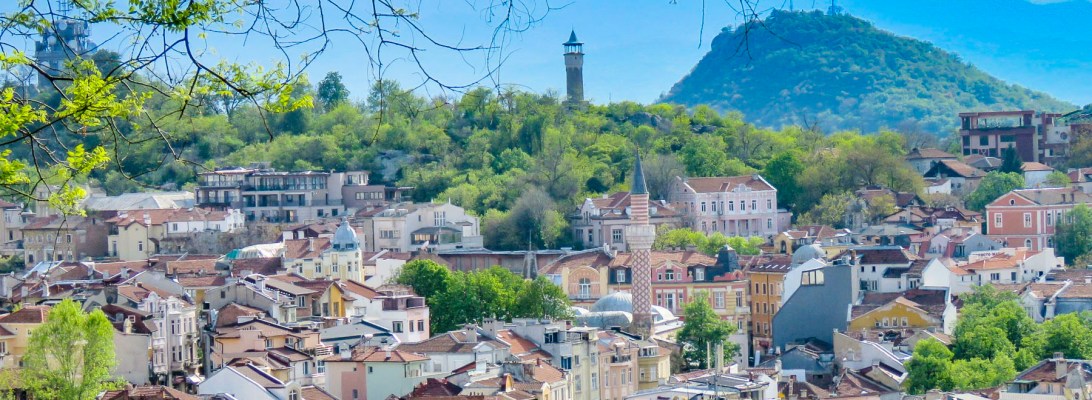
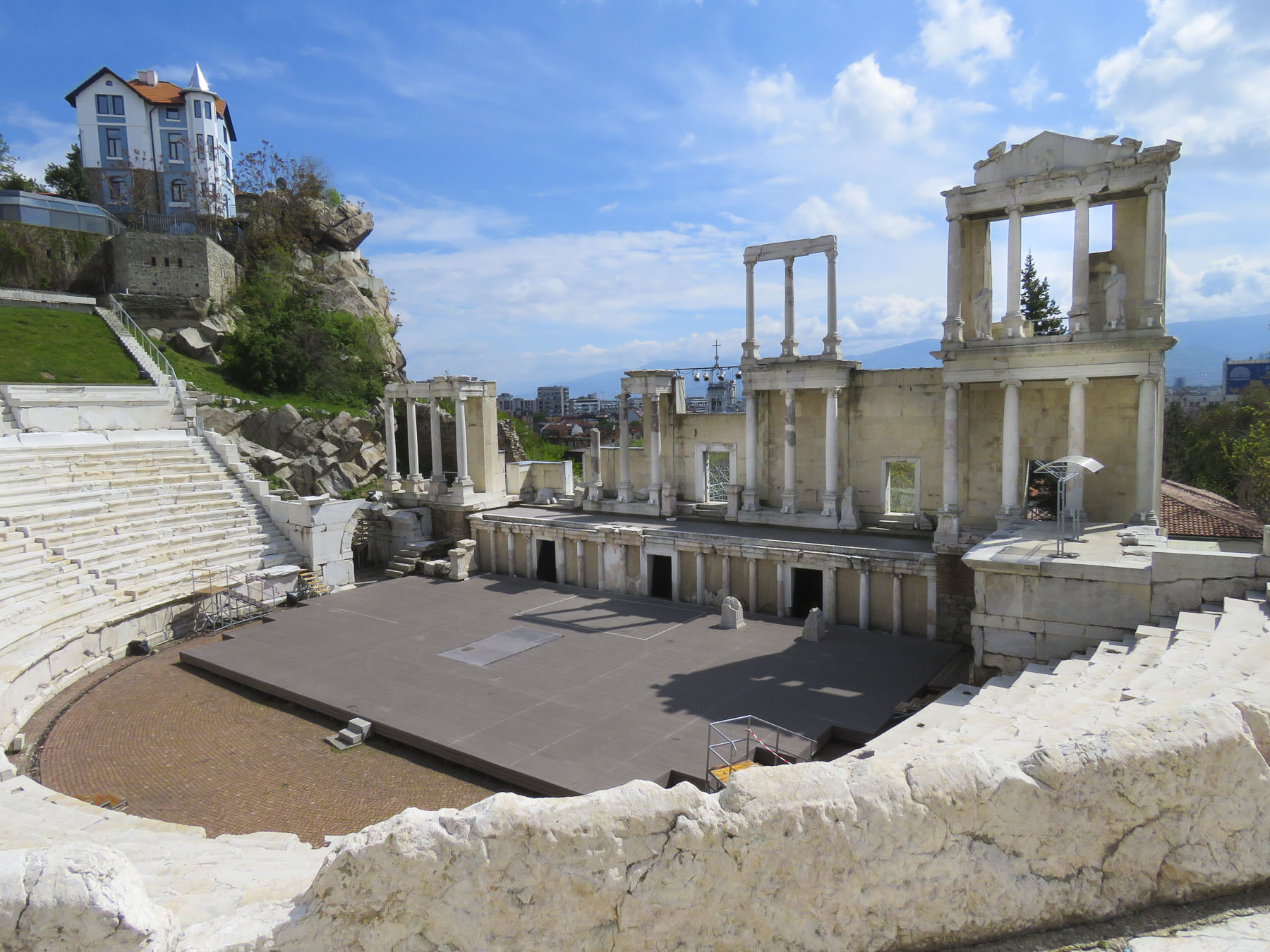 Just outside Old Town Plovdiv,


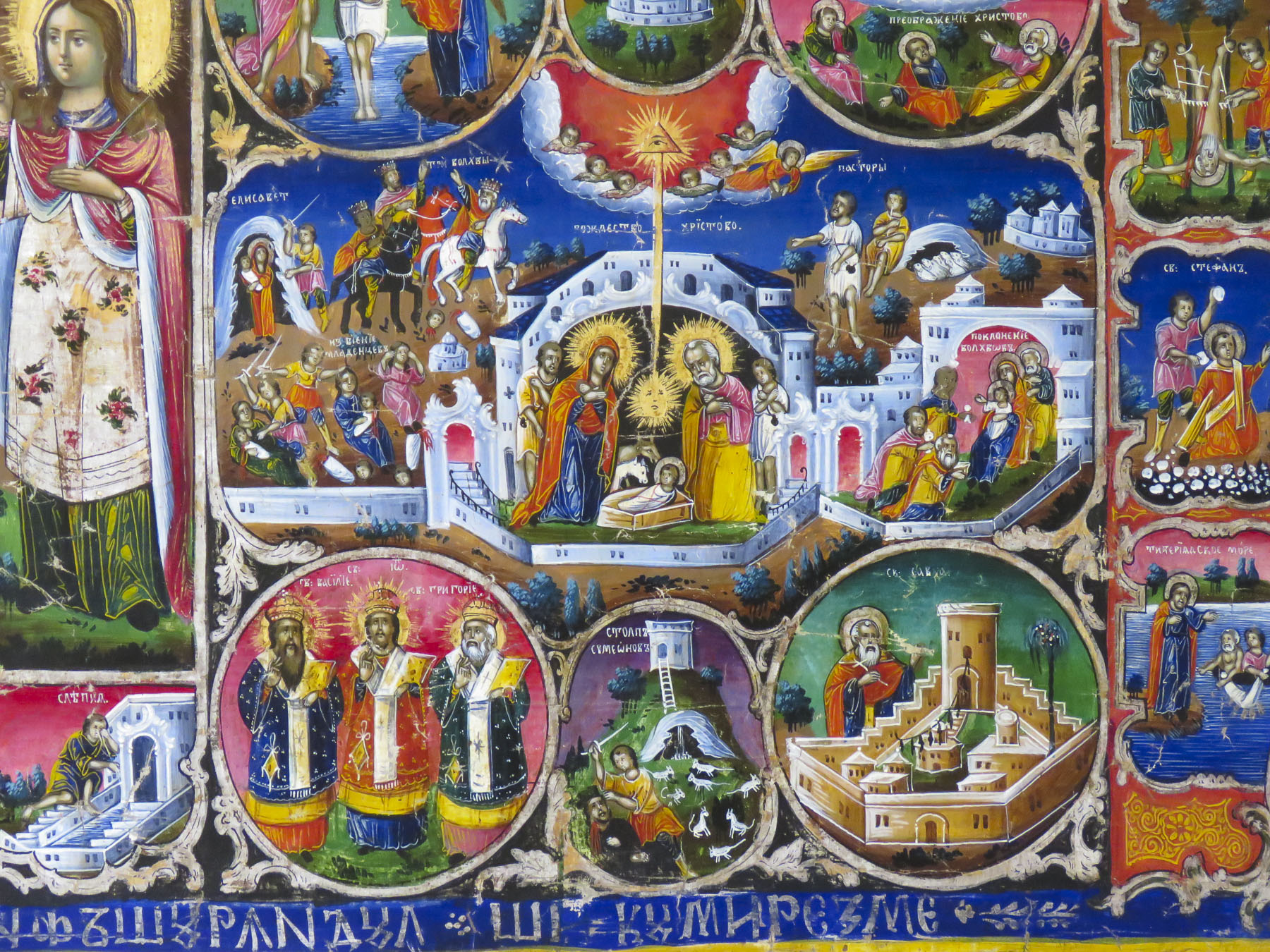


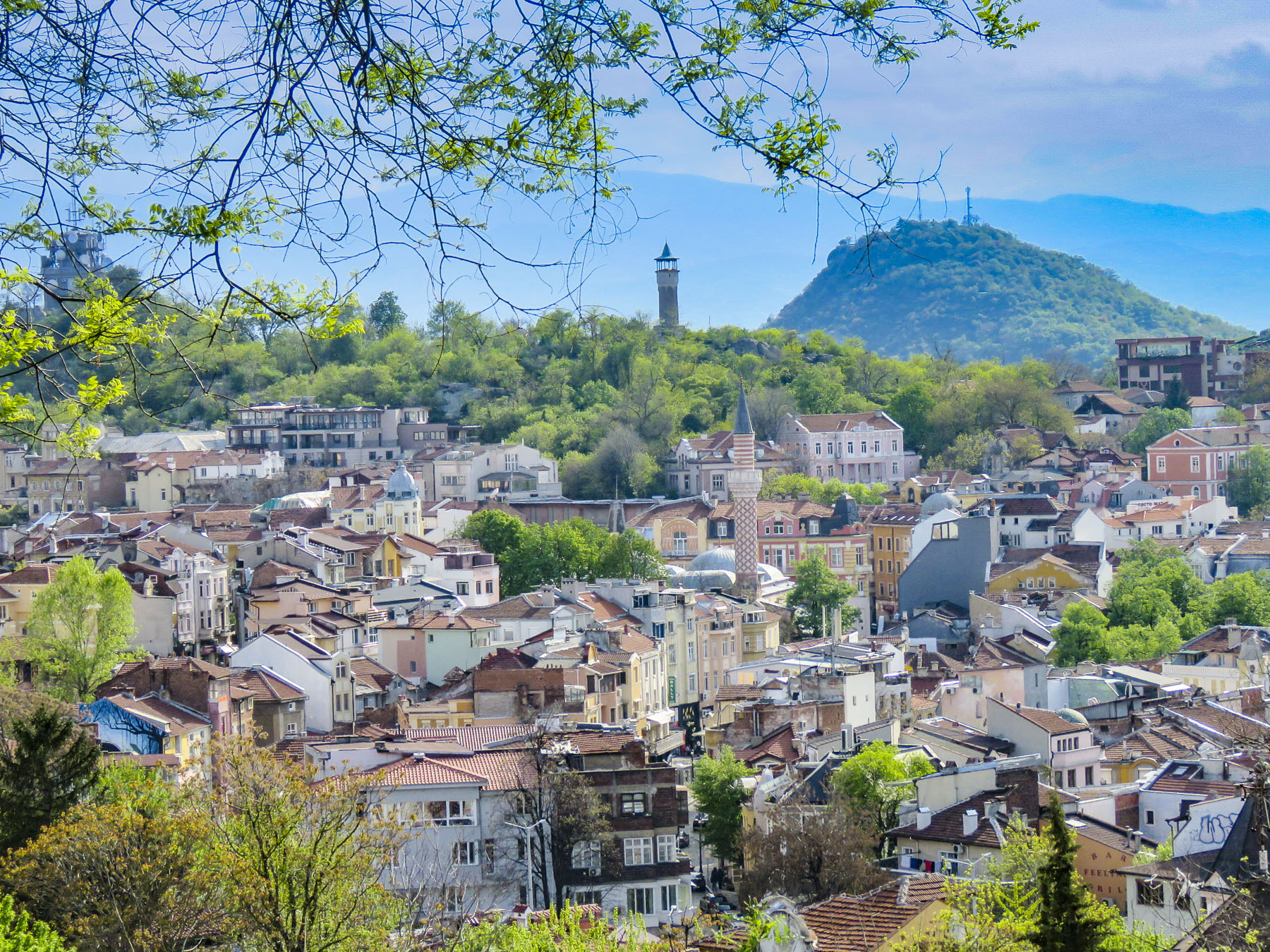 At just over a mile long the pedestrian mall in the center of Plovdiv is the longest in Europe, running from the Stefan Stambolov Square along Knyaz Alexander I, and Rayko Daskalov Street before ending at the footbridge lined with shopping stalls that crosses the Maritza River.


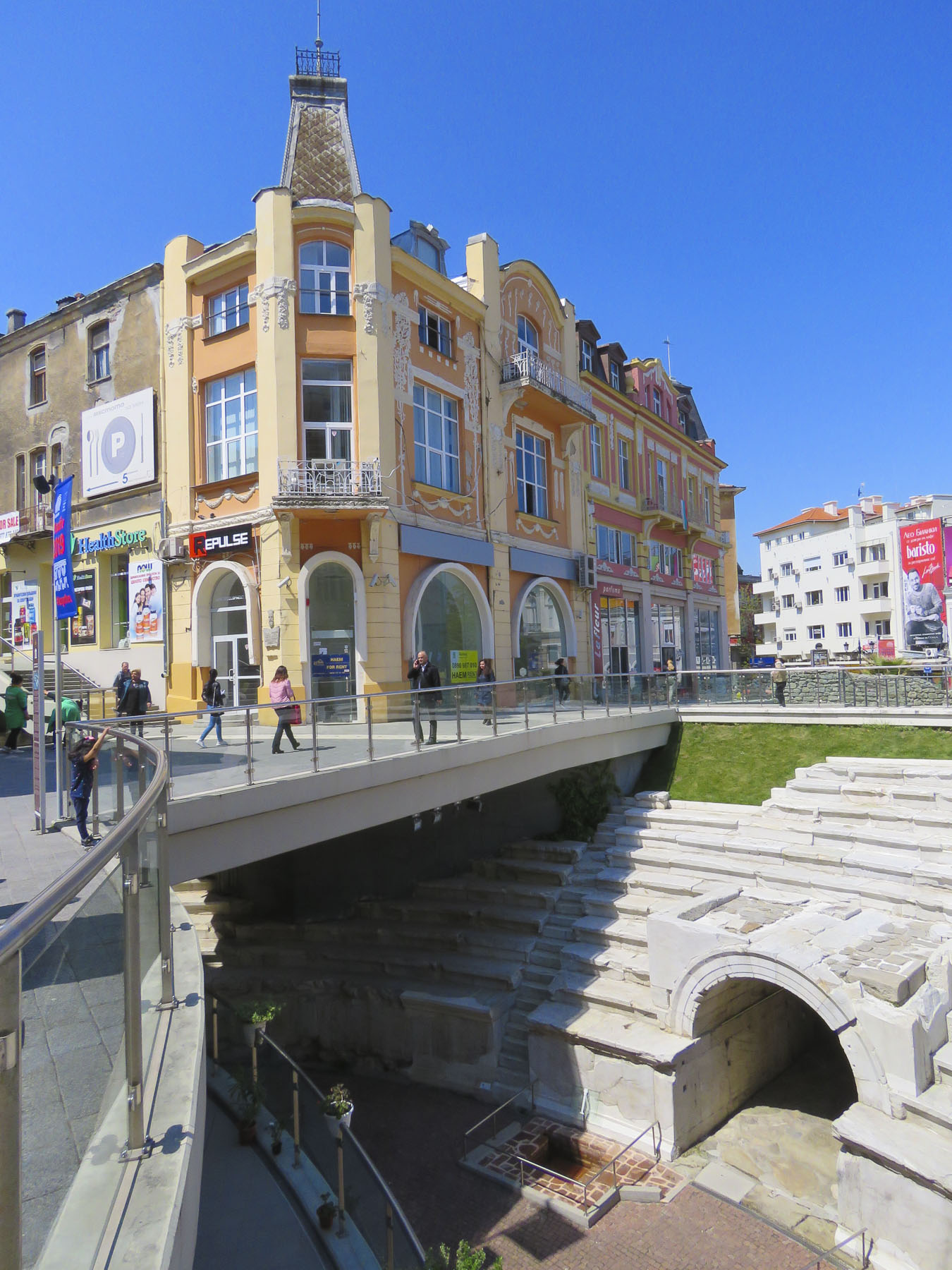 But the jewel of the mall area was the curved ruins of the Ancient Stadium of Philipopolis, with its fourteen tier seating area, unearthed in 1923. Situated below street level and surrounded by modern buildings at Dzhumaya Square, the ruins provided a dramatic juxtaposition of the ancient and contemporary, where you can actually see the layering of history and how the city was built over earlier civilizations. From this excavated section, archeologists have determined that the stadium was a huge 790 feet long and 165 feet wide and could seat nearly 30,000 spectators.
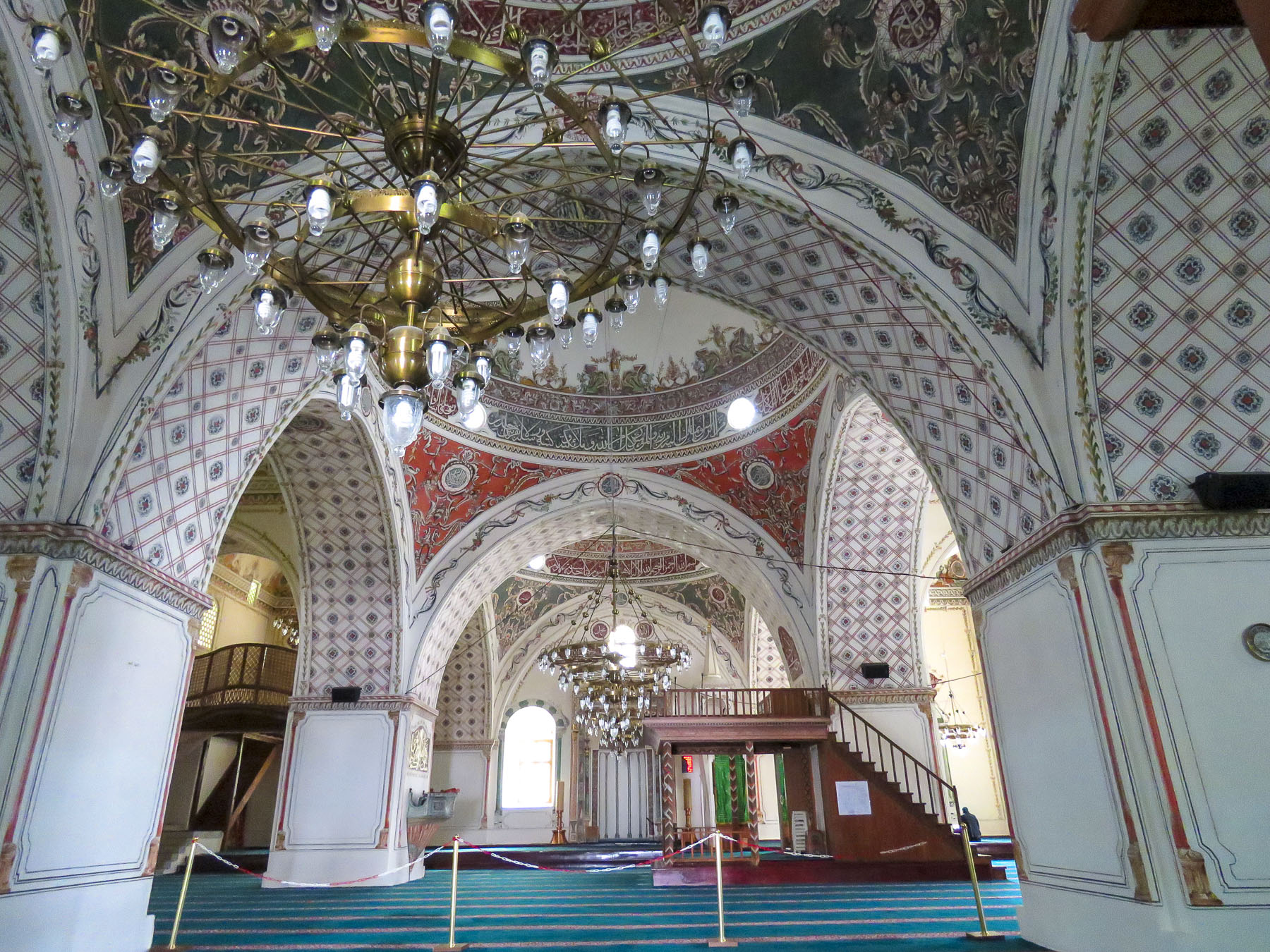 Across the square the Dzhumaya Mosque is the main Friday Mosque for Muslims in Plovdiv. Constructed in 1421, it replaced an earlier mosque built in 1363 on the foundations of a Bulgarian Church destroyed during the Ottoman conquest. It is one of the oldest and largest Muslim religious buildings in the Balkans. At the café in front of it we enjoyed some sweet Turkish tea and pastries in the warm afternoon sun.


 2 Suitcases for 2 years