
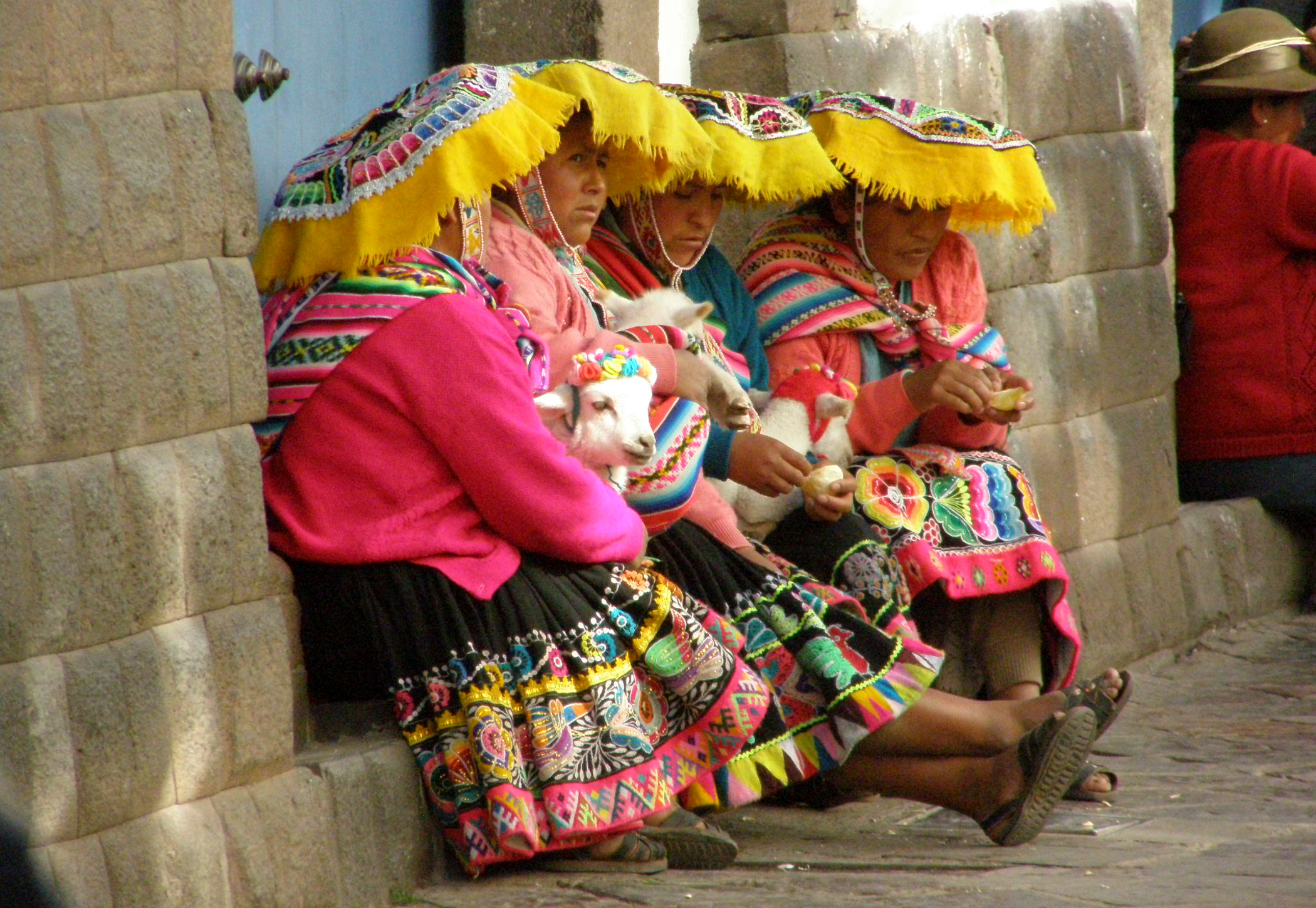
The precision stone masonry of ancient Inca craftsmen lined narrow alleys, and slowly began to come to life with Quechuan women dressed in their colorful attire. They were clutching baby llamas and claiming spots to pose for photos with tourists. It would be a busy day. The Plaza de Armas, the historic center of Cusco, would soon be packed with spectators for the Inti Raymi Festival.

This nine day long ancient Inca ritual traditionally celebrated the Sun God, Inti, on the winter solstice in the southern hemisphere, June 21st, but is now observed on the feast day of Saint John the Baptist, June 24th, in an attempt to blend beliefs. The celebration marks the beginning of a new life cycle with the approach of Spring and warmer weather for the planting of crops to begin another agricultural year. We wanted to scope out the plaza early and find a spot with an unobstructed view of the activities.
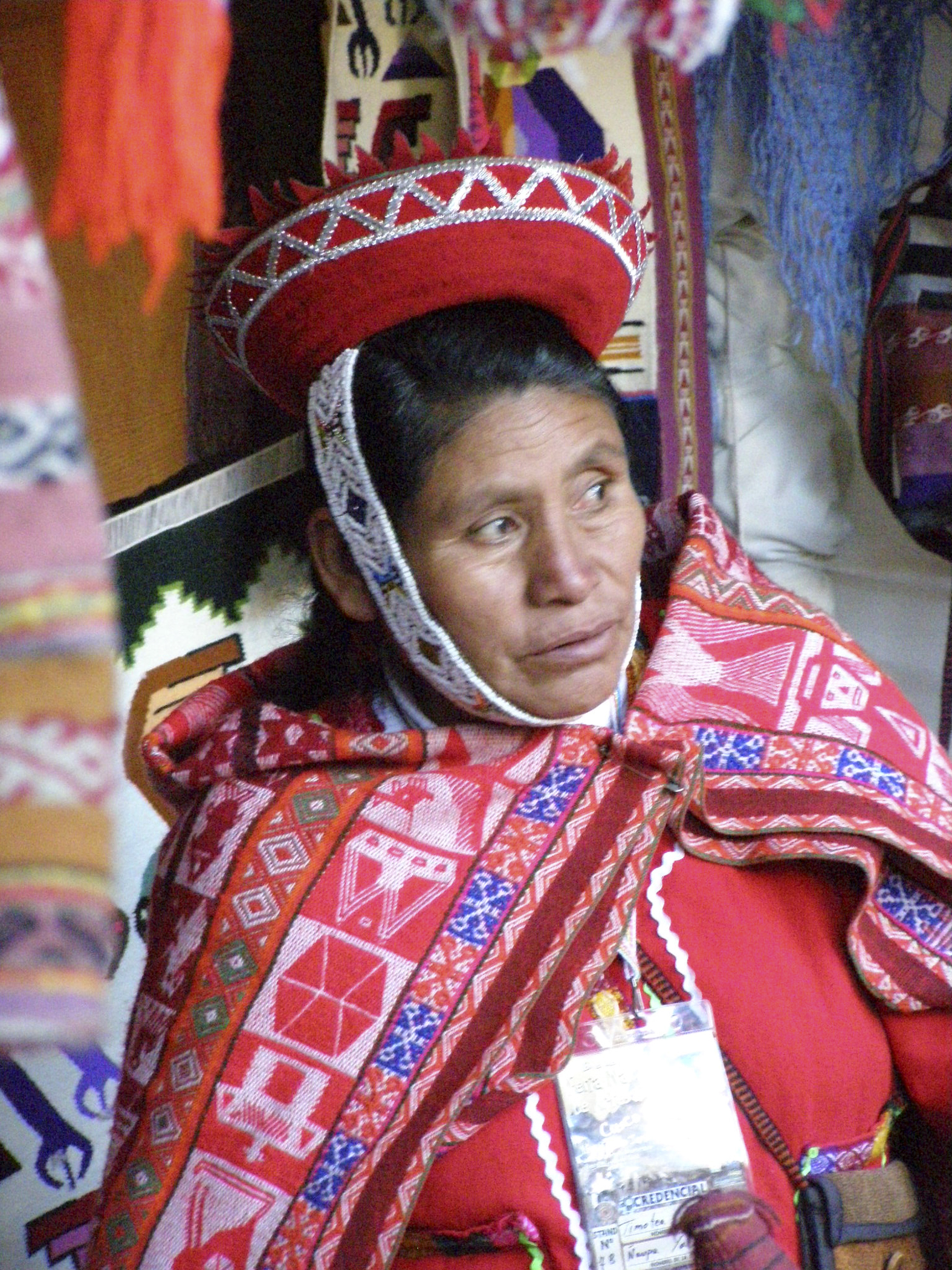


In ancient times the ritual began at Coricancha the Temple of the Sun, now the Convent of Santo Domingo since the Spanish conquest of Peru. Talented astronomers, the Inca built the temple in the 1400s for one portal to celestially align with the rising sun on the winter solstice and brilliantly fill the gold covered interior with light.

After watching the sunrise and receiving this blessing, the Inca ruler as the Sun God’s earthly representative would thank the Sun God for the last year’s harvest and request his light shine upon the Inca Empire favorably for another year.

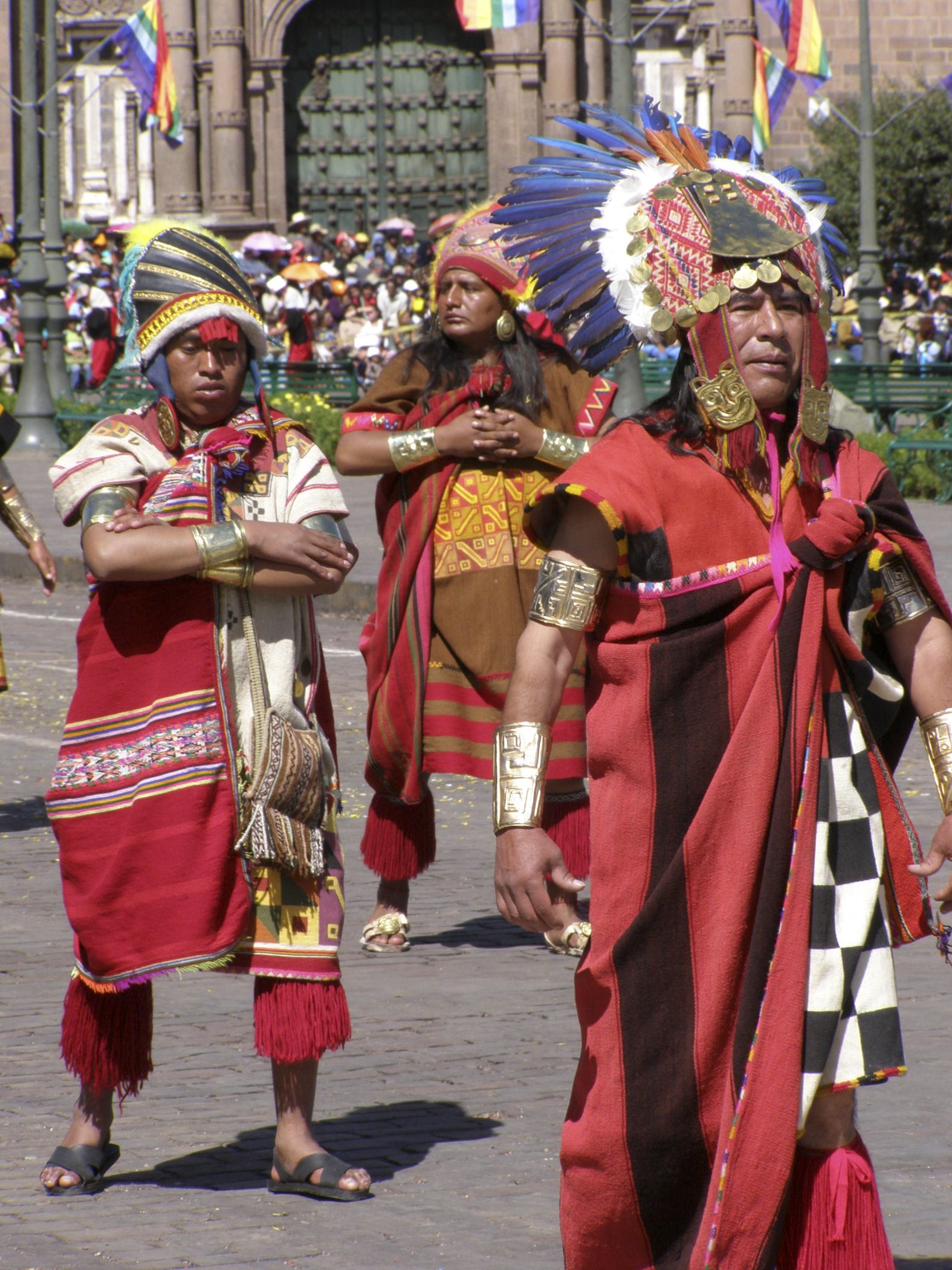
He was then carried ceremonially on his throne atop the shoulders of warriors across Cusco, followed by other members of the royal Inca family, the mummified remains of previous Inca emperors and delegates from hundreds of different tribes that inhabited the vast Inca Empire that spanned from Columbia, Ecuador, Bolivia, Chile, from the Pacific coast over the Andes to the Amazon jungle, representing a rainbow of people, a theme that today is incorporated into the city flag of Cusco.


Conquistador Francisco Pizarro captured Atahuallpa, the 13th and last Inca emperor. Atahuallpa offered a room filled with treasure for his freedom, and the Spanish accepted. The walls of Coricancha and other temples across the Inca Empire were stripped of their gold and silver, which was then melted into bullion and sent to Spain on the famous treasure fleets that plied the Atlantic from 16th to the 18th century. The Spanish executed the Emperor when he refused to convert to Christianity in 1533.
The Spanish banned the Inti Raymi as a pagan event. But the tradition went underground and was observed in secret, in isolated villages throughout the Andes. The festival was revied in 1944, mostly due to the efforts of two proud Quechuans, Faustino Espinoza Navarro (a scholar and artist) and Humberto Vidal Unda (a future mayor of Cusco and a leader of the Indigenismo movement, which advocated for native political involvement.)


Researching historic chronicles such as Royal Commentaries of the Inca by Garcilaso de la Vega (1612), the illustrated book The First New Chronicle and Good Government by Felipe Guamán Poma de Ayala (1615) and a manuscript by friar Martín de Murúa, The Historia General del Piru (1616), that also contains illustrations, Navarro created a script and Unda envisioned the theatrical staging for a cast of 800 performers.


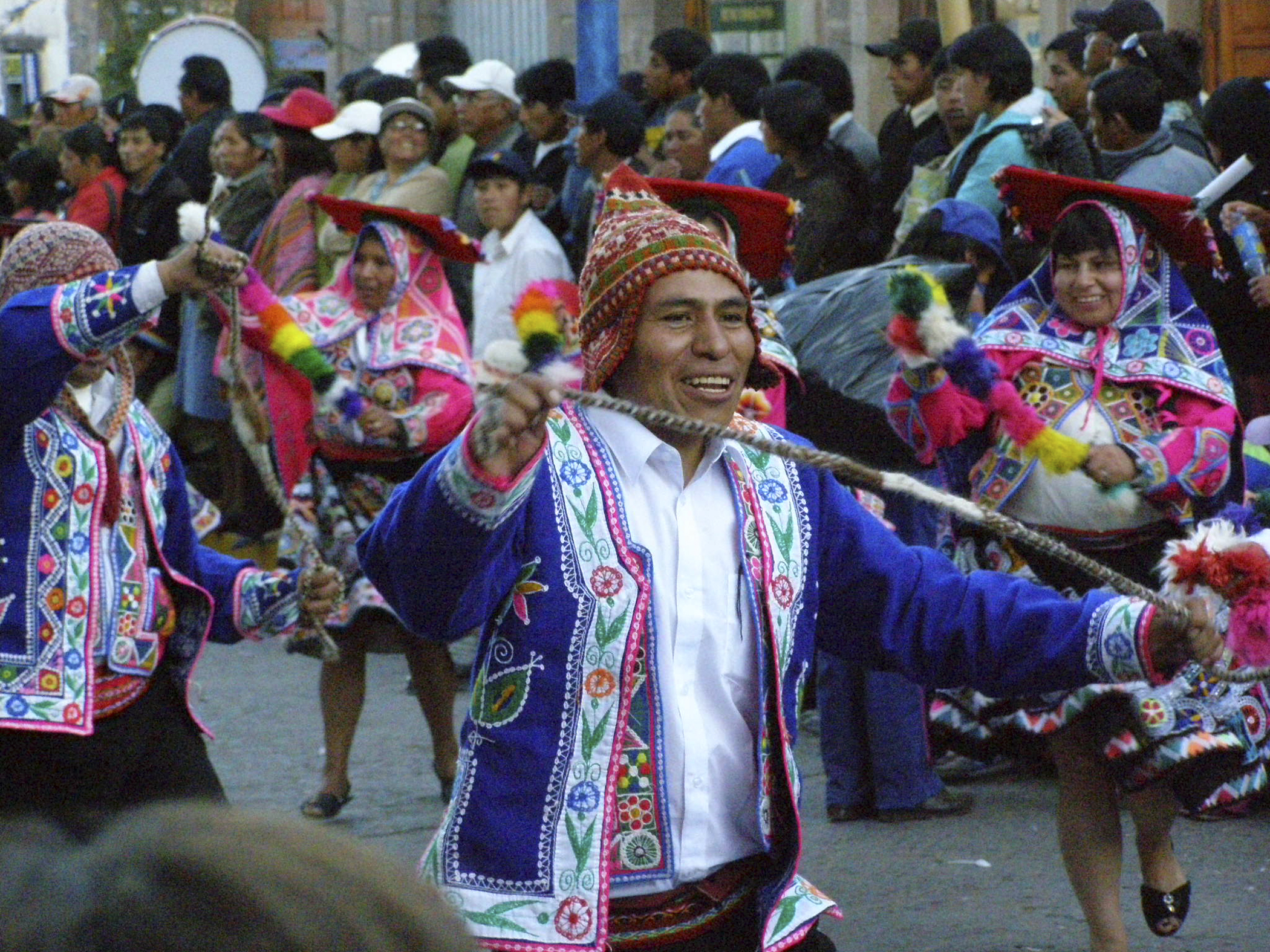
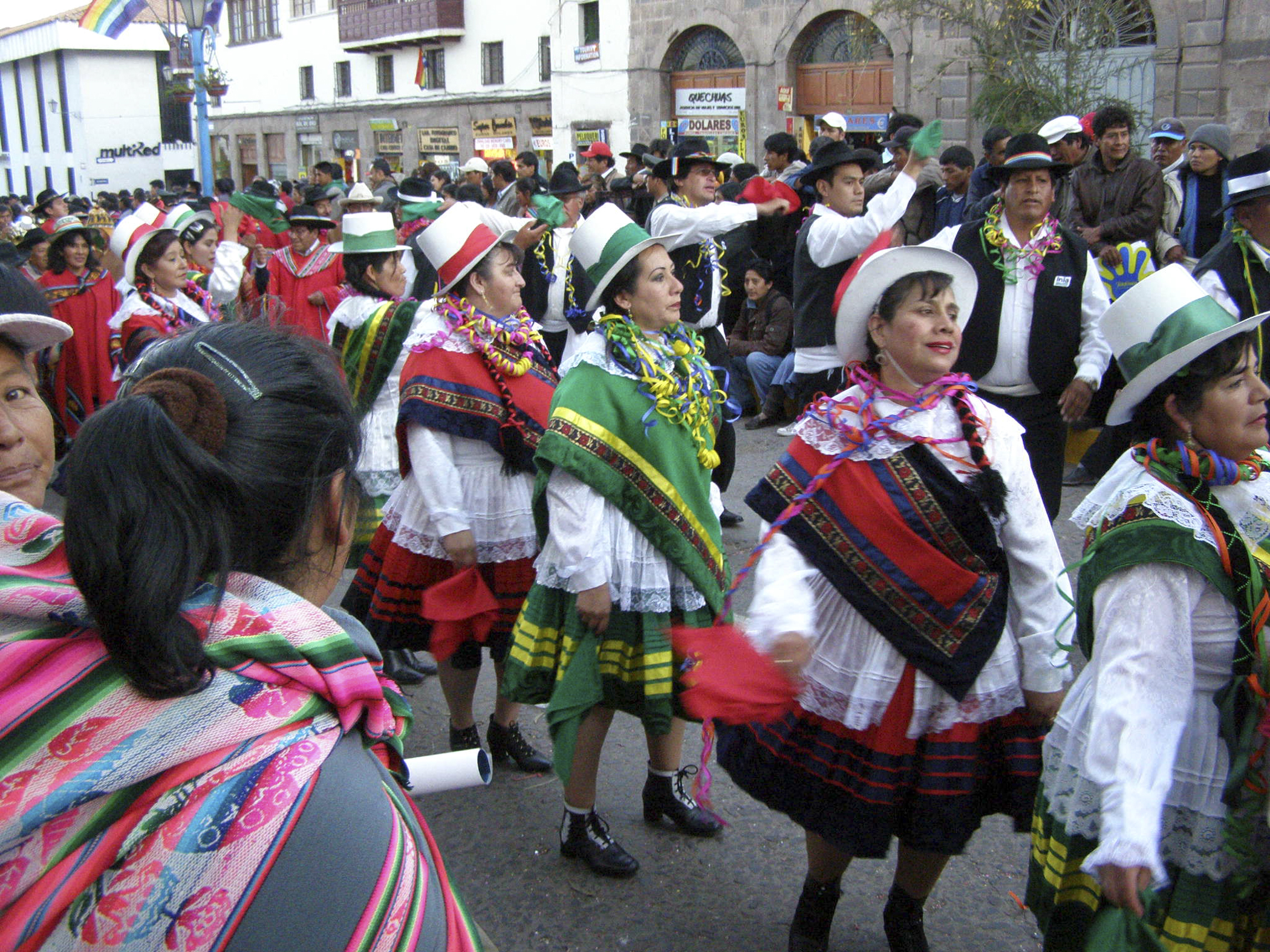
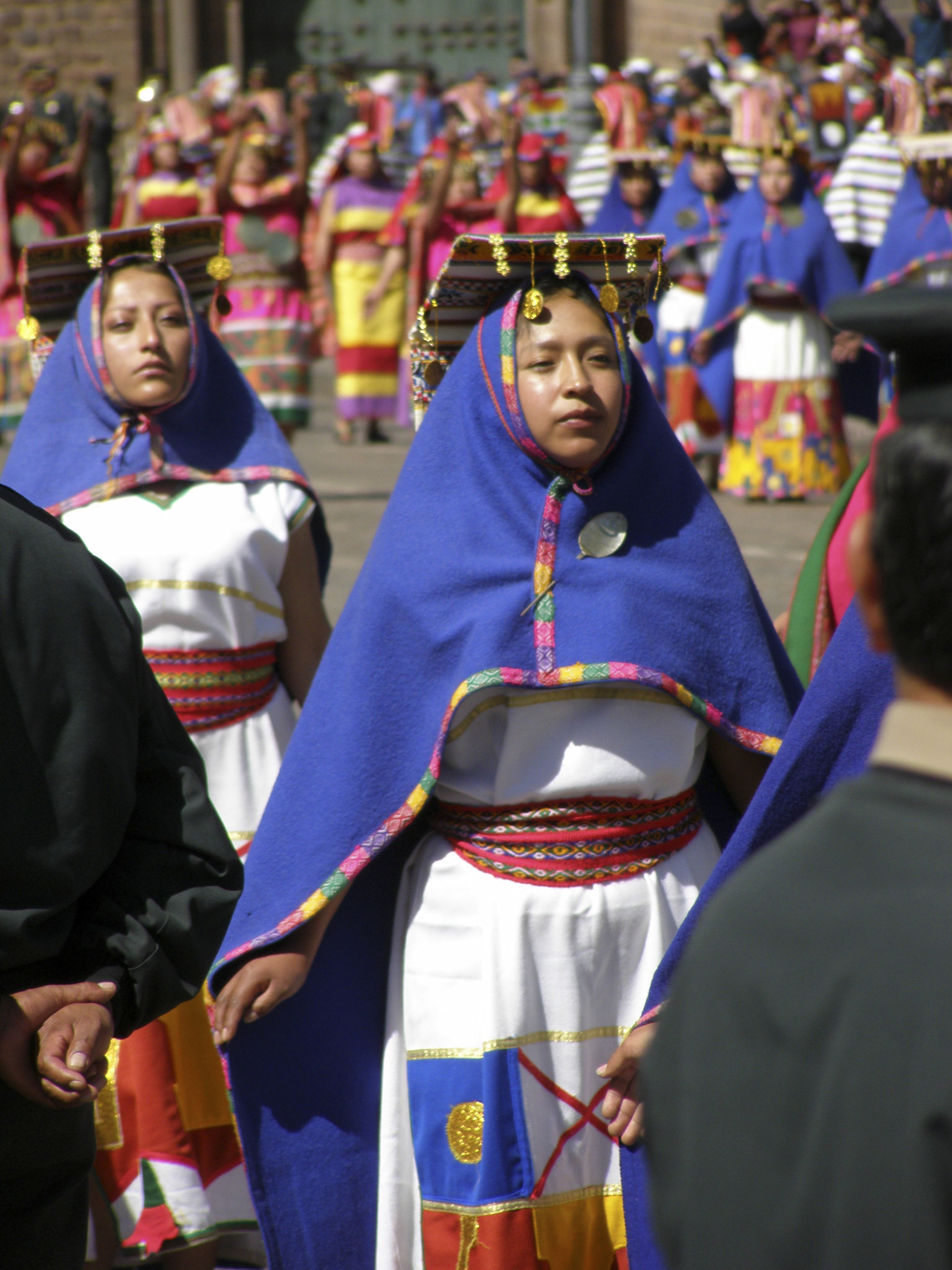
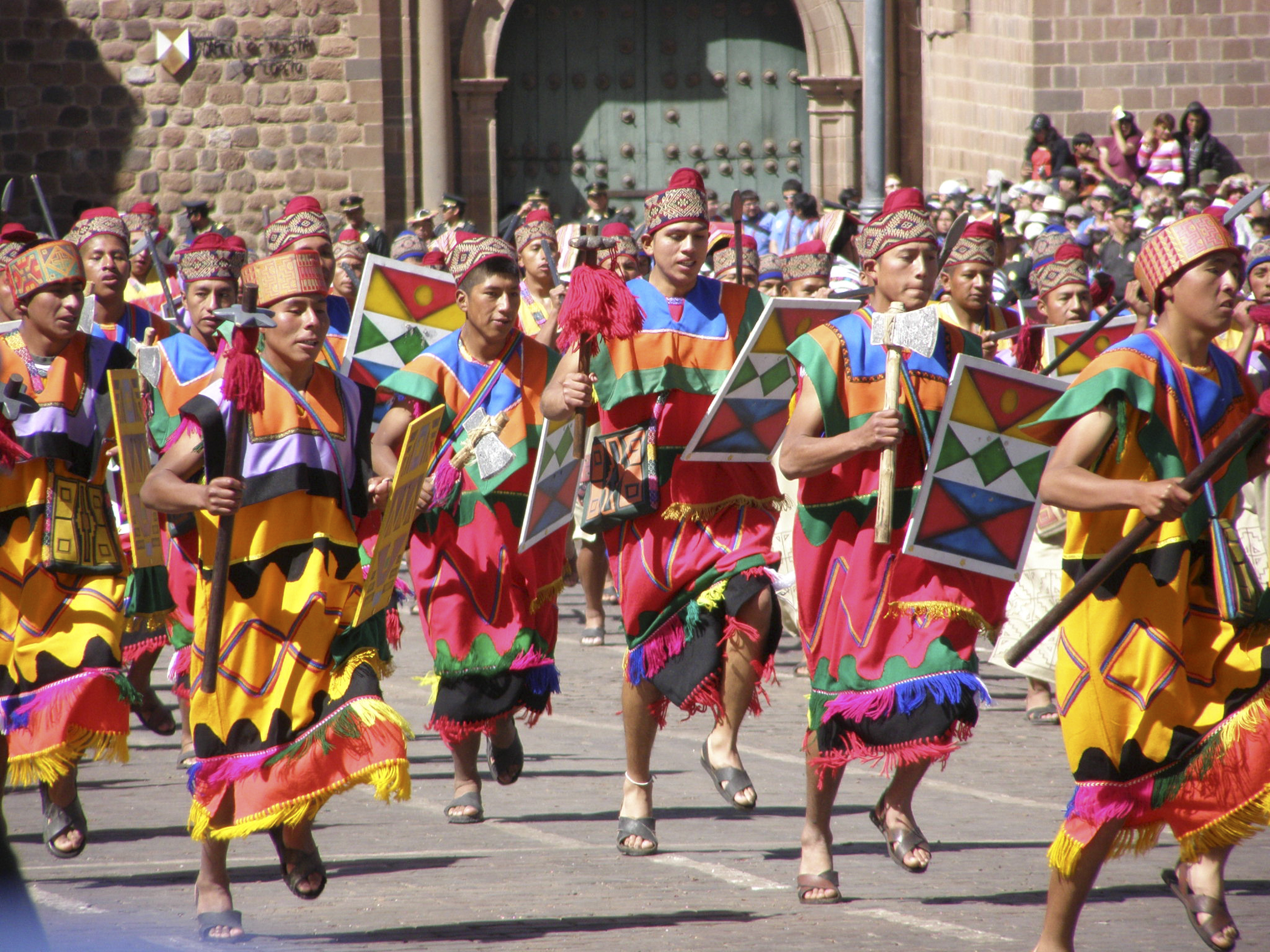
The event has grown over time and now includes 25,000 participants drawn from hundreds of Peruvian indigenous groups, who dress in their unique regional garments parade, dance, and sing their way through Cusco and the Plaza de Armas. They then continue uphill to the ruins of Sacsayhuaman fortress, overlooking Cusco.

In this open expanse above the city roughly 80,000 people gather to watch all the participants fill the field for the grand finale, which depicts simulated animal sacrifices, pledges of loyalty to the Inca emperor from all the tribes, and final offerings to the Sun God. This is the second largest festival in South America, after Carnival. It was a dynamic and colorful event that was a joy to experience.
Till next time,
Craig & Donna

 2 Suitcases for 2 years